
Business
Why Every Unforgettable Celebration Needs a Photo Booth

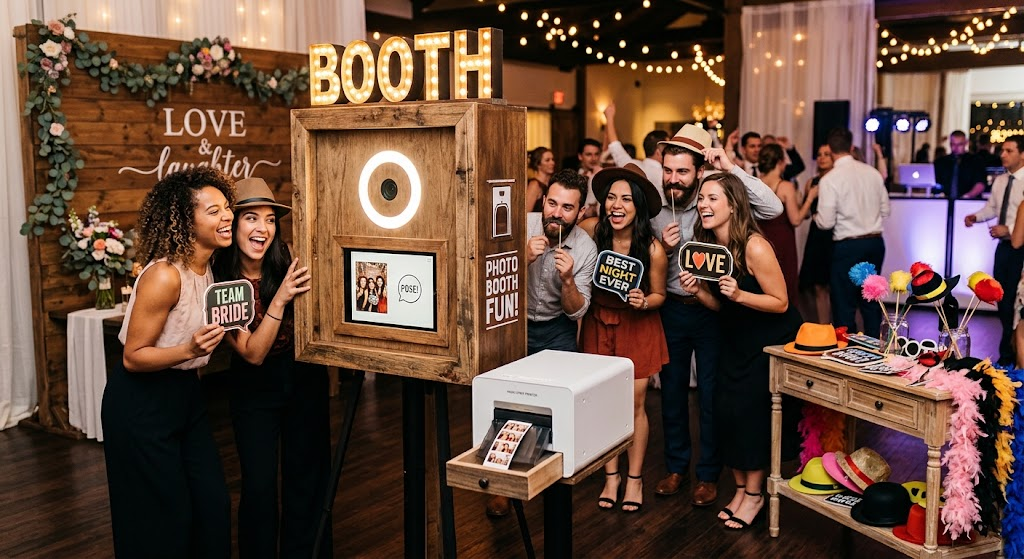
Some moments at a party slip by before anyone thinks to grab a camera. Others get frozen in time the second someone steps behind a curtain, grabs a prop, and strikes a pose with their best friend. That’s the magic 302 PhotoBooth brings to every event — turning fleeting laughter into something guests can hold onto long after the last song plays.
Weddings, birthdays, corporate galas, and graduation parties all share one thing in common: people want to remember how they felt that night. 302 PhotoBooth has built a reputation on delivering exactly that feeling, one flash at a time. Instead of just snapping photos, the company creates an experience that gets guests talking, laughing, and lining up for round two.
This post explores why a photo booth has become one of the most requested additions to modern celebrations, and how 302 PhotoBooth makes the entire process effortless from booking to breakdown.
The Moment Guests Stop Scrolling and Start Smiling
Phones are everywhere at events, but they rarely capture the full personality of a party. A photo booth changes that dynamic entirely. Once the booth lights up, guests naturally gravitate toward it, trading their phone screens for real, shared laughter.
302 PhotoBooth designs every setup to feel inviting rather than staged. The booths are bright, modern, and easy to use, so even guests who’ve never stepped into one before can jump in without hesitation. Add a basket of quirky props — oversized sunglasses, feather boas, funny signs — and suddenly strangers become friends for the three seconds it takes to say cheese.
Why Props and Backdrops Matter More Than People Think
A plain backdrop gets plain photos. 302 PhotoBooth understands that the visual details make or break the experience, which is why their backdrop and prop selection is built around the event itself. A corporate holiday party might call for elegant, branded backdrops, while a sweet sixteen calls for bold colors and playful accessories. That attention to detail is what makes guests say, “I need to send this to everyone I know.”
Turning a Simple Rental Into a Full Entertainment Experience
Booking a photo booth shouldn’t feel like renting a piece of equipment and hoping it works. 302 PhotoBooth treats every event like a performance, with a trained attendant on-site to keep the energy high and the line moving.
Guests get instant prints to take home, along with digital copies they can share within minutes. That combination of something physical and something shareable is part of why photo booths continue to outperform other entertainment options at events. A disposable camera forces guests to wait weeks for results. A phone photo gets buried in a camera roll. A 302 PhotoBooth print ends up on a fridge, a desk, or a frame — a small, lasting reminder of a great night.
How Customization Makes Every Event Feel One-of-a-Kind
No two events are the same, and 302 PhotoBooth doesn’t treat them that way either. Custom print templates can include a couple’s names and wedding date, a company’s logo, or a graduate’s name and class year. These small touches turn a generic photo strip into a personalized keepsake that feels designed specifically for that celebration.
Hosts can also choose from different booth styles, from classic enclosed booths with curtains for a nostalgic feel, to open-air setups that let larger groups pile in together. That flexibility means the booth adapts to the event, not the other way around.
The Difference Between a Good Party and a Memorable One
Plenty of things can make an event enjoyable: good food, great music, thoughtful decor. But memorable events have something extra, a detail guests bring up weeks later when they talk about how much fun they had. For countless clients, that detail has been their 302 PhotoBooth experience.
Event planners often point to the photo booth as the single item that kept guests engaged from start to finish. Instead of standing around waiting for the next activity, people naturally drift toward the booth throughout the night, creating a steady stream of energy that keeps the whole event feeling lively.
What Makes Booking With 302 PhotoBooth Simple
Planning an event involves enough moving parts without worrying about complicated rental logistics. 302 PhotoBooth streamlines the process from the first inquiry, offering clear package options, transparent pricing, and responsive communication so hosts know exactly what to expect.
Setup and breakdown are handled entirely by the team, meaning hosts never have to lift a finger or troubleshoot equipment mid-event. That reliability has made 302 PhotoBooth a trusted name for planners who need one less thing to worry about on event day.
Making the Choice That Keeps Guests Talking
Capturing joyful, candid moments guests will treasure for years starts with a trusted Photo Booth Rental from 302 PhotoBooth. Whether the event is an intimate anniversary dinner or a 300-person corporate celebration, the right booth setup adds a layer of fun that few other additions can match.
Choosing 302 PhotoBooth means choosing a team that understands events inside and out, from the small personalization details to the big-picture goal of keeping every guest smiling. The result isn’t just a pile of photo strips. It’s a collection of memories that guests will pull out of a drawer years later and immediately remember exactly how that night felt.
For anyone planning their next event, the question isn’t whether a photo booth would be a nice addition. It’s how much more memorable the night could be with one. 302 PhotoBooth is ready to help answer that question, one photo at a time.

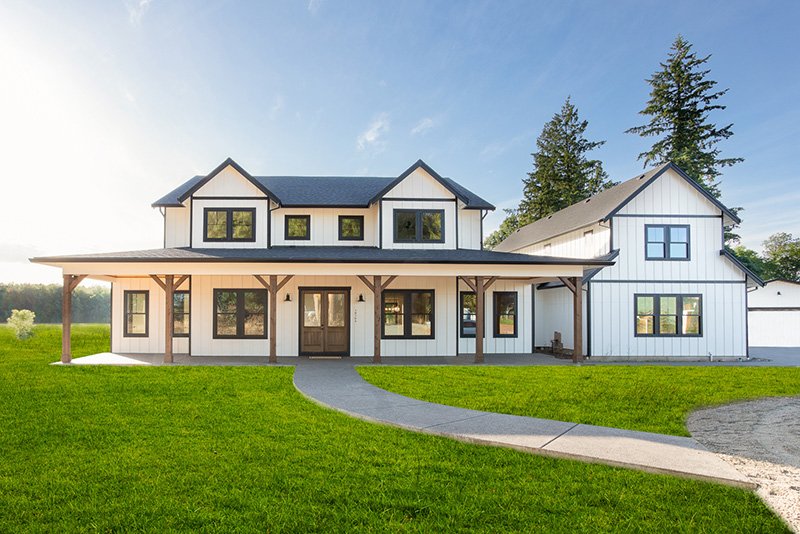
More families than ever are choosing to share a home across generations. Adult children move back after school, grandparents move in to be closer to family, and parents of young kids want built-in help nearby. A standard house rarely handles this well. Bedrooms are in the wrong places, there is one kitchen and one living room, and nobody gets a moment of privacy.
- Start With Honest Conversations
- Choose a Layout That Gives Everyone Room
- Plan for Accessibility From Day One
- Think Carefully About the Kitchen
- Manage Noise and Privacy
- Plan Storage and Utilities for More People
- Choose a Builder Who Can Handle Complexity
- Think Through Financing Early
- Questions to Ask Before You Build a Custom Home for Your Family
- Build a Home That Grows With Your Family
That is why many households decide to build a custom home designed for several generations from the start. Done well, a home built this way gives everyone their own space while keeping the family close. Here is how to think through the layout, the details, and the planning when you build a custom home for more than one household.
Start With Honest Conversations
Before anyone looks at floor plans, talk through how the household will actually work. A home that works for several generations succeeds or fails on daily habits, not square footage, so it pays to settle them before you build a custom home. A few questions are worth settling early:
- Who will live in the home now, and who might move in later?
- How much privacy does each person or couple want?
- Will everyone share a kitchen, or does someone need their own?
- Who needs easy access without stairs?
- How do you want to handle guests, noise, and shared spaces?
These answers shape every decision that follows. If you build a custom home without having them, you may end up with a house that looks great and feels crowded.
Choose a Layout That Gives Everyone Room
There is no single right layout, but a few common approaches work well. The right one depends on how independent each household wants to be.
A Main House With a Private Suite
This is the most popular option. One part of the home is set up as a self contained suite with its own bedroom, bathroom, and a small sitting area. It might be on the main floor, over the garage, or tucked into a wing on the opposite side of the house. Everyone shares the main kitchen and living spaces, but the suite offers a retreat.
Two Primary Suites on Different Levels
Some families build a custom home with a primary suite on the main floor and a second one upstairs or on a separate wing. This works well when two couples share a home and want equal privacy. It also lets one suite serve as a guest space later if needs change.
A Home With a Second Living Area
A second living room, family room, or loft gives people somewhere to go that is not the main gathering space. It can make a big difference when teenagers want to hang out, someone works from home, or an older relative wants quiet time.
A Home With an Attached or Detached Unit
If the property allows it, an accessory dwelling can offer the most independence. Zoning rules vary a lot, so check local requirements early. Some owners also plan an accessory dwelling as rental or resale property down the road, which is another reason to confirm what your city or county allows before you build a custom home around it.
Plan for Accessibility From Day One
Even if everyone in the household is healthy and mobile today, it is smart to build in features that make the house easier to live in as needs change. These details cost little when you build a custom home and are expensive to add later:
- A bedroom and full bathroom on the main floor
- Wider doorways and hallways
- A shower with a low or curbless entry
- Lever style door handles and good lighting
- A step free entry from the garage or porch
None of this has to look clinical. Good design makes accessible features blend in, so the house feels like a normal, welcoming home for everyone.
Think Carefully About the Kitchen
The kitchen is where multigenerational homes are tested every day. Some families prefer one large kitchen with an oversized island, plenty of counter space, and room for several people to work at once. Others want a second kitchen or a kitchenette in the private suite so that one household can cook on its own schedule.
When you build a custom home for several generations, consider extras such as a walk in pantry, a second sink, a separate prep area, or a layout that keeps traffic flowing without anyone getting in the way. These small decisions affect daily life more than almost any finish.
Manage Noise and Privacy
Living together means hearing each other, unless the house is designed to prevent it. A few choices help:
- Place bedrooms away from busy gathering areas
- Use extra insulation in shared walls and ceilings
- Separate quiet spaces from active ones
- Give each household its own entrance or private path if possible
A thoughtful layout reduces friction, which is one of the biggest payoffs when you build a custom home for a larger household, and makes it easier for everyone to enjoy the time they spend together.
Plan Storage and Utilities for More People
A home for six or eight people needs more than a home for three or four, and that planning matters when you build a custom home. Think about laundry capacity, mudroom storage, garage space, and a pantry that can handle bigger grocery runs. Consider a second laundry room if two households share the home, and think about water heating, heating and cooling zones, and electrical capacity so the house works comfortably for everyone.
If you build a custom home with multiple living areas, separate heating and cooling zones can let each part of the house stay at a different temperature. That is a small detail that prevents a lot of arguments.
Choose a Builder Who Can Handle Complexity
A multigenerational plan is more detailed than a typical one, and it takes a team that knows how to build a custom home with extra layers. It often involves private suites, extra bathrooms, accessible features, and more complex utility planning. That makes it especially important to work with a builder who manages the entire project and can explain how each piece fits together.
Adair Homes, for example, has been building since 1969 and has completed more than 23,000 custom homes across Arizona, Idaho, Oregon, and Washington. Adair offers more than 50 predesigned plans, including options for larger households, and customers can make concrete changes such as moving a wall, adding a window, or reworking a floor plan. If you want something entirely different, you can design your home from scratch with an in house drafting team and watch your dream home come to life.
Adair also manages site preparation, permitting, and construction from start to finish, with a network of trusted trade partners handling specialized work while Adair oversees the build. That coordination matters even more when the plan has extra layers.
Think Through Financing Early
Multigenerational projects often involve more than one household, and sometimes more than one source of funds. Construction financing works differently from a regular mortgage, so it helps to speak with a lender who specializes in it before you finalize plans. Adair customers can work with Basis Home Loans, which focuses on construction financing. Whichever lender you choose, ask how the loan is structured and how the project is paid for in stages, especially if more than one family is involved.
Questions to Ask Before You Build a Custom Home for Your Family
Bring a short list to your first meeting with a builder:
- How can the layout give each household privacy while keeping shared spaces welcoming?
- What accessibility features can be built in without changing the look of the home?
- Can the plan be adjusted if the household changes over time?
- How are utilities, heating, and cooling zoned for multiple living areas?
- Who manages permitting, site work, and the trade partners?
A good builder welcomes these questions and responds with specifics instead of general promises.
Build a Home That Grows With Your Family
The best multigenerational homes are not just bigger. They are smarter, which is what you get when you build a custom home with the whole family in mind. They give people room to be together and room to be apart, and they stay useful as the family changes.
If you are ready to build a custom home for your whole family, start with honest conversations, choose a layout that fits how everyone lives, and work with a builder who manages the process from start to finish. The result is a home where every generation feels at home.

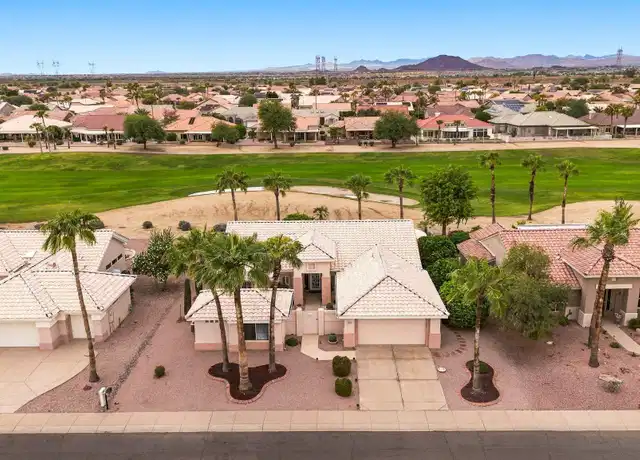
Finding the right home in Sun City West, Arizona, involves more than comparing property prices and square footage. Buyers should consider their preferred lifestyle, maintenance requirements, neighborhood location, and access to community amenities. With a variety of established homes and different property styles available, exploring homes for sale in Sun City West, AZ can help buyers compare their options and find a property that suits their needs. Taking time to understand the local housing options can make the search more productive.
1. Understand the Available Home Styles
Sun City West has a variety of single-family homes, duplexes, patio homes and condominiums. All of these options have various advantages in relation to their respective space requirements and price range.
For those seeking extra privacy, outdoor space or room for hobbies, detached houses might be the perfect choice. Patio homes and attached homes may be appropriate for less exterior maintenance. Another alternative is condominiums, which might be suitable for individuals who wish to reside in a more compact setting.
Before you take a look at the best homes for sale in Sun City West, AZ, you should first decide which home style you are looking for in your daily life.
2. Compare Different Neighborhood Locations
While Sun City West is one planned community, there are variations in the characteristics of the neighborhoods. Some have more access to recreation centres, clubs and community activities, whereas some have a view of the golf course or more residential surroundings.
Located close to the R.H. Johnson Recreation Center, the surrounding historic neighborhoods offer easy access to social activities, entertainment and community facilities. Other homes in the vicinity of Palm Ridge and Desert Grande have various home styles and neighborhood conditions.
For visitors, it is wise to visit their favorite places at various hours during the day to get a feel for the environment, traffic and overall atmosphere.
3. Consider Access to Recreation and Amenities
Sun City West is one of the things that stand out about it: it’s a place for the active adult. Residents can enjoy the recreational amenities such as golf, swimming, exercise facilities, pickleball, tennis, bowling, and other clubs.
Palm Ridge Recreation Centre is another of the community’s most popular places to exercise and enjoy recreation. Other facilities offer opportunities for hobbies, socializing and structured activities.
One of the key factors to take into account when making a comparison between properties is the distance between the house and the amenities you will be utilising on a regular basis. Also, recreation fees and/or activity fees must be reviewed with buyers before purchase.
4. Look Beyond the Asking Price
There’s more to the asking price than is immediately apparent. Other things to consider are the condition, renovations, roof, air-conditioning system, plumbing and other big appliances.
There are some homes that have modernized kitchens, bathrooms, floors, windows or outdoor areas, and other homes that may need improvement. Having a professional inspection before you make a purchase can help pinpoint possible maintenance issues.
Property taxes, insurance, utility bills and any applicable HOA fees should also be reviewed. A comparison of these costs can guide buyers to decide if a home is in their long-term budget.
5. Think About Your Future Space Requirements
Your home needs to serve both present and future needs. Are there extra bedrooms needed for family visiting, an office, a space for hobbies, more space in the garage or a manageable outdoor space?
Bonus rooms, additional garages, covered patios and flexible living areas are some of the amenities found in some Sun City West homes. Depending on the way you plan to live on the property, these features can make life easier.
6. Review Community Rules and Property Details
Check the relevant Hookah Club HOA documents, community restrictions and recreation fees before offering to purchase. Association plans are not identical for all properties, and buyers should make sure to check the fees and regulations of their desired property.
Knowing these facts in the early stages can be an effective safeguard from those unforeseen costs and ensure that potential purchasers can make a realistic comparison of properties.
Final Thoughts
Finding the right home in Sun City West requires balancing property features, location, affordability, and lifestyle preferences. Comparing available listings and understanding community amenities can help narrow the search. Buyers exploring local properties can also find home listings and area information through Lockwood Real Estate Group.

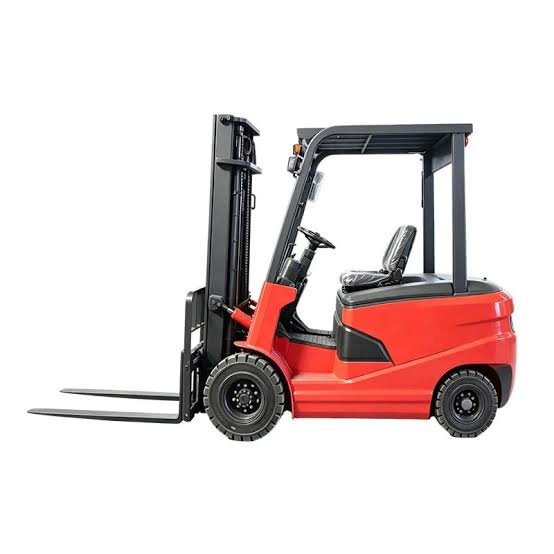
A bad forklift choice doesn’t show itself on delivery day. It takes a few months.
Then the truck labours up the ramp. The mast won’t clear the roller door. The battery’s flat by two. None of that is the brand’s fault. Most of the time, the model just didn’t suit the job.
Linde forklifts cover a lot of ground, from small electric trucks for the warehouse to heavy diesel units for the yard. So, the real work is narrowing it down. Looking at a used forklift for sale, or ordering new? The questions don’t change.
Step One: Know Your Load
Start with what’s going on the forks.
Weigh your heaviest regular load. Not the average, the heaviest. Measure it too, because size matters as much as weight. A pallet of bagged cement and a pack of 6 metre timber can weigh about the same, but they handle nothing alike.
It comes down to load centre. Capacity is rated with the load sitting a set distance out from the fork face. Long or bulky loads sit further out, so the truck can safely lift less. Go higher and it drops again.
While you’re measuring, check your top beam and allow a bit of clearance above it.
Ask your supplier: “What can this truck safely lift at our highest rack, with the loads we actually handle?”
Step Two: Know Your Site
Now walk the site.
Smooth concrete suits an electric truck on cushion or solid tyres. Gravel, potholes, and a yard that turns to slop after rain call for more clearance and grip, which usually means an engine powered truck on pneumatic tyres.
Look for the tight spots. Narrow aisles. Low doorways. Steep ramps. Container floors, too. A truck that gets around the warehouse fine might not fit inside a shipping container, and if you’re unloading one every week, that’s a problem.
Hours count too. One shift is easy going for most trucks. Run two or three and you’ll need a proper plan for charging or refuelling.
Matching Linde Models to Common Jobs
General warehouse work
Most sites end up with an electric counterbalance. It’s quiet, there’s no exhaust where people are working, and servicing is usually lighter than on an engine truck. Linde makes 3-wheel versions that turn tighter in busy aisles, and 4-wheel versions that feel steadier on ramps.
High racking and narrow aisles
Tall racking packed close together? A reach truck often suits better. It lifts high and squeezes into narrower aisles than a counterbalance can, so you get more storage out of the same shed.
Docks and short runs
For loading docks, backrooms, and quick trips across the floor, electric pallet trucks and stackers do the job. They’re simpler machines and they don’t take up much room.
Outdoor yards and heavy loads
Diesel country. Building supply yards, timber yards, and transport depots need the grunt, and a refuel only takes a few minutes. Many Linde engine trucks run hydrostatic drive, which gives you smooth, fine control when you’re creeping up to a heavy pack.
A bit of both
Outside in the morning, inside after lunch? LPG is worth a look. It can work indoors as long as there’s good ventilation.
Takeaway: Choose the type of truck for the job first. Capacity, mast, and attachments come after.
Masts and Attachments
For general work, a duplex mast is usually enough. A triplex reaches higher but still sits low enough to get under most doorways.
Attachments save a lot of fiddling. Side shift is the one nearly everyone uses. Fork positioners help when pallet sizes vary. Clamps and rotators are for specialised loads.
Each one adds weight, though, and takes a bite out of rated capacity.
Don’t Forget the Operator
Someone has to sit in it all day.
How well they can see through the mast, how comfortable the seat is, and how natural the controls feel all affect how safely and quickly they work. Put your regular driver on it before you buy. A machine that’s awkward to drive tends to get driven badly.
New or Used?
A new forklift for sale comes with warranty cover and the setup you ordered. That’s worth paying for when the work is hard and daily, or the spec is unusual.
Used Linde forklifts can be good value for lighter jobs, occasional work, or as a backup. Check the hours, service history, mast, chains, forks, tyres, and hydraulics, then drive it.
Before You Sign
Five quick questions:
- What’s the heaviest load, and how long is it?
- How high is the top rack?
- Indoors, outdoors, or both?
- Where’s the narrowest aisle and the lowest doorway?
- How many hours a day will it run?
Answer those and you’re ready to compare any forklift for sale properly.
Melbourne based Heavy Lift Forklifts sells new and used Linde forklifts, as well as other brands, and handles servicing and repairs. Bring your measurements and load details, and they can help match a truck to the work. Still on the fence? A short hire lets you try before you commit.

Renting a Stylish Coupe in Dubai: What Actually Matters

How to Tell Real Korean Toxin Brands From Copycat Vials Before You Buy

A Practical Guide to Fortnite Accounts and V-Bucks

Alex Pettyfer Net Worth, Wife, Age, Height, Children, Career and More

Brad Williams Net Worth, Wife, Height, Age, Daughter, Family, Career and More

Eldorado.gg Review 2026: How It Works, Safety, Fees, and Risks
-
Celebrity11 months ago
Alex Pettyfer Net Worth, Wife, Age, Height, Children, Career and More
-
Celebrity11 months ago
Brad Williams Net Worth, Wife, Height, Age, Daughter, Family, Career and More
-
Blog3 months ago
Eldorado.gg Review 2026: How It Works, Safety, Fees, and Risks
-
 Anime12 months ago
Sanzoku Bandits of One Piece: Origins, Higuma, and Their Role in Dawn Island
-
 Celebrity11 months ago
John McGinn Net Worth, Age, Height, Wife, Childrens, Career and More
-
 Celebrity11 months ago
Frances de la Tour Net Worth, Age, Height, Husband, Childrens, Career and More
-
 Celebrity11 months ago
Will Trickett Net Worth, Wife, Childrens, Age, Career and More
-
 Blog3 months ago
Crackstube: A Complete Guide to the Digital Publishing Platform