
Business
Clearing the Chaos: Why Smart Builders Trust Professional Dumpster Rentals


Construction sites generate mountains of debris faster than most people expect. Broken drywall, scrap lumber, old shingles, and packaging waste pile up within days, turning a well-organized job site into a hazard zone. For contractors and homeowners alike, managing this waste efficiently isn’t just a matter of tidiness — it’s a matter of safety, compliance, and keeping projects on schedule.
That’s where Regency Hauling LLC comes in. With years of experience serving builders, remodelers, and property owners, Regency Hauling LLC has built a reputation for dependable waste removal solutions that keep job sites running smoothly from the first demolition swing to the final cleanup sweep.
This post breaks down why waste management matters so much in construction, what makes a dumpster rental service worth your investment, and how partnering with the right provider can save you time, money, and headaches.
The Hidden Costs of Poor Waste Management on Job Sites
Many project managers underestimate how much debris accumulation can derail a timeline. Cluttered walkways slow down crews, increase the risk of injury, and create liability issues that no contractor wants to deal with. Beyond safety, there’s also the matter of compliance — many municipalities have strict regulations about how construction waste must be sorted, stored, and disposed of.
Without a reliable system in place, workers end up spending valuable hours hauling debris by hand or making repeated trips to the local landfill. That’s time better spent building, not bagging scraps. A well-planned waste removal strategy eliminates these inefficiencies before they start.
What Sets a Quality Dumpster Rental Service Apart
Not all dumpster rental providers operate the same way, and the difference shows up in the details. Here’s what separates a merely adequate service from a genuinely valuable one:
Flexible Sizing Options
Every project has different waste volumes. A kitchen remodel doesn’t generate the same debris load as a full commercial teardown. A quality provider offers a range of container sizes so you’re never paying for space you don’t need — or scrambling for a second bin halfway through the job.
Transparent Pricing
Hidden fees can quietly inflate a project’s budget. Reputable companies provide straightforward quotes that account for delivery, pickup, weight limits, and rental duration upfront, so there are no unpleasant surprises on the final invoice.
Reliable Scheduling
Timing matters on a construction site. Late deliveries or missed pickups can bring work to a standstill. Dependable providers coordinate drop-off and removal around your project’s actual timeline, not their own convenience.
Responsible Disposal Practices
Increasingly, clients and regulators expect waste to be handled responsibly. Providers who prioritize recycling and proper sorting help reduce landfill overflow and support more sustainable building practices.
How Regency Hauling LLC Supports Builders at Every Stage
Regency Hauling LLC has designed its services around the real rhythms of construction work. The company understands that no two projects look alike, which is why it offers a range of container sizes to match everything from small residential renovations to large-scale commercial builds.
Customers consistently point to a few standout qualities when describing their experience with Regency Hauling LLC:
- Prompt delivery and pickup that respects project deadlines
- Clear, upfront pricing with no hidden surcharges
- Knowledgeable staff who help customers choose the right container size for their specific job
- Consistent availability, even during peak building seasons
These aren’t small details. They’re the difference between a job site that runs on schedule and one that stalls over avoidable logistics problems.
Making the Right Choice for Your Next Project
Choosing a waste removal partner shouldn’t be an afterthought tacked onto the end of project planning. It deserves the same consideration as choosing materials or subcontractors, because the wrong choice can slow down everything else.
Reliable and affordable construction dumpster rental services make it easier for contractors and homeowners to keep their job sites clean, safe, and on schedule without worrying about unexpected costs or delays. Regency Hauling LLC built its process around that exact need, offering a straightforward rental experience that lets builders focus on the work in front of them instead of the debris piling up around it.
Whether the job involves a full-scale commercial build or a weekend home renovation, having a dumpster ready and waiting removes one more variable from an already demanding process. It’s a small logistical decision that pays off in a big way — fewer delays, safer conditions, and a cleaner site from start to finish.
Building Toward a Cleaner Job Site
Construction projects move fast, and the waste they produce shouldn’t be the reason they slow down. Partnering with a dependable hauling service means fewer disruptions, a safer work environment, and more time spent on what actually matters: getting the job done right.
Regency Hauling LLC remains committed to helping builders and homeowners manage debris with the same professionalism they bring to their own craft. For anyone planning an upcoming project, reaching out early to schedule a rental can mean the difference between a chaotic site and a controlled one.

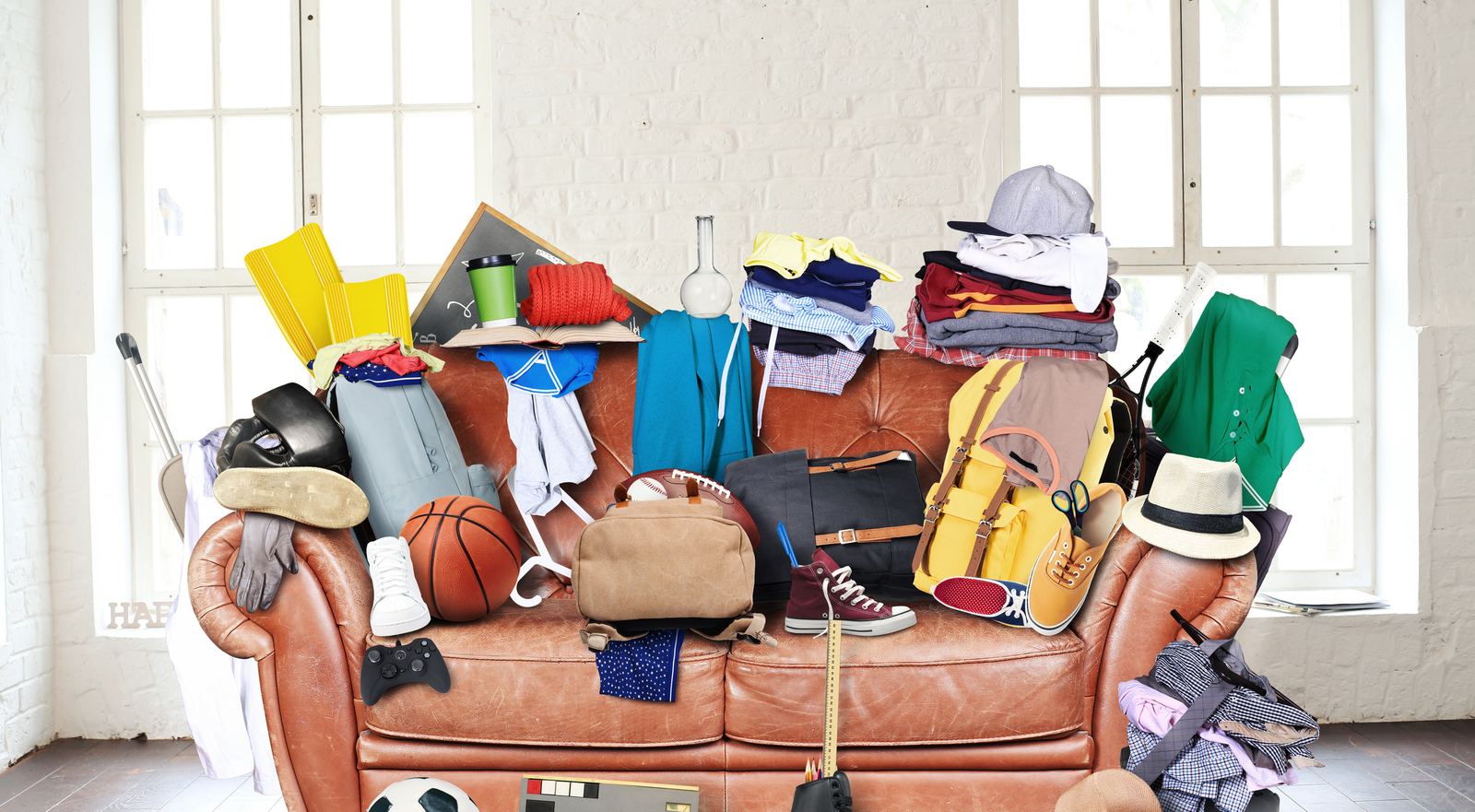
Many parents face an overwhelming challenge as their children accumulate toys, clothes, and gear year after year. Closets overflow, playrooms become storage units, and families struggle to decide what to keep, donate, or discard. What if that pile of outgrown items could become more than just clutter? Converting excess children’s belongings into a profitable venture is not only possible but increasingly common among entrepreneurs who recognize the value in secondhand kids’ merchandise.
Understanding the Market for Used Children’s Items
The secondhand children’s goods market has experienced significant growth over the past decade. Parents constantly seek affordable options for items their kids will quickly outgrow, and quality used merchandise provides an excellent solution. Items such as infant gear, toys, clothing, and educational materials hold substantial resale value when they remain in good condition. Many families budget for children’s expenses by purchasing secondhand, and this trend shows no signs of slowing. Understanding this demand is the first step toward recognizing that your household clutter represents genuine market opportunity.
Evaluating What’s Worth Selling
Not every toy or outfit deserves shelf space in your inventory. Begin by honestly assessing the condition of items you plan to sell. Toys should have all original pieces, function properly, and show minimal wear. Clothing must be clean, free from stains or damage, and in styles that remain current or classic. Items recalled by manufacturers should never be sold, and electronics require thorough testing before listing. By curating a collection of quality merchandise, you establish credibility with buyers and increase the likelihood of successful sales.
Choosing Your Sales Platform
Multiple platforms exist for selling children’s items, each with distinct advantages and audiences. Online marketplaces designed specifically for family goods attract buyers actively searching for children’s merchandise. Social media groups focused on local buying and selling create community connections and reduce shipping costs. Consignment shops offer a hands-off approach where you bring items and split profits with the store. Traditional e-commerce platforms provide broader reach but involve more competition and sustained marketing effort. Your choice depends on the volume of items you have, the time available for managing sales, and your target audience.
Building a Sustainable Inventory System
Success in this business model requires organization and consistency. Establish a dedicated space in your home where you can photograph, store, and manage inventory. Create a simple tracking system noting purchase dates, original prices, and when items are listed for sale. Regular rotation of new merchandise keeps customers interested and encourages repeat purchases. Many successful sellers develop relationships with local families, schools, and daycare centers who become steady sources of both supply and demand. Building this system early prevents the very clutter problem you set out to solve.
Marketing Your Children’s Merchandise Business
Effective marketing does not require a large budget, but it does require deliberate effort and consistency. Photographs are your most powerful tool, so invest time in capturing clear, well-lit images of items from multiple angles against a neutral background. Write honest product descriptions that include brand names, sizes, and any wear or imperfections, as transparency builds buyer trust and reduces return requests. Engage with your customer base through social media, respond quickly to inquiries, and maintain professional communication at every stage of a transaction. Word-of-mouth recommendations from satisfied customers are invaluable, so prioritize exceptional service and fair pricing above all other promotional tactics. Building an email list of repeat customers creates opportunities to notify them of new inventory before it goes to general audiences, which rewards loyalty and drives faster sales.
Scaling From Side Project to Real Business
What begins as clearing household clutter can evolve into a legitimate business operation. Some sellers eventually establish storefronts, hire help, or partner with other parents to source merchandise. Entrepreneurs who want to enter the children’s resale space with an established brand and proven systems often rely on a kidswear franchise to provide the operational framework, supplier relationships, and brand recognition that accelerate growth beyond what independent selling typically allows. As your operation grows, you will need to consider business registration, sales tax collection, and accurate record keeping for tax purposes. Reinvesting profits into better photography equipment, storage solutions, or targeted marketing accelerates that growth further. The transition from casual selling to a structured business requires planning, but it is entirely achievable for motivated entrepreneurs willing to treat the process seriously from the start.
Conclusion
Transforming childhood clutter into a business venture requires honest assessment of your inventory, selection of appropriate sales channels, and commitment to customer service. The market for quality secondhand children’s items continues to expand as families seek value and sustainability. By organizing your approach, maintaining high standards for merchandise quality, and engaging effectively with customers, you can turn what was once excess into a legitimate income source. This opportunity demonstrates that household items gathering dust represent untapped potential for entrepreneurs willing to invest time and effort into building a structured, scalable business model.

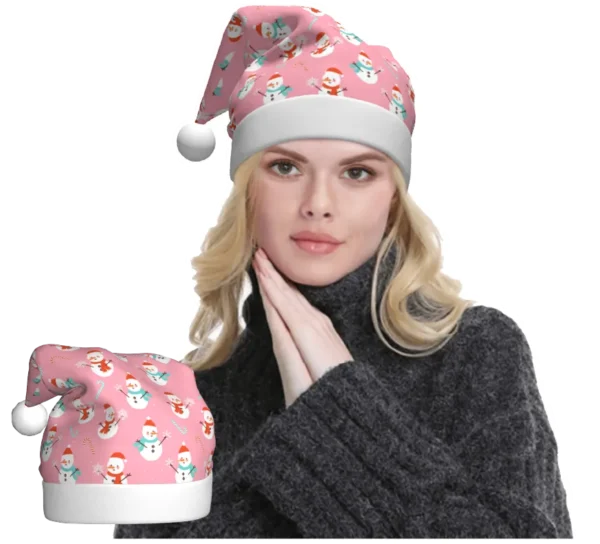
Santa hats have become one of the most recognizable symbols of Christmas, bringing color, excitement, and festive spirit to holiday celebrations. From family gatherings and office parties to school events and community festivals, these cheerful accessories help people feel connected to the season. Wearing matching hats, taking holiday photographs, and participating in themed activities can turn simple moments into lasting memories. Families and event organizers also explore Custom Santa Hats designs to add personal touches through different colors, names, patterns, and decorative details. With their familiar appearance and playful charm, Santa hats help people celebrate traditions, express creativity, and make every holiday season feel more special.
- The Meaning Behind Santa Hats During Christmas
- How Santa Hats Make Holiday Traditions More Special
- Creative Santa Hat Designs for Different Celebrations
- Santa Hats at Schools, Offices, and Community Events
- Choosing Comfortable and Durable Santa Hats
- Frequently Asked Questions
- Why are Santa hats popular during Christmas celebrations?
- How can Santa hats become part of family traditions?
- Are personalized Santa hats suitable for group events?
- What materials are best for Santa hats?
- How should Santa hats be stored after the holidays?
- Conclusion
The Meaning Behind Santa Hats During Christmas
Santa hats represent the joyful atmosphere associated with Christmas. Their traditional red fabric, white trim, and soft pom-pom make them instantly recognizable during the holiday season. Although they are simple accessories, they can create a festive mood wherever they appear.
People often wear Santa hats while decorating Christmas trees, exchanging presents, attending parties, or enjoying seasonal activities. Their familiar appearance helps establish a connection with childhood memories and long-standing holiday customs.
Bringing Families Together
Christmas is often an opportunity for families to spend meaningful time together. Wearing Santa hats during shared activities can make ordinary moments feel more celebratory. Parents and children might wear matching hats while decorating the home, preparing holiday meals, or opening presents.
These small traditions can become important memories that families look forward to repeating every year. Children may particularly enjoy choosing their own hats or helping relatives select festive accessories.
Creating a Festive Atmosphere
Santa hats can quickly transform a gathering into a Christmas celebration. When guests arrive wearing red and white hats, the setting feels more playful and welcoming.
They can also complement Christmas decorations such as wreaths, lights, stockings, and ornaments. Whether a celebration takes place at home or in a large event venue, Santa hats add a recognizable seasonal detail without requiring elaborate preparation.
How Santa Hats Make Holiday Traditions More Special
Holiday traditions often involve repeating enjoyable activities that bring people closer together. Santa hats can become part of these rituals, helping families and groups create recognizable customs that continue over time.
Annual Christmas Photography
Taking photographs is one of the easiest ways to preserve holiday memories. Families can wear Santa hats for an annual portrait and compare the pictures from different years.
Children growing older, new family members joining the celebration, and changing decorations make each photograph unique. Matching hats can create a consistent visual theme while allowing everyone to participate.
Friends can also use Santa hats during group photographs at Christmas dinners, office parties, and festive outings. These pictures often become treasured reminders of shared experiences.
Gift Exchanges and Holiday Games
Santa hats can make traditional Christmas activities more entertaining. During gift exchanges, participants might wear them while selecting presents or guessing who brought a particular gift.
They can also become part of holiday games, costume contests, and festive challenges. For example, families can organize a competition for the most creative decorated hat, encouraging everyone to participate.
These activities are easy to organize and can be adapted for different ages, making Santa hats useful additions to many types of celebrations.
Creative Santa Hat Designs for Different Celebrations
Although traditional red and white Santa hats remain popular, different designs can help match specific events and personal preferences. Choosing suitable colors, fabrics, and decorative features can make holiday accessories more memorable.
Traditional and Modern Styles
Traditional Santa hats feature a red body, white trim, and a white pom-pom. Their familiar design works well for family gatherings, school celebrations, workplace events, and community festivals.
Modern variations may include glittering details, embroidered patterns, contrasting colors, or festive illustrations. Some people prefer understated designs, while others enjoy bright decorations that stand out in photographs.
Choosing a style that suits the occasion helps maintain the Christmas theme while allowing people to express their creativity.
Personalized Hats for Family Members
Personalization can make Santa hats feel more meaningful. Adding names, initials, or small decorative symbols helps distinguish each person’s hat, particularly during large family gatherings.
Families might choose matching hats with individual names or select different colors for children and adults. These coordinated accessories can create a unified appearance without making everyone look exactly the same.
Personalized hats can also become keepsakes that people bring out every Christmas. Storing them carefully after the holiday helps preserve the memories associated with each celebration.
Santa Hats at Schools, Offices, and Community Events
Santa hats are not limited to family celebrations. Schools, workplaces, charities, and local organizations often use them to encourage participation and create a cheerful environment during December.
School Activities and Children’s Celebrations
Schools can incorporate Santa hats into Christmas performances, classroom parties, craft activities, and seasonal assemblies. Children may enjoy wearing them during songs, storytelling sessions, and group photographs.
Teachers can also organize creative decoration activities in which students add safe, lightweight embellishments to their hats. This encourages artistic expression and gives children something personal to wear during celebrations.
Workplace Parties and Charity Events
In offices, Santa hats can help create a relaxed atmosphere during holiday lunches, team gatherings, and year-end celebrations. Employees wearing festive accessories can make group photographs more engaging and encourage participation.
Charity events and community fundraisers can also use Santa hats to create visual consistency among volunteers. Coordinated accessories help participants feel part of the same activity while making the event more recognizable.
For outdoor celebrations, organizers should consider weather conditions and select materials that offer suitable comfort and warmth.
Choosing Comfortable and Durable Santa Hats
A Santa hat should look festive while remaining comfortable enough to wear throughout an event. Fabric quality, sizing, stitching, and decorative details all influence how well it performs.
Selecting Suitable Materials
Soft fabrics can make hats more comfortable against the forehead and scalp. Felt, fleece, and plush materials are common options, although their warmth and breathability vary.
Lightweight materials may be better for indoor parties, while warmer fabrics can be useful for outdoor Christmas markets and winter events. People who plan to wear hats for extended periods should consider comfort as well as appearance.
Caring for Santa Hats After Christmas
Proper care helps keep Santa hats in good condition for future celebrations. Always check the cleaning instructions before washing, particularly when the hat contains embroidery, glued decorations, or delicate trim.
Allowing hats to dry completely before storage helps prevent unpleasant odors. Keeping them in a clean, dry container can also protect them from dust and damage.
Families who reuse their hats each year can make storage part of their holiday routine, bringing out the same accessories when decorating the home for Christmas.
Frequently Asked Questions
Why are Santa hats popular during Christmas celebrations?
Santa hats are popular because they are instantly associated with Christmas. Their recognizable design creates a festive atmosphere and makes them suitable for family gatherings, parties, school events, and holiday photographs.
How can Santa hats become part of family traditions?
Families can wear Santa hats during annual photographs, gift exchanges, Christmas dinners, and decorating activities. Repeating these activities each year helps create familiar customs that family members can enjoy together.
Are personalized Santa hats suitable for group events?
Yes, personalized Santa hats are suitable for schools, workplaces, family gatherings, and community celebrations. Names, initials, or matching designs can help create a coordinated appearance and make the accessories more memorable.
What materials are best for Santa hats?
Soft felt, fleece, and plush fabrics are common choices. The best material depends on the intended use, temperature, and desired comfort. Lightweight fabrics often suit indoor parties, while warmer options may be preferable outdoors.
How should Santa hats be stored after the holidays?
Santa hats should be cleaned according to their care instructions, dried completely, and stored in a clean, dry place. Keeping them away from excessive moisture and crushing pressure helps preserve their shape and appearance.
Conclusion
Santa hats help create memorable holiday traditions by bringing families, friends, coworkers, and communities together through simple but meaningful activities. From annual photographs and gift exchanges to school celebrations and festive gatherings, these accessories add color and excitement to Christmas occasions. Choosing comfortable materials, exploring creative designs, and caring for hats properly can make them useful for many holiday seasons. With thoughtful personalization and shared experiences, Santa hats become more than seasonal decorations; they become part of the memories people cherish every year. FastPrintStar inspires creative printing and personalization ideas that help make festive products more distinctive, meaningful, and memorable for everyone celebrating the holiday season.
Business
Perfume Packaging Guide: Choosing the Right Box for Bottle Size, Protection, and Brand Image

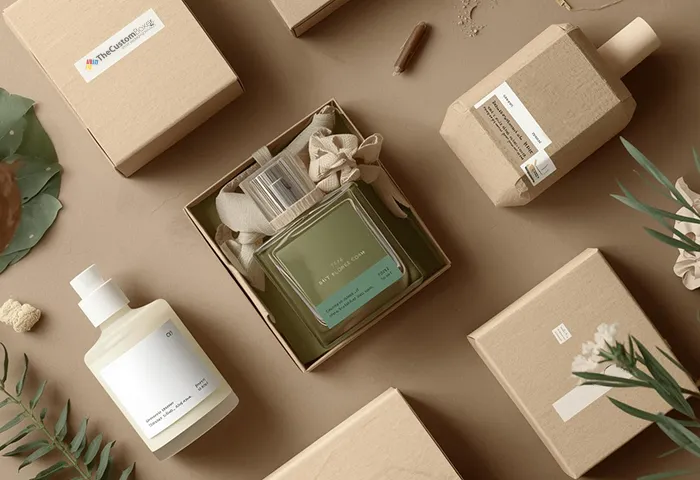
Perfume is a product that many people use. There are a variety of scents available, helping one find the perfect one they like. Many businesses are selling perfume because they know the product is a high-demand one. To draw people to your product, it is important that you manufacture and sell a high-quality perfume that smells pleasant and good.
One way to market the product and get the attention of people, even when it is with the competition, is with the help of perfume boxes. When designed right, they will protect the perfume bottle by securing it safely in the box and promoting the brand in the competitive market.
The following looks at selecting the right box for bottle size, safety, and brand image:
Getting the box size right
Perfume bottles are often made of glass and are sensitive. They must remain stable in the box, especially when the product is being shipped, transported, and handled. If they move around too much, they will end up breaking, wasting the product.
The box should be the correct dimensions to suit the bottle size. Packaging manufacturers provide brands with custom-dimension packaging suiting the needs of the bottle. The bottle is measured to get the right size box to fit it in properly.
The bottle needs to be measured completely, including its height, width, depth, as well as weight. If there are protruding sprayers, heavy caps, and decorative necks, these need to be kept in mind.
The common 50ml-100ml bottles often have a box that is around 8 x 4 x 20 cm. The box has a compact footprint to ensure dead space is not present.
A brand needs to avoid getting oversized boxes, which will make the glass bottle shift and rattle. This can make it break. The box should also not be so small that it ends up breaking, exposing the perfume to negative external impacts.
Internal cushioning
The bottle must be held securely in place in the box to ensure it is protected from bumps and jolts. Custom inserts are useful here. Precision-cut foam or velvet-lined trays and molded pulp, for instance, can be considered. They are made to the shape of the bottle plus cap to hold it securely.
The insert you are using needs to anchor or shield the glass neck along with the sprayer mechanism. These will remain secure if the box is dropped or experiences vibration or shock.
These inserts have the ability to secure the perfume and present it in a premium way when the box is opened. If a brand is packaging more than one item, it can add custom cardboard inserts, which will separate the products, making them easy to find and use.
Durable box design
The packaging must be strong and durable if the perfume bottle is to be protected in it. It should be made with high-quality material to give a strong box, which will also immediately convey quality even before people open it.
The packaging can be made with rigid cardboard, greyboard, or chipboard. This will be thick packaging that is linked with luxury and premium brands. Sustainable brands can use recycled paperboard and make a strong box with this.
Reinforced cardboard stock may be used to make the box if the product is being shipped directly to the customers. It can handle shipping and transportation pressures.
Designed to appeal to the consumer base
If you want people to notice your perfume among the competition, it is important to design the box appealingly. Colors and designs should be used strategically here to enhance the appearance of the box.
Brands can add a shade related to the scent of the perfume to let people know about it. The brand will even keep its values in mind when choosing what shades to include.
Luxury and haute fragrances that have a deep and rich scent can add colors such as deep emerald, rich plum, matte black, etc. on the box to give it a premium look.
If the scent is a minimalist and modern one, the brand can add crisp white or soft pastel undertones on the box.
Vibrant, citrus, and exotic scents need packaging that stands out. Bright fuchsia or electric coral can, for instance, be used.
Romantic and floral scents will include shades that will convey a soft and floral scent, such as soft lavender, rose gold, etc.
Details that are included on the box, such as the scent of the perfume, its ingredients, expiry date, etc., must be added in a font that is readable and looks appealing with the rest of the packaging design.
A brand can add a transparent die-cut window on the box to let people get a glimpse of the perfume bottle and be convinced to buy it.
Luxury brands will aim to keep the packaging design minimal with limited details on it. For floral scents, a brand can add watercolor botanical illustrations related to the scent. Abstract art swirls can be added to a box that is selling perfume with a vibrant scent.
Finishing impacts
The packaging can include certain surface finishes to enhance its appearance and let people know a premium brand is selling the fragrance.
This will include details like embossing or debossing, or foiling in gold or silver. A tactile element can be added to make the box feel luxurious and high-end.
Consistent brand information
The packaging will promote the brand and convey its values according to the way it is designed. It will also include consistent information about the brand to let people know about it.
A brand logo and brand colors must be added to the box because they are used for recognition purposes. The brand can add its physical address on the packaging as well.
Perfume packaging is an important part of the product because it protects it and markets the brand in the competitive market. Rigid boxes wholesale will give an image of luxury and quality, whilst eco-friendly packaging will convey the sustainable values of the business.

VICTRIP Black Friday & Cyber Monday 2026: Unbeatable eBike Deals From $499

Understanding SPRAVATO Treatment Safety and Monitoring

Too Much Kid Clutter? Turn it Into a Business

Alex Pettyfer Net Worth, Wife, Age, Height, Children, Career and More

Brad Williams Net Worth, Wife, Height, Age, Daughter, Family, Career and More

Eldorado.gg Review 2026: How It Works, Safety, Fees, and Risks
-
Celebrity10 months ago
Alex Pettyfer Net Worth, Wife, Age, Height, Children, Career and More
-
Celebrity11 months ago
Brad Williams Net Worth, Wife, Height, Age, Daughter, Family, Career and More
-
Blog2 months ago
Eldorado.gg Review 2026: How It Works, Safety, Fees, and Risks
-
 Anime11 months ago
Sanzoku Bandits of One Piece: Origins, Higuma, and Their Role in Dawn Island
-
 Celebrity11 months ago
John McGinn Net Worth, Age, Height, Wife, Childrens, Career and More
-
 Celebrity11 months ago
Frances de la Tour Net Worth, Age, Height, Husband, Childrens, Career and More
-
 Celebrity11 months ago
Will Trickett Net Worth, Wife, Childrens, Age, Career and More
-
 Blog3 months ago
Crackstube: A Complete Guide to the Digital Publishing Platform