
Blog
Gate Installation: Choosing, Planning, and Maintaining the Right Entrance


A well-designed gate can transform the entrance of a property by combining security, privacy, convenience, and visual appeal in one practical feature. Whether the goal is to secure a residential driveway, define a private boundary, improve access control, or enhance the appearance of an entrance, choosing the right gate and ensuring that it is properly fitted are important steps. A gate is not simply a movable panel placed between two posts. It is a complete system involving structural supports, hinges or tracks, locks, access controls, and sometimes electrical automation. Every component must work together correctly for the finished installation to be reliable and long-lasting.
- Understanding the Purpose of a Gate
- Selecting the Right Gate Style
- Choosing Suitable Materials
- Measuring the Opening Correctly
- Preparing Posts and Foundations
- The Gate Installation Process
- Adding Automated Operation
- Security and Access Control
- Considering Privacy and Appearance
- Addressing Drainage and Ground Conditions
- Maintenance for Long-Term Performance
- Common Problems to Avoid
- Working With an Experienced Installer
- Creating a Reliable and Attractive Entrance
Planning is particularly important because different properties have different requirements. The available space, ground conditions, entrance width, slope, surrounding structures, preferred materials, frequency of use, and desired level of automation can all influence the final design. A gate that works well on one property may be unsuitable for another. By evaluating these factors before purchasing materials or beginning construction, property owners can reduce the risk of alignment problems, premature wear, difficult operation, and unnecessary repair costs.
Understanding the Purpose of a Gate
Before selecting a design, it is useful to determine what the gate needs to accomplish. Security is often one of the main reasons for installing a gate, but it may also serve as a visual boundary, privacy feature, decorative element, or access-control point. In many properties, the gate is the first feature visitors see, which means its design can influence the overall impression of the entrance.
A security-focused gate may require strong construction, reliable locks, and controlled access. A privacy-oriented design may use solid panels that reduce visibility through the entrance. Decorative gates can incorporate patterns, curves, or other architectural details while still providing practical access control.
The frequency of use is another important consideration. A gate that is opened only a few times a day has different requirements from one used dozens of times daily. Frequent operation places greater demands on hinges, rollers, motors, locks, and structural supports. Selecting components according to expected usage can help prevent premature deterioration.
Selecting the Right Gate Style
There are several gate styles available, with swing and sliding designs being among the most common. Swing gates open by moving inward or outward from hinges attached to supporting posts. They can be made as single or double panels depending on the width of the entrance and the design requirements.
Swing gates can provide a traditional appearance and are often suitable where there is sufficient clearance for the panels to move. However, the opening area must remain clear of parked vehicles, landscaping, walls, and other obstructions. The direction of movement should also be considered carefully to ensure that the gate can operate safely.
Sliding gates move horizontally along a track or through a cantilever arrangement. They can be useful where there is limited room for a swinging panel. However, sufficient space must be available alongside the entrance for the gate to move into its open position. The track or supporting mechanism also needs to remain clear of debris and properly aligned.
Other options include folding and bi-folding designs, which can reduce the space required for opening while providing rapid access. These systems can contain more moving components, so careful installation and regular maintenance are important.
Choosing Suitable Materials
The material selected for a gate affects its appearance, weight, durability, maintenance requirements, and compatibility with automation. Steel is often chosen for its strength and structural stability. When properly protected against corrosion, it can provide a durable solution for demanding applications.
Aluminum is lighter than steel and naturally resistant to many forms of corrosion. Its lower weight can reduce the load on hinges and automation equipment, making it useful for certain designs. It can also be finished in a wide variety of colors and styles.
Timber gates offer a natural appearance and can complement traditional architecture. However, wood requires suitable protection against moisture, insects, sunlight, and weather-related deterioration. Regular inspection and maintenance are important if a timber gate is expected to remain attractive and structurally sound.
Some designs combine different materials to achieve a particular balance of strength and appearance. A metal frame with timber panels, for example, can create a distinctive entrance while maintaining structural support. The material should always be selected with the surrounding property and intended use in mind.
Measuring the Opening Correctly
Accurate measurements are essential for a successful gate project. The width of the entrance should be measured at multiple points to identify variations caused by uneven walls, posts, or ground conditions. Height should also be considered, particularly when the gate must accommodate vehicles of different sizes.
Clearance is another important factor. A swing gate requires adequate room for its panels to move without striking walls, vehicles, fences, or landscaping. Sliding gates require sufficient lateral space for the panel to travel completely clear of the entrance.
The ground level should also be checked. A sloping driveway may affect the movement of a swing gate, especially if the bottom of the panel has limited clearance. Uneven surfaces can also influence the installation of tracks and rollers.
Taking measurements only once and assuming the opening is perfectly square can create problems later. A professional installer may check diagonals, levels, post positions, and surrounding structures before finalizing the gate dimensions.
Preparing Posts and Foundations
The supporting structure is one of the most important parts of any gate system. Posts must be strong enough to carry the weight of the gate and withstand the forces created during repeated opening and closing.
For larger or automated gates, the foundation may need to be particularly robust. Movement in the posts can cause the gate to become misaligned, which may result in rubbing, uneven gaps, difficult locking, or additional stress on the hinges and motor.
Ground conditions should be assessed before foundations are installed. Soil composition, drainage, existing paving, underground services, and nearby structures can all affect the appropriate foundation method.
The posts should be installed accurately and allowed to achieve the required stability before the gate is attached. Rushing this stage can compromise the entire installation. A strong gate mounted on weak or poorly aligned supports will not perform as intended.
The Gate Installation Process
A professional Gate Installation project normally begins with site preparation and accurate setting out. The positions of posts, hinges, tracks, stops, and access equipment should be established before permanent components are fitted.
For swing gates, hinges need to be securely attached to the supporting posts. The panels should be aligned carefully so that they open and close without excessive resistance. Adequate clearance from the ground and surrounding surfaces should be maintained throughout the full movement of the gate.
Sliding systems require careful alignment of tracks, rollers, guides, and stops. Even a small deviation can increase friction and place additional stress on the operating mechanism. Cantilever systems require particularly accurate positioning because the gate’s weight is supported through a structured roller and frame arrangement rather than a traditional ground track.
After the gate is physically installed, locks, handles, stops, and other hardware should be adjusted. The gate should be operated repeatedly to identify any binding, excessive movement, unusual noise, or alignment problems.
Adding Automated Operation
Automation can significantly increase convenience, especially for gates that are used frequently. Automated systems can be controlled using remote transmitters, keypads, intercoms, vehicle detection systems, or compatible smart-access devices.
The motor must be appropriately matched to the size, weight, design, and operating frequency of the gate. Selecting a motor that is too small can result in excessive strain and unreliable performance. A system that is unnecessarily powerful may also be inappropriate if its controls and safety features are not properly configured.
Safety equipment is an essential part of automated gate systems. Sensors can help detect obstacles and prevent the gate from continuing to move when an obstruction is present. Emergency release mechanisms can allow manual operation during power failures or equipment faults.
Automation should be tested thoroughly after installation. The gate should open, stop, and close smoothly, and safety features should respond correctly. Control devices should also be positioned and configured so that authorized users can operate the system conveniently.
Security and Access Control
A gate can form an important part of a property’s access-control system. However, its effectiveness depends on how it is integrated with other security features. Locks, fencing, lighting, cameras, intercoms, and controlled access methods can work together to create a more comprehensive approach.
Different properties may require different access methods. A remote control can be convenient for regular vehicle users, while a keypad can allow authorized people to enter without carrying a physical key. Intercom systems can provide communication with visitors before access is granted.
Access credentials should be managed responsibly. Lost remote controls should be removed from the system when possible, and access codes should be updated when necessary. For connected systems, manufacturers’ recommendations for account security and software updates should also be followed.
Security should not come at the expense of safe operation. Users need to be able to operate the gate reliably during normal conditions and access it manually when necessary during emergencies or power failures.
Considering Privacy and Appearance
A gate can have a significant effect on the overall appearance of a property. The design should complement the surrounding fence, walls, landscaping, driveway, and building architecture.
Solid gates can provide a greater degree of privacy by limiting visibility through the entrance. However, reduced visibility may also make it harder for drivers and pedestrians to see one another. Open or semi-open designs can provide better visibility while still establishing a physical boundary.
Color and finish are also important. Powder-coated metal, painted steel, stained timber, and other finishes can create different visual effects. The selected finish should be appropriate for the material and expected environmental exposure.
Decorative features can be incorporated without compromising functionality. However, ornamental details should not interfere with hinges, locks, sensors, rollers, or other operating components. A successful design balances appearance with practical performance.
Addressing Drainage and Ground Conditions
Drainage is sometimes overlooked during gate planning, but water can have a significant effect on long-term performance. Standing water around posts, tracks, foundations, or electrical components can contribute to corrosion, deterioration, and operational problems.
Sliding gates with ground tracks are particularly dependent on proper drainage because debris and standing water can interfere with rollers and track movement. Regular cleaning can help, but good drainage should be considered during installation.
The surrounding driveway should also be assessed for slopes and surface transitions. A gate that operates correctly on level ground may encounter problems when installed across a steep or irregular entrance.
Where necessary, drainage improvements should be completed before the gate is installed. Addressing water-management problems early can help protect both the gate and its supporting structures.
Maintenance for Long-Term Performance
Regular maintenance is essential for keeping a gate reliable. Hinges, rollers, tracks, locks, latches, and other moving components should be inspected periodically for wear or damage.
Sliding gates require particular attention to tracks and rollers. Dirt, stones, leaves, and other debris can create resistance and increase the workload placed on the operating mechanism. Keeping these areas clean can help the gate move more smoothly.
Metal gates should be inspected for corrosion, especially around welds, joints, fasteners, and damaged coating. Timber gates should be checked for cracking, rot, moisture damage, and deterioration of protective finishes.
Automated systems should also be inspected according to the manufacturer’s recommendations. Sensors should remain clean and correctly positioned, while unusual sounds, slow movement, intermittent operation, or repeated stopping should be investigated rather than ignored.
Small maintenance issues are generally easier to address than major failures. A routine inspection schedule can therefore protect the original investment and extend the useful life of the entire gate system.
Common Problems to Avoid
One of the most common mistakes is choosing a gate solely because of its appearance. A visually attractive gate may be unsuitable if it is too heavy for the supporting posts, too large for the available space, or incompatible with the driveway layout.
Another issue is inadequate structural preparation. Weak posts or foundations can move over time, resulting in misalignment and excessive strain on hardware. Proper support is essential, particularly for large or automated gates.
Incorrect measurements can also create significant difficulties. The entrance should be checked carefully for width, height, level, slope, and clearance before fabrication or purchase.
Choosing inappropriate automation equipment is another potential problem. The motor and controls should be selected according to the actual characteristics and usage of the gate rather than simply choosing the cheapest available option.
Finally, neglecting maintenance can shorten the life of even a high-quality system. Regular inspection and cleaning are relatively simple compared with repairing severely damaged hardware or replacing an entire gate mechanism.
Working With an Experienced Installer
Professional assistance can be particularly valuable when a project involves heavy gates, unusual entrance dimensions, difficult ground conditions, or automation. An experienced installer can assess the site and identify potential problems before construction begins.
A professional can also ensure that the gate is properly aligned and that supporting structures are strong enough for the intended load. For automated systems, correct configuration of motors, sensors, controls, and emergency-release mechanisms is especially important.
Working with an experienced installer can also help coordinate the gate with existing fencing, walls, landscaping, and driveway surfaces. The final result should function as a complete entrance system rather than looking like an isolated addition.
Clear communication is useful throughout the project. Property owners should explain how frequently the gate will be used, what types of vehicles need access, whether privacy is important, and which access methods are preferred. These details can help guide the design and equipment selection.
Creating a Reliable and Attractive Entrance
A successful gate project is the result of careful planning rather than simply purchasing a gate and attaching it to an opening. The design, materials, supporting structure, opening mechanism, access controls, drainage, and maintenance requirements all need to work together.
The best solution will depend on the individual property and its requirements. A swing gate may be ideal where there is plenty of clearance, while a sliding system may be more practical where space is restricted. Steel may provide the desired strength, while aluminum may offer a lighter alternative. Timber may be selected for its natural character and entrance will look on the day it is completed but also how it will perform after years of regular use. Proper traditional appearance.
When planning Gate Installation, property owners should consider not only how the entrance will look on the day it is completed but also how it will perform after years of regular use. Proper foundations, accurate alignment, suitable hardware, reliable automation, and regular maintenance can all contribute to long-term performance.
Ultimately, a well-installed gate can provide much more than a physical barrier. It can improve access control, enhance privacy, contribute to curb appeal, and create a convenient transition between the outside environment and private property. With careful planning and appropriate professional workmanship, a gate can remain functional, attractive, and dependable for many years.
Blog
Inside a China Eyewear Factory: How Eyewear Goes from Design and Material Selection to Mass Production


Have you ever wondered how a simple eyewear design becomes thousands of finished frames ready for international retailers?
- 1. Inside an Eyeglass Factory: Everything Starts with Product Design
- 2. Material Selection: Why Every Frame Factory Needs Different Production Capabilities
- 3. What Happens in the Frames Factory During Production?
- 4. Is a Lens Factory the Same as an Eyewear Factory?
- 5. From Sample Approval to Factory-Direct Eyeglasses Production
- 6. Quality Control: What Happens Before Finished Glasses Leave the Factory?
- 7. How to Find the Right Glasses Manufacturer Near You or in China
- Choosing a Manufacturing Partner for Your Next Eyewear Collection
Behind every pair of glasses is a manufacturing process involving design development, material preparation, precision machinery, skilled workers, assembly, and quality inspection.
A modern china eyewear factory is not simply a place where frames are assembled. It is part of a wider production ecosystem connecting raw material suppliers, component manufacturers, frame production facilities, lens suppliers, and international buyers.
Understanding how these operations work helps eyewear brands, importers, and distributors evaluate manufacturing partners more effectively.
Let’s take a closer look at what happens inside an eyewear manufacturing operation, from the first design discussion to the final packed product.
1. Inside an Eyeglass Factory: Everything Starts with Product Design
The manufacturing journey usually begins when a brand shares its design requirements, reference samples, sketches, or technical specifications.
The development team reviews important details such as:
- Frame shape and dimensions.
- Material selection.
- Color and surface finish.
- Hinge and temple construction.
- Lens size and fitting requirements.
- Target retail positioning.
The design is then converted into technical drawings or CAD specifications to establish the dimensions and construction requirements.
Before mass production, manufacturers generally develop samples so buyers can evaluate the appearance, comfort, fit, and construction.
A professional eyeglass factory should also identify manufacturing limitations early. A design may look attractive digitally but require adjustments to make it suitable for production.
2. Material Selection: Why Every Frame Factory Needs Different Production Capabilities
Material selection directly affects the manufacturing process, product characteristics, and final cost.
An experienced frame factory may work with several materials, but each requires different production techniques.
Acetate: Acetate sheets are cut into frame components using CNC machinery or other cutting equipment. The components are shaped, assembled, tumbled, and polished to achieve the desired finish.
Metal: Metal frames require processes such as stamping, bending, welding, plating, and component assembly. Precision is particularly important when connecting bridges, rims, temples, and hinges.
TR90 and injection materials: These thermoplastic materials are processed through injection molding. The molten material is injected into molds to create frame components, which are subsequently trimmed, finished, and assembled.
This is why choosing an optical factory with the right material specialization matters. A manufacturer experienced in acetate production may not necessarily have the same expertise in titanium or injection molding.
3. What Happens in the Frames Factory During Production?
Once the materials and specifications are approved, production begins.
Although the exact process varies by material and factory, a typical frame manufacturing workflow includes:
- Raw material inspection.
- Cutting, stamping, or molding.
- Component shaping and processing.
- Hinge and metal component installation.
- Surface grinding and polishing.
- Plating or coating where required.
- Frame assembly and adjustment.
- Intermediate quality inspection.
For example, acetate manufacturing involves several finishing operations to achieve smooth surfaces and consistent gloss. Metal production places greater emphasis on welding accuracy, structural strength, and surface treatment.
A well-organized glasses factory maintains inspection checkpoints throughout production rather than waiting until the frames are completely assembled.
4. Is a Lens Factory the Same as an Eyewear Factory?
Not necessarily. This is an important distinction for buyers entering the eyewear industry.
A lens factory manufactures lenses, while a frame manufacturer produces the physical eyewear structure.
Lens production can involve casting, surfacing, polishing, and coating, depending on the lens type and application.
For example, prescription lenses may require additional optical processing and edging before they can be fitted into frames. Sunglasses lenses may require tinting, polarization, or UV-protection specifications.
Some eyewear manufacturers purchase finished lenses from specialized suppliers, while others have access to affiliated or integrated lens operations.
Therefore, when evaluating a factory, ask whether lens manufacturing, lens sourcing, and final lens fitting are handled internally or by external partners.
5. From Sample Approval to Factory-Direct Eyeglasses Production
After the buyer approves the sample, the manufacturer prepares for bulk production.
This stage involves confirming the final specifications, order quantities, materials, colors, packaging, and production schedule.
For buyers seeking factory direct eyeglasses, working directly with a manufacturer can improve communication about product specifications and production changes.
However, direct factory purchasing does not automatically guarantee lower prices. The total cost still depends on order volume, materials, customization, tooling, and quality requirements.
Before mass production, buyers should confirm that the approved sample and production specifications are properly documented.
This reduces the risk of receiving bulk products that differ from the original sample.
6. Quality Control: What Happens Before Finished Glasses Leave the Factory?
Quality control is not a single inspection at the end of production.
A structured manufacturing operation may include:
- Incoming Quality Control (IQC): Checking raw materials and components.
- In-Process Quality Control (IPQC): Monitoring production stages.
- Final Quality Control (FQC): Inspecting completed products.
- Outgoing Quality Control (OQC): Verifying packaging, quantities, and shipping requirements.
Common inspection points include frame symmetry, hinge performance, surface defects, dimensional accuracy, lens fitting, and product specifications.
For sunglasses, appropriate UV-protection and other relevant performance tests should also be verified through suitable documentation.
The goal is to ensure that bulk production consistently matches the approved sample and agreed specifications.
7. How to Find the Right Glasses Manufacturer Near You or in China
When buyers search for eyeglasses frame near me or a glasses manufacturer near me, they are often looking for a convenient sourcing partner.
Local suppliers may offer easier communication and proximity. However, international buyers should not overlook specialized manufacturing ecosystems in China.
Searching for the glasses factory or a particular eyeglass factory in ventura may help identify local businesses, but buyers should first establish whether those businesses actually manufacture frames or simply operate retail stores, optical laboratories, or distribution facilities.
Similarly, brands researching fashion eye collections should evaluate design development, material options, and production consistency rather than relying only on product photographs.
Whether you choose a local supplier or an overseas manufacturer, verify its actual production capabilities, quality-control procedures, and commercial terms.
Choosing a Manufacturing Partner for Your Next Eyewear Collection
Understanding how eyewear moves from design to mass production makes it easier to distinguish between a genuine manufacturing partner and a supplier that simply resells finished products.
Hivision Eyewear, based in Wenzhou, China, provides OEM/ODM eyewear manufacturing services across acetate, metal, titanium, and injection materials.
For brands exploring factory sunglasses production or customized optical frames, evaluating the manufacturer’s material capabilities, sample development, production processes, and quality-control arrangements is essential.
You can explore Hivision’s eyewear product collections and sunglasses range to understand its product offerings.
Ultimately, the strength of an eyewear manufacturing partner is not determined by how large its factory looks. It is determined by how consistently it can transform approved designs and specifications into finished products that meet the buyer’s requirements.


Technology is evolving at a remarkable pace. Smartphones receive new features, artificial intelligence is changing everyday digital experiences, and connected devices are becoming part of homes, workplaces, and personal routines. While these developments create exciting opportunities, they also make it harder for ordinary consumers to understand which innovations are genuinely useful. Reliable technology journalism can help readers make sense of these changes.
Root Nation is a technology publication that helps readers explore the latest developments in consumer technology. Through news, reviews, comparisons, and practical articles, Root-nation.com gives technology enthusiasts and everyday users a place to learn about products and trends before making important decisions.
Making Technology Easier to Understand
New technology often comes with unfamiliar terminology and complicated specifications. A smartphone manufacturer might advertise an advanced processor, an impressive camera system, or a collection of artificial intelligence features. However, technical descriptions do not always explain how these features affect everyday use.
Useful technology journalism connects specifications with practical experiences. Instead of focusing only on numbers, a good review explains what a product can do, where it performs well, and what limitations consumers should consider.
This approach is particularly valuable for people who do not have a technical background. Clear explanations help readers understand whether a feature solves a real problem or simply adds another marketing point to a product description.
Helping Readers Evaluate New Products
Buying electronic devices can involve a significant financial commitment. Smartphones, laptops, tablets, televisions, and other gadgets may remain in use for several years, making research an important part of the purchasing process.
Independent product coverage can help consumers compare available options and understand differences that are not immediately obvious. For example, two smartphones may have similar camera resolutions but produce different results because of their sensors, image processing, lenses, and software.
Readers looking for detailed technology coverage can explore Root-nation.com to find product reviews, technology news, and practical discussions that provide additional context before a purchase.
Keeping Up With Emerging Technology
Artificial intelligence, smart home systems, wearable devices, and mobile innovations continue to influence how people interact with technology. Following these developments requires more than reading product announcements. Consumers also need explanations of how new features work and whether they offer meaningful advantages.
A technology publication can connect individual product releases with broader industry developments. This helps readers understand not only what has changed but also why those changes matter.
For example, the growth of AI features in smartphones raises questions about privacy, performance, battery consumption, and practical usefulness. Readers benefit from balanced coverage that considers both the advantages and potential limitations of these tools.
Why Balanced Technology Journalism Matters
Every new device is not necessarily the right choice for every consumer. A premium smartphone may offer excellent performance but still be unnecessary for someone who mainly uses messaging, browsing, and basic photography. Similarly, an affordable laptop may be perfectly suitable for everyday tasks even if it lacks the specifications required for professional workloads.
Balanced reviews help readers consider their actual needs instead of following marketing trends. They should explain strengths and weaknesses, distinguish measurable performance from personal preferences, and provide enough context for readers to reach their own conclusions.
Making Better Digital Decisions
Technology will continue changing how people communicate, work, study, shop, and entertain themselves. Staying informed can help consumers avoid unsuitable purchases and make better use of the devices they already own.
Publications such as Root-nation.com contribute to this process by bringing technology news, reviews, and practical information together in one place. For readers who want to understand modern devices beyond advertising claims, accessible and balanced technology journalism remains an important resource.

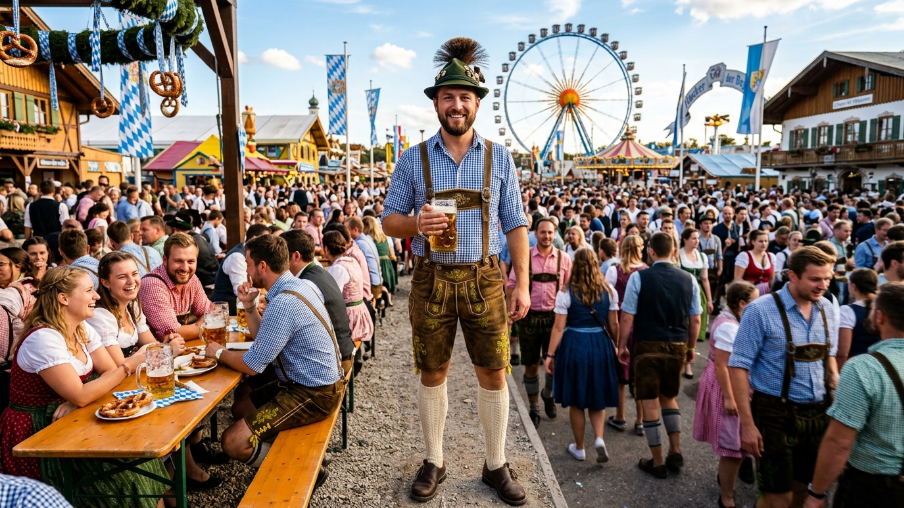
For men shopping specifically for guys oktoberfest costume options in 2026, the vocabulary itself signals particular considerations that differ from buyers using “traditional lederhosen” or “authentic Bavarian wear” terminology. The costume framing suggests focus on festival attendance rather than long-term heritage engagement, potentially prioritizing accessibility, affordability, and festival-appropriate styling over strict authentic construction. Understanding what distinguishes quality guys oktoberfest costume options from genuine costume-grade cheap alternatives, while maintaining accessibility for festival-focused buyers, helps ensure your Oktoberfest choice delivers appropriate value for your specific use case.
The important distinction: what marketing calls “costume” spans a substantial quality range from cheap Halloween-focused synthetic imitations at the bottom through legitimate festival-appropriate Bavarian wear at accessible price points. Buyers researching in the costume category should understand where their specific purchase falls within this range and what they’re actually getting relative to their expectations. Quality accessible-tier Bavarian wear delivers festival-appropriate character without demanding the investment premium associated with heritage-grade construction, and understanding this middle ground helps you avoid both extremes: cheap imitations that photograph poorly and disappoint, and premium investments that exceed what festival-focused wearers actually need.
The Costume-to-Authentic Quality Spectrum
Understanding where different products fall on the quality spectrum helps calibrate expectations appropriately. The bottom tier features synthetic materials designed to imitate leather appearance while being made from vinyl, PVC, or cheap fabric. These pieces cost $30 to $80 typically, photograph poorly under direct lighting that reveals the synthetic materials, and fall apart within one or two wearings. They serve one-time Halloween-adjacent Oktoberfest wear but disappoint anyone expecting multi-year utility or authentic photograph results.
The accessible entry-level tier features genuine leather construction at accessible price points, typically $100 to $200 for basic lederhosen with functional embroidery and standard hardware. These pieces photograph as real Bavarian wear, hold up across multiple wearings, and serve festival-focused buyers well without demanding the investment associated with heritage-grade construction. This tier represents the smart choice for most festival-focused buyers who want authentic character without maximum investment.
The mid-range tier at $200 to $400 delivers substantial deerskin or goatskin construction, detailed embroidered decoration, quality hardware, and finishing details that photograph beautifully across all lighting conditions. Buyers expecting multi-year Oktoberfest attendance across several years find mid-range delivers strong value with construction quality that improves with wear rather than degrading. Premium and heritage tiers above this exist but exceed what most festival-focused buyers need for practical Oktoberfest use.
Style Choices for Festival Attendance
Within accessible-tier Bavarian wear appropriate for festival attendance, several style choices affect the finished ensemble character. Brown deerskin or brown cowhide represents the safest first-purchase color, working universally across coordinating shirt and accessory options while photographing as classic Oktoberfest imagery. Darker chocolate brown appears in premium pieces but works well at accessible tiers too when quality construction supports the darker leather character.
Length selection between kurze (short, mid-thigh) and kniebund (knee-length) affects both the visual and practical experience. Kurze represents the standard Oktoberfest choice worn by the majority of attendees, providing the classic Oktoberfest silhouette and comfortable warm-weather wear. Kniebund suits cooler-weather attendance and wearers preferring more coverage without moving to full-length configurations. Most buyers choosing an october fest costume opt for kurze based on the standard Oktoberfest visual that dominates festival imagery.
Embroidery detail and complexity affects the finished character significantly. Basic accessible-tier embroidery features simpler motifs than premium hand-embroidered alternatives, though quality machine embroidery at this tier still photographs well and reads as authentic Bavarian construction rather than costume-grade decoration. Specific motifs including oak leaves, edelweiss, and simple regional crests appear on quality accessible pieces without demanding premium pricing.
Complete Festival Outfit Assembly
The lederhosen represents one piece of complete festival-appropriate Bavarian ensembles requiring coordinated supporting pieces. The essential coordinated elements include a proper Trachtenhemd (traditional shirt) in white cotton or checkered pattern (blue-and-white or red-and-white being most common), quality wool knee socks reaching just below the knee, sturdy leather Haferl shoes or acceptable alternative closed-toe leather footwear, and a proper Bavarian hat completing the ensemble visually.
For festival-focused buyers, the shirt choice often defaults to checkered patterns for practical staining resistance during long festival days when beer, food, and general festival activities inevitably contact clothing. Blue-and-white checks read as most traditional Oktoberfest; red-and-white checks work equally well and offer color variation. Solid white shirts photograph most formally but require more diligent stain management during actual festival attendance.
Additional accessories add authentic character to complete the visual: Charivari decorative chain across the front bib, quality leather belt worn over the lederhosen, and optional pocket accessories including traditional watches on chains and decorative pins from festivals attended. These smaller elements collectively distinguish complete festival ensembles from partial approximations, though budget-conscious buyers can add accessories over successive Oktoberfest seasons rather than requiring all elements at initial purchase.
Practical Sizing for Festival Comfort
Getting the sizing right specifically for festival attendance requires accounting for practical realities of Oktoberfest that differ from other clothing use cases. The lederhosen waist adjustment accommodates the substantial beer, sausage, and pretzel consumption characteristic of proper Oktoberfest attendance, but initial fit should be comfortable at your normal waist rather than requiring maximum adjustment from arrival. This provides adjustment room for the festival day itself.
The suspender configuration should provide comfortable weight distribution across shoulders without pulling during energetic movement including the standard beer tent dancing that emerges during specific songs (traditional customs include standing on benches during particular songs, requiring stable and comfortable ensemble configuration). Proper fit means the ensemble supports full festival participation rather than requiring adjustment or replacement during the day.
For international buyers ordering online, careful measurement matters more than for in-person shopping. Waist measurement at your natural waist (higher than typical modern trousers sit), inseam appropriate to your leg length, and shoulder measurement affecting suspender fit all deserve careful attention. Quality retailers provide detailed sizing guides converting between European and American measurement systems, and buyers should measure carefully rather than assuming standard trouser sizing translates directly.
Festival Etiquette and Wearing Norms
Beyond just having appropriate ensemble, understanding festival etiquette helps ensure your Oktoberfest experience matches your ensemble investment. Wearing proper traditional wear demonstrates respect for Bavarian heritage and the actual cultural context that Oktoberfest represents. Casual wearing approaches include treating the ensemble as everyday festival attire rather than costume, appropriate care for the pieces across long festival days, and recognizing that quality authentic wear reads as respect rather than pretense to Bavarian and German-heritage attendees.
Coordinating the ensemble with the specific event context matters. Munich Oktoberfest itself represents the most traditional context where authentic wear is genuinely appropriate and welcomed. Regional Oktoberfest celebrations in cities across the United States and internationally welcome quality Bavarian wear while accepting more variation in ensemble configuration. Local beer festivals with German or Bavarian themes similarly appreciate proper wear without demanding strict traditional configuration.
Photography during festival attendance benefits from ensemble configuration ready for camera capture throughout the day. Ensuring the shirt remains tucked, suspenders sit properly, hat coordinates with the overall visual, and accessories remain in appropriate position across the day supports quality photographs that become long-term memories of the festival experience.
Building Beyond Single-Event Use
Even buyers approaching Oktoberfest attendance as single-event costume purchase often discover that quality accessible-tier Bavarian wear delivers value across additional occasions beyond the single Oktoberfest attendance. American Oktoberfest celebrations occur across multiple weekends in September and October in various cities, and the same ensemble works for multiple attendance opportunities within a single autumn season. Family Bavarian gatherings, German-American cultural events, and various themed occasions provide additional wear contexts.
For buyers whose Oktoberfest experience proves engaging enough to warrant continued Bavarian heritage engagement, the accessible-tier initial purchase often becomes the foundation for gradual wardrobe expansion. Adding coordinating pieces, upgrading specific components after establishing continued interest, and building toward complete year-round Bavarian heritage wardrobes represents the pathway many committed heritage wearers follow from initial festival-focused purchases.
The gradual expansion approach delivers substantially better value than either single-event costume purchasing or immediate premium investment. Building based on actual experience matches your specific engagement patterns rather than committing speculatively to either extreme, and the accessible-tier starting point provides genuine construction that supports the transition to expanded heritage engagement over time.
Frequently Asked Questions
What’s the difference between costume and authentic lederhosen? Real leather construction versus synthetic imitation. Quality accessible-tier costume options at $100 to $200 use real leather and photograph as authentic; cheap synthetic imitations at $30 to $80 do not.
How much should I spend on my first Oktoberfest costume? $150 to $300 delivers strong accessible-tier value with genuine leather construction and appropriate festival-focused character.
Does the shirt color matter? Yes. Checked patterns hide staining better during long festival days. White photographs most traditionally but requires more diligent stain management.
Can I wear an Oktoberfest costume to non-festival events? Absolutely. Quality Bavarian wear works at cultural events, German-American gatherings, and any occasion where heritage character suits the context.
How long will accessible-tier lederhosen last? With proper care, 10 to 20 years or more. Quality genuine leather improves with wear rather than degrading.
Should I buy locally or order online? Online quality retailers offer substantially more variety than most local stores. Careful measurement supports successful online purchase.
For men shopping guys oktoberfest costume options in 2026, understanding the quality spectrum from cheap synthetic imitations through authentic accessible-tier construction helps ensure your purchase matches your specific use case. Quality genuine leather construction at accessible price points delivers festival-appropriate authenticity without demanding premium investment, and complete october fest costume ensembles built around this foundation provide multi-year value across multiple festival attendance opportunities. Choose authentic accessible-tier construction over cheap synthetic imitation, coordinate the complete ensemble with appropriate shirt, footwear, socks, and hat, and treat the purchase as potential foundation for continued Bavarian heritage engagement rather than strictly single-event costume acquisition.

Inside a China Eyewear Factory: How Eyewear Goes from Design and Material Selection to Mass Production

Building Emotional Wellness Through Professional Guidance and Support

How to Choose an Eyewear Manufacturer in China for Your European or American Private Label Brand

Alex Pettyfer Net Worth, Wife, Age, Height, Children, Career and More

Brad Williams Net Worth, Wife, Height, Age, Daughter, Family, Career and More

Eldorado.gg Review 2026: How It Works, Safety, Fees, and Risks
-
Celebrity11 months ago
Alex Pettyfer Net Worth, Wife, Age, Height, Children, Career and More
-
Celebrity11 months ago
Brad Williams Net Worth, Wife, Height, Age, Daughter, Family, Career and More
-
Blog3 months ago
Eldorado.gg Review 2026: How It Works, Safety, Fees, and Risks
-
 Anime12 months ago
Sanzoku Bandits of One Piece: Origins, Higuma, and Their Role in Dawn Island
-
 Celebrity11 months ago
John McGinn Net Worth, Age, Height, Wife, Childrens, Career and More
-
 Celebrity11 months ago
Frances de la Tour Net Worth, Age, Height, Husband, Childrens, Career and More
-
 Anime12 months ago
Shimotsuki Ushimaru – The Last Daimyo of Wano Country Explained
-
 Celebrity12 months ago
Will Trickett Net Worth, Wife, Childrens, Age, Career and More