
Blog
Tree Maintenance: Essential Practices for Healthy, Safe, and Long-Lasting Trees

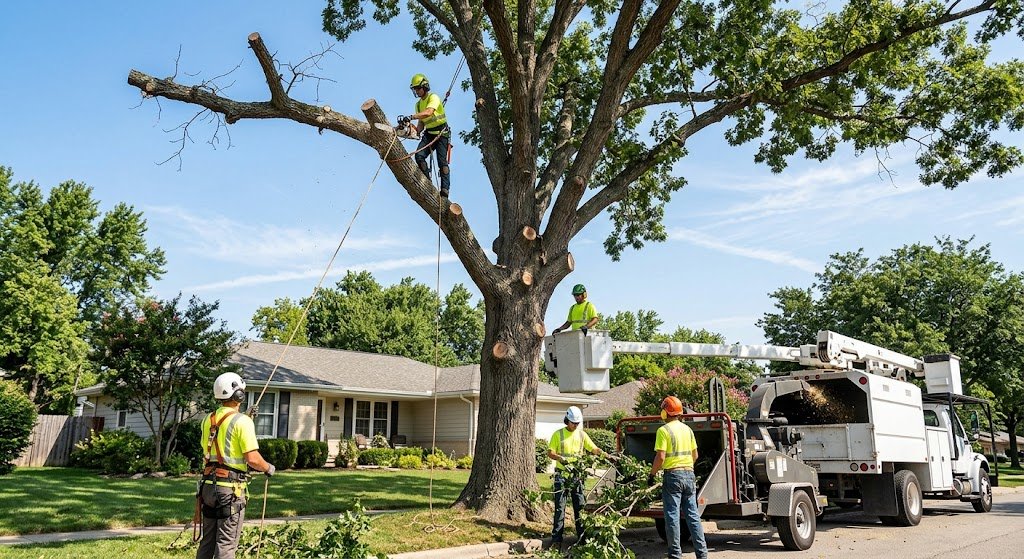
Trees are an important part of any well-maintained landscape, providing shade, privacy, beauty, habitat, and environmental benefits. However, healthy trees do not simply depend on natural growth. Trees located around homes, businesses, gardens, streets, and recreational areas are exposed to construction activity, compacted soil, changing weather, pests, diseases, limited root space, and other conditions that can affect their development. Consistent tree maintenance helps identify and address these challenges while supporting the long-term health, structure, and safety of valuable trees.
- Understanding the Importance of Tree Maintenance
- Inspecting Trees Regularly
- Proper Tree Pruning
- Watering Trees Correctly
- Mulching Around Trees
- Protecting Tree Roots
- Managing Soil Conditions
- Identifying Tree Diseases
- Monitoring for Insects and Pests
- Caring for Young Trees
- Maintaining Mature Trees
- Preparing Trees for Severe Weather
- Managing Trees Near Structures
- Handling Trees Near Utility Lines
- Stump and Root Management
- Improving Tree Health Naturally
- Choosing Professional Tree Care
- Creating a Regular Maintenance Schedule
- Avoiding Common Maintenance Mistakes
- Long-Term Benefits of Proper Tree Care
- Conclusion
Maintaining trees involves much more than occasional branch cutting. A complete approach may include pruning, watering, mulching, soil management, pest monitoring, disease detection, structural assessment, root protection, storm preparation, and removal of hazardous growth. The right maintenance routine depends on the tree species, age, location, soil conditions, climate, and surrounding property. By understanding these factors, property owners can create a practical care plan that supports healthy growth and reduces the likelihood of expensive or dangerous problems in the future.
Understanding the Importance of Tree Maintenance
Trees are living organisms that respond continuously to their surroundings. Their roots require adequate space, oxygen, water, and suitable soil conditions, while their branches and leaves depend on sunlight and healthy vascular systems. When one part of the tree becomes stressed, other parts may eventually be affected.
Regular maintenance makes it easier to notice changes before they become severe. Dead branches, unusual leaf discoloration, fungal growth, damaged bark, weak branch attachments, leaning trunks, and exposed roots can all indicate potential concerns.
Early identification does not always mean that a tree requires extensive treatment. Sometimes a simple adjustment to watering, mulching, or pruning can address a developing issue. In other situations, professional assessment may be necessary to determine whether a disease, pest infestation, root problem, or structural defect is present.
Inspecting Trees Regularly
Routine visual inspections are one of the simplest ways to monitor tree health. Property owners can look for changes in leaves, branches, bark, trunk condition, and the surrounding soil.
Dead or broken branches should be noted, particularly when they are located above areas where people, vehicles, or structures could be affected if they fall. Cracks in major limbs or the trunk may also deserve professional attention.
Changes in the canopy can provide useful information. Sudden thinning, unusual discoloration, premature leaf loss, or dieback may indicate stress. These symptoms can have multiple causes, so they should not automatically be attributed to a particular disease.
The ground around the tree should also be examined. Soil erosion, exposed roots, standing water, construction damage, and significant changes in grade can all affect root health.
Proper Tree Pruning
Pruning is an important part of ongoing maintenance when it is performed correctly. Removing dead, damaged, diseased, or poorly positioned branches can improve safety and help maintain the tree’s structure.
Young trees may benefit from selective structural pruning that encourages strong branch development. Mature trees generally require more conservative treatment because removing large branches can create significant wounds and alter established structures.
Pruning should have a clear purpose. Cutting branches simply to reduce the size of a tree can lead to unnecessary stress and weak regrowth. Excessive pruning can also remove too much foliage, reducing the tree’s ability to produce energy.
Large branches and trees located near buildings, roads, utility lines, or other obstacles should generally be evaluated by trained professionals before major pruning is attempted.
Watering Trees Correctly
Water is essential for tree health, but watering requirements vary according to species, age, soil, season, and environmental conditions. Both drought and excessive moisture can create problems.
Newly planted trees generally need more consistent watering while their root systems become established. Mature trees with well-developed roots may require less frequent supplemental watering depending on natural rainfall and soil conditions.
Deep and appropriate watering can encourage healthy root development, while frequent shallow watering may not adequately reach the deeper parts of the root zone.
Overwatering can be equally problematic. Saturated soil can reduce available oxygen around roots and may contribute to root deterioration. The soil should therefore be evaluated before additional water is applied.
Mulching Around Trees
Mulch can be useful for conserving soil moisture, moderating temperature, reducing weed competition, and improving the appearance of the landscape.
Organic materials such as wood chips or shredded bark are commonly used around trees. Mulch should be distributed across the root zone without being piled tightly against the trunk.
Creating a thick mound of mulch around the base of a tree can retain excessive moisture against the bark and create conditions that contribute to decay or other problems. A clear area immediately around the trunk is generally preferable.
Mulch also breaks down over time, so it should be inspected and replenished as necessary rather than continuously adding new layers without considering the existing depth.
Protecting Tree Roots
Roots are essential for water and nutrient uptake as well as structural stability. Unfortunately, they can be easily damaged because much of the root system is hidden below the soil surface.
Construction is one of the most common threats to tree roots. Excavation, trenching, soil compaction, paving, and heavy machinery can restrict root development or physically damage important roots.
Changes in soil grade can also affect roots by burying them too deeply or exposing them to environmental stress. Drainage changes may create either excessive moisture or drought conditions.
Protecting the root zone should therefore be part of any major property improvement project. Where possible, heavy equipment and unnecessary excavation should be kept away from established trees.
Managing Soil Conditions
Healthy soil provides the foundation for healthy root growth. Soil should contain adequate nutrients, moisture, air, and organic matter while allowing roots to develop naturally.
Compacted soil can limit oxygen availability and make it harder for water to move through the root zone. This can occur in areas exposed to frequent foot traffic, vehicle activity, construction equipment, or repeated landscaping work.
Improving soil conditions may involve adding organic matter, adjusting irrigation, reducing compaction, or using other appropriate techniques. However, soil amendments should be based on actual conditions rather than applied unnecessarily.
Soil testing can provide useful information about nutrient levels and pH when a tree is struggling or when planting conditions need to be evaluated.
Identifying Tree Diseases
Tree diseases can affect leaves, branches, bark, roots, or the internal vascular system. Symptoms can include discoloration, unusual growth, fungal structures, cankers, dieback, premature leaf loss, or changes in bark appearance.
Correct identification is important because different diseases require different management strategies. A symptom such as yellowing leaves can result from multiple causes, including nutrient deficiencies, drought, root damage, pests, or disease.
Property owners should avoid applying treatments based solely on a visual guess. An incorrect treatment may fail to address the actual problem and can sometimes create additional stress.
When symptoms are persistent, spreading, or difficult to identify, an arborist or qualified plant-health professional can help determine the likely cause and appropriate response.
Monitoring for Insects and Pests
Insects can cause varying levels of damage to trees. Some feed on leaves, while others attack bark, branches, roots, or internal tissues.
Not every insect found on a tree is harmful. Many insects are part of normal ecosystems and may have little or no meaningful impact on tree health.
Signs of potentially serious pest activity can include unusual holes, sawdust-like material, distorted leaves, declining branches, excessive insect populations, or repeated dieback.
Monitoring is generally preferable to automatically applying pesticides. If treatment is necessary, the appropriate product and application method should be determined based on the identified pest and the tree’s condition.
Caring for Young Trees
Young trees require careful attention because their root systems and structures are still developing. Proper planting depth, watering, soil conditions, and protection from physical damage can significantly influence future growth.
Structural pruning can help establish a strong framework without removing excessive foliage. The objective is to guide development gradually rather than heavily reshaping the tree.
Young trees should also be protected from lawn equipment. Repeated damage from string trimmers or lawn mowers can injure the bark and create entry points for pests and disease.
As the tree grows, supports or protective materials should be monitored and adjusted so they do not restrict trunk development.
Maintaining Mature Trees
Mature trees can provide significant landscape value, but their size and age may make maintenance more complicated. Large branches can be heavy, and structural defects may be difficult to identify from the ground.
Mature trees benefit from periodic professional assessments, particularly when they are located near buildings, parking areas, roads, playgrounds, or other occupied spaces.
Pruning should generally be selective and conservative. Removing large branches without a clear reason can create substantial wounds and alter the tree’s natural structure.
Regular monitoring is especially valuable because early detection of structural problems may provide more management options than waiting until a major branch fails.
Preparing Trees for Severe Weather
Strong winds, heavy rainfall, ice, snow, and other severe weather conditions can place significant stress on trees. Preparation can reduce some risks, although no maintenance strategy can guarantee that a tree will remain undamaged during extreme weather.
Before severe weather seasons, property owners can inspect trees for dead branches, weak attachments, visible cracks, or other structural concerns.
Branches that already show signs of failure may become particularly dangerous during strong winds. Addressing these issues before a major storm can reduce potential hazards.
After severe weather, trees should be inspected for broken limbs, split trunks, uprooting, hanging branches, and other damage. Severely damaged trees should not be climbed or cut without appropriate training and equipment.
Managing Trees Near Structures
Trees located close to buildings require thoughtful maintenance. Branches may eventually grow against roofs, gutters, windows, siding, or other structures.
Selective clearance pruning can help maintain appropriate separation while preserving the tree’s overall form. The objective should be to remove only the growth necessary to address the concern.
Roots can also affect structures, although root-related problems are sometimes misunderstood. Cutting major roots without professional assessment can compromise tree stability and create additional hazards.
When trees and structures are in close proximity, both the immediate concern and the tree’s future growth should be considered.
Handling Trees Near Utility Lines
Trees growing near overhead utility lines require special caution. Branches can come into contact with electrical conductors, creating severe safety risks.
Property owners should not attempt to perform hazardous pruning near energized utility lines. Utility providers and appropriately qualified professionals should be contacted when clearance work is necessary.
Planning trees carefully at the time of planting can also reduce future conflicts. Selecting species with mature heights and canopy shapes appropriate for the available space can minimize the need for aggressive pruning later.
Stump and Root Management
When a tree has been removed, the remaining stump may interfere with future landscaping, attract insects, obstruct mowing, or create a trip hazard.
Stump grinding is one method of reducing the visible stump below ground level. Complete excavation is another option when the entire stump and major roots need to be removed, although this can disturb surrounding soil and landscaping.
If a stump is left in place, it may gradually decompose. However, property owners should understand that this process can take time and may create an obstacle for future landscaping.
The appropriate method depends on the property’s plans and the condition and location of the stump.
Improving Tree Health Naturally
Good tree care often begins with creating favorable growing conditions rather than relying on intensive treatments. Appropriate watering, adequate soil conditions, sufficient growing space, proper mulch application, and protection from physical damage can support natural resilience.
Trees that experience less environmental stress may be better equipped to respond to pests and diseases. This does not mean that healthy trees are immune to problems, but good cultural practices can provide an important foundation.
Avoiding unnecessary chemical applications is also beneficial when there is no identified pest or disease problem requiring treatment.
Choosing Professional Tree Care
Some maintenance tasks are suitable for property owners, while others require specialized knowledge and equipment. Small-scale observations and basic landscape care can often be performed routinely, but large-tree pruning, hazardous branch removal, tree removal, storm damage cleanup, and work near utility lines can involve significant risks.
When hiring a professional, property owners should consider experience, training, insurance, equipment, and the company’s approach to tree preservation and safety.
A qualified provider should be able to explain why particular work is recommended and distinguish necessary maintenance from unnecessary cutting.
Creating a Regular Maintenance Schedule
A maintenance schedule can help prevent tree care from becoming entirely reactive. Instead of waiting until a branch falls or a tree develops obvious symptoms, property owners can inspect trees periodically throughout the year.
Seasonal observations can identify changes in foliage, branch condition, soil moisture, and pest activity. Pruning and other maintenance tasks can then be scheduled according to the tree’s needs.
Keeping basic records can also be useful. Property owners can document major pruning, planting dates, treatments, storm damage, or professional inspections.A consistent approach makes it easier to track changes and identify patterns over time.
Avoiding Common Maintenance Mistakes
Several common practices can unintentionally harm trees. Excessive pruning, topping, damaging bark with lawn equipment, improper mulching, overwatering, and unnecessary chemical treatments can all create problems.
Another mistake is ignoring trees until they become hazardous. A branch that appears small today may become significantly heavier as it grows, while a minor structural weakness may become more difficult to address as the tree matures.
Planting trees in spaces that are too small for their mature size can also create long-term conflicts with buildings, pavement, utilities, and other plants.Thoughtful planning can prevent many of these issues before they develop.
Long-Term Benefits of Proper Tree Care
Consistent maintenance can help preserve trees as valuable long-term landscape features. Healthy trees can provide shade, improve outdoor comfort, support wildlife, and contribute to the overall character of a property.
Good care can also help reduce safety concerns by identifying hazardous branches and structural problems before they become emergencies. Maintaining trees near buildings and frequently used areas is particularly important because failures in these locations can have serious consequences.
Perhaps most importantly, responsible maintenance supports preservation. When trees receive appropriate care throughout their lives, property owners may be able to avoid unnecessary removal and enjoy their benefits for many years.
Conclusion
Tree maintenance is an ongoing process that combines observation, preventive care, appropriate pruning, watering, soil management, root protection, pest monitoring, and safety assessment. Healthy trees require suitable growing conditions, and problems are often easier to manage when they are identified early.
Young trees benefit from careful establishment and structural guidance, while mature trees require regular assessment and selective maintenance. Dead branches, disease symptoms, pest activity, root damage, and storm-related problems should be addressed according to their severity and location. Large or hazardous work should be handled by trained professionals with the appropriate equipment and experience.
A thoughtful tree maintenance plan does more than improve the appearance of a landscape. It helps protect trees from preventable stress, reduces potential hazards, and supports their long-term health and structural stability. By combining regular inspections with appropriate care and professional assistance when needed, property owners can maintain stronger, safer, and more attractive trees while preserving the many benefits they provide to outdoor spaces.


Ask most people about binge-watching and they’ll talk about crime dramas, Korean romances or the latest big series everyone at work is discussing. In a lot of British Muslim homes, Ramadan changes the viewing completely. The box sets don’t disappear, but they change. Out go the usual thrillers, and in come Turkish historical epics, Quran recitations and, in many front rooms, a live picture from the Grand Mosque in Makkah that stays on the screen for most of the night.
That live picture has a habit of making people restless. Watching the crowds circle the Kaaba during Taraweeh, plenty of families start to wonder what it would be like to be there in person, and some of them end up looking at Umrah packages all-inclusive of flights, hotels and visa before the month is even over. This article looks at what people actually watch in Ramadan, why these shows have caught on, and what happens when a night of viewing turns into a real plan.
The series that took over the front room
If one show has defined Muslim viewing in Britain over the last few years, it’s Diriliş: Ertuğrul, usually just called Ertugrul. This Turkish drama tells the story of Ertuğrul Ghazi, the father of the man who founded the Ottoman Empire. It has five seasons, each with dozens of long episodes, which makes it the perfect binge.
It became a huge hit across the Muslim world, and in Britain it spread mostly by word of mouth. Families who had never watched a subtitled programme in their lives were suddenly staying up past midnight for one more episode. Grandparents and teenagers watched it together, which is rare enough in itself. Its follow-up, Kuruluş: Osman, about Ertuğrul’s son, has kept many of the same viewers hooked.
Part of the appeal is simple. These are big, dramatic stories with battles, betrayals and heroes, but the characters pray, talk about faith and make decisions based on their values. For many Muslim viewers, it’s the first time they’ve seen a mainstream drama where people like them are the heroes.
Sehri and iftar shows from back home
In many British Pakistani households, Ramadan also means the special transmissions from Pakistani channels. These long live shows run around sehri and iftar, with naats, cooking, quizzes, guest scholars and prize giveaways, and they’re watched in Britain through satellite boxes and YouTube. They can be loud and a bit chaotic, and some people find them too commercial, but for older relatives they’re a link to how Ramadan felt growing up. Similar shows are watched in Bangladeshi, Arab and Turkish homes, each with their own style.
The older favourites
Before the Turkish wave, a few titles were already watched in many homes every Ramadan.
- The Message (1976). Moustapha Akkad’s film about the early days of Islam, starring Anthony Quinn. Famously, the Prophet is never shown on screen. It’s still shown in mosques and family gatherings nearly fifty years on.
- Omar (2012). A thirty-part Arabic series about the second caliph, Umar ibn al-Khattab, first shown during Ramadan. It was controversial because it showed some of the companions on screen, and some scholars objected. It was still watched by millions.
- Lion of the Desert (1981). Also directed by Akkad, about the Libyan resistance leader Omar Mukhtar. A firm favourite with older viewers.
Television that doesn’t switch off
For many families, though, the most-watched thing in Ramadan isn’t a drama at all. It’s the live broadcast from the Haram in Makkah. Saudi television shows the Grand Mosque around the clock, and the picture is easy to find on satellite, online and on YouTube. A similar feed comes from the Prophet’s Mosque in Madinah.
In Ramadan, these feeds become the background to everything. People leave them on while they cook for iftar, watch the sunset prayer from Makkah while waiting for sunset in Bradford or Birmingham, and stay up to follow the night prayers. The voices of the imams leading Taraweeh are known all over the world, and many people have their favourites.
British channels have joined in as well. Islam Channel and British Muslim TV run special Ramadan programmes, from cookery to talks and Quran competitions, and their audiences grow every year during the month.
From the sofa to the Haram
There’s a point that many people reach after a few years of watching. The live feed stops being enough. You’ve seen the courtyard full of people breaking their fast together a hundred times, and you want to be one of them.
If that’s you, it pays to start planning early. Ramadan Umrah Packages from UK airports are the most popular trips of the whole year, and the best hotels near the Haram are often booked many months ahead. Prices also rise as the month goes on. The first ten days are usually the most affordable, while the last ten nights, which include Laylat al-Qadr, are the busiest and most expensive of all. In 2027, Ramadan is expected to start around early February, depending on the moon, which means cooler weather in Makkah and an easier fast.
It’s also worth knowing what it’s really like. The crowds in the last ten nights are far bigger than anything the cameras can show. Getting into the mosque for Taraweeh can mean arriving hours early. Families with small children or elderly parents often find the first part of the month far easier.
What to watch before you go
If you are planning a trip, some viewing is useful as well as enjoyable.
- Documentaries that follow pilgrims through the rituals help first-timers know what to expect.
- The live feed is a good way to learn the layout of the Haram, including where the main gates are.
- Short how-to videos from scholars and experienced pilgrims explain the steps of Umrah in plain language.
- Travel vlogs from British pilgrims can be helpful, but take the shopping hauls with a pinch of salt.
A balanced Ramadan
Not everyone is comfortable with so much screen time in Ramadan. Many imams remind people that the month is for prayer, reading the Quran and helping others, not for finishing a whole season of a drama. Some families now keep the long series for after Eid, and use the month for shorter, more spiritual viewing.
There’s no single right way to do it. But it’s worth noticing what you’re watching and why. For a lot of people, the most moving thing on the screen all year is a simple, wide shot of the Kaaba at night, with the sound of the prayer in the background.
The last word
Television has changed how British Muslims experience Ramadan. It has brought the Haram into millions of homes and given families stories to share across generations. For some, it’s simply part of the month. For others, it’s the start of something bigger. If you’ve found yourself staring at that live feed and thinking “next year”, it might be time to turn the screen off and start planning the real thing.


Foodie Co is an Australian powder blending and contract manufacturing company based in Melbourne, Victoria. It makes hot chocolate powders, latte blends, nutrition supplements, baking mixes, and spices for other businesses. The company helps small and growing food brands produce goods without setting up their own factories.
- Where Is Foodie Co Located?
- How Foodie Co Helps Small Businesses?
- Foodie Co Powder Blending Services
- What Products Does Foodie Co Manufacture?
- Foodie Co Product Development Process
- Foodie Co Ingredient Sourcing
- Foodie Co Packaging Options
- Production Volumes and Order Requirements
- Foodie Co Organic Manufacturing and Quality
- Foodie Co Storage and Logistics Services
- Foodie Co Retail Distribution Services
- How to Start Working With Foodie Co?
- Conclusion
- FAQs
Its main service is commercial powder blending. Businesses can also ask about ingredient sourcing, packaging, storage, and distribution support. Exact service options, production costs, and minimum order sizes should be confirmed with the company.
Where Is Foodie Co Located?
The company is based in Melbourne, Victoria, Australia. It provides powder manufacturing services for businesses that need help making food and drink products.
Working with a local manufacturer can make it easier for Australian brands to discuss production, packaging, and delivery. It can also help businesses plan their orders and product needs.
Businesses can visit the official website at foodieco.com.au to learn more about its services. They should confirm the current address and contact details before visiting.
How Foodie Co Helps Small Businesses?
Starting a food business requires ingredients, equipment, packaging, and safe production. These needs can be costly for small brands. Making larger amounts also becomes harder as orders increase.
Foodie Co offers powder manufacturing services that help businesses avoid setting up their own factories. Brands can use these services while focusing on sales and customer orders.
For example, a café owner may want to sell a chai latte powder. Making a few packs by hand may be easy. But supplying several stores requires larger batches and proper equipment.
A contract manufacturer can help with this work. Businesses should confirm order sizes, prices, and production times before starting.
Foodie Co Powder Blending Services
Powder blending means mixing dry ingredients to make a finished product. It is used for hot chocolate, protein powders, baking mixes, spices, and other dry foods.
For example, hot chocolate powder may contain cocoa, sugar, and other ingredients. These must be mixed well so each serving has a similar taste. Commercial machines help mix large amounts more evenly.
Foodie Co provides powder blending services for different food and drink products. Each product may need a different mixing process based on its ingredients.
Good mixing helps keep the taste and quality the same in each batch. Businesses should share their recipes and production needs before placing an order.
What Products Does Foodie Co Manufacture?
The company makes several types of powdered food and drink products. These include hot chocolate, latte blends, nutrition supplements, baking mixes, and spices.
Hot chocolate and latte powders are used in cafés, homes, and food shops. Brands may want their own flavors, ingredients, and packaging for these products.
Nutrition powders and baking mixes are also part of its manufacturing work. Baking mixes can contain flour, sugar, and other dry ingredients. Nutrition powders use ingredients based on the type of product being made.
The company also works with spice blends. These products combine different spices in set amounts. Businesses should confirm whether their recipes are suitable for commercial production.
Foodie Co Product Development Process
A food product often starts with a recipe. A business may have a small batch that tastes good but needs help making larger amounts.
The first step is to decide what the product should contain. This includes its ingredients, taste, serving size, and target customers. For example, a vanilla latte powder needs a clear recipe before production begins.
Businesses can then discuss their recipes with the manufacturer. Some may already have a finished formula. Others may need help preparing a recipe for larger batches.
Before production, brands should confirm ingredient needs, batch sizes, testing, and packing options. The exact steps depend on the product and the services offered.
Foodie Co Ingredient Sourcing
Ingredients affect the taste and quality of food products. Using the right ingredients also helps keep each batch the same.
Different products need different ingredients. Hot chocolate may use cocoa powder and sugar. Latte mixes may contain milk powder, spices, or flavor ingredients. Baking mixes often use flour, sugar, and raising agents.
Some brands may need organic or plant-based ingredients. They should ask the manufacturer which options are available and whether they meet their product needs.
Ingredient costs and supply can also affect production. If an ingredient is not available, an order may be delayed. Businesses should confirm ingredient supply before placing an order.
Foodie Co Packaging Options
Foodie Co offers packaging support for powdered food and drink products. Packaging keeps products safe during storage and delivery. It also helps brands prepare products for sale.
Powdered products can be packed in pouches, bags, or tins. The right packaging depends on the product and pack size. For example, hot chocolate powder may come in small packs for home use or large bags for cafés.
Good packaging helps protect powders from air and moisture. Labels must also show the required product details. Businesses should confirm the available packaging types and sizes before ordering.
Production Volumes and Order Requirements
Food manufacturers often have a minimum order quantity (MOQ). This is the smallest amount a business can order. The number may depend on the product and packaging.
Foodie Co works with small and growing food brands. Its services may help businesses that are not ready for large production runs. However, brands should ask about the exact minimum order size.
Order costs and production times are also important. Small orders may cost more per pack than large ones. Businesses should check prices, order sizes, and delivery times before starting.
Foodie Co Organic Manufacturing and Quality
Food quality matters when making products for customers. Powders must be mixed, handled, and packed with care. Each batch should follow the agreed recipe.
Foodie Co has been described as offering certified organic manufacturing. Brands that need organic products should check its current certification. They should also confirm which products the certification covers.
Food manufacturers in Australia must follow the food safety rules that apply to their products. Businesses should ask about quality checks, safe food handling, and allergen controls.
Nutrition supplements may have different rules from regular food products. Brands should check the rules for their ingredients, labels, and finished products.
Foodie Co Storage and Logistics Services
Finished products need safe storage before delivery. As a food brand grows, managing stock and orders can take more time.
Foodie Co has been described as offering storage and third-party logistics (3PL). These services can help businesses store products and prepare orders for delivery. Brands should confirm which services are currently offered.
There are two main types of sales. Business-to-business (B2B) means selling to shops, cafés, or other companies. Business-to-consumer (B2C) means selling directly to customers.
For example, a brand may send large boxes of latte powder to cafés and small packs to online buyers. Each order may need different packing and delivery. Businesses should ask about storage fees, shipping costs, and order handling.
Foodie Co Retail Distribution Services
Retail distribution means getting products into stores for customers to buy. New food brands may need help finding shops and arranging deliveries.
Foodie Co has been described as offering retail distribution support. This may include access to health food shops, small supermarkets, cafés, and studios. Brands should check which sales channels are currently available.
Manufacturing and distribution are different. Manufacturing means making a product. Distribution means moving finished products to stores or buyers.
Before selling through stores, brands need suitable packaging, clear labels, and product prices. They should also know how much stock they can supply. These details help stores review new products.
How to Start Working With Foodie Co?
Businesses can visit foodieco.com.au to learn about the company’s services. They can use the website to find contact details and ask about manufacturing.
Before making contact, brands should prepare their product details. These include the ingredients, recipe, order size, and packaging needs. Businesses should also explain whether they already have a finished recipe.
It is important to ask about prices, minimum orders, and production times. Brands can also check whether ingredient sourcing, packaging, storage, and delivery services are available.
Before placing an order, businesses should request a clear quote. They should confirm all costs, product details, and production terms.
Conclusion
Foodie Co is a powder blending and contract manufacturing company based in Melbourne, Australia. It makes products such as hot chocolate, latte blends, nutrition supplements, baking mixes, and spices.
Its services help small food brands produce larger amounts without setting up their own factories. Businesses can also ask about packaging, ingredient sourcing, storage, and distribution.
Brands planning to work with the company should confirm minimum orders, prices, production times, and available services before starting.
FAQs
What is Foodie Co?
Foodie Co is a Melbourne-based company that makes powdered food and drink products for other businesses.
What products does Foodie Co manufacture?
It makes hot chocolate powders, latte blends, nutrition supplements, baking mixes, and spice blends.
Where is Foodie Co located?
The company is based in Melbourne, Victoria, Australia.
Does Foodie Co work with small businesses?
Yes. It provides contract manufacturing services for small and growing food brands.
How can I contact Foodie Co?
You can visit its official website at foodieco.com.au to find contact details and ask about its services.
Read Also: What Is Provascin? Benefits, Uses, and Risks

Tikcotech is described as an all-in-one app that brings file cleaning, music playback, gaming, and battery tools into one place. It is reported to support Android, iOS, and Windows. Its main goal is to help users manage common device tasks without using several apps.
- How Does Tikcotech Work?
- Key Features of Tikcotech
- Tikcotech App Manager and File Cleaner
- Tikcotech Music Player and Audio Support
- Tikcotech Gaming and Emulator Features
- Tikcotech Battery and System Optimization
- Tikcotech Compatibility and Supported Devices
- How to Download and Install Tikcotech?
- How to Use Tikcotech for Daily Tasks?
- Benefits of Using Tikcotech
- Is Tikcotech Safe and Reliable?
- Tikcotech Limitations and Common Problems
- Tikcotech vs Other Utility Apps
- Is Tikcotech Worth Using in 2026?
- Conclusion
- FAQs
The app is also said to offer offline music, game emulation, storage management, and backup tools. However, its official availability, safety, and performance claims have not been fully verified. Users should check these details before downloading it.
How Does Tikcotech Work?
The app is described as having a main dashboard. Users can choose a tool based on what they want to do. They may open the file cleaner to check storage or use the music player to listen to songs.
Some tools may need access to device files or settings. For example, a music player needs access to saved audio files. A file cleaner may need access to certain folders. The exact steps depend on the device and app version.
Key Features of Tikcotech
Tikcotech is said to offer several tools in one app. These include an app manager, file cleaner, music player, game emulator, and battery controls. Each tool is made for a different task.
The app is also reported to have backup and storage tools. Backups help users keep copies of important files. Battery controls aim to reduce power use. However, these features and their results have not been fully tested.
Tikcotech App Manager and File Cleaner
The app manager is said to help users manage installed apps and stored files. Phones often collect old downloads and temporary files. A file cleaner can help find and remove files that are no longer needed.
The app is also described as offering storage tools and automatic backups. Backups can help protect important data if files are lost. Users should check files before deleting them to avoid losing anything important.
Tikcotech Music Player and Audio Support
The app is reported to include a music player that supports MP3, AAC, and FLAC files. MP3 and AAC are common audio formats. FLAC keeps more sound detail but often takes up more storage space.
Offline playback is another reported feature. It would let users listen to saved songs without internet access. This can be useful while traveling or when the network is weak. The app’s sound quality and format support have not been fully tested.
Tikcotech Gaming and Emulator Features
The app is also said to include a game emulator. An emulator lets users run games made for another system. For example, some emulators allow older console games to run on modern phones and computers.
Its gaming tools are reported to include settings that aim to reduce delays. The app is also described as supporting classic games and Android games. However, game support depends on the device and software. Users should only use game files they have the right to access.
Tikcotech Battery and System Optimization
Tikcotech is said to offer battery and system tools. These tools aim to manage apps running in the background and control data syncing. Reducing tasks that are not needed may help save battery power.
Some reports claim the app can improve battery life by up to 20%. However, this claim has not been proven by independent tests. Battery life also depends on screen brightness, device age, and app use. Users should not expect the same results on every device.
Tikcotech Compatibility and Supported Devices
Tikcotech is reported to support Android, iOS, and Windows. It may work on phones, tablets, and computers. However, official support for these devices has not been confirmed.
Some features may work differently on each system. Android and iOS have different rules for file access and device settings. This may affect cleaning and battery tools.
Before installing, users should check the supported devices and system needs. They should also confirm which features are available for their device.
How to Download and Install Tikcotech?
Users should look for the app on trusted platforms. Android users can check Google Play, while iPhone users can search the App Store. Windows users can check the Microsoft Store or the developer’s website. Its availability on these platforms is not confirmed.
Before downloading, check the developer’s name, app details, and reviews. Avoid unknown websites and unofficial files. These may contain harmful software.
If an official version is available, follow its setup steps. Check the permissions before allowing access to files or settings. Only give access that the app needs.
How to Use Tikcotech for Daily Tasks?
The app is described as having one dashboard for several tools. Users may be able to open the file cleaner, music player, gaming tools, and device settings from one place.
The file cleaner may help find old downloads and temporary files. Users should check these files before deleting them to avoid losing important data.
The music player is said to support saved songs. Gaming tools aim to run older games, while battery settings may control background tasks. The exact steps for using these tools are not confirmed.
Benefits of Using Tikcotech
One possible benefit is having several tools in one app. Users may be able to manage files, play music, and access games without opening different programs.
The storage tools may help find files that are no longer needed. Offline music playback could also be useful when internet access is poor.
The app also claims to offer backups and battery controls. These tools may help with daily device use, but their results have not been verified.
Is Tikcotech Safe and Reliable?
The app’s safety has not been confirmed. Before installing it, check the developer, download source, and permissions. A trusted app should explain what data it collects.
File cleaning and backup tools may need access to personal files. Users should read the privacy policy before giving access. Avoid apps that ask for permissions they do not need.
Reviews may help users learn about an app’s performance. However, reviews alone cannot prove that it is safe. Check official details and security updates before installing.
Tikcotech Limitations and Common Problems
Tikcotech may have limits on different devices. Some tools may work on Android but not on iOS or Windows. Each system has its own rules for files and background tasks.
Storage and battery tools also have limits. A file cleaner cannot fix every storage problem. Battery controls may not improve power use on every device.
The app’s full features, system needs, and test results remain unclear. Users should check these details before using it for important tasks.
Tikcotech vs Other Utility Apps
Tikcotech is described as an all-in-one app. Other utility apps often focus on one task. A file manager handles files, while a music player plays audio. Game emulators run games made for other systems.
An all-in-one app may be useful for people who want fewer apps. However, apps made for one task may offer more features and settings.
The best choice depends on what users need. Built-in phone tools may be enough for storage cleaning. Separate music or gaming apps may offer more options. There are no verified tests to show which performs better.
Is Tikcotech Worth Using in 2026?
Tikcotech may be useful for people who want file management, music, gaming, and system tools in one app. Its reported features cover several daily tasks.
However, its official availability and full features are not confirmed. The claimed battery improvement also lacks independent test results.
Before installing, check the official source, developer, and privacy policy. If these details are missing, trusted apps or built-in device tools are safer choices.
Conclusion
Tikcotech is described as an all-in-one app with file cleaning, music playback, gaming, backups, and battery tools. It aims to bring common device tasks into one place.
However, its safety, features, and performance claims have not been fully verified. Users should confirm these details before downloading or using the app.
FAQs
What is Tikcotech used for?
Tikcotech is described as an app for file cleaning, music playback, gaming, backups, and battery management.
Is Tikcotech free to use?
Its pricing and whether it offers a free version have not been confirmed.
Is Tikcotech available for Android and iOS?
It is reported to support Android, iOS, and Windows, but official availability has not been verified.
Is Tikcotech safe to download?
Its safety has not been confirmed. Users should check the developer, permissions, and official download source before installing it.
Does Tikcotech improve battery life?
The app claims to improve battery life by up to 20%, but independent tests have not confirmed this result.
Read Also: What Is Provascin? Benefits, Uses, and Risks

From Ertugrul to the Live Feed from Makkah: How British Muslims Binge-Watch in Ramadan

Foodie Co: Powder Blending and Manufacturing Services

What Is Tikcotech? Features and Uses Explained

Alex Pettyfer Net Worth, Wife, Age, Height, Children, Career and More

Brad Williams Net Worth, Wife, Height, Age, Daughter, Family, Career and More

Eldorado.gg Review 2026: How It Works, Safety, Fees, and Risks
-
Celebrity9 months ago
Alex Pettyfer Net Worth, Wife, Age, Height, Children, Career and More
-
Celebrity10 months ago
Brad Williams Net Worth, Wife, Height, Age, Daughter, Family, Career and More
-
Blog1 month ago
Eldorado.gg Review 2026: How It Works, Safety, Fees, and Risks
-
 Anime11 months ago
Sanzoku Bandits of One Piece: Origins, Higuma, and Their Role in Dawn Island
-
 Celebrity10 months ago
John McGinn Net Worth, Age, Height, Wife, Childrens, Career and More
-
 Celebrity10 months ago
Frances de la Tour Net Worth, Age, Height, Husband, Childrens, Career and More
-
 Celebrity10 months ago
Will Trickett Net Worth, Wife, Childrens, Age, Career and More
-
 Blog2 months ago
Crackstube: A Complete Guide to the Digital Publishing Platform