
Business
A Complete Guide to Creating a Dependable Roof Drainage System

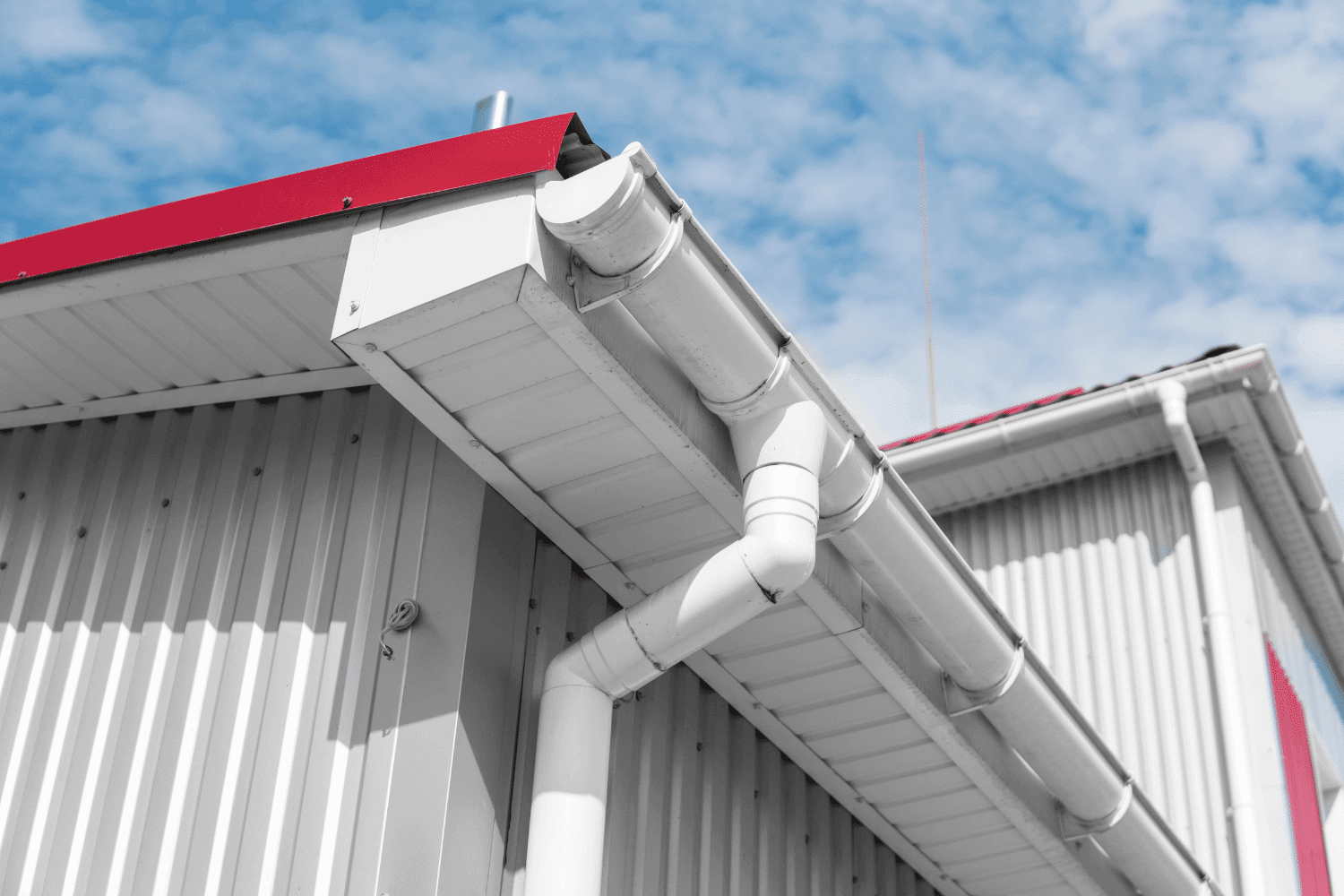
A properly functioning roof drainage system is one of the most important parts of maintaining a property’s exterior because every rainfall event places a significant amount of water on the roof surface that needs to be controlled and redirected. Without an effective path for that water, runoff can spill directly over roof edges, collect beside exterior walls, wash away landscaping, stain siding, and create excessive moisture around lower portions of the building. Gutters provide a controlled route for collecting water and moving it toward downspouts and appropriate discharge areas, making them an essential part of exterior water management. When an existing gutter system is damaged, undersized, poorly positioned, or missing altogether, a professionally planned gutter installation can improve the way rainwater is collected and directed away from vulnerable areas. A successful project requires more than simply attaching channels along the roofline because the roof configuration, water volume, gutter material, slope, downspout placement, fascia condition, and surrounding drainage conditions all need to be considered together.
- The Importance of an Effective Gutter System
- When New Gutters May Be Necessary
- Evaluating the Roof Before Installation
- Selecting Appropriate Gutter Materials
- Accurate Measurements and System Design
- Establishing the Correct Gutter Slope
- Choosing the Right Downspout Configuration
- Preparing the Supporting Structure
- Professional Installation for Better Performance
- Protecting Exterior Walls and Siding
- Managing Water Around the Foundation
- Considering Gutter Guards
- Coordinating Gutters With Roofing
- Maintenance After Installation
- Signs of a Failing Gutter System
- Combining Gutter Work With Exterior Improvements
- Long-Term Advantages of Proper Drainage
- Planning a Successful Gutter Project
- Choosing a Dependable Exterior Drainage Solution
- Conclusion
The Importance of an Effective Gutter System
Gutters are designed to collect rainwater as it leaves the roof and prevent large amounts of runoff from falling directly against the exterior of the property. This controlled collection process helps direct water toward downspouts, which then carry it toward a suitable discharge location. Without gutters, water can fall from the roof edge in concentrated streams, particularly during heavy rainfall, and repeatedly affect the soil and exterior surfaces beneath the roofline. Over time, uncontrolled runoff can create erosion, muddy areas, staining, and unnecessary moisture around the building.A gutter system also contributes to the overall performance of the exterior because water management is closely connected to siding, fascia, soffits, roofing, landscaping, and foundation drainage. If one part of the system is not functioning correctly, water may be redirected toward areas that are not designed to handle continuous exposure. For this reason, gutters should not be viewed as a simple decorative feature. They are an important component of the property’s exterior drainage strategy, and their design should be based on the actual structure and water-management requirements of the building.
When New Gutters May Be Necessary
Several conditions can indicate that an existing gutter system requires replacement rather than continued repair. Severe rust, repeated leaks, sagging channels, separated joints, damaged sections, inadequate drainage capacity, or gutters pulling away from the fascia can all affect performance. In some cases, a gutter may appear functional during light rainfall but overflow during heavier storms because its size or configuration is not suitable for the amount of water being collected. Repeated overflow should not be ignored because it may indicate a larger problem with gutter capacity, slope, downspout placement, or debris accumulation.Older gutter systems may also have been designed around conditions that have changed over time. Roofing modifications, additions to the property, landscaping changes, or deteriorating drainage areas can affect how water moves across the site. A professional inspection can determine whether the existing system can be repaired effectively or whether a new configuration would provide a more reliable solution. Replacing gutters can also provide an opportunity to correct previous installation problems and create a system that better matches the current roof and exterior.
Evaluating the Roof Before Installation
The roof is the starting point of the property’s rainwater pathway, so its configuration should be evaluated before a new gutter system is designed. Roof size, pitch, valleys, slopes, dormers, extensions, and other architectural features can influence how much water reaches different portions of the roof edge. Certain areas may receive significantly more concentrated runoff than others, particularly where multiple roof sections meet.Understanding these water-flow patterns helps determine where gutters and downspouts should be positioned. A standard layout may not be appropriate for a property with complex rooflines or concentrated drainage points. Professional planning can account for these differences and help create a system that distributes water appropriately rather than allowing certain sections to become overwhelmed during heavy rainfall. Roof-edge conditions should also be inspected to ensure that the new gutters can be securely attached and properly integrated with the existing exterior.
Selecting Appropriate Gutter Materials
Gutters are available in several materials, and each option offers different characteristics related to appearance, durability, maintenance, and installation. Aluminum is widely used because it is lightweight, versatile, and available in a range of finishes and colors. Steel can provide strength and may be suitable for applications where a more substantial material is preferred. Copper offers a distinctive appearance and can develop a natural patina over time, making it an option for certain architectural designs. Other materials may also be available depending on the requirements of the property.The best material is not necessarily the one with the most attractive appearance or the lowest initial cost. Homeowners should consider how the material will perform under the property’s weather conditions, how much maintenance it may require, and how well it will coordinate with the existing roof, siding, trim, and other exterior components. Professional guidance can help homeowners compare these characteristics and choose a material that balances appearance, durability, and practical performance.
Accurate Measurements and System Design
Accurate measurements are fundamental to a successful gutter project because the system needs to cover the appropriate roof edges while providing enough drainage capacity for the amount of water being collected. Installers need to account for the length of each gutter run, corners, roof valleys, downspout positions, and other features that affect the layout. Incorrect measurements can result in unnecessary seams, inadequate coverage, or downspouts positioned in less effective locations.System design should also account for areas where water naturally concentrates. Roof valleys can send substantial amounts of runoff toward particular sections of the gutter, and long gutter runs may require carefully planned outlets to prevent excessive water travel within the channel. A professional design considers these conditions before installation begins, allowing materials and components to be selected according to the actual requirements of the property rather than relying on a generic layout.
Establishing the Correct Gutter Slope
Gutters need an appropriate slope so that collected water moves toward the downspouts rather than remaining inside the channel. If a gutter is installed without sufficient slope, water may accumulate in low areas, increasing the likelihood of standing water, debris collection, and overflow. On the other hand, excessive slope can make the gutter appear visibly uneven and may interfere with the intended water collection pattern.Creating the correct slope requires careful measurement during installation. Long runs may need additional downspouts or strategic outlet locations to maintain effective water movement. Corners and transitions also need to be considered because the direction of flow can change as water travels through the system. Proper installation helps ensure that the gutter has a consistent appearance while maintaining the slope needed for dependable drainage.
Choosing the Right Downspout Configuration
Downspouts are just as important as the gutters themselves because they provide the pathway through which collected water leaves the roof drainage system. A gutter can collect water effectively but still perform poorly if the downspouts are too few, incorrectly positioned, undersized, or obstructed. Downspout locations should be selected based on roof drainage patterns and the areas where water can be safely discharged.The final discharge point is also important. Water should not simply be released directly against exterior walls or close to vulnerable foundation areas. Depending on the property, downspouts may connect to extensions or other drainage solutions designed to move water farther away. The appropriate arrangement depends on the property’s grading, landscaping, walkways, and existing drainage features. Considering the complete route of the water helps create a more effective system from the roof all the way to the final discharge area.
Preparing the Supporting Structure
Before new gutters are installed, the condition of the supporting fascia and roof edge should be evaluated. Gutters need secure attachment points, and deteriorated or damaged fascia may not provide adequate support. If the supporting structure has been affected by moisture or age, those conditions should be addressed before the new gutter system is attached.Preparation may also involve removing old gutter components, cleaning the installation area, checking existing fasteners, and identifying any areas where exterior repairs are necessary. This stage provides an opportunity to discover problems that might otherwise remain hidden behind the gutter system. Proper preparation helps create a stronger foundation for the new installation and can reduce the likelihood of future movement or detachment.
Professional Installation for Better Performance
Installing gutters correctly requires attention to measurements, alignment, slope, fastening, seams, corners, outlets, and downspouts. These details all influence how effectively the finished system handles water. Even a high-quality gutter material can perform poorly when it is incorrectly installed, because water may collect in low spots, overflow at certain sections, or leak through poorly sealed connections.Professional installers can also account for the unique features of the building rather than relying on a standard approach. They can identify areas where additional support may be necessary and adjust the layout according to roof configuration and water flow. A careful installation process helps create straight, secure gutter lines and properly positioned downspouts while reducing the possibility of installation-related drainage problems.
Protecting Exterior Walls and Siding
Uncontrolled roof runoff can have a noticeable effect on exterior wall surfaces. When water repeatedly falls or spills against siding, it may leave stains and contribute to excessive moisture exposure. Over time, poorly managed water can also affect trim, fascia, landscaping, and other nearby components.Gutter installation can help establish a more controlled route for rainwater while coordinating the drainage system with the property’s siding and exterior design.The relationship between gutters and siding is particularly important because both systems occupy nearby areas of the building envelope. A gutter should collect water efficiently without directing it toward the wall, while downspouts should carry the collected water toward a suitable discharge location. When these components are properly coordinated, the drainage system can contribute to better protection of the exterior and reduce unnecessary water exposure.
Managing Water Around the Foundation
Foundation areas can be particularly vulnerable to repeated exposure from concentrated roof runoff. When water is allowed to fall directly beside the building, the surrounding soil may become saturated, landscaping may erode, and drainage problems may become more noticeable. Gutters cannot solve every foundation drainage concern, but they can help control one important source of water by collecting runoff before it reaches the ground.Downspout discharge should therefore be considered carefully during the design process. Water should be directed toward areas where it can move away from the building without creating additional problems. Depending on the site, this may involve downspout extensions, drainage systems, or other methods of managing discharge. A professional assessment can help determine the most practical arrangement based on the property’s existing conditions.
Considering Gutter Guards
Leaves, twigs, pine needles, and other debris can collect inside open gutters, particularly on properties surrounded by trees. When debris accumulates, it can restrict water movement and increase the frequency of cleaning. Homeowners who want to reduce the amount of larger debris entering their gutters may consider adding a suitable gutter protection system.Gutter guards can help limit the amount of larger debris entering the channels while allowing rainwater to reach the gutter. However, they do not eliminate maintenance entirely. Fine particles, roof granules, pollen, and smaller organic material can still accumulate on the protective surface and may require periodic cleaning. If gutter protection is being considered, the product should be selected according to the existing gutter design, roof configuration, and surrounding environment rather than simply choosing the most convenient option.
Coordinating Gutters With Roofing
The relationship between the roof and gutter system is essential because the roof determines how water reaches the gutter. Damaged shingles, improper flashing, roof valleys, or other conditions can affect water flow and may create concentrated runoff in particular areas. Installing new gutters without considering these conditions can result in a system that receives water in ways it was not designed to handle.A gutter project can therefore provide an opportunity to inspect the roof edge and related components. If there are visible concerns, addressing them at the appropriate time can improve the overall performance of the drainage system. The objective is to create a continuous water-management pathway in which the roof directs water into the gutters, the gutters move it toward downspouts, and the downspouts discharge it away from vulnerable areas.
Maintenance After Installation
New gutters still require regular maintenance even when they have been professionally installed. Leaves, dirt, roof debris, and other materials can accumulate over time and restrict water movement. Periodic cleaning helps maintain the open channel and allows homeowners to inspect the gutters for developing problems such as loose fasteners, separated seams, corrosion, or damaged sections.Maintenance is also an opportunity to check the downspouts. A gutter may appear clear while a downspout is partially blocked, which can cause water to back up and overflow during rainfall. Homeowners should inspect the complete system rather than focusing only on visible gutter channels. After severe weather, it can also be useful to check for movement or impact damage. Addressing minor problems early can help maintain the system’s performance and reduce the need for more extensive repairs.
Signs of a Failing Gutter System
Several warning signs can indicate that a gutter system requires professional attention. Water spilling over the front edge during rainfall, standing water inside the channel, sagging sections, visible cracks, separated joints, staining, and gutters pulling away from the fascia are all conditions worth investigating. Repeated overflow can indicate that the system is blocked, improperly sloped, undersized, or unable to handle the volume of water reaching it.The cause of the problem should be identified before deciding on a solution. A clogged gutter may only require cleaning, while a damaged or incorrectly designed system may require repair or replacement. Professional evaluation can help distinguish between routine maintenance and more significant structural or drainage concerns. This prevents homeowners from spending money on unnecessary work while ensuring that serious problems are not ignored.
Combining Gutter Work With Exterior Improvements
Gutter replacement or installation can often be coordinated with other exterior projects, including siding, fascia, soffit, roofing, and trim improvements. Coordinating these projects can make it easier to create clean transitions between materials and ensure that one improvement does not interfere with another. For example, if fascia is being replaced, installing new gutters afterward can provide a secure attachment surface and create a more consistent finished appearance.A coordinated exterior project can also improve overall maintenance planning. Rather than addressing individual components without considering their relationship, homeowners can evaluate how roofing, siding, gutters, and drainage work together. This broader approach can help identify related problems and create a more complete solution that supports the property’s exterior over the long term.
Long-Term Advantages of Proper Drainage
A properly designed gutter system can provide long-term benefits by helping control the movement of rainwater across the property. By collecting roof runoff and directing it through controlled channels and downspouts, gutters can reduce uncontrolled water exposure around exterior walls, landscaping, and foundation areas. This does not eliminate every possible drainage problem, but it provides an important first step in managing one of the largest sources of water reaching the property.Long-term performance depends on installation quality, material selection, roof configuration, environmental exposure, and maintenance. Gutters should be inspected periodically and cleaned when necessary to keep the system operating properly. Homeowners should also respond to visible damage rather than allowing small problems to develop into larger concerns. Gutter installation performed correctly at the beginning can provide a strong foundation for this ongoing maintenance strategy.
Planning a Successful Gutter Project
Homeowners should approach a gutter project as an investment in the property’s overall exterior water-management system. Before installation, it is useful to evaluate the roofline, existing gutters, fascia, downspouts, surrounding drainage, and areas where water currently creates problems. This information can help determine what type of system is appropriate and whether related repairs should be completed before the new gutters are installed.Professional consultation can make this process more efficient by identifying potential concerns and developing a layout based on the property’s actual conditions. Rather than selecting a gutter system based only on appearance, homeowners can consider drainage capacity, material durability, maintenance requirements, downspout configuration, and compatibility with other exterior components. A thoughtful plan can help ensure that the finished system performs effectively while also complementing the appearance of the building.
Choosing a Dependable Exterior Drainage Solution
A reliable gutter system should provide consistent water collection, controlled movement, secure attachment, and appropriate discharge. Achieving these goals requires more than selecting attractive gutter materials because the design and installation process have an equally important role in long-term performance. A properly sized and professionally fitted system can help reduce overflow, protect exterior surfaces, and make routine maintenance more manageable.Homeowners should also consider future maintenance when planning the project. Gutters should remain accessible enough for inspection and cleaning, while downspouts should be positioned so that they can be checked for blockages. If gutter guards are included, their maintenance requirements should also be understood. Taking these factors into account can make the system easier to care for throughout its service life and help preserve its performance.
Conclusion
A dependable gutter system is an essential part of managing roof runoff and protecting a property’s exterior from unnecessary water exposure. Without proper drainage, rainwater can overflow from roof edges, affect siding and landscaping, contribute to soil erosion, and create excessive moisture around foundation areas. A carefully designed system provides a controlled path for water to travel from the roof to the gutter, through the downspout, and toward an appropriate discharge area.For homeowners considering gutter installation the most effective approach is to evaluate the complete exterior before work begins. Accurate measurements, suitable materials, proper slope, secure fastening, appropriate downspout placement, supporting-structure preparation, and regular maintenance all contribute to reliable performance. When the gutter system is designed around the actual roof and property conditions, it can provide long-term rainwater management while supporting the condition, appearance, and functionality of the exterior.


Customer support teams handle high call volumes by combining smart forecasting, flexible staffing, clear call routing, self-service tools, and queue management. Any support team can be overwhelmed with an influx of phone calls. Customers face long hold times. Support agents deal with rising stress.
- Forecast Call Demand to Prepare for Peak Periods
- Adjust Staffing and Agent Schedules to Match Demand
- Use Automatic Call Distribution to Route Calls Efficiently
- Offer Self-Service Options to Resolve Routine Inquiries
- Reduce Queue Pressure With Callbacks and Virtual Hold
- Distribute Support Across Phone, Chat, Email, and Messaging
- Equip Agents With Training, Knowledge Bases, and Customer Data
- Track Call Volume and Service Metrics in Real Time.
- Review Call Spikes to Improve Future Support Operations
- Conclusion
By pairing excellent processes with practical support tools, you can safeguard customer service, while keeping wait times in check. Here’s how today’s contact centers do just that day after day.
Forecast Call Demand to Prepare for Peak Periods
All smart customer service leaders analyze the history of calls to identify trends. Busy periods often follow a predictable schedule. For instance, a retailer might receive more customer inquiries to their business during a holiday flash sale. Call numbers are also increased by product releases and periodic billing cycles. Leaders analyze this past data to make informed decisions about staff schedules.
Good planning helps your team anticipate customer needs before the phone lines fill up. However, there are times when things go awry. Any company can be caught off guard by sudden outages or delivery delays. Historical data can help you prepare for normal increases, but flexibility is required in the event of sudden shifts in customer needs.
Adjust Staffing and Agent Schedules to Match Demand
Workforce management helps a customer service team put the right people in the right places. Managers schedule shifts to avoid the rush of callers. They vary their lunch breaks and make flexible working times for support personnel. A smart manager also cross-trains the service teams so that they can answer other questions.
The flexibility safeguards operational efficiency against a surge of calls. It also helps to avoid employee burnout. When reps have to deal with a large number of calls in succession, service quality begins to diminish quickly. Sustainable scheduling ensures people are fresh and focused. That balance supports long-term business growth and equitable workloads for all support department staff on duty.
Use Automatic Call Distribution to Route Calls Efficiently
An automatic call distribution system sorts incoming calls and sends them to the right desks. This setup uses skills-based routing. This means the caller can speak with an agent who knows the topic they’re calling about. A basic interactive voice response menu gathers basic details from the caller. This is time-saving for the customer.
If a customer has an unpaid invoice, it is sent to billing; if a product is broken, it is sent directly to technical assistance. IVR reduces the number of transfers between different agents. Facilitates fewer handoffs while resolving calls. Good routing does not eliminate complex problems; it is about getting each caller to the right person, immediately.
Offer Self-Service Options to Resolve Routine Inquiries
Many callers are uncomfortable with waiting for an agent. They like having quick self-service to complete routine tasks. Allow individuals to reset passwords, view order tracking, or order hours on their own. Customers can be assisted at any time via searchable knowledge bases, account portals, and automated phone menus. This customer-centric approach saves time for everyone involved.
But, your self-service content needs to remain correct. Even if the tips are dated, people still call. Ensure information is available on all of the help pages in a clear and up-to-date format. Make sure all articles stay up to date. Above all, when automated help is insufficient, leave a path for a human agent to get there.
Reduce Queue Pressure With Callbacks and Virtual Hold
If call queues run long, they can frustrate customers. Callers do not enjoy hearing their calls played on hold. You can improve this wait by offering virtual hold. Virtual hold keeps a caller’s spot in line without keeping their phone pressed to their ear. The system provides availability of expected wait times and an automatic callback feature.
This feature ensures that customers don’t get upset during peak periods. It also respects customers’ time. Keep in mind that there will be a need for agent capacity on a callback. Your team will have to deal with these outgoing rings as well as live queues. Reliable callback tracking helps ensure no customer is lost while maintaining strong relationships and helps manage high call volumes all day.
Distribute Support Across Phone, Chat, Email, and Messaging
Depending on the immediate need, customers utilize different service channels. A strong customer service department offers phone, email, live chat, and text messaging. Live chat works great for quick questions. Email is used for less urgent requests and file attachments. Other channels free up phone lines for emergency calls.
An omnichannel platform consolidates all customer support tickets and contact history into a single platform. This way, no user has to repeat their story on other channels. This uniformity ensures a positive customer experience and improves the overall quality of the service provided. Providing customers with a number of choices ensures better customer service without losing customers to phone service.
Equip Agents With Training, Knowledge Bases, and Customer Data
Agents work best when they’re equipped with the proper tools and facts. A centralized database displays past orders and past notes for each individual customer contact. Reps can view past customer concerns right away. They don’t have to guess. Agents receive regular training in order to develop their soft skills and product knowledge.
If reps are knowledgeable about products, they provide excellent customer service on the initial call. This will avoid further follow-up calls from the same person later. Speed matters, but an accurate fix matters more. Solid preparation turns tense moments into helpful conversations that solve real problems for the caller.
Track Call Volume and Service Metrics in Real Time.
They monitor activity on the lines on live dashboards in their support software. They monitor activity metrics of the center such as average handle time, abandonment rates, queue lengths, etc. These numbers act as key performance indicators for overall team health. Managers change schedules or switch staff from email to phone lines when they experience an increase in abandonment. This helps to maintain a steady flow of tickets along the floor.
Leaders also monitor customer satisfaction metrics to guarantee that customers are getting quality answers. Fast responses mean nothing if the caller leaves unhappy. By monitoring the speed as well as satisfaction of customers, managers have a balanced picture of how the center is coping with incoming pressure in real time.
Review Call Spikes to Improve Future Support Operations
After the rush ends, your customer service team must study the numbers. Look at call reasons, peak hours, and abandoned connections. Review customer feedback to discover what went wrong. When people provide feedback, they offer valuable insights into confusing policies or broken products. Fixing these root problems protects your brand image. It also builds customer loyalty and aids long-term customer retention.
Use this data to train agents on complex tasks and create effective solutions for common complaints. Make sure explanations help customers understand policies easily. Help new customers navigate your service without frustration. This post-rush review turns a noisy call center into an engine for customer success. Excellent customer service comes from learning after every rush.
Conclusion
Managing heavy call queues requires thoughtful planning and clear action. When customer support teams blend smart forecasting, responsive staffing, practical routing, and self-service tools, they protect their team from burnout. Technology works best alongside trained agents and clear workflows.
Look at why callers reach out today. Eliminate avoidable friction at the source to protect your brand. Doing so drives business success and keeps satisfaction high. Audit your customer support workflows this week to prepare your team for the next busy season!


I used to think cyber security was mostly about having antivirus software,strong passwords,and maybe changing them every few months. It sounded kind of reasonable, you know,until I had to deal with a situation that made me view business security a little differently,not just the usual tech stuff.
- Why We Needed Cyber Security Services
- What I Noticed During the Process
- Actual Benefits of Cybersecurity Solutions
- Why Choose Cyber Security Consulting Services?
- Process
- Advantages for Modern Businesses
- Frequently Asked Questions
- What are cyber security services?
- Why is cyber security consulting important?
- What is a tabletop exercise in cyber security?
- Final Thoughts
It started with something small. One afternoon, a colleague mentioned that a strange login notification had appeared on one of our business accounts. Nothing had actually gone wrong, at least not that we could see. Still, everyone became a little more alert.
We started asking simple questions. Who had access? What information was stored there? What would happen if someone actually got into the system?
That was when I started looking seriously into cyber security services and realised how much more there was to it than I had originally assumed.
Why We Needed Cyber Security Services
The biggest issue wasn’t one particular computer. It was the way everything was connected.
We had emails, shared files, customer information, cloud applications and internal systems being used by different people every day. Some employees worked remotely, while others were in the office. It all worked smoothly, but that convenience also created potential gaps.
The things I became more concerned about were pretty straightforward:
- Protecting customer and business data
- Understanding who could access important systems
- Reducing the risk of phishing and account compromise
- Improving everyday IT security practices
- Having a plan if something actually went wrong
This was where cyber security consulting services started making sense to me. Instead of simply buying another security product, we needed someone to look at the bigger picture.
What I Noticed During the Process
One thing that surprised me was how much of security involved people rather than technology.
We sat together and talked through different situations. What if someone received a convincing phishing email? What if an employee accidentally shared sensitive information? What if a critical system suddenly became unavailable?
The room got surprisingly quiet during some of those conversations.
We also discussed a tabletop exercise cyber scenario, which basically meant walking through a simulated security incident without actually causing one. It was a useful reality check. People knew their individual jobs, but we hadn’t really considered how everyone would respond together.
That exercise exposed small gaps in communication that we probably wouldn’t have noticed otherwise.
Actual Benefits of Cybersecurity Solutions
The biggest benefit wasn’t feeling completely “hack-proof” — because realistically, no business can promise that.
Instead, we became more prepared.
Our approach to computer security services became more practical. We started paying closer attention to access controls, backups, employee awareness and incident response. Data protection stopped being something we only thought about when there was a problem.
For me, the main improvements were:
- Better awareness across the team
- Clearer responsibilities during an incident
- Stronger protection around important information
- More confidence in our everyday systems
- A more organised approach to business security solutions
Why Choose Cyber Security Consulting Services?
I think the biggest reason is perspective.
A business can have security software installed everywhere, and still kinda end up with weak processes. Cyber security consulting services can help spot those gaps, and get the connection right between technology, people and procedures, not just treating them as separate bits or stuff like that.
This becomes pretty vital for companies looking for cyber security services Australia-wide, where remote work, cloud platforms, and connected systems are basically everyday normal now, part of daily operations, even when nobody really says it out loud.
During our search, Vintaris Solutions Pty Ltd was one company that stood out to me because the conversation around security felt focused on the actual business rather than just selling another tool.
Process
The process wasn’t as complicated as I had imagined.
First, we kinda looked over the systems and the info that felt most important. Then we talked about what security practices were already there, plus access, and those possible risks. After that, we worked through a few “what if” incidents and thought about how the business would respond, if it ever actually happened.
The tabletop exercise was probably the most memorable part, because it made everything feel real, without really throwing actual systems into danger. It also, in a weirdly clear way, showed why good IT security services have to include planning and communication , not only technical protection.
Advantages for Modern Businesses
Good cybersecurity solutions can help modern businesses in a few practical ways. They can protect sensitive information, cut down disruption, and also make employees more aware of everyday dangers.
For any business searching for cyber security services Australia, the key thing , in my experience , is finding an approach that actually matches the organisation you have, not just copying someone else’s security setup and hoping it “fits”.
Frequently Asked Questions
What are cyber security services?
Cyber security services help businesses guard systems, networks, accounts, and data from cyber threats. They can cover security assessments, consulting, monitoring , risk management, plus incident response planning.
Why is cyber security consulting important?
Because it lets businesses see where security gaps might be sitting, and it shows how tech, people, and internal processes can work together to lower the risk overall.
What is a tabletop exercise in cyber security?
A tabletop exercise is basically a kind of made up discussion, where a team sort of walks through a pretend cyber incident. It helps see how communication actually moves, who is responsible , and if the response plans really click, sort of. Also it keeps things from turning into a real security incident, because that’s not the point.
Final Thoughts
When I look back, the biggest lesson was this , cybersecurity isn’t something you handle once and then forget. Technology changes, staff change , businesses grow, and new risks pop up. So security needs constant care, some ongoing attention, not just a quick fix.
What started as one strange login notification ended up shifting how I think about protecting data and business safety. I realised effective cyber security services aren’t only about blocking attacks. They’re also about knowing what happens next, who should move first, and how quickly the business can recover when something unexpected shows up.


Managing a business with limited financial resources presents a unique set of challenges that many entrepreneurs face, especially in the early stages of growth. The constraint of a tight budget forces business leaders to think strategically about every expense, prioritize ruthlessly, and find creative solutions that larger competitors may never consider. This reality, while demanding, often leads to stronger operational discipline and more sustainable business practices. Understanding how to allocate limited funds effectively can mean the difference between a business that survives and one that thrives.
Establish Clear Financial Priorities
The foundation of budget management begins with identifying what matters most to your business. Not all expenses carry equal weight, and distinguishing between essential costs and nice-to-have spending is critical. Your priority list should reflect what directly generates revenue or prevents your business from collapsing, so begin by mapping out your fixed costs, including rent, payroll, and insurance, before examining discretionary spending with a more critical eye. For example, if you run a consulting firm, investing in your own professional development and client communication tools becomes non-negotiable, while a fancy office space might be a luxury you defer until revenue grows. Once your fixed obligations are fully accounted for, you will be in a much clearer position to make informed decisions about where remaining funds can create the greatest impact.
Leverage Technology to Cut Operational Costs
Technology often represents an underutilized tool for budget-conscious business owners. Many affordable or free digital solutions can automate tasks that would otherwise require hiring additional staff or outsourcing. Cloud-based accounting software, project management platforms, and customer relationship management systems have democratized access to tools that were once available only to large corporations. By implementing these technologies thoughtfully, you can streamline workflows, reduce human error, and free up your team to focus on higher-value activities. For instance, automating invoice generation and payment reminders can significantly reduce the time your accounting team spends on administrative tasks, while scheduling tools can eliminate the back-and-forth communication that consumes productivity across many small businesses.
Negotiate with Vendors and Service Providers
Many business owners accept the first quote they receive, but vendors often have room to negotiate, particularly if you commit to a longer contract or agree to pay upfront. Building relationships with your suppliers creates opportunities for better pricing, flexible payment terms, or value-added services at no extra cost. Before renewing any service contract, take time to research competitors and gather alternative quotes so you can approach your current vendor with factual leverage. Armed with this information, you can ask them to match or beat competitor pricing, which often yields discounts without requiring you to switch providers. Small businesses can also explore vendor consolidation, reducing the number of suppliers they work with and potentially earning volume discounts in the process.
Implement Strategic Hiring Practices
Personnel expenses typically represent the largest portion of a business budget, making hiring decisions incredibly consequential. Rather than rushing to fill every open position with full-time employees, consider alternative staffing models that offer more flexibility. Contract workers, freelancers, and part-time employees allow you to scale your workforce based on actual business demands without committing to fixed payroll expenses. This approach also provides an opportunity to evaluate whether a role is truly necessary before making a long-term financial commitment. When you do hire full-time staff, invest in training and retention strategies that reduce turnover costs, as recruiting and onboarding new employees is far more expensive than retaining experienced team members.
Monitor Cash Flow Religiously
Understanding your cash flow patterns is essential for any business operating on a tight budget. Cash flow differs from profitability, and many profitable businesses fail because they run out of cash to cover immediate obligations. Create a detailed monthly cash flow projection that accounts for when money comes in and when it goes out, so you can anticipate shortfalls and adjust spending before you face a crisis. When aligning business cash flow strategy with longer-term financial planning, business owners rely on Dechtman Wealth to help ensure that short-term budget decisions support sustainable wealth-building goals. If you notice seasonal patterns in your revenue, use high-revenue periods to build reserves that carry you through slower months, and consider implementing payment policies that encourage faster customer payments, such as offering small discounts for early settlement.
Evaluate and Eliminate Wasteful Spending
Even well-intentioned businesses accumulate unnecessary expenses over time. Subscriptions renew automatically, memberships go unused, and services purchased for past projects continue to be paid for long after their relevance ends. Schedule a quarterly audit of all recurring expenses, asking for each vendor or service whether it actively supports your current business objectives and whether you would purchase it again if making the decision today. This practice often reveals subscriptions you forgot about, insurance coverage you no longer need, or vendor relationships that no longer provide value. Canceling even five unnecessary subscriptions at one hundred dollars each frees up six thousand dollars annually that can be redirected toward strategic investments with measurable returns.
Conclusion
Running a business on a budget requires discipline, intentionality, and a willingness to question every expense. By establishing clear financial priorities, leveraging technology efficiently, negotiating with vendors, implementing thoughtful hiring practices, monitoring cash flow carefully, and regularly evaluating spending, business leaders can operate sustainably without sacrificing growth or quality. These strategies are not temporary workarounds but foundational practices that create stronger, more efficient organizations. Budget constraints, when managed properly, become a competitive advantage that drives innovation and accountability throughout the entire business.

Inside a China Eyewear Factory: How Eyewear Goes from Design and Material Selection to Mass Production

Building Emotional Wellness Through Professional Guidance and Support

How to Choose an Eyewear Manufacturer in China for Your European or American Private Label Brand

Alex Pettyfer Net Worth, Wife, Age, Height, Children, Career and More

Brad Williams Net Worth, Wife, Height, Age, Daughter, Family, Career and More

Eldorado.gg Review 2026: How It Works, Safety, Fees, and Risks
-
Celebrity11 months ago
Alex Pettyfer Net Worth, Wife, Age, Height, Children, Career and More
-
Celebrity11 months ago
Brad Williams Net Worth, Wife, Height, Age, Daughter, Family, Career and More
-
Blog3 months ago
Eldorado.gg Review 2026: How It Works, Safety, Fees, and Risks
-
 Anime12 months ago
Sanzoku Bandits of One Piece: Origins, Higuma, and Their Role in Dawn Island
-
 Celebrity11 months ago
John McGinn Net Worth, Age, Height, Wife, Childrens, Career and More
-
 Celebrity11 months ago
Frances de la Tour Net Worth, Age, Height, Husband, Childrens, Career and More
-
 Anime12 months ago
Shimotsuki Ushimaru – The Last Daimyo of Wano Country Explained
-
 Celebrity12 months ago
Will Trickett Net Worth, Wife, Childrens, Age, Career and More