
Home Improvement
How Can You Compare Different Residential Projects in Porur?


Buying a home is a major decision, and choosing the right residential project requires careful consideration. With several residential developments available in Porur, you may find it difficult to decide which one is suitable for your requirements.
Every residential project has different features, facilities, apartment configurations, and locations. Therefore, you must compare these factors before making a decision. A project that looks attractive at first may not offer everything you need for comfortable living.
So, how can you compare different residential projects in Porur? Let us look at the important factors you must consider before choosing a property.
1. Compare the Location and Connectivity
The first thing you must consider is the location of the residential project. Even if two apartments have similar features, their locations can make a significant difference in your daily life.
Check how easily you can access important places such as schools, hospitals, shopping centres, and workplaces. Also, look at the road connectivity and availability of public transportation.
For instance, if you have children, choosing a residential project near reputed schools can make everyday travel easier. Similarly, easy access to hospitals and essential shops will be helpful for your family.
Therefore, compare the surrounding facilities of each project and choose a location that suits your daily requirements.
2. Check the Apartment Configuration
Residential projects offer different apartment configurations based on the requirements of buyers. You can find 2 BHK, 3 BHK, and larger apartments depending on the project.
Before comparing the apartments, consider the number of bedrooms, bathrooms, balconies, and available living space.
For example, a 2 BHK apartment may be sufficient for a small family. However, if you have a larger family or need an additional room for work, a 3 BHK apartment may be a better option.
Also, compare the carpet area instead of looking only at the total built up area. This will help you understand how much usable space you actually get inside the apartment.
3. Compare the Amenities Offered
Amenities are another important factor that separates one residential project from another. Most modern residential developments provide facilities that support everyday activities and recreation.
Some common amenities include:
- Swimming pool
- Gymnasium
- Children’s play area
- Indoor games room
- Walking tracks
- Multipurpose hall
- Landscaped gardens
- Security systems
However, you should not choose a project simply because it offers a long list of amenities.
Check whether these facilities are useful for your family and whether they are properly maintained. For instance, if you have children, a dedicated play area can be useful. Similarly, a gymnasium or walking track can help residents maintain their fitness.
Compare the amenities available in different projects and identify which one offers practical facilities for your lifestyle.
4. Examine the Construction Quality
The construction quality of a residential project directly affects its durability and maintenance requirements.
Therefore, you must check the materials used for construction, the quality of flooring, electrical fittings, plumbing systems, doors, and windows.
If possible, visit the project site and observe the construction progress. You can also look at the builder’s previous residential developments to understand their construction standards.
Check whether the project has the necessary approvals and relevant documentation. You should also verify the RERA registration details before proceeding with your purchase.
These checks will help you understand the quality of the project and avoid unnecessary problems later.
5. Evaluate the Builder’s Reputation
The reputation of the builder is another factor you must consider while comparing residential projects.
A builder with experience in developing residential properties may have a better understanding of construction requirements, project planning, and delivery schedules.
Therefore, research the builder’s previous projects and check their completion status. You can also look at customer reviews to understand the experiences of existing homeowners.
Pay attention to feedback about construction quality, maintenance, and the builder’s response to customer concerns.
For example, if a builder has completed several residential projects and has positive feedback from homeowners, it can give you a better understanding of their work.
Do not make your decision based on advertisements alone. Check the actual project details before choosing a builder.
6. Compare the Total Property Cost
The total cost is another important factor to consider when comparing residential projects.
Two apartments with similar configurations may have different prices because of their location, amenities, construction quality, and other features.
Therefore, compare the overall property cost instead of looking only at the advertised price.
Check whether the quoted amount includes parking charges, maintenance deposits, registration expenses, and other applicable charges.
For instance, one project may have a lower advertised price but additional charges that increase the overall cost. Another project may offer more facilities at a slightly higher price.
By comparing the complete cost details, you can understand which property offers better value for your money.
7. Check the Safety and Security Facilities
Safety is an important requirement for every residential community. Therefore, you must compare the security arrangements available in different projects.
Check whether the residential development provides CCTV cameras, security personnel, controlled entry and exit points, and proper lighting in common areas.
You should also look at fire safety arrangements and emergency access facilities.
If you have children or elderly family members, these facilities become even more important. A properly managed security system can provide residents with greater peace of mind.
8. Consider the Future Development of the Area
Apart from the existing facilities, you should also consider the future development potential of the location.
Porur has residential and commercial developments, along with access to important roads and employment centres. Therefore, check the infrastructure and upcoming developments around the project.
Look at road improvements, public transportation facilities, educational institutions, and commercial establishments in the surrounding areas.
These developments may influence the convenience and property value of the location over time.
However, do not depend entirely on future developments. Give more importance to the existing infrastructure and facilities before making your decision.
Conclusion
Comparing different residential projects in Porur requires you to look beyond the apartment price and advertised amenities. You must consider several factors, including location, apartment configuration, construction quality, builder reputation, safety, and available facilities.
If you are planning to purchase Flats in Porur, make a list of your requirements and compare different projects based on these factors.
Visit the shortlisted properties, check the documentation, and understand the facilities offered by each builder. This will help you identify the residential project that meets your family’s requirements.
After all, choosing the right home is about finding a property that offers comfortable living, convenient access to essential facilities, and good long term value.
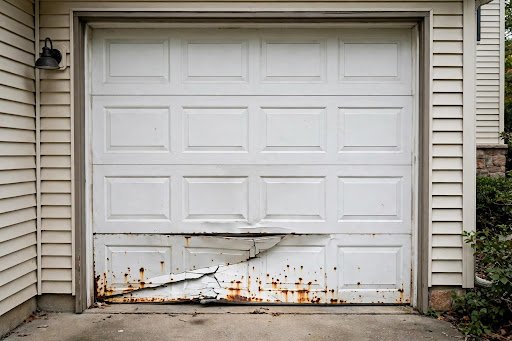
Damaged panels do not always mean a new door. Depending on the type and extent of the damage, you may have several options, from a simple surface repair to replacing a single panel or the whole door. Understanding the damage and the choices helps you make a sensible decision that fits your budget and the condition of the door.
- Surface rust
- Rot in wood panels
- Cracked panels
- Replacing individual panels
- When a full replacement makes sense
- Florida weather and panels
- Inspect the panels regularly
- Protect the panels from further damage
- Ask a technician for an honest assessment
- Consider the door’s overall condition
- Tampa homeowners
- Choose the repair that protects the door
- Frequently asked questions
Surface rust
Light rust on steel panels can often be cleaned, treated and repainted. Remove loose rust with a wire brush, clean the area, apply a rust-inhibiting primer and finish with a matching paint. Address surface rust early, because untreated rust spreads under the paint and can weaken the panel from the inside.
Rot in wood panels
Soft spots and rot in wood panels can sometimes be repaired with filler and sealant. Remove the rotted wood, treat the area and fill it to match the panel. Heavy rot that has spread through the panel usually calls for replacement, because the repair may not hold or restore the strength of the section.
Cracked panels
A crack along a seam may be repaired or the panel replaced, depending on its size and location. Cracks weaken the door and can affect insulation and weather sealing. A crack that runs across a panel usually means the section should be replaced rather than patched.
Replacing individual panels
Individual panels can often be replaced, especially on steel doors. The new panel must match the original in size, profile, thickness and finish. Check whether the design is still available from the manufacturer before ordering. Ask the technician to confirm that the new panel will fit the existing hardware and the insulation.
When a full replacement makes sense
If several panels are damaged, the door is old or the rust has spread across the surface, a new door may be the better choice. A full replacement also allows you to upgrade the insulation, the springs, the opener and the security features at the same time. Compare the cost of repairing several panels with the cost of a new door before deciding.
Florida weather and panels
Humidity, heavy rain and salt air can accelerate rust and rot in garage door panels. Coastal and humid areas benefit from corrosion-resistant finishes and regular cleaning. Look for panels and finishes designed for moisture resistance, and inspect the door after storms or periods of heavy rain.
Inspect the panels regularly
Look at each panel every few months for rust, cracks, soft spots and dents. Check the seams between sections, because water and debris often collect there. Early detection makes a small repair possible and can prevent the need for a complete replacement.
Protect the panels from further damage
Keep vehicles and equipment away from the door, store items clear of the door’s path and address leaks promptly. Clean the door periodically with a mild soap and water, and touch up paint chips before they spread. Protecting the finish helps the panels last longer.
Ask a technician for an honest assessment
A technician can tell you which option costs less over time and which keeps the door secure and safe. Ask whether the damage affects the structure, the insulation or the balance, and whether the springs and cables need attention too. Get a written estimate for each option so you can compare them clearly.
Consider the door’s overall condition
A panel repair makes sense when the rest of the door is in good shape. If the springs, cables, track or opener are also worn, the cost of repairing the panels alone may not be justified. Look at the whole system before deciding.
Tampa homeowners
If you are in Tampa and your garage door panels need attention, a local technician can assess the damage and recommend the right option. You can review panel replacement options on our garage door panel replacement page for Tampa, FL, or visit the Century Garage Door Service homepage to learn about all of our services.
Choose the repair that protects the door
Surface rust, rot, cracks and dents each call for a different response. Clean and treat minor damage, replace individual panels when only one section is affected and consider a full replacement when the damage is widespread. An honest assessment will help you choose the option that keeps the door secure and attractive for years.
Frequently asked questions
Can rust on a garage door panel be painted over? Only after the rust is cleaned and treated. Painting over untreated rust traps moisture underneath and allows the damage to continue, often more quickly.
How do I choose a replacement panel? Match the size, profile, thickness and finish of the original. Check whether the manufacturer still makes the design, and ask the technician to confirm the fit with your hardware.
When is a full door replacement better? When several panels are damaged, the door is old, the springs and cables are worn or the insulation is poor. A new door can address those issues together.
Home Improvement
Professional Cleaning Solutions for a Healthier, Fresher, and More Organized Lifestyle

Introduction
Maintaining a clean and organized environment is essential for creating a comfortable home and a productive workplace. Dust, dirt, stains, and everyday clutter can gradually affect the appearance of a property and make routine maintenance more challenging. With busy schedules and numerous responsibilities, many people struggle to find enough time to clean every area thoroughly. Professional cleaning services offer a practical solution by helping homeowners and businesses maintain tidy surroundings while allowing them to focus on their daily priorities and personal commitments. Choosing a suitable cleaning company involves considering service quality, attention to detail, reliability, and the ability to meet individual requirements. The Clean Panther is a name customers may explore when researching professional cleaning options for their properties. Before selecting any provider, it is helpful to understand the available services, cleaning methods, pricing structure, and customer support. A thoughtful approach to choosing cleaning assistance can make it easier to maintain a fresh, comfortable, and welcoming environment throughout the year.
- Introduction
- Why Professional Cleaning Matters
- Understanding Different Cleaning Services
- Creating a Healthier Home Environment
- Maintaining Clean and Hygienic Kitchens
- Keeping Bathrooms Fresh and Comfortable
- Benefits of Hiring Professional Cleaners
- Choosing Suitable Cleaning Products and Equipment
- Improving Cleanliness in Professional Workplaces
- How to Choose a Reliable Cleaning Company
- Saving Time Through Better Cleaning Habits
- Maintaining Cleanliness Over the Long Term
- Conclusion
Why Professional Cleaning Matters
A clean environment contributes to comfort, organization, and a more pleasant daily experience. In homes, regularly maintained kitchens, bathrooms, bedrooms, and living rooms create spaces where family members can relax and complete everyday activities more comfortably. In workplaces, clean desks, floors, meeting rooms, and shared facilities help create a professional atmosphere for employees and visitors. Removing accumulated dust and addressing visible messes also helps prevent minor cleaning problems from developing into more time-consuming maintenance tasks. Clean surroundings can influence how people feel about their environment. Cluttered rooms and dirty surfaces may create distractions, while organized spaces can make it easier to concentrate, locate belongings, and complete daily responsibilities. Regular cleaning encourages better organization and helps maintain the appearance of furniture, floors, fixtures, and other household items. When customers compare professional cleaning providers, they should consider whether the services offered match their property’s requirements and whether the company communicates its procedures and expectations clearly.
Understanding Different Cleaning Services
Every property has different cleaning needs based on its size, layout, number of occupants, and everyday activities. A family home may require frequent kitchen maintenance, bathroom cleaning, dust removal, and floor care, while an office may need special attention to workstations, meeting areas, reception spaces, and shared facilities. Properties with pets, children, or frequent visitors may also experience faster accumulation of dirt and clutter. Understanding these differences helps customers choose an appropriate cleaning schedule and determine which tasks deserve the most attention. Routine cleaning generally includes dusting accessible surfaces, vacuuming, mopping, cleaning bathrooms, and maintaining kitchen areas. Deep cleaning may involve more detailed attention to baseboards, appliance surfaces, neglected corners, and other areas that do not receive frequent maintenance. Some customers may also require move-in cleaning, move-out cleaning, or assistance before special occasions. The Clean Panther can be included in the research process when exploring cleaning services, but customers should confirm the provider’s actual offerings, availability, and terms directly before making a booking.
Creating a Healthier Home Environment
A well-maintained home offers a comfortable setting for relaxing, spending time with family, and completing everyday activities. Dust, pet hair, food particles, and other debris can accumulate on furniture, floors, and soft furnishings when cleaning is postponed. Regular vacuuming, damp dusting, and washing suitable household textiles help reduce the buildup of these materials. Maintaining clear surfaces and organized storage areas also makes it easier to keep rooms presentable and prevents clutter from becoming difficult to manage. Homeowners can support a cleaner environment by developing small daily habits that complement their regular cleaning schedule. Wiping kitchen counters after preparing meals, putting belongings away, addressing spills promptly, and keeping entryways tidy can make household maintenance easier. Professional assistance may provide additional support when busy schedules prevent homeowners from completing every task themselves. A balanced approach combines everyday care with occasional detailed cleaning, helping maintain a comfortable environment without allowing household chores to become overwhelming.
Maintaining Clean and Hygienic Kitchens
The kitchen is one of the most frequently used areas in a home, making regular maintenance particularly important. Food crumbs, grease, spills, and moisture can accumulate on countertops, stovetops, cabinet handles, and floors. Cleaning these surfaces after use helps keep the room presentable and reduces the buildup of residue. Frequently touched areas, including appliance controls and refrigerator handles, should also receive appropriate attention as part of a consistent household cleaning routine. Effective kitchen care involves selecting suitable products for different materials and following safe cleaning practices. Countertops, sinks, appliances, and floors may require different methods depending on their surfaces and manufacturers’ recommendations. Cleaning clothes should be washed regularly, and products used around food preparation areas should be applied according to their labels. When evaluating The Clean Panther or another cleaning provider, customers should ask which kitchen tasks are included in the service and whether additional appliance cleaning requires a separate arrangement.
Keeping Bathrooms Fresh and Comfortable
Bathrooms require regular cleaning because moisture, soap residue, and frequent use can quickly affect their condition. Sinks, faucets, toilets, showers, mirrors, and floors should be cleaned according to the level of use and the materials involved. Proper ventilation can help control moisture, while promptly addressing leaks and damp areas may reduce the risk of mold growth. Keeping towels fresh and toiletries organized also improves the overall appearance and comfort of the room. Safety should remain a priority when cleaning bathrooms, especially when using chemical products. Customers should follow label instructions, ventilate the area as recommended, and never mix cleaning chemicals because certain combinations can release dangerous gases. Delicate fixtures and surfaces should be treated with suitable products to avoid scratches or discoloration. A structured cleaning routine helps maintain bathroom hygiene and makes it easier to identify areas that require more detailed attention.
Benefits of Hiring Professional Cleaners
Professional cleaning services can provide valuable support for people who have limited time to manage household or workplace maintenance. Work commitments, family responsibilities, and personal activities can make it difficult to clean every room as often as necessary. A suitable cleaning provider can help complete agreed tasks efficiently, maintain a regular schedule, and give additional attention to areas that may otherwise be neglected. This support allows customers to spend more time on their priorities while keeping their surroundings organized. Another advantage is the ability to arrange services according to specific needs. Some customers prefer regular maintenance visits, while others require a detailed clean before hosting guests, moving into a property, or completing renovation work. The Clean Panther may be worth investigating as part of a comparison of cleaning providers, provided prospective customers verify its current offerings and service standards. Reviewing customer feedback, confirming the scope of work, and requesting clear pricing information can help people make informed decisions before choosing a company.
Choosing Suitable Cleaning Products and Equipment
Cleaning results depend partly on using the correct equipment and products for each task. Microfiber cloths can help remove dust from many surfaces, while vacuum cleaners are useful for carpets, rugs, and suitable upholstery. Mops, scrub brushes, and reusable cloths support different cleaning activities when they are maintained properly. Selecting the right tools can reduce unnecessary effort and help prevent damage to furniture, flooring, and fixtures. Cleaning solutions should always be chosen according to the surface being treated. A product suitable for ceramic tiles may not be appropriate for natural stone, untreated wood, or delicate fabrics. Reading instructions, using recommended quantities, and testing products on inconspicuous areas can help prevent accidental damage. Products should also be stored safely away from children and pets. When comparing cleaning companies, customers can ask about the types of products used and whether special instructions can be followed for delicate household materials.
Improving Cleanliness in Professional Workplaces
Workplaces require consistent maintenance because employees and visitors regularly use desks, meeting rooms, reception areas, kitchens, and shared facilities. Dusty surfaces, overflowing bins, and dirty floors can affect the appearance of an office and create an unprofessional impression. Regular cleaning helps keep common areas presentable and supports a more comfortable working environment. Particular attention should be given to high-touch surfaces and frequently used facilities as part of an appropriate maintenance plan. A workplace cleaning schedule should reflect the number of employees, the type of business, and the amount of daily activity. Offices with shared desks or busy reception areas may require more frequent attention than smaller workplaces with limited foot traffic. Clear arrangements about cleaning times, access, waste disposal, and priority areas can help minimize disruption. Customers considering The Clean Panther for workplace maintenance should verify whether the company provides the required commercial services and whether its scheduling options fit the business’s operating hours.
How to Choose a Reliable Cleaning Company
Selecting a cleaning provider involves looking beyond promotional descriptions and comparing practical details. Customers should consider service options, experience, communication, scheduling flexibility, pricing, and the company’s approach to protecting property. It is useful to ask whether cleaning supplies and equipment are included, which tasks cost extra, and what procedures apply if an appointment needs to be changed. Written service details can make expectations clearer and reduce the possibility of misunderstandings. Customer reviews and recommendations may provide insight into reliability and service quality, although individual experiences can vary. Customers should also ask about insurance where applicable, staff training, and procedures for handling delicate belongings or accidental damage. Before confirming a booking, they should identify priority areas and communicate any special instructions. Researching The Clean Panther alongside other available providers can help customers compare options, but a final decision should be based on verified information, service suitability, and transparent terms rather than assumptions.
Saving Time Through Better Cleaning Habits
Simple daily habits can significantly reduce the amount of time required for household maintenance. Returning items to their proper places, cleaning up spills immediately, washing dishes after meals, and keeping frequently used surfaces clear can prevent clutter from spreading. Families can divide age-appropriate chores among household members, making maintenance more manageable and encouraging everyone to contribute. Organizing cleaning supplies in an accessible location also reduces interruptions and makes routine tasks easier to complete. Planning chores in advance can further improve efficiency. Cleaning from higher surfaces toward lower areas helps prevent dust from settling on floors that have already been cleaned. Grouping similar tasks together, such as dusting several rooms before vacuuming, can reduce repeated effort. These habits are useful whether a household handles most cleaning independently or supplements its routine with professional assistance. The goal is to create a realistic system that supports consistent results without placing unnecessary pressure on anyone.
Maintaining Cleanliness Over the Long Term
Long-term cleanliness depends on combining regular maintenance with occasional detailed cleaning. Daily tasks help control ordinary mess, weekly routines address frequently used spaces, and periodic deep cleaning focuses on neglected areas. The right schedule depends on household size, pets, visitor frequency, and personal preferences. Reviewing the plan occasionally allows homeowners and businesses to adjust their priorities as their circumstances change. Customers can improve results by communicating clearly with their cleaning provider and providing feedback when necessary. Explaining which areas need additional attention, identifying delicate materials, and confirming the expected scope of work helps create a more consistent experience. If The Clean Panther is among the companies being considered, prospective customers should confirm its actual services, service terms, and current availability before arranging an appointment. Careful planning and realistic expectations help maintain a clean, comfortable environment over time.
Conclusion
Maintaining clean surroundings is an important part of creating a comfortable home and a professional workplace. Regular attention to kitchens, bathrooms, floors, furniture, and shared spaces helps prevent dirt from accumulating and makes everyday maintenance easier. Choosing appropriate products, following safe cleaning practices, and establishing a realistic schedule can improve results while protecting household belongings and workplace equipment. Professional cleaning assistance can be especially valuable for people who need additional support or want a more structured approach to maintaining their property. By comparing service options, confirming the tasks included, and communicating expectations clearly, customers can choose a provider that suits their requirements. The Clean Panther is a name prospective customers may research as part of this process, but verifying its current services and terms is important before booking. Ultimately, consistent habits and informed decisions are the foundation of a cleaner, more organized, and more welcoming environment.
Home Improvement
Tub to Shower Conversion Ideas for Creating a Modern, Comfortable, and Functional Bathroom
Introduction
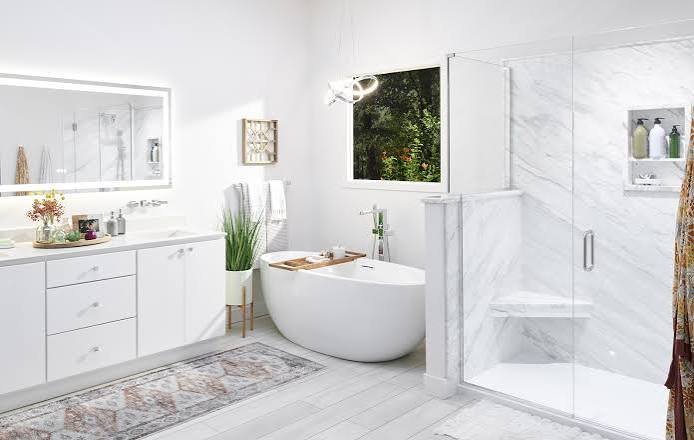
A bathroom should provide comfort, convenience, and functionality while maintaining an attractive appearance that complements the rest of the home. However, an outdated bathtub can sometimes occupy valuable floor space, make daily routines less convenient, or create accessibility challenges for household members. Replacing an existing tub with a modern shower can provide a practical solution while giving the bathroom a fresh and updated appearance. A tub to shower conversion allows homeowners to reconsider the layout, improve accessibility, upgrade fixtures, and introduce contemporary materials that suit their needs. With careful planning and suitable product selection, this renovation can transform an ordinary bathing area into a more comfortable and functional space. Understanding the available designs, installation requirements, costs, and maintenance considerations helps homeowners make informed decisions before beginning the project.
- Introduction
- Understanding the Benefits of Converting a Bathtub Into a Shower
- Choosing the Right Shower Design
- Planning the Bathroom Layout Carefully
- Selecting Durable and Attractive Shower Materials
- Improving Accessibility and Everyday Safety
- Creating a Spacious and Open Appearance
- Selecting Shower Fixtures and Controls
- Understanding Waterproofing and Drainage Requirements
- Improving Storage Within the Shower Area
- Choosing Colors and Finishes for a Modern Look
- Understanding the Cost of a Shower Conversion
- Deciding Between Professional Installation and DIY Work
- Maintaining the New Shower for Long-Term Performance
- Avoiding Common Conversion Mistakes
- Conclusion
Understanding the Benefits of Converting a Bathtub Into a Shower
One of the main advantages of replacing a bathtub with a shower is the opportunity to improve the functionality of the bathroom. Showers can provide convenient access, reduce the need to step over a high bathtub wall, and make daily bathing routines quicker for many people. Removing a bulky tub may also create additional room for storage, wider movement areas, or a more open visual layout. The benefits depend on the bathroom’s size, the needs of its users, and the design selected for the renovation. Homeowners should evaluate their current bathing habits before deciding whether the change is suitable. A carefully planned conversion can improve everyday comfort while creating a cleaner and more contemporary bathroom environment.
Choosing the Right Shower Design
Selecting a suitable shower design is an important part of creating a successful renovation. Walk-in showers are popular because they provide an open appearance and can be designed with minimal barriers when the floor structure and drainage allow. Enclosed showers may offer better control over water splashes, while framed or frameless glass panels can create different visual effects. Corner shower designs may be useful when the available floor space is limited, whereas wider shower enclosures can provide greater freedom of movement. Homeowners should consider the room’s dimensions, plumbing locations, preferred appearance, and cleaning requirements before choosing a design. A suitable shower should complement the existing bathroom while offering practical benefits that support daily use.
Planning the Bathroom Layout Carefully
A well-organized layout helps ensure that the new shower fits comfortably into the available space without interfering with other fixtures. Before starting the project, homeowners should measure the bathtub area, surrounding walls, nearby vanity, toilet, and available walking space. The position of the shower entrance should allow convenient access while minimizing water splashes onto nearby flooring. Existing plumbing connections may influence the most practical design, especially when keeping the original drain location can reduce installation costs. A tub to shower conversion should also account for the placement of shower controls, storage niches, and glass panels. Detailed planning helps prevent installation problems and creates a bathroom layout that feels spacious, organized, and comfortable.
Selecting Durable and Attractive Shower Materials
The materials selected for the new shower influence its appearance, durability, cleaning requirements, and overall cost. Ceramic and porcelain tiles are popular choices because they offer a wide variety of colors, sizes, and patterns. Solid-surface panels can create a streamlined appearance with fewer joints, while acrylic shower surrounds may provide a lightweight and relatively simple maintenance option. Natural stone can introduce a distinctive finish, although it may require additional sealing and specialized care. Homeowners should compare the water resistance, surface texture, installation requirements, and maintenance recommendations of each material. Choosing products suitable for wet environments helps protect the surrounding structure while creating a shower area that remains attractive and practical for years.
Improving Accessibility and Everyday Safety
Accessibility is an important consideration when replacing a bathtub with a shower. A high bathtub edge can be difficult to step over, particularly for older adults or people with limited mobility. Depending on the bathroom structure, a low-threshold shower or a carefully designed barrier-free entrance may make access more convenient. Slip-resistant flooring, securely installed grab bars, accessible shower controls, and suitable seating can further improve safety. The location and height of these features should reflect the needs of the people using the bathroom. A tub to shower conversion provides an opportunity to address existing difficulties and create a bathing area that supports greater independence. Proper installation and careful product selection are essential to achieving a safe and comfortable result.
Creating a Spacious and Open Appearance
A shower can make a bathroom feel more open when its design allows light and sightlines to move freely through the space. Clear glass panels, light-colored wall finishes, and simple hardware can reduce visual clutter and create a clean appearance. Large-format tiles may also help produce a more continuous surface, although the choice should consider drainage slopes and the requirements of the installation. Recessed storage niches can keep bathing products organized without requiring bulky shelves. Homeowners should avoid adding too many decorative elements that compete for attention or make the shower feel crowded. A coordinated design helps the bathroom appear more spacious while preserving convenient access to essential fixtures and storage.
Selecting Shower Fixtures and Controls
Shower fixtures influence comfort, water usage, and the overall appearance of the renovated bathroom. Standard showerheads provide straightforward functionality, while handheld models can make rinsing and cleaning easier. Some systems offer adjustable spray settings or combined fixed and handheld showerheads to accommodate different preferences. Thermostatic or pressure-balancing controls may help maintain a more consistent water temperature when properly selected and installed. Homeowners should consider water pressure, plumbing compatibility, ease of operation, and the availability of replacement parts before purchasing fixtures. Finishes such as chrome, brushed nickel, and matte black can complement different interior styles. Selecting suitable fixtures ensures that the shower provides reliable performance and fits the bathroom’s practical requirements.
Understanding Waterproofing and Drainage Requirements
Waterproofing is one of the most important parts of any shower renovation because moisture can damage concealed structural materials if it enters the wrong areas. The shower walls, floor, corners, and connections must be protected using a suitable waterproofing system designed for the selected installation. Drainage must also be planned carefully so that water flows toward the drain without collecting in low spots. The drain size, location, floor slope, and existing plumbing condition can affect the complexity of the project. A tub to shower conversion may require adjustments to the drain or supporting floor, depending on the new shower design. Proper preparation and installation help reduce the risk of leaks, mold growth, damaged finishes, and expensive repairs.
Improving Storage Within the Shower Area
Convenient storage can make the new shower more organized and easier to use. Built-in niches provide space for shampoo, soap, and other bathing essentials without taking up valuable floor area. Corner shelves and appropriately positioned wall-mounted accessories can offer alternatives when recessed storage is not practical. Storage should be placed within comfortable reach while leaving enough room for safe movement. Materials and installation methods must be suitable for wet conditions, and any wall recesses should be integrated correctly with the waterproofing system. Homeowners should also consider how many products they regularly use before deciding on the size and number of storage features. Thoughtful storage planning keeps the shower tidy and helps maintain its clean, uncluttered appearance.
Choosing Colors and Finishes for a Modern Look
The colors and finishes used in a shower can influence the overall mood of the bathroom. White, cream, and soft gray surfaces can create a bright and timeless appearance, while darker finishes may introduce a more dramatic and contemporary style. Natural shades such as beige and muted green can provide a calm atmosphere that works well with wood-inspired cabinetry or stone textures. Glass panels and coordinated hardware help connect the shower with the surrounding fixtures. Homeowners should consider how the selected colors will look under both natural and artificial lighting. A consistent palette prevents the bathroom from feeling visually crowded and makes it easier to coordinate towels, accessories, and other decorative details.
Understanding the Cost of a Shower Conversion
The cost of replacing a bathtub with a shower depends on several factors, including the shower size, selected materials, plumbing requirements, labor, and condition of the existing bathroom. A relatively straightforward installation that keeps the original plumbing locations may cost less than a project requiring major drain relocation, structural modifications, or extensive repairs. Additional expenses may include glass enclosures, new fixtures, waterproofing, wall finishes, flooring, and disposal of the old bathtub. Homeowners should request detailed estimates that explain the materials, labor, and preparation included in the proposed work. It is also wise to reserve some money for unexpected problems discovered after the existing tub and surrounding finishes are removed. Careful budgeting helps prevent unnecessary stress and supports informed decisions throughout the renovation.
Deciding Between Professional Installation and DIY Work
Some homeowners may consider completing parts of a bathroom renovation themselves to reduce labor expenses. However, removing a bathtub and installing a shower can involve plumbing modifications, heavy materials, waterproofing, drainage work, and precise surface preparation. Errors in these areas may lead to leaks, structural damage, or costly repairs that outweigh the initial savings. Professional installers can assess the existing conditions, recommend suitable products, and complete complicated tasks according to relevant building requirements. Homeowners with appropriate experience may be able to handle certain finishing or decorative tasks, provided they follow manufacturer instructions and applicable regulations. Before choosing a DIY approach, it is important to understand the complexity of the project and recognize when qualified assistance is necessary.
Maintaining the New Shower for Long-Term Performance
Regular maintenance helps preserve the appearance and functionality of a newly installed shower. Homeowners should clean the walls, glass panels, fixtures, and flooring using products suitable for the selected materials. Harsh chemicals and abrasive tools may damage certain finishes, so manufacturer recommendations should guide the cleaning routine. Grout lines and sealant joints should be inspected periodically for cracks, discoloration, or deterioration. Shower drains should remain clear of hair and debris to maintain effective water flow. Adequate ventilation can reduce excess humidity and help prevent mold growth on surrounding surfaces. Promptly addressing loose fittings, damaged seals, or signs of leakage helps protect the bathroom and reduces the likelihood of expensive future repairs.
Avoiding Common Conversion Mistakes
Several mistakes can affect the quality, cost, and long-term performance of a shower renovation. Failing to measure the available space accurately can result in an uncomfortable layout or an enclosure that does not fit properly. Choosing materials based only on appearance may lead to difficult maintenance or poor performance in wet conditions. Inadequate waterproofing, improper drainage, and poorly sealed connections can create serious moisture problems after installation. Homeowners should also avoid underestimating labor expenses or purchasing fixtures before confirming their compatibility with the existing plumbing. A tub to shower conversion works best when the design, materials, and installation requirements are evaluated together before work begins. Careful preparation helps avoid unnecessary delays and supports a durable, attractive finished result.
Conclusion
Replacing an outdated bathtub with a modern shower can improve bathroom accessibility, comfort, functionality, and visual appeal. From selecting the right shower design and durable materials to planning drainage, waterproofing, storage, and lighting, every decision contributes to the quality of the finished space. A successful renovation begins with accurate measurements, realistic budgeting, and a clear understanding of household needs. Professional installation may be especially valuable when the project involves plumbing changes, structural adjustments, or complex waterproofing requirements. Regular cleaning and timely maintenance further protect the investment and help preserve the shower’s appearance. With thoughtful preparation and suitable design choices, homeowners can create a comfortable, stylish, and practical bathing area that supports everyday routines for years to come.

Perfume Packaging Guide: Choosing the Right Box for Bottle Size, Protection, and Brand Image

Veneers in Real Life: What You Should Know Before You Change Your Smile

What Most People Get Wrong About Preventive Dental Care

Alex Pettyfer Net Worth, Wife, Age, Height, Children, Career and More

Brad Williams Net Worth, Wife, Height, Age, Daughter, Family, Career and More

Eldorado.gg Review 2026: How It Works, Safety, Fees, and Risks
-
Celebrity10 months ago
Alex Pettyfer Net Worth, Wife, Age, Height, Children, Career and More
-
Celebrity11 months ago
Brad Williams Net Worth, Wife, Height, Age, Daughter, Family, Career and More
-
Blog2 months ago
Eldorado.gg Review 2026: How It Works, Safety, Fees, and Risks
-
 Anime11 months ago
Sanzoku Bandits of One Piece: Origins, Higuma, and Their Role in Dawn Island
-
 Celebrity11 months ago
John McGinn Net Worth, Age, Height, Wife, Childrens, Career and More
-
 Celebrity11 months ago
Frances de la Tour Net Worth, Age, Height, Husband, Childrens, Career and More
-
 Celebrity11 months ago
Will Trickett Net Worth, Wife, Childrens, Age, Career and More
-
 Blog2 months ago
Crackstube: A Complete Guide to the Digital Publishing Platform