
Health
Press Pause on Panic: Coast2Coast First Aid’s Quick Guide to Home Emergencies


Home is where we feel safest, which is exactly why a medical scare there hits so hard. One second you’re making dinner, the next your kid is choking, a knife has slipped, or a grandparent has taken a fall on the stairs. Your mind goes blank and your heart races. The best defence against that panic is knowing what to do before it happens, and Coast2Coast Calgary CPR Training that families can actually fit into a weekend is the easiest way to get there. This guide walks through the most common home emergencies and how to keep a cool head through each one.
- What Do You Do When Someone’s Choking?
- How Should You Handle Burns?
- What About a Bad Cut That Won’t Stop Bleeding?
- What Should You Do After a Fall?
- How Do You Know If It’s Cardiac Arrest?
- What’s the Simple Version of CPR?
- How Do You Build a Home First Aid Plan?
- What Should You Do While Waiting for the Ambulance?
- Why Is Training the Family Worth It?
- Frequently Asked Questions
Think of it as the calm voice you’ll want in your ear when things go sideways. None of this replaces real training, but it’ll help you understand why that training matters and what it covers.
What Do You Do When Someone’s Choking?
Choking is terrifying because it’s silent and fast. A piece of food, a grape, a small toy, and suddenly someone can’t breathe or speak.
The key is to read the signs. If the person is coughing forcefully, let them keep coughing, because that’s the body doing its job. But if they can’t cough, speak, or breathe, and they’re clutching their throat, it’s time to act.
For an adult or older child, that means firm back blows between the shoulder blades followed by abdominal thrusts, alternating until the object comes out or help arrives. For a baby, the technique is gentler and different, which is one big reason parents take a hands-on course. Learning the infant method on a practice mannequin is worlds apart from reading about it at 2 a.m.
How Should You Handle Burns?
Kitchens are burn central. Hot pans, boiling water, splattering oil, and curious little hands all live in the same room.
For a minor burn, the move is simple and often done wrong. Run cool, not ice-cold, water over the area for a good 10 to 20 minutes. Skip the butter, toothpaste, and other kitchen-counter myths, because they trap heat and raise the infection risk. Cover it loosely with a clean, non-stick dressing afterward.
Know when it’s beyond home care, though. A burn that’s larger than the person’s palm, one on the face, hands, or over a joint, or any deep burn that looks white, leathery, or charred needs medical attention. The same goes for burns on a baby or young child. When in doubt, get it looked at.
What About a Bad Cut That Won’t Stop Bleeding?
A deep cut sends a lot of people into a spin, mostly because of the sight of blood. The response, though, is reassuringly straightforward: pressure, pressure, pressure.
Grab a clean cloth or sterile dressing and press firmly and directly on the wound. Don’t peek every few seconds to see if it’s working, because lifting the cloth disrupts the clot that’s forming. If blood soaks through, add another layer on top rather than removing the first. Raise the injured area above heart level if you can.
Most cuts settle with steady pressure. But if bleeding won’t slow after 10 minutes of firm pressure, if it’s spurting, or if the wound gapes open and likely needs stitches, it’s time for medical help. A proper course teaches you how to judge the difference with confidence instead of guesswork.
What Should You Do After a Fall?
Falls are the quiet danger of any household, especially with young kids and older adults under the same roof. A tumble down a few stairs or a slip in the bathroom can range from a scare to something serious.
The instinct is to help the person up right away. Resist it for a moment. First, check whether they’re hurt. Are they in severe pain, especially in the neck, back, or hip? Is there an obvious deformity, or did they hit their head? If you suspect a serious injury, keep them still and call 911 rather than moving them.
Watch for head-injury warning signs over the following hours too: confusion, vomiting, drowsiness, or unequal pupils. These can appear after the initial moment seems to pass, and they mean a trip to the hospital.
How Do You Know If It’s Cardiac Arrest?
This is the scenario that frightens people most, and for good reason. In Canada, there are roughly 60,000 out-of-hospital cardiac arrests each year, and a large share of them happen at home, among family. Only about 1 in 10 people survive.
The signs are stark. The person collapses, is unresponsive, and isn’t breathing normally, or isn’t breathing at all. This isn’t a faint where they come around in a few seconds. This is an emergency where every moment counts.
Here’s the hopeful part. CPR combined with an AED can double a person’s chance of survival, yet survival drops by around 7 to 10 percent for every minute without help. The person who acts in the first two minutes is almost always a family member, not a paramedic.
What’s the Simple Version of CPR?
If you’re untrained and someone’s heart has stopped, hands-only CPR is your tool, and it’s simpler than you’d think.
Call 911 first and put it on speaker. Then push hard and fast in the centre of the chest, about 100 to 120 compressions a minute, pressing down at least five centimetres and letting the chest rise fully between each push. Keep going until paramedics take over or an AED arrives.
Many public buildings near Calgary homes, arenas, community centres, and malls, have an AED mounted on the wall. If someone can grab one, turn it on and follow the spoken instructions. It analyzes the heart on its own and only shocks when needed, so you can’t misuse it. A proper course, run by people like the team at Coast2Coast First Aid, lets you practice all of this until it feels automatic.
How Do You Build a Home First Aid Plan?
Preparedness isn’t about fear. It’s about turning panic into action. Two things make the biggest difference.
First, build a real home first aid kit and keep it somewhere everyone knows. Stock it with:
- Various bandages and sterile gauze
- Adhesive tape and a few non-stick dressings
- Antiseptic wipes and gloves
- Scissors and tweezers
- A digital thermometer
- An emergency contact list and any family medications
Second, make a simple plan. Make sure every capable family member knows where the kit is, how to call 911, your home address to give the dispatcher, and the basics of what to do while help is coming. A fire drill for medical emergencies, in other words.
The piece that ties it all together is training. Reading this guide is a start, but your hands learn by doing. An afternoon course gives everyone in the house the muscle memory to press pause on the panic and actually help.
What Should You Do While Waiting for the Ambulance?
Calling 911 feels like the finish line, but it’s really the start of the most important stretch. What you do in those waiting minutes often shapes the outcome more than anything the paramedics do later.
Stay on the line. The dispatcher is trained to coach you through CPR, choking response, or bleeding control, and they’ll keep you steady when panic wants to take over. Put the phone on speaker so your hands stay free. Send someone to unlock the door, turn on the porch light, and flag the ambulance down, because every second the crew spends finding your house is a second away from the patient.
Keep the person comfortable and keep talking to them, even if they seem unconscious. Gather any medications they take and have them ready to hand over. These small, calm actions make the handoff faster and give the professionals a running start.
Why Is Training the Family Worth It?
You could keep this guide on the fridge and hope it’s enough. But reading and doing are different things, especially when adrenaline floods your system and your hands start to shake.
A hands-on course changes that. Pressing on a practice mannequin teaches your body how hard real compressions have to be. Running through a choking scenario with a trainer beside you builds a reflex you can trust at 2 a.m. The whole point is to move the knowledge from your head into your hands, where it’s available even when you’re scared.
Think about who’s usually home when something goes wrong. It’s rarely a doctor. It’s a partner, a teenager, a grandparent, or a babysitter. Getting a few capable family members trained means the person standing closest to the emergency actually knows what to do. That’s the quiet confidence that lets you press pause on panic and step forward instead of freezing.
If you are looking for first aid and CPR training near Capitol Hill Crescent NW and 16th Avenue, the SAIT and Confederation Park area, or surrounding areas, you may reach out to Coast2Coast First Aid Inc. in that area.
Frequently Asked Questions
Q: What should go in a basic home first aid kit?
A: A solid home kit includes assorted bandages, sterile gauze, adhesive tape, non-stick dressings, antiseptic wipes, disposable gloves, scissors, tweezers, and a digital thermometer. Add an emergency contact list and any medications your family relies on. Keep it in a spot everyone knows and check it a couple of times a year to replace anything used or expired.
Q: My child is choking but still coughing. Should I do back blows?
A: If the person is coughing forcefully, let them keep coughing, since that’s the most effective way to clear the blockage. Only step in with back blows and abdominal thrusts if they can’t cough, speak, or breathe. For infants under one year, the technique is different and gentler, which is a key reason parents benefit from hands-on training.
Q: Is it true you shouldn’t put ice on a burn?
A: Correct. Ice and very cold water can damage the skin further. For a minor burn, run cool water over the area for 10 to 20 minutes, then cover it loosely with a clean non-stick dressing. Avoid butter or toothpaste, which trap heat and raise infection risk. Larger, deep, or facial burns, and any burn on a young child, need medical attention.
Q: How do I know if a fall is serious enough for 911?
A: Call 911 if the person has severe pain in the neck, back, or hip, an obvious deformity, a head injury, or can’t move normally, and keep them still rather than helping them up. Even if they seem okay at first, watch for confusion, vomiting, drowsiness, or unequal pupils over the next several hours, since these signal a head injury that needs care.
Q: Can I really learn infant CPR and choking response in one course?
A: Yes. A standard first aid and CPR course covers techniques for adults, children, and infants, including choking response and CPR for each age group. Blended learning lets you complete the theory online, then practice the hands-on skills in one short in-person session, so you leave with real muscle memory rather than just book knowledge.

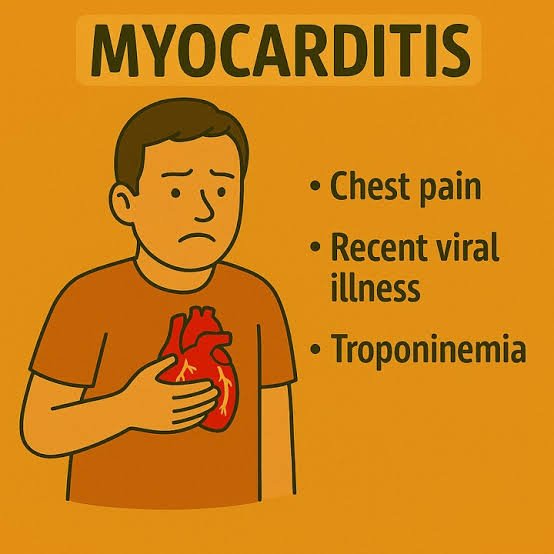
Recovering from a viral infection usually involves the gradual disappearance of symptoms such as fever, coughing, body aches and fatigue. However, some individuals may notice unusual chest discomfort, breathlessness or changes in their heartbeat during or after an illness.
- How Can a Viral Infection Affect the Heart?
- When Should Post-Viral Symptoms Raise Concern?
- Can Myocarditis Develop After the Infection Has Improved?
- How Do Doctors Assess Suspected Myocarditis?
- What Happens If Myocarditis Is Diagnosed?
- Returning to Exercise After Myocarditis
- When Is Emergency Medical Attention Necessary?
While these symptoms can have several explanations, they may occasionally be associated with myocarditis, a condition involving inflammation of the heart muscle.
Myocarditis after a viral infection can vary in severity, and not everyone experiences noticeable heart-related symptoms. Understanding how this condition develops and which warning signs require medical attention can help individuals recognise when further cardiovascular assessment may be appropriate.
How Can a Viral Infection Affect the Heart?
The heart is made up of specialised muscle tissue responsible for pumping blood throughout the body. When this tissue becomes inflamed, the condition is known as myocarditis.
Viral infections are among the recognised causes of myocarditis. In some cases, the infection itself or the body’s immune response may contribute to inflammation affecting the heart muscle.
This inflammation can interfere with the heart’s normal function in different ways.
For example, it may temporarily weaken the heart’s ability to pump blood effectively or affect the electrical signals responsible for maintaining a regular heartbeat.
The severity of these changes differs between individuals. Some cases are mild and improve with appropriate care, while others may involve significant heart muscle injury, abnormal heart rhythms or heart failure.
Importantly, most people who experience common viral illnesses do not develop myocarditis. A recent infection alone does not indicate that the heart has been affected.
When Should Post-Viral Symptoms Raise Concern?
Fatigue and reduced energy are common during recovery from illnesses such as influenza and other respiratory infections. These symptoms do not necessarily suggest myocarditis.
However, certain changes may warrant further investigation, particularly when they are new, persistent or unusual for the individual.
Symptoms that deserve medical attention include:
- Chest pain or discomfort: Pressure, tightness or pain in the chest that develops during or after a viral illness.
- Unexplained breathlessness: Difficulty breathing during activities that were previously manageable or while resting.
- Heart palpitations: A racing, pounding or irregular heartbeat that is new or unexplained.
- Marked fatigue: Unusual exhaustion accompanied by reduced exercise tolerance or other heart-related symptoms.
- Dizziness or fainting: Episodes of light-headedness or loss of consciousness that may indicate a cardiovascular concern.
These symptoms are not specific to myocarditis and may occur with other medical conditions.
For individuals experiencing persistent or unexplained cardiovascular symptoms following a viral infection, an assessment at a cardiology clinic in Singapore may help determine whether further heart investigations are necessary.
The urgency of medical assessment depends on the symptoms and their severity. Sudden or severe chest pain, significant breathing difficulties or fainting require emergency medical attention rather than a routine clinic appointment.
Can Myocarditis Develop After the Infection Has Improved?
Myocarditis can develop during a viral illness or become apparent after the initial infection symptoms have started to resolve.
This means that a person may feel they are recovering from a respiratory or gastrointestinal infection before noticing symptoms that raise concern about heart function.
For example, someone who previously exercised regularly may experience unusual breathlessness or chest discomfort when attempting to resume physical activity.
However, reduced stamina after an illness does not automatically indicate heart inflammation. Post-viral fatigue, dehydration, respiratory problems and other conditions may produce similar symptoms.
Doctors therefore consider the overall clinical picture rather than relying on the timing of symptoms alone.
A recent infection becomes particularly relevant when accompanied by symptoms, examination findings or test results suggesting possible heart muscle involvement.
How Do Doctors Assess Suspected Myocarditis?
There is no single routine test that confirms every case of myocarditis. Diagnosis generally involves reviewing symptoms, medical history, examination findings and the results of relevant investigations.
A doctor may begin by asking about the recent illness, when cardiovascular symptoms appeared and whether the individual has experienced chest pain, palpitations or reduced exercise tolerance.
Depending on the findings, the assessment may involve several investigations.
Electrocardiogram (ECG)
An ECG records the heart’s electrical activity. It may reveal changes in heart rhythm or electrical patterns associated with heart muscle inflammation.
However, a normal ECG does not completely rule out myocarditis.
Blood Tests
Blood tests may be used to look for signs of heart muscle injury or inflammation.
One commonly assessed marker is cardiac troponin, a protein that can be released into the bloodstream when heart muscle cells are damaged.
An elevated troponin level may indicate heart injury, but it does not identify myocarditis as the cause on its own.
Echocardiogram
An echocardiogram uses ultrasound to examine the heart’s structure and pumping function. It may help identify changes in heart muscle function or other abnormalities requiring further attention.
Cardiac Magnetic Resonance Imaging (MRI)
Cardiac MRI can provide detailed information about the heart muscle and may identify changes consistent with inflammation, swelling or tissue injury.
This form of cardiac imaging may be considered when myocarditis is suspected and additional information is needed to support the diagnosis.
In selected cases, doctors may recommend further investigations to distinguish myocarditis from other heart conditions. A heart muscle biopsy is generally reserved for specific clinical circumstances rather than performed routinely.
The choice of tests depends on the individual’s symptoms, clinical stability and suspected underlying condition.
What Happens If Myocarditis Is Diagnosed?
Management depends on the severity of inflammation, whether the heart’s pumping function is affected and whether complications are present.
Some individuals experience relatively mild illness and recover with appropriate medical monitoring and activity restrictions.
Others may require hospital treatment, particularly when myocarditis affects heart function or causes significant rhythm disturbances.
Treatment may include medications to manage heart failure symptoms, support heart function or address abnormal heart rhythms.
If a specific underlying cause is identified, additional treatment may be considered according to the diagnosis.
Follow-up assessments are important because symptoms may improve before all changes affecting the heart muscle have resolved.
Doctors may recommend repeat imaging or heart rhythm monitoring to assess recovery and determine whether further treatment is necessary.
Returning to Exercise After Myocarditis
One important consideration following myocarditis is when an individual can safely resume physical activity.
During active heart muscle inflammation, strenuous exercise can place additional demands on the cardiovascular system and may increase the risk of complications, including abnormal heart rhythms.
Individuals with suspected myocarditis should avoid strenuous physical activity until they have received appropriate medical assessment.
For those with confirmed myocarditis, restrictions on intense exercise may be necessary for several months, depending on the severity of the condition and recovery progress.
Before returning to demanding exercise or competitive sports, a doctor may assess:
- Whether chest discomfort, palpitations or breathlessness have resolved
- Heart pumping function and signs of ongoing inflammation
- The presence of abnormal heart rhythms
- Results from follow-up imaging or other relevant investigations
The timing of a return to exercise should be individualised rather than based solely on how quickly symptoms disappear.
This consideration is particularly relevant for people who regularly participate in running, cycling, gym workouts or competitive sports.
When Is Emergency Medical Attention Necessary?
Although myocarditis does not always lead to serious complications, certain symptoms may indicate a potentially urgent cardiovascular problem.
Seek immediate medical assistance if a person experiences:
- Sudden, severe or persistent chest pain
- Significant difficulty breathing
- Fainting or loss of consciousness
- Severe palpitations accompanied by dizziness, chest discomfort or breathlessness
- Rapidly worsening symptoms suggesting difficulty maintaining normal circulation
These symptoms may be associated with myocarditis, a heart attack or another serious medical condition.
In Singapore, individuals experiencing a medical emergency should call 995 rather than waiting for a routine consultation.
People who develop mild but persistent chest discomfort, unusual breathlessness or unexplained palpitations after a viral infection should also seek medical advice promptly.
Myocarditis after a viral infection occurs when inflammation affects the heart muscle, potentially interfering with its pumping function or electrical activity. Although many viral illnesses resolve without cardiovascular complications, certain symptoms developing during or after an infection may warrant further investigation.
Chest discomfort, unexplained breathlessness, palpitations and reduced exercise tolerance are among the changes that should not be automatically attributed to ordinary post-viral recovery.
A medical assessment can help determine whether these symptoms are related to myocarditis or another underlying condition. When myocarditis is diagnosed, appropriate treatment, activity guidance and follow-up monitoring may be necessary.
For individuals in Singapore, recognising concerning symptoms and seeking timely medical evaluation can support informed decisions about cardiovascular health during recovery from a viral illness.


You already juggle enough. School drop offs, work meetings, sports practice, grocery runs, and the small emergencies that seem to land in the middle of everything. Dental care often gets pushed down the list, not because it does not matter, but because family life is full. Then a child wakes up with tooth pain, or you notice bleeding gums while rushing through your own morning routine, and the whole week shifts around one problem that could have been smaller. For families considering long-term smile improvements, dental veneers in Brookhaven, GA can also become part of the conversation before small concerns turn into bigger ones.
- General dentistry reduces the chaos of avoidable dental problems
- Family dental care supports health, time, and household budgets
- Preventive dental care keeps small issues from becoming family emergencies
- Simple steps make general dental care easier to manage
- Consistent dental care helps families protect their time
That is where How General Dentistry Helps Families Stay On Schedule becomes very real. A trusted general dentist helps your household avoid last minute disruptions by catching problems early, keeping cleanings and exams routine, and making oral care part of a plan instead of a scramble. The goal is not perfection. It is fewer surprises, fewer missed appointments elsewhere, and one less source of stress in a packed calendar.
General dentistry reduces the chaos of avoidable dental problems
Most families do not fall behind on dental care because they are careless. They fall behind because life moves fast, and dental issues often stay quiet until they are hard to ignore. A small cavity does not usually announce itself. Gum irritation can seem minor. A cracked filling might only hurt when you bite a certain way, and by then you are rearranging your day to deal with it.
Routine visits help stop that cycle. A dental exam gives your dentist a chance to spot decay, gum issues, bite changes, and other concerns before they turn into urgent appointments. For children, those visits also track how teeth are coming in and whether habits like thumb sucking or grinding are affecting development. For adults, regular exams can uncover wear, plaque buildup, and gum disease that often build slowly over time.
When care stays regular, scheduling gets easier because you are planning around simple visits instead of reacting to pain. That matters for parents who cannot easily miss work, for kids who already lose enough class time, and for older adults who need consistency to stay comfortable and healthy.
Family dental care supports health, time, and household budgets
There is also the money side of this, and it weighs on people more than they like to admit. Preventive care is usually easier to budget for than emergency treatment. A cleaning and exam fit into a calendar and a household plan. A sudden need for a crown, extraction, or treatment for infection can throw off both. When one untreated issue leads to another, the cost rises along with the stress.
The health impact is not separate from the schedule problem. The CDC explains that oral health is tied to overall health, which means ignored dental problems can affect more than your teeth. Pain changes sleep. Infection affects focus. Sore gums make eating harder. If your child cannot concentrate at school because of a toothache, or you are trying to get through work while managing pain, the family schedule is already off track.
Family dental care works best when it feels ordinary. Cleanings are on the calendar like checkups, school events, and oil changes. That ordinary rhythm is what protects your time. It turns dental care from a disruption into maintenance.
Preventive dental care keeps small issues from becoming family emergencies
Think about what usually causes the biggest disruptions. It is rarely the routine appointment. It is the untreated cavity that becomes a weekend emergency. It is the teen who has ignored sensitivity until chewing hurts. It is the parent who keeps postponing a visit until swelling starts. Those moments affect everyone in the house because someone has to make calls, move meetings, find transportation, handle insurance questions, and soothe the person in pain.
Preventive dental care lowers the odds of that chain reaction. The CDC’s oral health tips for adults also reinforce the basics that support those visits, including daily brushing with fluoride toothpaste, flossing, and limiting habits that raise risk. Home care and office care work together. One does not replace the other.
| Dental Approach | What It Usually Looks Like | Effect on Family Schedule | Likely Cost Pattern |
| Routine preventive care | Exams, cleanings, X rays when needed, early treatment | Planned visits with less interruption | More predictable over time |
| Wait until something hurts | Urgent visits, advanced decay, possible infection | Last minute changes, missed school or work | Higher and less predictable |
| Home care only | Brushing and flossing without professional exams | Feels convenient until hidden issues surface | Lower now, often higher later |
Simple steps make general dental care easier to manage
Put every family member on a shared recall schedule. Book the next visit before you leave the office. If possible, group appointments on the same day or in the same week. That cuts down on repeated time off, repeated school notes, and repeated mental load.
Treat early warning signs like scheduling alerts. Sensitivity, bleeding gums, bad breath that does not improve, jaw pain, and visible spots on teeth are not things to watch for months. They are signs to call before the issue grows into a bigger interruption.
Build a short daily routine that works on rushed days. Keep it realistic. Two minutes of brushing with fluoride toothpaste, daily flossing, and replacing worn toothbrushes can prevent a lot of avoidable trouble. A simple routine you can stick to beats an ambitious one that falls apart by Thursday.
Consistent dental care helps families protect their time
Staying on schedule does not mean controlling every part of family life. It means reducing the number of preventable problems that knock your week sideways. General dentistry helps with that by turning oral health into a steady routine instead of an emergency response. You get more predictability, less disruption, and a better chance of keeping everyone comfortable and functioning.
If your family has fallen behind, you are not alone, and you do not need to fix everything at once. Start with the next exam, the next cleaning, the next small step that makes the rest easier.

You usually do not book a problem focused dental exam because everything feels fine. It is often a sharp toothache that kept you up, a broken filling that suddenly catches on your tongue, gum swelling that looks worse by the day, or a sore spot that has not gone away. When something changes fast in your mouth, it can be hard not to spiral. You may be wondering how serious it is, how much it will cost, and whether the dentist is going to turn one painful issue into a long list of treatment you were not ready for. If you have also been considering Phoenix Invisalign Clear Aligners, it can help to mention that during your visit once the immediate problem is addressed.
A problem focused dental exam is narrower than a routine checkup. The visit centers on one concern, or a small group of related symptoms, so the dentist can find the source, explain what is happening, and help you decide what needs to happen next. In many cases, that means a conversation about pain, a close look at the area, and dental images if they are needed. The goal is not to do everything at once. The goal is to get clear answers and a safe plan.
A problem focused dental exam targets the issue that brought you in
A routine exam looks at your overall oral health. A problem focused dental exam is different. It is designed for a specific complaint such as tooth pain, a chipped tooth, a loose crown, bleeding gums in one area, jaw soreness, or a lump, ulcer, or patch that does not look normal. That focused approach matters because pain in the mouth can be misleading. A tooth on the top right may hurt because of pressure, decay, infection, a cracked cusp, sinus trouble, or grinding at night. The exam helps separate what feels urgent from what is actually causing the problem.
You can expect the visit to begin with questions that may seem simple but tell the dentist a lot. When did it start. Is the pain constant or does it come and go. Does hot, cold, biting, or sweets trigger it. Is there swelling, fever, bad taste, or trouble chewing. If you have had dental work on that tooth before, that history matters. Small details often point to the difference between irritation, a crack, decay, infection, or gum disease.
After that, the dentist will examine the area closely. They may tap on the tooth, check the gums, look for cracks, test your bite, and assess nearby teeth because the source is not always obvious at first glance. If the issue cannot be confirmed by sight alone, imaging is often the next step. X rays can show decay between teeth, bone loss, infection at the root, impacted teeth, or problems under an old filling or crown.
This is where stress tends to rise. If you came in for one sore tooth, hearing that you may need an image, a filling, a crown, or a root canal can feel like a lot. Still, getting a precise diagnosis usually saves time, money, and discomfort. Waiting, hoping it settles down, or treating pain with over the counter medicine alone can let a small issue turn into something larger. A cavity can deepen. A crack can spread. An infection can swell quickly. The National Institutes of Health offers a useful overview of oral and dental health that shows how closely mouth symptoms connect to overall health.
Focused dental care helps separate minor irritation from urgent treatment
Some problems are uncomfortable but manageable for a short time. Others need care soon. A lost filling may leave the tooth sensitive but stable for a day or two. A tooth with swelling in the gum, throbbing pain, or pressure when biting may point to infection and should be examined quickly. A sore spot that has not healed also deserves attention. The National Institute of Dental and Craniofacial Research explains the warning signs linked to oral cancer, including sores, red or white patches, and lumps that do not go away.
This is one reason a limited dental exam can be so useful. It gives you a path forward without turning the appointment into something broader than you can handle that day. If the problem is isolated, the dentist may recommend a focused treatment plan. If the issue points to a larger pattern such as clenching, untreated decay in several places, or gum disease, you can still address the urgent concern first and plan the rest in steps.
| Situation | Waiting It Out | Getting a Problem Focused Exam |
| Sharp pain with cold or sweets | Pain may worsen if decay or a crack deepens | Helps identify whether you need a filling, crown, or further testing |
| Swollen gum near one tooth | Infection can spread and become harder to treat | Can reveal abscess, trapped food, gum issue, or root problem |
| Broken filling or chipped tooth | Exposed tooth may become sensitive or fracture more | Shows whether repair is simple or if deeper damage exists |
| Sore spot that does not heal | Ongoing irritation or a more serious condition may be missed | Allows direct evaluation and follow up if healing does not occur |
Simple steps can make your dental exam more useful
Track the symptom clearly. Write down when the problem started, what triggers it, and whether it is getting better or worse. If swelling comes and goes, note that too. A few details from your own notes can speed up diagnosis more than you think.
Do not hide the “small” signs. Mention bad taste, jaw tightness, headaches, fever, sensitivity when chewing, or a sore that keeps returning. People often dismiss these because they seem unrelated. They are often the clues that connect the dots.
Protect the area until you are seen. Avoid chewing on the painful side, keep the area clean, and rinse gently with warm salt water if your gums are irritated. Do not place aspirin on the gum or tooth. For daily prevention after the urgent issue is handled, the CDC shares practical oral health tips for adults that support long term care.
General dentist visits can bring relief when you know what to expect
When your mouth hurts, uncertainty often feels worse than the appointment itself. Knowing that a dental exam for tooth pain is meant to focus on the problem, not overwhelm you, can take some pressure off. You are there to get answers, understand the cause, and decide on the next step with clearer information.
If you are dealing with pain, swelling, a broken tooth, or a sore area that is not healing, do not wait for it to sort itself out. Reach out to a general dentist and schedule an exam so you can get a diagnosis and a plan that fits what is happening right now.

Press Pause on Panic: Coast2Coast First Aid’s Quick Guide to Home Emergencies

From Room to Wellness Suite: Sauna That Works for Your Orlando Home

Full Service Removalists Sydney: What’s Included, Costs & How to Book (2026)

Alex Pettyfer Net Worth, Wife, Age, Height, Children, Career and More

Brad Williams Net Worth, Wife, Height, Age, Daughter, Family, Career and More

Eldorado.gg Review 2026: How It Works, Safety, Fees, and Risks
-
Celebrity10 months ago
Alex Pettyfer Net Worth, Wife, Age, Height, Children, Career and More
-
Celebrity10 months ago
Brad Williams Net Worth, Wife, Height, Age, Daughter, Family, Career and More
-
Blog2 months ago
Eldorado.gg Review 2026: How It Works, Safety, Fees, and Risks
-
 Anime11 months ago
Sanzoku Bandits of One Piece: Origins, Higuma, and Their Role in Dawn Island
-
 Celebrity10 months ago
John McGinn Net Worth, Age, Height, Wife, Childrens, Career and More
-
 Celebrity10 months ago
Frances de la Tour Net Worth, Age, Height, Husband, Childrens, Career and More
-
 Celebrity10 months ago
Will Trickett Net Worth, Wife, Childrens, Age, Career and More
-
 Blog2 months ago
Crackstube: A Complete Guide to the Digital Publishing Platform