
Business
How to Write a Legally Binding Contract: 7 Things You Must Include

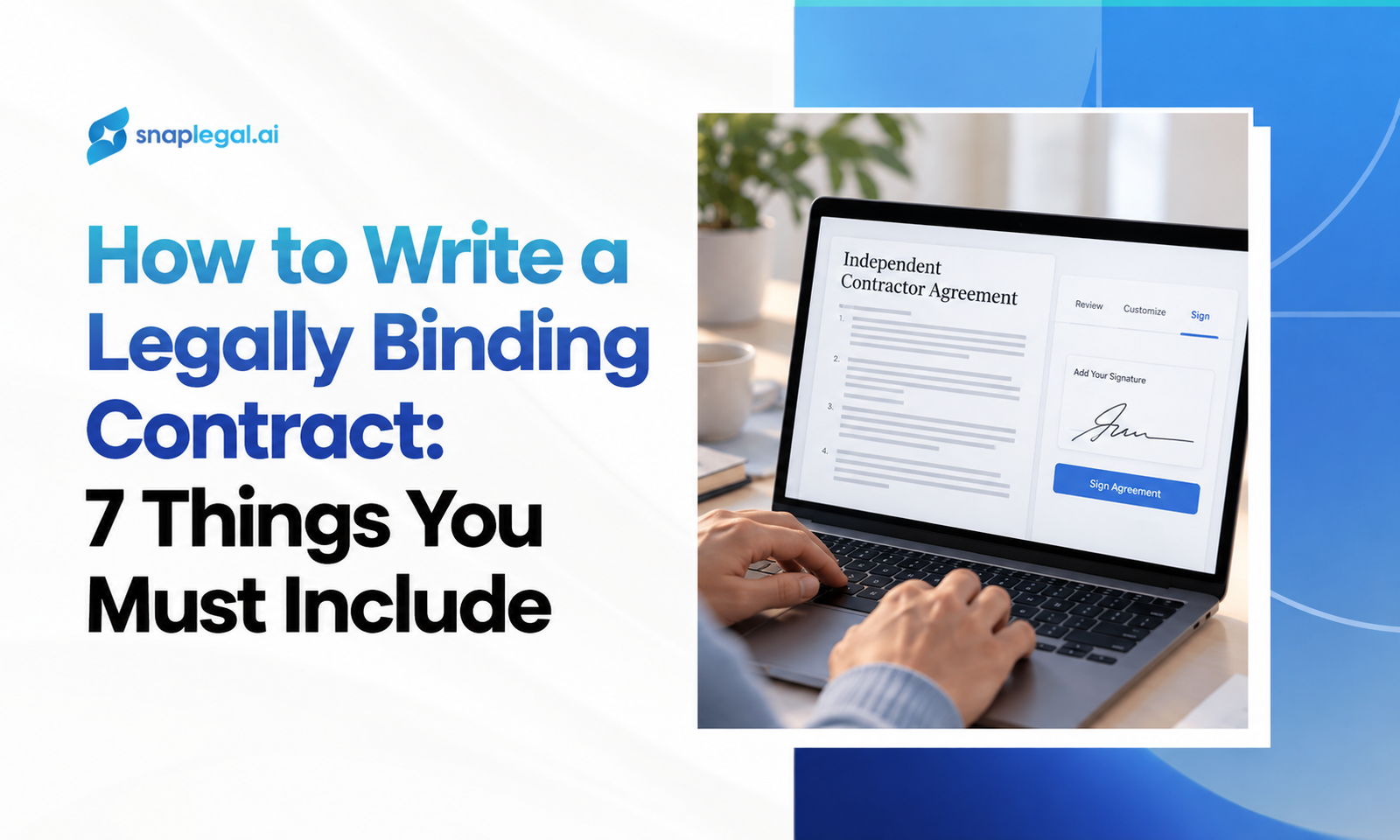
Say a freelance web designer in Austin agrees over email to build a website for a local bakery for $3,000. Three weeks in, the owner asks for online ordering and a blog and expects both at the same price. The designer understood “website” to mean five pages. The owner understood it to mean whatever the bakery needed.
- Quick Answer: How Do You Write a Legally Binding Contract?
- What Makes a Contract Legally Binding in the United States?
- How to Write a Legally Binding Contract: 7 Things You Must Include
- 1. Correct Legal Names and Identification of the Parties
- 2. Clear Offer, Acceptance, and Mutual Agreement
- 3. Consideration and the Obligations of Each Party
- 4. Specific Scope of Work, Responsibilities, and Deliverables
- 5. Payment Amounts, Deadlines, and Performance Terms
- 6. Termination, Breach, and Dispute-Resolution Provisions
- 7. Signature and Acceptance Procedures, Including Electronic Signatures
- Common Contract Writing Mistakes That Can Lead to Disputes
- Can You Create a Legally Binding Contract Using a Template?
- When Should You Ask a Lawyer to Review a Contract?
- Frequently Asked Questions
- Can you write your own legally binding contract?
- Does a contract need to be notarized to be legally binding?
- Can an agreement be legally binding without signatures?
- Are electronic signatures legally valid in the United States?
- Is an email or text message agreement legally binding?
- What happens if someone breaks a legally binding contract?
- Final Thoughts
Nobody acted in bad faith. The deal just wasn’t written down clearly, and plenty of business disputes start exactly like this. Learning how to write a legally binding contract gives you an agreement both sides read the same way, plus a record you can point to if something goes wrong. This guide covers what U.S. law actually requires, seven things every business contract should include, and when a template or a lawyer makes sense.
Quick Answer: How Do You Write a Legally Binding Contract?
In the U.S., a contract is generally legally binding when it has an offer and acceptance, consideration (something of value exchanged), parties with legal capacity, and a lawful purpose. To write one, put the terms in writing: name the parties, define each side’s obligations, payment, deadlines, and termination, then have everyone sign. Some contracts must be in writing by law.
What Makes a Contract Legally Binding in the United States?
Contract law in the U.S. is mostly state law, but the core principles are consistent across the country. Cornell Law School’s Legal Information Institute lists four basic elements of an enforceable contract:
- Mutual assent (offer and acceptance). One party proposes specific terms, and the other agrees to those same terms.
- Consideration. Each side gives or promises something of value, such as money, services, or a promise to do or not do something.
- Capacity. Each party must be legally able to contract. Minors and people lacking mental capacity often can’t be held to one.
- Legality. The purpose has to be lawful. Courts won’t enforce an agreement to do something illegal.
These elements decide whether a contract exists. Formal language isn’t one of them. In a well-known Virginia case, Lucy v. Zehmer (1954), the court upheld an agreement written on a restaurant napkin because both parties showed real agreement and consideration.
Whether a contract must be written down is a separate question. Many oral agreements are enforceable, but every state has a statute of frauds requiring certain contracts to be in writing and signed. Common examples include contracts to sell or transfer land, contracts that can’t be completed within one year, and sales of goods worth $500 or more under UCC § 2-201. The details vary by state.
How to Write a Legally Binding Contract: 7 Things You Must Include
Only the four elements above are legal requirements for every contract. The seven items below are a practical drafting checklist: some cover those elements, and the rest keep a valid contract from turning into an argument.
1. Correct Legal Names and Identification of the Parties
Identify each party by full legal name and role. For a business, use the registered name and entity type, such as “Harbor Lane Studio, LLC, a Texas limited liability company,” instead of “Harbor Lane” or the owner’s first name, plus a mailing address.
This matters because a contract binds whoever it names. If a client signs as “Mike” but the actual customer is Mike’s corporation, collecting an unpaid invoice gets complicated. Common mistake: signing in your personal name when you meant to sign for your company. A signature block reading “By: [Name], [Title]” under the business name avoids that confusion.
2. Clear Offer, Acceptance, and Mutual Agreement
Your contract should show that both parties agreed to the same final terms. In practice, that means one final document both sides review and sign, ideally with an “entire agreement” clause stating that the written contract replaces earlier discussions.
A consultant sends a proposal, the client replies with edits, and work starts before anyone confirms which version applies. Under general contract principles, a reply that changes key terms is often treated as a counteroffer rather than an acceptance. Common mistake: starting work while the terms are still moving.
3. Consideration and the Obligations of Each Party
Consideration is the exchange itself: what each party gives and what each party gets. In most business deals, one side provides goods or services and the other side pays. Spell out both halves.
In an NDA between a startup and a potential manufacturer, for example, the consideration may be access to product designs in exchange for a promise of confidentiality. Common mistake: listing everything the service provider must do while leaving out the client’s duties, such as approvals, feedback deadlines, or access to accounts and materials.
4. Specific Scope of Work, Responsibilities, and Deliverables
This is the clause that would have prevented the bakery dispute. Describe the work in concrete terms: what will be delivered, in what format, how many revisions are included, and what’s excluded.
A clear version might read: “Design and build a five-page website (Home, About, Menu, Catering, Contact) with up to two rounds of revisions. Online ordering, blog setup, and ongoing maintenance are not included.” Common mistake: using broad phrases like “marketing support” or “full website” without defining them. For ongoing client relationships with multiple projects, a master service agreement paired with separate statements of work keeps each project’s scope distinct.
5. Payment Amounts, Deadlines, and Performance Terms
State the price, how it’s calculated (flat fee, hourly rate, or milestones), when each payment is due, how it will be paid, and what happens if it’s late. Tie payment terms to performance dates so both sides know what “on time” means.
For example, a freelance copywriter charging $2,400 might require 50% upfront and the remaining 50% within 15 days of delivering final drafts, with a late fee where state law allows one. Common mistake: writing “payment due upon completion” without defining completion. If the client never formally approves the work, the payment date can stay open indefinitely.
6. Termination, Breach, and Dispute-Resolution Provisions
Explain how either party can end the agreement, how much notice is required, and what’s owed for work already done. Then cover what counts as a breach, how disputes will be handled (negotiation, mediation, arbitration, or court), and which state’s law governs the contract.
A marketing agency retainer, for instance, might let either side terminate with 30 days’ written notice, with the client paying for all work completed through the termination date. Common mistake: copying an arbitration or venue clause without understanding it. These terms affect where and how you can bring a claim.
7. Signature and Acceptance Procedures, Including Electronic Signatures
Decide how the contract will be signed and dated, and confirm who has authority to sign for each business. Signatures are the clearest proof of acceptance, and they’re required for contracts covered by the statute of frauds.
Electronic signatures are generally valid. The federal E-SIGN Act (15 U.S.C. § 7001) says a contract can’t be denied legal effect solely because it’s in electronic form or was signed electronically, and most states have adopted the Uniform Electronic Transactions Act. Common mistake: letting someone without authority, like an employee who isn’t an officer or authorized agent, sign on a company’s behalf.
Common Contract Writing Mistakes That Can Lead to Disputes
- Ambiguous obligations. Undefined words like “promptly” or “as needed” invite two readings.
- Missing payment deadlines. No due date gives the other side room to delay.
- Undefined deliverables. If “done” isn’t defined, nobody can prove it happened.
- Unclear termination terms. Without a notice period and a rule for partial work, ending the deal becomes its own dispute.
- The wrong template. Using an employment agreement for a contractor, or a residential lease for commercial space, can create obligations you never intended. Worker classification also depends on the real working relationship, not the contract title.
Can You Create a Legally Binding Contract Using a Template?
Yes. A template doesn’t make a contract more or less valid. What counts is whether the finished agreement meets the legal elements, fits your actual deal, and follows the law of the state that governs it.
Legal contract templates work best for fairly standard situations, such as hiring a freelancer, sharing confidential information with a potential partner, or setting terms for an ongoing client relationship. A good template already covers parties, payment, termination, and disputes, so you can focus on what’s unique to your deal. Still, it’s a starting point. Read every clause, remove what doesn’t apply, and check state rules, especially for employment and real estate.
SnapLegal offers business contract templates for common needs, including an Independent Contractor Agreement (with a separate version for states that use the ABC test), a Non-Disclosure Agreement, a Master Service Agreement, an Employment Agreement, and an Operating Agreement. Documents are built through guided questions and include a plain-English summary of the terms. SnapLegal isn’t a law firm, so complex or high-value agreements still benefit from attorney review.
When Should You Ask a Lawyer to Review a Contract?
Consider a licensed attorney’s review when:
- The deal is high value, or losing it would seriously hurt your business.
- You’re unsure whether a worker should be classified as an employee or an independent contractor.
- The contract includes unusual indemnification terms, liability caps, or personal guarantees.
- Intellectual property ownership or licensing is central to the deal.
- The agreement involves real estate, multiple states, or a regulated industry with state-specific requirements.
Frequently Asked Questions
Can you write your own legally binding contract?
Yes. In the U.S., you don’t need a lawyer to write a contract. A self-written agreement can be legally binding if it includes offer and acceptance, consideration, parties with legal capacity, and a lawful purpose. Some contract types must also meet state writing or signature rules.
Does a contract need to be notarized to be legally binding?
Usually not. Most business contracts are binding without a notary. Notarization mainly verifies a signer’s identity. Some documents, such as certain real estate deeds and powers of attorney, may require notarization or witnesses under state law, so check the rules for that specific document.
Can an agreement be legally binding without signatures?
Sometimes. A court may find a contract based on conduct, emails, or a verbal agreement if the core elements are present. But contracts covered by the statute of frauds, such as land sales or deals that can’t be completed within one year, generally need a signed writing.
Are electronic signatures legally valid in the United States?
Yes, for most business contracts. The federal E-SIGN Act and state laws based on the Uniform Electronic Transactions Act give electronic signatures legal effect in most commercial transactions. Some documents, including wills and certain family law and court papers, are excluded or carry extra requirements.
Is an email or text message agreement legally binding?
It can be. If an email or text exchange shows a clear offer, a clear acceptance, and agreed terms, it may form a contract, and electronic records are generally recognized under the E-SIGN Act. For important work, a signed written agreement is still safer.
What happens if someone breaks a legally binding contract?
The other party may be able to recover damages, usually enough to put them where they would have been if the contract had been performed. In rare cases, a court may order the breaching party to perform. Many contracts also require mediation or arbitration before a lawsuit.
Final Thoughts
A legally binding contract doesn’t need complicated language. It needs the four legal basics, plus terms clear enough that nobody can read the same deal two different ways. Name the parties correctly, define the work, tie payment to dates, plan for how the relationship ends, and collect proper signatures.
For routine agreements, a carefully customized template can save drafting time. Tools like SnapLegal walk you through common business documents step by step. For anything high-stakes or unusual, a review by a licensed attorney in your state is a smart next step.
Disclaimer: This article is for general informational purposes only and is not legal advice. Contract rules vary by state and by situation. For advice about a specific agreement, consult a licensed attorney in your state.

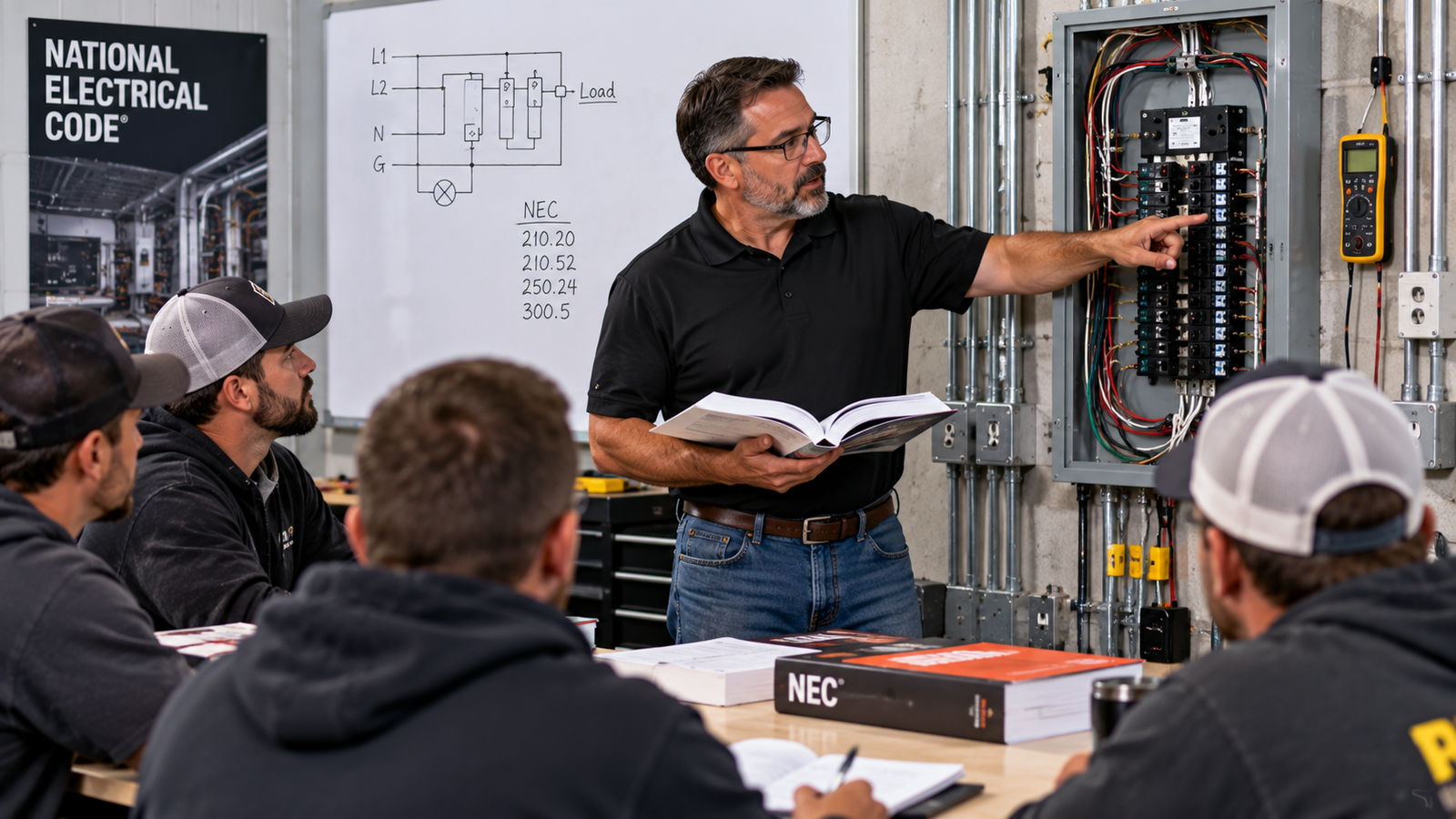
Becoming a fully qualified electrician takes years of hands-on training, technical study, and no shortage of late nights memorizing wiring regulations. But there’s one final hurdle that trips up even the most skilled apprentices: the practical assessment. Whether it’s the AM2, AM2S, or another industry-recognized exam, this test is often the last thing standing between an electrician and their qualification.
- Why Electrician Test Preparation Matters More Than Ever
- What Makes a Good Electrician Mock Testing Service?
- Realistic Assessment Conditions
- Experienced Assessors and Trainers
- Comprehensive Coverage of Test Components
- How Mock Testing Builds Real Confidence
- Choosing the Right Partner for Your Electrician Assessment Prep
- Taking the Next Step Toward Certification
- Frequently Asked Questions
That’s where proper preparation makes all the difference. Walking into an assessment center without a clear understanding of what’s expected can turn years of hard work into a stressful, costly setback. Candidates who fail often don’t lack technical skill. They simply weren’t prepared for the format, pace, or pressure of the exam itself.
This is exactly the gap that electrician testing services aim to close. By offering realistic mock assessments, expert guidance, and a supportive environment to practice under exam-like conditions, candidates can walk into their final test with confidence instead of anxiety.
Why Electrician Test Preparation Matters More Than Ever
The electrical trade is tightly regulated, and for good reason. Faulty wiring, incorrect installations, and overlooked safety standards can put lives at risk. Assessment bodies have raised the bar to ensure every certified electrician meets a consistent, high standard of competence.
That’s a good thing for the industry, but it also means the stakes for passing these assessments have never been higher. A failed attempt doesn’t just delay certification. It can mean lost income, rescheduled work commitments, and additional costs for re-testing.
Preparation changes the equation. Electricians who practice under realistic conditions, with accurate timing and genuine assessment criteria, consistently perform better than those who go in cold. Familiarity breeds confidence, and confidence translates directly into steadier hands and clearer thinking during the real test.
What Makes a Good Electrician Mock Testing Service?
Not all preparation services are created equal. A high-quality mock testing experience should mirror the real assessment as closely as possible, covering the same practical tasks, safety checks, and fault-finding scenarios candidates will encounter on test day.
Realistic Assessment Conditions
The most valuable preparation happens in an environment that closely resembles the actual exam. This means working with similar equipment, following the same time constraints, and being evaluated against the same criteria used by official assessors. Candidates who train under these conditions develop a feel for the pacing and pressure of the real thing, so nothing catches them off guard.
Experienced Assessors and Trainers
Feedback is only as good as the person giving it. Working with trainers who have genuine industry experience and a deep understanding of assessment standards helps candidates identify weak points they might not even realize they have. This kind of targeted coaching can be the difference between a borderline pass and a confident one.
Comprehensive Coverage of Test Components
A thorough preparation service doesn’t just focus on one section of the exam. It covers safe isolation procedures, installation work, fault diagnosis, and the inspection and testing elements that trip up so many candidates. Covering all bases ensures nothing is left to chance.
How Mock Testing Builds Real Confidence
There’s a well-known phenomenon in skills training: repetition builds competence, and competence builds confidence. Electricians who sit through a realistic mock exam once, receive feedback, and then try again tend to show measurable improvement each time.
This isn’t just about memorizing steps. It’s about internalizing the rhythm of the assessment so that, on the actual test day, the process feels familiar rather than foreign. Candidates stop thinking about what to do next and start focusing on doing it well.
It also helps to reduce the psychological pressure that comes with high-stakes testing. Knowing exactly what to expect, having already worked through similar tasks, and having received constructive feedback beforehand all contribute to a calmer, more focused mindset when it counts.
Choosing the Right Partner for Your Electrician Assessment Prep
JCR Productions brings years of hands-on experience helping electricians prepare for some of the industry’s most demanding assessments, with a focus on realistic practice environments and expert feedback that mirrors official testing standards. For apprentices and experienced tradespeople alike, having access to accurate, up-to-date mock testing can turn uncertainty into readiness.
Choosing the right preparation partner isn’t just about finding someone who can run through the motions. It’s about finding a team that genuinely understands the pressure candidates face and is committed to helping them succeed, not just pass the time until the next session. Look for providers who offer personalized feedback, flexible scheduling, and a track record of helping candidates improve with each attempt.
The investment in quality preparation pays off far beyond the test itself. Electricians who walk into their final assessment feeling ready tend to perform better, reduce the risk of costly re-takes, and start their certified careers with the kind of confidence that comes from genuine competence.
Taking the Next Step Toward Certification
Preparing for an electrician’s practical assessment doesn’t have to be a guessing game. With the right support, realistic practice conditions, and expert feedback, candidates can approach test day with a clear head and a steady hand.
If you’re gearing up for your own assessment, consider what kind of preparation will genuinely move the needle for you. Look for mock testing that reflects real exam conditions, trainers who know the standards inside and out, and a service that treats your success as seriously as you do.
Frequently Asked Questions
What is an electrician mock test?
An electrician mock test simulates the conditions of a real practical assessment, allowing candidates to practice tasks like safe isolation, installation, and fault-finding before sitting their official exam.
Why do so many electricians fail their first attempt at the practical assessment?
Many candidates have strong technical skills but underestimate the pressure and pacing of the real exam. Without prior exposure to realistic test conditions, nerves and unfamiliarity can lead to avoidable mistakes.
How soon before my official assessment should I start mock testing?
Starting several weeks ahead of your scheduled assessment gives you enough time to identify weak areas, receive feedback, and practice again before the real test.
Can mock testing really improve my chances of passing?
Yes. Repeated practice under realistic conditions, paired with expert feedback, consistently helps candidates build the confidence and competence needed to pass on their first attempt.
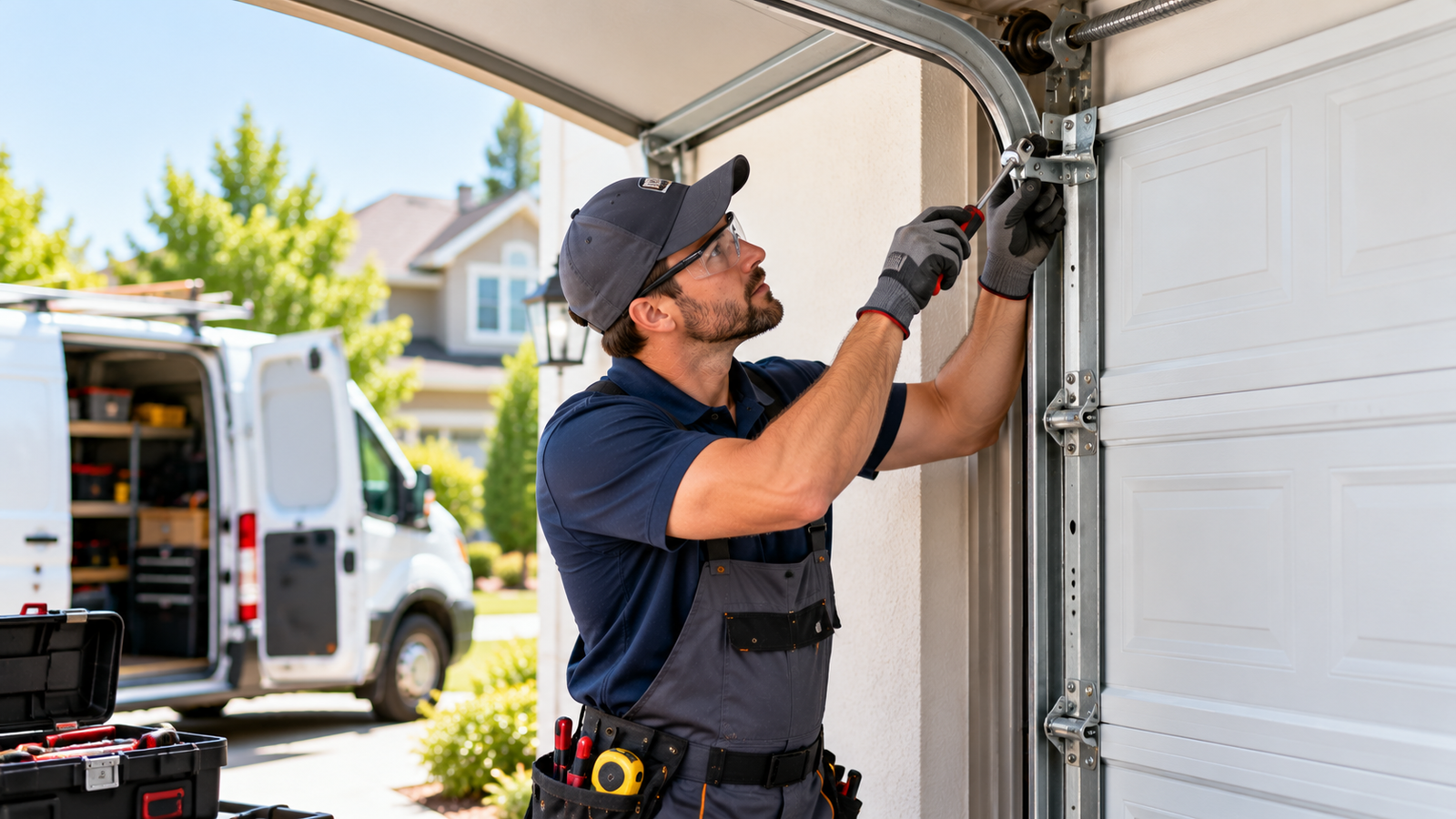
Your garage door isn’t just a mechanical fixture — it’s one of the biggest moving parts of your home, and when it stops working right, your whole day can grind to a halt. Maybe it’s stuck halfway open, maybe it’s making a noise that sounds like a dying robot, or maybe it just won’t budge at all. Whatever the issue, you need a team that shows up fast, diagnoses the problem accurately, and fixes it right the first time.
That’s where professional garage door service comes in. A well-maintained garage door protects your vehicles, your tools, and often serves as the main entry point into your home. When it’s not functioning properly, it’s more than an inconvenience — it’s a security risk and a safety hazard. This post walks through why timely garage door repair matters, what quality service should look like, and how to know when it’s time to call in the experts.
Why Garage Door Problems Shouldn’t Wait
A garage door that’s acting up rarely fixes itself. In fact, small issues tend to snowball into bigger (and more expensive) ones if they’re ignored. A worn-out spring, for instance, can lead to a door that suddenly won’t open or, worse, one that slams shut unexpectedly. Loose tracks can cause the door to jump off its rails entirely, leaving your garage exposed.
Beyond the mechanical risks, there’s the security factor to consider. A garage door that doesn’t close all the way or locks improperly is an open invitation for break-ins. And since many homeowners store valuable tools, bikes, and even vehicles in their garages, that’s not a risk worth taking.
Common warning signs that it’s time to schedule a repair include:
- Slow or jerky movement when opening or closing
- Loud grinding, squeaking, or banging noises
- Visible rust, dents, or warping on panels
- The door reversing before it fully closes
- Remote or keypad not responding consistently
If any of these sound familiar, it’s worth getting a professional opinion before the problem worsens.
What Makes a Garage Door Repair Team Trustworthy?
Not all garage door companies operate the same way, and the difference shows up in the details. A trustworthy service provider will:
Offer a transparent, upfront quote. You shouldn’t be surprised by hidden fees once the job is already underway. Clear pricing builds trust and makes budgeting easier.
Respond quickly to emergencies. Garage door issues don’t wait for convenient business hours. Whether it’s a spring that snapped at 7 a.m. or a door that won’t close before you leave for vacation, fast response times matter.
Use quality parts. Cheap replacement parts might save money upfront, but they tend to fail sooner, leading to repeat service calls and frustration. Skilled technicians know which materials hold up over time.
Communicate clearly. A good technician explains what’s wrong, why it happened, and what the repair involves — without burying you in jargon.
Stand behind their work. Warranties and guarantees are a sign that a company is confident in the quality of its repairs.
When a company checks all these boxes, you’re not just getting a fix — you’re getting peace of mind.
Installation, Repair, and Maintenance: The Three Pillars of Garage Door Care
Garage door service generally falls into three categories, and understanding each one helps you know what to expect.
New Installations
Whether you’re building a new home or replacing an outdated door, installation requires precision. The door needs to be properly balanced, the springs correctly tensioned, and the opener calibrated to work smoothly with the door’s weight and size. A poorly installed door can lead to premature wear, noise, and safety issues down the line.
Repairs
This is the most common type of service call, covering everything from broken springs and cables to damaged panels and malfunctioning openers. Because garage doors involve a combination of mechanical and electrical components, diagnosing the root cause of a problem takes experience. A technician who understands how all the parts work together can often fix an issue faster and more affordably than someone guessing their way through it.
Routine Maintenance
Just like a car needs regular oil changes, a garage door benefits from periodic tune-ups. Lubricating moving parts, inspecting cables for fraying, checking spring tension, and testing safety sensors can catch small problems before they become costly repairs. Scheduling maintenance once or twice a year can significantly extend the lifespan of your door.
Choosing Local Expertise for Faster, More Reliable Service
There’s real value in working with a local garage door company rather than a national chain. Local technicians tend to know the common issues specific to the area’s climate and housing styles, and they’re often able to respond more quickly since they’re not juggling calls across multiple states. Plus, building a relationship with a local provider means you have someone familiar with your home’s history the next time you need service.
When your garage door needs attention, having a dependable, fast-responding local team you can call day or night makes all the difference between a minor inconvenience and a major headache — and that’s exactly the kind of service GoGo Garage Door Service LLC is built to provide. From emergency repairs to full installations and seasonal maintenance, the goal is always the same: get your garage door working safely and smoothly, without the runaround.
Technicians who specialize in garage doors bring a level of precision that general handymen often can’t match. Garage doors involve high-tension springs and heavy panels, both of which can cause serious injury if handled incorrectly. Trained professionals know how to work safely around these components while making sure every repair meets manufacturer specifications.
Final Thoughts: Don’t Wait Until It’s an Emergency
A garage door rarely breaks down at a convenient time. Staying proactive — scheduling regular maintenance, watching for early warning signs, and addressing small issues before they grow — can save you from costly repairs and unexpected stress. When something does go wrong, having a reliable, experienced team on call ensures the problem gets solved quickly and correctly.
Your garage door plays a bigger role in your home’s safety and functionality than most people realize. Treating it with the same care you’d give any other major home system pays off in the long run, both in convenience and peace of mind.

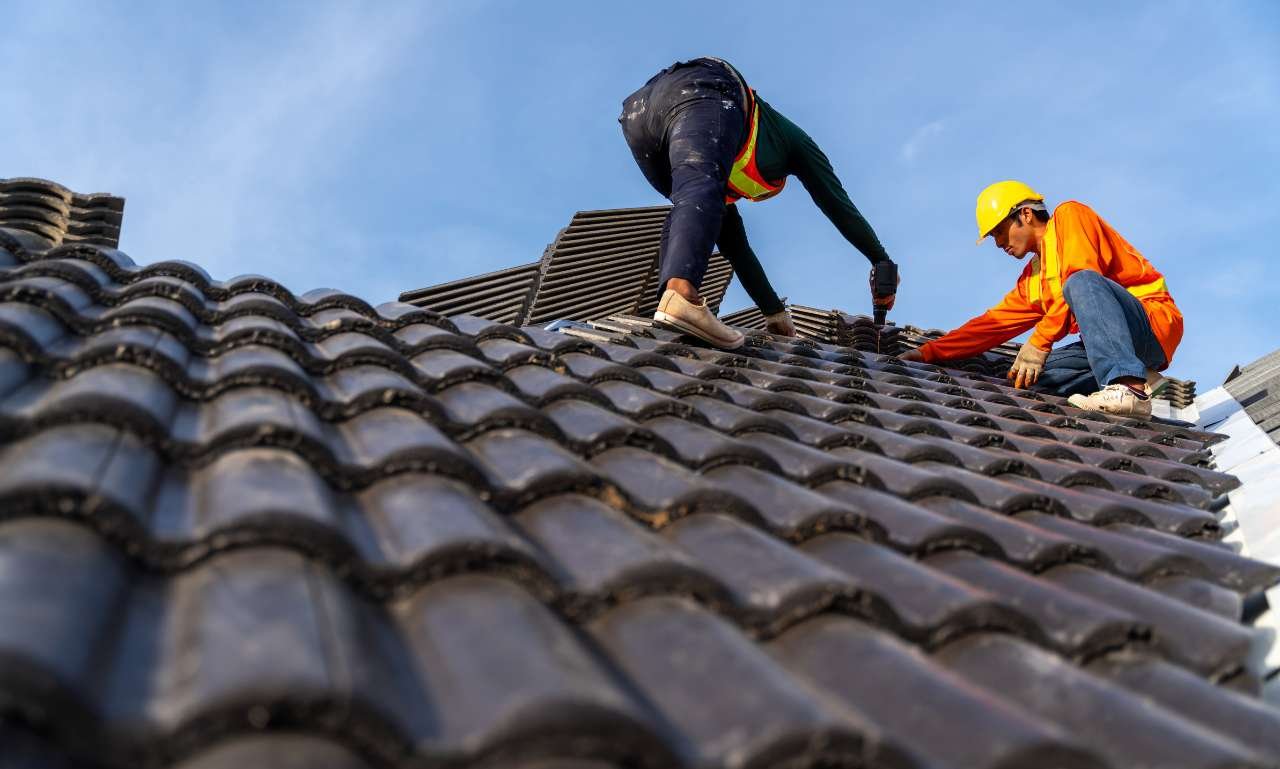
A roof is one of the most important structural components of any building because it protects the interior from rain, wind, sunlight, moisture, and other environmental conditions. Despite its importance, roofing problems often go unnoticed until visible damage appears on ceilings, walls, or other interior surfaces. Small issues, such as loose shingles, cracked flashing, or minor leaks, can gradually develop into expensive structural problems if they are not addressed promptly. Understanding how roofing systems work, recognizing early warning signs, and following appropriate maintenance practices can help homeowners protect their properties and avoid unnecessary repair expenses.
- Understanding the Importance of Roof Maintenance
- Common Signs That Your Roof Needs Attention
- Identifying the Causes of Roofing Problems
- Choosing the Right Roofing Materials for Repairs
- Essential Steps in the Roof Repair Process
- Why Timely Repairs Can Save Money
- When to Hire a Professional Roofing Contractor
- Preventive Maintenance for a Longer-Lasting Roof
- Understanding Roofing Costs and Budget Considerations
- Common Mistakes to Avoid During Roofing Maintenance
- How to Prepare for a Roofing Repair Project
- Final Thoughts on Maintaining a Strong and Reliable Roof
Roof maintenance requires more than occasional visual inspections. It involves identifying potential weaknesses, understanding different roofing materials, addressing water infiltration, and ensuring that drainage systems function properly. Weather exposure, aging materials, poor installation, and inadequate ventilation can all contribute to deterioration over time. By taking a proactive approach, property owners can improve roof performance, maintain indoor comfort, and extend the useful life of their roofing systems.
Whether you are dealing with a minor leak, damaged shingles, deteriorating flashing, or more extensive structural concerns, knowing the fundamentals of roofing maintenance can help you make informed decisions. This guide explores common roofing problems, effective repair methods, preventive maintenance strategies, and the factors to consider when deciding whether to complete a minor task yourself or hire an experienced professional.
Understanding the Importance of Roof Maintenance
A properly maintained roof serves as a protective barrier between a building and the outside environment. It prevents water from entering the structure, helps regulate indoor temperatures, and protects insulation, electrical systems, ceilings, and walls from moisture-related damage. When roofing materials begin to fail, the consequences can extend far beyond the roof itself.
Water infiltration is particularly damaging because moisture can travel through small openings and spread into areas that are difficult to inspect. A minor leak may eventually cause wood rot, peeling paint, damaged insulation, unpleasant odors, and mold growth. If moisture reaches electrical components, it may also create additional safety concerns. These problems can become increasingly expensive when repairs are delayed.
Regular maintenance allows homeowners to identify deterioration before it affects multiple parts of the property. Replacing a damaged shingle, resealing an appropriate flashing joint, or clearing a blocked drainage channel may prevent more extensive damage. Routine inspections also help identify issues caused by aging materials, improper installation, and repeated exposure to harsh weather.
Another important benefit of maintaining a roof is improved energy efficiency. Damaged roofing materials, inadequate ventilation, and wet insulation can contribute to uncomfortable indoor temperatures and increased heating or cooling demands. Keeping the roofing system in good condition supports better thermal performance and helps preserve the comfort of the building’s occupants.
Common Signs That Your Roof Needs Attention
Recognizing the early warning signs of roofing damage can help prevent minor issues from becoming major repairs. Some problems are visible from the ground, while others require a professional inspection to identify their underlying causes.
One of the most obvious indicators is water staining on ceilings or walls. Brown marks, bubbling paint, peeling plaster, and damp patches may indicate that moisture is entering the building. However, the location of an interior stain does not always correspond directly to the point where water enters the roof. Water can travel along beams, insulation, and other surfaces before becoming visible indoors.
Missing, cracked, curled, or loose shingles are also common warning signs. These defects may expose the underlying roofing layers to rain and wind, increasing the likelihood of leaks. On other roofing systems, similar concerns may include cracked tiles, corroded metal panels, deteriorated membrane seams, or damaged protective coatings.
Pay attention to the condition of flashing around chimneys, vents, skylights, and roof intersections. Flashing helps prevent water from entering vulnerable joints, and damaged or improperly installed flashing can compromise the entire roofing system. Rust, visible gaps, lifted edges, and deteriorating sealant may indicate that further inspection is necessary.
Sagging roof sections, persistent damp odors, excessive granules collecting in gutters, and daylight visible through the roof structure are additional signs that should not be ignored. Structural sagging requires particular attention because it may indicate weakened supports or excessive moisture damage.
After severe weather, inspect the property from a safe location for fallen branches, displaced roofing materials, damaged gutters, and other visible problems. If you suspect structural damage or an active leak, arrange a professional assessment rather than climbing onto the roof yourself.
Identifying the Causes of Roofing Problems
Roofing damage can develop for several reasons, and identifying the underlying cause is essential for choosing an effective repair method. Treating only the visible symptoms may provide temporary relief without resolving the issue responsible for the damage.
Weather exposure: Heavy rain, strong winds, hail, snow, and extreme temperature changes can gradually weaken roofing materials. Wind may lift shingles or loosen fasteners, while repeated expansion and contraction can contribute to cracks and deteriorating joints. Prolonged sunlight may also cause certain materials to become brittle or lose their protective qualities.
Aging materials: Every roofing material has a limited service life. Over time, protective coatings deteriorate, sealants lose flexibility, fasteners corrode, and individual components become more vulnerable to damage. The rate of deterioration depends on the material, installation quality, maintenance history, and surrounding environmental conditions.
Poor installation: Incorrect fastening, inadequate underlayment, improperly fitted flashing, and insufficient ventilation can create weaknesses from the beginning. Even high-quality materials may fail prematurely if they are installed incorrectly or used in a roofing system for which they are unsuitable.
Blocked drainage: Leaves, dirt, branches, and other debris can obstruct gutters and downspouts. When water cannot drain effectively, it may accumulate around roof edges or enter vulnerable areas. Persistent standing water can also place additional stress on certain roofing systems.
Neglected maintenance: Small defects can become increasingly serious when they are ignored. Loose components may deteriorate further, minor openings may allow additional moisture inside, and damaged protective layers may expose the underlying structure to environmental conditions.
Understanding these causes helps property owners focus on durable solutions rather than repeatedly repairing the same visible problem. A thorough assessment should consider the surrounding roofing materials, drainage, ventilation, and structural condition before a repair plan is finalized.
Choosing the Right Roofing Materials for Repairs
Selecting compatible materials is essential for achieving a durable repair. Roofing products vary in appearance, installation requirements, weather resistance, maintenance needs, and expected lifespan. Using an unsuitable replacement material can create new weaknesses or cause the repaired section to deteriorate prematurely.
Asphalt shingles are widely used because they are available in different styles and are relatively straightforward to install. When replacing damaged shingles, the new materials should match the existing roofing system in size, design, and performance characteristics as closely as practical. The underlayment and fastening method must also be appropriate for the installation.
Clay and concrete tiles provide durability and a distinctive appearance, but they can crack under impact or when handled incorrectly. Replacement tiles should be compatible with the existing system, and the supporting structure must remain in suitable condition. Walking directly on fragile tiles can cause additional damage, so professional handling is often advisable.
Metal roofing is valued for its durability and resistance to many weather conditions. Nevertheless, panels, fasteners, protective coatings, and seams can deteriorate or become damaged. Repairs should account for the metal type, coating, fastening system, and potential for corrosion. Using incompatible metals or inappropriate sealants may create additional problems.
Flat and low-slope roofs often rely on membranes, specialized coatings, or layered waterproofing systems. These roofs require materials that are compatible with the existing membrane and suitable for the amount of water exposure. Applying a generic sealant without identifying the roofing material may result in poor adhesion or premature failure.
Before purchasing replacement products, review manufacturer recommendations and installation specifications. Compatibility is often more important than selecting a material based solely on price. A well-matched repair can help preserve the integrity of the existing roof and reduce the likelihood of recurring problems.
Essential Steps in the Roof Repair Process
An effective repair begins with a careful assessment rather than immediately applying sealant or replacing visible materials. The first step is to identify the affected area, document visible damage, and determine whether the problem is isolated or part of a broader issue.
Once the source of the damage has been identified, the surrounding materials should be examined for deterioration. For example, a missing shingle may be the visible symptom of loose fasteners, damaged underlayment, or wind-related damage across a larger section. Similarly, a leak near a chimney may result from deteriorated flashing rather than a defect in the shingles themselves.
The next stage involves selecting the appropriate repair method and materials. Depending on the situation, the work may require replacing damaged shingles, repairing flashing, restoring a compatible waterproofing membrane, replacing corroded fasteners, or correcting a drainage problem. Structural deterioration may require additional assessment before surface repairs can begin.
The damaged section must then be prepared according to the manufacturer’s instructions. Loose debris, failed sealant, or deteriorated components may need to be removed carefully. New materials should be installed using the correct fastening, overlap, and sealing methods for the specific roofing system.
After the repair, the surrounding area should be inspected to ensure that the work has not disturbed adjacent components. Drainage paths should remain clear, flashing should be properly secured, and all materials should be fitted correctly. Where appropriate, a qualified professional can conduct suitable water testing or other verification procedures without creating additional damage.
Finally, maintain records of the repair, including photographs, materials used, dates, and any warranties. This information can be valuable during future inspections and helps property owners monitor recurring problems.
Why Timely Repairs Can Save Money
Delaying necessary roof maintenance often increases the eventual cost of resolving a problem. A small defect may initially require only a limited repair, but continued exposure to moisture and weather can affect several layers of the roofing system.
For example, a minor leak may damage insulation, ceiling finishes, timber supports, and nearby electrical components if water continues to enter the building. The original roofing defect may be relatively inexpensive to correct, while the secondary damage can require multiple contractors and extensive restoration.
Timely repairs can also reduce disruption to daily activities. Major roofing work may require moving furniture, protecting interior belongings, temporarily restricting access to certain rooms, or arranging alternative accommodation in severe cases. Addressing developing problems early can reduce the likelihood of these complications.
Energy performance is another consideration. Water-damaged insulation and uncontrolled air movement can make indoor temperatures more difficult to regulate. Repairing the roof and addressing related ventilation or insulation problems may improve comfort and help control energy use.
The most economical approach is not necessarily to choose the lowest-priced repair. Instead, focus on the solution that addresses the underlying cause, uses suitable materials, and provides appropriate durability. Repeated temporary fixes can become more expensive than a properly planned repair completed at the right time.
When to Hire a Professional Roofing Contractor
Some roofing maintenance tasks, such as observing visible damage from the ground or clearing accessible debris from a safe location, may be manageable for property owners. However, working directly on a roof introduces significant fall risks, and complex repairs should generally be handled by qualified professionals.
Professional assistance is particularly important when dealing with structural damage, persistent leaks, steep roof slopes, fragile tiles, damaged electrical equipment, or extensive deterioration. Roofs may also contain hidden hazards, including unstable decking, concealed openings, and materials that require specialized handling.
When evaluating a contractor, review their experience with your particular roofing system. Ask whether they have completed similar projects and whether they can explain the cause of the problem, the proposed repair method, and the materials required. A reliable contractor should be willing to discuss the scope of work and answer reasonable questions before beginning.
Request a written estimate that identifies labor, materials, removal of damaged components, cleanup, and any additional charges. Confirm the expected schedule and ask how unexpected damage will be handled if it becomes visible during the work. It is also important to understand the warranty terms and the limits of any workmanship or product coverage.
Check applicable licensing requirements, insurance arrangements, references, and customer reviews where relevant. Be cautious of contractors who pressure you into immediate decisions, demand unusually large upfront payments without clear terms, or recommend extensive replacement work without providing a reasonable explanation.
For a substantial roofing problem, obtaining more than one estimate can help you compare proposed solutions. However, do not judge contractors exclusively by their prices. The quality of the assessment, suitability of materials, safety practices, and clarity of the agreement are equally important factors.
Preventive Maintenance for a Longer-Lasting Roof
Preventive maintenance is one of the most effective ways to reduce unexpected roofing expenses. Rather than waiting for a leak to appear, property owners should establish a routine for checking the roof and related drainage components.
Inspect the roof visually at least twice a year when conditions permit, and arrange additional inspections after significant storms or other severe weather events. Avoid climbing onto the roof without the proper training and equipment. A ground-level inspection, combined with professional assessments when necessary, can identify many developing problems safely.
Keep gutters and downspouts free from leaves and debris so that rainwater can drain away from the building. Check for sagging gutter sections, loose brackets, visible leaks, and signs that water is overflowing near the roof edge. Ensure that discharged water is directed away from foundations where practical.
Trim tree branches that hang close to the roof when it is safe and appropriate to do so. Overhanging branches can scrape roofing materials, deposit debris, and increase the risk of impact damage during storms. Tree maintenance should be carried out carefully, particularly near electrical lines or large unstable branches.
Maintain suitable attic ventilation and insulation. Excessive moisture and temperature differences can contribute to condensation, material deterioration, and other roofing problems. If you notice persistent dampness, musty odors, or unusual temperature patterns in the attic, investigate the cause rather than assuming that the roof covering is solely responsible.
Keep a maintenance log containing inspection dates, photographs, completed repairs, and observations. This record can help identify recurring issues and provide useful information for contractors. Regular maintenance is generally more manageable when it is planned instead of postponed until an urgent problem develops.
Understanding Roofing Costs and Budget Considerations
The cost of repairing a roof depends on several factors, including the type of roofing material, the size of the damaged area, the accessibility of the roof, the extent of underlying deterioration, and local labor rates. A small repair involving a few damaged shingles will generally require fewer resources than work involving structural timber, extensive waterproofing, or multiple roofing sections.
Material prices can vary considerably. Standard shingles, specialized tiles, metal panels, waterproofing membranes, and custom flashing components have different purchase and installation requirements. The availability of matching replacement materials can also influence the final price, particularly when an older roofing system is involved.
Labor costs depend on the complexity of the task and the safety measures required. Steep slopes, multiple roof levels, difficult access, and fragile materials may increase the time and equipment needed to complete the work. Emergency repairs can also be more expensive when immediate attention is necessary outside normal working hours.
Before approving a project, ask for an itemized estimate and clarify whether the price includes inspection, material removal, disposal, cleanup, and follow-up work. Determine whether the contractor has included potential costs for repairing hidden damage and how additional work will be authorized.
Set aside a reasonable maintenance budget to cover inspections and minor repairs. Although the exact amount will depend on the property and roofing system, planning for routine upkeep is preferable to relying entirely on emergency funds. If the roof is approaching the end of its expected service life, compare the cost of continued repairs with the benefits of a larger replacement project.
Common Mistakes to Avoid During Roofing Maintenance
One of the most common mistakes is applying sealant to a leak without identifying its actual source. Water may enter through damaged flashing, failed underlayment, loose fasteners, or another nearby opening. Sealing the visible stain or an unrelated roof joint may only conceal the symptom temporarily.
Another mistake is using incompatible repair materials. Roofing products are designed for particular surfaces and environmental conditions, and not every adhesive or sealant works with every membrane, metal, tile, or shingle. Always follow manufacturer recommendations and confirm material compatibility before beginning repairs.
Neglecting ventilation and drainage can also undermine an otherwise sound roof. Even high-quality roofing materials may deteriorate prematurely when moisture accumulates or water repeatedly collects around vulnerable areas. A thorough maintenance plan should consider the complete roofing system rather than focusing exclusively on the visible surface.
Some property owners also postpone inspections because no obvious leak is present. However, roofing damage can remain hidden for months, especially when water enters beneath the outer covering or accumulates in insulation. Periodic inspections help reveal problems before they become visible indoors.
Finally, avoid unsafe do-it-yourself repairs. Wet surfaces, steep slopes, unstable ladders, overhead electrical lines, and damaged roof decking create serious hazards. Never attempt a repair during severe weather or when the roof cannot be accessed safely. In situations involving significant damage or uncertain structural stability, contact a qualified professional.
How to Prepare for a Roofing Repair Project
Preparing your property before work begins can make the repair process more efficient and help protect your belongings. Start by discussing the proposed work with the contractor and confirming which areas will be accessed, how materials will be delivered, and whether temporary protection will be required.
Move fragile belongings away from ceilings or walls beneath the repair area when appropriate. Roofing work may involve vibration, falling dust, or movement around attic spaces. Covering nearby furniture and protecting sensitive items can help reduce the effects of construction activity.
Make sure the contractor can access the necessary areas safely. Depending on the project, this may involve clearing a driveway, providing access to an exterior gate, or moving vehicles away from material delivery and waste collection areas. Keep children and pets away from active work zones.
Ask how the contractor will protect landscaping, collect debris, and dispose of damaged roofing materials. Confirm whether the work may expose the interior to weather temporarily and what precautions will be used if unexpected rain occurs. Clear communication before work starts can prevent misunderstandings and help establish realistic expectations.
Once the repair is complete, review the finished work with the contractor when practical. Ask for an explanation of the repairs performed, any remaining concerns, and the maintenance steps recommended for the future. Keep invoices, warranty documents, photographs, and relevant inspection notes in a secure place.
Final Thoughts on Maintaining a Strong and Reliable Roof
A dependable roofing system is essential for protecting a property, maintaining indoor comfort, and preventing costly moisture damage. Although roofing materials are designed to withstand environmental exposure, they still require appropriate installation, periodic inspections, and timely attention when problems arise. Recognizing warning signs, understanding common causes of deterioration, and selecting compatible repair materials can help property owners make informed decisions.
The most effective approach combines preventive maintenance with prompt action when damage becomes apparent. Keeping drainage systems clear, monitoring vulnerable joints, maintaining appropriate attic ventilation, and documenting repairs can reduce the risk of unexpected problems. When a task involves structural damage, difficult access, or significant safety concerns, professional assistance is often the most responsible option.
A well-planned roof repair project should address the source of the problem rather than merely covering up its visible symptoms. Choosing an experienced contractor, reviewing written estimates, and confirming warranty conditions can improve the likelihood of a durable result. Property owners should also remember that not every damaged roof requires complete replacement; a professional assessment can help determine whether a localized repair remains a practical solution.
Ultimately, investing in proper maintenance and making timely repairs can protect the building, preserve the value of the property, and reduce avoidable expenses over time. With careful planning, suitable materials, and a commitment to safety, homeowners can maintain a reliable roofing system and enjoy greater confidence in the protection it provides.

From Room to Wellness Suite: Sauna That Works for Your Orlando Home

Full Service Removalists Sydney: What’s Included, Costs & How to Book (2026)

Why Furnace Repair Can’t Wait: Signs Your Heating System Needs Help

Alex Pettyfer Net Worth, Wife, Age, Height, Children, Career and More
Brad Williams Net Worth, Wife, Height, Age, Daughter, Family, Career and More

Eldorado.gg Review 2026: How It Works, Safety, Fees, and Risks
-
Celebrity10 months ago
Alex Pettyfer Net Worth, Wife, Age, Height, Children, Career and More
-
Celebrity10 months ago
Brad Williams Net Worth, Wife, Height, Age, Daughter, Family, Career and More
-
Blog2 months ago
Eldorado.gg Review 2026: How It Works, Safety, Fees, and Risks
-
 Celebrity10 months ago
John McGinn Net Worth, Age, Height, Wife, Childrens, Career and More
-
 Anime11 months ago
Sanzoku Bandits of One Piece: Origins, Higuma, and Their Role in Dawn Island
-
 Celebrity10 months ago
Frances de la Tour Net Worth, Age, Height, Husband, Childrens, Career and More
-
 Celebrity10 months ago
Will Trickett Net Worth, Wife, Childrens, Age, Career and More
-
 Blog2 months ago
Crackstube: A Complete Guide to the Digital Publishing Platform