
Health
Simple Ways to Build a Healthier Lifestyle Through Daily Wellness


Introduction
- Understanding Everyday Wellness
- Building Better Nutrition Habits
- Staying Physically Active
- Supporting Mental and Emotional Wellness
- Improving Hydration and Daily Energy
- Preventive Health and Health Awareness
- Creating a Sustainable Wellness Routine
- Health Guidance for Different Lifestyles
- Final Guideline
- Final Thoughts
Good health is built through the choices people make every day. Nutrition, physical activity, sleep, hydration, stress management, and preventive care all contribute to a balanced lifestyle. However, improving wellness does not mean following complicated routines or making extreme changes.
The jalbitehealth guide focuses on practical health education that can help readers understand everyday wellness more clearly. Instead of chasing temporary trends, a sustainable approach encourages realistic habits that can be maintained over time.
A healthy lifestyle should fit naturally into your schedule. Small improvements, repeated consistently, can support physical energy, emotional balance, productivity, and overall quality of life.
Understanding Everyday Wellness
Why Daily Health Habits Matter
Everyday habits influence how the body and mind function. Eating nutritious foods can provide essential nutrients, while regular movement supports physical fitness. Quality sleep helps the body recover, and adequate hydration supports normal bodily processes.
The goal is not perfection. A sustainable lifestyle comes from making sensible decisions repeatedly and adjusting routines when necessary.
Creating Realistic Health Goals
Many people begin their wellness journey with goals that are too ambitious. Completely changing your diet, exercise routine, sleep schedule, and daily activities at once can quickly become overwhelming.
A better approach is to begin with manageable objectives. Someone might start by walking regularly, improving breakfast choices, drinking more water, or establishing a consistent bedtime.
Small goals are easier to track and maintain, making them more useful for long-term lifestyle improvement.
Building Better Nutrition Habits
Focus on Balanced Meals
Nutrition is an important part of overall wellness. A balanced eating pattern can include vegetables, fruits, whole grains, protein sources, and healthy fats.
Rather than labeling individual foods as completely good or bad, focus on overall dietary patterns. Variety helps provide different nutrients while making meals more enjoyable.
Portion awareness can also help people develop healthier eating habits without unnecessary restriction.
Make Healthy Food Choices Easier
Convenience often influences food decisions. Preparing simple meals at home, keeping nutritious snacks available, and planning grocery purchases can make healthy choices easier.
Reading nutrition labels can also help consumers understand ingredients, serving sizes, and nutritional content.
The purpose is not to create a perfect diet but to develop eating habits that are practical and sustainable.
Staying Physically Active
Choose Movement You Enjoy
Exercise does not have to mean spending hours at a gym. Walking, cycling, swimming, stretching, dancing, recreational sports, and home workouts can all provide opportunities for movement.
Choosing activities that are enjoyable makes consistency easier. A routine that feels realistic is more likely to become part of everyday life.
Add Movement to Busy Days
People with demanding schedules may struggle to dedicate long periods to exercise. Short periods of activity throughout the day can provide practical opportunities to move.
Taking walking breaks, using stairs when appropriate, stretching during work intervals, or walking after meals can help reduce prolonged inactivity.
The most important factor is finding a routine that fits comfortably into your lifestyle.
Supporting Mental and Emotional Wellness
Manage Everyday Stress
Stress is a normal part of life, but persistent stress can affect daily well-being. Creating time for relaxation, social connection, enjoyable activities, and sufficient rest can support emotional balance.
Simple practices such as controlled breathing, journaling, mindfulness, spending time outdoors, or taking regular breaks may help people manage everyday pressure.
When stress becomes difficult to manage or significantly affects daily functioning, professional support can be valuable.
Protect Your Sleep Routine
Sleep is an important part of healthy living. A consistent sleep schedule can make it easier to establish a predictable routine.
Creating a relaxing evening environment, limiting stimulating activities before bed, and keeping the sleeping area comfortable may support better sleep habits.
Individual sleep needs vary, so people should consider their own circumstances rather than following unrealistic routines promoted online.
Improving Hydration and Daily Energy
Develop Consistent Hydration Habits
Water is essential for normal body functions. Individual fluid requirements can vary depending on factors such as activity, environment, diet, and health circumstances.
Keeping water available throughout the day can make hydration easier. People who exercise or spend significant time in hot environments may need to pay additional attention to fluid intake.
If a person has a medical condition affecting fluid requirements, personalized guidance from a healthcare professional is appropriate.
Understand the Connection Between Habits
Nutrition, hydration, movement, and sleep should not be viewed as completely separate areas. They interact with one another as parts of a broader lifestyle.
For example, poor sleep may make healthy food choices more difficult, while inactivity can influence energy and mood. Building several supportive habits together can create a more balanced routine.
Preventive Health and Health Awareness
Pay Attention to Your Body
Health awareness means noticing changes and understanding when professional advice may be appropriate. Persistent or unusual symptoms should not simply be ignored.
Regular healthcare visits, appropriate screening, vaccinations, and professional guidance can play an important role in preventive care.
Online wellness information can provide education, but it should not replace diagnosis, treatment, or individualized medical advice.
Use Reliable Health Information
The internet contains a huge amount of health information, but not everything published online is accurate. Readers should consider the quality and credibility of the source before acting on medical claims.
Reliable health resources generally explain their information clearly and avoid promising instant cures or unrealistic results.
The jalbitehealth guide can be viewed as part of a broader approach to learning about practical wellness while remembering that individual medical decisions should involve qualified professionals.
Creating a Sustainable Wellness Routine
Start With Small Changes
Long-term improvement usually becomes easier when changes are introduced gradually. Instead of completely redesigning your lifestyle overnight, choose one or two habits that feel achievable.
For example, you could establish a regular walking routine, add more vegetables to meals, improve your bedtime schedule, or dedicate time to relaxation.
Once a habit becomes comfortable, another positive change can be introduced.
Track Progress Without Obsession
Tracking can help people understand patterns and maintain motivation. You might record exercise sessions, sleep consistency, meals, water intake, or personal wellness goals.
However, tracking should remain supportive rather than stressful. Missing a day does not mean failure. The important objective is returning to healthy routines and continuing forward.
Health Guidance for Different Lifestyles
Busy Professionals
Professionals can benefit from simple strategies that fit around work. Meal preparation, short activity breaks, adequate sleep, and realistic scheduling can make wellness more manageable.
Students
Students often face irregular schedules, academic pressure, and limited time. Regular meals, movement, sufficient rest, hydration, and stress-management activities can support a healthier routine.
Families
Families can make wellness easier by developing healthy habits together. Cooking nutritious meals, enjoying outdoor activities, maintaining consistent sleep schedules, and encouraging open conversations about emotional well-being can create supportive household routines.
Final Guideline
Keep Your Wellness Approach Practical
A successful health routine does not need to be complicated. Focus on balanced nutrition, regular movement, sufficient sleep, hydration, emotional wellness, preventive care, and reliable information.
Avoid extreme promises and quick fixes. Give your body time to adapt and recognize that individual needs differ.
If you have symptoms, medical concerns, dietary restrictions, or an existing health condition, seek advice from a qualified healthcare professional before making significant changes.
Final Thoughts
Building Better Health Over Time
The jalbitehealth guide represents a practical approach to understanding everyday wellness through simple, sustainable habits. Good health is not created through one perfect meal, workout, or routine. It develops through consistent decisions that support the body and mind over time.
Focus on progress rather than perfection. Choose nutritious foods, remain physically active, protect your sleep, drink enough fluids, manage stress, and stay aware of your health needs.
Most importantly, create routines that fit your real life. When healthy choices become realistic and repeatable, they are easier to maintain. A balanced lifestyle is a continuing journey, and every positive step can contribute to better overall well-being.


You can tell when a child is uneasy about the dentist long before they say it out loud. They cling to your hand, go quiet in the waiting room, or suddenly remember they do not want anyone looking in their mouth. For many parents, that tension feels familiar. You want your child to build healthy habits, but you also do not want every dental visit to turn into a battle. Finding a trusted family dentist in Monterey Park CA can make those visits feel more comfortable for both you and your child.
- Family dentistry gives children consistency they can trust
- Early dental fear can shape habits for years
- Family dental care supports both health and emotional comfort
- Habits at home and support from a family dentist work better together
- Small actions now build lifelong trust in dental care
- Confidence grows when children feel safe, prepared, and heard
That is where family care makes a real difference. How Family Dentistry Prepares Children For Lifelong Dental Confidence comes down to something simple. Repeated, calm, age-appropriate care helps children feel safe, understood, and capable. A child who trusts dental visits is more likely to keep going as a teen and adult, which protects both oral health and self-esteem.
Family dentistry gives children consistency they can trust
Children do better when things feel familiar. The same office, the same faces, and the same routines lower stress because your child knows what to expect. That matters more than many parents realize. Fear often grows in the space where a child does not know what is coming next.
A family dentist sees oral health as part of a child’s development, not just a checklist of cleanings. That means watching how baby teeth come in, how brushing habits form, and how early experiences shape a child’s attitude toward care. When appointments are gentle and predictable, children stop seeing the dentist as a place where things happen to them and start seeing it as a normal part of growing up.
This is the heart of children’s dental confidence. Confidence does not mean a child loves every moment of an exam. It means they can walk in, cooperate, ask questions, and leave feeling okay. That is a powerful skill to build early.
Early dental fear can shape habits for years
One rough appointment can linger. A child who feels rushed, scared, or embarrassed may resist brushing at home and fight future visits. Some children become so anxious that small issues get ignored until they turn into bigger and more expensive problems. A tiny cavity is one thing. Pain, infection, missed school, and urgent treatment are something else entirely.
Children also notice how adults react. If you are stressed about the visit, they pick up on it. If dental care only happens when something hurts, they learn to connect the dentist with pain. Family dentistry helps change that pattern by making preventive care the norm. Cleanings, exams, and simple education become routine, not a warning sign that something is wrong.
According to the CDC, parents can support healthy habits with daily brushing, fluoride toothpaste, smart snack choices, and regular dental care. Their guidance on oral health tips for children reinforces a point many families need to hear. Prevention works best when it starts early and stays steady.
Family dental care supports both health and emotional comfort
Good pediatric dental experiences are not only about clean teeth. They affect how a child feels about their body, their smile, and their ability to handle care. A child who is ashamed of visible decay or bad breath may smile less, speak less, or avoid close interaction with other kids. That can chip away at confidence in ways that seem small at first but build over time.
Family dental care for kids helps because it connects treatment with reassurance. A family dentist can explain tools in simple language, adjust the pace, and talk directly to your child without talking over them. That respect matters. Children respond well when they feel included instead of managed.
There is also practical value for parents. A family practice often makes scheduling easier when more than one person in the household needs care. That consistency can reduce missed appointments and keep small issues from turning into bigger disruptions.
Habits at home and support from a family dentist work better together
Even the best office visit cannot replace daily habits. Children need help brushing well, especially when they are young enough to rush through it or miss the back teeth. They also need clear limits around sugary drinks and frequent snacking. Family dentists reinforce those lessons in a way children often hear differently from how they hear it at home.
MedlinePlus offers a helpful overview of child dental health, including common concerns like cavities, thumb sucking, and oral hygiene routines. That kind of guidance gives parents a stronger base, and a family dentist can tailor it to your child’s age, habits, and risk factors.
| Approach | What a Child Learns | Likely Outcome Over Time |
|---|---|---|
| Only going to the dentist when there is pain | Dental care means something is wrong | More fear, delayed treatment, higher costs |
| Regular preventive visits with a family dentist | Dental care is normal and manageable | Better cooperation, earlier treatment, stronger habits |
| Brushing without adult guidance | Speed matters more than technique | Plaque buildup, missed spots, more cavities |
| Brushing support plus routine dental checkups | Oral care is a daily skill | Cleaner teeth, more confidence, fewer surprises |
Small actions now build lifelong trust in dental care
Start with calm, routine visits. Do not wait for pain to introduce your child to the dentist. Preventive visits create a neutral or positive baseline. If your child knows the office before a problem shows up, they are less likely to panic when treatment is needed later.
Use simple language at home. Skip scary words and big promises. Saying “The dentist will count your teeth and make sure they are healthy” lands better than building it up too much. Children usually do best when the visit sounds ordinary, because ordinary feels safe.
Make oral care visible and shared. Brush and floss where your child can see you doing it. Younger children need hands-on help, and older children still need reminders and follow-up. When oral care looks like a normal family habit, not a punishment or chore, children absorb that message.
Confidence grows when children feel safe, prepared, and heard
If your child is nervous about dental care, you are not failing. Many children need time, repetition, and the right support before they feel comfortable. The good news is that confidence is teachable. A steady relationship with a family dentist can help your child build trust, learn healthy routines, and carry those habits into adulthood.
When you are ready, schedule a visit with a family dentist and give your child the chance to see dental care as something manageable, familiar, and worth keeping for life.
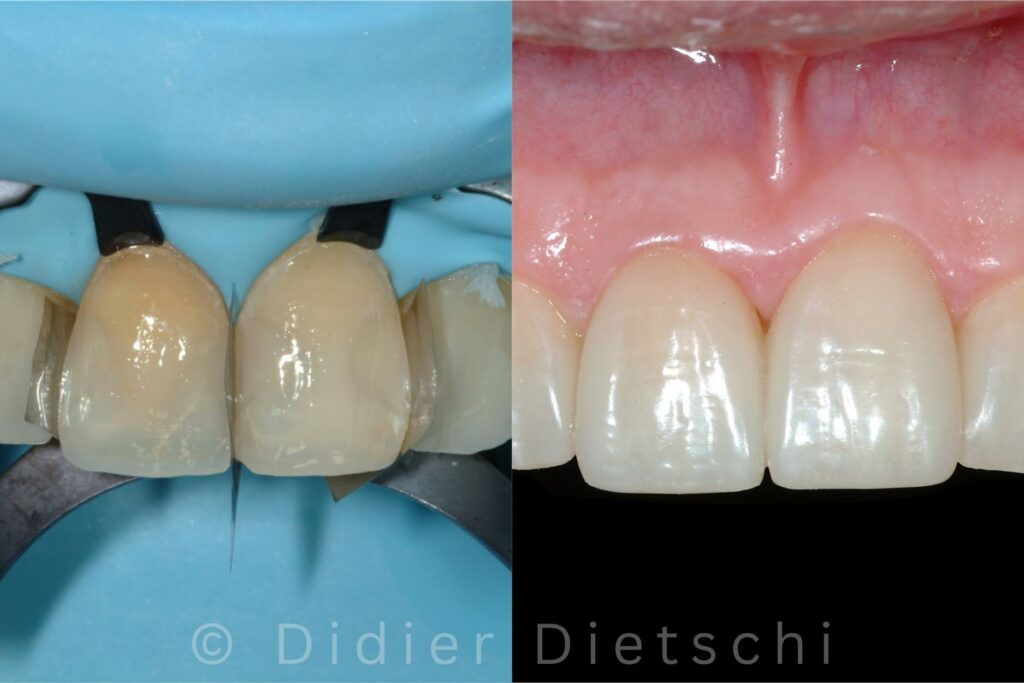
You look at a front tooth and know something feels off, even if you cannot name it. Maybe an old filling looks flat, too white, or dull beside the teeth around it. Maybe a chip was repaired, but the result catches light in a way that does not feel natural. That frustration is real. If you are discussing options with a dentist in El Centro, CA, it helps to know that teeth are not one solid color, and a restoration that ignores that usually stands out.
- Natural teeth have depth, and flat restorations miss that completely
- Layered composite recreates enamel, dentin, and light behavior
- Composite restorations work best when the plan fits the tooth and the person
- Layered composite compared with a single shade repair
- Choosing a family and cosmetic dentist affects the final result
- Three steps you can take before treatment
- A natural looking repair comes from layers, not guesswork
That is where layered composite bonding matters. A skilled family and cosmetic dentist does not simply place tooth colored material into a space and smooth it over. They build the tooth in thin layers, using different shades and levels of translucency to copy the way natural enamel and dentin reflect, absorb, and transmit light. The goal is not just to fill a defect. The goal is to recreate depth, shape, and a lifelike finish that disappears into your smile.
Natural teeth have depth, and flat restorations miss that completely
A natural tooth has structure under the surface. Dentin gives warmth and body. Enamel adds brightness and translucency. The edges of front teeth often let light pass through more than the middle. Small details such as mamelons, internal shading, and surface texture affect how a tooth looks from every angle. If a repair uses one opaque shade from top to bottom, the result can look chalky or lifeless, even if the color match seemed close at first.
You see this most often in front tooth repairs. A single shade may look acceptable under the dental light, then look obvious in daylight, photos, or office lighting. That can leave you feeling self conscious every time you smile or speak. The problem is not always the material itself. It is often the lack of layering and optical planning.
Composite layering techniques in dentistry address that problem by treating a restoration more like a reconstruction than a patch. Research on direct composite restorations has shown that modern layering approaches improve esthetics by mimicking the optical behavior of natural teeth, especially in visible areas. You can read more in this review of direct composite restorative techniques.
Layered composite recreates enamel, dentin, and light behavior
When dentists use layered composite to recreate depth and dimension, they usually start by studying the tooth before placing any material. Shade selection happens before the tooth dries out too much, because dehydration can make teeth appear lighter than they really are. The dentist may choose a dentin shade for the inner body of the tooth, then an enamel shade for the outer shell, and sometimes a translucent material near the biting edge.
Each layer has a job. A dentin layer creates the core color and opacity. An enamel layer softens and blends that core. Tints or translucent masses can add the subtle effects that keep a restoration from looking flat. This is how a dentist can make a repaired tooth look deeper and more natural, even when the damaged area was obvious at the start.
Surface anatomy matters too. Tiny ridges, line angles, and texture change the way light reflects off the tooth. A restoration can have the right shade and still look wrong if the contour is too bulky or too smooth. This is why cosmetic composite restorations depend on both color science and hand skills.
Clinical literature on stratified composite restorations supports this approach, showing that layering different composite opacities and shades can reproduce the esthetic complexity of anterior teeth with conservative treatment. This clinical report on stratified composite restorations gives a useful look at that process.
Composite restorations work best when the plan fits the tooth and the person
Not every repair needs advanced characterization, and not every tooth should be treated the same way. A small chip on a lower tooth may need a simpler build than a central incisor with a large old filling. If you grind your teeth, bite edge to edge, or drink staining beverages often, the design may need to balance beauty with strength and maintenance.
Cost plays a role as well. Composite is usually more conservative than porcelain because less natural tooth structure needs to be removed, and it can often be done in one visit. That makes it appealing if you want an esthetic fix without a larger procedure. At the same time, layered composite requires time, planning, and artistic precision. If a restoration is rushed, the result may be cheaper up front and more frustrating later.
Layered composite compared with a single shade repair
| Feature | Single Shade Composite Repair | Layered Composite Restoration |
|---|---|---|
| Color match | Can match broadly but may look uniform | Uses multiple shades to copy natural tooth variation |
| Depth and translucency | Often limited | Built to mimic dentin and enamel effects |
| Appearance in different lighting | May look flat or opaque in daylight or photos | Usually blends better across lighting conditions |
| Time required | Shorter | Longer because of detailed layering and shaping |
| Best use | Simple posterior repairs or low visibility areas | Visible teeth where esthetics matter most |
| Artistic demand | Lower | Higher |
Choosing a family and cosmetic dentist affects the final result
The material alone does not create a natural smile. The dentist’s eye for proportion, translucency, and texture makes the difference. If you are considering tooth colored composite restorations, look at before and after photos of cases similar to yours. Focus on whether the repaired teeth blend in naturally rather than whether they look bright.
You can also ask how the dentist approaches layering for front teeth, whether they use different opacities, and how they evaluate shade before starting. These are not technical questions for the sake of sounding informed. They help you understand whether the result is being planned as a lifelike restoration or just a quick repair.
Three steps you can take before treatment
1. Pay attention to what bothers you most. Is it the color, the shape, the way the edge catches light, or the fact that a filling is visible in photos? That detail helps guide treatment. Saying “it looks fake” is useful, but saying “the edge looks too solid and white” gives the dentist something specific to solve.
2. Bring photos taken in different lighting. A close up selfie in daylight, one indoors, and one smiling photo from a normal distance can reveal what mirrors and office lighting miss. This helps when planning esthetic composite bonding for a front tooth.
3. Ask about maintenance from the start. Composite can stain, chip, or lose polish over time, especially if you clench, bite nails, or drink coffee often. Knowing whether you may need polishing, touch ups, or a night guard protects both your result and your budget.
A natural looking repair comes from layers, not guesswork
If you have been staring at a repair that looks flat or obvious, you are not being picky. Human teeth have depth, and your eye catches the difference right away. A family and cosmetic dentist who uses careful layering can rebuild that missing complexity with shade, translucency, contour, and texture, often in a conservative way that preserves more of your natural tooth.
If you are ready for a repair that blends instead of stands out, schedule a consultation and ask how the tooth will be layered to recreate depth and dimension.

You may already be juggling specialist visits, lab work, forms, and a surgery date that feels too close. When your child is preparing for major medical care, adding a dental visit with a pediatric dentist in Van Nuys, CA to the list can seem random or unfair. It is one more appointment when you are already stretched thin. Still, dental clearance often plays a real part in keeping treatment on track and lowering avoidable risks.
- Dental clearance protects children before major treatment begins
- Delays often happen when dental problems are found too late
- Pediatric dental evaluation before surgery gives doctors useful information
- Simple steps can make dental clearance easier to manage
- Dental clearance is one less unknown before a major medical procedure
In plain terms, dental clearance means a pediatric dentist checks for infections, untreated cavities, gum problems, or other oral health issues that could complicate surgery, cancer treatment, organ transplant care, or treatment for certain heart conditions. A small dental problem that might wait under normal circumstances can become a bigger issue when your child is about to have anesthesia, immune suppression, or a major procedure. That is why how dental clearance can help children preparing for major medical care is not just a paperwork issue. It is part of the care plan.
Dental clearance protects children before major treatment begins
The mouth is part of the body, not a separate system. Bacteria from untreated dental disease can enter the bloodstream, and pain or infection can flare at the worst possible time. The CDC explains that oral health is closely connected to overall health, which is exactly why medical teams may ask for a dental exam before treatment starts.
This matters most when a child is heading into care that lowers the body’s ability to fight infection, or when healing needs to go smoothly with as few setbacks as possible. A child getting chemotherapy, for example, may have a much harder time with a dental abscess once treatment begins. A child scheduled for heart surgery may need oral infections treated first because bacteria can create added risk. The American Academy of Pediatrics discusses dental care for children with heart conditions, including why oral health deserves close attention before and after treatment.
You might be thinking, “My child is not complaining about a tooth.” That is common. Many children have cavities or gum inflammation without clear symptoms at first. A pediatric dentist can catch problems early, when treatment is usually simpler and timing is easier to coordinate with the medical team.
Delays often happen when dental problems are found too late
The hardest part for many families is that the dental check feels optional until it suddenly is not. A hospital or surgeon may require written clearance. If the exam uncovers decay, infection, or teeth that need treatment, the medical procedure may need to wait. That delay can throw off work schedules, child care, travel plans, and insurance approvals. It can also add more stress to a child who has already been preparing mentally for a major procedure.
There is also the issue of comfort. Children going into serious medical care do better when they are not also dealing with tooth pain, swelling, trouble eating, or poor sleep from an untreated dental problem. If your child is already anxious, mouth pain can make every other part of treatment feel heavier.
Pre-surgical dental clearance for children helps reduce those avoidable disruptions. It gives the medical team a clearer picture of your child’s health and gives you a chance to handle dental concerns before the stakes get higher.
Pediatric dental evaluation before surgery gives doctors useful information
A pediatric dentist does more than look for cavities. The visit may include X-rays when needed, an exam of the teeth and gums, a review of pain, swelling, oral habits, and any signs of infection. The dentist can also document whether your child is cleared as is, needs treatment first, or needs special precautions because of a medical condition.
That communication matters. The American Academy of Pediatric Dentistry outlines medically necessary oral health care and supports access to dental treatment when it affects a child’s broader health. For children with complex conditions, a pediatric dentist can help coordinate timing, decide what should be treated first, and share records with the medical team.
| Situation | If dental clearance happens early | If dental issues are found late |
|---|---|---|
| Small cavity | Often treated before the medical procedure with less disruption | May delay surgery or require urgent treatment under tighter timelines |
| Hidden infection | Found before immune suppression or anesthesia | Can flare during recovery or active medical treatment |
| Heart condition or transplant planning | Dental team and medical team can plan precautions together | Higher stress, rushed coordination, and possible rescheduling |
| Child comfort | Less chance of tooth pain during an already hard season | Pain, poor sleep, and trouble eating can add to recovery challenges |
Simple steps can make dental clearance easier to manage
Schedule the dental visit as soon as major treatment is mentioned. Do not wait for a final surgery date if you already know a significant procedure may be coming. Early timing gives you room to treat problems without panic.
Bring the medical details to the appointment. Share diagnoses, medication lists, planned procedures, and the name of the hospital or specialist. If the surgeon gave you a clearance form, bring that too. The more your pediatric dentist knows, the more useful the visit will be.
Ask for a clear next step before you leave. You need to know whether your child is cleared, whether treatment is needed first, and how long that treatment may take. If records need to be sent to another office, confirm who is sending them and when.
Dental clearance is one less unknown before a major medical procedure
When your child is facing serious medical care, you do not need one more surprise. A dental check cannot remove every worry, but it can reduce one source of risk and help the larger treatment plan move more smoothly. That is the real value of dental clearance for children before surgery or other major care. It catches problems early, supports safer treatment, and gives you clearer answers during a stressful time.
If your child is preparing for major medical care, schedule a visit with a pediatric dentist and ask for a dental clearance evaluation as soon as possible.

The Rise of AI Macro Dramas: How Solo Creators Are Producing Binge-Worthy Cinematic Series at Home

Mosquito Behavior, Prevention, and Effective Control Strategies

How Furniture Movers Dubai Handle Heavy, Fragile, and Valuable Items

Alex Pettyfer Net Worth, Wife, Age, Height, Children, Career and More

Brad Williams Net Worth, Wife, Height, Age, Daughter, Family, Career and More

Eldorado.gg Review 2026: How It Works, Safety, Fees, and Risks
-
Celebrity10 months ago
Alex Pettyfer Net Worth, Wife, Age, Height, Children, Career and More
-
Celebrity10 months ago
Brad Williams Net Worth, Wife, Height, Age, Daughter, Family, Career and More
-
Blog1 month ago
Eldorado.gg Review 2026: How It Works, Safety, Fees, and Risks
-
 Anime11 months ago
Sanzoku Bandits of One Piece: Origins, Higuma, and Their Role in Dawn Island
-
 Celebrity10 months ago
John McGinn Net Worth, Age, Height, Wife, Childrens, Career and More
-
 Celebrity10 months ago
Frances de la Tour Net Worth, Age, Height, Husband, Childrens, Career and More
-
 Celebrity10 months ago
Will Trickett Net Worth, Wife, Childrens, Age, Career and More
-
 Blog2 months ago
Crackstube: A Complete Guide to the Digital Publishing Platform