
Business
Creating a Smoother and More Organized Moving Experience

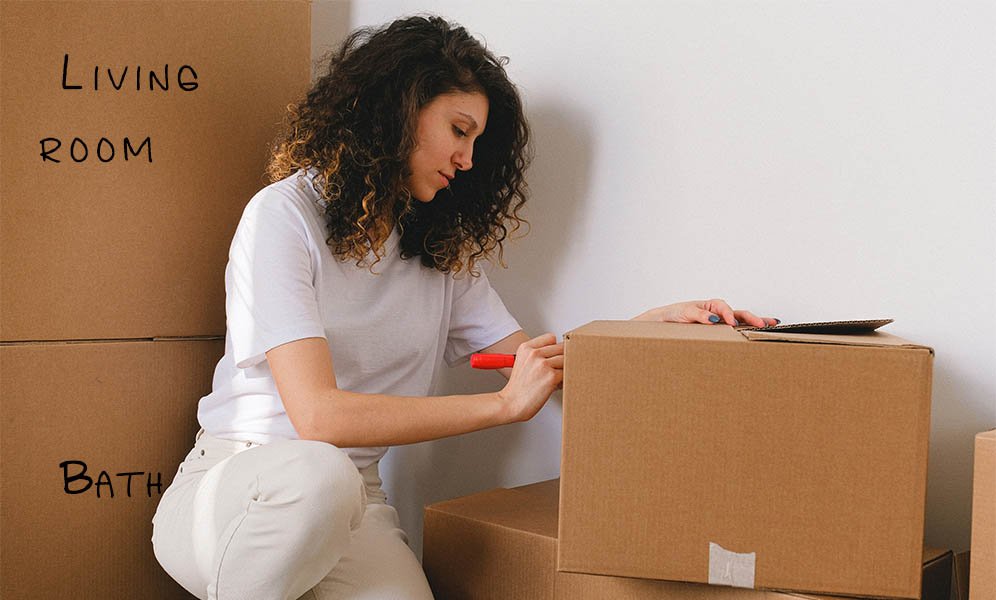
Moving to a new home can be an exciting opportunity, but the process of preparing belongings, organizing furniture, managing transportation, and settling into another property can become complicated without proper planning. A household move involves many individual responsibilities that need to work together, including sorting possessions, purchasing packing materials, protecting fragile items, preparing large furniture, labeling boxes, arranging transportation, and preparing both the current and new property. When these tasks are left until the last minute, homeowners may experience unnecessary pressure and confusion because there is not enough time to address unexpected problems. Developing a clear plan from the beginning allows each stage to be handled more carefully and gives homeowners greater control over the overall process. Working with a professional moving Company can also provide useful assistance with the demanding physical work involved in lifting, carrying, loading, transporting, and unloading household possessions, allowing customers to concentrate on planning and other responsibilities associated with the transition.
- Building a Practical Moving Plan
- Sorting Belongings Before Packing
- Creating an Organized Packing System
- Preparing Furniture for Transportation
- Preparing the Property Before Moving Day
- Managing Important and Valuable Belongings
- Making Moving Day More Efficient
- Organizing the Loading Process
- Developing an Efficient Unpacking Strategy
- Reducing Stress Through Better Preparation
- Selecting the Right Moving Support
- Maintaining Organization After Arrival
- Conclusion
Building a Practical Moving Plan
A successful relocation generally begins with a detailed plan that identifies what needs to be completed before moving day. Many homeowners underestimate the amount of time required to prepare an entire household because packing often appears simple when viewed as a single task. In reality, packing involves sorting belongings, deciding what should be transported, gathering suitable materials, protecting delicate possessions, labeling boxes, and organizing items according to their intended destination. Creating a realistic timeline can make these responsibilities easier to manage because homeowners can divide the workload into smaller stages rather than attempting to complete everything at once. Rooms that contain rarely used belongings can often be prepared earlier, while everyday necessities can remain accessible until closer to moving day. A written checklist can also help homeowners track progress and identify tasks that still require attention, including utility arrangements, cleaning, furniture preparation, important documents, and other responsibilities that may otherwise be overlooked during the busy preparation period.Planning should also account for the physical characteristics of both properties. Large furniture may need to pass through narrow doorways, hallways, stairways, or other restricted areas, while certain belongings may require additional preparation before they can be transported safely. Homeowners can inspect these access points ahead of time and identify anything that could make loading or unloading more difficult. Removing unnecessary obstacles from pathways can make the work more efficient and reduce interruptions when heavy furniture and boxes are being carried. Customers should also communicate information about unusually large, fragile, heavy, or valuable possessions before moving day so appropriate handling can be considered. Good planning does not eliminate every unexpected situation, but it provides a structure that makes it easier to respond when something does not go exactly according to schedule.
Sorting Belongings Before Packing
One of the most useful ways to simplify a relocation is to sort belongings before placing them into boxes. Households often contain many possessions that have accumulated over time, including clothing that is no longer worn, duplicate kitchen equipment, unused decorations, outdated electronics, old paperwork, toys, tools, and miscellaneous items that may no longer have a practical purpose. Transporting everything simply because it is already owned can increase the number of boxes, the amount of lifting required, and the time needed to unpack after arrival. Before packing begins, homeowners can carefully review each room and separate belongings into categories such as items to keep, donate, sell, recycle, or discard. This process can reduce the amount of unnecessary material that needs to be transported and can create a more organized starting point for the new home.Decluttering should still be approached thoughtfully because not every item that is rarely used is unnecessary. Important documents, family photographs, sentimental possessions, seasonal equipment, specialized tools, and other items may have considerable value even if they are not used every day. Instead of making rushed decisions, homeowners can take time to evaluate possessions based on their usefulness, importance, and future needs. Once unnecessary belongings have been removed, the remaining items can be grouped according to rooms or categories, which makes the packing process more systematic. This approach can also make unpacking easier because boxes will contain more logically organized belongings instead of random combinations of items from throughout the household.
Creating an Organized Packing System
A carefully organized packing system can make a major difference during both transportation and unpacking. Instead of placing random belongings into whichever box is available, homeowners can group similar items together and label each container clearly. Labels can identify the room where the box belongs as well as provide a short description of its contents. This simple system allows homeowners to identify important boxes without opening every container and can help movers determine where each box should be placed after arrival. It is especially useful when a household contains a large number of boxes because finding a particular item can otherwise become difficult and time-consuming.The timing of packing is equally important. Items that are rarely used can generally be packed earlier, while everyday necessities should remain available until moving day. Seasonal decorations, spare bedding, rarely used appliances, books, decorative objects, and stored belongings can often be packed well in advance. Essential clothing, toiletries, medications, chargers, important paperwork, basic kitchen supplies, and other frequently needed items should be placed in a separate collection that remains accessible. Preparing an essentials group can make the first day in the new property considerably easier because homeowners will not have to search through numerous sealed boxes to find the basic items required for daily routines.Fragile possessions require particular attention because they can be more vulnerable to impacts and movement during transportation. Glassware, dishes, mirrors, electronics, artwork, decorative objects, and other delicate belongings should be packed with suitable protective materials and placed securely inside their containers. Boxes should not be overloaded simply to reduce the total number of containers because excessive weight can make them difficult to carry and may increase the possibility of damage. A good packing system focuses on stability, protection, manageable weight, and organization rather than simply fitting as many belongings as possible into each box.
Preparing Furniture for Transportation
Large furniture can require considerably more preparation than ordinary household belongings because of its size, weight, and shape. Beds, wardrobes, desks, tables, cabinets, shelving units, sofas, and other substantial items may need to be partially disassembled before they can be moved efficiently. When furniture has removable sections, taking those components apart can make carrying and maneuvering easier. Screws, bolts, brackets, and other small pieces should be placed in clearly labeled bags or containers and kept with the corresponding furniture so they are easy to locate during reassembly. Taking photographs before disassembly can also provide a useful reference when a complicated item needs to be put back together after arrival.Protecting furniture surfaces is another important consideration. Appropriate wrapping, padding, and protective materials can help reduce the possibility of scratches, dents, scuffs, and other damage during handling. Particular attention may be needed for furniture with glass panels, mirrors, delicate finishes, decorative elements, or unusual shapes. Customers should identify these items before moving day and communicate their handling requirements clearly. Furniture preparation should also include checking whether large pieces can pass through available entrances and pathways. Identifying access problems in advance gives the moving team and homeowner an opportunity to consider practical solutions rather than discovering the problem when the furniture is already being carried.
Preparing the Property Before Moving Day
The condition of the property can have a direct effect on how efficiently moving work can be completed. Before the movers arrive, customers can clear unnecessary objects from hallways, stairs, entrances, and other pathways that will be used for carrying belongings. This does not require the entire property to be completely empty, but creating clear routes can make it easier to move boxes and furniture without unnecessary interruptions. Customers should also make sure that packed boxes are positioned in suitable areas where they can be accessed efficiently without blocking important pathways.The destination property should receive similar attention before belongings arrive. Homeowners can determine where major furniture pieces are expected to go and identify which rooms should receive particular categories of boxes. This preparation can help create a more organized unloading process because belongings can be directed toward their intended spaces rather than being placed randomly throughout the property. When boxes are already labeled according to rooms, the process becomes even easier because both customers and movers have a clearer understanding of where each item belongs.Preparing both properties in advance can also reduce the amount of work required after the transportation stage. If every box is placed in one central area, homeowners may later need to move heavy containers throughout the property themselves. Directing belongings toward their intended rooms during unloading can save time and reduce unnecessary physical effort. A little preparation before arrival can therefore have a meaningful effect on the organization of the entire move.
Managing Important and Valuable Belongings
Some household possessions require additional consideration because they have financial, practical, or sentimental importance. Electronics, artwork, antiques, family photographs, important documents, musical instruments, jewelry, collectibles, and other valuable items should be identified before packing begins. Customers may choose to keep particularly important possessions separate from ordinary household belongings so they remain easy to locate and receive the appropriate level of attention. Creating a simple inventory of important items can also help homeowners remain organized and confirm that everything has arrived after transportation is completed.Photographs can sometimes be useful when documenting the condition of valuable or delicate possessions before the move. This creates a reference that may help homeowners identify whether an item has changed during transportation. Sensitive documents and personal information should also be handled carefully and stored securely. While not every valuable item requires special treatment, identifying important possessions early allows customers to make informed decisions about how they should be packed, transported, and unpacked.The protection of valuable belongings depends on more than packing materials alone. The way boxes are arranged, carried, loaded, and unloaded can also affect their condition. Heavy items should not be placed carelessly on fragile possessions, and boxes should be positioned in a stable manner during transportation. Careful handling throughout the entire process can reduce unnecessary risks and provide homeowners with greater confidence that their belongings are being treated appropriately.
Making Moving Day More Efficient
Moving day can become much easier when the preparation work has already been completed. Boxes should be properly sealed and labeled, fragile belongings should be clearly identified, and essential personal possessions should remain separate from items that can stay packed for a longer period. Furniture that needs disassembly should be identified before loading begins, and pathways should remain reasonably clear. These preparations allow the physical work to begin without requiring homeowners to stop repeatedly to solve problems that could have been addressed earlier.Communication is also essential during this stage. Customers should explain any special requirements, fragile possessions, unusually heavy items, or access concerns before the loading process begins. If certain belongings need to be unloaded first, this information should be communicated in advance. Clear instructions can help the moving team understand the customer’s priorities and can reduce confusion during a busy day. Customers should also remain available for important questions while allowing the moving team to handle the physical work according to the agreed plan.Professional assistance can be particularly useful during moving day because the process involves repeated lifting, carrying, maneuvering, loading, and unloading. These activities can become physically demanding when performed for several hours, especially when large furniture and numerous boxes are involved. Experienced assistance can help customers manage these demanding tasks while allowing them to concentrate on communication, household responsibilities, and other parts of the relocation.
Organizing the Loading Process
Loading a moving vehicle requires careful consideration because the available space needs to be used efficiently while belongings remain protected. Large and heavy furniture pieces generally require thoughtful placement, while boxes should be positioned securely to reduce unnecessary movement during transportation. Fragile items should not be placed beneath heavy belongings where they could be damaged. A properly organized loading process can also make unloading more efficient because belongings can be accessed according to their intended order.The objective should not simply be to fit everything inside the vehicle. Items should be positioned in a stable manner that supports safe transportation and minimizes unnecessary shifting. Furniture may require protective materials between surfaces, while boxes should be stacked in a way that supports stability. Customers can contribute by ensuring that boxes are packed consistently and clearly labeled before the loading process begins.When loading is organized properly, the transition to unloading can be smoother because there is a clear understanding of what is being transported and where it needs to go. This is another reason why preparation before moving day is so important. Decisions made during packing and labeling can have an effect on the efficiency of the entire transportation process.
Developing an Efficient Unpacking Strategy
Unpacking can be just as challenging as packing if it is approached without a plan. Many homeowners feel pressure to open every box immediately, but this can create unnecessary clutter and make it difficult to determine what has already been organized. A better approach is to prioritize rooms and belongings according to immediate needs. Bedrooms, bathrooms, kitchens, and other essential areas can generally receive attention before less frequently used spaces.Clearly labeled boxes make this process much easier because homeowners can quickly identify which containers belong in each room. Instead of opening several boxes from different areas at the same time, customers can focus on one space and gradually establish a functional environment. Once essential areas are organized, less important belongings can be unpacked according to personal priorities.Unpacking also provides an opportunity to reconsider how belongings should be arranged. Furniture may look different in the new space than it did in the previous property, and storage requirements may change. Homeowners do not need to create a perfect arrangement immediately. Taking time to understand how each room will be used can lead to more practical decisions and prevent unnecessary rearranging later.
Reducing Stress Through Better Preparation
Relocation can be physically demanding and emotionally challenging, particularly when a household is moving after many years in the same property. Belongings may contain memories, routines may change, and family members may need time to adjust to a different environment. Preparing gradually can reduce some of the pressure because homeowners have more time to sort possessions, make decisions, and organize important tasks.Family members can participate in the preparation process according to their age and responsibilities. Children may help sort personal belongings, label boxes, or decide which items should go into their new rooms. Adults can divide responsibilities such as packing, scheduling, cleaning, and preparing furniture. Sharing tasks can make the overall workload more manageable and help everyone understand the timeline.Maintaining realistic expectations is also important. Even a carefully planned relocation may involve unexpected delays or adjustments. Remaining flexible can help homeowners respond to changes without allowing a single problem to disrupt the entire process. The goal is to maintain organization while recognizing that some aspects of moving may require practical adjustments.
Selecting the Right Moving Support
Every relocation has different requirements, so customers should consider the size of their household, the number of belongings, the amount of furniture, available time, and the level of physical assistance needed. Some people may only require transportation, while others may benefit from broader assistance with loading, unloading, furniture handling, and other moving tasks. Understanding these requirements in advance can help customers communicate their expectations more clearly.A professional moving company can provide valuable assistance with the physically demanding parts of relocation while customers focus on other responsibilities. This can be especially useful for households with large furniture pieces, numerous boxes, limited preparation time, or belongings that require careful handling. Professional assistance can help create a more structured process, but customers still play an important role by preparing belongings, communicating priorities, and providing accurate information about the move.Before moving day, customers should communicate details about large furniture, fragile possessions, difficult access points, and any items that require special attention. Clear information allows the moving team to understand the scope of the work and prepare accordingly. Good communication between customers and movers can reduce misunderstandings and help the relocation proceed in a more coordinated manner.
Maintaining Organization After Arrival
Once the last box has been unloaded, the relocation process enters another important stage. Homeowners need to organize belongings, arrange furniture, dispose of packing materials, and establish comfortable daily routines. Instead of attempting to complete everything immediately, it can be helpful to focus first on essential spaces and gradually work through the remaining areas.Packing materials should be managed as unpacking progresses so that empty boxes, wrapping materials, and other debris do not accumulate throughout the property. Items that will not be needed immediately can remain packed until more important spaces have been organized. This approach prevents homeowners from becoming overwhelmed and allows them to see steady progress.Over time, the new property can be adjusted according to actual daily use. Furniture can be repositioned, storage areas can be refined, and belongings can be organized in ways that make everyday routines more convenient. Moving into a new home does not require everything to be perfect on the first day. A gradual approach can create a more comfortable and practical environment without adding unnecessary pressure.
Conclusion
A well-organized relocation begins with preparation long before moving day and continues through the final stages of unpacking and settling in. Sorting belongings, reducing unnecessary possessions, creating a structured packing system, protecting fragile items, preparing furniture, clearing pathways, and organizing the destination property can all contribute to a smoother experience. Each preparation step can reduce confusion and make the physical work more manageable. Customers who take the time to plan ahead are better positioned to respond to unexpected challenges and maintain control over the process.Professional assistance can further simplify the demanding physical aspects of relocation by helping with lifting, carrying, loading, transportation, and unloading. A reliable moving company can support customers throughout these stages while they focus on communication, planning, family responsibilities, and settling into their new environment. When preparation, organization, communication, and professional assistance are combined, the moving process can become much more structured and manageable. Rather than treating relocation as a single overwhelming event, homeowners can approach it as a series of practical steps, completing each stage carefully and building toward a smoother transition into their new home.


Dubai homeowners want a place to sit beside their gardens without dealing with blowing dust, sharp afternoon sun or sudden rain. A well-planned Outdoor Glass Room can turn an unused patio into a bright seating area while keeping the view open. It can also give cafés and hospitality spaces a more flexible setting for guests.
- Building a Practical Moving Plan
- Sorting Belongings Before Packing
- Creating an Organized Packing System
- Preparing Furniture for Transportation
- Preparing the Property Before Moving Day
- Managing Important and Valuable Belongings
- Making Moving Day More Efficient
- Organizing the Loading Process
- Developing an Efficient Unpacking Strategy
- Reducing Stress Through Better Preparation
- Selecting the Right Moving Support
- Maintaining Organization After Arrival
- Conclusion
Yet a beautiful photograph does not tell the whole story. Glass specification, shading, ventilation, roof structure and approvals matter as much as appearance. This 2026 guide explains practical design choices, realistic pricing considerations and the steps behind a safer installation in Dubai.
What Is an Outdoor Glass Room?
An Outdoor Glass Room is an enclosed or partly enclosed space with large glazed panels, usually supported by aluminium or another engineered frame. It can connect directly to a home or stand beside a garden. Unlike a simple pergola, it may have fitted doors and weather seals; unlike a traditional masonry extension, transparent walls remain its main visual feature.
A sunroom or conservatory may look similar, but its roof, climate control and structural requirements can differ. Choosing an Outdoor Glass Room depends on summer use and comfort goals. An attractive enclosure without heat management can quickly become unpleasant.
Popular Outdoor Glass Room Designs in Dubai
The strongest Outdoor Glass Room Designs respond to the site rather than copying a showroom picture. Owners should review the direction of the sun, existing drainage and how often the doors need to open.
Frameless glass rooms
A Frameless outdoor glass room creates a clean view through wide glass panels and minimal visible supports. It suits a garden-facing seating area, but the structural glass, connections and door hardware still need careful engineering.
Aluminium-frame glass rooms
An Aluminium framed glass room offers neat profiles, colour options and a practical way to carry glass and doors. For an air-conditioned Outdoor Glass Room, thermal breaks may help. This design works well with a modern villa façade.
Sliding glass rooms for villas
Sliding doors allow people to open the room to the garden in cooler weather. A Glass room for villa Dubai design often benefits from broad openings, tracks that drain properly and handles that remain easy to operate.
Garden, rooftop and custom extensions
An Outdoor garden glass enclosure can create a reading spot or family lounge. Rooftop rooms need special attention to wind, waterproofing and load capacity. A Glass room extension Dubai project must also be checked for setbacks and applicable approvals before the design is finalised.
Outdoor Glass Room Price in Dubai: 2026 Cost Guide
There is no reliable one-price-fits-all figure for an Outdoor Glass Room. A basic enclosure and a fully insulated, cooled extension are different projects. A September 2026 Dubai supplier guide cites advertised basic setups from about AED 800 per square metre, but that is a market indication, not a confirmed complete-room quotation or a Royal Rose price.
The final quotation depends on measured area, panel dimensions, glass type, safety requirements, framing system, roof build-up, access to the site, doors and hardware. Insulation, blinds, air-conditioning, lighting and foundation work may add separate costs. Oversized panels and complex corners can increase fabrication and installation work.
Before comparing offers, property owners should request a written, itemised scope. The following comparison helps identify what a quotation actually includes:
| Project scope | What to confirm in the quote |
| Basic glass enclosure | Frame, safety glass, doors, roof coverage and seals |
| Comfort-focused room | Solar-control glass, insulated roof, shading and ventilation |
| Full custom extension | Engineering, groundwork, electrical work, cooling and approvals |
An Outdoor Glass Room quote should list materials, warranties and exclusions.
Top Benefits of Installing an Outdoor Glass Room
The main appeal of an Outdoor Glass Room is that it preserves a sense of openness while making a patio more useful. Large panels bring daylight inside and keep gardens, pools or landscaped terraces visible.
It also creates a flexible place for reading, family meals or entertaining. When properly detailed, glazing and sealed doors can reduce direct exposure to wind, dust and light rain. A refined enclosure can complement the appearance of a villa, although no installation can guarantee higher resale value.
Comfort requires planning. Solar-control glazing, a shaded roof, air movement and appropriately sized cooling all affect how the space feels. Owners who plan to use the room at midday should discuss these systems at the start, rather than after installation.
Best Glass and Aluminium Materials
An Outdoor Glass Room should be specified for safety and local conditions. Toughened glass is strong but breaks into small fragments when it fails. Laminated safety glass uses an interlayer that helps hold fragments together; roof and overhead glazing require particular care and a qualified design decision.
Double-glazed units can improve thermal performance when paired with suitable coatings, seals and frames. Solar-control glass reduces some incoming solar heat, but it cannot replace shading or cooling. Aluminium resists corrosion well when correctly finished and maintained; thermal breaks may reduce heat transfer through the frame.
Ask about gaskets, locking hardware, drainage outlets, roof connections and access for future cleaning. In an Outdoor Glass Room, such details affect leaks and operation.
Outdoor Glass Room Installation Process in Dubai
A well-managed Outdoor Glass Room project starts with a site visit rather than a price guessed from pictures.
- Survey and design
The installer measures openings, checks wall and slab conditions, studies sun exposure and discusses how the space will be used. Drawings should show doors, roof slope, drainage and key dimensions.
- Approvals and materials
Before work begins, the owner or contractor should check whether Dubai Municipality, the relevant free-zone authority or the community developer requires consent. Dubai Municipality publishes permits for villa extensions and building modifications; the exact route depends on the location and scope.
- Fabrication and fitting
Once specifications are approved, profiles and glazing are prepared. The team installs supports, frames, panels, doors and weather seals using an appropriate structural and safety method. Roof connections and drainage paths deserve close inspection.
- Testing and handover
Doors should slide and lock smoothly. The team should check seal continuity, drainage, glass condition and finish quality, then provide maintenance guidance and relevant warranty information.
How to Choose a Glass Room Company in Dubai
Choosing a company for an Outdoor Glass Room Dubai project involves more than attractive images. Customers should ask to see comparable completed work, review material specifications and check who handles design, approvals and installation.
A credible proposal identifies the glass type, frame finish, roof system, door hardware, estimated schedule, payment milestones and warranty terms. Written exclusions are essential: electrical services, cooling and permits may not be included. A clear explanation of maintenance is another sign of a considered design.
Why Consider Royal Rose Glass Aluminium?
Royal Rose Glass Aluminium presents customised Glass Rooms Dubai solutions designed for homes and gardens. Its published service information describes aluminium framing, double-glazed toughened glass options, lockable glass doors and optional blinds or awnings. The company also offers related patio-room and glass systems.
For a Luxury Outdoor Glass Room, these choices can help match the enclosure to the villa’s architecture and intended use. Property owners can review the company’s glass-room service page and request a site-specific proposal rather than rely on a generic rate. View the service here: https://royalroseglassaluminium.ae/glass-rooms-dubai/
Frequently Asked Questions
How much does an outdoor glass room cost in Dubai?
The price depends on size, frame, glazing, roofing and finishing. Basic advertised per-square-metre rates may not cover cooling, permits or groundwork. An itemised site quotation gives a more useful total.
Which glass is best for an outdoor glass room?
The specification depends on location and safety demands. Laminated safety glazing may be important overhead, while insulated solar-control units can help with heat. The final selection should follow engineering requirements.
Can glass rooms stay comfortable during Dubai summers?
Yes, when planned for the climate, but glass alone does not keep the room cool. Suitable shading, solar-control glazing, ventilation and properly designed air-conditioning may be necessary.
How long does installation usually take?
Timelines vary with site access, design complexity, fabrication and approvals. A simple enclosure can have a different schedule from a custom extension. The contractor should provide milestones after surveying the site.
Are permits required for a glass room in Dubai?
They may be. A fixed roof or structural extension may need permission from the relevant authority or developer. The owner should confirm requirements before ordering materials or starting construction.
Conclusion: Make Outdoor Space Work Harder
The right Outdoor Glass Room combines open views with sensible engineering and day-to-day comfort. Dubai owners benefit most when the design includes safety glass, shade, drainage and a clear approval plan from the beginning. Comparing detailed quotes and inspecting similar finished work can prevent expensive surprises. Royal Rose Glass Aluminium offers customised options for homeowners looking to explore a practical, elegant enclosure. The next step is a measured site assessment and a specification built around the property.

Dubai’s patios, rooftops, and commercial courtyards need more than fixed shade. Sunlight changes by the hour. Motorized Pergolas Dubai give owners an easy way to respond: press a button, adjust the roof, and make the space more inviting. Aluminium frames look modern, while optional lighting and sensors simplify use. They cannot replace air conditioning during extreme summer heat, but they can help make outdoor areas more comfortable when conditions allow. This guide covers seven popular designs, 2026 price examples, benefits, installation steps, and practical buying advice.
- Building a Practical Moving Plan
- Sorting Belongings Before Packing
- Creating an Organized Packing System
- Preparing Furniture for Transportation
- Preparing the Property Before Moving Day
- Managing Important and Valuable Belongings
- Making Moving Day More Efficient
- Organizing the Loading Process
- Developing an Efficient Unpacking Strategy
- Reducing Stress Through Better Preparation
- Selecting the Right Moving Support
- Maintaining Organization After Arrival
- Conclusion
What Are Motorized Pergolas and How Do They Work?
A motorized pergola is an outdoor structure with a roof operated by an electric motor. Instead of moving roof panels by hand, you use a remote, wall switch, or compatible phone app.
Most Motorized Pergolas Dubai buyers compare two systems. A motorized louvered roof has aluminium blades that tilt to change the amount of sun and airflow beneath them. A retractable roof slides or folds back to uncover more of the sky; some use weather-resistant fabric, while others use moving rigid panels.
Modern smart pergola systems can also include rain sensors, adjustable LED lights, side screens, and home-automation connections. Check compatibility before ordering: phone control and weather sensors are often optional. A well-designed closed louvered roof can drain rainwater through built-in gutters, but wind-driven rain protection varies by product.
7 Best Motorized Pergola Designs in Dubai for 2026
The best Motorized Pergolas Dubai design depends on your space, sun exposure, and structural limits. Here are seven options.
1. Modern Aluminium Motorized Pergolas
Slim, powder-coated aluminium suits modern villas and offices. Black, charcoal, or white finishes match glass and stone. Aluminium resists corrosion and needs less upkeep than timber, but moving parts still need attention. Choose this style for simple, elegant shade. In 2026, integrated lighting and neat, hidden fixings are popular finishing touches.
2. Motorized Louvered Roof Pergolas
A Motorized Louvered Pergola Dubai system tilts roof blades to control light and airflow. Open them for an evening breeze or angle them for afternoon shade. For rain protection, check gutter design and weather ratings. Ideal for patios, gardens, and dining areas.
3. Retractable Motorized Pergola Designs
Want open sky in cooler weather? A retractable roof slides or folds away. Fabric covers suit cafés and terraces; some premium models have retracting rigid panels. Ask about dust, drainage, and safe wind limits. For fabric roofs, request UV ratings and a clear replacement policy.
4. Luxury Freestanding Garden Pergolas
Freestanding models stand on independent columns and suit garden majlis seating or family dining. Custom sizes, privacy screens, and warm LED lights complete the look. Strong footings matter, especially on wide structures.
5. Wall-Mounted Motorized Pergolas
Wall-mounted roofs shade villa patios, restaurants, and shopfronts without many ground posts. The wall must support secure structural fixings; cladding is not enough. Check the waterproofed connection and required approvals.
6. Smart Rooftop and Poolside Pergolas
Rooftops and pool decks need attention to wind, salt exposure, drainage, and structural loads. Optional sensors, lighting, and screens improve comfort. When choosing Motorized Pergolas Dubai for elevated sites, demand a structural check and written wind limits.
7. Commercial Motorized Pergolas for Restaurants and Hotels
For cafés, malls, and hotels, Motorized Pergolas Dubai can make outdoor tables more useful in suitable weather. Linked roof sections, lights, and screens suit larger sites. Plan for clear walkways, emergency access, staff controls, and maintenance. For mall terraces, avoid blocking storefront signs or customer queues.
Motorized Pergolas Dubai Prices in 2026
Average Motorized Pergola Prices in Dubai
The Motorized Pergola Price Dubai depends heavily on size and specification. As a real supplier example, LAA’s Dubai price grid lists motorized louvered roofs at approximately AED 1,465–2,282 per m², including 5% VAT and installation. Its page labels the rates as draft pricing, so treat them as an indicative supplier quote, not a citywide average.
For scale, its listed 3 × 3 m freestanding model is AED 18,585, while a 6 × 4 m freestanding model is AED 35,753. Larger roofs may cost less per square metre. Premium automation, custom spans, and retractable roof systems need their own quotations; do not assume they share the same rate.
For Motorized Pergolas Dubai, always compare written inclusions.
Factors Affecting Pergola Installation Costs
Costs change with roof size, frame strength, motors, finishes, extras, electrical work, and site access. Ask for a written breakdown of supply, installation, VAT, permit costs, and warranty. That prevents an attractive starting price from becoming an expensive surprise.
Top Benefits of Installing Motorized Pergolas in Dubai
Smart Sunlight and Shade Control
Change roof angles as the sun moves. Motorized Pergolas Dubai let you choose more daylight in cooler hours and stronger shade when the sun is high.
Improved Outdoor Comfort
A shaded seating area receives less direct sun. Adjustable louvers also allow airflow when opened, although outdoor comfort still depends on temperature, humidity, and wind.
Modern Architectural Appearance
Straight lines, hidden drainage, and coordinated powder-coated finishes give villas and commercial spaces a polished look without bulky permanent roofing.
Convenient Automated Operation
Remote controls simplify daily use. Selected models add schedules, phone apps, or compatible smart-home controls, helping staff and homeowners manage larger areas.
Durable and Low-Maintenance Materials
Quality exterior-grade aluminium resists rust and avoids much of the refinishing associated with timber. Regular cleaning and motor checks remain essential.
Flexible Outdoor Space Usage
Move from shaded lunches to open-air evenings. Businesses can make better use of outdoor seating when weather permits.
How to Choose the Best Motorized Pergolas in Dubai
Select High-Quality Aluminium Materials
Request the frame specification, powder-coating details, and written corrosion warranty. Coastal properties may need extra attention to coating and fixings.
Compare Louvered and Retractable Roof Systems
Choose louvers when you want fine shade and airflow control. Consider a retractable roof when opening a larger section of sky matters more. Check drainage and wind limits for both.
Check Motor and Automation Features
Ask about motor brand, noise, remote range, manual override, sensor response, replacement parts, and separate motor and structure warranties.
Choose the Right Size and Design
Measure furniture clearance, door swings, column positions, and afternoon sun angles. Oversized posts or poorly placed supports can make a useful terrace feel cramped.
Evaluate Professional Pergola Suppliers
Before ordering Motorized Pergolas Dubai, compare quotes, installation photos, engineering details, and support. We recommend suppliers who explain limitations as clearly as benefits.
Motorized Pergola Installation Process in Dubai
Step 1: Site Inspection and Measurements
Measure the site; check foundations, roof loads, utilities, and access.
Step 2: Pergola Design and Customisation
Confirm mounting, colours, roof direction, drainage, and extras.
Step 3: Material Selection and Fabrication
Approve frames, finishes, motor details, and electrics before fabrication.
Step 4: Professional Installation
Install supports, roof, gutters, controls, and safe wiring. Motorized Pergolas Dubai projects may require developer consent or authority approval, depending on the property. Dubai Municipality publishes building permit procedures, while the Dubai Development Authority provides a building-modification permit route for applicable properties. Confirm requirements before work begins.
Step 5: Testing and Final Inspection
Test roof movement, sensors, drainage, and safety settings. Collect warranties and instructions.
Maintenance Tips for Motorized Pergolas
Dust and sand settle quickly on exposed outdoor structures. Wash frames with mild soap and water, following the finish maker’s instructions. Never force a stuck roof.
For Motorized Pergolas Dubai, a simple routine helps protect the investment:
- Clear leaves and grit from gutters and drainage outlets.
- Inspect louvers, fabric, seals, rails, and moving joints.
- Check remotes, sensors, and visible wiring for damage.
- Follow the maker’s wind and heavy-rain operating limits.
- Arrange professional servicing at the recommended intervals.
After a sandstorm or unusual weather, inspect the roof before running it. Keep warranty and service records together so problems are easier to resolve.
Frequently Asked Questions About Motorized Pergolas Dubai
1. How much does a motorized pergola cost in Dubai?
One supplier lists AED 1,465–2,282 per m² installed, including VAT. Size, extras, and approvals change the quote.
2. Are motorized pergolas suitable for Dubai’s hot climate?
Yes, with suitable materials. They shade and ventilate, but do not replace air conditioning in extreme heat.
3. What is the difference between louvered and retractable pergolas?
Louvered roofs rotate blades to adjust shade. Retractable roofs move the covering away to open more of the roof area.
4. Can motorized pergolas be controlled using smartphones?
Some can. Confirm the controller, app, network requirements, and smart-home compatibility before purchase.
5. Do motorized pergolas require regular maintenance?
Yes. Clean frames and gutters, inspect moving parts, and service the motor as advised.
Conclusion
The right Motorized Pergolas Dubai solution brings flexible shade, modern styling, and easier outdoor living. Compare roof types, written specifications, realistic costs, and qualified installers before deciding. For design ideas and a tailored quotation, explore motorized pergola options in Dubai and discuss your space with a specialist.
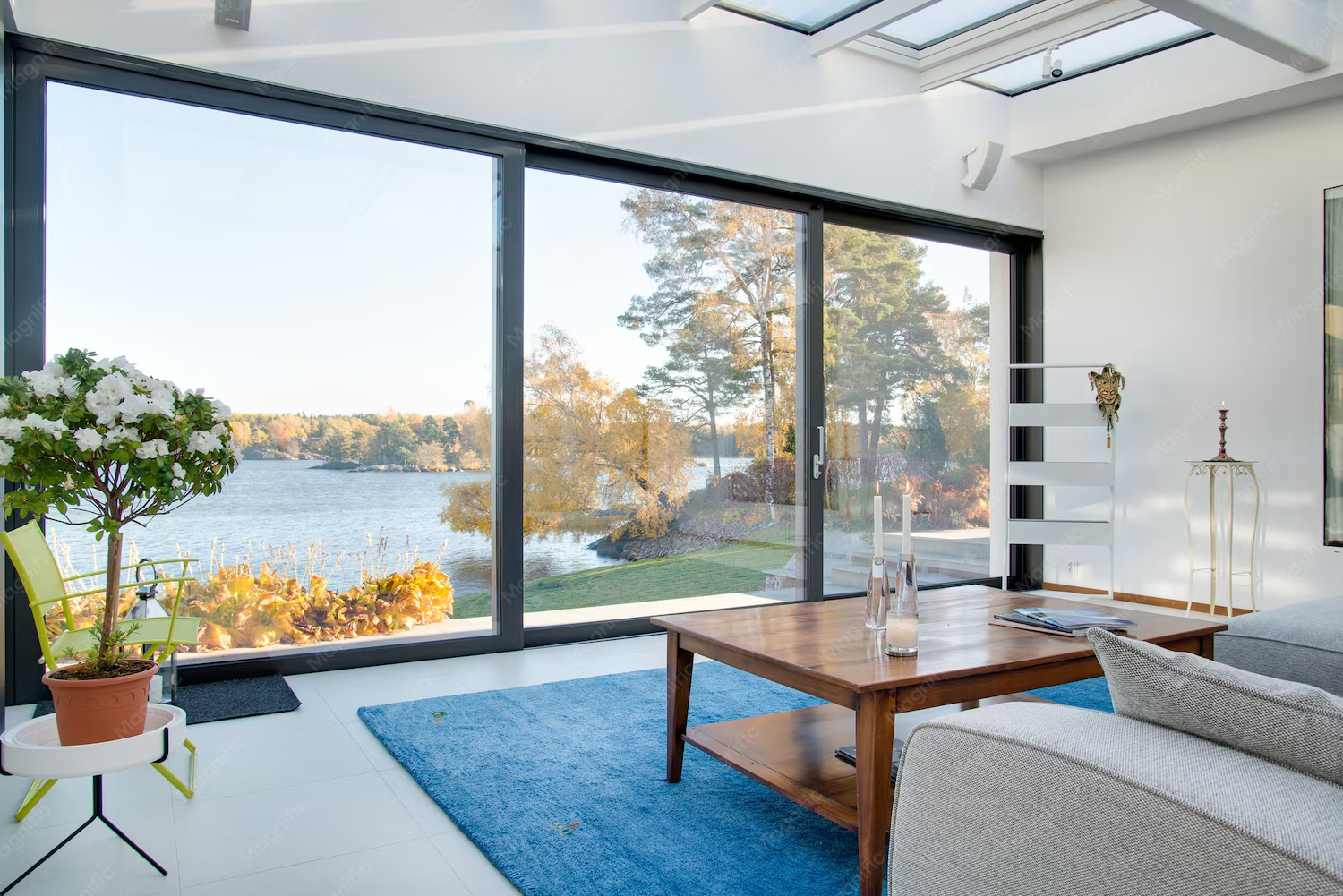
Modern buildings need windows that look elegant, improve comfort, and handle Dubai’s demanding climate. That’s why Double Glazed Sliding Windows Dubai are becoming an attractive choice for homeowners, architects, and commercial property owners.
- Building a Practical Moving Plan
- Sorting Belongings Before Packing
- Creating an Organized Packing System
- Preparing Furniture for Transportation
- Preparing the Property Before Moving Day
- Managing Important and Valuable Belongings
- Making Moving Day More Efficient
- Organizing the Loading Process
- Developing an Efficient Unpacking Strategy
- Reducing Stress Through Better Preparation
- Selecting the Right Moving Support
- Maintaining Organization After Arrival
- Conclusion
These windows combine insulated glass, durable frames, and smooth sliding mechanisms to create practical, stylish spaces. They help limit unwanted heat, reduce certain types of outdoor noise, and bring more natural light indoors without taking up extra opening space.
From luxury villas and apartments to offices, shopping malls, and retail showrooms, double-glazed sliding systems offer flexibility for different architectural needs.
This 2026 guide explores seven modern designs, estimated installation prices, glazing specifications, energy-saving benefits, and essential buying considerations.
What are Double Glazed Sliding Windows?
Double-glazed sliding windows feature two glass panes separated by a sealed insulating space filled with air or an insulating gas, such as argon. This construction helps slow heat transfer between outdoor and indoor environments.
Unlike traditional hinged windows, sliding panels move horizontally along tracks. This makes them particularly useful where available space is limited.
Most Double Glazed Sliding Windows Dubai suppliers offer aluminium and uPVC frame options. Aluminium is popular for its strength, slim appearance, and weather resistance, while uPVC provides good thermal insulation.
A typical insulated glass configuration might use two 6 mm panes separated by a 12 mm cavity, creating a 24 mm glass unit.
The final specification depends on window dimensions, safety requirements, frame compatibility, and desired performance.
Top Benefits of Double Glazed Sliding Windows in Dubai
Choosing Double Glazed Sliding Windows Dubai offers several benefits beyond appearance. A properly designed window system can improve indoor comfort, support cooling efficiency, and make everyday living more convenient.
1. Better Thermal Insulation and Indoor Comfort
Dubai experiences intense sunshine and high summer temperatures. Double glazing helps slow heat movement through windows, creating more comfortable indoor spaces.
When combined with thermally broken aluminium frames, these systems offer better insulation than standard single-glazed windows with uninsulated frames.
2. Improved Noise Reduction
Traffic, construction work, and busy commercial surroundings can create unwanted noise.
Quality Sound Insulated Sliding Windows use suitable glass combinations, acoustic interlayers, and effective sealing to reduce noise entering a building.
For demanding locations, acoustic laminated glazing usually offers better targeted noise control than ordinary double glazing alone.
pilkington.com
+1
3. Energy Efficiency and Cooling Performance
Energy Efficient Sliding Windows Dubai systems help control unwanted solar heat gain.
Low-E coatings, insulated glass cavities, and thermal-break frames can reduce cooling demand when correctly specified. The U-value and solar heat gain coefficient are useful performance measures to compare.
Department of Energy
+1
4. Space-Saving Sliding Operation
Sliding panels do not swing inward or outward, making them suitable for compact apartments, kitchens, balconies, and office spaces.
5. Durability, Security, and Low Maintenance
Premium aluminium profiles resist corrosion and weather damage when properly finished.
Reliable locks, suitable safety glass, quality rollers, and secure installation help support long-term performance.
7 Modern Double Glazed Sliding Window Designs for 2026
The growing popularity of Double Glazed Sliding Windows Dubai has encouraged interest in practical systems that combine modern appearance with better glazing performance.
Here are seven designs worth considering.
1. Two Track Double Glazed Sliding Windows
Two Track Double Glazed Sliding Windows are a practical option for apartments, bedrooms, kitchens, and smaller commercial properties.
Their two-track system allows panels to slide past each other without requiring additional opening space.
Key advantages include:
- Compact construction and smooth operation.
- Suitable for standard residential openings.
- Simple cleaning and everyday maintenance.
They offer a good balance of functionality and cost.
2. Three Track Double Glazed Sliding Windows
Three Track Double Glazed Sliding Windows provide greater flexibility for wider openings.
Depending on the panel arrangement, these systems can offer a larger clear opening than a typical two-panel sliding window.
They are particularly suitable for spacious villas, offices, and commercial buildings requiring more ventilation.
However, additional tracks and panels can increase installation costs.
3. Slimline Aluminium Sliding Windows
Slimline systems are among the most attractive Double Glazed Sliding Windows Dubai design options for modern architecture.
They use narrow visible frames to create larger glass areas and cleaner sightlines.
These Slimline Aluminium Window Designs complement minimalist interiors and contemporary villa architecture.
Buyers should confirm that the selected slimline profiles can support the required insulated glass thickness and meet structural performance requirements.
4. Floor-to-Ceiling Double Glazed Sliding Windows
Floor-to-ceiling designs create expansive views and allow natural daylight to reach deeper into living spaces.
They work well in luxury villas, showrooms, offices, and modern commercial developments.
Large glass panels require suitable structural support, safe glazing specifications, and high-quality sliding hardware.
Proper solar-control glazing is especially important for sun-facing elevations.
5. Sound Insulated Double Glazed Sliding Windows
Acoustic sliding windows are designed for buildings exposed to traffic and other outside noise.
They may use laminated acoustic glass, glass panes of different thicknesses, and upgraded seals.
The overall system matters as much as the glass itself. Gaps around sliding panels can reduce acoustic performance.
These windows are suitable for bedrooms, meeting rooms, and offices requiring quieter interiors.
6. Tinted and Low-E Double Glazed Sliding Windows
Tinted and Low-E windows provide greater control over sunlight and indoor comfort.
Low-E coatings help manage radiant heat transfer, while suitable solar-control glazing reduces unwanted solar heat gain.
Tinted glass can also reduce glare and provide some daytime privacy.
These options are particularly useful for buildings exposed to strong afternoon sunshine.
7. Custom Luxury Double Glazed Sliding Windows
Luxury Double Glazed Sliding Windows Dubai systems offer custom frame colours, glass combinations, handles, locks, and opening arrangements.
They can complement premium villas, retail showrooms, hotels, and corporate buildings.
Popular features include matte-black frames, bronze finishes, larger glass panels, and premium sliding mechanisms.
The best custom designs balance visual appeal with structural strength, thermal performance, and maintenance needs.
Double Glazed Sliding Windows Dubai Prices in 2026
Average Double Glazed Sliding Window Prices
The cost of Double Glazed Sliding Windows Dubai depends on frame construction, glass specifications, window dimensions, hardware, and installation complexity.
For 2026 budgeting, published UAE supplier guides indicate that double-glazed window systems commonly start around AED 950 per square metre, while premium options can cost significantly more.
The table below combines published supplier ranges with indicative category estimates. These are budgeting guides, not confirmed quotations for individual window designs.
| Window type | Typical glass specification | Indicative supply and installation price |
| Standard aluminium sliding | Basic double glazing | AED 800–1,250/m² |
| Thermal-break aluminium | Sealed double glazing | AED 950–1,500/m² |
| Premium slimline system | Low-E or upgraded double glazing | AED 1,500–2,200/m² |
| Custom large-format system | Project-specific safety and insulated glass | Quotation required |
Pricing note: The standard aluminium range is estimated from published sliding-window prices plus double-glazing upgrade costs. Premium ranges are indicative, and bespoke work may exceed them. Actual quotations may vary with VAT, access, removal, and project scope.
Factors Affecting Sliding Window Costs
Several details influence the final Double Glazed Sliding Windows Price Dubai quotation.
- Frame quality: Thermal-break profiles usually cost more than basic aluminium.
- Window dimensions: Large or non-standard openings may require stronger systems.
- Double Glazing Glass Thickness: Thicker, laminated, or specialized glass affects material and hardware requirements.
- Hardware: Premium rollers, handles, and security locks increase costs.
- Installation: Upper-floor access, old-window removal, and finishing work can add expenses.
How to Get an Accurate Installation Quote
A reliable supplier should inspect the opening and provide a detailed written quotation.
Request information about glass thickness, coatings, frame profiles, hardware, warranties, installation charges, and expected completion dates.
Compare the full specification, not just the price per square metre.
Double Glazed vs Single Glazed Sliding Windows
Before investing in Double Glazed Sliding Windows Dubai, buyers should understand how the glazing options differ.
| Feature | Single glazed | Double glazed |
| Glass structure | One pane | Two panes with sealed cavity |
| Thermal insulation | Generally lower | Generally better |
| Noise reduction | Often limited | Can improve with suitable design |
| Initial cost | Usually lower | Usually higher |
| Cooling performance | More heat transfer | Better with suitable glazing |
| Best application | Internal or basic installations | Comfort-focused residential and commercial spaces |
Double glazing is often worth considering for air-conditioned properties exposed to strong sunshine.
However, glass alone does not determine performance.
Frame insulation, weather seals, glazing coatings, and professional installation all influence the results.
Double Glazed Sliding Windows Installation Process
Professional Double Glazed Sliding Windows Dubai installation requires careful planning to achieve proper alignment, secure fixing, and reliable weather protection.
1. Site Inspection and Window Measurements
Installers inspect the opening, measure dimensions, and assess structural and access requirements.
2. Frame and Glass Selection
The supplier helps choose suitable Premium Aluminium Window Frames, glass thickness, thermal-break profiles, and finishing options.
3. Professional Installation and Sealing
The frame is positioned, aligned, fixed, and sealed. Sliding panels and glass units are then installed using the specified hardware.
4. Final Inspection and Maintenance Guidance
Installers should test locks, rollers, drainage channels, and sliding movement.
Reliable Double Glazed Window Installation Dubai services should also provide product documentation and maintenance instructions.
How to Choose the Best Double Glazed Sliding Windows in Dubai
Selecting Double Glazed Sliding Windows Dubai should involve more than comparing attractive designs.
The right choice depends on building exposure, ventilation requirements, insulation needs, and available budget.
Consider these priorities:
- Choose two-track or three-track configurations based on opening width.
- Consider thermal-break aluminium for improved insulation.
- Select suitable Low-E or solar-control glazing for sunny elevations.
- Request acoustic performance details when outside noise is a concern.
- Confirm safety glass requirements and frame load capacity.
- Compare installer experience, warranties, and maintenance support.
Dubai’s building requirements also address glazing thermal performance, solar control, and related building-envelope considerations. Project specifications should be checked against the applicable Dubai Building Code requirements.
The best window is the one designed for the building, not simply the most expensive model.
Frequently Asked Questions
1. How much do double glazed sliding windows cost in Dubai?
Indicative Double Glazed Sliding Windows Dubai prices start around AED 800–950 per square metre for some systems. Premium configurations can exceed AED 2,200 per square metre. Final costs depend on frame quality, glass, dimensions, hardware, and installation.
2. Are double glazed sliding windows energy efficient?
Yes. Insulated glass cavities, suitable Low-E coatings, and thermal-break frames can reduce heat transfer. Performance depends on the complete window specification and installation quality.
3. Which is better: two-track or three-track sliding windows?
Two-track windows suit standard openings and smaller spaces. Three-track systems offer more panel arrangement options and may provide wider ventilation openings, depending on their configuration.
4. Do double glazed sliding windows reduce outdoor noise?
They can. Acoustic laminated glass, different pane thicknesses, and effective seals improve noise reduction. Ordinary double glazing alone does not guarantee strong acoustic insulation.
5. How long do double glazed sliding windows last?
Quality window systems can remain serviceable for decades with appropriate maintenance. Actual lifespan depends on frame quality, glazing seals, weather exposure, hardware condition, and installation.
Conclusion
Investing in high-quality Double Glazed Sliding Windows Dubai can improve comfort, natural lighting, and building appearance while supporting cooling efficiency.
From affordable two-track systems to luxury slimline designs, suitable options exist for villas, apartments, offices, and commercial properties.
For customized specifications and installation guidance, explore modern sliding window solutions in Dubai and request a detailed quotation from an experienced supplier before making a final decision.

Outdoor Glass Room 2026: Modern Designs, Prices & Installation Guide

Motorized Pergolas Dubai (2026): 7 Designs, Prices & Benefits

Double Glazed Sliding Windows Dubai 2026: Prices & 7 Designs

Alex Pettyfer Net Worth, Wife, Age, Height, Children, Career and More

Brad Williams Net Worth, Wife, Height, Age, Daughter, Family, Career and More

Eldorado.gg Review 2026: How It Works, Safety, Fees, and Risks
-
Celebrity10 months ago
Alex Pettyfer Net Worth, Wife, Age, Height, Children, Career and More
-
Celebrity10 months ago
Brad Williams Net Worth, Wife, Height, Age, Daughter, Family, Career and More
-
Blog1 month ago
Eldorado.gg Review 2026: How It Works, Safety, Fees, and Risks
-
 Anime11 months ago
Sanzoku Bandits of One Piece: Origins, Higuma, and Their Role in Dawn Island
-
 Celebrity10 months ago
John McGinn Net Worth, Age, Height, Wife, Childrens, Career and More
-
 Celebrity10 months ago
Frances de la Tour Net Worth, Age, Height, Husband, Childrens, Career and More
-
 Celebrity10 months ago
Will Trickett Net Worth, Wife, Childrens, Age, Career and More
-
 Blog2 months ago
Crackstube: A Complete Guide to the Digital Publishing Platform