
Business
How Professional Roofing Services Support a Strong and Reliable Roof


A roof is one of the most important protective components of any property because it stands between the interior of a building and changing outdoor conditions. Rain, wind, sunlight, hail, snow, temperature fluctuations, and falling debris can gradually affect roofing materials and reduce their ability to provide dependable protection. Although some roofing problems are easy to recognize, many issues develop slowly and remain unnoticed until they become more serious. Missing shingles, damaged flashing, deteriorated underlayment, poor ventilation, blocked gutters, and small leaks can all affect the performance of a roofing system. Professional roofing services can help property owners identify these concerns early, determine appropriate repair or replacement options, and maintain the structural integrity of the roof. Instead of treating roofing as a simple surface covering, a professional approach considers the entire system, including the materials, installation methods, drainage, ventilation, flashing, and supporting components that work together to protect the building.
- Understanding the Importance of a Complete Roofing System
- Recognizing Common Roofing Problems
- Why Professional Roof Inspections Matter
- Choosing Between Roof Repair and Replacement
- The Value of Proper Roof Installation
- Selecting the Right Roofing Materials
- Protecting the Roof From Water Damage
- How Weather Affects Roofing Materials
- The Importance of Professional Roofing Contractors
- Maintaining Gutters, Soffits, and Fascia
- Improving Roof Ventilation
- Preparing for Roofing Emergencies
- Planning a Long-Term Roofing Maintenance Strategy
- Conclusion
Understanding the Importance of a Complete Roofing System
A properly functioning roof involves much more than the visible material covering the structure. Shingles, metal panels, membranes, underlayment, flashing, decking, ventilation, gutters, soffits, and fascia can all contribute to the overall performance of the roofing system. When one component becomes damaged or fails to perform properly, other parts may eventually be affected. For example, damaged flashing around a roof penetration can allow water to enter beneath the surface, while blocked gutters can cause water to accumulate along roof edges. Poor ventilation can contribute to excessive heat or moisture in an attic, while damaged decking can weaken the foundation beneath the roofing materials. Professional roofing professionals evaluate these interconnected components to determine whether the visible problem is the only concern or whether additional work is necessary. This comprehensive approach helps property owners address the underlying cause of a problem instead of repeatedly repairing symptoms that may return.
Recognizing Common Roofing Problems
Roofing problems can develop for many reasons, including age, severe weather, improper installation, poor ventilation, moisture exposure, and lack of maintenance. One of the most common concerns is a roof leak, which can begin with a small opening and eventually lead to damage inside the property. Missing or cracked shingles may expose the layers beneath them, while damaged flashing can create vulnerable areas around chimneys, vents, skylights, and other roof penetrations. Granule loss on asphalt shingles can indicate surface deterioration, while curling or buckling shingles may suggest aging or installation concerns. Metal roofing can experience loose fasteners, damaged seams, or corrosion, while flat roofing systems require particular attention to drainage and membrane integrity. Property owners should also watch for water stains, damp insulation, peeling paint, unusual odors, or visible daylight entering through roof areas. Recognizing these warning signs early can make it easier to arrange an inspection before the problem expands.
Why Professional Roof Inspections Matter
Regular roof inspections provide an opportunity to identify problems before they develop into expensive repairs. A professional inspection involves examining the condition of roofing materials, roof edges, valleys, flashing, penetrations, drainage components, ventilation, and other important areas. After severe weather, inspections can be particularly useful because wind and hail damage are not always visible from ground level. A roof may appear intact while shingles have been loosened or underlying materials have been affected. Professional roofing specialists can assess these areas more carefully and provide recommendations based on the actual condition of the system. Inspections are also useful when buying or selling a property because the condition of the roof can influence maintenance planning and future expenses. Instead of waiting for a leak or major failure, property owners can use inspections as part of a proactive maintenance strategy. Identifying a small issue early may allow for a relatively straightforward repair rather than a larger restoration project later.
Choosing Between Roof Repair and Replacement
One of the most important decisions in roofing is determining whether a damaged roof should be repaired or completely replaced. The answer depends on several factors, including the age of the roof, the extent of damage, the condition of the underlying materials, the type of roofing system, and the frequency of previous repairs. If the damage is isolated and the surrounding materials remain in good condition, a targeted repair may be sufficient. However, when deterioration is widespread, repeated repairs may become less practical. An older roof with extensive weathering may also have limited remaining service life, making replacement a more appropriate long-term solution. Professional roofing contractors can inspect the system and explain the available options without relying solely on the appearance of individual shingles or panels. A proper evaluation should consider both the immediate problem and the overall condition of the roof so that property owners can make informed decisions about the work their building requires.
The Value of Proper Roof Installation
Even high-quality roofing materials can perform poorly if they are installed incorrectly. Proper installation requires attention to details such as material placement, fastening, flashing, underlayment, ventilation, roof edges, valleys, penetrations, and drainage. Each roofing material has its own installation requirements, and following manufacturer specifications can help ensure that the system performs as intended. Poor installation can create problems that may not appear immediately but can become noticeable as the roof is exposed to rain, wind, temperature changes, and sunlight. A professional installation also helps maintain the appearance and consistency of the roofing system. When replacing an entire roof, the contractor should evaluate the condition of the existing decking and other underlying components before installing new materials. Addressing damaged or deteriorated areas during the project can reduce the likelihood of future problems and create a stronger foundation for the new roofing system.
Selecting the Right Roofing Materials
Different roofing materials offer different characteristics, appearances, maintenance requirements, and expected service lives. Asphalt shingles are widely used because they are available in numerous styles and can provide reliable protection when properly installed. Metal roofing is another option that can offer durability and a distinct appearance, while synthetic roofing products can reproduce the look of materials such as slate, cedar shake, or tile. Flat and low-slope roofs generally require specialized materials and installation techniques because water drainage and membrane protection are especially important. The right material should be selected according to the design of the property, roof slope, structural requirements, weather exposure, maintenance expectations, and available budget. A professional roofing company can explain the differences between materials and help property owners understand how each option may perform over time. Choosing a roofing material based on both appearance and practical requirements can contribute to better long-term results.
Protecting the Roof From Water Damage
Water is one of the most persistent threats to roofing systems, particularly when small problems are ignored. Proper drainage is essential because standing water can place additional stress on roofing materials and increase the likelihood of leaks. Gutters and downspouts should be kept clear enough to move rainwater away from the roof and building. Flashing should be properly installed around vulnerable areas, and roof penetrations should be sealed appropriately. The underlayment provides another layer of protection beneath the primary roofing material and can help limit moisture intrusion when water passes beneath the surface covering. Property owners should take new leaks seriously, even if the amount of water appears minor. A small leak can spread through insulation, decking, ceilings, and walls before the source becomes obvious. Professional evaluation can help locate the actual entry point and determine what repairs are needed to prevent continued water intrusion.
How Weather Affects Roofing Materials
Weather exposure can gradually weaken roofing materials even when there is no single major storm event. Continuous sunlight can contribute to material aging, while repeated temperature changes can cause expansion and contraction. Wind can loosen materials and flashing, heavy rain can expose weak points, and hail can create impact damage. In areas that experience severe weather, roofing systems may need additional attention after major events. A professional inspection can help determine whether weather has affected the roof’s ability to provide protection. After a significant storm, property owners should look for obvious signs such as missing roofing materials, damaged gutters, fallen branches, or interior leaks, but they should also recognize that some damage requires closer examination. Prompt assessment can help prevent minor weather-related damage from becoming a larger problem during the next rainfall or wind event.
The Importance of Professional Roofing Contractors
Choosing experienced roofing contractors can make a significant difference in the quality and reliability of a roofing project. Professional contractors can provide inspection, repair, replacement, and maintenance services while considering the condition of the complete roofing system. Gikas Roofing provides residential and commercial roofing services and works with several roofing systems, including asphalt, metal, synthetic slate, synthetic cedar shake, synthetic Spanish tile, flat roofing, and commercial roofing solutions. A professional contractor can help property owners understand which materials are appropriate, what areas require attention, and what work should be completed to restore reliable roof performance. Experience is particularly important when a project involves complicated roof designs, extensive weather damage, or multiple roofing materials. Property owners should also review licensing, insurance, workmanship standards, warranties, manufacturer certifications, and written estimates before selecting a contractor.
Maintaining Gutters, Soffits, and Fascia
Roof maintenance should not stop at the primary roofing surface because other exterior components also contribute to the performance of the system. Gutters direct rainwater away from the roof and foundation, while fascia supports the roof edge and can provide a secure attachment point for gutter systems. Soffits contribute to attic ventilation and help protect the underside of roof overhangs. Damage to any of these components can affect drainage, ventilation, and the overall condition of the roof. Gutters that are clogged or damaged may allow water to overflow, while deteriorated fascia can affect the stability of the gutter system. Damaged soffits may also interfere with proper airflow through the attic. During a roofing inspection or replacement, these components should be evaluated so that related problems can be identified and addressed. Maintaining the entire exterior system can help support the performance of the roof and reduce the possibility of moisture-related damage.
Improving Roof Ventilation
Ventilation is an important but sometimes overlooked part of roofing maintenance. Proper airflow through the attic can help manage heat and moisture, which may contribute to the long-term condition of roofing materials and structural components. Poor ventilation can create excessive heat during warm periods and allow moisture to accumulate in colder conditions. Over time, these conditions may affect insulation, decking, fasteners, and other parts of the roofing assembly. A professional roofing evaluation can determine whether the existing ventilation system is appropriate for the roof design and whether additional ventilation components may be beneficial. When a roof is replaced, ventilation should be considered as part of the overall project rather than treated as a separate concern. Properly balanced intake and exhaust ventilation can contribute to a healthier roofing system and support more consistent performance.
Preparing for Roofing Emergencies
Unexpected roofing problems can happen at any time, particularly after severe weather. A damaged roof can expose the interior of a property to additional rainfall, making quick action important. Property owners should avoid attempting dangerous temporary repairs themselves and should instead arrange professional assistance when significant damage occurs. If water is entering the building, protecting furniture and belongings from immediate exposure may be necessary while waiting for professional help. Once the situation is safe, a roofing specialist can inspect the affected area and determine whether emergency repairs, temporary protection, or a larger project is required. Having a reliable roofing company available can reduce uncertainty when unexpected problems occur. Emergency attention may also help limit secondary damage by preventing an exposed area from remaining vulnerable to additional weather.
Planning a Long-Term Roofing Maintenance Strategy
A roof should be viewed as a long-term investment rather than a component that only requires attention when a leak develops.
Routine inspections, gutter maintenance, prompt repairs, ventilation checks, and periodic professional evaluations from experienced roofing contractors can help property owners maintain better awareness of the roof’s condition. Keeping records of repairs and inspections can also make it easier to track the age and maintenance history of the roofing system. When small problems are discovered, addressing them promptly may help prevent them from affecting larger areas. Property owners can also monitor the condition of visible roofing materials from a safe location and pay attention to signs such as missing shingles, damaged flashing, sagging areas, water stains, or unusual moisture. A planned maintenance approach can reduce unexpected surprises and help extend the useful performance of a roofing system.
Conclusion
A dependable roof requires more than quality materials because proper installation, ventilation, drainage, flashing, maintenance, and timely repairs all contribute to long-term performance. Weather exposure, aging, moisture, and installation problems can gradually affect a roofing system, making professional inspections and maintenance valuable for both residential and commercial properties. Understanding the difference between repair and replacement, selecting appropriate materials, maintaining gutters and roof-edge components, and addressing leaks promptly can help property owners protect their buildings from avoidable damage.Professional roofing contractors can provide the expertise needed to evaluate roofing systems, identify problems, recommend appropriate solutions, and complete repair or replacement work according to the needs of the property. Whether the project involves a minor repair, storm-related damage, a complete replacement, or ongoing maintenance, a comprehensive approach can help ensure that every important component is considered. With proper planning, professional workmanship, and regular maintenance, a roofing system can provide dependable protection and contribute to the overall durability and value of the property.

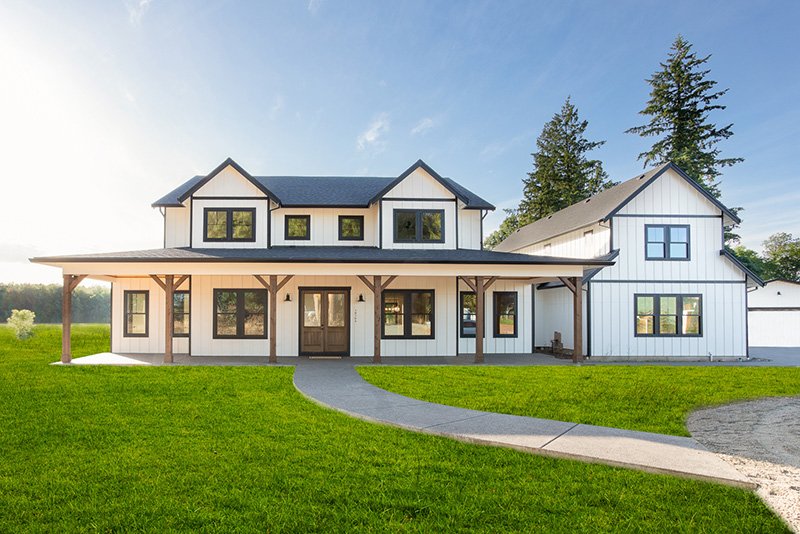
More families than ever are choosing to share a home across generations. Adult children move back after school, grandparents move in to be closer to family, and parents of young kids want built-in help nearby. A standard house rarely handles this well. Bedrooms are in the wrong places, there is one kitchen and one living room, and nobody gets a moment of privacy.
- Start With Honest Conversations
- Choose a Layout That Gives Everyone Room
- Plan for Accessibility From Day One
- Think Carefully About the Kitchen
- Manage Noise and Privacy
- Plan Storage and Utilities for More People
- Choose a Builder Who Can Handle Complexity
- Think Through Financing Early
- Questions to Ask Before You Build a Custom Home for Your Family
- Build a Home That Grows With Your Family
That is why many households decide to build a custom home designed for several generations from the start. Done well, a home built this way gives everyone their own space while keeping the family close. Here is how to think through the layout, the details, and the planning when you build a custom home for more than one household.
Start With Honest Conversations
Before anyone looks at floor plans, talk through how the household will actually work. A home that works for several generations succeeds or fails on daily habits, not square footage, so it pays to settle them before you build a custom home. A few questions are worth settling early:
- Who will live in the home now, and who might move in later?
- How much privacy does each person or couple want?
- Will everyone share a kitchen, or does someone need their own?
- Who needs easy access without stairs?
- How do you want to handle guests, noise, and shared spaces?
These answers shape every decision that follows. If you build a custom home without having them, you may end up with a house that looks great and feels crowded.
Choose a Layout That Gives Everyone Room
There is no single right layout, but a few common approaches work well. The right one depends on how independent each household wants to be.
A Main House With a Private Suite
This is the most popular option. One part of the home is set up as a self contained suite with its own bedroom, bathroom, and a small sitting area. It might be on the main floor, over the garage, or tucked into a wing on the opposite side of the house. Everyone shares the main kitchen and living spaces, but the suite offers a retreat.
Two Primary Suites on Different Levels
Some families build a custom home with a primary suite on the main floor and a second one upstairs or on a separate wing. This works well when two couples share a home and want equal privacy. It also lets one suite serve as a guest space later if needs change.
A Home With a Second Living Area
A second living room, family room, or loft gives people somewhere to go that is not the main gathering space. It can make a big difference when teenagers want to hang out, someone works from home, or an older relative wants quiet time.
A Home With an Attached or Detached Unit
If the property allows it, an accessory dwelling can offer the most independence. Zoning rules vary a lot, so check local requirements early. Some owners also plan an accessory dwelling as rental or resale property down the road, which is another reason to confirm what your city or county allows before you build a custom home around it.
Plan for Accessibility From Day One
Even if everyone in the household is healthy and mobile today, it is smart to build in features that make the house easier to live in as needs change. These details cost little when you build a custom home and are expensive to add later:
- A bedroom and full bathroom on the main floor
- Wider doorways and hallways
- A shower with a low or curbless entry
- Lever style door handles and good lighting
- A step free entry from the garage or porch
None of this has to look clinical. Good design makes accessible features blend in, so the house feels like a normal, welcoming home for everyone.
Think Carefully About the Kitchen
The kitchen is where multigenerational homes are tested every day. Some families prefer one large kitchen with an oversized island, plenty of counter space, and room for several people to work at once. Others want a second kitchen or a kitchenette in the private suite so that one household can cook on its own schedule.
When you build a custom home for several generations, consider extras such as a walk in pantry, a second sink, a separate prep area, or a layout that keeps traffic flowing without anyone getting in the way. These small decisions affect daily life more than almost any finish.
Manage Noise and Privacy
Living together means hearing each other, unless the house is designed to prevent it. A few choices help:
- Place bedrooms away from busy gathering areas
- Use extra insulation in shared walls and ceilings
- Separate quiet spaces from active ones
- Give each household its own entrance or private path if possible
A thoughtful layout reduces friction, which is one of the biggest payoffs when you build a custom home for a larger household, and makes it easier for everyone to enjoy the time they spend together.
Plan Storage and Utilities for More People
A home for six or eight people needs more than a home for three or four, and that planning matters when you build a custom home. Think about laundry capacity, mudroom storage, garage space, and a pantry that can handle bigger grocery runs. Consider a second laundry room if two households share the home, and think about water heating, heating and cooling zones, and electrical capacity so the house works comfortably for everyone.
If you build a custom home with multiple living areas, separate heating and cooling zones can let each part of the house stay at a different temperature. That is a small detail that prevents a lot of arguments.
Choose a Builder Who Can Handle Complexity
A multigenerational plan is more detailed than a typical one, and it takes a team that knows how to build a custom home with extra layers. It often involves private suites, extra bathrooms, accessible features, and more complex utility planning. That makes it especially important to work with a builder who manages the entire project and can explain how each piece fits together.
Adair Homes, for example, has been building since 1969 and has completed more than 23,000 custom homes across Arizona, Idaho, Oregon, and Washington. Adair offers more than 50 predesigned plans, including options for larger households, and customers can make concrete changes such as moving a wall, adding a window, or reworking a floor plan. If you want something entirely different, you can design your home from scratch with an in house drafting team and watch your dream home come to life.
Adair also manages site preparation, permitting, and construction from start to finish, with a network of trusted trade partners handling specialized work while Adair oversees the build. That coordination matters even more when the plan has extra layers.
Think Through Financing Early
Multigenerational projects often involve more than one household, and sometimes more than one source of funds. Construction financing works differently from a regular mortgage, so it helps to speak with a lender who specializes in it before you finalize plans. Adair customers can work with Basis Home Loans, which focuses on construction financing. Whichever lender you choose, ask how the loan is structured and how the project is paid for in stages, especially if more than one family is involved.
Questions to Ask Before You Build a Custom Home for Your Family
Bring a short list to your first meeting with a builder:
- How can the layout give each household privacy while keeping shared spaces welcoming?
- What accessibility features can be built in without changing the look of the home?
- Can the plan be adjusted if the household changes over time?
- How are utilities, heating, and cooling zoned for multiple living areas?
- Who manages permitting, site work, and the trade partners?
A good builder welcomes these questions and responds with specifics instead of general promises.
Build a Home That Grows With Your Family
The best multigenerational homes are not just bigger. They are smarter, which is what you get when you build a custom home with the whole family in mind. They give people room to be together and room to be apart, and they stay useful as the family changes.
If you are ready to build a custom home for your whole family, start with honest conversations, choose a layout that fits how everyone lives, and work with a builder who manages the process from start to finish. The result is a home where every generation feels at home.

Finding the right home in Sun City West, Arizona, involves more than comparing property prices and square footage. Buyers should consider their preferred lifestyle, maintenance requirements, neighborhood location, and access to community amenities. With a variety of established homes and different property styles available, exploring homes for sale in Sun City West, AZ can help buyers compare their options and find a property that suits their needs. Taking time to understand the local housing options can make the search more productive.
1. Understand the Available Home Styles
Sun City West has a variety of single-family homes, duplexes, patio homes and condominiums. All of these options have various advantages in relation to their respective space requirements and price range.
For those seeking extra privacy, outdoor space or room for hobbies, detached houses might be the perfect choice. Patio homes and attached homes may be appropriate for less exterior maintenance. Another alternative is condominiums, which might be suitable for individuals who wish to reside in a more compact setting.
Before you take a look at the best homes for sale in Sun City West, AZ, you should first decide which home style you are looking for in your daily life.
2. Compare Different Neighborhood Locations
While Sun City West is one planned community, there are variations in the characteristics of the neighborhoods. Some have more access to recreation centres, clubs and community activities, whereas some have a view of the golf course or more residential surroundings.
Located close to the R.H. Johnson Recreation Center, the surrounding historic neighborhoods offer easy access to social activities, entertainment and community facilities. Other homes in the vicinity of Palm Ridge and Desert Grande have various home styles and neighborhood conditions.
For visitors, it is wise to visit their favorite places at various hours during the day to get a feel for the environment, traffic and overall atmosphere.
3. Consider Access to Recreation and Amenities
Sun City West is one of the things that stand out about it: it’s a place for the active adult. Residents can enjoy the recreational amenities such as golf, swimming, exercise facilities, pickleball, tennis, bowling, and other clubs.
Palm Ridge Recreation Centre is another of the community’s most popular places to exercise and enjoy recreation. Other facilities offer opportunities for hobbies, socializing and structured activities.
One of the key factors to take into account when making a comparison between properties is the distance between the house and the amenities you will be utilising on a regular basis. Also, recreation fees and/or activity fees must be reviewed with buyers before purchase.
4. Look Beyond the Asking Price
There’s more to the asking price than is immediately apparent. Other things to consider are the condition, renovations, roof, air-conditioning system, plumbing and other big appliances.
There are some homes that have modernized kitchens, bathrooms, floors, windows or outdoor areas, and other homes that may need improvement. Having a professional inspection before you make a purchase can help pinpoint possible maintenance issues.
Property taxes, insurance, utility bills and any applicable HOA fees should also be reviewed. A comparison of these costs can guide buyers to decide if a home is in their long-term budget.
5. Think About Your Future Space Requirements
Your home needs to serve both present and future needs. Are there extra bedrooms needed for family visiting, an office, a space for hobbies, more space in the garage or a manageable outdoor space?
Bonus rooms, additional garages, covered patios and flexible living areas are some of the amenities found in some Sun City West homes. Depending on the way you plan to live on the property, these features can make life easier.
6. Review Community Rules and Property Details
Check the relevant Hookah Club HOA documents, community restrictions and recreation fees before offering to purchase. Association plans are not identical for all properties, and buyers should make sure to check the fees and regulations of their desired property.
Knowing these facts in the early stages can be an effective safeguard from those unforeseen costs and ensure that potential purchasers can make a realistic comparison of properties.
Final Thoughts
Finding the right home in Sun City West requires balancing property features, location, affordability, and lifestyle preferences. Comparing available listings and understanding community amenities can help narrow the search. Buyers exploring local properties can also find home listings and area information through Lockwood Real Estate Group.

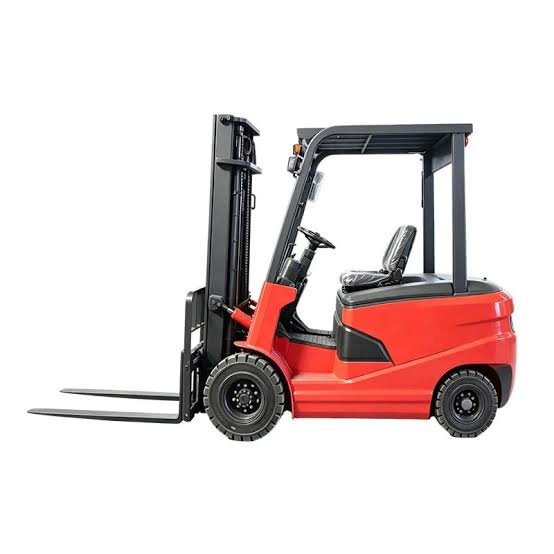
A bad forklift choice doesn’t show itself on delivery day. It takes a few months.
Then the truck labours up the ramp. The mast won’t clear the roller door. The battery’s flat by two. None of that is the brand’s fault. Most of the time, the model just didn’t suit the job.
Linde forklifts cover a lot of ground, from small electric trucks for the warehouse to heavy diesel units for the yard. So, the real work is narrowing it down. Looking at a used forklift for sale, or ordering new? The questions don’t change.
Step One: Know Your Load
Start with what’s going on the forks.
Weigh your heaviest regular load. Not the average, the heaviest. Measure it too, because size matters as much as weight. A pallet of bagged cement and a pack of 6 metre timber can weigh about the same, but they handle nothing alike.
It comes down to load centre. Capacity is rated with the load sitting a set distance out from the fork face. Long or bulky loads sit further out, so the truck can safely lift less. Go higher and it drops again.
While you’re measuring, check your top beam and allow a bit of clearance above it.
Ask your supplier: “What can this truck safely lift at our highest rack, with the loads we actually handle?”
Step Two: Know Your Site
Now walk the site.
Smooth concrete suits an electric truck on cushion or solid tyres. Gravel, potholes, and a yard that turns to slop after rain call for more clearance and grip, which usually means an engine powered truck on pneumatic tyres.
Look for the tight spots. Narrow aisles. Low doorways. Steep ramps. Container floors, too. A truck that gets around the warehouse fine might not fit inside a shipping container, and if you’re unloading one every week, that’s a problem.
Hours count too. One shift is easy going for most trucks. Run two or three and you’ll need a proper plan for charging or refuelling.
Matching Linde Models to Common Jobs
General warehouse work
Most sites end up with an electric counterbalance. It’s quiet, there’s no exhaust where people are working, and servicing is usually lighter than on an engine truck. Linde makes 3-wheel versions that turn tighter in busy aisles, and 4-wheel versions that feel steadier on ramps.
High racking and narrow aisles
Tall racking packed close together? A reach truck often suits better. It lifts high and squeezes into narrower aisles than a counterbalance can, so you get more storage out of the same shed.
Docks and short runs
For loading docks, backrooms, and quick trips across the floor, electric pallet trucks and stackers do the job. They’re simpler machines and they don’t take up much room.
Outdoor yards and heavy loads
Diesel country. Building supply yards, timber yards, and transport depots need the grunt, and a refuel only takes a few minutes. Many Linde engine trucks run hydrostatic drive, which gives you smooth, fine control when you’re creeping up to a heavy pack.
A bit of both
Outside in the morning, inside after lunch? LPG is worth a look. It can work indoors as long as there’s good ventilation.
Takeaway: Choose the type of truck for the job first. Capacity, mast, and attachments come after.
Masts and Attachments
For general work, a duplex mast is usually enough. A triplex reaches higher but still sits low enough to get under most doorways.
Attachments save a lot of fiddling. Side shift is the one nearly everyone uses. Fork positioners help when pallet sizes vary. Clamps and rotators are for specialised loads.
Each one adds weight, though, and takes a bite out of rated capacity.
Don’t Forget the Operator
Someone has to sit in it all day.
How well they can see through the mast, how comfortable the seat is, and how natural the controls feel all affect how safely and quickly they work. Put your regular driver on it before you buy. A machine that’s awkward to drive tends to get driven badly.
New or Used?
A new forklift for sale comes with warranty cover and the setup you ordered. That’s worth paying for when the work is hard and daily, or the spec is unusual.
Used Linde forklifts can be good value for lighter jobs, occasional work, or as a backup. Check the hours, service history, mast, chains, forks, tyres, and hydraulics, then drive it.
Before You Sign
Five quick questions:
- What’s the heaviest load, and how long is it?
- How high is the top rack?
- Indoors, outdoors, or both?
- Where’s the narrowest aisle and the lowest doorway?
- How many hours a day will it run?
Answer those and you’re ready to compare any forklift for sale properly.
Melbourne based Heavy Lift Forklifts sells new and used Linde forklifts, as well as other brands, and handles servicing and repairs. Bring your measurements and load details, and they can help match a truck to the work. Still on the fence? A short hire lets you try before you commit.

Renting a Stylish Coupe in Dubai: What Actually Matters

How to Tell Real Korean Toxin Brands From Copycat Vials Before You Buy

A Practical Guide to Fortnite Accounts and V-Bucks

Alex Pettyfer Net Worth, Wife, Age, Height, Children, Career and More

Brad Williams Net Worth, Wife, Height, Age, Daughter, Family, Career and More

Eldorado.gg Review 2026: How It Works, Safety, Fees, and Risks
-
Celebrity11 months ago
Alex Pettyfer Net Worth, Wife, Age, Height, Children, Career and More
-
Celebrity11 months ago
Brad Williams Net Worth, Wife, Height, Age, Daughter, Family, Career and More
-
Blog3 months ago
Eldorado.gg Review 2026: How It Works, Safety, Fees, and Risks
-
 Anime12 months ago
Sanzoku Bandits of One Piece: Origins, Higuma, and Their Role in Dawn Island
-
 Celebrity11 months ago
John McGinn Net Worth, Age, Height, Wife, Childrens, Career and More
-
 Celebrity11 months ago
Frances de la Tour Net Worth, Age, Height, Husband, Childrens, Career and More
-
 Celebrity11 months ago
Will Trickett Net Worth, Wife, Childrens, Age, Career and More
-
 Blog3 months ago
Crackstube: A Complete Guide to the Digital Publishing Platform