
Fashion
Rolex Replica Watches for a Refined Style Identity

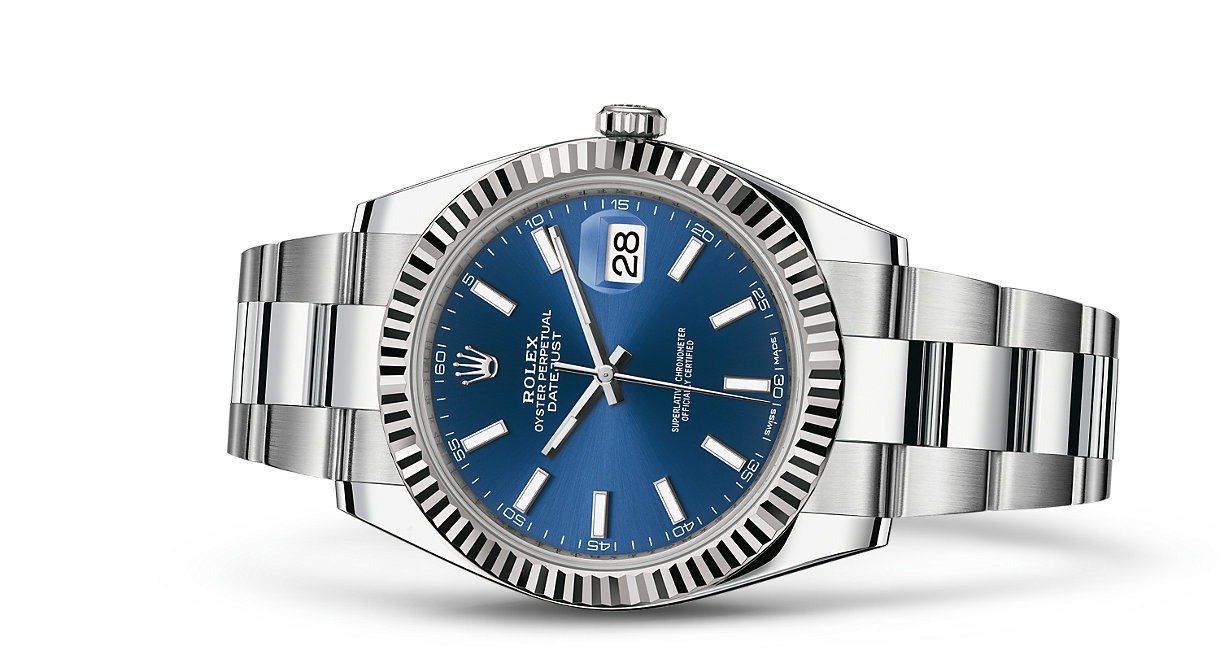
A watch can be more than a simple accessory. It can become an important part of personal presentation, adding structure, character, and visual balance to an outfit. Rolex replica watches are often chosen by people who appreciate the appearance of luxury-inspired timepieces and want a distinctive wrist accessory for different occasions. With their recognizable styling, detailed dials, polished finishes, and varied designs, these watches can complement many modern wardrobes while creating a refined style identity.
Creating a Distinctive Personal Appearance
Personal style is often shaped by small details. Clothing establishes the overall appearance, while accessories can provide the finishing touch. A well-designed watch can bring attention to the wrist without overwhelming the rest of an outfit. Rolex replica watches offer designs inspired by familiar luxury watch aesthetics, allowing wearers to explore different combinations of colours, dial arrangements, bracelet styles, and case profiles.
A refined appearance does not necessarily require a complicated outfit. Simple clothing can look more considered when paired with carefully selected accessories. Patek Philippe replica watches can add a sophisticated finishing touch to jeans, shirts, chinos, or tailored clothing, helping create a balanced and polished overall appearance. The key is choosing a style that feels consistent with the rest of the wardrobe.
Supporting Everyday Fashion
Daily life often asks for clothes that fit more than one moment. A person might start the morning in something casual, head to a work meeting later, then go out to dinner or a get-together. A watch that fits the whole day helps because it stays with the outfit from start to end.
Rolex replica watches and super clone watches come in many looks that feel a bit like high end styles. This makes it easier to pick something that matches what you usually like. A stainless steel option can look neat and fit many outfits. If you choose a darker finish, the watch can look sharper and more modern. Simple dial designs also pair well with neutral colors, so the whole look feels even and put together.
Matching Watches With Casual Clothing
Casual fashion provides plenty of opportunities to incorporate a refined timepiece. Jeans, polo shirts, T-shirts, chinos, sneakers, and lightweight jackets can all be paired with a structured watch. The contrast between relaxed clothing and a polished wrist accessory can create an attractive contemporary appearance.
For a simple daytime outfit, a watch with a clean dial and understated bracelet can provide an elegant finishing detail. Dark jeans and a plain shirt can be complemented by a darker watch design, while lighter casual clothing may work well with silver-toned or neutral finishes. These combinations allow the watch to contribute to the outfit without becoming the only noticeable feature.
Adding Character to Formal Outfits
A refined watch can also complement professional and formal clothing. Shirts, tailored trousers, blazers, suits, and smart footwear benefit from accessories that maintain a clean and coordinated appearance. A well-proportioned watch can sit naturally beneath or beside a shirt cuff while adding a subtle sense of sophistication.
When wearing formal clothing, simplicity is often effective. A balanced dial, moderate case size, and coordinated bracelet can help maintain a polished appearance. Instead of choosing an overly complicated design, many people prefer a watch that supports the overall outfit and provides a discreet visual accent.
Exploring Different Watch Designs
One advantage of choosing from a broad range of replica watch styles is the opportunity to explore different visual preferences. Some people prefer traditional round cases and classic dial arrangements, while others may enjoy sportier details, darker colours, or contemporary bracelet designs. The choice can depend on personality, clothing preferences, and the occasions where the watch will be worn.
Dial colour can also influence the character of a timepiece. Black dials often create a strong and versatile appearance, while blue, silver, or other refined tones can introduce additional visual interest. Bracelet design matters as well, since metal bracelets can provide a structured appearance while other strap styles may create a more relaxed impression.
Building a Consistent Style Identity
A personal style identity develops through consistency. Rather than choosing accessories randomly, it can be useful to consider how each piece fits with existing clothing and other accessories. A watch can become part of this visual identity by maintaining a similar level of refinement across different outfits.
For example, someone who regularly wears minimalist clothing may prefer a simple watch with a clean dial. Someone with a more expressive wardrobe may choose a stronger case shape or more noticeable dial details. The goal is not simply to follow trends but to select a design that feels natural with the wearer’s preferred appearance.
Considering Proportion and Comfort
Picking a watch is not just about style. Fit matters just as much, especially if you plan to wear it every day. If the case feels off on your wrist, the whole look can feel unbalanced. Even small differences in size can show up in photos and in real life.
The way the bracelet sits also plays a role. If you can adjust it well, the watch tends to stay in the right place. It should sit smoothly while you move around. With the right fit, the watch feels less like an object and more like part of your outfit.
When the size, the weight, and the bracelet feel right, you can wear it without thinking about it. Then it works with both everyday clothes and dressier looks, without needing frequent fixes.
A Contemporary Approach to Wristwear
Today’s fashion increasingly combines traditional influences with contemporary styling. Classic watch-inspired designs can therefore work well with modern clothing, creating a mixture of timeless and current elements. Rolex replica watches can be incorporated into this approach by pairing familiar luxury-inspired aesthetics with everyday outfits.
Whether worn with casual weekend clothing, business attire, or evening fashion, a thoughtfully selected watch can contribute to a more complete appearance. Its role does not have to be dramatic. Sometimes a subtle wrist accessory is enough to make an outfit feel more organized and intentional.
Conclusion
Rolex replica watches can serve as distinctive fashion accessories for people interested in refined, luxury-inspired wristwear. Their varied designs make it possible to coordinate different watches with casual outfits, professional clothing, and more polished evening looks. By considering dial style, case proportions, bracelet design, comfort, and wardrobe coordination, a watch can become a natural part of personal presentation.
A refined style identity is ultimately built through thoughtful choices and attention to detail. The right watch can provide that final element of structure, helping an everyday outfit appear more balanced, coordinated, and sophisticated.
Fashion
How to Choose an Eyewear Manufacturer in China for Your European or American Private Label Brand

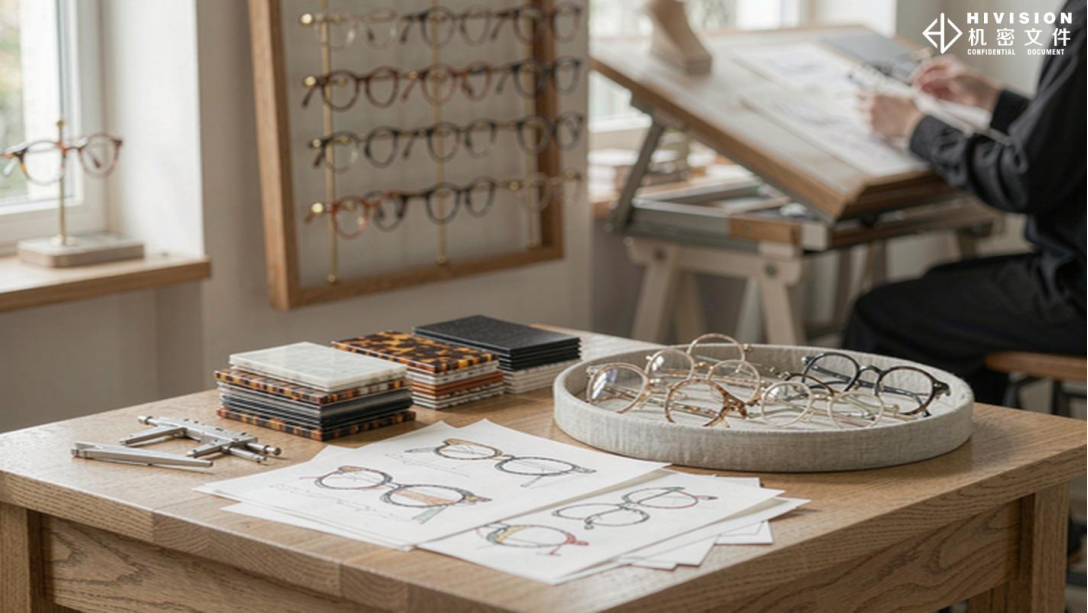
Launching or expanding a private-label eyewear brand involves more than finding a factory with attractive designs and competitive prices. Your manufacturing partner will influence product quality, development speed, production costs, and ultimately your brand’s reputation.
- 1. Start by Understanding China’s Eyewear Manufacturing Landscape
- 2. Match the Manufacturer to Your Required Frame Material
- 3. Decide Whether You Need OEM, ODM, or Private-Label Manufacturing
- 4. Verify Factory Capabilities Instead of Trusting Product Catalogs
- 5. Evaluate MOQ, Pricing, and Production Lead Times
- 6. Check Quality Control and European or American Market Requirements
- 7. Compare Suppliers Using a Practical Evaluation Scorecard
- Finding a Manufacturing Partner for Your Private-Label Brand
China has a well-developed eyewear manufacturing ecosystem, offering access to acetate, metal, titanium, injection-molded frames, and specialized component suppliers. However, not every factory has the same technical capabilities or experience serving international brands.
So, how do you identify the right eyewear manufacturer china for your business? The answer starts with understanding what different manufacturers can actually produce and how they manage the complete manufacturing process.
1. Start by Understanding China’s Eyewear Manufacturing Landscape
China has several established eyewear manufacturing clusters, each with different supply-chain strengths.
- Wenzhou, Zhejiang: An established center for optical frames, metal eyewear, acetate frames, and export-oriented manufacturing.
- Danyang, Jiangsu: Particularly important for optical lenses and related eyewear production.
- Shenzhen, Guangdong: An important manufacturing and technology center with specialized eyewear production capabilities.
- Xiamen, Fujian: Another region worth investigating for sunglasses and fashion-oriented eyewear.
These regional differences matter when searching for eyewear manufacturers in china. Rather than choosing a factory based only on its location, identify the region and manufacturer that best match your product requirements.
2. Match the Manufacturer to Your Required Frame Material
One of the biggest mistakes private-label buyers make is assuming every eyewear factory can manufacture every type of frame equally well.
Different materials require different machinery, production techniques, and technical expertise.
Acetate eyewear manufacturing
Acetate frames are popular among fashion and optical brands because of their color possibilities, layered patterns, and premium appearance.
When evaluating china acetate eyewear manufacturers, investigate their sheet material sourcing, CNC cutting, lamination, polishing, finishing, and assembly capabilities.
If your collection focuses on acetate, look specifically for a china acetate eyewear frames manufacturer with relevant production experience.
Metal eyewear manufacturing
Metal frames require precision in cutting, bending, welding, plating, and component assembly.
Brands seeking china metal eyewear frames manufacturer options should examine hinge construction, welding quality, surface treatment, and dimensional consistency.
Injection eyewear manufacturing
Injection molding is commonly used for thermoplastic materials such as TR90 and Ultem.
A specialized china injection eyewear manufacturer should demonstrate mold development capabilities, molding consistency, material knowledge, and finishing processes.
For brands seeking both acetate and metal collections, comparing china acetate and metal eyewear manufacturers can reduce supplier-management complexity.
3. Decide Whether You Need OEM, ODM, or Private-Label Manufacturing
Before contacting a china eyewear manufacturer, define how much product development support your brand needs.
| Manufacturing model | What your brand provides | What the factory provides |
| Private label | Existing product selection, branding requirements | Frames, logo application, and packaging |
| OEM | Designs, drawings, specifications | Technical development and production |
| ODM | Design direction and product requirements | Design development, sampling, customization, and production |
For example, an established fashion brand with original frame designs may prefer OEM manufacturing.
A startup with limited design resources may benefit more from ODM services.
If you are interested in handmade collections, investigate whether a china handmade acetate eyewear manufacturer has the skilled workforce and finishing processes required for your specifications.
Similarly, distinguish between a china oem handmade eyewear manufacturer and a china odm handmade eyewear manufacturer based on who controls the original design and development work.
4. Verify Factory Capabilities Instead of Trusting Product Catalogs
A manufacturer may display hundreds of styles online without producing all of them internally.
Ask potential suppliers:
- Which production processes are performed in-house?
- Do you have your own mold development facilities?
- Which materials do you specialize in?
- What is your monthly or annual production capacity?
- Which processes are outsourced?
- Can you provide factory photographs or arrange a virtual audit?
This is particularly important when evaluating eyewear frames manufacturer china options.
For specialized product categories, investigate the manufacturer’s actual experience. For example, china protective eyewear manufacturers and an outdoor eyewear manufacturer in china may require different technical capabilities from a conventional fashion-frame factory.
If you require safety-rated protective eyewear, verify the relevant product-specific testing and applicable standards rather than relying on general factory certifications.
5. Evaluate MOQ, Pricing, and Production Lead Times
MOQ is one of the most important considerations for private-label brands, particularly those launching their first collection.
Ask manufacturers to clarify:
- MOQ per model.
- MOQ per color.
- Sample development charges.
- Mold and tooling costs.
- Logo and packaging costs.
- Bulk production lead times.
- Repeat-order conditions.
Do not assume that a low unit price means a lower total purchasing cost.
For example, an acetate frame with customized colors and tooling may have a different cost structure from an existing injection-molded design.
Request a detailed quotation based on the same technical specifications from every shortlisted supplier.
6. Check Quality Control and European or American Market Requirements
A reliable manufacturer should have documented inspection procedures covering incoming materials, production, assembly, and finished products.
For eyewear brands, important inspection points include:
- Frame symmetry and dimensional accuracy.
- Hinge strength and functionality.
- Welding and surface-finishing quality.
- Lens fitting and stability.
- Material and color consistency.
- Packaging and labeling requirements.
European and American brands should also identify applicable destination-market requirements before production.
For example, general-purpose sunglasses sold in Europe may fall under EN ISO 12312-1 requirements, while prescription eyewear and protective eyewear can involve different standards.
Ask for relevant product-specific test reports and verify that they correspond to the actual models being ordered.
This is a critical part of achieving quality eyewear manufacturing in china.
7. Compare Suppliers Using a Practical Evaluation Scorecard
When comparing eyewear manufacturers china, do not rely on website appearance or sales presentations.
Use a consistent evaluation framework:
| Evaluation criterion | Suggested weight |
| Manufacturing capabilities | 20% |
| Product quality and QC | 20% |
| Material expertise | 15% |
| OEM/ODM customization | 15% |
| Pricing and MOQ | 10% |
| Delivery reliability | 10% |
| Communication and service | 10% |
| Total | 100% |
Use actual samples, documentation, factory verification, and quotation comparisons to assign scores.
This method is more useful than choosing from a random list of top eyewear manufacturers china or relying on claims about the top eyewear manufacturers in china.
If your product direction includes oval frames, men’s classic designs, or other specific styles, evaluate the manufacturer’s relevant design-development experience. Searching for a china oval eyewear manufacturer, a china best oval eyewear manufacturer, or china men classic eyewear manufacturers can help generate supplier leads, but these search phrases do not establish actual manufacturing specialization.
Likewise, claims about china famous acetate eyewear manufacturers should be verified through production evidence, customer references, and product samples.
Finding a Manufacturing Partner for Your Private-Label Brand
Choosing the right manufacturing partner is a long-term business decision. The best supplier is not necessarily the largest factory or the one offering the cheapest quotation. It is the manufacturer that can consistently deliver your approved specifications, support product development, and grow alongside your brand.
For brands exploring eyewear manufacturing in china, Wenzhou is a practical location to investigate for multi-material frame production.
Hivision Eyewear, founded in 2006 and based in Wenzhou, China, provides OEM/ODM manufacturing services for optical frames, sunglasses, and reading glasses.
Its production lines cover acetate, metal, titanium, and injection materials, making it relevant to brands developing multiple eyewear categories.
For example, its website lists custom-order MOQ starting at 150–200 pieces per color for metal and acetate frames, and 200–300 pieces per color for injection frames. Actual order requirements should be confirmed against the selected model and specifications.
You can explore its acetate and metal eyewear collections and company manufacturing background.
Ultimately, the right china eyewear manufacturers should offer more than production capacity. They should provide the technical expertise, quality consistency, communication, and flexibility required to turn your private-label eyewear concept into a successful commercial collection.
Fashion
Inside a China Eyewear Factory: How Eyewear Goes from Design and Material Selection to Mass Production
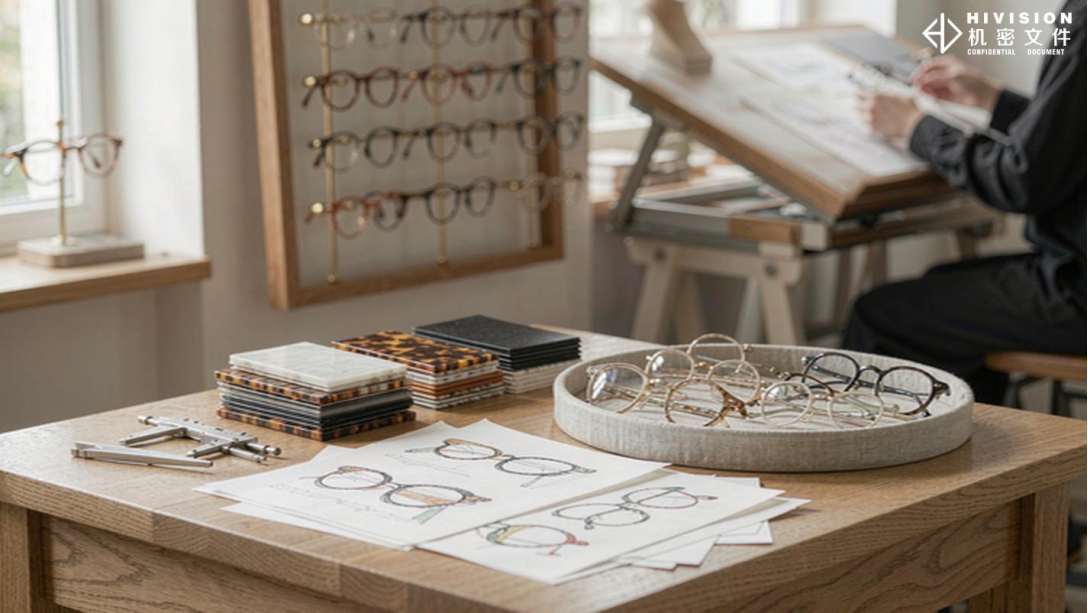
Have you ever wondered how a simple eyewear design becomes thousands of finished frames ready for international retailers?
- 1. Inside an Eyeglass Factory: Everything Starts with Product Design
- 2. Material Selection: Why Every Frame Factory Needs Different Production Capabilities
- 3. What Happens in the Frames Factory During Production?
- 4. Is a Lens Factory the Same as an Eyewear Factory?
- 5. From Sample Approval to Factory-Direct Eyeglasses Production
- 6. Quality Control: What Happens Before Finished Glasses Leave the Factory?
- 7. How to Find the Right Glasses Manufacturer Near You or in China
- Choosing a Manufacturing Partner for Your Next Eyewear Collection
Behind every pair of glasses is a manufacturing process involving design development, material preparation, precision machinery, skilled workers, assembly, and quality inspection.
A modern china eyewear factory is not simply a place where frames are assembled. It is part of a wider production ecosystem connecting raw material suppliers, component manufacturers, frame production facilities, lens suppliers, and international buyers.
Understanding how these operations work helps eyewear brands, importers, and distributors evaluate manufacturing partners more effectively.
Let’s take a closer look at what happens inside an eyewear manufacturing operation, from the first design discussion to the final packed product.
1. Inside an Eyeglass Factory: Everything Starts with Product Design
The manufacturing journey usually begins when a brand shares its design requirements, reference samples, sketches, or technical specifications.
The development team reviews important details such as:
- Frame shape and dimensions.
- Material selection.
- Color and surface finish.
- Hinge and temple construction.
- Lens size and fitting requirements.
- Target retail positioning.
The design is then converted into technical drawings or CAD specifications to establish the dimensions and construction requirements.
Before mass production, manufacturers generally develop samples so buyers can evaluate the appearance, comfort, fit, and construction.
A professional eyeglass factory should also identify manufacturing limitations early. A design may look attractive digitally but require adjustments to make it suitable for production.
2. Material Selection: Why Every Frame Factory Needs Different Production Capabilities
Material selection directly affects the manufacturing process, product characteristics, and final cost.
An experienced frame factory may work with several materials, but each requires different production techniques.
Acetate: Acetate sheets are cut into frame components using CNC machinery or other cutting equipment. The components are shaped, assembled, tumbled, and polished to achieve the desired finish.
Metal: Metal frames require processes such as stamping, bending, welding, plating, and component assembly. Precision is particularly important when connecting bridges, rims, temples, and hinges.
TR90 and injection materials: These thermoplastic materials are processed through injection molding. The molten material is injected into molds to create frame components, which are subsequently trimmed, finished, and assembled.
This is why choosing an optical factory with the right material specialization matters. A manufacturer experienced in acetate production may not necessarily have the same expertise in titanium or injection molding.
3. What Happens in the Frames Factory During Production?
Once the materials and specifications are approved, production begins.
Although the exact process varies by material and factory, a typical frame manufacturing workflow includes:
- Raw material inspection.
- Cutting, stamping, or molding.
- Component shaping and processing.
- Hinge and metal component installation.
- Surface grinding and polishing.
- Plating or coating where required.
- Frame assembly and adjustment.
- Intermediate quality inspection.
For example, acetate manufacturing involves several finishing operations to achieve smooth surfaces and consistent gloss. Metal production places greater emphasis on welding accuracy, structural strength, and surface treatment.
A well-organized glasses factory maintains inspection checkpoints throughout production rather than waiting until the frames are completely assembled.
4. Is a Lens Factory the Same as an Eyewear Factory?
Not necessarily. This is an important distinction for buyers entering the eyewear industry.
A lens factory manufactures lenses, while a frame manufacturer produces the physical eyewear structure.
Lens production can involve casting, surfacing, polishing, and coating, depending on the lens type and application.
For example, prescription lenses may require additional optical processing and edging before they can be fitted into frames. Sunglasses lenses may require tinting, polarization, or UV-protection specifications.
Some eyewear manufacturers purchase finished lenses from specialized suppliers, while others have access to affiliated or integrated lens operations.
Therefore, when evaluating a factory, ask whether lens manufacturing, lens sourcing, and final lens fitting are handled internally or by external partners.
5. From Sample Approval to Factory-Direct Eyeglasses Production
After the buyer approves the sample, the manufacturer prepares for bulk production.
This stage involves confirming the final specifications, order quantities, materials, colors, packaging, and production schedule.
For buyers seeking factory direct eyeglasses, working directly with a manufacturer can improve communication about product specifications and production changes.
However, direct factory purchasing does not automatically guarantee lower prices. The total cost still depends on order volume, materials, customization, tooling, and quality requirements.
Before mass production, buyers should confirm that the approved sample and production specifications are properly documented.
This reduces the risk of receiving bulk products that differ from the original sample.
6. Quality Control: What Happens Before Finished Glasses Leave the Factory?
Quality control is not a single inspection at the end of production.
A structured manufacturing operation may include:
- Incoming Quality Control (IQC): Checking raw materials and components.
- In-Process Quality Control (IPQC): Monitoring production stages.
- Final Quality Control (FQC): Inspecting completed products.
- Outgoing Quality Control (OQC): Verifying packaging, quantities, and shipping requirements.
Common inspection points include frame symmetry, hinge performance, surface defects, dimensional accuracy, lens fitting, and product specifications.
For sunglasses, appropriate UV-protection and other relevant performance tests should also be verified through suitable documentation.
The goal is to ensure that bulk production consistently matches the approved sample and agreed specifications.
7. How to Find the Right Glasses Manufacturer Near You or in China
When buyers search for eyeglasses frame near me or a glasses manufacturer near me, they are often looking for a convenient sourcing partner.
Local suppliers may offer easier communication and proximity. However, international buyers should not overlook specialized manufacturing ecosystems in China.
Searching for the glasses factory or a particular eyeglass factory in ventura may help identify local businesses, but buyers should first establish whether those businesses actually manufacture frames or simply operate retail stores, optical laboratories, or distribution facilities.
Similarly, brands researching fashion eye collections should evaluate design development, material options, and production consistency rather than relying only on product photographs.
Whether you choose a local supplier or an overseas manufacturer, verify its actual production capabilities, quality-control procedures, and commercial terms.
Choosing a Manufacturing Partner for Your Next Eyewear Collection
Understanding how eyewear moves from design to mass production makes it easier to distinguish between a genuine manufacturing partner and a supplier that simply resells finished products.
Hivision Eyewear, based in Wenzhou, China, provides OEM/ODM eyewear manufacturing services across acetate, metal, titanium, and injection materials.
For brands exploring factory sunglasses production or customized optical frames, evaluating the manufacturer’s material capabilities, sample development, production processes, and quality-control arrangements is essential.
You can explore Hivision’s eyewear product collections and sunglasses range to understand its product offerings.
Ultimately, the strength of an eyewear manufacturing partner is not determined by how large its factory looks. It is determined by how consistently it can transform approved designs and specifications into finished products that meet the buyer’s requirements.
Fashion
Inside a China Eyewear Factory: How Eyewear Goes from Design and Material Selection to Mass Production
Meta title
Inside a China Eyewear Factory: Design to Mass Production
- Meta title
- H1 title
- Meta description
- 1. Inside an Eyeglass Factory: Everything Starts with Product Design
- 2. Material Selection: Why Every Frame Factory Needs Different Production Capabilities
- 3. What Happens in the Frames Factory During Production?
- 4. Is a Lens Factory the Same as an Eyewear Factory?
- 5. From Sample Approval to Factory-Direct Eyeglasses Production
- 6. Quality Control: What Happens Before Finished Glasses Leave the Factory?
- 7. How to Find the Right Glasses Manufacturer Near You or in China
- Choosing a Manufacturing Partner for Your Next Eyewear Collection
H1 title
Inside a China Eyewear Factory: How Eyewear Goes from Design and Material Selection to Mass Production
Meta description
Discover how a China eyewear factory transforms designs into finished frames. Explore material selection, acetate and metal processing, lens sourcing, assembly, and quality control. Inside a China Eyewear Factory: How Eyewear Goes from Design and Material Selection to Mass Production
Have you ever wondered how a simple eyewear design becomes thousands of finished frames ready for international retailers? Behind every pair of glasses is a manufacturing process involving design development, material preparation, precision machinery, skilled workers, assembly, and quality inspection. A modern china eyewear factory is not simply a place where frames are assembled. It is part of a wider production ecosystem connecting raw material suppliers, component manufacturers, frame production facilities, lens suppliers, and international buyers. Understanding how these operations work helps eyewear brands, importers, and distributors evaluate manufacturing partners more effectively. Let's take a closer look at what happens inside an eyewear manufacturing operation, from the first design discussion to the final packed product.
1. Inside an Eyeglass Factory: Everything Starts with Product Design
The manufacturing journey usually begins when a brand shares its design requirements, reference samples, sketches, or technical specifications. The development team reviews important details such as:
- Frame shape and dimensions.
- Material selection.
- Color and surface finish.
- Hinge and temple construction.
- Lens size and fitting requirements.
- Target retail positioning.
The design is then converted into technical drawings or CAD specifications to establish the dimensions and construction requirements. Before mass production, manufacturers generally develop samples so buyers can evaluate the appearance, comfort, fit, and construction. A professional eyeglass factory should also identify manufacturing limitations early. A design may look attractive digitally but require adjustments to make it suitable for production.
2. Material Selection: Why Every Frame Factory Needs Different Production Capabilities
Material selection directly affects the manufacturing process, product characteristics, and final cost. An experienced frame factory may work with several materials, but each requires different production techniques. Acetate: Acetate sheets are cut into frame components using CNC machinery or other cutting equipment. The components are shaped, assembled, tumbled, and polished to achieve the desired finish. Metal: Metal frames require processes such as stamping, bending, welding, plating, and component assembly. Precision is particularly important when connecting bridges, rims, temples, and hinges. TR90 and injection materials: These thermoplastic materials are processed through injection molding. The molten material is injected into molds to create frame components, which are subsequently trimmed, finished, and assembled. This is why choosing an optical factory with the right material specialization matters. A manufacturer experienced in acetate production may not necessarily have the same expertise in titanium or injection molding.
3. What Happens in the Frames Factory During Production?
Once the materials and specifications are approved, production begins. Although the exact process varies by material and factory, a typical frame manufacturing workflow includes:
- Raw material inspection.
- Cutting, stamping, or molding.
- Component shaping and processing.
- Hinge and metal component installation.
- Surface grinding and polishing.
- Plating or coating where required.
- Frame assembly and adjustment.
- Intermediate quality inspection.
For example, acetate manufacturing involves several finishing operations to achieve smooth surfaces and consistent gloss. Metal production places greater emphasis on welding accuracy, structural strength, and surface treatment. A well-organized glasses factory maintains inspection checkpoints throughout production rather than waiting until the frames are completely assembled.
4. Is a Lens Factory the Same as an Eyewear Factory?
Not necessarily. This is an important distinction for buyers entering the eyewear industry. A lens factory manufactures lenses, while a frame manufacturer produces the physical eyewear structure. Lens production can involve casting, surfacing, polishing, and coating, depending on the lens type and application. For example, prescription lenses may require additional optical processing and edging before they can be fitted into frames. Sunglasses lenses may require tinting, polarization, or UV-protection specifications. Some eyewear manufacturers purchase finished lenses from specialized suppliers, while others have access to affiliated or integrated lens operations. Therefore, when evaluating a factory, ask whether lens manufacturing, lens sourcing, and final lens fitting are handled internally or by external partners.
5. From Sample Approval to Factory-Direct Eyeglasses Production
After the buyer approves the sample, the manufacturer prepares for bulk production. This stage involves confirming the final specifications, order quantities, materials, colors, packaging, and production schedule. For buyers seeking factory direct eyeglasses, working directly with a manufacturer can improve communication about product specifications and production changes. However, direct factory purchasing does not automatically guarantee lower prices. The total cost still depends on order volume, materials, customization, tooling, and quality requirements. Before mass production, buyers should confirm that the approved sample and production specifications are properly documented. This reduces the risk of receiving bulk products that differ from the original sample.
6. Quality Control: What Happens Before Finished Glasses Leave the Factory?
Quality control is not a single inspection at the end of production. A structured manufacturing operation may include:
- Incoming Quality Control (IQC): Checking raw materials and components.
- In-Process Quality Control (IPQC): Monitoring production stages.
- Final Quality Control (FQC): Inspecting completed products.
- Outgoing Quality Control (OQC): Verifying packaging, quantities, and shipping requirements.
Common inspection points include frame symmetry, hinge performance, surface defects, dimensional accuracy, lens fitting, and product specifications. For sunglasses, appropriate UV-protection and other relevant performance tests should also be verified through suitable documentation. The goal is to ensure that bulk production consistently matches the approved sample and agreed specifications.
7. How to Find the Right Glasses Manufacturer Near You or in China
When buyers search for eyeglasses frame near me or a glasses manufacturer near me, they are often looking for a convenient sourcing partner. Local suppliers may offer easier communication and proximity. However, international buyers should not overlook specialized manufacturing ecosystems in China. Searching for the glasses factory or a particular eyeglass factory in ventura may help identify local businesses, but buyers should first establish whether those businesses actually manufacture frames or simply operate retail stores, optical laboratories, or distribution facilities. Similarly, brands researching fashion eye collections should evaluate design development, material options, and production consistency rather than relying only on product photographs. Whether you choose a local supplier or an overseas manufacturer, verify its actual production capabilities, quality-control procedures, and commercial terms.
Choosing a Manufacturing Partner for Your Next Eyewear Collection
Understanding how eyewear moves from design to mass production makes it easier to distinguish between a genuine manufacturing partner and a supplier that simply resells finished products. Hivision Eyewear, based in Wenzhou, China, provides OEM/ODM eyewear manufacturing services across acetate, metal, titanium, and injection materials. For brands exploring factory sunglasses production or customized optical frames, evaluating the manufacturer's material capabilities, sample development, production processes, and quality-control arrangements is essential. You can explore Hivision's eyewear product collections and sunglasses range to understand its product offerings. Ultimately, the strength of an eyewear manufacturing partner is not determined by how large its factory looks. It is determined by how consistently it can transform approved designs and specifications into finished products that meet the buyer's requirements.

Inside a China Eyewear Factory: How Eyewear Goes from Design and Material Selection to Mass Production

Building Emotional Wellness Through Professional Guidance and Support

How to Choose an Eyewear Manufacturer in China for Your European or American Private Label Brand

Alex Pettyfer Net Worth, Wife, Age, Height, Children, Career and More

Brad Williams Net Worth, Wife, Height, Age, Daughter, Family, Career and More

Eldorado.gg Review 2026: How It Works, Safety, Fees, and Risks
-
Celebrity11 months ago
Alex Pettyfer Net Worth, Wife, Age, Height, Children, Career and More
-
Celebrity11 months ago
Brad Williams Net Worth, Wife, Height, Age, Daughter, Family, Career and More
-
Blog3 months ago
Eldorado.gg Review 2026: How It Works, Safety, Fees, and Risks
-
 Anime12 months ago
Sanzoku Bandits of One Piece: Origins, Higuma, and Their Role in Dawn Island
-
 Celebrity11 months ago
John McGinn Net Worth, Age, Height, Wife, Childrens, Career and More
-
 Celebrity11 months ago
Frances de la Tour Net Worth, Age, Height, Husband, Childrens, Career and More
-
 Anime12 months ago
Shimotsuki Ushimaru – The Last Daimyo of Wano Country Explained
-
 Celebrity12 months ago
Will Trickett Net Worth, Wife, Childrens, Age, Career and More