
Blog
A Complete Guide to Roof Tile Restoration, Water Damage Prevention, Structural Protection, and Long-Term Maintenance

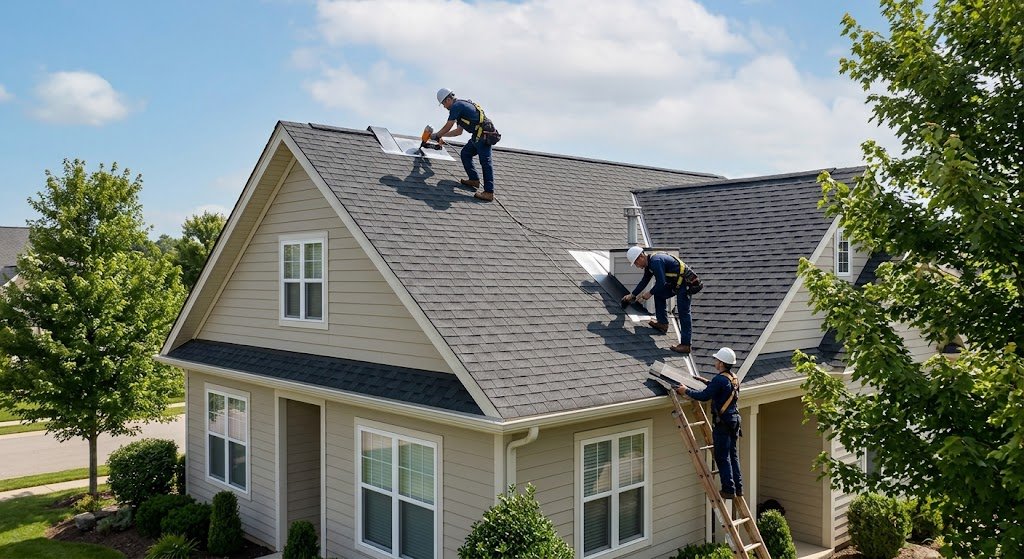
Tile roofing is known for its durability, attractive appearance, and ability to provide long-term protection when properly installed and maintained. However, exposure to sunlight, rain, wind, falling debris, temperature changes, and everyday environmental conditions can eventually cause individual tiles or surrounding roofing components to deteriorate. Cracked, broken, displaced, or deteriorated tiles can create opportunities for water to reach the layers underneath the roof. Addressing these problems promptly can help protect the roof structure and reduce the possibility of more extensive damage. Foam tile roof repair can be part of a broader maintenance strategy when compatible materials and appropriate techniques are used to address problems affecting a tile roofing system.
- Understanding Tile Roofing Systems
- Common Causes of Tile Roof Damage
- Signs That a Tile Roof Needs Attention
- Inspecting Damaged Tiles
- Replacing Broken Tiles
- Repairing Small Surface Defects
- Evaluating the Underlayment
- Managing Water Intrusion
- Protecting Roof Valleys and Edges
- Maintaining Roof Flashing
- Preventing Foot Traffic Damage
- Managing Roof Debris
- Addressing Moisture Problems Quickly
- Choosing Compatible Repair Materials
- When Professional Repair Is Necessary
- Developing a Preventive Maintenance Plan
- Protecting the Roof After Repairs
- Final Thoughts
Understanding Tile Roofing Systems
A tile roof consists of more than the visible tiles covering the surface. Beneath the tiles, there may be underlayment, flashing, battens, decking, insulation, and structural components that work together to protect the building from moisture. The tiles provide an important outer layer, but the supporting materials also play a significant role in the overall performance of the roof. When a tile becomes damaged or displaced, water may enter beneath the surface and affect these underlying components. Understanding the different layers of the roofing system makes it easier to recognize why even a small damaged tile should not always be ignored.
Common Causes of Tile Roof Damage
Tile roofs can experience damage from many different sources. Strong winds may move or break individual tiles, while falling branches and other debris can cause cracks or fractures. Temperature changes can also contribute to material expansion and contraction over time. Foot traffic is another concern because walking directly on roof tiles can place excessive pressure on them and may result in cracking. Improper installation or previous repair work can also contribute to premature deterioration. Identifying the cause of damage is important because replacing a broken tile without addressing the underlying issue may allow the same problem to occur again.
Signs That a Tile Roof Needs Attention
Visible cracks and broken tiles are obvious signs that a roof requires inspection, but other warning signs can be less noticeable. Displaced tiles, missing sections, damaged flashing, deteriorated underlayment, water stains, and damp areas can indicate that the roofing system is no longer providing complete protection. Interior ceiling stains may appear after water has already traveled through several roofing layers. Sagging areas or unusual changes in the roof surface may also require immediate professional attention. Foam tile roof repair may be appropriate for certain localized problems, but the entire roofing system should first be evaluated to determine the actual source and extent of the damage.
Inspecting Damaged Tiles
A careful inspection should examine both the visible tile surface and the components beneath it. Individual tiles should be checked for cracks, chips, breaks, displacement, and signs of deterioration. Areas around roof edges, valleys, vents, chimneys, skylights, and other penetrations may require additional attention because these locations can be more vulnerable to water intrusion. The condition of flashing and underlayment should also be considered where accessible. An inspection can help determine whether the damage is limited to a few tiles or whether a larger portion of the roofing system has been affected. This information is essential for selecting an appropriate repair strategy.
Replacing Broken Tiles
Broken tiles may need to be removed and replaced with compatible materials. The replacement process should be performed carefully because neighboring tiles can also be vulnerable to cracking if excessive pressure is applied. Before installing a replacement, the supporting area should be checked for damage or moisture. Simply placing a new tile over a deteriorated underlayment or damaged support may not solve the underlying problem. Replacement tiles should be compatible in size, profile, and installation requirements with the existing system. Properly replacing damaged components can help restore the roof’s ability to shed water and protect the materials underneath.
Repairing Small Surface Defects
Not every roofing problem requires extensive replacement. Certain small defects may be repairable depending on the type of tile, the location of the damage, and the materials involved. Repair products should be selected carefully to ensure compatibility with the existing roofing system. The damaged surface generally needs to be clean, dry, and properly prepared before a repair material is applied. Foam tile roof repair can sometimes provide a suitable solution for specific conditions when the materials and application methods are appropriate. However, repairs should not be used to conceal significant structural damage or widespread deterioration that requires a more comprehensive solution.
Evaluating the Underlayment
The underlayment is an important protective layer beneath many tile roofing systems. It can provide an additional barrier against water that passes beneath the tiles during wind-driven rain or other weather conditions. Over time, underlayment can deteriorate because of age, moisture exposure, temperature changes, and other factors. When damaged tiles are removed, the condition of the underlying material should be considered before completing repairs. If the underlayment has become brittle, torn, or otherwise compromised, replacing only the visible tile may not provide a durable solution. A professional assessment can help determine whether additional work is needed beneath the tile surface.
Managing Water Intrusion
Water intrusion is one of the most important concerns associated with damaged tile roofing. Water can enter through broken tiles, damaged flashing, deteriorated underlayment, improperly sealed penetrations, or areas where tiles have shifted out of position. Once inside, moisture can affect decking, insulation, framing, and interior finishes. Water damage can also remain hidden for some time before producing visible stains. Identifying and correcting the entry point as soon as possible can help limit the extent of the damage. Foam tile roof repair may be useful in suitable situations, but water intrusion should always be investigated carefully so that the actual source is corrected.
Protecting Roof Valleys and Edges
Roof valleys and edges can experience additional exposure to water and weather. Valleys collect runoff from multiple roof sections, making proper installation and maintenance especially important. Debris can accumulate in these areas and interfere with water flow, while damaged tiles or flashing can create pathways for moisture. Roof edges may also experience increased wind exposure, which can contribute to tile movement or damage. These areas should be inspected regularly and kept clear of unnecessary debris. Addressing problems around valleys and edges can help prevent water from reaching vulnerable areas beneath the roofing surface.
Maintaining Roof Flashing
Flashing is designed to direct water away from vulnerable transitions and penetrations. It may be installed around chimneys, vents, skylights, walls, valleys, and other areas where different surfaces meet. Flashing can deteriorate, become loose, or develop gaps over time. Damaged flashing may allow water to enter even when the surrounding tiles appear to be in good condition. During a roof inspection, flashing should therefore be evaluated along with the tiles themselves. Repairs should use appropriate materials and installation methods to maintain a reliable water barrier. Ignoring deteriorated flashing can lead to moisture problems that extend beyond the visibly damaged area.
Preventing Foot Traffic Damage
Tile roofing is generally not designed to withstand unnecessary foot traffic. Walking directly across tiles can place concentrated pressure on individual pieces and cause cracks or breakage, particularly when the tiles have already aged. Maintenance workers who need access to rooftop equipment should use appropriate access procedures and avoid stepping on vulnerable areas whenever possible. Tools and equipment should also be handled carefully to prevent accidental impact. Foam tile roof repair may address certain damage caused by accidental contact, but preventing the damage in the first place is a more practical approach. Proper access practices can help preserve the condition of the roofing surface.
Managing Roof Debris
Leaves, branches, dirt, and other debris can accumulate on tile roofs, particularly around valleys, gutters, and drainage areas. Organic debris can retain moisture and may interfere with proper water flow. Branches can also scratch or break tiles when they move across the surface during windy conditions. Regular removal of debris can help reduce these risks and make it easier to identify damaged areas. Cleaning should be performed carefully because aggressive tools or improper techniques can damage tiles or protective surfaces. Keeping drainage paths clear is especially important because blocked water flow can increase the risk of moisture intrusion.
Addressing Moisture Problems Quickly
Moisture should be investigated promptly when signs of water intrusion appear. Ceiling stains, damp insulation, peeling finishes, musty odors, or unexplained moisture can indicate that water is entering through the roofing system. The location of an interior stain does not always match the actual entry point because water can travel along decking and structural materials. A professional inspection may therefore be necessary to identify the source accurately. Foam tile roof repair can contribute to correcting certain localized issues, but repairs should be based on a clear understanding of how and where water is entering the building.
Choosing Compatible Repair Materials
Roofing materials need to work together properly to provide reliable performance. Using a product that is incompatible with the existing tile, underlayment, flashing, or surrounding materials can create adhesion problems or premature deterioration. Repair materials should therefore be selected based on the type of roofing system and the specific defect being addressed. Manufacturer recommendations may provide important information about preparation, application, curing, and compatibility. Proper material selection can improve the durability of a repair and reduce the likelihood of recurring problems. When the appropriate product is uncertain, professional guidance can help prevent unsuitable repairs.
When Professional Repair Is Necessary
Some tile roof problems are relatively limited, while others may involve significant water damage or deterioration beneath the surface. Professional evaluation is particularly important when multiple tiles are damaged, leaks continue after repairs, underlayment appears compromised, or structural components show signs of deterioration. A professional can inspect difficult-to-access areas and determine whether localized repairs are appropriate. Foam tile roof repair may be considered as one component of a broader repair strategy when the roofing system and damage conditions make it suitable. More extensive damage may require additional restoration rather than isolated repairs.
Developing a Preventive Maintenance Plan
A preventive maintenance plan can help extend the useful life of a tile roofing system. Regular inspections should include the condition of tiles, underlayment where accessible, flashing, valleys, edges, drainage systems, and roof penetrations. Debris should be removed before it interferes with water flow, and damaged tiles should be addressed promptly. Maintenance records can also help property owners track recurring issues and previous repairs. A planned approach makes it easier to identify gradual deterioration and schedule corrective work before serious damage occurs. Consistent maintenance is generally more effective than waiting for major leaks or structural problems to develop.
Protecting the Roof After Repairs
Once repairs have been completed, the repaired areas should be monitored to ensure that they continue performing as expected. New signs of cracking, moisture, displacement, or deterioration should be investigated rather than ignored. Heavy weather events may also justify a follow-up visual assessment to identify new damage. Gutters and drainage areas should remain clear so that water can flow away from the roof effectively. Preventive maintenance should continue even after a successful repair because roofing systems remain exposed to environmental conditions throughout their service life. Foam tile roof repair can help address suitable defects, but ongoing care is essential for maintaining the overall system.
Final Thoughts
Tile roofing can provide durable and attractive protection, but even strong roofing materials require regular inspection, maintenance, and timely repair. Broken tiles, deteriorated underlayment, damaged flashing, blocked drainage areas, and moisture intrusion can all affect the performance of the roofing system if they are not addressed. Foam tile roof repair can be useful for appropriate localized conditions when compatible materials and proper techniques are used. However, repairs should always consider the condition of the surrounding roofing components rather than focusing only on the most visible defect. Regular inspections, careful roof access, debris management, prompt moisture control, and professional evaluation when necessary can help preserve the roof for the long term. A proactive maintenance strategy can reduce the likelihood of extensive water damage and help keep the roofing system performing effectively for many years.

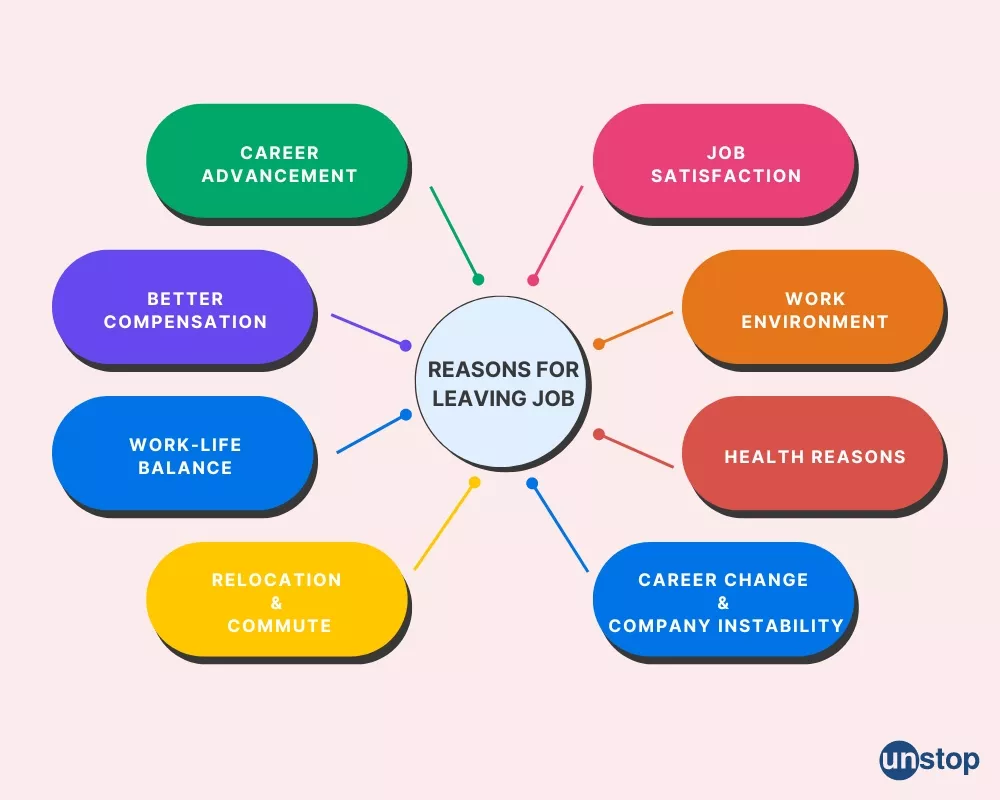
Leaving the workforce represents one of life’s most significant transitions, yet many people approach it without adequate preparation. Whether you are planning retirement, pursuing a career change, or stepping away for personal reasons, the shift from full-time employment to whatever comes next requires thoughtful planning across multiple dimensions of your life. This transition affects not only your financial situation but also your daily routine, sense of purpose, and social connections. The more deliberately you prepare for this change, the smoother and more fulfilling your transition will be. Taking time now to address the practical and emotional aspects of leaving work will help you build a stronger foundation for the years ahead.
Assessing Your Financial Readiness
Your financial situation forms the cornerstone of any successful transition from the workforce. Before you leave your job, you need a clear picture of your expenses, income sources, and savings. Begin by calculating your monthly living costs, including housing, utilities, food, transportation, healthcare, and any debts you still carry, then identify all potential income sources available to you after leaving work, such as Social Security, pensions, investment returns, or part-time income. Those engaged in retirement planning in Litchfield Park and surrounding communities often rely on qualified tax professionals to help them understand how income sources like Social Security and investment distributions affect their overall tax picture. Creating a detailed budget that accounts for both essential expenses and discretionary spending will help you determine whether you have sufficient resources to support yourself. If gaps exist between your expenses and income, you may need to adjust your timeline for leaving work, explore additional income streams, or reconsider your spending patterns.
Planning for Healthcare and Insurance Coverage
Healthcare needs do not disappear when you leave the workforce, and understanding your coverage options is essential before your employment ends. If you currently receive health insurance through your employer, you will need to determine what happens to that coverage after you leave. Depending on your circumstances, you might be eligible for coverage through a spouse’s employer plan, the Affordable Care Act marketplace, Medicaid, or programs like Medicare if you are of eligible age. Each option has different costs, coverage levels, and enrollment requirements that deserve careful research before your departure date. You should also consider dental, vision, and prescription drug coverage, as these are often not automatically included in basic health plans. Starting this research several months before your departure ensures you will not face gaps in coverage and can select the option that best fits your health needs and budget.
Addressing Emotional and Social Adjustments
The psychological impact of leaving the workforce often receives less attention than financial planning, yet it significantly influences your overall well-being during this transition. Work provides structure, social interaction, and a sense of purpose that can be difficult to replace once employment ends. Without intentional effort, you may find yourself struggling with reduced social contact, unclear daily routines, or questions about your identity and role outside of a professional context. Consider how you will fill your time and maintain meaningful connections with others after leaving work, whether through volunteering, pursuing hobbies, joining community groups, taking continuing education classes, or spending more time with family and friends. Giving thought to these elements before you leave your job helps prevent isolation, establishes a sense of routine, and provides activities to look forward to during this period of adjustment. Approaching these social and emotional dimensions with the same intentionality you bring to financial planning gives your transition a more stable and fulfilling foundation.
Creating a Timeline and Action Plan
Successful transitions require concrete planning with specific milestones and deadlines rather than general intentions. Begin by working backward from your target departure date to identify all the tasks you need to complete beforehand. These tasks might include meeting with a financial advisor, reviewing your benefits information, updating your will or power of attorney documents, organizing important financial records, and notifying relevant organizations of changes to your employment status. Some actions, like maximizing retirement contributions or ensuring your healthcare coverage is in place, have specific deadlines tied to your job’s calendar or government programs. According to the Social Security Administration, understanding when and how to claim benefits is one of the most consequential decisions you will make during this process, making early research essential. Creating a written checklist with dates helps ensure nothing falls through the cracks and reduces the stress of managing numerous moving parts simultaneously.
Conclusion
Preparing to leave the workforce involves careful attention to your financial situation, healthcare coverage, emotional readiness, and practical logistics. By taking a comprehensive approach that addresses each of these areas systematically, you can move forward with confidence and clarity. The transition from work to whatever comes next need not be uncertain or stressful when you invest time in thoughtful preparation before it happens. Start planning as early as possible, break large tasks into manageable steps, and do not hesitate to seek professional guidance from financial advisors, healthcare experts, or counselors as needed. Your effort during this planning phase directly contributes to how smoothly and positively your transition unfolds.
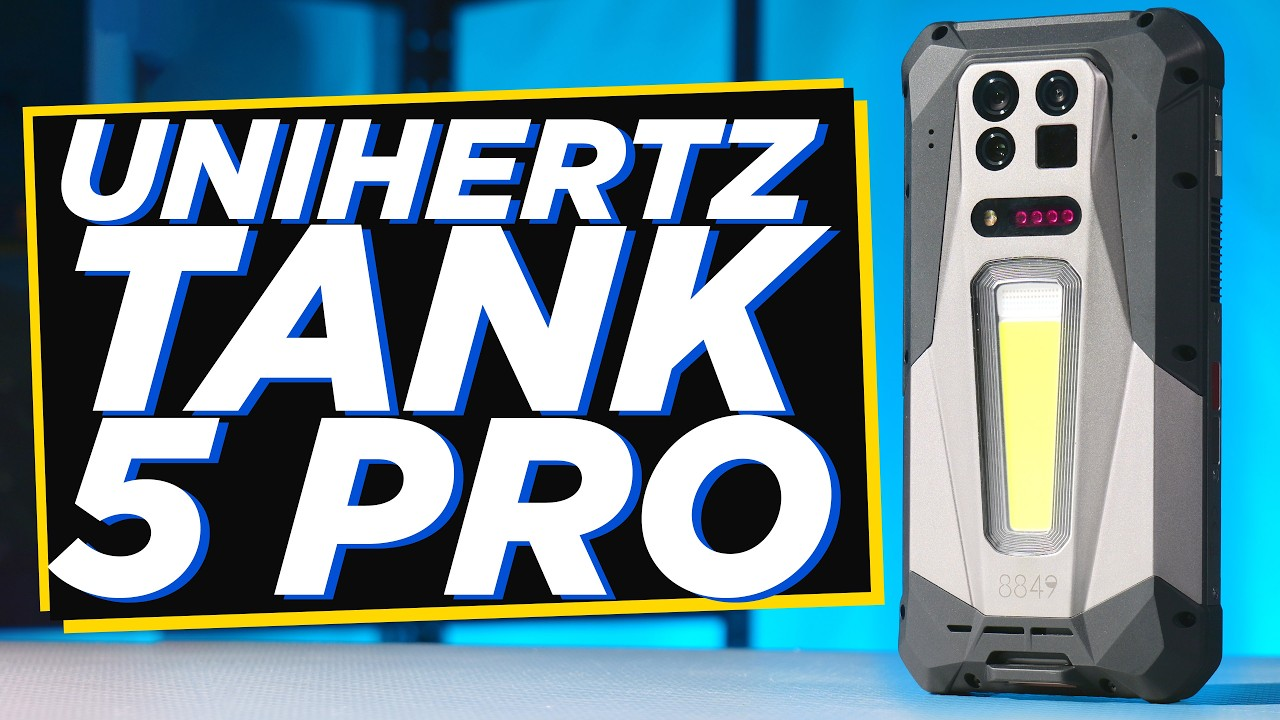
Technology is evolving at a remarkable pace. Smartphones receive new features, artificial intelligence is changing everyday digital experiences, and connected devices are becoming part of homes, workplaces, and personal routines. While these developments create exciting opportunities, they also make it harder for ordinary consumers to understand which innovations are genuinely useful. Reliable technology journalism can help readers make sense of these changes.
Root Nation is a technology publication that helps readers explore the latest developments in consumer technology. Through news, reviews, comparisons, and practical articles, Root-nation.com gives technology enthusiasts and everyday users a place to learn about products and trends before making important decisions.
Making Technology Easier to Understand
New technology often comes with unfamiliar terminology and complicated specifications. A smartphone manufacturer might advertise an advanced processor, an impressive camera system, or a collection of artificial intelligence features. However, technical descriptions do not always explain how these features affect everyday use.
Useful technology journalism connects specifications with practical experiences. Instead of focusing only on numbers, a good review explains what a product can do, where it performs well, and what limitations consumers should consider.
This approach is particularly valuable for people who do not have a technical background. Clear explanations help readers understand whether a feature solves a real problem or simply adds another marketing point to a product description.
Helping Readers Evaluate New Products
Buying electronic devices can involve a significant financial commitment. Smartphones, laptops, tablets, televisions, and other gadgets may remain in use for several years, making research an important part of the purchasing process.
Independent product coverage can help consumers compare available options and understand differences that are not immediately obvious. For example, two smartphones may have similar camera resolutions but produce different results because of their sensors, image processing, lenses, and software.
Readers looking for detailed technology coverage can explore Root-nation.com to find product reviews, technology news, and practical discussions that provide additional context before a purchase.
Keeping Up With Emerging Technology
Artificial intelligence, smart home systems, wearable devices, and mobile innovations continue to influence how people interact with technology. Following these developments requires more than reading product announcements. Consumers also need explanations of how new features work and whether they offer meaningful advantages.
A technology publication can connect individual product releases with broader industry developments. This helps readers understand not only what has changed but also why those changes matter.
For example, the growth of AI features in smartphones raises questions about privacy, performance, battery consumption, and practical usefulness. Readers benefit from balanced coverage that considers both the advantages and potential limitations of these tools.
Why Balanced Technology Journalism Matters
Every new device is not necessarily the right choice for every consumer. A premium smartphone may offer excellent performance but still be unnecessary for someone who mainly uses messaging, browsing, and basic photography. Similarly, an affordable laptop may be perfectly suitable for everyday tasks even if it lacks the specifications required for professional workloads.
Balanced reviews help readers consider their actual needs instead of following marketing trends. They should explain strengths and weaknesses, distinguish measurable performance from personal preferences, and provide enough context for readers to reach their own conclusions.
Making Better Digital Decisions
Technology will continue changing how people communicate, work, study, shop, and entertain themselves. Staying informed can help consumers avoid unsuitable purchases and make better use of the devices they already own.
Publications such as Root-nation.com contribute to this process by bringing technology news, reviews, and practical information together in one place. For readers who want to understand modern devices beyond advertising claims, accessible and balanced technology journalism remains an important resource.


For men shopping specifically for guys oktoberfest costume options in 2026, the vocabulary itself signals particular considerations that differ from buyers using “traditional lederhosen” or “authentic Bavarian wear” terminology. The costume framing suggests focus on festival attendance rather than long-term heritage engagement, potentially prioritizing accessibility, affordability, and festival-appropriate styling over strict authentic construction. Understanding what distinguishes quality guys oktoberfest costume options from genuine costume-grade cheap alternatives, while maintaining accessibility for festival-focused buyers, helps ensure your Oktoberfest choice delivers appropriate value for your specific use case.
The important distinction: what marketing calls “costume” spans a substantial quality range from cheap Halloween-focused synthetic imitations at the bottom through legitimate festival-appropriate Bavarian wear at accessible price points. Buyers researching in the costume category should understand where their specific purchase falls within this range and what they’re actually getting relative to their expectations. Quality accessible-tier Bavarian wear delivers festival-appropriate character without demanding the investment premium associated with heritage-grade construction, and understanding this middle ground helps you avoid both extremes: cheap imitations that photograph poorly and disappoint, and premium investments that exceed what festival-focused wearers actually need.
The Costume-to-Authentic Quality Spectrum
Understanding where different products fall on the quality spectrum helps calibrate expectations appropriately. The bottom tier features synthetic materials designed to imitate leather appearance while being made from vinyl, PVC, or cheap fabric. These pieces cost $30 to $80 typically, photograph poorly under direct lighting that reveals the synthetic materials, and fall apart within one or two wearings. They serve one-time Halloween-adjacent Oktoberfest wear but disappoint anyone expecting multi-year utility or authentic photograph results.
The accessible entry-level tier features genuine leather construction at accessible price points, typically $100 to $200 for basic lederhosen with functional embroidery and standard hardware. These pieces photograph as real Bavarian wear, hold up across multiple wearings, and serve festival-focused buyers well without demanding the investment associated with heritage-grade construction. This tier represents the smart choice for most festival-focused buyers who want authentic character without maximum investment.
The mid-range tier at $200 to $400 delivers substantial deerskin or goatskin construction, detailed embroidered decoration, quality hardware, and finishing details that photograph beautifully across all lighting conditions. Buyers expecting multi-year Oktoberfest attendance across several years find mid-range delivers strong value with construction quality that improves with wear rather than degrading. Premium and heritage tiers above this exist but exceed what most festival-focused buyers need for practical Oktoberfest use.
Style Choices for Festival Attendance
Within accessible-tier Bavarian wear appropriate for festival attendance, several style choices affect the finished ensemble character. Brown deerskin or brown cowhide represents the safest first-purchase color, working universally across coordinating shirt and accessory options while photographing as classic Oktoberfest imagery. Darker chocolate brown appears in premium pieces but works well at accessible tiers too when quality construction supports the darker leather character.
Length selection between kurze (short, mid-thigh) and kniebund (knee-length) affects both the visual and practical experience. Kurze represents the standard Oktoberfest choice worn by the majority of attendees, providing the classic Oktoberfest silhouette and comfortable warm-weather wear. Kniebund suits cooler-weather attendance and wearers preferring more coverage without moving to full-length configurations. Most buyers choosing an october fest costume opt for kurze based on the standard Oktoberfest visual that dominates festival imagery.
Embroidery detail and complexity affects the finished character significantly. Basic accessible-tier embroidery features simpler motifs than premium hand-embroidered alternatives, though quality machine embroidery at this tier still photographs well and reads as authentic Bavarian construction rather than costume-grade decoration. Specific motifs including oak leaves, edelweiss, and simple regional crests appear on quality accessible pieces without demanding premium pricing.
Complete Festival Outfit Assembly
The lederhosen represents one piece of complete festival-appropriate Bavarian ensembles requiring coordinated supporting pieces. The essential coordinated elements include a proper Trachtenhemd (traditional shirt) in white cotton or checkered pattern (blue-and-white or red-and-white being most common), quality wool knee socks reaching just below the knee, sturdy leather Haferl shoes or acceptable alternative closed-toe leather footwear, and a proper Bavarian hat completing the ensemble visually.
For festival-focused buyers, the shirt choice often defaults to checkered patterns for practical staining resistance during long festival days when beer, food, and general festival activities inevitably contact clothing. Blue-and-white checks read as most traditional Oktoberfest; red-and-white checks work equally well and offer color variation. Solid white shirts photograph most formally but require more diligent stain management during actual festival attendance.
Additional accessories add authentic character to complete the visual: Charivari decorative chain across the front bib, quality leather belt worn over the lederhosen, and optional pocket accessories including traditional watches on chains and decorative pins from festivals attended. These smaller elements collectively distinguish complete festival ensembles from partial approximations, though budget-conscious buyers can add accessories over successive Oktoberfest seasons rather than requiring all elements at initial purchase.
Practical Sizing for Festival Comfort
Getting the sizing right specifically for festival attendance requires accounting for practical realities of Oktoberfest that differ from other clothing use cases. The lederhosen waist adjustment accommodates the substantial beer, sausage, and pretzel consumption characteristic of proper Oktoberfest attendance, but initial fit should be comfortable at your normal waist rather than requiring maximum adjustment from arrival. This provides adjustment room for the festival day itself.
The suspender configuration should provide comfortable weight distribution across shoulders without pulling during energetic movement including the standard beer tent dancing that emerges during specific songs (traditional customs include standing on benches during particular songs, requiring stable and comfortable ensemble configuration). Proper fit means the ensemble supports full festival participation rather than requiring adjustment or replacement during the day.
For international buyers ordering online, careful measurement matters more than for in-person shopping. Waist measurement at your natural waist (higher than typical modern trousers sit), inseam appropriate to your leg length, and shoulder measurement affecting suspender fit all deserve careful attention. Quality retailers provide detailed sizing guides converting between European and American measurement systems, and buyers should measure carefully rather than assuming standard trouser sizing translates directly.
Festival Etiquette and Wearing Norms
Beyond just having appropriate ensemble, understanding festival etiquette helps ensure your Oktoberfest experience matches your ensemble investment. Wearing proper traditional wear demonstrates respect for Bavarian heritage and the actual cultural context that Oktoberfest represents. Casual wearing approaches include treating the ensemble as everyday festival attire rather than costume, appropriate care for the pieces across long festival days, and recognizing that quality authentic wear reads as respect rather than pretense to Bavarian and German-heritage attendees.
Coordinating the ensemble with the specific event context matters. Munich Oktoberfest itself represents the most traditional context where authentic wear is genuinely appropriate and welcomed. Regional Oktoberfest celebrations in cities across the United States and internationally welcome quality Bavarian wear while accepting more variation in ensemble configuration. Local beer festivals with German or Bavarian themes similarly appreciate proper wear without demanding strict traditional configuration.
Photography during festival attendance benefits from ensemble configuration ready for camera capture throughout the day. Ensuring the shirt remains tucked, suspenders sit properly, hat coordinates with the overall visual, and accessories remain in appropriate position across the day supports quality photographs that become long-term memories of the festival experience.
Building Beyond Single-Event Use
Even buyers approaching Oktoberfest attendance as single-event costume purchase often discover that quality accessible-tier Bavarian wear delivers value across additional occasions beyond the single Oktoberfest attendance. American Oktoberfest celebrations occur across multiple weekends in September and October in various cities, and the same ensemble works for multiple attendance opportunities within a single autumn season. Family Bavarian gatherings, German-American cultural events, and various themed occasions provide additional wear contexts.
For buyers whose Oktoberfest experience proves engaging enough to warrant continued Bavarian heritage engagement, the accessible-tier initial purchase often becomes the foundation for gradual wardrobe expansion. Adding coordinating pieces, upgrading specific components after establishing continued interest, and building toward complete year-round Bavarian heritage wardrobes represents the pathway many committed heritage wearers follow from initial festival-focused purchases.
The gradual expansion approach delivers substantially better value than either single-event costume purchasing or immediate premium investment. Building based on actual experience matches your specific engagement patterns rather than committing speculatively to either extreme, and the accessible-tier starting point provides genuine construction that supports the transition to expanded heritage engagement over time.
Frequently Asked Questions
What’s the difference between costume and authentic lederhosen? Real leather construction versus synthetic imitation. Quality accessible-tier costume options at $100 to $200 use real leather and photograph as authentic; cheap synthetic imitations at $30 to $80 do not.
How much should I spend on my first Oktoberfest costume? $150 to $300 delivers strong accessible-tier value with genuine leather construction and appropriate festival-focused character.
Does the shirt color matter? Yes. Checked patterns hide staining better during long festival days. White photographs most traditionally but requires more diligent stain management.
Can I wear an Oktoberfest costume to non-festival events? Absolutely. Quality Bavarian wear works at cultural events, German-American gatherings, and any occasion where heritage character suits the context.
How long will accessible-tier lederhosen last? With proper care, 10 to 20 years or more. Quality genuine leather improves with wear rather than degrading.
Should I buy locally or order online? Online quality retailers offer substantially more variety than most local stores. Careful measurement supports successful online purchase.
For men shopping guys oktoberfest costume options in 2026, understanding the quality spectrum from cheap synthetic imitations through authentic accessible-tier construction helps ensure your purchase matches your specific use case. Quality genuine leather construction at accessible price points delivers festival-appropriate authenticity without demanding premium investment, and complete october fest costume ensembles built around this foundation provide multi-year value across multiple festival attendance opportunities. Choose authentic accessible-tier construction over cheap synthetic imitation, coordinate the complete ensemble with appropriate shirt, footwear, socks, and hat, and treat the purchase as potential foundation for continued Bavarian heritage engagement rather than strictly single-event costume acquisition.

How to Prepare for Life After Leaving the Workforce

Where to Buy Indian Grocery Essentials for Thanksgiving Dinner in the USA

How to Scope an AI MVP That Users and Investors Take Seriously

Alex Pettyfer Net Worth, Wife, Age, Height, Children, Career and More

Brad Williams Net Worth, Wife, Height, Age, Daughter, Family, Career and More

Eldorado.gg Review 2026: How It Works, Safety, Fees, and Risks
-
Celebrity11 months ago
Alex Pettyfer Net Worth, Wife, Age, Height, Children, Career and More
-
Celebrity11 months ago
Brad Williams Net Worth, Wife, Height, Age, Daughter, Family, Career and More
-
Blog3 months ago
Eldorado.gg Review 2026: How It Works, Safety, Fees, and Risks
-
 Anime12 months ago
Sanzoku Bandits of One Piece: Origins, Higuma, and Their Role in Dawn Island
-
 Celebrity11 months ago
John McGinn Net Worth, Age, Height, Wife, Childrens, Career and More
-
 Celebrity11 months ago
Frances de la Tour Net Worth, Age, Height, Husband, Childrens, Career and More
-
 Anime12 months ago
Shimotsuki Ushimaru – The Last Daimyo of Wano Country Explained
-
 Celebrity12 months ago
Will Trickett Net Worth, Wife, Childrens, Age, Career and More