
Blog
The Essential Role of Clean Water and Effective Filtration

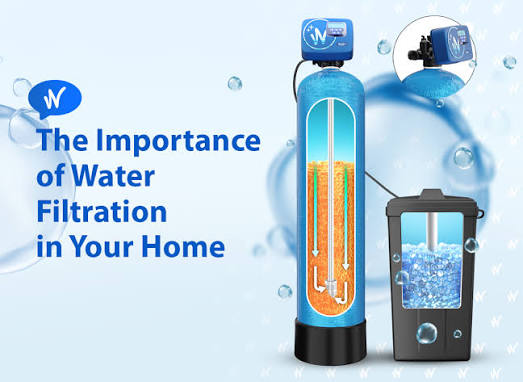
Clean water is essential for human health, household activities, agriculture, industrial operations, and environmental sustainability. Although water is naturally abundant, not all available water is suitable for direct consumption or practical use. Natural sources can contain suspended particles, sediments, microorganisms, dissolved minerals, chemicals, organic compounds, and other impurities that can affect its quality. For this reason, removing unwanted substances from water is an important part of modern water management. Water quality can vary significantly depending on its source, surrounding environment, seasonal conditions, and human activities. Effective water filtration provides a practical way to improve water quality by reducing many physical and chemical impurities and preparing water for its intended application.
- Understanding Water Quality
- Common Contaminants Found in Water
- How Filtration Works
- Types of Filtration Systems
- Importance for Household Water
- Industrial Uses of Filtration
- Role in Wastewater Management
- Filtration and Water Reuse
- Benefits of Regular Maintenance
- Selecting the Appropriate System
- Environmental Advantages
- Technological Improvements
- Importance of Water Testing
- Building a Reliable Water Management Strategy
- Future of Water Filtration
- Conclusion
Understanding Water Quality
Water quality refers to the physical, chemical, and biological characteristics of water that determine whether it is suitable for a particular purpose. Water intended for drinking requires careful control of contaminants, while water used in manufacturing, irrigation, cleaning, or cooling may have different quality requirements. Common indicators of water quality include turbidity, color, odor, pH, dissolved substances, microbial content, and the presence of specific contaminants. A clear appearance does not necessarily mean that water is completely free from impurities because some contaminants cannot be seen with the naked eye. Proper water filtration can help address visible and microscopic particles, although the appropriate technology depends on the specific contaminants present and the desired final quality.
Common Contaminants Found in Water
Water can contain a wide range of contaminants depending on where it comes from and how it is handled. Suspended particles such as sand, silt, clay, and organic debris are common concerns in many water sources. Microorganisms, including bacteria and other biological contaminants, may also be present and can create health concerns when water is intended for human consumption. Dissolved minerals and metals can affect taste, appearance, equipment performance, and overall water quality. Agricultural runoff and industrial activities can introduce additional substances into water systems, while household wastewater can contribute organic material, detergents, nutrients, and microorganisms. Understanding the type and concentration of contaminants is an important first step when selecting a suitable purification approach.
How Filtration Works
Filtration is based on the principle of separating unwanted materials from water by passing the water through a filtering medium. Depending on the system, the filter may physically trap suspended particles, adsorb certain compounds, or provide a barrier that prevents specific contaminants from passing through. Different filtration technologies use different materials and mechanisms, which means their performance can vary considerably. Simple filters may remove larger sediment, while advanced systems can target much smaller particles and selected dissolved substances. The effectiveness of water filtration depends on factors such as filter design, pore size, flow rate, water quality, operating conditions, and maintenance. Selecting the appropriate technology requires an understanding of both the incoming water and the quality required after filtration.
Types of Filtration Systems
There are many types of filtration systems available, and each has a particular purpose. Sediment filters are commonly used to capture sand, dirt, rust particles, and other suspended materials. Activated carbon filters can reduce certain organic compounds and may improve taste and odor by adsorbing unwanted substances. Multimedia filters can combine different layers of media to remove a broader range of suspended particles. Membrane systems, including microfiltration and ultrafiltration, can provide finer separation and are used in applications requiring higher levels of purification. Reverse osmosis systems use specialized membranes to reduce many dissolved substances. Because each technology has different capabilities, water filtration systems should be selected according to water analysis, treatment objectives, capacity requirements, and operating conditions.
Importance for Household Water
Households depend on clean water for drinking, cooking, bathing, washing, and numerous everyday activities. Poor-quality water can create unpleasant tastes and odors, leave stains on fixtures, contribute to sediment buildup, and potentially expose users to unwanted contaminants. A properly selected filtration system can improve the physical quality of household water and provide an additional purification step where appropriate. Different homes may require different solutions because water sources and quality conditions are not identical. Some households may primarily need sediment removal, while others may need additional treatment for specific dissolved substances. Regular replacement of filter cartridges and proper system maintenance are essential because an improperly maintained water filtration unit may lose performance over time.
Industrial Uses of Filtration
Industrial facilities often require water with specific characteristics for manufacturing, processing, cooling, cleaning, and other operations. Even relatively small amounts of sediment or unwanted dissolved substances can interfere with equipment and production processes. Suspended solids may clog pipes, valves, and machinery, while certain minerals can contribute to scale formation. Other substances may cause corrosion or affect the quality of manufactured products. Industrial filtration systems can be designed to handle large volumes of water while targeting specific contaminants. In these settings, water filtration can serve as an important stage within a broader treatment system, helping protect equipment, improve process reliability, and maintain consistent operating conditions.
Role in Wastewater Management
Wastewater contains a mixture of physical, chemical, and biological contaminants that must be managed before discharge or reuse. Filtration can play an important role after earlier treatment stages have reduced larger solids and organic pollutants. Depending on the treatment design, filters can remove remaining suspended particles and improve the clarity of treated water. Advanced membrane systems can provide additional separation when higher-quality water is required for reuse. Wastewater treatment facilities often combine filtration with biological treatment, sedimentation, chemical processes, and disinfection. This integrated approach allows different stages to address different types of contaminants rather than expecting one process to perform every function.
Filtration and Water Reuse
Water reuse is becoming increasingly important as communities, industries, and organizations look for ways to use available resources more efficiently. Treated water can potentially be reused for applications such as industrial processes, irrigation, cleaning, cooling, or other purposes when it meets the appropriate quality requirements. Filtration can help improve water quality during the reuse process by removing suspended solids and other targeted contaminants. Advanced systems can provide additional purification when necessary. Effective water filtration can therefore contribute to resource conservation by helping recover water that might otherwise be discharged after a single use. However, reuse systems must be designed carefully, and water quality should be monitored to ensure that the treated water is appropriate for its intended application.
Benefits of Regular Maintenance
The performance of any filtration system depends heavily on proper maintenance. Filters gradually collect the materials they are designed to remove, which can reduce flow rates and affect overall performance if they are not cleaned or replaced at the appropriate intervals. Some systems require backwashing, while cartridge-based units may require periodic replacement. Membrane systems may need cleaning procedures to control fouling and maintain permeability. Neglecting maintenance can increase pressure across the system, reduce efficiency, and potentially shorten equipment life. Routine inspections and water-quality testing can help operators determine whether a system is performing as expected. Consistent maintenance allows water filtration equipment to operate more reliably and can reduce avoidable operating costs.
Selecting the Appropriate System
Choosing a filtration system should begin with an assessment of the water that needs to be treated. A laboratory or professional water analysis can identify important characteristics and contaminants that may influence equipment selection. The required flow rate is another major consideration because a system designed for a small household cannot necessarily handle the demands of a large commercial or industrial facility. Operators should also consider available space, energy consumption, installation requirements, replacement costs, maintenance needs, and expected service life. Water filtration should not be selected solely on the basis of a product’s appearance or advertised performance. The system should match the actual water conditions and the quality objectives of the user.
Environmental Advantages
Effective filtration can provide environmental benefits by helping reduce the amount of suspended material and certain contaminants released into natural water systems. Better water quality management can support the protection of aquatic environments and reduce the potential impact of untreated or poorly treated wastewater. Filtration can also contribute to water conservation when it enables suitable water to be reused instead of relying entirely on fresh supplies. However, filtration systems themselves require resources, including energy, replacement media, membranes, and other materials. Sustainable system design should therefore consider the entire operating cycle rather than focusing only on contaminant removal. Choosing efficient equipment, extending filter life through appropriate pretreatment, and disposing of used materials responsibly can improve the overall environmental performance of a filtration program.
Technological Improvements
Filtration technology continues to develop as demand grows for higher water quality, greater efficiency, and lower operating costs. Advances in membrane materials, filter media, automated controls, sensors, and monitoring systems are improving the ability of treatment facilities to manage water quality. Modern systems can increasingly monitor pressure, flow, turbidity, and other operating parameters to identify changes before they become major problems. Automation can also help optimize cleaning cycles and reduce unnecessary resource consumption. Research into advanced membranes and specialized media is creating additional options for addressing difficult contaminants. These developments are making water filtration more adaptable to a wider range of applications while supporting better process control and resource efficiency.
Importance of Water Testing
Water testing should be an important part of any purification program because filtration requirements cannot be determined accurately without understanding the water being treated. Testing can identify suspended solids, dissolved substances, microbial indicators, minerals, metals, and other characteristics that may influence system selection. Regular testing is also useful after installation because water quality can change over time. Seasonal conditions, changes in source water, nearby activities, and variations in demand can all affect the characteristics of incoming water. Monitoring allows operators to determine whether a filtration system continues to meet its objectives. Combining testing with appropriate maintenance provides a stronger foundation for reliable water quality management.
Building a Reliable Water Management Strategy
A reliable water management strategy involves more than installing a filter and expecting it to solve every water-quality problem. Different contaminants require different approaches, and some may require treatment methods beyond conventional filtration. A complete strategy may include source protection, preliminary screening, sediment removal, filtration, disinfection, chemical treatment, membrane processes, and regular quality monitoring. The sequence of these processes should be based on the characteristics of the water and the final use of the treated supply. Good planning can prevent unnecessary equipment purchases and ensure that each treatment stage performs a clearly defined function. When properly integrated, water filtration can become one important component of a broader and more effective water management system.
Future of Water Filtration
The future of filtration is likely to focus on efficiency, automation, sustainability, and the ability to address increasingly complex water-quality challenges. New filter materials may improve contaminant removal while requiring less energy and maintenance. Smart monitoring systems can provide real-time information about system performance, allowing operators to respond quickly to changes in water quality or equipment condition. Greater emphasis is also being placed on water reuse and resource recovery, which can reduce pressure on freshwater sources. As technology develops, water filtration will continue to play an important role in producing cleaner water for households, industries, agriculture, and environmental applications. Successful systems will increasingly combine advanced technology with practical maintenance and responsible resource management.
Conclusion
Clean water is fundamental to health, economic activity, environmental protection, and everyday life. Because natural and human activities can introduce many different contaminants into water sources, effective purification requires careful assessment and appropriate technology. Filtration can remove or reduce many unwanted materials, but its effectiveness depends on selecting the right system for the specific water quality and intended application. From household systems and industrial facilities to wastewater operations and reuse projects, filtration can serve as an important part of a broader purification strategy. Regular testing, maintenance, monitoring, and responsible operation are essential for achieving consistent results. By using suitable water filtration technology and combining it with other necessary treatment processes, users can improve water quality, protect equipment, conserve resources, and support more sustainable water management practices for the future.


A car accident can turn an ordinary drive into a situation involving medical treatment, vehicle damage, insurance questions, and unexpected financial pressure. Even when the collision appears straightforward at first, injuries may become more noticeable later and the process of dealing with insurance can become increasingly complicated. For someone recovering from an accident, understanding what happened and documenting its consequences can be important. New Jersey has specific automobile insurance rules, including Personal Injury Protection and different coverage options that can affect an injured person’s rights.
- Why the Details of a Collision Matter
- Evidence Can Help Tell the Story
- New Jersey Auto Insurance Can Affect the Process
- Medical Treatment Should Be Taken Seriously
- A Serious Injury Can Affect More Than Health
- Understanding Potential Losses
- Determining Who May Be Responsible
- How Legal Review Can Help
- Insurance Companies May Request Detailed Information
- Hit-and-Run and Uninsured Driver Cases
- Documenting the Recovery Process
- When a Bergenfield Car Accident Lawyer May Be Helpful
- Final Thoughts
Why the Details of a Collision Matter
No two car accidents are exactly alike. A crash at an intersection may involve different evidence from a collision on a busy roadway, while an accident involving a distracted driver may require a different investigation from one involving dangerous road conditions.
The circumstances surrounding the collision can influence how responsibility and insurance issues are evaluated. Police reports, photographs, witness accounts, traffic signals, road conditions, vehicle damage, and available video footage may all help create a clearer picture of what occurred.
Evidence Can Help Tell the Story
Evidence can become particularly important when the people involved have different accounts of how the accident happened. Photographs taken shortly after the collision can document vehicle damage, roadway conditions, debris, visibility, and other details that may change over time.
A Bergenfield car accident lawyer may review these materials together with medical records, insurance documents, and other information to understand the circumstances of the collision. Preserving relevant evidence early can also make it easier to reconstruct the events later.
Evidence That May Be Important
- Police or crash reports
- Photographs of the vehicles and accident scene
- Witness contact information
- Available security or traffic-camera footage
- Medical records and treatment documentation
- Vehicle repair estimates
- Insurance correspondence
New Jersey Auto Insurance Can Affect the Process
Auto insurance is required in New Jersey, and drivers can choose between Basic and Standard policies with different coverage options. The Standard Policy includes Personal Injury Protection, while uninsured and underinsured motorist coverage may also be available depending on the policy.
The policy selected can also affect certain rights after an accident. New Jersey’s Standard Policy requires a choice concerning the right to sue, and that choice can affect claims for pain and suffering or other non-economic losses.
Medical Treatment Should Be Taken Seriously
Some injuries are immediately obvious after a crash, while others may develop or become more noticeable as the initial shock wears off. Pain, stiffness, headaches, dizziness, and other symptoms may require medical evaluation.
Medical records can create an important timeline of what happened after the collision. Emergency treatment, diagnostic testing, physician appointments, prescriptions, physical therapy, and other care can help document both the injury and the recovery process.
A Serious Injury Can Affect More Than Health
A significant injury can interfere with work, family responsibilities, transportation, and everyday activities. Someone who was able to perform a full work schedule before an accident may suddenly need time away from employment or may require modified duties during recovery.
The financial consequences can also continue after the initial treatment. Rehabilitation, follow-up appointments, medication, transportation, and other expenses may add to the economic impact of the accident. In more serious cases, an injury may affect future earning ability as well.
Understanding Potential Losses
The consequences of a car accident can involve several different types of losses. Some are relatively easy to document, while others may require a broader examination of the injured person’s circumstances.
| Potential Loss | Examples |
| Medical expenses | Emergency care, diagnostic testing, treatment, medication |
| Lost income | Time missed from work during recovery |
| Future earnings | Reduced ability to work because of lasting limitations |
| Rehabilitation | Physical therapy and other continuing treatment |
| Transportation | Travel expenses associated with medical care |
| Property damage | Vehicle repair or replacement costs |
| Daily assistance | Help required with certain everyday activities |
Determining Who May Be Responsible
A vehicle collision does not automatically establish legal responsibility. The circumstances leading up to the crash need to be examined to determine what happened and whether another driver’s conduct or another factor contributed to the accident.
Depending on the circumstances, relevant issues may include distracted driving, speeding, unsafe lane changes, failure to yield, poor visibility, roadway conditions, or other factors. Evidence should be used to establish these facts rather than relying solely on assumptions.
How Legal Review Can Help
A serious accident can create several questions at once. An injured person may need to understand insurance coverage, medical expenses, lost income, property damage, and the potential effect of continuing injuries.
A Bergenfield car accident lawyer can review the available documentation and examine how the accident and resulting injuries may relate to a potential claim. This may involve looking at the accident report, medical records, photographs, witness information, insurance policy, and employment documentation.
Insurance Companies May Request Detailed Information
After an accident, insurers may ask for information about the collision, vehicle damage, medical treatment, and other losses. Keeping records organized can make it easier to provide accurate information and maintain a clear history of the claim.
New Jersey’s insurance system can involve PIP coverage as well as uninsured and underinsured motorist coverage, depending on the policy. The state’s Department of Banking and Insurance explains that coverage limits and options vary between policies, making it important to examine the actual policy involved.
Hit-and-Run and Uninsured Driver Cases
A collision can become more complicated when the responsible driver leaves the scene or does not have sufficient insurance coverage. In those circumstances, identifying available insurance protection may become particularly important.
New Jersey Standard Policies provide uninsured and underinsured motorist coverage, subject to applicable policy terms and selected limits. The circumstances of the accident and the specific coverage available can determine what options may exist.
Documenting the Recovery Process
Keeping accident-related records organized can help preserve important information. Medical bills, treatment records, prescriptions, repair estimates, insurance correspondence, and employment documents can all contribute to a clearer timeline.
It can also be useful to document meaningful changes in everyday activities. Difficulties with work, transportation, household responsibilities, or normal routines can provide additional context when evaluating the broader effect of an injury.
When a Bergenfield Car Accident Lawyer May Be Helpful
Some collisions are resolved relatively quickly, while others involve serious injuries, disputed facts, complicated insurance coverage, or continuing financial losses. The more complicated the circumstances become, the more important it may be to understand the legal and insurance issues involved.
A Bergenfield car accident lawyer can review the available evidence and help explain the legal considerations that may apply to the particular circumstances. A careful review can help identify relevant documentation, potential insurance issues, and questions that may need further attention.
Final Thoughts
A car accident can create consequences that extend well beyond vehicle repairs. Medical treatment, lost income, insurance questions, rehabilitation, and changes to everyday life can all become part of the recovery process when injuries are involved. New Jersey’s automobile insurance system contains specific rules concerning PIP, uninsured and underinsured motorist coverage, and lawsuit options.
For someone dealing with the aftermath of a serious collision, understanding the available evidence and insurance coverage can provide a clearer foundation for making informed decisions. A Bergenfield car accident lawyer can evaluate the circumstances of the collision, review relevant documentation, and help an injured person understand the legal options that may apply to the particular case.

Workplace injuries can turn your life upside down in North Myrtle Beach. You may be facing chronic pain, limited mobility, time out of work, extensive medical bills, and mental health struggles as you work to recover and reclaim your life. That list is not dramatic language. It is what a work injury actually looks like a month later, when the first sympathy has faded and the bills have not.
Fortunately, there are legal avenues you can pursue to secure financial support during this difficult time, but you need an experienced workplace injury attorney to guide you. At Jebaily Law Firm, the team has been protecting the rights of hardworking people in South Carolina for over 50 years. Contact them today to learn more in a free consultation with one of their experienced workplace injury lawyers. The consultation is free. The guidance is not generic. It is built around your job, your injury, and your deadlines.
The First Four Moves After a Work Injury
If you are hoping to receive workers’ compensation benefits in South Carolina, there are a few things you should do after suffering an injury in the workplace. Report the injury immediately. Do not wait to inform your supervisor or manager, preferably in writing. A report creates official documentation linking your injury to the accident and ensures that your employer is made aware of it. When reporting, note the time, place of injury, how you were injured, the injuries received, and names of witnesses, and keep a copy of this information.
Seek immediate medical attention. Always get evaluated, even if the injury seems minor at first. Some injuries do not show symptoms until long after they occur, and if you wait to get care, the delay could be used against you when seeking benefits. Gather evidence too: take accident scene photos and videos documenting the hazards that caused your injury, collect witness contact information, and save copies of all medical bills, prescriptions, invoices, receipts, and communications with your employer. A North Myrtle Beach Workers Compensation Attorney will tell you that these four moves, done early, are worth more than any argument made later.
How the Firm Builds a Case That Holds Up
The firm’s attorneys take a personalized and comprehensive approach to building a compelling case to help you receive your benefits. Whether you work at one of the hotels on the beachfront, a construction site near Cherry Grove, a restaurant on Highway 17, or somewhere else in North Myrtle Beach, they know how to investigate the accident and gather the evidence needed to build a strong case. Local knowledge matters here, because a beachfront hotel and a construction site do not injure people the same way.
All successful workers’ comp claims require clear, detailed medical documentation proving the extent and impact of your injuries, and the firm can coordinate with your healthcare providers to secure the medical records, imaging, and reports that tell your whole story. They can also look at your employer’s injury logs, safety protocols, OSHA postings, and any history of similar complaints or injuries in the workplace where your accident occurred.
The Injuries That Take You Off the Job
The firm’s North Myrtle Beach workers’ compensation attorneys have represented clients suffering from a wide range of work-related injuries across various industries. Some of the most common and most severe workplace injuries include trips, slips, and falls, back and neck injuries, repetitive stress injuries, fractures and broken bones, crush injuries, burns and chemical exposures, spinal cord injuries, and traumatic brain injuries. That list covers the hotel housekeeper, the construction worker, and the restaurant cook in one breath.
Whether an injury is deemed minor or severe, it can have a tremendous impact on your daily life, finances, and ability to work. A bad back does not care whether your job title sounds dangerous. A repetitive stress injury does not need a dramatic accident to end a career. The firm fights for your right to receive benefits that reflect those impacts, not just the injuries that photograph well.
Five Benefits, and What Each One Actually Pays
Depending on the nature and severity of your injury, you may have access to several types of workers’ compensation benefits under South Carolina law. Working with a North Myrtle Beach Workers Compensation Attorney starts with sorting out which of the five benefits fits your injury, because each one pays for something different, and claiming the wrong one is how people leave money behind.
| Benefit | What it covers |
| Medical benefits | All reasonable and necessary care: visits, hospital, surgery, prescriptions, therapy |
| Temporary total disability | Partial income replacement while you recover, typically two-thirds of average weekly wage, up to a cap |
| Temporary partial disability | Part of the gap between pre- and post-injury wages when you return in a limited capacity |
| Permanent partial disability | Lump-sum or structured award based on a doctor’s impairment rating |
| Permanent total disability | 500 weeks of benefits, or lifelong benefits in some cases |
Two Deadlines You Cannot Miss
To obtain workers’ compensation benefits in South Carolina, you must notify your employer within 90 days from the date of the incident. However, the sooner you inform them, the better. Once notified, your employer must file an injury report with their insurance carrier and inform the South Carolina Workers’ Compensation Commission within 10 days. A North Myrtle Beach Workers Compensation Attorney will say the same thing about both clocks: sooner is not just better, it is safer, because memories fade and records get harder to obtain.
If your employer or their insurer denies your claim for workers’ comp benefits, you will need to file a formal claim with the South Carolina Workers’ Compensation Commission within two years of the date of the injury. The firm’s attorneys can handle that process for you, and they can lead you through any hearings, depositions, or informal conferences required by the Commission, including prepping you for what to expect, presenting evidence, questioning witnesses, and calling on expert witnesses as needed. Many cases resolve through negotiations, and the firm takes on the insurance company to fight for the benefits you deserve.
What Treatment Gets Covered, and What Gets Paid
When your claim is accepted, you may be entitled to all reasonable and necessary medical treatments related to your injury, including emergency care, follow-up visits, diagnostic imaging, prescribed medications, medical devices, physical therapy, and surgeries.
That list is the treatment side of the case, and it is generous on purpose: the system is supposed to cover the full cost of all reasonable and necessary treatment and rehabilitation for a work injury or occupational illness.
The payment side has its own small print, and it is worth knowing before you count on it. You should be paid for the time your doctor has you out of work, but you are not entitled to compensation until you have been out of work at least 8 days. You should be reimbursed for mileage to and from your doctor’s appointments, but you must travel at least 5 miles each way.
Workers are generally entitled to compensation at a rate of 66-2/3 percent of average weekly wage, based on the previous four quarters before the injury, up to the maximum average weekly wage set yearly by the South Carolina Employment Security Commission.
Fierce Representation, and a Free First Call
The firm offers not only fierce representation to its clients, but also the compassion and understanding they need to see their claim through and continue along the road to recovery. A North Myrtle Beach Workers Compensation Attorney will also warn you about two traps that cost people money.
You should not use your own health insurance policy to get treatment for a work-related injury, because some private health insurance policies expressly exclude coverage for work-related healthcare, and your insurer may demand reimbursement from your employer or its workers’ compensation insurer.
To be eligible for workers’ compensation benefits, you must have been injured within the scope and course of your employment. All injuries are not accidents: some are caused by repetitive motion, exposure to harmful substances, or extraordinary or unusual conditions of the job, and generally most injuries suffered during working hours at the employer’s place of business would qualify.

A car crash in Atlanta can leave injuries that change daily life for months or longer. When someone else is to blame, an insurance claim can recover compensation for the consequences of the crash, including medical bills, vehicle repairs, lost income, and pain and suffering. Insurance companies are money-making businesses, and they work hard to deny claims, lowball payments, and defend their profits. That is why injured drivers need a lawyer who can fight back and come out on top, instead of accepting whatever the insurer first offers. The firm’s record shows what that fight can produce, with over $2 billion recovered for clients to date.
Why Hiring a Lawyer Changes the Claim
Although you can pursue a car accident claim alone, hiring legal representation has several critical benefits. A car accident attorney handles all the details of preparing and pursuing your legal claims, freeing you to devote time and energy to medical treatment and rehabilitation. An experienced lawyer also knows how to investigate a crash and calculate your ongoing and future anticipated expenses or losses.
Your attorney also protects you from insurers’ tricks and tactics to minimize your financial recovery, pushing back and negotiating hard for every cent you are owed. If the insurer does not cooperate and your case ends up in court, an experienced litigator presents compelling arguments to the jury or judge to fight for a favorable verdict.
What to Do in the Days After an Atlanta Crash
You can take steps after a car wreck to preserve your options for seeking compensation from the driver or other parties at fault. Get immediate medical attention and follow your doctor’s treatment plan and recovery instructions, without putting off medical procedures or rehabilitation, and ask for copies of your treatment and rehab records.
Notify your car insurance company about the accident to ensure eligibility for coverage such as PIP, collision, or uninsured and underinsured motorist coverage. Request copies of the police accident report, keep every bill, invoice, and receipt, and gather pay stubs or income statements to prove lost earnings. Finally, reach out to an Atlanta Car Accident Lawyer at Bayuk Pratt as soon as possible, so experienced help starts working on your claim right away.
How a Crash Gets Investigated
A prompt, thorough investigation gives a claim its best chance of securing the evidence to prove the other driver’s fault. Police crash reports, accident scene photos and videos, eyewitness statements, and dashcam footage form the foundation, along with surveillance and traffic camera footage that may have caught the collision.
Deeper evidence often decides the case: car computer data, drivers’ cell phone records, post-accident drug and alcohol test results, GPS logs, car repair and maintenance records, and post-crash vehicle inspections. In some cases, the firm works with accident reconstruction experts to review the evidence and prepare compelling explanations for what happened and who is to blame.
What Your Claim Can Actually Pay For
Compensation should cover every loss the crash caused, and an Atlanta Car Accident Lawyer will build the claim around the full list. Your auto accident claim can demand financial recovery from the negligent driver who hit your vehicle.
That recovery can include medical bills and physical rehabilitation expenses, lost wages from missed work, and ongoing and future losses of earning capacity. Pain and suffering, lost enjoyment and quality of life, and vehicle repair or replacement expenses, including reimbursement for your car’s value, complete the picture.
When the Other Driver’s Insurance Is Not Enough
Insurance companies seldom pay more for an Atlanta car crash than the limits of the at-fault driver’s policy. Sometimes that coverage is not enough for your medical expenses and other losses, and then you must seek other sources of compensation. Georgia law does not require drivers to purchase underinsured motorist coverage, but many drivers carry uninsured and underinsured coverage.
A UIM claim with your own insurer can make up the difference when the at-fault driver’s coverage falls short. For example, if that driver’s liability coverage meets only Georgia’s minimum of $25,000 in bodily injury coverage, and your lost income and medical expenses exceed it, your UIM coverage could help. MedPay, health insurance, a lawsuit against the driver, third-party claims, and employer liability offer further paths.
Hit by an Uninsured Driver in Georgia?
It is frustrating to learn that the at-fault driver was driving without insurance. Georgia ranks 11th nationally in uninsured drivers, and in 2023 one of every five drivers in Georgia was uninsured. Georgia law requires insurers to offer uninsured motorist coverage, and many automobile owners have it, making UM coverage your primary source of recovery. An Atlanta Car Accident Lawyer can investigate the collision to identify everyone who may share liability for your injuries.
You may also have the right to file a lawsuit against the at-fault driver, though an uninsured driver may have limited resources, and that route might not result in full recovery. Looking for other liable parties matters greatly: an employer if the driver was working, or others if a mechanical failure, poor road design, or a vehicle defect played a role.
Partly at Fault? You May Still Recover
Even if you share some blame for a motor vehicle accident, you may still have the right to recover compensation from the other at-fault driver. Georgia follows a modified comparative negligence law, under which you can recover money so long as your share of fault does not equal or exceed the fault of the other party or parties who caused the collision. Other parties may share liability too, from an employer under vicarious liability to a vehicle owner who lent a car to a visibly intoxicated or unlicensed driver, and even a bar or restaurant under Georgia’s dram shop law. No law says you must hire an attorney, but a free case evaluation clarifies your options, and an Atlanta Car Accident Lawyer works on contingency, so if you do not get paid, neither do they.

How to Turn Your iPad Into the Perfect Binge-Watching Device: 7 Easy Tips

Smart Packaging Integration: How to Embed QR Codes and AR into Your Magnetic Box Design
The Challenges That Follow a Bergenfield Car Crash

Alex Pettyfer Net Worth, Wife, Age, Height, Children, Career and More

Brad Williams Net Worth, Wife, Height, Age, Daughter, Family, Career and More

Eldorado.gg Review 2026: How It Works, Safety, Fees, and Risks
-
Celebrity11 months ago
Alex Pettyfer Net Worth, Wife, Age, Height, Children, Career and More
-
Celebrity11 months ago
Brad Williams Net Worth, Wife, Height, Age, Daughter, Family, Career and More
-
Blog2 months ago
Eldorado.gg Review 2026: How It Works, Safety, Fees, and Risks
-
 Anime12 months ago
Sanzoku Bandits of One Piece: Origins, Higuma, and Their Role in Dawn Island
-
 Celebrity11 months ago
John McGinn Net Worth, Age, Height, Wife, Childrens, Career and More
-
 Celebrity11 months ago
Frances de la Tour Net Worth, Age, Height, Husband, Childrens, Career and More
-
 Celebrity11 months ago
Will Trickett Net Worth, Wife, Childrens, Age, Career and More
-
 Blog3 months ago
Crackstube: A Complete Guide to the Digital Publishing Platform