
Fashion
Understanding Facial Sculpting and Its Role in Modern Beauty Routines

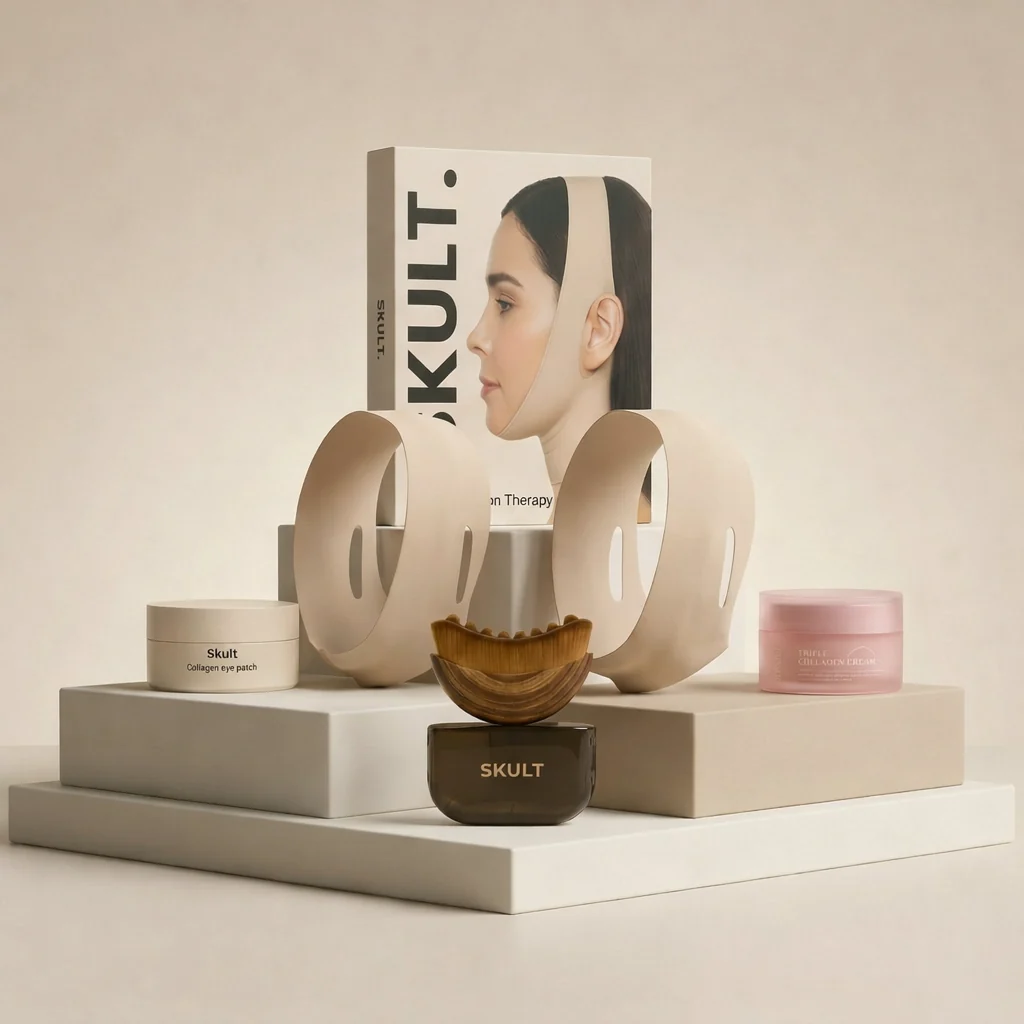
Facial appearance is influenced by many factors, including genetics, age, lifestyle, skin condition, muscle activity, and the natural distribution of facial tissue. As people become more interested in personalized beauty and skincare routines, techniques designed to enhance the appearance of facial contours have gained considerable attention. Among these approaches, facial sculpting has become a popular term for a range of practices intended to define, shape, or visually enhance different areas of the face. Depending on the technique, the process may involve massage, skincare methods, makeup, facial exercises, specialized tools, or professional cosmetic procedures.
- Understanding Facial Contours
- What Facial Sculpting Can Mean
- The Role of Facial Massage
- Facial Tools and At-Home Techniques
- The Connection Between Skincare and Appearance
- Facial Exercises and Muscle Engagement
- Makeup as a Sculpting Technique
- Professional Approaches to Facial Contouring
- Setting Realistic Expectations
- The Importance of Skin Health
- Choosing the Right Technique
- Safety Considerations for At-Home Routines
- How Lifestyle Can Affect Facial Appearance
- Maintaining Consistency
- Understanding the Difference Between Temporary and Long-Term Results
- Making an Informed Beauty Decision
- Building a Balanced Facial Care Routine
- Conclusion
The appeal of these approaches often comes from the desire to create a more refreshed and balanced appearance without necessarily changing the fundamental characteristics of the face. Some people are interested in emphasizing the jawline, while others want to highlight the cheekbones, reduce the appearance of puffiness, or create a more lifted-looking appearance. Understanding what different techniques can and cannot achieve is important because results vary significantly depending on the method, individual anatomy, and consistency of care.
Understanding Facial Contours
The shape of the face is determined by a combination of bone structure, muscle, connective tissue, fat distribution, skin elasticity, and other anatomical characteristics. These factors create the natural contours that define the cheeks, jawline, chin, forehead, and other areas.
Changes in any of these structures can affect facial appearance. Aging may gradually reduce skin elasticity and alter the distribution of facial volume. Temporary fluid retention can make certain areas appear more swollen, while lifestyle factors such as sleep patterns, hydration, stress, and diet may also influence how the face looks from day to day.
Because facial structure is complex, no single technique can produce identical results for everyone. A method that creates a noticeable visual improvement for one person may have a subtler effect for another. This is why realistic expectations are an important part of any beauty or skincare routine.
What Facial Sculpting Can Mean
The term facial sculpting can refer to several different approaches rather than one specific treatment. In a skincare context, it may describe massage techniques intended to improve the appearance of facial contours or temporarily reduce the look of puffiness. Beauty professionals may use specialized tools or hands-on techniques to manipulate the skin and underlying soft tissue.
Makeup can also be considered a form of visual sculpting. Contouring products use differences in light and shadow to create the appearance of more defined cheekbones, a sharper jawline, or a different facial shape. Unlike physical changes to facial tissue, makeup works primarily through visual perception and can be adjusted or removed easily.
Professional cosmetic treatments may use different technologies or techniques to alter the appearance of facial contours. These procedures vary considerably in purpose, invasiveness, cost, recovery requirements, and potential risks. Anyone considering a professional treatment should receive information from an appropriately qualified practitioner rather than relying solely on promotional descriptions.
The Role of Facial Massage
Facial massage is one of the most accessible techniques associated with facial contouring routines. Gentle massage may temporarily improve the appearance of puffiness by encouraging fluid movement through the tissues. It can also feel relaxing and may become a useful part of a broader skincare routine.
The technique used matters. Excessive pressure can irritate sensitive skin, particularly when performed frequently or aggressively. Gentle movements are generally more appropriate for routine skincare, while specialized techniques should be learned from qualified professionals when necessary.
Massage should also be viewed realistically. It cannot permanently reshape facial bones or dramatically alter underlying anatomy. Any visible change from reduced puffiness or improved circulation is likely to be temporary and may vary according to the individual and the circumstances.
Facial Tools and At-Home Techniques
A variety of facial tools are marketed for sculpting and contour-enhancing routines. These may include rollers, massage stones, cooling tools, or other handheld devices. Their popularity is partly related to the relaxing experience and the ritualistic nature of incorporating them into skincare.
When using a facial tool, cleanliness is important. Tools should be maintained according to the manufacturer’s instructions to reduce the risk of transferring bacteria or other contaminants to the skin. Pressure should also remain appropriate for the individual’s skin condition.
People with irritated, inflamed, injured, or highly sensitive skin should be particularly cautious. Applying pressure to compromised skin may worsen irritation. If a person has a dermatological condition or is recovering from a cosmetic procedure, professional guidance can help determine whether massage or tools are appropriate.
The Connection Between Skincare and Appearance
Healthy-looking skin can significantly influence how facial contours appear. Hydration, texture, pigmentation, and overall skin condition can affect the way light reflects from the face. A well-maintained skincare routine may therefore make existing facial structure appear more defined without changing the underlying shape.
Cleansing, moisturizing, and sun protection are fundamental parts of many skincare routines. Sun exposure can contribute to premature skin aging, making consistent protection an important consideration for people who want to maintain skin quality over time.
Other products may target specific concerns such as dryness, uneven texture, or the appearance of fine lines. However, skincare products should be selected according to individual needs rather than assuming that a particular ingredient or product will produce dramatic contouring effects.
Facial Exercises and Muscle Engagement
Facial exercises are sometimes promoted as a way to improve facial definition by strengthening or engaging certain muscles. The scientific evidence for significant long-term reshaping through facial exercises is limited, and results should not be assumed to be comparable to professional cosmetic procedures.
That does not mean facial movement has no effect on appearance. Facial muscles naturally influence expressions and the way soft tissues sit on the face. Exercises may also increase awareness of facial tension and movement.
However, excessive or repetitive movements may not necessarily produce the desired aesthetic effect. People interested in facial exercises should approach claims of dramatic transformation cautiously and avoid techniques that cause pain or discomfort.
Makeup as a Sculpting Technique
Makeup offers one of the simplest ways to alter the perceived shape of the face. Contouring uses darker and lighter shades to create visual depth. Highlighting can draw attention to areas such as the cheekbones, bridge of the nose, or center of the forehead, while strategically placed darker shades can make selected areas appear less prominent.
The effectiveness of makeup contouring depends on lighting, product placement, blending, and the individual’s facial structure. Unlike physical treatments, the effect is temporary and can be changed according to personal preference.
Makeup also offers significant flexibility. A subtle approach can enhance natural features, while a more dramatic application can create a stronger visual transformation for photography, performances, or special occasions.
Professional Approaches to Facial Contouring
Professional cosmetic treatments can provide more pronounced or longer-lasting changes than topical skincare or makeup, but they also involve additional considerations. Different procedures may target skin laxity, facial volume, muscle activity, or other aspects of facial appearance.
Non-surgical procedures may use energy-based technologies, injectable treatments, or other techniques. Surgical options can produce more substantial structural changes but generally involve greater recovery requirements and potential risks.
Because these treatments differ considerably, consumers should avoid treating them as interchangeable. A qualified practitioner can assess facial anatomy, discuss goals, explain expected results, and identify potential risks. The appropriate choice depends on individual circumstances rather than a universal formula.
Setting Realistic Expectations
One of the most important considerations when exploring facial sculpting is maintaining realistic expectations. Marketing language can sometimes make cosmetic techniques appear capable of producing dramatic changes quickly. Actual results may be more subtle and can vary significantly between individuals.
Temporary improvements in puffiness, hydration, or visual definition should not be confused with permanent structural changes. Similarly, a technique designed primarily to improve skin appearance may not significantly alter facial shape.
A realistic approach focuses on enhancement rather than perfection. Facial features naturally vary, and symmetry is rarely exact. A successful beauty routine should support an individual’s preferences without creating unrealistic expectations about how facial anatomy can be changed.
The Importance of Skin Health
Skin health should remain a priority when experimenting with any facial technique. Irritation, excessive exfoliation, aggressive massage, and inappropriate products can compromise the skin barrier and create redness or discomfort.
A healthy skin barrier helps protect against environmental stressors and supports moisture retention. Using gentle products and avoiding unnecessary irritation can contribute to a smoother and more comfortable appearance.
Sun protection is particularly important for long-term skin health. Ultraviolet exposure can contribute to changes in pigmentation, texture, and elasticity. Consistent sun protection can therefore support the overall appearance of the face even though it does not directly sculpt facial structure.
Choosing the Right Technique
There is no single facial contouring method that is appropriate for everyone. The best approach depends on the desired outcome. Someone interested in temporarily reducing morning puffiness may prefer a gentle massage routine, while someone seeking a visual change for an event may choose makeup contouring.
A person concerned about changes in skin laxity may want to discuss professional options with a qualified practitioner. Someone primarily interested in maintaining healthy-looking skin may benefit more from a consistent skincare routine than from specialized contouring techniques.
Understanding the purpose of each method makes it easier to avoid unrealistic expectations. The more clearly a person defines the desired outcome, the easier it becomes to identify an appropriate approach.
Safety Considerations for At-Home Routines
At-home techniques can be convenient, but they should still be performed responsibly. Facial skin can be delicate, and excessive pressure or repeated friction may lead to irritation.
Tools should be cleaned appropriately, and products should be used according to their intended purpose. People should avoid applying pressure to areas that are painful, swollen, bruised, or otherwise abnormal.
If a person experiences persistent redness, pain, swelling, or another unusual reaction, the technique should be discontinued and appropriate professional advice should be sought. Individuals who have recently undergone cosmetic or dermatological procedures should follow their provider’s aftercare instructions rather than introducing new massage techniques independently.
How Lifestyle Can Affect Facial Appearance
Facial appearance is not determined solely by skincare or cosmetic techniques. Sleep, hydration, nutrition, stress, physical activity, and general health can all influence how the face looks.
Temporary puffiness, for example, may be affected by sleep patterns, fluid retention, dietary factors, or other everyday circumstances. Improving general lifestyle habits can therefore contribute to a healthier-looking appearance even when no specific contouring technique is used.
This does not mean lifestyle changes can dramatically reshape facial anatomy. Rather, they can support overall skin and body health, which may influence how refreshed or vibrant the face appears.
Maintaining Consistency
Consistency is often more useful than constantly changing techniques. A simple routine that is comfortable and sustainable may produce more useful long-term results than repeatedly experimenting with aggressive methods.
For skincare, this may mean regularly cleansing, moisturizing, and protecting the skin from excessive sun exposure. For massage, it may mean using gentle movements rather than applying excessive pressure in an attempt to achieve faster results.
Professional treatments may require a specific schedule determined by a qualified provider. Following aftercare and maintenance recommendations can be important for both results and safety.
Understanding the Difference Between Temporary and Long-Term Results
Consumers should distinguish between techniques that create temporary visual changes and treatments that can produce more lasting effects. Massage may temporarily reduce the appearance of puffiness, while makeup can alter facial definition for as long as it remains applied.
Professional procedures can have longer-lasting effects, but their duration varies depending on the treatment, individual factors, and maintenance requirements. Some procedures may require repeat sessions, while others may involve a more permanent structural change.
Understanding these differences helps people make informed choices and evaluate claims more realistically. A technique does not necessarily need to produce permanent results to be useful, but its expected duration should be understood before investing time or money.
Making an Informed Beauty Decision
When researching facial sculpting, it is useful to examine the specific technique rather than relying on the broad term alone. Consumers should consider what the method is designed to accomplish, how long results are expected to last, what evidence supports its claims, and what potential risks may exist.
For professional procedures, choosing a qualified and appropriately trained practitioner is especially important. A consultation should provide an opportunity to discuss goals, expected outcomes, possible side effects, recovery requirements, and alternatives.
Consumers should also be cautious about exaggerated promises. Claims suggesting that a simple technique can permanently transform facial anatomy should be evaluated carefully. Reliable information should distinguish between temporary cosmetic effects, gradual skincare improvements, and structural changes produced by medical or surgical procedures.
Building a Balanced Facial Care Routine
A balanced routine does not need to include numerous products, devices, or treatments. Basic skin care, adequate hydration, sun protection, healthy lifestyle habits, and gentle techniques can provide a strong foundation.
If contouring is part of a person’s routine, it can be treated as one component rather than the sole focus. Combining healthy skin practices with appropriate cosmetic techniques may provide a more natural-looking and sustainable approach to facial appearance.
People should also recognize that facial features naturally change over time. Aging is a normal process, and no routine can completely prevent every change. The goal of personal care can instead be maintaining healthy skin and choosing cosmetic approaches that align with individual preferences.
Conclusion
Facial appearance is shaped by anatomy, skin health, lifestyle, aging, and many other factors. Techniques associated with facial sculpting can provide different types of benefits, from temporary reductions in visible puffiness to visual contouring through makeup or more substantial changes through professional cosmetic procedures. Because these approaches work in different ways, understanding their limitations and expected results is essential.
Gentle massage, suitable skincare, facial tools, makeup techniques, and professional treatments each have different purposes. The safest and most effective choice depends on individual goals, skin condition, expectations, and the specific method being considered. Professional guidance is particularly important when a technique involves medical procedures, injections, energy-based devices. Rather than chasing dramatic promises, individuals can evaluate each option based on its actual purpose and, or surgery.
A thoughtful approach focuses on healthy skin, realistic expectations, and techniques that can be used safely and consistently. Rather than chasing dramatic promises, individuals can evaluate each option based on its actual purpose and potential results. With informed choices and appropriate care, facial sculpting can be incorporated into a broader beauty routine focused on enhancing natural features while maintaining healthy-looking skin.

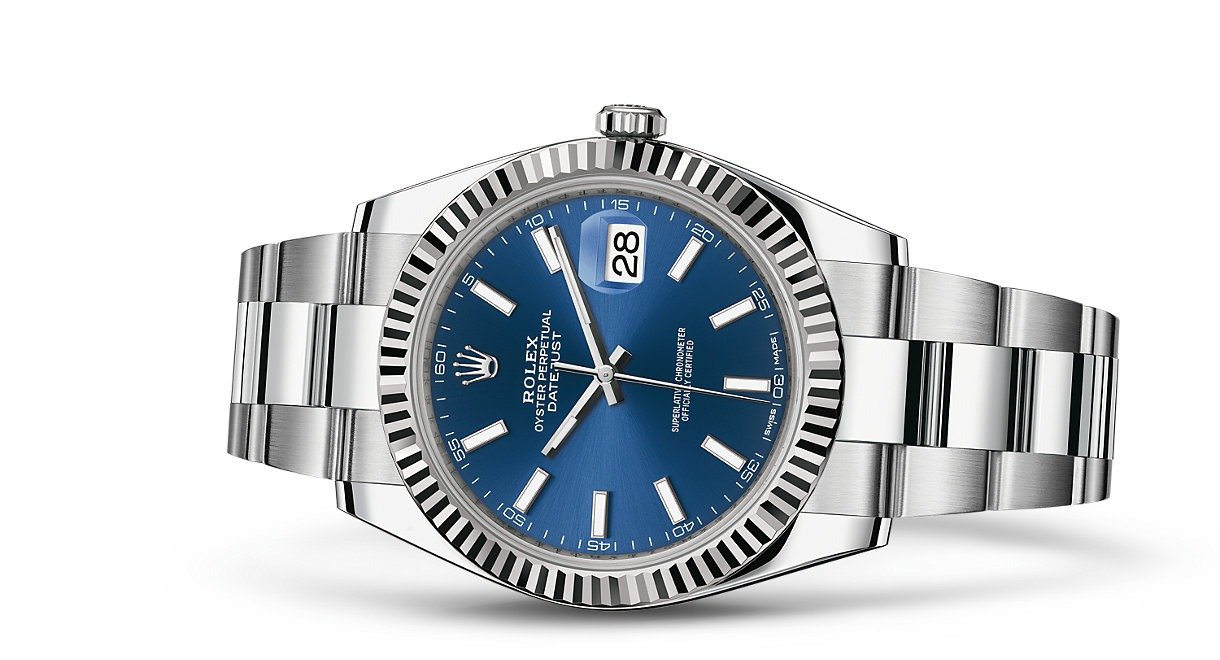
A watch can be more than a simple accessory. It can become an important part of personal presentation, adding structure, character, and visual balance to an outfit. Rolex replica watches are often chosen by people who appreciate the appearance of luxury-inspired timepieces and want a distinctive wrist accessory for different occasions. With their recognizable styling, detailed dials, polished finishes, and varied designs, these watches can complement many modern wardrobes while creating a refined style identity.
Creating a Distinctive Personal Appearance
Personal style is often shaped by small details. Clothing establishes the overall appearance, while accessories can provide the finishing touch. A well-designed watch can bring attention to the wrist without overwhelming the rest of an outfit. Rolex replica watches offer designs inspired by familiar luxury watch aesthetics, allowing wearers to explore different combinations of colours, dial arrangements, bracelet styles, and case profiles.
A refined appearance does not necessarily require a complicated outfit. Simple clothing can look more considered when paired with carefully selected accessories. Patek Philippe replica watches can add a sophisticated finishing touch to jeans, shirts, chinos, or tailored clothing, helping create a balanced and polished overall appearance. The key is choosing a style that feels consistent with the rest of the wardrobe.
Supporting Everyday Fashion
Daily life often asks for clothes that fit more than one moment. A person might start the morning in something casual, head to a work meeting later, then go out to dinner or a get-together. A watch that fits the whole day helps because it stays with the outfit from start to end.
Rolex replica watches and super clone watches come in many looks that feel a bit like high end styles. This makes it easier to pick something that matches what you usually like. A stainless steel option can look neat and fit many outfits. If you choose a darker finish, the watch can look sharper and more modern. Simple dial designs also pair well with neutral colors, so the whole look feels even and put together.
Matching Watches With Casual Clothing
Casual fashion provides plenty of opportunities to incorporate a refined timepiece. Jeans, polo shirts, T-shirts, chinos, sneakers, and lightweight jackets can all be paired with a structured watch. The contrast between relaxed clothing and a polished wrist accessory can create an attractive contemporary appearance.
For a simple daytime outfit, a watch with a clean dial and understated bracelet can provide an elegant finishing detail. Dark jeans and a plain shirt can be complemented by a darker watch design, while lighter casual clothing may work well with silver-toned or neutral finishes. These combinations allow the watch to contribute to the outfit without becoming the only noticeable feature.
Adding Character to Formal Outfits
A refined watch can also complement professional and formal clothing. Shirts, tailored trousers, blazers, suits, and smart footwear benefit from accessories that maintain a clean and coordinated appearance. A well-proportioned watch can sit naturally beneath or beside a shirt cuff while adding a subtle sense of sophistication.
When wearing formal clothing, simplicity is often effective. A balanced dial, moderate case size, and coordinated bracelet can help maintain a polished appearance. Instead of choosing an overly complicated design, many people prefer a watch that supports the overall outfit and provides a discreet visual accent.
Exploring Different Watch Designs
One advantage of choosing from a broad range of replica watch styles is the opportunity to explore different visual preferences. Some people prefer traditional round cases and classic dial arrangements, while others may enjoy sportier details, darker colours, or contemporary bracelet designs. The choice can depend on personality, clothing preferences, and the occasions where the watch will be worn.
Dial colour can also influence the character of a timepiece. Black dials often create a strong and versatile appearance, while blue, silver, or other refined tones can introduce additional visual interest. Bracelet design matters as well, since metal bracelets can provide a structured appearance while other strap styles may create a more relaxed impression.
Building a Consistent Style Identity
A personal style identity develops through consistency. Rather than choosing accessories randomly, it can be useful to consider how each piece fits with existing clothing and other accessories. A watch can become part of this visual identity by maintaining a similar level of refinement across different outfits.
For example, someone who regularly wears minimalist clothing may prefer a simple watch with a clean dial. Someone with a more expressive wardrobe may choose a stronger case shape or more noticeable dial details. The goal is not simply to follow trends but to select a design that feels natural with the wearer’s preferred appearance.
Considering Proportion and Comfort
Picking a watch is not just about style. Fit matters just as much, especially if you plan to wear it every day. If the case feels off on your wrist, the whole look can feel unbalanced. Even small differences in size can show up in photos and in real life.
The way the bracelet sits also plays a role. If you can adjust it well, the watch tends to stay in the right place. It should sit smoothly while you move around. With the right fit, the watch feels less like an object and more like part of your outfit.
When the size, the weight, and the bracelet feel right, you can wear it without thinking about it. Then it works with both everyday clothes and dressier looks, without needing frequent fixes.
A Contemporary Approach to Wristwear
Today’s fashion increasingly combines traditional influences with contemporary styling. Classic watch-inspired designs can therefore work well with modern clothing, creating a mixture of timeless and current elements. Rolex replica watches can be incorporated into this approach by pairing familiar luxury-inspired aesthetics with everyday outfits.
Whether worn with casual weekend clothing, business attire, or evening fashion, a thoughtfully selected watch can contribute to a more complete appearance. Its role does not have to be dramatic. Sometimes a subtle wrist accessory is enough to make an outfit feel more organized and intentional.
Conclusion
Rolex replica watches can serve as distinctive fashion accessories for people interested in refined, luxury-inspired wristwear. Their varied designs make it possible to coordinate different watches with casual outfits, professional clothing, and more polished evening looks. By considering dial style, case proportions, bracelet design, comfort, and wardrobe coordination, a watch can become a natural part of personal presentation.
A refined style identity is ultimately built through thoughtful choices and attention to detail. The right watch can provide that final element of structure, helping an everyday outfit appear more balanced, coordinated, and sophisticated.
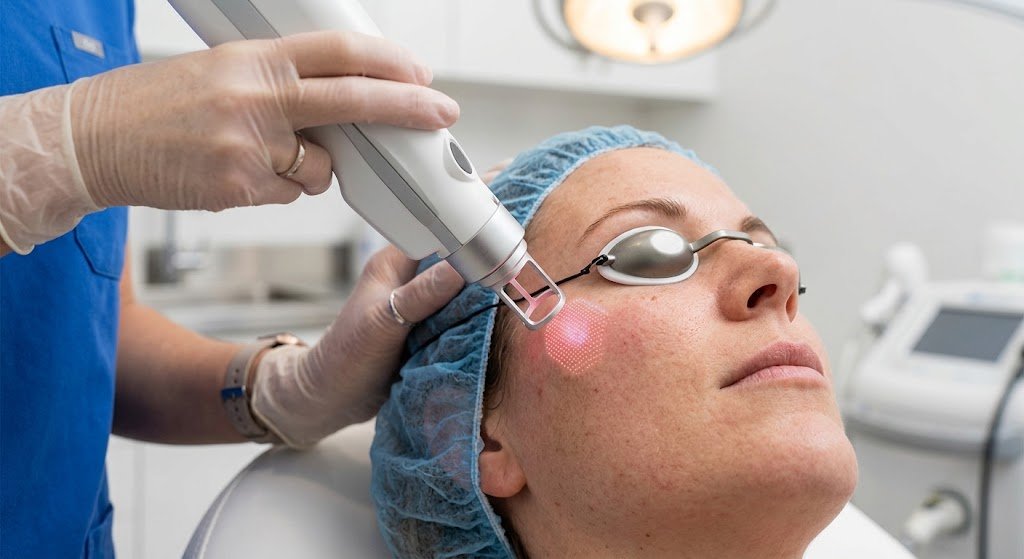
Advances in cosmetic technology have created a wide range of options for people who want to improve the appearance, texture, tone, and overall quality of their skin without relying exclusively on traditional surgical procedures. Among these options, laser-based procedures have become increasingly recognized for their ability to address several common cosmetic concerns through controlled energy delivered to specific areas of the skin. Depending on the technology used, treatments may target pigmentation, unwanted hair, visible blood vessels, acne-related concerns, uneven texture, signs of aging, or other aesthetic issues. Because different laser systems work in different ways, understanding the available options and the factors that influence treatment outcomes is important before making a decision.
Modern aesthetic laser treatments are designed around the principle of delivering carefully controlled energy to a specific target while minimizing unnecessary exposure to surrounding tissue. Some technologies work primarily at the skin’s surface, while others reach deeper layers to stimulate collagen production or affect targeted pigment and blood vessels. The appropriate treatment depends on the individual’s skin characteristics, concerns, medical history, treatment goals, and the technology available from a qualified provider.
Laser procedures should not be viewed as a one-size-fits-all solution. A consultation with an appropriately qualified medical professional can help determine whether a particular procedure is suitable and what results can reasonably be expected. Treatment planning should also take into account potential side effects, recovery requirements, sun exposure, medications, and the possibility that multiple sessions may be needed.
Understanding How Laser Treatments Work
Laser technology uses concentrated light energy to interact with specific structures in the skin. The wavelength, intensity, pulse duration, and delivery method can be adjusted depending on the treatment objective. Some lasers are absorbed primarily by pigment, while others interact with water within tissue or target blood vessels. This ability to select a particular target is one reason laser technology can be used for a wide variety of cosmetic applications.
Certain treatments are designed to remove or alter the outermost layers of damaged skin. This process can encourage the body to produce new tissue during healing and may improve surface texture. Other systems use controlled heat below the skin’s surface without removing as much tissue. These approaches can stimulate collagen remodeling while potentially requiring less recovery time.
The exact mechanism depends on the specific device and procedure. Terms such as ablative, non-ablative, fractional, vascular, and pigment-targeting describe different approaches rather than interchangeable treatments. A qualified provider should explain how the proposed technology works and why it is being recommended for a particular concern.
Common Concerns Addressed With Laser Technology
One reason laser procedures are popular is their versatility. Different systems may be used to address several cosmetic concerns, although no single device is appropriate for every condition.
Uneven pigmentation is one common concern. Sun exposure, aging, hormonal changes, and other factors can contribute to visible areas of darker or irregular pigmentation. Certain laser technologies can target pigment within the skin and break it into smaller particles that the body can gradually clear. However, pigmentation disorders can have different causes, and some may worsen after inappropriate treatment. Proper assessment is therefore important before a pigment-focused procedure is performed.
Laser technology may also be used for unwanted hair. Certain systems target melanin within the hair follicle, using heat to reduce the follicle’s ability to produce hair. Because hair growth occurs in cycles, multiple treatment sessions are generally required to affect hairs at appropriate growth stages. Results can vary depending on hair color, thickness, skin tone, hormonal factors, and the technology used.
Skin resurfacing is another major application. Resurfacing treatments can improve the appearance of certain types of fine lines, uneven texture, sun-related changes, and some acne scars. More aggressive resurfacing can involve greater downtime, while gentler approaches may require several sessions to achieve gradual improvements.
Choosing the Appropriate Treatment
The selection process should begin with a detailed consultation rather than with the device name alone. Different lasers have different strengths, and a treatment that is appropriate for one person’s skin may not be appropriate for another person’s skin.
During a consultation, a provider may assess skin type, pigmentation patterns, texture, previous treatments, active skin conditions, medications, and the patient’s desired outcome. The provider should also discuss realistic expectations and explain whether the goal is improvement rather than complete elimination of a particular concern.
Skin tone can be particularly relevant because some laser technologies carry a greater risk of pigmentary changes in darker skin types. Modern devices and treatment protocols may provide options for a wider range of skin tones, but appropriate settings, experience, and careful patient selection remain important.
The provider should also ask about previous cosmetic procedures and any history of abnormal healing or sensitivity. This information can influence treatment selection and preparation.
Benefits of Laser-Based Procedures
One potential advantage of laser procedures is their ability to target specific skin concerns with controlled energy. Depending on the procedure, treatment can be relatively precise and may focus on selected areas rather than affecting the entire body.
Another advantage is the variety of available technologies. A provider may be able to select a treatment based on whether the primary concern involves pigment, blood vessels, hair, texture, scars, or signs of aging. Some procedures can also be adjusted in intensity according to the patient’s goals and tolerance.
Certain non-ablative treatments may involve limited downtime compared with more invasive procedures. However, downtime varies considerably, and even treatments marketed as minimally invasive can cause redness, swelling, sensitivity, or temporary changes in skin appearance.
The goal should not simply be to choose the treatment with the shortest recovery period. The appropriate procedure should balance expected results, safety, skin characteristics, and the patient’s ability to follow aftercare instructions.
Preparing for a Laser Session
Preparation depends on the treatment being performed. A provider may recommend avoiding certain skincare products or procedures before treatment, particularly products that can make the skin more sensitive. Sun exposure is another important consideration because recently tanned or sun-damaged skin may respond differently to certain laser procedures.
Patients should provide a complete list of medications, supplements, skincare products, and previous cosmetic treatments. Some medications or topical products may influence healing or sensitivity. A qualified provider can determine whether any changes are necessary before treatment.
Patients should also understand what the procedure will feel like. Depending on the technology, a session may involve warmth, snapping sensations, tingling, or discomfort. Cooling systems, topical anesthetics, or other comfort measures may be used for certain procedures.
Clear communication before treatment is important. Patients should know what to expect during the session, how long it may take, what temporary reactions are common, and when normal activities can typically be resumed.
What Happens During Treatment
During a typical laser procedure, the treatment area is prepared and protective measures are used according to the device and procedure. Both the patient and treatment provider may require appropriate eye protection when the technology presents an optical hazard.
The laser or light-based device is then applied to the selected area using settings determined during the treatment assessment. The sensation varies depending on the technology and treatment intensity. Some procedures are relatively quick, while larger treatment areas or more complex resurfacing procedures can take longer.
After treatment, the provider may apply cooling measures, protective products, or other aftercare materials. Instructions should be provided regarding cleansing, moisturizing, sun protection, and activities that should be avoided during recovery.
Patients should follow those instructions carefully. Skin that has been treated with laser energy may temporarily be more sensitive to sunlight, heat, friction, and certain skincare ingredients.
Recovery and Aftercare
Recovery depends strongly on the type of procedure performed. Gentle treatments may cause temporary redness or warmth, while more intensive resurfacing procedures can result in swelling, peeling, crusting, or a longer period of visible healing.
Patients should avoid picking or scratching treated skin. Removing peeling skin prematurely can interfere with healing and potentially increase the risk of scarring or pigmentation changes.
Sun protection is especially important after many laser procedures. Exposure to ultraviolet radiation can increase the likelihood of unwanted pigmentation and may interfere with the recovery process. A provider can recommend appropriate protective measures based on the treatment and individual skin characteristics.
Skincare routines may also need to be simplified temporarily. Harsh exfoliants, strong active ingredients, fragranced products, or other potentially irritating substances may need to be avoided until the skin has recovered sufficiently.
Understanding Possible Risks
Although laser procedures are widely used, they are not completely risk-free. Temporary redness, swelling, sensitivity, and changes in skin color can occur. Depending on the procedure, there may also be risks such as blistering, burns, infection, prolonged pigmentation changes, or scarring.
The risk profile varies according to the technology, treatment intensity, skin type, provider experience, and aftercare. Incorrect settings or inappropriate treatment selection can increase the likelihood of complications.
Pigmentary changes deserve particular attention. People with darker skin tones may have a greater risk of post-inflammatory hyperpigmentation or hypopigmentation with certain laser procedures. This does not mean laser treatment is automatically unsuitable, but it reinforces the importance of appropriate device selection and professional assessment.
Patients should discuss individual risks during consultation rather than relying solely on general information. A responsible provider should explain both expected benefits and potential complications before treatment.
The Importance of Professional Experience
The device itself is only one part of a successful laser procedure. Treatment settings, patient selection, skin assessment, technique, and aftercare can all influence outcomes. For this reason, choosing a qualified and experienced provider is an important part of the process.
Patients should ask about the provider’s training, experience with the specific technology, and experience treating people with similar skin characteristics. They can also ask which device is being recommended and why it is appropriate for their particular concern.
A professional consultation should not feel like a sales presentation. The provider should be willing to explain alternatives, limitations, potential risks, expected recovery, and whether the treatment may need to be combined with other approaches.
Patients should also be cautious of claims promising perfect or permanent results. Cosmetic procedures can improve the appearance of many concerns, but outcomes vary between individuals.
Managing Expectations About Results
One of the most important aspects of cosmetic treatment is having realistic expectations. Laser procedures can often produce noticeable improvements, but they do not necessarily eliminate every sign of aging, pigmentation, scarring, or texture irregularity.
Some treatments provide gradual results because the body needs time to remodel collagen or clear targeted pigment. Others may create visible changes soon after the procedure, followed by continued improvement during the recovery process.
Multiple sessions may be recommended. The number depends on the condition being treated, the technology, treatment intensity, and individual response. A treatment plan should be based on the desired outcome and the provider’s clinical assessment rather than on a predetermined number of sessions that applies to everyone.
Maintenance treatments may also be appropriate for some cosmetic concerns because skin continues to age and can develop new sun-related or pigmentation changes over time.
Combining Laser Treatments With Skincare
Laser procedures are often most effective as part of a broader skincare strategy. Daily sun protection is particularly important because ultraviolet exposure contributes to pigmentation, collagen breakdown, and premature skin aging.
A suitable skincare routine can help support the skin before and after treatment. However, products should be selected according to individual skin needs and adjusted around treatment sessions when necessary.
Hydration, gentle cleansing, and appropriate moisturization may support the skin barrier during recovery. Active ingredients such as retinoids, acids, or other exfoliating products may need to be temporarily paused depending on the procedure and the provider’s recommendations.
Skincare cannot replace a clinically appropriate treatment, but consistent daily care can complement professional procedures and help maintain improvements over time.
Evaluating the Cost of Treatment
Cost varies considerably depending on the type of laser, treatment area, number of sessions, provider qualifications, and geographic market. Patients should avoid comparing prices without considering what is included in the treatment.
A very low price may not represent the same level of consultation, equipment, treatment planning, or aftercare as a more comprehensive service. At the same time, a higher price does not automatically guarantee better results.
Patients should ask whether the quoted price includes consultation, preparation, aftercare products, follow-up appointments, and additional sessions if recommended. Understanding the complete treatment plan can make it easier to compare options based on the total process rather than a single session price.
Questions to Ask Before Treatment
Before undergoing aesthetic laser treatments, patients should have an opportunity to ask detailed questions about the procedure. Important questions can include what type of laser will be used, what concern it is designed to address, how many sessions may be necessary, what recovery will involve, and what side effects are possible.
Patients should also ask whether their skin type presents any additional considerations and whether there are reasons the treatment might not be appropriate. If another treatment option may provide a similar result, the provider should be able to explain the differences.
It is also useful to ask about aftercare and what activities should be avoided. Understanding the recovery process in advance can help patients plan work, exercise, social events, and other commitments.
Maintaining Results Over Time
The longevity of treatment results depends on the concern being treated and the technology used. Some procedures reduce unwanted hair for extended periods, while others improve skin texture or pigmentation but cannot prevent new changes from developing.
Sun protection remains an important part of maintaining many cosmetic improvements. Consistent skincare, healthy lifestyle habits, and appropriate follow-up treatments may also help preserve results.
Patients should understand that cosmetic treatments generally work as part of an ongoing approach to skin care rather than as a permanent solution to every skin concern. Aging, sun exposure, hormonal changes, and other factors continue to affect the skin.
Final Thoughts
Modern aesthetic treatments offer a range of options for people seeking improvements in skin texture, pigmentation, unwanted hair, visible blood vessels, scars, and other cosmetic concerns. The technology has developed considerably, but successful treatment still depends on an important step is a professional consultation. During that consultation, patients can discuss their goals, understand the proposed technology, review potential risks, learn about recovery, and develop realistic expectations. Factors such as skin type, previous treatments, medications, sun exposure, and existing skin conditions should select an appropriate procedure, using suitable settings, and carefully manage the patient’s individual characteristics.
The most important step is a professional consultation. During that consultation, patients can discuss their goals, understand the proposed technology, review potential risks, learn about recovery, and develop realistic expectations. Factors such as skin type, previous treatments, medications, sun exposure, and existing skin conditions should all be considered before treatment begins.
Laser procedures can provide meaningful cosmetic improvements, but they should be approached as medical or professional aesthetic procedures rather than ordinary beauty services. Choosing an appropriately qualified provider, following preparation and aftercare instructions, protecting the skin from excessive sun exposure, and attending recommended follow-up appointments can all contribute to a safer and more effective experience.
Ultimately, the right treatment is the one that appropriately matches the individual’s skin, concerns, expectations, and circumstances. With careful assessment and responsible treatment planning, aesthetic laser treatments can become one component of a comprehensive approach to maintaining healthier-looking, smoother, and more even skin.


Essentials Clothing brings collectively a huge choice of informal streetwear portions designed round regular styling, comfort, and versatility. The series consists of hoodies, sweatshirts, T-shirts, sweatpants, tracksuits, jackets, and shorts, permitting extraordinary clothes to be mixed into whole clothes. The internet site organizes those merchandise into a much wider garb series, making it feasible to discover more than one patterns in a single place. Rather than counting on one precise garment, the gathering offers buyers extraordinary portions which can paintings collectively for the duration of the yr.
- Exploring the Essentials Clothing Collection
- Essentials Hoodie for Casual Streetwear
- Essentials T-Shirts for Everyday Wear
- Essentials Sweatshirts and Relaxed Layers
- Essentials Sweatpants for a Relaxed Look
- Essentials Tracksuit for a Coordinated Outfit
- Building an Essentials Clothing Outfit
- Choosing the Right Essentials Pieces
Exploring the Essentials Clothing Collection
The main Essentials Clothing series consists of numerous recognizable streetwear classes. The present day internet site functions merchandise including the Embossed Essentials Classic Hoodie, ESSENTIAL Classic Crewneck Sweatshirt, ESSENTIAL Classic Sweatpant, ESSENTIALS 90s Tee, and numerous tracksuit designs. This choice makes the gathering specially beneficial for folks that decide on garb that may be styled in more than one ways. A T-blouse can offer a easy base, whilst a hoodie or sweatshirt may be introduced as a 2d layer. Sweatpants can create a comfortable look, while a whole tracksuit gives a coordinated opportunity.The mixture of various classes additionally lets in one cloth cabinet to cowl extraordinary conditions with out relying on complex styling.
Essentials Hoodie for Casual Streetwear
The series presently consists of conventional fleece hoodies, zip-up patterns, sport-stimulated designs, and different hoodie variations. Examples consist of the ESSENTIALS Classic Fleece Hoodie, ESSENTIALS Classic Fleece Zip-Up Hoodie, Braves Sport Hoodie, Bulls Sport Hoodie, Celtics Sport Hoodie, and Heavy Waffle 90s Hoodie.
The variety offers buyers extraordinary strategies to informal dressing. A conventional hoodie can paintings as an regular layer, whilst a zip-up model presents a barely extraordinary styling alternative. Sport-stimulated designs can upload extra visible person to a easy outfit.An Essentials Hoodie outfit may be created with sweatpants for a comfortable mixture or with denim and different informal bottoms for a extraordinary look. The hoodie also can be layered under a jacket while extra shape is needed.
Essentials T-Shirts for Everyday Wear
T-shirts shape some other beneficial a part of the gathering. The internet site functions alternatives including the ESSENTIALS 90s Tee along different informal tops.
A T-blouse can without difficulty turn out to be the muse of an outfit due to the fact it may be worn independently or under some other garment.
The position of T-shirts within Essentials clothes is consequently now no longer confined to heat weather. They can continue to be beneficial for the duration of the yr as fundamental layering portions.
Essentials Sweatshirts and Relaxed Layers
The Essentials Sweatshirt series presents some other alternative for informal clothes. The internet site presently lists the ESSENTIAL Classic Crewneck Sweatshirt amongst its garb merchandise. Crewneck sweatshirts can create a easy opportunity to hoodies whilst preserving the comfortable person of the gathering. They may be worn over a T-blouse or paired at once with sweatpants for a trustworthy regular outfit.A sweatshirt additionally works properly whilst you need a layered look with out making the hoodie the significant a part of the look. Its easy form makes it less complicated to mix with extraordinary bottoms and outer layers.
Essentials Sweatpants for a Relaxed Look
Essentials sweatpants are some other significant class inside the series. Current merchandise consist of ESSENTIAL Classic Sweatpant, ESSENTIALS Classic Sweatpant, ESSENTIALS FAMU Lounge Sweatpant, ESSENTIALS Lounge Fleece Sweatpant, Essentials NBA Relaxed Sweatpants, and Essentials WNBA Relaxed Sweatpants. ([essentialsclothing.com.co][3])
The choice gives extraordinary instructions inside the equal wellknown class. Classic sweatpants can offer an regular foundation, whilst front room and sport-stimulated alternatives create extraordinary styling possibilities.An Essentials sweatpants outfit may be stored easy with the aid of using pairing sweatpants with a T-blouse. For less warm conditions, a hoodie or sweatshirt can whole the mixture. Choosing contrasting or complementary hues also can assist create a extra balanced look.
Essentials Tracksuit for a Coordinated Outfit
The Essentials Tracksuit class presents a handy manner to create a whole outfit round coordinated portions. The internet site consists of brown, gray, mild gray, oversized, black, and different tracksuit alternatives)Tracksuits may be beneficial whilst you need a cohesive look with out spending an excessive amount of time combining person clothes. The series consists of units constructed round sweatpants and matching top portions, imparting a trustworthy streetwear alternative.The to be had product listings additionally display numerous sizes, with person merchandise presenting alternatives which can consist of S thru XXL relying at the unique item. For a informal look, a tracksuit may be worn with sneakers. Alternatively, a T-blouse may be integrated under the top layer to create a extra bendy mixture.
Building an Essentials Clothing Outfit
Creating an Essentials Clothing outfit can begin with one fundamental garment and broaden round it. A conventional hoodie with sweatpants creates a comfortable mixture, whilst a T-blouse and sweatpants provide a lighter opportunity.A tracksuit can offer a coordinated look, whilst a sweatshirt and extraordinary bottoms can create extra variation. The series’s huge variety approach you may alternate the advent of an outfit certainly with the aid of using switching one component.Layering is some other powerful approach. A T-blouse can offer the base, a hoodie or sweatshirt can upload some other level, and a jacket can whole the outfit while appropriate.Essentials Clothing and Modern StreetwearThe attraction of Essentials Clothing is intently linked to its informal and flexible technique to streetwear. The internet site describes its series round regular put on and affords garb that may be combined and coupled for distinct looks.The series consists of each trustworthy cloth cabinet portions and extra sizeable sport-stimulated designs
Choosing the Right Essentials Pieces
When choosing Essentials clothes, it’s miles beneficial to do not forget how every garment will paintings with different portions. A hoodie that fits numerous pairs of sweatpants can offer extra outfit opportunities than a bit that best works with one combination Skylrk. Product-precise records need to additionally be checked earlier than buying due to the fact sizing, to be had colors, and alternatives can range among items. The internet site offers character product pages with information including to be had sizes for decided on garments.Thinking approximately the entire outfit instead of one character product could make the gathering less complicated to fashion and assist create a extra constant cloth cabinet.
Final Thoughts
Essentials Clothing gives a extensive variety of streetwear essentials, together with hoodies, sweatshirts, T-shirts, sweatpants, tracksuits, jackets, and shorts. Its numerous series makes it viable to create clothing that variety from easy regular mixtures to coordinated streetwear looks.
The Essentials Hoodie can function a sturdy basis, at the same time as T-shirts and sweatshirts offer extra layering choices. Essentials sweatpants upload a comfortable lower-frame option, and the tracksuit series makes coordinated styling easy.By combining those distinct classes consistent with color, layering, and private preference, Essentials Clothing offers a bendy basis for constructing a present day informal cloth cabinet.

From Ertugrul to the Live Feed from Makkah: How British Muslims Binge-Watch in Ramadan

Foodie Co: Powder Blending and Manufacturing Services

What Is Tikcotech? Features and Uses Explained

Alex Pettyfer Net Worth, Wife, Age, Height, Children, Career and More

Brad Williams Net Worth, Wife, Height, Age, Daughter, Family, Career and More

Eldorado.gg Review 2026: How It Works, Safety, Fees, and Risks
-
Celebrity9 months ago
Alex Pettyfer Net Worth, Wife, Age, Height, Children, Career and More
-
Celebrity10 months ago
Brad Williams Net Worth, Wife, Height, Age, Daughter, Family, Career and More
-
Blog1 month ago
Eldorado.gg Review 2026: How It Works, Safety, Fees, and Risks
-
 Anime11 months ago
Sanzoku Bandits of One Piece: Origins, Higuma, and Their Role in Dawn Island
-
 Celebrity10 months ago
John McGinn Net Worth, Age, Height, Wife, Childrens, Career and More
-
 Celebrity10 months ago
Frances de la Tour Net Worth, Age, Height, Husband, Childrens, Career and More
-
 Celebrity10 months ago
Will Trickett Net Worth, Wife, Childrens, Age, Career and More
-
 Blog2 months ago
Crackstube: A Complete Guide to the Digital Publishing Platform