
Business
Why Are More Buyers Choosing Custom Homes Over Existing Properties?


Resale stock in most established suburbs was designed for a household type and energy standard that no longer apply. Most homes for sale currently are being viewed by potential purchasers and their advisors doing the arithmetic as to the likely cost of reconfiguring and/or refurbishing the property and adding that to the purchase price of the property. This calculation is generally found to be undesirable when compared to the cost of a custom designed home.
This is important for people who advise house buyers, for land sellers and for people who build houses for other people. It helps to work out where the advantage of custom building lies and how that can be compared with an off-the-shelf alternative on resale sites.
Personalization is now a cost argument, not a taste argument
Originally, custom finishes were thought of as a luxury that most people could not afford. Today, however, the majority of ‘avoided rework’ actually translates into real dollars for the buyer of existing homes who later has to re-do their kitchen, rework their bathrooms and move their laundry to create additional floor space. Demolition, disposal and trade mobilization costs are not created for new floor space!
The premium is even greater when certain items need to be moved through a concrete slab (e.g. Down pipes), cut through a load bearing wall (e.g. Certain reinforced concrete walls), or re-wired through finished ceilings. These items would normally have minimal impact on the cost of a new home where designed from the outset.
How to put a number on it
Work with your clients to list out every change they would make to a resale home within 5 years. Then organize that list into three categories.
- Cosmetic items that any owner would eventually fund anyway, which should not count against the resale option
- Functional changes that require trades but not permits, costed at current rates plus a contingency for discovery
- Structural or services changes requiring approval, where the cost spread is wide and the schedule risk is real
This is where many resale comparisons fall over. When you present this figure to potential clients in addition to your quote for them to build on the land and create their own Dream Home, it suddenly becomes very real.
Floor-plan flexibility answers how households actually live
Much of existing stock contains embedded assumptions in its floor plan design, such as formal dining rooms, single primary bedroom suites, and little storage at the front of the house. In contrast, current demand for new homes, especially for families with young children, includes dedicated work space with good sound barriers, multi-functional rooms that can be changed as children grow, and ground floor living areas for the household’s aging population.
Many of these requirements cannot be easily designed into an existing ‘off the plan’ floor plan and would be added at a considerable expense of additional square area. Site specific design of a custom floor plan allows best use of site, orientation and design of service areas such as laundries etc. To be located on worst aspects of the site.
Site-specific design beats generic quality
A well built house on the wrong orientation will always underperform a modest house well oriented on the same site. Make sure your client knows about site analysis and how setbacks, easements, slope and solar access affect design before you start drawing up options for them to consider.
Energy performance is where the gap is widest
Decisions made about a home’s thermal performance are generally something which once a home is complete cannot be altered. This means items such as the type of wall insulation used, slab edge details, a home’s air tightness and the selection of glazing all need to be considered and incorporated prior to construction.
| Performance element | Cost at build stage | Cost as a retrofit | Practical ceiling on retrofit |
| Wall insulation | Low | High, requires lining removal | Limited by cavity depth |
| Air tightness | Low, mostly detailing and labor | Very high | Rarely achievable to new-build levels |
| Window performance | Moderate, specification choice | High | Frame and opening sizes constrain options |
| Roof and ceiling insulation | Low | Moderate | Usually achievable |
| Solar orientation | None if planned | Not correctable | Fixed by existing building |
Ceiling insulation is one area of thermal performance where retrofit generally has some merit and therefore is very prominent in home improvement programs. All else however is inferior in terms of cost per year to building new and the cost saving compounds over many years of ownership.
Long-term suitability reduces the chance of a forced move
All property transactions involve considerable transaction costs, agent’s fees, transfer duty, lawyer’s fees, etc. When a household ceases to be suited after 8 years or so, all these costs are triggered. Thus designing a house to last a twenty year period or more is a sound financial decision, quite aside from any other consideration. Buyers weighing that horizon in northeast Ohio are usually best served by talking to a builder of custom homes in Medina County before they commit to a resale property that cannot grow with them.
- Map the household composition expected at five, ten, and twenty years
- Identify the single feature most likely to force a move, usually bedroom count, accessibility, or home office provision
- Design that feature in from the start, or build in the structural provision to add it later
- Check the result against local resale expectations so the house remains marketable
Where resale still wins
The purchase of a previously held property and subsequent renovation may still be the best option where the land is of high value, immediate occupancy is required, or the original property sits on an irreproducible site. It is the advisor’s role to articulate the alternatives to custom design and to advise accordingly.

Most agree that the cost to maintain content exceeds the cost to create it in the first place. The compliance training module delivered within a particular quarter will likely get revisited within the year as laws change, products get renamed, screenshots become outdated, and content is needed for new markets and in different languages.
Note that the savings to maintain content in an LCMS over time greatly depend on the way content has been designed in the first place. A storage of course files in an authoring tool does not necessarily save a lot of maintenance in the long run as mentioned before.
Modularity is a design decision, not a platform feature
Importing a course in one big file (as is typical for authoring tools) does not help to reduce the maintenance costs even after it has been imported into the LCMS. The content has to be designed as modular learning objects in the first place to gain the value that can be created by using an LCMS.
Teachable work units are stand alone pieces of learning that can be learned without reference to the surrounding parts of a course. A typical learnable work unit is a 3-8 minute learning object that outlines an objective, then explains it, shows an example or examples of it, and then tests the learner’s ability to apply what was learned to evaluate their learning.
Where to draw the boundaries
- Split on volatility. Policy details, pricing, and system screens change on different clocks than conceptual explanations, so they belong in separate objects.
- Split on audience. If one role needs a section and another does not, that section is a module.
- Split on ownership. Content maintained by legal should not sit inside an object owned by the product team.
- Do not split on slide count. Arbitrary chunking creates administrative overhead without reducing rework.
Reuse by reference, not by copy
Lower maintenance through single-sourcing, Here one work unit (object) is stored in one place in the repository and can be used by all courses that use this work unit. Thus if for example the data handling explanation of the onboarding of new employees needs to be changed after a year for the refresher training of new employees and for the customer service role, this has to be changed only once.
Once you enable authors to duplicate, rather than reuse, information, they will inevitably create variants. That you set up your repository to only allow information to be reused, rather than duplicated, and that duplicating information is more work than creating variants in the first place, is imperative.
What reuse looks like in practice
The information on data handling is contained in the onboarding training, the annual refresher and the specific training for the customer service role. One learning object is used in three different training programs. One edit to keep information current for a long time will update all three training programs and there will be a complete audit trail of all approved changes.
Centralized updates and the review cycle
Teams that review their tooling options should look closely at an LCMS for training content, because centralized governance of key processes such as version control, approval and publication is typically undertaken within such a system to minimize the time between a subject matter expert identifying an error and it being fixed and learners exposed to the updated content.
| Maintenance task | Distributed file-based approach | Single-source repository |
| Correcting a factual error in shared content | Locate and edit every affected course package | One edit to the source object |
| Confirming what learners actually saw | Reconstruct from file dates and emails | Version history per object |
| Rebranding across a catalog | Manual rework of each deliverable | Template and style change at publish |
| Retiring obsolete material | Risk of orphaned copies remaining live | Dependency view shows every reference |
Localization costs track structure, not word count
Reduced Translation Costs, Also only the changed part of a module needs to be sent for translation. Using the translation memory within the LCMS to complete the work reduces the amount of rework that needs to be done and therefore does not lead to any unnecessary work. The system tracks all the language versions for a given source item of content.
Three habits that reduce translation rework
- Keep text out of images. Embedded captions force a full graphic rebuild in every language.
- Avoid concatenated sentences assembled from variables, which break in languages with different word order.
- Write source content for translation from the start, with short sentences and no idiom.
Consistent publishing across channels
Also when delivering the same object set as SCORM packages from the LMS, the same content can be optimized for mobile, delivered as print ready job aids or even as searchable help topics, all from the same object set using output templates to control the look and feel of the generated files.
Test for a CMS and apply to LCMS offerings, show a single source object in a single repository and then show 3 different ways this can be published from the one source object. Then show the 3 different published objects after the single source object has been changed.

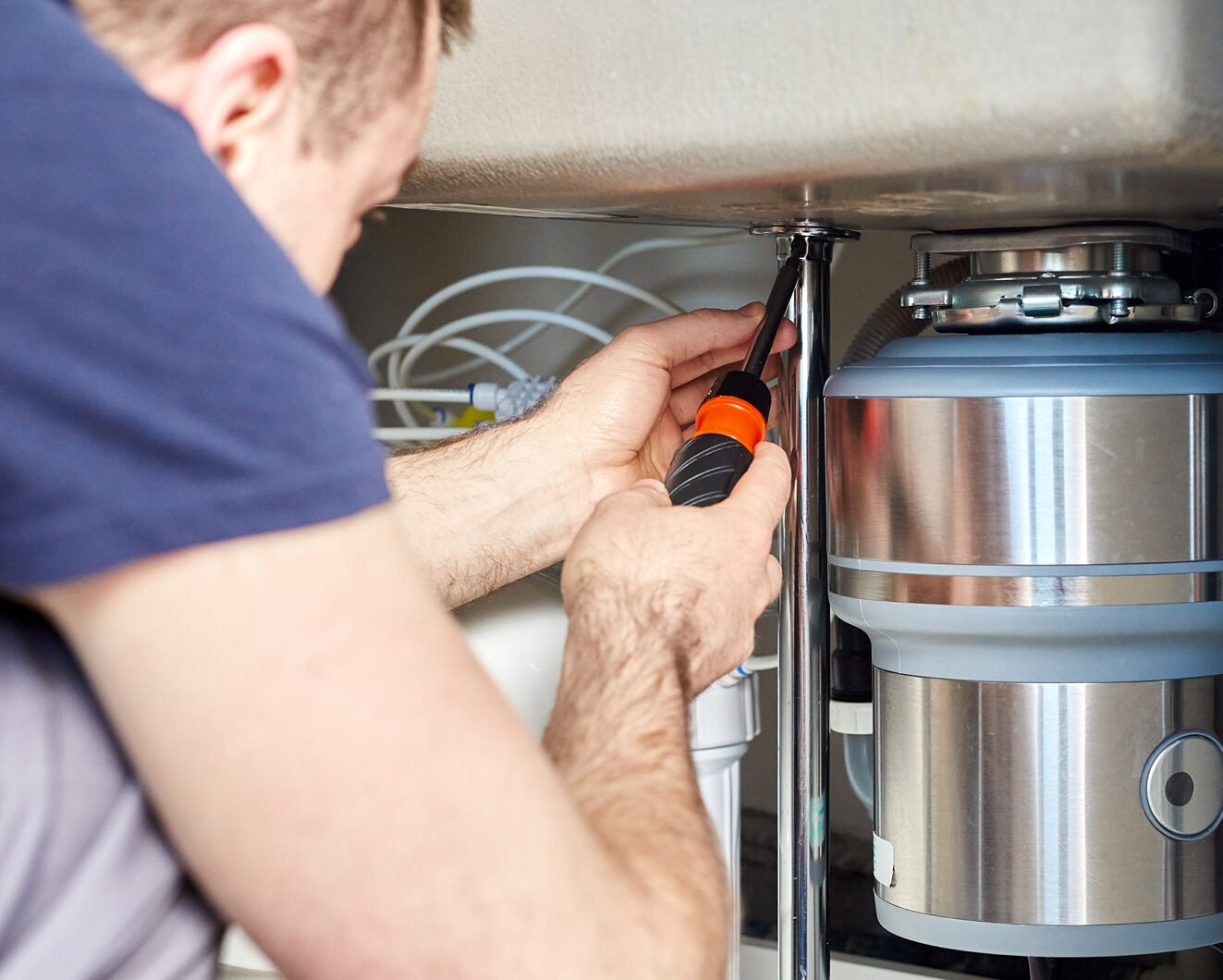
A garbage disposal can be one of the most convenient appliances in a modern kitchen, helping homeowners manage appropriate food scraps quickly and keep everyday cleanup more efficient. Because the disposal is used frequently, however, it can eventually experience wear, blockages, electrical problems, drainage issues, or mechanical failures. When the unit begins making unusual noises, stops grinding properly, drains slowly, leaks water, or fails to turn on, ignoring the problem can lead to additional inconvenience and potentially affect connected plumbing components. Understanding how garbage disposals work and recognizing the signs of a developing problem can help property owners respond before a small issue becomes a more disruptive repair. Professional service can also provide a safer and more reliable solution when the cause of the problem is not immediately clear.
- Understanding How a Garbage Disposal Works
- Common Signs of Disposal Problems
- Why a Humming Disposal Should Not Be Ignored
- Dealing With Disposal Clogs
- Electrical Problems and Disposal Operation
- Water Leaks Under the Sink
- The Importance of Professional Garbage Disposal Repair
- Preventing Damage Through Proper Use
- The Connection Between the Disposal and Kitchen Plumbing
- When Repair May Be Better Than Replacement
- Maintaining a Cleaner Kitchen Drain
- Addressing Unusual Noises
- Supporting Safe Kitchen Plumbing Operation
- Other Plumbing Services That May Be Needed
- Knowing When to Call a Professional
- Extending the Useful Life of a Disposal
- Conclusion
Understanding How a Garbage Disposal Works
A garbage disposal is installed beneath the kitchen sink and connects directly to the sink drain and plumbing system. When activated, an electric motor turns internal grinding components that break suitable food waste into smaller particles. Water flowing through the sink helps move the processed material through the connected drain line. Although the disposal is designed to handle many common food scraps, it is not intended to process every type of waste. Hard materials, excessive quantities of fibrous food, grease, certain bones, and inappropriate objects can create operating problems. The disposal also depends on proper electrical power and a clear drainage path. When any of these areas develops a problem, the unit may stop working correctly. Understanding this basic operation makes it easier to recognize why proper use and timely service are important.
Common Signs of Disposal Problems
Garbage disposals often provide noticeable warning signs before they stop working completely. A humming sound without normal grinding may indicate that the motor is receiving power but the grinding mechanism cannot turn properly. Grinding, rattling, or metallic sounds may suggest that an object has entered the unit or that an internal component has become damaged. Slow drainage can indicate a blockage in the disposal or connected drainpipe, while water underneath the sink may point toward a leaking connection, seal, housing, or drain component. A disposal that repeatedly trips an electrical protection device may also require professional attention. Recognizing these signs early allows property owners to investigate the problem before continued use causes additional stress or creates a larger plumbing concern.
Why a Humming Disposal Should Not Be Ignored
One common garbage disposal symptom is a humming noise when the switch is turned on without the normal grinding action. This can happen when the motor is energized but the internal grinding mechanism cannot rotate. Continued operation in this condition can place unnecessary stress on the motor and may cause additional damage. Property owners should avoid repeatedly activating a disposal that is humming without operating normally. A professional technician can evaluate the unit and determine whether the problem involves a jam, motor issue, electrical component, or another mechanical condition. Accurate diagnosis is important because forcing a damaged or obstructed disposal to operate can turn a relatively manageable problem into a more expensive repair.
Dealing With Disposal Clogs
A clogged disposal can affect both the appliance and the sink’s ability to drain properly. Food particles may accumulate when too much material is introduced at once, while certain foods can expand, become stringy, or collect inside the plumbing. Grease and oils can also contribute to drainage problems because they may coat the inside of pipes and trap other debris. If water begins draining slowly or remains in the sink, the disposal and connected drain should be evaluated. Property owners should avoid using aggressive chemical drain cleaners without understanding whether they are compatible with the disposal and plumbing system. Professional service can identify where the blockage is located and determine the safest method for restoring normal drainage.
Electrical Problems and Disposal Operation
Because a garbage disposal uses electricity, an electrical issue can prevent the unit from operating even when the mechanical components are otherwise functional. Problems may involve the power connection, wall switch, reset mechanism, wiring, or internal electrical components. If the disposal repeatedly loses power or trips a circuit, the issue should be investigated instead of repeatedly resetting the system. Electrical problems can have different causes, and attempting to work on energized equipment without proper knowledge can create safety risks. Professional technicians can evaluate the electrical side of the disposal and determine whether the problem originates with the appliance or the property’s electrical connection. Addressing the actual cause is important for restoring dependable operation.
Water Leaks Under the Sink
A leaking garbage disposal can create more than an appliance problem because water can affect the cabinet, flooring, nearby plumbing connections, and stored items beneath the sink. The source of a leak may involve a drain connection, gasket, mounting area, dishwasher connection, housing, or another component. Water may not always appear directly beneath the location where the leak begins, making diagnosis more difficult. Even a small recurring leak should be investigated because prolonged moisture exposure can damage surrounding materials. Professional inspection can help identify the exact source and determine whether a connection can be repaired or whether a component requires replacement. Prompt attention can reduce the possibility of additional water-related damage.
The Importance of Professional Garbage Disposal Repair
When a disposal stops working properly, determining the exact cause is often more useful than simply attempting to restart the appliance. Professional garbage disposal repair can help address mechanical, electrical, drainage, and connection-related concerns while considering the condition of the entire sink plumbing system. A qualified technician can inspect the disposal, identify the source of the problem, and recommend an appropriate repair or replacement option. Professional service can also help prevent unnecessary damage caused by repeated attempts to operate a malfunctioning unit. The goal is to restore proper operation safely while ensuring that related plumbing and electrical connections remain in suitable condition.
Preventing Damage Through Proper Use
Correct use can reduce unnecessary strain on a garbage disposal and help support longer service life. Food scraps should generally be introduced gradually rather than all at once, and the disposal should have sufficient water flow during operation. Property owners should avoid putting inappropriate materials into the unit, particularly hard, stringy, greasy, or non-food objects that can interfere with normal grinding and drainage. Large quantities of certain foods can create problems even when individual pieces appear harmless. Following the manufacturer’s recommendations provides the best guidance for acceptable materials. Proper use does not eliminate the need for maintenance or repair, but it can reduce avoidable operating problems.
The Connection Between the Disposal and Kitchen Plumbing
A garbage disposal is directly connected to the kitchen’s drainage system, which means disposal problems can sometimes affect more than the appliance itself. A blockage within the disposal or nearby drainpipe may cause water to back up into the sink. Conversely, an existing plumbing restriction can make the disposal appear to be malfunctioning when the appliance itself is operating normally. Professional diagnosis considers both possibilities. A technician can evaluate the disposal and connected drain components to determine whether the issue is isolated to the appliance or involves a broader plumbing concern. This approach helps ensure that the actual source of the problem is addressed instead of replacing a functioning component unnecessarily.
When Repair May Be Better Than Replacement
Not every garbage disposal problem requires a new unit. Depending on the equipment’s condition, certain issues may be corrected through repair or adjustment. Problems involving connections, minor mechanical concerns, electrical components, or certain drainage issues may be repairable. However, the overall age and condition of the disposal should also be considered. If the motor, housing, or other major components have experienced significant deterioration, replacement may provide a more practical long-term solution. Professional evaluation can help property owners understand the condition of their existing disposal and compare the potential benefits of repairing the current unit with installing a new one.
Maintaining a Cleaner Kitchen Drain
A properly functioning disposal can support convenient kitchen cleanup, but it should not be treated as a replacement for good drain maintenance. Running appropriate amounts of water during operation can help move processed food particles through the plumbing. Cleaning the sink area and keeping unsuitable materials out of the disposal can also reduce the chance of blockages. Property owners should pay attention to changes in drainage speed because gradual slowing can indicate developing buildup. If the sink begins draining more slowly than usual, addressing the issue early may prevent a complete blockage. Professional plumbing service can be useful when normal cleaning and appropriate disposal use do not resolve the problem.
Addressing Unusual Noises
Different sounds can provide useful information about what may be happening inside a garbage disposal. A humming sound may indicate that the motor is energized but the grinding mechanism cannot turn. Rattling or metallic sounds may suggest that an object is interfering with the internal components. Grinding or harsh mechanical sounds can indicate wear or damage. Because the disposal contains moving parts, unusual sounds should not be ignored. Continuing to operate the equipment when internal components are damaged may increase wear or cause additional failures. Professional inspection can help determine whether the sound originates from an obstruction, worn component, motor problem, or another issue.
Supporting Safe Kitchen Plumbing Operation
A garbage disposal should work as part of a larger kitchen plumbing system rather than as an isolated appliance. Proper drainage, secure connections, functional electrical components, and appropriate disposal use all contribute to reliable performance. If one part of the system develops a problem, the symptoms may appear somewhere else. For example, a drainage restriction may cause water to remain in the sink, while a loose connection may create moisture under the cabinet. Professional service provides an opportunity to evaluate the appliance and its connections together. This comprehensive approach can help identify underlying problems and reduce the chance of recurring service issues.
Other Plumbing Services That May Be Needed
Kitchen disposal problems can sometimes occur alongside other plumbing concerns. A property with recurring slow drains, leaking faucets, water pressure problems, damaged pipes, or aging fixtures may benefit from a broader plumbing inspection. Professional plumbing providers may offer services such as drain cleaning, faucet repair, water heater service, toilet repair, sewer-related services, leak detection, repiping, and water treatment solutions. Addressing related concerns through coordinated service can help property owners maintain a more dependable plumbing system. When a disposal problem is connected to a larger drainage issue, identifying and addressing that underlying condition can be particularly important.
Knowing When to Call a Professional
Some basic disposal maintenance can be handled by property owners, but situations involving electrical problems, persistent leaks, recurring clogs, damaged components, or an unresponsive motor may require professional service. Attempting to disassemble the appliance without proper knowledge can create safety concerns and may result in additional damage. Professional technicians have the tools and experience needed to inspect the disposal and connected plumbing system. They can also determine whether repair is practical or whether replacement would be more appropriate. Prompt professional attention is especially useful when the disposal has stopped working completely or when water is leaking beneath the sink.
Extending the Useful Life of a Disposal
Regular care and proper operation can help a garbage disposal remain functional for a longer period. Property owners should follow the manufacturer’s recommendations, avoid unsuitable materials, use adequate water during operation, and respond promptly when unusual symptoms appear. Professional maintenance or inspection can also be useful when a disposal develops recurring issues. Keeping the surrounding plumbing connections secure and watching for leaks can prevent minor concerns from becoming larger problems. While every appliance eventually reaches the end of its service life, responsible use and timely service can help property owners get dependable performance from their equipment.
Conclusion
A garbage disposal provides valuable convenience in the kitchen, but its performance depends on proper use, functioning electrical components, clear drainage, secure plumbing connections, and timely professional attention. Warning signs such as humming, unusual grinding, slow drainage, water leaks, repeated electrical interruptions, and poor grinding performance should not be ignored. Addressing these symptoms early can help reduce the possibility of additional damage and restore normal kitchen operation more efficiently.When a disposal develops a persistent problem, professional garbage disposal repair can provide a practical way to identify the underlying cause and determine the appropriate solution. In some situations, repair may restore the existing unit, while severely worn or damaged equipment may be better suited for replacement. Maintaining the surrounding kitchen plumbing is also important because disposal performance depends on proper drainage and secure connections. With appropriate use, routine attention, and professional plumbing support when necessary, property owners can keep their garbage disposal and connected plumbing system operating more reliably.
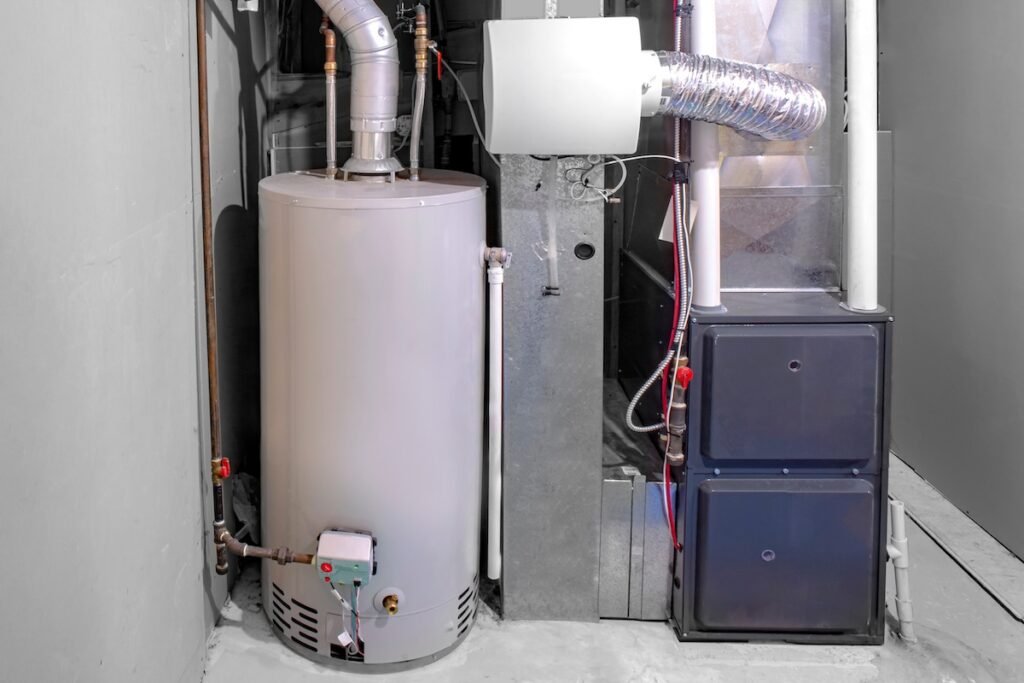
A dependable heating system is essential for maintaining comfortable indoor conditions, especially when a property relies on consistent warmth during periods of increased heating demand. Boilers are widely used because they can provide steady heat through hydronic distribution systems that circulate heated water through radiators, baseboards, radiant flooring, and other heating equipment. However, the performance of a boiler depends on much more than the quality of the equipment itself. Proper sizing, system design, piping, circulation, controls, ventilation, electrical connections, and commissioning all influence how effectively the equipment operates after it has been installed. Professional boiler installation provides an opportunity to evaluate these factors before the new heating equipment is connected, helping create a system that is suited to the property’s requirements. A carefully planned installation can also make future maintenance easier, improve temperature consistency, support efficient operation, and reduce the likelihood of installation-related problems that could affect the equipment later in its service life.
- Why Proper Boiler Installation Matters
- Evaluating the Existing Heating Infrastructure
- Choosing the Correct Boiler Capacity
- Understanding Hydronic Heat Distribution
- Importance of Proper Piping
- Circulation and Pump Performance
- Thermostat and Zoning Controls
- Safety During Boiler Installation
- Improving Heating Efficiency
- Maintaining Consistent Indoor Temperatures
- Replacing an Aging Boiler
- Commercial Boiler Considerations
- Testing the Completed System
- Importance of Ongoing Boiler Maintenance
- Combining Boiler Service With Other HVAC Needs
- Selecting an Experienced HVAC Contractor
- Planning for Long-Term Performance
- Conclusion
Why Proper Boiler Installation Matters
Installing a boiler is a detailed process because the equipment becomes part of a larger heating network. The boiler must work together with piping, pumps, valves, thermostats, heat emitters, controls, and other components to distribute heat effectively. If any part of this system is improperly sized or configured, the new equipment may not deliver the expected results. A boiler that is too large can cycle more frequently than necessary, while an undersized system may struggle to maintain the desired temperature during periods of high demand. Poor circulation, inadequate controls, damaged piping, or restricted heat distribution can create additional comfort problems even when the boiler itself is functioning properly.Professional installation begins with understanding the property and its heating requirements rather than simply selecting equipment based on the size of an existing boiler. Building construction, insulation, windows, room layout, occupancy, heating zones, and existing distribution components can all affect the required capacity. A qualified HVAC technician can evaluate these conditions and recommend equipment that is appropriate for the property. This approach helps ensure that the new heating system is designed as a complete solution instead of being treated as a simple equipment replacement.
Evaluating the Existing Heating Infrastructure
Replacing an older boiler provides an opportunity to inspect the complete heating infrastructure. Existing radiators, baseboards, pipes, pumps, valves, expansion tanks, thermostats, and other components may be suitable for continued use, but their condition and compatibility should be considered before connecting new equipment. Older components can develop corrosion, leaks, mineral buildup, restricted passages, or mechanical wear that may affect the performance of a new boiler.A professional evaluation can identify which components can remain and which may require repair or replacement. This is important because installing a new boiler without addressing an existing problem can result in continued heating issues. For example, poor circulation may be related to a pump or valve rather than the boiler itself, while uneven temperatures may result from distribution or zoning problems. Addressing these concerns during the installation project can help create a more balanced heating system and prevent the new equipment from being blamed for problems that originate elsewhere.
Choosing the Correct Boiler Capacity
Boiler sizing has a direct relationship with comfort, efficiency, and operating performance. The correct capacity should be based on the actual heating load of the property rather than simply matching the capacity of the previous equipment. Older boilers were sometimes selected using simplified sizing practices, and changes to the building may have altered its current heating requirements. Improvements to insulation, windows, building envelope, or room configuration can change the amount of heat needed.An appropriately sized boiler can operate more efficiently because its capacity is better matched to the property’s demand. Oversized equipment may reach the thermostat setting quickly and shut down repeatedly, while undersized equipment may run for long periods without adequately satisfying the heating demand. Both conditions can affect comfort and equipment operation. A professional assessment allows the heating contractor to consider the building’s characteristics and recommend equipment that provides an appropriate balance between capacity and demand.
Understanding Hydronic Heat Distribution
Boilers are different from forced-air heating systems because they typically distribute heat through heated water rather than air ducts. This hydronic approach can provide steady warmth through radiators, baseboards, radiant floors, and other heat-emitting components. The effectiveness of the system depends on proper water circulation and the ability of each heating zone to receive the required amount of heat.During a new boiler project, technicians can evaluate how heat is distributed throughout the property. If some rooms consistently remain colder than others, the issue may involve circulation, zoning, radiator capacity, thermostat placement, insulation, or other factors. Installing a new boiler creates an opportunity to address these conditions and improve overall system balance. A complete heating solution should consider the path of heat from the boiler through the distribution system and into the occupied spaces.
Importance of Proper Piping
Piping is one of the most important elements of a hydronic heating system because it carries heated water between the boiler and the heating zones. The configuration of the piping affects circulation, temperature distribution, system pressure, and overall performance. Improper connections or unsuitable piping arrangements can create operational problems and may prevent the boiler from working according to its intended design.Professional technicians evaluate existing piping before determining how the new boiler should be connected. In some installations, existing piping can be retained with appropriate modifications, while other systems may require more extensive updates. Insulation can also be important where heat loss through exposed piping could affect efficiency. Properly configured piping supports the movement of heated water and allows the boiler and distribution system to operate as an integrated heating solution.
Circulation and Pump Performance
Water must circulate effectively for a hydronic heating system to provide consistent temperatures. Circulator pumps move heated water through the system, while valves and controls determine where and when heat is delivered. If circulation is inadequate, some areas may receive insufficient heat even though the boiler is producing the required temperature.During installation, technicians can evaluate pump sizing, flow requirements, valves, and zoning arrangements. Modern systems may use advanced circulation controls that adjust operation according to heating demand. Properly configured circulation can help reduce unnecessary energy use while supporting more consistent comfort. Because pumps and valves are connected directly to the overall heating design, they should be considered during boiler replacement rather than overlooked as secondary components.
Thermostat and Zoning Controls
Modern boiler systems can provide greater control over indoor temperatures through advanced thermostats and zoning equipment. A single thermostat may control an entire property, while a zoned system can allow different areas to maintain separate temperature settings. Zoning can be useful when different rooms have different heating requirements or when certain spaces are used less frequently than others.Thermostat placement is also important because the device measures the temperature used to determine when the heating system should operate. A thermostat located in an unsuitable position may not accurately represent the temperature of the occupied area. During installation, technicians can evaluate thermostat locations and determine whether existing controls should be retained, relocated, or upgraded. Smart thermostats may also provide scheduling features and additional temperature-management capabilities when compatible with the heating system.
Safety During Boiler Installation
Boiler systems can involve combustion, fuel, heat, water pressure, electrical components, ventilation, and exhaust, depending on the equipment type. Safety therefore needs to be considered throughout the installation process. Fuel connections must be properly completed, combustion and ventilation requirements must be addressed, and safety controls must be configured and tested correctly. Electrical connections also need to meet the requirements of the equipment.Professional installation helps ensure that these components are handled according to manufacturer specifications and applicable installation requirements. A qualified technician can inspect the completed system and verify that important safety-related functions operate correctly. Proper installation is particularly important for combustion equipment because problems with ventilation, exhaust, or fuel connections can create serious concerns. Thorough testing and commissioning should therefore be considered essential parts of the project rather than optional final steps.
Improving Heating Efficiency
Replacing an aging boiler can provide an opportunity to improve overall heating efficiency, but equipment efficiency is only one part of the equation. The way the boiler is sized, controlled, piped, and maintained can influence actual operating performance. Heat loss through poorly insulated pipes, inefficient circulation, outdated controls, or poorly balanced heating zones can reduce the benefits of modern equipment.A professional installation can address these factors as part of a broader system evaluation. Improved controls may help the boiler respond more accurately to heating demand, while properly sized equipment can reduce unnecessary cycling. Appropriate insulation and circulation can also help distribute heat more effectively. The goal should be to create a system in which the boiler, controls, piping, and heat-emitting components operate together rather than focusing exclusively on the efficiency rating of the central unit.
Maintaining Consistent Indoor Temperatures
Consistent comfort is one of the main reasons property owners replace older heating systems. Rooms that are consistently too cold or too warm may indicate problems with the heating distribution system, thermostat placement, insulation, zoning, or equipment sizing. Simply installing a new boiler may not solve these issues if the underlying cause is not addressed.During an installation assessment, technicians can look at the entire heating system to determine whether existing conditions could contribute to uneven temperatures. Zoning adjustments, improved circulation, thermostat changes, or modifications to heat-emitting components may be appropriate depending on the property. Addressing these factors can help the new boiler deliver heat more effectively throughout the building and provide a more comfortable indoor environment.
Replacing an Aging Boiler
There comes a point when an older boiler may no longer provide the reliability or efficiency expected from modern equipment. Frequent repair requirements, corrosion, unusual noises, inconsistent heating, rising operating costs, and difficulty obtaining certain replacement components can all justify a professional evaluation. These signs do not automatically mean that replacement is necessary, but they can indicate that the equipment should be assessed.Planning a replacement before a complete failure can provide property owners with greater flexibility. Instead of choosing equipment during an emergency, they can research available options, evaluate system requirements, establish a budget, and address related heating concerns at the same time. A planned replacement can also provide an opportunity to improve thermostat controls, zoning, circulation, piping, and other components that may have become outdated.
Commercial Boiler Considerations
Commercial properties often require heating systems that can operate reliably for extended periods and serve larger or more complex spaces. Offices, facilities, commercial buildings, and other properties may have multiple heating zones, different occupancy requirements, larger equipment, and more demanding operating schedules. Boiler installation in these environments requires careful planning to minimize disruption while ensuring that the completed system can support the building’s heating requirements.Commercial heating projects may also involve more advanced controls, multiple boilers, larger circulation systems, and additional equipment. Proper system design can allow heating capacity to respond to changing demand while maintaining suitable temperatures throughout the building. A professional HVAC provider with commercial heating experience can evaluate these requirements and develop an installation approach that considers both immediate comfort and long-term serviceability.
Testing the Completed System
Once the boiler has been installed, the system should be thoroughly tested before being placed into regular operation. Testing can include evaluating thermostat response, water temperature, pressure, circulation, pumps, valves, electrical connections, safety controls, and other components according to the type of boiler and heating system. The objective is to confirm that the equipment is operating correctly and that the heating distribution system responds appropriately.Commissioning can also identify problems that might not be obvious during initial startup. If a zone is not receiving adequate heat, if circulation is inconsistent, or if controls are not communicating properly, testing provides an opportunity to address the problem before it affects everyday comfort. Property owners should also receive information about operating the thermostat, recognizing warning signs, maintaining the system, and arranging future professional service.
Importance of Ongoing Boiler Maintenance
A newly installed boiler still requires regular maintenance to maintain dependable operation. Dirt, wear, corrosion, changes in system pressure, pump problems, control issues, and other conditions can develop over time. Professional maintenance allows technicians to inspect important components, identify developing concerns, and perform appropriate cleaning or adjustments.Property owners should also monitor the system between professional service visits. Unusual sounds, leaks, inconsistent heating, unexpected cycling, pressure changes, or changes in normal operating behavior can indicate that an inspection is necessary. These symptoms can have several possible causes, so professional diagnosis is important. Prompt attention to changes in performance can help prevent small issues from becoming larger heating disruptions.
Combining Boiler Service With Other HVAC Needs
Heating requirements do not always exist separately from other indoor comfort concerns. A property may rely on a boiler for heating while also using air conditioning, heat pumps, ductless equipment, thermostats, or indoor air quality products. Working with an HVAC provider that offers multiple services can make it easier to coordinate these systems and identify opportunities for improvement.Chris Mechanical provides heating and cooling services that include boilers, heat pumps, ductless systems, HVAC maintenance, repairs, installation, commercial HVAC services, thermostats, and indoor air quality solutions. A comprehensive HVAC approach allows property owners to consider heating performance alongside other aspects of indoor comfort. This can be particularly useful when a boiler replacement occurs at the same time as other HVAC upgrades or when an existing property has multiple types of equipment.
Selecting an Experienced HVAC Contractor
The contractor selected for a boiler project can have a significant influence on the quality of the final system. Property owners should consider experience with boiler equipment, system sizing, hydronic distribution, controls, piping, maintenance, repairs, and commercial or residential heating requirements as applicable. A contractor that provides both installation and ongoing service can also offer continuity after the project is complete.Clear communication should be part of the installation process. Property owners should understand why specific equipment is recommended, what modifications may be required, how the system will operate, and what maintenance will be needed in the future. Professional guidance can help prevent misunderstandings and ensure that the completed heating system is appropriate for the property’s actual requirements.
Planning for Long-Term Performance
A boiler replacement should be approached as a long-term investment rather than a short-term response to equipment failure. Property owners can consider future maintenance, service access, controls, zoning, energy performance, and potential changes to the building when planning the project. Keeping records of installation details, equipment information, maintenance visits, repairs, and warranty requirements can also make future service more organized.Long-term planning can be especially valuable when an older boiler is still operating but showing signs of age. A professional inspection can provide information about the equipment’s condition and help property owners determine whether replacement planning should begin. Having this information before an emergency occurs allows more time to consider equipment options and related improvements. It also helps ensure that the new system is selected based on the property’s requirements rather than limited emergency choices.
Conclusion
A successful boiler project requires more than replacing an old heating unit with new equipment. Proper sizing, system evaluation, piping, circulation, controls, safety components, heat distribution, and professional commissioning all contribute to the performance of the finished heating system. A carefully planned boiler installation provides an opportunity to improve not only the central heating equipment but also the components that influence how heat moves throughout the property. Addressing these factors during the project can support consistent comfort, dependable operation, and easier future maintenance.Once the installation is complete, regular professional service remains an important part of protecting the equipment. Monitoring system performance, responding to unusual sounds or temperature changes, maintaining appropriate controls, and scheduling inspections can help identify developing problems before they become major disruptions. Whether a property requires a new residential boiler, commercial heating solution, replacement of aging equipment, or related HVAC improvements, professional planning can help create a heating system that meets its actual needs. For property owners seeking dependable heating, cooling, boiler, heat pump, ductless, repair, maintenance, commercial HVAC, and indoor air quality services, boiler installation can provide the foundation for long-term indoor comfort and reliable heating performance.

How to Polish Chrome on Cars & Motorcycles Like a Pro

What Should You Know Before Getting Lip Injections?

How Can an LCMS Make Training Content Easier to Maintain?

Alex Pettyfer Net Worth, Wife, Age, Height, Children, Career and More

Brad Williams Net Worth, Wife, Height, Age, Daughter, Family, Career and More

Eldorado.gg Review 2026: How It Works, Safety, Fees, and Risks
-
Celebrity9 months ago
Alex Pettyfer Net Worth, Wife, Age, Height, Children, Career and More
-
Celebrity10 months ago
Brad Williams Net Worth, Wife, Height, Age, Daughter, Family, Career and More
-
Blog1 month ago
Eldorado.gg Review 2026: How It Works, Safety, Fees, and Risks
-
 Anime11 months ago
Sanzoku Bandits of One Piece: Origins, Higuma, and Their Role in Dawn Island
-
 Celebrity10 months ago
John McGinn Net Worth, Age, Height, Wife, Childrens, Career and More
-
 Celebrity10 months ago
Frances de la Tour Net Worth, Age, Height, Husband, Childrens, Career and More
-
 Celebrity10 months ago
Will Trickett Net Worth, Wife, Childrens, Age, Career and More
-
 Blog2 months ago
Crackstube: A Complete Guide to the Digital Publishing Platform