
Home Improvement
Transform Your Home’s Curb Appeal with Professional House Painting

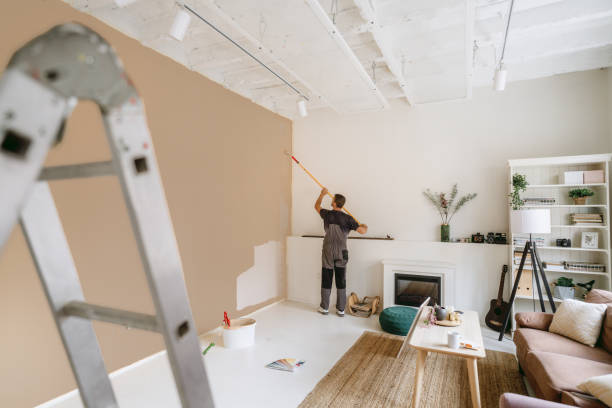
Few home improvements deliver as much visual impact for the investment as a fresh coat of paint. A well-executed paint job doesn’t just change how your house looks from the street; it protects your siding from moisture, sun damage, and the wear and tear that comes with living on the coast. Homeowners across Vancouver Island are discovering that quality paintwork is one of the smartest ways to boost both the beauty and the longevity of their property.
- Why a Fresh Coat of Paint Makes Such a Big Difference
- The Unique Challenges of Painting Homes on Vancouver Island
- What to Expect from a Professional Painting Process
- Choosing the Right Colors for Your Home
- Interior Painting: Refreshing the Spaces You Live In Every Day
- Why Hiring Local Professionals Pays Off
- Ready for a Refresh?
Whether you’re preparing to sell, refreshing a tired exterior, or simply ready for a change, understanding what goes into a professional paint job can help you get the results you’re hoping for. This post walks through why color and quality matter, what makes coastal climates uniquely challenging for homeowners, and how working with skilled painters can make the entire process stress-free.
Why a Fresh Coat of Paint Makes Such a Big Difference
Paint is often the first thing people notice about a home. A crisp, well-chosen color scheme signals pride of ownership and care, while peeling or faded paint can make even a well-maintained home look neglected. Beyond aesthetics, paint acts as a protective barrier against rain, UV rays, and temperature swings, all of which are common on Vancouver Island.
Over time, exposure to the elements causes paint to crack, blister, or fade. Once that protective layer breaks down, moisture can seep into wood siding and trim, leading to rot and costly structural repairs. Repainting on a regular schedule, roughly every five to ten years depending on the material and climate, helps homeowners avoid these expensive problems altogether.
The Unique Challenges of Painting Homes on Vancouver Island
Coastal living comes with its own set of considerations when it comes to exterior maintenance. The region’s damp winters and salty air can accelerate wear on exterior surfaces, making proper preparation and product selection especially important. Not all paints and primers are created equal, and using the wrong products in a humid climate can lead to premature peeling or mildew growth.
Professional painters who understand local weather patterns know how to time projects around drier seasons, select moisture-resistant products, and apply coatings in a way that maximizes durability. This local knowledge is often the difference between a paint job that lasts a couple of years and one that holds up beautifully for a decade.
What to Expect from a Professional Painting Process
A quality paint job involves far more than simply rolling color onto a wall. The process typically includes:
- Surface Preparation: Cleaning, sanding, and repairing any cracks or damaged areas before paint is applied.
- Priming: Applying a primer to ensure the topcoat adheres properly and provides even coverage.
- Quality Materials: Using premium, weather-resistant paints suited to the specific surface and climate.
- Skilled Application: Achieving clean lines, even coats, and a finish that looks professional up close and from the curb.
- Detailed Cleanup: Leaving the property spotless once the work is complete.
Skipping any of these steps can shorten the lifespan of a paint job significantly. This is why many homeowners choose to hire experienced professionals rather than tackling large projects themselves.
Choosing the Right Colors for Your Home
Color selection can feel overwhelming, especially with so many shades and finishes available. A good rule of thumb is to consider the architectural style of the home, the surrounding landscape, and the neighborhood’s overall aesthetic. Neutral tones like warm grays, soft whites, and muted blues tend to age well and appeal to a broad range of tastes, which is especially useful for homeowners thinking about resale value.
Accent colors on doors, shutters, or trim can add personality without overwhelming the overall look. Testing sample swatches directly on the exterior, and viewing them at different times of day, helps ensure the final choice looks as good in natural light as it does on a paint chip.
Interior Painting: Refreshing the Spaces You Live In Every Day
While exterior painting often takes priority due to weather exposure, interior painting offers its own set of benefits. A new coat of paint can completely transform a room’s mood, making spaces feel larger, brighter, or cozier depending on the color chosen. It’s also one of the most cost-effective ways to update a home before listing it for sale.
Professional interior painting ensures clean edges around trim and ceilings, consistent coverage, and a finish free of brush marks or roller texture. For homeowners juggling busy schedules, hiring a team to handle the prep work, furniture protection, and cleanup makes the entire process far less disruptive.
Why Hiring Local Professionals Pays Off
House Painting services from trusted, local professionals can help keep your home looking freshly maintained year after year while addressing the specific needs of Vancouver Island properties. Vancouver Island Painting brings that local knowledge to every project, combining quality materials with meticulous craftsmanship to deliver results that last.
Choosing a local company also means faster response times, a better understanding of regional architectural styles, and a team that’s invested in its community reputation. From selecting the right products to executing flawless application, professional painters take the guesswork out of the process and give homeowners confidence that the job will be done right the first time.
Ready for a Refresh?
A home’s exterior and interior say a lot about the care put into it. Investing in quality painting isn’t just about appearances; it’s about protecting your property, increasing its value, and enjoying a space that feels genuinely well cared for. Whether you’re planning a full exterior overhaul or simply want to brighten up a few rooms, partnering with experienced professionals ensures a smooth process and a finish that stands the test of time.
If your home is due for a refresh, now is a great time to start planning. A well-executed paint job today can save you money, stress, and bigger repairs down the road.

Floors take more abuse than almost anything else in a home. They absorb spilled coffee, muddy boots, dragged furniture, and years of foot traffic, yet most people only think about them when something cracks or fades. That’s starting to change across Long Island, where homeowners are swapping worn-out flooring for tile that actually holds up to daily life while looking like it belongs in a design magazine.
Roma Tile of New York has watched this shift firsthand. Requests for durable, low-maintenance surfaces have climbed steadily, and it’s not hard to see why. Between unpredictable weather, salt air near the coast, and busy households that don’t have time for high-maintenance materials, tile checks boxes that carpet and hardwood simply can’t.
This post breaks down what’s driving the trend, which tile options are worth considering, and how to choose materials that fit both your budget and your lifestyle.
Why Tile Keeps Winning Against Other Flooring Options
Hardwood scratches. Carpet stains. Laminate swells when it gets wet. Tile, on the other hand, shrugs off most of what daily life throws at it. Porcelain and ceramic tiles resist moisture, scratches, and fading, which makes them a smart choice for kitchens, bathrooms, mudrooms, and anywhere else that sees heavy use.
There’s also the matter of upkeep. A damp mop handles most spills, and there’s no need for refinishing, resealing, or replacing every few years. For busy families or anyone who’d rather spend weekends doing something other than home maintenance, that convenience adds up fast.
Design flexibility plays a role too. Modern manufacturing techniques have made it possible to replicate the look of natural wood, stone, or concrete in tile form, often at a fraction of the cost and with none of the drawbacks. Homeowners get the aesthetic they want without compromising on practicality.
What Makes a Tile Choice Right for Your Home
Not every tile suits every space. A glossy finish might look stunning in a powder room but become a slipping hazard near a pool. Large-format tiles can make small rooms feel bigger, while mosaic patterns add texture to backsplashes and accent walls.
Climate matters, too. Long Island’s humid summers and freezing winters mean outdoor tile needs to handle temperature swings without cracking. Porcelain tends to perform better than ceramic in these conditions because it’s denser and absorbs less moisture.
Budget is another factor worth planning around early. Natural stone tiles like marble or travertine bring undeniable elegance but come with a higher price tag and more maintenance. Porcelain and ceramic options offer similar visual appeal at a lower cost, which is why they remain popular among homeowners renovating on a timeline or budget.
A few questions worth asking before buying:
- Will this space see heavy foot traffic or moisture exposure?
- Does the tile’s finish match the room’s function (slip resistance for bathrooms, durability for entryways)?
- Does the style complement the rest of the home, or is it a standalone statement piece?
- What’s the realistic long-term maintenance commitment?
Answering these honestly makes the selection process far less overwhelming.
Kitchens, Bathrooms, and Beyond: Where Tile Makes the Biggest Difference
Kitchens benefit enormously from tile flooring because spills are inevitable. A quality porcelain tile handles dropped pans, splashed sauces, and daily wear without showing much sign of it. Backsplashes made of tile also protect walls from grease and moisture while adding visual interest behind stovetops and sinks.
Bathrooms are another natural fit. Between showers, baths, and general humidity, bathroom flooring needs to resist water damage consistently. Textured tile options reduce slipping risk, which matters for households with young children or older adults.
Outdoor spaces, including patios and pool decks, have also seen a rise in tile installations. Weather-resistant porcelain tiles can handle sun exposure and temperature changes better than many alternative materials, making them a practical choice for homeowners who want their outdoor areas to look as polished as their interiors.
Finding the Right Partner for Your Tile Project
Choosing the right tile is only half the equation. Installation quality determines whether that tile lasts five years or twenty-five. Poor installation can lead to cracked grout, uneven surfaces, and tiles that lift over time, undoing even the best material choice.
Homeowners searching for a reliable tiles store Long Island residents trust for both selection and expert guidance will find that experience matters just as much as inventory. Roma Tile of New York brings years of hands-on knowledge to every project, helping customers choose materials suited to their specific space, climate, and budget rather than pushing a one-size-fits-all solution.
From initial consultation through final installation, working with a knowledgeable team means fewer surprises and a finished product that actually performs the way it looks. Whether the project involves a single bathroom remodel or a full-home flooring overhaul, having access to quality materials and informed advice makes the process considerably smoother.
Making the Switch to Tile a Worthwhile Investment
Flooring decisions aren’t made often, which is exactly why they deserve careful thought. Tile offers a combination of durability, style, and manageable upkeep that’s hard to match with other materials, especially in a region that deals with humidity, salt air, and seasonal temperature shifts.
Homeowners considering a renovation shouldn’t have to choose between good looks and practicality. With the right guidance and quality materials, both are entirely possible. For anyone ready to explore options suited to their home’s specific needs, reaching out to a team with real expertise is the logical next step toward floors that hold up for years to come.

Buying a home is a major decision, and choosing the right residential project requires careful consideration. With several residential developments available in Porur, you may find it difficult to decide which one is suitable for your requirements.
Every residential project has different features, facilities, apartment configurations, and locations. Therefore, you must compare these factors before making a decision. A project that looks attractive at first may not offer everything you need for comfortable living.
So, how can you compare different residential projects in Porur? Let us look at the important factors you must consider before choosing a property.
1. Compare the Location and Connectivity
The first thing you must consider is the location of the residential project. Even if two apartments have similar features, their locations can make a significant difference in your daily life.
Check how easily you can access important places such as schools, hospitals, shopping centres, and workplaces. Also, look at the road connectivity and availability of public transportation.
For instance, if you have children, choosing a residential project near reputed schools can make everyday travel easier. Similarly, easy access to hospitals and essential shops will be helpful for your family.
Therefore, compare the surrounding facilities of each project and choose a location that suits your daily requirements.
2. Check the Apartment Configuration
Residential projects offer different apartment configurations based on the requirements of buyers. You can find 2 BHK, 3 BHK, and larger apartments depending on the project.
Before comparing the apartments, consider the number of bedrooms, bathrooms, balconies, and available living space.
For example, a 2 BHK apartment may be sufficient for a small family. However, if you have a larger family or need an additional room for work, a 3 BHK apartment may be a better option.
Also, compare the carpet area instead of looking only at the total built up area. This will help you understand how much usable space you actually get inside the apartment.
3. Compare the Amenities Offered
Amenities are another important factor that separates one residential project from another. Most modern residential developments provide facilities that support everyday activities and recreation.
Some common amenities include:
- Swimming pool
- Gymnasium
- Children’s play area
- Indoor games room
- Walking tracks
- Multipurpose hall
- Landscaped gardens
- Security systems
However, you should not choose a project simply because it offers a long list of amenities.
Check whether these facilities are useful for your family and whether they are properly maintained. For instance, if you have children, a dedicated play area can be useful. Similarly, a gymnasium or walking track can help residents maintain their fitness.
Compare the amenities available in different projects and identify which one offers practical facilities for your lifestyle.
4. Examine the Construction Quality
The construction quality of a residential project directly affects its durability and maintenance requirements.
Therefore, you must check the materials used for construction, the quality of flooring, electrical fittings, plumbing systems, doors, and windows.
If possible, visit the project site and observe the construction progress. You can also look at the builder’s previous residential developments to understand their construction standards.
Check whether the project has the necessary approvals and relevant documentation. You should also verify the RERA registration details before proceeding with your purchase.
These checks will help you understand the quality of the project and avoid unnecessary problems later.
5. Evaluate the Builder’s Reputation
The reputation of the builder is another factor you must consider while comparing residential projects.
A builder with experience in developing residential properties may have a better understanding of construction requirements, project planning, and delivery schedules.
Therefore, research the builder’s previous projects and check their completion status. You can also look at customer reviews to understand the experiences of existing homeowners.
Pay attention to feedback about construction quality, maintenance, and the builder’s response to customer concerns.
For example, if a builder has completed several residential projects and has positive feedback from homeowners, it can give you a better understanding of their work.
Do not make your decision based on advertisements alone. Check the actual project details before choosing a builder.
6. Compare the Total Property Cost
The total cost is another important factor to consider when comparing residential projects.
Two apartments with similar configurations may have different prices because of their location, amenities, construction quality, and other features.
Therefore, compare the overall property cost instead of looking only at the advertised price.
Check whether the quoted amount includes parking charges, maintenance deposits, registration expenses, and other applicable charges.
For instance, one project may have a lower advertised price but additional charges that increase the overall cost. Another project may offer more facilities at a slightly higher price.
By comparing the complete cost details, you can understand which property offers better value for your money.
7. Check the Safety and Security Facilities
Safety is an important requirement for every residential community. Therefore, you must compare the security arrangements available in different projects.
Check whether the residential development provides CCTV cameras, security personnel, controlled entry and exit points, and proper lighting in common areas.
You should also look at fire safety arrangements and emergency access facilities.
If you have children or elderly family members, these facilities become even more important. A properly managed security system can provide residents with greater peace of mind.
8. Consider the Future Development of the Area
Apart from the existing facilities, you should also consider the future development potential of the location.
Porur has residential and commercial developments, along with access to important roads and employment centres. Therefore, check the infrastructure and upcoming developments around the project.
Look at road improvements, public transportation facilities, educational institutions, and commercial establishments in the surrounding areas.
These developments may influence the convenience and property value of the location over time.
However, do not depend entirely on future developments. Give more importance to the existing infrastructure and facilities before making your decision.
Conclusion
Comparing different residential projects in Porur requires you to look beyond the apartment price and advertised amenities. You must consider several factors, including location, apartment configuration, construction quality, builder reputation, safety, and available facilities.
If you are planning to purchase Flats in Porur, make a list of your requirements and compare different projects based on these factors.
Visit the shortlisted properties, check the documentation, and understand the facilities offered by each builder. This will help you identify the residential project that meets your family’s requirements.
After all, choosing the right home is about finding a property that offers comfortable living, convenient access to essential facilities, and good long term value.
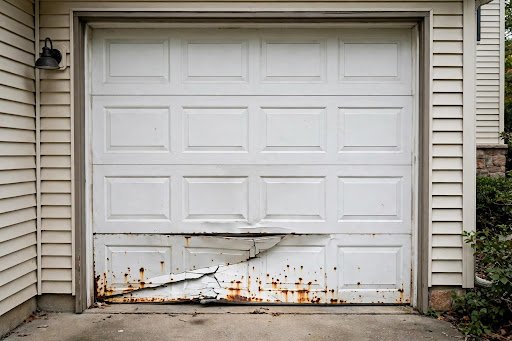
Damaged panels do not always mean a new door. Depending on the type and extent of the damage, you may have several options, from a simple surface repair to replacing a single panel or the whole door. Understanding the damage and the choices helps you make a sensible decision that fits your budget and the condition of the door.
- Surface rust
- Rot in wood panels
- Cracked panels
- Replacing individual panels
- When a full replacement makes sense
- Florida weather and panels
- Inspect the panels regularly
- Protect the panels from further damage
- Ask a technician for an honest assessment
- Consider the door’s overall condition
- Tampa homeowners
- Choose the repair that protects the door
- Frequently asked questions
Surface rust
Light rust on steel panels can often be cleaned, treated and repainted. Remove loose rust with a wire brush, clean the area, apply a rust-inhibiting primer and finish with a matching paint. Address surface rust early, because untreated rust spreads under the paint and can weaken the panel from the inside.
Rot in wood panels
Soft spots and rot in wood panels can sometimes be repaired with filler and sealant. Remove the rotted wood, treat the area and fill it to match the panel. Heavy rot that has spread through the panel usually calls for replacement, because the repair may not hold or restore the strength of the section.
Cracked panels
A crack along a seam may be repaired or the panel replaced, depending on its size and location. Cracks weaken the door and can affect insulation and weather sealing. A crack that runs across a panel usually means the section should be replaced rather than patched.
Replacing individual panels
Individual panels can often be replaced, especially on steel doors. The new panel must match the original in size, profile, thickness and finish. Check whether the design is still available from the manufacturer before ordering. Ask the technician to confirm that the new panel will fit the existing hardware and the insulation.
When a full replacement makes sense
If several panels are damaged, the door is old or the rust has spread across the surface, a new door may be the better choice. A full replacement also allows you to upgrade the insulation, the springs, the opener and the security features at the same time. Compare the cost of repairing several panels with the cost of a new door before deciding.
Florida weather and panels
Humidity, heavy rain and salt air can accelerate rust and rot in garage door panels. Coastal and humid areas benefit from corrosion-resistant finishes and regular cleaning. Look for panels and finishes designed for moisture resistance, and inspect the door after storms or periods of heavy rain.
Inspect the panels regularly
Look at each panel every few months for rust, cracks, soft spots and dents. Check the seams between sections, because water and debris often collect there. Early detection makes a small repair possible and can prevent the need for a complete replacement.
Protect the panels from further damage
Keep vehicles and equipment away from the door, store items clear of the door’s path and address leaks promptly. Clean the door periodically with a mild soap and water, and touch up paint chips before they spread. Protecting the finish helps the panels last longer.
Ask a technician for an honest assessment
A technician can tell you which option costs less over time and which keeps the door secure and safe. Ask whether the damage affects the structure, the insulation or the balance, and whether the springs and cables need attention too. Get a written estimate for each option so you can compare them clearly.
Consider the door’s overall condition
A panel repair makes sense when the rest of the door is in good shape. If the springs, cables, track or opener are also worn, the cost of repairing the panels alone may not be justified. Look at the whole system before deciding.
Tampa homeowners
If you are in Tampa and your garage door panels need attention, a local technician can assess the damage and recommend the right option. You can review panel replacement options on our garage door panel replacement page for Tampa, FL, or visit the Century Garage Door Service homepage to learn about all of our services.
Choose the repair that protects the door
Surface rust, rot, cracks and dents each call for a different response. Clean and treat minor damage, replace individual panels when only one section is affected and consider a full replacement when the damage is widespread. An honest assessment will help you choose the option that keeps the door secure and attractive for years.
Frequently asked questions
Can rust on a garage door panel be painted over? Only after the rust is cleaned and treated. Painting over untreated rust traps moisture underneath and allows the damage to continue, often more quickly.
How do I choose a replacement panel? Match the size, profile, thickness and finish of the original. Check whether the manufacturer still makes the design, and ask the technician to confirm the fit with your hardware.
When is a full door replacement better? When several panels are damaged, the door is old, the springs and cables are worn or the insulation is poor. A new door can address those issues together.

Renting a Stylish Coupe in Dubai: What Actually Matters

How to Tell Real Korean Toxin Brands From Copycat Vials Before You Buy

A Practical Guide to Fortnite Accounts and V-Bucks

Alex Pettyfer Net Worth, Wife, Age, Height, Children, Career and More

Brad Williams Net Worth, Wife, Height, Age, Daughter, Family, Career and More

Eldorado.gg Review 2026: How It Works, Safety, Fees, and Risks
-
Celebrity11 months ago
Alex Pettyfer Net Worth, Wife, Age, Height, Children, Career and More
-
Celebrity11 months ago
Brad Williams Net Worth, Wife, Height, Age, Daughter, Family, Career and More
-
Blog3 months ago
Eldorado.gg Review 2026: How It Works, Safety, Fees, and Risks
-
 Anime12 months ago
Sanzoku Bandits of One Piece: Origins, Higuma, and Their Role in Dawn Island
-
 Celebrity11 months ago
John McGinn Net Worth, Age, Height, Wife, Childrens, Career and More
-
 Celebrity11 months ago
Frances de la Tour Net Worth, Age, Height, Husband, Childrens, Career and More
-
 Celebrity11 months ago
Will Trickett Net Worth, Wife, Childrens, Age, Career and More
-
 Blog3 months ago
Crackstube: A Complete Guide to the Digital Publishing Platform