
Home Improvement
The Ultimate Guide to a Successful Deck Replacement: Planning, Costs, Materials, Installation Tips, and Long-Term Maintenance

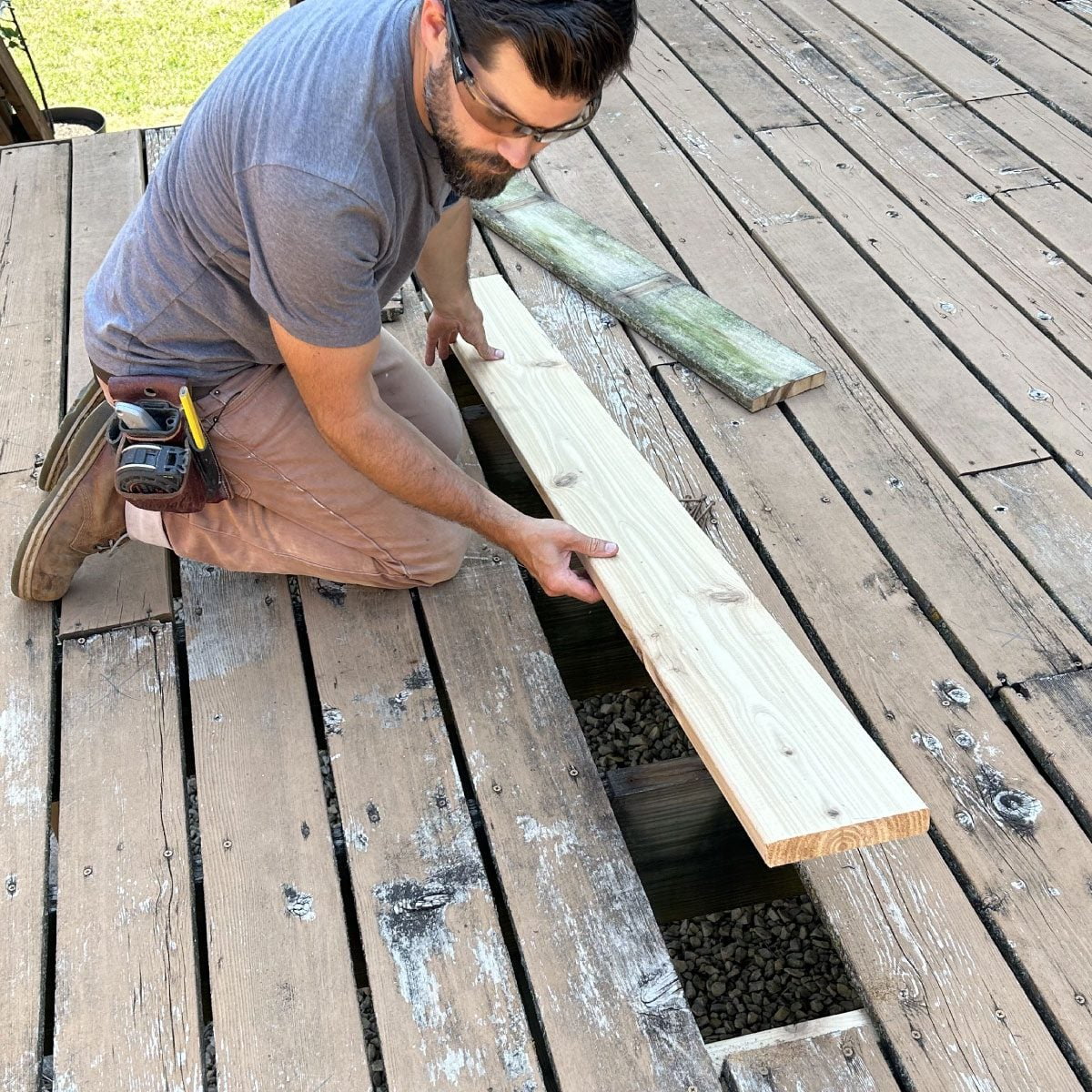
A deck can be one of the most valuable additions to an outdoor living area, providing a comfortable place for relaxing, entertaining guests, enjoying meals, or spending time with family. Over time, however, exposure to moisture, sunlight, temperature changes, foot traffic, and general wear can cause even a well-maintained deck to deteriorate. When boards become damaged and structural components begin showing signs of age, homeowners may need to consider more than simple repairs. A carefully planned deck replacement can restore the appearance and functionality of an outdoor space while also addressing underlying structural concerns. Understanding the replacement process, materials, design choices, and maintenance requirements can help homeowners make informed decisions and achieve a durable result.
- Recognizing the Signs of an Aging Deck
- Evaluating the Existing Structure
- Choosing Appropriate Decking Materials
- Designing the New Outdoor Space
- Establishing a Practical Budget
- Improving Structural Strength
- Selecting Railings and Stairs
- Preparing for the Replacement Process
- Managing Moisture and Drainage
- Considering Appearance and Style
- Planning for Maintenance
- Hiring the Right Professionals
- Avoiding Common Planning Mistakes
- Making the Space More Functional
- Thinking About Long-Term Value
- Final Thoughts
Recognizing the Signs of an Aging Deck
Determining whether a deck needs replacement begins with examining its overall condition. Surface damage alone does not always mean the entire structure must be removed, as individual boards can sometimes be repaired or replaced. However, widespread rot, cracked boards, loose railings, unstable stairs, deteriorated support posts, and weakened connections may indicate more serious problems. Areas that remain damp for extended periods deserve particular attention because persistent moisture can accelerate deterioration. Homeowners should also look for excessive movement when walking across the deck, visible splitting, rusted hardware, or components that feel soft when inspected. A thorough assessment can help determine whether repairs are sufficient or whether replacing the structure would provide a more dependable long-term solution.
Evaluating the Existing Structure
Before beginning construction, it is important to understand what is happening beneath the visible decking. The boards may look worn while the underlying joists, beams, and posts remain in good condition, or the opposite may be true. A proper inspection should therefore consider every major component rather than focusing only on appearance. Structural connections, fasteners, support points, stairs, and railings should all be evaluated for signs of deterioration. Professional assessment can be especially useful when damage is difficult to identify from the surface. Understanding the condition of the existing structure makes it easier to create an accurate project plan, establish a realistic budget, and determine which components can potentially be reused and which should be replaced.
Choosing Appropriate Decking Materials
Material selection has a significant impact on the finished deck’s appearance, maintenance needs, durability, and cost. Traditional wood remains a popular choice because of its natural character and the flexibility it offers for staining and finishing. Different wood species can have different characteristics, so homeowners should consider resistance to moisture, insects, splitting, and general outdoor exposure. Composite decking is another option that has become increasingly popular because it can provide a consistent appearance and reduce some routine maintenance requirements. Other manufactured materials may also offer specific advantages depending on the intended use. Rather than selecting a material based solely on its initial price, homeowners should consider its expected performance, maintenance requirements, appearance, and long-term value.
Designing the New Outdoor Space
One of the biggest advantages of replacing an old deck is the opportunity to rethink the entire layout. Instead of simply reproducing the previous design, homeowners can consider how they actually use the outdoor area and what improvements would make it more functional. A larger seating area, dedicated dining space, wider stairs, built-in benches, or additional room for outdoor furniture may significantly improve usability. The shape and proportions of the deck should also work naturally with the home and surrounding outdoor space. Thoughtful design can make the finished structure feel like an intentional extension of the living area rather than an isolated addition. Planning these details before construction begins can also help prevent expensive design changes later.
Establishing a Practical Budget
A realistic budget is essential before starting any major deck project. The final cost can depend on the size of the structure, selected materials, labor, demolition, structural improvements, stairs, railings, finishing products, and optional features. Homeowners should remember that the visible decking is only one part of the total project. The supporting framework, fasteners, foundation elements, and installation work can also represent substantial portions of the expense. It is sensible to reserve some additional funds for unexpected conditions that may become visible after the old structure is removed. A well-prepared budget helps homeowners prioritize important features while reducing the likelihood of compromising structural quality because of unexpected expenses.
Improving Structural Strength
A replacement project offers an opportunity to correct weaknesses that may have developed in an older structure. Older construction may use outdated fastening methods, deteriorated connections, or materials that no longer provide the desired level of durability. During a new installation, the structural system can be designed and assembled with current requirements and good construction practices in mind. Properly positioned supports, secure connections, suitable fasteners, and adequate spacing can contribute to overall strength and longevity. Drainage and ventilation should also be considered because trapped moisture can contribute to deterioration over time. Paying close attention to the structure beneath the surface can help ensure that the finished deck is not merely attractive but also dependable.
Selecting Railings and Stairs
Railings and stairs play an important role in both safety and design. A well-designed railing can provide necessary support while contributing to the overall visual character of the deck. Homeowners can choose from a variety of materials and styles, including wood, composite, metal, and combinations of different materials. The best selection depends on factors such as maintenance expectations, durability, visibility, and personal preference. Stairs should also be designed carefully, with consistent dimensions and secure handrails where appropriate. Because stairs and railings receive frequent use, they should be treated as important structural features rather than decorative additions. Careful planning can make movement between the deck and surrounding areas more comfortable and secure.
Preparing for the Replacement Process
Good preparation can make the construction process smoother and more efficient. Before demolition begins, furniture, decorations, plants, and other items near the work area should be moved to a safe location. The existing deck should be inspected and documented so that important structural concerns are understood before removal begins. Once demolition starts, previously hidden damage may become visible, particularly around connections, support points, and areas exposed to moisture. Contractors may need to adjust the work plan if unexpected conditions are discovered. Preparing for this possibility is another reason why a contingency budget can be valuable. Organized preparation also helps minimize disruption and creates a safer environment for workers and household members during construction.
Managing Moisture and Drainage
Water management is one of the most important considerations for the long-term performance of an outdoor structure. Moisture that remains around decking boards, joists, posts, or connections can accelerate deterioration and create maintenance problems. The new deck should therefore be designed to encourage water movement and allow wet areas to dry properly. Appropriate spacing between boards can support drainage and ventilation, while careful attention to the surrounding ground can help prevent water from collecting near structural components. Homeowners should also consider how rainwater moves across and beneath the deck. Addressing moisture concerns during construction can reduce the risk of premature deterioration and help the structure remain in good condition for a longer period.
Considering Appearance and Style
A new deck can make a noticeable difference to the overall appearance of an outdoor living area. Board color, layout, railing design, stairs, lighting, and furniture all contribute to the final visual result. Some homeowners prefer a traditional appearance with natural wood tones, while others may favor a cleaner contemporary style. The goal should be to create a design that complements the home’s existing exterior and feels appropriate for the surrounding space. Color choices should also be considered carefully because some materials can change in appearance as they age. A cohesive design does not necessarily require elaborate features; balanced proportions, quality materials, and consistent details can create an attractive result without unnecessary complexity.
Planning for Maintenance
Even a newly installed deck requires regular care. The type of maintenance needed will depend largely on the selected materials and the environmental conditions to which the structure is exposed. Wood may require periodic cleaning, staining, sealing, or refinishing, while composite materials may require less intensive surface treatment. Regardless of material, routine inspections are useful for identifying loose fasteners, damaged boards, unstable railings, drainage concerns, or other developing problems. Keeping the surface clean can also make it easier to notice early signs of wear. Establishing a maintenance routine from the beginning can protect the investment and help preserve both the appearance and performance of the deck.
Hiring the Right Professionals
A successful deck project requires more than attractive materials. It involves structural planning, accurate measurements, safe demolition, proper installation, and attention to applicable construction requirements. Working with experienced professionals can help ensure that these different elements are handled systematically. Before hiring a contractor, homeowners should ask about previous experience, materials, project timelines, warranties, payment arrangements, and the exact work included in the estimate. Written documentation can help clarify responsibilities and prevent misunderstandings. Homeowners should also confirm that required approvals and inspections are addressed when applicable. Clear communication throughout the project can make the process easier while helping ensure that expectations remain aligned from the beginning to the final inspection.
Avoiding Common Planning Mistakes
Many deck problems can be avoided through careful planning. One common mistake is concentrating too much on surface appearance while overlooking the condition of the supporting structure. Another is choosing materials based only on their initial purchase price without considering maintenance and long-term performance. Poor drainage, inadequate spacing, inaccurate measurements, and insufficient preparation can also lead to unnecessary repairs later. Some homeowners may underestimate the cost of demolition or fail to account for unexpected structural damage. Taking time to review the entire project before construction begins can reduce these risks. A balanced approach should consider appearance, safety, durability, maintenance, functionality, and budget rather than treating one factor as more important than everything else.
Making the Space More Functional
A replacement project provides an opportunity to create a deck that better supports everyday activities. Homeowners can plan specific areas for dining, relaxing, entertaining, or enjoying outdoor views. Built-in seating can help maximize available space, while carefully positioned lighting can improve usability after sunset. Outdoor furniture should be selected according to the deck’s dimensions so that people can move comfortably without overcrowding the area. Additional features such as planters, privacy elements, storage solutions, or decorative lighting may also enhance functionality. The most successful designs are often those that respond directly to how the household intends to use the space rather than simply adding features for appearance.
Thinking About Long-Term Value
A deck should be viewed as a long-term investment rather than a short-term cosmetic improvement. Choosing durable materials and paying attention to structural quality can reduce the need for frequent repairs in the future. Homeowners should also consider how their needs may change over time. A space that is sufficient for a small household may eventually need to accommodate larger gatherings, additional furniture, or changing outdoor activities. Designing with some flexibility can help the deck remain useful as those needs evolve. Long-term value comes not only from the quality of the materials but also from thoughtful design, proper installation, effective maintenance, and careful consideration of how the space will be used.
Final Thoughts
A successful deck replacement involves much more than removing old boards and installing new ones. It is an opportunity to reassess the entire outdoor space, identify structural concerns, improve functionality, select appropriate materials, and create a design that meets current needs. Careful budgeting, professional planning, proper moisture management, and regular maintenance can all contribute to a longer-lasting result. Homeowners who take the time to understand the process are better prepared to make practical decisions and avoid common problems. With thoughtful design and quality construction, a replacement deck can provide a comfortable, attractive, and dependable outdoor space that remains useful and enjoyable for many years.

Buying a home is a major decision, and choosing the right residential project requires careful consideration. With several residential developments available in Porur, you may find it difficult to decide which one is suitable for your requirements.
- Recognizing the Signs of an Aging Deck
- Evaluating the Existing Structure
- Choosing Appropriate Decking Materials
- Designing the New Outdoor Space
- Establishing a Practical Budget
- Improving Structural Strength
- Selecting Railings and Stairs
- Preparing for the Replacement Process
- Managing Moisture and Drainage
- Considering Appearance and Style
- Planning for Maintenance
- Hiring the Right Professionals
- Avoiding Common Planning Mistakes
- Making the Space More Functional
- Thinking About Long-Term Value
- Final Thoughts
Every residential project has different features, facilities, apartment configurations, and locations. Therefore, you must compare these factors before making a decision. A project that looks attractive at first may not offer everything you need for comfortable living.
So, how can you compare different residential projects in Porur? Let us look at the important factors you must consider before choosing a property.
1. Compare the Location and Connectivity
The first thing you must consider is the location of the residential project. Even if two apartments have similar features, their locations can make a significant difference in your daily life.
Check how easily you can access important places such as schools, hospitals, shopping centres, and workplaces. Also, look at the road connectivity and availability of public transportation.
For instance, if you have children, choosing a residential project near reputed schools can make everyday travel easier. Similarly, easy access to hospitals and essential shops will be helpful for your family.
Therefore, compare the surrounding facilities of each project and choose a location that suits your daily requirements.
2. Check the Apartment Configuration
Residential projects offer different apartment configurations based on the requirements of buyers. You can find 2 BHK, 3 BHK, and larger apartments depending on the project.
Before comparing the apartments, consider the number of bedrooms, bathrooms, balconies, and available living space.
For example, a 2 BHK apartment may be sufficient for a small family. However, if you have a larger family or need an additional room for work, a 3 BHK apartment may be a better option.
Also, compare the carpet area instead of looking only at the total built up area. This will help you understand how much usable space you actually get inside the apartment.
3. Compare the Amenities Offered
Amenities are another important factor that separates one residential project from another. Most modern residential developments provide facilities that support everyday activities and recreation.
Some common amenities include:
- Swimming pool
- Gymnasium
- Children’s play area
- Indoor games room
- Walking tracks
- Multipurpose hall
- Landscaped gardens
- Security systems
However, you should not choose a project simply because it offers a long list of amenities.
Check whether these facilities are useful for your family and whether they are properly maintained. For instance, if you have children, a dedicated play area can be useful. Similarly, a gymnasium or walking track can help residents maintain their fitness.
Compare the amenities available in different projects and identify which one offers practical facilities for your lifestyle.
4. Examine the Construction Quality
The construction quality of a residential project directly affects its durability and maintenance requirements.
Therefore, you must check the materials used for construction, the quality of flooring, electrical fittings, plumbing systems, doors, and windows.
If possible, visit the project site and observe the construction progress. You can also look at the builder’s previous residential developments to understand their construction standards.
Check whether the project has the necessary approvals and relevant documentation. You should also verify the RERA registration details before proceeding with your purchase.
These checks will help you understand the quality of the project and avoid unnecessary problems later.
5. Evaluate the Builder’s Reputation
The reputation of the builder is another factor you must consider while comparing residential projects.
A builder with experience in developing residential properties may have a better understanding of construction requirements, project planning, and delivery schedules.
Therefore, research the builder’s previous projects and check their completion status. You can also look at customer reviews to understand the experiences of existing homeowners.
Pay attention to feedback about construction quality, maintenance, and the builder’s response to customer concerns.
For example, if a builder has completed several residential projects and has positive feedback from homeowners, it can give you a better understanding of their work.
Do not make your decision based on advertisements alone. Check the actual project details before choosing a builder.
6. Compare the Total Property Cost
The total cost is another important factor to consider when comparing residential projects.
Two apartments with similar configurations may have different prices because of their location, amenities, construction quality, and other features.
Therefore, compare the overall property cost instead of looking only at the advertised price.
Check whether the quoted amount includes parking charges, maintenance deposits, registration expenses, and other applicable charges.
For instance, one project may have a lower advertised price but additional charges that increase the overall cost. Another project may offer more facilities at a slightly higher price.
By comparing the complete cost details, you can understand which property offers better value for your money.
7. Check the Safety and Security Facilities
Safety is an important requirement for every residential community. Therefore, you must compare the security arrangements available in different projects.
Check whether the residential development provides CCTV cameras, security personnel, controlled entry and exit points, and proper lighting in common areas.
You should also look at fire safety arrangements and emergency access facilities.
If you have children or elderly family members, these facilities become even more important. A properly managed security system can provide residents with greater peace of mind.
8. Consider the Future Development of the Area
Apart from the existing facilities, you should also consider the future development potential of the location.
Porur has residential and commercial developments, along with access to important roads and employment centres. Therefore, check the infrastructure and upcoming developments around the project.
Look at road improvements, public transportation facilities, educational institutions, and commercial establishments in the surrounding areas.
These developments may influence the convenience and property value of the location over time.
However, do not depend entirely on future developments. Give more importance to the existing infrastructure and facilities before making your decision.
Conclusion
Comparing different residential projects in Porur requires you to look beyond the apartment price and advertised amenities. You must consider several factors, including location, apartment configuration, construction quality, builder reputation, safety, and available facilities.
If you are planning to purchase Flats in Porur, make a list of your requirements and compare different projects based on these factors.
Visit the shortlisted properties, check the documentation, and understand the facilities offered by each builder. This will help you identify the residential project that meets your family’s requirements.
After all, choosing the right home is about finding a property that offers comfortable living, convenient access to essential facilities, and good long term value.
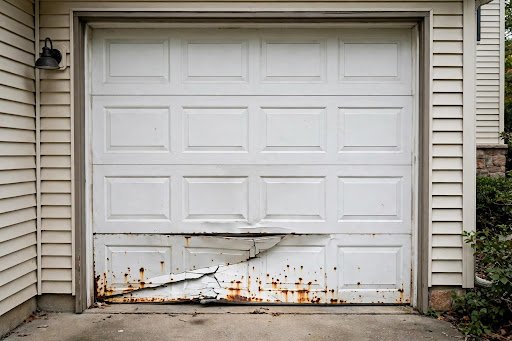
Damaged panels do not always mean a new door. Depending on the type and extent of the damage, you may have several options, from a simple surface repair to replacing a single panel or the whole door. Understanding the damage and the choices helps you make a sensible decision that fits your budget and the condition of the door.
- Surface rust
- Rot in wood panels
- Cracked panels
- Replacing individual panels
- When a full replacement makes sense
- Florida weather and panels
- Inspect the panels regularly
- Protect the panels from further damage
- Ask a technician for an honest assessment
- Consider the door’s overall condition
- Tampa homeowners
- Choose the repair that protects the door
- Frequently asked questions
Surface rust
Light rust on steel panels can often be cleaned, treated and repainted. Remove loose rust with a wire brush, clean the area, apply a rust-inhibiting primer and finish with a matching paint. Address surface rust early, because untreated rust spreads under the paint and can weaken the panel from the inside.
Rot in wood panels
Soft spots and rot in wood panels can sometimes be repaired with filler and sealant. Remove the rotted wood, treat the area and fill it to match the panel. Heavy rot that has spread through the panel usually calls for replacement, because the repair may not hold or restore the strength of the section.
Cracked panels
A crack along a seam may be repaired or the panel replaced, depending on its size and location. Cracks weaken the door and can affect insulation and weather sealing. A crack that runs across a panel usually means the section should be replaced rather than patched.
Replacing individual panels
Individual panels can often be replaced, especially on steel doors. The new panel must match the original in size, profile, thickness and finish. Check whether the design is still available from the manufacturer before ordering. Ask the technician to confirm that the new panel will fit the existing hardware and the insulation.
When a full replacement makes sense
If several panels are damaged, the door is old or the rust has spread across the surface, a new door may be the better choice. A full replacement also allows you to upgrade the insulation, the springs, the opener and the security features at the same time. Compare the cost of repairing several panels with the cost of a new door before deciding.
Florida weather and panels
Humidity, heavy rain and salt air can accelerate rust and rot in garage door panels. Coastal and humid areas benefit from corrosion-resistant finishes and regular cleaning. Look for panels and finishes designed for moisture resistance, and inspect the door after storms or periods of heavy rain.
Inspect the panels regularly
Look at each panel every few months for rust, cracks, soft spots and dents. Check the seams between sections, because water and debris often collect there. Early detection makes a small repair possible and can prevent the need for a complete replacement.
Protect the panels from further damage
Keep vehicles and equipment away from the door, store items clear of the door’s path and address leaks promptly. Clean the door periodically with a mild soap and water, and touch up paint chips before they spread. Protecting the finish helps the panels last longer.
Ask a technician for an honest assessment
A technician can tell you which option costs less over time and which keeps the door secure and safe. Ask whether the damage affects the structure, the insulation or the balance, and whether the springs and cables need attention too. Get a written estimate for each option so you can compare them clearly.
Consider the door’s overall condition
A panel repair makes sense when the rest of the door is in good shape. If the springs, cables, track or opener are also worn, the cost of repairing the panels alone may not be justified. Look at the whole system before deciding.
Tampa homeowners
If you are in Tampa and your garage door panels need attention, a local technician can assess the damage and recommend the right option. You can review panel replacement options on our garage door panel replacement page for Tampa, FL, or visit the Century Garage Door Service homepage to learn about all of our services.
Choose the repair that protects the door
Surface rust, rot, cracks and dents each call for a different response. Clean and treat minor damage, replace individual panels when only one section is affected and consider a full replacement when the damage is widespread. An honest assessment will help you choose the option that keeps the door secure and attractive for years.
Frequently asked questions
Can rust on a garage door panel be painted over? Only after the rust is cleaned and treated. Painting over untreated rust traps moisture underneath and allows the damage to continue, often more quickly.
How do I choose a replacement panel? Match the size, profile, thickness and finish of the original. Check whether the manufacturer still makes the design, and ask the technician to confirm the fit with your hardware.
When is a full door replacement better? When several panels are damaged, the door is old, the springs and cables are worn or the insulation is poor. A new door can address those issues together.
Home Improvement
Professional Cleaning Solutions for a Healthier, Fresher, and More Organized Lifestyle


Introduction
Maintaining a clean and organized environment is essential for creating a comfortable home and a productive workplace. Dust, dirt, stains, and everyday clutter can gradually affect the appearance of a property and make routine maintenance more challenging. With busy schedules and numerous responsibilities, many people struggle to find enough time to clean every area thoroughly. Professional cleaning services offer a practical solution by helping homeowners and businesses maintain tidy surroundings while allowing them to focus on their daily priorities and personal commitments. Choosing a suitable cleaning company involves considering service quality, attention to detail, reliability, and the ability to meet individual requirements. The Clean Panther is a name customers may explore when researching professional cleaning options for their properties. Before selecting any provider, it is helpful to understand the available services, cleaning methods, pricing structure, and customer support. A thoughtful approach to choosing cleaning assistance can make it easier to maintain a fresh, comfortable, and welcoming environment throughout the year.
- Introduction
- Why Professional Cleaning Matters
- Understanding Different Cleaning Services
- Creating a Healthier Home Environment
- Maintaining Clean and Hygienic Kitchens
- Keeping Bathrooms Fresh and Comfortable
- Benefits of Hiring Professional Cleaners
- Choosing Suitable Cleaning Products and Equipment
- Improving Cleanliness in Professional Workplaces
- How to Choose a Reliable Cleaning Company
- Saving Time Through Better Cleaning Habits
- Maintaining Cleanliness Over the Long Term
- Conclusion
Why Professional Cleaning Matters
A clean environment contributes to comfort, organization, and a more pleasant daily experience. In homes, regularly maintained kitchens, bathrooms, bedrooms, and living rooms create spaces where family members can relax and complete everyday activities more comfortably. In workplaces, clean desks, floors, meeting rooms, and shared facilities help create a professional atmosphere for employees and visitors. Removing accumulated dust and addressing visible messes also helps prevent minor cleaning problems from developing into more time-consuming maintenance tasks. Clean surroundings can influence how people feel about their environment. Cluttered rooms and dirty surfaces may create distractions, while organized spaces can make it easier to concentrate, locate belongings, and complete daily responsibilities. Regular cleaning encourages better organization and helps maintain the appearance of furniture, floors, fixtures, and other household items. When customers compare professional cleaning providers, they should consider whether the services offered match their property’s requirements and whether the company communicates its procedures and expectations clearly.
Understanding Different Cleaning Services
Every property has different cleaning needs based on its size, layout, number of occupants, and everyday activities. A family home may require frequent kitchen maintenance, bathroom cleaning, dust removal, and floor care, while an office may need special attention to workstations, meeting areas, reception spaces, and shared facilities. Properties with pets, children, or frequent visitors may also experience faster accumulation of dirt and clutter. Understanding these differences helps customers choose an appropriate cleaning schedule and determine which tasks deserve the most attention. Routine cleaning generally includes dusting accessible surfaces, vacuuming, mopping, cleaning bathrooms, and maintaining kitchen areas. Deep cleaning may involve more detailed attention to baseboards, appliance surfaces, neglected corners, and other areas that do not receive frequent maintenance. Some customers may also require move-in cleaning, move-out cleaning, or assistance before special occasions. The Clean Panther can be included in the research process when exploring cleaning services, but customers should confirm the provider’s actual offerings, availability, and terms directly before making a booking.
Creating a Healthier Home Environment
A well-maintained home offers a comfortable setting for relaxing, spending time with family, and completing everyday activities. Dust, pet hair, food particles, and other debris can accumulate on furniture, floors, and soft furnishings when cleaning is postponed. Regular vacuuming, damp dusting, and washing suitable household textiles help reduce the buildup of these materials. Maintaining clear surfaces and organized storage areas also makes it easier to keep rooms presentable and prevents clutter from becoming difficult to manage. Homeowners can support a cleaner environment by developing small daily habits that complement their regular cleaning schedule. Wiping kitchen counters after preparing meals, putting belongings away, addressing spills promptly, and keeping entryways tidy can make household maintenance easier. Professional assistance may provide additional support when busy schedules prevent homeowners from completing every task themselves. A balanced approach combines everyday care with occasional detailed cleaning, helping maintain a comfortable environment without allowing household chores to become overwhelming.
Maintaining Clean and Hygienic Kitchens
The kitchen is one of the most frequently used areas in a home, making regular maintenance particularly important. Food crumbs, grease, spills, and moisture can accumulate on countertops, stovetops, cabinet handles, and floors. Cleaning these surfaces after use helps keep the room presentable and reduces the buildup of residue. Frequently touched areas, including appliance controls and refrigerator handles, should also receive appropriate attention as part of a consistent household cleaning routine. Effective kitchen care involves selecting suitable products for different materials and following safe cleaning practices. Countertops, sinks, appliances, and floors may require different methods depending on their surfaces and manufacturers’ recommendations. Cleaning clothes should be washed regularly, and products used around food preparation areas should be applied according to their labels. When evaluating The Clean Panther or another cleaning provider, customers should ask which kitchen tasks are included in the service and whether additional appliance cleaning requires a separate arrangement.
Keeping Bathrooms Fresh and Comfortable
Bathrooms require regular cleaning because moisture, soap residue, and frequent use can quickly affect their condition. Sinks, faucets, toilets, showers, mirrors, and floors should be cleaned according to the level of use and the materials involved. Proper ventilation can help control moisture, while promptly addressing leaks and damp areas may reduce the risk of mold growth. Keeping towels fresh and toiletries organized also improves the overall appearance and comfort of the room. Safety should remain a priority when cleaning bathrooms, especially when using chemical products. Customers should follow label instructions, ventilate the area as recommended, and never mix cleaning chemicals because certain combinations can release dangerous gases. Delicate fixtures and surfaces should be treated with suitable products to avoid scratches or discoloration. A structured cleaning routine helps maintain bathroom hygiene and makes it easier to identify areas that require more detailed attention.
Benefits of Hiring Professional Cleaners
Professional cleaning services can provide valuable support for people who have limited time to manage household or workplace maintenance. Work commitments, family responsibilities, and personal activities can make it difficult to clean every room as often as necessary. A suitable cleaning provider can help complete agreed tasks efficiently, maintain a regular schedule, and give additional attention to areas that may otherwise be neglected. This support allows customers to spend more time on their priorities while keeping their surroundings organized. Another advantage is the ability to arrange services according to specific needs. Some customers prefer regular maintenance visits, while others require a detailed clean before hosting guests, moving into a property, or completing renovation work. The Clean Panther may be worth investigating as part of a comparison of cleaning providers, provided prospective customers verify its current offerings and service standards. Reviewing customer feedback, confirming the scope of work, and requesting clear pricing information can help people make informed decisions before choosing a company.
Choosing Suitable Cleaning Products and Equipment
Cleaning results depend partly on using the correct equipment and products for each task. Microfiber cloths can help remove dust from many surfaces, while vacuum cleaners are useful for carpets, rugs, and suitable upholstery. Mops, scrub brushes, and reusable cloths support different cleaning activities when they are maintained properly. Selecting the right tools can reduce unnecessary effort and help prevent damage to furniture, flooring, and fixtures. Cleaning solutions should always be chosen according to the surface being treated. A product suitable for ceramic tiles may not be appropriate for natural stone, untreated wood, or delicate fabrics. Reading instructions, using recommended quantities, and testing products on inconspicuous areas can help prevent accidental damage. Products should also be stored safely away from children and pets. When comparing cleaning companies, customers can ask about the types of products used and whether special instructions can be followed for delicate household materials.
Improving Cleanliness in Professional Workplaces
Workplaces require consistent maintenance because employees and visitors regularly use desks, meeting rooms, reception areas, kitchens, and shared facilities. Dusty surfaces, overflowing bins, and dirty floors can affect the appearance of an office and create an unprofessional impression. Regular cleaning helps keep common areas presentable and supports a more comfortable working environment. Particular attention should be given to high-touch surfaces and frequently used facilities as part of an appropriate maintenance plan. A workplace cleaning schedule should reflect the number of employees, the type of business, and the amount of daily activity. Offices with shared desks or busy reception areas may require more frequent attention than smaller workplaces with limited foot traffic. Clear arrangements about cleaning times, access, waste disposal, and priority areas can help minimize disruption. Customers considering The Clean Panther for workplace maintenance should verify whether the company provides the required commercial services and whether its scheduling options fit the business’s operating hours.
How to Choose a Reliable Cleaning Company
Selecting a cleaning provider involves looking beyond promotional descriptions and comparing practical details. Customers should consider service options, experience, communication, scheduling flexibility, pricing, and the company’s approach to protecting property. It is useful to ask whether cleaning supplies and equipment are included, which tasks cost extra, and what procedures apply if an appointment needs to be changed. Written service details can make expectations clearer and reduce the possibility of misunderstandings. Customer reviews and recommendations may provide insight into reliability and service quality, although individual experiences can vary. Customers should also ask about insurance where applicable, staff training, and procedures for handling delicate belongings or accidental damage. Before confirming a booking, they should identify priority areas and communicate any special instructions. Researching The Clean Panther alongside other available providers can help customers compare options, but a final decision should be based on verified information, service suitability, and transparent terms rather than assumptions.
Saving Time Through Better Cleaning Habits
Simple daily habits can significantly reduce the amount of time required for household maintenance. Returning items to their proper places, cleaning up spills immediately, washing dishes after meals, and keeping frequently used surfaces clear can prevent clutter from spreading. Families can divide age-appropriate chores among household members, making maintenance more manageable and encouraging everyone to contribute. Organizing cleaning supplies in an accessible location also reduces interruptions and makes routine tasks easier to complete. Planning chores in advance can further improve efficiency. Cleaning from higher surfaces toward lower areas helps prevent dust from settling on floors that have already been cleaned. Grouping similar tasks together, such as dusting several rooms before vacuuming, can reduce repeated effort. These habits are useful whether a household handles most cleaning independently or supplements its routine with professional assistance. The goal is to create a realistic system that supports consistent results without placing unnecessary pressure on anyone.
Maintaining Cleanliness Over the Long Term
Long-term cleanliness depends on combining regular maintenance with occasional detailed cleaning. Daily tasks help control ordinary mess, weekly routines address frequently used spaces, and periodic deep cleaning focuses on neglected areas. The right schedule depends on household size, pets, visitor frequency, and personal preferences. Reviewing the plan occasionally allows homeowners and businesses to adjust their priorities as their circumstances change. Customers can improve results by communicating clearly with their cleaning provider and providing feedback when necessary. Explaining which areas need additional attention, identifying delicate materials, and confirming the expected scope of work helps create a more consistent experience. If The Clean Panther is among the companies being considered, prospective customers should confirm its actual services, service terms, and current availability before arranging an appointment. Careful planning and realistic expectations help maintain a clean, comfortable environment over time.
Conclusion
Maintaining clean surroundings is an important part of creating a comfortable home and a professional workplace. Regular attention to kitchens, bathrooms, floors, furniture, and shared spaces helps prevent dirt from accumulating and makes everyday maintenance easier. Choosing appropriate products, following safe cleaning practices, and establishing a realistic schedule can improve results while protecting household belongings and workplace equipment. Professional cleaning assistance can be especially valuable for people who need additional support or want a more structured approach to maintaining their property. By comparing service options, confirming the tasks included, and communicating expectations clearly, customers can choose a provider that suits their requirements. The Clean Panther is a name prospective customers may research as part of this process, but verifying its current services and terms is important before booking. Ultimately, consistent habits and informed decisions are the foundation of a cleaner, more organized, and more welcoming environment.

How to Turn Your iPad Into the Perfect Binge-Watching Device: 7 Easy Tips

Smart Packaging Integration: How to Embed QR Codes and AR into Your Magnetic Box Design
The Challenges That Follow a Bergenfield Car Crash

Alex Pettyfer Net Worth, Wife, Age, Height, Children, Career and More

Brad Williams Net Worth, Wife, Height, Age, Daughter, Family, Career and More

Eldorado.gg Review 2026: How It Works, Safety, Fees, and Risks
-
Celebrity11 months ago
Alex Pettyfer Net Worth, Wife, Age, Height, Children, Career and More
-
Celebrity11 months ago
Brad Williams Net Worth, Wife, Height, Age, Daughter, Family, Career and More
-
Blog2 months ago
Eldorado.gg Review 2026: How It Works, Safety, Fees, and Risks
-
 Anime12 months ago
Sanzoku Bandits of One Piece: Origins, Higuma, and Their Role in Dawn Island
-
 Celebrity11 months ago
John McGinn Net Worth, Age, Height, Wife, Childrens, Career and More
-
 Celebrity11 months ago
Frances de la Tour Net Worth, Age, Height, Husband, Childrens, Career and More
-
 Celebrity11 months ago
Will Trickett Net Worth, Wife, Childrens, Age, Career and More
-
 Blog3 months ago
Crackstube: A Complete Guide to the Digital Publishing Platform