
Home Improvement
Soffit Repair Guide: How to Address Rot, Cracks, Holes and Ventilation Problems

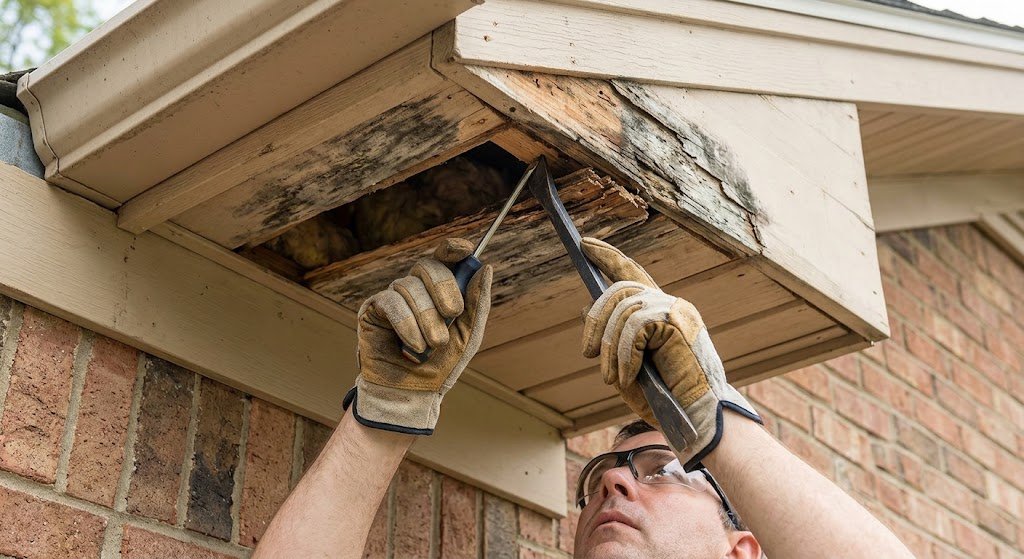
The exterior of a building consists of many interconnected components that work together to protect the structure from weather, moisture, pests, and everyday environmental exposure. While roofing materials often receive most of the attention, smaller architectural elements can be equally important. Soffits are one such component. Located beneath the roof overhang, they help finish the edge of a roof while supporting ventilation and protecting the roof structure from exposure. When soffits become cracked, loose, stained, or damaged, addressing the issue promptly can help prevent a relatively small problem from developing into more extensive exterior damage. Understanding the causes, warning signs, repair methods, and maintenance requirements associated with soffits can help property owners protect their buildings and maintain their appearance.
- Understanding the Purpose of a Soffit
- Common Causes of Soffit Damage
- Warning Signs That a Soffit Needs Attention
- Why Prompt Repairs Matter
- Different Soffit Materials
- Inspecting the Surrounding Roof Area
- Understanding Soffit Ventilation
- Repair or Replace?
- Professional Inspection and Repair
- Maintaining Soffits After Repair
- Preventing Future Damage
- Considering Energy and Ventilation Performance
- Cost Considerations
- Final Thoughts
A damaged soffit may initially appear to be only a cosmetic concern, particularly when the visible issue is a small crack, discoloration, or loose panel. However, these signs can sometimes indicate moisture intrusion, inadequate ventilation, pest activity, deteriorating materials, or problems with nearby roofing components. For this reason, soffit repair should begin with identifying the underlying cause rather than simply replacing the visible damaged section. A proper assessment can help determine whether the issue is isolated or part of a larger problem involving the roof, fascia, gutters, attic, or ventilation system.
Understanding the Purpose of a Soffit
A soffit is the finished surface installed beneath an overhanging section of a roof. Depending on the design of the building, soffits may be constructed from materials such as aluminum, vinyl, wood, fiber cement, or other exterior-grade products. Although the soffit contributes to the appearance of the roofline, it also serves functional purposes.
One important function is helping protect the underside of the roof structure from direct exposure to rain, wind, insects, and debris. The soffit can create a finished transition between the exterior wall and roof edge while covering structural components that would otherwise remain exposed.
Many soffits also contain ventilation openings. These openings can allow air to move into the attic or roof cavity, supporting airflow through the roofing system. Proper ventilation can help manage heat and moisture buildup, depending on the building’s overall ventilation design. Blocking or improperly modifying these openings can interfere with the intended airflow and potentially contribute to moisture-related problems.
Common Causes of Soffit Damage
Soffits can deteriorate for many reasons. Weather exposure is one of the most common factors because exterior materials are repeatedly exposed to rain, wind, sunlight, temperature changes, and moisture. Over time, these conditions can cause certain materials to crack, warp, fade, or become brittle.
Water intrusion is another significant concern. Damaged shingles, deteriorated flashing, overflowing gutters, or improperly directed drainage can allow water to reach the soffit area. Persistent moisture may stain the surface, weaken wood, encourage biological growth, or damage fasteners and surrounding structural components.
Pests can also create problems. Birds, insects, rodents, and other animals may enter gaps in damaged soffits or use openings as nesting areas. Once an opening has developed, pest activity can enlarge the damage and introduce additional debris or moisture into the roof cavity.
Poor installation can contribute as well. Incorrectly fastened panels, insufficient ventilation, unsuitable materials, or inadequate drainage details may cause premature deterioration. Identifying the original cause is therefore an important step before beginning repairs.
Warning Signs That a Soffit Needs Attention
Visible deterioration is often the first indication that a soffit requires inspection. Cracks, holes, sagging sections, peeling finishes, warped panels, or loose components should not be ignored. Even a relatively small opening can provide access for insects or small animals and may allow water to reach areas that are not designed to remain exposed.
Discoloration can also provide a useful warning. Dark stains, water marks, or unusual patches may indicate moisture intrusion. In wooden soffits, soft or crumbly areas can suggest decay. In other materials, deformation or separation at joints may indicate that the panels or supporting components have been compromised.
Unusual sounds or evidence of pest activity can provide another clue. Scratching, nesting material, droppings, or insects entering through the roof edge may indicate that an opening has developed. If these signs are present, the affected area should be inspected rather than simply sealed from the outside.
Why Prompt Repairs Matter
Small exterior defects can become more complicated when they remain exposed to weather. A cracked or missing soffit panel may allow water, insects, or debris into the roof structure. If moisture remains trapped in an enclosed area, it can contribute to deterioration of wood and other materials.
Addressing problems early can also make repairs simpler. Replacing one damaged panel may be relatively straightforward, while repairing extensive structural deterioration behind multiple damaged sections can require considerably more work. Early inspection allows property owners to distinguish between minor surface damage and conditions that require broader attention.
Timely maintenance also helps preserve the appearance of the building. Damaged roofline components can make an otherwise well-maintained property appear neglected. Restoring the soffit can improve the overall finish of the exterior while addressing potential functional concerns.
Different Soffit Materials
The appropriate repair approach depends partly on the material used. Wood soffits can provide a traditional appearance but may be vulnerable to rot and moisture damage if they are not properly maintained. Damaged wood may need to be cut out and replaced, followed by suitable priming and exterior finishing.
Vinyl soffits are lightweight and resistant to many forms of ordinary weather exposure. However, they can crack or become brittle, particularly after prolonged exposure or physical impact. Individual panels may often be replaced without removing the entire soffit system.
Aluminum soffits are also commonly used because of their resistance to corrosion and relatively low maintenance requirements. They can still be dented, bent, or damaged by impact, and their protective coating may deteriorate if exposed to harsh conditions or physical damage.
Other materials, including fiber cement and composite products, have their own installation and repair requirements. Property owners should identify the material before selecting replacement components because products that look similar may require different fasteners, cutting methods, and finishing techniques.
Inspecting the Surrounding Roof Area
An important part of soffit repair is checking the areas around the damaged section. A soffit problem may be caused by an issue higher up on the building. For example, a leaking roof, damaged flashing, or overflowing gutter can repeatedly expose the soffit to water.
Gutters deserve particular attention because they direct rainwater away from the roof edge. When gutters become clogged or improperly positioned, water may overflow and repeatedly wet the soffit and fascia. Cleaning the gutter may address the immediate cause, but damaged components should also be inspected.
The fascia, roof edge, and nearby shingles should also be evaluated. If moisture is entering from another part of the roof assembly, replacing only the soffit may leave the underlying problem unresolved. A complete assessment helps ensure that the visible damage is not simply treated as an isolated defect.
Understanding Soffit Ventilation
Ventilated soffits play an important role in many roof ventilation systems. Openings allow air to enter the roof cavity and work with other ventilation components to support airflow. The exact ventilation design varies from one building to another, so repairs should preserve the original function wherever possible.
Replacing a ventilated panel with a solid panel may unintentionally reduce airflow. Similarly, painting over ventilation openings or blocking them with insulation, debris, or other materials can interfere with the ventilation system.
When replacing damaged sections, the replacement should match the original ventilation design. If there are concerns about inadequate attic airflow, it may be useful to have the entire ventilation system evaluated rather than making isolated changes to the soffit.
Repair or Replace?
Not every damaged soffit needs complete replacement. Minor issues may be repairable, depending on the material and extent of damage. A small crack in a suitable material may be addressed using an appropriate repair product, while a loose panel may simply need to be repositioned or securely fastened.
Replacement is generally more appropriate when the material is extensively cracked, rotted, warped, or structurally compromised. If a panel has absorbed significant moisture or has lost its structural integrity, repairing the surface may only provide a temporary solution.
The decision should also take into account the condition of neighboring panels. If several sections show similar deterioration, replacing a larger portion of the soffit may produce a more consistent result and reduce the likelihood of repeated repairs.
Professional Inspection and Repair
Some soffit issues can be handled as straightforward exterior maintenance, but professional assistance may be appropriate when damage is extensive or its cause is unclear. A qualified contractor can inspect the roof edge, identify moisture sources, evaluate structural components, and recommend an appropriate repair approach.
Working at roof height also introduces safety risks. Ladders and elevated work areas should be used carefully, and some repairs may require specialized equipment. Property owners who are uncomfortable working at height should avoid taking unnecessary risks simply to address a minor exterior defect.
Professional repairs can also be valuable when the soffit damage is associated with roof leaks, structural deterioration, electrical components, or extensive pest intrusion. These situations may require more than replacing a visible panel.
Maintaining Soffits After Repair
Regular maintenance can extend the life of soffits and help identify problems before significant deterioration occurs. Property owners should periodically inspect roof edges for cracks, gaps, stains, loose sections, and other visible changes.
Gutters should be kept clear so that rainwater can flow properly. Downspouts should direct water away from the building rather than allowing it to collect near walls or foundations. Nearby trees should also be maintained so that branches do not repeatedly strike or rub against the roof edge.
Cleaning should be performed using methods appropriate for the material. Harsh chemicals, abrasive tools, or excessive pressure may damage protective finishes. Manufacturer recommendations should be followed whenever possible.
Painting or refinishing may be necessary for certain materials, particularly wood. Exterior-grade coatings can provide additional protection, but the surface should be properly prepared before finishing. Any existing moisture problem should be resolved before applying paint or sealant.
Preventing Future Damage
Prevention is often more effective than repeatedly repairing the same section. Maintaining the roof and gutter system is one of the most important steps because water-related issues are a common source of soffit damage.
Property owners should also monitor areas where different exterior materials meet. Gaps around vents, trim, corners, and roof edges can provide pathways for water and pests. Appropriate exterior sealants can sometimes be used to protect these joints, although sealants should never be used to block intentional ventilation openings.
Pest prevention is another useful consideration. Keeping openings sealed and addressing nesting activity promptly can reduce the likelihood of repeated damage. However, active pest problems should be handled appropriately rather than simply sealing animals inside the roof cavity.
Considering Energy and Ventilation Performance
Although soffits are not themselves a complete ventilation system, they can form an important part of the overall roof ventilation strategy. A properly functioning system can help manage heat and moisture in the roof space. Problems can occur when ventilation openings become blocked, damaged, or improperly modified.
Homeowners should therefore consider ventilation when replacing soffit components. Matching the original vented design can help maintain intended airflow. If the building has persistent condensation, excessive attic moisture, or unusual temperature conditions, a broader assessment of insulation and ventilation may be appropriate.
It is important not to assume that adding more ventilation openings will automatically solve every attic problem. Ventilation works as part of a system, and changes should be evaluated in relation to the building’s overall design.
Cost Considerations
The cost of soffit repair depends on several factors, including the material, extent of damage, accessibility, labor requirements, underlying problems, and whether individual sections or larger areas need to be replaced. A small isolated repair may be relatively straightforward, while widespread deterioration can require more extensive work.
Property owners should consider the cause of the damage when evaluating estimates. If water intrusion or roof deterioration is responsible, addressing only the soffit may not provide a lasting solution. A comprehensive quote should explain both the visible repair and any related work that needs to be completed.
Comparing estimates based solely on price can be misleading. Materials, workmanship, ventilation considerations, disposal, surface preparation, and warranty coverage can all influence the overall value of a repair.
Final Thoughts
Soffit repair is an important part of exterior building maintenance because soffits contribute to both the appearance and functionality of the roof edge. Cracks, holes, stains, sagging panels, and other forms of deterioration can indicate problems that should be investigated before they become more extensive.
The most effective approach begins by identifying the cause of the damage. Water intrusion, gutter problems, roof deterioration, pests, weather exposure, and installation issues can all affect soffits. Repairing the visible defect without addressing the underlying cause may result in repeated damage.
Property owners should also consider the soffit’s material, ventilation requirements, surrounding roof components, and accessibility before choosing a repair method. When damage is extensive or difficult to diagnose, professional inspection can provide valuable guidance and help ensure that the repair addresses the entire problem.
With regular inspections, proper gutter and roof maintenance, appropriate ventilation, and timely attention to damage, soffits can remain an effective and attractive part of the building envelope for many years. Soffit repair is ultimately not just about restoring a damaged panel; it is about protecting the roof edge, preserving the building’s appearance, and addressing potential moisture and ventilation problems before they become more serious.

Buying a home is a major decision, and choosing the right residential project requires careful consideration. With several residential developments available in Porur, you may find it difficult to decide which one is suitable for your requirements.
- Understanding the Purpose of a Soffit
- Common Causes of Soffit Damage
- Warning Signs That a Soffit Needs Attention
- Why Prompt Repairs Matter
- Different Soffit Materials
- Inspecting the Surrounding Roof Area
- Understanding Soffit Ventilation
- Repair or Replace?
- Professional Inspection and Repair
- Maintaining Soffits After Repair
- Preventing Future Damage
- Considering Energy and Ventilation Performance
- Cost Considerations
- Final Thoughts
Every residential project has different features, facilities, apartment configurations, and locations. Therefore, you must compare these factors before making a decision. A project that looks attractive at first may not offer everything you need for comfortable living.
So, how can you compare different residential projects in Porur? Let us look at the important factors you must consider before choosing a property.
1. Compare the Location and Connectivity
The first thing you must consider is the location of the residential project. Even if two apartments have similar features, their locations can make a significant difference in your daily life.
Check how easily you can access important places such as schools, hospitals, shopping centres, and workplaces. Also, look at the road connectivity and availability of public transportation.
For instance, if you have children, choosing a residential project near reputed schools can make everyday travel easier. Similarly, easy access to hospitals and essential shops will be helpful for your family.
Therefore, compare the surrounding facilities of each project and choose a location that suits your daily requirements.
2. Check the Apartment Configuration
Residential projects offer different apartment configurations based on the requirements of buyers. You can find 2 BHK, 3 BHK, and larger apartments depending on the project.
Before comparing the apartments, consider the number of bedrooms, bathrooms, balconies, and available living space.
For example, a 2 BHK apartment may be sufficient for a small family. However, if you have a larger family or need an additional room for work, a 3 BHK apartment may be a better option.
Also, compare the carpet area instead of looking only at the total built up area. This will help you understand how much usable space you actually get inside the apartment.
3. Compare the Amenities Offered
Amenities are another important factor that separates one residential project from another. Most modern residential developments provide facilities that support everyday activities and recreation.
Some common amenities include:
- Swimming pool
- Gymnasium
- Children’s play area
- Indoor games room
- Walking tracks
- Multipurpose hall
- Landscaped gardens
- Security systems
However, you should not choose a project simply because it offers a long list of amenities.
Check whether these facilities are useful for your family and whether they are properly maintained. For instance, if you have children, a dedicated play area can be useful. Similarly, a gymnasium or walking track can help residents maintain their fitness.
Compare the amenities available in different projects and identify which one offers practical facilities for your lifestyle.
4. Examine the Construction Quality
The construction quality of a residential project directly affects its durability and maintenance requirements.
Therefore, you must check the materials used for construction, the quality of flooring, electrical fittings, plumbing systems, doors, and windows.
If possible, visit the project site and observe the construction progress. You can also look at the builder’s previous residential developments to understand their construction standards.
Check whether the project has the necessary approvals and relevant documentation. You should also verify the RERA registration details before proceeding with your purchase.
These checks will help you understand the quality of the project and avoid unnecessary problems later.
5. Evaluate the Builder’s Reputation
The reputation of the builder is another factor you must consider while comparing residential projects.
A builder with experience in developing residential properties may have a better understanding of construction requirements, project planning, and delivery schedules.
Therefore, research the builder’s previous projects and check their completion status. You can also look at customer reviews to understand the experiences of existing homeowners.
Pay attention to feedback about construction quality, maintenance, and the builder’s response to customer concerns.
For example, if a builder has completed several residential projects and has positive feedback from homeowners, it can give you a better understanding of their work.
Do not make your decision based on advertisements alone. Check the actual project details before choosing a builder.
6. Compare the Total Property Cost
The total cost is another important factor to consider when comparing residential projects.
Two apartments with similar configurations may have different prices because of their location, amenities, construction quality, and other features.
Therefore, compare the overall property cost instead of looking only at the advertised price.
Check whether the quoted amount includes parking charges, maintenance deposits, registration expenses, and other applicable charges.
For instance, one project may have a lower advertised price but additional charges that increase the overall cost. Another project may offer more facilities at a slightly higher price.
By comparing the complete cost details, you can understand which property offers better value for your money.
7. Check the Safety and Security Facilities
Safety is an important requirement for every residential community. Therefore, you must compare the security arrangements available in different projects.
Check whether the residential development provides CCTV cameras, security personnel, controlled entry and exit points, and proper lighting in common areas.
You should also look at fire safety arrangements and emergency access facilities.
If you have children or elderly family members, these facilities become even more important. A properly managed security system can provide residents with greater peace of mind.
8. Consider the Future Development of the Area
Apart from the existing facilities, you should also consider the future development potential of the location.
Porur has residential and commercial developments, along with access to important roads and employment centres. Therefore, check the infrastructure and upcoming developments around the project.
Look at road improvements, public transportation facilities, educational institutions, and commercial establishments in the surrounding areas.
These developments may influence the convenience and property value of the location over time.
However, do not depend entirely on future developments. Give more importance to the existing infrastructure and facilities before making your decision.
Conclusion
Comparing different residential projects in Porur requires you to look beyond the apartment price and advertised amenities. You must consider several factors, including location, apartment configuration, construction quality, builder reputation, safety, and available facilities.
If you are planning to purchase Flats in Porur, make a list of your requirements and compare different projects based on these factors.
Visit the shortlisted properties, check the documentation, and understand the facilities offered by each builder. This will help you identify the residential project that meets your family’s requirements.
After all, choosing the right home is about finding a property that offers comfortable living, convenient access to essential facilities, and good long term value.
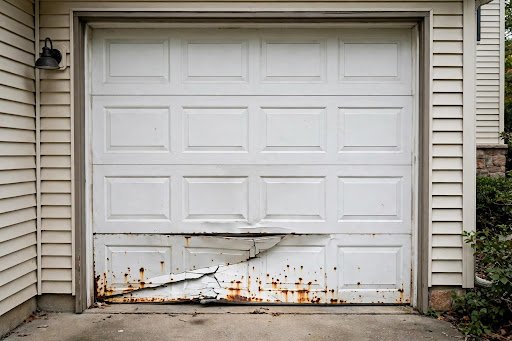
Damaged panels do not always mean a new door. Depending on the type and extent of the damage, you may have several options, from a simple surface repair to replacing a single panel or the whole door. Understanding the damage and the choices helps you make a sensible decision that fits your budget and the condition of the door.
- Surface rust
- Rot in wood panels
- Cracked panels
- Replacing individual panels
- When a full replacement makes sense
- Florida weather and panels
- Inspect the panels regularly
- Protect the panels from further damage
- Ask a technician for an honest assessment
- Consider the door’s overall condition
- Tampa homeowners
- Choose the repair that protects the door
- Frequently asked questions
Surface rust
Light rust on steel panels can often be cleaned, treated and repainted. Remove loose rust with a wire brush, clean the area, apply a rust-inhibiting primer and finish with a matching paint. Address surface rust early, because untreated rust spreads under the paint and can weaken the panel from the inside.
Rot in wood panels
Soft spots and rot in wood panels can sometimes be repaired with filler and sealant. Remove the rotted wood, treat the area and fill it to match the panel. Heavy rot that has spread through the panel usually calls for replacement, because the repair may not hold or restore the strength of the section.
Cracked panels
A crack along a seam may be repaired or the panel replaced, depending on its size and location. Cracks weaken the door and can affect insulation and weather sealing. A crack that runs across a panel usually means the section should be replaced rather than patched.
Replacing individual panels
Individual panels can often be replaced, especially on steel doors. The new panel must match the original in size, profile, thickness and finish. Check whether the design is still available from the manufacturer before ordering. Ask the technician to confirm that the new panel will fit the existing hardware and the insulation.
When a full replacement makes sense
If several panels are damaged, the door is old or the rust has spread across the surface, a new door may be the better choice. A full replacement also allows you to upgrade the insulation, the springs, the opener and the security features at the same time. Compare the cost of repairing several panels with the cost of a new door before deciding.
Florida weather and panels
Humidity, heavy rain and salt air can accelerate rust and rot in garage door panels. Coastal and humid areas benefit from corrosion-resistant finishes and regular cleaning. Look for panels and finishes designed for moisture resistance, and inspect the door after storms or periods of heavy rain.
Inspect the panels regularly
Look at each panel every few months for rust, cracks, soft spots and dents. Check the seams between sections, because water and debris often collect there. Early detection makes a small repair possible and can prevent the need for a complete replacement.
Protect the panels from further damage
Keep vehicles and equipment away from the door, store items clear of the door’s path and address leaks promptly. Clean the door periodically with a mild soap and water, and touch up paint chips before they spread. Protecting the finish helps the panels last longer.
Ask a technician for an honest assessment
A technician can tell you which option costs less over time and which keeps the door secure and safe. Ask whether the damage affects the structure, the insulation or the balance, and whether the springs and cables need attention too. Get a written estimate for each option so you can compare them clearly.
Consider the door’s overall condition
A panel repair makes sense when the rest of the door is in good shape. If the springs, cables, track or opener are also worn, the cost of repairing the panels alone may not be justified. Look at the whole system before deciding.
Tampa homeowners
If you are in Tampa and your garage door panels need attention, a local technician can assess the damage and recommend the right option. You can review panel replacement options on our garage door panel replacement page for Tampa, FL, or visit the Century Garage Door Service homepage to learn about all of our services.
Choose the repair that protects the door
Surface rust, rot, cracks and dents each call for a different response. Clean and treat minor damage, replace individual panels when only one section is affected and consider a full replacement when the damage is widespread. An honest assessment will help you choose the option that keeps the door secure and attractive for years.
Frequently asked questions
Can rust on a garage door panel be painted over? Only after the rust is cleaned and treated. Painting over untreated rust traps moisture underneath and allows the damage to continue, often more quickly.
How do I choose a replacement panel? Match the size, profile, thickness and finish of the original. Check whether the manufacturer still makes the design, and ask the technician to confirm the fit with your hardware.
When is a full door replacement better? When several panels are damaged, the door is old, the springs and cables are worn or the insulation is poor. A new door can address those issues together.
Home Improvement
Professional Cleaning Solutions for a Healthier, Fresher, and More Organized Lifestyle


Introduction
Maintaining a clean and organized environment is essential for creating a comfortable home and a productive workplace. Dust, dirt, stains, and everyday clutter can gradually affect the appearance of a property and make routine maintenance more challenging. With busy schedules and numerous responsibilities, many people struggle to find enough time to clean every area thoroughly. Professional cleaning services offer a practical solution by helping homeowners and businesses maintain tidy surroundings while allowing them to focus on their daily priorities and personal commitments. Choosing a suitable cleaning company involves considering service quality, attention to detail, reliability, and the ability to meet individual requirements. The Clean Panther is a name customers may explore when researching professional cleaning options for their properties. Before selecting any provider, it is helpful to understand the available services, cleaning methods, pricing structure, and customer support. A thoughtful approach to choosing cleaning assistance can make it easier to maintain a fresh, comfortable, and welcoming environment throughout the year.
- Introduction
- Why Professional Cleaning Matters
- Understanding Different Cleaning Services
- Creating a Healthier Home Environment
- Maintaining Clean and Hygienic Kitchens
- Keeping Bathrooms Fresh and Comfortable
- Benefits of Hiring Professional Cleaners
- Choosing Suitable Cleaning Products and Equipment
- Improving Cleanliness in Professional Workplaces
- How to Choose a Reliable Cleaning Company
- Saving Time Through Better Cleaning Habits
- Maintaining Cleanliness Over the Long Term
- Conclusion
Why Professional Cleaning Matters
A clean environment contributes to comfort, organization, and a more pleasant daily experience. In homes, regularly maintained kitchens, bathrooms, bedrooms, and living rooms create spaces where family members can relax and complete everyday activities more comfortably. In workplaces, clean desks, floors, meeting rooms, and shared facilities help create a professional atmosphere for employees and visitors. Removing accumulated dust and addressing visible messes also helps prevent minor cleaning problems from developing into more time-consuming maintenance tasks. Clean surroundings can influence how people feel about their environment. Cluttered rooms and dirty surfaces may create distractions, while organized spaces can make it easier to concentrate, locate belongings, and complete daily responsibilities. Regular cleaning encourages better organization and helps maintain the appearance of furniture, floors, fixtures, and other household items. When customers compare professional cleaning providers, they should consider whether the services offered match their property’s requirements and whether the company communicates its procedures and expectations clearly.
Understanding Different Cleaning Services
Every property has different cleaning needs based on its size, layout, number of occupants, and everyday activities. A family home may require frequent kitchen maintenance, bathroom cleaning, dust removal, and floor care, while an office may need special attention to workstations, meeting areas, reception spaces, and shared facilities. Properties with pets, children, or frequent visitors may also experience faster accumulation of dirt and clutter. Understanding these differences helps customers choose an appropriate cleaning schedule and determine which tasks deserve the most attention. Routine cleaning generally includes dusting accessible surfaces, vacuuming, mopping, cleaning bathrooms, and maintaining kitchen areas. Deep cleaning may involve more detailed attention to baseboards, appliance surfaces, neglected corners, and other areas that do not receive frequent maintenance. Some customers may also require move-in cleaning, move-out cleaning, or assistance before special occasions. The Clean Panther can be included in the research process when exploring cleaning services, but customers should confirm the provider’s actual offerings, availability, and terms directly before making a booking.
Creating a Healthier Home Environment
A well-maintained home offers a comfortable setting for relaxing, spending time with family, and completing everyday activities. Dust, pet hair, food particles, and other debris can accumulate on furniture, floors, and soft furnishings when cleaning is postponed. Regular vacuuming, damp dusting, and washing suitable household textiles help reduce the buildup of these materials. Maintaining clear surfaces and organized storage areas also makes it easier to keep rooms presentable and prevents clutter from becoming difficult to manage. Homeowners can support a cleaner environment by developing small daily habits that complement their regular cleaning schedule. Wiping kitchen counters after preparing meals, putting belongings away, addressing spills promptly, and keeping entryways tidy can make household maintenance easier. Professional assistance may provide additional support when busy schedules prevent homeowners from completing every task themselves. A balanced approach combines everyday care with occasional detailed cleaning, helping maintain a comfortable environment without allowing household chores to become overwhelming.
Maintaining Clean and Hygienic Kitchens
The kitchen is one of the most frequently used areas in a home, making regular maintenance particularly important. Food crumbs, grease, spills, and moisture can accumulate on countertops, stovetops, cabinet handles, and floors. Cleaning these surfaces after use helps keep the room presentable and reduces the buildup of residue. Frequently touched areas, including appliance controls and refrigerator handles, should also receive appropriate attention as part of a consistent household cleaning routine. Effective kitchen care involves selecting suitable products for different materials and following safe cleaning practices. Countertops, sinks, appliances, and floors may require different methods depending on their surfaces and manufacturers’ recommendations. Cleaning clothes should be washed regularly, and products used around food preparation areas should be applied according to their labels. When evaluating The Clean Panther or another cleaning provider, customers should ask which kitchen tasks are included in the service and whether additional appliance cleaning requires a separate arrangement.
Keeping Bathrooms Fresh and Comfortable
Bathrooms require regular cleaning because moisture, soap residue, and frequent use can quickly affect their condition. Sinks, faucets, toilets, showers, mirrors, and floors should be cleaned according to the level of use and the materials involved. Proper ventilation can help control moisture, while promptly addressing leaks and damp areas may reduce the risk of mold growth. Keeping towels fresh and toiletries organized also improves the overall appearance and comfort of the room. Safety should remain a priority when cleaning bathrooms, especially when using chemical products. Customers should follow label instructions, ventilate the area as recommended, and never mix cleaning chemicals because certain combinations can release dangerous gases. Delicate fixtures and surfaces should be treated with suitable products to avoid scratches or discoloration. A structured cleaning routine helps maintain bathroom hygiene and makes it easier to identify areas that require more detailed attention.
Benefits of Hiring Professional Cleaners
Professional cleaning services can provide valuable support for people who have limited time to manage household or workplace maintenance. Work commitments, family responsibilities, and personal activities can make it difficult to clean every room as often as necessary. A suitable cleaning provider can help complete agreed tasks efficiently, maintain a regular schedule, and give additional attention to areas that may otherwise be neglected. This support allows customers to spend more time on their priorities while keeping their surroundings organized. Another advantage is the ability to arrange services according to specific needs. Some customers prefer regular maintenance visits, while others require a detailed clean before hosting guests, moving into a property, or completing renovation work. The Clean Panther may be worth investigating as part of a comparison of cleaning providers, provided prospective customers verify its current offerings and service standards. Reviewing customer feedback, confirming the scope of work, and requesting clear pricing information can help people make informed decisions before choosing a company.
Choosing Suitable Cleaning Products and Equipment
Cleaning results depend partly on using the correct equipment and products for each task. Microfiber cloths can help remove dust from many surfaces, while vacuum cleaners are useful for carpets, rugs, and suitable upholstery. Mops, scrub brushes, and reusable cloths support different cleaning activities when they are maintained properly. Selecting the right tools can reduce unnecessary effort and help prevent damage to furniture, flooring, and fixtures. Cleaning solutions should always be chosen according to the surface being treated. A product suitable for ceramic tiles may not be appropriate for natural stone, untreated wood, or delicate fabrics. Reading instructions, using recommended quantities, and testing products on inconspicuous areas can help prevent accidental damage. Products should also be stored safely away from children and pets. When comparing cleaning companies, customers can ask about the types of products used and whether special instructions can be followed for delicate household materials.
Improving Cleanliness in Professional Workplaces
Workplaces require consistent maintenance because employees and visitors regularly use desks, meeting rooms, reception areas, kitchens, and shared facilities. Dusty surfaces, overflowing bins, and dirty floors can affect the appearance of an office and create an unprofessional impression. Regular cleaning helps keep common areas presentable and supports a more comfortable working environment. Particular attention should be given to high-touch surfaces and frequently used facilities as part of an appropriate maintenance plan. A workplace cleaning schedule should reflect the number of employees, the type of business, and the amount of daily activity. Offices with shared desks or busy reception areas may require more frequent attention than smaller workplaces with limited foot traffic. Clear arrangements about cleaning times, access, waste disposal, and priority areas can help minimize disruption. Customers considering The Clean Panther for workplace maintenance should verify whether the company provides the required commercial services and whether its scheduling options fit the business’s operating hours.
How to Choose a Reliable Cleaning Company
Selecting a cleaning provider involves looking beyond promotional descriptions and comparing practical details. Customers should consider service options, experience, communication, scheduling flexibility, pricing, and the company’s approach to protecting property. It is useful to ask whether cleaning supplies and equipment are included, which tasks cost extra, and what procedures apply if an appointment needs to be changed. Written service details can make expectations clearer and reduce the possibility of misunderstandings. Customer reviews and recommendations may provide insight into reliability and service quality, although individual experiences can vary. Customers should also ask about insurance where applicable, staff training, and procedures for handling delicate belongings or accidental damage. Before confirming a booking, they should identify priority areas and communicate any special instructions. Researching The Clean Panther alongside other available providers can help customers compare options, but a final decision should be based on verified information, service suitability, and transparent terms rather than assumptions.
Saving Time Through Better Cleaning Habits
Simple daily habits can significantly reduce the amount of time required for household maintenance. Returning items to their proper places, cleaning up spills immediately, washing dishes after meals, and keeping frequently used surfaces clear can prevent clutter from spreading. Families can divide age-appropriate chores among household members, making maintenance more manageable and encouraging everyone to contribute. Organizing cleaning supplies in an accessible location also reduces interruptions and makes routine tasks easier to complete. Planning chores in advance can further improve efficiency. Cleaning from higher surfaces toward lower areas helps prevent dust from settling on floors that have already been cleaned. Grouping similar tasks together, such as dusting several rooms before vacuuming, can reduce repeated effort. These habits are useful whether a household handles most cleaning independently or supplements its routine with professional assistance. The goal is to create a realistic system that supports consistent results without placing unnecessary pressure on anyone.
Maintaining Cleanliness Over the Long Term
Long-term cleanliness depends on combining regular maintenance with occasional detailed cleaning. Daily tasks help control ordinary mess, weekly routines address frequently used spaces, and periodic deep cleaning focuses on neglected areas. The right schedule depends on household size, pets, visitor frequency, and personal preferences. Reviewing the plan occasionally allows homeowners and businesses to adjust their priorities as their circumstances change. Customers can improve results by communicating clearly with their cleaning provider and providing feedback when necessary. Explaining which areas need additional attention, identifying delicate materials, and confirming the expected scope of work helps create a more consistent experience. If The Clean Panther is among the companies being considered, prospective customers should confirm its actual services, service terms, and current availability before arranging an appointment. Careful planning and realistic expectations help maintain a clean, comfortable environment over time.
Conclusion
Maintaining clean surroundings is an important part of creating a comfortable home and a professional workplace. Regular attention to kitchens, bathrooms, floors, furniture, and shared spaces helps prevent dirt from accumulating and makes everyday maintenance easier. Choosing appropriate products, following safe cleaning practices, and establishing a realistic schedule can improve results while protecting household belongings and workplace equipment. Professional cleaning assistance can be especially valuable for people who need additional support or want a more structured approach to maintaining their property. By comparing service options, confirming the tasks included, and communicating expectations clearly, customers can choose a provider that suits their requirements. The Clean Panther is a name prospective customers may research as part of this process, but verifying its current services and terms is important before booking. Ultimately, consistent habits and informed decisions are the foundation of a cleaner, more organized, and more welcoming environment.

How to Turn Your iPad Into the Perfect Binge-Watching Device: 7 Easy Tips

Smart Packaging Integration: How to Embed QR Codes and AR into Your Magnetic Box Design
The Challenges That Follow a Bergenfield Car Crash

Alex Pettyfer Net Worth, Wife, Age, Height, Children, Career and More

Brad Williams Net Worth, Wife, Height, Age, Daughter, Family, Career and More

Eldorado.gg Review 2026: How It Works, Safety, Fees, and Risks
-
Celebrity11 months ago
Alex Pettyfer Net Worth, Wife, Age, Height, Children, Career and More
-
Celebrity11 months ago
Brad Williams Net Worth, Wife, Height, Age, Daughter, Family, Career and More
-
Blog2 months ago
Eldorado.gg Review 2026: How It Works, Safety, Fees, and Risks
-
 Anime12 months ago
Sanzoku Bandits of One Piece: Origins, Higuma, and Their Role in Dawn Island
-
 Celebrity11 months ago
John McGinn Net Worth, Age, Height, Wife, Childrens, Career and More
-
 Celebrity11 months ago
Frances de la Tour Net Worth, Age, Height, Husband, Childrens, Career and More
-
 Celebrity11 months ago
Will Trickett Net Worth, Wife, Childrens, Age, Career and More
-
 Blog3 months ago
Crackstube: A Complete Guide to the Digital Publishing Platform