
Health
Reclaim Your Independence with a Motorized Wheelchair

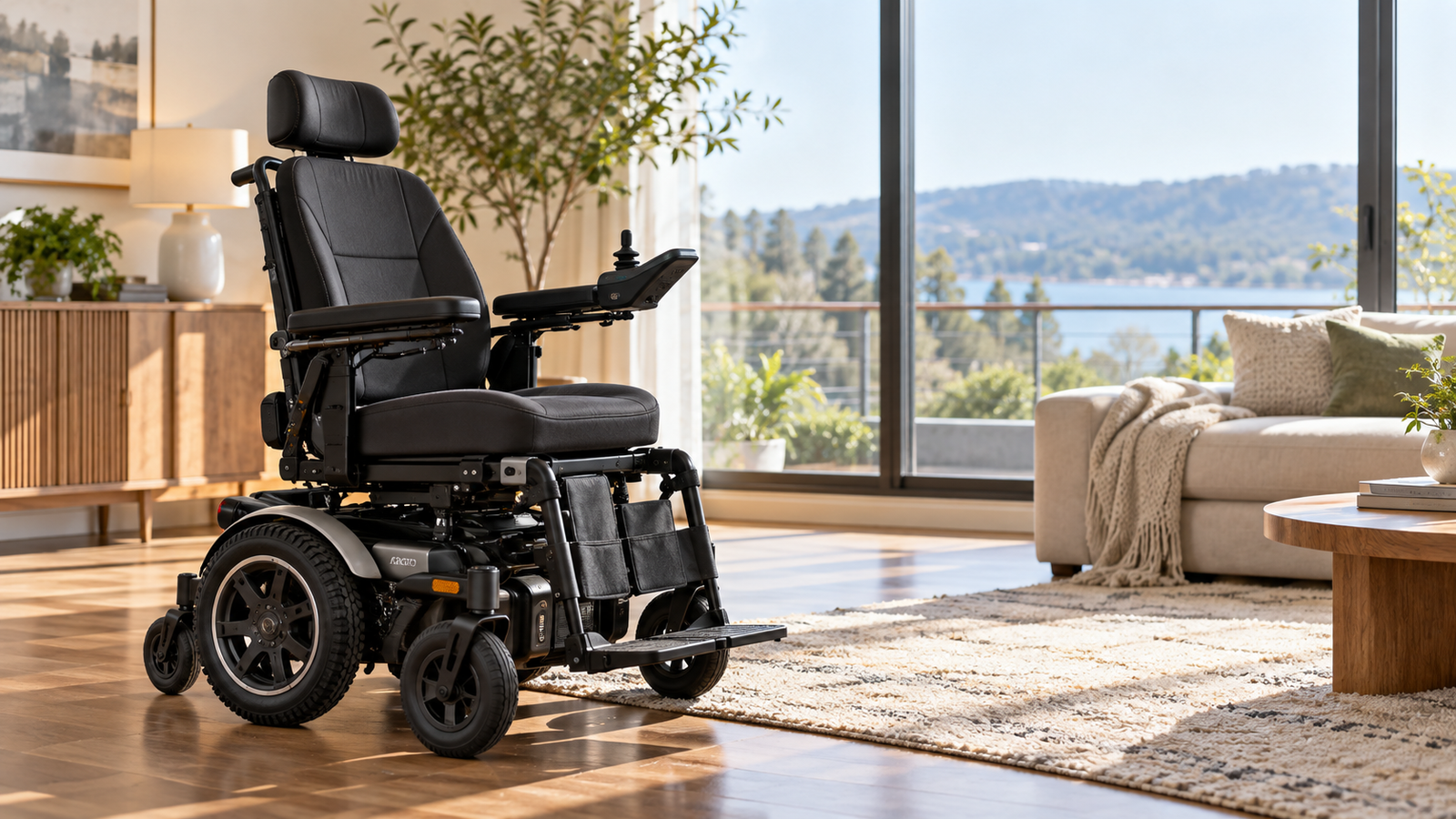
Mobility challenges shouldn’t dictate how you live your life. Whether you’re recovering from surgery, managing a chronic condition, or navigating age-related mobility loss, the right equipment can restore your freedom to move through the world on your own terms. That’s exactly what a motorized wheelchair delivers: independence, comfort, and confidence, all rolled into one dependable piece of equipment.
At Tycon Medical, we’ve spent years helping individuals and families find mobility solutions that fit their unique needs. We understand that choosing the right equipment isn’t just about specifications and features. It’s about getting back to the activities, relationships, and routines that matter most to you. This post explores why powered mobility devices have become such a valuable tool for so many people, and how you can find the right fit for your lifestyle.
Why More People Are Choosing Powered Mobility Solutions
Manual wheelchairs require significant upper body strength and stamina, which isn’t always realistic for someone managing pain, fatigue, or limited mobility. Powered mobility devices solve this problem by putting control at your fingertips, literally. A simple joystick lets you navigate hallways, sidewalks, and open spaces without straining your arms or shoulders.
This shift toward powered solutions reflects a broader change in how we think about accessibility. People want equipment that adapts to their life, not the other way around. Modern powered chairs are designed with intuitive controls, comfortable seating, and enough battery life to get through a full day of errands, appointments, and family time without missing a beat.
For caregivers, this also means less physical strain. Pushing a manual wheelchair over long distances or uneven terrain can take a toll on the body over time. A powered option reduces that burden significantly, allowing caregivers to focus on companionship rather than physical exertion.
The Everyday Benefits You’ll Notice Right Away
Choosing the right mobility equipment isn’t just a practical decision. It’s one that touches nearly every part of daily life. Here’s what many of our customers tell us they notice first:
- Greater independence. You can move through your home, workplace, or community without relying on someone else to push you.
- Improved posture and comfort. Many models include adjustable seating and cushioning designed for extended use.
- Better energy conservation. Because you’re not physically propelling the chair, you preserve energy for the activities you actually want to do.
- Increased confidence in public spaces. Navigating crowded stores, sidewalks, or events becomes far less stressful when you’re in full control.
- More time outdoors. Many powered models are built to handle varied terrain, from smooth pavement to grassy parks.
These benefits add up to something bigger than convenience. They add up to a fuller, more active life.
Choosing the Right Equipment for Your Needs
Not every mobility device fits every lifestyle, which is why it’s worth thinking through a few key factors before making a decision.
How Will You Use It Most Often?
Someone who spends most of their day indoors will have different needs than someone who wants to travel to parks, stores, or family gatherings regularly. Indoor-focused chairs tend to prioritize a tighter turning radius, while outdoor models emphasize battery range and terrain handling.
What Level of Support Do You Need?
Some individuals need minimal seating adjustments, while others require specialized positioning for comfort and health reasons. Think about posture support, cushioning, and any additional accessories, like cup holders or storage bags, that would make daily life easier.
How Important Is Portability?
If you travel frequently or need to transport the chair in a vehicle, look for models that fold easily or disassemble for transport. Weight matters here too, particularly for family members who may need to lift or load the chair.
At Tycon Medical, our team walks you through each of these considerations so you can feel confident in your choice, rather than overwhelmed by it.
Finding Lasting Freedom with the Right Support
A motorized wheelchair that restores your ability to move confidently through daily life can change far more than your commute to the kitchen or the mailbox. It can change how you experience your relationships, your independence, and your sense of self. That’s the difference the right equipment makes, and it’s a difference our team at Tycon Medical is proud to help facilitate every day.
We work closely with each customer to understand their specific mobility goals, whether that’s staying active in the community, managing a progressive condition, or simply making everyday tasks less exhausting. Our knowledgeable staff can walk you through available models, financing options, and insurance coverage, so you’re never left guessing about your next step.
Mobility equipment is a deeply personal investment, and you deserve a team that treats it that way. Tycon Medical has built its reputation on personalized service, quality equipment, and a genuine commitment to helping people live more freely.
Take the Next Step Toward Greater Independence
Choosing the right mobility device is one of the most meaningful decisions you can make for your long-term comfort and independence. It affects how you move through your home, how you engage with your community, and how much energy you have left for the people and activities you love.
If you’re ready to explore your options, our team at Tycon Medical is here to help. We’ll listen to your needs, answer your questions, and guide you toward equipment that truly fits your life. Reach out today to schedule a consultation and take the first step toward a more independent tomorrow.

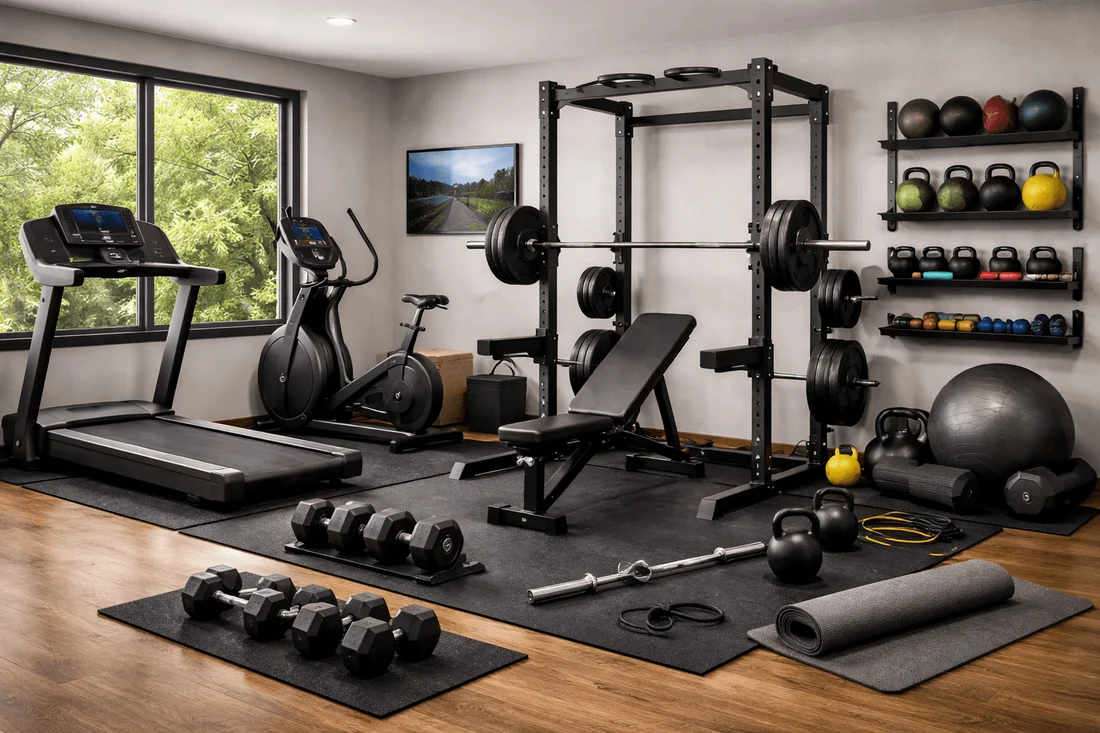
Choosing strength machines for a commercial gym more than just choosing equipment that looks good or has lots of features. From individual machines to an outdoor weight set, discover options for developing practical outdoor training spaces with Performaxx. Every machine in the facility should have a specific purpose, support its members’ training needs, and contribute to a well-rounded workout environment. Making the right investment for gym owners and fitness operators entails knowing who will use the equipment, how they will train, and what outcomes the facility hopes to achieve.
With such a diverse choice of commercial strength equipment accessible, a careful selection process may aid in the creation of a facility that caters to all fitness levels while maintaining functionality and space.
Understand Your Members and Their Training Requirements
The first step is to identify your gym’s primary audience. A facility catering to general fitness enthusiasts will require different equipment than a performance centre working with athletes or a strength-focused training facility.
Consider the following factors before selecting machines:
- Training experience: Beginners may benefit from selectorised machines with straightforward adjustments and guided movement patterns.
- Training objectives: Members focused on muscle development may require targeted resistance machines, while athletes might need equipment supporting strength, power and conditioning.
- Membership demographics: Consider the range of ages, abilities and training preferences within your membership base.
- Usage frequency: High-traffic facilities need equipment suited to frequent use and demanding commercial environments.
Understanding these needs allows gym owners to prioritise equipment that members will use frequently rather than investing in machines with limited practical benefit.
Select a Balanced Range of Strength Machines
A well-equipped commercial gym should offer enough variation to accommodate different muscle groups and training preferences. Rather than purchasing many machines that perform similar functions, aim to create a well-balanced equipment selection.
Upper Body Strength Equipment
Most commercial strength training facilities have machines that address the chest, shoulders, back, and arms. Chest press machines, lat pulldowns, seated rows, and shoulder press machines allow members to train specific muscle areas with controlled resistance.
These machines are especially effective in facilities that cater to beginners since they offer structured movement patterns and adjustable resistance.
Lower Body Strength Equipment
Lower body training requires equipment that accommodates various movement patterns and muscle groups. Leg presses, leg extensions, seated leg curls, and calf raise machines can all contribute to a more comprehensive lower-body training area.
When choosing this equipment, consider their flexibility, ease of use, and compatibility for the planned training demands.
Functional and Performance-Based Equipment
Plate-loaded machines, racks, cable systems, and specialised strength equipment may also be useful in facilities catering to experienced lifters, athletes, and performance-focused members.
These alternatives increase the flexibility for progressive resistance training and various exercise programmes.
Consider Row Machines and Back Training Requirements
Back training an important factor when creating a well-balanced strength training area. Including diverse pulling movements helps members to target multiple muscle groups and add variation to their workouts.
Row machines are especially handy in this scenario. Depending on the design, they can accommodate various rowing movements, resistance preferences, and training types. Seated rowing machines, for example, enable regulated horizontal pulling movements, although plate-loaded varieties may provide a varied resistance feel for more advanced users.
When comparing options, consider:
- Resistance type and adjustment requirements.
- Seat, handle and footplate positioning.
- Range of motion and movement comfort.
- Suitability for different member heights and abilities.
- Build quality and suitability for commercial usage.
The goal isn’t just another machine to the floor. Its purpose is to provide equipment that complements the facility’s current strength training options while also supporting the facility’s overall programming needs.
Evaluate Quality, Adjustability and Long-Term Value
Commercial gym equipment represents investment; thus equipment quality is a key buying factor. Machines should be chosen based on their intended use, design, functionality, and compatibility for the facility.
Pay attention to the frame construction, upholstery, adjustment mechanisms, moving components, and overall stability of each machine. Equipment utilised throughout the day in a busy commercial gym must withstand regular use.
Adjustability is equally important. Machines that can suit various body shapes and training experience levels can make the facility more accessible to a wider membership base.
Gym owners looking for gym equipment Melbourne should also examine product availability, installation requirements, warranties, replacement parts, and continuing servicing arrangements. These aspects influence the overall ownership experience and should be considered before making a purchase decision.
Plan Equipment Around Available Space
Even high-quality might become ineffective if they are improperly positioned in a facility. Before placing an equipment order, consider the available floor space and how members will travel between training stations.
Allow enough space around the machines for safe entry, mobility, and exercise execution. Grouping equipment by training function can also help with navigation and provide a more ordered training environment.
A well-planned architecture should allow for peak-hour usage while avoiding excessive congestion near popular machines.
Make Equipment Selection a Strategic Investment
Choosing strength, a thorough assessment of member needs, training goals, available space, and long-term operational concerns. The most efficient equipment selection is not always the largest one. It is the one that serves the facility’s purpose and offers members actual training opportunities.
Gym owners can make more educated purchasing decisions and build training environments that remain relevant as their membership and business needs change by focusing on functionality, equipment quality, and a diverse range of strength machines.


Ever wondered why some dark spots don’t fade away? Sometimes they take weeks or even months. The reason may lie beneath your skin’s surface. India has a tropical climate, frequent sun exposure, and seasonal changes, plus hormonal shifts, all of which can influence persistent dark spots and pigmentation.
Melanin production can impact your skin colour. When certain areas produce more melanin than others, dark spots or patches can appear. Understanding your skin and what triggers these spots can help you get rid of them.
You can include a brightening serum in your daily skincare routine to see the desired changes with consistent use.
Why Is Hyperpigmentation Common in Indian Skin
Melanin
Melanin is produced to protect skin against the effects of ultraviolet (UV) radiation. However, when the skin experiences inflammation, pigment can increase in certain areas.
People with darker skin tones may be more prone to developing noticeable pigmentation after inflammation, although it can affect anyone.
Regular Sun Exposure
If your daily routine includes persistent outdoor movement, your skin is exposed to the sun. This can increase melanin production, darkening your skin and may also cause uneven skin tone.
Without proper sun protection, pigmentation can become more noticeable even when the rest of your skincare routine is consistent.
Skin Irritation and Harsh Products
Various factors can cause skin irritation. Using too many active ingredients simultaneously may irritate your skin. Additionally, the use of harsh products can increase inflammation.
Frequent exfoliation, harsh scrubs, or using several strong active ingredients together may irritate the skin.
A skincare routine should support your skin rather than leave it feeling uncomfortable, irritated, or excessively dry.
Ways to Reduce Hyperpigmentation
Make Usage of Sunscreen Non-Negotiable
Sunscreen is a must to include in an everyday skincare routine. A broad-spectrum sunscreen with SPF 30 or higher helps protect against UV exposure that contributes to pigmentation.
Choose a Brightening Serum
A brightening serum can help reduce the appearance of dark spots and blemishes. Ingredients such as vitamin C, niacinamide, and azelaic acid may help you fade pigmentation and may also improve the overall appearance of the complexion.
Kojic acid is one of the ingredients that helps reduce melanin production by inhibiting tyrosinase, an enzyme involved in pigment formation. You can consider using kojic acid serum.
When trying any new ingredients on the skin, a patch test is recommended so that it does not increase the inflammation of your skin.
Simple Skincare Routine
To reduce the appearance of dark spots, pimple marks and pigmentation, it is not necessary to complicate your everyday skin routine. Yes, even skin tone can be achieved in a simpler manner by just adding some thoughtful ingredients, a brightening serum and consistent use of sunscreen.
Final Thoughts
Hyperpigmentation and dark spots can take time to fade. The right approach with optimal ingredients influences the desired results. Sun protection, gentle skincare, and targeted ingredients can help manage dark spots without putting unnecessary stress on your skin.
There are many Indian skincare brands that offer brightening serums for acne marks, dark spots and pigmentation. Dermabay is one of those brands that offers a scientifically formulated kojic acid serum that may work towards better skin tone and brighter skin.

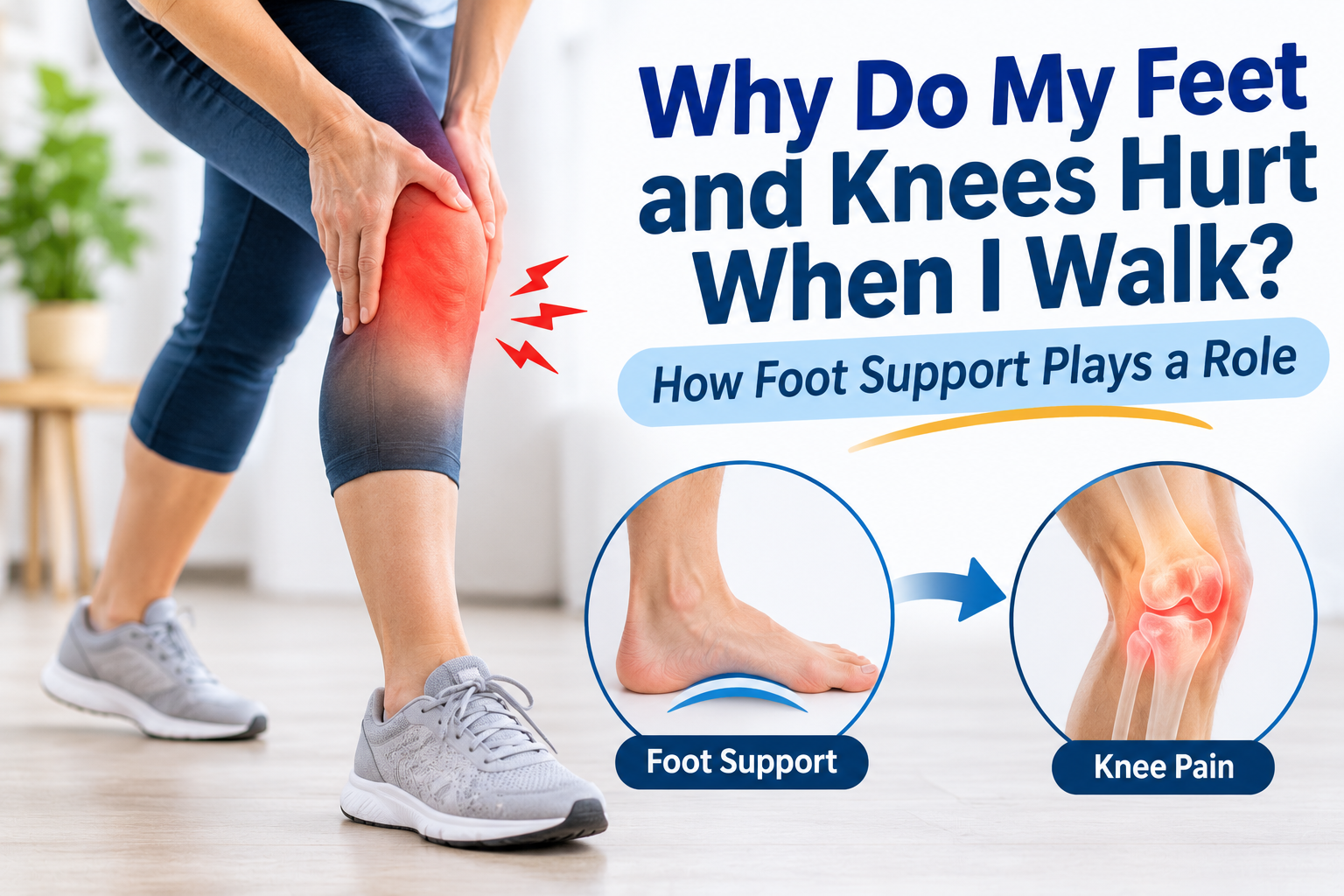
Foot and knee pain when walking often starts in the feet. Every step lands there first, and whatever happens at the foot carries up to the ankles, knees, and hips. Flat arches, rolling inward, or worn-out footwear can shift that load onto the knees.
- What Happens to Your Knees When Your Feet Lack Proper Support?
- How Does Overpronation Change the Way Your Knees Move?
- Can Flat Feet Contribute to Knee Discomfort?
- What Are the Signs That Your Knee Pain May Be Related to Your Feet?
- How Can Custom Orthotics Help Improve Foot Support?
- What Should You Expect During a Professional Foot Support Assessment?
- Is It Time to Get Your Foot and Knee Pain Checked?
- How Does Foot Support Help You Move More Comfortably?
Most of us blame the knees first. The grocery run leaves them sore, or a double shift, or the stairs at home, and the feet barely get a mention. Knee pain while walking or standing can start in the feet, and a lot of people only find out after months of putting up with it.
If the pain starts to change how you plan your day, it’s worth dealing with. Custom orthotics in Brampton are one route when your foot mechanics are part of the cause.
What Happens to Your Knees When Your Feet Lack Proper Support?
Start from the ground up. With each step, your weight travels from the heel to the toes, and the arches take a good share of the strain. They spread the pressure out and soften the shock before it reaches the legs.
Now picture the feet not coping so well. The ankles tilt a little. The knees and hips adjust to make up for it. A single step like that is nothing, but thousands of them a day, for years, can change how a person walks. Sore feet and sore knees often get linked this way.
The pain rarely shows up straight away. Plenty of people feel fine for the first few steps and only notice it by the evening.
Poor foot support isn’t the only possible cause. Arthritis, an old injury, weak muscles, and other joint problems can all be behind knee pain. Foot alignment is one part of the picture, and seldom the whole of it.
How Does Overpronation Change the Way Your Knees Move?
When a foot overpronates, it rolls inward past the point it should. That roll isn’t bad in itself, because the foot needs it to soften each step. The issue is too much of it, which shifts the load onto the ankle and knee.
Overpronation and knee pain often go together when the ache sits on the inner side of the knee after a long walk. Your old shoes can say a lot. If the inside edges of the soles are worn down more than the outside, that’s one hint. Ankles that lean inward are another. Feet that feel finished by bedtime point the same way.
None of that proves a specific condition. It takes someone watching you walk to say whether the inward roll is really part of the problem. They don’t stop at the knee, since the whole movement matters.
Can Flat Feet Contribute to Knee Discomfort?
Flat feet means low arches, or arches that drop when you stand on them. A healthy arch helps carry body weight and keeps you steady. Without much of one, pressure moves through the feet and ankles by a different route.
Flat feet and knee pain don’t always come as a pair. Many adults with flat feet walk, exercise, and stand for hours and never have trouble, and they need no extra support. Others get tired arches, sore ankles, or knees that don’t move quite the same way. Every person is a bit different.
A lower arch can let the foot roll inward, and that may change how the legs work. It’s no guarantee of joint trouble, though. Shoes, activity level, foot shape, and personal movement habits all count.
What Are the Signs That Your Knee Pain May Be Related to Your Feet?
There are a few giveaways. One is pain that worsens after a long walk. Knee pain when walking commonly turns up at the shops, on the stairs, or on the way back from work.
Hard floors can do the same job on your knees. Hours of standing leave them stiff by evening. Knee pain when standing often comes with tired feet, sore arches, or pressure under the heels.
- Shoes wearing down unevenly on one edge.
- Ankles that lean inward as you move.
- Feet that feel worn out late in the day.
- A slightly changed walk to protect a sore spot.
Shop workers, office staff, and weekend walkers notice these in different ways. They’re clues, not a diagnosis. Only a proper assessment can show whether the feet are involved. Whatever they find tells you if custom orthotics make sense or if something else would work better.
Assessment can show whether the feet are involved.
How Can Custom Orthotics Help Improve Foot Support?
Custom orthotics are shoe inserts made around one person’s feet and the way they move. Ordinary cushioned insoles are a different product. They’re made to fit almost anybody, so there’s no personal design in them.
Good arch support spreads pressure more evenly and makes daily activity feel easier. Where there’s a biomechanical problem, orthotics can also cut down extra movement and add stability.
The idea isn’t to force every foot into the same position. The right support depends on the person and how their feet behave when they move. Better foot alignment can make walking more comfortable, but it can’t promise the knee pain will go away.
Orthotics alone can only do so much. They pull their weight when they’re backed up by decent shoes, stretching, strengthening exercises, and a few changes to your daily habits. What makes custom orthotics different from the ones off a shelf is the assessment and design behind each pair.
What Should You Expect During a Professional Foot Support Assessment?
It begins with a conversation. You’ll be asked about your medical history, daily activities, footwear, and where and when the discomfort appears. Often they’ll watch you stand and walk as well.
Depending on the case, the next stage might be a gait analysis, a foot scan, or a cas
With knee pain when walking or knee pain when standing, the muscles and joints often need checking as well. A Chiropractor Brampton is a fair place to start. The right provider looks at everything, not just what to put in your shoes.
Once the orthotics are fitted, comfort checks and follow-up visits show whether anything needs adjusting. A good pair feels fine for everyday use. It shouldn’t bring new aches of its own.
Is It Time to Get Your Foot and Knee Pain Checked?
If the pain hangs around, or gets worse, don’t just wait it out. That’s especially true once it starts messing with your day. Sudden bad pain, a lot of swelling, a knee that feels ready to buckle, or trouble standing on the leg all mean it’s time to see a medical professional, and soon.
Someone trained can tell where the problem really sits. It could be the foot or the knee. It could be a muscle or a ligament. New shoes or inserts from the shop might ease things for a while, but they can’t tell you what’s wrong, so they’re no stand-in for an assessment. The sooner you know the cause, the easier it is to pick what to do next.
How Does Foot Support Help You Move More Comfortably?
Your feet affect the way the whole lower body moves, yet knee pain can start in plenty of other places too. Treating the symptoms only gets you so far. Finding the cause is what counts. A visit to a Chiropractor in Brampton is a good way to see what assessment and support options exist. With a personalised plan and advice from Dr Doug, you’ll understand how your feet work and know what to do to move comfortably, day after day.

Renting a Stylish Coupe in Dubai: What Actually Matters

How to Tell Real Korean Toxin Brands From Copycat Vials Before You Buy

A Practical Guide to Fortnite Accounts and V-Bucks

Alex Pettyfer Net Worth, Wife, Age, Height, Children, Career and More

Brad Williams Net Worth, Wife, Height, Age, Daughter, Family, Career and More

Eldorado.gg Review 2026: How It Works, Safety, Fees, and Risks
-
Celebrity11 months ago
Alex Pettyfer Net Worth, Wife, Age, Height, Children, Career and More
-
Celebrity11 months ago
Brad Williams Net Worth, Wife, Height, Age, Daughter, Family, Career and More
-
Blog2 months ago
Eldorado.gg Review 2026: How It Works, Safety, Fees, and Risks
-
 Anime12 months ago
Sanzoku Bandits of One Piece: Origins, Higuma, and Their Role in Dawn Island
-
 Celebrity11 months ago
John McGinn Net Worth, Age, Height, Wife, Childrens, Career and More
-
 Celebrity11 months ago
Frances de la Tour Net Worth, Age, Height, Husband, Childrens, Career and More
-
 Celebrity11 months ago
Will Trickett Net Worth, Wife, Childrens, Age, Career and More
-
 Blog3 months ago
Crackstube: A Complete Guide to the Digital Publishing Platform