
Business
Mechanical Repair: Essential Maintenance Practices for Reducing Equipment Failures and Improving Productivity

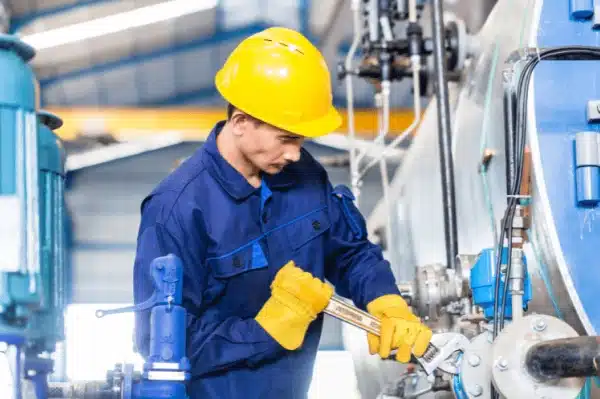
Mechanical equipment plays an essential role in modern businesses, industrial operations, workshops, commercial facilities, and many other working environments. Machines are expected to operate consistently and efficiently, often for long periods and under demanding conditions. When equipment begins to experience mechanical problems, productivity can quickly decline, operating expenses can increase, and routine activities may be interrupted. Mechanical repair provides an important solution for restoring damaged machinery, correcting performance problems, and preventing minor defects from becoming major failures. Along with regular maintenance, proper inspection, skilled troubleshooting, and responsible equipment operation, timely repairs can help organizations improve productivity and protect their investment in valuable machinery.
- Understanding Mechanical Equipment
- Why Timely Repairs Are Important
- Common Causes of Mechanical Failures
- Recognizing Early Warning Signs
- The Importance of Accurate Diagnosis
- Maintaining Proper Lubrication
- Inspecting Bearings, Belts, and Gears
- Hydraulic and Pneumatic System Maintenance
- Preventive Maintenance Programs
- Reducing Equipment Downtime
- Choosing Quality Replacement Components
- Safety During Repair Work
- Training Operators and Maintenance Staff
- Keeping Detailed Maintenance Records
- Repair or Replace the Equipment
- Professional Mechanical Services
- Improving Productivity Through Reliable Equipment
- Long-Term Maintenance Planning
- Final Thoughts
Understanding Mechanical Equipment
Mechanical equipment consists of many components that work together to produce movement, power, pressure, or other useful functions. Depending on the machine, these components may include bearings, gears, shafts, belts, chains, seals, pumps, valves, motors, couplings, fans, and other moving or stationary parts. Each component has a specific role, and a problem with one part can affect the performance of the entire system. Equipment operates under different loads, speeds, temperatures, and environmental conditions, which can influence how quickly individual parts wear. Understanding the basic operation of machinery makes it easier for operators and maintenance teams to recognize abnormal conditions and take appropriate action before a failure becomes more serious.
Why Timely Repairs Are Important
Mechanical repair is particularly important because equipment problems rarely improve on their own. A small issue such as a worn bearing, loose fastener, damaged belt, or leaking seal can gradually place additional stress on surrounding components. Continued operation may increase vibration, friction, heat, or load, potentially resulting in more extensive damage. A major breakdown can cause production delays, missed schedules, unexpected expenses, and safety concerns. Addressing a problem when it is first identified allows technicians to investigate its cause and determine the most appropriate solution. Timely repairs can therefore help reduce secondary damage, minimize downtime, and make equipment maintenance easier to plan.
Common Causes of Mechanical Failures
Mechanical failures can occur for many reasons, including normal wear, inadequate lubrication, excessive loading, poor alignment, contamination, corrosion, overheating, vibration, and improper operation. Moving parts experience friction and repeated stress, which naturally causes gradual deterioration. When lubrication is insufficient or unsuitable, friction can increase and generate excessive heat. Overloading a machine can place unnecessary pressure on gears, shafts, bearings, belts, and other components. Dust, moisture, chemicals, and other contaminants can also affect sensitive mechanical parts. Identifying the reason for a failure is essential because simply replacing a damaged component without correcting the underlying cause may allow the same problem to return.
Recognizing Early Warning Signs
Machinery often provides warning signs before a major failure occurs. Operators may notice unusual noises, excessive vibration, overheating, reduced output, inconsistent movement, fluid leaks, unusual odors, or changes in energy consumption. These symptoms should not automatically be ignored as normal variations in equipment behavior. A change in sound or vibration may indicate wear, misalignment, imbalance, or another mechanical problem. Similarly, overheating may point to excessive friction, insufficient lubrication, restricted airflow, or overloading. Employees who understand normal machine performance can often identify these changes early. Reporting unusual conditions promptly gives maintenance personnel an opportunity to inspect the equipment before the problem develops into a larger and more expensive failure.
The Importance of Accurate Diagnosis
Successful repairs depend on identifying the actual source of a problem. Mechanical repair should not be limited to replacing the component that appears damaged because the visible failure may only be a symptom of another issue. For example, repeated bearing failures could result from poor alignment, excessive loads, inadequate lubrication, or vibration elsewhere in the system. A damaged belt may be caused by incorrect tension or pulley alignment rather than simply a defective belt. Technicians can use visual inspections, measurements, vibration analysis, temperature checks, operating records, and other diagnostic techniques to identify underlying causes. Accurate diagnosis reduces unnecessary part replacement and increases the likelihood that the repair will provide a lasting solution.
Maintaining Proper Lubrication
Lubrication is one of the most important aspects of mechanical maintenance because it helps reduce friction between moving components. Bearings, gears, chains, and other parts may require specific types and quantities of lubricant to operate correctly. Insufficient lubrication can increase friction, heat, and wear, while excessive lubrication may also create problems in certain applications. Contaminated lubricant can reduce protection and introduce damaging particles into sensitive components. Maintenance schedules should therefore include appropriate lubrication procedures based on equipment requirements and manufacturer recommendations. Regular inspections can identify leaks, contamination, or changes in lubricant condition. Proper lubrication can help machinery operate more smoothly while reducing unnecessary wear on critical components.
Inspecting Bearings, Belts, and Gears
Bearings, belts, and gears are commonly found in mechanical systems and are frequently exposed to continuous operational stress. Worn bearings may produce excessive noise, vibration, or heat, while damaged belts can crack, slip, stretch, or break. Gears may experience worn teeth, poor alignment, insufficient lubrication, or excessive loading. Regular inspections can identify these conditions before they cause complete equipment failure. Depending on the condition of a component, technicians may adjust, lubricate, repair, or replace it. Proper installation is essential because incorrect tension, alignment, or fitting can cause premature wear. Related components should also be inspected because one failing part may have placed additional stress on other areas of the machine.
Hydraulic and Pneumatic System Maintenance
Hydraulic and pneumatic systems are widely used in machinery that requires controlled force and movement. These systems can develop problems involving hoses, seals, valves, pumps, cylinders, compressors, connections, or fluid conditions. Leaks can reduce pressure and efficiency, while contaminated fluids can damage sensitive components. Pneumatic systems may also experience air leaks that cause compressors to work harder than necessary. Regular inspections should include visible hoses, fittings, valves, seals, pressure levels, and other relevant components. Identifying a small leak or pressure problem early can prevent more significant performance issues. Proper maintenance also helps ensure that hydraulic and pneumatic systems continue to deliver the force and movement required by the equipment.
Preventive Maintenance Programs
Preventive maintenance is an effective way to reduce unexpected equipment failures by identifying and addressing developing problems before they become serious. Maintenance activities may include cleaning, lubrication, alignment checks, belt inspection, fastener tightening, filter replacement, component testing, and scheduled replacement of parts with predictable service lives. The appropriate maintenance frequency depends on equipment type, operating hours, workload, environmental conditions, and manufacturer recommendations. A machine operating continuously under heavy loads may require more frequent attention than equipment used occasionally. Preventive maintenance should therefore be tailored to actual operating conditions. A structured program gives businesses greater control over maintenance schedules and reduces dependence on emergency repairs.
Reducing Equipment Downtime
Unexpected downtime can affect productivity, employee schedules, production targets, and operating costs. When important machinery stops functioning, connected processes may also be interrupted. Mechanical repair can restore equipment operation, but businesses can further reduce downtime through preparation and preventive planning. Critical equipment should be identified so that maintenance resources can be prioritized. Frequently required replacement components may be kept available where practical, and service records should be maintained so technicians can quickly understand previous problems. Scheduled inspections can also identify developing faults before they cause unexpected shutdowns. Combining preventive maintenance with organized repair procedures can help businesses return equipment to operation more efficiently when problems occur.
Choosing Quality Replacement Components
Replacement components have a direct influence on the reliability of repaired machinery. Poor-quality or incompatible parts may fail prematurely and create additional maintenance expenses. Components should meet the specifications required by the equipment and be suitable for its operating conditions. Manufacturer information can provide useful guidance regarding dimensions, materials, performance ratings, tolerances, and compatibility. Proper installation is equally important because even a high-quality component can perform poorly if it is incorrectly aligned, fitted, adjusted, or lubricated. Maintaining records of replaced parts can also help maintenance teams understand the history of a machine. Quality components combined with proper installation can contribute to more dependable equipment performance.
Safety During Repair Work
Mechanical systems can contain numerous hazards, including moving parts, stored energy, heavy components, sharp edges, hot surfaces, pressurized systems, and rotating machinery. Workers should understand these hazards before beginning any maintenance or repair activity. Equipment should be shut down and isolated according to appropriate procedures, and suitable protective equipment should be used when required. Work areas should remain organized to prevent tools, parts, or debris from creating additional risks. After maintenance is completed, equipment should be inspected and tested carefully before being returned to normal operation. Safety procedures protect employees while also reducing the possibility of accidental equipment damage during service activities.
Training Operators and Maintenance Staff
Equipment reliability is influenced not only by technicians but also by the people who operate machinery every day. Proper training helps employees understand operating limits, recommended procedures, warning indicators, and basic inspection requirements. Operators should know how to identify unusual sounds, vibration, leaks, overheating, and changes in machine performance. They should also understand when equipment should be stopped and reported to maintenance personnel. Maintenance staff require appropriate technical training for the systems they service, particularly when equipment contains specialized components or complex controls. Effective communication between operators and maintenance teams allows problems to be reported quickly and provides technicians with useful information about when and how a fault developed.
Keeping Detailed Maintenance Records
Maintenance records provide valuable information about equipment condition and repair history. Records may include inspection dates, reported problems, completed repairs, replaced components, lubrication activities, operating hours, and recurring faults. This information can help identify patterns that might otherwise be missed. If a particular bearing, belt, or seal repeatedly fails, the records may reveal that the problem is connected to alignment, loading, installation, lubrication, or another underlying condition. Documentation can also help managers plan future maintenance budgets and replacement schedules. When multiple technicians work on the same equipment, detailed records provide continuity and ensure that important service information remains available.
Repair or Replace the Equipment
There comes a point when continuing to repair older machinery may no longer be the most practical option. Equipment owners should consider age, repair frequency, operating efficiency, replacement-part availability, safety, and expected remaining service life when evaluating their options. Mechanical repair can be appropriate when a machine has a limited fault and its primary components remain in good condition. However, repeated failures and increasing maintenance costs may indicate that replacement should be evaluated. New equipment may offer improved efficiency, automation, safety features, or productivity. Comparing the cost of continued repairs with the long-term benefits of replacement can help businesses make more informed equipment-management decisions.
Professional Mechanical Services
Complex machinery often requires specialized expertise, tools, and diagnostic equipment. Qualified technicians can evaluate equipment systematically and determine the cause of a failure before recommending a solution. Mechanical repair performed by experienced professionals can help ensure that components are properly installed, aligned, lubricated, adjusted, and tested. Professional assistance is especially useful for equipment involving hydraulic systems, gearboxes, high-speed rotating machinery, specialized engines, or other complex mechanisms. Attempting complicated work without the appropriate knowledge can create additional damage or safety risks. Skilled professionals can follow established procedures and technical specifications to help restore machinery to reliable operating condition.
Improving Productivity Through Reliable Equipment
Reliable machinery contributes directly to productivity because employees can perform their tasks without frequent interruptions caused by equipment failures. Well-maintained equipment can also operate closer to its intended performance level, reducing unnecessary energy use and improving output consistency. Mechanical repair can support productivity by restoring equipment that has developed faults and preventing minor problems from causing extended downtime. Regular maintenance also allows businesses to schedule service during appropriate periods instead of responding to unexpected failures. By monitoring equipment condition and addressing problems early, organizations can create more predictable workflows. Reliable machinery supports better planning, reduces disruptions, and helps businesses make more effective use of their workforce and resources.
Long-Term Maintenance Planning
Equipment maintenance should be approached as an ongoing process rather than a response to occasional breakdowns. Managers can develop long-term maintenance plans based on equipment age, operating hours, service history, workload, and expected component life. Mechanical repair should form part of this broader strategy so individual repairs contribute to long-term reliability. Critical machinery can receive priority inspections, while spare components can be maintained for equipment that is particularly important to operations. Long-term planning also allows major maintenance projects to be scheduled during less disruptive periods. By anticipating future maintenance needs, organizations can better manage costs, reduce emergency situations, and make informed decisions about equipment upgrades or replacement.
Final Thoughts
Mechanical equipment is essential to productivity and daily operations across many industries and working environments. Mechanical repair provides an important way to address damaged components, restore machinery performance, and reduce the risk of unexpected failures. Timely diagnosis, proper lubrication, preventive maintenance, quality replacement components, skilled technicians, operator training, and accurate service records all contribute to reliable equipment operation. Businesses can further improve performance by monitoring warning signs, maintaining safe work practices, and evaluating repair decisions against long-term equipment needs. A consistent maintenance strategy not only reduces equipment failures but can also improve productivity, control operating expenses, extend machinery life, and create a safer and more dependable working environment.


Swimming isn’t just about knowing how to swim; you also need the right gear. If your suit is constantly sliding around or restricting your movements, it’ll slow you down and could hurt too. Thus, people in charge should grasp how swimwear design impacts movement, to pick suits that actually work well now.
Now, full coverage swimsuits have gotten better. They tackle those old problems by being carefully made and geared towards performance. The real deal doesn’t limit your motion. Instead, they provide stability, enhance focus, and let your body flow naturally. This means people can stay active longer in the water, feeling great about both their movements and their equipment—be it at the beach or pool.
Where Design Directly Impacts Movement
Full coverage swimwear is carefully engineered to support the body during motion. Modern options such as modest women’s swimwear in KSA highlight how design elements like structured seams, flexible fabrics, and balanced coverage work together to improve mobility. Instead of restricting movement, these features allow the body to perform naturally across different activities.
1. Streamlined Fit Reduces Resistance
Water resistance plays a major role in how effectively a person can move. Full coverage swimwear is designed with smooth, close-to-body fits that reduce drag.
- Minimal loose fabric prevents water from slowing movement
- Sleek silhouettes improve flow during swimming
- Lightweight materials avoid unnecessary bulk
This allows for smoother strokes and more controlled movement, especially during extended activity.
2. Secure Construction Supports Consistency
Unstable swimwear can interrupt even the simplest movements. Full coverage designs focus on staying in place, even during high-energy activities.
- Reinforced stitching prevents shifting
- Snug fits reduce the need for adjustments
- Extended coverage keeps the garment stable
This consistency allows individuals to focus entirely on movement without distraction.
Moving Freely Without Restriction
Comfort alone is not enough; movement requires flexibility and adaptability. Full coverage swimwear integrates materials and cuts that support natural motion.
3. Flexible Fabrics Enable Full Range of Motion
Modern swimwear uses advanced stretch fabrics that move with the body rather than against it.
- Four-way stretch supports arm and leg mobility
- Ergonomic designs align with body movement
- Shoulder-friendly cuts improve upper body motion
This ensures that coverage does not limit performance, even during dynamic activities.
4. Built-In Support Improves Control
Support features enhance how the body feels and performs during movement. Without proper structure, movement can feel unstable. Options like women’s modest swimwear in KSA demonstrate how integrated support elements are designed to improve both comfort and performance.
- Compression panels reduce muscle fatigue
- Inner linings provide additional stability
- Balanced support improves posture in water
These elements help maintain control, making movements more efficient and less tiring.
Confidence as a Performance Factor
Movement is influenced by mental comfort as much as physical ability. Feeling secure in swimwear encourages more active participation.
5. Stability Increases Confidence in Motion
Full coverage swimwear reduces concerns related to shifting or exposure.
- Secure designs support high-intensity movement
- Consistent coverage allows freedom of motion
- Reduced distractions improve focus
This confidence allows individuals to move more naturally and engage more actively.
6. Protection Extends Activity Time
Environmental factors often limit how long someone can stay active. Full coverage swimwear addresses these challenges directly.
- UV-protective fabrics reduce sun exposure
- Coverage prevents irritation from sand or salt
- Durable materials maintain comfort over time
This protection allows longer and more comfortable activity sessions.
Supporting Movement Across Activities
Active movement is not limited to swimming alone. Beach environments require versatility across different types of motion.
7. Versatility Enhances Overall Mobility
Full coverage swimwear adapts to various activities without compromising comfort.
- Suitable for swimming, walking, and light sports
- Eliminates the need for frequent outfit changes
- Maintains performance across different settings
This adaptability ensures consistent movement, whether in water or on land.
A Balanced Approach to Performance and Design
Full coverage swimwear enhances movement by blending stability, flexibility, and protection. It gets rid of common issues like discomfort and restriction, letting you move smoothly and efficiently. This boost in physical performance comes with mental benefits too.
Speedo aims at competition, favoring less material for speed. Seafolly is all about stylish designs but might fall short during long activities. LYRA Modest stands out as it balances coverage, function, and modern looks.
This blend makes a full-coverage swimwear top pick for active use. It offers not just basic function but also reliable support and continuous comfort, perfect for scenarios where performance really counts.
Business
Understanding Emergency Locksmith Services and the Importance of Reliable Security Solutions

Unexpected problems with locks, keys, and access systems can happen at any time, often when people are least prepared to handle them. A lost key, broken lock, damaged door, or accidental lockout can quickly turn an ordinary day into a stressful situation. These problems can affect homes, offices, rental properties, vehicles, storage areas, and many other secured spaces. Having access to dependable professional assistance can make it easier to restore entry and address the underlying issue. A 24/7 locksmith can provide support during emergencies outside conventional business hours while also helping with various security and access requirements. Understanding the services available can help property owners prepare for unexpected situations and make sensible decisions when immediate assistance is required.
- Understanding Emergency Locksmith Services
- Common Reasons for Emergency Assistance
- Handling Home Lockouts
- Managing Business Lockouts
- Broken Key Extraction
- Replacing Lost Keys
- Lock Repair and Replacement
- Understanding Rekeying Services
- Vehicle Lockout Assistance
- Electronic and Smart Lock Problems
- Protecting Property After an Emergency
- Preparing for Unexpected Lock Problems
- Maintaining Door Hardware
- Managing Access for Multiple Users
- Supporting Rental Property Security
- Business Access Control
- Choosing Emergency Locksmith Services
- Avoiding Common Emergency Mistakes
- Regular Lock Maintenance
- Conclusion
Understanding Emergency Locksmith Services
Emergency locksmith services are designed to address urgent problems involving locks, keys, and property access. These services can include lockout assistance, broken key extraction, lock repair, key replacement, rekeying, and certain access-control solutions. A 24/7 locksmith can be available during evenings, weekends, holidays, and other periods when ordinary service providers may not be operating. The exact services offered can vary depending on the provider and the type of locking system involved. When requesting assistance, it is useful to explain the problem clearly and provide relevant information about the lock or property. Clear communication can help the professional prepare for the situation and determine what equipment may be needed.
Common Reasons for Emergency Assistance
There are many reasons someone may suddenly require professional help with a lock or key. Lost keys, broken keys, damaged locks, malfunctioning electronic systems, and accidental lockouts are among the most common situations. A 24/7 locksmith can evaluate the problem and determine an appropriate way to restore authorized access. In some cases, the issue may be resolved through a simple adjustment or key replacement, while other situations may require repair or replacement of the locking hardware. The correct solution depends on the condition and type of system involved. Once access has been restored, addressing the original cause can help reduce the chance of experiencing the same problem again.
Handling Home Lockouts
A home lockout can be frustrating because people may need immediate access to essential belongings, family members, documents, or other items. Attempting to force open a locked door can cause damage to the lock, frame, handle, or surrounding structure. Professional assistance can provide a more controlled approach to restoring entry. A 24/7 locksmith can assess the lock and determine an appropriate method based on the circumstances. After access is restored, the professional may also identify whether the key or locking mechanism needs repair or replacement. Homeowners can reduce future inconvenience by keeping spare keys in secure and appropriate locations. Regularly checking locks for signs of wear can also help prevent unexpected failures.
Managing Business Lockouts
Businesses can experience access problems that interfere with normal operations and employee productivity. An employee may lose a key, a key may break inside a lock, or a locking mechanism may stop working unexpectedly. When an important office entrance, storage area, or restricted room cannot be opened, the resulting delay can affect daily activities. A 24/7 locksmith can provide emergency assistance when immediate access is required. Once the problem is resolved, business owners should review whether the affected hardware needs repair or replacement. They should also consider whether access records or key distribution procedures need to be updated. Proper key management can help reduce the likelihood of similar incidents in the future.
Broken Key Extraction
A key can break inside a lock because of age, repeated use, physical damage, corrosion, or excessive pressure. When this happens, trying to remove the broken portion with inappropriate tools can make the situation worse. The broken section may be pushed deeper into the lock or internal components may become damaged. A 24/7 locksmith can inspect the mechanism and determine an appropriate way to remove the broken key. After extraction, the remaining portion can be evaluated to determine whether a replacement should be created. If the lock has suffered damage, repair or replacement may also be necessary. Careful handling can prevent a broken key from becoming a larger and more expensive problem.
Replacing Lost Keys
Losing a key can create uncertainty about who may have access to a property. If the key contains identifying information or could reasonably be connected to the property, simply obtaining another copy may not completely address the concern. A 24/7 locksmith can explain options such as replacement keys, rekeying, or lock replacement depending on the circumstances. Property owners should consider whether the missing key could potentially be used by someone who is not authorized to enter. Acting promptly can help restore control over access. It is also advisable to keep spare keys secure and avoid leaving them in obvious outdoor hiding places. Responsible key management can reduce both inconvenience and unnecessary access concerns.
Lock Repair and Replacement
Locks can become damaged through frequent use, physical impact, attempted forced entry, weather exposure, or general deterioration. Warning signs may include difficulty turning the key, loose components, unusual sounds, sticking mechanisms, or a latch that does not engage correctly. A 24/7 locksmith can inspect the lock and determine whether repair or replacement is appropriate. Sometimes a small adjustment or replacement component can restore normal operation. In other situations, the lock may be too worn or damaged to provide reliable performance. Replacing defective hardware may improve both convenience and dependable access. Addressing problems when they first appear can also reduce the risk of complete failure at an inconvenient time.
Understanding Rekeying Services
Rekeying is an option that can change the internal configuration of a compatible lock so that a different key operates it. This can be useful when property ownership changes, tenants move out, employees leave a business, or a key has been lost. A 24/7 locksmith can determine whether the existing hardware is suitable for rekeying and explain the available options. Rekeying can sometimes allow property owners to maintain their current locks while changing who can operate them. It may also be useful when multiple compatible locks need to be coordinated around a new key. The decision between rekeying and complete replacement should take into account the condition of the existing hardware and the property’s current security requirements.
Vehicle Lockout Assistance
Vehicle lockouts can occur when keys are accidentally left inside a vehicle, lost while traveling, or damaged beyond normal use. Modern vehicles can use different types of key and access technologies, including traditional keys, transponder keys, remotes, and electronic systems. The appropriate service depends on the vehicle and the specific access technology involved. A 24/7 locksmith may provide vehicle lockout assistance depending on the equipment and services available. Vehicle owners should provide accurate information about the vehicle and key type when requesting assistance. This allows the professional to understand the situation before beginning the work. If the original key has been permanently lost, replacement or programming services may also be considered.
Electronic and Smart Lock Problems
Electronic and smart locks have become increasingly common because they can provide convenient keyless access. Depending on the system, users may enter through codes, cards, mobile devices, biometric credentials, or other authentication methods. Although these systems can be convenient, they may experience issues involving batteries, hardware, configuration, or electronic components. A 24/7 locksmith with relevant experience may be able to diagnose certain access problems and provide suitable assistance. Property owners should monitor battery levels and maintain any backup access methods provided by the manufacturer. Electronic systems should receive regular attention rather than being treated as maintenance-free. Proper maintenance can help reduce unexpected access problems and keep the system dependable.
Protecting Property After an Emergency
Restoring access is not always the final step after a lock or key emergency. If the situation involves a lost key, damaged lock, or concern about unauthorized access, additional security measures may be appropriate. A 24/7 locksmith can inspect the affected hardware and explain potential solutions. Depending on the circumstances, these may include rekeying, lock replacement, new keys, or updated access credentials. Property owners should consider who currently has authorized access and whether any previous users should continue to have entry. Reviewing access arrangements after an emergency can help ensure that the original problem does not create a longer-term security issue.
Preparing for Unexpected Lock Problems
Preparation can make emergency situations easier to manage. Property owners can keep spare keys with trusted individuals, maintain important service contact information, and inspect locks periodically for signs of wear. Businesses can establish clear procedures for employees who lose keys or access credentials. A 24/7 locksmith can provide information about emergency services and access solutions that may be appropriate for different situations. Spare keys should not be left in obvious locations where unauthorized people can easily find them. Preparation cannot prevent every lock problem, but it can reduce stress and make the recovery process more organized. Planning ahead is especially useful for properties that require constant or frequent access.
Maintaining Door Hardware
Locks depend on the doors, frames, hinges, handles, and strike plates around them. A door that has become misaligned may place additional pressure on the locking mechanism and make keys harder to turn. Loose hinges or damaged frames can also affect how properly a door closes and latches. A 24/7 locksmith can identify whether an apparent lock problem is actually caused by another part of the door assembly. Correcting alignment or replacing worn components may restore smooth operation without requiring a complete lock replacement. Property owners should pay attention to doors that require unusual force to close or lock. Maintaining the entire entry system can improve reliability and help reduce unexpected failures.
Managing Access for Multiple Users
Homes, offices, businesses, and rental properties often have several people who require authorized access. Without proper management, property owners may lose track of how many keys exist or who currently has them. A 24/7 locksmith can assist with services such as key duplication, rekeying, and certain access-control solutions. Businesses may benefit from structured systems that assign access according to employee responsibilities. Property managers should review access whenever tenants move out or staffing arrangements change. Keeping accurate records can make it easier to determine which keys or credentials should remain active. Organized access management can improve convenience while helping property owners maintain better control over secured areas.
Supporting Rental Property Security
Rental properties require regular attention to locks and access because occupants change over time. Previous tenants may have created additional copies of keys that property owners do not know about. Rekeying or replacing locks between occupants can help establish a new access arrangement. A 24/7 locksmith can assist with urgent problems as well as certain routine lock and key services. Property managers should also inspect doors and locks for damage or excessive wear between tenancies. Shared entrances, garages, storage areas, and other common spaces may require additional access planning. Maintaining reliable hardware and organized key records can make property management more efficient.
Business Access Control
Businesses may require different levels of access for employees, managers, contractors, and other authorized individuals. Some areas may contain sensitive documents, equipment, inventory, or valuable materials that should not be accessible to everyone. A 24/7 locksmith can assist with urgent access problems and may also provide information about suitable locking arrangements. Mechanical key systems, master key structures, and electronic access systems can serve different purposes. Business owners should review access whenever employees leave or responsibilities change. Keeping updated records can help management understand who has access to particular areas. A structured approach can make security management more organized and reduce unnecessary access complications.
Choosing Emergency Locksmith Services
When selecting an emergency service provider, property owners should look for clear information about availability, services, and pricing. It is helpful to explain the exact problem when requesting assistance so the professional can prepare appropriately. A 24/7 locksmith should be able to discuss the nature of the service required and any relevant information needed before work begins. Property owners should also be prepared to demonstrate that they are authorized to access the property or vehicle involved. Clear communication can help reduce misunderstandings and make the service process more efficient. Keeping reliable service information available before an emergency occurs can save time when immediate assistance is needed.
Avoiding Common Emergency Mistakes
People often make rushed decisions when they are locked out or dealing with a damaged lock. Trying to force a door, using unsuitable tools, or attempting unfamiliar repair methods can increase damage and create additional expenses. A 24/7 locksmith can assess the situation and determine a suitable professional approach. Property owners should also avoid sharing keys or access codes unnecessarily during stressful situations. Once the immediate problem has been resolved, it is important to determine why it happened. A broken key may indicate that the key should be replaced, while repeated lock failures may indicate that the hardware needs attention. Learning from the incident can help reduce the chance of future emergencies.
Regular Lock Maintenance
Routine maintenance can reduce the likelihood of sudden lock failures. Property owners should periodically check whether keys turn smoothly, locks engage properly, doors close correctly, and hardware remains secure. A 24/7 locksmith can provide professional assistance when a problem requires inspection, repair, or replacement. Worn keys should be replaced before they become unusable, particularly when they are used frequently. Locks that repeatedly stick or resist operation should also be examined instead of being forced. Maintenance requirements can vary according to the type of hardware and frequency of use. A consistent inspection routine can support reliable access and extend the useful life of security components.
Conclusion
Unexpected problems involving keys, locks, and access systems can occur at any time, making reliable emergency services valuable for property owners and businesses. From home and business lockouts to broken keys, lost access devices, damaged locks, vehicle entry problems, and electronic system issues, professional assistance can address many urgent situations. A 24/7 locksmith can provide support outside conventional service hours while helping restore authorized access in a controlled manner. Property owners can also reduce future problems through regular maintenance, organized key management, timely repairs, and appropriate security upgrades. Preparing for emergencies before they happen can make stressful situations easier to handle and reduce unnecessary delays. With proper planning and dependable professional assistance, property owners can maintain convenient, reliable access while supporting the security of their homes, businesses, vehicles, and other secured spaces.
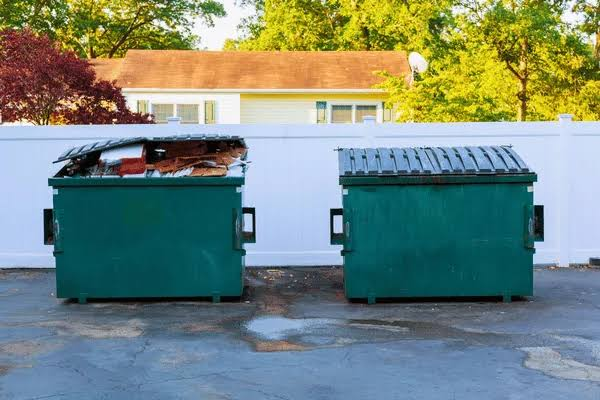
Home improvement and cleanout projects can create a surprising amount of waste, even when the project itself is relatively small. Old furniture, broken fixtures, flooring, drywall, cardboard, packaging, household clutter, and other unwanted materials can quickly fill ordinary garbage bins. Leaving debris around the property can make the work area difficult to navigate and may create unnecessary safety concerns. A properly sized waste container provides a convenient place to collect project debris while keeping the surrounding area more organized. Before arranging a small dumpster rental, homeowners should consider the amount of waste, container size, accepted materials, placement requirements, rental duration, loading practices, and final pickup arrangements.
- Understanding the Need for a Small Dumpster
- Planning the Project Before Ordering
- Choosing the Right Container Size
- Estimating the Amount of Debris
- Considering the Type of Project
- Checking Accepted Materials
- Preparing the Placement Area
- Preparing Before Delivery
- Understanding Rental Duration
- Loading the Dumpster Efficiently
- Avoiding Overloading
- Keeping the Work Area Organized
- Understanding Pricing Factors
- Avoiding Unexpected Fees
- Following Basic Safety Practices
- Handling Heavy and Bulky Items
- Maintaining Responsible Waste Practices
- Preparing for Final Pickup
- Final Thoughts
Understanding the Need for a Small Dumpster
A small dumpster can be useful when a project generates more waste than regular household trash collection can accommodate but does not require a large construction container. Common examples include garage cleanouts, basement organization, furniture removal, small remodeling projects, flooring replacement, decluttering, and preparation for a move. These projects may produce bulky materials that are difficult to fit into standard trash containers. Before choosing a small dumpster rental, homeowners should estimate how much waste the project is likely to create. Understanding the project’s overall scope can help determine whether a smaller container will provide enough capacity without taking up unnecessary space.
Planning the Project Before Ordering
Good waste management begins before the first item is removed. Homeowners should identify the rooms, areas, or materials that will be cleaned or renovated and make a rough list of everything that needs to be discarded. This can provide a better estimate of the project’s overall waste volume. During small dumpster rental planning, it is also useful to determine whether materials can be broken down to use available space more efficiently. Furniture, cardboard boxes, cabinets, and other bulky items may occupy less space when safely disassembled. A basic project plan can help prevent underestimating the amount of waste and needing additional disposal service later.
Choosing the Right Container Size
Selecting the correct container size is one of the most important steps in the waste-removal process. A container that is too small may fill before the project is complete, while an unnecessarily large option may require more space and increase the cost. Homeowners should consider the volume and type of debris rather than selecting a size based only on appearance. When arranging a small dumpster rental, users should discuss the project details with the provider and explain what materials are expected. This information can help determine whether the selected container is suitable. A properly sized dumpster should provide enough room for the project while remaining practical for the available placement area.
Estimating the Amount of Debris
Estimating debris accurately can make the entire process more efficient. Begin by identifying large items such as furniture, appliances, cabinets, doors, or fixtures, then consider smaller materials such as boxes, packaging, broken household goods, and renovation debris. It is also important to consider how compact or bulky the materials will be after removal. During small dumpster rental planning, users should remember that volume and weight are different considerations. A container can appear to have plenty of available space while approaching its weight limit if it contains dense materials. A realistic estimate helps users select a container that can handle the project’s actual waste.
Considering the Type of Project
The type of home improvement or cleanout project can influence the type of dumpster required. A garage cleanout may produce furniture, boxes, tools, and household items, while a bathroom renovation could create tile, fixtures, drywall, flooring, and packaging. A small landscaping project may generate branches, leaves, soil, and other yard debris. Before arranging a small dumpster rental, homeowners should explain the project type and expected materials to the provider. This allows the provider to identify any material restrictions and determine whether the selected container is appropriate. Different waste streams may have different disposal requirements, so accurate information is important.
Checking Accepted Materials
Before placing anything into a dumpster, homeowners should understand what the provider allows. Many general-purpose containers accept common household junk, furniture, wood, cardboard, drywall, and certain renovation materials. However, hazardous chemicals, batteries, medical waste, some electronics, tires, certain paints, and other restricted items may require separate disposal. Rules can vary between providers, so homeowners should not assume that every material is automatically accepted. Before confirming a small dumpster rental, users should request a clear list of prohibited materials. Sorting these items before the project begins can prevent delays, additional fees, and improper disposal.
Preparing the Placement Area
The dumpster should be placed in an area that provides convenient access while leaving enough room for delivery and pickup. A stable, reasonably level surface is generally preferable. Homeowners should consider driveways, gates, parked vehicles, trees, overhead wires, and other obstacles before selecting the placement area. When arranging a small dumpster rental, users should make sure the location remains accessible throughout the project. A convenient placement can reduce the distance workers need to carry debris and make cleanup more efficient. The area should also be kept clear of unnecessary equipment and belongings that could interfere with loading or later collection.
Preparing Before Delivery
A few simple preparations can make delivery much easier. Vehicles should be moved away from the planned placement area, and gates or access routes should be opened when necessary. If the project is taking place inside a home, workers should establish a clear path for carrying debris outside. Before starting a small dumpster rental, homeowners should confirm the delivery schedule, container dimensions, rental period, accepted materials, and fill requirements. Having this information available helps prevent confusion once the container arrives. Good preparation also means the dumpster can be used immediately rather than sitting unused while the work area is still being cleared.
Understanding Rental Duration
The rental period should match the expected length of the project. A simple cleanout may be completed in a few days, while a renovation could require additional time. Homeowners should avoid choosing a rental period based solely on the fastest possible completion because unexpected delays can occur during improvement projects. When arranging a small dumpster rental, users should ask about extension policies and any additional charges associated with keeping the container longer than originally planned. It is also helpful to understand how pickup requests work if the project finishes early. Clear scheduling information can make the entire waste-removal process more convenient.
Loading the Dumpster Efficiently
Efficient loading can help homeowners make better use of the available container space. Large items should be broken down when appropriate, and smaller materials can be placed into open spaces around larger objects. Heavy materials should be distributed evenly instead of being concentrated in one section. During small dumpster rental use, debris should remain within the provider’s permitted fill level. Materials should not be piled above the top of the container because they can fall during transportation. Careful loading improves safety and can help ensure that the full container can be collected without requiring additional adjustments or services.
Avoiding Overloading
Overloading can create safety problems and may lead to additional charges. Homeowners should understand both the volume limit and the weight limit of the selected container. Heavy materials such as tile, brick, concrete, soil, and stone can become very dense even when the dumpster is not physically full. Before beginning a small dumpster rental, users should discuss heavy materials with the provider and understand the applicable weight requirements. If a project contains a significant amount of dense debris, a different container or disposal method may be recommended. Staying within the approved limits helps keep the project safe and reduces the risk of unexpected costs.
Keeping the Work Area Organized
An organized work area can make a home improvement or cleanout project significantly easier. Instead of allowing debris to accumulate in several piles, homeowners can move suitable materials into the dumpster regularly. This creates more usable space and reduces trip hazards. During small dumpster rental use, the area around the container should remain clear so people can approach it safely and the pickup vehicle can access it later. Tools, personal belongings, reusable materials, and items that should not be discarded should be kept separate from the waste. Regular cleanup can also make it easier to see how quickly the container is filling.
Understanding Pricing Factors
The cost of dumpster service can depend on several factors, including container size, rental duration, waste type, weight, delivery requirements, and disposal charges. A smaller container may cost less than a larger one, but the final price can still vary based on the materials being discarded and how long the container remains on the property. Before confirming a small dumpster rental, homeowners should ask what the quoted price includes. It is helpful to understand whether delivery, pickup, disposal, weight allowances, overage charges, and rental extensions are included. Clear pricing information allows homeowners to create a more accurate project budget.
Avoiding Unexpected Fees
Unexpected fees can often be reduced through proper preparation and careful communication. Homeowners should read the rental terms and understand the provider’s rules regarding prohibited materials, weight limits, fill levels, and rental extensions. During small dumpster rental use, keeping restricted items out of the container and avoiding excessive weight can help prevent additional charges. If the project takes longer than expected, contacting the provider before the scheduled pickup can clarify available options. Asking questions before delivery is generally easier than addressing unexpected costs after the container has already been collected.
Following Basic Safety Practices
Safety should be considered throughout the entire project. Home improvement and cleanout work may involve sharp objects, broken materials, heavy furniture, dust, nails, glass, and other hazards. Appropriate protective equipment and safe lifting practices can reduce the risk of injuries. Children and pets should be kept away from the active work area and dumpster. During small dumpster rental projects, users should never climb inside the container because loose debris can shift unexpectedly. Large or heavy items should be handled carefully, and workers should communicate with one another when moving difficult objects. A clean and organized work area can further support safer project conditions.
Handling Heavy and Bulky Items
Heavy and bulky objects should be placed into the container carefully. Furniture can sometimes be disassembled to create additional space, while large boxes can be flattened before disposal. Dense construction materials should be distributed throughout the container rather than concentrated in one location. When using a small dumpster rental, homeowners should avoid throwing heavy objects from significant heights because this can damage the container or create safety hazards. If an item is unusually large or heavy, the provider should be consulted before it is placed inside. Proper handling helps maximize space and keeps the container within its approved limits.
Maintaining Responsible Waste Practices
Responsible disposal involves more than simply removing unwanted materials from the property. Whenever practical, homeowners can separate items that may be reusable, recyclable, or suitable for donation. Furniture, cardboard, metals, and certain household goods may have alternative destinations depending on their condition and local disposal programs. During small dumpster rental projects, separating recoverable materials can reduce the amount of waste sent for disposal. Hazardous or restricted materials should always be handled through appropriate specialized channels. Thoughtful sorting can make the cleanup process more responsible while still keeping the project organized and efficient.
Preparing for Final Pickup
Once the project is finished, the container should be inspected before pickup. Homeowners should confirm that debris remains below the permitted fill level and that no prohibited materials have been placed inside. The area surrounding the container should also be cleared of vehicles, tools, and other obstacles. Before scheduling a small dumpster rental pickup, users should verify the collection date and ensure that the provider has clear access to the container. A final inspection can identify potential problems before pickup and reduce the chance of delays. After collection, the placement area should be checked for remaining debris or items that need separate disposal.
Final Thoughts
A well-planned dumpster can make home improvement and cleanout projects much easier to manage. Choosing the correct size, estimating waste accurately, checking accepted materials, preparing the placement area, loading carefully, and understanding rental terms are all important steps. A properly arranged small dumpster rental can provide a convenient way to keep debris contained without requiring unnecessary space for a larger container. Homeowners should communicate clearly with the provider and understand all requirements before delivery. With careful planning, safe loading, and responsible waste management, a small dumpster can help keep cleanup and renovation projects organized from beginning to end.

From Ertugrul to the Live Feed from Makkah: How British Muslims Binge-Watch in Ramadan

Foodie Co: Powder Blending and Manufacturing Services

What Is Tikcotech? Features and Uses Explained

Alex Pettyfer Net Worth, Wife, Age, Height, Children, Career and More

Brad Williams Net Worth, Wife, Height, Age, Daughter, Family, Career and More

Eldorado.gg Review 2026: How It Works, Safety, Fees, and Risks
-
Celebrity9 months ago
Alex Pettyfer Net Worth, Wife, Age, Height, Children, Career and More
-
Celebrity10 months ago
Brad Williams Net Worth, Wife, Height, Age, Daughter, Family, Career and More
-
Blog1 month ago
Eldorado.gg Review 2026: How It Works, Safety, Fees, and Risks
-
 Anime11 months ago
Sanzoku Bandits of One Piece: Origins, Higuma, and Their Role in Dawn Island
-
 Celebrity10 months ago
John McGinn Net Worth, Age, Height, Wife, Childrens, Career and More
-
 Celebrity10 months ago
Frances de la Tour Net Worth, Age, Height, Husband, Childrens, Career and More
-
 Celebrity10 months ago
Will Trickett Net Worth, Wife, Childrens, Age, Career and More
-
 Blog2 months ago
Crackstube: A Complete Guide to the Digital Publishing Platform