
Blog
Mathplayzone: A Fun Online Learning Platform for Kids to Master Math Skills

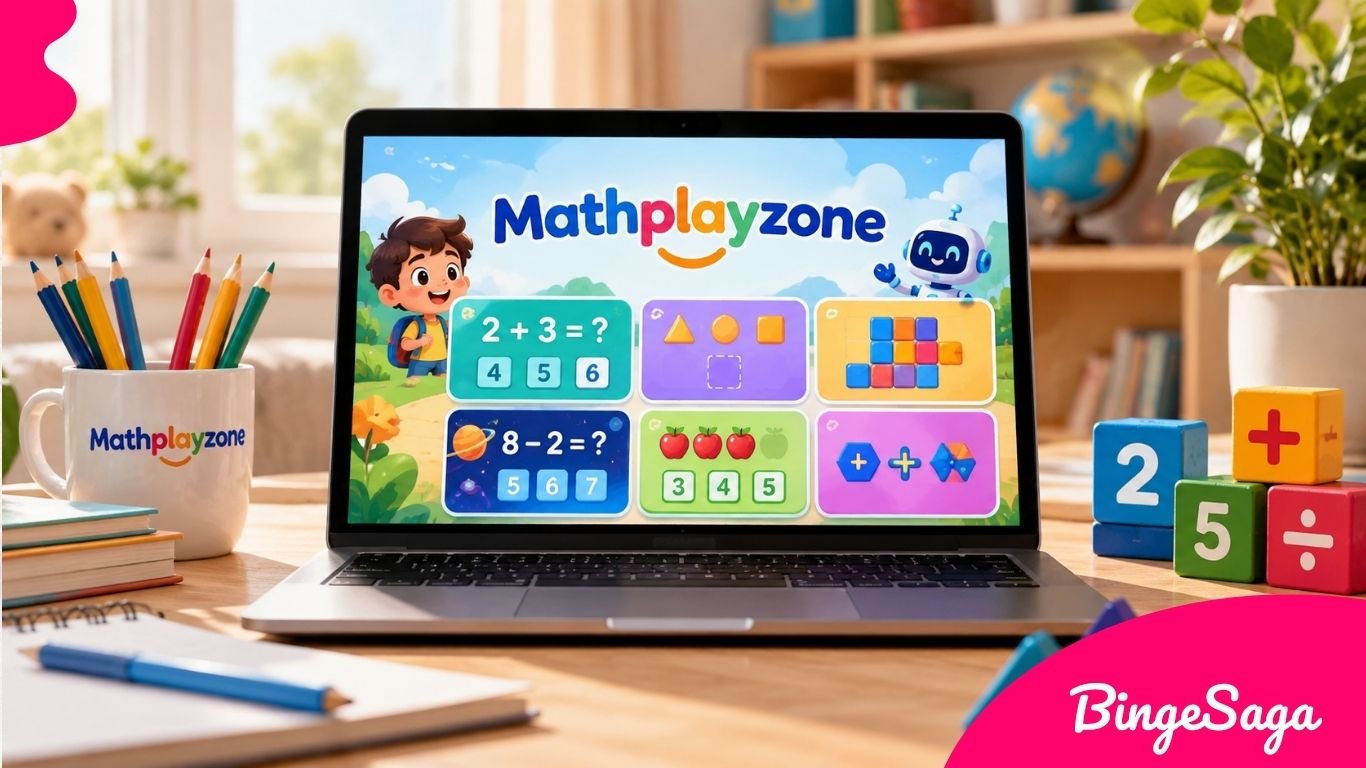
Learning math becomes easier when children enjoy the process. Many students find numbers challenging when lessons feel repetitive. Interactive games can make practice more exciting and help kids improve their skills step by step.
- What Is Mathplayzone?
- How Interactive Math Games Support Learning?
- Main Features of Mathplayzone
- Free Online Learning Without Barriers
- Popular Math Games Available on the Platform
- Arcade Games and Extra Activities
- Benefits of Learning Through Games
- Why Parents and Teachers Choose Online Math Tools?
- Simple Design for Young Learners
- Mobile Access for Flexible Learning
- The Future of Online Math Learning
Mathplayzone is a free online learning platform that helps children practice math through fun games and activities. It combines basic arithmetic with gameplay to make learning simple and engaging.
The platform is designed for young learners who want to improve skills like addition, subtraction, problem-solving, and number understanding. In this article, we will explore its features, popular games, benefits, and how it supports children’s learning.
What Is Mathplayzone?
Mathplayzone is an online educational platform created to help children learn math through interactive gameplay. Instead of only solving traditional questions, students learn by completing challenges inside different games.
The website is mainly designed for children between 4 and 12 years old. It supports early learners as well as primary school students who want extra practice with math skills.
The platform focuses on making math feel less difficult. Children can learn while playing, which can help them stay interested and continue practicing.
How Interactive Math Games Support Learning?
Many children learn better when they can take part in an activity. Games can turn practice into a fun experience instead of a boring task.
Mathplayzone uses simple game ideas to teach important math concepts. Players may need to solve questions to complete levels, win challenges, or move ahead in a game.
This type of learning allows children to practice again and again. Repeated practice can help improve speed, accuracy, and confidence with numbers.
Main Features of Mathplayzone
One of the main benefits of Mathplayzone is its easy access. Children can open the website through a browser and start playing without complicated steps.
The platform offers many free games that work on computers, tablets, and Chromebooks. Most activities do not require users to create an account before playing.
The games cover different math skills and difficulty levels. Younger children can learn basic numbers, while older students can practice faster calculations and problem-solving.
Free Online Learning Without Barriers
A major feature of Mathplayzone is that many games are available for free. Families and teachers can use the platform without needing paid subscriptions for basic access.
The simple design makes it easy for children to begin learning. They can choose a game, understand the rules, and start practicing within a short time.
This makes the platform useful for home learning, classroom activities, and extra practice after school.
Popular Math Games Available on the Platform
Mathplayzone includes a variety of games that combine learning with entertainment. Each game focuses on different skills and gives children a new way to practice math.
Some popular games include:
Math Push
Math Push is a puzzle-based game where players move numbered blocks to create correct equations. It combines math practice with strategy and planning.
Children need to think carefully about their moves. This helps them improve logical thinking while working with numbers.
Math Boy
Math Boy is an action-style math game. Players solve arithmetic problems to complete challenges and continue through the game.
The fast gameplay encourages children to improve their calculation speed while having fun.
Let’s Reach 1000 and Let’s Reach Zero
These games focus on addition and subtraction skills. Players work quickly to reach specific number goals.
They help children practice mental math and improve their ability to calculate without feeling like they are doing regular exercises.
READ ALSO: Digitalconnectmag.com: A Complete Guide to the Digital Tech and Business Platform
Arcade Games and Extra Activities
Besides math-focused games, the platform also includes other popular online games. These activities add more variety for children who enjoy different challenges.
Some examples include Wordle Unlimited, Among Us, and Geometry Dash Hyper Wave. These games can encourage thinking, memory, and problem-solving skills.
Having different types of activities can make the learning experience more enjoyable for students.
Benefits of Learning Through Games
Game-based learning can help children develop stronger math skills. When students enjoy an activity, they may spend more time practicing and improving.
Mathplayzone helps children learn through challenges and rewards. This can make math feel more positive and reduce the fear some students have about numbers.
Interactive practice can also support important skills such as focus, quick thinking, and decision-making.
Why Parents and Teachers Choose Online Math Tools?
Parents often search for learning tools that children can use outside school. Online platforms provide extra practice in a simple way.
Teachers can also use educational games as additional classroom activities. They can help students review lessons while keeping them engaged.
Mathplayzone can work as a supporting tool alongside regular teaching. It gives children another way to understand and practice math concepts.
Simple Design for Young Learners
The platform is built with a simple layout that allows children to explore games easily. Young users can find activities without needing advanced computer skills.
A clear design helps children focus on learning instead of dealing with difficult controls or settings.
The easy format also allows students to practice independently and choose activities based on their interests.
Mobile Access for Flexible Learning
Mathplayzone also has a mobile version available for iPhone and iPad users through the Apple App Store. This allows children to practice math skills on different devices.
Mobile learning gives families more flexibility. Children can complete short practice sessions at home or in other places when they have time.
Using tablets can make learning more convenient for modern students.
The Future of Online Math Learning
Digital learning tools continue to change how children practice important skills. Interactive platforms show that education can be both useful and enjoyable.
Mathplayzone represents a style of learning where children build knowledge through activities instead of only reading lessons.
For young students who need extra math practice, online games can provide a helpful way to improve skills while staying interested.
Blog
Inside a China Eyewear Factory: How Eyewear Goes from Design and Material Selection to Mass Production

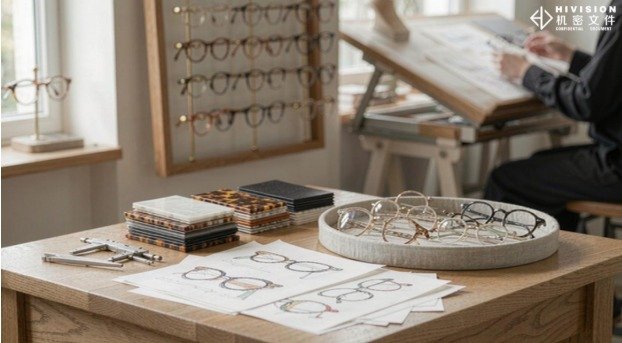
Have you ever wondered how a simple eyewear design becomes thousands of finished frames ready for international retailers?
- 1. Inside an Eyeglass Factory: Everything Starts with Product Design
- 2. Material Selection: Why Every Frame Factory Needs Different Production Capabilities
- 3. What Happens in the Frames Factory During Production?
- 4. Is a Lens Factory the Same as an Eyewear Factory?
- 5. From Sample Approval to Factory-Direct Eyeglasses Production
- 6. Quality Control: What Happens Before Finished Glasses Leave the Factory?
- 7. How to Find the Right Glasses Manufacturer Near You or in China
- Choosing a Manufacturing Partner for Your Next Eyewear Collection
Behind every pair of glasses is a manufacturing process involving design development, material preparation, precision machinery, skilled workers, assembly, and quality inspection.
A modern china eyewear factory is not simply a place where frames are assembled. It is part of a wider production ecosystem connecting raw material suppliers, component manufacturers, frame production facilities, lens suppliers, and international buyers.
Understanding how these operations work helps eyewear brands, importers, and distributors evaluate manufacturing partners more effectively.
Let’s take a closer look at what happens inside an eyewear manufacturing operation, from the first design discussion to the final packed product.
1. Inside an Eyeglass Factory: Everything Starts with Product Design
The manufacturing journey usually begins when a brand shares its design requirements, reference samples, sketches, or technical specifications.
The development team reviews important details such as:
- Frame shape and dimensions.
- Material selection.
- Color and surface finish.
- Hinge and temple construction.
- Lens size and fitting requirements.
- Target retail positioning.
The design is then converted into technical drawings or CAD specifications to establish the dimensions and construction requirements.
Before mass production, manufacturers generally develop samples so buyers can evaluate the appearance, comfort, fit, and construction.
A professional eyeglass factory should also identify manufacturing limitations early. A design may look attractive digitally but require adjustments to make it suitable for production.
2. Material Selection: Why Every Frame Factory Needs Different Production Capabilities
Material selection directly affects the manufacturing process, product characteristics, and final cost.
An experienced frame factory may work with several materials, but each requires different production techniques.
Acetate: Acetate sheets are cut into frame components using CNC machinery or other cutting equipment. The components are shaped, assembled, tumbled, and polished to achieve the desired finish.
Metal: Metal frames require processes such as stamping, bending, welding, plating, and component assembly. Precision is particularly important when connecting bridges, rims, temples, and hinges.
TR90 and injection materials: These thermoplastic materials are processed through injection molding. The molten material is injected into molds to create frame components, which are subsequently trimmed, finished, and assembled.
This is why choosing an optical factory with the right material specialization matters. A manufacturer experienced in acetate production may not necessarily have the same expertise in titanium or injection molding.
3. What Happens in the Frames Factory During Production?
Once the materials and specifications are approved, production begins.
Although the exact process varies by material and factory, a typical frame manufacturing workflow includes:
- Raw material inspection.
- Cutting, stamping, or molding.
- Component shaping and processing.
- Hinge and metal component installation.
- Surface grinding and polishing.
- Plating or coating where required.
- Frame assembly and adjustment.
- Intermediate quality inspection.
For example, acetate manufacturing involves several finishing operations to achieve smooth surfaces and consistent gloss. Metal production places greater emphasis on welding accuracy, structural strength, and surface treatment.
A well-organized glasses factory maintains inspection checkpoints throughout production rather than waiting until the frames are completely assembled.
4. Is a Lens Factory the Same as an Eyewear Factory?
Not necessarily. This is an important distinction for buyers entering the eyewear industry.
A lens factory manufactures lenses, while a frame manufacturer produces the physical eyewear structure.
Lens production can involve casting, surfacing, polishing, and coating, depending on the lens type and application.
For example, prescription lenses may require additional optical processing and edging before they can be fitted into frames. Sunglasses lenses may require tinting, polarization, or UV-protection specifications.
Some eyewear manufacturers purchase finished lenses from specialized suppliers, while others have access to affiliated or integrated lens operations.
Therefore, when evaluating a factory, ask whether lens manufacturing, lens sourcing, and final lens fitting are handled internally or by external partners.
5. From Sample Approval to Factory-Direct Eyeglasses Production
After the buyer approves the sample, the manufacturer prepares for bulk production.
This stage involves confirming the final specifications, order quantities, materials, colors, packaging, and production schedule.
For buyers seeking factory direct eyeglasses, working directly with a manufacturer can improve communication about product specifications and production changes.
However, direct factory purchasing does not automatically guarantee lower prices. The total cost still depends on order volume, materials, customization, tooling, and quality requirements.
Before mass production, buyers should confirm that the approved sample and production specifications are properly documented.
This reduces the risk of receiving bulk products that differ from the original sample.
6. Quality Control: What Happens Before Finished Glasses Leave the Factory?
Quality control is not a single inspection at the end of production.
A structured manufacturing operation may include:
- Incoming Quality Control (IQC): Checking raw materials and components.
- In-Process Quality Control (IPQC): Monitoring production stages.
- Final Quality Control (FQC): Inspecting completed products.
- Outgoing Quality Control (OQC): Verifying packaging, quantities, and shipping requirements.
Common inspection points include frame symmetry, hinge performance, surface defects, dimensional accuracy, lens fitting, and product specifications.
For sunglasses, appropriate UV-protection and other relevant performance tests should also be verified through suitable documentation.
The goal is to ensure that bulk production consistently matches the approved sample and agreed specifications.
7. How to Find the Right Glasses Manufacturer Near You or in China
When buyers search for eyeglasses frame near me or a glasses manufacturer near me, they are often looking for a convenient sourcing partner.
Local suppliers may offer easier communication and proximity. However, international buyers should not overlook specialized manufacturing ecosystems in China.
Searching for the glasses factory or a particular eyeglass factory in ventura may help identify local businesses, but buyers should first establish whether those businesses actually manufacture frames or simply operate retail stores, optical laboratories, or distribution facilities.
Similarly, brands researching fashion eye collections should evaluate design development, material options, and production consistency rather than relying only on product photographs.
Whether you choose a local supplier or an overseas manufacturer, verify its actual production capabilities, quality-control procedures, and commercial terms.
Choosing a Manufacturing Partner for Your Next Eyewear Collection
Understanding how eyewear moves from design to mass production makes it easier to distinguish between a genuine manufacturing partner and a supplier that simply resells finished products.
Hivision Eyewear, based in Wenzhou, China, provides OEM/ODM eyewear manufacturing services across acetate, metal, titanium, and injection materials.
For brands exploring factory sunglasses production or customized optical frames, evaluating the manufacturer’s material capabilities, sample development, production processes, and quality-control arrangements is essential.
You can explore Hivision’s eyewear product collections and sunglasses range to understand its product offerings.
Ultimately, the strength of an eyewear manufacturing partner is not determined by how large its factory looks. It is determined by how consistently it can transform approved designs and specifications into finished products that meet the buyer’s requirements.


Technology is evolving at a remarkable pace. Smartphones receive new features, artificial intelligence is changing everyday digital experiences, and connected devices are becoming part of homes, workplaces, and personal routines. While these developments create exciting opportunities, they also make it harder for ordinary consumers to understand which innovations are genuinely useful. Reliable technology journalism can help readers make sense of these changes.
Root Nation is a technology publication that helps readers explore the latest developments in consumer technology. Through news, reviews, comparisons, and practical articles, Root-nation.com gives technology enthusiasts and everyday users a place to learn about products and trends before making important decisions.
Making Technology Easier to Understand
New technology often comes with unfamiliar terminology and complicated specifications. A smartphone manufacturer might advertise an advanced processor, an impressive camera system, or a collection of artificial intelligence features. However, technical descriptions do not always explain how these features affect everyday use.
Useful technology journalism connects specifications with practical experiences. Instead of focusing only on numbers, a good review explains what a product can do, where it performs well, and what limitations consumers should consider.
This approach is particularly valuable for people who do not have a technical background. Clear explanations help readers understand whether a feature solves a real problem or simply adds another marketing point to a product description.
Helping Readers Evaluate New Products
Buying electronic devices can involve a significant financial commitment. Smartphones, laptops, tablets, televisions, and other gadgets may remain in use for several years, making research an important part of the purchasing process.
Independent product coverage can help consumers compare available options and understand differences that are not immediately obvious. For example, two smartphones may have similar camera resolutions but produce different results because of their sensors, image processing, lenses, and software.
Readers looking for detailed technology coverage can explore Root-nation.com to find product reviews, technology news, and practical discussions that provide additional context before a purchase.
Keeping Up With Emerging Technology
Artificial intelligence, smart home systems, wearable devices, and mobile innovations continue to influence how people interact with technology. Following these developments requires more than reading product announcements. Consumers also need explanations of how new features work and whether they offer meaningful advantages.
A technology publication can connect individual product releases with broader industry developments. This helps readers understand not only what has changed but also why those changes matter.
For example, the growth of AI features in smartphones raises questions about privacy, performance, battery consumption, and practical usefulness. Readers benefit from balanced coverage that considers both the advantages and potential limitations of these tools.
Why Balanced Technology Journalism Matters
Every new device is not necessarily the right choice for every consumer. A premium smartphone may offer excellent performance but still be unnecessary for someone who mainly uses messaging, browsing, and basic photography. Similarly, an affordable laptop may be perfectly suitable for everyday tasks even if it lacks the specifications required for professional workloads.
Balanced reviews help readers consider their actual needs instead of following marketing trends. They should explain strengths and weaknesses, distinguish measurable performance from personal preferences, and provide enough context for readers to reach their own conclusions.
Making Better Digital Decisions
Technology will continue changing how people communicate, work, study, shop, and entertain themselves. Staying informed can help consumers avoid unsuitable purchases and make better use of the devices they already own.
Publications such as Root-nation.com contribute to this process by bringing technology news, reviews, and practical information together in one place. For readers who want to understand modern devices beyond advertising claims, accessible and balanced technology journalism remains an important resource.

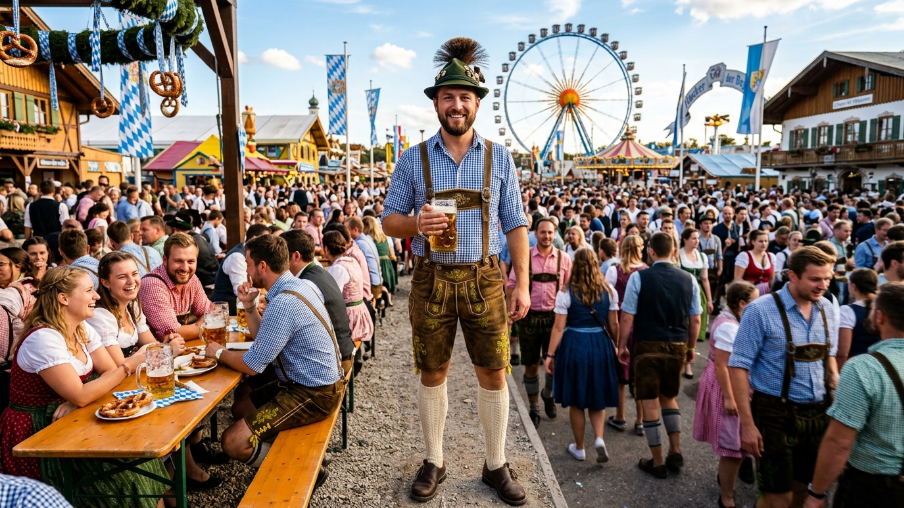
For men shopping specifically for guys oktoberfest costume options in 2026, the vocabulary itself signals particular considerations that differ from buyers using “traditional lederhosen” or “authentic Bavarian wear” terminology. The costume framing suggests focus on festival attendance rather than long-term heritage engagement, potentially prioritizing accessibility, affordability, and festival-appropriate styling over strict authentic construction. Understanding what distinguishes quality guys oktoberfest costume options from genuine costume-grade cheap alternatives, while maintaining accessibility for festival-focused buyers, helps ensure your Oktoberfest choice delivers appropriate value for your specific use case.
The important distinction: what marketing calls “costume” spans a substantial quality range from cheap Halloween-focused synthetic imitations at the bottom through legitimate festival-appropriate Bavarian wear at accessible price points. Buyers researching in the costume category should understand where their specific purchase falls within this range and what they’re actually getting relative to their expectations. Quality accessible-tier Bavarian wear delivers festival-appropriate character without demanding the investment premium associated with heritage-grade construction, and understanding this middle ground helps you avoid both extremes: cheap imitations that photograph poorly and disappoint, and premium investments that exceed what festival-focused wearers actually need.
The Costume-to-Authentic Quality Spectrum
Understanding where different products fall on the quality spectrum helps calibrate expectations appropriately. The bottom tier features synthetic materials designed to imitate leather appearance while being made from vinyl, PVC, or cheap fabric. These pieces cost $30 to $80 typically, photograph poorly under direct lighting that reveals the synthetic materials, and fall apart within one or two wearings. They serve one-time Halloween-adjacent Oktoberfest wear but disappoint anyone expecting multi-year utility or authentic photograph results.
The accessible entry-level tier features genuine leather construction at accessible price points, typically $100 to $200 for basic lederhosen with functional embroidery and standard hardware. These pieces photograph as real Bavarian wear, hold up across multiple wearings, and serve festival-focused buyers well without demanding the investment associated with heritage-grade construction. This tier represents the smart choice for most festival-focused buyers who want authentic character without maximum investment.
The mid-range tier at $200 to $400 delivers substantial deerskin or goatskin construction, detailed embroidered decoration, quality hardware, and finishing details that photograph beautifully across all lighting conditions. Buyers expecting multi-year Oktoberfest attendance across several years find mid-range delivers strong value with construction quality that improves with wear rather than degrading. Premium and heritage tiers above this exist but exceed what most festival-focused buyers need for practical Oktoberfest use.
Style Choices for Festival Attendance
Within accessible-tier Bavarian wear appropriate for festival attendance, several style choices affect the finished ensemble character. Brown deerskin or brown cowhide represents the safest first-purchase color, working universally across coordinating shirt and accessory options while photographing as classic Oktoberfest imagery. Darker chocolate brown appears in premium pieces but works well at accessible tiers too when quality construction supports the darker leather character.
Length selection between kurze (short, mid-thigh) and kniebund (knee-length) affects both the visual and practical experience. Kurze represents the standard Oktoberfest choice worn by the majority of attendees, providing the classic Oktoberfest silhouette and comfortable warm-weather wear. Kniebund suits cooler-weather attendance and wearers preferring more coverage without moving to full-length configurations. Most buyers choosing an october fest costume opt for kurze based on the standard Oktoberfest visual that dominates festival imagery.
Embroidery detail and complexity affects the finished character significantly. Basic accessible-tier embroidery features simpler motifs than premium hand-embroidered alternatives, though quality machine embroidery at this tier still photographs well and reads as authentic Bavarian construction rather than costume-grade decoration. Specific motifs including oak leaves, edelweiss, and simple regional crests appear on quality accessible pieces without demanding premium pricing.
Complete Festival Outfit Assembly
The lederhosen represents one piece of complete festival-appropriate Bavarian ensembles requiring coordinated supporting pieces. The essential coordinated elements include a proper Trachtenhemd (traditional shirt) in white cotton or checkered pattern (blue-and-white or red-and-white being most common), quality wool knee socks reaching just below the knee, sturdy leather Haferl shoes or acceptable alternative closed-toe leather footwear, and a proper Bavarian hat completing the ensemble visually.
For festival-focused buyers, the shirt choice often defaults to checkered patterns for practical staining resistance during long festival days when beer, food, and general festival activities inevitably contact clothing. Blue-and-white checks read as most traditional Oktoberfest; red-and-white checks work equally well and offer color variation. Solid white shirts photograph most formally but require more diligent stain management during actual festival attendance.
Additional accessories add authentic character to complete the visual: Charivari decorative chain across the front bib, quality leather belt worn over the lederhosen, and optional pocket accessories including traditional watches on chains and decorative pins from festivals attended. These smaller elements collectively distinguish complete festival ensembles from partial approximations, though budget-conscious buyers can add accessories over successive Oktoberfest seasons rather than requiring all elements at initial purchase.
Practical Sizing for Festival Comfort
Getting the sizing right specifically for festival attendance requires accounting for practical realities of Oktoberfest that differ from other clothing use cases. The lederhosen waist adjustment accommodates the substantial beer, sausage, and pretzel consumption characteristic of proper Oktoberfest attendance, but initial fit should be comfortable at your normal waist rather than requiring maximum adjustment from arrival. This provides adjustment room for the festival day itself.
The suspender configuration should provide comfortable weight distribution across shoulders without pulling during energetic movement including the standard beer tent dancing that emerges during specific songs (traditional customs include standing on benches during particular songs, requiring stable and comfortable ensemble configuration). Proper fit means the ensemble supports full festival participation rather than requiring adjustment or replacement during the day.
For international buyers ordering online, careful measurement matters more than for in-person shopping. Waist measurement at your natural waist (higher than typical modern trousers sit), inseam appropriate to your leg length, and shoulder measurement affecting suspender fit all deserve careful attention. Quality retailers provide detailed sizing guides converting between European and American measurement systems, and buyers should measure carefully rather than assuming standard trouser sizing translates directly.
Festival Etiquette and Wearing Norms
Beyond just having appropriate ensemble, understanding festival etiquette helps ensure your Oktoberfest experience matches your ensemble investment. Wearing proper traditional wear demonstrates respect for Bavarian heritage and the actual cultural context that Oktoberfest represents. Casual wearing approaches include treating the ensemble as everyday festival attire rather than costume, appropriate care for the pieces across long festival days, and recognizing that quality authentic wear reads as respect rather than pretense to Bavarian and German-heritage attendees.
Coordinating the ensemble with the specific event context matters. Munich Oktoberfest itself represents the most traditional context where authentic wear is genuinely appropriate and welcomed. Regional Oktoberfest celebrations in cities across the United States and internationally welcome quality Bavarian wear while accepting more variation in ensemble configuration. Local beer festivals with German or Bavarian themes similarly appreciate proper wear without demanding strict traditional configuration.
Photography during festival attendance benefits from ensemble configuration ready for camera capture throughout the day. Ensuring the shirt remains tucked, suspenders sit properly, hat coordinates with the overall visual, and accessories remain in appropriate position across the day supports quality photographs that become long-term memories of the festival experience.
Building Beyond Single-Event Use
Even buyers approaching Oktoberfest attendance as single-event costume purchase often discover that quality accessible-tier Bavarian wear delivers value across additional occasions beyond the single Oktoberfest attendance. American Oktoberfest celebrations occur across multiple weekends in September and October in various cities, and the same ensemble works for multiple attendance opportunities within a single autumn season. Family Bavarian gatherings, German-American cultural events, and various themed occasions provide additional wear contexts.
For buyers whose Oktoberfest experience proves engaging enough to warrant continued Bavarian heritage engagement, the accessible-tier initial purchase often becomes the foundation for gradual wardrobe expansion. Adding coordinating pieces, upgrading specific components after establishing continued interest, and building toward complete year-round Bavarian heritage wardrobes represents the pathway many committed heritage wearers follow from initial festival-focused purchases.
The gradual expansion approach delivers substantially better value than either single-event costume purchasing or immediate premium investment. Building based on actual experience matches your specific engagement patterns rather than committing speculatively to either extreme, and the accessible-tier starting point provides genuine construction that supports the transition to expanded heritage engagement over time.
Frequently Asked Questions
What’s the difference between costume and authentic lederhosen? Real leather construction versus synthetic imitation. Quality accessible-tier costume options at $100 to $200 use real leather and photograph as authentic; cheap synthetic imitations at $30 to $80 do not.
How much should I spend on my first Oktoberfest costume? $150 to $300 delivers strong accessible-tier value with genuine leather construction and appropriate festival-focused character.
Does the shirt color matter? Yes. Checked patterns hide staining better during long festival days. White photographs most traditionally but requires more diligent stain management.
Can I wear an Oktoberfest costume to non-festival events? Absolutely. Quality Bavarian wear works at cultural events, German-American gatherings, and any occasion where heritage character suits the context.
How long will accessible-tier lederhosen last? With proper care, 10 to 20 years or more. Quality genuine leather improves with wear rather than degrading.
Should I buy locally or order online? Online quality retailers offer substantially more variety than most local stores. Careful measurement supports successful online purchase.
For men shopping guys oktoberfest costume options in 2026, understanding the quality spectrum from cheap synthetic imitations through authentic accessible-tier construction helps ensure your purchase matches your specific use case. Quality genuine leather construction at accessible price points delivers festival-appropriate authenticity without demanding premium investment, and complete october fest costume ensembles built around this foundation provide multi-year value across multiple festival attendance opportunities. Choose authentic accessible-tier construction over cheap synthetic imitation, coordinate the complete ensemble with appropriate shirt, footwear, socks, and hat, and treat the purchase as potential foundation for continued Bavarian heritage engagement rather than strictly single-event costume acquisition.

Inside a China Eyewear Factory: How Eyewear Goes from Design and Material Selection to Mass Production

Building Emotional Wellness Through Professional Guidance and Support

How to Choose an Eyewear Manufacturer in China for Your European or American Private Label Brand

Alex Pettyfer Net Worth, Wife, Age, Height, Children, Career and More

Brad Williams Net Worth, Wife, Height, Age, Daughter, Family, Career and More

Eldorado.gg Review 2026: How It Works, Safety, Fees, and Risks
-
Celebrity11 months ago
Alex Pettyfer Net Worth, Wife, Age, Height, Children, Career and More
-
Celebrity11 months ago
Brad Williams Net Worth, Wife, Height, Age, Daughter, Family, Career and More
-
Blog3 months ago
Eldorado.gg Review 2026: How It Works, Safety, Fees, and Risks
-
 Anime12 months ago
Sanzoku Bandits of One Piece: Origins, Higuma, and Their Role in Dawn Island
-
 Celebrity11 months ago
John McGinn Net Worth, Age, Height, Wife, Childrens, Career and More
-
 Celebrity11 months ago
Frances de la Tour Net Worth, Age, Height, Husband, Childrens, Career and More
-
 Anime12 months ago
Shimotsuki Ushimaru – The Last Daimyo of Wano Country Explained
-
 Celebrity12 months ago
Will Trickett Net Worth, Wife, Childrens, Age, Career and More