
Business
Indoor Court Flooring Trends: Features Shaping Modern Athletic Facilities


Modern athletic facilities are expected to provide more than a suitable space for sports. Players need surfaces that support movement, facility owners want durable materials that can withstand frequent use, and designers must consider safety, performance, maintenance, and long term usability.
- 1. Performance Focused Court Surfaces
- 2. Multi Sport Flooring Is Gaining Attention
- 3. Improved Shock Absorption and Player Comfort
- 4. Durable Flooring for High Traffic Facilities
- 5. Hardwood Continues to Be a Popular Choice
- 6. Specialized Indoor Court Installation
- 7. Renovation and Resurfacing Instead of Complete Replacement
- 8. Court Markings Are Becoming More Versatile
- 9. Maintenance Is Part of Modern Court Planning
- 10. Choosing Flooring Based on Facility Requirements
- What to Consider Before Your Next Indoor Court Project
- Build a Better Indoor Athletic Space
As these expectations continue to evolve, indoor court flooring has become an important part of athletic facility design. From shock absorption and traction to surface durability and maintenance requirements, flooring choices can influence how a court performs and how well it holds up over time.
Whether you are developing a new basketball court, renovating a multi sport facility, or upgrading an existing gymnasium, understanding the latest flooring trends can help you make informed decisions.
1. Performance Focused Court Surfaces
One of the biggest trends in modern athletic facilities is a stronger focus on player performance. Indoor courts need to provide an appropriate balance between traction, ball response, comfort, and surface consistency.
Depending on the sport and facility requirements, flooring systems may be selected to provide:
- Consistent traction for quick movements and changes in direction
- Appropriate shock absorption to help reduce impact on players
- Reliable ball response
- A comfortable playing surface
- Long term durability under frequent athletic use
An experienced indoor court designer can help determine which flooring system is appropriate based on the sport, facility usage, subfloor conditions, and expected traffic.
2. Multi Sport Flooring Is Gaining Attention
Many modern facilities are designed to accommodate more than one sport or activity. A single court may be used for basketball, volleyball, pickleball, training sessions, community events, or other recreational programs.
This has increased demand for versatile flooring systems that can support different activities without compromising performance.
During the planning stage, facility owners should consider how the court will be used throughout the year. The right indoor court flooring should align with the facility’s intended activities, maintenance requirements, and expected level of use.
3. Improved Shock Absorption and Player Comfort
Player comfort is another important consideration when selecting a court surface. Athletic activities involve repeated running, jumping, stopping, and changes in direction, making impact management an important part of court design.
Modern athletic flooring systems can incorporate cushioning or subfloor systems designed to provide controlled shock absorption.
The goal is not simply to create a softer surface. Instead, the flooring system should provide an appropriate balance between cushioning, stability, traction, and performance for the intended sport.
4. Durable Flooring for High Traffic Facilities
Indoor athletic facilities can experience significant daily use. Schools, recreation centers, sports clubs, universities, and professional training facilities may have multiple groups using the same court throughout the week.
As a result, durability remains a major consideration in flooring selection.
A well planned flooring system should be capable of handling regular athletic activity while maintaining its appearance and performance. Proper cleaning, maintenance, and timely repairs can also help extend the useful life of the surface.
5. Hardwood Continues to Be a Popular Choice
Hardwood flooring remains a familiar option for many basketball and gymnasium environments. Maple hardwood gym floors, in particular, are widely associated with traditional indoor athletic facilities.
Hardwood can provide a combination of performance, appearance, and long term usability when properly designed, installed, maintained, and refinished.
However, the right flooring choice depends on the facility. Usage patterns, sports requirements, maintenance expectations, subfloor conditions, and environmental factors should all be considered before selecting a system.
6. Specialized Indoor Court Installation
Installing athletic flooring requires more than simply placing a surface over an existing floor. Subfloor preparation, moisture considerations, leveling, surface selection, line marking, and finishing can all affect the final result.
Professional indoor court installation should begin with an assessment of the existing conditions and the facility’s requirements.
The installation process may include:
1. Evaluating the existing subfloor
2. Preparing and leveling the surface
3. Selecting the appropriate athletic flooring system
4. Installing the flooring according to manufacturer requirements
5. Applying court lines and markings
6. Completing finishing and quality checks
Proper preparation is particularly important because problems underneath the playing surface can eventually affect its appearance, performance, and durability.
7. Renovation and Resurfacing Instead of Complete Replacement
Not every aging court requires a completely new flooring system. Depending on the condition of the existing surface, resurfacing may provide an effective way to restore an indoor athletic court.
Indoor court resurfacing solutions can address issues such as worn finishes, surface deterioration, faded markings, and other signs of regular use.
Before choosing resurfacing, the existing flooring should be evaluated to determine whether the underlying system remains suitable for continued use.
A professional assessment can help determine whether resurfacing, refinishing, repairs, or replacement is the more appropriate approach.
8. Court Markings Are Becoming More Versatile
As facilities accommodate multiple sports, court markings have become an increasingly important part of indoor court design.
A single facility may require markings for several sports while maintaining a clean and organized appearance. Planning the placement, color, and visibility of different court lines is therefore an important part of the overall design process.
An experienced indoor court professional can help coordinate court dimensions and markings so the finished space supports its intended uses.
9. Maintenance Is Part of Modern Court Planning
Flooring selection should not end once installation is complete. Regular maintenance plays an important role in protecting the surface and preserving its performance.
Facility managers should establish maintenance routines based on the flooring material and level of use. These may include:
- Routine cleaning
- Inspection for surface damage
- Prompt repair of minor issues
- Periodic refinishing or resurfacing where appropriate
- Monitoring areas with heavy traffic
Planning maintenance from the beginning can make it easier to preserve the court and identify potential problems before they become more significant.
10. Choosing Flooring Based on Facility Requirements
There is no single flooring system that works for every indoor athletic facility. Basketball courts, multi-sport gyms, training spaces, schools, recreation centers, and professional facilities can have very different requirements.
When planning a new court or renovation, consider:
- Which sports will use the facility?
- How frequently will the court be used?
- What level of player performance is required?
- What are the existing subfloor conditions?
- How much maintenance can the facility support?
- Will the court need multiple sport markings?
- Is resurfacing practical, or is replacement necessary?
Working with an experienced indoor court designer can help bring these considerations together during the planning process.
What to Consider Before Your Next Indoor Court Project
The latest trends in indoor court flooring are centered around performance, durability, versatility, player comfort, and long term facility use. However, trends should not replace proper planning.
Before starting an indoor court installation or renovation, evaluate the facility’s current condition, intended sports, usage requirements, and long term maintenance needs.
For courts with a suitable underlying floor, resurfacing can provide an effective way to restore surface quality and prolong its service life. Contact a professional indoor court builder for a professional assessment and resurfacing recommendations.
Build a Better Indoor Athletic Space
The right indoor court flooring can contribute to a safer, more functional, and durable athletic environment. From maple hardwood gym floors to other specialized athletic flooring systems, the best choice depends on how the facility will be used and the performance requirements of the space.
Whether you are planning a new athletic facility or improving an existing court, working with experienced court professionals can help ensure that flooring, preparation, installation, markings, and long term maintenance are considered together.


Moving to a new home can be an exciting opportunity, but the process of preparing belongings, organizing furniture, managing transportation, and settling into another property can become complicated without proper planning. A household move involves many individual responsibilities that need to work together, including sorting possessions, purchasing packing materials, protecting fragile items, preparing large furniture, labeling boxes, arranging transportation, and preparing both the current and new property. When these tasks are left until the last minute, homeowners may experience unnecessary pressure and confusion because there is not enough time to address unexpected problems. Developing a clear plan from the beginning allows each stage to be handled more carefully and gives homeowners greater control over the overall process. Working with a professional moving Company can also provide useful assistance with the demanding physical work involved in lifting, carrying, loading, transporting, and unloading household possessions, allowing customers to concentrate on planning and other responsibilities associated with the transition.
- Building a Practical Moving Plan
- Sorting Belongings Before Packing
- Creating an Organized Packing System
- Preparing Furniture for Transportation
- Preparing the Property Before Moving Day
- Managing Important and Valuable Belongings
- Making Moving Day More Efficient
- Organizing the Loading Process
- Developing an Efficient Unpacking Strategy
- Reducing Stress Through Better Preparation
- Selecting the Right Moving Support
- Maintaining Organization After Arrival
- Conclusion
Building a Practical Moving Plan
A successful relocation generally begins with a detailed plan that identifies what needs to be completed before moving day. Many homeowners underestimate the amount of time required to prepare an entire household because packing often appears simple when viewed as a single task. In reality, packing involves sorting belongings, deciding what should be transported, gathering suitable materials, protecting delicate possessions, labeling boxes, and organizing items according to their intended destination. Creating a realistic timeline can make these responsibilities easier to manage because homeowners can divide the workload into smaller stages rather than attempting to complete everything at once. Rooms that contain rarely used belongings can often be prepared earlier, while everyday necessities can remain accessible until closer to moving day. A written checklist can also help homeowners track progress and identify tasks that still require attention, including utility arrangements, cleaning, furniture preparation, important documents, and other responsibilities that may otherwise be overlooked during the busy preparation period.Planning should also account for the physical characteristics of both properties. Large furniture may need to pass through narrow doorways, hallways, stairways, or other restricted areas, while certain belongings may require additional preparation before they can be transported safely. Homeowners can inspect these access points ahead of time and identify anything that could make loading or unloading more difficult. Removing unnecessary obstacles from pathways can make the work more efficient and reduce interruptions when heavy furniture and boxes are being carried. Customers should also communicate information about unusually large, fragile, heavy, or valuable possessions before moving day so appropriate handling can be considered. Good planning does not eliminate every unexpected situation, but it provides a structure that makes it easier to respond when something does not go exactly according to schedule.
Sorting Belongings Before Packing
One of the most useful ways to simplify a relocation is to sort belongings before placing them into boxes. Households often contain many possessions that have accumulated over time, including clothing that is no longer worn, duplicate kitchen equipment, unused decorations, outdated electronics, old paperwork, toys, tools, and miscellaneous items that may no longer have a practical purpose. Transporting everything simply because it is already owned can increase the number of boxes, the amount of lifting required, and the time needed to unpack after arrival. Before packing begins, homeowners can carefully review each room and separate belongings into categories such as items to keep, donate, sell, recycle, or discard. This process can reduce the amount of unnecessary material that needs to be transported and can create a more organized starting point for the new home.Decluttering should still be approached thoughtfully because not every item that is rarely used is unnecessary. Important documents, family photographs, sentimental possessions, seasonal equipment, specialized tools, and other items may have considerable value even if they are not used every day. Instead of making rushed decisions, homeowners can take time to evaluate possessions based on their usefulness, importance, and future needs. Once unnecessary belongings have been removed, the remaining items can be grouped according to rooms or categories, which makes the packing process more systematic. This approach can also make unpacking easier because boxes will contain more logically organized belongings instead of random combinations of items from throughout the household.
Creating an Organized Packing System
A carefully organized packing system can make a major difference during both transportation and unpacking. Instead of placing random belongings into whichever box is available, homeowners can group similar items together and label each container clearly. Labels can identify the room where the box belongs as well as provide a short description of its contents. This simple system allows homeowners to identify important boxes without opening every container and can help movers determine where each box should be placed after arrival. It is especially useful when a household contains a large number of boxes because finding a particular item can otherwise become difficult and time-consuming.The timing of packing is equally important. Items that are rarely used can generally be packed earlier, while everyday necessities should remain available until moving day. Seasonal decorations, spare bedding, rarely used appliances, books, decorative objects, and stored belongings can often be packed well in advance. Essential clothing, toiletries, medications, chargers, important paperwork, basic kitchen supplies, and other frequently needed items should be placed in a separate collection that remains accessible. Preparing an essentials group can make the first day in the new property considerably easier because homeowners will not have to search through numerous sealed boxes to find the basic items required for daily routines.Fragile possessions require particular attention because they can be more vulnerable to impacts and movement during transportation. Glassware, dishes, mirrors, electronics, artwork, decorative objects, and other delicate belongings should be packed with suitable protective materials and placed securely inside their containers. Boxes should not be overloaded simply to reduce the total number of containers because excessive weight can make them difficult to carry and may increase the possibility of damage. A good packing system focuses on stability, protection, manageable weight, and organization rather than simply fitting as many belongings as possible into each box.
Preparing Furniture for Transportation
Large furniture can require considerably more preparation than ordinary household belongings because of its size, weight, and shape. Beds, wardrobes, desks, tables, cabinets, shelving units, sofas, and other substantial items may need to be partially disassembled before they can be moved efficiently. When furniture has removable sections, taking those components apart can make carrying and maneuvering easier. Screws, bolts, brackets, and other small pieces should be placed in clearly labeled bags or containers and kept with the corresponding furniture so they are easy to locate during reassembly. Taking photographs before disassembly can also provide a useful reference when a complicated item needs to be put back together after arrival.Protecting furniture surfaces is another important consideration. Appropriate wrapping, padding, and protective materials can help reduce the possibility of scratches, dents, scuffs, and other damage during handling. Particular attention may be needed for furniture with glass panels, mirrors, delicate finishes, decorative elements, or unusual shapes. Customers should identify these items before moving day and communicate their handling requirements clearly. Furniture preparation should also include checking whether large pieces can pass through available entrances and pathways. Identifying access problems in advance gives the moving team and homeowner an opportunity to consider practical solutions rather than discovering the problem when the furniture is already being carried.
Preparing the Property Before Moving Day
The condition of the property can have a direct effect on how efficiently moving work can be completed. Before the movers arrive, customers can clear unnecessary objects from hallways, stairs, entrances, and other pathways that will be used for carrying belongings. This does not require the entire property to be completely empty, but creating clear routes can make it easier to move boxes and furniture without unnecessary interruptions. Customers should also make sure that packed boxes are positioned in suitable areas where they can be accessed efficiently without blocking important pathways.The destination property should receive similar attention before belongings arrive. Homeowners can determine where major furniture pieces are expected to go and identify which rooms should receive particular categories of boxes. This preparation can help create a more organized unloading process because belongings can be directed toward their intended spaces rather than being placed randomly throughout the property. When boxes are already labeled according to rooms, the process becomes even easier because both customers and movers have a clearer understanding of where each item belongs.Preparing both properties in advance can also reduce the amount of work required after the transportation stage. If every box is placed in one central area, homeowners may later need to move heavy containers throughout the property themselves. Directing belongings toward their intended rooms during unloading can save time and reduce unnecessary physical effort. A little preparation before arrival can therefore have a meaningful effect on the organization of the entire move.
Managing Important and Valuable Belongings
Some household possessions require additional consideration because they have financial, practical, or sentimental importance. Electronics, artwork, antiques, family photographs, important documents, musical instruments, jewelry, collectibles, and other valuable items should be identified before packing begins. Customers may choose to keep particularly important possessions separate from ordinary household belongings so they remain easy to locate and receive the appropriate level of attention. Creating a simple inventory of important items can also help homeowners remain organized and confirm that everything has arrived after transportation is completed.Photographs can sometimes be useful when documenting the condition of valuable or delicate possessions before the move. This creates a reference that may help homeowners identify whether an item has changed during transportation. Sensitive documents and personal information should also be handled carefully and stored securely. While not every valuable item requires special treatment, identifying important possessions early allows customers to make informed decisions about how they should be packed, transported, and unpacked.The protection of valuable belongings depends on more than packing materials alone. The way boxes are arranged, carried, loaded, and unloaded can also affect their condition. Heavy items should not be placed carelessly on fragile possessions, and boxes should be positioned in a stable manner during transportation. Careful handling throughout the entire process can reduce unnecessary risks and provide homeowners with greater confidence that their belongings are being treated appropriately.
Making Moving Day More Efficient
Moving day can become much easier when the preparation work has already been completed. Boxes should be properly sealed and labeled, fragile belongings should be clearly identified, and essential personal possessions should remain separate from items that can stay packed for a longer period. Furniture that needs disassembly should be identified before loading begins, and pathways should remain reasonably clear. These preparations allow the physical work to begin without requiring homeowners to stop repeatedly to solve problems that could have been addressed earlier.Communication is also essential during this stage. Customers should explain any special requirements, fragile possessions, unusually heavy items, or access concerns before the loading process begins. If certain belongings need to be unloaded first, this information should be communicated in advance. Clear instructions can help the moving team understand the customer’s priorities and can reduce confusion during a busy day. Customers should also remain available for important questions while allowing the moving team to handle the physical work according to the agreed plan.Professional assistance can be particularly useful during moving day because the process involves repeated lifting, carrying, maneuvering, loading, and unloading. These activities can become physically demanding when performed for several hours, especially when large furniture and numerous boxes are involved. Experienced assistance can help customers manage these demanding tasks while allowing them to concentrate on communication, household responsibilities, and other parts of the relocation.
Organizing the Loading Process
Loading a moving vehicle requires careful consideration because the available space needs to be used efficiently while belongings remain protected. Large and heavy furniture pieces generally require thoughtful placement, while boxes should be positioned securely to reduce unnecessary movement during transportation. Fragile items should not be placed beneath heavy belongings where they could be damaged. A properly organized loading process can also make unloading more efficient because belongings can be accessed according to their intended order.The objective should not simply be to fit everything inside the vehicle. Items should be positioned in a stable manner that supports safe transportation and minimizes unnecessary shifting. Furniture may require protective materials between surfaces, while boxes should be stacked in a way that supports stability. Customers can contribute by ensuring that boxes are packed consistently and clearly labeled before the loading process begins.When loading is organized properly, the transition to unloading can be smoother because there is a clear understanding of what is being transported and where it needs to go. This is another reason why preparation before moving day is so important. Decisions made during packing and labeling can have an effect on the efficiency of the entire transportation process.
Developing an Efficient Unpacking Strategy
Unpacking can be just as challenging as packing if it is approached without a plan. Many homeowners feel pressure to open every box immediately, but this can create unnecessary clutter and make it difficult to determine what has already been organized. A better approach is to prioritize rooms and belongings according to immediate needs. Bedrooms, bathrooms, kitchens, and other essential areas can generally receive attention before less frequently used spaces.Clearly labeled boxes make this process much easier because homeowners can quickly identify which containers belong in each room. Instead of opening several boxes from different areas at the same time, customers can focus on one space and gradually establish a functional environment. Once essential areas are organized, less important belongings can be unpacked according to personal priorities.Unpacking also provides an opportunity to reconsider how belongings should be arranged. Furniture may look different in the new space than it did in the previous property, and storage requirements may change. Homeowners do not need to create a perfect arrangement immediately. Taking time to understand how each room will be used can lead to more practical decisions and prevent unnecessary rearranging later.
Reducing Stress Through Better Preparation
Relocation can be physically demanding and emotionally challenging, particularly when a household is moving after many years in the same property. Belongings may contain memories, routines may change, and family members may need time to adjust to a different environment. Preparing gradually can reduce some of the pressure because homeowners have more time to sort possessions, make decisions, and organize important tasks.Family members can participate in the preparation process according to their age and responsibilities. Children may help sort personal belongings, label boxes, or decide which items should go into their new rooms. Adults can divide responsibilities such as packing, scheduling, cleaning, and preparing furniture. Sharing tasks can make the overall workload more manageable and help everyone understand the timeline.Maintaining realistic expectations is also important. Even a carefully planned relocation may involve unexpected delays or adjustments. Remaining flexible can help homeowners respond to changes without allowing a single problem to disrupt the entire process. The goal is to maintain organization while recognizing that some aspects of moving may require practical adjustments.
Selecting the Right Moving Support
Every relocation has different requirements, so customers should consider the size of their household, the number of belongings, the amount of furniture, available time, and the level of physical assistance needed. Some people may only require transportation, while others may benefit from broader assistance with loading, unloading, furniture handling, and other moving tasks. Understanding these requirements in advance can help customers communicate their expectations more clearly.A professional moving company can provide valuable assistance with the physically demanding parts of relocation while customers focus on other responsibilities. This can be especially useful for households with large furniture pieces, numerous boxes, limited preparation time, or belongings that require careful handling. Professional assistance can help create a more structured process, but customers still play an important role by preparing belongings, communicating priorities, and providing accurate information about the move.Before moving day, customers should communicate details about large furniture, fragile possessions, difficult access points, and any items that require special attention. Clear information allows the moving team to understand the scope of the work and prepare accordingly. Good communication between customers and movers can reduce misunderstandings and help the relocation proceed in a more coordinated manner.
Maintaining Organization After Arrival
Once the last box has been unloaded, the relocation process enters another important stage. Homeowners need to organize belongings, arrange furniture, dispose of packing materials, and establish comfortable daily routines. Instead of attempting to complete everything immediately, it can be helpful to focus first on essential spaces and gradually work through the remaining areas.Packing materials should be managed as unpacking progresses so that empty boxes, wrapping materials, and other debris do not accumulate throughout the property. Items that will not be needed immediately can remain packed until more important spaces have been organized. This approach prevents homeowners from becoming overwhelmed and allows them to see steady progress.Over time, the new property can be adjusted according to actual daily use. Furniture can be repositioned, storage areas can be refined, and belongings can be organized in ways that make everyday routines more convenient. Moving into a new home does not require everything to be perfect on the first day. A gradual approach can create a more comfortable and practical environment without adding unnecessary pressure.
Conclusion
A well-organized relocation begins with preparation long before moving day and continues through the final stages of unpacking and settling in. Sorting belongings, reducing unnecessary possessions, creating a structured packing system, protecting fragile items, preparing furniture, clearing pathways, and organizing the destination property can all contribute to a smoother experience. Each preparation step can reduce confusion and make the physical work more manageable. Customers who take the time to plan ahead are better positioned to respond to unexpected challenges and maintain control over the process.Professional assistance can further simplify the demanding physical aspects of relocation by helping with lifting, carrying, loading, transportation, and unloading. A reliable moving company can support customers throughout these stages while they focus on communication, planning, family responsibilities, and settling into their new environment. When preparation, organization, communication, and professional assistance are combined, the moving process can become much more structured and manageable. Rather than treating relocation as a single overwhelming event, homeowners can approach it as a series of practical steps, completing each stage carefully and building toward a smoother transition into their new home.
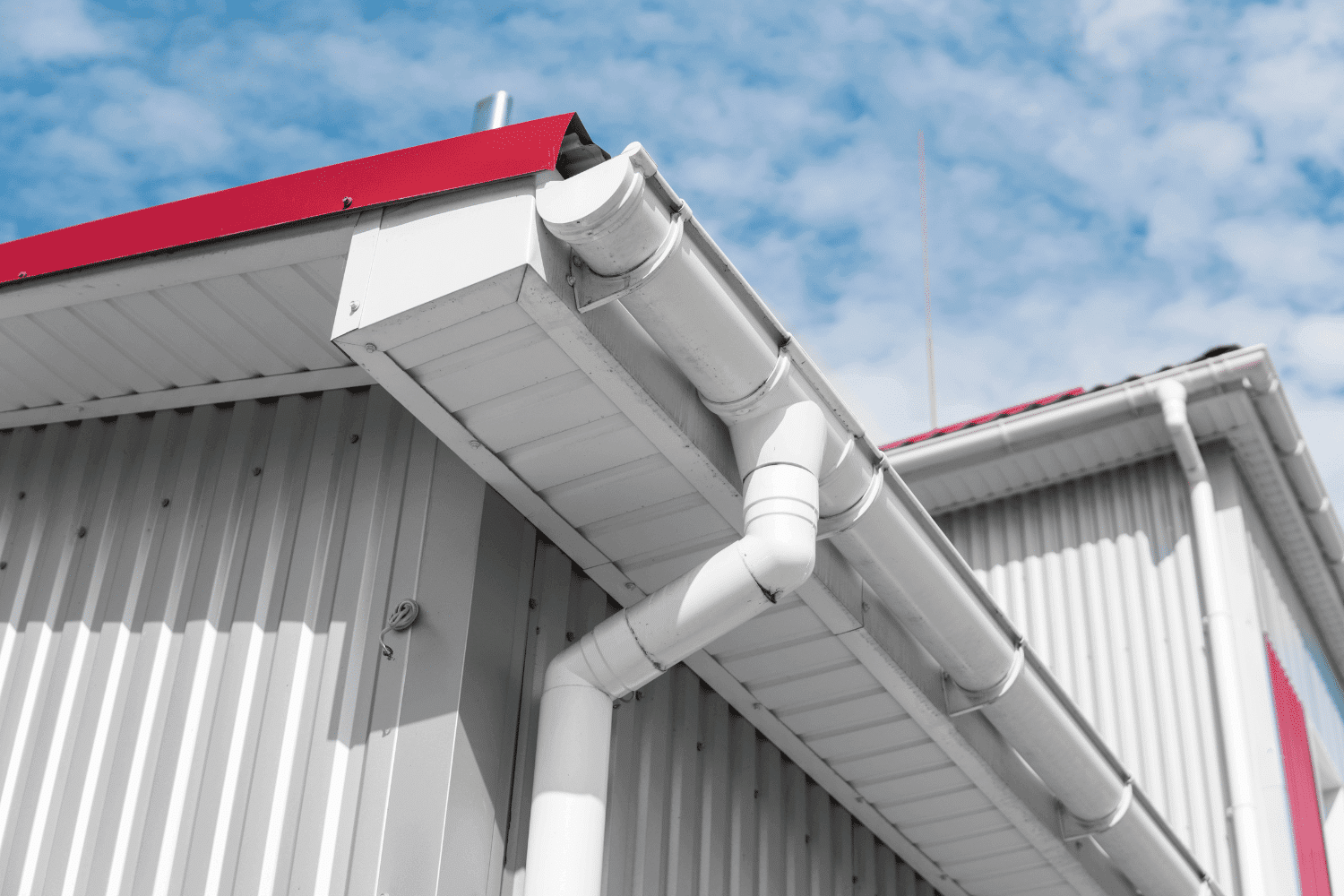
A properly functioning roof drainage system is one of the most important parts of maintaining a property’s exterior because every rainfall event places a significant amount of water on the roof surface that needs to be controlled and redirected. Without an effective path for that water, runoff can spill directly over roof edges, collect beside exterior walls, wash away landscaping, stain siding, and create excessive moisture around lower portions of the building. Gutters provide a controlled route for collecting water and moving it toward downspouts and appropriate discharge areas, making them an essential part of exterior water management. When an existing gutter system is damaged, undersized, poorly positioned, or missing altogether, a professionally planned gutter installation can improve the way rainwater is collected and directed away from vulnerable areas. A successful project requires more than simply attaching channels along the roofline because the roof configuration, water volume, gutter material, slope, downspout placement, fascia condition, and surrounding drainage conditions all need to be considered together.
- The Importance of an Effective Gutter System
- When New Gutters May Be Necessary
- Evaluating the Roof Before Installation
- Selecting Appropriate Gutter Materials
- Accurate Measurements and System Design
- Establishing the Correct Gutter Slope
- Choosing the Right Downspout Configuration
- Preparing the Supporting Structure
- Professional Installation for Better Performance
- Protecting Exterior Walls and Siding
- Managing Water Around the Foundation
- Considering Gutter Guards
- Coordinating Gutters With Roofing
- Maintenance After Installation
- Signs of a Failing Gutter System
- Combining Gutter Work With Exterior Improvements
- Long-Term Advantages of Proper Drainage
- Planning a Successful Gutter Project
- Choosing a Dependable Exterior Drainage Solution
- Conclusion
The Importance of an Effective Gutter System
Gutters are designed to collect rainwater as it leaves the roof and prevent large amounts of runoff from falling directly against the exterior of the property. This controlled collection process helps direct water toward downspouts, which then carry it toward a suitable discharge location. Without gutters, water can fall from the roof edge in concentrated streams, particularly during heavy rainfall, and repeatedly affect the soil and exterior surfaces beneath the roofline. Over time, uncontrolled runoff can create erosion, muddy areas, staining, and unnecessary moisture around the building.A gutter system also contributes to the overall performance of the exterior because water management is closely connected to siding, fascia, soffits, roofing, landscaping, and foundation drainage. If one part of the system is not functioning correctly, water may be redirected toward areas that are not designed to handle continuous exposure. For this reason, gutters should not be viewed as a simple decorative feature. They are an important component of the property’s exterior drainage strategy, and their design should be based on the actual structure and water-management requirements of the building.
When New Gutters May Be Necessary
Several conditions can indicate that an existing gutter system requires replacement rather than continued repair. Severe rust, repeated leaks, sagging channels, separated joints, damaged sections, inadequate drainage capacity, or gutters pulling away from the fascia can all affect performance. In some cases, a gutter may appear functional during light rainfall but overflow during heavier storms because its size or configuration is not suitable for the amount of water being collected. Repeated overflow should not be ignored because it may indicate a larger problem with gutter capacity, slope, downspout placement, or debris accumulation.Older gutter systems may also have been designed around conditions that have changed over time. Roofing modifications, additions to the property, landscaping changes, or deteriorating drainage areas can affect how water moves across the site. A professional inspection can determine whether the existing system can be repaired effectively or whether a new configuration would provide a more reliable solution. Replacing gutters can also provide an opportunity to correct previous installation problems and create a system that better matches the current roof and exterior.
Evaluating the Roof Before Installation
The roof is the starting point of the property’s rainwater pathway, so its configuration should be evaluated before a new gutter system is designed. Roof size, pitch, valleys, slopes, dormers, extensions, and other architectural features can influence how much water reaches different portions of the roof edge. Certain areas may receive significantly more concentrated runoff than others, particularly where multiple roof sections meet.Understanding these water-flow patterns helps determine where gutters and downspouts should be positioned. A standard layout may not be appropriate for a property with complex rooflines or concentrated drainage points. Professional planning can account for these differences and help create a system that distributes water appropriately rather than allowing certain sections to become overwhelmed during heavy rainfall. Roof-edge conditions should also be inspected to ensure that the new gutters can be securely attached and properly integrated with the existing exterior.
Selecting Appropriate Gutter Materials
Gutters are available in several materials, and each option offers different characteristics related to appearance, durability, maintenance, and installation. Aluminum is widely used because it is lightweight, versatile, and available in a range of finishes and colors. Steel can provide strength and may be suitable for applications where a more substantial material is preferred. Copper offers a distinctive appearance and can develop a natural patina over time, making it an option for certain architectural designs. Other materials may also be available depending on the requirements of the property.The best material is not necessarily the one with the most attractive appearance or the lowest initial cost. Homeowners should consider how the material will perform under the property’s weather conditions, how much maintenance it may require, and how well it will coordinate with the existing roof, siding, trim, and other exterior components. Professional guidance can help homeowners compare these characteristics and choose a material that balances appearance, durability, and practical performance.
Accurate Measurements and System Design
Accurate measurements are fundamental to a successful gutter project because the system needs to cover the appropriate roof edges while providing enough drainage capacity for the amount of water being collected. Installers need to account for the length of each gutter run, corners, roof valleys, downspout positions, and other features that affect the layout. Incorrect measurements can result in unnecessary seams, inadequate coverage, or downspouts positioned in less effective locations.System design should also account for areas where water naturally concentrates. Roof valleys can send substantial amounts of runoff toward particular sections of the gutter, and long gutter runs may require carefully planned outlets to prevent excessive water travel within the channel. A professional design considers these conditions before installation begins, allowing materials and components to be selected according to the actual requirements of the property rather than relying on a generic layout.
Establishing the Correct Gutter Slope
Gutters need an appropriate slope so that collected water moves toward the downspouts rather than remaining inside the channel. If a gutter is installed without sufficient slope, water may accumulate in low areas, increasing the likelihood of standing water, debris collection, and overflow. On the other hand, excessive slope can make the gutter appear visibly uneven and may interfere with the intended water collection pattern.Creating the correct slope requires careful measurement during installation. Long runs may need additional downspouts or strategic outlet locations to maintain effective water movement. Corners and transitions also need to be considered because the direction of flow can change as water travels through the system. Proper installation helps ensure that the gutter has a consistent appearance while maintaining the slope needed for dependable drainage.
Choosing the Right Downspout Configuration
Downspouts are just as important as the gutters themselves because they provide the pathway through which collected water leaves the roof drainage system. A gutter can collect water effectively but still perform poorly if the downspouts are too few, incorrectly positioned, undersized, or obstructed. Downspout locations should be selected based on roof drainage patterns and the areas where water can be safely discharged.The final discharge point is also important. Water should not simply be released directly against exterior walls or close to vulnerable foundation areas. Depending on the property, downspouts may connect to extensions or other drainage solutions designed to move water farther away. The appropriate arrangement depends on the property’s grading, landscaping, walkways, and existing drainage features. Considering the complete route of the water helps create a more effective system from the roof all the way to the final discharge area.
Preparing the Supporting Structure
Before new gutters are installed, the condition of the supporting fascia and roof edge should be evaluated. Gutters need secure attachment points, and deteriorated or damaged fascia may not provide adequate support. If the supporting structure has been affected by moisture or age, those conditions should be addressed before the new gutter system is attached.Preparation may also involve removing old gutter components, cleaning the installation area, checking existing fasteners, and identifying any areas where exterior repairs are necessary. This stage provides an opportunity to discover problems that might otherwise remain hidden behind the gutter system. Proper preparation helps create a stronger foundation for the new installation and can reduce the likelihood of future movement or detachment.
Professional Installation for Better Performance
Installing gutters correctly requires attention to measurements, alignment, slope, fastening, seams, corners, outlets, and downspouts. These details all influence how effectively the finished system handles water. Even a high-quality gutter material can perform poorly when it is incorrectly installed, because water may collect in low spots, overflow at certain sections, or leak through poorly sealed connections.Professional installers can also account for the unique features of the building rather than relying on a standard approach. They can identify areas where additional support may be necessary and adjust the layout according to roof configuration and water flow. A careful installation process helps create straight, secure gutter lines and properly positioned downspouts while reducing the possibility of installation-related drainage problems.
Protecting Exterior Walls and Siding
Uncontrolled roof runoff can have a noticeable effect on exterior wall surfaces. When water repeatedly falls or spills against siding, it may leave stains and contribute to excessive moisture exposure. Over time, poorly managed water can also affect trim, fascia, landscaping, and other nearby components.Gutter installation can help establish a more controlled route for rainwater while coordinating the drainage system with the property’s siding and exterior design.The relationship between gutters and siding is particularly important because both systems occupy nearby areas of the building envelope. A gutter should collect water efficiently without directing it toward the wall, while downspouts should carry the collected water toward a suitable discharge location. When these components are properly coordinated, the drainage system can contribute to better protection of the exterior and reduce unnecessary water exposure.
Managing Water Around the Foundation
Foundation areas can be particularly vulnerable to repeated exposure from concentrated roof runoff. When water is allowed to fall directly beside the building, the surrounding soil may become saturated, landscaping may erode, and drainage problems may become more noticeable. Gutters cannot solve every foundation drainage concern, but they can help control one important source of water by collecting runoff before it reaches the ground.Downspout discharge should therefore be considered carefully during the design process. Water should be directed toward areas where it can move away from the building without creating additional problems. Depending on the site, this may involve downspout extensions, drainage systems, or other methods of managing discharge. A professional assessment can help determine the most practical arrangement based on the property’s existing conditions.
Considering Gutter Guards
Leaves, twigs, pine needles, and other debris can collect inside open gutters, particularly on properties surrounded by trees. When debris accumulates, it can restrict water movement and increase the frequency of cleaning. Homeowners who want to reduce the amount of larger debris entering their gutters may consider adding a suitable gutter protection system.Gutter guards can help limit the amount of larger debris entering the channels while allowing rainwater to reach the gutter. However, they do not eliminate maintenance entirely. Fine particles, roof granules, pollen, and smaller organic material can still accumulate on the protective surface and may require periodic cleaning. If gutter protection is being considered, the product should be selected according to the existing gutter design, roof configuration, and surrounding environment rather than simply choosing the most convenient option.
Coordinating Gutters With Roofing
The relationship between the roof and gutter system is essential because the roof determines how water reaches the gutter. Damaged shingles, improper flashing, roof valleys, or other conditions can affect water flow and may create concentrated runoff in particular areas. Installing new gutters without considering these conditions can result in a system that receives water in ways it was not designed to handle.A gutter project can therefore provide an opportunity to inspect the roof edge and related components. If there are visible concerns, addressing them at the appropriate time can improve the overall performance of the drainage system. The objective is to create a continuous water-management pathway in which the roof directs water into the gutters, the gutters move it toward downspouts, and the downspouts discharge it away from vulnerable areas.
Maintenance After Installation
New gutters still require regular maintenance even when they have been professionally installed. Leaves, dirt, roof debris, and other materials can accumulate over time and restrict water movement. Periodic cleaning helps maintain the open channel and allows homeowners to inspect the gutters for developing problems such as loose fasteners, separated seams, corrosion, or damaged sections.Maintenance is also an opportunity to check the downspouts. A gutter may appear clear while a downspout is partially blocked, which can cause water to back up and overflow during rainfall. Homeowners should inspect the complete system rather than focusing only on visible gutter channels. After severe weather, it can also be useful to check for movement or impact damage. Addressing minor problems early can help maintain the system’s performance and reduce the need for more extensive repairs.
Signs of a Failing Gutter System
Several warning signs can indicate that a gutter system requires professional attention. Water spilling over the front edge during rainfall, standing water inside the channel, sagging sections, visible cracks, separated joints, staining, and gutters pulling away from the fascia are all conditions worth investigating. Repeated overflow can indicate that the system is blocked, improperly sloped, undersized, or unable to handle the volume of water reaching it.The cause of the problem should be identified before deciding on a solution. A clogged gutter may only require cleaning, while a damaged or incorrectly designed system may require repair or replacement. Professional evaluation can help distinguish between routine maintenance and more significant structural or drainage concerns. This prevents homeowners from spending money on unnecessary work while ensuring that serious problems are not ignored.
Combining Gutter Work With Exterior Improvements
Gutter replacement or installation can often be coordinated with other exterior projects, including siding, fascia, soffit, roofing, and trim improvements. Coordinating these projects can make it easier to create clean transitions between materials and ensure that one improvement does not interfere with another. For example, if fascia is being replaced, installing new gutters afterward can provide a secure attachment surface and create a more consistent finished appearance.A coordinated exterior project can also improve overall maintenance planning. Rather than addressing individual components without considering their relationship, homeowners can evaluate how roofing, siding, gutters, and drainage work together. This broader approach can help identify related problems and create a more complete solution that supports the property’s exterior over the long term.
Long-Term Advantages of Proper Drainage
A properly designed gutter system can provide long-term benefits by helping control the movement of rainwater across the property. By collecting roof runoff and directing it through controlled channels and downspouts, gutters can reduce uncontrolled water exposure around exterior walls, landscaping, and foundation areas. This does not eliminate every possible drainage problem, but it provides an important first step in managing one of the largest sources of water reaching the property.Long-term performance depends on installation quality, material selection, roof configuration, environmental exposure, and maintenance. Gutters should be inspected periodically and cleaned when necessary to keep the system operating properly. Homeowners should also respond to visible damage rather than allowing small problems to develop into larger concerns. Gutter installation performed correctly at the beginning can provide a strong foundation for this ongoing maintenance strategy.
Planning a Successful Gutter Project
Homeowners should approach a gutter project as an investment in the property’s overall exterior water-management system. Before installation, it is useful to evaluate the roofline, existing gutters, fascia, downspouts, surrounding drainage, and areas where water currently creates problems. This information can help determine what type of system is appropriate and whether related repairs should be completed before the new gutters are installed.Professional consultation can make this process more efficient by identifying potential concerns and developing a layout based on the property’s actual conditions. Rather than selecting a gutter system based only on appearance, homeowners can consider drainage capacity, material durability, maintenance requirements, downspout configuration, and compatibility with other exterior components. A thoughtful plan can help ensure that the finished system performs effectively while also complementing the appearance of the building.
Choosing a Dependable Exterior Drainage Solution
A reliable gutter system should provide consistent water collection, controlled movement, secure attachment, and appropriate discharge. Achieving these goals requires more than selecting attractive gutter materials because the design and installation process have an equally important role in long-term performance. A properly sized and professionally fitted system can help reduce overflow, protect exterior surfaces, and make routine maintenance more manageable.Homeowners should also consider future maintenance when planning the project. Gutters should remain accessible enough for inspection and cleaning, while downspouts should be positioned so that they can be checked for blockages. If gutter guards are included, their maintenance requirements should also be understood. Taking these factors into account can make the system easier to care for throughout its service life and help preserve its performance.
Conclusion
A dependable gutter system is an essential part of managing roof runoff and protecting a property’s exterior from unnecessary water exposure. Without proper drainage, rainwater can overflow from roof edges, affect siding and landscaping, contribute to soil erosion, and create excessive moisture around foundation areas. A carefully designed system provides a controlled path for water to travel from the roof to the gutter, through the downspout, and toward an appropriate discharge area.For homeowners considering gutter installation the most effective approach is to evaluate the complete exterior before work begins. Accurate measurements, suitable materials, proper slope, secure fastening, appropriate downspout placement, supporting-structure preparation, and regular maintenance all contribute to reliable performance. When the gutter system is designed around the actual roof and property conditions, it can provide long-term rainwater management while supporting the condition, appearance, and functionality of the exterior.


Swimming isn’t just about knowing how to swim; you also need the right gear. If your suit is constantly sliding around or restricting your movements, it’ll slow you down and could hurt too. Thus, people in charge should grasp how swimwear design impacts movement, to pick suits that actually work well now.
Now, full coverage swimsuits have gotten better. They tackle those old problems by being carefully made and geared towards performance. The real deal doesn’t limit your motion. Instead, they provide stability, enhance focus, and let your body flow naturally. This means people can stay active longer in the water, feeling great about both their movements and their equipment—be it at the beach or pool.
Where Design Directly Impacts Movement
Full coverage swimwear is carefully engineered to support the body during motion. Modern options such as modest women’s swimwear in KSA highlight how design elements like structured seams, flexible fabrics, and balanced coverage work together to improve mobility. Instead of restricting movement, these features allow the body to perform naturally across different activities.
1. Streamlined Fit Reduces Resistance
Water resistance plays a major role in how effectively a person can move. Full coverage swimwear is designed with smooth, close-to-body fits that reduce drag.
- Minimal loose fabric prevents water from slowing movement
- Sleek silhouettes improve flow during swimming
- Lightweight materials avoid unnecessary bulk
This allows for smoother strokes and more controlled movement, especially during extended activity.
2. Secure Construction Supports Consistency
Unstable swimwear can interrupt even the simplest movements. Full coverage designs focus on staying in place, even during high-energy activities.
- Reinforced stitching prevents shifting
- Snug fits reduce the need for adjustments
- Extended coverage keeps the garment stable
This consistency allows individuals to focus entirely on movement without distraction.
Moving Freely Without Restriction
Comfort alone is not enough; movement requires flexibility and adaptability. Full coverage swimwear integrates materials and cuts that support natural motion.
3. Flexible Fabrics Enable Full Range of Motion
Modern swimwear uses advanced stretch fabrics that move with the body rather than against it.
- Four-way stretch supports arm and leg mobility
- Ergonomic designs align with body movement
- Shoulder-friendly cuts improve upper body motion
This ensures that coverage does not limit performance, even during dynamic activities.
4. Built-In Support Improves Control
Support features enhance how the body feels and performs during movement. Without proper structure, movement can feel unstable. Options like women’s modest swimwear in KSA demonstrate how integrated support elements are designed to improve both comfort and performance.
- Compression panels reduce muscle fatigue
- Inner linings provide additional stability
- Balanced support improves posture in water
These elements help maintain control, making movements more efficient and less tiring.
Confidence as a Performance Factor
Movement is influenced by mental comfort as much as physical ability. Feeling secure in swimwear encourages more active participation.
5. Stability Increases Confidence in Motion
Full coverage swimwear reduces concerns related to shifting or exposure.
- Secure designs support high-intensity movement
- Consistent coverage allows freedom of motion
- Reduced distractions improve focus
This confidence allows individuals to move more naturally and engage more actively.
6. Protection Extends Activity Time
Environmental factors often limit how long someone can stay active. Full coverage swimwear addresses these challenges directly.
- UV-protective fabrics reduce sun exposure
- Coverage prevents irritation from sand or salt
- Durable materials maintain comfort over time
This protection allows longer and more comfortable activity sessions.
Supporting Movement Across Activities
Active movement is not limited to swimming alone. Beach environments require versatility across different types of motion.
7. Versatility Enhances Overall Mobility
Full coverage swimwear adapts to various activities without compromising comfort.
- Suitable for swimming, walking, and light sports
- Eliminates the need for frequent outfit changes
- Maintains performance across different settings
This adaptability ensures consistent movement, whether in water or on land.
A Balanced Approach to Performance and Design
Full coverage swimwear enhances movement by blending stability, flexibility, and protection. It gets rid of common issues like discomfort and restriction, letting you move smoothly and efficiently. This boost in physical performance comes with mental benefits too.
Speedo aims at competition, favoring less material for speed. Seafolly is all about stylish designs but might fall short during long activities. LYRA Modest stands out as it balances coverage, function, and modern looks.
This blend makes a full-coverage swimwear top pick for active use. It offers not just basic function but also reliable support and continuous comfort, perfect for scenarios where performance really counts.

IPTV Portugal Subscription – Live TV, Sports & Entertainment

Creating a Smoother and More Organized Moving Experience

A Complete Guide to Creating a Dependable Roof Drainage System

Alex Pettyfer Net Worth, Wife, Age, Height, Children, Career and More

Brad Williams Net Worth, Wife, Height, Age, Daughter, Family, Career and More

Eldorado.gg Review 2026: How It Works, Safety, Fees, and Risks
-
Celebrity9 months ago
Alex Pettyfer Net Worth, Wife, Age, Height, Children, Career and More
-
Celebrity10 months ago
Brad Williams Net Worth, Wife, Height, Age, Daughter, Family, Career and More
-
Blog1 month ago
Eldorado.gg Review 2026: How It Works, Safety, Fees, and Risks
-
 Anime11 months ago
Sanzoku Bandits of One Piece: Origins, Higuma, and Their Role in Dawn Island
-
 Celebrity10 months ago
John McGinn Net Worth, Age, Height, Wife, Childrens, Career and More
-
 Celebrity10 months ago
Frances de la Tour Net Worth, Age, Height, Husband, Childrens, Career and More
-
 Celebrity10 months ago
Will Trickett Net Worth, Wife, Childrens, Age, Career and More
-
 Blog2 months ago
Crackstube: A Complete Guide to the Digital Publishing Platform