
Cleaning Services
Important Tips for Clearing Overgrown Vegetation and Maintaining a Clean, Safe, and Usable Property

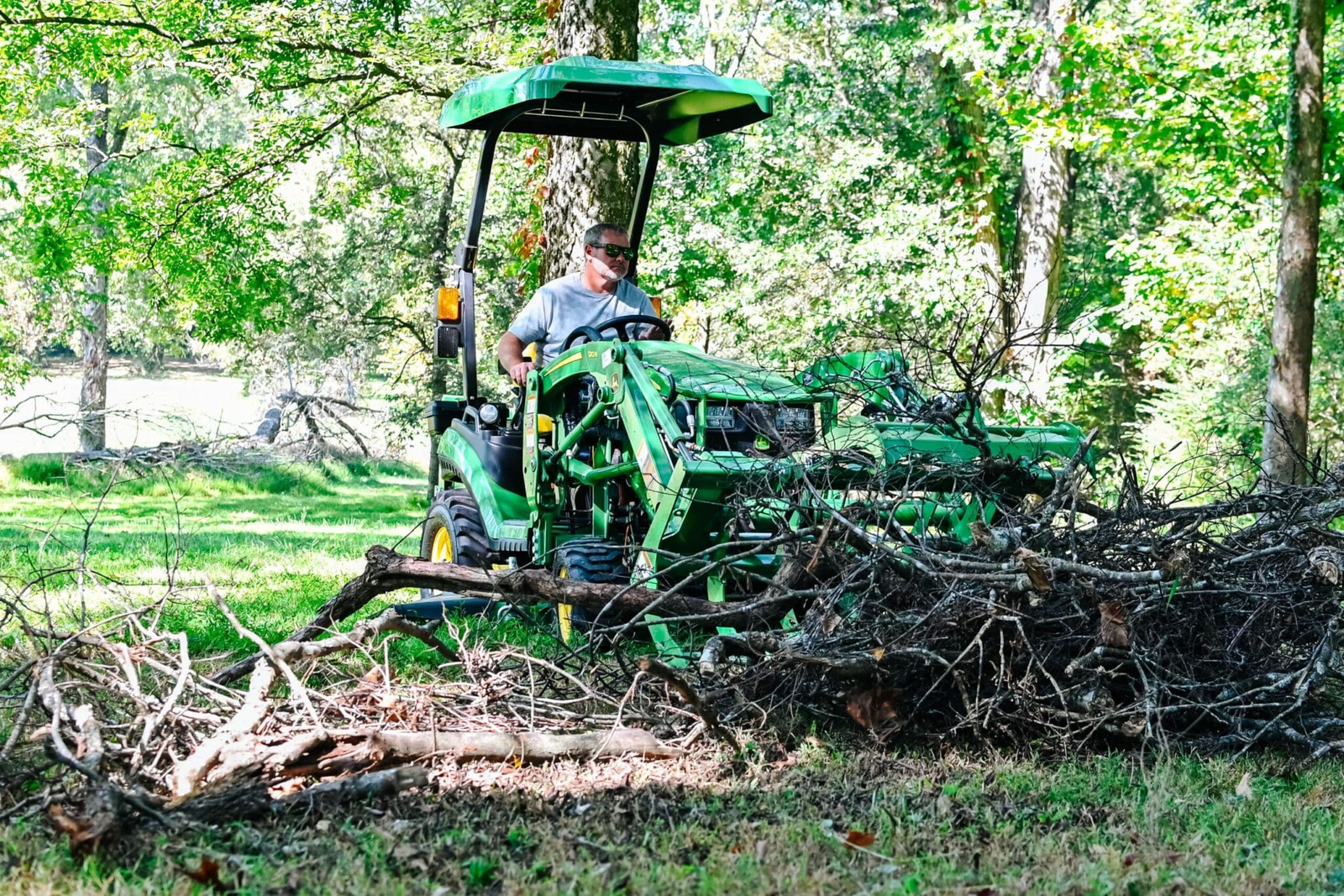
Overgrown vegetation can gradually change the appearance and usability of an outdoor property. Dense shrubs, tangled vines, weeds, fallen branches, and unwanted woody growth can make pathways difficult to access and hide important features beneath layers of vegetation. When these conditions are allowed to continue for a long time, routine maintenance can become more demanding and outdoor areas may be difficult to use effectively. Brush clearing offers a practical way to regain control of these spaces and create a cleaner environment. With thoughtful planning, suitable tools, responsible disposal, and regular maintenance, property owners can improve outdoor areas while reducing the chance of future overgrowth.
- Assess the Area Before Starting
- Identify Vegetation Worth Preserving
- Choose Appropriate Equipment
- Wear Suitable Protective Gear
- Work in Small, Organized Sections
- Remove Smaller Growth First
- Handle Larger Vegetation With Care
- Keep Debris Under Control
- Inspect the Ground After Clearing
- Restore Access to Important Areas
- Manage Drainage After Clearing
- Consider Environmental Impact
- Prepare the Space for Future Use
- Prevent New Overgrowth
- Know When Professional Help Is Appropriate
- Establish a Long-Term Maintenance Routine
- Final Thoughts
Assess the Area Before Starting
A detailed inspection should always be completed before any vegetation is removed. Walk through the entire area and identify dense growth, fallen branches, uneven ground, rocks, fences, structures, drainage features, and other obstacles that may be hidden beneath the vegetation. Brush clearing becomes easier to organize when you understand the actual condition of the property before beginning physical work. Pay attention to plants that should be preserved as well as growth that needs to be removed. Taking photographs or marking important features can also help with planning. A thorough assessment provides a clear starting point and helps determine which areas require the most attention.
Identify Vegetation Worth Preserving
An overgrown area may contain valuable trees, shrubs, flowering plants, or other vegetation that contributes to the appearance and function of the property. Some plants may provide shade, privacy, wildlife habitat, erosion protection, or other benefits. Before removing anything, identify vegetation that should remain and take steps to protect it from accidental damage. Brush clearing should focus on unwanted or problematic growth rather than removing every plant in an area. Preserving desirable vegetation can reduce future landscaping costs and help maintain a balanced outdoor environment. A selective approach can produce a cleaner space without making the property unnecessarily bare.
Choose Appropriate Equipment
The type of equipment required depends on the size and density of the vegetation. Small weeds and thin branches may be handled with basic hand tools, while larger woody growth may require stronger cutting equipment. Brush clearing should always be performed with tools that are appropriate for the material being removed. Inspect equipment before use and make sure cutting tools are sharp, secure, and in suitable working condition. Powered equipment should be used according to manufacturer instructions and only by people who understand its operation. Choosing the correct tools can improve efficiency, reduce physical strain, and help prevent unnecessary damage to surrounding plants and structures.
Wear Suitable Protective Gear
Working around dense vegetation can expose people to thorns, sharp branches, insects, hidden holes, flying debris, and uneven terrain. Proper protective equipment can reduce the risk of common injuries during outdoor clearing projects. Gloves can protect hands, sturdy footwear can improve stability, and eye protection can help shield the eyes from branches and debris. Brush clearing involving powered equipment may require additional protection depending on the machinery being used. Long clothing can provide additional protection against scratches and irritating plants. Everyone working near the active area should understand the potential hazards, and children or pets should be kept away until the work has been completed safely.
Work in Small, Organized Sections
Trying to clear an entire property at once can quickly become overwhelming. A more effective strategy is to divide the area into smaller sections and complete each section systematically. Start with a manageable zone and remove unwanted vegetation before moving to the next area. Brush clearing becomes easier to control when cut material is gathered and removed as work progresses rather than being scattered across the entire property. Working in sections also makes it easier to measure progress and identify areas that require different tools or techniques. A structured approach can reduce confusion and help maintain clear pathways throughout the project.
Remove Smaller Growth First
Small weeds, vines, shrubs, and loose branches can often be removed before larger vegetation is addressed. Clearing lighter growth first improves visibility and makes it easier to understand how larger plants are positioned. Brush clearing is generally more manageable when the area is gradually opened instead of attempting to cut through tangled vegetation all at once. Improved visibility can also help protect valuable plants, fences, structures, and other features that may have been hidden. Once smaller growth has been removed, larger branches and woody vegetation can be evaluated more carefully. This sequence can make the entire project more organized and efficient.
Handle Larger Vegetation With Care
Thick branches and small trees can present additional risks because they may be heavy, unstable, or difficult to control. Before cutting larger vegetation, consider where the material may fall and whether anything could be damaged. Keep other people away from the active cutting zone and avoid standing in positions where falling or shifting branches could cause injury. Brush clearing around structures, fences, utility features, or steep ground requires particular care. If large trees or difficult branches are involved, professional assistance may be appropriate. Experienced workers with suitable equipment can handle challenging vegetation more safely and efficiently than someone attempting unfamiliar tasks without proper preparation.
Keep Debris Under Control
A clearing project can produce a large quantity of branches, leaves, vines, roots, and other organic material. If debris is allowed to accumulate throughout the work area, it can create obstacles and make the remaining work more difficult. Brush clearing should therefore include a clear plan for collecting and managing cut vegetation. Establish designated piles or collection areas that do not block access routes or create additional hazards. Depending on the available options, organic material may be chipped, composted, reused, or transported for appropriate disposal. Removing debris regularly keeps the work area organized and makes the final cleanup considerably easier.
Inspect the Ground After Clearing
Dense vegetation often hides conditions that are difficult to notice before clearing begins. Once the area has been opened, inspect the ground for holes, exposed roots, rocks, uneven surfaces, buried debris, and drainage problems. Brush clearing may reveal areas that require additional work before the property can be used safely. Depending on the intended purpose of the space, you may need to fill holes, remove remaining roots, level sections, improve drainage, or add soil. A careful ground inspection can prevent future problems and make the area more suitable for landscaping or other improvements. Completing these tasks soon after clearing can also prevent the newly opened space from becoming neglected.
Restore Access to Important Areas
Dense vegetation can block access to pathways, fences, storage areas, gardens, outdoor equipment, and other useful parts of a property. Clearing these areas can make routine maintenance and inspection much easier. Brush clearing can reveal features that have been hidden for months or even years beneath excessive growth. Once access is restored, consider how the area will be used in the future and whether additional improvements would make it more functional. Pathways can be maintained, storage spaces can be organized, and outdoor areas can be redesigned according to practical needs. Restoring access can turn previously neglected sections into useful parts of the property.
Manage Drainage After Clearing
Vegetation can sometimes hide drainage channels, low areas, or locations where water naturally collects. Once the area is cleared, inspect how water moves across the property, especially after rainfall. Brush clearing can change how water moves through an area because dense vegetation may have previously slowed or redirected runoff. If standing water or erosion is discovered, additional grading or drainage improvements may be necessary. Maintaining suitable drainage can protect soil, pathways, structures, and landscaped areas from excessive moisture. Addressing water-management concerns early can also help prevent new vegetation from becoming established in areas where poor drainage creates favorable growing conditions.
Consider Environmental Impact
Vegetation provides important benefits to the surrounding environment, so unnecessary removal should be avoided. Trees and plants can provide shade, habitat, soil protection, and support for wildlife. Brush clearing should be limited to areas where vegetation is interfering with property use, creating safety concerns, or preventing necessary maintenance. Preserve mature and valuable plants whenever practical, especially when they contribute to erosion control or provide other environmental benefits. Avoid disturbing sensitive areas unnecessarily. Responsible vegetation management allows property owners to improve usability while still maintaining useful natural features. A balanced approach can produce a cleaner space without eliminating vegetation that contributes positively to the environment.
Prepare the Space for Future Use
Once unwanted vegetation has been removed and the ground has been inspected, consider how the newly cleared area will be used. It may become a garden, lawn, pathway, recreation area, storage zone, or simply a cleaner section of the property. Brush clearing can create opportunities for improvements that were previously difficult because excessive vegetation occupied the space. Planning the future purpose of the area can help determine whether additional grading, soil improvement, planting, mulching, or construction is needed. A clear purpose also makes ongoing maintenance easier because you can choose vegetation and landscaping features that match the intended use of the space.
Prevent New Overgrowth
Removing existing vegetation is only one part of maintaining an outdoor property. Without regular care, new growth can quickly return, especially during periods of favorable weather. Brush clearing should be followed by a consistent maintenance routine that includes trimming, pruning, mowing, weed removal, and periodic inspections. Small plants are generally easier to manage before they become large and tangled. Walk around the property regularly and look for areas where unwanted vegetation is beginning to spread. Addressing these areas early can prevent another major clearing project. Consistent maintenance also helps preserve pathways, fences, gardens, drainage areas, and other important features.
Know When Professional Help Is Appropriate
Not every vegetation-clearing project should be handled without assistance. Large trees, heavy branches, steep slopes, difficult access, or vegetation growing close to structures can create serious risks. Brush clearing in challenging conditions may require specialized equipment and experience. Professional assistance can also be useful when there is a large quantity of debris or when the property contains hazards that are difficult to identify. If you are uncertain about how to safely remove a particular tree, branch, or dense area, seeking professional advice can help reduce the risk of injury or property damage. Knowing when to ask for help is an important part of responsible property maintenance.
Establish a Long-Term Maintenance Routine
After the main clearing project is complete, create a schedule for ongoing property care. Regular inspections can identify new weeds, shrubs, vines, fallen branches, and other unwanted growth before they become difficult to manage. Brush clearing becomes less demanding when small maintenance tasks are completed consistently throughout the year. Keep useful tools clean and properly stored so they are ready when needed. Monitor areas around fences, pathways, drainage features, and structures because these locations can become overgrown quickly. A long-term routine protects the results of the original project and helps keep the property cleaner and easier to use.
Final Thoughts
Managing overgrown vegetation requires more than simply cutting plants down and leaving the debris behind. Brush clearing is most effective when it begins with a careful assessment and continues through organized removal, responsible disposal, ground inspection, and long-term maintenance. Choosing appropriate tools, wearing protective equipment, preserving valuable vegetation, and working in manageable sections can make the process safer and more efficient. Once the area has been cleared, attention should turn toward drainage, future use, landscaping, and preventing new growth. With consistent care and thoughtful planning, an overgrown outdoor space can be transformed into a cleaner, safer, more accessible, and more useful part of the property.


There’s a particular kind of relief that comes from walking into a space that used to be chaos and finding it clean. Maybe it’s a garage that hasn’t seen a car in years because it’s buried under old furniture. Maybe it’s a backyard littered with renovation debris, or an office storeroom stacked floor-to-ceiling with equipment nobody remembers buying. Whatever the mess, the feeling of finally dealing with it is universal: lighter shoulders, clearer floors, a space that finally works for you again.
That’s the business Rapid Waste Services Inc. is in. Not just hauling junk, but handing people back their space, their time, and a little piece of their peace of mind.
Why Clutter Costs More Than You Think
It’s easy to underestimate how much unwanted stuff actually costs us. There’s the obvious: square footage you’re paying for but can’t use. Then there’s the hidden cost — time spent navigating around piles, stress from looking at a mess every day, even safety hazards from blocked walkways or unstable stacks of old appliances.
Homeowners often let junk accumulate gradually, a box here, a broken chair there, until one day the garage is unusable and the spare room has become a storage unit nobody asked for. Businesses face a similar creep: outdated furniture, broken equipment, and packaging waste pile up until it starts affecting how a workspace functions.
Rapid Waste Services Inc. built its business around solving exactly this kind of slow-motion problem. The company’s crews show up, assess the situation, and clear it — often in a single visit, with none of the back-and-forth that makes DIY cleanouts drag on for weeks.
A Team That Treats Every Job Like It Matters
What sets a junk removal company apart isn’t the truck. It’s the people driving it. Rapid Waste Services Inc. has built its reputation on crews who show up on time, communicate clearly, and treat every property — whether it’s a family home or a commercial site — with the same level of care.
That matters more than it sounds. Junk removal often means strangers walking through someone’s home, handling sentimental items mixed in with the trash, or navigating a busy worksite without disrupting operations. Rapid Waste Services Inc. trains its teams to work efficiently without being careless, and respectfully without being slow. The result is a service that feels less like a transaction and more like getting help from someone who actually gets it.
Sustainability Isn’t an Afterthought
Here’s something a lot of people don’t realize about junk removal: not everything that gets hauled away ends up in a landfill. A responsible company sorts through what it collects, identifying items that can be donated, recycled, or repurposed instead of dumped.
Rapid Waste Services Inc prioritizes this kind of sorting wherever possible. Old furniture in decent shape gets diverted to donation centers. Scrap metal, electronics, and recyclable materials get separated and routed to the right facilities. It’s a small shift in process that makes a real difference at scale — fewer unnecessary landfill contributions, more usable items finding a second life, and customers who can feel genuinely good about how their unwanted items were handled.
Every Job Looks Different, and That’s the Point
No two cleanouts are the same, which is part of what makes this work interesting rather than repetitive. One day it’s an estate cleanout, where a family is sorting through decades of belongings after losing a loved one. The next, it’s a construction site that needs debris cleared before the next phase of work can begin. Then there’s the renter moving out who just needs an old mattress and a broken dresser gone before the final walkthrough.
Rapid Waste Services Inc. has structured its service to flex around these different scenarios rather than forcing every customer through the same rigid process. Residential cleanouts get handled with sensitivity and flexibility around scheduling. Commercial jobs get coordinated around business hours so operations aren’t disrupted. Construction debris removal gets planned around project timelines, not the other way around.
What Customers Actually Notice
Ask people who’ve used a junk removal service what stood out, and it’s rarely the truck size or the price list. It’s the small things: the crew who called ahead to confirm arrival time, the team that swept up after themselves, the quote that didn’t balloon once the job started.
Junk removal that’s fast, fair, and doesn’t leave you second-guessing the invoice is exactly what Rapid Waste Services Inc set out to deliver, and it shows in how the company structures its pricing and communication from the very first phone call. Transparent estimates, straightforward scheduling, and crews who actually explain what they’re doing — these aren’t flashy features, but they’re the details that turn a one-time customer into someone who calls again the next time a cleanout is needed, and recommends the service to a neighbor in the meantime.
That word-of-mouth growth isn’t an accident. It’s the natural result of a company that treats reliability as a core service feature, not a marketing line.
Clearing the Way Forward
A cluttered space has a way of quietly draining energy — the kind you don’t notice until it’s gone. Clearing it out, on the other hand, tends to create momentum. A clean garage becomes a workshop again. An empty storage room becomes office space. A cleared backyard becomes somewhere people actually want to spend time.
Rapid Waste Services Inc. exists to make that transformation simple. No complicated logistics, no guessing games about cost, no awkward negotiations over what counts as “too much junk.” Just a team that shows up, clears the clutter, and leaves the space ready for whatever comes next.
If there’s a pile that’s been sitting untouched for longer than anyone wants to admit, now’s as good a time as any to deal with it. A quick call to Rapid Waste Services Inc is usually all it takes to get the ball rolling — and to finally get that space back.

Water touches everything we do, from the coffee we brew in the morning to the showers that wake us up and the meals we cook for our families. Yet most of us rarely stop to think about what’s actually flowing through our taps until something tastes off, smells strange, or leaves spots on our dishes. That’s usually the moment people start paying attention to water quality.
Tap water in many homes carries more than just H2O. Chlorine byproducts, sediment, heavy metals, and other contaminants can hitch a ride through aging pipes and municipal treatment systems. While most of this is within safety guidelines, it doesn’t mean it’s pleasant to drink or ideal for your plumbing and appliances. That’s where a thoughtful filtration solution makes a real difference.
Biscayne Water was built around a simple idea: everyone deserves access to clean, great-tasting water without needing a chemistry degree to understand how it works. This post walks through what sets modern water filtration apart, how to choose the right system for your household, and why so many families are making the switch.
What’s Actually in Your Water?
Before diving into solutions, it helps to understand the problem. Depending on where you live, your water supply could contain:
- Chlorine and chloramine – added during treatment to kill bacteria, but often responsible for unpleasant taste and odor
- Sediment – sand, rust, and dirt particles that can cloud water and clog fixtures
- Heavy metals – such as lead or copper, which can leach from old pipes
- Hard water minerals – calcium and magnesium that cause scale buildup in appliances
- Microplastics and other emerging contaminants – increasingly found in both well and municipal water sources
None of this means your water is unsafe. Municipal treatment plants work hard to meet safety standards. But “safe” and “ideal” aren’t always the same thing, and that gap is exactly what a quality filtration system is designed to close.
How Does Water Filtration Actually Work?
Modern filtration systems use a combination of physical and chemical processes to remove unwanted particles and compounds. Here’s a quick breakdown of the most common methods:
Carbon Filtration
Activated carbon filters are excellent at trapping chlorine, volatile organic compounds, and many substances responsible for bad taste and odor. They work by adsorption, meaning contaminants stick to the surface of the carbon as water passes through.
Reverse Osmosis
Reverse osmosis pushes water through a semi-permeable membrane, catching even the tiniest particles, including dissolved salts and many heavy metals. This method is often used for drinking water systems installed directly under the sink.
Sediment Filtration
This is typically the first stage in any multi-stage system, removing larger particles like rust, sand, and silt before water moves on to finer filtration stages.
UV Purification
Ultraviolet light neutralizes bacteria and viruses without adding any chemicals, making it a popular addition for households concerned about microbial contamination, particularly those using well water.
Most quality systems combine two or more of these methods to tackle a broader range of contaminants and deliver consistently cleaner water.
Choosing the Right System for Your Home
Not every household needs the same setup. The right choice depends on a few key factors:
Water source. City water and well water carry different risks. Well water users often need a more robust setup, potentially including UV purification, since they aren’t benefiting from municipal treatment.
Household size. A single-person apartment has very different filtration demands than a family of five. Flow rate and filter capacity should match your daily water usage.
Specific concerns. If your main goal is better-tasting drinking water, a simple under-sink carbon or reverse osmosis system might be enough. If you’re dealing with hard water damaging your appliances, a whole-home softening system paired with filtration makes more sense.
Budget and maintenance. Filtration systems range from affordable pitcher filters to comprehensive whole-house setups. Consider not just the upfront cost but also ongoing filter replacement and maintenance requirements.
Choose a multi-stage whole-home system if you want comprehensive protection across every tap. Choose a targeted under-sink unit if your primary concern is drinking and cooking water. There’s no universal answer, but understanding your household’s specific needs makes the decision much simpler.
The Real Benefits of Investing in Filtered Water
It’s easy to assume filtration is just about taste, but the benefits run deeper than that.
Better-tasting everything. Coffee, tea, soups, and even ice cubes taste noticeably different with filtered water. Many people who switch say they can’t go back to unfiltered tap water once they’ve made the change.
Healthier skin and hair. Chlorine and hard water minerals can dry out skin and leave hair feeling brittle. Reducing exposure to these elements often leads to visible improvements over time.
Longer-lasting appliances. Hard water buildup is one of the leading causes of premature wear in dishwashers, washing machines, and water heaters. Filtration and softening can extend the lifespan of these investments significantly.
Reduced plastic waste. Families who filter their own water often cut back dramatically on bottled water purchases, which is better for both the household budget and the environment.
Peace of mind. Knowing exactly what is (and isn’t) in your water removes a layer of daily uncertainty that many people don’t even realize they’re carrying.
Why Families Are Choosing Biscayne Water
A reliable water filtration company makes all the difference when it comes to protecting your family’s health and your home’s plumbing long-term. That’s the philosophy behind every system Biscayne Water designs and installs. Rather than offering a one-size-fits-all product, Biscayne Water starts with a water quality assessment specific to your home, then recommends a system that actually matches your needs.
What sets Biscayne Water apart is the combination of technical expertise and genuine customer care. The team doesn’t just install a system and walk away. Ongoing support, filter replacement reminders, and responsive service mean your system keeps performing the way it should, year after year.
Whether you’re dealing with hard water stains, concerned about contaminants in your well, or simply tired of the taste of chlorinated tap water, Biscayne Water has a solution designed around your specific situation rather than a generic fix.
Taking the Next Step Toward Cleaner Water
Clean water shouldn’t be complicated, and it shouldn’t be something you have to think twice about every time you turn on the tap. Understanding what’s in your water and how filtration technology addresses it puts you in a much stronger position to make the right choice for your home.
If you’ve been noticing odd tastes, smells, or buildup around your fixtures, that’s usually a sign it’s time to explore your filtration options. Reach out to Biscayne Water for a water quality consultation and find out exactly what solution fits your household best. Clean, great-tasting water is closer than you think.

Few things feel better than walking into a home that smells fresh, shines from every corner, and feels completely at ease. Yet between work deadlines, family obligations, and the hundred small tasks that fill up a week, deep cleaning often slips to the bottom of the list. That’s where professional help changes everything.
A clean home does more than look good. It affects how you feel, how well you sleep, and even how productive you are during the day. Dust buildup, grimy kitchen counters, and cluttered living spaces create a kind of background stress that many people don’t notice until it’s gone. Once the mess disappears, so does a surprising amount of mental clutter.
This is exactly the kind of transformation a dedicated cleaning service can offer. Rather than spending your weekends scrubbing floors or wiping down baseboards, you get to reclaim that time for the things that actually matter: family, hobbies, or simply relaxing in a space that finally feels like your own.
Why a Professionally Cleaned Home Makes Such a Difference
There’s a noticeable gap between a home that’s “tidied up” and one that’s truly clean. Surface-level tidying hides clutter, but it doesn’t address the dust trapped in air vents, the bacteria lingering on kitchen surfaces, or the grime that builds up in bathroom grout over time.
Professional cleaning tackles these hidden problem areas with the right tools, techniques, and cleaning solutions. The result isn’t just a home that looks presentable for guests. It’s a home that’s genuinely healthier to live in, with better air quality and fewer allergens circulating through the rooms you spend the most time in.
There’s also a psychological lift that comes with a clean environment. Clutter and grime have a way of pulling focus and draining energy, even subconsciously. Walking into a sparkling kitchen or a freshly vacuumed living room sets a completely different tone for the day.
What to Expect from a Quality Cleaning Service
Not all cleaning services are created equal, and the difference often comes down to attention to detail. A quality service doesn’t just skim the surface. It addresses the areas that are easy to overlook, such as:
- Baseboards, window sills, and light fixtures
- Behind and underneath appliances
- Bathroom grout and fixtures
- High-traffic carpets and rugs
- Kitchen cabinets, both inside and out
Reliable cleaning professionals also bring consistency. Instead of a one-time deep clean that fades within a week, a trustworthy service builds a routine that keeps your home looking its best, week after week. That consistency is what separates a quick fix from a genuinely sustainable, low-stress lifestyle.
How Regular Cleaning Supports a Healthier Lifestyle
Dust mites, pet dander, and mold spores thrive in neglected corners of a home, often triggering allergies or respiratory discomfort without anyone realizing the cause. Regular, thorough cleaning significantly reduces these irritants, creating a safer environment for children, pets, and anyone sensitive to allergens.
Beyond the physical health benefits, a clean home also supports better mental well-being. Research on environmental psychology consistently points to cluttered, dirty spaces as a source of low-grade stress. A clean, organized home, on the other hand, promotes a sense of calm and control that carries into other parts of daily life.
For busy households, outsourcing this responsibility isn’t a luxury. It’s a practical way to protect both physical health and peace of mind, especially when time is already stretched thin between work and family commitments.
Finding a Cleaning Partner You Can Trust
The right cleaning company feels less like a service provider and more like a dependable partner in maintaining your home. Trust matters here, since you’re inviting someone into your personal space on a regular basis. Look for a team that values transparency, consistency, and genuine care for the details that make your house feel like home.
A reliable, detail-oriented cleaning routine that gives you back your weekends is exactly what Beehive House Cleaning was built to deliver. With a focus on thorough, customized service, the team treats every home with the same care and precision they’d want in their own space. From weekly maintenance to deep seasonal cleans, the goal is always the same: a spotless home without the hassle of doing it yourself.
Choosing a dependable cleaning partner means more free time, fewer chores piling up, and a home that consistently feels welcoming, no matter how busy life gets.
A Cleaner Home Starts with One Decision
A spotless, well-maintained home isn’t about luxury. It’s about reclaiming time, reducing stress, and creating a space that genuinely supports your well-being. Once you experience the difference a professional cleaning routine makes, it’s hard to imagine going back to squeezing chores into an already packed schedule.
If your home could use a reset, consider making the switch to a cleaning service that treats your space with the same care you would. The payoff isn’t just a cleaner house. It’s more time, less stress, and a home you’re genuinely proud of.
Frequently Asked Questions
How often should I schedule a professional house cleaning?
Most households benefit from a weekly or biweekly cleaning schedule, though this depends on household size, pets, and lifestyle. Larger families or homes with pets often prefer weekly visits to stay on top of dust and clutter.
Is professional cleaning worth it if I already clean regularly?
Yes. Professional cleaners target deep-seated dirt and hard-to-reach areas that everyday tidying often misses, such as grout, vents, and appliance interiors. This leads to a noticeably cleaner and healthier home overall.
Do I need to provide cleaning supplies?
Most professional cleaning services bring their own equipment and supplies, using products suited for different surfaces and materials. It’s always a good idea to confirm this ahead of time if you have specific preferences.
What’s the difference between a standard clean and a deep clean?
A standard clean covers routine maintenance like dusting, vacuuming, and wiping surfaces. A deep clean goes further, addressing baseboards, inside appliances, and other areas that build up grime over time.

Inside a China Eyewear Factory: How Eyewear Goes from Design and Material Selection to Mass Production

Building Emotional Wellness Through Professional Guidance and Support

How to Choose an Eyewear Manufacturer in China for Your European or American Private Label Brand

Alex Pettyfer Net Worth, Wife, Age, Height, Children, Career and More

Brad Williams Net Worth, Wife, Height, Age, Daughter, Family, Career and More

Eldorado.gg Review 2026: How It Works, Safety, Fees, and Risks
-
Celebrity11 months ago
Alex Pettyfer Net Worth, Wife, Age, Height, Children, Career and More
-
Celebrity11 months ago
Brad Williams Net Worth, Wife, Height, Age, Daughter, Family, Career and More
-
Blog3 months ago
Eldorado.gg Review 2026: How It Works, Safety, Fees, and Risks
-
 Anime12 months ago
Sanzoku Bandits of One Piece: Origins, Higuma, and Their Role in Dawn Island
-
 Celebrity11 months ago
John McGinn Net Worth, Age, Height, Wife, Childrens, Career and More
-
 Celebrity11 months ago
Frances de la Tour Net Worth, Age, Height, Husband, Childrens, Career and More
-
 Anime12 months ago
Shimotsuki Ushimaru – The Last Daimyo of Wano Country Explained
-
 Celebrity12 months ago
Will Trickett Net Worth, Wife, Childrens, Age, Career and More