
Home Improvement
How Professional Roofing Services Protect Your Property and Extend Roof Life

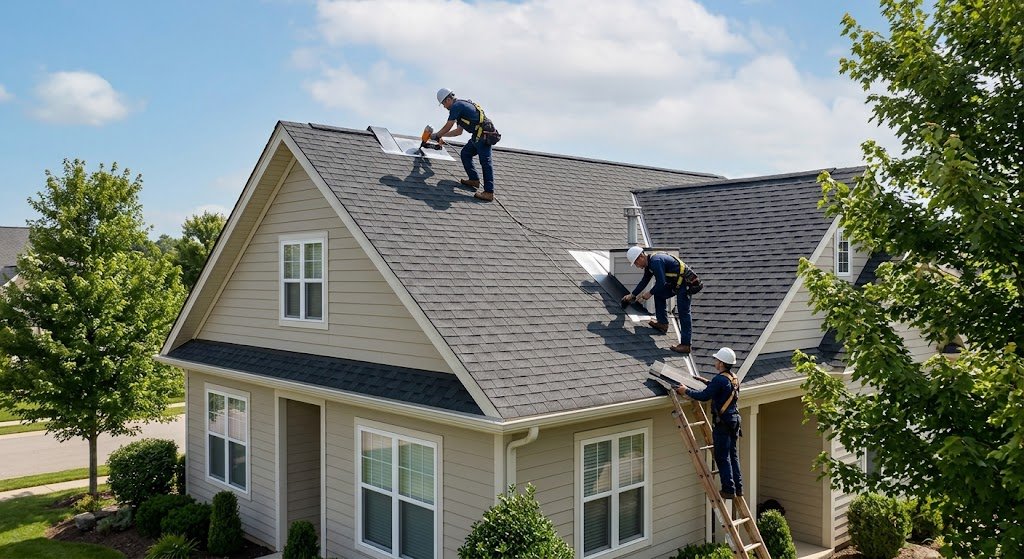
A roof is one of the most important structural components of any residential or commercial property. It protects the interior from rain, wind, sunlight, temperature changes, moisture, and other environmental conditions while contributing to the overall safety and comfort of the building. Despite its importance, roofing is often overlooked until a visible problem appears. A small leak, damaged flashing, cracked surface, missing roofing material, or blocked drainage system can gradually develop into a much more expensive issue if it is not addressed properly.
- Understanding the Importance of a Strong Roof
- Roof Inspection and Assessment
- Common Roofing Problems
- Roof Repair and Why Timing Matters
- New Roof Installation
- Waterproofing and Moisture Protection
- Roofing Materials and Their Selection
- The Role of Roof Maintenance
- Signs That a Roof May Need Professional Attention
- Choosing the Right Roofing Professional
- Why Proper Workmanship Matters
- Roofing and Energy Efficiency
- Commercial Roofing Considerations
- Preparing for Emergency Roofing Problems
- Repair or Replacement?
- Final Thoughts on Professional Roofing Services
Working with an experienced Roofing Company can help property owners manage these concerns through professional inspection, installation, maintenance, repair, waterproofing, and replacement services. Professional roofing work is not limited to fixing visible damage. A qualified team can evaluate the condition of the entire roofing system, identify potential weaknesses, recommend appropriate materials, and perform work designed to support long-term performance. Understanding the services available and knowing what to look for when hiring a roofing professional can help property owners make more informed decisions about one of their most important investments.
Understanding the Importance of a Strong Roof
A roof serves as the property’s primary barrier against many outdoor conditions. Rainwater that reaches an improperly protected roof can enter through damaged materials, joints, flashing, penetrations, or other vulnerable points. Once moisture reaches areas beneath the visible roof surface, it can contribute to deterioration of structural materials and interior finishes. Roofing maintenance guidance emphasizes that addressing minor defects before significant failure can extend useful service life and reduce long-term costs. GovInfo+1
The roof also affects the building’s overall comfort and energy performance. Depending on the roof design, insulation, ventilation, materials, and climate, the roofing system can influence how easily indoor temperatures are maintained. A roof in poor condition may also allow moisture to enter insulation or other building components, potentially creating additional maintenance concerns.
Because roofing systems consist of multiple components working together, a problem in one area can sometimes affect another. The outer covering, underlayment, flashing, drainage components, ventilation, insulation, and supporting structure all have specific functions. A professional evaluation considers these elements rather than focusing only on the most obvious defect.
Roof Inspection and Assessment
A thorough inspection is often the first step in addressing roofing concerns. A professional inspection can help determine whether a roof needs routine maintenance, localized repairs, restoration, or more extensive replacement. Inspectors may examine the condition of the roofing surface, flashing, drainage areas, penetrations, visible structural components, and other accessible features.
Property owners can also monitor roofs from safe locations without climbing onto the surface. Current maintenance guidance recommends observing changes from ground level when possible and arranging professional evaluation when conditions are unclear or when problems such as leaks or visible deterioration occur. SeasonKeep
During an inspection, professionals may look for cracked, curled, loose, missing, or deteriorated roofing materials. They may also examine areas around vents, skylights, chimneys, roof edges, valleys, and other penetrations because these locations can require careful detailing. Drainage components should also be evaluated because accumulated debris or poor water flow can contribute to moisture problems.
An inspection is especially valuable after severe weather or when a property owner notices interior water stains, damp areas, unusual odors, or changes in the roof’s appearance. Early identification allows problems to be addressed before they become more extensive.
Common Roofing Problems
Roofing systems can develop many different problems over time. Water leaks are among the most recognizable issues, but the visible location of a ceiling stain does not necessarily indicate where water entered the roof. Water can travel along building materials before becoming visible inside, meaning that simply sealing the location of a stain may not solve the underlying problem.
Damaged flashing is another common concern. Flashing is used around various roof transitions and penetrations to help direct water away from vulnerable areas. If flashing becomes loose, corroded, cracked, or improperly sealed, water may find a pathway beneath the roofing materials.
Roofing materials can also deteriorate because of age, weather exposure, poor installation, impact, or inadequate maintenance. Depending on the material, deterioration may appear as cracking, surface wear, missing pieces, corrosion, granule loss, or other visible changes.
Drainage problems should not be overlooked. Gutters, downspouts, valleys, drains, and other water-management components need to remain functional so that rainfall can move away from the building effectively. Blocked or damaged drainage systems can contribute to standing water and moisture intrusion.
Roof Repair and Why Timing Matters
When a roofing problem is identified, timely repair can help prevent additional damage. A small defect may be relatively straightforward to address, while allowing it to remain unresolved can expose larger areas to moisture and environmental stress.
Professional repair begins with identifying the cause rather than simply covering the visible symptom. For example, if water is entering near a roof penetration, the solution may require inspection of the surrounding flashing, sealant, roofing materials, and underlying components. Applying a quick patch without determining the source may only provide temporary results.
Repair methods depend on the roofing system and the nature of the damage. A professional may replace individual roofing components, repair flashing, reseal specific areas, correct drainage issues, or restore sections of the roof. The objective should be to address the actual failure while maintaining compatibility with the existing roofing system.
Property owners should also understand whether a proposed repair is intended as a temporary measure or a long-term solution. Clear communication about the expected service life and limitations of a repair can help with future planning.
New Roof Installation
A new roof installation is a significant project that requires careful planning. The process involves more than placing a new outer layer over the building. Proper installation may involve preparing the roof deck, installing appropriate underlayment, completing flashing details, establishing drainage, providing ventilation where required, and installing the selected roofing material according to manufacturer and project requirements.
Material selection should be based on more than appearance. Property owners should consider durability, maintenance requirements, environmental exposure, weight, installation requirements, expected service life, and overall cost. Common roofing options can include asphalt-based products, metal systems, tiles, membranes, and other specialized materials.
The design of the building also affects the appropriate roofing approach. A sloped roof and a low-slope or flat roof can have very different drainage and material requirements. Choosing a roofing system that is suitable for the structure is essential for long-term performance.
Professional installation can also help ensure that important details are completed correctly. Poorly installed seams, flashing, penetrations, edges, or drainage components can create weaknesses even when high-quality materials are used.
Waterproofing and Moisture Protection
Waterproofing is an important aspect of roof performance, particularly for buildings exposed to significant rainfall or persistent moisture. Professional roofing services may include membrane systems, protective coatings, sealants, drainage improvements, and other measures depending on the type of roof.
The appropriate waterproofing solution depends on the roof’s condition and construction. A coating may be useful in some situations, while a damaged or deteriorated system may require more extensive rehabilitation or replacement. Simply applying a new waterproofing product over an unsuitable surface does not guarantee long-term protection.
Surface preparation is particularly important for many waterproofing systems. Loose material, dirt, damaged coatings, standing water, cracks, and other defects may need to be addressed before a new system is installed. Proper detailing around edges, joints, penetrations, and drains is equally important because these areas can be vulnerable to water entry.
Roofing Materials and Their Selection
Choosing the right roofing material requires consideration of the property’s specific requirements. Asphalt-based roofing products are widely used in many residential applications because of their range of styles and installation options. Metal roofing can offer durability and a distinct appearance, while tile systems can provide long-lasting performance when properly installed and supported by the structure.
Flat and low-slope roofs often use membrane-based systems designed to manage water differently from steep-slope roofing. Materials such as modified bitumen and various single-ply membranes may be used depending on the project requirements.
The best material is not necessarily the most expensive option. It should be compatible with the structure, environment, design, maintenance expectations, and available budget. A professional should explain why a particular system is being recommended rather than simply presenting a material as universally suitable.
The Role of Roof Maintenance
Regular maintenance can help property owners identify small defects before they become major failures. Maintenance may include cleaning drainage systems, checking visible roofing materials, inspecting flashing, addressing minor defects, and monitoring areas around penetrations and rooftop equipment.
A planned maintenance program can be especially useful for commercial properties and larger buildings. Roofing maintenance guidance recommends scheduled inspection and corrective action as part of a broader strategy for managing roof service life. RCABC Roofing Practices Manual
Maintenance does not mean that every roof problem can be prevented. Roofing materials naturally age, and severe weather or unexpected events can cause damage. However, routine attention can make it easier to identify changes and address problems before they become more extensive.
Property owners should also keep records of inspections, repairs, replacements, warranties, and major maintenance work. A roofing history can help future professionals understand what has already been done and can support better decisions when repairs or replacement are eventually required.
Signs That a Roof May Need Professional Attention
Several warning signs can indicate that a roof needs evaluation. Interior water stains, damp ceilings, peeling paint, persistent moisture, visible sagging, damaged roofing materials, and recurring leaks should not be ignored.
Exterior signs can include missing or deteriorated materials, damaged flashing, blocked drainage components, visible cracks, loose sections, or areas where water appears to collect. The significance of each sign depends on the roofing system and the surrounding conditions, so professional assessment is preferable when the cause is uncertain.
Age alone does not automatically mean that a roof needs replacement. A well-maintained roof may continue performing effectively, while a relatively newer roof can develop problems because of installation defects, severe weather, poor maintenance, or other circumstances. Decisions should therefore be based on actual condition and the expected remaining service life rather than age alone.
Choosing the Right Roofing Professional
Selecting a qualified roofing professional requires careful consideration. Experience is important, but property owners should also evaluate licensing or certification requirements where applicable, insurance coverage, references, warranties, communication practices, and the clarity of the written proposal.
A professional should be willing to explain the recommended work in understandable terms. The estimate should identify the scope of work, materials, labor, expected schedule, payment terms, and any exclusions or conditions that could affect the final cost.
It is also useful to compare proposals based on what they actually include. A lower price may reflect differences in material quality, preparation, workmanship, warranty coverage, or project scope. Looking only at the final number can therefore make it difficult to determine which proposal provides the most appropriate solution.
A reputable Roofing Company should also be prepared to explain how it approaches unexpected conditions. Roofing projects can sometimes reveal damaged decking, drainage issues, or other problems after work begins. Understanding the process for handling changes can help prevent disagreements later.
Why Proper Workmanship Matters
Even high-quality roofing materials can perform poorly if they are installed incorrectly. Roofing systems depend on details such as proper alignment, fastening, overlap, flashing, drainage, ventilation, and sealing. A small installation error can create a pathway for water or reduce the expected service life of the system.
Workmanship is particularly important around roof penetrations and transitions. Vents, pipes, skylights, walls, edges, valleys, and drainage points often require specialized detailing. These areas should receive careful attention rather than being treated as minor finishing tasks.
Professional installation should follow applicable building requirements, manufacturer instructions, and project-specific specifications. Following these requirements can help support system performance and may also be important for maintaining applicable warranties.
Roofing and Energy Efficiency
A roofing system can influence indoor comfort and energy use, although performance depends on the entire building envelope rather than the roof alone. Insulation, ventilation, roof color, material properties, air leakage, windows, and heating or cooling equipment opportunity to address insulation or ventilation concerns where appropriate. A professional can explain whether improvements are practical for materials that may also be considered in some applications. Their effectiveness depends on the access, and maintenance requirements of residential properties. Roofing work may need to accommodate rooftop HVAC equipment, also needs careful scheduling because construction may affect business operations. A professional contractor should be able to discuss everything that can all affect energy performance.
During a roofing project, property owners may have an opportunity to address insulation or ventilation concerns where appropriate. A professional can explain whether improvements are practical for the existing structure and how they may interact with the roofing system.
Reflective or specially designed roofing materials may also be considered in some applications. Their effectiveness depends on the building design and environmental conditions, so energy-related decisions should be based on the property’s specific needs.
Commercial Roofing Considerations
Commercial buildings often have larger roof areas and more complex equipment, drainage, access, and maintenance requirements than residential properties. Roofing work may need to accommodate rooftop HVAC equipment, vents, communication systems, solar installations, walkways, and other components.
A commercial roofing project also needs careful scheduling because construction may affect business operations. A professional contractor should be able to discuss access, safety, material delivery, work phases, and strategies for minimizing unnecessary disruption.
Regular inspection and maintenance can be especially important for commercial properties because roof problems can affect business operations as well as the building itself. Maintaining accurate records and planning future repairs can help property managers manage roofing expenses more effectively.
Preparing for Emergency Roofing Problems
Roofing emergencies can occur after severe weather, falling objects, sudden leaks, or unexpected structural damage. In these circumstances, safety should come first. Attempting to climb onto a damaged roof during dangerous weather can create additional risks.
Emergency measures may involve temporary protection until permanent repairs can be safely completed. A professional assessment can determine whether the roof has suffered localized damage or whether a larger portion of the system requires attention.
Property owners should document visible damage where it is safe to do so and contact the appropriate professionals. If water has entered an area containing electrical equipment, additional caution is necessary because water and electricity can create serious hazards. Roofing maintenance guidance similarly emphasizes the dangers associated with emergency work in wet conditions. RCABC Roofing Practices Manual
Repair or Replacement?
One of the most important decisions in roofing is determining whether repair or replacement is appropriate. Localized damage does not necessarily justify replacing an entire roof. In many cases repairs are repeatedly failing, the underlying system has reached the end of its practical service life, or maintaining the existing roof is no longer economically sensible. A professional assessment can help property owners understand the life, repair history, future maintenance requirements, and cost of the proposed options. A reliable professional, a targeted repair may address the problem effectively.
Replacement becomes more relevant when deterioration is widespread, repairs are repeatedly failing, the underlying system has reached the end of its practical service life, or maintaining the existing roof is no longer economically sensible. A professional assessment can help property owners understand the difference between isolated defects and systemic deterioration.
The decision should consider the current condition, expected remaining service life, repair history, future maintenance requirements, and cost of the proposed options. A reliable professional should explain both the immediate solution and the longer-term implications.
Final Thoughts on Professional Roofing Services
A dependable roof requires more than quality materials. Proper design, installation, inspection, maintenance, drainage, repairs, and timely decision-making all contribute to long-term performance. Property owners who pay attention to warning signs and address small problems before they become extensive can often reduce unnecessary damage and better manage roofing costs.
A roofing company can provide valuable support throughout the life of a roofing system, from initial installation and material selection to maintenance, repairs, waterproofing, and eventual replacement. The key is to select a qualified professional who provides clear communication, detailed proposals, appropriate materials, and workmanship suited to the specific roofing system.
Regular inspections and maintenance remain important even when a roof appears to be functioning normally. Roofing guidance consistently emphasizes planned maintenance and early correction of defects as ways to support service life and reduce the risk of major failures.
Ultimately, investing in professional roofing care is an investment in the protection of the entire property. A well-maintained roof helps protect interior spaces, structural components, belongings, and occupants from environmental exposure. By choosing suitable materials, addressing problems promptly, maintaining drainage, and relying on qualified professionals for complex work, property owners can give their roofing system a stronger foundation for reliable long-term performance.


Floors take more abuse than almost anything else in a home. They absorb spilled coffee, muddy boots, dragged furniture, and years of foot traffic, yet most people only think about them when something cracks or fades. That’s starting to change across Long Island, where homeowners are swapping worn-out flooring for tile that actually holds up to daily life while looking like it belongs in a design magazine.
Roma Tile of New York has watched this shift firsthand. Requests for durable, low-maintenance surfaces have climbed steadily, and it’s not hard to see why. Between unpredictable weather, salt air near the coast, and busy households that don’t have time for high-maintenance materials, tile checks boxes that carpet and hardwood simply can’t.
This post breaks down what’s driving the trend, which tile options are worth considering, and how to choose materials that fit both your budget and your lifestyle.
Why Tile Keeps Winning Against Other Flooring Options
Hardwood scratches. Carpet stains. Laminate swells when it gets wet. Tile, on the other hand, shrugs off most of what daily life throws at it. Porcelain and ceramic tiles resist moisture, scratches, and fading, which makes them a smart choice for kitchens, bathrooms, mudrooms, and anywhere else that sees heavy use.
There’s also the matter of upkeep. A damp mop handles most spills, and there’s no need for refinishing, resealing, or replacing every few years. For busy families or anyone who’d rather spend weekends doing something other than home maintenance, that convenience adds up fast.
Design flexibility plays a role too. Modern manufacturing techniques have made it possible to replicate the look of natural wood, stone, or concrete in tile form, often at a fraction of the cost and with none of the drawbacks. Homeowners get the aesthetic they want without compromising on practicality.
What Makes a Tile Choice Right for Your Home
Not every tile suits every space. A glossy finish might look stunning in a powder room but become a slipping hazard near a pool. Large-format tiles can make small rooms feel bigger, while mosaic patterns add texture to backsplashes and accent walls.
Climate matters, too. Long Island’s humid summers and freezing winters mean outdoor tile needs to handle temperature swings without cracking. Porcelain tends to perform better than ceramic in these conditions because it’s denser and absorbs less moisture.
Budget is another factor worth planning around early. Natural stone tiles like marble or travertine bring undeniable elegance but come with a higher price tag and more maintenance. Porcelain and ceramic options offer similar visual appeal at a lower cost, which is why they remain popular among homeowners renovating on a timeline or budget.
A few questions worth asking before buying:
- Will this space see heavy foot traffic or moisture exposure?
- Does the tile’s finish match the room’s function (slip resistance for bathrooms, durability for entryways)?
- Does the style complement the rest of the home, or is it a standalone statement piece?
- What’s the realistic long-term maintenance commitment?
Answering these honestly makes the selection process far less overwhelming.
Kitchens, Bathrooms, and Beyond: Where Tile Makes the Biggest Difference
Kitchens benefit enormously from tile flooring because spills are inevitable. A quality porcelain tile handles dropped pans, splashed sauces, and daily wear without showing much sign of it. Backsplashes made of tile also protect walls from grease and moisture while adding visual interest behind stovetops and sinks.
Bathrooms are another natural fit. Between showers, baths, and general humidity, bathroom flooring needs to resist water damage consistently. Textured tile options reduce slipping risk, which matters for households with young children or older adults.
Outdoor spaces, including patios and pool decks, have also seen a rise in tile installations. Weather-resistant porcelain tiles can handle sun exposure and temperature changes better than many alternative materials, making them a practical choice for homeowners who want their outdoor areas to look as polished as their interiors.
Finding the Right Partner for Your Tile Project
Choosing the right tile is only half the equation. Installation quality determines whether that tile lasts five years or twenty-five. Poor installation can lead to cracked grout, uneven surfaces, and tiles that lift over time, undoing even the best material choice.
Homeowners searching for a reliable tiles store Long Island residents trust for both selection and expert guidance will find that experience matters just as much as inventory. Roma Tile of New York brings years of hands-on knowledge to every project, helping customers choose materials suited to their specific space, climate, and budget rather than pushing a one-size-fits-all solution.
From initial consultation through final installation, working with a knowledgeable team means fewer surprises and a finished product that actually performs the way it looks. Whether the project involves a single bathroom remodel or a full-home flooring overhaul, having access to quality materials and informed advice makes the process considerably smoother.
Making the Switch to Tile a Worthwhile Investment
Flooring decisions aren’t made often, which is exactly why they deserve careful thought. Tile offers a combination of durability, style, and manageable upkeep that’s hard to match with other materials, especially in a region that deals with humidity, salt air, and seasonal temperature shifts.
Homeowners considering a renovation shouldn’t have to choose between good looks and practicality. With the right guidance and quality materials, both are entirely possible. For anyone ready to explore options suited to their home’s specific needs, reaching out to a team with real expertise is the logical next step toward floors that hold up for years to come.

Buying a home is a major decision, and choosing the right residential project requires careful consideration. With several residential developments available in Porur, you may find it difficult to decide which one is suitable for your requirements.
Every residential project has different features, facilities, apartment configurations, and locations. Therefore, you must compare these factors before making a decision. A project that looks attractive at first may not offer everything you need for comfortable living.
So, how can you compare different residential projects in Porur? Let us look at the important factors you must consider before choosing a property.
1. Compare the Location and Connectivity
The first thing you must consider is the location of the residential project. Even if two apartments have similar features, their locations can make a significant difference in your daily life.
Check how easily you can access important places such as schools, hospitals, shopping centres, and workplaces. Also, look at the road connectivity and availability of public transportation.
For instance, if you have children, choosing a residential project near reputed schools can make everyday travel easier. Similarly, easy access to hospitals and essential shops will be helpful for your family.
Therefore, compare the surrounding facilities of each project and choose a location that suits your daily requirements.
2. Check the Apartment Configuration
Residential projects offer different apartment configurations based on the requirements of buyers. You can find 2 BHK, 3 BHK, and larger apartments depending on the project.
Before comparing the apartments, consider the number of bedrooms, bathrooms, balconies, and available living space.
For example, a 2 BHK apartment may be sufficient for a small family. However, if you have a larger family or need an additional room for work, a 3 BHK apartment may be a better option.
Also, compare the carpet area instead of looking only at the total built up area. This will help you understand how much usable space you actually get inside the apartment.
3. Compare the Amenities Offered
Amenities are another important factor that separates one residential project from another. Most modern residential developments provide facilities that support everyday activities and recreation.
Some common amenities include:
- Swimming pool
- Gymnasium
- Children’s play area
- Indoor games room
- Walking tracks
- Multipurpose hall
- Landscaped gardens
- Security systems
However, you should not choose a project simply because it offers a long list of amenities.
Check whether these facilities are useful for your family and whether they are properly maintained. For instance, if you have children, a dedicated play area can be useful. Similarly, a gymnasium or walking track can help residents maintain their fitness.
Compare the amenities available in different projects and identify which one offers practical facilities for your lifestyle.
4. Examine the Construction Quality
The construction quality of a residential project directly affects its durability and maintenance requirements.
Therefore, you must check the materials used for construction, the quality of flooring, electrical fittings, plumbing systems, doors, and windows.
If possible, visit the project site and observe the construction progress. You can also look at the builder’s previous residential developments to understand their construction standards.
Check whether the project has the necessary approvals and relevant documentation. You should also verify the RERA registration details before proceeding with your purchase.
These checks will help you understand the quality of the project and avoid unnecessary problems later.
5. Evaluate the Builder’s Reputation
The reputation of the builder is another factor you must consider while comparing residential projects.
A builder with experience in developing residential properties may have a better understanding of construction requirements, project planning, and delivery schedules.
Therefore, research the builder’s previous projects and check their completion status. You can also look at customer reviews to understand the experiences of existing homeowners.
Pay attention to feedback about construction quality, maintenance, and the builder’s response to customer concerns.
For example, if a builder has completed several residential projects and has positive feedback from homeowners, it can give you a better understanding of their work.
Do not make your decision based on advertisements alone. Check the actual project details before choosing a builder.
6. Compare the Total Property Cost
The total cost is another important factor to consider when comparing residential projects.
Two apartments with similar configurations may have different prices because of their location, amenities, construction quality, and other features.
Therefore, compare the overall property cost instead of looking only at the advertised price.
Check whether the quoted amount includes parking charges, maintenance deposits, registration expenses, and other applicable charges.
For instance, one project may have a lower advertised price but additional charges that increase the overall cost. Another project may offer more facilities at a slightly higher price.
By comparing the complete cost details, you can understand which property offers better value for your money.
7. Check the Safety and Security Facilities
Safety is an important requirement for every residential community. Therefore, you must compare the security arrangements available in different projects.
Check whether the residential development provides CCTV cameras, security personnel, controlled entry and exit points, and proper lighting in common areas.
You should also look at fire safety arrangements and emergency access facilities.
If you have children or elderly family members, these facilities become even more important. A properly managed security system can provide residents with greater peace of mind.
8. Consider the Future Development of the Area
Apart from the existing facilities, you should also consider the future development potential of the location.
Porur has residential and commercial developments, along with access to important roads and employment centres. Therefore, check the infrastructure and upcoming developments around the project.
Look at road improvements, public transportation facilities, educational institutions, and commercial establishments in the surrounding areas.
These developments may influence the convenience and property value of the location over time.
However, do not depend entirely on future developments. Give more importance to the existing infrastructure and facilities before making your decision.
Conclusion
Comparing different residential projects in Porur requires you to look beyond the apartment price and advertised amenities. You must consider several factors, including location, apartment configuration, construction quality, builder reputation, safety, and available facilities.
If you are planning to purchase Flats in Porur, make a list of your requirements and compare different projects based on these factors.
Visit the shortlisted properties, check the documentation, and understand the facilities offered by each builder. This will help you identify the residential project that meets your family’s requirements.
After all, choosing the right home is about finding a property that offers comfortable living, convenient access to essential facilities, and good long term value.
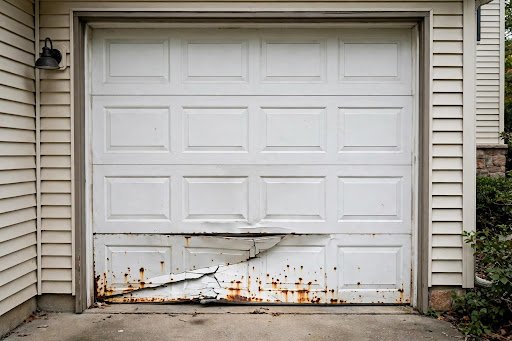
Damaged panels do not always mean a new door. Depending on the type and extent of the damage, you may have several options, from a simple surface repair to replacing a single panel or the whole door. Understanding the damage and the choices helps you make a sensible decision that fits your budget and the condition of the door.
- Surface rust
- Rot in wood panels
- Cracked panels
- Replacing individual panels
- When a full replacement makes sense
- Florida weather and panels
- Inspect the panels regularly
- Protect the panels from further damage
- Ask a technician for an honest assessment
- Consider the door’s overall condition
- Tampa homeowners
- Choose the repair that protects the door
- Frequently asked questions
Surface rust
Light rust on steel panels can often be cleaned, treated and repainted. Remove loose rust with a wire brush, clean the area, apply a rust-inhibiting primer and finish with a matching paint. Address surface rust early, because untreated rust spreads under the paint and can weaken the panel from the inside.
Rot in wood panels
Soft spots and rot in wood panels can sometimes be repaired with filler and sealant. Remove the rotted wood, treat the area and fill it to match the panel. Heavy rot that has spread through the panel usually calls for replacement, because the repair may not hold or restore the strength of the section.
Cracked panels
A crack along a seam may be repaired or the panel replaced, depending on its size and location. Cracks weaken the door and can affect insulation and weather sealing. A crack that runs across a panel usually means the section should be replaced rather than patched.
Replacing individual panels
Individual panels can often be replaced, especially on steel doors. The new panel must match the original in size, profile, thickness and finish. Check whether the design is still available from the manufacturer before ordering. Ask the technician to confirm that the new panel will fit the existing hardware and the insulation.
When a full replacement makes sense
If several panels are damaged, the door is old or the rust has spread across the surface, a new door may be the better choice. A full replacement also allows you to upgrade the insulation, the springs, the opener and the security features at the same time. Compare the cost of repairing several panels with the cost of a new door before deciding.
Florida weather and panels
Humidity, heavy rain and salt air can accelerate rust and rot in garage door panels. Coastal and humid areas benefit from corrosion-resistant finishes and regular cleaning. Look for panels and finishes designed for moisture resistance, and inspect the door after storms or periods of heavy rain.
Inspect the panels regularly
Look at each panel every few months for rust, cracks, soft spots and dents. Check the seams between sections, because water and debris often collect there. Early detection makes a small repair possible and can prevent the need for a complete replacement.
Protect the panels from further damage
Keep vehicles and equipment away from the door, store items clear of the door’s path and address leaks promptly. Clean the door periodically with a mild soap and water, and touch up paint chips before they spread. Protecting the finish helps the panels last longer.
Ask a technician for an honest assessment
A technician can tell you which option costs less over time and which keeps the door secure and safe. Ask whether the damage affects the structure, the insulation or the balance, and whether the springs and cables need attention too. Get a written estimate for each option so you can compare them clearly.
Consider the door’s overall condition
A panel repair makes sense when the rest of the door is in good shape. If the springs, cables, track or opener are also worn, the cost of repairing the panels alone may not be justified. Look at the whole system before deciding.
Tampa homeowners
If you are in Tampa and your garage door panels need attention, a local technician can assess the damage and recommend the right option. You can review panel replacement options on our garage door panel replacement page for Tampa, FL, or visit the Century Garage Door Service homepage to learn about all of our services.
Choose the repair that protects the door
Surface rust, rot, cracks and dents each call for a different response. Clean and treat minor damage, replace individual panels when only one section is affected and consider a full replacement when the damage is widespread. An honest assessment will help you choose the option that keeps the door secure and attractive for years.
Frequently asked questions
Can rust on a garage door panel be painted over? Only after the rust is cleaned and treated. Painting over untreated rust traps moisture underneath and allows the damage to continue, often more quickly.
How do I choose a replacement panel? Match the size, profile, thickness and finish of the original. Check whether the manufacturer still makes the design, and ask the technician to confirm the fit with your hardware.
When is a full door replacement better? When several panels are damaged, the door is old, the springs and cables are worn or the insulation is poor. A new door can address those issues together.

Renting a Stylish Coupe in Dubai: What Actually Matters

How to Tell Real Korean Toxin Brands From Copycat Vials Before You Buy

A Practical Guide to Fortnite Accounts and V-Bucks

Alex Pettyfer Net Worth, Wife, Age, Height, Children, Career and More

Brad Williams Net Worth, Wife, Height, Age, Daughter, Family, Career and More

Eldorado.gg Review 2026: How It Works, Safety, Fees, and Risks
-
Celebrity11 months ago
Alex Pettyfer Net Worth, Wife, Age, Height, Children, Career and More
-
Celebrity11 months ago
Brad Williams Net Worth, Wife, Height, Age, Daughter, Family, Career and More
-
Blog2 months ago
Eldorado.gg Review 2026: How It Works, Safety, Fees, and Risks
-
 Anime12 months ago
Sanzoku Bandits of One Piece: Origins, Higuma, and Their Role in Dawn Island
-
 Celebrity11 months ago
John McGinn Net Worth, Age, Height, Wife, Childrens, Career and More
-
 Celebrity11 months ago
Frances de la Tour Net Worth, Age, Height, Husband, Childrens, Career and More
-
 Celebrity11 months ago
Will Trickett Net Worth, Wife, Childrens, Age, Career and More
-
 Blog3 months ago
Crackstube: A Complete Guide to the Digital Publishing Platform