
Home Improvement
Everything You Need to Know About Gutter Guards and Protecting Your Gutters From Debris

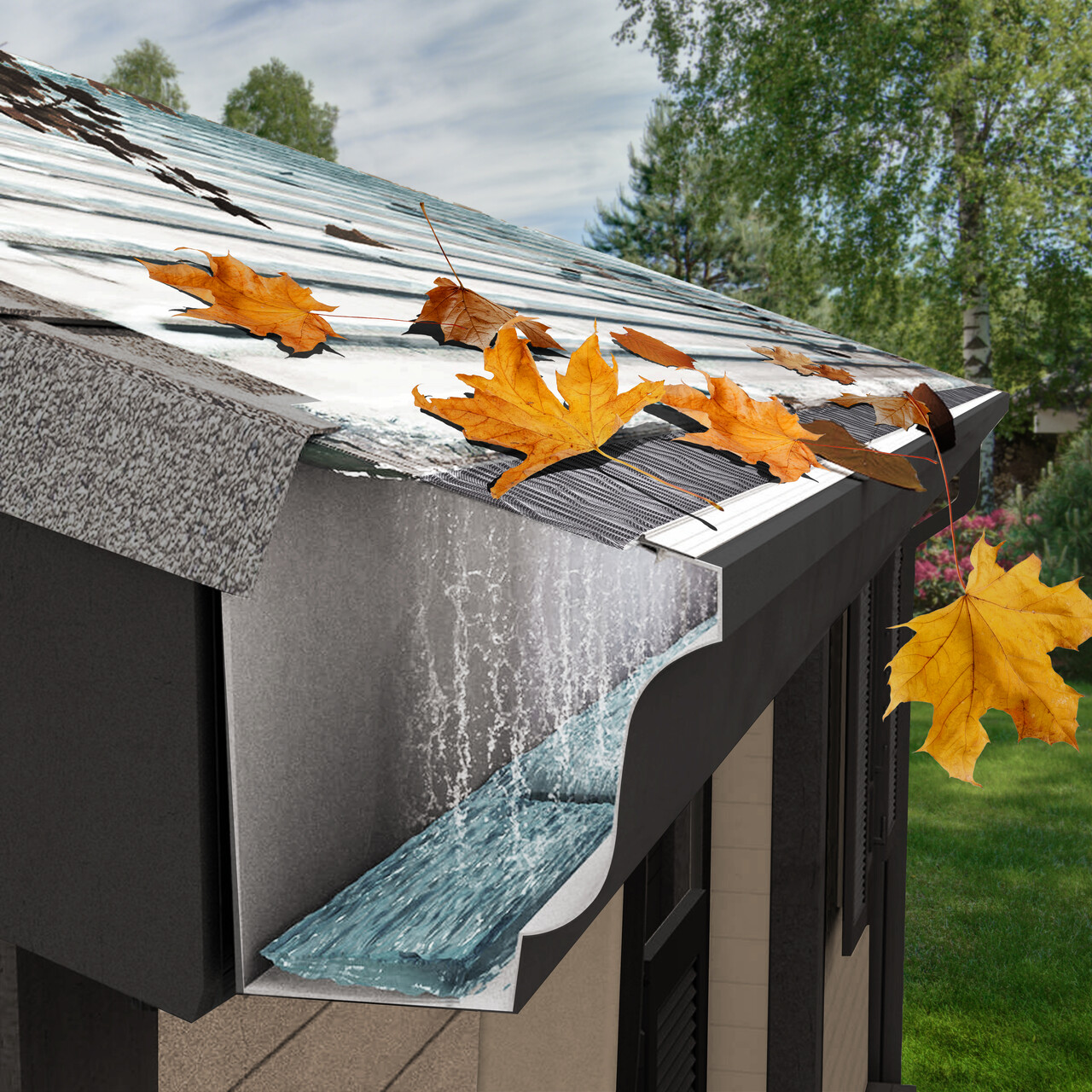
A properly functioning gutter system is an important part of protecting a building from rainwater and unnecessary moisture exposure. Gutters collect water from the roof and direct it toward downspouts, helping prevent excessive runoff from reaching exterior walls, doors, windows, landscaping, and foundation areas. However, leaves, twigs, seeds, dirt, roof particles, and other debris can quickly accumulate inside open gutters and interfere with normal drainage. Gutter guards provide a protective barrier that can help reduce the amount of larger debris entering the drainage channels while allowing rainwater to flow through. Understanding their purpose, available designs, benefits, installation considerations, and maintenance requirements can help property owners make informed decisions about protecting their gutter systems.
- Understanding the Purpose of Gutter Protection
- Why Debris Becomes a Gutter Problem
- Exploring Different Protection Designs
- Choosing Suitable Materials
- Considering the Roof and Gutter Design
- Maintaining Effective Water Flow
- Reducing Routine Cleaning Requirements
- Understanding Ongoing Maintenance
- Protecting Downspouts From Blockages
- Importance of Proper Installation
- Avoiding Common Installation Problems
- Considering Heavy Rainfall
- Protecting the Gutter Structure
- Improving Long-Term Maintenance
- When Professional Assistance May Be Useful
- Considering Cost and Long-Term Value
- Recognizing Signs of Protection Problems
- Choosing a Suitable System
- Final Thoughts
Understanding the Purpose of Gutter Protection
The primary purpose of gutter protection is to reduce the amount of unwanted material that enters the gutter channel. When leaves and other debris accumulate, they can create blockages that prevent rainwater from moving efficiently toward downspouts. In severe cases, overflowing water may reach exterior walls or collect around the foundation, creating additional maintenance concerns. Gutter guards can help create a barrier between falling debris and the inside of the gutter while still allowing water to enter. Although they do not remove every maintenance requirement, they can make routine gutter care more manageable and reduce the frequency of heavy debris buildup in many situations.
Why Debris Becomes a Gutter Problem
Gutters are constantly exposed to materials that fall from nearby trees, roof surfaces, and the surrounding environment. Leaves, small branches, seeds, dirt, dust, and roof granules can gradually collect inside the channels, especially during periods of frequent weather changes. Wet debris can become heavy and may place additional pressure on gutter brackets, hangers, and fasteners. Over time, accumulated material can also restrict the movement of water and contribute to overflow. Understanding the amount and type of debris that normally reaches a gutter system is useful when deciding whether additional protection would be beneficial and what type of product may be appropriate.
Exploring Different Protection Designs
Gutter protection products are available in several designs, with each approach using a different method to keep debris away from the inside of the channel. Mesh systems use fine openings to allow water through while filtering larger particles, while solid covers are shaped to encourage water to move over the surface and into the gutter. Brush and foam-style products use internal materials to block larger debris while allowing water to pass through. Gutter guards can differ considerably in material, durability, installation method, appearance, maintenance requirements, and water-flow performance. Comparing these characteristics is important because a product that works well for one roof and gutter configuration may not be equally suitable for another.
Choosing Suitable Materials
The material used for a protection system can influence its strength, appearance, durability, and maintenance requirements. Metal options may provide a rigid structure, while synthetic materials can offer flexibility and lighter weight. Some products are designed to blend closely with the existing gutter system, while others may be more noticeable from ground level. When evaluating Gutter guards, property owners should consider the material of their existing gutters, the surrounding environment, expected weather exposure, and the amount of debris normally produced. A suitable material should provide reliable protection without interfering with the existing drainage system or creating unnecessary maintenance challenges.
Considering the Roof and Gutter Design
Every roof directs water differently, so a protection system should be compatible with the building’s specific roof configuration. Roof pitch, shingles, valleys, roof edges, gutter size, and downspout placement can all affect how water and debris reach the drainage channel. Some designs may work particularly well with certain roof structures, while others may require modifications or additional support. Gutter guards should therefore be considered as part of the complete drainage system rather than as an isolated product. Careful evaluation of the roof and gutter configuration can help ensure that the selected system allows water to enter efficiently while reducing the amount of unwanted debris.
Maintaining Effective Water Flow
The most important function of a gutter system is to collect rainwater and move it toward the downspouts. Any protective covering placed over the gutter must therefore allow sufficient water to enter during normal and heavier rainfall. A product that blocks too much debris but restricts water flow may create a different drainage problem. Gutter guards should be evaluated according to both their debris-filtering ability and their capacity to handle the expected volume of rainwater. Regular observation during rainfall can help property owners identify signs of restricted flow, such as water running over the edges or collecting in unusual areas.
Reducing Routine Cleaning Requirements
One of the main reasons property owners consider gutter protection is to reduce the amount of debris that enters the channels. A reduction in large leaves, twigs, and similar materials can make routine cleaning easier and potentially reduce how frequently the inside of the gutters needs to be cleared. However, protection products should not be viewed as a complete replacement for maintenance. Small particles, seeds, dust, and organic material can still accumulate on the surface or pass through openings. Gutter guards can make maintenance more manageable, but periodic inspections and cleaning remain important for keeping the entire drainage system functioning correctly.
Understanding Ongoing Maintenance
Installing a protection system does not mean that the gutters can be forgotten. The protective surface itself may collect leaves, dirt, moss, seeds, and other small materials that can gradually interfere with water flow. Some products may also become loose, bent, cracked, or displaced after prolonged exposure to weather. Regular inspection provides an opportunity to identify these issues before they affect the performance of the drainage system. Cleaning requirements will vary depending on the surrounding environment and product design, so property owners should follow appropriate maintenance recommendations and check the system periodically to ensure that water continues to move freely.
Protecting Downspouts From Blockages
Downspouts are a critical part of the drainage system because they provide the route through which collected water leaves the gutter channel. Even when the main gutter remains relatively clear, small particles can sometimes reach the downspouts and cause restrictions farther inside the system. A blocked downspout can cause water to back up into the gutter and eventually overflow. Gutter guards can reduce the amount of larger debris entering the drainage system, but downspouts should still be inspected periodically. Checking both the gutter channels and vertical drainage paths provides a more complete approach to maintaining reliable water movement.
Importance of Proper Installation
The effectiveness of a gutter protection system depends heavily on proper installation. Products should be securely positioned so they remain stable and do not create gaps through which large debris can enter. The installation should also preserve the intended slope of the gutter and avoid interfering with roof materials or supporting structures. Gutter guards that are incorrectly installed may shift, bend, restrict water flow, or become detached over time. Measurements should be accurate, connection points should be secure, and the product should be compatible with the existing gutter design. Following manufacturer requirements or obtaining qualified installation support can help reduce avoidable problems.
Avoiding Common Installation Problems
A common mistake is selecting a product based only on its appearance or initial purchase price without considering how it will interact with the existing roof and drainage system. Another problem can occur when panels or screens are installed with gaps that allow large amounts of debris to enter. Poor fastening may allow sections to move during strong weather conditions, while incorrect positioning can interfere with water entering the gutter. Before installation, the existing gutter should be inspected for sagging, damage, loose fasteners, and other problems. Installing protection over an already damaged drainage system may prevent the new product from performing as intended and can make future maintenance more complicated.
Considering Heavy Rainfall
A protection system should be capable of supporting effective water entry during periods of heavy rainfall. Fine mesh and other filtering designs may block substantial amounts of debris, but they can become covered with small particles that restrict water flow if they are not maintained. The capacity of the existing gutter system should also be considered because protection cannot compensate for gutters that are incorrectly sized or poorly configured. Gutter guards should allow water to reach the channel quickly enough to prevent unnecessary overflow. Monitoring the system during significant rainfall can provide useful information about whether water is entering and moving through the gutters as expected.
Protecting the Gutter Structure
Reducing the amount of heavy debris inside gutters can also reduce the weight that the channels and their supporting components need to carry. Wet leaves and organic material can become surprisingly heavy when they accumulate over time. Excessive weight may place additional stress on brackets, hangers, fasteners, and fascia boards. A protection system can help limit this accumulation, but the protective surface itself must remain secure and free from excessive debris. Regular checks can identify loose sections or damaged components before they create additional stress on the gutter system. Maintaining both the protection and the underlying gutter is important for achieving reliable long-term performance.
Improving Long-Term Maintenance
A gutter protection system works most effectively when it is included within a broader maintenance plan. Property owners should continue to inspect channels, downspouts, roof edges, fasteners, and surrounding surfaces even after protective products have been installed. Gutter guards can reduce the quantity of large debris entering the system, but they cannot prevent every type of material from reaching the gutter. A planned maintenance schedule can include surface cleaning, fastener checks, downspout inspections, and examinations for signs of damage. Combining protection with regular care can make it easier to identify problems early and maintain the overall performance of the drainage system.
When Professional Assistance May Be Useful
Some protection systems are relatively simple to install, while others require more careful planning because of complex rooflines, multiple levels, unusual gutter profiles, or difficult access. Professional assistance may be useful when accurate measurements, specialized equipment, or adjustments to existing components are required. Gutter guards should be installed without damaging roof materials or compromising the existing drainage system. An experienced installer can assess the condition of the gutters, determine product compatibility, and use suitable installation methods. Property owners should consider experience, workmanship, product quality, maintenance requirements, and service terms when evaluating professional assistance.
Considering Cost and Long-Term Value
The price of gutter protection can vary depending on material, design, installation method, gutter size, roof configuration, and the amount of labor required. Property owners should look beyond the initial purchase price and consider expected durability, maintenance requirements, water-flow performance, and potential repair needs. An inexpensive product may not provide good long-term value if it requires frequent replacement or creates additional maintenance concerns. Conversely, a higher-quality system may require a greater initial investment but offer more durable performance. Comparing products based on their complete lifecycle rather than only their upfront price can help property owners make a more practical choice.
Recognizing Signs of Protection Problems
Even a properly selected protection system may eventually require attention. Visible gaps, loose sections, bent panels, damaged mesh, accumulated debris, and water overflowing during rainfall can all indicate that an inspection is needed. If protection becomes displaced, larger debris may enter the gutter and interfere with drainage. Water backing up or flowing over the edge can also indicate that the protective surface or the underlying gutter requires cleaning or adjustment. Property owners should respond to these signs promptly instead of waiting for more serious drainage problems to develop. Early attention can help protect both the gutter system and surrounding building materials.
Choosing a Suitable System
Selecting a protection product should involve more than simply choosing the most popular or visually appealing option. Property owners should consider the type of debris present, roof design, gutter material, rainfall patterns, maintenance preferences, and available budget. A system should be compatible with the existing gutter dimensions and should not interfere with the movement of water from the roof. Gutter guards should also be evaluated according to their installation requirements and expected service life. Taking time to compare these factors can help property owners select a system that provides practical protection while fitting into their broader maintenance plans.
Final Thoughts
A reliable gutter system is essential for managing rainwater and directing it away from areas that may be vulnerable to excessive moisture. Debris such as leaves, twigs, seeds, and dirt can interfere with this process and increase the need for frequent cleaning. Gutter guards can help reduce the amount of larger debris entering the channels while making routine maintenance more manageable. However, their effectiveness depends on proper product selection, suitable installation, adequate water flow, and continued inspection. By treating gutter protection as part of a complete maintenance strategy rather than a one-time solution, property owners can support better drainage performance and help extend the useful life of their gutter system.

Understanding the Appeal of Glass Rooms in the Scottish Climate
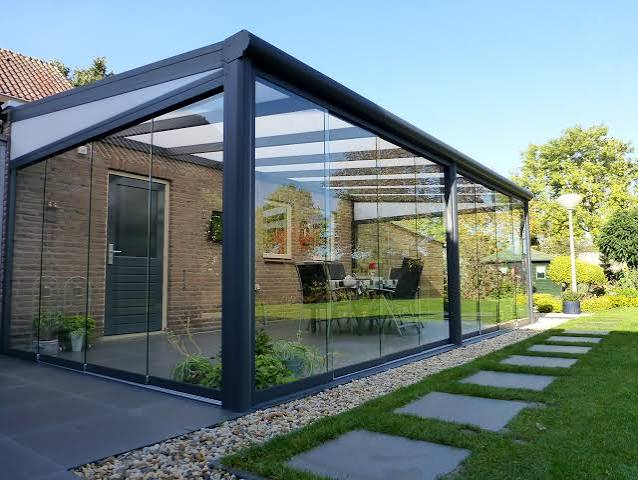
Glasgow is a city defined by its unique light and its frequent rainfall. While traditional conservatories were once the standard for extending a home, the modern custom glass room has taken center stage for homeowners who want to maximize natural light without feeling the chill of a Scottish winter. Unlike a standard sunroom, a glass room typically features a structural aluminum frame with expansive floor to ceiling glazing, often including a glass roof that offers an unobstructed view of the sky.
The primary appeal lies in the psychological benefit of connection to the outdoors. In a city where gray skies are common, capturing every possible lumen of natural light can significantly improve the ambiance of a home. These structures act as a thermal buffer, providing a sheltered space where you can enjoy your garden regardless of the wind or rain. When considering a high end installation, EKCO provides bespoke solutions that ensure these spaces remain functional throughout all four seasons.
Navigating Glasgow Planning Permission and Building Regulations
One of the first hurdles for any homeowner is understanding the legal requirements for adding a permanent structure to their property. In Glasgow, the rules can vary significantly depending on whether you live in a modern development, a Victorian villa in the West End, or a listed building. Generally, many glass rooms fall under permitted development rights, but there are specific criteria that must be met to avoid a retrospective planning battle.
1. The extension must not exceed half the area of land around the original house.
2. The height of the glass room should not be higher than the highest part of the existing roof.
3. If the property is in a conservation area, stricter aesthetic controls will apply to ensure the new structure complements the historic character of the neighborhood.
Building regulations are separate from planning permission and focus on the structural integrity and energy performance of the room. Because glass is less insulating than a brick wall, you must ensure the design meets current Scottish Building Standards regarding U values and heat loss. Professional installers will typically handle these calculations to ensure your new space is both legal and energy efficient.
Selecting the Right Glass for Thermal Efficiency and Durability
The glass itself is the most critical component of your new room. In the past, glass extensions were notorious for being too hot in the summer and freezing in the winter. Modern technology has solved this through the use of high performance coatings and gas filled units. When planning Everything You Need to Know Before Installing a Custom Glass Room in Glasgow, it is vital to research the specific types of glazing available for the local climate.
1. Low Emissivity Glass: This features a microscopic coating that reflects heat back into the room during winter while allowing light to pass through.
2. Solar Control Glass: This is essential for south facing gardens in Glasgow, as it reduces the amount of infrared heat entering the room, preventing the greenhouse effect during rare sunny spells.
3. Self Cleaning Glass: Given the high rainfall in the west of Scotland, self cleaning coatings use UV rays to break down organic dirt, which is then washed away by the rain, reducing the need for frequent manual cleaning.
Structural Considerations for Exposed Urban and Rural Sites
Glasgow and its surrounding areas like Bearsden and Newton Mearns can experience significant wind loads. A custom glass room must be engineered to withstand these pressures. The frame is usually constructed from architectural grade aluminum because it offers a superior strength to weight ratio compared to timber or uPVC. Aluminum does not warp, rot, or require frequent painting, making it the ideal choice for the damp Scottish environment.
The foundation is another area where shortcuts should never be taken. A glass room requires a stable, level base to prevent the large glass panels from shifting, which could lead to seal failure or cracks. Depending on your garden topography, this might involve a traditional concrete raft foundation or a more modern steel pile system. Ensuring the structural integrity of the build is a hallmark of the service provided by EKCO, where engineering precision meets aesthetic design.
Design Styles from Contemporary Minimalist to Traditional Extensions
The beauty of a custom glass room is its versatility. You are not restricted to a one size fits all catalog design. Instead, you can tailor the aesthetic to match your personal taste and the architectural DNA of your home.
1. Frameless Systems: These use structural glass to create a nearly invisible transition between inside and out, perfect for modern homes with minimalist interiors.
2. Bi Folding and Sliding Doors: These allow you to open up entire walls of the room during the summer months, effectively turning your glass room into a covered outdoor terrace.
3. Integrated Shading: Many homeowners opt for internal or external motorized blinds that can be controlled via a smartphone app, providing privacy and light control at the touch of a button.
Integrating Your Glass Room with Existing Architecture
A successful installation should look like a natural evolution of the house rather than a glass box tacked onto the back. This requires careful consideration of the transition points. For example, if you are adding a glass room to a red sandstone tenement or villa, you might choose a dark anthracite frame to provide a sharp, modern contrast that highlights the texture of the stone.
Internal flooring also plays a massive role in integration. Using the same flooring material inside the house and extending it into the glass room creates a visual flow that makes both spaces feel larger. Underfloor heating is highly recommended for these projects, as it provides a consistent, comfortable heat without the need for bulky radiators that would interrupt the view through the glass walls.
Essential Maintenance for Longevity in Wet Weather
While aluminum and glass are low maintenance materials, the Glasgow climate demands a certain level of care to keep the structure looking pristine. Salt air, if you are closer to the coast, or urban pollutants in the city center can accumulate on surfaces over time.
1. Clear the Gutters: Ensure that the integrated drainage systems are kept free of leaves and debris, especially during the autumn months.
2. Inspect Seals: Once a year, check the rubber seals around the glass units to ensure they remain pliable and watertight.
3. Lubricate Moving Parts: If your glass room features sliding or folding doors, keep the tracks clean and apply a silicone based lubricant to the rollers once or twice a year to ensure smooth operation.
Working with an experienced provider like EKCO ensures that you receive a comprehensive maintenance guide tailored to the specific components used in your build, helping to protect your investment for decades.
Cost Factors and Investment Value for Glasgow Homeowners
Investing in a custom glass room is a significant financial commitment, but it is one that typically adds substantial value to a property. The cost is influenced by several factors including the size of the footprint, the complexity of the groundworks, and the specification of the glass. In the current Glasgow property market, high quality extra living space is at a premium. A well executed glass room can often return its initial cost by increasing the overall market price of the home, while also making the property more attractive to potential buyers who value modern, light filled interiors.
Choosing the Right Installation Partner for Your Project
The success of your project hinges on the expertise of the team you hire. A custom glass room is a sophisticated piece of engineering that requires specialized knowledge to install correctly. You should look for a company that offers a full turnkey service, from initial design and planning applications to the final installation and aftercare.
Check for certifications and past case studies in the local area. Seeing a completed project in a similar climate can give you confidence in the materials and methods being used. When you choose a reputable firm such as EKCO, you are benefiting from years of experience in the Scottish home improvement sector, ensuring that your project is managed professionally from start to finish.
Transforming Your Lifestyle through Seamless Indoor Outdoor Living
The ultimate goal of installing a glass room is to change how you experience your home. It provides a sanctuary where you can enjoy a morning coffee while watching the rain fall, or host a dinner party under the stars without worrying about the temperature dropping. It bridges the gap between the comfort of your living room and the natural beauty of your garden.
In a city like Glasgow, where the weather is a constant topic of conversation, a glass room allows you to reclaim the outdoors. It turns a seasonal garden into a year round asset. By focusing on quality materials, proper planning, and expert installation, you can create a space that is not only a beautiful architectural statement but also a functional, cozy retreat that serves your family for a lifetime. The transition to a more transparent, light filled way of living starts with understanding these technical requirements and choosing a partner like EKCO to bring the vision to life.

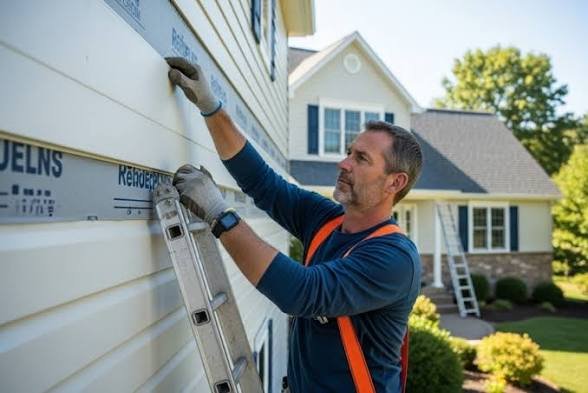
You don’t know that a product is faulty until it fails. That failure often manifests itself as a simple repair to a piece of trim or a painting. Most siding failures are caused by errors in the selection process, not by the product itself. Therefore, the questions that you ask prior to signing off on a contractor are far more important than the product that they are selling.
Most Useful, Evaluate Installers, What Constitutes Documentation that Carries Weight, and What Parts of the Quote will Determine How a Job Goes.
Verify experience against the specific assembly you are buying
General years in business are usually pretty meaningless to me, but the number of years the contractor has been doing work with specific types of siding can be very telling. For example, a contractor with 20 years of experience installing vinyl siding may have little to no experience installing fiber cement siding or cutting and fastening it, let alone installing a true rainscreen or open joint cladding system and detailing associated flashings.
Ask about the ways in which the installer has handled different problems in the past. If the home was built with stucco, find out what the installer’s process is for tearing off the old siding, and how they will handle the lath that has become corroded into the sheathing. If the home is older, ask about how they will handle it if there is no sheathing at all behind the original siding.
Check the crew, not just the company
Many exterior remodeling companies hire out the actual installation of siding. Nothing is inherently wrong with this practice. The concern is whether or not the same group of people will be on your property from start to finish and whether or not there will be a competent supervisor on site every day to answer questions. Would you want the same surgeon operating on you that they send to operate on their family members? What certifications does the lead installer of your project hold with siding manufacturers?
Test material expertise with the details that cause callbacks
The areas of siding that fail most often are the locations around kickout flashing for a roof to wall corner, window head flashing, penetration for a dryer vent or hose bib, and the bottom clearances for siding and roofing. It is fairly easy to determine if a contractor has knowledge of these critical siding locations by inquiring about them.
“Method of use of the WRB, What WRB product do you propose to use? How will you shingle lap the panels to ensure adequate coverage of overlaps? How will you integrate self-adhered flashing membrane into openings through the siding as opposed to relying on tape to seal penetrations through the housewrap? Are you always using the same housewrap on all exterior sheathing? If so, it suggests a formulaic approach to detailing rather than a site specific one.”
Read the warranty structure before you read the price
The different components of a siding warranty can protect different parties including the homeowner, the manufacturer, and the installer. A product warranty is given by the manufacturer and covers defects in the material for a certain period of time. A workmanship warranty is given by the installer and covers any workmanship errors in the installation. An enhanced manufacturer warranty is given by the manufacturer to a certified installer and often includes the cost of labor for removal and reinstallation of siding.
| Warranty type | Typical duration | What it covers | Common exclusion |
| Standard product | 20 to 50 years, prorated | Material defects, fading limits | All labor costs |
| Contractor workmanship | 1 to 10 years | Installation errors, fastening, flashing | Water intrusion from other trades |
| Certified installer extended | 20 to lifetime, often non-prorated early | Material plus labor to replace | Voided by non-approved accessories |
Does the warranty of the workmanship of the installer have any substance? In other words, is this 10 year guarantee backed by a 3 year old company of any value or is it better to have a 5 year warranty from an established company with transferable coverage?
Compare quotes on scope, not on the bottom line
Differing line items and extremely low allowance amounts in bids also need to be carefully scrutinized to determine if the lowest bid will translate into lower cost of completion or will result in additional change orders for needed work not originally identified.
- Tear-off and disposal, including whether sheathing repair is allowance based or excluded
- WRB type and flashing materials specified by name
- Trim, soffit, fascia, and corner details, and whether they are the manufacturer’s matched system
- Fastener type and spacing, particularly for coastal or high-wind exposure
- Permits, inspections, and who schedules them
Understand what unreasonably low allowances might mean in terms of establishing change orders after the initial bid has been accepted. Rotted sheathing allowance is a common area to see this abuse.
Weigh local knowledge appropriately
Know the local market, know the local inspectors and their requirements, know how wind drives rain on your exposure, know which products have failed in your local market over the last 15 years. Local firms have a local reputation that they cannot just pack up and move to another area, which is why homeowners in northwest Ohio are usually better served by established siding contractors Toledo OH inspectors already know by name.
Make the decision on evidence you can inspect
After all this, a walk past 3 addresses completed with the same material (preferably 5+ years ago) will tell you lots more about how good the contractor is than any promise of warranty or workmanship. Also, ask for the license and insurance number, and confirm with the appropriate government body that they are current, and that the policy limits are sufficient to cover the full contract price. Most contractors will welcome your scrutiny of their work, and promise to return your calls and turn up on site.
Home Improvement
How Regular Pool Repair and Maintenance Can Help Protect Your Swimming Pool Investment
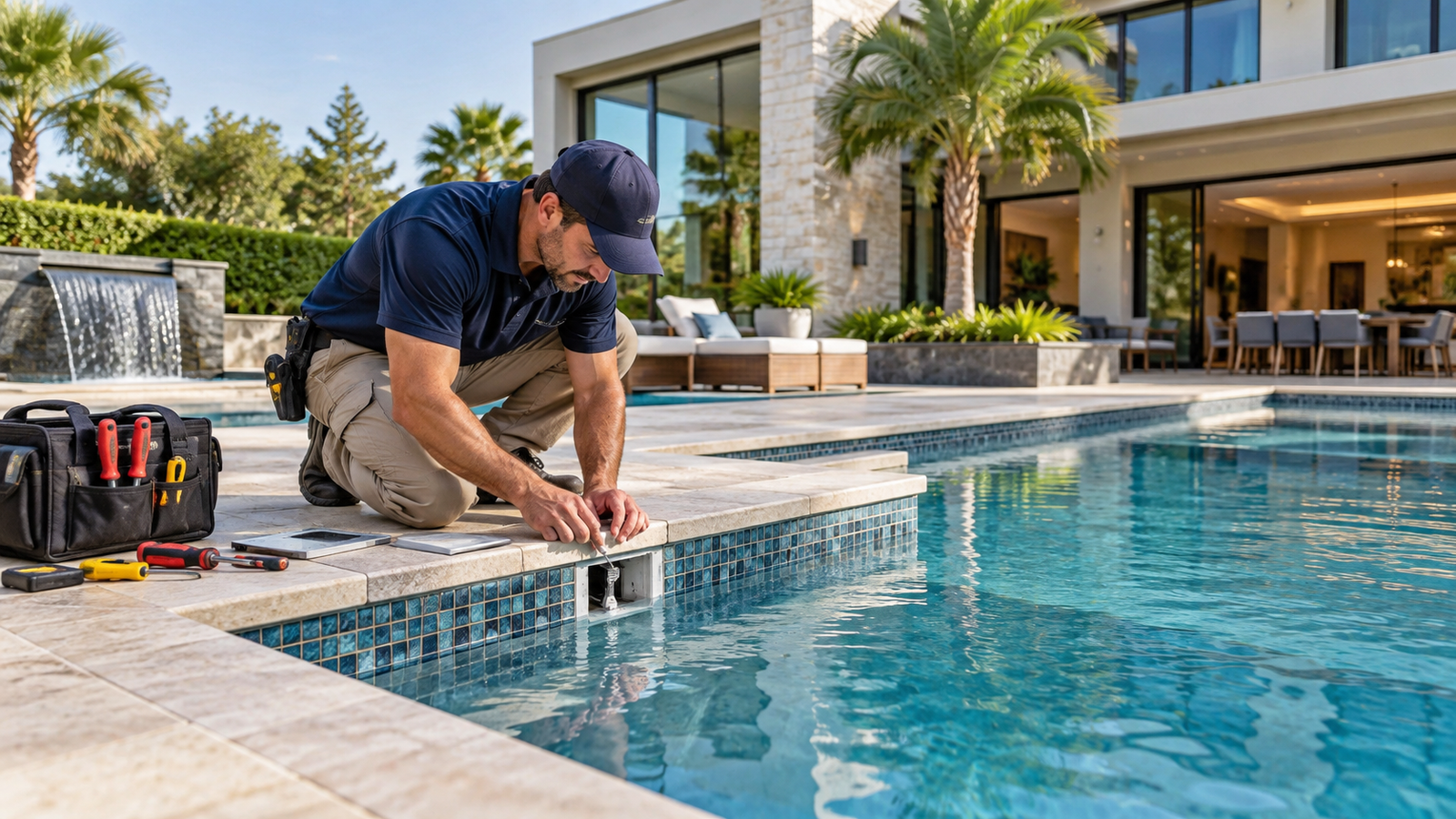
A swimming pool is a valuable addition to a property, but keeping it in good condition requires regular care and attention. Daily use, changing weather conditions, water chemistry, equipment operation, and normal aging can gradually affect the pool structure and its supporting systems. Small cracks, leaks, damaged tiles, worn equipment, and circulation problems may appear minor at first but can become more complicated when they are ignored. Pool repair provides a practical way to address these concerns and restore the proper function of damaged components. A consistent maintenance strategy combined with timely repairs can help preserve the appearance, performance, safety, and long-term value of a swimming pool.
- Understanding the Importance of Pool Maintenance
- Recognizing Early Signs of Damage
- Inspecting the Pool Structure
- Addressing Water Loss
- Maintaining the Pool Pump
- Keeping Filters Efficient
- Inspecting Plumbing and Valves
- Maintaining Pool Heating Equipment
- Caring for Pool Surfaces and Tiles
- Maintaining Pool Decking and Surrounding Areas
- Maintaining Proper Water Chemistry
- Preventing Equipment Damage
- Understanding Electrical Safety
- Creating a Preventive Maintenance Schedule
- Choosing Professional Repair Assistance
- Considering Repair or Replacement
- Managing Long-Term Maintenance Costs
- Protecting the Overall Pool Investment
- Final Thoughts
Understanding the Importance of Pool Maintenance
Regular maintenance is essential because a swimming pool consists of many connected components that must work together. The pump circulates water, the filter removes suspended particles, chemical systems help maintain water quality, and plumbing moves water between different parts of the system. The pool shell, surface, tiles, coping, decking, and equipment also require periodic inspection. Pool repair becomes easier when maintenance routines identify problems before they become severe. Regularly checking the condition of equipment and surfaces can help property owners understand how their pool normally operates and recognize unusual changes that may indicate a developing problem.
Recognizing Early Signs of Damage
Many pool problems provide warning signs before a major failure occurs. Unexpected water loss, unusual pump sounds, reduced water circulation, cloudy water, damaged tiles, cracks, staining, loose fittings, or changes in equipment pressure may all deserve attention. Pool repair can often be more manageable when a problem is identified during its early stages. Waiting until a component completely fails can increase the amount of labor and materials required to restore the system. Property owners should therefore observe both the physical condition of the pool and the behavior of its mechanical equipment. Early identification allows maintenance decisions to be made before a minor concern develops into a larger issue.
Inspecting the Pool Structure
The pool structure is constantly exposed to water pressure, chemicals, temperature changes, and environmental conditions. Depending on construction materials, surfaces may develop cracks, chips, discoloration, rough areas, or other signs of deterioration. Pool repair may involve addressing localized surface damage, restoring damaged areas, or investigating cracks that could indicate a deeper structural concern. Not every imperfection represents a serious problem, so proper assessment is important before deciding on a repair method. Regular inspections can help distinguish normal cosmetic aging from damage that may affect water retention, durability, or the structural performance of the pool.
Addressing Water Loss
Water loss can be caused by normal evaporation, splashing, maintenance activities, or a genuine leak. When water levels drop unusually quickly or require frequent topping up, the cause should be investigated. Pool repair can help correct leaks affecting the pool shell, plumbing, fittings, equipment, or other parts of the circulation system. Finding the source may sometimes be challenging because water can travel through surrounding materials before becoming visible. A professional inspection may be appropriate when simple observations cannot identify the problem. Addressing water loss promptly can help prevent unnecessary water usage and reduce the possibility of moisture-related damage.
Maintaining the Pool Pump
The circulation pump is one of the most important mechanical components because it moves water through the filter, heater, and other parts of the system. Problems may include unusual noises, reduced pressure, overheating, leaks, vibration, or failure to start. Pool repair may involve replacing worn seals, bearings, motors, electrical components, or other parts depending on the cause. Keeping the pump basket clean and ensuring that water can enter the pump properly can help reduce unnecessary strain. If a pump repeatedly develops the same issue, the underlying cause should be investigated instead of repeatedly replacing individual parts without determining why the failure is occurring.
Keeping Filters Efficient
Filters help remove dirt, dust, oils, and other suspended particles from circulating pool water. A dirty or damaged filter can restrict water flow and make the circulation system work harder. Pool repair may be necessary when filter housings, valves, cartridges, internal components, or other parts become damaged. Regular filter maintenance can reduce the likelihood of serious problems and support consistent water circulation. Different filtration systems require different cleaning procedures, so maintenance should be performed according to the specific equipment design. Monitoring pressure readings can also help identify when a filter requires cleaning, inspection, or replacement.
Inspecting Plumbing and Valves
The plumbing system connects the pool to pumps, filters, heaters, drains, and return points. Leaks, damaged pipes, worn seals, faulty valves, and blocked lines can interfere with water movement and may cause equipment to operate inefficiently. Pool repair can include replacing damaged fittings, repairing accessible plumbing, renewing seals, or correcting valve problems. Some leaks may be difficult to locate because sections of plumbing can be installed underground or behind other structures. Visible connections should be inspected regularly for moisture, dripping, corrosion, or other signs of deterioration. Early attention can reduce the risk of a small plumbing issue developing into a more extensive problem.
Maintaining Pool Heating Equipment
Pool heating systems can improve comfort but contain several components that require proper maintenance. Problems may involve sensors, controls, heat exchangers, water flow, electrical connections, or other internal components. A heater that does not maintain the desired temperature or repeatedly shuts down should be inspected rather than continuously restarted. Pool repair involving heating equipment may require specialized knowledge because certain systems involve electrical components, fuel, combustion, and water. Professional service can help identify the actual source of the problem and ensure that repairs are performed according to appropriate safety requirements. Regular inspection can also help identify worn components before they cause complete system failure.
Caring for Pool Surfaces and Tiles
The interior finish of a swimming pool contributes significantly to its appearance and can also affect the feel of the surface during use. Tiles may crack, loosen, stain, or become damaged, while other finishes may develop discoloration, rough areas, or deterioration. Pool repair can involve replacing individual tiles, restoring damaged sections, repairing joints, or addressing broader surface problems. Prompt attention can help prevent loose materials from becoming a safety concern or allowing water to reach vulnerable areas. When replacement materials are needed, selecting compatible products can help preserve the appearance and performance of the existing surface.
Maintaining Pool Decking and Surrounding Areas
The area around a pool is exposed to water, sunlight, foot traffic, temperature changes, and cleaning products. Over time, decking can crack, become uneven, stain, or deteriorate. Damaged areas may create trip hazards and can also interfere with proper drainage around the pool. Pool repair projects may sometimes include work on surrounding surfaces when deterioration affects safety or water management. The appropriate solution depends on the decking material, extent of damage, drainage requirements, and desired appearance. Keeping the surrounding area in good condition is an important part of maintaining the overall functionality and appearance of the pool environment.
Maintaining Proper Water Chemistry
Water chemistry is another important aspect of pool maintenance because improperly balanced water can affect both swimmers and equipment. Poor chemical balance can contribute to scaling, corrosion, staining, cloudy water, and deterioration of certain surfaces. Pool repair may become necessary when prolonged chemical problems contribute to damage affecting equipment or finishes. Regular testing can help property owners monitor important chemical conditions and make appropriate adjustments. Chemical treatment should be combined with effective filtration and circulation because chemicals do not replace the need to physically remove suspended particles. A balanced maintenance routine can help protect both water quality and pool components.
Preventing Equipment Damage
Preventive maintenance can reduce the likelihood of unexpected equipment failure. Pump baskets should be kept clear, filters should be maintained, valves should be inspected, and visible connections should be checked periodically. Pool repair is generally more straightforward when worn or damaged components are identified before they affect connected equipment. Operating pumps, heaters, or filtration systems outside their recommended conditions can increase wear and reduce service life. Property owners should follow equipment instructions regarding operating schedules, cleaning procedures, and maintenance intervals. Keeping equipment areas clean and properly ventilated can also contribute to more reliable operation.
Understanding Electrical Safety
Many pools include electrical equipment such as pumps, heaters, lighting systems, timers, automation controls, and other accessories. Because these components operate near water, electrical maintenance requires particular care. Pool repair involving wiring, control panels, electrical connections, or internal electrical components should be handled by appropriately qualified professionals when specialized knowledge is required. Attempting unfamiliar electrical repairs can create serious safety risks. Regular inspection can help identify visible signs of damage or malfunction, but complex electrical issues should be diagnosed and corrected using appropriate professional procedures. Safety should always take priority when water and electrical systems are involved.
Creating a Preventive Maintenance Schedule
A structured maintenance schedule can make it easier to keep track of the condition of a swimming pool. Regular tasks may include checking water chemistry, cleaning filters, emptying pump baskets, inspecting surfaces, observing water levels, checking equipment performance, and examining visible plumbing connections. Pool repair can then be arranged when inspections reveal issues that require attention. Keeping written records of maintenance activities can help identify recurring problems and provide useful information when professional service is required. A preventive approach is often more effective than waiting until several components fail at the same time. Consistent attention can also make maintenance costs easier to plan.
Choosing Professional Repair Assistance
Some basic pool maintenance tasks can be completed by experienced property owners, but complicated problems may require professional assistance. Structural cracks, underground leaks, electrical faults, major plumbing problems, heater failures, and internal equipment damage can be difficult to diagnose without suitable tools and technical knowledge. Pool repair performed by an experienced professional can help identify the actual cause rather than simply addressing the most visible symptom. When choosing a service provider, property owners can consider experience, workmanship, communication, repair methods, materials, warranties, and maintenance recommendations. Clear explanations can help owners understand what work is necessary and why.
Considering Repair or Replacement
Not every damaged component should be repaired repeatedly. Older pumps, severely damaged filters, extensively corroded parts, deteriorated surfaces, and repeatedly failing equipment may eventually become more practical to replace. Pool repair remains useful when a component is structurally sound and can be restored effectively. However, repeated repairs to an aging component may result in ongoing expenses without providing reliable long-term performance. A professional assessment can help determine whether repair, partial replacement, or complete replacement is appropriate. Considering the age, condition, repair history, and expected future performance of a component can help property owners make practical maintenance decisions.
Managing Long-Term Maintenance Costs
Regular maintenance can help reduce the likelihood of unexpected and expensive failures. Addressing small leaks, worn seals, damaged tiles, clogged filters, and unusual equipment behavior early may prevent additional components from being affected. Pool repair costs can vary depending on the type and extent of damage, so early diagnosis may make it easier to plan necessary work. Property owners can also maintain records of previous repairs, replacement parts, and equipment age to help anticipate future maintenance requirements. Comparing repair options based on durability and long-term value rather than focusing only on initial cost can support better financial planning.
Protecting the Overall Pool Investment
A swimming pool represents an investment in both property value and personal enjoyment, so maintaining its condition is important. Regular inspections and timely attention to problems can help protect the structural components, mechanical equipment, surfaces, and surrounding areas. Pool repair can restore damaged parts while helping prevent small problems from becoming more extensive. Combining repairs with preventive cleaning, water testing, equipment inspections, and professional servicing when necessary creates a more complete maintenance strategy. A proactive approach can also improve the pool’s appearance and reliability while reducing the likelihood of unexpected disruptions during periods when the pool is being used frequently.
Final Thoughts
Regular care is essential for keeping a swimming pool functional, attractive, and dependable over the long term. Pumps, filters, plumbing, heaters, surfaces, tiles, electrical equipment, and surrounding areas can all experience wear through normal use and environmental exposure. Pool repair provides an effective way to address damaged components and restore proper operation when problems occur. By monitoring warning signs, following a consistent maintenance schedule, maintaining appropriate water chemistry, and seeking professional assistance for complicated issues, property owners can protect their pool investment. A proactive maintenance strategy can help extend equipment life, reduce avoidable expenses, and support a cleaner and more enjoyable swimming environment for years to come.

Outdoor Glass Room 2026: Modern Designs, Prices & Installation Guide

Motorized Pergolas Dubai (2026): 7 Designs, Prices & Benefits

Double Glazed Sliding Windows Dubai 2026: Prices & 7 Designs

Alex Pettyfer Net Worth, Wife, Age, Height, Children, Career and More

Brad Williams Net Worth, Wife, Height, Age, Daughter, Family, Career and More

Eldorado.gg Review 2026: How It Works, Safety, Fees, and Risks
-
Celebrity10 months ago
Alex Pettyfer Net Worth, Wife, Age, Height, Children, Career and More
-
Celebrity10 months ago
Brad Williams Net Worth, Wife, Height, Age, Daughter, Family, Career and More
-
Blog1 month ago
Eldorado.gg Review 2026: How It Works, Safety, Fees, and Risks
-
 Anime11 months ago
Sanzoku Bandits of One Piece: Origins, Higuma, and Their Role in Dawn Island
-
 Celebrity10 months ago
John McGinn Net Worth, Age, Height, Wife, Childrens, Career and More
-
 Celebrity10 months ago
Frances de la Tour Net Worth, Age, Height, Husband, Childrens, Career and More
-
 Celebrity10 months ago
Will Trickett Net Worth, Wife, Childrens, Age, Career and More
-
 Blog2 months ago
Crackstube: A Complete Guide to the Digital Publishing Platform