
Health
Can Microneedling Improve Hyperpigmentation and Skin Tone?


Can microneedling improve hyperpigmentation and skin tone? Research suggests that microneedling may help improve certain types of pigmentation and create a more even looking complexion, particularly when it is used as part of a carefully planned treatment approach.
- What Is Hyperpigmentation?
- How Microneedling Works
- Can Microneedling Improve Hyperpigmentation?
- Microneedling and Melasma
- Microneedling for Acne Related Dark Spots
- What About Skin Tone?
- What the Statistics Tell Us
- Is Microneedling Safe for Darker Skin?
- How Many Microneedling Sessions Are Needed?
- What Results Can You Expect?
- Why Sun Protection Matters
- Microneedling and Other Skin Treatments
- Who May Not Be a Good Candidate?
- How to Reduce the Risk of Pigmentation After Treatment
- Final Thoughts
The procedure creates controlled microscopic openings in the skin, which stimulates the body’s natural healing response and collagen production. It has also been studied as a way to enhance the delivery of topical treatments for conditions such as melasma.
However, hyperpigmentation has many possible causes. The right treatment depends on whether discoloration comes from acne, sun exposure, melasma, inflammation, or another condition. Understanding the cause is essential before choosing a procedure.
What Is Hyperpigmentation?
Hyperpigmentation occurs when areas of skin become darker than the surrounding skin because of increased melanin production or accumulation. It can appear as individual dark spots, larger patches, or uneven overall skin tone.
Common causes include acne and other inflammatory skin conditions, ultraviolet exposure, hormonal changes, and physical or chemical irritation. Post inflammatory hyperpigmentation is particularly common after inflammation and occurs more frequently in people with darker skin tones.
| Common Type | Typical Cause | Common Appearance |
| Post inflammatory hyperpigmentation | Acne, irritation, or inflammation | Brown or dark marks |
| Melasma | Hormonal and environmental factors | Larger symmetrical patches |
| Sun related pigmentation | Long term ultraviolet exposure | Brown spots or uneven tone |
| Acne related discoloration | Inflammation following acne | Individual dark marks |
Because these conditions have different causes, a treatment that works for one form of pigmentation may not produce the same results for another.
How Microneedling Works
Microneedling uses a device containing very fine needles to create controlled microscopic punctures in the skin. These small injuries activate the body’s wound healing response, which can stimulate the production of collagen and other structural components.
The American Academy of Dermatology recognizes microneedling as a treatment that can improve uneven skin tone and texture, dark spots, melasma, acne scars, wrinkles, and other concerns. The organization also notes that microneedling can be used safely across all skin tones when performed appropriately.
The procedure does not remove pigment in the same way that some lasers or chemical treatments do. Instead, its effects are associated with controlled skin remodeling and, in some treatment protocols, improved delivery of topical ingredients.
Can Microneedling Improve Hyperpigmentation?
Evidence suggests that microneedling can be useful for certain pigmentation concerns, particularly melasma and pigmentation associated with acne or inflammation.
A systematic review published in 2022 examined randomized clinical trials involving microneedling for melasma. The review evaluated microneedling alone and microneedling combined with topical agents and found evidence supporting its potential role in reducing melasma related pigmentation.
A later systematic review and meta analysis evaluated microneedling as an additional treatment for melasma. The researchers reported that improvements could begin around the fourth week, with the strongest reported results occurring around the twenty fourth week in the studies analyzed.
These findings are encouraging, but they do not mean that microneedling will completely remove pigmentation. Melasma in particular is a chronic condition that can return, so long term management remains important.
Microneedling and Melasma
Melasma usually appears as brown or grayish patches, often on the cheeks, forehead, nose, or upper lip. It can be influenced by hormones, ultraviolet exposure, and visible light.
Microneedling has been studied as both an independent treatment and as a method for helping topical agents penetrate the skin. The latter approach is especially relevant because some clinical studies have examined microneedling combined with agents used for pigmentation management.
One systematic review of clinical studies reported reductions in Melasma Area and Severity Index scores across different microneedling protocols. However, the studies varied considerably in technique, treatment frequency, needle depth, and accompanying products, which makes it difficult to establish one universal protocol.
| Evidence Area | What Research Shows |
| Melasma | Potential improvement in pigmentation |
| Topical delivery | Microneedling may enhance penetration of selected agents |
| Time to improvement | Changes may become noticeable after several weeks |
| Longer term results | Continued management may be necessary |
| Treatment protocol | Varies between studies |
Microneedling for Acne Related Dark Spots
Acne can leave behind dark marks even after the active blemish has disappeared. These marks are commonly classified as post inflammatory hyperpigmentation.
Microneedling is particularly well known for treating acne scars and uneven texture. Its ability to stimulate collagen makes it useful when pigmentation occurs alongside depressed acne scars or rough skin texture.
A randomized clinical trial comparing microneedling with a nonablative fractional laser for atrophic acne scars included 46 participants. Both groups received three monthly treatment sessions. The study described microneedling as a promising option with relatively quick healing and a low risk of post inflammatory hyperpigmentation compared with the laser treatment evaluated.
A separate systematic review and meta analysis of randomized controlled trials found microneedling to be a favorable option for acne scar treatment and reported no cases of post inflammatory hyperpigmentation within the pooled microneedling studies included in that analysis.
This does not mean pigmentation cannot occur after microneedling. Individual risk depends on skin characteristics, treatment settings, technique, aftercare, and the presence of existing inflammation.
What About Skin Tone?
Uneven skin tone can result from several factors occurring at the same time. Pigmentation may be accompanied by rough texture, acne scars, enlarged pores, or visible signs of aging.
Because microneedling stimulates collagen remodeling, improving texture may make the complexion appear smoother and more uniform. The American Academy of Dermatology lists uneven skin tone and texture among the concerns for which dermatologists may use microneedling.
The improvement is gradual rather than immediate. The skin needs time to complete the healing and remodeling process after treatment.
What the Statistics Tell Us
Clinical research provides useful context for understanding the potential of microneedling.
| Research Finding | Result |
| Participants in one randomized acne scar trial | 46 |
| Sessions in that trial | 3 |
| Treatment interval in that trial | Monthly |
| Studies in a systematic review of post inflammatory hyperpigmentation | 48 |
| People represented in that review | 1,356 |
| Face involvement in that review | 83% |
| Cases precipitated by inflammatory conditions | 89% |
The post-inflammatory hyperpigmentation review also found that 40 percent of the participants were Fitzpatrick skin type IV, 34 percent were type V, and 6 percent were type VI. This is significant because pigmentation concerns can be particularly important when treating darker skin tones.
These numbers demonstrate that hyperpigmentation is common and that treatment needs to account for differences in skin type and the underlying cause.
Is Microneedling Safe for Darker Skin?
Microneedling is considered suitable for people with all skin tones when properly performed. The American Academy of Dermatology notes that the procedure can be safely used across different skin tones.
However, people with darker skin can be more susceptible to post inflammatory hyperpigmentation after skin inflammation or injury. A 2024 systematic review of post inflammatory hyperpigmentation found that the condition has a heightened occurrence among people with darker skin tones.
This makes treatment planning particularly important. The provider should assess existing pigmentation, inflammation, skin sensitivity, recent sun exposure, and previous reactions before performing the procedure.
How Many Microneedling Sessions Are Needed?
There is no single number of sessions that applies to everyone. The number depends on the concern being treated, its severity, the treatment method, and how the skin responds.
The American Academy of Dermatology notes that people may need multiple microneedling treatments to achieve their desired results. For acne scars, it gives an example of three to five treatments performed every two to four weeks.
Pigmentation treatment can follow a different schedule. Your provider may allow sufficient recovery between appointments and adjust the plan according to the skin’s response.
What Results Can You Expect?
Microneedling results develop gradually. Immediately after treatment, the skin may look red or feel sensitive. These temporary effects generally settle within several days to about a week.
As collagen remodeling continues, improvements in texture and overall appearance can become more noticeable. The American Academy of Dermatology states that some people see improvement within several weeks, while full results can take several months.
| Stage | What May Happen |
| Immediately after treatment | Redness and sensitivity may occur |
| First several days | Skin begins recovering |
| Several weeks | Early improvements may become visible |
| Several months | Continued collagen remodeling may improve results |
Individual outcomes vary, particularly when pigmentation is involved.
Why Sun Protection Matters
Sun exposure can contribute to pigmentation and can make existing discoloration more difficult to manage. This is particularly relevant when treating melasma and post inflammatory hyperpigmentation.
The American Academy of Dermatology recommends protecting skin from the sun when addressing dark spots. Identifying and addressing the cause of pigmentation is also an important part of treatment.
After microneedling, following professional aftercare instructions is especially important because treated skin is temporarily more sensitive.
Microneedling and Other Skin Treatments
Microneedling does not have to be considered in isolation. Depending on the skin concern, a professional may discuss other treatments as part of an overall plan.
For people interested in improving texture, scars, and overall skin appearance, professional microneedling treatment can be considered after an assessment of individual skin needs.
Chemical exfoliation is another approach used for selected pigmentation and texture concerns. The suitability of a chemical peel depends on the cause of discoloration, skin type, and treatment history. A comparison of microneedling and chemical peels for acne scars can help explain how the two procedures differ.
People who want to build a broader professional skincare routine can also explore facial services designed around different skin care needs.
Who May Not Be a Good Candidate?
Microneedling is not appropriate for everyone at every point in time. The American Academy of Dermatology advises against treatment for people with certain conditions, including a weakened immune system, a history of keloid scarring, active skin infections, and some active acne lesions. Treatment may also need to be postponed after significant sun exposure or while taking certain medications.
A professional assessment is therefore important before treatment. Existing pigmentation should be evaluated rather than assuming that every dark spot is suitable for microneedling.
How to Reduce the Risk of Pigmentation After Treatment
Although microneedling can be used for people with darker skin tones, unnecessary inflammation should be avoided.
Important considerations include choosing appropriate treatment settings, allowing adequate recovery between sessions, protecting the skin from ultraviolet exposure, and following the recommended aftercare routine.
The procedure should also be performed by a trained professional who understands how different skin types may respond to controlled skin injury.
Final Thoughts
So, can microneedling improve hyperpigmentation and skin tone? Current research suggests that it can help with certain forms of pigmentation, particularly melasma and discoloration associated with acne and inflammation. Research also supports its role in improving uneven texture and stimulating collagen production.
However, microneedling is not a universal treatment for every dark spot. Hyperpigmentation can have different causes, and the treatment approach should reflect the underlying condition.
Research continues to evaluate microneedling alone and in combination with topical treatments. Existing evidence is promising, but studies differ in treatment methods and quality, so results should be considered on an individual basis.
A professional consultation can help determine whether microneedling is appropriate for your skin, what type of pigmentation you have, and whether another treatment may be more suitable.


Mental health is an important part of overall well-being, yet many people delay seeking support when dealing with stress, relationship difficulties, anxiety, or major life changes. Balancing work, family responsibilities, and personal expectations can become overwhelming without the right coping strategies. Professional counseling provides a supportive environment where individuals and families can understand their challenges, develop healthier habits, and work toward meaningful improvements.
- Understanding the Value of Professional Counseling
- How to Choose the Right Counseling Support
- 1. Identify Your Main Concerns
- 2. Review Professional Qualifications
- 3. Consider Accessibility and Comfort
- 4. Establish Realistic Expectations
- Understanding Professional Supervision in Texas
- Common Challenges and Practical Solutions
- Frequently Asked Questions
- How do I know if counseling is right for me?
- How long does counseling usually take?
- What does an LPC supervisor do in Texas?
- Can professional supervision improve counseling skills?
- Conclusion
Whether someone is experiencing a temporary setback or facing ongoing emotional difficulties, finding the right professional support can make a significant difference. Understanding available services and the qualifications of mental health professionals is a useful first step.
Understanding the Value of Professional Counseling
Counseling offers individuals a confidential space to discuss personal concerns without fear of judgment. A trained counselor can help clients identify emotional patterns, explore difficult experiences, and develop practical ways to manage everyday challenges.
People may seek counseling for several reasons, including:
- Anxiety, stress, and persistent worry
- Depression and emotional difficulties
- Family conflicts and communication problems
- Relationship challenges and life transitions
- Parenting concerns and behavioral difficulties
- Grief, loss, and personal adjustment
For families in North Texas, accessing reliable counseling fort worth services can provide guidance tailored to individual circumstances. Professional support can also help family members understand one another’s perspectives and establish healthier communication patterns.
How to Choose the Right Counseling Support
Not every counseling approach works equally well for everyone. Finding a suitable professional involves considering personal needs, treatment preferences, and the type of support required.
1. Identify Your Main Concerns
Start by understanding what you want to address. For example, someone experiencing workplace stress may benefit from developing emotional regulation and coping strategies, while a family experiencing frequent disagreements may need support with communication and conflict resolution.
2. Review Professional Qualifications
Check the counselor’s education, professional credentials, relevant experience, and areas of specialization. It is also important to understand whether the provider has experience working with individuals, couples, children, or families.
3. Consider Accessibility and Comfort
Location, appointment availability, costs, and communication style can influence the counseling experience. Feeling comfortable discussing personal concerns is essential for building a productive therapeutic relationship.
4. Establish Realistic Expectations
Counseling is a process rather than an instant solution. Progress may involve learning new skills, practicing healthier responses, and gradually addressing underlying concerns.
Understanding Professional Supervision in Texas
Quality mental health care depends not only on individual counseling skills but also on appropriate professional education and supervision. In Texas, Licensed Professional Counselor (LPC) credentials are regulated by the Texas Behavioral Health Executive Council.
Individuals pursuing this professional pathway must meet applicable education, examination, supervised experience, and licensing requirements.
Why LPC Supervision Matters
Professional supervision helps developing counselors strengthen their clinical judgment, ethical awareness, and practical counseling skills.
A qualified supervisor can help supervisees:
- Understand professional boundaries and ethical responsibilities.
- Improve assessment and treatment-planning abilities.
- Develop confidence in clinical decision-making.
- Recognize challenging situations and appropriate responses.
- Build skills through professional feedback and guidance.
For professionals researching how to become an LPC in Texas, understanding supervision requirements is particularly important. Structured training can also help eligible professionals prepare for supervisory responsibilities and understand the standards expected in clinical practice.
Common Challenges and Practical Solutions
Starting counseling or pursuing professional development can come with questions.
Challenge: Feeling uncomfortable discussing personal issues.
Solution: Begin with smaller concerns and communicate openly about what makes you uncomfortable. Trust develops over time.
Challenge: Finding time for appointments.
Solution: Explore available scheduling arrangements and ask providers about appointment flexibility.
Challenge: Understanding licensing requirements.
Solution: Review current guidance from the Texas Behavioral Health Executive Council and seek clarification from an appropriately qualified professional.
Frequently Asked Questions
How do I know if counseling is right for me?
If emotional difficulties, relationship problems, or stress are affecting your daily life, counseling may provide useful support.
How long does counseling usually take?
Duration varies depending on individual goals, concerns, treatment approaches, and progress. Some people benefit from short-term support, while others require longer-term care.
What does an LPC supervisor do in Texas?
An LPC supervisor provides professional guidance to eligible counselors working toward licensure, helping them develop clinical skills and meet applicable supervision requirements.
Can professional supervision improve counseling skills?
Yes. Appropriate supervision encourages ethical practice, professional development, stronger clinical judgment, and continuous learning.
Conclusion
Emotional wellness and professional development both require commitment, guidance, and access to reliable resources. Counseling can help individuals and families navigate difficult experiences, strengthen relationships, and develop healthier coping strategies. Similarly, structured supervision supports aspiring mental health professionals as they build the knowledge and skills needed for responsible practice.
Taking the time to choose qualified support and understand professional requirements can create a stronger foundation for personal growth and a more confident future.

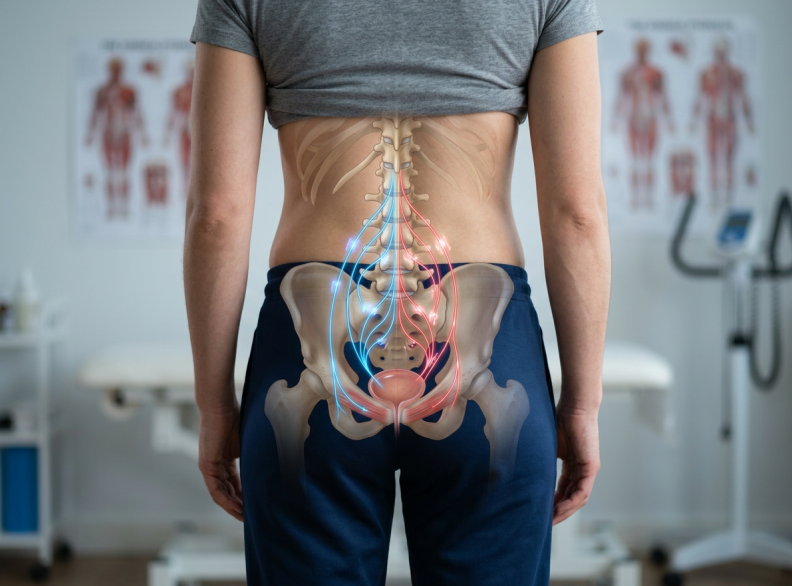
Clinical Evidence for Holistic Acupuncture Bladder Control
The scientific community has increasingly turned its attention to acupuncture as a potential therapeutic option for bladder control issues, particularly overactive bladder (OAB) and stress urinary incontinence (SUI). Numerous systematic reviews and meta-analyses, which synthesize data from multiple clinical trials, provide a comprehensive picture of its efficacy. While the quality of evidence can vary, consistent patterns suggest acupuncture’s beneficial role.
- Clinical Evidence for Holistic Acupuncture Bladder Control
- Acupuncture Compared to Sham and Placebo Interventions
- Table 1: Comparative Efficacy and Safety for Overactive Bladder
- Acupuncture versus Standard Pharmacotherapy
- Synergistic Benefits of Combination Therapies
- Physiological Mechanisms Behind Bladder Modulation
- Understanding Holistic Acupuncture Bladder Control Mechanisms
- Traditional Meridian Pathways and Kidney Qi
- Standardized Clinical Protocols and Key Acupoints
- Essential Acupoints for Bladder and Pelvic Support
- List of Primary Local and Distal Acupoints for Bladder Control:
- Integrating Holistic Acupuncture Bladder Control with Pelvic Floor Rehabilitation
- Safety Profile, Adverse Events, and Practical Considerations
- Practical Considerations for Patients:
- Frequently Asked Questions About Bladder Control and Acupuncture
- How many sessions are required to notice improvements in bladder symptoms?
- What are the common side effects associated with acupuncture for incontinence?
- Can electroacupuncture replace prescription medications for overactive bladder?
- Conclusion
A significant 2022 review, which analyzed 30 different studies, concluded that acupuncture offers more benefits than placebo or sham acupuncture in alleviating OAB symptoms. Furthermore, this review indicated that acupuncture could reduce OAB symptoms as effectively as conventional medication. Another 2022 review, encompassing 11 studies, echoed this sentiment, suggesting with low certainty evidence that acupuncture might even be slightly more effective than medication for improving or curing OAB symptoms. These findings highlight acupuncture’s potential as a viable treatment, either as a standalone therapy or as part of an integrated approach.
The confidence in these findings is often assessed using systems like GRADE (Grades of Recommendation, Assessment, Development and Evaluation), which evaluates the quality of evidence. Many studies on acupuncture for bladder control, while promising, are often limited by small sample sizes, varying methodologies, and potential risks of bias, leading to overall low to very low GRADE evidence. This underscores the need for more large-scale, high-quality randomized controlled trials to solidify these conclusions. Nevertheless, the existing body of research offers valuable insights into its comparative effectiveness and safety.
Acupuncture Compared to Sham and Placebo Interventions
One of the critical steps in evaluating any intervention is comparing it against a sham or placebo. This helps distinguish the specific physiological effects of the treatment from the general therapeutic effects that can arise from patient expectation or the act of receiving care. For acupuncture, sham interventions typically involve non-penetrating needles or needling at non-acupuncture points.
Several studies have investigated acupuncture against sham controls for OAB. A 2018 review of 10 randomized controlled trials, for instance, found electroacupuncture to be more successful than placebo acupuncture in improving OAB symptoms. This suggests that the electrical stimulation, in addition to needle insertion, may play a role in enhancing therapeutic outcomes.
A randomized controlled trial conducted in Hong Kong, published in 2020, provided interesting insights. It involved 100 participants with OAB, comparing active acupuncture to sham acupuncture over 16 sessions. Both groups showed significant reductions in urgency urinary incontinence and overall urinary frequency compared to baseline. However, active acupuncture demonstrated a greater reduction in night-time urinary frequency (nocturia) than sham acupuncture. For most other outcomes, the differences between active and sham acupuncture were not statistically significant, underscoring the powerful placebo effect often observed in acupuncture studies. This highlights that while acupuncture has specific effects, the therapeutic context and patient belief also contribute significantly to symptom improvement.
Table 1: Comparative Efficacy and Safety for Overactive Bladder
Treatment Category Efficacy vs. Placebo/Sham Efficacy vs. Drug Therapy Adverse Event Incidence Quality of Evidence (GRADE) Acupuncture (Manual/EA) More beneficial (OABSS, UF) Comparable (OABSS, UF) Significantly lower (RR 0.39) Low to Very Low Sham Acupuncture Baseline improvement N/A Very low N/A Standard Drug Therapy N/A Comparable to Acupuncture Higher Moderate to High OABSS: Overactive Bladder Symptom Score; UF: Urinary Frequency; EA: Electroacupuncture; RR: Risk Ratio
Acupuncture versus Standard Pharmacotherapy
For many individuals with OAB, standard treatment often involves anticholinergic or antimuscarinic medications, such as solifenacin. While these drugs can be effective, they are frequently associated with side effects like dry mouth, constipation, blurred vision, and in older patients, cognitive impairment. These adverse effects often lead to poor treatment adherence, with adherence rates dropping to 17–35% after just one year. This creates a significant need for alternative or complementary therapies with better tolerability profiles.
Research suggests that acupuncture can stand up to these conventional drug therapies. The 2022 review of 30 studies, for example, found that acupuncture reduced OAB symptoms as effectively as medication. Crucially, acupuncture showed a significantly lower incidence of adverse events compared to drug therapy (Risk Ratio: 0.39, 95% CI: 0.16 to 0.93, p = 0.03). This means patients receiving acupuncture were less than half as likely to experience adverse events compared to those on medication.
A randomized, placebo-controlled clinical trial specifically compared acupuncture to solifenacin for OAB treatment. The study found that both acupuncture and solifenacin significantly improved OAB symptom scores and quality of life. While solifenacin often showed a slightly stronger effect in some metrics, acupuncture was highly effective and notably reduced urine nerve growth factor (NGF) levels, a biomarker associated with OAB symptoms, suggesting a physiological impact. The authors concluded that acupuncture could be a viable option for OAB patients who cannot tolerate or prefer to avoid anticholinergic medications. This makes acupuncture an attractive alternative, particularly for those sensitive to drug side effects or seeking non-pharmacological approaches.
Synergistic Benefits of Combination Therapies
Beyond its standalone effects, acupuncture also shows promise when combined with other treatments, offering synergistic benefits that can enhance overall outcomes. This integrative approach leverages the strengths of different modalities to provide more comprehensive care.
One notable finding from the 2022 review of 30 studies was that acupuncture combined with drug therapy had a more favorable effect than drug therapy alone. Specifically, the combination therapy led to a greater reduction in OABSS (Mean Difference: −2.28, 95% CI: −3.25 to −1.31, p < 0.00001) and urinary frequency (Mean Difference: −2.34, 95% CI: −3.29 to −1.38, p < 0.00001). This suggests that acupuncture can act as an effective adjuvant therapy, boosting the benefits of conventional medication without necessarily increasing side effects.
Furthermore, acupuncture can be effectively integrated with non-pharmacological interventions. A clinical study on female stress urinary incontinence (SUI) investigated the combination of acupuncture with biofeedback electrical stimulation. While acupuncture alone improved symptoms and quality of life, the combined approach yielded the most impressive results, achieving a 96.7% treatment efficiency. This combined therapy significantly improved pelvic floor muscle strength, reduced urine leakage, and improved patient questionnaire scores more than either treatment alone.
For individuals seeking a comprehensive approach to bladder wellness, exploring a combination of therapies can be highly beneficial. This might include integrating acupuncture with pelvic floor physical therapy, lifestyle modifications, or even conventional medication under the guidance of a healthcare provider. Such an integrative strategy, often referred to as a holistic acupuncture bladder control approach, aims to address the multifaceted nature of bladder dysfunction. For those interested in exploring these integrated strategies, resources like holistic acupuncture bladder control can offer further guidance and information on personalized treatment plans. The goal is to optimize symptom management and improve overall quality of life by leveraging the best aspects of various evidence-based interventions.
Physiological Mechanisms Behind Bladder Modulation
Understanding how acupuncture influences bladder function moves us beyond simply observing its effects to comprehending the underlying biological processes. While traditional Chinese medicine (TCM) explains acupuncture through concepts like Qi and meridians, modern science seeks to identify neurophysiological pathways that mediate its therapeutic actions.
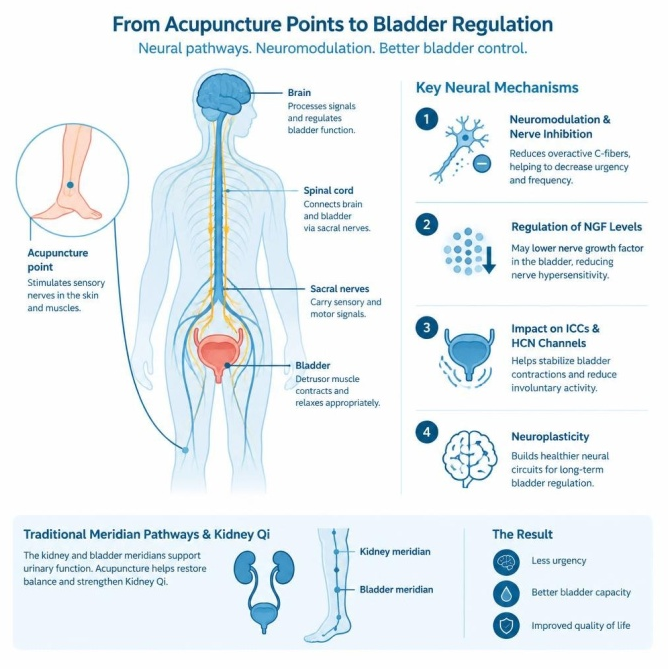
The bladder and pelvic floor are intricately connected to the central nervous system, particularly via the sacral nerves. Acupuncture is believed to exert its effects through neuromodulation, essentially “re-tuning” the nervous system’s control over bladder function. This involves influencing the sacral reflex pathways, which govern bladder filling and emptying, as well as modulating afferent (sensory) signaling from the bladder to the brain. By impacting these pathways, acupuncture can help regulate detrusor muscle contractions, reduce urgency, and improve bladder capacity.
Understanding Holistic Acupuncture Bladder Control Mechanisms
Modern research points to several key mechanisms through which acupuncture may help regulate bladder function:
- Neuromodulation and Nerve Inhibition: Acupuncture stimulates sensory nerves in the skin and muscles, which then transmit signals to the spinal cord and brain. This can lead to the modulation of various neurotransmitters and neuropeptides. Specifically, acupuncture has been shown to modulate nerves, inhibiting certain C-fibers. C-fibers are unmyelinated nerve fibers that transmit sensations like pain, temperature, and visceral stretch. In OAB, these fibers can become overactive, leading to heightened bladder sensation and urgency. By inhibiting these fibers, acupuncture may reduce the number of spontaneous contractions in the bladder, decreasing urgency and frequency.
- Regulation of Nerve Growth Factor (NGF) Levels: Nerve Growth Factor (NGF) is a protein that plays a crucial role in the growth, maintenance, and survival of neurons. Elevated levels of NGF in the bladder and urine are often associated with OAB symptoms, as NGF can promote nerve hypersensitivity and detrusor overactivity. The randomized controlled trial comparing acupuncture to solifenacin found that acupuncture led to a significant decrease in urine NGF levels. This suggests that acupuncture may directly impact the neurochemical environment of the bladder, reducing nerve hypersensitivity and improving bladder control.
- Impact on Interstitial Cells of Cajal (ICCs) and HCN Channels: Some research suggests acupuncture may influence interstitial cells of Cajal (ICCs), which are pacemaker cells in the bladder wall that help regulate detrusor muscle contractions. By modulating the activity of these cells, and potentially related ion channels like HCN channels, acupuncture could help stabilize bladder function and reduce involuntary contractions.
- Neuroplasticity: Acupuncture’s long-term effects may also involve neuroplasticity – the brain’s ability to reorganize itself by forming new neural connections. Repeated acupuncture stimulation could lead to lasting changes in the neural circuits controlling the bladder, improving its overall function and regulation over time.
Traditional Meridian Pathways and Kidney Qi
From the perspective of Traditional Chinese Medicine (TCM), bladder control issues are often understood as imbalances in the body’s vital energy, or Qi, flowing through specific meridian pathways. The kidney and bladder meridians are central to urinary function. In TCM, the Kidneys are considered the “root of life” and govern water metabolism, reproduction, and bone health. A deficiency in Kidney Qi is frequently cited as a primary cause of urinary incontinence and OAB, leading to symptoms like frequent urination, urgency, and leakage.
Acupuncture aims to restore balance to these meridian pathways and strengthen the Kidney Qi. By stimulating specific acupoints along these meridians, practitioners seek to:
- Strengthen Kidney Qi: This is believed to enhance the bladder’s ability to store urine and control its release.
- Regulate Spleen Qi: The Spleen is involved in transforming and transporting fluids, and its dysfunction can contribute to dampness or fluid retention, impacting bladder function.
- Harmonize Liver Qi: Liver Qi stagnation can manifest as irritability and urgency, which are common OAB symptoms.
While modern science focuses on neurophysiological mechanisms, TCM provides a holistic framework for diagnosis and treatment, guiding acupoint selection and overall treatment strategy. The efficacy observed in clinical trials can be seen as the modern scientific validation of these ancient principles.
Standardized Clinical Protocols and Key Acupoints
For acupuncture to be an effective and reproducible treatment, establishing standardized clinical protocols is crucial. This includes guidance on treatment frequency, session duration, needle retention time, and the selection of specific acupoints. While individual treatment plans are always tailored to the patient, certain points and protocols have shown consistent efficacy in research for bladder control issues.
Essential Acupoints for Bladder and Pelvic Support
Acupoint selection for OAB and SUI often involves a combination of local points (near the bladder or sacrum) and distal points (on the limbs), reflecting both the direct anatomical connections and the meridian pathways.
Based on numerous studies and reviews, the most commonly chosen and effective acupoints for bladder control include:
- SP6 (Sanyinjiao – Spleen 6): Located on the inner ankle, this point is highly effective for various gynecological and urological conditions. It appeared in 6 out of 6 reviewed studies for OAB treatment, highlighting its importance.
- CV4 (Guanyuan – Conception Vessel 4): Situated on the lower abdomen, this point is a key point for strengthening Kidney Qi and regulating the lower jiao (lower abdomen), which includes the bladder.
- KI3 (Taixi – Kidney 3): Located on the inner ankle, this point nourishes Kidney Yin and strengthens Kidney Qi, crucial for bladder function.
- BL23 (Shenshu – Bladder 23): Located on the lower back, this is a back-shu point for the Kidneys, directly influencing kidney and bladder function.
- BL28 (Pangguangshu – Bladder 28): Another back-shu point, specifically for the bladder, located on the sacrum.
- BL32 (Ciliao – Bladder 32): A sacral point that directly influences the sacral nerves, which innervate the bladder. This is a common point for electroacupuncture.
- BL33 (Zhongliao – Bladder 33) & BL35 (Huiyang – Bladder 35): Other sacral points often used in electroacupuncture protocols for SUI.
- CV3 (Zhongji – Conception Vessel 3): Located on the lower abdomen, another important point for bladder function.
- SP4 (Gongsun – Spleen 4): A distal point that can help regulate the spleen and stomach, impacting fluid metabolism.
List of Primary Local and Distal Acupoints for Bladder Control:
- SP6 (Sanyinjiao) – Inner ankle, highly versatile for urogenital issues.
- CV4 (Guanyuan) – Lower abdomen, strengthens Kidney Qi.
- KI3 (Taixi) – Inner ankle, nourishes Kidney Yin.
- BL23 (Shenshu) – Lower back, influences kidney/bladder.
- BL28 (Pangguangshu) – Sacrum, direct bladder influence.
- BL32 (Ciliao) – Sacrum, neuromodulation of sacral nerves.
- BL33 (Zhongliao) – Sacrum, often used with electroacupuncture.
- BL35 (Huiyang) – Sacrum, often used with electroacupuncture.
- CV3 (Zhongji) – Lower abdomen, regulates bladder.
- SP4 (Gongsun) – Foot, fluid metabolism.
For electroacupuncture, lumbosacral points like BL23, BL26, BL32, BL33, and BL35 are frequently stimulated with a mild electric current. Abdominal points such as CV4, CV6, CV10, CV12, and KD13 are also used to improve urethral closure mechanics, particularly for SUI.
Integrating Holistic Acupuncture Bladder Control with Pelvic Floor Rehabilitation
For optimal results, acupuncture is often administered as part of a structured treatment course. Research suggests that for OAB, the treatment course should be no less than 4 weeks, with a frequency of no less than once a week. Each session should last no less than 20 minutes, with some protocols extending to 30 minutes or more. For conditions like SUI, protocols might involve 18 sessions over a 6-week timeframe for optimal symptom reduction.
Integrating acupuncture with other pelvic floor rehabilitation strategies can further enhance outcomes. This includes:
- Pelvic Floor Muscle Training (PFMT) / Kegel Exercises: These exercises strengthen the muscles that support the bladder and urethra. Combining electroacupuncture with Kegel exercises has been shown to maximize functional recovery for SUI.
- Biofeedback Stimulation: As discussed, combining acupuncture with biofeedback electrical stimulation can lead to superior improvements in muscle strength and reduced leakage.
- Voiding Diaries: Patients are often encouraged to keep 3-day voiding diaries before, during, and after treatment. This objective measurement helps track improvements in urinary frequency, urgency, and volume, providing valuable feedback on treatment effectiveness.
- Functional Recovery: The ultimate goal is not just symptom reduction but improved functional recovery, allowing individuals to resume normal activities without the constant worry of bladder issues.
This integrated approach, encompassing precise acupoint selection, consistent treatment protocols, and complementary rehabilitation techniques, forms the cornerstone of effective holistic acupuncture bladder control.
Safety Profile, Adverse Events, and Practical Considerations
When considering any medical intervention, safety is paramount. Acupuncture, especially when performed by a qualified and licensed practitioner, boasts a remarkably low risk profile, making it an attractive option for many individuals seeking relief from bladder control issues.
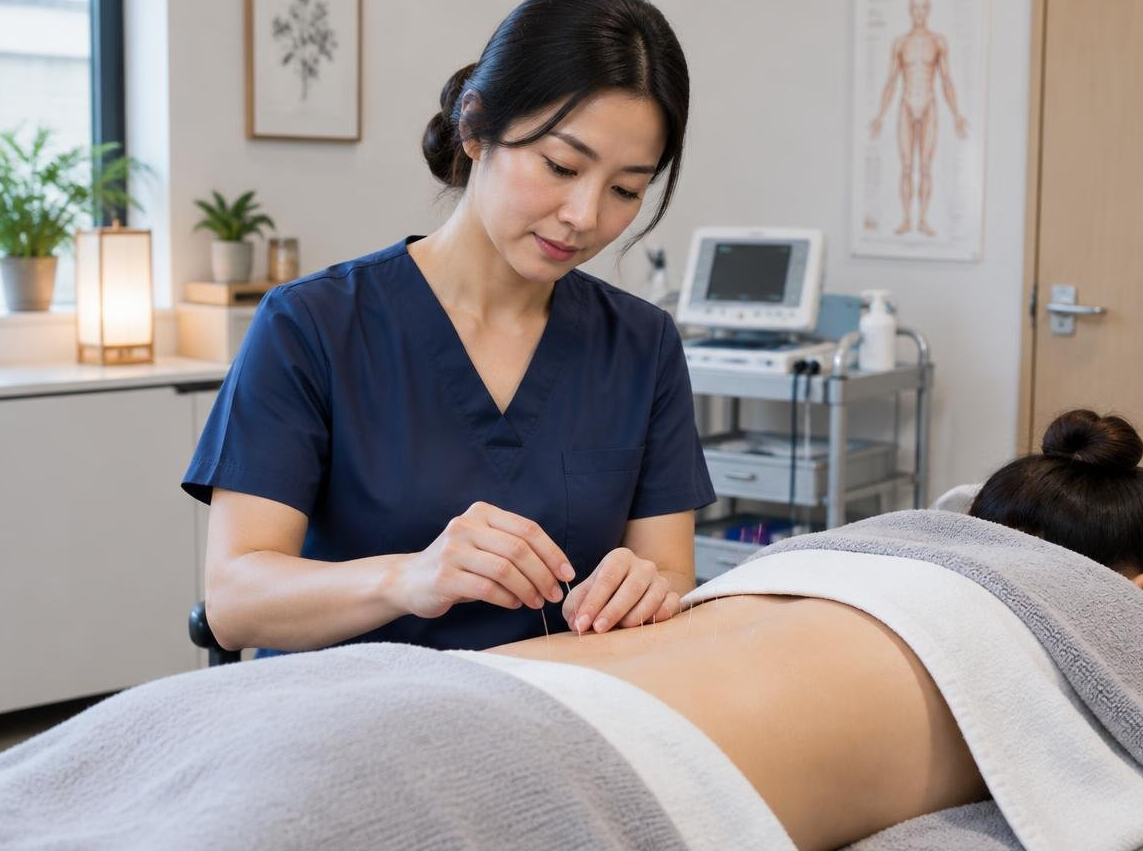
The incidence of adverse events with acupuncture is significantly lower than with many conventional drug therapies for OAB. As noted in a 2022 review, acupuncture showed a significantly lower incidence of adverse events compared to drug therapy (RR: 0.39). This means that patients undergoing acupuncture were far less likely to experience side effects than those taking medication.
Common adverse events, when they occur, are typically mild and transient:
- Minor Bruising or Bleeding: Small bruises or drops of blood at the needle insertion site are possible, but usually resolve quickly.
- Transient Soreness or Discomfort: Some individuals may experience mild soreness or a dull ache during or immediately after needle insertion, often described as the “De Qi” sensation, which is considered a sign of effective stimulation.
- Skin Reactions: Very rarely, minor skin irritation or a localized allergic reaction to the adhesive tape used to secure needles can occur.
Serious adverse events, such as infection or organ puncture, are exceedingly rare when acupuncture is performed by a properly trained and licensed professional who adheres to strict hygiene standards, including the use of sterile, single-use needles. The overall rate of non-serious adverse events is reported to be low, typically between 10-100 per 10,000 treatments.
Practical Considerations for Patients:
- Qualified Practitioner: It is crucial to seek treatment from a licensed and experienced acupuncturist. In many regions, this means ensuring the practitioner is registered with a recognized professional body (e.g., British Acupuncture Council, national licensing boards). They should have specific experience in treating urological or pelvic health conditions.
- Sterile Environment: Ensure the clinic maintains a clean and sterile environment. All needles should be sterile, single-use, and immediately disposed of after treatment.
- Open Communication: Discuss any pre-existing medical conditions, medications, or concerns with your acupuncturist. They should conduct a thorough intake to ensure acupuncture is appropriate for you.
- Monitoring: While adverse events are rare, report any unusual or persistent symptoms to your practitioner.
Clinical Contraindications: While acupuncture is generally safe, certain conditions may require caution or contraindicate its use, such as severe bleeding disorders, active infections at the needle sites, or certain types of pacemakers (especially with electroacupuncture). A qualified practitioner will screen for these during the initial consultation.
For individuals with bladder control issues, the low risk profile of acupuncture makes it an appealing option, particularly for those who have experienced adverse effects from medications or are looking for a non-pharmacological approach.
Frequently Asked Questions About Bladder Control and Acupuncture
Many individuals considering acupuncture for bladder control have practical questions about what to expect. Here, we address some common inquiries based on current research and clinical practice.
How many sessions are required to notice improvements in bladder symptoms?
The timeline for noticing improvements can vary among individuals, but research provides some general guidance. Many patients report initial symptom relief within the first few sessions. For a sustained and more significant effect, a consistent treatment course is typically recommended.
- Minimum Course: Studies suggest a minimum treatment course of no less than 4 weeks, with sessions occurring at least once a week.
- Optimal Protocols: Some clinical trials, particularly for OAB, have used protocols involving 16 sessions over 8 weeks (twice weekly) to achieve significant and lasting improvements, with effects persisting for at least 12 weeks post-treatment.
- Individual Variation: Factors such as the severity and duration of symptoms, individual response to treatment, and adherence to lifestyle recommendations can influence the total number of sessions needed. Your acupuncturist will develop a personalized treatment plan and monitor your progress using tools like voiding diaries and symptom questionnaires.
It’s important to view acupuncture as a cumulative therapy, meaning the benefits often build up over time rather than appearing instantly after a single session.
What are the common side effects associated with acupuncture for incontinence?
Acupuncture is generally considered a very low-risk treatment when performed by a qualified professional. The side effects are typically mild and transient:
- Minor Bruising or Bleeding: Small bruises or a tiny spot of blood at the needle insertion site are the most common occurrences. These usually resolve quickly.
- Transient Soreness or Discomfort: Some patients may experience mild soreness, a dull ache, or a tingling sensation at the needle site during or immediately after the session. This “De Qi” sensation is often considered a sign that the acupuncture point has been effectively stimulated.
- Fatigue or Lightheadedness: A small number of individuals might feel slightly fatigued or lightheaded after a session, especially their first few. This usually passes quickly.
- Skin Reactions: Very rarely, mild skin irritation or an allergic reaction to the adhesive tape (if used) can occur.
Compared to the side effects associated with many medications for bladder control (e.g., dry mouth, constipation, cognitive impairment), acupuncture’s adverse event profile is significantly more favorable. Serious adverse events are extremely rare and almost always linked to improper technique or non-sterile practices.
Can electroacupuncture replace prescription medications for overactive bladder?
The question of whether electroacupuncture can replace prescription medications is complex and depends on individual circumstances, symptom severity, and patient preference. However, current research offers compelling insights:
- Comparable Efficacy: As highlighted by a 2022 review, acupuncture (including electroacupuncture) has been found to reduce OAB symptoms as effectively as medication. Another review suggested it might even be slightly more beneficial.
- Lower Adverse Events: Acupuncture consistently demonstrates a significantly lower incidence of adverse events compared to drug therapy. This makes it an attractive alternative for individuals who experience intolerable side effects from medications.
- Specific Trial Comparisons: In trials comparing electroacupuncture to drugs for stress urinary incontinence, electroacupuncture achieved higher complete recovery and significant improvement rates with fewer adverse events.
- Individualized Decision: For some patients, particularly those with mild to moderate symptoms or those unable to tolerate medication side effects, electroacupuncture could serve as a primary treatment. For others, it might be an excellent complementary therapy to enhance the effects of medication or other interventions.
The decision to use electroacupuncture as a standalone treatment or in conjunction with medication should be made in consultation with your healthcare provider and a qualified acupuncturist. They can assess your specific condition, discuss the evidence, and help you determine the most appropriate and safe treatment strategy for your bladder control needs.
Conclusion
The journey to better bladder control is often multifaceted, and for many, acupuncture is emerging as a valuable and evidence-backed component of this journey. Our exploration of the research demonstrates that acupuncture, particularly electroacupuncture, offers a safe and effective therapeutic option for individuals grappling with overactive bladder and stress urinary incontinence.
Clinical evidence consistently shows that acupuncture can significantly reduce OAB symptoms, including urinary frequency, urgency, and nocturia. When compared to sham interventions, active acupuncture often yields superior results, particularly for night-time symptoms. Crucially, acupuncture has been found to be as effective as, and in some cases potentially more beneficial than, standard drug therapies, all while presenting a significantly lower risk of adverse events. This makes it a compelling alternative for those who experience intolerable side effects from conventional medications.
Moreover, the synergistic benefits of combining acupuncture with other treatments, such as drug therapy or pelvic floor rehabilitation techniques like biofeedback, are undeniable. This integrative approach underscores acupuncture’s role as a powerful adjuvant, enhancing overall treatment efficacy and promoting a more holistic path to pelvic wellness.
The proposed mechanisms, ranging from neuromodulation and C-fiber inhibition to the regulation of nerve growth factor, provide a scientific basis for its observed effects, bridging the gap between traditional wisdom and modern understanding. With standardized protocols and well-established acupoints, practitioners can tailor effective treatment plans.
As we look towards the future of integrative urology, acupuncture stands out as a promising, low-risk intervention with the potential to significantly improve the quality of life for millions. While further high-quality research will continue to refine our understanding and optimize treatment longevity, the current body of evidence supports its consideration as a viable and valuable option for managing bladder control issues.

Core Responsibilities and Clinical Work Environments
- Essential Daily Duties and Clinical Procedures
- Specialized Clinical Settings: Acute Care, Med-Surg, and Neuroscience
- Foundational Credentials: BLS, CNA, and CPCT Certifications
- Clinical Onboarding and Competency Timelines
- Exploring High-Growth PCT Career Pathways
- Navigating Long-Term PCT Career Pathways into Registered Nursing
- Specialized Clinical Ladders and Advanced PCT Career Pathways
- Compensation, Shift Structures, and Physical Demands
- Hourly Wage Expectations and Benefit Packages
- Work Schedules, Shift Differentials, and Physical Realities
- Frequently Asked Questions About Becoming a Patient Care Technician
- What is the fastest route to get hired as a Patient Care Technician?
- How does a PCT role differ from a Certified Nursing Assistant (CNA)?
- What personal qualities and skills are most critical for success?
- Conclusion
In healthcare, Patient Care Technicians (PCTs) are vital. They are like frontline heroes. They give direct support and kind care to patients. This makes a big difference in patient comfort, safety, and overall health. If you want a job where you help people every day, becoming a PCT could be for you.
This guide will show you all about being a PCT. We will look at what PCTs do each day. We’ll cover the many places they work, and what training and certificates you need.
We will also talk about typical work hours, pay, and the physical parts of the job. Importantly, we’ll show you how to grow in this career. This includes different PCT career pathways that can lead to more specialized roles or even becoming a nurse. Come with us to learn how to become a PCT and help save lives.
Patient Care Technicians are indispensable members of the healthcare team, working under the direct supervision of registered nurses (RNs) or licensed practical nurses (LPNs). Their primary goal is to provide compassionate, high-quality care that supports patient well-being and assists nursing staff in delivering comprehensive treatment. The scope of their responsibilities is broad, encompassing both direct patient interaction and critical support functions that ensure a safe and efficient clinical environment.
A PCT’s day often involves continuous patient monitoring, which includes observing and reporting changes in a patient’s condition to the nursing staff. They play a crucial role in helping patients with activities of daily living (ADLs), such as bathing, dressing, feeding, and personal hygiene. Accurate and timely electronic documentation of all care activities and patient data is another essential task, contributing to a complete and reliable patient record.
PCTs are also responsible for collecting various specimens, such as urine or stool samples, and performing routine tests like blood glucose monitoring. Patient safety is paramount, and PCTs actively participate in fall prevention strategies, including maintaining a clutter-free environment and assisting with patient ambulation. In some critical situations, they may be required to maintain continuous visual observation of patients to prevent self-harm or injury. Specialized tasks like catheter care and contributing to risk management reporting are also part of their duties, highlighting their integral role in overall patient care and hospital operations.

Essential Daily Duties and Clinical Procedures
The daily duties of a PCT are diverse and hands-on, requiring a blend of technical skills and empathetic communication. We routinely perform vital signs checks, including blood pressure, pulse, respiration, and temperature, and accurately record these measurements. Blood glucose monitoring, often done at the bedside, is another common procedure. Depending on their training and the facility’s policies, some PCTs are also trained in venipuncture for blood draws and performing 12-lead EKGs to assess cardiac activity.
Patient hygiene is a fundamental aspect of their care, ensuring patients are clean and comfortable. This includes assisting with bed baths, oral care, and perineal care. Mobility assistance is also critical, as PCTs help patients walk, transfer from bed to chair, or use assistive devices like walkers and crutches, always prioritizing safe body mechanics. They are often responsible for setting up and maintaining various medical equipment, ensuring it is clean, functional, and ready for use. Adherence to strict infection control protocols and proper use of personal protective equipment (PPE) are non-negotiable aspects of their role, safeguarding both patients and themselves from potential contamination.
Specialized Clinical Settings: Acute Care, Med-Surg, and Neuroscience
The PCT role adapts significantly across different healthcare settings, each presenting unique demands and patient populations.
- Acute Care: In acute care environments, such as emergency departments or intensive care units, PCTs support critical patient needs, often involving rapid response and close monitoring. They might assist with emergency response procedures and help prepare patients for urgent interventions.
- Medical-Surgical Units: These are common settings where PCTs care for a wide range of patients recovering from surgery or managing various medical conditions. Their tasks here often focus on post-operative care, wound care assistance, and managing daily patient needs.
- Neuroscience Care: In specialized neuroscience units, PCTs work with patients experiencing neurological conditions like strokes, brain injuries, or spinal cord disorders. This often requires specific skills in monitoring neurological signs and assisting with specialized mobility needs.
- Urgent Care and Outpatient Clinics: In these settings, PCTs might perform more administrative tasks alongside clinical duties, such as patient intake, preparing examination rooms, and assisting with minor procedures.
- Transplant Units: PCTs in transplant units provide specialized support to patients before and after organ transplantation, requiring meticulous attention to detail and infection control.
- Post-Mortem Care: While a sensitive duty, PCTs may also be directed by an RN to assist with post-mortem care, ensuring dignity and respect for the deceased.
The specific tasks and required skill sets can vary greatly based on the patient population and the acuity of care.
Feature Acute Care Medical-Surgical Units Neuro-Intensive Units Primary Focus Rapid response, critical support, high acuity Post-op recovery, general medical conditions Neurological monitoring, specialized mobility Typical Tasks Vitals, ADLs, specimen collection, emergency assist, continuous observation Vitals, ADLs, ambulation, basic wound care, documentation Neuro checks, assist with transfers, close observation, specialized hygiene Specific Challenges High-stress, unpredictable patient conditions, rapid changes Diverse patient needs, managing multiple conditions, preventing complications Complex neurological assessments, managing cognitive impairments, specialized equipment Educational Requirements, Certifications, and Training Programs
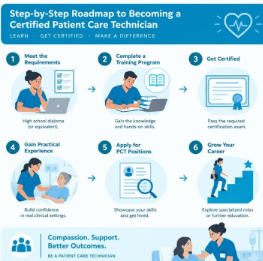
Becoming a Patient Care Technician requires a foundational educational background combined with specific certifications and practical training. We find that most employers require a high school diploma or a General Education Development (GED) credential as a minimum. This ensures candidates possess basic literacy, numeracy, and comprehension skills necessary for the role.
Beyond high school, individuals typically pursue accredited training programs that prepare them for the clinical demands of the job. These programs, often offered at community colleges or vocational schools, provide theoretical knowledge and hands-on experience through clinical practicums. These practicums are crucial as they allow students to apply their learning in real healthcare settings under supervision, building confidence and competence. Upon completion of training, some states may require registration or listing on a state registry, particularly for those with CNA certification. Throughout their education and practice, PCTs are consistently trained in patient safety protocols, which are paramount in preventing errors and ensuring positive patient outcomes.

Foundational Credentials: BLS, CNA, and CPCT Certifications
Several certifications are either required or highly preferred for PCTs, demonstrating a candidate’s readiness for the role:
- Basic Life Support (BLS) / CPR Certification: This is almost universally required. Many employers, such as Geisinger and Trinity Health, mandate that PCTs obtain BLS certification within a specific timeframe after hire (e.g., 90 days or 6 months). This ensures all PCTs can respond effectively to cardiac or respiratory emergencies.
- Certified Nursing Assistant (CNA): While not always strictly mandatory, CNA certification is strongly preferred by many employers and can significantly enhance job prospects. In some cases, having a CNA is a prerequisite for a PCT role, or individuals enrolled in a nursing program may be considered equivalent.
- Certified Patient Care Technician (CPCT): This certification specifically validates a PCT’s skills across a broader range of patient care tasks, often including phlebotomy and EKG acquisition. It demonstrates a comprehensive understanding of the PCT role.
- Phlebotomy Certification: For roles that involve drawing blood, a specific phlebotomy certification can be highly advantageous or required.
- EKG Certification: Similarly, for PCTs performing 12-lead EKGs, a dedicated EKG certification may be necessary.
These certifications, along with adherence to regulatory compliance, ensure that PCTs are equipped with the necessary skills and knowledge to perform their duties safely and effectively.
Clinical Onboarding and Competency Timelines
Once hired, new PCTs undergo a structured orientation and training process to ensure they become fully competent in their roles. This typically begins with a classroom orientation, which can last for a week or two, covering hospital policies, procedures, and electronic health record systems. For instance, Geisinger offers a two-week classroom orientation.
Following classroom training, new hires enter a period of on-the-job training, often paired with an experienced preceptor or mentor. This mentorship is invaluable, allowing new PCTs to gain practical experience, ask questions, and refine their skills in a supportive environment. During this phase, skills validation and competency assessments are performed to ensure the PCT can safely and proficiently execute all required tasks.
The timeline to become fully competent can vary. Many organizations set milestones, such as a 90-day review or 6-month milestones, to assess progress and provide ongoing feedback. The goal is to integrate the new PCT seamlessly into the care team, ensuring they are confident and capable of providing high-quality patient care independently while always having the support of their nursing supervisors.
Exploring High-Growth PCT Career Pathways
The Patient Care Technician role is often seen as an excellent entry point into the healthcare field, but it is far from a dead-end job. We observe significant opportunities for career progression, skill development, and leadership within the PCT framework, as well as clear pathways to advanced roles. Many healthcare systems actively invest in their PCTs, offering tuition reimbursement, clinical advancement programs, and structured career ladders. This commitment helps build a robust healthcare workforce and provides PCTs with the tools to grow professionally.
Navigating Long-Term PCT Career Pathways into Registered Nursing
One of the most common and well-supported career pathways for PCTs is transitioning to a Registered Nurse (RN) role. Many PCTs use their hands-on experience as a springboard to pursue further education, leveraging their deep understanding of patient care and hospital operations. Hospitals actively encourage this progression through various support mechanisms:
- Tuition Reimbursement and Financial Support: Major healthcare providers like Geisinger offer substantial financial support, with up to $40,000 available for PCTs to become nurses. Baystate Health also provides tuition assistance. These programs significantly reduce the financial burden of nursing education.
- Clinical Experience Hours: The practical experience gained as a PCT often fulfills clinical hour requirements for nursing school applications, giving candidates a distinct advantage.
- Bridge Programs: Some institutions offer specific bridge programs (e.g., PCT to LPN, LPN to RN, or direct PCT to ADN/BSN tracks) designed to streamline the educational journey for experienced healthcare support staff.
- Pre-Nursing Track: Working as a PCT allows individuals to confirm their passion for nursing, gain exposure to various specialties, and develop foundational clinical skills before committing to a full nursing program.
This direct path from PCT to RN is a testament to the value placed on bedside experience and the commitment of healthcare systems to nurturing their talent.
Feature PCT to ADN Program PCT to BSN Program Hospital Tuition Support (e.g., Geisinger) Transition Timeline Typically 2-3 years after prerequisites Typically 4-5 years after prerequisites Varies based on program length Prerequisites High school diploma/GED, specific science courses High school diploma/GED, broader science/liberal arts Program-specific, often includes PCT experience Tuition Coverage Partial or full, depending on employer policy/program Partial or full, depending on employer policy/program Up to $40,000 for nursing education Typical Support Flexible scheduling, mentorship, clinical experience Flexible scheduling, mentorship, clinical experience Financial aid, career counseling, internal placements
Specialized Clinical Ladders and Advanced PCT Career Pathways
Beyond becoming an RN, PCTs can also advance their careers within the patient care technician framework or transition into other allied health roles. Many hospitals implement clinical ladder levels for PCTs, allowing them to take on more responsibilities, mentor new hires, and earn higher compensation as they gain experience and acquire advanced skills.
Examples of specialized and advanced PCT career pathways include:
- Lead Technician/Preceptor Roles: Experienced PCTs can become leaders or preceptors, guiding and training new hires, and contributing to staff development.
- Dialysis Technician: With additional specialized training, PCTs can work in dialysis units, operating dialysis machines and monitoring patients during treatment.
- Telemetry Technician: These PCTs specialize in monitoring patients’ cardiac rhythms using telemetry equipment, alerting nurses to any changes.
- Surgical Technologist: A more advanced role requiring specific training, surgical technologists assist surgeons during operations.
- Medical Assistant: While often an outpatient role, the skills gained as a PCT are highly transferable to medical assisting positions.
The ACE Nursing Model of Care, as seen at Geisinger, exemplifies how PCT roles can be expanded to include advanced tasks like Foley catheter removal, peripheral IV removal, and venipuncture under RN supervision. This model not only enhances PCTs’ skills but also provides greater autonomy and involvement in patient care, fostering continuous growth and development.
Compensation, Shift Structures, and Physical Demands
Considering a career as a Patient Care Technician involves understanding not just the rewarding aspects of patient care but also the practical realities of compensation, work schedules, and physical demands. We find that the role offers competitive wages, often supplemented by attractive benefits packages and opportunities for increased earnings through shift differentials. However, it also requires physical stamina and emotional resilience to navigate the challenges of a dynamic healthcare environment.
Hourly Wage Expectations and Benefit Packages
The hourly wage for Patient Care Technicians can vary significantly based on location, experience, and the specific healthcare facility. As of October 2026:
- Entry-level wages for PCTs can start around $17.01 per hour, as observed at Baystate Health.
- Minimum hiring rates at larger systems like Geisinger are around $18.94 per hour, with increased rates for experienced individuals.
- Experienced pay rates can reach up to $25.87 per hour at Baystate Health, and even higher, between $22.00-$37.40 per hour, at institutions like Keck Hospital of USC.
- In metropolitan areas like Cincinnati, the salary range can be broad, with most positions clustered between $40,000-$60,000 annually, but some listings show potential for $120,000+ for highly specialized or experienced roles.
Beyond the hourly wage, comprehensive benefits are a significant draw:
- Healthcare Insurance: Many employers offer medical, dental, and vision coverage, often effective from day one of employment.
- Tuition Benefits: As discussed, tuition reimbursement (e.g., up to $5,000 per year at Geisinger) and substantial financial support for nursing education (up to $40,000 at Geisinger) are common.
- Paid Time Off (PTO): Generous PTO, including vacation, sick leave, and holidays, is typically provided.
- Retirement Matching: Many organizations offer 401(k) or similar retirement plans with employer matching contributions.
- Wellness Perks: Programs like wellness incentives, health coaches, relaxation rooms, and mental health support are increasingly offered to support employee well-being.
- Sign-on Bonuses: To attract talent, some facilities, such as Geisinger, offer sign-on bonuses (e.g., $1,500) for eligible candidates.
Work Schedules, Shift Differentials, and Physical Realities
The work schedule for PCTs is often structured around the 24/7 nature of healthcare. Common patterns include:
- 12-hour shifts: Many full-time PCTs work three 12-hour shifts per week, totaling 36 hours. These can be day, evening, or night shifts (e.g., 7 pm-7:30 am).
- Rotating weekends and holidays: It’s typical for PCTs to work every other weekend and rotate holiday coverage, as required by Baystate Health.
- Shift differentials: To compensate for less desirable hours, employers often offer additional pay for evening, night, and weekend shifts. Geisinger, for example, offers up to $3 per hour in shift differentials.
- Part-time and on-call options: For flexibility, part-time or “pool” positions are available, which can be appealing to students or those seeking supplemental income. ThedaCare offers part-time roles as low as 8 hours per week with variable shifts.
The physical demands of a PCT role are considerable:
- Standing and Walking: PCTs spend most of their shifts on their feet, moving between patient rooms, departments, and assisting patients.
- Lifting and Transferring Patients: Assisting patients with ambulation, repositioning, and transfers requires significant physical strength and adherence to ergonomic safety practices to prevent injury.
- Repetitive Tasks: Many duties, such as taking vital signs or assisting with hygiene, are repetitive.
- Exposure Risks: PCTs are exposed to various environmental risks, including infectious diseases, hazardous materials, and potentially aggressive patients. Strict adherence to PPE and safety protocols is essential.
- Emotional Resilience: The role can be emotionally challenging, requiring empathy, compassion, and the ability to remain professional and composed in stressful or sensitive situations, such as providing post-mortem care.
Frequently Asked Questions About Becoming a Patient Care Technician
We understand that aspiring Patient Care Technicians often have many questions about the role, its demands, and career prospects. Here, we address some of the most common inquiries regarding credentialing, job outlook, and work-life balance.
What is the fastest route to get hired as a Patient Care Technician?
The fastest route to becoming a PCT typically involves a combination of obtaining a high school diploma or GED and immediately pursuing an accelerated certification program. Many vocational schools or community colleges offer programs that can be completed in a few weeks to several months. Key steps include:
- High School Diploma/GED: This is a universal prerequisite.
- BLS Certification: Obtain Basic Life Support (BLS) certification from the American Heart Association or equivalent, as this is often required even before starting a PCT program or within the first few months of hire.
- Accredited Training Program: Enroll in a patient care technician or certified nursing assistant (CNA) program. Some employers will hire individuals currently enrolled in a nursing program, recognizing their foundational knowledge.
- Entry-Level Hiring: Look for entry-level positions, especially those that offer on-the-job training or have a clear onboarding process. Some hospitals, like Geisinger, may not require a CNA certification for certain PCT roles, focusing instead on a high school diploma and BLS.
- Acute Care Onboarding: Acute care settings often have robust training programs for new hires, which can help you quickly gain competence.
Focusing on these steps can significantly expedite your entry into the PCT profession.
How does a PCT role differ from a Certified Nursing Assistant (CNA)?
While there is significant overlap, and many PCTs begin as CNAs, the PCT role often involves an expanded scope of practice, particularly in acute hospital settings.
- Expanded Scope: PCTs typically perform a broader range of clinical tasks that go beyond the traditional CNA duties. This can include specialized procedures such as venipuncture (drawing blood), 12-lead EKG acquisition, and sometimes even the removal of Foley catheters or peripheral IVs, under the supervision of an RN.
- Acute Hospital Setting: PCT roles are more commonly found in hospitals and acute care facilities, where the patient acuity is higher, and the need for advanced bedside procedures is greater. CNAs, while also working in hospitals, are more frequently found in long-term care facilities, nursing homes, or home health settings where the focus is primarily on basic ADLs.
- Advanced Bedside Procedures: The integration of models like Geisinger’s ACE Nursing Model further distinguishes PCTs by expanding their responsibilities to tasks traditionally performed by nurses, offering greater autonomy and skill development.
While both roles provide essential direct patient care, the PCT often has a more diverse and clinically oriented skill set, particularly in complex hospital environments.
What personal qualities and skills are most critical for success?
Success as a Patient Care Technician hinges not only on clinical skills but also on a strong set of personal qualities:
- Empathy and Compassion: The ability to understand and share the feelings of another, providing care with kindness and respect, is fundamental to patient satisfaction.
- Active Listening and Clear Communication: PCTs must effectively listen to patients’ needs and concerns, communicate clearly with patients, families, and the entire care team, and accurately document observations.
- Situational Awareness: Being observant and able to quickly assess changes in a patient’s condition or environment is crucial for patient safety and prompt reporting to nurses.
- Detail Orientation: Meticulous attention to detail is vital for accurate vital sign readings, medication reminders (though not administering), specimen labeling, and documentation.
- Physical Stamina and Resilience: The job demands long hours of standing, walking, lifting, and repetitive tasks. Emotional resilience is also key to handling stressful or emotionally taxing situations.
- Teamwork and Adaptability: PCTs work as part of a larger team, requiring strong collaboration skills and the ability to adapt to changing patient needs and unit priorities.
- Reliability and Punctuality: Healthcare settings operate 24/7, making consistent attendance and punctuality critical for maintaining patient care continuity.
These qualities, combined with solid clinical training, enable PCTs to excel and make a profound difference in the lives of their patients.
Conclusion
The Patient Care Technician role is a cornerstone of modern healthcare, offering a dynamic and deeply rewarding career path. From assisting with daily living activities to performing vital clinical procedures and ensuring patient safety, PCTs are truly frontline heroes who contribute significantly to patient satisfaction and recovery. We’ve explored the diverse responsibilities, varied clinical settings, and the essential educational and certification requirements that pave the way for this profession.
Moreover, we’ve highlighted the abundant opportunities for career advancement, including robust pathways to becoming a Registered Nurse through tuition reimbursement and specialized clinical ladders. The competitive compensation, comprehensive benefits, and the reality of shift work and physical demands underscore the commitment required for this vital role.
For those with a passion for direct patient care and a desire to make a tangible difference, becoming a Patient Care Technician offers an invaluable foundation in healthcare. It’s a role that demands skill, empathy, and resilience, but in return, it provides immense personal satisfaction and a clear trajectory for professional growth and clinical excellence. As healthcare continues to evolve, the impact of PCTs on patient lives and the efficiency of care teams will only continue to grow.

Inside a China Eyewear Factory: How Eyewear Goes from Design and Material Selection to Mass Production

Building Emotional Wellness Through Professional Guidance and Support

How to Choose an Eyewear Manufacturer in China for Your European or American Private Label Brand

Alex Pettyfer Net Worth, Wife, Age, Height, Children, Career and More

Brad Williams Net Worth, Wife, Height, Age, Daughter, Family, Career and More

Eldorado.gg Review 2026: How It Works, Safety, Fees, and Risks
-
Celebrity11 months ago
Alex Pettyfer Net Worth, Wife, Age, Height, Children, Career and More
-
Celebrity11 months ago
Brad Williams Net Worth, Wife, Height, Age, Daughter, Family, Career and More
-
Blog3 months ago
Eldorado.gg Review 2026: How It Works, Safety, Fees, and Risks
-
 Anime12 months ago
Sanzoku Bandits of One Piece: Origins, Higuma, and Their Role in Dawn Island
-
 Celebrity11 months ago
John McGinn Net Worth, Age, Height, Wife, Childrens, Career and More
-
 Celebrity11 months ago
Frances de la Tour Net Worth, Age, Height, Husband, Childrens, Career and More
-
 Anime12 months ago
Shimotsuki Ushimaru – The Last Daimyo of Wano Country Explained
-
 Celebrity12 months ago
Will Trickett Net Worth, Wife, Childrens, Age, Career and More