
Home Improvement
Beat the Heat: Why a Quick AC Quote Is Your Best Choice for a Cool Home


Summer heat has a way of exposing every weakness in a home’s cooling system. A unit that struggled last year won’t magically perform better this season, and if you’ve been putting off a replacement, now’s the time to stop waiting. Quick AC Quote specializes in helping homeowners find fast, reliable, and affordable cooling solutions without the usual runaround.
Choosing the right air conditioning partner can feel overwhelming. There are dozens of brands, confusing pricing structures, and technicians who seem more interested in upselling than solving your actual problem. Quick AC Quote was built to cut through that noise. The company connects homeowners with vetted professionals who prioritize honest recommendations and quality workmanship over quick sales.
This post breaks down what makes Quick AC Quote different, why proper installation matters more than most homeowners realize, and how you can get started on a cooler, more comfortable home this season.
Why Proper Installation Matters More Than You Think
Many homeowners assume that as long as an AC unit turns on and blows cold air, the job is done right. That assumption costs people money every single year. A poorly installed system can run 30% less efficiently than one installed correctly, driving up energy bills and shortening the unit’s lifespan.
Improper installation often leads to issues like incorrect refrigerant levels, poorly sealed ductwork, and units that are the wrong size for the space they’re cooling. These problems don’t always show up immediately. Sometimes it takes a full season of higher bills and inconsistent temperatures before homeowners realize something’s wrong.
Quick AC Quote addresses this by matching customers with technicians who follow manufacturer specifications and local building codes down to the last detail. Every connection, every calculation, and every adjustment is handled with precision, so your system performs the way it’s supposed to from day one.
What Makes Quick AC Quote Different
Speed Without Sacrificing Quality
Waiting weeks for a quote or a technician’s schedule to open up isn’t realistic when your home is uncomfortably warm. Quick AC Quote streamlines the process so homeowners get connected with available, qualified professionals quickly. Speed doesn’t come at the expense of quality here. Every technician in the network is vetted for experience and licensing before they’re ever paired with a customer.
Transparent, Upfront Pricing
Nobody enjoys surprise charges on a final invoice. Quick AC Quote emphasizes clear pricing from the start, so homeowners know what to expect before any work begins. This transparency builds trust and removes the anxiety that often comes with home service calls.
A Network of Trusted Professionals
Instead of relying on a single crew or a limited service area, Quick AC Quote works with a broad network of technicians across different regions. This means homeowners aren’t stuck waiting for one specific team to become available. There’s flexibility built into the process, which translates to faster service and less frustration.
Signs Your Home Needs a New Cooling System
Not sure if it’s time to replace your current unit? Here are a few signals worth paying attention to:
- Rising energy bills without a clear explanation, especially if usage habits haven’t changed
- Frequent repairs that seem to happen every season
- Uneven cooling between rooms or floors in your home
- Unit age of 10-15 years or older, which is typically when efficiency starts declining significantly
- Strange noises or odors coming from the system when it runs
If any of these sound familiar, it’s worth getting a professional opinion before another summer passes by.
The Process: From Quote to Cool Air
Getting started with Quick AC Quote is designed to be simple. Homeowners begin by sharing some basic details about their home and cooling needs. From there, the platform connects them with a qualified technician in their area who can assess the space and recommend the right system size and type.
Sizing matters more than people expect. An oversized unit cycles on and off too frequently, wearing down components faster and creating uneven humidity control. An undersized unit runs constantly and still struggles to cool the space properly. Technicians in the Quick AC Quote network calculate load requirements based on square footage, insulation, window placement, and other factors specific to your home.
Once the right system is identified, scheduling installation is straightforward. Customers receive clear communication about timing, cost, and what to expect on installation day, removing much of the guesswork that typically comes with home improvement projects.
Comfort You Can Count on This Season
Homeowners who prioritize professional service tend to enjoy better long-term results, both in comfort and in cost savings. Quality AC installation done right the first time means fewer repairs, lower energy bills, and a system built to last for years. That’s the standard Quick AC Quote holds every technician in its network to.
Beyond the technical benefits, there’s real peace of mind in knowing your cooling system was set up by someone who understands the details. No guessing, no cutting corners, and no wondering if the job was done correctly. That confidence is part of what makes working with Quick AC Quote worthwhile.
Whether you’re dealing with a system on its last legs or simply want a more efficient setup before the hottest months arrive, getting started sooner rather than later puts you ahead of the seasonal rush that tends to slow down scheduling everywhere else.
Ready for a Cooler, More Comfortable Home?
A comfortable home shouldn’t depend on luck or guesswork. It should come from working with people who know what they’re doing and who respect your time and your budget. Quick AC Quote exists to make that experience simple, fast, and stress-free.
If your current system has been struggling, or if you’re simply ready for an upgrade, reach out to Quick AC Quote today. A cooler summer starts with the right decision now.
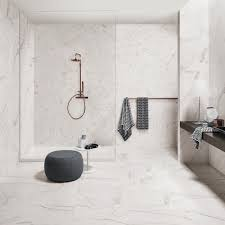
Floors take more abuse than almost anything else in a home. They absorb spilled coffee, muddy boots, dragged furniture, and years of foot traffic, yet most people only think about them when something cracks or fades. That’s starting to change across Long Island, where homeowners are swapping worn-out flooring for tile that actually holds up to daily life while looking like it belongs in a design magazine.
Roma Tile of New York has watched this shift firsthand. Requests for durable, low-maintenance surfaces have climbed steadily, and it’s not hard to see why. Between unpredictable weather, salt air near the coast, and busy households that don’t have time for high-maintenance materials, tile checks boxes that carpet and hardwood simply can’t.
This post breaks down what’s driving the trend, which tile options are worth considering, and how to choose materials that fit both your budget and your lifestyle.
Why Tile Keeps Winning Against Other Flooring Options
Hardwood scratches. Carpet stains. Laminate swells when it gets wet. Tile, on the other hand, shrugs off most of what daily life throws at it. Porcelain and ceramic tiles resist moisture, scratches, and fading, which makes them a smart choice for kitchens, bathrooms, mudrooms, and anywhere else that sees heavy use.
There’s also the matter of upkeep. A damp mop handles most spills, and there’s no need for refinishing, resealing, or replacing every few years. For busy families or anyone who’d rather spend weekends doing something other than home maintenance, that convenience adds up fast.
Design flexibility plays a role too. Modern manufacturing techniques have made it possible to replicate the look of natural wood, stone, or concrete in tile form, often at a fraction of the cost and with none of the drawbacks. Homeowners get the aesthetic they want without compromising on practicality.
What Makes a Tile Choice Right for Your Home
Not every tile suits every space. A glossy finish might look stunning in a powder room but become a slipping hazard near a pool. Large-format tiles can make small rooms feel bigger, while mosaic patterns add texture to backsplashes and accent walls.
Climate matters, too. Long Island’s humid summers and freezing winters mean outdoor tile needs to handle temperature swings without cracking. Porcelain tends to perform better than ceramic in these conditions because it’s denser and absorbs less moisture.
Budget is another factor worth planning around early. Natural stone tiles like marble or travertine bring undeniable elegance but come with a higher price tag and more maintenance. Porcelain and ceramic options offer similar visual appeal at a lower cost, which is why they remain popular among homeowners renovating on a timeline or budget.
A few questions worth asking before buying:
- Will this space see heavy foot traffic or moisture exposure?
- Does the tile’s finish match the room’s function (slip resistance for bathrooms, durability for entryways)?
- Does the style complement the rest of the home, or is it a standalone statement piece?
- What’s the realistic long-term maintenance commitment?
Answering these honestly makes the selection process far less overwhelming.
Kitchens, Bathrooms, and Beyond: Where Tile Makes the Biggest Difference
Kitchens benefit enormously from tile flooring because spills are inevitable. A quality porcelain tile handles dropped pans, splashed sauces, and daily wear without showing much sign of it. Backsplashes made of tile also protect walls from grease and moisture while adding visual interest behind stovetops and sinks.
Bathrooms are another natural fit. Between showers, baths, and general humidity, bathroom flooring needs to resist water damage consistently. Textured tile options reduce slipping risk, which matters for households with young children or older adults.
Outdoor spaces, including patios and pool decks, have also seen a rise in tile installations. Weather-resistant porcelain tiles can handle sun exposure and temperature changes better than many alternative materials, making them a practical choice for homeowners who want their outdoor areas to look as polished as their interiors.
Finding the Right Partner for Your Tile Project
Choosing the right tile is only half the equation. Installation quality determines whether that tile lasts five years or twenty-five. Poor installation can lead to cracked grout, uneven surfaces, and tiles that lift over time, undoing even the best material choice.
Homeowners searching for a reliable tiles store Long Island residents trust for both selection and expert guidance will find that experience matters just as much as inventory. Roma Tile of New York brings years of hands-on knowledge to every project, helping customers choose materials suited to their specific space, climate, and budget rather than pushing a one-size-fits-all solution.
From initial consultation through final installation, working with a knowledgeable team means fewer surprises and a finished product that actually performs the way it looks. Whether the project involves a single bathroom remodel or a full-home flooring overhaul, having access to quality materials and informed advice makes the process considerably smoother.
Making the Switch to Tile a Worthwhile Investment
Flooring decisions aren’t made often, which is exactly why they deserve careful thought. Tile offers a combination of durability, style, and manageable upkeep that’s hard to match with other materials, especially in a region that deals with humidity, salt air, and seasonal temperature shifts.
Homeowners considering a renovation shouldn’t have to choose between good looks and practicality. With the right guidance and quality materials, both are entirely possible. For anyone ready to explore options suited to their home’s specific needs, reaching out to a team with real expertise is the logical next step toward floors that hold up for years to come.
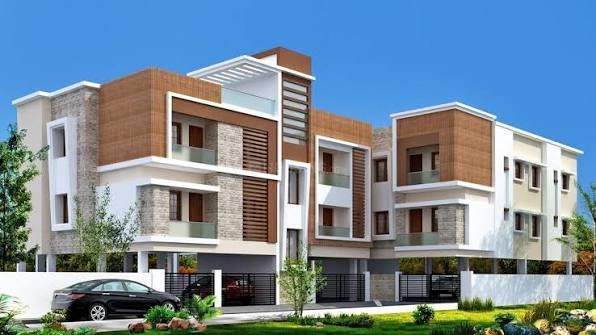
Buying a home is a major decision, and choosing the right residential project requires careful consideration. With several residential developments available in Porur, you may find it difficult to decide which one is suitable for your requirements.
Every residential project has different features, facilities, apartment configurations, and locations. Therefore, you must compare these factors before making a decision. A project that looks attractive at first may not offer everything you need for comfortable living.
So, how can you compare different residential projects in Porur? Let us look at the important factors you must consider before choosing a property.
1. Compare the Location and Connectivity
The first thing you must consider is the location of the residential project. Even if two apartments have similar features, their locations can make a significant difference in your daily life.
Check how easily you can access important places such as schools, hospitals, shopping centres, and workplaces. Also, look at the road connectivity and availability of public transportation.
For instance, if you have children, choosing a residential project near reputed schools can make everyday travel easier. Similarly, easy access to hospitals and essential shops will be helpful for your family.
Therefore, compare the surrounding facilities of each project and choose a location that suits your daily requirements.
2. Check the Apartment Configuration
Residential projects offer different apartment configurations based on the requirements of buyers. You can find 2 BHK, 3 BHK, and larger apartments depending on the project.
Before comparing the apartments, consider the number of bedrooms, bathrooms, balconies, and available living space.
For example, a 2 BHK apartment may be sufficient for a small family. However, if you have a larger family or need an additional room for work, a 3 BHK apartment may be a better option.
Also, compare the carpet area instead of looking only at the total built up area. This will help you understand how much usable space you actually get inside the apartment.
3. Compare the Amenities Offered
Amenities are another important factor that separates one residential project from another. Most modern residential developments provide facilities that support everyday activities and recreation.
Some common amenities include:
- Swimming pool
- Gymnasium
- Children’s play area
- Indoor games room
- Walking tracks
- Multipurpose hall
- Landscaped gardens
- Security systems
However, you should not choose a project simply because it offers a long list of amenities.
Check whether these facilities are useful for your family and whether they are properly maintained. For instance, if you have children, a dedicated play area can be useful. Similarly, a gymnasium or walking track can help residents maintain their fitness.
Compare the amenities available in different projects and identify which one offers practical facilities for your lifestyle.
4. Examine the Construction Quality
The construction quality of a residential project directly affects its durability and maintenance requirements.
Therefore, you must check the materials used for construction, the quality of flooring, electrical fittings, plumbing systems, doors, and windows.
If possible, visit the project site and observe the construction progress. You can also look at the builder’s previous residential developments to understand their construction standards.
Check whether the project has the necessary approvals and relevant documentation. You should also verify the RERA registration details before proceeding with your purchase.
These checks will help you understand the quality of the project and avoid unnecessary problems later.
5. Evaluate the Builder’s Reputation
The reputation of the builder is another factor you must consider while comparing residential projects.
A builder with experience in developing residential properties may have a better understanding of construction requirements, project planning, and delivery schedules.
Therefore, research the builder’s previous projects and check their completion status. You can also look at customer reviews to understand the experiences of existing homeowners.
Pay attention to feedback about construction quality, maintenance, and the builder’s response to customer concerns.
For example, if a builder has completed several residential projects and has positive feedback from homeowners, it can give you a better understanding of their work.
Do not make your decision based on advertisements alone. Check the actual project details before choosing a builder.
6. Compare the Total Property Cost
The total cost is another important factor to consider when comparing residential projects.
Two apartments with similar configurations may have different prices because of their location, amenities, construction quality, and other features.
Therefore, compare the overall property cost instead of looking only at the advertised price.
Check whether the quoted amount includes parking charges, maintenance deposits, registration expenses, and other applicable charges.
For instance, one project may have a lower advertised price but additional charges that increase the overall cost. Another project may offer more facilities at a slightly higher price.
By comparing the complete cost details, you can understand which property offers better value for your money.
7. Check the Safety and Security Facilities
Safety is an important requirement for every residential community. Therefore, you must compare the security arrangements available in different projects.
Check whether the residential development provides CCTV cameras, security personnel, controlled entry and exit points, and proper lighting in common areas.
You should also look at fire safety arrangements and emergency access facilities.
If you have children or elderly family members, these facilities become even more important. A properly managed security system can provide residents with greater peace of mind.
8. Consider the Future Development of the Area
Apart from the existing facilities, you should also consider the future development potential of the location.
Porur has residential and commercial developments, along with access to important roads and employment centres. Therefore, check the infrastructure and upcoming developments around the project.
Look at road improvements, public transportation facilities, educational institutions, and commercial establishments in the surrounding areas.
These developments may influence the convenience and property value of the location over time.
However, do not depend entirely on future developments. Give more importance to the existing infrastructure and facilities before making your decision.
Conclusion
Comparing different residential projects in Porur requires you to look beyond the apartment price and advertised amenities. You must consider several factors, including location, apartment configuration, construction quality, builder reputation, safety, and available facilities.
If you are planning to purchase Flats in Porur, make a list of your requirements and compare different projects based on these factors.
Visit the shortlisted properties, check the documentation, and understand the facilities offered by each builder. This will help you identify the residential project that meets your family’s requirements.
After all, choosing the right home is about finding a property that offers comfortable living, convenient access to essential facilities, and good long term value.
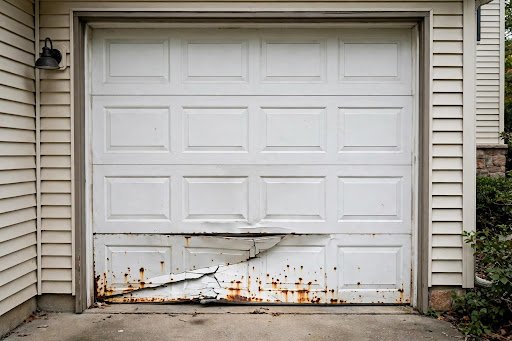
Damaged panels do not always mean a new door. Depending on the type and extent of the damage, you may have several options, from a simple surface repair to replacing a single panel or the whole door. Understanding the damage and the choices helps you make a sensible decision that fits your budget and the condition of the door.
- Surface rust
- Rot in wood panels
- Cracked panels
- Replacing individual panels
- When a full replacement makes sense
- Florida weather and panels
- Inspect the panels regularly
- Protect the panels from further damage
- Ask a technician for an honest assessment
- Consider the door’s overall condition
- Tampa homeowners
- Choose the repair that protects the door
- Frequently asked questions
Surface rust
Light rust on steel panels can often be cleaned, treated and repainted. Remove loose rust with a wire brush, clean the area, apply a rust-inhibiting primer and finish with a matching paint. Address surface rust early, because untreated rust spreads under the paint and can weaken the panel from the inside.
Rot in wood panels
Soft spots and rot in wood panels can sometimes be repaired with filler and sealant. Remove the rotted wood, treat the area and fill it to match the panel. Heavy rot that has spread through the panel usually calls for replacement, because the repair may not hold or restore the strength of the section.
Cracked panels
A crack along a seam may be repaired or the panel replaced, depending on its size and location. Cracks weaken the door and can affect insulation and weather sealing. A crack that runs across a panel usually means the section should be replaced rather than patched.
Replacing individual panels
Individual panels can often be replaced, especially on steel doors. The new panel must match the original in size, profile, thickness and finish. Check whether the design is still available from the manufacturer before ordering. Ask the technician to confirm that the new panel will fit the existing hardware and the insulation.
When a full replacement makes sense
If several panels are damaged, the door is old or the rust has spread across the surface, a new door may be the better choice. A full replacement also allows you to upgrade the insulation, the springs, the opener and the security features at the same time. Compare the cost of repairing several panels with the cost of a new door before deciding.
Florida weather and panels
Humidity, heavy rain and salt air can accelerate rust and rot in garage door panels. Coastal and humid areas benefit from corrosion-resistant finishes and regular cleaning. Look for panels and finishes designed for moisture resistance, and inspect the door after storms or periods of heavy rain.
Inspect the panels regularly
Look at each panel every few months for rust, cracks, soft spots and dents. Check the seams between sections, because water and debris often collect there. Early detection makes a small repair possible and can prevent the need for a complete replacement.
Protect the panels from further damage
Keep vehicles and equipment away from the door, store items clear of the door’s path and address leaks promptly. Clean the door periodically with a mild soap and water, and touch up paint chips before they spread. Protecting the finish helps the panels last longer.
Ask a technician for an honest assessment
A technician can tell you which option costs less over time and which keeps the door secure and safe. Ask whether the damage affects the structure, the insulation or the balance, and whether the springs and cables need attention too. Get a written estimate for each option so you can compare them clearly.
Consider the door’s overall condition
A panel repair makes sense when the rest of the door is in good shape. If the springs, cables, track or opener are also worn, the cost of repairing the panels alone may not be justified. Look at the whole system before deciding.
Tampa homeowners
If you are in Tampa and your garage door panels need attention, a local technician can assess the damage and recommend the right option. You can review panel replacement options on our garage door panel replacement page for Tampa, FL, or visit the Century Garage Door Service homepage to learn about all of our services.
Choose the repair that protects the door
Surface rust, rot, cracks and dents each call for a different response. Clean and treat minor damage, replace individual panels when only one section is affected and consider a full replacement when the damage is widespread. An honest assessment will help you choose the option that keeps the door secure and attractive for years.
Frequently asked questions
Can rust on a garage door panel be painted over? Only after the rust is cleaned and treated. Painting over untreated rust traps moisture underneath and allows the damage to continue, often more quickly.
How do I choose a replacement panel? Match the size, profile, thickness and finish of the original. Check whether the manufacturer still makes the design, and ask the technician to confirm the fit with your hardware.
When is a full door replacement better? When several panels are damaged, the door is old, the springs and cables are worn or the insulation is poor. A new door can address those issues together.

Renting a Stylish Coupe in Dubai: What Actually Matters

How to Tell Real Korean Toxin Brands From Copycat Vials Before You Buy

A Practical Guide to Fortnite Accounts and V-Bucks

Alex Pettyfer Net Worth, Wife, Age, Height, Children, Career and More

Brad Williams Net Worth, Wife, Height, Age, Daughter, Family, Career and More

Eldorado.gg Review 2026: How It Works, Safety, Fees, and Risks
-
Celebrity11 months ago
Alex Pettyfer Net Worth, Wife, Age, Height, Children, Career and More
-
Celebrity11 months ago
Brad Williams Net Worth, Wife, Height, Age, Daughter, Family, Career and More
-
Blog3 months ago
Eldorado.gg Review 2026: How It Works, Safety, Fees, and Risks
-
 Anime12 months ago
Sanzoku Bandits of One Piece: Origins, Higuma, and Their Role in Dawn Island
-
 Celebrity11 months ago
John McGinn Net Worth, Age, Height, Wife, Childrens, Career and More
-
 Celebrity11 months ago
Frances de la Tour Net Worth, Age, Height, Husband, Childrens, Career and More
-
 Celebrity11 months ago
Will Trickett Net Worth, Wife, Childrens, Age, Career and More
-
 Blog3 months ago
Crackstube: A Complete Guide to the Digital Publishing Platform