
Fashion
How to Choose an Eyewear Manufacturer in China for Your European or American Private Label Brand

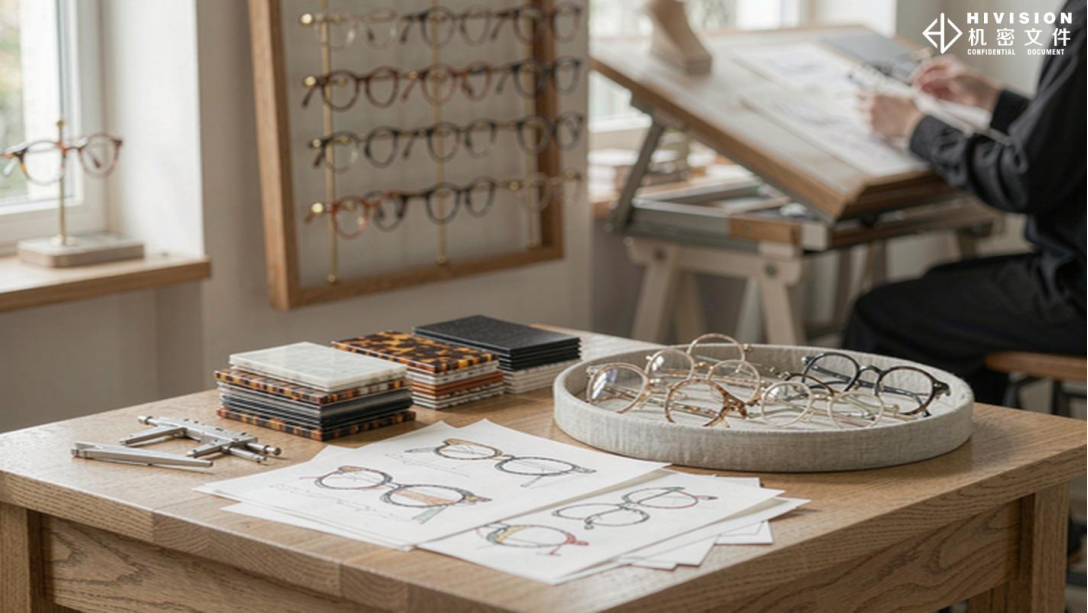
Launching or expanding a private-label eyewear brand involves more than finding a factory with attractive designs and competitive prices. Your manufacturing partner will influence product quality, development speed, production costs, and ultimately your brand’s reputation.
- 1. Start by Understanding China’s Eyewear Manufacturing Landscape
- 2. Match the Manufacturer to Your Required Frame Material
- 3. Decide Whether You Need OEM, ODM, or Private-Label Manufacturing
- 4. Verify Factory Capabilities Instead of Trusting Product Catalogs
- 5. Evaluate MOQ, Pricing, and Production Lead Times
- 6. Check Quality Control and European or American Market Requirements
- 7. Compare Suppliers Using a Practical Evaluation Scorecard
- Finding a Manufacturing Partner for Your Private-Label Brand
China has a well-developed eyewear manufacturing ecosystem, offering access to acetate, metal, titanium, injection-molded frames, and specialized component suppliers. However, not every factory has the same technical capabilities or experience serving international brands.
So, how do you identify the right eyewear manufacturer china for your business? The answer starts with understanding what different manufacturers can actually produce and how they manage the complete manufacturing process.
1. Start by Understanding China’s Eyewear Manufacturing Landscape
China has several established eyewear manufacturing clusters, each with different supply-chain strengths.
- Wenzhou, Zhejiang: An established center for optical frames, metal eyewear, acetate frames, and export-oriented manufacturing.
- Danyang, Jiangsu: Particularly important for optical lenses and related eyewear production.
- Shenzhen, Guangdong: An important manufacturing and technology center with specialized eyewear production capabilities.
- Xiamen, Fujian: Another region worth investigating for sunglasses and fashion-oriented eyewear.
These regional differences matter when searching for eyewear manufacturers in china. Rather than choosing a factory based only on its location, identify the region and manufacturer that best match your product requirements.
2. Match the Manufacturer to Your Required Frame Material
One of the biggest mistakes private-label buyers make is assuming every eyewear factory can manufacture every type of frame equally well.
Different materials require different machinery, production techniques, and technical expertise.
Acetate eyewear manufacturing
Acetate frames are popular among fashion and optical brands because of their color possibilities, layered patterns, and premium appearance.
When evaluating china acetate eyewear manufacturers, investigate their sheet material sourcing, CNC cutting, lamination, polishing, finishing, and assembly capabilities.
If your collection focuses on acetate, look specifically for a china acetate eyewear frames manufacturer with relevant production experience.
Metal eyewear manufacturing
Metal frames require precision in cutting, bending, welding, plating, and component assembly.
Brands seeking china metal eyewear frames manufacturer options should examine hinge construction, welding quality, surface treatment, and dimensional consistency.
Injection eyewear manufacturing
Injection molding is commonly used for thermoplastic materials such as TR90 and Ultem.
A specialized china injection eyewear manufacturer should demonstrate mold development capabilities, molding consistency, material knowledge, and finishing processes.
For brands seeking both acetate and metal collections, comparing china acetate and metal eyewear manufacturers can reduce supplier-management complexity.
3. Decide Whether You Need OEM, ODM, or Private-Label Manufacturing
Before contacting a china eyewear manufacturer, define how much product development support your brand needs.
| Manufacturing model | What your brand provides | What the factory provides |
| Private label | Existing product selection, branding requirements | Frames, logo application, and packaging |
| OEM | Designs, drawings, specifications | Technical development and production |
| ODM | Design direction and product requirements | Design development, sampling, customization, and production |
For example, an established fashion brand with original frame designs may prefer OEM manufacturing.
A startup with limited design resources may benefit more from ODM services.
If you are interested in handmade collections, investigate whether a china handmade acetate eyewear manufacturer has the skilled workforce and finishing processes required for your specifications.
Similarly, distinguish between a china oem handmade eyewear manufacturer and a china odm handmade eyewear manufacturer based on who controls the original design and development work.
4. Verify Factory Capabilities Instead of Trusting Product Catalogs
A manufacturer may display hundreds of styles online without producing all of them internally.
Ask potential suppliers:
- Which production processes are performed in-house?
- Do you have your own mold development facilities?
- Which materials do you specialize in?
- What is your monthly or annual production capacity?
- Which processes are outsourced?
- Can you provide factory photographs or arrange a virtual audit?
This is particularly important when evaluating eyewear frames manufacturer china options.
For specialized product categories, investigate the manufacturer’s actual experience. For example, china protective eyewear manufacturers and an outdoor eyewear manufacturer in china may require different technical capabilities from a conventional fashion-frame factory.
If you require safety-rated protective eyewear, verify the relevant product-specific testing and applicable standards rather than relying on general factory certifications.
5. Evaluate MOQ, Pricing, and Production Lead Times
MOQ is one of the most important considerations for private-label brands, particularly those launching their first collection.
Ask manufacturers to clarify:
- MOQ per model.
- MOQ per color.
- Sample development charges.
- Mold and tooling costs.
- Logo and packaging costs.
- Bulk production lead times.
- Repeat-order conditions.
Do not assume that a low unit price means a lower total purchasing cost.
For example, an acetate frame with customized colors and tooling may have a different cost structure from an existing injection-molded design.
Request a detailed quotation based on the same technical specifications from every shortlisted supplier.
6. Check Quality Control and European or American Market Requirements
A reliable manufacturer should have documented inspection procedures covering incoming materials, production, assembly, and finished products.
For eyewear brands, important inspection points include:
- Frame symmetry and dimensional accuracy.
- Hinge strength and functionality.
- Welding and surface-finishing quality.
- Lens fitting and stability.
- Material and color consistency.
- Packaging and labeling requirements.
European and American brands should also identify applicable destination-market requirements before production.
For example, general-purpose sunglasses sold in Europe may fall under EN ISO 12312-1 requirements, while prescription eyewear and protective eyewear can involve different standards.
Ask for relevant product-specific test reports and verify that they correspond to the actual models being ordered.
This is a critical part of achieving quality eyewear manufacturing in china.
7. Compare Suppliers Using a Practical Evaluation Scorecard
When comparing eyewear manufacturers china, do not rely on website appearance or sales presentations.
Use a consistent evaluation framework:
| Evaluation criterion | Suggested weight |
| Manufacturing capabilities | 20% |
| Product quality and QC | 20% |
| Material expertise | 15% |
| OEM/ODM customization | 15% |
| Pricing and MOQ | 10% |
| Delivery reliability | 10% |
| Communication and service | 10% |
| Total | 100% |
Use actual samples, documentation, factory verification, and quotation comparisons to assign scores.
This method is more useful than choosing from a random list of top eyewear manufacturers china or relying on claims about the top eyewear manufacturers in china.
If your product direction includes oval frames, men’s classic designs, or other specific styles, evaluate the manufacturer’s relevant design-development experience. Searching for a china oval eyewear manufacturer, a china best oval eyewear manufacturer, or china men classic eyewear manufacturers can help generate supplier leads, but these search phrases do not establish actual manufacturing specialization.
Likewise, claims about china famous acetate eyewear manufacturers should be verified through production evidence, customer references, and product samples.
Finding a Manufacturing Partner for Your Private-Label Brand
Choosing the right manufacturing partner is a long-term business decision. The best supplier is not necessarily the largest factory or the one offering the cheapest quotation. It is the manufacturer that can consistently deliver your approved specifications, support product development, and grow alongside your brand.
For brands exploring eyewear manufacturing in china, Wenzhou is a practical location to investigate for multi-material frame production.
Hivision Eyewear, founded in 2006 and based in Wenzhou, China, provides OEM/ODM manufacturing services for optical frames, sunglasses, and reading glasses.
Its production lines cover acetate, metal, titanium, and injection materials, making it relevant to brands developing multiple eyewear categories.
For example, its website lists custom-order MOQ starting at 150–200 pieces per color for metal and acetate frames, and 200–300 pieces per color for injection frames. Actual order requirements should be confirmed against the selected model and specifications.
You can explore its acetate and metal eyewear collections and company manufacturing background.
Ultimately, the right china eyewear manufacturers should offer more than production capacity. They should provide the technical expertise, quality consistency, communication, and flexibility required to turn your private-label eyewear concept into a successful commercial collection.
Fashion
Inside a China Eyewear Factory: How Eyewear Goes from Design and Material Selection to Mass Production
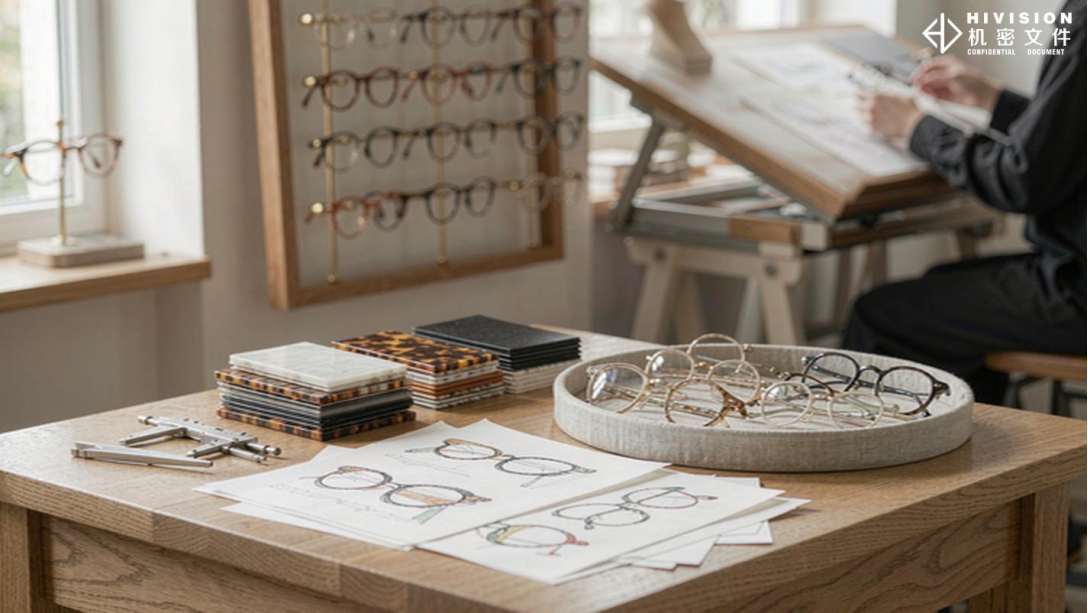
Have you ever wondered how a simple eyewear design becomes thousands of finished frames ready for international retailers?
- 1. Inside an Eyeglass Factory: Everything Starts with Product Design
- 2. Material Selection: Why Every Frame Factory Needs Different Production Capabilities
- 3. What Happens in the Frames Factory During Production?
- 4. Is a Lens Factory the Same as an Eyewear Factory?
- 5. From Sample Approval to Factory-Direct Eyeglasses Production
- 6. Quality Control: What Happens Before Finished Glasses Leave the Factory?
- 7. How to Find the Right Glasses Manufacturer Near You or in China
- Choosing a Manufacturing Partner for Your Next Eyewear Collection
Behind every pair of glasses is a manufacturing process involving design development, material preparation, precision machinery, skilled workers, assembly, and quality inspection.
A modern china eyewear factory is not simply a place where frames are assembled. It is part of a wider production ecosystem connecting raw material suppliers, component manufacturers, frame production facilities, lens suppliers, and international buyers.
Understanding how these operations work helps eyewear brands, importers, and distributors evaluate manufacturing partners more effectively.
Let’s take a closer look at what happens inside an eyewear manufacturing operation, from the first design discussion to the final packed product.
1. Inside an Eyeglass Factory: Everything Starts with Product Design
The manufacturing journey usually begins when a brand shares its design requirements, reference samples, sketches, or technical specifications.
The development team reviews important details such as:
- Frame shape and dimensions.
- Material selection.
- Color and surface finish.
- Hinge and temple construction.
- Lens size and fitting requirements.
- Target retail positioning.
The design is then converted into technical drawings or CAD specifications to establish the dimensions and construction requirements.
Before mass production, manufacturers generally develop samples so buyers can evaluate the appearance, comfort, fit, and construction.
A professional eyeglass factory should also identify manufacturing limitations early. A design may look attractive digitally but require adjustments to make it suitable for production.
2. Material Selection: Why Every Frame Factory Needs Different Production Capabilities
Material selection directly affects the manufacturing process, product characteristics, and final cost.
An experienced frame factory may work with several materials, but each requires different production techniques.
Acetate: Acetate sheets are cut into frame components using CNC machinery or other cutting equipment. The components are shaped, assembled, tumbled, and polished to achieve the desired finish.
Metal: Metal frames require processes such as stamping, bending, welding, plating, and component assembly. Precision is particularly important when connecting bridges, rims, temples, and hinges.
TR90 and injection materials: These thermoplastic materials are processed through injection molding. The molten material is injected into molds to create frame components, which are subsequently trimmed, finished, and assembled.
This is why choosing an optical factory with the right material specialization matters. A manufacturer experienced in acetate production may not necessarily have the same expertise in titanium or injection molding.
3. What Happens in the Frames Factory During Production?
Once the materials and specifications are approved, production begins.
Although the exact process varies by material and factory, a typical frame manufacturing workflow includes:
- Raw material inspection.
- Cutting, stamping, or molding.
- Component shaping and processing.
- Hinge and metal component installation.
- Surface grinding and polishing.
- Plating or coating where required.
- Frame assembly and adjustment.
- Intermediate quality inspection.
For example, acetate manufacturing involves several finishing operations to achieve smooth surfaces and consistent gloss. Metal production places greater emphasis on welding accuracy, structural strength, and surface treatment.
A well-organized glasses factory maintains inspection checkpoints throughout production rather than waiting until the frames are completely assembled.
4. Is a Lens Factory the Same as an Eyewear Factory?
Not necessarily. This is an important distinction for buyers entering the eyewear industry.
A lens factory manufactures lenses, while a frame manufacturer produces the physical eyewear structure.
Lens production can involve casting, surfacing, polishing, and coating, depending on the lens type and application.
For example, prescription lenses may require additional optical processing and edging before they can be fitted into frames. Sunglasses lenses may require tinting, polarization, or UV-protection specifications.
Some eyewear manufacturers purchase finished lenses from specialized suppliers, while others have access to affiliated or integrated lens operations.
Therefore, when evaluating a factory, ask whether lens manufacturing, lens sourcing, and final lens fitting are handled internally or by external partners.
5. From Sample Approval to Factory-Direct Eyeglasses Production
After the buyer approves the sample, the manufacturer prepares for bulk production.
This stage involves confirming the final specifications, order quantities, materials, colors, packaging, and production schedule.
For buyers seeking factory direct eyeglasses, working directly with a manufacturer can improve communication about product specifications and production changes.
However, direct factory purchasing does not automatically guarantee lower prices. The total cost still depends on order volume, materials, customization, tooling, and quality requirements.
Before mass production, buyers should confirm that the approved sample and production specifications are properly documented.
This reduces the risk of receiving bulk products that differ from the original sample.
6. Quality Control: What Happens Before Finished Glasses Leave the Factory?
Quality control is not a single inspection at the end of production.
A structured manufacturing operation may include:
- Incoming Quality Control (IQC): Checking raw materials and components.
- In-Process Quality Control (IPQC): Monitoring production stages.
- Final Quality Control (FQC): Inspecting completed products.
- Outgoing Quality Control (OQC): Verifying packaging, quantities, and shipping requirements.
Common inspection points include frame symmetry, hinge performance, surface defects, dimensional accuracy, lens fitting, and product specifications.
For sunglasses, appropriate UV-protection and other relevant performance tests should also be verified through suitable documentation.
The goal is to ensure that bulk production consistently matches the approved sample and agreed specifications.
7. How to Find the Right Glasses Manufacturer Near You or in China
When buyers search for eyeglasses frame near me or a glasses manufacturer near me, they are often looking for a convenient sourcing partner.
Local suppliers may offer easier communication and proximity. However, international buyers should not overlook specialized manufacturing ecosystems in China.
Searching for the glasses factory or a particular eyeglass factory in ventura may help identify local businesses, but buyers should first establish whether those businesses actually manufacture frames or simply operate retail stores, optical laboratories, or distribution facilities.
Similarly, brands researching fashion eye collections should evaluate design development, material options, and production consistency rather than relying only on product photographs.
Whether you choose a local supplier or an overseas manufacturer, verify its actual production capabilities, quality-control procedures, and commercial terms.
Choosing a Manufacturing Partner for Your Next Eyewear Collection
Understanding how eyewear moves from design to mass production makes it easier to distinguish between a genuine manufacturing partner and a supplier that simply resells finished products.
Hivision Eyewear, based in Wenzhou, China, provides OEM/ODM eyewear manufacturing services across acetate, metal, titanium, and injection materials.
For brands exploring factory sunglasses production or customized optical frames, evaluating the manufacturer’s material capabilities, sample development, production processes, and quality-control arrangements is essential.
You can explore Hivision’s eyewear product collections and sunglasses range to understand its product offerings.
Ultimately, the strength of an eyewear manufacturing partner is not determined by how large its factory looks. It is determined by how consistently it can transform approved designs and specifications into finished products that meet the buyer’s requirements.
Fashion
Inside a China Eyewear Factory: How Eyewear Goes from Design and Material Selection to Mass Production
Meta title
Inside a China Eyewear Factory: Design to Mass Production
- Meta title
- H1 title
- Meta description
- 1. Inside an Eyeglass Factory: Everything Starts with Product Design
- 2. Material Selection: Why Every Frame Factory Needs Different Production Capabilities
- 3. What Happens in the Frames Factory During Production?
- 4. Is a Lens Factory the Same as an Eyewear Factory?
- 5. From Sample Approval to Factory-Direct Eyeglasses Production
- 6. Quality Control: What Happens Before Finished Glasses Leave the Factory?
- 7. How to Find the Right Glasses Manufacturer Near You or in China
- Choosing a Manufacturing Partner for Your Next Eyewear Collection
H1 title
Inside a China Eyewear Factory: How Eyewear Goes from Design and Material Selection to Mass Production
Meta description
Discover how a China eyewear factory transforms designs into finished frames. Explore material selection, acetate and metal processing, lens sourcing, assembly, and quality control. Inside a China Eyewear Factory: How Eyewear Goes from Design and Material Selection to Mass Production
Have you ever wondered how a simple eyewear design becomes thousands of finished frames ready for international retailers? Behind every pair of glasses is a manufacturing process involving design development, material preparation, precision machinery, skilled workers, assembly, and quality inspection. A modern china eyewear factory is not simply a place where frames are assembled. It is part of a wider production ecosystem connecting raw material suppliers, component manufacturers, frame production facilities, lens suppliers, and international buyers. Understanding how these operations work helps eyewear brands, importers, and distributors evaluate manufacturing partners more effectively. Let's take a closer look at what happens inside an eyewear manufacturing operation, from the first design discussion to the final packed product.
1. Inside an Eyeglass Factory: Everything Starts with Product Design
The manufacturing journey usually begins when a brand shares its design requirements, reference samples, sketches, or technical specifications. The development team reviews important details such as:
- Frame shape and dimensions.
- Material selection.
- Color and surface finish.
- Hinge and temple construction.
- Lens size and fitting requirements.
- Target retail positioning.
The design is then converted into technical drawings or CAD specifications to establish the dimensions and construction requirements. Before mass production, manufacturers generally develop samples so buyers can evaluate the appearance, comfort, fit, and construction. A professional eyeglass factory should also identify manufacturing limitations early. A design may look attractive digitally but require adjustments to make it suitable for production.
2. Material Selection: Why Every Frame Factory Needs Different Production Capabilities
Material selection directly affects the manufacturing process, product characteristics, and final cost. An experienced frame factory may work with several materials, but each requires different production techniques. Acetate: Acetate sheets are cut into frame components using CNC machinery or other cutting equipment. The components are shaped, assembled, tumbled, and polished to achieve the desired finish. Metal: Metal frames require processes such as stamping, bending, welding, plating, and component assembly. Precision is particularly important when connecting bridges, rims, temples, and hinges. TR90 and injection materials: These thermoplastic materials are processed through injection molding. The molten material is injected into molds to create frame components, which are subsequently trimmed, finished, and assembled. This is why choosing an optical factory with the right material specialization matters. A manufacturer experienced in acetate production may not necessarily have the same expertise in titanium or injection molding.
3. What Happens in the Frames Factory During Production?
Once the materials and specifications are approved, production begins. Although the exact process varies by material and factory, a typical frame manufacturing workflow includes:
- Raw material inspection.
- Cutting, stamping, or molding.
- Component shaping and processing.
- Hinge and metal component installation.
- Surface grinding and polishing.
- Plating or coating where required.
- Frame assembly and adjustment.
- Intermediate quality inspection.
For example, acetate manufacturing involves several finishing operations to achieve smooth surfaces and consistent gloss. Metal production places greater emphasis on welding accuracy, structural strength, and surface treatment. A well-organized glasses factory maintains inspection checkpoints throughout production rather than waiting until the frames are completely assembled.
4. Is a Lens Factory the Same as an Eyewear Factory?
Not necessarily. This is an important distinction for buyers entering the eyewear industry. A lens factory manufactures lenses, while a frame manufacturer produces the physical eyewear structure. Lens production can involve casting, surfacing, polishing, and coating, depending on the lens type and application. For example, prescription lenses may require additional optical processing and edging before they can be fitted into frames. Sunglasses lenses may require tinting, polarization, or UV-protection specifications. Some eyewear manufacturers purchase finished lenses from specialized suppliers, while others have access to affiliated or integrated lens operations. Therefore, when evaluating a factory, ask whether lens manufacturing, lens sourcing, and final lens fitting are handled internally or by external partners.
5. From Sample Approval to Factory-Direct Eyeglasses Production
After the buyer approves the sample, the manufacturer prepares for bulk production. This stage involves confirming the final specifications, order quantities, materials, colors, packaging, and production schedule. For buyers seeking factory direct eyeglasses, working directly with a manufacturer can improve communication about product specifications and production changes. However, direct factory purchasing does not automatically guarantee lower prices. The total cost still depends on order volume, materials, customization, tooling, and quality requirements. Before mass production, buyers should confirm that the approved sample and production specifications are properly documented. This reduces the risk of receiving bulk products that differ from the original sample.
6. Quality Control: What Happens Before Finished Glasses Leave the Factory?
Quality control is not a single inspection at the end of production. A structured manufacturing operation may include:
- Incoming Quality Control (IQC): Checking raw materials and components.
- In-Process Quality Control (IPQC): Monitoring production stages.
- Final Quality Control (FQC): Inspecting completed products.
- Outgoing Quality Control (OQC): Verifying packaging, quantities, and shipping requirements.
Common inspection points include frame symmetry, hinge performance, surface defects, dimensional accuracy, lens fitting, and product specifications. For sunglasses, appropriate UV-protection and other relevant performance tests should also be verified through suitable documentation. The goal is to ensure that bulk production consistently matches the approved sample and agreed specifications.
7. How to Find the Right Glasses Manufacturer Near You or in China
When buyers search for eyeglasses frame near me or a glasses manufacturer near me, they are often looking for a convenient sourcing partner. Local suppliers may offer easier communication and proximity. However, international buyers should not overlook specialized manufacturing ecosystems in China. Searching for the glasses factory or a particular eyeglass factory in ventura may help identify local businesses, but buyers should first establish whether those businesses actually manufacture frames or simply operate retail stores, optical laboratories, or distribution facilities. Similarly, brands researching fashion eye collections should evaluate design development, material options, and production consistency rather than relying only on product photographs. Whether you choose a local supplier or an overseas manufacturer, verify its actual production capabilities, quality-control procedures, and commercial terms.
Choosing a Manufacturing Partner for Your Next Eyewear Collection
Understanding how eyewear moves from design to mass production makes it easier to distinguish between a genuine manufacturing partner and a supplier that simply resells finished products. Hivision Eyewear, based in Wenzhou, China, provides OEM/ODM eyewear manufacturing services across acetate, metal, titanium, and injection materials. For brands exploring factory sunglasses production or customized optical frames, evaluating the manufacturer's material capabilities, sample development, production processes, and quality-control arrangements is essential. You can explore Hivision's eyewear product collections and sunglasses range to understand its product offerings. Ultimately, the strength of an eyewear manufacturing partner is not determined by how large its factory looks. It is determined by how consistently it can transform approved designs and specifications into finished products that meet the buyer's requirements.

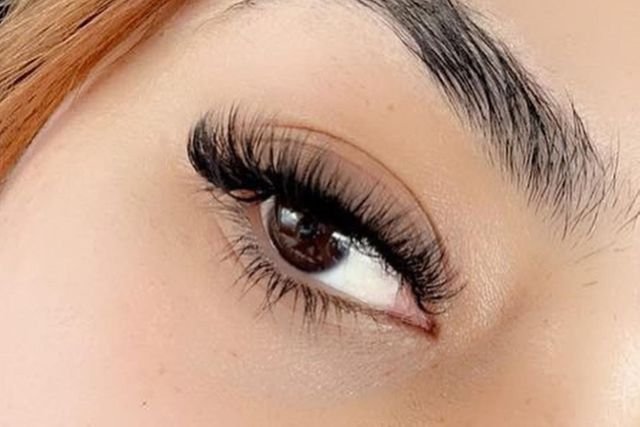
Searching for Eyelash Extensions Near Me can bring up many options, but choosing the right studio requires more than looking at photos. Before booking, consider the lash styles available, how extensions are applied, aftercare requirements, and whether the service fits your everyday routine.
For anyone comparing eyelash extension services in Tucson, understanding the differences between available options can make the decision easier. A suitable style should complement your natural lashes while providing the level of fullness, definition, or drama you actually want.
Start With the Lash Style You Prefer
One of the most subtle options is classic extensions. They opt for a one-to-one application, that is, one extension to one natural lash. In this way, the length and definition of hair can be added more naturally, with less fullness than other extension techniques.
Volume extensions add thickness and depth to the lash, and color may be customized to create a more dramatic look. This is the middle ground with hybrid extensions, which include 50% Classic extensions with 50% Volume Fan extensions for additional volume and balance.
Consider a More Dramatic Lash Look
Mega Volume extensions are meant to give the most dramatic and full-coverage effect. This style could be attractive for those who wish for a dramatic, glittery appearance instead of a subtle enhancement. Knowing the difference between Volume and Mega Volume can help you determine how pronounced you would like the finished result to be.
The style you like should also play off your natural lashes and lifestyle. When deciding on a set just because it looks good in a picture, think about how much fullness and care it will take to maintain every day.
Your preferred style should also work with your natural lashes and personal routine. Don’t just select a set because it’s featured in a photo; think about how much they will require in terms of fullness and care.
Look for Customized Lash Services
Lash extensions are applied individually to the natural lashes using a specially formulated adhesive. Since everyone’s natural lashes, eye shape, and desired look are different, customization plays an important role in achieving a result that feels natural and suits each person’s features.
Custom mapping can also prove helpful when it comes to comparing studios. It allows you to create the lash design based on the eye shape, density, and natural lash condition, instead of applying the same method for all your clients.
Ask About Maintenance and Fills
If you are looking for a consistent, polished appearance, lash extensions require regular upkeep. Fills are typically recommended every 2–3 weeks to maintain fullness and keep your extensions looking even as your natural lashes continue through their growth cycle.
Between appointments, too, there is a role for aftercare. Some good practices involve regular brushing and shampooing of lashes, the use of a high-quality lash cleanser, not picking or rubbing lashes and using oil-free facial products. Extensions are not recommended for mascara.
Check Appointment Preparation and Convenience
Before your appointment, make sure your eyes are clean and free of makeup. Arriving without eye makeup gives the lash artist more time to focus on applying extensions, helping the appointment run smoothly and efficiently.
Ease of use can also be a factor. When your plans change, it can help to take advantage of same-day appointments and walk-ins, though some requests may not be accepted. If flexibility is a must, ask in advance if the appointment will be available.
Compare Services Before You Book
If you are searching for the best eyelash extensions in Tucson, compare studios based on the styles they provide, customization options, aftercare guidance, and appointment requirements. A wider range of choices can make it easier to select a service that matches your preferred appearance.
Disclaimer: This article is for general informational purposes only and should not be considered professional medical, cosmetic, or beauty advice. Lash results may vary depending on individual lash condition, lifestyle, and aftercare. Consult a qualified lash professional for guidance based on your individual needs.

How to Choose an Eyewear Manufacturer in China for Your European or American Private Label Brand

Inside a China Eyewear Factory: How Eyewear Goes from Design and Material Selection to Mass Production
Inside a China Eyewear Factory: How Eyewear Goes from Design and Material Selection to Mass Production

Alex Pettyfer Net Worth, Wife, Age, Height, Children, Career and More

Brad Williams Net Worth, Wife, Height, Age, Daughter, Family, Career and More

Eldorado.gg Review 2026: How It Works, Safety, Fees, and Risks
-
Celebrity11 months ago
Alex Pettyfer Net Worth, Wife, Age, Height, Children, Career and More
-
Celebrity11 months ago
Brad Williams Net Worth, Wife, Height, Age, Daughter, Family, Career and More
-
Blog3 months ago
Eldorado.gg Review 2026: How It Works, Safety, Fees, and Risks
-
 Anime12 months ago
Sanzoku Bandits of One Piece: Origins, Higuma, and Their Role in Dawn Island
-
 Celebrity11 months ago
John McGinn Net Worth, Age, Height, Wife, Childrens, Career and More
-
 Celebrity11 months ago
Frances de la Tour Net Worth, Age, Height, Husband, Childrens, Career and More
-
 Anime12 months ago
Shimotsuki Ushimaru – The Last Daimyo of Wano Country Explained
-
 Celebrity11 months ago
Will Trickett Net Worth, Wife, Childrens, Age, Career and More