
Tech
IPTV Portugal Subscription – Live TV, Sports & Entertainment


Finding a convenient way to watch live television, sports, movies, and entertainment has become increasingly important for modern viewers. An IPTV Portugal Subscription offers a flexible way to access television content over an internet connection instead of relying solely on traditional cable or satellite services. With the right authorized IPTV provider, viewers in Portugal can enjoy a wide range of channels and entertainment options across compatible devices.
What Is IPTV Portugal?
IPTV Portugal refers to television services delivered through Internet Protocol technology. Rather than receiving programming through conventional broadcast, cable, or satellite signals, IPTV delivers content through a broadband internet connection.
This technology can support live television, on-demand programming, sports coverage, movies, series, news, entertainment, and other digital content. Depending on the provider and subscription package, customers may have access to Portuguese channels as well as international programming.
An IPTV Portugal Subscription can be particularly useful for people who want more flexibility in how, where, and when they watch television.
Benefits of an IPTV Portugal Subscription
One of the biggest advantages of IPTV is flexibility. Traditional television packages can sometimes limit users to specific hardware or viewing locations. Internet-based television can provide more freedom through compatible smart devices and applications.
1. Live TV Channels
A quality IPTV service can provide access to a broad selection of live TV channels in Portugal. Depending on the legally licensed content available from the provider, subscribers may find news, entertainment, documentaries, lifestyle programming, children’s channels, and general television networks in one place.
For viewers who enjoy having numerous channels available without constantly changing services, a well-organized IPTV platform can make the viewing experience more convenient.
2. Sports Entertainment
Sports remain one of the most popular reasons people explore IPTV services. An authorized IPTV Portugal service may provide access to sports channels and legally licensed sports programming, allowing viewers to follow football, basketball, motorsports, tennis, and other events.
Sports fans should always choose providers that have the appropriate broadcasting rights for the content they offer. This helps ensure reliable access while supporting legitimate content distribution.
3. Movies and TV Series
In addition to live television, many IPTV platforms provide access to movie and series libraries. Depending on the subscription, users may discover entertainment content across different categories, including drama, comedy, action, documentaries, and family programming.
Having live and on-demand entertainment available through one compatible platform can create a more streamlined viewing experience.
4. HD and 4K Streaming
Modern viewers increasingly expect high-quality picture resolution. Depending on the provider, internet connection, and content availability, IPTV Portugal services may support HD or 4K streaming.
A stable and sufficiently fast internet connection is essential for high-resolution streaming. Users should also ensure that their television or streaming device supports the resolution they want to enjoy.
Devices Compatible With IPTV
One of the attractive features of IPTV technology is compatibility with a wide range of modern devices. Depending on the provider and application, users may be able to watch content through:
- Smart TVs
- Android TV devices
- Streaming boxes
- Smartphones
- Tablets
- Computers
- Compatible media players
Before purchasing an IPTV Portugal Subscription, it is important to verify device compatibility and check whether the provider offers official setup instructions or applications.
How to Choose the Best IPTV Portugal Service
Not every IPTV provider offers the same level of quality, reliability, or legal content access. Comparing providers carefully can help users make a better decision.
Start by checking the channel selection and whether the content you want is officially licensed. Next, consider streaming quality, supported devices, customer support, subscription terms, and overall service reliability.
A trustworthy IPTV provider should clearly explain its service, pricing, supported devices, and content rights rather than making unrealistic promises.
It is also helpful to look for transparent policies and responsive customer support. A provider that offers clear information makes it easier for customers to understand exactly what they are purchasing.
IPTV Portugal for Modern Viewers
The popularity of internet-based entertainment continues to grow because viewers want convenience and flexibility. Instead of depending on a single traditional television platform, users can increasingly choose digital services that fit their viewing habits.
An IPTV Subscription can combine live television and on-demand entertainment in a way that suits households with different preferences. One person may want sports coverage, another may prefer Portuguese television, while someone else may want movies and international programming.
The ability to access entertainment on multiple compatible screens can also make IPTV a practical option for modern households.
Importance of a Stable Internet Connection
The quality of IPTV streaming depends heavily on internet performance. A reliable broadband connection can help reduce buffering and improve playback stability, especially when watching HD or 4K content.
Users should also consider their home network. Wi-Fi congestion, outdated routers, multiple connected devices, and weak wireless signals can affect streaming performance.
For the best possible experience, viewers should use a dependable internet connection and keep their streaming device and applications updated.
Conclusion
An IPTV Portugal Subscription can provide a flexible approach to modern television, combining live channels, sports, movies, series, and entertainment through an internet connection. With support for compatible smart TVs, mobile devices, computers, and streaming platforms, IPTV can fit a variety of viewing habits.
When choosing an IPTV service, focus on authorized content, reliable streaming, device compatibility, transparent pricing, and quality customer support. Selecting a legitimate provider is essential for a dependable and enjoyable viewing experience.
Whether you are interested in IPTV Portugal, live TV, sports programming, movies, or HD and 4K entertainment, comparing available services carefully can help you find a solution that matches your needs and viewing preferences.

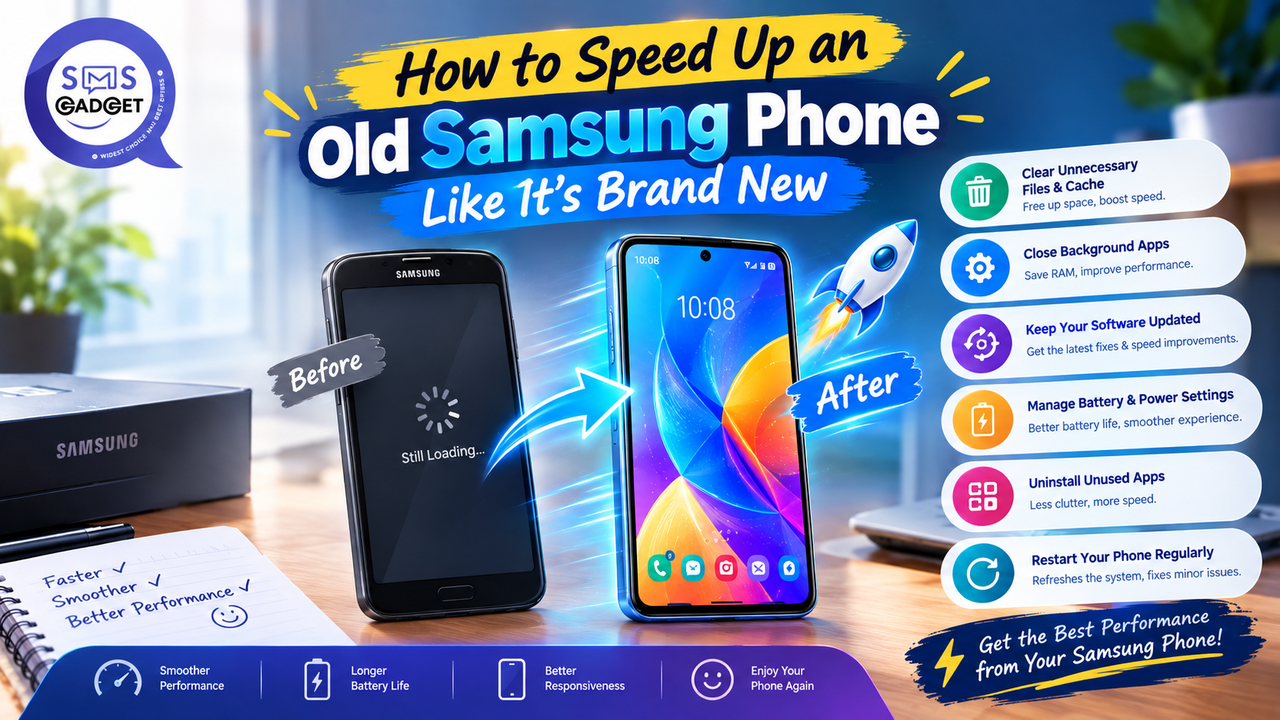
Your Samsung phone used to feel snappy, apps opened instantly, switching between them was smooth, and nothing hesitated. Now every tap feels like it’s waiting for something. Sound familiar?
- Why Does an Old Samsung Phone Slow Down Over Time?
- Storage Getting Full
- Too Many Background Apps & Bloatware
- Battery Degradation
- Outdated Software / Missed Updates
- Accumulated Cache & Junk Files
- Quick & Safe Fixes (Start Here — No Risk)
- Restart Your Phone Properly
- Clear App Cache via Device Care
- Free Up Storage with the Memory Cleaner Tool
- Turn Off Unnecessary Animations
- Update to the Latest One UI/Software Version
- Samsung-Specific Tools You’re Probably Not Using
- Using Device Care for Full Optimization
- Running Diagnostics with the Samsung Members App
- Disabling Bixby and Other Rarely-Used Samsung Features
- Managing Galaxy Store Auto-Updates and Background Syncing
- Turning Off/Limiting Good Lock Modules
- Free Up Storage the Right Way
- Finding and Deleting Large/Duplicate Files
- Moving Photos & Videos to Google Photos or Cloud Backup
- Uninstalling Apps You Don’t Use
- Using a MicroSD Card for Extra Storage
- Battery & Performance — The Hidden Connection
- How an Aging Battery Silently Slows Down Your Phone
- Checking Battery Health in Settings
- When a Battery Replacement Makes Sense
- Advanced Options (Try These If Basic Fixes Aren’t Enough)
- Factory Reset — When and How to Do It Safely
- Reinstalling Only Essential Apps After Reset
- Disabling/Uninstalling Pre-Installed Bloatware
- A Word of Caution on Custom ROMs
- When Should You Stop Trying and Upgrade Instead?
- Signs Your Phone Has Genuinely Reached Its Limit
- Repair/Upgrade Cost Comparison
- Budget-Friendly Samsung Upgrade Options in Bangladesh
- Frequently Asked Questions
- Does a factory reset really make an old Samsung phone faster?
- Why does my Samsung phone lag even after clearing cache?
- Is it safe to disable Bixby and other Samsung apps?
- How often should I restart my Samsung phone for best performance?
- Does replacing the battery actually improve phone speed?
- Final Checklist — Speed Up Your Samsung Phone Step by Step
This happens gradually, not overnight, and it’s rarely just one thing. Software bloat builds up, storage fills with clutter, the battery ages and starts throttling performance, and background apps quietly eat into resources the phone used to have to spare. The good news is that most of this is fixable, some of it in minutes, with zero risk.
This guide moves from the safest, quickest fixes through to more advanced options in order, so the easy wins get tried before anything more involved.
Why Does an Old Samsung Phone Slow Down Over Time?
Storage Getting Full
Android and,, by extension, One UI, need a reasonable amount of free storage to manage temporary files and background processes efficiently. Once storage creeps above roughly 90% full, the whole system can noticeably slow down, even if none of the individual apps have changed.
Too Many Background Apps & Bloatware
Every app running in the background, whether actively used or not, competes for RAM and processing power. Over time, installed apps and pre-loaded bloatware accumulate, and a phone that once ran five background apps comfortably might now be juggling twenty.
Battery Degradation
As a battery ages, its ability to deliver consistent power output declines. To protect the aging cell, the phone’s system can throttle CPU performance, meaning a big part of that “slow” feeling might actually be the battery, not the software at all.
Outdated Software / Missed Updates
Skipped software updates mean missing out on the performance optimizations and bug fixes Samsung regularly ships, older, unpatched software is often measurably less efficient than the current version for the same hardware.
Accumulated Cache & Junk Files
Cached data is supposed to speed things up by avoiding repeated downloads, but over months and years, poorly managed cache can bloat past its usefulness and start dragging the system down instead of helping it.
Quick & Safe Fixes (Start Here — No Risk)
Restart Your Phone Properly
A simple restart clears temporary memory and stops any runaway background processes accumulated since the last reboot. Setting up an auto-restart schedule (Settings > General Management > Reset > Auto restart) once a week keeps this maintenance running without having to remember it.
Clear App Cache via Device Care
Go to Settings > Battery and Device Care > Storage, and clear cached data across apps. This is completely safe, it doesn’t touch personal data, just temporary files apps can regenerate as needed.
Free Up Storage with the Memory Cleaner Tool
Device Care’s built-in storage cleaner identifies unused apps, duplicate files, and large media automatically, making it the fastest way to reclaim space without manually hunting through folders.
Turn Off Unnecessary Animations
In Developer Options (enabled by tapping Build Number seven times under Settings > About Phone), reducing Window, Transition, and Animator animation scale to 0.5x, or off entirely, makes the interface feel noticeably snappier, even on hardware that hasn’t changed at all.
Update to the Latest One UI/Software Version
Checking Settings > Software Update regularly ensures the phone is running Samsung’s latest performance and security optimizations for that model.
Samsung-Specific Tools You’re Probably Not Using
Using Device Care for Full Optimization
Beyond just cache clearing, Device Care’s one-tap “Optimize Now” feature checks battery, storage, memory, and security together, closing unused background processes and flagging issues in a single pass, most users only ever touch a fraction of what this tool actually does.
Running Diagnostics with the Samsung Members App
The Samsung Members app includes a built-in diagnostics tool that checks hardware components, battery, touchscreen, and sensors directly, which can help rule out (or confirm) whether a hardware issue is contributing to the slowdown.
Disabling Bixby and Other Rarely-Used Samsung Features
Bixby, along with features like Bixby Vision and Bixby Routines, run background processes even when rarely used. Disabling what isn’t actively used (Settings > Advanced Features, or holding the relevant button/gesture shortcut) frees up a small but real amount of background resource usage.
Managing Galaxy Store Auto-Updates and Background Syncing
The Galaxy Store, much like the Play Store, can auto-update apps and sync data in the background. Adjusting this to Wi-Fi-only updates, or manual updates entirely, under Galaxy Store > Settings, reduces unnecessary background activity.
Turning Off/Limiting Good Lock Modules
For anyone who’s installed Good Lock modules for extra customization, it’s worth reviewing which are still active, each module adds a small amount of background overhead, and modules installed years ago and forgotten about are an easy thing to overlook.
Free Up Storage the Right Way
Finding and Deleting Large/Duplicate Files
Device Care’s storage analyzer breaks down usage by file type and size, making it straightforward to spot large downloads, duplicate screenshots, or forgotten video files taking up disproportionate space.
Moving Photos & Videos to Google Photos or Cloud Backup
Backing up photos and videos to Google Photos (or Samsung Cloud) and then removing the local copies can free up a substantial chunk of storage, particularly on phones that have accumulated years of camera media.
Uninstalling Apps You Don’t Use
Any app not opened in the last few months is a reasonable candidate for removal. Where available, switching to a “Lite” version of an app (common for social media and messaging apps) keeps the functionality while using a fraction of the storage and background resources.
Using a MicroSD Card for Extra Storage
On Samsung models that still support expandable storage, a microSD card offers a low-cost way to offload photos, videos, and some apps, relieving pressure on internal storage without deleting anything.
Battery & Performance — The Hidden Connection
How an Aging Battery Silently Slows Down Your Phone
As battery capacity and its ability to deliver peak current both decline with age, the phone’s power management system can automatically reduce CPU clock speeds to prevent unexpected shutdowns, a protective measure that shows up to the user simply as the phone feeling slower.
Checking Battery Health in Settings
Under Settings > Battery and Device Care > Battery > Battery Information (or through the Samsung Members diagnostics tool), the current battery health percentage relative to original design capacity can be checked directly.
When a Battery Replacement Makes Sense
Once battery health drops meaningfully below its original capacity, commonly cited as a rough threshold around 80%, a replacement often restores a noticeable amount of the phone’s original responsiveness. In Bangladesh, getting this done through Samsung’s official service centers ensures a genuine battery and keeps any remaining warranty intact, rather than risking a lower-quality aftermarket part from an unauthorized repair shop.
Advanced Options (Try These If Basic Fixes Aren’t Enough)
Factory Reset — When and How to Do It Safely
If the basics haven’t resolved the slowdown, a factory reset (Settings > General Management > Reset > Factory Data Reset) wipes accumulated software clutter entirely. Before starting, back up photos, contacts, and app data through Samsung Cloud or Google’s backup tools, and make sure the Google account and Samsung account credentials are on hand to sign back in afterward.
Reinstalling Only Essential Apps After Reset
After a reset, resist the urge to reinstall everything at once, bringing back only the apps actually used regularly avoids recreating the same clutter that caused the slowdown in the first place.
Disabling/Uninstalling Pre-Installed Bloatware
Many pre-loaded apps can be disabled (if not fully uninstalled) under Settings > Apps, even if Samsung doesn’t allow full removal, disabling stops them from running in the background even though the app icon remains present in the app list.
A Word of Caution on Custom ROMs
Installing a custom ROM can, in theory, strip out even more bloat and squeeze out extra performance, but it also voids warranty, carries a real risk of bricking the device if done incorrectly, and loses access to Samsung Knox-dependent features like Samsung Pay. For most users, the risk far outweighs the marginal performance gain, and it’s not something to attempt without already being comfortable with the process.
When Should You Stop Trying and Upgrade Instead?
Signs Your Phone Has Genuinely Reached Its Limit
If a factory reset doesn’t meaningfully improve performance, if the battery can no longer make it through a normal day even after replacement, or if the phone can no longer run the current app versions smoothly, that’s a fairly reliable sign the hardware itself, not just the software, has reached its practical limit.
Repair/Upgrade Cost Comparison
A battery replacement is almost always worth it relative to its cost. But if a phone needs a battery replacement and is also short on storage and RAM by today’s standards, the combined cost of fixing all three can start approaching a meaningful fraction of a new budget phone’s price, at which point upgrading often makes more financial sense than continuing to patch an aging device.
Budget-Friendly Samsung Upgrade Options in Bangladesh
For anyone deciding it’s time to move on, checking current Samsung mobile price listings across the A series is a good starting point, several current models deliver a meaningfully faster, smoother experience at a genuinely accessible price, without needing to stretch to a flagship. Buying through an authorized Samsung mobile shop also means the new device comes with a valid local warranty from day one.
Frequently Asked Questions
Does a factory reset really make an old Samsung phone faster?
Yes, in most cases, it clears out years of accumulated software clutter, cache buildup, and fragmented settings that gradual maintenance alone can’t fully undo. It’s most effective as a later step, after the simpler fixes have already been tried.
Why does my Samsung phone lag even after clearing cache?
If lag persists after clearing the cache, the cause is often either an aging battery throttling performance, storage still running close to full capacity, or too many background apps still active; it is worth checking all three rather than assuming cache was the only issue.
Is it safe to disable Bixby and other Samsung apps?
Yes. Disabling features like Bixby doesn’t affect core phone functionality and can be re-enabled at any time through Settings if needed later.
How often should I restart my Samsung phone for best performance?
Once a week is a reasonable rule of thumb for most users, and setting up the built-in auto-restart schedule removes the need to remember to do it manually.
Does replacing the battery actually improve phone speed?
Yes, often noticeably, an aging battery can trigger automatic performance throttling to prevent unexpected shutdowns, so a fresh battery can restore a real portion of the phone’s original responsiveness, separate from any software fixes.
Final Checklist — Speed Up Your Samsung Phone Step by Step
- Restart the phone and set up a weekly auto-restart
- Clear app cache through Device Care
- Run the Memory Cleaner / Optimize Now tool
- Reduce or turn off animations in Developer Options
- Update to the latest software version
- Disable Bixby and other unused Samsung features
- Back up and delete large or duplicate files
- Uninstall unused apps, switching to Lite versions where possible
- Check battery health and consider a replacement if it’s significantly degraded
- If nothing else works, back up and perform a factory reset
Working through this list in order usually brings back a meaningful chunk of that original snappy feeling, and if it doesn’t, at least there’s a clear answer as to why.


Nothing disrupts a peaceful Florida evening quite like scratching in the ceiling or a hissing possum on the back porch. Palm Beach homeowners know this feeling all too well. Between the humid climate, dense foliage, and warm weather that never really goes away, this region is a magnet for wildlife looking for food, shelter, and a safe place to raise their young. Unfortunately, that “safe place” often turns out to be your attic, crawlspace, or garage.
While a stray squirrel or curious raccoon might seem harmless at first, these encounters can quickly spiral into costly, stressful situations. Chewed wiring, contaminated insulation, structural damage, and disease exposure are just a few of the risks that come with unresolved wildlife intrusions. That’s why so many local residents turn to Palm Beach Wildlife Services, a team dedicated to solving these problems safely, humanely, and permanently.
This post breaks down what modern wildlife management looks like, why DIY methods often fall short, and how professional intervention protects both your home and the animals involved.
Why Wildlife Keeps Finding Its Way Into Palm Beach Homes
Florida’s subtropical climate creates near-perfect living conditions for a wide range of species, including raccoons, opossums, squirrels, bats, rats, and even the occasional iguana. These animals aren’t drawn to your home out of malice. They’re simply following instinct, searching for warmth, protection from predators, and a reliable food source.
Older roofing, minor structural gaps, and unsecured vents are all it takes for wildlife to establish a foothold. Once inside, many species will nest and reproduce, making the problem significantly harder to resolve the longer it goes unaddressed. What starts as a single intruder can quickly become an entire family setting up residence in your walls.
The Hidden Costs of Ignoring a Wildlife Problem
It’s tempting to hope a wild animal will simply leave on its own. In reality, most won’t, especially once they’ve found a comfortable nesting spot. Ignoring the issue often leads to:
- Structural damage: Gnawing, digging, and nesting behaviors can weaken insulation, wiring, and wood framing.
- Health risks: Wildlife can carry parasites, bacteria, and diseases like leptospirosis or salmonella, which pose real risks to humans and pets.
- Odor and contamination: Droppings and urine can seep into insulation and drywall, creating lingering smells and air quality issues.
- Escalating costs: The longer wildlife remains, the more expensive repairs and remediation typically become.
These consequences highlight why early intervention matters. The sooner a problem is addressed, the simpler and more affordable the resolution.
Why DIY Wildlife Removal Often Backfires
A quick online search will turn up plenty of home remedies for dealing with unwanted wildlife, from mothballs to ultrasonic devices to store-bought traps. While some of these methods may offer temporary relief, they rarely solve the underlying problem.
Wild animals are resourceful. Trapping and relocating them without proper knowledge of local regulations can also lead to legal complications, since Florida has specific rules governing the humane treatment and relocation of certain species. Beyond that, improper handling increases the risk of bites, scratches, and disease exposure.
Without sealing entry points and addressing the root cause, new animals will often move in shortly after the original ones are removed. This turns a one-time inconvenience into a recurring headache.
What Professional Wildlife Management Actually Involves
Effective wildlife management goes far beyond simply removing the animal you can see. A thorough approach typically includes several key stages:
Inspection and Identification
Technicians assess the property to determine which species is involved, how it’s entering the home, and the extent of any existing damage. This step is critical, since different animals require different handling techniques and legal considerations.
Humane Removal
Once the animal is identified, safe and humane removal methods are used to relocate it without unnecessary harm. This protects both the animal and the people carrying out the process.
Entry Point Exclusion
Identifying and sealing the access points animals used to get inside is one of the most important steps in preventing repeat problems. Without this, even a successful removal is only a temporary fix.
Cleanup and Sanitation
Droppings, nesting materials, and contaminated insulation are removed to eliminate odors and reduce health risks for the household.
A Trusted Local Approach to Lasting Solutions
Anyone dealing with unwelcome wildlife deserves a lasting fix, not a temporary patch. Animal Control handled by trained professionals gives Palm Beach homeowners a way to resolve infestations quickly while significantly reducing the odds of a repeat visit. Palm Beach Wildlife Services has built its reputation around this exact outcome, combining local expertise with humane practices tailored to Florida’s unique wildlife challenges.
Because every property and every species is different, a one-size-fits-all approach rarely works. Technicians familiar with the region’s climate, common intruders, and building styles are better equipped to identify vulnerabilities that an untrained eye might miss. This local knowledge often makes the difference between a quick resolution and a recurring cycle of frustration.
Protecting Your Home for the Long Term
Wildlife problems rarely resolve themselves, and delaying action typically makes the situation more complicated and costly. Recognizing the early signs, understanding the risks of DIY methods, and knowing when to call in trained professionals can save Palm Beach homeowners significant time, money, and stress.
If scratching sounds, strange odors, or visible damage have you suspecting unwanted guests, addressing the issue sooner rather than later is always the smarter move. A proactive approach today can prevent a much bigger headache tomorrow.

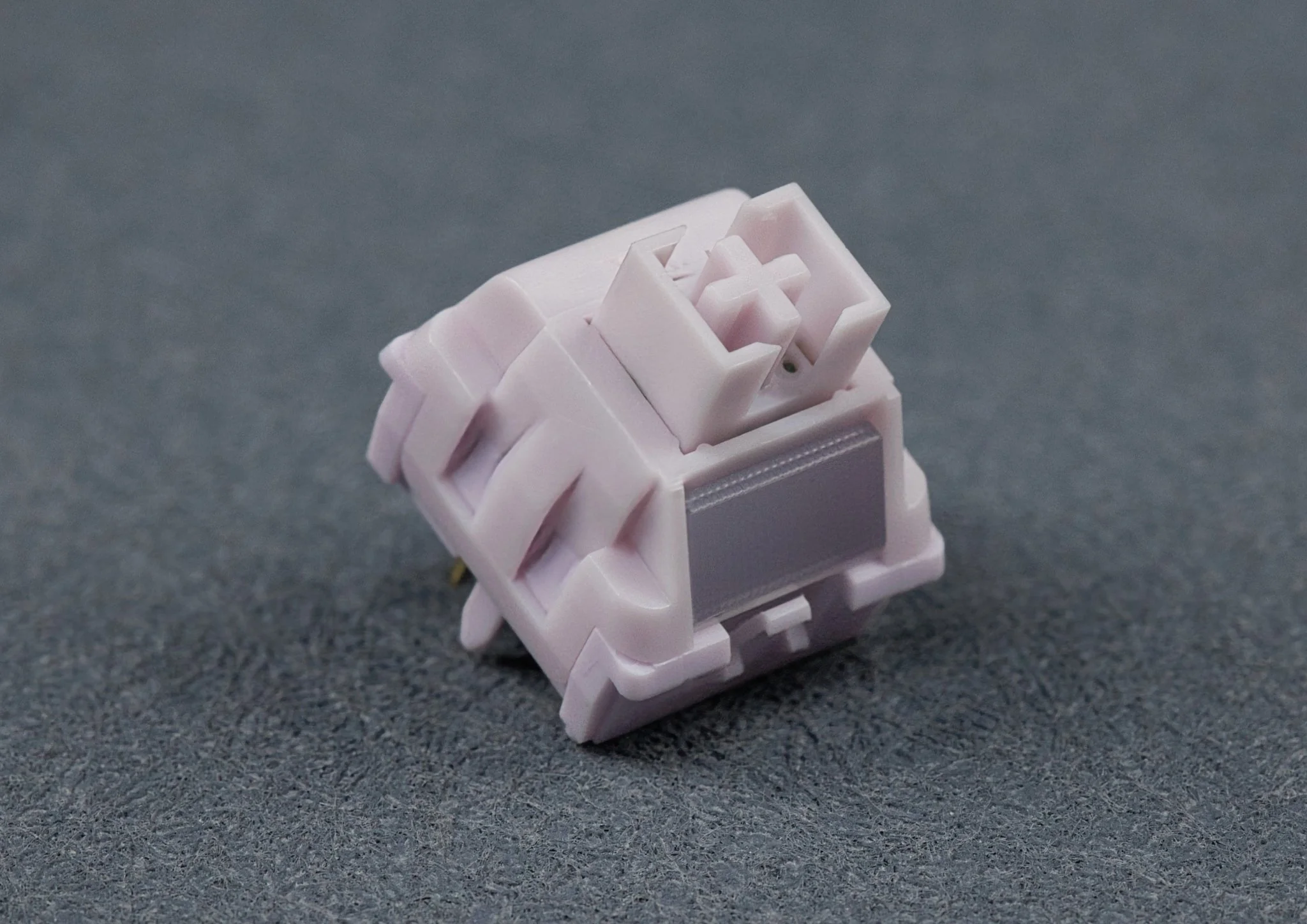
Mechanical keyboards are known for their satisfying sound and precise feel, but that familiar typing noise is not ideal for everyone. If you work in a shared office, study late at night, stream games, or share a room with someone, the constant clack of a mechanical keyboard can become distracting.
- What Should You Look for in Silent Keyboard Switches?
- How Important Is the Dampening Material?
- Does Actuation Force Affect Silent Switch Performance?
- Should You Choose Pre-Lubed Silent Switches?
- Silent Linear vs. Silent Tactile: Which Should You Choose?
- When Should You Choose Silent Linear Switches?
- When Should You Choose Silent Tactile Switches?
- Which Silent Switch Type Is Quieter?
- What Is the Difference Between Silent and Regular Keyboard Switches?
- Are Silent Keyboard Switches Compatible With Your Keyboard?
- What Is the Difference Between 3-Pin and 5-Pin Silent Switches?
- Can You Use Silent Switches on a Hot-Swappable Keyboard?
- How Do You Choose the Best Silent Keyboard Switches for Your Needs?
- What Are the Best Silent Switches for Office Use?
- What Are the Best Silent Switches for Gaming?
- What Are the Best Silent Switches for Long Typing Sessions?
- Conclusion
- FAQs
This is where silent keyboard switches can make a difference. Unlike standard mechanical switches, silent switches use dampening elements or other noise-reduction designs to reduce the sound created when a key is pressed and released. They are not completely silent, but a well-designed silent switch can make a mechanical keyboard noticeably less intrusive.
The challenge is that choosing a silent switch is not simply about finding the quietest option. Switch type, actuation force, dampening material, pin configuration, lubrication, and typing style all affect the final experience.
In this guide, we’ll explain what to look for in silent keyboard switches, compare silent linear and tactile switches, discuss compatibility, and help you choose a switch based on how you actually use your keyboard.
What Should You Look for in Silent Keyboard Switches?
When choosing silent keyboard switches, start with three factors: sound reduction, typing feel, and compatibility.
A good silent switch should reduce the impact noise without making the key feel excessively soft or inconsistent. For inspiration, see our list of the quietest keyboard switches. However, there is usually a trade-off. Adding dampening material can change the way a switch feels at bottom-out and top-out, so two switches with similar noise levels may feel quite different.
For example, a person who types lightly in an office may prefer a soft, lightweight linear switch, while someone who writes thousands of words every week may prefer a tactile switch that provides a clear bump.
You should also check the switch’s actuation and bottom-out force. RTINGS’ current switch testing illustrates how substantially these specifications can vary between models, with actuation forces and bottom-out forces differing across switch designs.
How Important Is the Dampening Material?
Dampening is one of the defining characteristics of a silent switch. Many designs use silicone or rubber-like materials to soften the impact when the stem reaches the top or bottom of its travel.
The material and placement can affect more than sound. Traditional silicone dampeners may create a softer or slightly “mushier” bottom-out, while newer designs use different stem geometries or shock-absorbing structures to preserve more of the original switch feel.
LumeKeebs, for example, notes that some modern silent tactile switches use alternative mechanisms rather than conventional silicone dampeners to reduce noise while retaining more tactile feedback.
Does Actuation Force Affect Silent Switch Performance?
Actuation force determines how much force you need to register a keystroke. A lighter switch can feel quick and effortless, while a heavier switch may provide more resistance and control.
For long typing sessions, lighter switches can reduce the amount of force required for each keystroke, but very light switches may feel less controlled to some users. Gamers who frequently press movement keys may prefer a medium or light actuation force.
The best choice depends more on your typing habits than on a particular number.
Should You Choose Pre-Lubed Silent Switches?
Pre-lubed switches can be convenient because they are ready to install without requiring you to manually lubricate each switch. At UniKeys, most silent switches ship factory-lubed; if you would rather tune the feel yourself, see our hand-lubed switches or our guide to lubing switches.
Factory lubrication can reduce friction between the stem and housing, producing a smoother keypress. RTINGS notes that some recommended switches arrive with consistent factory lubrication, reducing the need for additional work before installation.
For beginners, pre-lubed silent switches are often a practical choice. Experienced keyboard enthusiasts may still prefer hand-lubing when they want to fine-tune the feel.
Silent Linear vs. Silent Tactile: Which Should You Choose?
The biggest decision when shopping for silent keyboard switches is often whether you want a linear or tactile switch.
Linear switches have a smooth keypress from top to bottom without a tactile bump. Silent linear switches are therefore relatively straightforward: they combine a smooth travel path with dampening to reduce impact noise.
Tactile switches, on the other hand, have a noticeable bump during the keypress. This gives your fingers physical feedback that the switch has reached its actuation point.
For most users, neither type is universally better. Your choice should depend on whether you prioritize smoothness or tactile feedback. Our linear vs tactile guide can help you decide.
| Feature | Silent Linear | Silent Tactile |
| Key feel | Smooth | Noticeable bump |
| Noise | Very low | Low to very low |
| Typing feedback | Minimal | Stronger |
| Gaming | Good for rapid presses | Good for deliberate inputs |
| Long typing | Smooth and consistent | Feedback can help reduce accidental presses |
| Typical feel | Soft and fluid | Controlled and responsive |
When Should You Choose Silent Linear Switches?
Silent linear switches are a good starting point if you want a smooth and quiet mechanical keyboard.
They work particularly well for gamers who repeatedly press movement keys, users who prefer uninterrupted key travel, and people who dislike the tactile bump of traditional switches.
For example, RTINGS currently lists the TTC Frozen Silent V2 as its best silent linear switch and measures it at 38gf actuation force and 45gf bottom-out force. If you are after a silent linear switch in stock now, the OUTEMU Silent Honey Peach V3 Pro is a popular factory-lubed option.
That does not make it the right choice for everyone, but it demonstrates why force specifications are worth checking before buying.
When Should You Choose Silent Tactile Switches?
Silent tactile switches make more sense if you enjoy feedback under your fingertips.
They can be especially useful for writers, programmers, and office users who want to know when a key has actuated without relying entirely on sound. A well-stocked in-stock example is the OUTEMU Silent Lime V3 Pro tactile.
Modern silent tactile switches have also improved compared with earlier designs. RTINGS notes that newer silent tactile designs can retain a distinct tactile bump while keeping noise relatively low.
Which Silent Switch Type Is Quieter?
In general, silent linear switches tend to have a slight advantage in minimizing noise, although the specific design matters more than the category alone.
RTINGS’ current testing also notes that its recommended silent tactile switch produces slightly more noise than its recommended silent linear option.
However, your typing technique matters too. Someone who presses keys aggressively may produce more bottom-out noise than someone with a light touch, even with the same switch.
What Is the Difference Between Silent and Regular Keyboard Switches?
The main difference is how the switch handles impact noise.
A regular mechanical switch generally allows more of the sound generated by the stem, housing, and bottom-out impact to reach the keyboard case. A silent switch introduces a mechanism designed to absorb or reduce some of that impact.
This does not mean a silent keyboard produces no sound. Keycaps, stabilizers, the keyboard case, desk surface, and typing technique can all contribute to the final sound profile.
PC Gamer’s hands-on experience with Cherry MX Silent switches made a similar point: the switches significantly reduced the characteristic mechanical clack, but they still produced audible sound and felt somewhat different from standard MX Red switches.
Silent vs. Standard Linear Switches
A silent linear switch generally retains the smooth travel of a normal linear switch while reducing top-out and bottom-out noise.
If you already like linear switches but want a quieter keyboard, switching to a silent version can be a relatively straightforward upgrade.
Silent vs. Standard Tactile Switches
The difference is more noticeable with tactile switches because dampening can influence the tactile experience.
A conventional tactile switch may have a sharper bottom-out and more noticeable sound. A silent tactile version attempts to preserve the bump while softening the impact.
This is why some silent tactile switches can feel softer than their standard counterparts.
Silent vs. Clicky Switches
Clicky switches are designed to produce an intentional click during actuation. Silent switches take the opposite approach by reducing mechanical impact noise.
If you work around other people, record audio, or share a bedroom, silent switches are generally more practical than clicky switches.
Are Silent Keyboard Switches Compatible With Your Keyboard?
Before buying a set of silent switches, compatibility should be checked carefully.
Most modern MX-style mechanical switches use a standardized stem design, but keyboard sockets, PCB layouts, and mounting systems can vary. You should confirm the switch type supported by your keyboard before ordering.
If you are building a custom keyboard, also check whether your PCB supports 3-pin or 5-pin switches.
What Is the Difference Between 3-Pin and 5-Pin Silent Switches?
The difference is primarily mechanical mounting.
A 3-pin switch has two metal contact pins and one central stem position, while a 5-pin switch adds two plastic alignment legs. The extra legs can provide additional stability on compatible PCBs.
Five-pin switches are commonly used in custom mechanical keyboard builds because they can provide a more secure fit. However, a 5-pin switch is not automatically “better” in terms of sound or typing feel.
Some PCBs designed for 3-pin switches may not accept the additional plastic legs without modification.
Can You Use Silent Switches on a Hot-Swappable Keyboard?
Yes, in many cases.
Hot-swappable keyboards are designed to let you replace switches without soldering. New to swapping switches? Our step-by-step build guide walks through the basics. If your keyboard uses compatible MX-style hot-swap sockets, you can often install silent switches directly.
However, check the socket type and switch compatibility first. Some hot-swap boards have specific limitations, and the physical fit of a switch is only part of the equation.
For a first switch upgrade, checking your keyboard manufacturer’s specifications can save you from buying an incompatible set.
How Do You Choose the Best Silent Keyboard Switches for Your Needs?
There is no single best silent switch for every user. Instead, think about where you use your keyboard, how hard you type, and what kind of feedback you prefer.
If your priority is reducing noise, look at the overall switch design rather than relying only on the word “silent” in the product name. If possible, listen to sound tests and consider how the switch feels during bottom-out.
You can also explore different options when comparing silent keyboard switches, especially if you already know whether you prefer linear or tactile switches.
What Are the Best Silent Switches for Office Use?
For an office, prioritize low noise and comfortable long-term typing.
A silent tactile switch can be useful if you want feedback without the louder sound of traditional tactile switches. A lightweight silent linear switch may be better if you prefer smooth and effortless keystrokes.
The goal is not necessarily to make your keyboard completely silent. It is to reduce the sound enough that your typing is less distracting to coworkers.
What Are the Best Silent Switches for Gaming?
For gaming, silent linear switches are often a natural fit because they provide smooth movement without a tactile bump.
They can also be useful for streamers. PC Gamer’s hands-on testing specifically highlighted situations where keyboard noise could be picked up by a microphone during gaming.
If you frequently press WASD, Shift, Ctrl, or other movement keys rapidly, a smooth switch with moderate actuation force may feel more comfortable.
What Are the Best Silent Switches for Long Typing Sessions?
For writers, students, programmers, and other heavy typists, comfort should come before absolute quietness.
A tactile silent switch can provide useful feedback during long sessions, while a linear silent switch may feel smoother if you prefer to glide between keystrokes.
Pay attention to actuation force, spring weight, lubrication, and bottom-out feel. A switch that feels comfortable after 10 minutes may feel very different after several hours.
Conclusion
The best silent keyboard switches are not necessarily the switches that produce the least sound. The better choice is the one that balances noise reduction with the typing feel you actually enjoy.
Silent linear switches are worth considering if you want smooth travel and minimal interruption, while silent tactile switches are a better match for users who want physical feedback without the louder sound of conventional mechanical switches.
Compatibility is equally important. Before ordering, check your keyboard’s switch format, hot-swap socket, pin configuration, and supported switch dimensions.
Finally, remember that the switch is only one part of a keyboard’s sound. Keycaps, stabilizers, the case, desk surface, and your typing technique can all influence the final result.
If you’re unsure where to start, compare several silent switches by both sound and feel, rather than choosing based solely on marketing terms. That approach gives you a much better chance of building a keyboard that is quiet enough for your environment while still feeling satisfying to use.
FAQs
What should I look for when buying silent keyboard switches?
Look at the switch type, actuation force, bottom-out force, dampening mechanism, lubrication, pin configuration, and compatibility with your keyboard. Sound tests are also useful because “silent” switches can have noticeably different sound profiles.
Are 3-pin or 5-pin silent switches better?
Neither is universally better. Five-pin switches can provide additional PCB stability, while 3-pin switches can work with a wider range of compatible PCBs. Choose based on your keyboard’s PCB and mounting requirements.
Do silent switches need to be lubricated?
Not necessarily. Many modern switches come factory-lubed and can be used immediately. Additional lubrication may improve smoothness in some cases, but it is not always necessary. If a switch already feels smooth and consistent, there may be little reason to modify it.

Reliable Garbage Disposal Repair for a Better-Functioning Kitchen

Building a Reliable Heating System With Professional Boiler Installation

A Complete Guide to Durable and Reliable Metal Roofing

Alex Pettyfer Net Worth, Wife, Age, Height, Children, Career and More

Brad Williams Net Worth, Wife, Height, Age, Daughter, Family, Career and More

Eldorado.gg Review 2026: How It Works, Safety, Fees, and Risks
-
Celebrity9 months ago
Alex Pettyfer Net Worth, Wife, Age, Height, Children, Career and More
-
Celebrity10 months ago
Brad Williams Net Worth, Wife, Height, Age, Daughter, Family, Career and More
-
Blog1 month ago
Eldorado.gg Review 2026: How It Works, Safety, Fees, and Risks
-
 Anime11 months ago
Sanzoku Bandits of One Piece: Origins, Higuma, and Their Role in Dawn Island
-
 Celebrity10 months ago
John McGinn Net Worth, Age, Height, Wife, Childrens, Career and More
-
 Celebrity10 months ago
Frances de la Tour Net Worth, Age, Height, Husband, Childrens, Career and More
-
 Celebrity10 months ago
Will Trickett Net Worth, Wife, Childrens, Age, Career and More
-
 Blog2 months ago
Crackstube: A Complete Guide to the Digital Publishing Platform