
Blog
Tree Maintenance: Essential Practices for Healthy, Safe, and Long-Lasting Trees

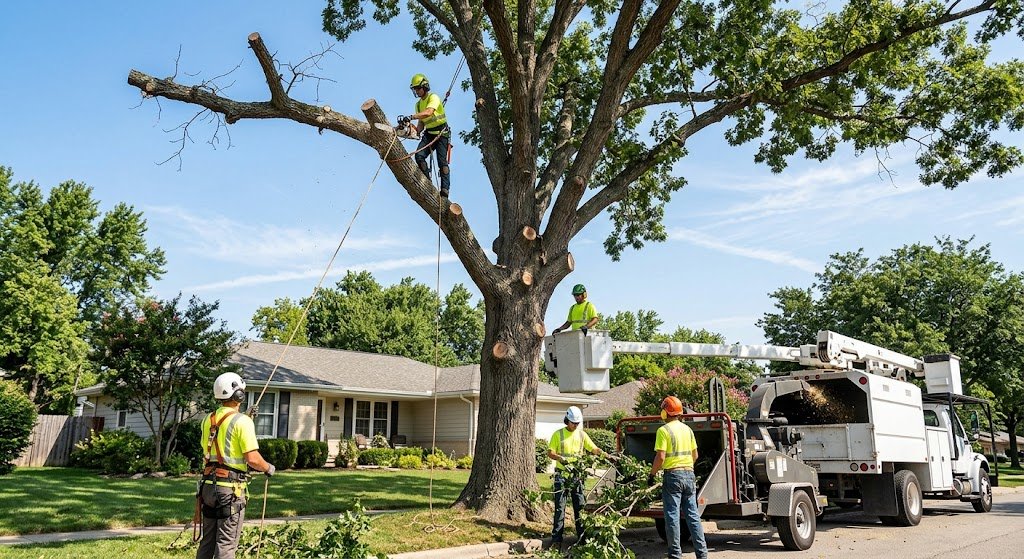
Trees are an important part of any well-maintained landscape, providing shade, privacy, beauty, habitat, and environmental benefits. However, healthy trees do not simply depend on natural growth. Trees located around homes, businesses, gardens, streets, and recreational areas are exposed to construction activity, compacted soil, changing weather, pests, diseases, limited root space, and other conditions that can affect their development. Consistent tree maintenance helps identify and address these challenges while supporting the long-term health, structure, and safety of valuable trees.
- Understanding the Importance of Tree Maintenance
- Inspecting Trees Regularly
- Proper Tree Pruning
- Watering Trees Correctly
- Mulching Around Trees
- Protecting Tree Roots
- Managing Soil Conditions
- Identifying Tree Diseases
- Monitoring for Insects and Pests
- Caring for Young Trees
- Maintaining Mature Trees
- Preparing Trees for Severe Weather
- Managing Trees Near Structures
- Handling Trees Near Utility Lines
- Stump and Root Management
- Improving Tree Health Naturally
- Choosing Professional Tree Care
- Creating a Regular Maintenance Schedule
- Avoiding Common Maintenance Mistakes
- Long-Term Benefits of Proper Tree Care
- Conclusion
Maintaining trees involves much more than occasional branch cutting. A complete approach may include pruning, watering, mulching, soil management, pest monitoring, disease detection, structural assessment, root protection, storm preparation, and removal of hazardous growth. The right maintenance routine depends on the tree species, age, location, soil conditions, climate, and surrounding property. By understanding these factors, property owners can create a practical care plan that supports healthy growth and reduces the likelihood of expensive or dangerous problems in the future.
Understanding the Importance of Tree Maintenance
Trees are living organisms that respond continuously to their surroundings. Their roots require adequate space, oxygen, water, and suitable soil conditions, while their branches and leaves depend on sunlight and healthy vascular systems. When one part of the tree becomes stressed, other parts may eventually be affected.
Regular maintenance makes it easier to notice changes before they become severe. Dead branches, unusual leaf discoloration, fungal growth, damaged bark, weak branch attachments, leaning trunks, and exposed roots can all indicate potential concerns.
Early identification does not always mean that a tree requires extensive treatment. Sometimes a simple adjustment to watering, mulching, or pruning can address a developing issue. In other situations, professional assessment may be necessary to determine whether a disease, pest infestation, root problem, or structural defect is present.
Inspecting Trees Regularly
Routine visual inspections are one of the simplest ways to monitor tree health. Property owners can look for changes in leaves, branches, bark, trunk condition, and the surrounding soil.
Dead or broken branches should be noted, particularly when they are located above areas where people, vehicles, or structures could be affected if they fall. Cracks in major limbs or the trunk may also deserve professional attention.
Changes in the canopy can provide useful information. Sudden thinning, unusual discoloration, premature leaf loss, or dieback may indicate stress. These symptoms can have multiple causes, so they should not automatically be attributed to a particular disease.
The ground around the tree should also be examined. Soil erosion, exposed roots, standing water, construction damage, and significant changes in grade can all affect root health.
Proper Tree Pruning
Pruning is an important part of ongoing maintenance when it is performed correctly. Removing dead, damaged, diseased, or poorly positioned branches can improve safety and help maintain the tree’s structure.
Young trees may benefit from selective structural pruning that encourages strong branch development. Mature trees generally require more conservative treatment because removing large branches can create significant wounds and alter established structures.
Pruning should have a clear purpose. Cutting branches simply to reduce the size of a tree can lead to unnecessary stress and weak regrowth. Excessive pruning can also remove too much foliage, reducing the tree’s ability to produce energy.
Large branches and trees located near buildings, roads, utility lines, or other obstacles should generally be evaluated by trained professionals before major pruning is attempted.
Watering Trees Correctly
Water is essential for tree health, but watering requirements vary according to species, age, soil, season, and environmental conditions. Both drought and excessive moisture can create problems.
Newly planted trees generally need more consistent watering while their root systems become established. Mature trees with well-developed roots may require less frequent supplemental watering depending on natural rainfall and soil conditions.
Deep and appropriate watering can encourage healthy root development, while frequent shallow watering may not adequately reach the deeper parts of the root zone.
Overwatering can be equally problematic. Saturated soil can reduce available oxygen around roots and may contribute to root deterioration. The soil should therefore be evaluated before additional water is applied.
Mulching Around Trees
Mulch can be useful for conserving soil moisture, moderating temperature, reducing weed competition, and improving the appearance of the landscape.
Organic materials such as wood chips or shredded bark are commonly used around trees. Mulch should be distributed across the root zone without being piled tightly against the trunk.
Creating a thick mound of mulch around the base of a tree can retain excessive moisture against the bark and create conditions that contribute to decay or other problems. A clear area immediately around the trunk is generally preferable.
Mulch also breaks down over time, so it should be inspected and replenished as necessary rather than continuously adding new layers without considering the existing depth.
Protecting Tree Roots
Roots are essential for water and nutrient uptake as well as structural stability. Unfortunately, they can be easily damaged because much of the root system is hidden below the soil surface.
Construction is one of the most common threats to tree roots. Excavation, trenching, soil compaction, paving, and heavy machinery can restrict root development or physically damage important roots.
Changes in soil grade can also affect roots by burying them too deeply or exposing them to environmental stress. Drainage changes may create either excessive moisture or drought conditions.
Protecting the root zone should therefore be part of any major property improvement project. Where possible, heavy equipment and unnecessary excavation should be kept away from established trees.
Managing Soil Conditions
Healthy soil provides the foundation for healthy root growth. Soil should contain adequate nutrients, moisture, air, and organic matter while allowing roots to develop naturally.
Compacted soil can limit oxygen availability and make it harder for water to move through the root zone. This can occur in areas exposed to frequent foot traffic, vehicle activity, construction equipment, or repeated landscaping work.
Improving soil conditions may involve adding organic matter, adjusting irrigation, reducing compaction, or using other appropriate techniques. However, soil amendments should be based on actual conditions rather than applied unnecessarily.
Soil testing can provide useful information about nutrient levels and pH when a tree is struggling or when planting conditions need to be evaluated.
Identifying Tree Diseases
Tree diseases can affect leaves, branches, bark, roots, or the internal vascular system. Symptoms can include discoloration, unusual growth, fungal structures, cankers, dieback, premature leaf loss, or changes in bark appearance.
Correct identification is important because different diseases require different management strategies. A symptom such as yellowing leaves can result from multiple causes, including nutrient deficiencies, drought, root damage, pests, or disease.
Property owners should avoid applying treatments based solely on a visual guess. An incorrect treatment may fail to address the actual problem and can sometimes create additional stress.
When symptoms are persistent, spreading, or difficult to identify, an arborist or qualified plant-health professional can help determine the likely cause and appropriate response.
Monitoring for Insects and Pests
Insects can cause varying levels of damage to trees. Some feed on leaves, while others attack bark, branches, roots, or internal tissues.
Not every insect found on a tree is harmful. Many insects are part of normal ecosystems and may have little or no meaningful impact on tree health.
Signs of potentially serious pest activity can include unusual holes, sawdust-like material, distorted leaves, declining branches, excessive insect populations, or repeated dieback.
Monitoring is generally preferable to automatically applying pesticides. If treatment is necessary, the appropriate product and application method should be determined based on the identified pest and the tree’s condition.
Caring for Young Trees
Young trees require careful attention because their root systems and structures are still developing. Proper planting depth, watering, soil conditions, and protection from physical damage can significantly influence future growth.
Structural pruning can help establish a strong framework without removing excessive foliage. The objective is to guide development gradually rather than heavily reshaping the tree.
Young trees should also be protected from lawn equipment. Repeated damage from string trimmers or lawn mowers can injure the bark and create entry points for pests and disease.
As the tree grows, supports or protective materials should be monitored and adjusted so they do not restrict trunk development.
Maintaining Mature Trees
Mature trees can provide significant landscape value, but their size and age may make maintenance more complicated. Large branches can be heavy, and structural defects may be difficult to identify from the ground.
Mature trees benefit from periodic professional assessments, particularly when they are located near buildings, parking areas, roads, playgrounds, or other occupied spaces.
Pruning should generally be selective and conservative. Removing large branches without a clear reason can create substantial wounds and alter the tree’s natural structure.
Regular monitoring is especially valuable because early detection of structural problems may provide more management options than waiting until a major branch fails.
Preparing Trees for Severe Weather
Strong winds, heavy rainfall, ice, snow, and other severe weather conditions can place significant stress on trees. Preparation can reduce some risks, although no maintenance strategy can guarantee that a tree will remain undamaged during extreme weather.
Before severe weather seasons, property owners can inspect trees for dead branches, weak attachments, visible cracks, or other structural concerns.
Branches that already show signs of failure may become particularly dangerous during strong winds. Addressing these issues before a major storm can reduce potential hazards.
After severe weather, trees should be inspected for broken limbs, split trunks, uprooting, hanging branches, and other damage. Severely damaged trees should not be climbed or cut without appropriate training and equipment.
Managing Trees Near Structures
Trees located close to buildings require thoughtful maintenance. Branches may eventually grow against roofs, gutters, windows, siding, or other structures.
Selective clearance pruning can help maintain appropriate separation while preserving the tree’s overall form. The objective should be to remove only the growth necessary to address the concern.
Roots can also affect structures, although root-related problems are sometimes misunderstood. Cutting major roots without professional assessment can compromise tree stability and create additional hazards.
When trees and structures are in close proximity, both the immediate concern and the tree’s future growth should be considered.
Handling Trees Near Utility Lines
Trees growing near overhead utility lines require special caution. Branches can come into contact with electrical conductors, creating severe safety risks.
Property owners should not attempt to perform hazardous pruning near energized utility lines. Utility providers and appropriately qualified professionals should be contacted when clearance work is necessary.
Planning trees carefully at the time of planting can also reduce future conflicts. Selecting species with mature heights and canopy shapes appropriate for the available space can minimize the need for aggressive pruning later.
Stump and Root Management
When a tree has been removed, the remaining stump may interfere with future landscaping, attract insects, obstruct mowing, or create a trip hazard.
Stump grinding is one method of reducing the visible stump below ground level. Complete excavation is another option when the entire stump and major roots need to be removed, although this can disturb surrounding soil and landscaping.
If a stump is left in place, it may gradually decompose. However, property owners should understand that this process can take time and may create an obstacle for future landscaping.
The appropriate method depends on the property’s plans and the condition and location of the stump.
Improving Tree Health Naturally
Good tree care often begins with creating favorable growing conditions rather than relying on intensive treatments. Appropriate watering, adequate soil conditions, sufficient growing space, proper mulch application, and protection from physical damage can support natural resilience.
Trees that experience less environmental stress may be better equipped to respond to pests and diseases. This does not mean that healthy trees are immune to problems, but good cultural practices can provide an important foundation.
Avoiding unnecessary chemical applications is also beneficial when there is no identified pest or disease problem requiring treatment.
Choosing Professional Tree Care
Some maintenance tasks are suitable for property owners, while others require specialized knowledge and equipment. Small-scale observations and basic landscape care can often be performed routinely, but large-tree pruning, hazardous branch removal, tree removal, storm damage cleanup, and work near utility lines can involve significant risks.
When hiring a professional, property owners should consider experience, training, insurance, equipment, and the company’s approach to tree preservation and safety.
A qualified provider should be able to explain why particular work is recommended and distinguish necessary maintenance from unnecessary cutting.
Creating a Regular Maintenance Schedule
A maintenance schedule can help prevent tree care from becoming entirely reactive. Instead of waiting until a branch falls or a tree develops obvious symptoms, property owners can inspect trees periodically throughout the year.
Seasonal observations can identify changes in foliage, branch condition, soil moisture, and pest activity. Pruning and other maintenance tasks can then be scheduled according to the tree’s needs.
Keeping basic records can also be useful. Property owners can document major pruning, planting dates, treatments, storm damage, or professional inspections.A consistent approach makes it easier to track changes and identify patterns over time.
Avoiding Common Maintenance Mistakes
Several common practices can unintentionally harm trees. Excessive pruning, topping, damaging bark with lawn equipment, improper mulching, overwatering, and unnecessary chemical treatments can all create problems.
Another mistake is ignoring trees until they become hazardous. A branch that appears small today may become significantly heavier as it grows, while a minor structural weakness may become more difficult to address as the tree matures.
Planting trees in spaces that are too small for their mature size can also create long-term conflicts with buildings, pavement, utilities, and other plants.Thoughtful planning can prevent many of these issues before they develop.
Long-Term Benefits of Proper Tree Care
Consistent maintenance can help preserve trees as valuable long-term landscape features. Healthy trees can provide shade, improve outdoor comfort, support wildlife, and contribute to the overall character of a property.
Good care can also help reduce safety concerns by identifying hazardous branches and structural problems before they become emergencies. Maintaining trees near buildings and frequently used areas is particularly important because failures in these locations can have serious consequences.
Perhaps most importantly, responsible maintenance supports preservation. When trees receive appropriate care throughout their lives, property owners may be able to avoid unnecessary removal and enjoy their benefits for many years.
Conclusion
Tree maintenance is an ongoing process that combines observation, preventive care, appropriate pruning, watering, soil management, root protection, pest monitoring, and safety assessment. Healthy trees require suitable growing conditions, and problems are often easier to manage when they are identified early.
Young trees benefit from careful establishment and structural guidance, while mature trees require regular assessment and selective maintenance. Dead branches, disease symptoms, pest activity, root damage, and storm-related problems should be addressed according to their severity and location. Large or hazardous work should be handled by trained professionals with the appropriate equipment and experience.
A thoughtful tree maintenance plan does more than improve the appearance of a landscape. It helps protect trees from preventable stress, reduces potential hazards, and supports their long-term health and structural stability. By combining regular inspections with appropriate care and professional assistance when needed, property owners can maintain stronger, safer, and more attractive trees while preserving the many benefits they provide to outdoor spaces.


Mindset energy is the way your thoughts, feelings, and physical health affect your focus, mood, and daily tasks. It helps explain why some days you feel ready to work, while other days even simple tasks feel hard. Stress, poor sleep, negative thoughts, and too much work can all affect your energy.
- How Mindset Energy Works?
- Why Mindset Energy Matters in Daily Life?
- The Four Mindset Energy Zones
- Signs of High and Low Mindset Energy
- Common Causes of Low Mindset Energy
- How to Reset Your Mindset Energy?
- Daily Habits That Improve Mindset Energy
- Mindset Energy and Positive Thinking
- Mindset Energy and Stress Management
- How Mindset Energy Affects Work and Productivity?
- How to Build a Strong Mindset Energy Routine?
- Common Mistakes That Drain Mindset Energy
- Ignoring Tiredness
- Setting Unrealistic Goals
- Doing Too Many Things at Once
- Depending Only on Motivation
- Conclusion
- FAQs
The concept also includes four energy zones: Performance, Survival, Recovery, and Burnout. Each zone shows how your mood and energy work together. Healthy sleep, regular breaks, balanced thoughts, and small daily habits can help you manage stress and improve your focus.
How Mindset Energy Works?
Your mind and body work together all day. When you feel calm, you may find it easier to focus. When you feel stressed, you may think more about what could go wrong. This can make work feel harder.
For example, a long task list may leave you feeling stuck. Thinking “I cannot finish this” can add to your stress. But thinking “I can start with one task” may help you begin. A small change in your thoughts can make the first step easier.
The Role of Physical Health
Your health affects your mood and focus. Poor sleep can make it hard to think clearly. Hunger may leave you weak or upset. Stress can also affect your sleep and leave you tired.
Food, water, and rest help your body work well. You cannot always fix tiredness with positive thoughts. Sometimes, you need a meal, a break, or more sleep.
Why Mindset Energy Matters in Daily Life?
Your mental state affects how you work, make choices, and deal with people. When you feel calm, you may handle problems better. When you feel upset, small issues may seem much bigger.
For example, a coworker makes a mistake. On a good day, you may help fix it without getting upset. But after a hard day, the same mistake may make you angry. Your mood can affect how you respond.
Effects on Focus and Daily Tasks
Stress and worry can make it hard to focus. Your mind may keep going back to the same problem. This can affect your work, reading, and studies.
Knowing when you focus best can help you plan your day. You may work better after a short break or when you feel less rushed. You can use these patterns to plan your tasks.
The Four Mindset Energy Zones
The four energy zones show how your mood and energy work together. They are based on energy management ideas linked to Tony Schwartz and Jim Loehr. The zones look at your energy level and whether your mood is positive or negative.
The four zones are Performance, Survival, Recovery, and Burnout. Each zone shows a different mix of energy and feelings. These are not medical labels. You may move between them during the day.
The Four Energy Zones Explained
| Zone | Energy Level | Mental State | What It Means |
|---|---|---|---|
| Performance | High | Positive | Focused and ready to work |
| Survival | High | Negative | Stressed, worried, or upset |
| Recovery | Low | Positive | Calm, relaxed, and resting |
| Burnout | Low | Negative | Tired, drained, or helpless |
Performance Zone
The Performance Zone means you have high energy and a good mood. You feel calm, focused, and ready to work. You can handle tasks without too much stress.
For example, you may finish your morning work on time. You know what needs to be done and can focus on one task at a time. You still need breaks to avoid getting tired.
Survival Zone
The Survival Zone means you have high energy but feel stressed. You may be busy and active, but your mind feels under pressure. You might rush through tasks, worry about mistakes, or get upset easily.
For example, you may have a project due soon. You have enough energy to work, but you keep worrying about the deadline. Taking a short break and checking your thoughts may help you feel calmer.
Recovery Zone
The Recovery Zone means your energy is low, but your mood is calm. You may feel relaxed and want to rest. This is a normal part of getting your strength back after work.
For example, you may sit outside or read a book after a busy day. You are not trying to finish more tasks. You are giving your mind and body time to rest.
Burnout Zone
The Burnout Zone describes low energy and negative feelings. You may feel tired, upset, or unable to handle more work. Even small tasks may seem too hard.
For example, someone who works long hours without enough rest may lose interest in their tasks. They may feel tired before work starts. Long-term work stress can lead to burnout. If these feelings continue, a health expert may be able to help.
Signs of High and Low Mindset Energy
Your mood, thoughts, and actions can show how you feel. Some days, you may be ready to work. Other days, simple tasks may feel hard.
Your energy can change during the day. You do not need to feel active all the time. These changes can help you know when to work, rest, or ask for help.
Signs of High Energy
You may notice these signs when you feel mentally well:
- You can focus on your tasks.
- You feel ready to start work.
- You handle small problems calmly.
- You find it easier to make choices.
- You feel calm while working on your goals.
High energy does not mean you will never face problems. You may still feel stress or make mistakes. But you may find it easier to deal with them.
Signs of Low Energy
Low mental energy may cause these signs:
- You find it hard to focus.
- You often feel tired or upset.
- You put off simple tasks.
- You lose interest in things you enjoy.
- Small problems make you feel stressed.
These signs can have many causes. Poor sleep, stress, or illness may be the reason. They do not always mean you have a bad mindset. If these problems last or affect your daily life, speak with a health expert.
Common Causes of Low Mindset Energy
Low energy can have many causes. Poor sleep, stress, and too much work are common reasons. Sometimes, several problems build up over time.
For example, you may feel tired after a busy week. You might think you are lazy, even though you have not had enough rest. In this case, working harder may make you feel worse.
Poor Sleep and Physical Tiredness
Sleep helps your mind and body work well. Without enough sleep, you may find it hard to focus, remember things, or control your mood. You may also feel less ready to work.
Food and water are also important. Skipping meals can leave you weak or hungry. Not drinking enough water can cause headaches and tiredness. Regular meals, enough water, and good sleep can help.
Stress and Negative Thoughts
Stress can make simple tasks feel hard. You may spend too much time thinking about work, problems, or things that could go wrong. This can leave you worried and unable to focus.
Negative thoughts can add to your stress. For example, thinking “I always fail” may stop you from trying again. A more helpful thought is “I can learn from my mistakes.” This does not remove the problem, but it may help you deal with it.
Too Much Work and Too Little Rest
Working long hours without breaks can make you tired. You may lose focus, make mistakes, or find it hard to finish tasks. Even work you enjoy can become stressful when there is too much of it.
Rest gives your mind and body time to recover. Short breaks, fair goals, and enough sleep can help reduce stress. If you still feel tired after getting enough rest, speak with a health expert to check for other causes.
How to Reset Your Mindset Energy?
Feeling tired or stuck does not always mean you need more drive. Your body may need rest, or stress may make work feel harder. Finding the cause can help you decide what to do.
You can reset your mindset energy with three simple steps. Check your body, look at your thoughts, and start with a small task. These steps may help you feel less stressed and more ready to work.
Check Your Physical Needs First
Before trying to change your mood, check how your body feels. Did you sleep well? Have you eaten or had enough water? Poor sleep and hunger can affect your mood and focus.
If you feel tired after hours of work, take a break. Drink water or eat if you are hungry. Your body may need rest more than positive thoughts.
Change Negative Thoughts
Negative thoughts can make tasks feel harder. You may worry about mistakes or think something bad will happen. This can add stress before you even start.
For example, a friend has not replied to your message. You may think they are upset with you. But they could just be busy. Thinking about other reasons may help you worry less.
Start With Small Tasks
Large tasks can feel hard when your energy is low. Instead of trying to finish everything, start with one small step. This can make work feel easier.
If you need to clean your room, start with your desk. If you need to write a report, work on it for five minutes. Once you start, it may be easier to keep going.
Daily Habits That Improve Mindset Energy
Your daily habits affect how you think and feel. Sleep, food, exercise, and rest all play a part in your health. Good habits can help you feel more ready for daily tasks.
You do not need to change everything at once. Start with one small habit. You could take a short walk after lunch or go to bed at the same time each night.
Get Enough Sleep
Sleep helps your brain and body rest. Most adults need at least seven hours of sleep each night. Poor sleep can affect your mood, memory, and focus.
Try to sleep and wake up at the same time each day. Keep your room dark and quiet. Avoid using your phone before bed if it makes sleep harder.
Eat Well and Stay Active
Your body needs food and water to work well. Eating regular, healthy meals can help prevent hunger and low energy. Drinking enough water also helps prevent dehydration.
Being active can help your mood and sleep. You do not need to do hard workouts. Walking, stretching, or riding a bike can help you stay active.
Take Regular Breaks
Working for hours without rest can make it hard to focus. Short breaks give your mind and body time to relax.
After working at your desk, stand up and walk around. You can also stretch or sit in a quiet place. A short break may help you return to work with better focus.
Mindset Energy and Positive Thinking
Positive thinking means looking at problems in a fair and helpful way. It does not mean you must feel happy all the time. You can accept that something is hard and still look for a way to handle it.
For example, if you fail a test, you may think you are bad at studying. A better thought is that you need more practice or a new study plan. This helps you focus on what you can change.
Positive Thinking vs. Forced Positivity
Positive thinking helps you accept problems and find ways to deal with them. Forced positivity means trying to ignore bad feelings or act happy when you are not.
If you feel sad or worried, you do not need to hide it. Talking to someone you trust may help. Accepting your feelings is better than acting like nothing is wrong.
How Thoughts Affect Your Actions?
Your thoughts can affect what you do. If you think a task is too hard, you may avoid it. If you think you can take one small step, you may be more willing to try.
Learning a new skill can feel hard at first. Instead of saying, “I will never learn this,” try saying, “I need more practice.” This may help you keep trying without too much stress.
Mindset Energy and Stress Management
Stress is a normal response to pressure. It can happen when you have too much work, face a problem, or worry about the future. Stress that lasts a long time can affect your health.
Managing stress is an important part of caring for your mindset energy. You may not be able to remove every problem, but you can learn ways to handle some of them.
Simple Ways to Manage Stress
Small actions may help you feel calmer when stress builds up. You can try these steps:
- Take slow, gentle breaths.
- Go for a short walk.
- Talk to someone you trust.
- Take a break from stressful work.
- Focus on one problem at a time.
For example, if you feel stressed before a meeting, sit quietly for a few minutes. Breathe slowly and think about what you need to say. This may help you feel calmer.
Set Healthy Limits
Taking on too much work can leave you tired and stressed. You may feel that you must agree to every request. But too many tasks can affect your health and focus.
Set fair limits on your time. If you already have a lot of work, explain when you can take on more. Make time for rest as well.
How Mindset Energy Affects Work and Productivity?
Your mental state can affect how well you work. When you feel calm, you may find it easier to focus and finish tasks. When you feel tired or stressed, you may make more mistakes.
Good work habits can help you manage your time. Planning tasks, taking breaks, and getting enough rest can help you work at a steady pace.
Focus on One Task at a Time
Trying to do many things at once can make it hard to focus. You may keep moving between tasks without finishing them.
If you are writing a report, try to finish one part before starting another. Keep your phone away if it distracts you. Focusing on one task may help you work better.
Break Large Tasks Into Small Steps
Large projects can feel hard when you think about all the work at once. Breaking them into smaller steps can make them easier to handle.
If you need to write a report, start by gathering the facts. Then write the first part and check your work. Each small step helps you get closer to finishing.
Work When You Feel Most Focused
Your energy may change during the day. Some people focus better in the morning. Others work better later.
Notice when you feel most alert. If you can choose your work hours, do harder tasks during those times. Save easier work for when you feel less focused.
How to Build a Strong Mindset Energy Routine?
A daily routine can help you manage work and rest. It can also help you meet your basic needs. You do not need to plan every hour of your day.
Start with simple habits you can follow most days. Your routine should fit your work, health, and daily needs. Change it when your plans change.
Start Your Morning With Simple Habits
A morning routine can help you get ready for the day. Try to wake up at the same time, eat breakfast if you are hungry, and plan your tasks.
Write down two or three things you need to finish. Start with the task that needs the most focus. This can help you plan your work.
Plan Time for Work and Rest
A good daily plan includes time for work and breaks. Filling every hour with tasks can leave you tired.
Make time for meals, rest, and things you enjoy. Leave some free time in case a task takes longer than planned. This can make your day easier to manage.
Review Your Daily Habits
At the end of the day, think about what worked well. Notice when you felt focused and when you felt tired. Some habits may affect your mood or energy.
For example, you may feel tired in the afternoon when you skip lunch. You can use this to make a small change the next day.
Common Mistakes That Drain Mindset Energy
Some habits can make stress and tiredness worse. These include working without breaks, setting goals that are too hard, and ignoring poor health.
Low energy is not always caused by a lack of effort. Poor sleep, stress, or illness may be the reason. Finding the cause can help you choose what to do.
Ignoring Tiredness
Working when you are very tired can make it hard to focus. You may think taking a break means you are not working hard enough.
But your body needs rest. Working while tired can lead to more mistakes. A break may help more than pushing yourself to keep going.
Setting Unrealistic Goals
Goals can help you stay focused, but they should be possible to reach. Trying to do too much in one day can leave you stressed.
For example, finishing ten large tasks in one afternoon may not be possible. Choose the most important work first. Move less urgent tasks to another day when you can.
Doing Too Many Things at Once
Doing several tasks at once can split your focus. You may spend more time fixing mistakes or trying to remember what you were doing.
Try to finish one task before moving to the next. If you have many jobs, write them down and choose which to do first.
Depending Only on Motivation
Motivation can change from day to day. Some days, you feel ready to work. Other days, you may not feel like starting.
Simple habits can help you begin when motivation is low. But do not ignore signs of illness or extreme tiredness. Rest or get help when you need it.
Conclusion
Mindset energy describes how your thoughts, feelings, and health affect your daily actions. Stress, poor sleep, and too much work can affect your focus, mood, and drive.
You can support your mental health by getting enough rest, eating well, staying active, and managing stress. Small tasks and helpful thoughts may also make work easier. The goal is to understand what your mind and body need and build habits that help you feel better.
FAQs
What is mindset energy?
Mindset energy describes how your thoughts, mood, and physical health affect your focus, motivation, and daily tasks.
What are the four mindset energy zones?
The four zones are Performance, Survival, Recovery, and Burnout. They describe different levels of energy and mood.
How can I improve my mindset energy?
Get enough sleep, eat well, stay active, take breaks, and use balanced thoughts to handle stress.
What causes low mindset energy?
Poor sleep, stress, hunger, negative thoughts, and too much work can all lead to low energy.
Can positive thinking increase mindset energy?
Positive thinking may help you manage stress and start tasks, but it cannot replace sleep, food, rest, or medical care.
Read Also: iProwess: Everything About Its Bluetooth Speakers and Products

HMJones.net was once the official portfolio website of H.M. Jones, a fiction writer known for dark fantasy and books such as Monochrome and Fade to Blue. The website was linked to the author’s work and appeared on older Goodreads profiles and social media posts.
- The History of HMJones.net
- Who Is H.M. Jones?
- How HMJones.net Was Connected to H.M. Jones?
- Books Associated With HMJones.net
- HMJones.net and Its Goodreads Connection
- Why Did H.M. Jones Move Away From HMJones.net?
- Other Websites Linked to H.M. Jones
- Is HMJones.net Still Active?
- Is HMJones.net Safe and Legitimate?
- How to Find H.M. Jones’s Books and Updates?
- Why HMJones.net Still Appears in Search Results?
- Final Thoughts
- FAQs
H.M. Jones later used other websites, including hmjoneswrites.com and novelisthmjones.com. The reason for leaving the original domain is not publicly confirmed. Its current status and ownership are also unclear. Older online records still show its past connection to the author.
The History of HMJones.net
HMJones.net was first used as a website for H.M. Jones. It gave the author an online space linked to their fiction books.
Older Goodreads records and social media posts show links to the domain. These sources help confirm its past use as an author website.
H.M. Jones later used other web addresses. The exact date of this change is not known. There is also no confirmed reason why the author moved away from the old site.
Who Is H.M. Jones?
H.M. Jones is a fiction writer known for dark fantasy stories. The author’s work includes books such as Monochrome and Fade to Blue.
Dark fantasy often includes mystery, fear, strange events, and dark themes. These stories may take place in unusual worlds or follow people facing hard choices.
Readers can find H.M. Jones on Goodreads and other book platforms. The author’s newer websites also provide links to their writing.
How HMJones.net Was Connected to H.M. Jones?
HMJones.net was linked to H.M. Jones through older author profiles and social media posts. The domain was listed as a website tied to the writer.
The author’s Goodreads profile is one source that shows this link. Early social media posts also point to the same domain.
These records confirm a past link between the website and the author. However, they do not prove who owns or runs the domain today.
Books Associated With HMJones.net
H.M. Jones is known for fiction books, including Monochrome and Fade to Blue. Both titles are linked to the author’s writing history.
Monochrome is one of the books associated with H.M. Jones. Readers can check book platforms for its story, release details, and available editions.
Fade to Blue is another title by the author. Its book details can also be found through author profiles and book listings.
The old website was linked to H.M. Jones, but its full book content is not confirmed. Readers should check trusted book platforms for current prices and availability.
HMJones.net and Its Goodreads Connection
Goodreads is one of the main sources showing the old link between HMJones.net and H.M. Jones. The platform lists authors, books, and reader reviews.
The H.M. Jones Goodreads profile is an older source tied to the domain. It helps confirm that the website was once linked to the writer.
Old website links can stay on author profiles even after a writer starts using a new domain. This may explain why readers still find the old address.
Goodreads helps show the website’s history. However, an old profile link does not confirm the domain’s current owner, content, or status.
Why Did H.M. Jones Move Away From HMJones.net?
H.M. Jones later used other websites, including hmjoneswrites.com and novelisthmjones.com. Both domains have been linked to the author’s writing.
The exact reason for leaving the old website is not known. There is no confirmed public statement about the change. The date when the author stopped using the original domain is also unclear.
Authors may change websites to share new work or use a different web address. However, there is no proof that this was the reason for H.M. Jones.
Other Websites Linked to H.M. Jones
H.M. Jones has been linked to several websites. One is hmjoneswrites.com, which has pages about the author’s books and writing.
Another website is novelisthmjones.com. This domain has also been linked to the author. It is separate from the older portfolio website.
Readers can check these websites for book details and updates. They can also compare the information with the author’s Goodreads profile.
Is HMJones.net Still Active?
The current status of HMJones.net is not confirmed. Older records show that it was once an author website. However, they do not prove that it is still active in 2026.
A domain can remain registered after its original website closes. It may show new content, a blank page, or an error. Its owner may also change.
Readers can visit the domain to check its current content. Domain records may also help show whether the website is still linked to H.M. Jones.
Is HMJones.net Safe and Legitimate?
HMJones.net was once linked to author H.M. Jones. Older Goodreads profiles and social media posts support this connection.
However, its past use does not prove that the website is safe today. A domain can change owners or be used for a new purpose.
Readers should check the website before using it. Avoid sharing personal details or payment information on pages that cannot be verified. Trusted book platforms are safer places to find the author’s work.
How to Find H.M. Jones’s Books and Updates?
Readers can find information about H.M. Jones on Goodreads and other book platforms. These sites may list book titles, descriptions, editions, and reviews.
The author’s known books include Monochrome and Fade to Blue. Readers can search for these titles to find more details.
The websites hmjoneswrites.com and novelisthmjones.com have also been linked to the author. Readers can check these sites for book information and updates.
It is best to compare author names, book titles, and website links. This helps readers find the correct writer and avoid false information.
Why HMJones.net Still Appears in Search Results?
HMJones.net may still appear in search results because older websites link to it. Goodreads and past social media posts are examples of sources that have used the domain.
Search engines may continue showing old pages after a website changes. These links can stay online for years, even when the original content is gone.
Readers should check when a page was published or last updated. Older sources can help explain the website’s history, while newer sources may provide more recent details.
Final Thoughts
HMJones.net was once an author portfolio for H.M. Jones, a fiction writer known for Monochrome and Fade to Blue. Older Goodreads records and social media posts show its past link to the author.
H.M. Jones later used hmjoneswrites.com and novelisthmjones.com. The reason for leaving the original website is not confirmed. Its current status is also unclear.
Readers looking for the author’s books can check Goodreads and the newer websites for more information.
FAQs
What is HMJones.net?
HMJones.net was an author portfolio website linked to H.M. Jones, a writer known for fiction and dark fantasy books.
Who is H.M. Jones?
H.M. Jones is a fiction writer known for books such as Monochrome and Fade to Blue.
Is HMJones.net still active in 2026?
The website’s current status has not been verified. Older records confirm its past use as an author portfolio.
Why did H.M. Jones leave HMJones.net?
The exact reason is not confirmed. The author later used other websites linked to their writing.
Where can I find H.M. Jones’s books?
Readers can check Goodreads, book platforms, and the author’s newer websites for book details.

iProwess is a consumer electronics brand owned by Prowess Technology Limited, a company based in Hong Kong. The company was founded in 2010 and offers portable Bluetooth speakers, party speakers, clock radios, waterproof audio devices, and wireless charging products. Its known speaker models include the Promini X8 and X9 Go.
- Who Owns the iProwess Brand?
- iProwess Products and Categories
- iProwess Bluetooth Speakers
- Popular iProwess Speaker Models
- iProwess Speaker Features and Sound Quality
- Design and Portability of iProwess Devices
- iProwess Waterproof and Party Speakers
- Other iProwess Electronic Products
- How iProwess Handles Manufacturing and Distribution?
- Where Can You Buy iProwess Products?
- What to Check Before Buying iProwess?
- Check the Product Specifications
- Check Device Compatibility
- Check Warranty and Customer Support
- Compare With Other Speaker Brands
- Conclusion
- FAQs
The brand mainly focuses on making and supplying electronic products to retailers, importers, and other businesses. Its products may be found through third-party online stores. However, current prices, stock, and full details for some older models are not widely available.
Who Owns the iProwess Brand?
Prowess Technology Limited owns the brand. The company is based in Hong Kong and works in the electronics industry. It was founded in 2010, according to its Hong Kong trade profile. Its products include Bluetooth speakers, radios, and other devices.
The company reports having its own design team, production line, quality checks, and sales team. It takes part in product design, making devices, and supplying them to buyers.
Prowess Technology Limited also serves buyers outside Hong Kong. Its trade profile lists markets in Europe and Central and South America. Product sales and availability depend on local sellers and distributors.
iProwess Products and Categories
The brand offers several types of electronic products. Bluetooth speakers are a main part of its range. It also offers radios, outdoor audio devices, and products with more than one function.
Some devices are small and easy to carry. Others are made for home use or group events. Each product serves a different need.
The main product categories include:
- Portable Bluetooth speakers: Wireless speakers for phones, tablets, and other supported devices.
- Party speakers: Audio devices made for music at gatherings.
- Waterproof speakers: Speakers built to resist water under stated conditions.
- Clock radios: Devices that combine a clock and radio.
- Wireless charging products: Devices used to charge supported phones without plugging a cable into the phone.
- Audio and lighting devices: Products that combine speakers with lights.
Features vary by model. Some speakers have built-in batteries, while others may need a power connection. Buyers should check the product details before buying.
iProwess Bluetooth Speakers
Bluetooth speakers are among the brand’s main products. They play music from phones, tablets, and other supported devices without an audio cable. Users can listen to songs, podcasts, and other audio.
Portable speakers are useful at home and while traveling. Small models can fit on a desk or shelf. Rechargeable models can also work away from a power outlet. Battery life and sound output depend on the model.
How Bluetooth Speakers Work?
A Bluetooth speaker connects to a phone or another supported device. Users turn on Bluetooth, find the speaker name, and select it. Once connected, sound plays through the speaker.
Most Bluetooth speakers have buttons for power, volume, and playback. Some also support audio cables or memory cards. These features depend on the model.
What to Check in a Portable Speaker?
Choose a speaker based on where you plan to use it. A small speaker may be enough for a bedroom or desk. A larger model may suit a room with more people.
Check the battery life, charging method, size, and sound output. If you plan to use it outdoors, check whether it has water protection. These details help you choose the right device.
Popular iProwess Speaker Models
The brand has been linked to several portable speaker models. Two names found in product information are the Promini X8 and X9 Go. Both are linked to portable audio products.
Full details about these models are not easy to confirm. Buyers should check the model number, product details, and seller information. Older listings may not show whether a product is still available in 2026.
Promini X8 Bluetooth Speaker
The Promini X8 is a portable Bluetooth speaker linked to the brand. A black version has appeared on Wish as a wireless Bluetooth speaker.
Buyers should check its battery life, charging method, size, and sound output. These details should come from a matching product listing or manual. The older Wish listing does not confirm whether the speaker is still being made.
X9 Go Portable Speaker
The X9 Go is another name linked to the brand’s portable speaker range. However, clear official details about this model are limited. Its battery size, Bluetooth version, sound output, and water protection are not confirmed here.
Buyers should check the full model number before ordering. Other brands may use similar model names. Product photos, packaging, and manuals can help confirm the correct device.
iProwess Speaker Features and Sound Quality
Sound quality is important when buying a Bluetooth speaker. A speaker should play music and voices clearly. Bass, volume, and sound balance can vary by model. Small speakers may work well for personal use, while larger models may suit bigger rooms.
There is not enough reliable test data to rate every speaker from the brand. Size and power details can help buyers compare models. Listening to a speaker or checking trusted reviews can give a better idea of its sound.
Bluetooth Connection and Compatibility
Bluetooth speakers connect to supported phones, tablets, and other devices. Most modern phones support Bluetooth audio. However, connection range and extra features can vary by speaker.
Walls, distance, and nearby wireless devices may affect the connection. Moving the speaker closer to the phone can help. Buyers should also check whether the model supports wired audio or pairing with another speaker.
Battery Life and Charging
Rechargeable speakers can play music without staying plugged into a power outlet. Battery life depends on the model, volume level, and features in use.
High volume can drain the battery faster. Built-in lights may also use more power. Check the stated playback time, charging port, and charging needs before buying.
Sound Controls and Daily Use
Most portable speakers have basic controls. These may include power, volume, and play or pause buttons. Some models also let users change songs or switch audio modes.
Clear buttons make a speaker easier to use. Some devices also use sounds or lights to show when they connect or need charging. These features vary by model.
Design and Portability of iProwess Devices
Speaker design affects where and how people use a device. Small speakers fit on desks, shelves, and bedside tables. They are also easier to carry. Larger speakers need more space but may offer different sound and power options.
The brand offers portable audio devices in different styles. Size, weight, and build depend on the model. Buyers should check product measurements before ordering.
Compact Design for Everyday Use
Compact speakers work well in small spaces. They can sit near a laptop, phone, or other device. Their small size also makes them easier to move between rooms.
Small speakers may have less space for batteries and audio parts. This can affect battery life and sound. Buyers should compare size, sound, and playback time.
Materials and Physical Controls
Portable speakers can use plastic, fabric, rubber, or metal parts. These materials affect the look, feel, and strength of a device. The exact materials depend on the model.
Buttons, charging ports, and the outer case also matter. Outdoor speakers may need better protection from water and dust. Buyers should check the product’s stated protection rating.
Choosing a Speaker for Travel
A small, light speaker is easier to pack and carry. Rechargeable models are useful when a power outlet is not nearby. A strong case can also help protect the device during travel.
Check battery life and charging needs before taking a speaker on a trip. For use near water, look for a clear water-resistance rating. Do not assume a speaker is waterproof just because it is sold for outdoor use.
iProwess Waterproof and Party Speakers
iProwess offers speakers for outdoor use and group events. Its product range includes waterproof speakers and party speakers. These devices differ in size, sound, and features.
Waterproof speakers are made for places where water may be present. Party speakers are used for music at gatherings. Buyers should check the features of each model before buying.
Waterproof Speakers
Waterproof speakers are built to resist water. Some can handle splashes or light rain. Others offer more protection. The level depends on the model.
An IP rating shows how well a device resists dust and water. For example, IPX7 means a device can handle brief use under water within set test limits.
Not every outdoor speaker is waterproof. Check the product’s IP rating and manual before using it near water.
Party Speakers
Party speakers are made for group events. They are often larger than portable speakers. Some may have built-in lights, handles, or extra sound controls.
Sound output matters when choosing a party speaker. Small models may suit indoor rooms. Larger spaces may need speakers with more power.
Some party speakers use batteries, while others need a wall outlet. Check the size, weight, and power source before buying.
Other iProwess Electronic Products
The brand also offers clock radios, wireless charging devices, and other electronics. These products serve different daily needs.
Some devices have more than one function. For example, a clock radio shows the time and plays radio stations. A wireless charger can charge a supported phone without plugging a cable into it.
Clock Radios
Clock radios combine a clock and radio in one device. They are often used in bedrooms and offices. Some models also have alarm settings.
These devices let users check the time and listen to radio stations. The display, sound controls, and alarm features vary by model.
Check the radio bands, power source, and display before buying. Not every clock radio has the same features.
Wireless Charging Devices
Wireless chargers can charge supported phones without a cable connected to the phone. The charger itself still needs a power source.
Charging speed depends on the phone, charger, and power supply. Buyers should check the supported charging type and power rating.
Keep metal objects away from the charging area unless the maker says they are safe. Use the correct power adapter and avoid damaged chargers.
Audio and Lighting Products
Some electronic devices combine speakers and lights. These products may be used for music, parties, or home use.
Built-in lights can add another function to a speaker. However, they may also use more battery power.
Check the lighting controls, power source, and audio features before buying. These details vary by product.
How iProwess Handles Manufacturing and Distribution?
iProwess is linked to Prowess Technology Limited in Hong Kong. The company designs, makes, and supplies electronic products.
It mainly works with other businesses. This is known as business-to-business, or B2B, trade. Retailers and importers can buy products and sell them to customers.
Manufacturing and Product Supply
Prowess Technology Limited reports having its own design team and production line. It also lists quality checks and a sales team.
Its work includes product design, production, and supply. Quality checks help find faults before products are sold.
The company offers several types of electronics. However, the exact factory location for each model is not confirmed here.
Business-to-Business Sales
B2B sales happen when one company sells products to another. For example, a shop may buy speakers from a supplier and sell them to customers.
This helps explain why the brand’s products appear on different shopping websites. Retailers may handle orders, shipping, and customer service.
Business buyers may also discuss order sizes, prices, and delivery terms with suppliers. These terms depend on each deal.
International Distribution
Prowess Technology Limited serves buyers in different countries. Its trade profile lists Europe and Central and South America among its markets.
Products may reach these areas through importers and local sellers. The models available can differ by country.
Shipping fees, taxes, and local rules may affect the final price. Buyers should check delivery terms before ordering.
Where Can You Buy iProwess Products?
iProwess products may be available through online stores and third-party sellers. The brand does not have the same large retail network as major electronics companies.
Some older products have appeared on websites such as Wish. However, old listings do not confirm that these products are still available in 2026.
Online Retailers and Sellers
Online stores may list Bluetooth speakers, radios, and other devices from the brand. Prices and stock can differ between sellers.
Search for the full model name to find the correct product. Similar names may belong to different devices.
Check product photos, model numbers, and descriptions. Make sure the listing shows the features and items included in the box.
Product Prices and Availability
Prices depend on the model, seller, and country. Shipping fees and import charges can also affect the total cost.
There is no confirmed single price for the brand’s products. Older models may be harder to find. Some sellers may offer used items or old stock.
Compare prices before buying. Check low-priced listings carefully, especially when product details are missing.
Shipping and Return Policies
Shipping times depend on the seller’s location and delivery service. Orders from other countries may take longer.
Read the return policy before paying. Check whether damaged or faulty products can be returned.
Keep your order details and payment receipt. These can help if the product arrives damaged or does not match the listing.
What to Check Before Buying iProwess?
Before buying, check the speaker’s sound, battery life, size, and charging method. These details help you choose a product that meets your needs.
Do not rely only on product photos. Similar-looking speakers may have different features. Always read the full product details.
Check the Product Specifications
Check the model number, Bluetooth version, speaker power, battery life, and charging port.
For outdoor use, look for a clear water and dust protection rating. Do not rely only on claims such as “outdoor speaker.”
Size and weight also matter. A small speaker may be easier to carry during travel.
Check Device Compatibility
Most Bluetooth speakers work with supported phones and tablets. However, connection features can differ by model.
Some speakers may also support audio cables, USB storage, or memory cards. Check the product details for these features.
If you want to connect two speakers, make sure the model supports speaker pairing.
Check Warranty and Customer Support
Warranty terms depend on the seller. Some stores offer repair or return support. Others may direct buyers to the supplier.
Check the warranty period and what it covers. Find out what happens if the device arrives damaged or stops working.
Choose a seller with clear contact details and return rules. This makes it easier to get help with an order.
Compare With Other Speaker Brands
Compare the product with similar speakers from other brands. Check the price, sound features, battery life, and size.
JBL, Sony, and Anker also offer portable speakers. Their prices and features vary by model.
Read reviews that discuss sound, charging, and build quality. Reviews that name the exact model are more useful.
Conclusion
iProwess is a consumer electronics brand owned by Hong Kong-based Prowess Technology Limited. Its products include Bluetooth speakers, party speakers, clock radios, and wireless charging devices. The company mainly supplies products through retailers and business partners.
The brand has been linked to portable speakers such as the Promini X8 and X9 Go. However, full product details and current stock are not confirmed for every model.
Before buying, check the model details, seller, warranty, and return policy. Compare similar products to find a device that meets your needs.
FAQs
What is iProwess?
iProwess is a consumer electronics brand that offers Bluetooth speakers, party speakers, radios, and wireless charging devices.
Who owns iProwess?
The brand is owned by Prowess Technology Limited, a company based in Hong Kong.
What products does iProwess sell?
Its products include portable Bluetooth speakers, party speakers, waterproof audio devices, clock radios, and wireless chargers.
Where can I buy iProwess speakers?
Its speakers may be found through third-party online retailers and electronics sellers. Availability depends on the model and location.
Is iProwess a Chinese brand?
The brand is owned by Prowess Technology Limited, a company based in Hong Kong. The exact factory location of each product is not confirmed.

Outdoor Glass Room 2026: Modern Designs, Prices & Installation Guide

Motorized Pergolas Dubai (2026): 7 Designs, Prices & Benefits

Double Glazed Sliding Windows Dubai 2026: Prices & 7 Designs

Alex Pettyfer Net Worth, Wife, Age, Height, Children, Career and More

Brad Williams Net Worth, Wife, Height, Age, Daughter, Family, Career and More

Eldorado.gg Review 2026: How It Works, Safety, Fees, and Risks
-
Celebrity10 months ago
Alex Pettyfer Net Worth, Wife, Age, Height, Children, Career and More
-
Celebrity10 months ago
Brad Williams Net Worth, Wife, Height, Age, Daughter, Family, Career and More
-
Blog1 month ago
Eldorado.gg Review 2026: How It Works, Safety, Fees, and Risks
-
 Anime11 months ago
Sanzoku Bandits of One Piece: Origins, Higuma, and Their Role in Dawn Island
-
 Celebrity10 months ago
John McGinn Net Worth, Age, Height, Wife, Childrens, Career and More
-
 Celebrity10 months ago
Frances de la Tour Net Worth, Age, Height, Husband, Childrens, Career and More
-
 Celebrity10 months ago
Will Trickett Net Worth, Wife, Childrens, Age, Career and More
-
 Blog2 months ago
Crackstube: A Complete Guide to the Digital Publishing Platform