
Home Improvement
Everything You Need to Know About Gutter Guards and Protecting Your Gutters From Debris

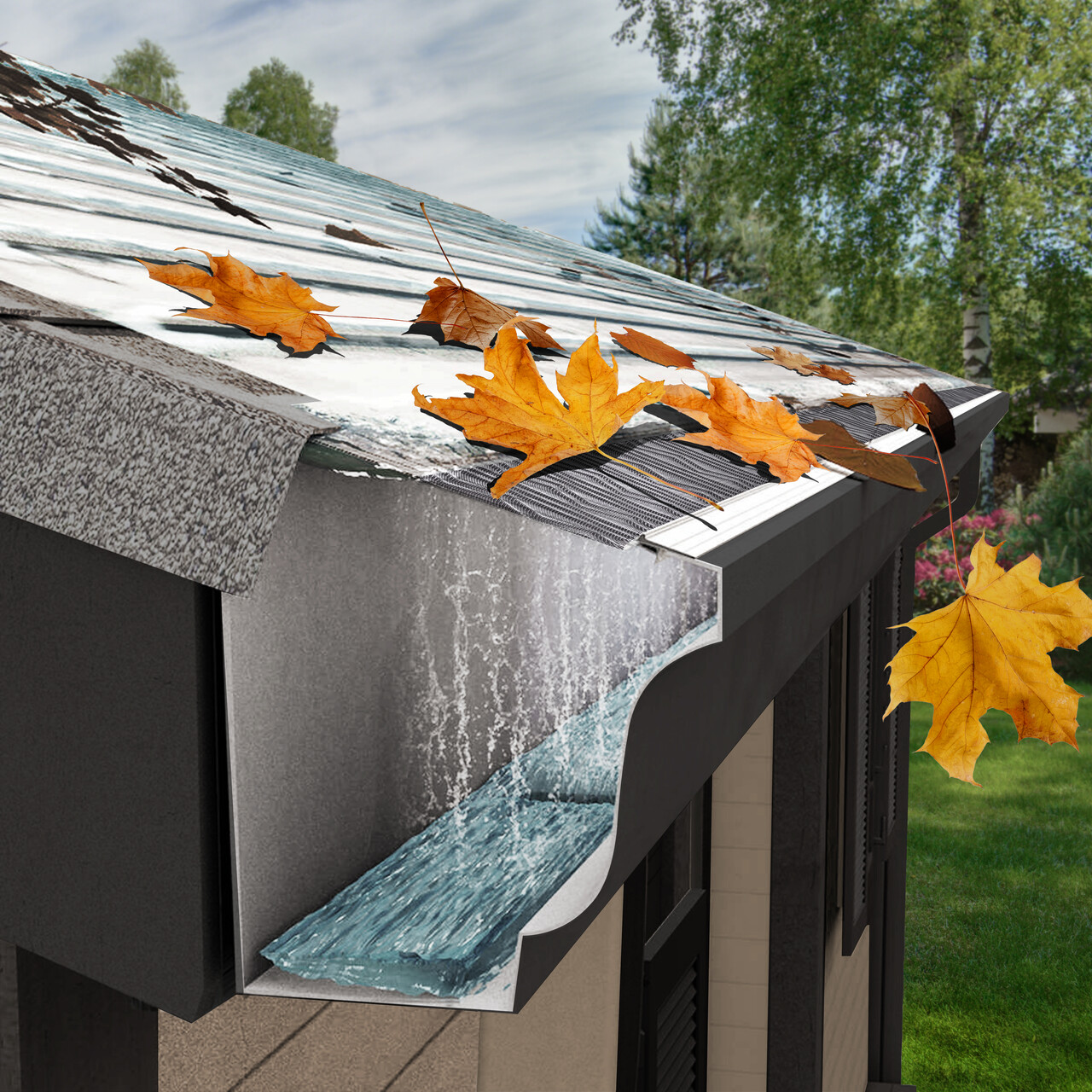
A properly functioning gutter system is an important part of protecting a building from rainwater and unnecessary moisture exposure. Gutters collect water from the roof and direct it toward downspouts, helping prevent excessive runoff from reaching exterior walls, doors, windows, landscaping, and foundation areas. However, leaves, twigs, seeds, dirt, roof particles, and other debris can quickly accumulate inside open gutters and interfere with normal drainage. Gutter guards provide a protective barrier that can help reduce the amount of larger debris entering the drainage channels while allowing rainwater to flow through. Understanding their purpose, available designs, benefits, installation considerations, and maintenance requirements can help property owners make informed decisions about protecting their gutter systems.
- Understanding the Purpose of Gutter Protection
- Why Debris Becomes a Gutter Problem
- Exploring Different Protection Designs
- Choosing Suitable Materials
- Considering the Roof and Gutter Design
- Maintaining Effective Water Flow
- Reducing Routine Cleaning Requirements
- Understanding Ongoing Maintenance
- Protecting Downspouts From Blockages
- Importance of Proper Installation
- Avoiding Common Installation Problems
- Considering Heavy Rainfall
- Protecting the Gutter Structure
- Improving Long-Term Maintenance
- When Professional Assistance May Be Useful
- Considering Cost and Long-Term Value
- Recognizing Signs of Protection Problems
- Choosing a Suitable System
- Final Thoughts
Understanding the Purpose of Gutter Protection
The primary purpose of gutter protection is to reduce the amount of unwanted material that enters the gutter channel. When leaves and other debris accumulate, they can create blockages that prevent rainwater from moving efficiently toward downspouts. In severe cases, overflowing water may reach exterior walls or collect around the foundation, creating additional maintenance concerns. Gutter guards can help create a barrier between falling debris and the inside of the gutter while still allowing water to enter. Although they do not remove every maintenance requirement, they can make routine gutter care more manageable and reduce the frequency of heavy debris buildup in many situations.
Why Debris Becomes a Gutter Problem
Gutters are constantly exposed to materials that fall from nearby trees, roof surfaces, and the surrounding environment. Leaves, small branches, seeds, dirt, dust, and roof granules can gradually collect inside the channels, especially during periods of frequent weather changes. Wet debris can become heavy and may place additional pressure on gutter brackets, hangers, and fasteners. Over time, accumulated material can also restrict the movement of water and contribute to overflow. Understanding the amount and type of debris that normally reaches a gutter system is useful when deciding whether additional protection would be beneficial and what type of product may be appropriate.
Exploring Different Protection Designs
Gutter protection products are available in several designs, with each approach using a different method to keep debris away from the inside of the channel. Mesh systems use fine openings to allow water through while filtering larger particles, while solid covers are shaped to encourage water to move over the surface and into the gutter. Brush and foam-style products use internal materials to block larger debris while allowing water to pass through. Gutter guards can differ considerably in material, durability, installation method, appearance, maintenance requirements, and water-flow performance. Comparing these characteristics is important because a product that works well for one roof and gutter configuration may not be equally suitable for another.
Choosing Suitable Materials
The material used for a protection system can influence its strength, appearance, durability, and maintenance requirements. Metal options may provide a rigid structure, while synthetic materials can offer flexibility and lighter weight. Some products are designed to blend closely with the existing gutter system, while others may be more noticeable from ground level. When evaluating Gutter guards, property owners should consider the material of their existing gutters, the surrounding environment, expected weather exposure, and the amount of debris normally produced. A suitable material should provide reliable protection without interfering with the existing drainage system or creating unnecessary maintenance challenges.
Considering the Roof and Gutter Design
Every roof directs water differently, so a protection system should be compatible with the building’s specific roof configuration. Roof pitch, shingles, valleys, roof edges, gutter size, and downspout placement can all affect how water and debris reach the drainage channel. Some designs may work particularly well with certain roof structures, while others may require modifications or additional support. Gutter guards should therefore be considered as part of the complete drainage system rather than as an isolated product. Careful evaluation of the roof and gutter configuration can help ensure that the selected system allows water to enter efficiently while reducing the amount of unwanted debris.
Maintaining Effective Water Flow
The most important function of a gutter system is to collect rainwater and move it toward the downspouts. Any protective covering placed over the gutter must therefore allow sufficient water to enter during normal and heavier rainfall. A product that blocks too much debris but restricts water flow may create a different drainage problem. Gutter guards should be evaluated according to both their debris-filtering ability and their capacity to handle the expected volume of rainwater. Regular observation during rainfall can help property owners identify signs of restricted flow, such as water running over the edges or collecting in unusual areas.
Reducing Routine Cleaning Requirements
One of the main reasons property owners consider gutter protection is to reduce the amount of debris that enters the channels. A reduction in large leaves, twigs, and similar materials can make routine cleaning easier and potentially reduce how frequently the inside of the gutters needs to be cleared. However, protection products should not be viewed as a complete replacement for maintenance. Small particles, seeds, dust, and organic material can still accumulate on the surface or pass through openings. Gutter guards can make maintenance more manageable, but periodic inspections and cleaning remain important for keeping the entire drainage system functioning correctly.
Understanding Ongoing Maintenance
Installing a protection system does not mean that the gutters can be forgotten. The protective surface itself may collect leaves, dirt, moss, seeds, and other small materials that can gradually interfere with water flow. Some products may also become loose, bent, cracked, or displaced after prolonged exposure to weather. Regular inspection provides an opportunity to identify these issues before they affect the performance of the drainage system. Cleaning requirements will vary depending on the surrounding environment and product design, so property owners should follow appropriate maintenance recommendations and check the system periodically to ensure that water continues to move freely.
Protecting Downspouts From Blockages
Downspouts are a critical part of the drainage system because they provide the route through which collected water leaves the gutter channel. Even when the main gutter remains relatively clear, small particles can sometimes reach the downspouts and cause restrictions farther inside the system. A blocked downspout can cause water to back up into the gutter and eventually overflow. Gutter guards can reduce the amount of larger debris entering the drainage system, but downspouts should still be inspected periodically. Checking both the gutter channels and vertical drainage paths provides a more complete approach to maintaining reliable water movement.
Importance of Proper Installation
The effectiveness of a gutter protection system depends heavily on proper installation. Products should be securely positioned so they remain stable and do not create gaps through which large debris can enter. The installation should also preserve the intended slope of the gutter and avoid interfering with roof materials or supporting structures. Gutter guards that are incorrectly installed may shift, bend, restrict water flow, or become detached over time. Measurements should be accurate, connection points should be secure, and the product should be compatible with the existing gutter design. Following manufacturer requirements or obtaining qualified installation support can help reduce avoidable problems.
Avoiding Common Installation Problems
A common mistake is selecting a product based only on its appearance or initial purchase price without considering how it will interact with the existing roof and drainage system. Another problem can occur when panels or screens are installed with gaps that allow large amounts of debris to enter. Poor fastening may allow sections to move during strong weather conditions, while incorrect positioning can interfere with water entering the gutter. Before installation, the existing gutter should be inspected for sagging, damage, loose fasteners, and other problems. Installing protection over an already damaged drainage system may prevent the new product from performing as intended and can make future maintenance more complicated.
Considering Heavy Rainfall
A protection system should be capable of supporting effective water entry during periods of heavy rainfall. Fine mesh and other filtering designs may block substantial amounts of debris, but they can become covered with small particles that restrict water flow if they are not maintained. The capacity of the existing gutter system should also be considered because protection cannot compensate for gutters that are incorrectly sized or poorly configured. Gutter guards should allow water to reach the channel quickly enough to prevent unnecessary overflow. Monitoring the system during significant rainfall can provide useful information about whether water is entering and moving through the gutters as expected.
Protecting the Gutter Structure
Reducing the amount of heavy debris inside gutters can also reduce the weight that the channels and their supporting components need to carry. Wet leaves and organic material can become surprisingly heavy when they accumulate over time. Excessive weight may place additional stress on brackets, hangers, fasteners, and fascia boards. A protection system can help limit this accumulation, but the protective surface itself must remain secure and free from excessive debris. Regular checks can identify loose sections or damaged components before they create additional stress on the gutter system. Maintaining both the protection and the underlying gutter is important for achieving reliable long-term performance.
Improving Long-Term Maintenance
A gutter protection system works most effectively when it is included within a broader maintenance plan. Property owners should continue to inspect channels, downspouts, roof edges, fasteners, and surrounding surfaces even after protective products have been installed. Gutter guards can reduce the quantity of large debris entering the system, but they cannot prevent every type of material from reaching the gutter. A planned maintenance schedule can include surface cleaning, fastener checks, downspout inspections, and examinations for signs of damage. Combining protection with regular care can make it easier to identify problems early and maintain the overall performance of the drainage system.
When Professional Assistance May Be Useful
Some protection systems are relatively simple to install, while others require more careful planning because of complex rooflines, multiple levels, unusual gutter profiles, or difficult access. Professional assistance may be useful when accurate measurements, specialized equipment, or adjustments to existing components are required. Gutter guards should be installed without damaging roof materials or compromising the existing drainage system. An experienced installer can assess the condition of the gutters, determine product compatibility, and use suitable installation methods. Property owners should consider experience, workmanship, product quality, maintenance requirements, and service terms when evaluating professional assistance.
Considering Cost and Long-Term Value
The price of gutter protection can vary depending on material, design, installation method, gutter size, roof configuration, and the amount of labor required. Property owners should look beyond the initial purchase price and consider expected durability, maintenance requirements, water-flow performance, and potential repair needs. An inexpensive product may not provide good long-term value if it requires frequent replacement or creates additional maintenance concerns. Conversely, a higher-quality system may require a greater initial investment but offer more durable performance. Comparing products based on their complete lifecycle rather than only their upfront price can help property owners make a more practical choice.
Recognizing Signs of Protection Problems
Even a properly selected protection system may eventually require attention. Visible gaps, loose sections, bent panels, damaged mesh, accumulated debris, and water overflowing during rainfall can all indicate that an inspection is needed. If protection becomes displaced, larger debris may enter the gutter and interfere with drainage. Water backing up or flowing over the edge can also indicate that the protective surface or the underlying gutter requires cleaning or adjustment. Property owners should respond to these signs promptly instead of waiting for more serious drainage problems to develop. Early attention can help protect both the gutter system and surrounding building materials.
Choosing a Suitable System
Selecting a protection product should involve more than simply choosing the most popular or visually appealing option. Property owners should consider the type of debris present, roof design, gutter material, rainfall patterns, maintenance preferences, and available budget. A system should be compatible with the existing gutter dimensions and should not interfere with the movement of water from the roof. Gutter guards should also be evaluated according to their installation requirements and expected service life. Taking time to compare these factors can help property owners select a system that provides practical protection while fitting into their broader maintenance plans.
Final Thoughts
A reliable gutter system is essential for managing rainwater and directing it away from areas that may be vulnerable to excessive moisture. Debris such as leaves, twigs, seeds, and dirt can interfere with this process and increase the need for frequent cleaning. Gutter guards can help reduce the amount of larger debris entering the channels while making routine maintenance more manageable. However, their effectiveness depends on proper product selection, suitable installation, adequate water flow, and continued inspection. By treating gutter protection as part of a complete maintenance strategy rather than a one-time solution, property owners can support better drainage performance and help extend the useful life of their gutter system.

Working with precious metals requires the right tools from the start. A gold melting furnace helps melt gold quickly while keeping the temperature steady. This makes it easier to prepare metal for casting, molding, or refining. Choosing the right model can also reduce waste and improve the quality of each project.
- How a Gold Melting Furnace Fits Into Jewelry Making
- Pick the Right Furnace Size for Your Projects
- Electric vs Gas Furnaces for Precious Metals
- Temperature Control Matters More Than Maximum Heat
- Crucible Materials and Their Best Uses
- Safety Tips Before Every Melting Session
- Common Mistakes That Damage Gold During Melting
- Pairing a Gold Melting Furnace with a Jewelry Casting Machine
- Cleaning and Maintaining Your Equipment
- Signs It’s Time to Upgrade Your Furnace
- Conclusion
- FAQs
Many jewelers use a gold melting furnace alongside a jewelry casting machine to complete the casting process. The furnace melts the metal, while the casting machine shapes it into the desired design. Understanding how these tools work together helps you make a better buying decision. A little planning now can save both time and money later.

How a Gold Melting Furnace Fits Into Jewelry Making
A gold melting furnace is one of the most important tools in a jewelry workshop. It heats gold and other precious metals until they reach a liquid state. The melted metal is then poured into molds or prepared for casting. Stable heat helps reduce defects and keeps the metal easier to work with.
Most modern furnaces include digital temperature controls and insulated chambers. These features help maintain even heating throughout the melting process. After melting, many jewelers transfer the metal to a jewelry casting machine to create rings, pendants, bracelets, and other detailed pieces. Using compatible equipment improves both accuracy and efficiency.
Pick the Right Furnace Size for Your Projects
The right furnace size depends on how much metal you melt at one time. Small furnaces are suitable for hobbyists and custom jewelry makers. They heat quickly, use less electricity, and take up little workspace. They are also easier to store when not in use.
Larger furnaces work better for frequent production or bigger batches. They can melt more metal in a single cycle, reducing repeated heating. However, they require more space and higher power consumption. Buying a furnace that matches your daily workload prevents unnecessary costs.

Electric vs Gas Furnaces for Precious Metals
Electric furnaces are the most common choice for jewelry making. They offer accurate temperature control and are simple to operate. Many models plug into a standard power outlet and require little maintenance. They also produce consistent results for gold, silver, copper, and similar metals.
Gas furnaces generate high heat and can melt larger amounts of metal. They are often used in industrial workshops or foundries. However, they require proper ventilation and extra safety measures. For most jewelry makers, an electric furnace provides enough performance without added complexity.
Temperature Control Matters More Than Maximum Heat
Many buyers focus only on the highest temperature a furnace can reach. In reality, accurate temperature control is often more important. Gold melts at about 1,064°C, so a furnace should maintain steady heat instead of constantly rising and falling. Stable temperatures help preserve metal quality and reduce oxidation.
Digital controllers allow you to adjust heat based on the type of metal. This is useful when working with silver, brass, aluminum, or copper in addition to gold. Consistent heating also produces better casting results later in the process. Small temperature changes can affect the final finish of jewelry pieces.
Crucible Materials and Their Best Uses
The crucible holds molten metal inside the furnace, making its material an important consideration. Graphite crucibles are widely used because they handle high temperatures and work well with gold and silver. They also distribute heat evenly, helping metal melt faster. Regular inspection helps prevent cracks that could cause leaks.
Ceramic crucibles are another popular option for melting precious metals. They resist heat well and maintain their shape during repeated use. Always choose a crucible that matches your furnace capacity and the type of metal you plan to melt. Using the wrong size or material can shorten the life of both the crucible and the furnace.
Safety Tips Before Every Melting Session
Melting precious metals involves extremely high temperatures, so safety should never be overlooked. Wear heat-resistant gloves, eye protection, and protective clothing before turning on the furnace. Keep your work area clean and free from flammable materials. Good ventilation also helps remove heat and fumes from the workspace.
Inspect the furnace, power cord, and crucible before each use. Replace worn or damaged parts immediately instead of risking equipment failure. Keep metal tongs nearby so you can handle hot crucibles safely. Careful preparation reduces accidents and helps every melting session run more smoothly.
Common Mistakes That Damage Gold During Melting
Even experienced users can make mistakes that affect the quality of melted gold. One common error is overheating the metal for too long. Excess heat increases oxidation and may change the appearance of the finished piece. Monitoring the temperature closely helps avoid unnecessary damage.
Another mistake is placing dirty or mixed metals into the crucible. Dirt, oil, and other contaminants can reduce purity and create casting defects. Always clean scrap gold before melting and separate different alloys when possible. These simple habits improve both metal quality and finished results.
Pairing a Gold Melting Furnace with a Jewelry Casting Machine
A furnace melts the metal, but casting gives it shape. After reaching the correct temperature, the molten gold is poured into molds using a jewelry casting machine. This process allows jewelers to create detailed rings, pendants, earrings, and custom designs. Each tool has a different job, but both are equally important.
Using compatible equipment makes the workflow faster and more reliable. A properly sized furnace provides enough molten metal for the casting process without repeated heating. This saves time and helps maintain a consistent metal temperature. Better coordination between the two machines also reduces wasted material.
Cleaning and Maintaining Your Equipment
Routine maintenance helps extend the life of your furnace. After each session, allow the unit to cool completely before cleaning. Remove leftover metal residue from the crucible and wipe away dust from the outer surface. Keeping the furnace clean supports stable heating performance.
Inspect heating elements, temperature controls, and electrical connections on a regular schedule. Replace worn crucibles before they crack or fail during use. Store accessories in a dry location to prevent moisture damage. Small maintenance tasks can prevent expensive repairs later.
Signs It’s Time to Upgrade Your Furnace
An older furnace may take much longer to reach the required temperature. Slow heating reduces productivity and increases electricity use. If melting cycles become inconsistent, your equipment may no longer perform as expected. Frequent repairs are another sign that replacement could be more cost effective.
Modern furnaces often include improved insulation, better digital controls, and higher energy efficiency. These upgrades provide more stable melting conditions and easier operation. If your jewelry work has grown from occasional projects to regular production, investing in a newer model can improve both speed and consistency.
Conclusion
Choosing the right gold melting furnace depends on your workspace, production needs, and the types of metals you handle. A furnace with accurate temperature control, the correct capacity, and reliable safety features will provide better melting results for years. When paired with a quality jewelry casting machine, it becomes easier to produce clean and detailed jewelry pieces with less waste. Taking time to compare specifications and maintain your equipment will help you achieve consistent results on every project.
FAQs
What size gold melting furnace is best for beginners?
A furnace with a capacity of around 1 kg is usually enough for beginners and small jewelry projects. It is easier to operate and consumes less power.
Can I melt silver and copper in the same furnace?
Yes. Most electric melting furnaces can handle gold, silver, copper, brass, and aluminum. Clean the crucible between different metals to avoid contamination.
Does a jewelry casting machine melt the metal?
No. A jewelry casting machine shapes molten metal into molds. The metal must first be melted in a gold melting furnace.
How long does it take to melt gold?
The time depends on the furnace power, metal quantity, and starting temperature. Small amounts of gold often melt within several minutes after the furnace reaches the required temperature.
How often should I replace the crucible?
Replace the crucible when you notice cracks, heavy wear, or damage that could affect safe melting. Regular inspection after each use helps identify problems early.
Can I use a gold melting furnace at home?
Yes, if you have proper ventilation, a stable power supply, and follow all recommended safety precautions. Always wear protective gear and keep the work area free of flammable materials.
Home Improvement
Everything Homeowners Need to Know About Planning a Beautiful and Complete Bathroom Renovation

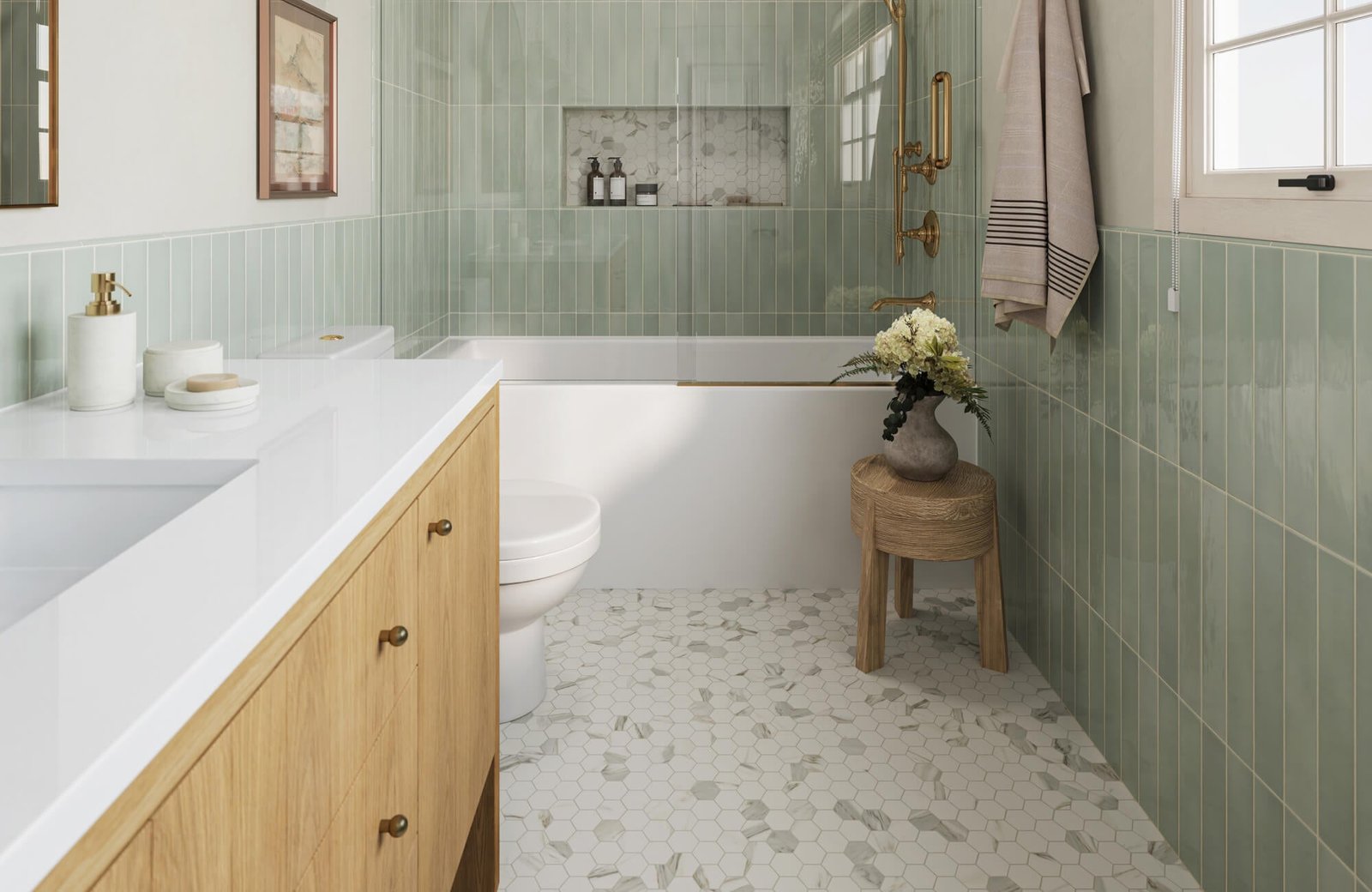
A bathroom is one of the most important spaces in any home because it provides comfort, privacy, and convenience throughout the day. Over time, however, outdated fixtures, worn flooring, damaged tiles, poor lighting, and limited storage can make this space less attractive and difficult to use. Homeowners often overlook the importance of maintaining their bathrooms until visible problems begin affecting everyday routines. Updating this essential space can improve its appearance, functionality, and overall comfort while creating a more welcoming environment. A well-planned bathroom renovation offers an opportunity to replace outdated features, introduce modern materials, and create a space that reflects personal preferences and household requirements. Planning a successful improvement project involves much more than selecting attractive tiles or purchasing new fixtures. Homeowners need to consider the available space, plumbing connections, ventilation, lighting, storage, and the durability of different materials. Every decision contributes to the final result, so it is important to establish clear goals before construction begins. Some homeowners may want a luxurious bathroom with modern features, while others may focus on improving storage, accessibility, or everyday convenience. By combining practical planning with attractive design choices, it is possible to create a bathroom that remains comfortable, functional, and visually appealing for many years.
- Why Bathroom Remodeling Is an Important Home Improvement
- Planning Your Bathroom Improvement Project
- Choosing the Right Bathroom Layout
- Selecting Durable Flooring and Wall Materials
- Creating a Modern and Comfortable Shower Area
- Improving Bathroom Lighting and Ventilation
- Adding Smart Storage Solutions for Better Organization
- Choosing Modern Fixtures and Bathroom Accessories
- Designing a Small Bathroom for Maximum Comfort
- Incorporating Natural Elements into Bathroom Interiors
- Incorporating Energy-Efficient and Water-Saving Features
- Improving Bathroom Accessibility and Safety
- Avoiding Common Bathroom Remodeling Mistakes
- Maintaining Your Newly Renovated Bathroom
- How to Choose the Right Bathroom Remodeling Professional
- Conclusion
Why Bathroom Remodeling Is an Important Home Improvement
Bathrooms experience regular use, making their condition and functionality important for the comfort of everyone in the household. Old fixtures, cracked tiles, leaking faucets, damaged cabinets, and poor ventilation can gradually reduce the quality of the space. These problems may also lead to additional maintenance expenses when they are ignored for long periods. Updating outdated features allows homeowners to address existing issues while introducing improvements that make daily routines more convenient. A clean, modern, and well-organized bathroom can also contribute to a more enjoyable living environment. Another advantage of upgrading a bathroom is the opportunity to improve the overall appearance of a property. Potential buyers often pay attention to bathrooms because these spaces reflect the condition and maintenance of a home. Modern fixtures, attractive finishes, efficient layouts, and quality materials can create a positive impression. Although improvements do not guarantee a particular increase in property value, choosing durable products and timeless designs can make the space more appealing. A carefully planned bathroom renovation can therefore provide practical benefits while improving the overall presentation of the home.
Planning Your Bathroom Improvement Project
Proper planning is the foundation of a successful remodeling project because it helps homeowners understand their requirements, budget, and design preferences. Before purchasing materials or removing existing fixtures, it is important to inspect the current bathroom and identify the areas that need attention. Some homeowners may want to replace an outdated bathtub, while others may need better storage, improved lighting, or a more practical shower arrangement. Understanding these priorities makes it easier to create a plan that addresses essential improvements without spending money on unnecessary features. Budget preparation is another important part of the planning process. Project expenses can vary depending on the bathroom’s size, material selection, plumbing requirements, labor, and the amount of construction involved. Homeowners should prepare a realistic budget that includes essential materials, installation expenses, and additional funds for unexpected problems. Hidden water damage, outdated plumbing, or structural concerns may become visible after old finishes are removed. Working with an experienced contractor can help homeowners understand the different project stages and make informed decisions about where to invest their money.
Choosing the Right Bathroom Layout
The layout has a major influence on how comfortable and practical a bathroom feels. Poorly positioned fixtures, oversized cabinets, and narrow walking areas can make even a large bathroom difficult to use. Homeowners should consider how they move through the space and whether the existing arrangement supports their everyday activities. Proper placement of the sink, toilet, bathtub, shower, and storage cabinets can improve accessibility while making the room feel more organized. A thoughtful layout should provide sufficient movement space without wasting valuable floor area. Smaller bathrooms require particularly careful planning because every available section needs to serve a useful purpose. Floating vanities, compact fixtures, wall-mounted cabinets, and glass shower enclosures can help create a more open appearance. Larger bathrooms may offer enough space for separate shower and bathtub areas, double sinks, or additional storage. Before changing the position of major fixtures, homeowners should consider plumbing connections and potential construction expenses. A successful bathroom renovation should combine attractive design choices with a layout that supports comfort and convenience.
Selecting Durable Flooring and Wall Materials
Choosing suitable flooring and wall materials is essential because bathrooms experience regular moisture, humidity, temperature changes, and cleaning. Materials should be durable enough to withstand these conditions while maintaining their appearance over time. Ceramic and porcelain tiles are popular choices because they come in different colors, patterns, sizes, and finishes. They can create a clean and modern appearance while offering practical maintenance benefits. Natural stone is another option for homeowners who prefer a distinctive and elegant finish, although some varieties require sealing and additional care. Flooring safety should receive special attention because wet surfaces can increase the possibility of slipping. Textured tiles and products with appropriate slip-resistant properties can help create a safer environment. Wall finishes should also be selected according to their location and exposure to water. Large-format tiles can make a bathroom look more spacious by reducing the number of visible grout lines, while decorative patterns can introduce visual interest. Selecting materials that complement one another helps create a coordinated appearance while supporting long-term durability and easier maintenance.
Creating a Modern and Comfortable Shower Area
The shower is one of the most frequently used features in a bathroom, making its design especially important. An outdated shower with damaged tiles, leaking fixtures, or poor drainage can affect comfort and cleanliness. Modern shower designs offer several possibilities, including walk-in showers, glass enclosures, rainfall showerheads, built-in seating, and recessed storage niches. These features can improve convenience while giving the bathroom a fresh and contemporary appearance. Homeowners should select a design that suits their available space and daily requirements. Waterproofing and proper drainage are essential when updating a shower area. A suitable waterproofing system helps protect walls and floors from moisture damage, while correctly sloped flooring directs water toward the drain. Homeowners should also consider slip-resistant surfaces, accessible controls, and easy-to-clean materials. Modern shower fixtures are available in different finishes, making it easier to coordinate them with faucets, cabinet handles, and other accessories. Paying attention to these details can create a comfortable shower area that complements the rest of the bathroom.
Improving Bathroom Lighting and Ventilation
Lighting can completely change the appearance and atmosphere of a bathroom. A poorly illuminated space may feel dark, uncomfortable, and smaller than it actually is. Combining different lighting sources can create a brighter and more practical environment. General ceiling lights provide overall illumination, while vanity lighting supports everyday activities such as shaving, applying makeup, and grooming. Recessed lighting can create a clean appearance, while decorative fixtures can introduce additional character and style. Ventilation is equally important because showers and baths produce moisture that can accumulate on walls, ceilings, and cabinets. Without sufficient airflow, excess humidity may contribute to mold growth, unpleasant odors, peeling paint, and damaged finishes. Installing an appropriately sized exhaust fan and ensuring that it vents correctly can help control moisture. Natural ventilation through windows may also improve airflow when available. These improvements are essential for maintaining a comfortable environment and protecting newly installed materials from moisture-related problems.
Adding Smart Storage Solutions for Better Organization
Storage is an important consideration because bathrooms contain numerous everyday products, including toiletries, towels, cleaning supplies, cosmetics, and personal care accessories. Without suitable storage, these items can quickly create clutter and make the room feel disorganized. Vanity drawers, wall-mounted cabinets, mirrored medicine cabinets, and floating shelves can provide practical places to keep essential products. Homeowners should evaluate their storage requirements before selecting furniture so that frequently used items remain accessible without overcrowding the space. Smaller bathrooms can benefit from creative storage ideas that use vertical and unused areas efficiently. Recessed shelves, corner cabinets, built-in shower niches, and narrow storage units can provide additional space without taking up too much floor area. Floating vanities are another useful option because they create an open appearance while offering convenient storage underneath. A well-organized bathroom should include storage solutions that match the room’s dimensions and support everyday routines. Keeping countertops clear also makes cleaning easier and helps maintain a neat appearance.
Choosing Modern Fixtures and Bathroom Accessories
Fixtures and accessories contribute significantly to the overall appearance and functionality of a bathroom. Faucets, sinks, toilets, showerheads, bathtubs, and cabinet handles should be selected according to their quality, durability, and design. Modern fixtures often feature simple shapes and clean finishes, while traditional options may include decorative details and classic styling. Homeowners should consider how different products will look together before making final selections. Coordinating finishes throughout the room can create a more consistent and professional appearance. Accessories may seem like small details, but they can improve convenience and organization. Towel bars, mirrors, soap dispensers, shower shelves, and storage hooks can help keep frequently used items within easy reach. Choosing products that complement the main fixtures creates a coordinated look without requiring expensive decorative changes. Homeowners should also consider water-efficient faucets, showerheads, and toilets to reduce unnecessary water consumption. Investing in quality fixtures can improve the everyday experience while helping the bathroom maintain its appearance over time.
Designing a Small Bathroom for Maximum Comfort
Limited space does not mean homeowners have to compromise on style or convenience. With careful planning, even a compact bathroom can feel spacious, organized, and comfortable. Light-colored walls, large mirrors, glass shower enclosures, and consistent flooring can help create the impression of additional space. Compact sinks, floating vanities, and wall-mounted fixtures can also improve movement by reducing unnecessary floor obstructions. Selecting furniture that matches the room’s proportions is important because oversized products can make the space feel crowded. Storage should be planned carefully in smaller bathrooms because clutter can quickly reduce the available space. Recessed shelves, vertical cabinets, mirrored storage, and wall-mounted accessories can provide practical organization without taking up too much room. Sliding shower doors may also be more suitable than traditional swinging doors when floor space is limited. Homeowners should avoid adding too many decorative elements because a simple and coordinated appearance often makes a small bathroom feel more comfortable. Efficient layouts and suitable materials can transform limited space into a practical and attractive environment.
Incorporating Natural Elements into Bathroom Interiors
Natural materials can introduce warmth, texture, and visual interest into bathroom interiors. Wooden vanity finishes, stone countertops, natural-inspired tiles, and subtle earthy colors can create a peaceful atmosphere. These elements work particularly well in bathrooms where homeowners want a relaxing environment that feels connected to nature. However, it is important to select moisture-resistant materials and suitable protective finishes because regular humidity can damage products that are not designed for bathroom use. Indoor plants can also add freshness and natural beauty when the bathroom provides suitable light and growing conditions. Decorative planters, natural textures, and simple accessories can create a calming appearance without making the space feel overcrowded. Homeowners can combine these details with warm lighting, comfortable towels, and coordinated finishes to create a spa-inspired environment. Natural design elements can make the bathroom more inviting while providing a distinctive appearance that remains attractive beyond changing decorating trends.
Incorporating Energy-Efficient and Water-Saving Features
Energy efficiency is an important consideration when planning bathroom improvements because modern fixtures can help reduce unnecessary water and electricity consumption. Low-flow showerheads and faucets are designed to use less water while maintaining practical performance. Water-efficient toilets can also reduce water consumption during everyday activities. These products are available in different designs and finishes, allowing homeowners to improve efficiency without sacrificing the overall appearance of the bathroom. Energy-efficient lighting is another worthwhile improvement. LED lights generally consume less electricity than traditional bulbs and are available in different brightness levels and color temperatures. Efficient ventilation fans can also help manage humidity while limiting unnecessary energy use. Homeowners should consider product quality, maintenance requirements, and long-term performance before making purchasing decisions. Combining efficient fixtures with practical design choices can create a bathroom that is comfortable, attractive, and more economical to maintain.
Improving Bathroom Accessibility and Safety
A bathroom should be comfortable and safe for everyone who uses it. Homeowners should consider accessibility during the planning process, especially if they want the space to remain practical as household needs change. Features such as grab bars, non-slip flooring, walk-in showers, wider entrances, and easy-to-reach storage can improve convenience. These improvements may be particularly useful for older adults, individuals with mobility limitations, and households with different accessibility requirements. Including safety features during construction can also reduce the need for expensive changes later. Accessibility improvements do not have to make a bathroom look plain or unattractive. Modern grab bars, shower seats, and accessible fixtures are available in finishes that complement different decorating styles. Proper lighting, convenient fixture placement, and clear movement areas can further improve safety. Homeowners should ensure that these features are installed securely and according to appropriate requirements. A thoughtfully planned bathroom should combine attractive finishes with practical features that support comfort, independence, and everyday usability.
Avoiding Common Bathroom Remodeling Mistakes
One common mistake homeowners make is selecting materials and fixtures before evaluating the available space. Attractive products may not always fit the room’s dimensions or support a practical layout. Another mistake is overlooking waterproofing and ventilation, which can lead to moisture problems and expensive repairs over time. Homeowners should also avoid choosing flooring without considering its performance in wet conditions. Careful research and professional guidance can help prevent these problems and ensure that the finished bathroom meets everyday requirements. Poor lighting, insufficient storage, and inconsistent finishes can also reduce the quality of a remodeling project. Making major design changes after construction begins may increase costs and create unnecessary delays. Before starting work, homeowners should finalize the layout, select materials, confirm fixture measurements, and establish a realistic budget. It is equally important to understand plumbing and electrical requirements before installing new products. Taking time to plan every important detail can help create a more attractive and functional result.
Maintaining Your Newly Renovated Bathroom
Regular maintenance is essential for preserving the appearance and functionality of a newly updated bathroom. Tiles, countertops, mirrors, faucets, and shower surfaces should be cleaned with suitable products to prevent dirt, soap residue, and mineral deposits from building up. Grout and sealant should also be inspected periodically because damaged areas may allow moisture to reach the underlying surfaces. Addressing minor problems early can help prevent expensive repairs and maintain the condition of the materials. Proper ventilation is another important part of long-term bathroom care. Using an exhaust fan during and after showers helps remove excess humidity and reduce the risk of mold and mildew. Homeowners should also check plumbing fixtures for leaks, keep drains clear, and follow the manufacturer’s care instructions for specialty materials. Cabinets and countertops should be maintained according to their specific requirements to prevent unnecessary wear. Consistent cleaning and timely repairs can help preserve the beauty of the bathroom for many years.
How to Choose the Right Bathroom Remodeling Professional
Selecting a reliable professional can make a significant difference in the success of a remodeling project. Homeowners should look for experience, relevant qualifications, clear communication, and examples of completed work. Reviewing previous projects can provide useful information about workmanship, material selection, and attention to detail. Customer reviews and references can also help homeowners understand whether a contractor is dependable and capable of managing the expected work. Taking time to compare professionals can reduce the risk of misunderstandings and unexpected problems. Before hiring a contractor, homeowners should request a detailed written estimate explaining labor, materials, project stages, payment arrangements, and the expected completion schedule. Insurance, warranties, permits, and procedures for handling unexpected expenses should also be discussed. A trustworthy professional should be willing to answer questions, explain available options, and provide realistic expectations. Good communication throughout the project helps ensure that the finished bathroom matches the agreed plan and meets the homeowner’s requirements.
Conclusion
Improving a bathroom is an excellent opportunity to create a more comfortable, attractive, and functional home environment. From selecting durable flooring and modern fixtures to improving lighting, ventilation, storage, and accessibility, every decision contributes to the quality of the finished space. Homeowners should consider their available space, personal preferences, maintenance requirements, and long-term needs before making important decisions. Careful planning can help prevent common mistakes while ensuring that every element supports the overall appearance and functionality of the room. A well-executed bathroom renovation can transform an outdated space into a beautiful and welcoming part of the home. By choosing quality materials, practical layouts, energy-efficient fixtures, and professional installation, homeowners can achieve improvements that provide lasting benefits. Regular maintenance and timely repairs will further protect the investment and keep the bathroom looking its best. With thoughtful design choices and attention to detail, homeowners can enjoy a bathroom that combines modern style, everyday convenience, and long-term comfort.


Most of us do the same check before bed.
- Why Bathroom Remodeling Is an Important Home Improvement
- Planning Your Bathroom Improvement Project
- Choosing the Right Bathroom Layout
- Selecting Durable Flooring and Wall Materials
- Creating a Modern and Comfortable Shower Area
- Improving Bathroom Lighting and Ventilation
- Adding Smart Storage Solutions for Better Organization
- Choosing Modern Fixtures and Bathroom Accessories
- Designing a Small Bathroom for Maximum Comfort
- Incorporating Natural Elements into Bathroom Interiors
- Incorporating Energy-Efficient and Water-Saving Features
- Improving Bathroom Accessibility and Safety
- Avoiding Common Bathroom Remodeling Mistakes
- Maintaining Your Newly Renovated Bathroom
- How to Choose the Right Bathroom Remodeling Professional
- Conclusion
Front door deadlocked. Security door locked. Lights off.
But what about the glass slider out the back? The one that opens onto the deck, gets left open a crack for the dog, and hasn’t had its latch looked at in years?
In a lot of homes, that slider is the weakest point in the house.
Why Sliding Doors are a Common Target
Sliding doors are designed for light, airflow, and easy access to the backyard. Security tends to come second.
A few things make them easy targets:
- They’re usually at the back, out of view from the street and neighbours
- Many older sliders have a basic flip latch instead of a proper lock
- Some panels can be lifted off the track if there’s too much gap at the top
- They’re often left open or unlocked during the day, especially in summer
Put those together and the problem is clear. Someone can work on a back slider without being seen, and a basic latch won’t hold for long.
Quick Checks You Can Do Today
Before spending anything, take five minutes and look at your slider.
- Does it have a key operated lock, or just a flip latch?
- With the door closed, can you lift the panel up and out of the track?
- Is the frame solid, or does it rattle and flex when you push it?
- Could someone reach the latch through a nearby window or gap?
Takeaway: If any of these raise a flag, it’s time to add another layer of protection.
Simple Fixes for Better Back Door Security
Some fixes are quick and cheap.
You can fit a key lock to the glass door, add anti lift blocks to the top of the track, or drop a security bar into the bottom track. Each one makes the door harder to force from outside.
They help. But they don’t fix the bigger problem.
You still can’t leave the glass door open for a breeze without leaving the house exposed. That’s where a security screen comes in.
Why a Sliding Security Door Makes the Biggest Difference
A sliding security door sits in front of your glass slider and runs on its own track. It has a strong frame, a tough infill, and a proper lock.
With one fitted, you can slide the glass open on a warm evening and still keep the doorway locked. The mesh keeps mozzies out too, so time on the deck doesn’t end with a house full of bugs.
When you’re comparing options, look for:
- Compliance with AS 5039, the Australian Standard for security screen doors, which covers knife shear, jemmy, and impact testing
- A quality lock, ideally a triple lock that secures the door at three points
- A frame made to measure, so the door runs smoothly and sits tight in the opening
- Anti lift features that stop the screen being lifted off its track
As for the infill, most homeowners choose between stainless steel mesh and perforated aluminium. Stainless steel mesh gives the clearest view of the backyard and strong cut resistance. Perforated aluminium has a crisp, modern look.
Takeaway: A well-made sliding security door turns your weakest entry into one of your strongest.
What About Wide Openings?
Plenty of newer homes have wide glass doors that open the living area straight onto the deck or alfresco. One screen won’t cover that.
This is where stacker security doors come in.
They use several panels that slide on multiple tracks and stack neatly to one side. Close them, and the whole opening is secure. Open them, and you get wide access to the backyard whenever you want it.
Stacker security doors are made to measure for each opening, so the panels line up and lock properly. They suit big family rooms, open plan living areas, and homes built for indoor outdoor living.
Don’t Forget the Surroundings
A secure door works best when the area around it isn’t helping an intruder.
A few simple habits go a long way:
- Fit sensor lights over the back door and deck
- Trim shrubs and hedges that hide the door from view
- Keep side gates locked, and move ladders and bins away from the house
- Lock the security door whenever you’re out or asleep, even if the glass door is open
Takeaway: The door does the heavy lifting, but good habits close the gaps.
Make Your Back Door as Strong as Your Front
The back slider is the door people forget about. It’s also the one most likely to be out of sight, left open, or fitted with an old latch.
A sliding or stacker security door changes that. You keep the light, the breeze, and easy access to the backyard, without leaving the house open.
PA Flyscreen custom makes and installs sliding and stacker security doors across Melbourne, with stainless steel mesh and perforated aluminium options.
Book a free measure and quote and give your back door the same attention as your front.

Inside a China Eyewear Factory: How Eyewear Goes from Design and Material Selection to Mass Production

Before You Switch Phone Carriers: How to Keep Your Phone, Number, and More of Your Money

The Complete Guide to Hiring Angular Developers in 2026

Alex Pettyfer Net Worth, Wife, Age, Height, Children, Career and More

Brad Williams Net Worth, Wife, Height, Age, Daughter, Family, Career and More

Eldorado.gg Review 2026: How It Works, Safety, Fees, and Risks
-
Celebrity11 months ago
Alex Pettyfer Net Worth, Wife, Age, Height, Children, Career and More
-
Celebrity11 months ago
Brad Williams Net Worth, Wife, Height, Age, Daughter, Family, Career and More
-
Blog3 months ago
Eldorado.gg Review 2026: How It Works, Safety, Fees, and Risks
-
 Anime12 months ago
Sanzoku Bandits of One Piece: Origins, Higuma, and Their Role in Dawn Island
-
 Celebrity11 months ago
John McGinn Net Worth, Age, Height, Wife, Childrens, Career and More
-
 Celebrity11 months ago
Frances de la Tour Net Worth, Age, Height, Husband, Childrens, Career and More
-
 Anime12 months ago
Shimotsuki Ushimaru – The Last Daimyo of Wano Country Explained
-
 Celebrity12 months ago
Will Trickett Net Worth, Wife, Childrens, Age, Career and More