
Business
Indoor Court Flooring Trends: Features Shaping Modern Athletic Facilities

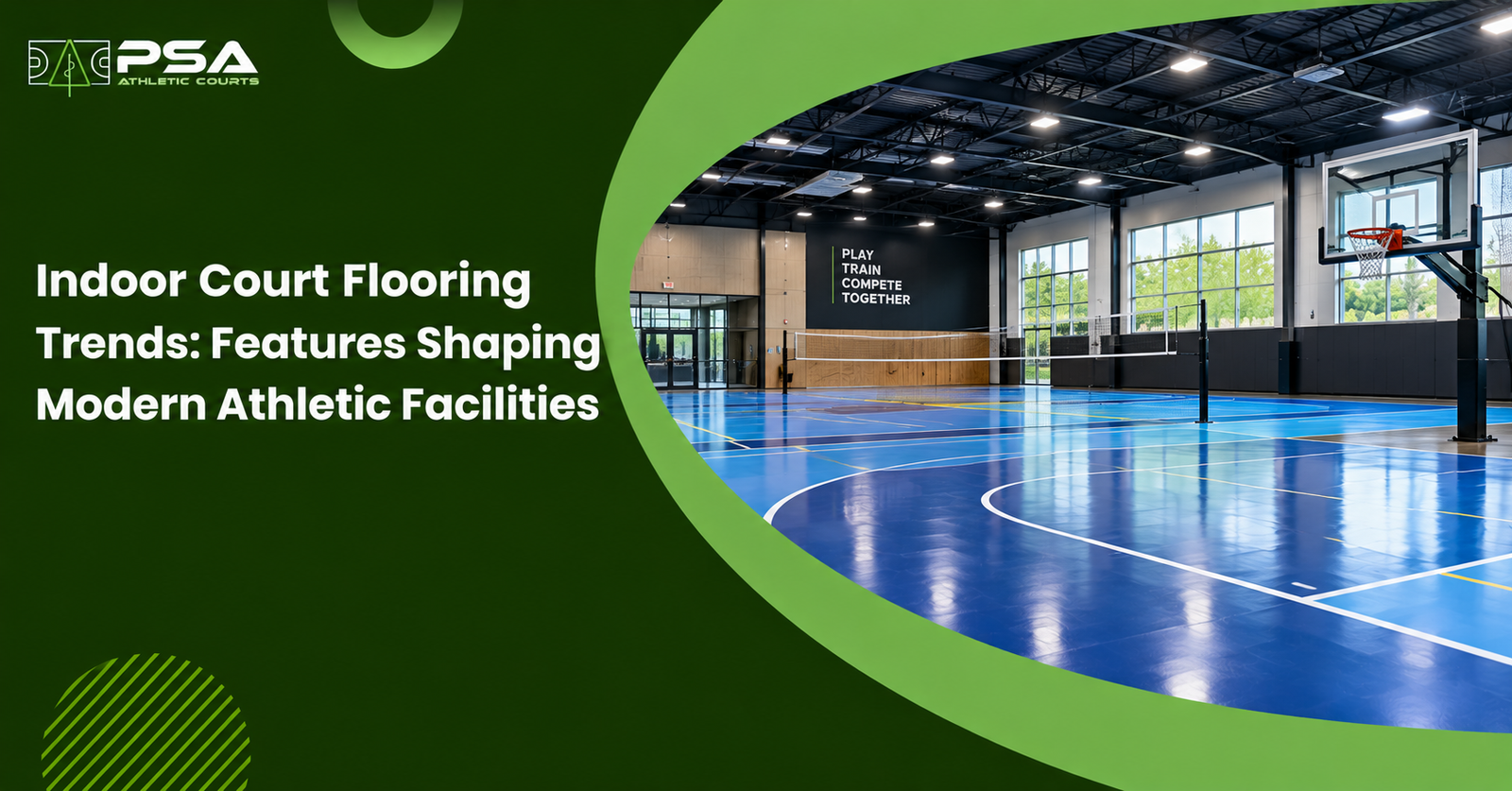
Modern athletic facilities are expected to provide more than a suitable space for sports. Players need surfaces that support movement, facility owners want durable materials that can withstand frequent use, and designers must consider safety, performance, maintenance, and long term usability.
- 1. Performance Focused Court Surfaces
- 2. Multi Sport Flooring Is Gaining Attention
- 3. Improved Shock Absorption and Player Comfort
- 4. Durable Flooring for High Traffic Facilities
- 5. Hardwood Continues to Be a Popular Choice
- 6. Specialized Indoor Court Installation
- 7. Renovation and Resurfacing Instead of Complete Replacement
- 8. Court Markings Are Becoming More Versatile
- 9. Maintenance Is Part of Modern Court Planning
- 10. Choosing Flooring Based on Facility Requirements
- What to Consider Before Your Next Indoor Court Project
- Build a Better Indoor Athletic Space
As these expectations continue to evolve, indoor court flooring has become an important part of athletic facility design. From shock absorption and traction to surface durability and maintenance requirements, flooring choices can influence how a court performs and how well it holds up over time.
Whether you are developing a new basketball court, renovating a multi sport facility, or upgrading an existing gymnasium, understanding the latest flooring trends can help you make informed decisions.
1. Performance Focused Court Surfaces
One of the biggest trends in modern athletic facilities is a stronger focus on player performance. Indoor courts need to provide an appropriate balance between traction, ball response, comfort, and surface consistency.
Depending on the sport and facility requirements, flooring systems may be selected to provide:
- Consistent traction for quick movements and changes in direction
- Appropriate shock absorption to help reduce impact on players
- Reliable ball response
- A comfortable playing surface
- Long term durability under frequent athletic use
An experienced indoor court designer can help determine which flooring system is appropriate based on the sport, facility usage, subfloor conditions, and expected traffic.
2. Multi Sport Flooring Is Gaining Attention
Many modern facilities are designed to accommodate more than one sport or activity. A single court may be used for basketball, volleyball, pickleball, training sessions, community events, or other recreational programs.
This has increased demand for versatile flooring systems that can support different activities without compromising performance.
During the planning stage, facility owners should consider how the court will be used throughout the year. The right indoor court flooring should align with the facility’s intended activities, maintenance requirements, and expected level of use.
3. Improved Shock Absorption and Player Comfort
Player comfort is another important consideration when selecting a court surface. Athletic activities involve repeated running, jumping, stopping, and changes in direction, making impact management an important part of court design.
Modern athletic flooring systems can incorporate cushioning or subfloor systems designed to provide controlled shock absorption.
The goal is not simply to create a softer surface. Instead, the flooring system should provide an appropriate balance between cushioning, stability, traction, and performance for the intended sport.
4. Durable Flooring for High Traffic Facilities
Indoor athletic facilities can experience significant daily use. Schools, recreation centers, sports clubs, universities, and professional training facilities may have multiple groups using the same court throughout the week.
As a result, durability remains a major consideration in flooring selection.
A well planned flooring system should be capable of handling regular athletic activity while maintaining its appearance and performance. Proper cleaning, maintenance, and timely repairs can also help extend the useful life of the surface.
5. Hardwood Continues to Be a Popular Choice
Hardwood flooring remains a familiar option for many basketball and gymnasium environments. Maple hardwood gym floors, in particular, are widely associated with traditional indoor athletic facilities.
Hardwood can provide a combination of performance, appearance, and long term usability when properly designed, installed, maintained, and refinished.
However, the right flooring choice depends on the facility. Usage patterns, sports requirements, maintenance expectations, subfloor conditions, and environmental factors should all be considered before selecting a system.
6. Specialized Indoor Court Installation
Installing athletic flooring requires more than simply placing a surface over an existing floor. Subfloor preparation, moisture considerations, leveling, surface selection, line marking, and finishing can all affect the final result.
Professional indoor court installation should begin with an assessment of the existing conditions and the facility’s requirements.
The installation process may include:
1. Evaluating the existing subfloor
2. Preparing and leveling the surface
3. Selecting the appropriate athletic flooring system
4. Installing the flooring according to manufacturer requirements
5. Applying court lines and markings
6. Completing finishing and quality checks
Proper preparation is particularly important because problems underneath the playing surface can eventually affect its appearance, performance, and durability.
7. Renovation and Resurfacing Instead of Complete Replacement
Not every aging court requires a completely new flooring system. Depending on the condition of the existing surface, resurfacing may provide an effective way to restore an indoor athletic court.
Indoor court resurfacing solutions can address issues such as worn finishes, surface deterioration, faded markings, and other signs of regular use.
Before choosing resurfacing, the existing flooring should be evaluated to determine whether the underlying system remains suitable for continued use.
A professional assessment can help determine whether resurfacing, refinishing, repairs, or replacement is the more appropriate approach.
8. Court Markings Are Becoming More Versatile
As facilities accommodate multiple sports, court markings have become an increasingly important part of indoor court design.
A single facility may require markings for several sports while maintaining a clean and organized appearance. Planning the placement, color, and visibility of different court lines is therefore an important part of the overall design process.
An experienced indoor court professional can help coordinate court dimensions and markings so the finished space supports its intended uses.
9. Maintenance Is Part of Modern Court Planning
Flooring selection should not end once installation is complete. Regular maintenance plays an important role in protecting the surface and preserving its performance.
Facility managers should establish maintenance routines based on the flooring material and level of use. These may include:
- Routine cleaning
- Inspection for surface damage
- Prompt repair of minor issues
- Periodic refinishing or resurfacing where appropriate
- Monitoring areas with heavy traffic
Planning maintenance from the beginning can make it easier to preserve the court and identify potential problems before they become more significant.
10. Choosing Flooring Based on Facility Requirements
There is no single flooring system that works for every indoor athletic facility. Basketball courts, multi-sport gyms, training spaces, schools, recreation centers, and professional facilities can have very different requirements.
When planning a new court or renovation, consider:
- Which sports will use the facility?
- How frequently will the court be used?
- What level of player performance is required?
- What are the existing subfloor conditions?
- How much maintenance can the facility support?
- Will the court need multiple sport markings?
- Is resurfacing practical, or is replacement necessary?
Working with an experienced indoor court designer can help bring these considerations together during the planning process.
What to Consider Before Your Next Indoor Court Project
The latest trends in indoor court flooring are centered around performance, durability, versatility, player comfort, and long term facility use. However, trends should not replace proper planning.
Before starting an indoor court installation or renovation, evaluate the facility’s current condition, intended sports, usage requirements, and long term maintenance needs.
For courts with a suitable underlying floor, resurfacing can provide an effective way to restore surface quality and prolong its service life. Contact a professional indoor court builder for a professional assessment and resurfacing recommendations.
Build a Better Indoor Athletic Space
The right indoor court flooring can contribute to a safer, more functional, and durable athletic environment. From maple hardwood gym floors to other specialized athletic flooring systems, the best choice depends on how the facility will be used and the performance requirements of the space.
Whether you are planning a new athletic facility or improving an existing court, working with experienced court professionals can help ensure that flooring, preparation, installation, markings, and long term maintenance are considered together.

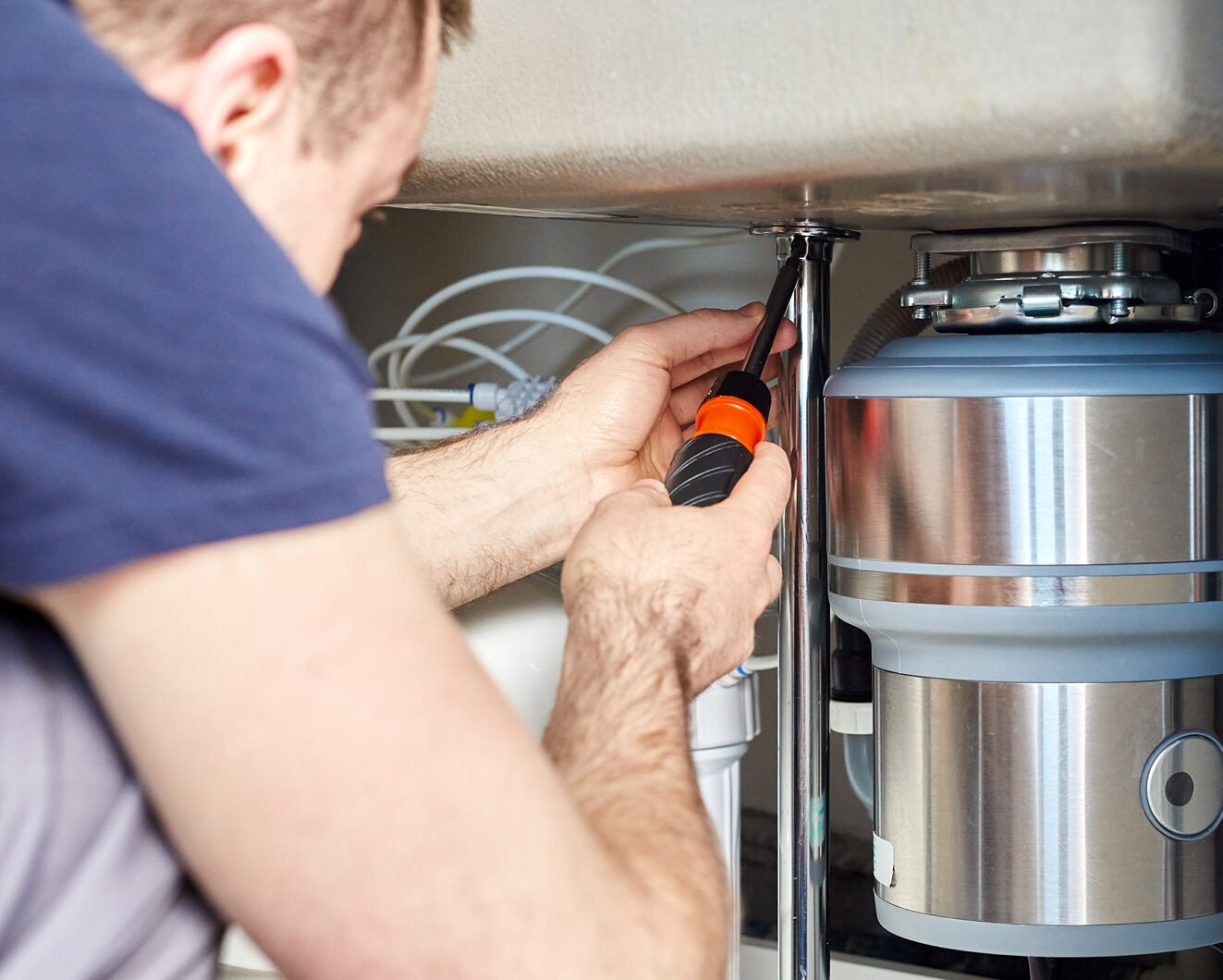
A garbage disposal can be one of the most convenient appliances in a modern kitchen, helping homeowners manage appropriate food scraps quickly and keep everyday cleanup more efficient. Because the disposal is used frequently, however, it can eventually experience wear, blockages, electrical problems, drainage issues, or mechanical failures. When the unit begins making unusual noises, stops grinding properly, drains slowly, leaks water, or fails to turn on, ignoring the problem can lead to additional inconvenience and potentially affect connected plumbing components. Understanding how garbage disposals work and recognizing the signs of a developing problem can help property owners respond before a small issue becomes a more disruptive repair. Professional service can also provide a safer and more reliable solution when the cause of the problem is not immediately clear.
- Understanding How a Garbage Disposal Works
- Common Signs of Disposal Problems
- Why a Humming Disposal Should Not Be Ignored
- Dealing With Disposal Clogs
- Electrical Problems and Disposal Operation
- Water Leaks Under the Sink
- The Importance of Professional Garbage Disposal Repair
- Preventing Damage Through Proper Use
- The Connection Between the Disposal and Kitchen Plumbing
- When Repair May Be Better Than Replacement
- Maintaining a Cleaner Kitchen Drain
- Addressing Unusual Noises
- Supporting Safe Kitchen Plumbing Operation
- Other Plumbing Services That May Be Needed
- Knowing When to Call a Professional
- Extending the Useful Life of a Disposal
- Conclusion
Understanding How a Garbage Disposal Works
A garbage disposal is installed beneath the kitchen sink and connects directly to the sink drain and plumbing system. When activated, an electric motor turns internal grinding components that break suitable food waste into smaller particles. Water flowing through the sink helps move the processed material through the connected drain line. Although the disposal is designed to handle many common food scraps, it is not intended to process every type of waste. Hard materials, excessive quantities of fibrous food, grease, certain bones, and inappropriate objects can create operating problems. The disposal also depends on proper electrical power and a clear drainage path. When any of these areas develops a problem, the unit may stop working correctly. Understanding this basic operation makes it easier to recognize why proper use and timely service are important.
Common Signs of Disposal Problems
Garbage disposals often provide noticeable warning signs before they stop working completely. A humming sound without normal grinding may indicate that the motor is receiving power but the grinding mechanism cannot turn properly. Grinding, rattling, or metallic sounds may suggest that an object has entered the unit or that an internal component has become damaged. Slow drainage can indicate a blockage in the disposal or connected drainpipe, while water underneath the sink may point toward a leaking connection, seal, housing, or drain component. A disposal that repeatedly trips an electrical protection device may also require professional attention. Recognizing these signs early allows property owners to investigate the problem before continued use causes additional stress or creates a larger plumbing concern.
Why a Humming Disposal Should Not Be Ignored
One common garbage disposal symptom is a humming noise when the switch is turned on without the normal grinding action. This can happen when the motor is energized but the internal grinding mechanism cannot rotate. Continued operation in this condition can place unnecessary stress on the motor and may cause additional damage. Property owners should avoid repeatedly activating a disposal that is humming without operating normally. A professional technician can evaluate the unit and determine whether the problem involves a jam, motor issue, electrical component, or another mechanical condition. Accurate diagnosis is important because forcing a damaged or obstructed disposal to operate can turn a relatively manageable problem into a more expensive repair.
Dealing With Disposal Clogs
A clogged disposal can affect both the appliance and the sink’s ability to drain properly. Food particles may accumulate when too much material is introduced at once, while certain foods can expand, become stringy, or collect inside the plumbing. Grease and oils can also contribute to drainage problems because they may coat the inside of pipes and trap other debris. If water begins draining slowly or remains in the sink, the disposal and connected drain should be evaluated. Property owners should avoid using aggressive chemical drain cleaners without understanding whether they are compatible with the disposal and plumbing system. Professional service can identify where the blockage is located and determine the safest method for restoring normal drainage.
Electrical Problems and Disposal Operation
Because a garbage disposal uses electricity, an electrical issue can prevent the unit from operating even when the mechanical components are otherwise functional. Problems may involve the power connection, wall switch, reset mechanism, wiring, or internal electrical components. If the disposal repeatedly loses power or trips a circuit, the issue should be investigated instead of repeatedly resetting the system. Electrical problems can have different causes, and attempting to work on energized equipment without proper knowledge can create safety risks. Professional technicians can evaluate the electrical side of the disposal and determine whether the problem originates with the appliance or the property’s electrical connection. Addressing the actual cause is important for restoring dependable operation.
Water Leaks Under the Sink
A leaking garbage disposal can create more than an appliance problem because water can affect the cabinet, flooring, nearby plumbing connections, and stored items beneath the sink. The source of a leak may involve a drain connection, gasket, mounting area, dishwasher connection, housing, or another component. Water may not always appear directly beneath the location where the leak begins, making diagnosis more difficult. Even a small recurring leak should be investigated because prolonged moisture exposure can damage surrounding materials. Professional inspection can help identify the exact source and determine whether a connection can be repaired or whether a component requires replacement. Prompt attention can reduce the possibility of additional water-related damage.
The Importance of Professional Garbage Disposal Repair
When a disposal stops working properly, determining the exact cause is often more useful than simply attempting to restart the appliance. Professional garbage disposal repair can help address mechanical, electrical, drainage, and connection-related concerns while considering the condition of the entire sink plumbing system. A qualified technician can inspect the disposal, identify the source of the problem, and recommend an appropriate repair or replacement option. Professional service can also help prevent unnecessary damage caused by repeated attempts to operate a malfunctioning unit. The goal is to restore proper operation safely while ensuring that related plumbing and electrical connections remain in suitable condition.
Preventing Damage Through Proper Use
Correct use can reduce unnecessary strain on a garbage disposal and help support longer service life. Food scraps should generally be introduced gradually rather than all at once, and the disposal should have sufficient water flow during operation. Property owners should avoid putting inappropriate materials into the unit, particularly hard, stringy, greasy, or non-food objects that can interfere with normal grinding and drainage. Large quantities of certain foods can create problems even when individual pieces appear harmless. Following the manufacturer’s recommendations provides the best guidance for acceptable materials. Proper use does not eliminate the need for maintenance or repair, but it can reduce avoidable operating problems.
The Connection Between the Disposal and Kitchen Plumbing
A garbage disposal is directly connected to the kitchen’s drainage system, which means disposal problems can sometimes affect more than the appliance itself. A blockage within the disposal or nearby drainpipe may cause water to back up into the sink. Conversely, an existing plumbing restriction can make the disposal appear to be malfunctioning when the appliance itself is operating normally. Professional diagnosis considers both possibilities. A technician can evaluate the disposal and connected drain components to determine whether the issue is isolated to the appliance or involves a broader plumbing concern. This approach helps ensure that the actual source of the problem is addressed instead of replacing a functioning component unnecessarily.
When Repair May Be Better Than Replacement
Not every garbage disposal problem requires a new unit. Depending on the equipment’s condition, certain issues may be corrected through repair or adjustment. Problems involving connections, minor mechanical concerns, electrical components, or certain drainage issues may be repairable. However, the overall age and condition of the disposal should also be considered. If the motor, housing, or other major components have experienced significant deterioration, replacement may provide a more practical long-term solution. Professional evaluation can help property owners understand the condition of their existing disposal and compare the potential benefits of repairing the current unit with installing a new one.
Maintaining a Cleaner Kitchen Drain
A properly functioning disposal can support convenient kitchen cleanup, but it should not be treated as a replacement for good drain maintenance. Running appropriate amounts of water during operation can help move processed food particles through the plumbing. Cleaning the sink area and keeping unsuitable materials out of the disposal can also reduce the chance of blockages. Property owners should pay attention to changes in drainage speed because gradual slowing can indicate developing buildup. If the sink begins draining more slowly than usual, addressing the issue early may prevent a complete blockage. Professional plumbing service can be useful when normal cleaning and appropriate disposal use do not resolve the problem.
Addressing Unusual Noises
Different sounds can provide useful information about what may be happening inside a garbage disposal. A humming sound may indicate that the motor is energized but the grinding mechanism cannot turn. Rattling or metallic sounds may suggest that an object is interfering with the internal components. Grinding or harsh mechanical sounds can indicate wear or damage. Because the disposal contains moving parts, unusual sounds should not be ignored. Continuing to operate the equipment when internal components are damaged may increase wear or cause additional failures. Professional inspection can help determine whether the sound originates from an obstruction, worn component, motor problem, or another issue.
Supporting Safe Kitchen Plumbing Operation
A garbage disposal should work as part of a larger kitchen plumbing system rather than as an isolated appliance. Proper drainage, secure connections, functional electrical components, and appropriate disposal use all contribute to reliable performance. If one part of the system develops a problem, the symptoms may appear somewhere else. For example, a drainage restriction may cause water to remain in the sink, while a loose connection may create moisture under the cabinet. Professional service provides an opportunity to evaluate the appliance and its connections together. This comprehensive approach can help identify underlying problems and reduce the chance of recurring service issues.
Other Plumbing Services That May Be Needed
Kitchen disposal problems can sometimes occur alongside other plumbing concerns. A property with recurring slow drains, leaking faucets, water pressure problems, damaged pipes, or aging fixtures may benefit from a broader plumbing inspection. Professional plumbing providers may offer services such as drain cleaning, faucet repair, water heater service, toilet repair, sewer-related services, leak detection, repiping, and water treatment solutions. Addressing related concerns through coordinated service can help property owners maintain a more dependable plumbing system. When a disposal problem is connected to a larger drainage issue, identifying and addressing that underlying condition can be particularly important.
Knowing When to Call a Professional
Some basic disposal maintenance can be handled by property owners, but situations involving electrical problems, persistent leaks, recurring clogs, damaged components, or an unresponsive motor may require professional service. Attempting to disassemble the appliance without proper knowledge can create safety concerns and may result in additional damage. Professional technicians have the tools and experience needed to inspect the disposal and connected plumbing system. They can also determine whether repair is practical or whether replacement would be more appropriate. Prompt professional attention is especially useful when the disposal has stopped working completely or when water is leaking beneath the sink.
Extending the Useful Life of a Disposal
Regular care and proper operation can help a garbage disposal remain functional for a longer period. Property owners should follow the manufacturer’s recommendations, avoid unsuitable materials, use adequate water during operation, and respond promptly when unusual symptoms appear. Professional maintenance or inspection can also be useful when a disposal develops recurring issues. Keeping the surrounding plumbing connections secure and watching for leaks can prevent minor concerns from becoming larger problems. While every appliance eventually reaches the end of its service life, responsible use and timely service can help property owners get dependable performance from their equipment.
Conclusion
A garbage disposal provides valuable convenience in the kitchen, but its performance depends on proper use, functioning electrical components, clear drainage, secure plumbing connections, and timely professional attention. Warning signs such as humming, unusual grinding, slow drainage, water leaks, repeated electrical interruptions, and poor grinding performance should not be ignored. Addressing these symptoms early can help reduce the possibility of additional damage and restore normal kitchen operation more efficiently.When a disposal develops a persistent problem, professional garbage disposal repair can provide a practical way to identify the underlying cause and determine the appropriate solution. In some situations, repair may restore the existing unit, while severely worn or damaged equipment may be better suited for replacement. Maintaining the surrounding kitchen plumbing is also important because disposal performance depends on proper drainage and secure connections. With appropriate use, routine attention, and professional plumbing support when necessary, property owners can keep their garbage disposal and connected plumbing system operating more reliably.
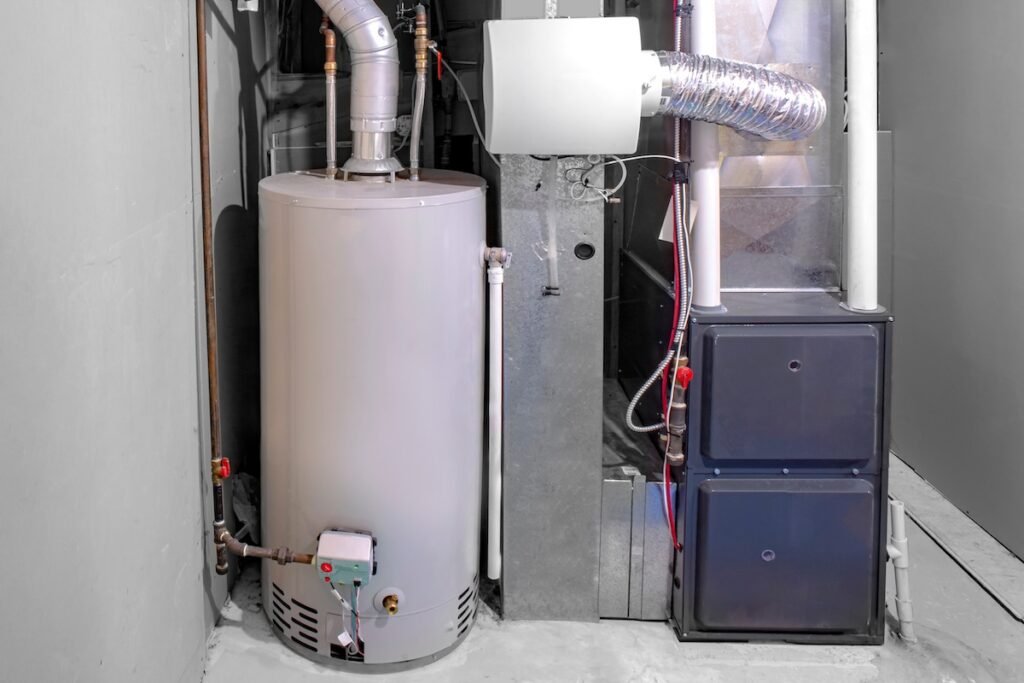
A dependable heating system is essential for maintaining comfortable indoor conditions, especially when a property relies on consistent warmth during periods of increased heating demand. Boilers are widely used because they can provide steady heat through hydronic distribution systems that circulate heated water through radiators, baseboards, radiant flooring, and other heating equipment. However, the performance of a boiler depends on much more than the quality of the equipment itself. Proper sizing, system design, piping, circulation, controls, ventilation, electrical connections, and commissioning all influence how effectively the equipment operates after it has been installed. Professional boiler installation provides an opportunity to evaluate these factors before the new heating equipment is connected, helping create a system that is suited to the property’s requirements. A carefully planned installation can also make future maintenance easier, improve temperature consistency, support efficient operation, and reduce the likelihood of installation-related problems that could affect the equipment later in its service life.
- Why Proper Boiler Installation Matters
- Evaluating the Existing Heating Infrastructure
- Choosing the Correct Boiler Capacity
- Understanding Hydronic Heat Distribution
- Importance of Proper Piping
- Circulation and Pump Performance
- Thermostat and Zoning Controls
- Safety During Boiler Installation
- Improving Heating Efficiency
- Maintaining Consistent Indoor Temperatures
- Replacing an Aging Boiler
- Commercial Boiler Considerations
- Testing the Completed System
- Importance of Ongoing Boiler Maintenance
- Combining Boiler Service With Other HVAC Needs
- Selecting an Experienced HVAC Contractor
- Planning for Long-Term Performance
- Conclusion
Why Proper Boiler Installation Matters
Installing a boiler is a detailed process because the equipment becomes part of a larger heating network. The boiler must work together with piping, pumps, valves, thermostats, heat emitters, controls, and other components to distribute heat effectively. If any part of this system is improperly sized or configured, the new equipment may not deliver the expected results. A boiler that is too large can cycle more frequently than necessary, while an undersized system may struggle to maintain the desired temperature during periods of high demand. Poor circulation, inadequate controls, damaged piping, or restricted heat distribution can create additional comfort problems even when the boiler itself is functioning properly.Professional installation begins with understanding the property and its heating requirements rather than simply selecting equipment based on the size of an existing boiler. Building construction, insulation, windows, room layout, occupancy, heating zones, and existing distribution components can all affect the required capacity. A qualified HVAC technician can evaluate these conditions and recommend equipment that is appropriate for the property. This approach helps ensure that the new heating system is designed as a complete solution instead of being treated as a simple equipment replacement.
Evaluating the Existing Heating Infrastructure
Replacing an older boiler provides an opportunity to inspect the complete heating infrastructure. Existing radiators, baseboards, pipes, pumps, valves, expansion tanks, thermostats, and other components may be suitable for continued use, but their condition and compatibility should be considered before connecting new equipment. Older components can develop corrosion, leaks, mineral buildup, restricted passages, or mechanical wear that may affect the performance of a new boiler.A professional evaluation can identify which components can remain and which may require repair or replacement. This is important because installing a new boiler without addressing an existing problem can result in continued heating issues. For example, poor circulation may be related to a pump or valve rather than the boiler itself, while uneven temperatures may result from distribution or zoning problems. Addressing these concerns during the installation project can help create a more balanced heating system and prevent the new equipment from being blamed for problems that originate elsewhere.
Choosing the Correct Boiler Capacity
Boiler sizing has a direct relationship with comfort, efficiency, and operating performance. The correct capacity should be based on the actual heating load of the property rather than simply matching the capacity of the previous equipment. Older boilers were sometimes selected using simplified sizing practices, and changes to the building may have altered its current heating requirements. Improvements to insulation, windows, building envelope, or room configuration can change the amount of heat needed.An appropriately sized boiler can operate more efficiently because its capacity is better matched to the property’s demand. Oversized equipment may reach the thermostat setting quickly and shut down repeatedly, while undersized equipment may run for long periods without adequately satisfying the heating demand. Both conditions can affect comfort and equipment operation. A professional assessment allows the heating contractor to consider the building’s characteristics and recommend equipment that provides an appropriate balance between capacity and demand.
Understanding Hydronic Heat Distribution
Boilers are different from forced-air heating systems because they typically distribute heat through heated water rather than air ducts. This hydronic approach can provide steady warmth through radiators, baseboards, radiant floors, and other heat-emitting components. The effectiveness of the system depends on proper water circulation and the ability of each heating zone to receive the required amount of heat.During a new boiler project, technicians can evaluate how heat is distributed throughout the property. If some rooms consistently remain colder than others, the issue may involve circulation, zoning, radiator capacity, thermostat placement, insulation, or other factors. Installing a new boiler creates an opportunity to address these conditions and improve overall system balance. A complete heating solution should consider the path of heat from the boiler through the distribution system and into the occupied spaces.
Importance of Proper Piping
Piping is one of the most important elements of a hydronic heating system because it carries heated water between the boiler and the heating zones. The configuration of the piping affects circulation, temperature distribution, system pressure, and overall performance. Improper connections or unsuitable piping arrangements can create operational problems and may prevent the boiler from working according to its intended design.Professional technicians evaluate existing piping before determining how the new boiler should be connected. In some installations, existing piping can be retained with appropriate modifications, while other systems may require more extensive updates. Insulation can also be important where heat loss through exposed piping could affect efficiency. Properly configured piping supports the movement of heated water and allows the boiler and distribution system to operate as an integrated heating solution.
Circulation and Pump Performance
Water must circulate effectively for a hydronic heating system to provide consistent temperatures. Circulator pumps move heated water through the system, while valves and controls determine where and when heat is delivered. If circulation is inadequate, some areas may receive insufficient heat even though the boiler is producing the required temperature.During installation, technicians can evaluate pump sizing, flow requirements, valves, and zoning arrangements. Modern systems may use advanced circulation controls that adjust operation according to heating demand. Properly configured circulation can help reduce unnecessary energy use while supporting more consistent comfort. Because pumps and valves are connected directly to the overall heating design, they should be considered during boiler replacement rather than overlooked as secondary components.
Thermostat and Zoning Controls
Modern boiler systems can provide greater control over indoor temperatures through advanced thermostats and zoning equipment. A single thermostat may control an entire property, while a zoned system can allow different areas to maintain separate temperature settings. Zoning can be useful when different rooms have different heating requirements or when certain spaces are used less frequently than others.Thermostat placement is also important because the device measures the temperature used to determine when the heating system should operate. A thermostat located in an unsuitable position may not accurately represent the temperature of the occupied area. During installation, technicians can evaluate thermostat locations and determine whether existing controls should be retained, relocated, or upgraded. Smart thermostats may also provide scheduling features and additional temperature-management capabilities when compatible with the heating system.
Safety During Boiler Installation
Boiler systems can involve combustion, fuel, heat, water pressure, electrical components, ventilation, and exhaust, depending on the equipment type. Safety therefore needs to be considered throughout the installation process. Fuel connections must be properly completed, combustion and ventilation requirements must be addressed, and safety controls must be configured and tested correctly. Electrical connections also need to meet the requirements of the equipment.Professional installation helps ensure that these components are handled according to manufacturer specifications and applicable installation requirements. A qualified technician can inspect the completed system and verify that important safety-related functions operate correctly. Proper installation is particularly important for combustion equipment because problems with ventilation, exhaust, or fuel connections can create serious concerns. Thorough testing and commissioning should therefore be considered essential parts of the project rather than optional final steps.
Improving Heating Efficiency
Replacing an aging boiler can provide an opportunity to improve overall heating efficiency, but equipment efficiency is only one part of the equation. The way the boiler is sized, controlled, piped, and maintained can influence actual operating performance. Heat loss through poorly insulated pipes, inefficient circulation, outdated controls, or poorly balanced heating zones can reduce the benefits of modern equipment.A professional installation can address these factors as part of a broader system evaluation. Improved controls may help the boiler respond more accurately to heating demand, while properly sized equipment can reduce unnecessary cycling. Appropriate insulation and circulation can also help distribute heat more effectively. The goal should be to create a system in which the boiler, controls, piping, and heat-emitting components operate together rather than focusing exclusively on the efficiency rating of the central unit.
Maintaining Consistent Indoor Temperatures
Consistent comfort is one of the main reasons property owners replace older heating systems. Rooms that are consistently too cold or too warm may indicate problems with the heating distribution system, thermostat placement, insulation, zoning, or equipment sizing. Simply installing a new boiler may not solve these issues if the underlying cause is not addressed.During an installation assessment, technicians can look at the entire heating system to determine whether existing conditions could contribute to uneven temperatures. Zoning adjustments, improved circulation, thermostat changes, or modifications to heat-emitting components may be appropriate depending on the property. Addressing these factors can help the new boiler deliver heat more effectively throughout the building and provide a more comfortable indoor environment.
Replacing an Aging Boiler
There comes a point when an older boiler may no longer provide the reliability or efficiency expected from modern equipment. Frequent repair requirements, corrosion, unusual noises, inconsistent heating, rising operating costs, and difficulty obtaining certain replacement components can all justify a professional evaluation. These signs do not automatically mean that replacement is necessary, but they can indicate that the equipment should be assessed.Planning a replacement before a complete failure can provide property owners with greater flexibility. Instead of choosing equipment during an emergency, they can research available options, evaluate system requirements, establish a budget, and address related heating concerns at the same time. A planned replacement can also provide an opportunity to improve thermostat controls, zoning, circulation, piping, and other components that may have become outdated.
Commercial Boiler Considerations
Commercial properties often require heating systems that can operate reliably for extended periods and serve larger or more complex spaces. Offices, facilities, commercial buildings, and other properties may have multiple heating zones, different occupancy requirements, larger equipment, and more demanding operating schedules. Boiler installation in these environments requires careful planning to minimize disruption while ensuring that the completed system can support the building’s heating requirements.Commercial heating projects may also involve more advanced controls, multiple boilers, larger circulation systems, and additional equipment. Proper system design can allow heating capacity to respond to changing demand while maintaining suitable temperatures throughout the building. A professional HVAC provider with commercial heating experience can evaluate these requirements and develop an installation approach that considers both immediate comfort and long-term serviceability.
Testing the Completed System
Once the boiler has been installed, the system should be thoroughly tested before being placed into regular operation. Testing can include evaluating thermostat response, water temperature, pressure, circulation, pumps, valves, electrical connections, safety controls, and other components according to the type of boiler and heating system. The objective is to confirm that the equipment is operating correctly and that the heating distribution system responds appropriately.Commissioning can also identify problems that might not be obvious during initial startup. If a zone is not receiving adequate heat, if circulation is inconsistent, or if controls are not communicating properly, testing provides an opportunity to address the problem before it affects everyday comfort. Property owners should also receive information about operating the thermostat, recognizing warning signs, maintaining the system, and arranging future professional service.
Importance of Ongoing Boiler Maintenance
A newly installed boiler still requires regular maintenance to maintain dependable operation. Dirt, wear, corrosion, changes in system pressure, pump problems, control issues, and other conditions can develop over time. Professional maintenance allows technicians to inspect important components, identify developing concerns, and perform appropriate cleaning or adjustments.Property owners should also monitor the system between professional service visits. Unusual sounds, leaks, inconsistent heating, unexpected cycling, pressure changes, or changes in normal operating behavior can indicate that an inspection is necessary. These symptoms can have several possible causes, so professional diagnosis is important. Prompt attention to changes in performance can help prevent small issues from becoming larger heating disruptions.
Combining Boiler Service With Other HVAC Needs
Heating requirements do not always exist separately from other indoor comfort concerns. A property may rely on a boiler for heating while also using air conditioning, heat pumps, ductless equipment, thermostats, or indoor air quality products. Working with an HVAC provider that offers multiple services can make it easier to coordinate these systems and identify opportunities for improvement.Chris Mechanical provides heating and cooling services that include boilers, heat pumps, ductless systems, HVAC maintenance, repairs, installation, commercial HVAC services, thermostats, and indoor air quality solutions. A comprehensive HVAC approach allows property owners to consider heating performance alongside other aspects of indoor comfort. This can be particularly useful when a boiler replacement occurs at the same time as other HVAC upgrades or when an existing property has multiple types of equipment.
Selecting an Experienced HVAC Contractor
The contractor selected for a boiler project can have a significant influence on the quality of the final system. Property owners should consider experience with boiler equipment, system sizing, hydronic distribution, controls, piping, maintenance, repairs, and commercial or residential heating requirements as applicable. A contractor that provides both installation and ongoing service can also offer continuity after the project is complete.Clear communication should be part of the installation process. Property owners should understand why specific equipment is recommended, what modifications may be required, how the system will operate, and what maintenance will be needed in the future. Professional guidance can help prevent misunderstandings and ensure that the completed heating system is appropriate for the property’s actual requirements.
Planning for Long-Term Performance
A boiler replacement should be approached as a long-term investment rather than a short-term response to equipment failure. Property owners can consider future maintenance, service access, controls, zoning, energy performance, and potential changes to the building when planning the project. Keeping records of installation details, equipment information, maintenance visits, repairs, and warranty requirements can also make future service more organized.Long-term planning can be especially valuable when an older boiler is still operating but showing signs of age. A professional inspection can provide information about the equipment’s condition and help property owners determine whether replacement planning should begin. Having this information before an emergency occurs allows more time to consider equipment options and related improvements. It also helps ensure that the new system is selected based on the property’s requirements rather than limited emergency choices.
Conclusion
A successful boiler project requires more than replacing an old heating unit with new equipment. Proper sizing, system evaluation, piping, circulation, controls, safety components, heat distribution, and professional commissioning all contribute to the performance of the finished heating system. A carefully planned boiler installation provides an opportunity to improve not only the central heating equipment but also the components that influence how heat moves throughout the property. Addressing these factors during the project can support consistent comfort, dependable operation, and easier future maintenance.Once the installation is complete, regular professional service remains an important part of protecting the equipment. Monitoring system performance, responding to unusual sounds or temperature changes, maintaining appropriate controls, and scheduling inspections can help identify developing problems before they become major disruptions. Whether a property requires a new residential boiler, commercial heating solution, replacement of aging equipment, or related HVAC improvements, professional planning can help create a heating system that meets its actual needs. For property owners seeking dependable heating, cooling, boiler, heat pump, ductless, repair, maintenance, commercial HVAC, and indoor air quality services, boiler installation can provide the foundation for long-term indoor comfort and reliable heating performance.
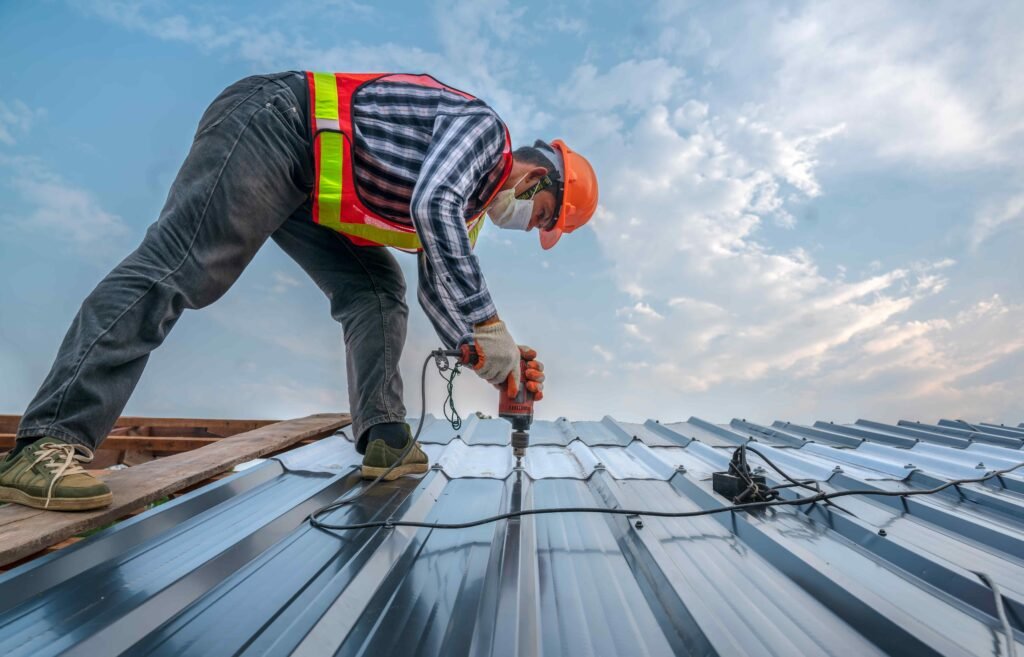
A roof is one of the most important protective components of a property because it continuously shields the structure and interior spaces from rain, wind, snow, sunlight, moisture, and changing temperatures. Choosing the right roofing material can have a significant effect on the durability, appearance, maintenance requirements, and long-term protection of a building. Metal has become an increasingly popular roofing option because it can provide a strong and durable exterior surface while offering a range of profiles, finishes, colors, and installation styles. However, the success of a metal roof depends on much more than the panels selected for the project. The condition of the roof deck, quality of the underlayment, installation of flashing, fastening methods, ventilation, drainage, and workmanship all influence how effectively the finished roofing system performs. A professional roofing project should therefore consider every component together so that the roof can provide dependable protection while maintaining the property’s exterior appearance and structural condition for many years.
- Understanding Modern Metal Roofing
- Selecting the Right Metal Roofing Material
- Importance of Professional Roof Installation
- Preparing the Roof Before Installation
- Flashing and Water Management
- Weather Resistance and Storm Damage
- Maintaining a Metal Roof
- Repairing Damaged Metal Roofing
- When Replacement Becomes Necessary
- Ventilation and Attic Conditions
- Planning a Successful Roofing Project
- Long-Term Benefits of Professional Roof Care
- Conclusion
Understanding Modern Metal Roofing
Metal roofing is available in several styles and configurations, allowing property owners to select a system that matches the design and performance requirements of the building. Metal panels can be manufactured in different profiles, thicknesses, finishes, and colors, while installation methods may include concealed or exposed fastening systems depending on the selected product. Standing seam systems, for example, provide a clean appearance with raised seams that connect adjacent panels, while other profiles can create a more traditional or textured appearance. The appropriate system should be selected after considering the roof’s structure, slope, existing materials, environmental exposure, appearance preferences, and expected maintenance requirements. Understanding these differences is important because a roofing material should not be selected solely on appearance or initial price. The complete system must be compatible with the building and installed according to the requirements of the chosen product.One of the most important advantages of metal roofing is its ability to provide a durable protective surface when the appropriate material is professionally installed. Metal can withstand many forms of normal environmental exposure, although its actual performance depends on the type of metal, protective coating, installation quality, weather conditions, and maintenance. A properly installed roof can help protect the structure from moisture while providing a strong exterior surface that can remain functional for many years. However, metal panels are only one part of the roofing assembly. Underlayment, flashing, fasteners, roof edges, ventilation, and drainage must all be properly integrated to create a complete protective system. When these components are carefully coordinated, the roof can perform more effectively and provide homeowners with a dependable solution for long-term property protection.
Selecting the Right Metal Roofing Material
Choosing the right metal material requires careful consideration because different products have different characteristics and applications. Steel and aluminum are commonly used for roofing, while other metals may be selected for specialized projects. The thickness of the material, protective coating, finish, resistance to environmental conditions, and compatibility with the existing structure should all be evaluated before installation. Property owners should also consider how the material will respond to moisture, temperature changes, wind exposure, and physical impact. A roofing professional can explain the differences between available products and help determine which option is appropriate for the property’s design and performance requirements. Taking time to evaluate these factors before installation can help prevent problems later and ensure that the selected roofing material supports the long-term goals of the project.The finish applied to a metal roof is another important consideration because it contributes to both appearance and surface protection. Modern coatings can provide a consistent finish while helping protect the underlying metal from environmental exposure. However, no coating eliminates the need for proper installation and maintenance. Scratches, damaged areas, improper fasteners, trapped moisture, and poorly detailed penetrations can create conditions that eventually affect the roof. For this reason, the quality of the installation remains just as important as the material itself. A professional contractor can make sure that panels are handled carefully, fasteners are properly positioned, seams are correctly detailed, and vulnerable areas receive appropriate protection. Combining suitable materials with professional workmanship provides a stronger foundation for long-term roofing performance.
Importance of Professional Roof Installation
Professional installation plays a major role in determining how effectively a metal roof performs over time. Metal panels must be accurately measured, cut, aligned, fastened, and detailed according to the design of the roof and the requirements of the selected product. Temperature changes can cause roofing materials to expand and contract, so installation methods need to account for movement and allow the system to perform as intended. Improperly installed panels may create gaps, loose connections, exposed fasteners, or areas where water can enter. These issues may not always become obvious immediately, which makes careful installation especially important from the beginning of the project. Experienced roofing contractors understand the details involved in working with metal materials and can complete the installation in a way that supports the performance of the complete system.Special attention should be given to roof penetrations, transitions, valleys, ridges, and edges because these areas can be more vulnerable to moisture intrusion than broad sections of the roof. Chimneys, plumbing vents, skylights, walls, and other structures create locations where different materials meet, requiring carefully installed flashing and appropriate detailing. Water should be directed away from these vulnerable areas rather than allowed to collect around joints or penetrations. Professional installation also provides an opportunity to identify hidden concerns before they become covered by new roofing materials. If damaged decking, deteriorated flashing, or inadequate ventilation is discovered during preparation, these issues can be addressed before the new system is completed. This approach helps prevent old problems from being concealed beneath a new roof.
Preparing the Roof Before Installation
A successful roofing project begins with proper preparation because the condition of the underlying structure can significantly influence the performance of the finished roof. The roof deck should be inspected for signs of moisture damage, deterioration, weakening, or other conditions that could affect the installation. Damaged decking may not provide an appropriate foundation for fastening new panels, and leaving deteriorated materials beneath a new roof can create problems that are difficult to address later. Removing or repairing compromised sections before installation allows the contractor to create a stronger foundation for the new system. The underlayment should also be selected and installed appropriately to provide an additional layer of moisture protection beneath the exterior metal surface.Preparation should also include an evaluation of flashing, ventilation, drainage, and roof edges. These components may have been affected by age or previous repairs and may need to be upgraded during the project. Proper preparation can make the installation process more efficient because potential problems are identified before the roofing material is permanently installed. It also gives homeowners a better understanding of what their roofing project actually involves. A complete roofing assessment helps ensure that the contractor is not simply covering an old problem with new material but is instead creating a system designed to provide reliable protection from the roof deck upward.
Flashing and Water Management
Water management is an essential part of every roofing system because even durable materials can experience problems if water is allowed to collect around vulnerable areas. Flashing helps direct water away from joints, penetrations, valleys, walls, chimneys, and other areas where the roof changes direction or meets another building component. Properly installed flashing creates a transition between different materials while helping maintain the roof’s weather-resistant barrier. If flashing is damaged, improperly installed, or allowed to deteriorate, water may enter beneath the roofing materials and eventually affect the deck or interior of the property. For this reason, flashing should be inspected carefully during both installation and maintenance.Drainage components also contribute to the overall performance of the roof. Gutters and downspouts should be properly positioned and kept free of excessive debris so that rainwater can move away from the roof efficiently. When drainage becomes blocked, water may back up near roof edges and create unnecessary moisture exposure. Over time, this can affect roofing materials, fascia, exterior walls, and foundation areas. A professional roofing evaluation can include an assessment of drainage pathways to determine whether they are functioning correctly. By combining properly installed flashing with effective drainage, homeowners can help reduce moisture-related risks and support the long-term performance of the entire exterior roofing system.
Weather Resistance and Storm Damage
Roofs are continuously exposed to weather, and severe conditions can place additional stress on roofing materials. Strong winds can loosen or displace panels, heavy rain can test flashing and drainage, and hail or falling branches can cause physical damage. Although metal roofs can provide substantial resistance to normal environmental exposure, no roofing material is completely immune to severe weather. The quality of installation, fastening methods, panel design, and surrounding conditions can all influence how a roof responds during a major storm. After severe weather, property owners should look for visible signs of damage and consider professional inspection when there are concerns about the roof’s condition.Storm damage is not always obvious from ground level. A panel may remain in place while a fastening point has been compromised, or flashing may have shifted without producing an immediate interior leak. Small openings can allow moisture to enter gradually, creating problems that may not become visible until later. A professional storm inspection can help identify conditions that require attention and determine whether localized repair or more extensive work is necessary. Addressing damage promptly can reduce the possibility of additional moisture intrusion and help preserve the remaining portions of the roofing system.
Maintaining a Metal Roof
Although metal roofs are known for durability, regular maintenance remains important for protecting their condition and appearance. Maintenance can include inspecting panels, checking flashing, monitoring fasteners, removing excessive debris, keeping gutters clear, and looking for areas where the protective finish may have been damaged. Leaves, branches, and other debris should not be allowed to remain on the roof for extended periods because trapped moisture can contribute to surface deterioration. Nearby trees should also be managed to reduce the possibility of branches contacting the roof during storms or depositing excessive debris across the surface.Professional inspections are useful because some roofing problems cannot be easily identified from the ground. A contractor can examine areas around penetrations, seams, fasteners, flashing, roof edges, and drainage components to determine whether they remain in good condition. Homeowners should also avoid unnecessary walking on the roof because improper foot traffic can damage panels, coatings, seams, or other components. When maintenance or repairs are required, professional service can help ensure that the correct techniques and compatible materials are used. Consistent care can help identify small concerns early and reduce the possibility of more extensive repairs later.
Repairing Damaged Metal Roofing
Even a well-maintained metal roof may eventually require repair because of severe weather, physical impact, aging, damaged flashing, loose fasteners, corrosion, or other conditions. The first step in any repair should be identifying the actual source of the problem. A water stain inside the home, for example, may not be directly beneath the point where water entered the roof. Moisture can travel along the deck or other structural components before becoming visible inside. Repairing only the visible symptom without addressing the actual source can allow the problem to continue, which is why professional diagnosis is important.Depending on the condition of the roof, repairs may include replacing damaged fasteners, restoring flashing, repairing individual panels, correcting drainage issues, addressing coating damage, or improving vulnerable transitions. The appropriate repair method depends on the material and construction of the existing roof. When the majority of the system remains in good condition, targeted repairs may help extend its service life and prevent unnecessary replacement. However, widespread damage or deterioration may indicate that a larger roofing project is more appropriate. A professional inspection can help homeowners understand the difference between an isolated repair and a system-wide concern.
When Replacement Becomes Necessary
A metal roof can provide long-term service, but eventually replacement may become necessary because of extensive deterioration, recurring leaks, widespread corrosion, severe storm damage, or structural problems. When repairs become frequent or large areas of the roofing system are compromised, continued patching may no longer provide the most practical long-term solution. A complete replacement creates an opportunity to remove old materials, inspect the roof deck, correct underlying problems, improve flashing and ventilation, and install a new roofing system designed around the current condition of the property.Replacement should be approached as a complete project rather than simply changing the visible panels. Once the existing roof is removed, contractors can inspect the deck and supporting components for moisture damage or deterioration. Underlayment, flashing, ventilation, and drainage can also be evaluated and improved where necessary. Addressing these areas before installing new materials can help create a stronger foundation for the replacement roof. Careful planning also allows homeowners to compare different metal profiles, finishes, and installation systems so they can select a solution that aligns with their property’s appearance and long-term performance goals.
Ventilation and Attic Conditions
Proper ventilation is another important consideration when installing or maintaining a metal roof. Attic spaces can become hot during warmer conditions and may also experience moisture accumulation when airflow is inadequate. Excessive heat and trapped moisture can affect insulation, wood components, fasteners, and other parts of the roofing structure over time. A properly designed ventilation system supports airflow through suitable intake and exhaust pathways, helping create a more balanced attic environment. Ventilation should therefore be evaluated as part of a complete roofing project rather than treated as an unrelated building feature.When a roof is replaced, contractors have an opportunity to inspect existing ventilation and determine whether the current arrangement is appropriate for the building. Improvements may be considered if intake or exhaust pathways are inadequate or if previous modifications have affected airflow. Proper insulation and air sealing should also be considered as part of the broader building envelope. Although roofing materials can influence how a building responds to outdoor temperatures, overall comfort and energy performance depend on multiple factors working together. A coordinated approach can help support the condition of both the roof and the interior structure.
Planning a Successful Roofing Project
A successful roofing project requires careful planning from the initial inspection through final completion. Property owners should understand why the roof requires work, what materials are being considered, which components may need repair, and how the finished system will be maintained. Depending on the condition of the existing roof, a project may include removing old materials, inspecting the deck, repairing deteriorated areas, installing underlayment, improving flashing, evaluating ventilation, installing new metal panels, addressing drainage, and completing a final inspection. The exact scope should be established after a professional evaluation because conditions beneath an existing roof cannot always be determined from a basic exterior inspection.Clear communication with a professional roofing contractor can help ensure that the project is organized and that homeowners understand each stage of the work. Material choices, installation methods, maintenance requirements, potential hidden damage, and project expectations should be discussed before work begins. If deteriorated decking or another unexpected problem is discovered during removal, the contractor should explain why the issue matters and what corrective work may be required. This approach allows homeowners to understand how individual components contribute to the performance of the finished roof. Proper planning also helps ensure that important areas such as flashing, ventilation, drainage, and roof edges receive the attention they require rather than being overlooked during installation.
Long-Term Benefits of Professional Roof Care
The long-term performance of a roof depends on more than the durability of the material itself. Professional installation, appropriate maintenance, effective drainage, proper ventilation, timely repairs, and regular inspections all contribute to the overall condition of the roofing system. Homeowners who monitor their roofs and respond to developing problems can often avoid unnecessary deterioration caused by neglected maintenance. Keeping gutters clear, managing nearby vegetation, checking for visible damage, and arranging professional inspections can all contribute to better roof care. These measures do not prevent every possible problem, but they provide opportunities to identify concerns before they become more complicated. A properly maintained roof can help protect the structure and interior spaces while supporting the property’s exterior appearance. When homeowners keep records of inspections and repairs, they can also develop a clearer understanding of the roof’s history and expected maintenance needs. This information can be valuable when planning future repairs or replacement. Professional metal roofing services can provide guidance throughout the life of the roof, from initial installation and routine maintenance to storm inspections and eventual replacement. A proactive approach helps homeowners make decisions based on the actual condition of the system instead of waiting until a major failure forces immediate action.
Conclusion
A durable roof is created through the combination of suitable materials, professional installation, effective moisture management, reliable drainage, proper ventilation, and consistent maintenance. Metal roofing can provide a strong and attractive option for property owners seeking long-term protection, but the panels themselves are only one part of the overall system. The condition of the roof deck, quality of the underlayment, installation of flashing, fastening methods, ventilation, drainage, and workmanship all influence how well the completed roof performs. By evaluating these elements together, homeowners can develop a roofing strategy that addresses both immediate needs and long-term performance.Whether a property requires a new installation, routine inspection, storm assessment, localized repair, or complete replacement, professional planning can help ensure that important details are not overlooked. Regular maintenance and timely repairs can help preserve the condition of an existing roof, while replacement provides an opportunity to correct underlying concerns and install an improved roofing assembly. A properly installed and maintained metal roofing system can provide dependable weather protection, enhance the exterior appearance of a property, and support long-term durability. The strongest results come from treating the roof as a complete protective system in which every component, from the underlying deck to the exterior panels and drainage pathways, works together to protect the structure.

Reliable Garbage Disposal Repair for a Better-Functioning Kitchen

Building a Reliable Heating System With Professional Boiler Installation

A Complete Guide to Durable and Reliable Metal Roofing

Alex Pettyfer Net Worth, Wife, Age, Height, Children, Career and More

Brad Williams Net Worth, Wife, Height, Age, Daughter, Family, Career and More
Eldorado.gg Review 2026: How It Works, Safety, Fees, and Risks
-
Celebrity9 months ago
Alex Pettyfer Net Worth, Wife, Age, Height, Children, Career and More
-
Celebrity10 months ago
Brad Williams Net Worth, Wife, Height, Age, Daughter, Family, Career and More
-
Blog1 month ago
Eldorado.gg Review 2026: How It Works, Safety, Fees, and Risks
-
 Anime11 months ago
Sanzoku Bandits of One Piece: Origins, Higuma, and Their Role in Dawn Island
-
 Celebrity10 months ago
John McGinn Net Worth, Age, Height, Wife, Childrens, Career and More
-
 Celebrity10 months ago
Frances de la Tour Net Worth, Age, Height, Husband, Childrens, Career and More
-
 Celebrity10 months ago
Will Trickett Net Worth, Wife, Childrens, Age, Career and More
-
 Blog2 months ago
Crackstube: A Complete Guide to the Digital Publishing Platform