
Business
Custom Label: How to Choose the Right Materials, Adhesives, and Manufacturer for Your Business

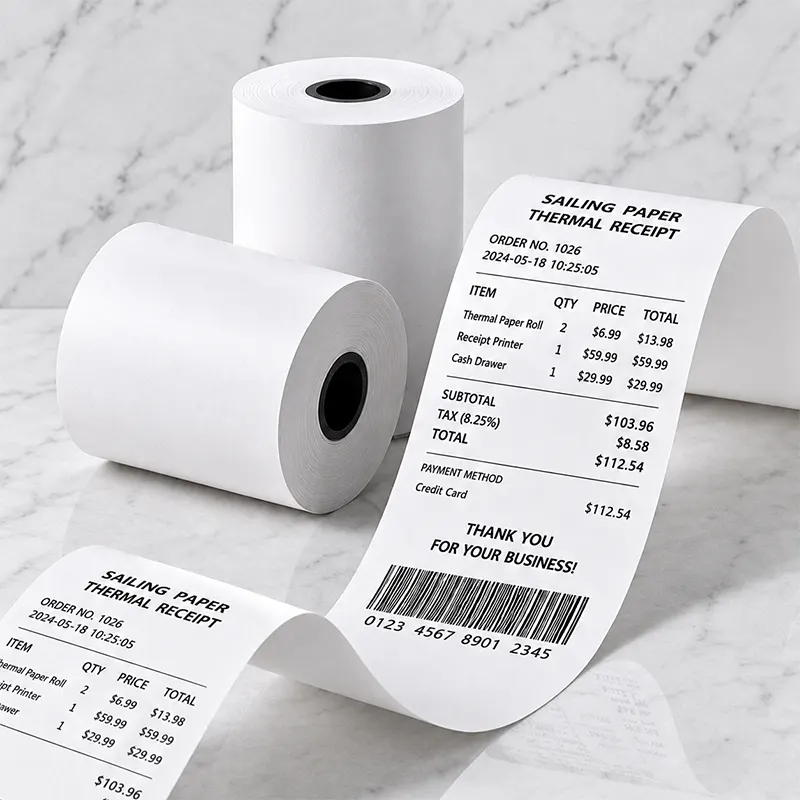
A custom label plays an important role in product identification, packaging, branding, and everyday business operations. Manufacturers, retailers, wholesalers, and eCommerce companies use labels to display product information, organize inventory, support shipping processes, and maintain a consistent brand image. Choosing the right label is therefore an important decision for businesses that depend on reliable packaging and product presentation.
- Quick Answer: What Should You Consider When Ordering a Custom Label?
- 1. Understand the Different Types of Custom Label Materials
- 2. Select the Right Adhesive for Your Custom Label
- 3. Customize the Label Design According to Your Business Needs
- 4. Check Printing Compatibility Before Placing an Order
- 5. Choose the Right Custom Label for Different Industries
- 6. Why Choose a Reliable Custom Label Manufacturer?
- 7. Evaluate Standard Label Quality Before Bulk Purchasing
- 8. Consider International Shipping, Storage, and Long-Term Supply
- Frequently Asked Questions About Custom Label
- 1. What is a custom label?
- 2. Which material is best for a custom label?
- 3. Can custom label have different adhesive options?
- 4. What information should I provide when requesting a custom label quotation?
- 5. Why should I request samples before bulk production?
- 6. Can custom label be supplied for international markets?
- Final Takeaway
However, selecting a suitable custom label involves more than choosing a design or printing a company logo. Material quality, adhesive performance, label dimensions, printing compatibility, and manufacturing consistency all affect how well a label performs. A label designed for a cardboard package, for example, may require different material and adhesive characteristics from one applied to a plastic container or glass bottle.
For businesses purchasing labels in bulk, understanding these factors can help reduce production problems, improve packaging consistency, and establish a dependable supply relationship. This guide explains what buyers should consider when selecting standard custom label and evaluating a suitable manufacturer.
Quick Answer: What Should You Consider When Ordering a Custom Label?
When choosing a custom label for your business, focus on the following factors:
- Label material: Select paper or synthetic material according to the packaging surface and application.
- Adhesive type: Choose an adhesive that provides reliable bonding under normal storage and handling conditions.
- Label dimensions: Confirm the required width, length, shape, and roll specifications.
- Printing requirements: Make sure the material supports your preferred printing method.
- Design and customization: Consider branding, product information, barcodes, and packaging requirements.
- Quality inspection: Evaluate material consistency, print clarity, adhesive performance, and cutting accuracy.
- Manufacturer reliability: Choose a supplier that can support samples, bulk orders, and repeat production.
These factors help businesses select standard labels that meet their practical requirements rather than making purchasing decisions based only on appearance or price.
1. Understand the Different Types of Custom Label Materials
Material selection is one of the first decisions buyers need to make when ordering custom label. The right option depends on the product being labeled, the packaging surface, the printing method, and the conditions in which the label will be used.
Paper labels are widely used for retail products, shipping packages, cartons, and general product identification. They provide a practical printing surface for text, logos, barcodes, and other product information. For many everyday packaging applications, paper labels offer a cost-effective solution.
Synthetic materials may be more suitable when a label needs additional resistance to moisture, oil, tearing, or frequent handling. They are commonly considered for products that require more durable identification during storage and distribution.
Thermal label materials are another option for businesses that print variable information, including shipping addresses, barcodes, product details, and inventory codes. They are particularly useful in retail, logistics, and warehouse operations.
Before choosing a material, buyers should consider:
- The type and texture of the packaging surface.
- Whether the product will be stored indoors or outdoors.
- The expected exposure to moisture, heat, or cold.
- How long the label needs to remain readable.
- The printing equipment and process used by the business.
- The required appearance and durability of the finished label.
A suitable manufacturer should explain the available material options and help buyers select a product that matches their actual application.
2. Select the Right Adhesive for Your Custom Label
The adhesive is just as important as the label’s face material. Even a well-designed custom label may fail if it cannot remain securely attached to the intended surface.
Different packaging materials have different surface characteristics. Cardboard, glass, plastic, metal, and coated packaging may require different adhesive performance. Buyers should therefore avoid assuming that one adhesive will work equally well for every product.
Permanent adhesives are commonly used when labels need to remain attached throughout normal product handling, storage, and transportation. Removable adhesives are suitable for applications where labels need to be taken off without leaving excessive residue or damaging the underlying surface.
Some products also require specialized adhesives. For example, labels applied to refrigerated packaging may need an adhesive designed for low-temperature conditions. Similarly, packaging with textured or difficult surfaces may require stronger initial bonding.
| Adhesive Type | Main Characteristics | Common Applications |
| Permanent adhesive | Designed for lasting attachment | Product packaging and shipping |
| Removable adhesive | Allows easier removal when required | Temporary identification and promotional labels |
| High-tack adhesive | Provides strong initial bonding | Selected packaging surfaces requiring stronger adhesion |
| Freezer-grade adhesive | Designed for low-temperature applications | Refrigerated and frozen product packaging |
The best way to evaluate adhesive performance is to test a sample on the actual packaging surface. Buyers should check whether the label attaches evenly, stays in place, and performs as expected under normal working conditions.
3. Customize the Label Design According to Your Business Needs
Customization allows businesses to create labels that match their product identity and operational requirements. A custom label can include a company logo, product name, barcode, instructions, ingredients, or other information relevant to its application.
However, customization should not focus only on visual appearance. The design must also remain practical and readable after printing and application.
Important design considerations include:
Label layout: Arrange product information, branding elements, and other details in a clear and organized way. Important information should be easy to locate.
Color and printing: Select colors and printing methods that produce consistent results and support brand recognition. The chosen material should be suitable for the intended printing process.
Finish: Depending on the application, businesses may consider glossy, matte, or other available surface finishes. The finish should complement the product design without affecting readability.
Shape and cutting: The label shape should fit the available packaging surface. Accurate cutting also helps maintain a consistent appearance across different products.
Functional information: Consider whether the label needs to include barcodes, batch numbers, product details, handling instructions, or variable information.
For businesses with multiple product lines, it is useful to maintain consistent branding while adjusting label dimensions and information according to each product. A well-planned design can improve product presentation and make packaging operations more organized.
4. Check Printing Compatibility Before Placing an Order
Printing compatibility is an important part of the purchasing process. A custom label must work with the printing equipment used by the business. Otherwise, companies may experience feeding problems, inconsistent print quality, or unnecessary material waste.
Different applications may require different printing methods. Direct thermal printing is commonly used for shipping, retail, and logistics labels because it supports the printing of variable information without requiring a separate ink ribbon. Thermal transfer printing may be preferred for applications requiring a different material and printing combination.
Other printing methods may be suitable for pre-printed product labels, depending on the design, quantity, and material selected.
Before approving an order, buyers should confirm:
- Whether the material supports the intended printing method.
- Whether the label dimensions are compatible with the printer.
- Whether barcodes and small text print clearly.
- Whether the labels feed and dispense properly.
- Whether the adhesive and surface finish suit the application.
- Whether the printed design remains consistent across the production batch.
Requesting samples and testing them with the actual equipment is a practical way to identify compatibility issues before purchasing in bulk.
5. Choose the Right Custom Label for Different Industries
Different industries have different labeling priorities. A manufacturer labeling industrial products may focus on durability and clear identification, while a food business may need labels that display product information and remain attached under the expected storage conditions.
Understanding the application helps buyers avoid selecting a label based only on general specifications.
| Industry | Important Label Requirements | Key Buying Consideration |
| Food and beverage | Clear product information and suitable material performance | Moisture and storage conditions |
| Retail and eCommerce | Product details, branding, and barcodes | Printing and application efficiency |
| Logistics and warehousing | Readable shipping information and dependable adhesion | Printer compatibility and handling |
| Manufacturing | Consistent product identification | Material suitability and durability |
| Healthcare and laboratory | Clear identification and accurate information | Application-specific material requirements |
For international buyers, regional requirements may also influence material and design decisions. Products distributed across different markets may need multilingual information, specific product details, or labeling formats suitable for local business and regulatory requirements.
Companies selling across North America, Europe, the Middle East, and Asia should discuss these requirements with their manufacturer before production begins. This helps ensure that the selected custom label supports the intended market without requiring avoidable changes later.
6. Why Choose a Reliable Custom Label Manufacturer?
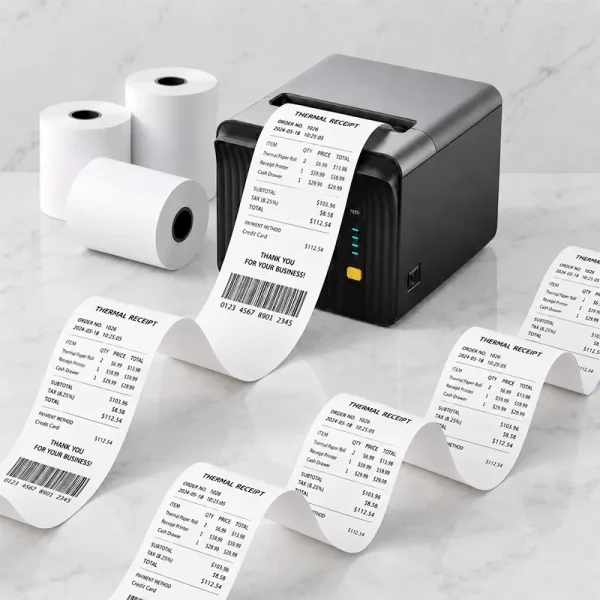
Finding a suitable manufacturer is an important step for businesses that purchase labels regularly. A supplier should understand the buyer’s application, explain available material and adhesive options, and provide clear information about customization and production.
SailingLabel is a brand that businesses can explore when looking for customized labeling solutions. Buyers can review its available label products and discuss their requirements regarding materials, adhesives, dimensions, printing, and finishes.
When evaluating a potential manufacturer, consider the following:
- Experience with the type of label your business requires.
- Availability of suitable face materials and adhesives.
- Support for customized designs and product specifications.
- Printing and converting capabilities relevant to the order.
- Die-cutting and slitting options, where applicable.
- Quality inspection procedures.
- Sample availability before bulk production.
- Communication and support for international orders.
It is also important to understand which production processes the manufacturer performs directly. Some companies produce label materials, while others focus on printing, converting, slitting, and finishing. Confirming these capabilities helps buyers understand what the supplier can provide for a specific order.
A reliable manufacturing relationship should be based on product suitability, consistent quality, and clear communication rather than simply the lowest quotation.
7. Evaluate Standard Label Quality Before Bulk Purchasing
Standard labels are widely used for product identification, packaging, shipping, retail operations, and inventory management. Before placing a bulk order, businesses should evaluate whether the labels meet their everyday operational requirements.
Quality assessment should cover several practical areas.
Material consistency: Check that the label material has a uniform surface and is suitable for the intended packaging application. The material should also support the required printing process.
Printing clarity: Examine text, logos, graphics, and barcodes to ensure that important information is sharp, readable, and correctly positioned.
Adhesive performance: Apply the label to the intended packaging surface. Check that it attaches evenly and remains in place during normal storage, handling, and transportation.
Cutting accuracy: Review the label dimensions, shape, and edges. Consistent cutting helps ensure that labels fit the packaging and can be applied properly.
Printer compatibility: Test the labels with the equipment used in daily operations. Check whether they feed smoothly, print correctly, and dispense without unnecessary interruptions.
Packaging condition: Confirm that finished labels are properly packed to protect them from dust, moisture, and physical damage during storage and transportation.
For wholesalers, distributors, and manufacturers, these checks are particularly important because product inconsistencies can affect multiple customers and repeat orders. Approving a sample before mass production helps businesses confirm the required specifications and reduce the risk of receiving unsuitable products.
8. Consider International Shipping, Storage, and Long-Term Supply
For businesses sourcing labels internationally, the purchasing process does not end when the product is manufactured. Packaging, transportation, communication, and repeat-order planning can all affect the overall buying experience.
Before confirming an international order, buyers should clarify the agreed delivery terms, shipping method, production schedule, and packaging arrangements. They should also confirm how the manufacturer will communicate progress and handle any quality concerns.
Storage is another consideration. Unused labels should be kept in suitable conditions and protected from excessive moisture, direct sunlight, dust, and other factors that may affect the material or adhesive.
For businesses operating in multiple regions, it is also useful to maintain consistent product specifications between orders. Keeping approved samples, design files, and material details can make repeat purchasing more straightforward.
A dependable supply arrangement helps businesses maintain product consistency and plan their packaging operations with greater confidence.
Frequently Asked Questions About Custom Label
1. What is a custom label?
A custom label is a label designed according to a business’s specific requirements. It may include a company logo, product information, barcode, instructions, or other details, with selected materials, adhesives, and finishes.
2. Which material is best for a custom label?
The best material depends on the product, packaging surface, printing method, and working environment. Paper, thermal paper, and synthetic materials may all be suitable for different applications.
3. Can custom label have different adhesive options?
Yes. Depending on the manufacturer’s available materials, buyers may choose permanent, removable, or specialized adhesives for particular applications, including low-temperature environments.
4. What information should I provide when requesting a custom label quotation?
Buyers should provide the intended application, label design, material preference, adhesive requirements, printing method, estimated order quantity, and delivery destination. Sharing a sample or reference image can also help clarify the requirements.
5. Why should I request samples before bulk production?
Samples allow businesses to evaluate material quality, printing clarity, adhesive performance, and compatibility with their packaging or equipment before committing to a larger order.
6. Can custom label be supplied for international markets?
Manufacturers may support international buyers with customized products and export arrangements. Buyers should confirm product specifications, labeling requirements, shipping terms, and delivery arrangements for their destination market.
Final Takeaway
Choosing the right custom label requires a clear understanding of the product, packaging surface, printing process, and conditions in which the label will be used. Material selection, adhesive performance, design quality, and manufacturing consistency all contribute to the final result.
Businesses should evaluate their requirements carefully, request samples, and confirm production details before placing bulk orders. Working with a manufacturer that understands customization and can communicate clearly about product options can also make international sourcing more manageable.
By focusing on practical performance rather than appearance alone, businesses can choose a custom label that supports product identification, brand presentation, and reliable day-to-day operations.


For tech startups building ambitious web products, the front-end framework decision shapes everything that follows: how fast you ship, how easily you scale, and how smoothly new engineers join the team. Angular remains one of the strongest choices for products that need structure, long-term maintainability, and enterprise-grade reliability. If your roadmap includes a complex dashboard, a SaaS platform, or a customer portal, now is the right time to hire Angular developers who can turn that vision into a stable, scalable product.
Angular has evolved significantly in recent years. Signals, standalone components, improved server-side rendering, and a cleaner template syntax have made it faster to build with and easier to learn than the framework many people remember. This modernization is good news for founders. It means a skilled engineer can deliver more with less boilerplate, and your codebase stays easier to maintain as your team grows.
But a great framework only delivers value in the right hands. When founders decide to hire Angular developers, the quality of that hire often determines whether the product feels fast and polished or sluggish and fragile. A strong developer brings architectural judgment, not just syntax knowledge, and that judgment saves months of rework down the line.
This guide walks you through what to look for, how to evaluate candidates, and how to structure your hiring so that your startup gets the best possible return on every engineering hire.
Why Angular Suits Startups and Product Companies
Angular is an opinionated framework, and for startups that is a real advantage. It comes with routing, forms, HTTP handling, dependency injection, and testing tools built in. Instead of debating which libraries to stitch together, your team follows consistent conventions from the first commit. That consistency matters enormously when you are onboarding new engineers quickly or handing parts of the product to contractors.
TypeScript is at the core of Angular, which catches many bugs before they reach users. For product companies handling sensitive data or complex business logic, that safety net reduces costly production issues. Angular also scales well as products grow from an MVP into a multi-team platform, thanks to its modular architecture and strong tooling support.
Finally, Angular is backed by Google and has a large, mature community. Founders can feel confident that the framework will continue to receive long-term support, regular updates, and a deep pool of talent and learning resources.
Skills to Look for in 2026
When you hire Angular developers, start with the fundamentals. Look for strong TypeScript skills, a solid grasp of components, services, and dependency injection, and experience with RxJS for managing asynchronous data. These are the building blocks of every serious Angular application.
Beyond that, modern Angular experience matters. Candidates should be comfortable with standalone components, signals for state management, and the newer control flow syntax. Experience with server-side rendering and hydration is increasingly valuable, especially for products where SEO and load speed affect growth. Familiarity with state management libraries such as NgRx, along with testing tools like Jasmine, Jest, or Cypress, shows that a developer thinks about quality and long-term maintainability.
Soft skills deserve equal weight in a startup. Look for people who communicate clearly, take ownership of features end to end, and can work with designers, product managers, and back-end engineers without constant hand-holding. Early teams cannot afford silos, so adaptable, product-minded developers are worth far more than purely technical specialists.
How to Evaluate Candidates Effectively
Resumes tell you very little about how someone actually builds. A practical assessment gives much clearer signals. Consider a small take-home task or live pairing session based on a real problem from your product, such as building a filterable data table or handling a form with complex validation. Watch how the candidate structures components, handles state, and thinks about edge cases.
Ask about performance and architecture. How would they reduce bundle size? When would they use lazy loading? How do they structure a large application so multiple developers can work in parallel? Strong candidates answer with specific trade-offs from real projects rather than textbook definitions.
Review their past work as well. Live applications, open-source contributions, or detailed walkthroughs of previous projects reveal far more than a list of technologies on a resume. For founders without a technical background, bringing in a trusted senior engineer or advisor for the technical interview can make a big difference.
Choosing the Right Hiring Model
Startups have several options, and the right one depends on your stage, budget, and timeline. A full-time in-house hire offers deep product ownership and cultural integration, which suits core, long-term roles. Freelancers work well for short, well-defined projects, though continuity can be a challenge. Dedicated remote developers sit between the two, offering full-time commitment without the overhead of local hiring.
Many founders now choose to hire Angular developers remotely through vetted talent networks, which widens the pool beyond local markets and often shortens time to hire from months to weeks. These networks pre-screen candidates for technical skill and communication, so founders spend their time interviewing strong matches rather than sorting through hundreds of applications. For a lean team trying to protect runway and momentum, that efficiency is a meaningful advantage.
Budgeting and Timeline Tips
Costs vary widely by region, seniority, and engagement type, so define your needs before you set a budget. A senior developer may cost more per hour, but often delivers faster, writes cleaner code, and mentors junior teammates, which lowers the total cost of the project. Hiring too junior for a complex build can lead to expensive rewrites later.
Plan your timeline realistically. A thorough process, including sourcing, interviews, assessment, and onboarding, typically takes a few weeks. Rushing this stage is tempting for founders under pressure, but a poor hire costs far more in lost time than a slightly longer search.
Setting New Hires Up for Success
Hiring is only the beginning. Give new developers clear documentation, a well-defined first task, and access to the people they need to collaborate with. Establish coding standards, review practices, and a testing approach early, so quality stays consistent as the team grows. A strong first month builds momentum and trust, and it makes the difference between a developer who stays for years and one who leaves within months.
The Bottom Line
Angular gives startups and product companies a stable, scalable foundation for web applications that need to grow. The framework is only as strong as the people building with it, so the hiring decision deserves real care. Founders who define their needs clearly, evaluate candidates on practical skills, and choose a hiring model that fits their stage will be well placed to build a product that stands up to growth. When you hire Angular developers with the right mix of technical depth and product mindset, you are investing in a codebase, and a team culture, that can carry your startup well beyond its first release.


While you may think of Turkey, mashed potatoes, cranberry sauce, and pumpkin pie when thinking about what to cook for Thanksgiving dinner, why not include some Indian food?
- Thanksgiving in the USA: A Holiday of Food, Family, and Gratitude
- What Indian Groceries Should You Buy for Thanksgiving Dinner?
- Top Online Shopping Sites for Indian Grocery Shopping During Thanksgiving in the USA
- How to Save Money on Thanksgiving Grocery Shopping
- A Little Indian Flavor Makes Thanksgiving Even More Special
- Frequently Asked Questions
Thanksgiving is a great opportunity to include some Indian food if you’re an Indian family living in the USA. Swap out roasted vegetables for paneer tikka, rice for vegetable biryani, and apple pie for warm gulab jamun!
Of course, while planning what to cook for your meal can be easy, finding fresh paneer, real spices, Indian desserts, and much more can be a bit tricky if you don’t have an Indian grocery shop nearby.
Now you can shop for your Indian grocery needs in the USA through various online sites. Whether you are cooking a large meal for Thanksgiving or just a small dinner, here’s how you can!
Thanksgiving in the USA: A Holiday of Food, Family, and Gratitude
Thanksgiving is a celebrated event each year on the 4th Thursday of November. In 2026, it will fall on the 26th of November.
Thanksgiving originated from celebrations in America, and while many know it as the famous celebration between English colonists and members of the Wampanoag tribe in 1621, it does not tell the full story of indigenous people and how they were impacted by European settlers.
Many families today celebrate Thanksgiving by sitting down to a lovely meal, showing gratitude by gifting Thanksgiving hampers and enjoying family time.
While traditional foods like turkey, stuffing, and pumpkin pie are still popular, Thanksgiving can be very varied. Indian-American families often add their own twist to their meal by adding foods such as Dal Makhani, Paneer Curry, Pulao, and Indian desserts.
You can add some Indian foods to your Thanksgiving meal to make it extra special. Try cooking Tandoori-style Turkey, Spicy Masala Mashed Potatoes, Paneer Tikka, Vegetable Biryani, or Roasted Cauliflower with Indian Spices. As a dessert, you could try serving Gulab Jamun with Vanilla Ice Cream or adding a bit of Cardamom to your Pumpkin Pie. It is a simple way to add some Indian flavours to your meal.
What Indian Groceries Should You Buy for Thanksgiving Dinner?
Before you order your groceries, consider what dishes you’re planning to make. You don’t need a fully stocked pantry to whip up a memorable Indian-inspired Thanksgiving dinner.
Below are some essentials to add to your shopping list:
- Indian spices: For curries, marinades, roasted vegetables, garam masala, cumin, turmeric, coriander powder, and Kashmiri red chili powder.
- Rice & lentils: Basmati rice, chickpeas, moong dal, and black lentils, ideal for biryanis, pilafs, and feel-good vegetarian food.
- Whole Foods: Paneer, Yogurt, Ginger, Garlic, Cilantro, Green Chilies, and Vegetables.
- Kitchen items: ghee, cooking oil, ginger-garlic paste, and whole spices.
- Snacks and appetizers: Samosa, pakora, frozen kebab, and chutney.
- Indian desserts: Gulab jamun, rasmalai, kaju katli, and ladoos to be relished as a festive dessert.
A modest list of paneer tikka, vegetable biryani, dal makhani, and gulab jamun can pair well with classic Thanksgiving meals.
Top Online Shopping Sites for Indian Grocery Shopping During Thanksgiving in the USA
We took to the web to find the best Indian grocery shopping platform options. These are seven sites to check out before Thanksgiving.
1. Quicklly
Thanksgiving shoppers can consider Quicklly, especially if you are planning many Indian dishes on your menu. The marketplace features a large inventory of Indian ingredients such as fresh produce, paneer, spices, rice and lentils, packaged snacks and frozen foods, a variety of halal meat products, and an array of ready-made dishes.
Compare what’s available and find great value products, daily deals, and seasonal offers. With Priority Delivery, you can get selected items delivered in as little as 3 hours. The products’ availability, pricing, and delivery options will vary depending on where you are.
2. Zifiti
Zifiti has plenty of products that are essential in India! There are many ready-made products, spices, snacks, rice, and traditional sweet treats. You can find everything you need to make your Indian cooking easy, including ingredients that have a long shelf life.
Just keep in mind to check that fresh items are available before planning your full meal plan. Availability, shipping fees, and delivery date depend on which product is ordered and where it’s being sent. When preparing Thanksgiving foods on a deadline, it’s wise to verify the requested delivery date beforehand.
3. Distacart
This cart is handy if you’re searching for Indian brands and specialty products that aren’t readily available in your home country. Its marketplace is stocked with snacks, sweets, spice powders, ghee, and more.
Another factor to consider is the shipping time, especially if you are purchasing items from abroad. Shipping fees can also impact the cost of smaller orders. This marketplace can be a good resource for filling your pantry with specialty ingredients, but it may not be the best for fresh, refrigerated, or perishable items that you need right before Thanksgiving dinner.
4. Instacart
Instacart is an app you can use to order any grocery online from a participating store in your area. If you live in their delivery area, you can find Indian spices, paneer, basmati rice, fresh vegetables, and more Thanksgiving food.
The biggest draw: close-by stores (frequently same-day). But everything in your cart hinges on what stores deliver to your address. Certain neighborhoods might not have a lot of Indian grocery options, and service fees, shipping costs, or retailer-specific prices can add to your bill, so definitely compare your total before heading to checkout.
5. Walmart
Walmart is an easily recognizable retailer for making your regular grocery runs for other staples of a traditional Thanksgiving dinner. Vegetables, dairy items, baking needs, rice, canned chickpeas, and various Indian spices and packaged foods are among the items available.
But it might not have as expansive a selection of Indian groceries as a specialty Indian grocery store. While you can find standard Indian offerings like fresh paneer and special spice mixes at Walmart, they might not carry particular brands of sweets or niche ingredients. You could do most of your Thanksgiving shopping at Walmart, but you’ll also need a second retailer.
6. Kesar Grocery
Kesar Grocery has all your Indian grocery needs. Kesar Grocery has you covered, with everything from spices, lentils, rice, and snacks to pantry staples. Consider whether you prefer these brands or are in search of more authentic Indian products for cooking at home.
The other thing to consider is whether shoppers can even get stuff delivered and when. Some items may be available for express delivery depending on the location, but shoppers outside of the available locations should see delivery estimates before ordering. Prices and deals might also differ by item. It’s better to order nonperishables ahead of time than wait until the last minute to get stuff shipped.
7. Uber Eats
Uber Eats can assist you if you’re running low on ingredients or need to grab a few additional groceries before your guests arrive. The Uber Eats app links you with local grocery stores and specialty shops that offer delivery in select locations.
But availability will be driven by the stores near you. Some ingredients, brands, regional specialty items, or traditional Indian desserts may be hard to find, and the prices for small orders can add up quickly because of delivery charges, service charges, and whatever markup the store may charge. It’s more practical as a quick grocery stop than an Indian Thanksgiving shopping list.
How to Save Money on Thanksgiving Grocery Shopping
Thanksgiving grocery bills can really rack up, especially if you’re getting ready to make Indian, American, or other international recipes. Plan your menu around what’s already in your pantry.
Look at prices online, take advantage of deals, and buy bulk packs of rice or lentils if you think you’ll use the rest later. Take delivery charges into account when ordering.
Purchase packaged grocery items early, as well as any fresh ingredients you need just before Thanksgiving, to keep yourself from any last-minute spending.
A Little Indian Flavor Makes Thanksgiving Even More Special
Thanksgiving doesn’t need to have the same menu year after year. Whether these are new Thanksgiving recipes or Indian-inspired recipes passed down from family, the point is, as long as the whole family is happy and fed, you’re doing Thanksgiving right.
Prepare Indian Thanksgiving without forcing yourself to go shopping for hours or cooking the whole day for the entire Thanksgiving festival. With all the right ingredients and a little planning, you can enjoy your Thanksgiving with Indian flavors.
Frequently Asked Questions
Where can I buy Indian groceries online in the USA?
You can buy using Quicklly, Zifiti, Distacart, Instacart, Walmart, Kesar Grocery, and Uber Eats. There are different products and delivery services for each one according to your area.
Can I get Indian groceries delivered on the same day?
Yes, certain services do offer delivery on the same day for select areas. Quicklly also mentions that its priority delivery happens in under three hours where the option applies.
What Indian dishes go well with Thanksgiving dinner?
Paneer tikka, tandoori cauliflower, vegetable biryani, dal makhani, and samosas all make great accompaniments to your traditional Thanksgiving meal. End your meal on a sweet note with gulab jamun or rasmalai.


Customer support teams handle high call volumes by combining smart forecasting, flexible staffing, clear call routing, self-service tools, and queue management. Any support team can be overwhelmed with an influx of phone calls. Customers face long hold times. Support agents deal with rising stress.
- Forecast Call Demand to Prepare for Peak Periods
- Adjust Staffing and Agent Schedules to Match Demand
- Use Automatic Call Distribution to Route Calls Efficiently
- Offer Self-Service Options to Resolve Routine Inquiries
- Reduce Queue Pressure With Callbacks and Virtual Hold
- Distribute Support Across Phone, Chat, Email, and Messaging
- Equip Agents With Training, Knowledge Bases, and Customer Data
- Track Call Volume and Service Metrics in Real Time.
- Review Call Spikes to Improve Future Support Operations
- Conclusion
By pairing excellent processes with practical support tools, you can safeguard customer service, while keeping wait times in check. Here’s how today’s contact centers do just that day after day.
Forecast Call Demand to Prepare for Peak Periods
All smart customer service leaders analyze the history of calls to identify trends. Busy periods often follow a predictable schedule. For instance, a retailer might receive more customer inquiries to their business during a holiday flash sale. Call numbers are also increased by product releases and periodic billing cycles. Leaders analyze this past data to make informed decisions about staff schedules.
Good planning helps your team anticipate customer needs before the phone lines fill up. However, there are times when things go awry. Any company can be caught off guard by sudden outages or delivery delays. Historical data can help you prepare for normal increases, but flexibility is required in the event of sudden shifts in customer needs.
Adjust Staffing and Agent Schedules to Match Demand
Workforce management helps a customer service team put the right people in the right places. Managers schedule shifts to avoid the rush of callers. They vary their lunch breaks and make flexible working times for support personnel. A smart manager also cross-trains the service teams so that they can answer other questions.
The flexibility safeguards operational efficiency against a surge of calls. It also helps to avoid employee burnout. When reps have to deal with a large number of calls in succession, service quality begins to diminish quickly. Sustainable scheduling ensures people are fresh and focused. That balance supports long-term business growth and equitable workloads for all support department staff on duty.
Use Automatic Call Distribution to Route Calls Efficiently
An automatic call distribution system sorts incoming calls and sends them to the right desks. This setup uses skills-based routing. This means the caller can speak with an agent who knows the topic they’re calling about. A basic interactive voice response menu gathers basic details from the caller. This is time-saving for the customer.
If a customer has an unpaid invoice, it is sent to billing; if a product is broken, it is sent directly to technical assistance. IVR reduces the number of transfers between different agents. Facilitates fewer handoffs while resolving calls. Good routing does not eliminate complex problems; it is about getting each caller to the right person, immediately.
Offer Self-Service Options to Resolve Routine Inquiries
Many callers are uncomfortable with waiting for an agent. They like having quick self-service to complete routine tasks. Allow individuals to reset passwords, view order tracking, or order hours on their own. Customers can be assisted at any time via searchable knowledge bases, account portals, and automated phone menus. This customer-centric approach saves time for everyone involved.
But, your self-service content needs to remain correct. Even if the tips are dated, people still call. Ensure information is available on all of the help pages in a clear and up-to-date format. Make sure all articles stay up to date. Above all, when automated help is insufficient, leave a path for a human agent to get there.
Reduce Queue Pressure With Callbacks and Virtual Hold
If call queues run long, they can frustrate customers. Callers do not enjoy hearing their calls played on hold. You can improve this wait by offering virtual hold. Virtual hold keeps a caller’s spot in line without keeping their phone pressed to their ear. The system provides availability of expected wait times and an automatic callback feature.
This feature ensures that customers don’t get upset during peak periods. It also respects customers’ time. Keep in mind that there will be a need for agent capacity on a callback. Your team will have to deal with these outgoing rings as well as live queues. Reliable callback tracking helps ensure no customer is lost while maintaining strong relationships and helps manage high call volumes all day.
Distribute Support Across Phone, Chat, Email, and Messaging
Depending on the immediate need, customers utilize different service channels. A strong customer service department offers phone, email, live chat, and text messaging. Live chat works great for quick questions. Email is used for less urgent requests and file attachments. Other channels free up phone lines for emergency calls.
An omnichannel platform consolidates all customer support tickets and contact history into a single platform. This way, no user has to repeat their story on other channels. This uniformity ensures a positive customer experience and improves the overall quality of the service provided. Providing customers with a number of choices ensures better customer service without losing customers to phone service.
Equip Agents With Training, Knowledge Bases, and Customer Data
Agents work best when they’re equipped with the proper tools and facts. A centralized database displays past orders and past notes for each individual customer contact. Reps can view past customer concerns right away. They don’t have to guess. Agents receive regular training in order to develop their soft skills and product knowledge.
If reps are knowledgeable about products, they provide excellent customer service on the initial call. This will avoid further follow-up calls from the same person later. Speed matters, but an accurate fix matters more. Solid preparation turns tense moments into helpful conversations that solve real problems for the caller.
Track Call Volume and Service Metrics in Real Time.
They monitor activity on the lines on live dashboards in their support software. They monitor activity metrics of the center such as average handle time, abandonment rates, queue lengths, etc. These numbers act as key performance indicators for overall team health. Managers change schedules or switch staff from email to phone lines when they experience an increase in abandonment. This helps to maintain a steady flow of tickets along the floor.
Leaders also monitor customer satisfaction metrics to guarantee that customers are getting quality answers. Fast responses mean nothing if the caller leaves unhappy. By monitoring the speed as well as satisfaction of customers, managers have a balanced picture of how the center is coping with incoming pressure in real time.
Review Call Spikes to Improve Future Support Operations
After the rush ends, your customer service team must study the numbers. Look at call reasons, peak hours, and abandoned connections. Review customer feedback to discover what went wrong. When people provide feedback, they offer valuable insights into confusing policies or broken products. Fixing these root problems protects your brand image. It also builds customer loyalty and aids long-term customer retention.
Use this data to train agents on complex tasks and create effective solutions for common complaints. Make sure explanations help customers understand policies easily. Help new customers navigate your service without frustration. This post-rush review turns a noisy call center into an engine for customer success. Excellent customer service comes from learning after every rush.
Conclusion
Managing heavy call queues requires thoughtful planning and clear action. When customer support teams blend smart forecasting, responsive staffing, practical routing, and self-service tools, they protect their team from burnout. Technology works best alongside trained agents and clear workflows.
Look at why callers reach out today. Eliminate avoidable friction at the source to protect your brand. Doing so drives business success and keeps satisfaction high. Audit your customer support workflows this week to prepare your team for the next busy season!

Custom Label: How to Choose the Right Materials, Adhesives, and Manufacturer for Your Business

Thermal Paper Jumbo Roll: How to Choose the Right Specifications for Industrial Converting and Bulk Supply

Inside a China Eyewear Factory: How Eyewear Goes from Design and Material Selection to Mass Production

Alex Pettyfer Net Worth, Wife, Age, Height, Children, Career and More

Brad Williams Net Worth, Wife, Height, Age, Daughter, Family, Career and More

Eldorado.gg Review 2026: How It Works, Safety, Fees, and Risks
-
Celebrity11 months ago
Alex Pettyfer Net Worth, Wife, Age, Height, Children, Career and More
-
Celebrity11 months ago
Brad Williams Net Worth, Wife, Height, Age, Daughter, Family, Career and More
-
Blog3 months ago
Eldorado.gg Review 2026: How It Works, Safety, Fees, and Risks
-
 Anime12 months ago
Sanzoku Bandits of One Piece: Origins, Higuma, and Their Role in Dawn Island
-
 Celebrity11 months ago
John McGinn Net Worth, Age, Height, Wife, Childrens, Career and More
-
 Celebrity11 months ago
Frances de la Tour Net Worth, Age, Height, Husband, Childrens, Career and More
-
 Anime1 year ago
Shimotsuki Ushimaru – The Last Daimyo of Wano Country Explained
-
 Celebrity12 months ago
Will Trickett Net Worth, Wife, Childrens, Age, Career and More