
Blog
Modern Garden Design Trends That Make Outdoor Spaces More Beautiful

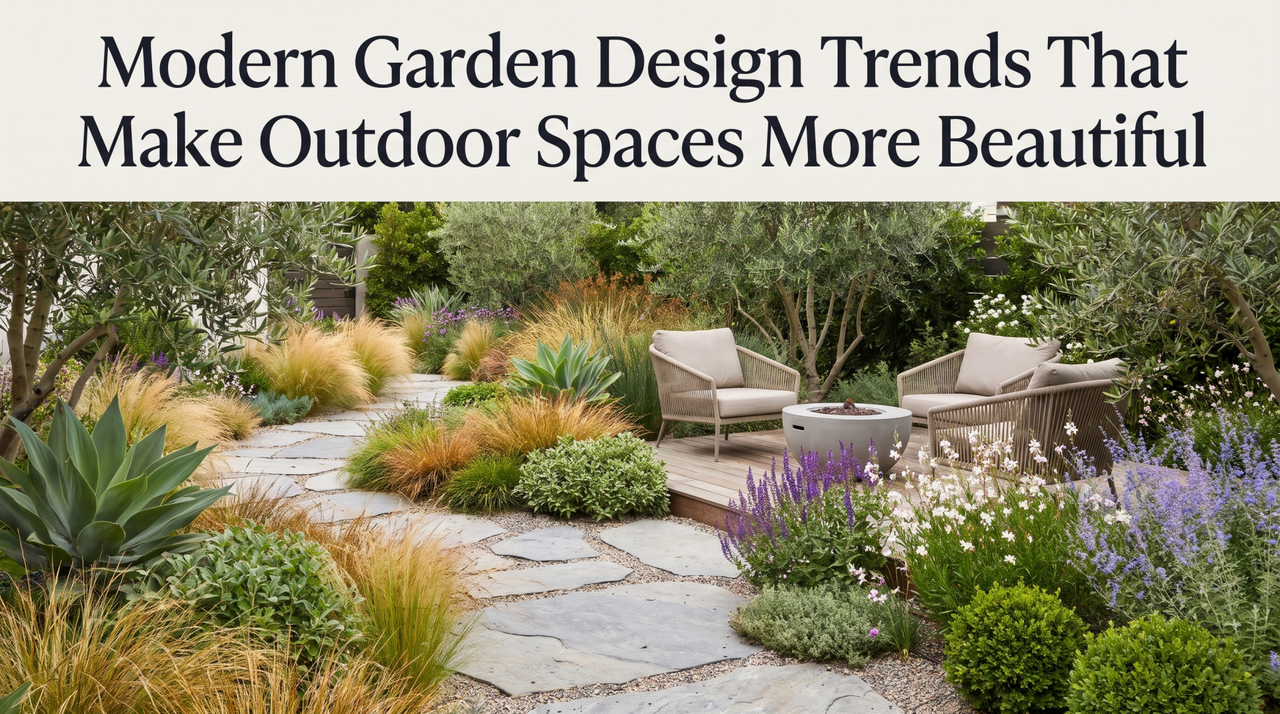
A beautiful garden can change the entire atmosphere of a home. It adds color, texture, and natural character to the surrounding environment while creating a place where people can relax and enjoy the outdoors. In recent years, garden design has moved beyond traditional flower beds and neatly trimmed lawns. Homeowners are increasingly exploring creative layouts, contemporary materials, natural planting arrangements, and outdoor features that reflect their personal lifestyles.
- Minimalist Gardens With Clean Lines and Simple Layouts
- Naturalistic Planting for a More Relaxed Garden Atmosphere
- Japanese-Inspired Gardens and the Beauty of Simplicity
- Vertical Gardens for Compact Outdoor Areas
- Mediterranean Garden Styles With Warm Materials
- Contemporary Gardens That Combine Hardscape and Greenery
- Sustainable Gardens With Climate-Appropriate Plants
- Outdoor Lighting That Highlights Garden Features
- Water Features as Garden Focal Points
- Edible Gardens That Combine Beauty and Practicality
- Personalized Garden Layouts for Different Lifestyles
- Explore Different Garden Ideas Before Making Changes
- Conclusion
Modern garden design is not about following one fixed style. Some people prefer clean geometric lines and minimal decoration, while others enjoy lush greenery, natural materials, and a more relaxed appearance. Small urban gardens, spacious residential landscapes, and courtyard gardens can all benefit from thoughtful design choices.
The most successful gardens combine visual appeal with practical considerations. Plant selection, available sunlight, maintenance requirements, and the relationship between different outdoor elements all influence the final result.
If you are looking for inspiration for your next garden makeover, these modern design trends offer several ways to create a more attractive and enjoyable outdoor environment.
Minimalist Gardens With Clean Lines and Simple Layouts
Minimalism remains a popular direction in contemporary garden design. Instead of filling every available area with decorative features, this approach focuses on a limited selection of materials, plants, and structural elements.
A minimalist garden often features clear pathways, geometric planting beds, simple outdoor furniture, and a restrained color palette. The overall layout is easy to understand, allowing individual elements to stand out without competing for attention.
Neutral paving materials, concrete planters, natural stone, and carefully positioned greenery can create a sophisticated appearance. Repetition is another useful design technique. Using similar plants or materials in several locations helps establish visual consistency.
This style can work particularly well in small gardens because it avoids unnecessary clutter. A compact space may need only a simple paved area, a few well-chosen plants, and a focal feature to feel complete.
However, minimalism does not mean removing all personality. A distinctive tree, textured wall, sculptural planter, or carefully selected outdoor light can add character without making the design feel crowded.
Naturalistic Planting for a More Relaxed Garden Atmosphere
Another important trend is the growing interest in gardens that look more natural and less formally arranged.
Traditional gardens often rely on symmetrical planting beds, regularly trimmed hedges, and clearly separated plant varieties. Naturalistic designs take a different approach by combining plants with varied heights, textures, and growth patterns.
Ornamental grasses, flowering perennials, shrubs, and ground covers can create layered arrangements that change throughout the seasons. Instead of treating every plant as an isolated decorative object, this approach considers how different species interact as part of a larger composition.
The result can feel softer and more connected to the surrounding environment. It may also provide suitable habitats and food sources for pollinators and other wildlife when climate-appropriate species are selected.
Successful naturalistic planting still requires planning. Plants need enough room to reach their mature size, and species should be selected according to sunlight, soil, and moisture conditions.
A balanced composition is usually more attractive than simply mixing a large number of unrelated plants. Repeating certain varieties throughout the garden can create a sense of continuity while allowing the overall arrangement to feel informal.
Japanese-Inspired Gardens and the Beauty of Simplicity
Japanese-inspired gardens continue to influence modern residential landscaping because of their emphasis on balance, texture, and thoughtful use of space.
These gardens often combine carefully positioned stones, water elements, moss, gravel, and selected plants to create a calm visual environment. Rather than relying on large numbers of decorative objects, they use a limited collection of features to establish atmosphere.
A small Japanese-inspired garden might include a stone pathway, a simple water basin, a carefully shaped shrub, and a few contrasting ground covers. Larger spaces may incorporate stepping stones, wooden structures, and layered planting.
The arrangement of elements is especially important. Empty space is not necessarily wasted space. It can help individual features become more noticeable and make the overall garden feel less crowded.
Homeowners interested in this style should also consider whether the selected plants are suitable for their local climate. A design inspired by Japanese gardens does not require copying every traditional plant species. The same principles of balance and simplicity can be applied using locally appropriate vegetation.
This makes the style adaptable to many residential settings.
Vertical Gardens for Compact Outdoor Areas
Limited ground space does not have to prevent homeowners from creating attractive gardens. Vertical planting is a practical way to introduce greenery when a property has a narrow courtyard, small patio, balcony, or restricted garden area.
Living walls, wall-mounted planters, climbing plants, and trellises can transform otherwise unused vertical surfaces into decorative features.
A vertical garden may contain herbs, ornamental foliage, flowering plants, or a combination of species. The selection should depend on the amount of sunlight, available growing depth, irrigation access, and the weight the supporting structure can safely carry.
For a small courtyard, a planted wall can create a strong focal point without taking up much floor space. In a larger garden, vertical greenery can soften boundary walls and improve the appearance of outdoor seating areas.
Maintenance should be considered before installation. Vertical planting systems may require regular irrigation, drainage management, and occasional replacement of plants.
Not every wall is suitable for a living garden, particularly where moisture could affect the building structure. Proper waterproofing and installation details are essential.
When designed carefully, vertical gardens provide an effective way to make compact outdoor environments feel greener and more visually interesting.
Mediterranean Garden Styles With Warm Materials
Mediterranean-inspired gardens are appreciated for their relaxed atmosphere and combination of natural textures.
Typical design elements include terracotta pots, stone paving, warm-colored walls, gravel paths, olive trees, and drought-tolerant planting. These features create an outdoor environment that feels welcoming without requiring an overly formal arrangement.
A courtyard with a stone seating area, a few large planters, and carefully selected shrubs can capture the general character of this style. Larger gardens may incorporate pergolas, outdoor dining areas, and more extensive planting beds.
Color also plays an important role. Soft beige, warm white, earthy brown, muted green, and occasional accents of blue can create a balanced palette.
Plant selection should reflect local growing conditions rather than simply reproduce a photograph from another region. Many Mediterranean-inspired designs can be adapted with suitable local species that tolerate the available sunlight and water conditions.
The style is particularly appealing to homeowners who want a garden that feels relaxed, timeless, and connected to natural materials.
Contemporary Gardens That Combine Hardscape and Greenery
Modern gardens increasingly combine architectural surfaces with carefully planned vegetation.
Instead of separating patios, pathways, and planting beds into unrelated areas, contemporary designs treat them as connected parts of one composition.
Large-format paving can create a clean foundation, while narrow planting beds soften the edges. Timber decking, textured concrete, stone walls, and metal details may introduce contrast without overwhelming the space.
The relationship between hardscape and greenery is especially important. Too much paving can make a garden feel cold, while excessive planting may create maintenance challenges or reduce usable space.
A balanced design might feature a central patio, planting borders along the boundaries, and a small tree that creates a focal point. The arrangement can be adapted to suit different property sizes.
AI garden design can help homeowners explore these combinations before selecting materials or committing to a particular layout. By comparing different visual concepts, they can investigate how paving patterns, planting arrangements, and decorative features influence the overall atmosphere.
The most useful approach is to treat these visual results as inspiration and then confirm dimensions, drainage, and material suitability before construction.
Sustainable Gardens With Climate-Appropriate Plants
Sustainability has become an increasingly important consideration in garden planning. Homeowners are paying more attention to water consumption, plant suitability, soil health, and the long-term environmental impact of their landscaping choices.
One practical approach is to select plants that are naturally suited to the local climate. This can reduce the need for excessive irrigation and additional maintenance once the plants are established.
Native plants are often valuable because they can support local ecosystems. Depending on the region, suitable drought-tolerant shrubs, ornamental grasses, and perennial species may also be useful.
Other sustainable practices include collecting rainwater where appropriate, using mulch to reduce soil moisture loss, and grouping plants with similar watering requirements.
Recycled or responsibly sourced materials can also contribute to a more environmentally conscious design. Reclaimed timber, reused stone, and durable paving materials may offer attractive alternatives to frequently replaced decorative products.
A sustainable garden does not need to look rustic or unfinished. It can follow contemporary, minimalist, or traditional design principles while making more responsible choices about resources.
Outdoor Lighting That Highlights Garden Features
Lighting can completely change the appearance of a garden after sunset. It helps define pathways, makes seating areas more comfortable, and draws attention to attractive architectural or planting features.
Modern garden lighting often focuses on subtle placement rather than excessive brightness. Small fixtures along pathways can improve visibility, while carefully positioned spotlights can highlight a tree, textured wall, or sculptural feature.
Warm lighting is often preferred for relaxation areas because it creates a softer atmosphere. Functional spaces, such as outdoor kitchens and entrances, may require brighter illumination.
The direction of light is just as important as its intensity. Lighting that shines directly into people’s eyes can make an outdoor area uncomfortable. Fixtures should be positioned to illuminate surfaces and features rather than create unnecessary glare.
Energy-efficient LED products provide a wide range of options for contemporary landscapes. Solar-powered lights may also work in locations with sufficient sunlight.
A well-planned lighting scheme can make a garden feel like a completely different space in the evening while improving its practical usability.
Water Features as Garden Focal Points
Water features can introduce movement, sound, and visual interest into residential gardens.
A small fountain, reflecting pool, or simple water basin can become a focal point in an otherwise understated landscape. The sound of moving water may also create a more relaxing atmosphere.
The scale of the feature should match the available space. A large pond may overwhelm a compact courtyard, while a small decorative fountain may look insignificant in an expansive garden.
Materials influence the overall effect. Natural stone can create a softer appearance, while concrete and metal may suit contemporary designs.
Maintenance requirements should be considered carefully. Pumps, filters, water quality, and cleaning all influence the long-term experience of owning a water feature. Water consumption is another important consideration, particularly in regions where conservation matters.
A water feature does not need to dominate the design. Sometimes a simple element positioned near a seating area provides enough visual interest without creating unnecessary complexity.
Edible Gardens That Combine Beauty and Practicality
Edible gardening is another trend that brings practical value to residential outdoor spaces.
Instead of treating vegetable beds and herb containers as separate from ornamental landscaping, homeowners can integrate them into the overall garden design.
Raised planting beds, decorative containers, and organized herb gardens can provide fresh produce while contributing to the visual character of the property.
Herbs such as rosemary, basil, mint, and thyme may be suitable options depending on the local climate and growing conditions. Vegetables and fruit plants should be selected according to available sunlight, soil quality, and seasonal requirements.
A well-organized edible garden can be attractive as well as productive. Repeating planter materials, arranging beds in clear patterns, and combining edible plants with ornamental species can create a coordinated appearance.
For families, gardening can also become a shared activity. Children may enjoy observing how plants grow, learning about seasonal changes, and participating in simple planting tasks.
Personalized Garden Layouts for Different Lifestyles
There is no single garden layout that works for everyone. A design should reflect the way homeowners intend to use their outdoor space.
Someone who enjoys entertaining may prioritize a large patio, outdoor dining furniture, and comfortable lighting. A gardening enthusiast may prefer extensive planting beds, accessible pathways, and dedicated growing areas.
Households with children might need open ground for outdoor activities, while people who prefer quiet relaxation may want a secluded seating corner surrounded by greenery.
The challenge is balancing these requirements without making the garden feel disorganized.
Creating a simple list of priorities can help. Identify the features that are essential, those that would be useful, and those that are purely decorative. This makes it easier to allocate the available area according to actual needs.
AI garden design can support this process by allowing homeowners to explore different visual arrangements and compare possible styles. It can provide inspiration for combining functional spaces with planting and decorative elements.
However, personal preferences should always be considered alongside practical factors such as maintenance, sunlight, dimensions, and budget.
Explore Different Garden Ideas Before Making Changes
One of the most challenging parts of garden improvement is visualizing how separate ideas will work together.
A homeowner may like the appearance of a Japanese garden, a Mediterranean patio, and a contemporary planting arrangement. However, combining all three without a clear direction could produce an inconsistent result.
Collecting reference photographs is a useful starting point, but digital visualization offers another way to explore possibilities.
With AI garden design, users can investigate different visual directions and see how a garden might change when its planting, pathways, or decorative features are adjusted.
For example, an ordinary residential garden could be explored through a minimalist concept with simple paving and structured greenery. Another concept might emphasize natural planting, winding pathways, and a more relaxed atmosphere.
These comparisons help homeowners identify which elements they prefer before purchasing materials or starting physical work.
Generated images should not be treated as accurate construction documents. Plant dimensions, growing requirements, drainage, and installation details still need to be checked separately.
The real benefit is the ability to turn vague inspiration into a clearer visual direction.
Conclusion
Modern garden design offers many ways to make outdoor spaces more attractive and enjoyable. Minimalist layouts, naturalistic planting, Japanese-inspired details, vertical gardens, Mediterranean materials, and contemporary hardscape arrangements all provide different possibilities.
The best choice depends on the property’s characteristics, local climate, maintenance expectations, and the people who will use the garden.
Exploring AI garden design can make the creative planning process easier by helping homeowners compare styles and visualize different arrangements before making physical changes.
A beautiful garden does not need to follow every new trend. A thoughtful combination of suitable plants, comfortable spaces, attractive materials, and personal details will usually create a more lasting result than simply copying a fashionable design.

Technology is evolving at a remarkable pace. Smartphones receive new features, artificial intelligence is changing everyday digital experiences, and connected devices are becoming part of homes, workplaces, and personal routines. While these developments create exciting opportunities, they also make it harder for ordinary consumers to understand which innovations are genuinely useful. Reliable technology journalism can help readers make sense of these changes.
Root Nation is a technology publication that helps readers explore the latest developments in consumer technology. Through news, reviews, comparisons, and practical articles, Root-nation.com gives technology enthusiasts and everyday users a place to learn about products and trends before making important decisions.
Making Technology Easier to Understand
New technology often comes with unfamiliar terminology and complicated specifications. A smartphone manufacturer might advertise an advanced processor, an impressive camera system, or a collection of artificial intelligence features. However, technical descriptions do not always explain how these features affect everyday use.
Useful technology journalism connects specifications with practical experiences. Instead of focusing only on numbers, a good review explains what a product can do, where it performs well, and what limitations consumers should consider.
This approach is particularly valuable for people who do not have a technical background. Clear explanations help readers understand whether a feature solves a real problem or simply adds another marketing point to a product description.
Helping Readers Evaluate New Products
Buying electronic devices can involve a significant financial commitment. Smartphones, laptops, tablets, televisions, and other gadgets may remain in use for several years, making research an important part of the purchasing process.
Independent product coverage can help consumers compare available options and understand differences that are not immediately obvious. For example, two smartphones may have similar camera resolutions but produce different results because of their sensors, image processing, lenses, and software.
Readers looking for detailed technology coverage can explore Root-nation.com to find product reviews, technology news, and practical discussions that provide additional context before a purchase.
Keeping Up With Emerging Technology
Artificial intelligence, smart home systems, wearable devices, and mobile innovations continue to influence how people interact with technology. Following these developments requires more than reading product announcements. Consumers also need explanations of how new features work and whether they offer meaningful advantages.
A technology publication can connect individual product releases with broader industry developments. This helps readers understand not only what has changed but also why those changes matter.
For example, the growth of AI features in smartphones raises questions about privacy, performance, battery consumption, and practical usefulness. Readers benefit from balanced coverage that considers both the advantages and potential limitations of these tools.
Why Balanced Technology Journalism Matters
Every new device is not necessarily the right choice for every consumer. A premium smartphone may offer excellent performance but still be unnecessary for someone who mainly uses messaging, browsing, and basic photography. Similarly, an affordable laptop may be perfectly suitable for everyday tasks even if it lacks the specifications required for professional workloads.
Balanced reviews help readers consider their actual needs instead of following marketing trends. They should explain strengths and weaknesses, distinguish measurable performance from personal preferences, and provide enough context for readers to reach their own conclusions.
Making Better Digital Decisions
Technology will continue changing how people communicate, work, study, shop, and entertain themselves. Staying informed can help consumers avoid unsuitable purchases and make better use of the devices they already own.
Publications such as Root-nation.com contribute to this process by bringing technology news, reviews, and practical information together in one place. For readers who want to understand modern devices beyond advertising claims, accessible and balanced technology journalism remains an important resource.

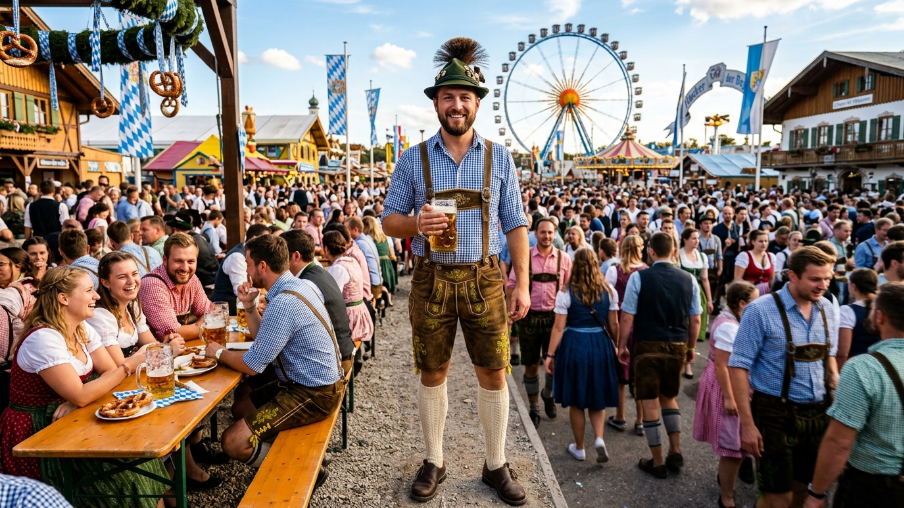
For men shopping specifically for guys oktoberfest costume options in 2026, the vocabulary itself signals particular considerations that differ from buyers using “traditional lederhosen” or “authentic Bavarian wear” terminology. The costume framing suggests focus on festival attendance rather than long-term heritage engagement, potentially prioritizing accessibility, affordability, and festival-appropriate styling over strict authentic construction. Understanding what distinguishes quality guys oktoberfest costume options from genuine costume-grade cheap alternatives, while maintaining accessibility for festival-focused buyers, helps ensure your Oktoberfest choice delivers appropriate value for your specific use case.
The important distinction: what marketing calls “costume” spans a substantial quality range from cheap Halloween-focused synthetic imitations at the bottom through legitimate festival-appropriate Bavarian wear at accessible price points. Buyers researching in the costume category should understand where their specific purchase falls within this range and what they’re actually getting relative to their expectations. Quality accessible-tier Bavarian wear delivers festival-appropriate character without demanding the investment premium associated with heritage-grade construction, and understanding this middle ground helps you avoid both extremes: cheap imitations that photograph poorly and disappoint, and premium investments that exceed what festival-focused wearers actually need.
The Costume-to-Authentic Quality Spectrum
Understanding where different products fall on the quality spectrum helps calibrate expectations appropriately. The bottom tier features synthetic materials designed to imitate leather appearance while being made from vinyl, PVC, or cheap fabric. These pieces cost $30 to $80 typically, photograph poorly under direct lighting that reveals the synthetic materials, and fall apart within one or two wearings. They serve one-time Halloween-adjacent Oktoberfest wear but disappoint anyone expecting multi-year utility or authentic photograph results.
The accessible entry-level tier features genuine leather construction at accessible price points, typically $100 to $200 for basic lederhosen with functional embroidery and standard hardware. These pieces photograph as real Bavarian wear, hold up across multiple wearings, and serve festival-focused buyers well without demanding the investment associated with heritage-grade construction. This tier represents the smart choice for most festival-focused buyers who want authentic character without maximum investment.
The mid-range tier at $200 to $400 delivers substantial deerskin or goatskin construction, detailed embroidered decoration, quality hardware, and finishing details that photograph beautifully across all lighting conditions. Buyers expecting multi-year Oktoberfest attendance across several years find mid-range delivers strong value with construction quality that improves with wear rather than degrading. Premium and heritage tiers above this exist but exceed what most festival-focused buyers need for practical Oktoberfest use.
Style Choices for Festival Attendance
Within accessible-tier Bavarian wear appropriate for festival attendance, several style choices affect the finished ensemble character. Brown deerskin or brown cowhide represents the safest first-purchase color, working universally across coordinating shirt and accessory options while photographing as classic Oktoberfest imagery. Darker chocolate brown appears in premium pieces but works well at accessible tiers too when quality construction supports the darker leather character.
Length selection between kurze (short, mid-thigh) and kniebund (knee-length) affects both the visual and practical experience. Kurze represents the standard Oktoberfest choice worn by the majority of attendees, providing the classic Oktoberfest silhouette and comfortable warm-weather wear. Kniebund suits cooler-weather attendance and wearers preferring more coverage without moving to full-length configurations. Most buyers choosing an october fest costume opt for kurze based on the standard Oktoberfest visual that dominates festival imagery.
Embroidery detail and complexity affects the finished character significantly. Basic accessible-tier embroidery features simpler motifs than premium hand-embroidered alternatives, though quality machine embroidery at this tier still photographs well and reads as authentic Bavarian construction rather than costume-grade decoration. Specific motifs including oak leaves, edelweiss, and simple regional crests appear on quality accessible pieces without demanding premium pricing.
Complete Festival Outfit Assembly
The lederhosen represents one piece of complete festival-appropriate Bavarian ensembles requiring coordinated supporting pieces. The essential coordinated elements include a proper Trachtenhemd (traditional shirt) in white cotton or checkered pattern (blue-and-white or red-and-white being most common), quality wool knee socks reaching just below the knee, sturdy leather Haferl shoes or acceptable alternative closed-toe leather footwear, and a proper Bavarian hat completing the ensemble visually.
For festival-focused buyers, the shirt choice often defaults to checkered patterns for practical staining resistance during long festival days when beer, food, and general festival activities inevitably contact clothing. Blue-and-white checks read as most traditional Oktoberfest; red-and-white checks work equally well and offer color variation. Solid white shirts photograph most formally but require more diligent stain management during actual festival attendance.
Additional accessories add authentic character to complete the visual: Charivari decorative chain across the front bib, quality leather belt worn over the lederhosen, and optional pocket accessories including traditional watches on chains and decorative pins from festivals attended. These smaller elements collectively distinguish complete festival ensembles from partial approximations, though budget-conscious buyers can add accessories over successive Oktoberfest seasons rather than requiring all elements at initial purchase.
Practical Sizing for Festival Comfort
Getting the sizing right specifically for festival attendance requires accounting for practical realities of Oktoberfest that differ from other clothing use cases. The lederhosen waist adjustment accommodates the substantial beer, sausage, and pretzel consumption characteristic of proper Oktoberfest attendance, but initial fit should be comfortable at your normal waist rather than requiring maximum adjustment from arrival. This provides adjustment room for the festival day itself.
The suspender configuration should provide comfortable weight distribution across shoulders without pulling during energetic movement including the standard beer tent dancing that emerges during specific songs (traditional customs include standing on benches during particular songs, requiring stable and comfortable ensemble configuration). Proper fit means the ensemble supports full festival participation rather than requiring adjustment or replacement during the day.
For international buyers ordering online, careful measurement matters more than for in-person shopping. Waist measurement at your natural waist (higher than typical modern trousers sit), inseam appropriate to your leg length, and shoulder measurement affecting suspender fit all deserve careful attention. Quality retailers provide detailed sizing guides converting between European and American measurement systems, and buyers should measure carefully rather than assuming standard trouser sizing translates directly.
Festival Etiquette and Wearing Norms
Beyond just having appropriate ensemble, understanding festival etiquette helps ensure your Oktoberfest experience matches your ensemble investment. Wearing proper traditional wear demonstrates respect for Bavarian heritage and the actual cultural context that Oktoberfest represents. Casual wearing approaches include treating the ensemble as everyday festival attire rather than costume, appropriate care for the pieces across long festival days, and recognizing that quality authentic wear reads as respect rather than pretense to Bavarian and German-heritage attendees.
Coordinating the ensemble with the specific event context matters. Munich Oktoberfest itself represents the most traditional context where authentic wear is genuinely appropriate and welcomed. Regional Oktoberfest celebrations in cities across the United States and internationally welcome quality Bavarian wear while accepting more variation in ensemble configuration. Local beer festivals with German or Bavarian themes similarly appreciate proper wear without demanding strict traditional configuration.
Photography during festival attendance benefits from ensemble configuration ready for camera capture throughout the day. Ensuring the shirt remains tucked, suspenders sit properly, hat coordinates with the overall visual, and accessories remain in appropriate position across the day supports quality photographs that become long-term memories of the festival experience.
Building Beyond Single-Event Use
Even buyers approaching Oktoberfest attendance as single-event costume purchase often discover that quality accessible-tier Bavarian wear delivers value across additional occasions beyond the single Oktoberfest attendance. American Oktoberfest celebrations occur across multiple weekends in September and October in various cities, and the same ensemble works for multiple attendance opportunities within a single autumn season. Family Bavarian gatherings, German-American cultural events, and various themed occasions provide additional wear contexts.
For buyers whose Oktoberfest experience proves engaging enough to warrant continued Bavarian heritage engagement, the accessible-tier initial purchase often becomes the foundation for gradual wardrobe expansion. Adding coordinating pieces, upgrading specific components after establishing continued interest, and building toward complete year-round Bavarian heritage wardrobes represents the pathway many committed heritage wearers follow from initial festival-focused purchases.
The gradual expansion approach delivers substantially better value than either single-event costume purchasing or immediate premium investment. Building based on actual experience matches your specific engagement patterns rather than committing speculatively to either extreme, and the accessible-tier starting point provides genuine construction that supports the transition to expanded heritage engagement over time.
Frequently Asked Questions
What’s the difference between costume and authentic lederhosen? Real leather construction versus synthetic imitation. Quality accessible-tier costume options at $100 to $200 use real leather and photograph as authentic; cheap synthetic imitations at $30 to $80 do not.
How much should I spend on my first Oktoberfest costume? $150 to $300 delivers strong accessible-tier value with genuine leather construction and appropriate festival-focused character.
Does the shirt color matter? Yes. Checked patterns hide staining better during long festival days. White photographs most traditionally but requires more diligent stain management.
Can I wear an Oktoberfest costume to non-festival events? Absolutely. Quality Bavarian wear works at cultural events, German-American gatherings, and any occasion where heritage character suits the context.
How long will accessible-tier lederhosen last? With proper care, 10 to 20 years or more. Quality genuine leather improves with wear rather than degrading.
Should I buy locally or order online? Online quality retailers offer substantially more variety than most local stores. Careful measurement supports successful online purchase.
For men shopping guys oktoberfest costume options in 2026, understanding the quality spectrum from cheap synthetic imitations through authentic accessible-tier construction helps ensure your purchase matches your specific use case. Quality genuine leather construction at accessible price points delivers festival-appropriate authenticity without demanding premium investment, and complete october fest costume ensembles built around this foundation provide multi-year value across multiple festival attendance opportunities. Choose authentic accessible-tier construction over cheap synthetic imitation, coordinate the complete ensemble with appropriate shirt, footwear, socks, and hat, and treat the purchase as potential foundation for continued Bavarian heritage engagement rather than strictly single-event costume acquisition.
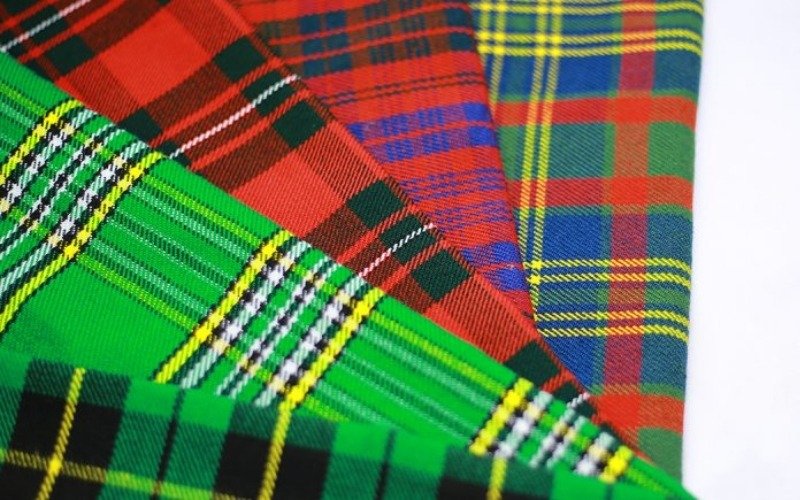
The tartan pattern, instantly recognizable for its bold checks and bright colors, has evolved from a symbol of Scottish heritage to a global fashion trend that has captivated designers and consumers alike. From its roots in Highland wear, tartan has undergone a remarkable transformation, making its way from traditional kilts to runways, street style, and luxury fashion. What once signified clan identity and pride is now a fabric pattern worn by individuals around the world, regardless of cultural background.
In this article, we’ll explore how tartan has journeyed through centuries of Scottish culture, transitioned into the global fashion scene, and become a style statement that is loved and embraced by people worldwide. We’ll also look at how you can incorporate tartan into your wardrobe, with a special focus on where to find quality tartan products.
The History of Tartan: From Scottish Tradition to Global Icon
The history of tartan is deeply intertwined with Scotland and its rich cultural heritage. Originally, tartan was used to represent different Scottish clans, with each clan having its unique pattern of stripes and colors. This fabric was woven from wool and often dyed using natural substances to create the vibrant hues seen in the traditional tartan kilts.
In the early days, tartan was more than just a pattern—it was a way to show allegiance to one’s clan. Each Scottish clan had its distinct tartan, which was proudly worn as part of Highland wear. The pattern was integral to the identity of the clan, and it was an essential component of Scottish life and culture.
However, tartan was not always limited to Highland wear. Over time, tartan fabrics found their way into the fashion choices of the Scottish nobility and the broader population. By the 18th century, tartan had expanded beyond its traditional use, and Scottish kilts became popular at formal events and ceremonial gatherings.
In the 19th and 20th centuries, Queen Victoria’s fascination with Scotland led to a resurgence of interest in tartan, especially after she purchased Balmoral Castle. As Scotland became a place of romanticism and fascination for the English royal family, tartan gained widespread attention. It was around this time that the fabric pattern began to make its way onto the international stage, not just as a Scottish symbol but as a fashion trend that would transcend its traditional origins.
Tartan in High Fashion: From Runways to Everyday Wear
Over the years, tartan has become a regular feature in high fashion, with renowned designers incorporating the pattern into their collections. In the 1960s, the pattern gained widespread popularity when iconic designer Vivienne Westwood used tartan in her punk rock fashion collections. Westwood’s use of tartan in her rebellious, edgy designs helped cement the fabric’s place in contemporary fashion.
Throughout the years, tartan has been embraced by fashion designers from all over the world, with collections featuring tartan dresses, blazers, skirts, trousers, and more. Tartan skirts became a favorite among women seeking a balance between heritage and modern style, while tartan suits and jackets gained popularity as fashionable, versatile garments for men.
Today, tartan is an essential part of streetwear, with tartan scarves, shirts, and outerwear being worn by individuals looking to make bold fashion statements. The fabric has successfully made the transition from traditional Scottish wear to a universal pattern embraced by people from all walks of life.
Tartan in Pop Culture
Beyond the runway, tartan has made its way into pop culture and entertainment. The pattern has appeared in movies like Clueless, where Alicia Silverstone’s character famously sported a tartan skirt paired with a matching jacket. The film helped cement tartan’s place as a quintessentially preppy and trendy pattern.
Artists, musicians, and celebrities have also embraced the tartan trend, further solidifying its place as a fashion mainstay. Today, it’s common to see tartan plaid used in everything from punk-inspired fashion to luxury collections, proving that the fabric is adaptable to various styles and trends.
Modern Tartan Styles and How to Wear Them
As tartan continues to evolve, modern takes on the traditional fabric provide fresh opportunities for those looking to incorporate it into their wardrobe. Whether you’re drawn to the classic red tartan or prefer a more subtle blue plaid, there’s a tartan pattern for everyone. Here’s how you can wear tartan today:
Tartan Kilts for Men
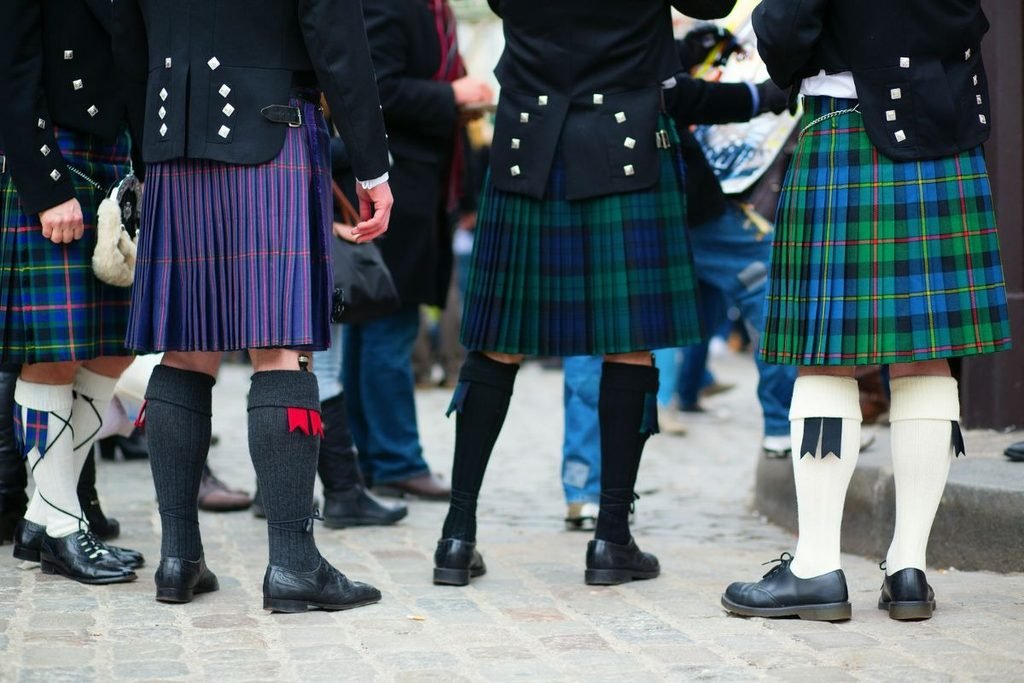
The tartan kilt remains one of the most iconic ways to wear this fabric. Scottish men have long worn kilts made from tartan for ceremonial, traditional, and formal events. Today, modern kilts made from tartan fabrics are a popular choice for weddings, formal gatherings, and Celtic celebrations. With their pleated design and adjustable waistband, tartan kilts offer both comfort and style.
At Scottish Kilt Shop, we offer a variety of tartan kilts that allow you to express your unique style while embracing Scottish tradition. Whether you’re looking for a classic red tartan or a modern variation, our collection has something for every occasion.
Tartan Plaid Skirts for Women
For women, tartan plaid skirts provide a fashionable way to embrace heritage fashion. These skirts can be paired with a simple top or sweater for a casual day look, or dressed up with a blouse and blazer for a more polished appearance. Tartan skirts are particularly popular during the fall and winter months, offering both warmth and style.
Tartan Shirts, Dresses, and Accessories
The versatility of tartan means it can be worn in many forms, from button-up shirts and dresses to scarves, hats, and bags. Tartan scarves are a great way to add a pop of color to a neutral outfit, while tartan dresses or tops can bring some Scottish flair to your everyday style. For a more contemporary look, you can pair a tartan shirt with denim jeans or leather jackets for a fashion-forward ensemble.
Tartan for All Seasons
While tartan is often associated with the cooler months, it’s a pattern that can be worn year-round. In the fall and winter, tartan wool scarves and coats provide warmth while still looking stylish. Plaid skirts and tartan jackets are perfect for layering in colder weather, adding both comfort and a timeless aesthetic to your outfit.
In the spring and summer, lighter tartan fabrics—such as cotton or linen—make perfect shirts, shorts, or light jackets. Whether it’s a casual day out or a picnic in the park, tartan adds a fresh and vibrant touch to your seasonal wardrobe.
Where to Find Tartan Fabrics and Kilts
If you’re looking to purchase tartan kilts, skirts, or accessories, Scotland Shop is the place to go. As a leading online store specializing in all things Scottish, we offer a wide variety of tartan fabrics and kilt parts, including custom-made tartan kilts, tartan shirts, and accessories. Our tartan finder allows you to choose from over 5000 authentic tartan patterns to find the perfect design that matches your personality and style.
Whether you’re looking to wear tartan for a special occasion or simply want to add a touch of Scottish heritage to your wardrobe, Scottish Kilt Shop offers the best quality products that bring together tradition and fashion.
Conclusion
From its origins as a symbol of Scottish heritage to its widespread popularity as a global fashion trend, tartan has proven to be both a timeless and versatile fabric. Today, tartan is embraced by people worldwide for its rich history and modern appeal, making it a must-have in every wardrobe. Whether worn as a kilt, shirt, dress, or accessory, tartan allows you to celebrate heritage and style equally.
At Scottish Kilt Shop, we offer an extensive range of tartan fabrics, kilts, and accessories that are perfect for any occasion. Explore our collection today and embrace the rich tradition of tartan while making a bold statement with your style.

Building Emotional Wellness Through Professional Guidance and Support

How to Choose an Eyewear Manufacturer in China for Your European or American Private Label Brand

Inside a China Eyewear Factory: How Eyewear Goes from Design and Material Selection to Mass Production

Alex Pettyfer Net Worth, Wife, Age, Height, Children, Career and More

Brad Williams Net Worth, Wife, Height, Age, Daughter, Family, Career and More

Eldorado.gg Review 2026: How It Works, Safety, Fees, and Risks
-
Celebrity11 months ago
Alex Pettyfer Net Worth, Wife, Age, Height, Children, Career and More
-
Celebrity11 months ago
Brad Williams Net Worth, Wife, Height, Age, Daughter, Family, Career and More
-
Blog3 months ago
Eldorado.gg Review 2026: How It Works, Safety, Fees, and Risks
-
 Anime12 months ago
Sanzoku Bandits of One Piece: Origins, Higuma, and Their Role in Dawn Island
-
 Celebrity11 months ago
John McGinn Net Worth, Age, Height, Wife, Childrens, Career and More
-
 Celebrity11 months ago
Frances de la Tour Net Worth, Age, Height, Husband, Childrens, Career and More
-
 Anime12 months ago
Shimotsuki Ushimaru – The Last Daimyo of Wano Country Explained
-
 Celebrity12 months ago
Will Trickett Net Worth, Wife, Childrens, Age, Career and More