
Business
What Security Services Does Your Business Really Need?


Every firm has various security needs. Offices may require skilled guards to control visitors, residential communities may need to monitor entries and exits, and industrial facilities may need to protect costly equipment and commodities. Choosing the correct security setup allows companies to maintain a safer environment for employees, customers, visitors and assets. Global Safe and Secure can assist you choose a security solution that fits your requirements.
Company Introduction: Introducing Global Safe & Secure
Global Safe and Secure knows that good security is more than having a guard at the front door. It calls for skilled workers, vigilant oversight, transparent communication, and a realistic awareness of possible hazards. The right security team can have a significant impact whether you oversee a corporate office, commercial facility, residential complex, warehouse, or industrial site.
A renowned choice for enterprises searching for a security agency in Bangalore, the company focuses on helping organisations establish their security needs and select relevant protection services. The objective is to support daily operations while assisting clients in feeling more secure, from standard access control to customised security measures.
The Problem: One Security Solution Does Not Fit All Businesses
Consider a business setting where guests enter without the required authorisation. While a residential property without regulated gate control may encounter unlawful entrance, a warehouse with unmonitored truck movements may confront preventable threats.
These cases illustrate why you should never plan security on the basis of guesswork. Significant security holes may result from hiring unskilled workers or selecting services without inspecting the property. Companies require security personnel that are aware of their duties, adhere to protocols, and maintain focus during their shifts.
The Answer: Select Security Services Based on Your Requirements
Businesses can investigate appropriate security arrangements depending on their location, working hours, operational activities, and risk considerations with the assistance of Global Safe & Secure.
• Office and corporate security: Keep an eye on access points, control visitor admittance, and contribute to a safe work environment.
• Residential Security: Assist with visitor identification, gate control, and vehicle and person tracking.
• Industrial and warehouse security: assist in protecting the property, keep an eye on traffic, and adhere to site-specific security protocols.
• Gunmen Security Services: After a professional risk assessment and any necessary licensing requirements, gunmen security services in Bangalore may be taken into consideration for circumstances needing an increased level of protection.
Instead of paying for arrangements that don’t meet their objectives, organisations can address their real security problems with the correct combination of services.
Advantages of Expert Security Services
There are a number of useful benefits to working with a seasoned security company. Trained security personnel can assist in preventing unwanted entry, keeping track of visitors, spotting suspicious activities, and reacting in accordance with established emergency protocols.
Additionally, rather of managing every security issue themselves, professional security arrangements free up facility managers and business owners to concentrate on their primary duties. Daily site administration can be enhanced by regular monitoring, well-defined responsibilities, and effective coordination.
When evaluating security agencies in Bangalore, businesses should take into account factors like staff training, supervision, dependability, communication, and the capacity to modify services in response to evolving needs. These elements are equally as significant as the quantity of guards on duty.
Choose the Best Security Partner for Your Company
Instead of using a one-size-fits-all strategy, your security needs should be carefully considered. The goal of Global Safe & Secure is to assist companies in finding appropriate security services that complement their operational requirements and security priorities.
Start by evaluating your risks and talking with the security provider about your requirements, regardless of whether you need security for an office, home property, commercial facility, or industrial premises.
Get in touch with Global Safe and Secure right now to go over your needs and consider a security strategy tailored to your property, personnel, and assets. Investing in a suitable security arrangement is an investment in assurance, consistency, and tranquillity.

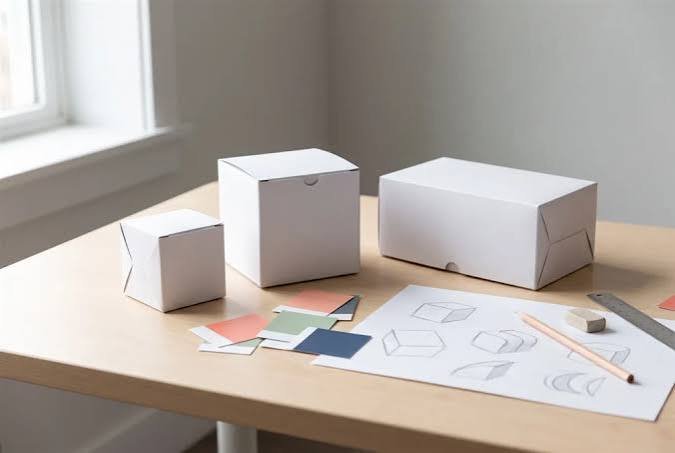
An AI-generated packaging design can make an impressive first impression. It may show a beautifully shaped box, carefully arranged graphics, attractive colors, and production-ready details. However, a digital concept is only the beginning. Before it becomes a physical package, businesses need to make practical decisions about materials, printing finishes, construction, and prototype testing.
- Start by Matching the Material to the Product
- Translate the Digital Appearance into Real Printing Choices
- Use Finishes to Give the Package a Distinctive Look
- Why a Physical Prototype Is Worth the Extra Step
- Prepare the artwork and die line for manufacturing
- Make Better Decisions Before Moving to Bulk Production
- Where CEFBox Fits into the Packaging Development Process
- Turning a Promising Concept into Packaging That Works
These choices determine whether the finished packaging looks as expected, protects the product, and packs and ships smoothly. A design that looks excellent on a screen may need adjustments once it becomes a physical structure. That is why moving from an AI concept to a finished package requires more than simply sending an image to a printer.
Start by Matching the Material to the Product
Choose materials early in the process because they affect strength, appearance, print quality, and overall cost. The right option depends on what the box will contain, how it will be handled, and where it will be sold.
For example, a lightweight retail product may need a neat folding carton, while a heavier item traveling through a delivery network may require a stronger corrugated structure. Food, cosmetics, electronics, and gift products can all have different packaging requirements.
Common material considerations include:
- Paperboard: Often suitable for retail cartons, cosmetics, bakery products, and other lightweight goods. It provides a smooth surface for printed artwork.
- Corrugated board: Offers additional cushioning and structural strength, making it useful for shipping and e-commerce packaging.
- Kraft paperboard: Gives packaging a natural appearance and can suit brands that want a simple, understated presentation.
- Recyclable board options: May help businesses align packaging choices with their environmental goals, depending on the material composition and local recycling facilities.
An AI image may suggest a particular texture or thickness, but it cannot reliably establish the exact material specification. Businesses should confirm board grade, thickness, strength, and suitability with their packaging manufacturer before production.
Translate the Digital Appearance into Real Printing Choices
AI tools can produce detailed artwork, but printed colors and textures don’t always match their digital versions. Screen brightness, color settings, printing methods, and the material surface can all affect the final result.
A useful next step is to prepare the artwork for the selected printing process. This includes checking image resolution, text clarity, color consistency, and the placement of important design elements.
Small details deserve particular attention. Fine lettering may become hard to read when printed small, while very thin lines can lose definition. Similarly, colors that appear vibrant on a monitor may look different on an uncoated or textured board.
Use Finishes to Give the Package a Distinctive Look
Finishing techniques can change how packaging looks and feels in a customer’s hands. They are especially useful when a brand wants a premium look without changing the entire box structure.
The best finish depends on the product, artwork, target audience, and budget. Adding every available effect is rarely necessary. A carefully selected detail can often produce a stronger result than combining several finishes.
Some options worth considering include:
- Matte or gloss lamination: These coatings change the surface appearance and can add a protective layer.
- Soft-touch finishing: Creates a smooth, velvety feel that may suit premium retail products.
- Foil stamping: Adds metallic details to logos, borders, names, or selected design elements.
- Embossing: Raises specific parts of the artwork to create a tactile effect.
- Spot UV: Applies a glossy coating to selected areas, helping particular graphics stand out against a contrasting surface.
For an AI-generated concept, treat these effects as production decisions rather than visual decorations alone. A digital mockup may show a gold logo or raised lettering, but the artwork and finishing instructions must clearly identify how those effects should be manufactured.
Why a Physical Prototype Is Worth the Extra Step
A digital preview can communicate a package’s overall appearance, but it cannot fully show how the structure performs in real conditions. A prototype lets businesses examine the design before committing to a larger production run.
This stage can reveal issues that are easy to overlook on a screen. A box might be difficult to assemble, the lid may not close properly, or the product may move around inside. A printed sample can also show whether the selected colors, finishes, and materials create the intended impression.
During prototype testing, check the following:
- Dimensions: Confirm that the product fits comfortably, including any inserts or protective components.
- Assembly: Fold and assemble the package to identify awkward tabs, weak joints, or complicated steps.
- Closure: Test whether lids, flaps, sleeves, and locking sections stay in place.
- Protection: Consider how the package handles ordinary movement, stacking, and transportation.
- Appearance: Review the printed colors, surface texture, finish quality, and overall presentation.
For products that will be shipped, additional testing may be necessary to assess how the packaging responds to handling and transit conditions. A prototype is not simply a presentation sample; it is a practical way to identify improvements before production.
Prepare the artwork and die line for manufacturing
Once you’ve selected the material and visual direction, the next step is to turn the design into production-ready files. This is where the packaging dieline becomes essential.
A dieline shows the flat layout of a package, including cutting lines, fold lines, panels, tabs, and other structural details. It helps designers understand how the artwork will appear after the flat sheet is cut, folded, and assembled.
Artwork should be positioned with the final structure in mind. A logo placed too close to a fold may become distorted, while important text could disappear into a glued section. Also consider bleed and safe areas according to the manufacturer’s specifications.
Businesses can explore CEFBox’s packaging dieline resources when preparing structural layouts for their packaging projects. Still check the correct dieline against the chosen box style, dimensions, material, and production requirements.
Make Better Decisions Before Moving to Bulk Production
The transition from an AI concept to a manufactured package is easier when you review each stage separately. Instead of approving the complete design in one step, businesses can evaluate the structure, artwork, materials, and finish before giving final production approval.
A practical workflow might look like this:
- Review the concept: Decide which parts of the AI-generated design are suitable for the product and brand.
- Select the structure: Choose a box style and dimensions that support the product’s size and handling needs.
- Confirm the material: Discuss board type, thickness, and strength with the manufacturer.
- Prepare the artwork: Adjust the graphics for the actual panels, folds, cuts, and print requirements.
- Produce a sample: Request a prototype to assess construction and appearance.
- Approve the final specification: Confirm the dieline, artwork, material, finishing instructions, and production details.
This approach gives businesses a clearer understanding of what they are ordering and reduces the chance of discovering major design problems after a production run has started.
Where CEFBox Fits into the Packaging Development Process
An online packaging platform can help bring several parts of this process together. CEFBox provides packaging design resources that businesses can use while developing and refining their box concepts. Its online design environment supports arranging artwork and exploring packaging layouts before a project moves toward manufacturing.
Businesses can also review the CEFBox online design tool to explore its design workflow. This can help you adapt a visual concept into a more organized packaging layout.
The platform is one part of the development process, not a replacement for physical testing or manufacturer approval. Always confirm material specifications, print methods, structural strength, and finishing requirements before placing an order.
Turning a Promising Concept into Packaging That Works
AI can speed up and expand the early stages of packaging design, but a successful package must do more than look good in a digital presentation. It needs suitable materials, practical dimensions, accurate artwork, appropriate finishes, and a structure that performs as intended.
By reviewing these elements and testing a prototype before bulk production, businesses can move from an initial AI-generated idea towards packaging that reflects their brand and meets real product requirements.


There is a difference between watching television and settling in for a proper binge. Three episodes in, the difference announces itself in your neck, your eyes and the nest of cables you keep meaning to sort out. A room that works for a half-hour show can quietly punish you over a five-hour finale weekend, which is why the best viewing rooms are designed for endurance as much as for looks.
The encouraging part is that none of the fixes require a cinema room or a wall-sized screen. They come down to five decisions: what the television sits on, how high the screen is, where the cables go, what you sit on, and how the light behaves after dark. Get those right and the room disappears, leaving just you and the story.
Start with the console and the screen height
The piece under the television does more than hold it up. A well-chosen tv console sets the screen at a comfortable height, hides the boxes and consoles every setup collects, and gives soundbars and speakers a stable home. Too high and you will feel the strain in your neck before the second episode ends. Too low and you end up looking down, which is just as tiring over a long session.
A reliable guide is that the centre of the screen should sit close to eye level when you are seated, roughly one hundred to one hundred and ten centimetres from the floor for most sofas. Measure your seat height first, then work backwards to the console height you need. If you wall-mount the screen, the console still earns its place below it, grounding the setup visually and housing everything that would otherwise sprawl across the floor.
Choose a stand that suits the room, not just the screen
Style is not a distraction from function here; it decides whether the viewing wall feels calm or chaotic for the hundreds of hours you will spend facing it. A modern tv stand with clean lines, closed cabinets and a low profile tends to suit binge rooms especially well, because it hides visual clutter and keeps attention on the screen once the lights go down.
Win the cable war once and for all
Nothing breaks immersion like a glowing power strip and a tangle of leads reflected in a dark scene. The fix takes an afternoon and lasts for years. Route everything through the back of the console, group cables by destination, and label both ends of each one with a small tag. When you eventually swap a device, you will thank yourself.
A cable management box on the floor behind the console hides the power strip and the worst of the slack. Velcro ties beat plastic zip ties because you can undo them without scissors. Keep power cables and speaker or signal cables in separate bundles where you can, which reduces the chance of interference hum through speakers.
Seating for the long haul
Your sofa is the true marathon equipment. For long sessions, look for a seat depth that lets you sit back with your feet up without sliding forward, lumbar support that holds you when you stop paying attention to posture, and armrests at a height that supports a drink, a bowl and a tired arm. Recliners and chaise ends are popular for a reason, but a firm, supportive sofa with good cushions and a footstool can serve just as well.
Distance completes the equation. As a comfortable starting point, sit roughly one and a half to two and a half metres from a large television, adjusting until text on screen is easy to read and your eyes are not scanning left and right during wide shots. If two people watch at very different angles, a curved arrangement or swivel chairs at the edges keep necks happier than a straight line of seats facing forwards.
Lighting that protects your eyes and the picture
Watching in total darkness feels cinematic and strains your eyes, because they constantly adjust between the bright screen and the black room. A soft light behind the television, known as bias lighting, eases that contrast and can make dark scenes look richer. Failing that, a dim lamp behind the seating, pointed away from the screen, achieves a similar balance.
What you want to avoid is any light reflecting in the screen. Position lamps to the side or behind viewers, use shades that direct light down or up, and put everything on dimmers if you can. Blackout curtains or a good blind matter for daytime viewing, especially in rooms with windows opposite the television, where one bright reflection can wash out an entire afternoon match or matinee.
Sound and the small finishing touches
Soft furnishings are quiet sound treatment. A rug between sofa and screen, curtains and upholstered furniture all reduce echo in hard-floored rooms. Finish with the ritual objects: a tray for snacks, coasters where drinks actually land, and a blanket that lives in the room. The perfect binge room is not the most expensive one. It is the one where, at episode four, nothing hurts, nothing buzzes, and nothing pulls you out of the story.
Ready when the next season drops
A great binge-watching room is built from unglamorous decisions made carefully: the screen at eye level, a console that swallows the clutter, cables tamed once and forgotten, a seat that supports you for hours and light that flatters the picture instead of fighting it. None of it needs to happen in one weekend. Start with screen height and cables, and each upgrade after that will be felt in every episode. When the next season lands at midnight, your room will be ready, even if you pretend you will only watch one.
Business
Custom Label: How to Choose the Right Materials, Adhesives, and Manufacturer for Your Business

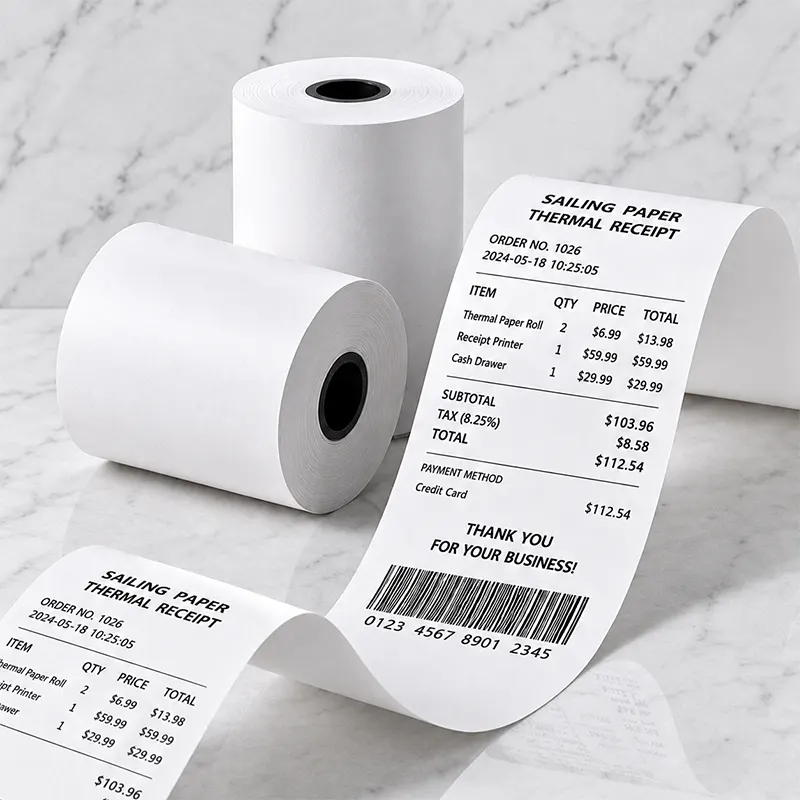
A custom label plays an important role in product identification, packaging, branding, and everyday business operations. Manufacturers, retailers, wholesalers, and eCommerce companies use labels to display product information, organize inventory, support shipping processes, and maintain a consistent brand image. Choosing the right label is therefore an important decision for businesses that depend on reliable packaging and product presentation.
- Quick Answer: What Should You Consider When Ordering a Custom Label?
- 1. Understand the Different Types of Custom Label Materials
- 2. Select the Right Adhesive for Your Custom Label
- 3. Customize the Label Design According to Your Business Needs
- 4. Check Printing Compatibility Before Placing an Order
- 5. Choose the Right Custom Label for Different Industries
- 6. Why Choose a Reliable Custom Label Manufacturer?
- 7. Evaluate Standard Label Quality Before Bulk Purchasing
- 8. Consider International Shipping, Storage, and Long-Term Supply
- Frequently Asked Questions About Custom Label
- 1. What is a custom label?
- 2. Which material is best for a custom label?
- 3. Can custom label have different adhesive options?
- 4. What information should I provide when requesting a custom label quotation?
- 5. Why should I request samples before bulk production?
- 6. Can custom label be supplied for international markets?
- Final Takeaway
However, selecting a suitable custom label involves more than choosing a design or printing a company logo. Material quality, adhesive performance, label dimensions, printing compatibility, and manufacturing consistency all affect how well a label performs. A label designed for a cardboard package, for example, may require different material and adhesive characteristics from one applied to a plastic container or glass bottle.
For businesses purchasing labels in bulk, understanding these factors can help reduce production problems, improve packaging consistency, and establish a dependable supply relationship. This guide explains what buyers should consider when selecting standard custom label and evaluating a suitable manufacturer.
Quick Answer: What Should You Consider When Ordering a Custom Label?
When choosing a custom label for your business, focus on the following factors:
- Label material: Select paper or synthetic material according to the packaging surface and application.
- Adhesive type: Choose an adhesive that provides reliable bonding under normal storage and handling conditions.
- Label dimensions: Confirm the required width, length, shape, and roll specifications.
- Printing requirements: Make sure the material supports your preferred printing method.
- Design and customization: Consider branding, product information, barcodes, and packaging requirements.
- Quality inspection: Evaluate material consistency, print clarity, adhesive performance, and cutting accuracy.
- Manufacturer reliability: Choose a supplier that can support samples, bulk orders, and repeat production.
These factors help businesses select standard labels that meet their practical requirements rather than making purchasing decisions based only on appearance or price.
1. Understand the Different Types of Custom Label Materials
Material selection is one of the first decisions buyers need to make when ordering custom label. The right option depends on the product being labeled, the packaging surface, the printing method, and the conditions in which the label will be used.
Paper labels are widely used for retail products, shipping packages, cartons, and general product identification. They provide a practical printing surface for text, logos, barcodes, and other product information. For many everyday packaging applications, paper labels offer a cost-effective solution.
Synthetic materials may be more suitable when a label needs additional resistance to moisture, oil, tearing, or frequent handling. They are commonly considered for products that require more durable identification during storage and distribution.
Thermal label materials are another option for businesses that print variable information, including shipping addresses, barcodes, product details, and inventory codes. They are particularly useful in retail, logistics, and warehouse operations.
Before choosing a material, buyers should consider:
- The type and texture of the packaging surface.
- Whether the product will be stored indoors or outdoors.
- The expected exposure to moisture, heat, or cold.
- How long the label needs to remain readable.
- The printing equipment and process used by the business.
- The required appearance and durability of the finished label.
A suitable manufacturer should explain the available material options and help buyers select a product that matches their actual application.
2. Select the Right Adhesive for Your Custom Label
The adhesive is just as important as the label’s face material. Even a well-designed custom label may fail if it cannot remain securely attached to the intended surface.
Different packaging materials have different surface characteristics. Cardboard, glass, plastic, metal, and coated packaging may require different adhesive performance. Buyers should therefore avoid assuming that one adhesive will work equally well for every product.
Permanent adhesives are commonly used when labels need to remain attached throughout normal product handling, storage, and transportation. Removable adhesives are suitable for applications where labels need to be taken off without leaving excessive residue or damaging the underlying surface.
Some products also require specialized adhesives. For example, labels applied to refrigerated packaging may need an adhesive designed for low-temperature conditions. Similarly, packaging with textured or difficult surfaces may require stronger initial bonding.
| Adhesive Type | Main Characteristics | Common Applications |
| Permanent adhesive | Designed for lasting attachment | Product packaging and shipping |
| Removable adhesive | Allows easier removal when required | Temporary identification and promotional labels |
| High-tack adhesive | Provides strong initial bonding | Selected packaging surfaces requiring stronger adhesion |
| Freezer-grade adhesive | Designed for low-temperature applications | Refrigerated and frozen product packaging |
The best way to evaluate adhesive performance is to test a sample on the actual packaging surface. Buyers should check whether the label attaches evenly, stays in place, and performs as expected under normal working conditions.
3. Customize the Label Design According to Your Business Needs
Customization allows businesses to create labels that match their product identity and operational requirements. A custom label can include a company logo, product name, barcode, instructions, ingredients, or other information relevant to its application.
However, customization should not focus only on visual appearance. The design must also remain practical and readable after printing and application.
Important design considerations include:
Label layout: Arrange product information, branding elements, and other details in a clear and organized way. Important information should be easy to locate.
Color and printing: Select colors and printing methods that produce consistent results and support brand recognition. The chosen material should be suitable for the intended printing process.
Finish: Depending on the application, businesses may consider glossy, matte, or other available surface finishes. The finish should complement the product design without affecting readability.
Shape and cutting: The label shape should fit the available packaging surface. Accurate cutting also helps maintain a consistent appearance across different products.
Functional information: Consider whether the label needs to include barcodes, batch numbers, product details, handling instructions, or variable information.
For businesses with multiple product lines, it is useful to maintain consistent branding while adjusting label dimensions and information according to each product. A well-planned design can improve product presentation and make packaging operations more organized.
4. Check Printing Compatibility Before Placing an Order
Printing compatibility is an important part of the purchasing process. A custom label must work with the printing equipment used by the business. Otherwise, companies may experience feeding problems, inconsistent print quality, or unnecessary material waste.
Different applications may require different printing methods. Direct thermal printing is commonly used for shipping, retail, and logistics labels because it supports the printing of variable information without requiring a separate ink ribbon. Thermal transfer printing may be preferred for applications requiring a different material and printing combination.
Other printing methods may be suitable for pre-printed product labels, depending on the design, quantity, and material selected.
Before approving an order, buyers should confirm:
- Whether the material supports the intended printing method.
- Whether the label dimensions are compatible with the printer.
- Whether barcodes and small text print clearly.
- Whether the labels feed and dispense properly.
- Whether the adhesive and surface finish suit the application.
- Whether the printed design remains consistent across the production batch.
Requesting samples and testing them with the actual equipment is a practical way to identify compatibility issues before purchasing in bulk.
5. Choose the Right Custom Label for Different Industries
Different industries have different labeling priorities. A manufacturer labeling industrial products may focus on durability and clear identification, while a food business may need labels that display product information and remain attached under the expected storage conditions.
Understanding the application helps buyers avoid selecting a label based only on general specifications.
| Industry | Important Label Requirements | Key Buying Consideration |
| Food and beverage | Clear product information and suitable material performance | Moisture and storage conditions |
| Retail and eCommerce | Product details, branding, and barcodes | Printing and application efficiency |
| Logistics and warehousing | Readable shipping information and dependable adhesion | Printer compatibility and handling |
| Manufacturing | Consistent product identification | Material suitability and durability |
| Healthcare and laboratory | Clear identification and accurate information | Application-specific material requirements |
For international buyers, regional requirements may also influence material and design decisions. Products distributed across different markets may need multilingual information, specific product details, or labeling formats suitable for local business and regulatory requirements.
Companies selling across North America, Europe, the Middle East, and Asia should discuss these requirements with their manufacturer before production begins. This helps ensure that the selected custom label supports the intended market without requiring avoidable changes later.
6. Why Choose a Reliable Custom Label Manufacturer?
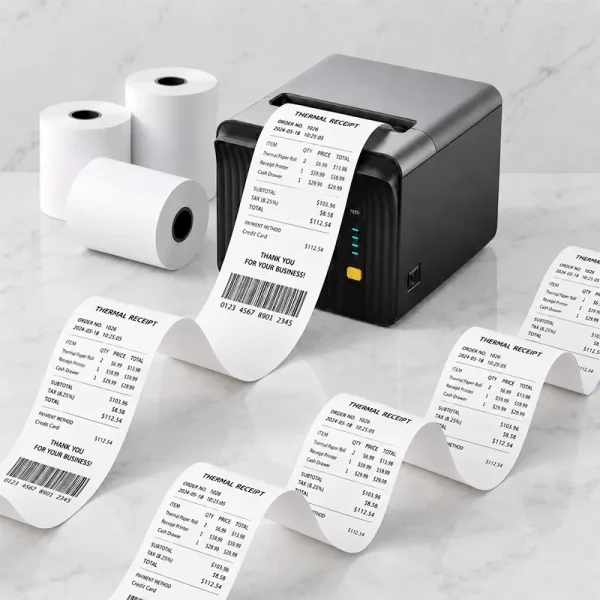
Finding a suitable manufacturer is an important step for businesses that purchase labels regularly. A supplier should understand the buyer’s application, explain available material and adhesive options, and provide clear information about customization and production.
SailingLabel is a brand that businesses can explore when looking for customized labeling solutions. Buyers can review its available label products and discuss their requirements regarding materials, adhesives, dimensions, printing, and finishes.
When evaluating a potential manufacturer, consider the following:
- Experience with the type of label your business requires.
- Availability of suitable face materials and adhesives.
- Support for customized designs and product specifications.
- Printing and converting capabilities relevant to the order.
- Die-cutting and slitting options, where applicable.
- Quality inspection procedures.
- Sample availability before bulk production.
- Communication and support for international orders.
It is also important to understand which production processes the manufacturer performs directly. Some companies produce label materials, while others focus on printing, converting, slitting, and finishing. Confirming these capabilities helps buyers understand what the supplier can provide for a specific order.
A reliable manufacturing relationship should be based on product suitability, consistent quality, and clear communication rather than simply the lowest quotation.
7. Evaluate Standard Label Quality Before Bulk Purchasing
Standard labels are widely used for product identification, packaging, shipping, retail operations, and inventory management. Before placing a bulk order, businesses should evaluate whether the labels meet their everyday operational requirements.
Quality assessment should cover several practical areas.
Material consistency: Check that the label material has a uniform surface and is suitable for the intended packaging application. The material should also support the required printing process.
Printing clarity: Examine text, logos, graphics, and barcodes to ensure that important information is sharp, readable, and correctly positioned.
Adhesive performance: Apply the label to the intended packaging surface. Check that it attaches evenly and remains in place during normal storage, handling, and transportation.
Cutting accuracy: Review the label dimensions, shape, and edges. Consistent cutting helps ensure that labels fit the packaging and can be applied properly.
Printer compatibility: Test the labels with the equipment used in daily operations. Check whether they feed smoothly, print correctly, and dispense without unnecessary interruptions.
Packaging condition: Confirm that finished labels are properly packed to protect them from dust, moisture, and physical damage during storage and transportation.
For wholesalers, distributors, and manufacturers, these checks are particularly important because product inconsistencies can affect multiple customers and repeat orders. Approving a sample before mass production helps businesses confirm the required specifications and reduce the risk of receiving unsuitable products.
8. Consider International Shipping, Storage, and Long-Term Supply
For businesses sourcing labels internationally, the purchasing process does not end when the product is manufactured. Packaging, transportation, communication, and repeat-order planning can all affect the overall buying experience.
Before confirming an international order, buyers should clarify the agreed delivery terms, shipping method, production schedule, and packaging arrangements. They should also confirm how the manufacturer will communicate progress and handle any quality concerns.
Storage is another consideration. Unused labels should be kept in suitable conditions and protected from excessive moisture, direct sunlight, dust, and other factors that may affect the material or adhesive.
For businesses operating in multiple regions, it is also useful to maintain consistent product specifications between orders. Keeping approved samples, design files, and material details can make repeat purchasing more straightforward.
A dependable supply arrangement helps businesses maintain product consistency and plan their packaging operations with greater confidence.
Frequently Asked Questions About Custom Label
1. What is a custom label?
A custom label is a label designed according to a business’s specific requirements. It may include a company logo, product information, barcode, instructions, or other details, with selected materials, adhesives, and finishes.
2. Which material is best for a custom label?
The best material depends on the product, packaging surface, printing method, and working environment. Paper, thermal paper, and synthetic materials may all be suitable for different applications.
3. Can custom label have different adhesive options?
Yes. Depending on the manufacturer’s available materials, buyers may choose permanent, removable, or specialized adhesives for particular applications, including low-temperature environments.
4. What information should I provide when requesting a custom label quotation?
Buyers should provide the intended application, label design, material preference, adhesive requirements, printing method, estimated order quantity, and delivery destination. Sharing a sample or reference image can also help clarify the requirements.
5. Why should I request samples before bulk production?
Samples allow businesses to evaluate material quality, printing clarity, adhesive performance, and compatibility with their packaging or equipment before committing to a larger order.
6. Can custom label be supplied for international markets?
Manufacturers may support international buyers with customized products and export arrangements. Buyers should confirm product specifications, labeling requirements, shipping terms, and delivery arrangements for their destination market.
Final Takeaway
Choosing the right custom label requires a clear understanding of the product, packaging surface, printing process, and conditions in which the label will be used. Material selection, adhesive performance, design quality, and manufacturing consistency all contribute to the final result.
Businesses should evaluate their requirements carefully, request samples, and confirm production details before placing bulk orders. Working with a manufacturer that understands customization and can communicate clearly about product options can also make international sourcing more manageable.
By focusing on practical performance rather than appearance alone, businesses can choose a custom label that supports product identification, brand presentation, and reliable day-to-day operations.

Bringing AI Packaging Designs to Life: Materials, Finishes, and Prototypes

Pilonidal Cyst: Recognizing the Symptoms and Exploring Modern Treatment Options

Gallstones and Cholecystectomy: When Is Gallbladder Removal Necessary?

Alex Pettyfer Net Worth, Wife, Age, Height, Children, Career and More

Brad Williams Net Worth, Wife, Height, Age, Daughter, Family, Career and More

Eldorado.gg Review 2026: How It Works, Safety, Fees, and Risks
-
Celebrity11 months ago
Alex Pettyfer Net Worth, Wife, Age, Height, Children, Career and More
-
Celebrity11 months ago
Brad Williams Net Worth, Wife, Height, Age, Daughter, Family, Career and More
-
Blog3 months ago
Eldorado.gg Review 2026: How It Works, Safety, Fees, and Risks
-
 Anime1 year ago
Sanzoku Bandits of One Piece: Origins, Higuma, and Their Role in Dawn Island
-
 Celebrity12 months ago
John McGinn Net Worth, Age, Height, Wife, Childrens, Career and More
-
 Anime1 year ago
Shimotsuki Ushimaru – The Last Daimyo of Wano Country Explained
-
 Celebrity12 months ago
Frances de la Tour Net Worth, Age, Height, Husband, Childrens, Career and More
-
 Celebrity12 months ago
Will Trickett Net Worth, Wife, Childrens, Age, Career and More