
Business
Motorized Pergolas Dubai (2026): 7 Designs, Prices & Benefits

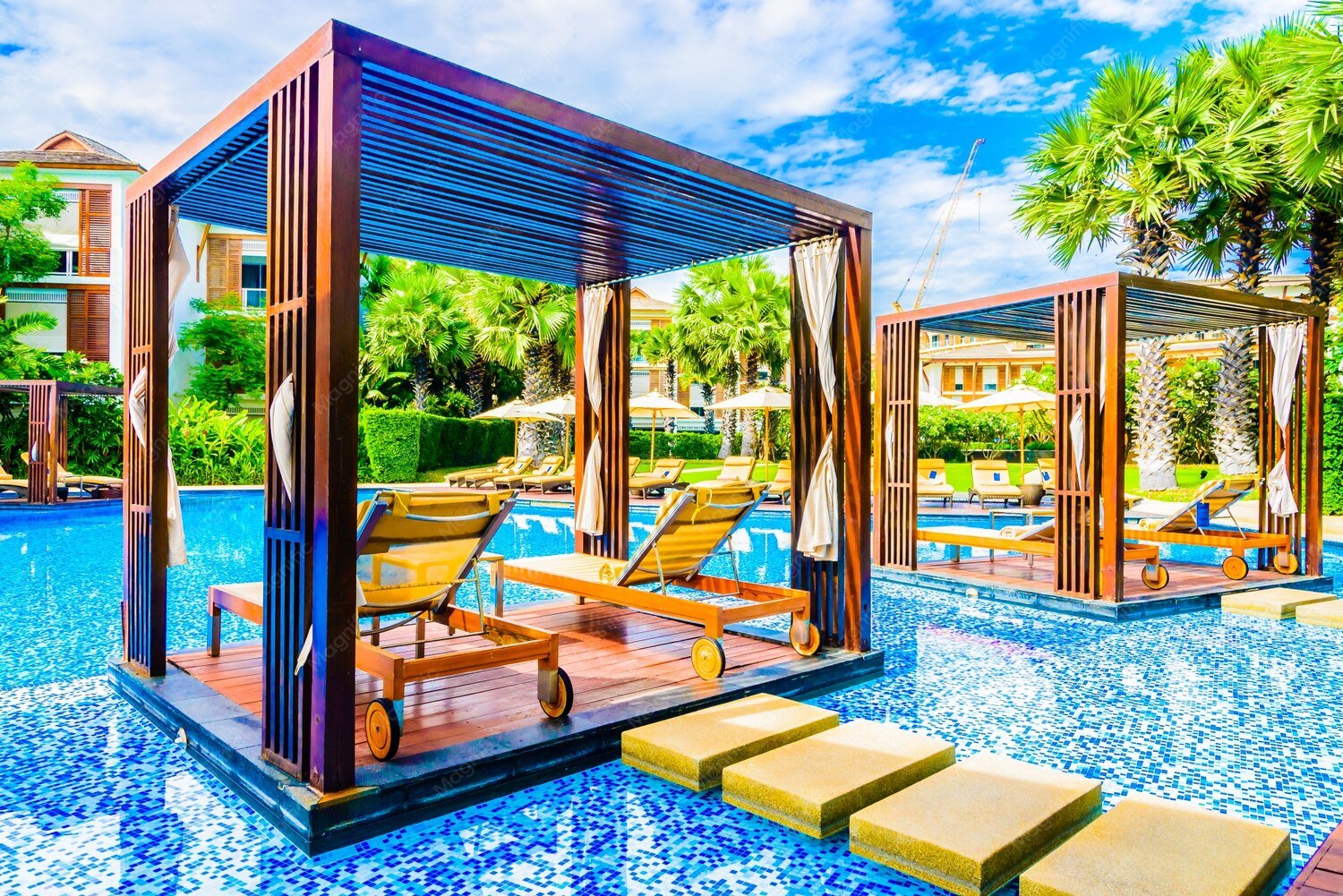
Dubai’s patios, rooftops, and commercial courtyards need more than fixed shade. Sunlight changes by the hour. Motorized Pergolas Dubai give owners an easy way to respond: press a button, adjust the roof, and make the space more inviting. Aluminium frames look modern, while optional lighting and sensors simplify use. They cannot replace air conditioning during extreme summer heat, but they can help make outdoor areas more comfortable when conditions allow. This guide covers seven popular designs, 2026 price examples, benefits, installation steps, and practical buying advice.
What Are Motorized Pergolas and How Do They Work?
A motorized pergola is an outdoor structure with a roof operated by an electric motor. Instead of moving roof panels by hand, you use a remote, wall switch, or compatible phone app.
Most Motorized Pergolas Dubai buyers compare two systems. A motorized louvered roof has aluminium blades that tilt to change the amount of sun and airflow beneath them. A retractable roof slides or folds back to uncover more of the sky; some use weather-resistant fabric, while others use moving rigid panels.
Modern smart pergola systems can also include rain sensors, adjustable LED lights, side screens, and home-automation connections. Check compatibility before ordering: phone control and weather sensors are often optional. A well-designed closed louvered roof can drain rainwater through built-in gutters, but wind-driven rain protection varies by product.
7 Best Motorized Pergola Designs in Dubai for 2026
The best Motorized Pergolas Dubai design depends on your space, sun exposure, and structural limits. Here are seven options.
1. Modern Aluminium Motorized Pergolas
Slim, powder-coated aluminium suits modern villas and offices. Black, charcoal, or white finishes match glass and stone. Aluminium resists corrosion and needs less upkeep than timber, but moving parts still need attention. Choose this style for simple, elegant shade. In 2026, integrated lighting and neat, hidden fixings are popular finishing touches.
2. Motorized Louvered Roof Pergolas
A Motorized Louvered Pergola Dubai system tilts roof blades to control light and airflow. Open them for an evening breeze or angle them for afternoon shade. For rain protection, check gutter design and weather ratings. Ideal for patios, gardens, and dining areas.
3. Retractable Motorized Pergola Designs
Want open sky in cooler weather? A retractable roof slides or folds away. Fabric covers suit cafés and terraces; some premium models have retracting rigid panels. Ask about dust, drainage, and safe wind limits. For fabric roofs, request UV ratings and a clear replacement policy.
4. Luxury Freestanding Garden Pergolas
Freestanding models stand on independent columns and suit garden majlis seating or family dining. Custom sizes, privacy screens, and warm LED lights complete the look. Strong footings matter, especially on wide structures.
5. Wall-Mounted Motorized Pergolas
Wall-mounted roofs shade villa patios, restaurants, and shopfronts without many ground posts. The wall must support secure structural fixings; cladding is not enough. Check the waterproofed connection and required approvals.
6. Smart Rooftop and Poolside Pergolas
Rooftops and pool decks need attention to wind, salt exposure, drainage, and structural loads. Optional sensors, lighting, and screens improve comfort. When choosing Motorized Pergolas Dubai for elevated sites, demand a structural check and written wind limits.
7. Commercial Motorized Pergolas for Restaurants and Hotels
For cafés, malls, and hotels, Motorized Pergolas Dubai can make outdoor tables more useful in suitable weather. Linked roof sections, lights, and screens suit larger sites. Plan for clear walkways, emergency access, staff controls, and maintenance. For mall terraces, avoid blocking storefront signs or customer queues.
Motorized Pergolas Dubai Prices in 2026
Average Motorized Pergola Prices in Dubai
The Motorized Pergola Price Dubai depends heavily on size and specification. As a real supplier example, LAA’s Dubai price grid lists motorized louvered roofs at approximately AED 1,465–2,282 per m², including 5% VAT and installation. Its page labels the rates as draft pricing, so treat them as an indicative supplier quote, not a citywide average.
For scale, its listed 3 × 3 m freestanding model is AED 18,585, while a 6 × 4 m freestanding model is AED 35,753. Larger roofs may cost less per square metre. Premium automation, custom spans, and retractable roof systems need their own quotations; do not assume they share the same rate.
For Motorized Pergolas Dubai, always compare written inclusions.
Factors Affecting Pergola Installation Costs
Costs change with roof size, frame strength, motors, finishes, extras, electrical work, and site access. Ask for a written breakdown of supply, installation, VAT, permit costs, and warranty. That prevents an attractive starting price from becoming an expensive surprise.
Top Benefits of Installing Motorized Pergolas in Dubai
Smart Sunlight and Shade Control
Change roof angles as the sun moves. Motorized Pergolas Dubai let you choose more daylight in cooler hours and stronger shade when the sun is high.
Improved Outdoor Comfort
A shaded seating area receives less direct sun. Adjustable louvers also allow airflow when opened, although outdoor comfort still depends on temperature, humidity, and wind.
Modern Architectural Appearance
Straight lines, hidden drainage, and coordinated powder-coated finishes give villas and commercial spaces a polished look without bulky permanent roofing.
Convenient Automated Operation
Remote controls simplify daily use. Selected models add schedules, phone apps, or compatible smart-home controls, helping staff and homeowners manage larger areas.
Durable and Low-Maintenance Materials
Quality exterior-grade aluminium resists rust and avoids much of the refinishing associated with timber. Regular cleaning and motor checks remain essential.
Flexible Outdoor Space Usage
Move from shaded lunches to open-air evenings. Businesses can make better use of outdoor seating when weather permits.
How to Choose the Best Motorized Pergolas in Dubai
Select High-Quality Aluminium Materials
Request the frame specification, powder-coating details, and written corrosion warranty. Coastal properties may need extra attention to coating and fixings.
Compare Louvered and Retractable Roof Systems
Choose louvers when you want fine shade and airflow control. Consider a retractable roof when opening a larger section of sky matters more. Check drainage and wind limits for both.
Check Motor and Automation Features
Ask about motor brand, noise, remote range, manual override, sensor response, replacement parts, and separate motor and structure warranties.
Choose the Right Size and Design
Measure furniture clearance, door swings, column positions, and afternoon sun angles. Oversized posts or poorly placed supports can make a useful terrace feel cramped.
Evaluate Professional Pergola Suppliers
Before ordering Motorized Pergolas Dubai, compare quotes, installation photos, engineering details, and support. We recommend suppliers who explain limitations as clearly as benefits.
Motorized Pergola Installation Process in Dubai
Step 1: Site Inspection and Measurements
Measure the site; check foundations, roof loads, utilities, and access.
Step 2: Pergola Design and Customisation
Confirm mounting, colours, roof direction, drainage, and extras.
Step 3: Material Selection and Fabrication
Approve frames, finishes, motor details, and electrics before fabrication.
Step 4: Professional Installation
Install supports, roof, gutters, controls, and safe wiring. Motorized Pergolas Dubai projects may require developer consent or authority approval, depending on the property. Dubai Municipality publishes building permit procedures, while the Dubai Development Authority provides a building-modification permit route for applicable properties. Confirm requirements before work begins.
Step 5: Testing and Final Inspection
Test roof movement, sensors, drainage, and safety settings. Collect warranties and instructions.
Maintenance Tips for Motorized Pergolas
Dust and sand settle quickly on exposed outdoor structures. Wash frames with mild soap and water, following the finish maker’s instructions. Never force a stuck roof.
For Motorized Pergolas Dubai, a simple routine helps protect the investment:
- Clear leaves and grit from gutters and drainage outlets.
- Inspect louvers, fabric, seals, rails, and moving joints.
- Check remotes, sensors, and visible wiring for damage.
- Follow the maker’s wind and heavy-rain operating limits.
- Arrange professional servicing at the recommended intervals.
After a sandstorm or unusual weather, inspect the roof before running it. Keep warranty and service records together so problems are easier to resolve.
Frequently Asked Questions About Motorized Pergolas Dubai
1. How much does a motorized pergola cost in Dubai?
One supplier lists AED 1,465–2,282 per m² installed, including VAT. Size, extras, and approvals change the quote.
2. Are motorized pergolas suitable for Dubai’s hot climate?
Yes, with suitable materials. They shade and ventilate, but do not replace air conditioning in extreme heat.
3. What is the difference between louvered and retractable pergolas?
Louvered roofs rotate blades to adjust shade. Retractable roofs move the covering away to open more of the roof area.
4. Can motorized pergolas be controlled using smartphones?
Some can. Confirm the controller, app, network requirements, and smart-home compatibility before purchase.
5. Do motorized pergolas require regular maintenance?
Yes. Clean frames and gutters, inspect moving parts, and service the motor as advised.
Conclusion
The right Motorized Pergolas Dubai solution brings flexible shade, modern styling, and easier outdoor living. Compare roof types, written specifications, realistic costs, and qualified installers before deciding. For design ideas and a tailored quotation, explore motorized pergola options in Dubai and discuss your space with a specialist.
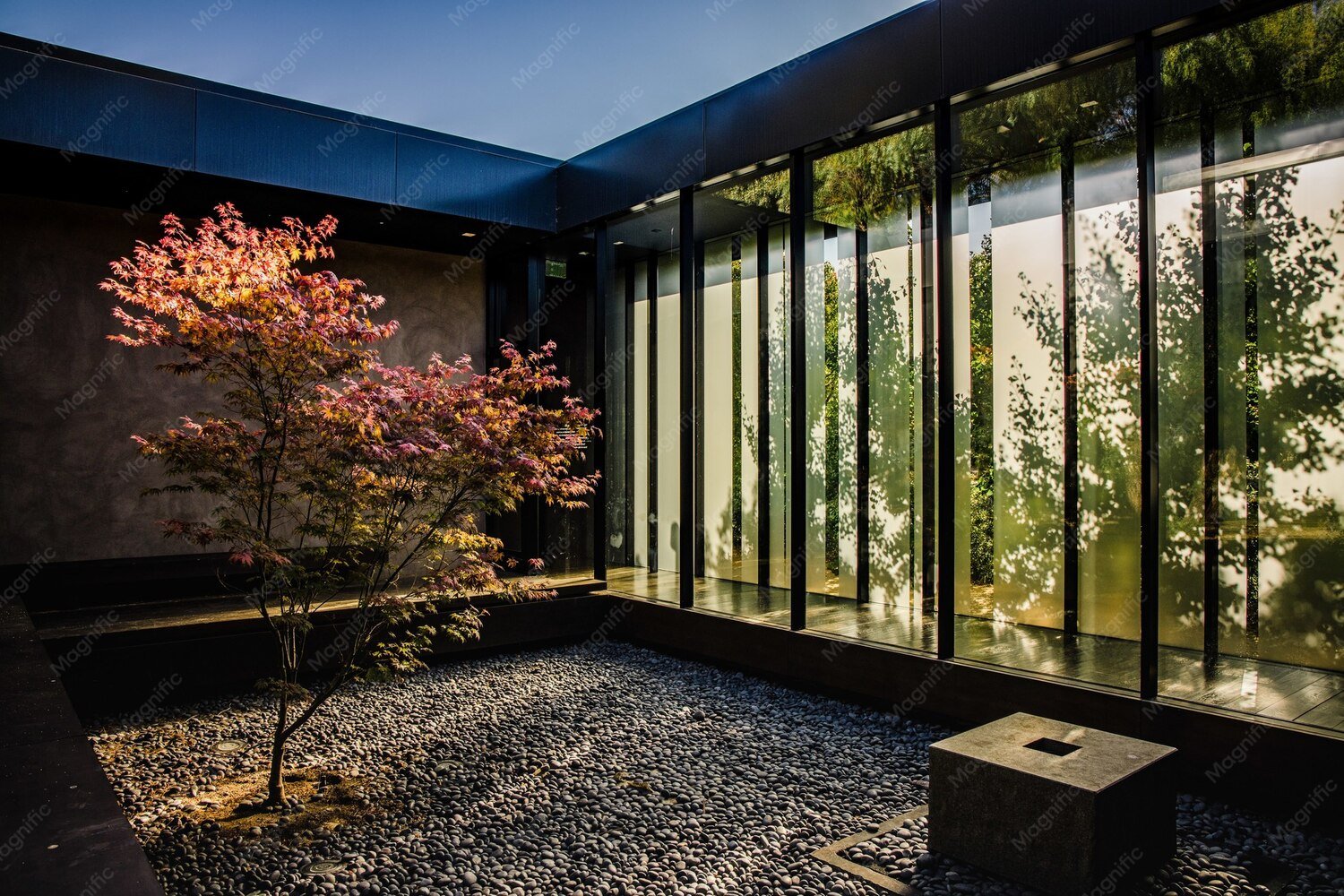
Dubai homeowners want a place to sit beside their gardens without dealing with blowing dust, sharp afternoon sun or sudden rain. A well-planned Outdoor Glass Room can turn an unused patio into a bright seating area while keeping the view open. It can also give cafés and hospitality spaces a more flexible setting for guests.
Yet a beautiful photograph does not tell the whole story. Glass specification, shading, ventilation, roof structure and approvals matter as much as appearance. This 2026 guide explains practical design choices, realistic pricing considerations and the steps behind a safer installation in Dubai.
What Is an Outdoor Glass Room?
An Outdoor Glass Room is an enclosed or partly enclosed space with large glazed panels, usually supported by aluminium or another engineered frame. It can connect directly to a home or stand beside a garden. Unlike a simple pergola, it may have fitted doors and weather seals; unlike a traditional masonry extension, transparent walls remain its main visual feature.
A sunroom or conservatory may look similar, but its roof, climate control and structural requirements can differ. Choosing an Outdoor Glass Room depends on summer use and comfort goals. An attractive enclosure without heat management can quickly become unpleasant.
Popular Outdoor Glass Room Designs in Dubai
The strongest Outdoor Glass Room Designs respond to the site rather than copying a showroom picture. Owners should review the direction of the sun, existing drainage and how often the doors need to open.
Frameless glass rooms
A Frameless outdoor glass room creates a clean view through wide glass panels and minimal visible supports. It suits a garden-facing seating area, but the structural glass, connections and door hardware still need careful engineering.
Aluminium-frame glass rooms
An Aluminium framed glass room offers neat profiles, colour options and a practical way to carry glass and doors. For an air-conditioned Outdoor Glass Room, thermal breaks may help. This design works well with a modern villa façade.
Sliding glass rooms for villas
Sliding doors allow people to open the room to the garden in cooler weather. A Glass room for villa Dubai design often benefits from broad openings, tracks that drain properly and handles that remain easy to operate.
Garden, rooftop and custom extensions
An Outdoor garden glass enclosure can create a reading spot or family lounge. Rooftop rooms need special attention to wind, waterproofing and load capacity. A Glass room extension Dubai project must also be checked for setbacks and applicable approvals before the design is finalised.
Outdoor Glass Room Price in Dubai: 2026 Cost Guide
There is no reliable one-price-fits-all figure for an Outdoor Glass Room. A basic enclosure and a fully insulated, cooled extension are different projects. A September 2026 Dubai supplier guide cites advertised basic setups from about AED 800 per square metre, but that is a market indication, not a confirmed complete-room quotation or a Royal Rose price.
The final quotation depends on measured area, panel dimensions, glass type, safety requirements, framing system, roof build-up, access to the site, doors and hardware. Insulation, blinds, air-conditioning, lighting and foundation work may add separate costs. Oversized panels and complex corners can increase fabrication and installation work.
Before comparing offers, property owners should request a written, itemised scope. The following comparison helps identify what a quotation actually includes:
| Project scope | What to confirm in the quote |
| Basic glass enclosure | Frame, safety glass, doors, roof coverage and seals |
| Comfort-focused room | Solar-control glass, insulated roof, shading and ventilation |
| Full custom extension | Engineering, groundwork, electrical work, cooling and approvals |
An Outdoor Glass Room quote should list materials, warranties and exclusions.
Top Benefits of Installing an Outdoor Glass Room
The main appeal of an Outdoor Glass Room is that it preserves a sense of openness while making a patio more useful. Large panels bring daylight inside and keep gardens, pools or landscaped terraces visible.
It also creates a flexible place for reading, family meals or entertaining. When properly detailed, glazing and sealed doors can reduce direct exposure to wind, dust and light rain. A refined enclosure can complement the appearance of a villa, although no installation can guarantee higher resale value.
Comfort requires planning. Solar-control glazing, a shaded roof, air movement and appropriately sized cooling all affect how the space feels. Owners who plan to use the room at midday should discuss these systems at the start, rather than after installation.
Best Glass and Aluminium Materials
An Outdoor Glass Room should be specified for safety and local conditions. Toughened glass is strong but breaks into small fragments when it fails. Laminated safety glass uses an interlayer that helps hold fragments together; roof and overhead glazing require particular care and a qualified design decision.
Double-glazed units can improve thermal performance when paired with suitable coatings, seals and frames. Solar-control glass reduces some incoming solar heat, but it cannot replace shading or cooling. Aluminium resists corrosion well when correctly finished and maintained; thermal breaks may reduce heat transfer through the frame.
Ask about gaskets, locking hardware, drainage outlets, roof connections and access for future cleaning. In an Outdoor Glass Room, such details affect leaks and operation.
Outdoor Glass Room Installation Process in Dubai
A well-managed Outdoor Glass Room project starts with a site visit rather than a price guessed from pictures.
- Survey and design
The installer measures openings, checks wall and slab conditions, studies sun exposure and discusses how the space will be used. Drawings should show doors, roof slope, drainage and key dimensions.
- Approvals and materials
Before work begins, the owner or contractor should check whether Dubai Municipality, the relevant free-zone authority or the community developer requires consent. Dubai Municipality publishes permits for villa extensions and building modifications; the exact route depends on the location and scope.
- Fabrication and fitting
Once specifications are approved, profiles and glazing are prepared. The team installs supports, frames, panels, doors and weather seals using an appropriate structural and safety method. Roof connections and drainage paths deserve close inspection.
- Testing and handover
Doors should slide and lock smoothly. The team should check seal continuity, drainage, glass condition and finish quality, then provide maintenance guidance and relevant warranty information.
How to Choose a Glass Room Company in Dubai
Choosing a company for an Outdoor Glass Room Dubai project involves more than attractive images. Customers should ask to see comparable completed work, review material specifications and check who handles design, approvals and installation.
A credible proposal identifies the glass type, frame finish, roof system, door hardware, estimated schedule, payment milestones and warranty terms. Written exclusions are essential: electrical services, cooling and permits may not be included. A clear explanation of maintenance is another sign of a considered design.
Why Consider Royal Rose Glass Aluminium?
Royal Rose Glass Aluminium presents customised Glass Rooms Dubai solutions designed for homes and gardens. Its published service information describes aluminium framing, double-glazed toughened glass options, lockable glass doors and optional blinds or awnings. The company also offers related patio-room and glass systems.
For a Luxury Outdoor Glass Room, these choices can help match the enclosure to the villa’s architecture and intended use. Property owners can review the company’s glass-room service page and request a site-specific proposal rather than rely on a generic rate. View the service here: https://royalroseglassaluminium.ae/glass-rooms-dubai/
Frequently Asked Questions
How much does an outdoor glass room cost in Dubai?
The price depends on size, frame, glazing, roofing and finishing. Basic advertised per-square-metre rates may not cover cooling, permits or groundwork. An itemised site quotation gives a more useful total.
Which glass is best for an outdoor glass room?
The specification depends on location and safety demands. Laminated safety glazing may be important overhead, while insulated solar-control units can help with heat. The final selection should follow engineering requirements.
Can glass rooms stay comfortable during Dubai summers?
Yes, when planned for the climate, but glass alone does not keep the room cool. Suitable shading, solar-control glazing, ventilation and properly designed air-conditioning may be necessary.
How long does installation usually take?
Timelines vary with site access, design complexity, fabrication and approvals. A simple enclosure can have a different schedule from a custom extension. The contractor should provide milestones after surveying the site.
Are permits required for a glass room in Dubai?
They may be. A fixed roof or structural extension may need permission from the relevant authority or developer. The owner should confirm requirements before ordering materials or starting construction.
Conclusion: Make Outdoor Space Work Harder
The right Outdoor Glass Room combines open views with sensible engineering and day-to-day comfort. Dubai owners benefit most when the design includes safety glass, shade, drainage and a clear approval plan from the beginning. Comparing detailed quotes and inspecting similar finished work can prevent expensive surprises. Royal Rose Glass Aluminium offers customised options for homeowners looking to explore a practical, elegant enclosure. The next step is a measured site assessment and a specification built around the property.
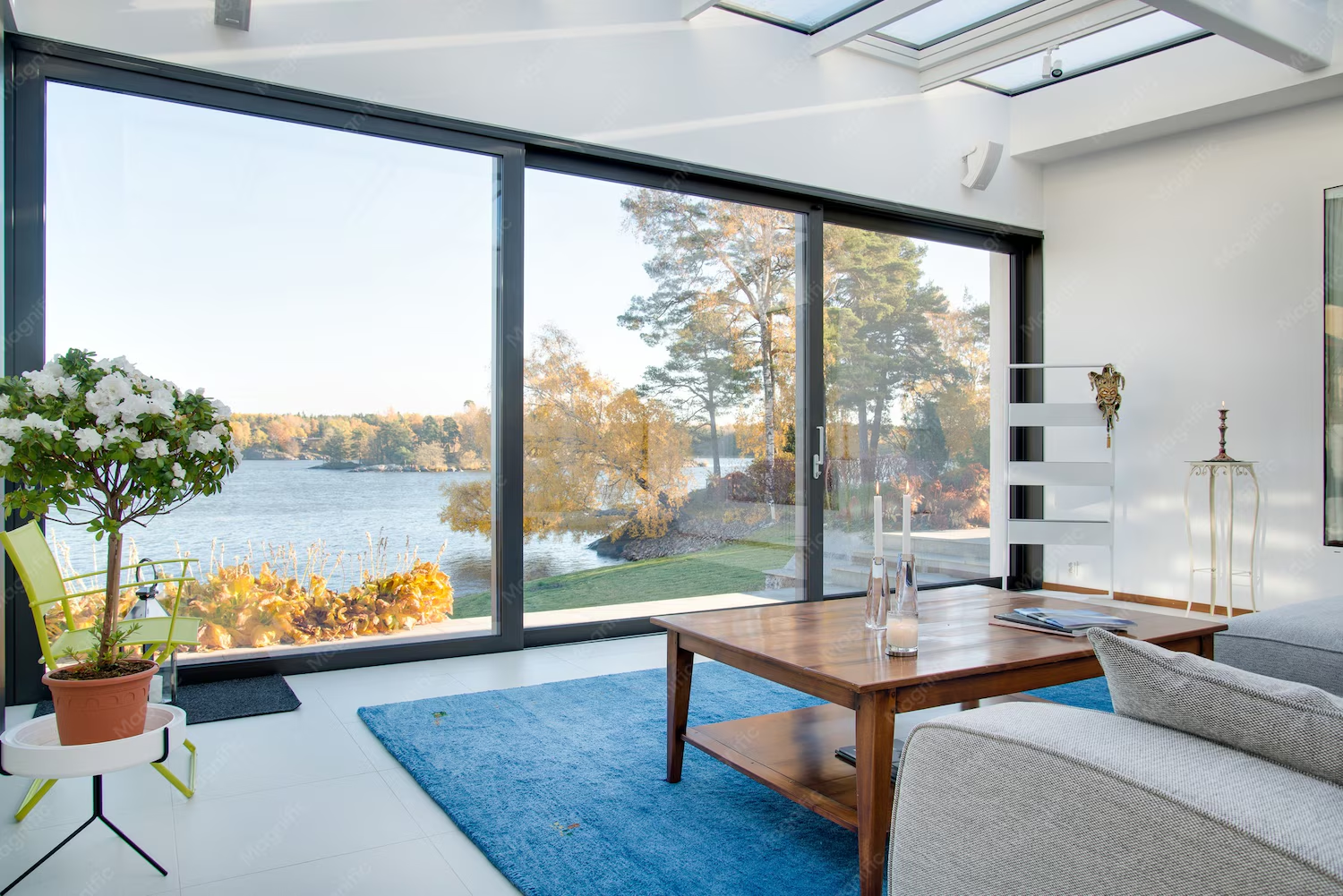
Modern buildings need windows that look elegant, improve comfort, and handle Dubai’s demanding climate. That’s why Double Glazed Sliding Windows Dubai are becoming an attractive choice for homeowners, architects, and commercial property owners.
These windows combine insulated glass, durable frames, and smooth sliding mechanisms to create practical, stylish spaces. They help limit unwanted heat, reduce certain types of outdoor noise, and bring more natural light indoors without taking up extra opening space.
From luxury villas and apartments to offices, shopping malls, and retail showrooms, double-glazed sliding systems offer flexibility for different architectural needs.
This 2026 guide explores seven modern designs, estimated installation prices, glazing specifications, energy-saving benefits, and essential buying considerations.
What are Double Glazed Sliding Windows?
Double-glazed sliding windows feature two glass panes separated by a sealed insulating space filled with air or an insulating gas, such as argon. This construction helps slow heat transfer between outdoor and indoor environments.
Unlike traditional hinged windows, sliding panels move horizontally along tracks. This makes them particularly useful where available space is limited.
Most Double Glazed Sliding Windows Dubai suppliers offer aluminium and uPVC frame options. Aluminium is popular for its strength, slim appearance, and weather resistance, while uPVC provides good thermal insulation.
A typical insulated glass configuration might use two 6 mm panes separated by a 12 mm cavity, creating a 24 mm glass unit.
The final specification depends on window dimensions, safety requirements, frame compatibility, and desired performance.
Top Benefits of Double Glazed Sliding Windows in Dubai
Choosing Double Glazed Sliding Windows Dubai offers several benefits beyond appearance. A properly designed window system can improve indoor comfort, support cooling efficiency, and make everyday living more convenient.
1. Better Thermal Insulation and Indoor Comfort
Dubai experiences intense sunshine and high summer temperatures. Double glazing helps slow heat movement through windows, creating more comfortable indoor spaces.
When combined with thermally broken aluminium frames, these systems offer better insulation than standard single-glazed windows with uninsulated frames.
2. Improved Noise Reduction
Traffic, construction work, and busy commercial surroundings can create unwanted noise.
Quality Sound Insulated Sliding Windows use suitable glass combinations, acoustic interlayers, and effective sealing to reduce noise entering a building.
For demanding locations, acoustic laminated glazing usually offers better targeted noise control than ordinary double glazing alone.
pilkington.com
+1
3. Energy Efficiency and Cooling Performance
Energy Efficient Sliding Windows Dubai systems help control unwanted solar heat gain.
Low-E coatings, insulated glass cavities, and thermal-break frames can reduce cooling demand when correctly specified. The U-value and solar heat gain coefficient are useful performance measures to compare.
Department of Energy
+1
4. Space-Saving Sliding Operation
Sliding panels do not swing inward or outward, making them suitable for compact apartments, kitchens, balconies, and office spaces.
5. Durability, Security, and Low Maintenance
Premium aluminium profiles resist corrosion and weather damage when properly finished.
Reliable locks, suitable safety glass, quality rollers, and secure installation help support long-term performance.
7 Modern Double Glazed Sliding Window Designs for 2026
The growing popularity of Double Glazed Sliding Windows Dubai has encouraged interest in practical systems that combine modern appearance with better glazing performance.
Here are seven designs worth considering.
1. Two Track Double Glazed Sliding Windows
Two Track Double Glazed Sliding Windows are a practical option for apartments, bedrooms, kitchens, and smaller commercial properties.
Their two-track system allows panels to slide past each other without requiring additional opening space.
Key advantages include:
- Compact construction and smooth operation.
- Suitable for standard residential openings.
- Simple cleaning and everyday maintenance.
They offer a good balance of functionality and cost.
2. Three Track Double Glazed Sliding Windows
Three Track Double Glazed Sliding Windows provide greater flexibility for wider openings.
Depending on the panel arrangement, these systems can offer a larger clear opening than a typical two-panel sliding window.
They are particularly suitable for spacious villas, offices, and commercial buildings requiring more ventilation.
However, additional tracks and panels can increase installation costs.
3. Slimline Aluminium Sliding Windows
Slimline systems are among the most attractive Double Glazed Sliding Windows Dubai design options for modern architecture.
They use narrow visible frames to create larger glass areas and cleaner sightlines.
These Slimline Aluminium Window Designs complement minimalist interiors and contemporary villa architecture.
Buyers should confirm that the selected slimline profiles can support the required insulated glass thickness and meet structural performance requirements.
4. Floor-to-Ceiling Double Glazed Sliding Windows
Floor-to-ceiling designs create expansive views and allow natural daylight to reach deeper into living spaces.
They work well in luxury villas, showrooms, offices, and modern commercial developments.
Large glass panels require suitable structural support, safe glazing specifications, and high-quality sliding hardware.
Proper solar-control glazing is especially important for sun-facing elevations.
5. Sound Insulated Double Glazed Sliding Windows
Acoustic sliding windows are designed for buildings exposed to traffic and other outside noise.
They may use laminated acoustic glass, glass panes of different thicknesses, and upgraded seals.
The overall system matters as much as the glass itself. Gaps around sliding panels can reduce acoustic performance.
These windows are suitable for bedrooms, meeting rooms, and offices requiring quieter interiors.
6. Tinted and Low-E Double Glazed Sliding Windows
Tinted and Low-E windows provide greater control over sunlight and indoor comfort.
Low-E coatings help manage radiant heat transfer, while suitable solar-control glazing reduces unwanted solar heat gain.
Tinted glass can also reduce glare and provide some daytime privacy.
These options are particularly useful for buildings exposed to strong afternoon sunshine.
7. Custom Luxury Double Glazed Sliding Windows
Luxury Double Glazed Sliding Windows Dubai systems offer custom frame colours, glass combinations, handles, locks, and opening arrangements.
They can complement premium villas, retail showrooms, hotels, and corporate buildings.
Popular features include matte-black frames, bronze finishes, larger glass panels, and premium sliding mechanisms.
The best custom designs balance visual appeal with structural strength, thermal performance, and maintenance needs.
Double Glazed Sliding Windows Dubai Prices in 2026
Average Double Glazed Sliding Window Prices
The cost of Double Glazed Sliding Windows Dubai depends on frame construction, glass specifications, window dimensions, hardware, and installation complexity.
For 2026 budgeting, published UAE supplier guides indicate that double-glazed window systems commonly start around AED 950 per square metre, while premium options can cost significantly more.
The table below combines published supplier ranges with indicative category estimates. These are budgeting guides, not confirmed quotations for individual window designs.
| Window type | Typical glass specification | Indicative supply and installation price |
| Standard aluminium sliding | Basic double glazing | AED 800–1,250/m² |
| Thermal-break aluminium | Sealed double glazing | AED 950–1,500/m² |
| Premium slimline system | Low-E or upgraded double glazing | AED 1,500–2,200/m² |
| Custom large-format system | Project-specific safety and insulated glass | Quotation required |
Pricing note: The standard aluminium range is estimated from published sliding-window prices plus double-glazing upgrade costs. Premium ranges are indicative, and bespoke work may exceed them. Actual quotations may vary with VAT, access, removal, and project scope.
Factors Affecting Sliding Window Costs
Several details influence the final Double Glazed Sliding Windows Price Dubai quotation.
- Frame quality: Thermal-break profiles usually cost more than basic aluminium.
- Window dimensions: Large or non-standard openings may require stronger systems.
- Double Glazing Glass Thickness: Thicker, laminated, or specialized glass affects material and hardware requirements.
- Hardware: Premium rollers, handles, and security locks increase costs.
- Installation: Upper-floor access, old-window removal, and finishing work can add expenses.
How to Get an Accurate Installation Quote
A reliable supplier should inspect the opening and provide a detailed written quotation.
Request information about glass thickness, coatings, frame profiles, hardware, warranties, installation charges, and expected completion dates.
Compare the full specification, not just the price per square metre.
Double Glazed vs Single Glazed Sliding Windows
Before investing in Double Glazed Sliding Windows Dubai, buyers should understand how the glazing options differ.
| Feature | Single glazed | Double glazed |
| Glass structure | One pane | Two panes with sealed cavity |
| Thermal insulation | Generally lower | Generally better |
| Noise reduction | Often limited | Can improve with suitable design |
| Initial cost | Usually lower | Usually higher |
| Cooling performance | More heat transfer | Better with suitable glazing |
| Best application | Internal or basic installations | Comfort-focused residential and commercial spaces |
Double glazing is often worth considering for air-conditioned properties exposed to strong sunshine.
However, glass alone does not determine performance.
Frame insulation, weather seals, glazing coatings, and professional installation all influence the results.
Double Glazed Sliding Windows Installation Process
Professional Double Glazed Sliding Windows Dubai installation requires careful planning to achieve proper alignment, secure fixing, and reliable weather protection.
1. Site Inspection and Window Measurements
Installers inspect the opening, measure dimensions, and assess structural and access requirements.
2. Frame and Glass Selection
The supplier helps choose suitable Premium Aluminium Window Frames, glass thickness, thermal-break profiles, and finishing options.
3. Professional Installation and Sealing
The frame is positioned, aligned, fixed, and sealed. Sliding panels and glass units are then installed using the specified hardware.
4. Final Inspection and Maintenance Guidance
Installers should test locks, rollers, drainage channels, and sliding movement.
Reliable Double Glazed Window Installation Dubai services should also provide product documentation and maintenance instructions.
How to Choose the Best Double Glazed Sliding Windows in Dubai
Selecting Double Glazed Sliding Windows Dubai should involve more than comparing attractive designs.
The right choice depends on building exposure, ventilation requirements, insulation needs, and available budget.
Consider these priorities:
- Choose two-track or three-track configurations based on opening width.
- Consider thermal-break aluminium for improved insulation.
- Select suitable Low-E or solar-control glazing for sunny elevations.
- Request acoustic performance details when outside noise is a concern.
- Confirm safety glass requirements and frame load capacity.
- Compare installer experience, warranties, and maintenance support.
Dubai’s building requirements also address glazing thermal performance, solar control, and related building-envelope considerations. Project specifications should be checked against the applicable Dubai Building Code requirements.
The best window is the one designed for the building, not simply the most expensive model.
Frequently Asked Questions
1. How much do double glazed sliding windows cost in Dubai?
Indicative Double Glazed Sliding Windows Dubai prices start around AED 800–950 per square metre for some systems. Premium configurations can exceed AED 2,200 per square metre. Final costs depend on frame quality, glass, dimensions, hardware, and installation.
2. Are double glazed sliding windows energy efficient?
Yes. Insulated glass cavities, suitable Low-E coatings, and thermal-break frames can reduce heat transfer. Performance depends on the complete window specification and installation quality.
3. Which is better: two-track or three-track sliding windows?
Two-track windows suit standard openings and smaller spaces. Three-track systems offer more panel arrangement options and may provide wider ventilation openings, depending on their configuration.
4. Do double glazed sliding windows reduce outdoor noise?
They can. Acoustic laminated glass, different pane thicknesses, and effective seals improve noise reduction. Ordinary double glazing alone does not guarantee strong acoustic insulation.
5. How long do double glazed sliding windows last?
Quality window systems can remain serviceable for decades with appropriate maintenance. Actual lifespan depends on frame quality, glazing seals, weather exposure, hardware condition, and installation.
Conclusion
Investing in high-quality Double Glazed Sliding Windows Dubai can improve comfort, natural lighting, and building appearance while supporting cooling efficiency.
From affordable two-track systems to luxury slimline designs, suitable options exist for villas, apartments, offices, and commercial properties.
For customized specifications and installation guidance, explore modern sliding window solutions in Dubai and request a detailed quotation from an experienced supplier before making a final decision.

A website can fail its users long before its hosting provider records an outage. Slow database queries, saturated PHP workers, poor cache rules, and long network paths can make an apparently “online” site unusable. For teams evaluating Web Hosting in Pakistan, the difficult question in 2026 is not which plan advertises the most storage; it is which architecture remains responsive, secure, and recoverable under real traffic.
- Inventory what the site actually runs
- Establish a repeatable latency baseline
- Define the acceptance threshold
- Select an origin by measured reachability
- Make the request path explicit
- Roll out through staging
- Create a cache policy by content type
- Diagnose database contention before upgrading hardware
- Optimize the bytes sent to visitors
- Apply defense in depth
- Backups are not proven until restored
- Monitor symptoms, not just ping responses
- Mistake 1: Buying by advertised storage alone
- Mistake 2: Assuming the vendor’s country equals the server’s country
- Mistake 3: Caching customer-specific pages
- Mistake 4: Treating a backup checkbox as disaster recovery
- Mistake 5: Migrating without an operational rollback
- Treat the hosting bill as a total-cost question
- Add observability before autoscaling
- Step 1: Confirm scope and severity
- Step 2: Inspect DNS, TLS, and the edge
- Step 3: Separate cached from origin traffic
- Step 4: Inspect host and application health
- Step 5: Test and verify one fix
- 1. Is a server inside Pakistan always faster for Pakistani visitors?
- 2. What type of hosting should a Pakistani WordPress news site choose?
- 3. Does NVMe storage guarantee faster page loads?
- 4. Which hosting metrics should be reviewed before switching providers?
- 5. How much uptime should a business website require?
- 6. Can changing hosting providers improve Google rankings?
That question matters to publishers, agencies, online retailers, and software teams serving readers across Pakistan and overseas. A sensible procurement process combines application profiling, geographic latency tests, resource guarantees, security controls, and restoration drills. The following guide sets out a reproducible method, from initial measurements to capacity planning, without treating a marketing speed claim as a benchmark.
What Is Web Hosting in Pakistan?
Definition: Web hosting in Pakistan refers to infrastructure and managed services used to publish websites for Pakistani businesses or audiences. The servers may be located inside or outside Pakistan. The right choice depends on measured visitor latency, computing resources, software compatibility, security controls, support quality, and the ability to restore service after failure.
The distinction between selling hosting to Pakistani customers and running a server physically inside Pakistan is important. A vendor’s billing currency, office location, and support hours do not establish its data-center location. Equally, a distant origin is not automatically slow: a well-configured content delivery network (CDN) may serve most static content close to visitors while keeping dynamic requests at the origin.
The practical unit of comparison is therefore the complete request path: visitor, DNS resolver, CDN or edge proxy, origin server, application runtime, database, and any external services. One weak component can dominate perceived speed.
The Measurements That Matter More Than Hosting Advertisements
“Fast hosting” has no meaning without a workload, location, and measurement method. For a WordPress news site, a cache hit may return a page quickly even when uncached editorial previews run slowly. For an online store, checkout latency and payment reliability matter more than a homepage speed score.
Google’s Core Web Vitals guidance identifies three user-experience indicators: Largest Contentful Paint (LCP), Interaction to Next Paint (INP), and Cumulative Layout Shift (CLS). Its “good” thresholds are LCP at or below 2.5 seconds, INP at or below 200 milliseconds, and CLS at or below 0.1, evaluated at the 75th percentile of real page loads. These are page-experience measures, not hosting-server SLAs.
Server-side teams also need time to first byte (TTFB), p95 application response time, request errors, CPU saturation, available memory, disk I/O wait, database query time, and successful backup restores. Track them separately. A low TTFB cannot compensate for a 4 MB hero image, and a high Lighthouse score on one synthetic run cannot prove capacity during a sale.
A useful 2026 scorecard includes four kinds of evidence:
- User experience: p75 LCP, INP, and CLS from actual traffic, segmented by device and country.
- Origin performance: p50 and p95 TTFB for cached and uncached routes, plus requests per second at a defined concurrency.
- Reliability: observed availability, error-budget consumption, failed deploys, and recovery time after an incident.
- Operational risk: backup recovery tests, patch cadence, access controls, and concentration of dependencies.
💡 Pro-Tip 1: Create two benchmark URLs before purchasing hosting: one cacheable public page and one authenticated or deliberately uncached test route. Measuring both prevents a CDN hit from disguising a slow origin.
Technical Comparison Matrix: From Basic Shared Plans to Resilient Architectures
The figures below are planning categories, not vendor price quotes or measured throughput claims. A shared plan with strong limits can outperform an under-managed VPS; an enterprise cluster can perform badly when its database is unindexed.
| Criterion | Entry shared hosting | Tuned managed WordPress / VPS | High-availability architecture |
|---|---|---|---|
| Typical cost profile | Low recurring fee; shared resource ceiling | Medium recurring fee plus administration | Higher infrastructure and operations cost |
| Throughput | Best for modest, cache-friendly traffic | Higher when CPU, memory, and workers are allocated adequately | Can scale horizontally when the application supports it |
| Latency sensitivity | Strongly affected by noisy neighbors and cache misses | More predictable with dedicated limits and measured location | Edge routing helps, but cross-region database calls add delay |
| Reliability model | Usually one main hosting environment | Backups and optional recovery host | Multiple failure domains, monitoring, tested failover |
| Maintenance overhead | Low for customer; provider controls stack | Medium; depends on management scope | High; requires deployment and incident discipline |
| Best fit | Small blogs and brochure sites | Busy publications, agencies, growing stores | High-traffic or high-consequence services |
No architecture should be selected from the table alone. Ask for the CPU and memory policy, entry-process or worker limits, storage IOPS constraints, backup-retention terms, support escalation path, and the precise services covered by any uptime commitment. “Unlimited bandwidth” may still coexist with strict processor, inode, or fair-use limits.
For procurement, define a realistic workload: concurrent sessions, requests per session, peak-to-average traffic ratio, proportion of logged-in users, database writes, and expected growth. A mostly static publication and an inventory-heavy commerce platform should not share the same test script.
Phase 1: Audit the Application and Build a Baseline
Inventory what the site actually runs
Before a migration or new deployment, record the runtime, content management system, PHP or Node version, database engine, plugins, scheduled jobs, email dependencies, DNS provider, certificate issuer, and third-party APIs. Note the size of uploaded media and the largest database tables. Missing dependencies, not file copying, are often what breaks migrations.
WordPress sites should be checked against the official WordPress hosting requirements, which currently recommend PHP 8.3 or newer, MariaDB 10.11 or MySQL 8.0 or newer, and HTTPS. Compatibility must also be checked against the actual themes and plugins; raising the PHP version without staging tests is not a deployment strategy.
Record who owns the domain registration and DNS configuration. Confirm access to the control panel, SSH or SFTP if available, database exports, scheduled-task settings, and the existing TLS certificates. Keep credentials in a password manager, not in a shared spreadsheet or support ticket.
Establish a repeatable latency baseline
Run tests from at least three networks relevant to the audience: for example, one in Pakistan, one in the Gulf, and one in Europe. If Pakistan-specific probes are unavailable, say so rather than presenting another region’s result as a Karachi or Lahore measurement. Test during normal and peak traffic windows.
For a first-pass command-line check, use the following on an authorized site:
curl -sS -o /dev/null \
-w ‘DNS: %{time_namelookup}s | Connect: %{time_connect}s | TLS: %{time_appconnect}s | TTFB: %{time_starttransfer}s | Total: %{time_total}s\n’ \
The command shows timings from the machine running it, not from every Pakistani ISP. Repeat the sample, record the median and slow tail, and run the same test with a cache-busting query only when that route and the application’s cache rules make such testing safe.
Also inspect headers with curl -I https://example.com/. Look for cache-control behavior, response status, redirects, HTTP protocol version, and CDN cache status where the provider exposes it. A single request is a diagnostic clue, not a defensible performance ranking.
Define the acceptance threshold
Translate business requirements into technical boundaries. A content site might prioritize stable public-page p95 latency and fast image delivery; a store needs separate thresholds for search, cart, checkout, and administrative actions. Document the maximum acceptable recovery time objective (RTO) and recovery point objective (RPO), then verify whether the proposed backups can meet them.
A service-level agreement covering infrastructure uptime may not cover a broken application, an expired domain, a payment gateway failure, or a corrupted database. Ask what triggers credits, how downtime is measured, and what operational help is actually included.
Phase 2: Configure the Core Hosting Architecture
Select an origin by measured reachability
Choose an origin location based on traceroutes, test requests, compliance needs, and where dynamic traffic originates. A geographically close data center may still have poor peering with an ISP. Conversely, an overseas origin coupled with an effective CDN can be suitable for a largely public-content site.
When comparing web hosting in Pakistan plan information, treat product-page features as claims to verify, not proof of live performance. Ask for test endpoints, exact data-center region, resource limits, backup policy, migration scope, and renewal pricing. Request clarification when a plan lists “unlimited” resources without specifying the usage policy.
A practical small-business stack is DNS plus TLS, a CDN for static assets, a managed origin with application isolation, a supported runtime, and an external backup destination. The database should not be open to the public internet. Administrative access should use multi-factor authentication wherever available.
Make the request path explicit
Document whether TLS terminates at the edge, the origin, or both. If a reverse proxy is used, ensure the application receives the correct scheme and trusted client-IP information; only trust forwarding headers from the known proxy network. Misconfigured forwarding often causes redirect loops, inaccurate access logs, or incorrect security controls.
For WordPress on shared hosting, an application-level or server-integrated page cache is often the simplest starting point. A custom VPS may use NGINX, a PHP process manager, MariaDB, and Redis, but each service adds patching and failure responsibilities. Do not add Redis merely because it appears in a “fast stack” checklist; verify that repeated database work actually benefits from object caching.
Roll out through staging
Clone the site to a non-indexed staging environment with restricted access. Test logins, forms, media uploads, canonical URLs, scheduled jobs, emails, and—where relevant—payment callbacks. Use a maintenance plan for the database cutover so the old and new sites cannot accept conflicting writes.
Lower DNS TTL before a planned change when possible, keep the old environment available for rollback, and confirm certificate readiness before switching records. Capture a fresh backup immediately before cutover. A well-documented migration with a rollback condition is safer than an overnight “copy and hope” exercise.
Phase 3: Tune Caching, Database Work, and Media Delivery
Create a cache policy by content type
Caching works when it respects the distinction between shared content and user-specific state. Static images, scripts, fonts, and versioned stylesheets can often use long-lived caching. Public articles may be edge-cached for shorter intervals with purge-on-publish. Cart pages, account areas, admin screens, and authenticated responses normally require bypass rules.
Cloudflare’s caching documentation notes that it caches eligible static content by default, while HTML caching needs deliberate rules. Its documentation also warns that broad cache-everything rules can expose personalized responses if they match dynamic content. Test with different accounts and cookies before enabling full-page caching.
For a site serving both anonymous readers and logged-in editors, publish a cache matrix: route pattern, cache owner, TTL, bypass conditions, and purge trigger. This makes an incident reproducible and prevents one plugin from silently overriding a CDN rule.
💡 Pro-Tip 2: Use versioned asset filenames such as app.20261009.css with long cache lifetimes, but keep HTML freshness shorter and purge it after publication. Versioning removes the need to force every visitor to re-download unchanged assets.
Diagnose database contention before upgrading hardware
Slow database queries can consume worker capacity even when the CPU graph appears normal. Review slow-query logs, expensive query patterns, missing indexes, long-running transactions, and plugins that repeatedly query the same options or metadata. A database upgrade without a query audit may buy only temporary relief.
On systems with sufficient privileges, inspect database process lists and slow-query reporting. On managed shared hosting, request aggregate query diagnostics or use application performance monitoring (APM) that respects user-data privacy. Any new index should be checked against write performance and rollout risk.
For WordPress, unused plugins and oversized autoloaded options are common investigation targets. The right remedy might be removing one costly extension, reducing scheduled background work, or caching a repeated read—not doubling RAM. Make one change at a time and compare the same workload against the baseline.
Optimize the bytes sent to visitors
Compress and resize editorial images at upload time, serve responsive image variants, and reserve their dimensions to reduce layout movement. Keep critical styles small, avoid loading every widget on every page, and audit third-party scripts. An origin upgrade has limited impact if the page blocks interaction on a slow advertising or analytics script.
Support Brotli or gzip where appropriate, use modern image formats when client support and workflows allow, and check that cache headers are actually delivered. Measure LCP and INP after each frontend change, not only TTFB. Server efficiency and browser experience are related but separate engineering problems.
Phase 4: Harden the System and Prove Recovery
Apply defense in depth
Security begins with supported software, least-privilege accounts, protected secrets, MFA, and a regular patch process. The OWASP Top 10:2025 includes broken access control, security misconfiguration, and software supply-chain failures among major application risks. Hosting controls are only one layer; vulnerable plugins and insecure application logic remain the site owner’s responsibility.
Use HTTPS end to end. For sites behind Cloudflare, its Full (strict) mode validates a suitable origin certificate rather than merely encrypting traffic without origin verification. Apply security headers after testing compatibility, restrict administration endpoints, and configure rate limiting based on real traffic patterns.
💡 Pro-Tip 3: Put application secrets and backups outside the public web root. A backup archive left under an accessible uploads directory can undermine otherwise careful firewall and authentication work.
Backups are not proven until restored
A scheduled backup report only proves that software attempted a copy. A recovery plan must answer where backups are stored, how they are encrypted, who can restore them, and how long a verified recovery takes. Keep at least one copy in a different failure domain from the live account and limit delete permissions.
Run a restoration exercise into an isolated test environment. Verify database consistency, uploaded files, configuration, certificates, account permissions, and the site’s core user journeys. If the restoration takes six hours but the business requires a one-hour RTO, the architecture does not meet the requirement regardless of backup frequency.
Monitor symptoms, not just ping responses
External uptime monitoring should check an application endpoint that depends on critical services, not merely whether port 443 answers. Track 5xx rates, latency distributions, database connection health, disk usage, backup age, and certificate expiry. Keep alerts actionable: page the on-call owner for user-impacting failures, and batch routine warnings into a daily review.
For business-critical services, define incident severity and an escalation process. Monitoring without responsibility assignments produces dashboards, not reliability. After an incident, record the timeline, primary failure mode, contributing conditions, and a preventive action with an owner.
Five Expensive Hosting Mistakes—and How to Correct Them
Mistake 1: Buying by advertised storage alone
A plan advertising large NVMe capacity may provide too few PHP workers or tightly limited CPU time for dynamic traffic. Storage volume says little about latency under concurrency.
Correction: Request CPU, RAM, process, inode, and I/O policies. Test the uncached application path at realistic concurrency, record p95 latency and errors, and increase the plan only after identifying the limiting resource.
Mistake 2: Assuming the vendor’s country equals the server’s country
A local support address does not demonstrate local hosting, and local hosting does not guarantee efficient routing. This mistake can lead to poor assumptions about latency and data location.
Correction: Obtain the actual origin region, verify network behavior from relevant ISPs, and ask for written clarification on residency requirements. Measure the request path rather than guessing from a company’s branding.
Mistake 3: Caching customer-specific pages
Overly broad HTML rules can cause stale carts, incorrect account pages, or, in serious failures, one user’s content being served to another. A fast cache hit is not useful if the answer is wrong.
Correction: Identify authenticated cookies and transactional routes, add explicit bypass rules, test with two separate accounts, and validate purge behavior on content updates. Review CDN and origin cache settings together.
Mistake 4: Treating a backup checkbox as disaster recovery
Backups can be missing, incomplete, corrupted, or stored in the same account as production. An untested archive becomes a problem only when the business needs it most.
Correction: Export to independent storage, monitor backup freshness, rehearse restores, and capture the time required to bring key functions online. Re-test after major platform changes.
Mistake 5: Migrating without an operational rollback
DNS cutovers, email-record mistakes, hard-coded URLs, and unsynchronized orders can turn a routine migration into a prolonged outage. A successful file transfer is not proof that the application works.
Correction: Stage the full application, inventory DNS and mail records, freeze or reconcile writes, pre-issue TLS certificates, and keep the previous origin ready until the new deployment passes acceptance tests.
Enterprise-Grade Scaling Tactics That Actually Earn Their Complexity
A common upgrade path is to begin with a stable single-origin system, improve cache efficiency, eliminate expensive queries, and then introduce new components only when metrics justify them. Horizontal scaling is valuable when the application is designed for stateless request handling; it is not a substitute for fixing slow business logic.
Separate session state from individual web nodes before putting multiple origins behind a load balancer. Store uploads in shared object storage or a synchronized media service, use a central session or data layer where appropriate, and ensure scheduled jobs do not execute twice on every replica. Health checks should detect application readiness, not only open ports.
Database replicas can serve some read workloads, but they create replication-lag and consistency considerations. Checkout, inventory updates, and account changes usually need stronger consistency guarantees than public article browsing. Design queries and failure behavior around those facts rather than presenting replicas as free performance.
💡 Pro-Tip 4: Before adding a second web node, measure cache hit ratio and the fraction of time spent in database queries. Improving an expensive cache-miss path can delay an entire infrastructure tier and reduce operational complexity.
Treat the hosting bill as a total-cost question
The monthly subscription is only one component of cost. Include backup storage, CDN traffic, control-panel licensing, commercial security tools, migration labor, monitoring, developer hours, exchange-rate exposure, and renewal terms. A cheap plan that requires repeated emergency intervention may be more expensive over a year than a managed service.
A useful annual estimate is:
Annual operating cost = hosting + licenses + backups + CDN
+ monitoring + expected support labor
+ migration and recovery reserve
For content sites using WordPress, compare general-purpose hosting with managed WordPress hosting in Pakistan feature sheets as one procurement input. Verify the actual PHP version, cache compatibility, restore policy, and support boundaries independently; the label “managed” does not have a universal technical definition.
Add observability before autoscaling
Autoscaling based solely on CPU can fail when bottlenecks come from connection pools, slow queries, or third-party APIs. Measure queue depth, worker saturation, p95 latency, error rates, and database health together. Define a maximum scale limit to avoid runaway spending during traffic anomalies.
A synthetic traffic test should distinguish cold cache, warm cache, anonymous browsing, authenticated sessions, and write-heavy operations. Use permissioned test infrastructure, rate limits, and a rollback plan. Never stress-test a shared provider or third-party website without explicit authorization.
Diagnostic and Troubleshooting Protocol
When a site becomes slow, random plugin changes make root-cause analysis harder. Use a fixed investigation order so teams can separate network, cache, application, and database failures.
Step 1: Confirm scope and severity
Check whether the issue affects all visitors, one ISP, one region, one device category, or only authenticated traffic. Compare real-user metrics with uptime alerts and recent deploys. An isolated Lahore routing problem requires a different response from a universal database outage.
Step 2: Inspect DNS, TLS, and the edge
Use dig +short example.com to check the current DNS answer and curl -Iv https://example.com/ to inspect the connection and response path. Confirm that certificate names match and that redirects terminate correctly. If an edge service is involved, review its error and cache-status headers.
Step 3: Separate cached from origin traffic
Test a known cacheable URL and a controlled uncached URL. If cache hits are fast but cache misses are slow, investigate origin resources and application execution. If both are slow only in one region, examine connectivity, edge routing, and the number of transferred bytes.
Step 4: Inspect host and application health
On systems where the administrator has permission, top, free -h, df -h, and iostat -xz 1 5 can expose memory pressure, full disks, and I/O wait. Correlate this evidence with PHP-FPM or application worker queues, web-server error logs, and the database slow-query log. On managed plans, ask support for resource-limit events and timestamps.
Step 5: Test and verify one fix
Apply the smallest plausible remedy, re-run the same probe set, and monitor the next traffic peak. Retain the previous configuration and record whether the change improved p95 latency, errors, or recovery time. If not, roll it back rather than stacking speculative adjustments.
💡 Pro-Tip 5: Maintain a one-page incident worksheet with “start time, affected routes, recent changes, cache state, p95 latency, errors, suspected cause, fix, verification.” This turns recurring slowdowns into comparable evidence instead of new guesswork each time.
A monthly maintenance cycle should include patch review, access audit, certificate checks, capacity trend review, image and script budget checks, DNS inventory, and at least a sampled restore test. Quarterly, revisit RTO/RPO assumptions and confirm that all critical external dependencies still have owners.
Frequently Asked Questions
1. Is a server inside Pakistan always faster for Pakistani visitors?
No. Physical distance influences latency, but ISP peering, routing, CDN coverage, server load, and application behavior also matter. Compare multiple test networks and uncached request paths before choosing a region. Verify data-center location rather than inferring it from billing currency or vendor branding.
2. What type of hosting should a Pakistani WordPress news site choose?
A smaller publication often starts well with a managed or resource-isolated plan, supported PHP, reliable backups, and a properly configured page cache. Upgrade toward a VPS or distributed architecture only when measured concurrency, editorial workflows, or business risk justify the added control and operational responsibility.
3. Does NVMe storage guarantee faster page loads?
No. NVMe can reduce storage bottlenecks, but website speed also depends on CPU scheduling, RAM, query efficiency, network paths, caching, frontend weight, and third-party scripts. A site serving cached pages may see little benefit from a faster disk if the browser is delayed by large images or JavaScript.
4. Which hosting metrics should be reviewed before switching providers?
Record real-user LCP, INP, and CLS; p50 and p95 TTFB for uncached routes; error rates; CPU and memory pressure; database latency; and backup restoration time. Compare identical workloads from the same locations, including peak traffic periods. Synthetic scores alone are insufficient.
5. How much uptime should a business website require?
The target should follow the cost of interruption. A 99.9% monthly availability target corresponds to roughly 43 minutes of possible downtime in a 30-day month, although SLA exclusions can materially change the calculation. Revenue-critical systems may require stronger objectives, redundancy, and a tested incident response process.
6. Can changing hosting providers improve Google rankings?
A hosting change can improve user experience when it reduces real latency, outages, or crawl failures, but it does not guarantee higher rankings. Search performance also depends on content usefulness, indexing, links, competition, and page design. Assess hosting by independently measured improvements rather than SEO promises.

Outdoor Glass Room 2026: Modern Designs, Prices & Installation Guide

Motorized Pergolas Dubai (2026): 7 Designs, Prices & Benefits

Double Glazed Sliding Windows Dubai 2026: Prices & 7 Designs

Alex Pettyfer Net Worth, Wife, Age, Height, Children, Career and More

Brad Williams Net Worth, Wife, Height, Age, Daughter, Family, Career and More

Eldorado.gg Review 2026: How It Works, Safety, Fees, and Risks
-
Celebrity9 months ago
Alex Pettyfer Net Worth, Wife, Age, Height, Children, Career and More
-
Celebrity10 months ago
Brad Williams Net Worth, Wife, Height, Age, Daughter, Family, Career and More
-
Blog1 month ago
Eldorado.gg Review 2026: How It Works, Safety, Fees, and Risks
-
 Anime11 months ago
Sanzoku Bandits of One Piece: Origins, Higuma, and Their Role in Dawn Island
-
 Celebrity10 months ago
John McGinn Net Worth, Age, Height, Wife, Childrens, Career and More
-
 Celebrity10 months ago
Frances de la Tour Net Worth, Age, Height, Husband, Childrens, Career and More
-
 Celebrity10 months ago
Will Trickett Net Worth, Wife, Childrens, Age, Career and More
-
 Blog2 months ago
Crackstube: A Complete Guide to the Digital Publishing Platform