
Blog
What to Know When Your Air Conditioner Stops Working Unexpectedly


An air conditioning system can become an essential part of maintaining a comfortable indoor environment, particularly when the equipment is expected to operate for long periods. While regular maintenance can help reduce the likelihood of unexpected breakdowns, no mechanical system is completely immune to problems. An air conditioner may suddenly stop producing cool air, begin leaking water, make unusual sounds, repeatedly shut down, or fail to respond correctly to thermostat settings. When a problem develops without warning, homeowners may need professional assistance rather than waiting for a routine appointment. A malfunctioning cooling system can become increasingly uncomfortable when indoor temperatures rise, and certain issues may also cause additional damage if the equipment continues operating under abnormal conditions. Professional HVAC technicians can inspect the system, determine the underlying cause, and recommend an appropriate solution based on the equipment’s condition. Understanding common causes of sudden cooling failures, recognizing warning signs, and knowing when professional assistance is appropriate can help homeowners respond more effectively and protect their air conditioning investment.
- Recognizing a Serious AC Problem
- Common Reasons Air Conditioners Fail Suddenly
- Why Professional Diagnosis Matters
- What to Check Before Calling for Service
- Problems With Weak or No Cool Air
- Handling AC Water Leaks
- Electrical Issues and AC Failures
- Unusual Sounds Should Not Be Ignored
- The Importance of Fast Professional Response
- Repairing Versus Replacing an AC System
- Preventing Repeated AC Emergencies
- Choosing an HVAC Provider for Urgent Service
- Building a More Reliable Cooling Strategy
- Conclusion
Recognizing a Serious AC Problem
Not every air conditioning issue requires immediate professional attention, but certain symptoms should not be ignored. A complete loss of cooling is an obvious indication that the system needs evaluation, especially when basic thermostat settings and power checks do not resolve the problem. Water leaking around the indoor unit can also require prompt attention because continued leakage may damage surrounding materials or indicate a drainage, coil, or system performance issue. Strange electrical smells, burning odors, unusual sounds, or repeated breaker trips are additional warning signs that should be taken seriously. Homeowners should not assume that an air conditioner is safe to operate simply because it eventually starts running again after a temporary shutdown. Intermittent problems can become more disruptive if the underlying cause remains unresolved. Professional diagnosis provides a more reliable way to determine whether the issue involves electrical components, refrigerant-related conditions, airflow restrictions, drainage, mechanical parts, controls, or another part of the cooling system. Acting promptly when significant symptoms appear can help prevent a manageable issue from developing into a more complicated repair.
Common Reasons Air Conditioners Fail Suddenly
Air conditioning systems contain many interconnected components, so a sudden failure can have several possible causes. Electrical problems can affect capacitors, motors, wiring, contactors, control boards, and other parts responsible for starting and operating the system. A malfunctioning thermostat may prevent the equipment from receiving the appropriate signal, while a severely restricted filter can reduce airflow and affect system performance. Refrigerant-related problems may also cause inadequate cooling, particularly when a leak or other issue affects the system’s ability to transfer heat properly. Drainage problems can cause water to accumulate around the indoor equipment, while mechanical wear can affect fans, blowers, compressors, and other moving components. Because these symptoms can overlap, replacing a component without first identifying the actual cause may not solve the problem. Professional technicians can use diagnostic procedures to determine where the failure originates and whether other parts of the system have also been affected. Accurate diagnosis is therefore an important part of restoring dependable cooling rather than simply providing a temporary solution.
Why Professional Diagnosis Matters
When an air conditioner stops working, homeowners may be tempted to troubleshoot the equipment themselves or search for a quick repair. Simple checks such as confirming thermostat settings or verifying that an accessible filter is not heavily restricted can be reasonable, but complex HVAC repairs require appropriate training and equipment. Air conditioning systems contain electrical components, pressurized refrigerant circuits, moving parts, and other equipment that can create safety risks when handled incorrectly. A professional technician can inspect the system systematically and determine which component or condition is responsible for the problem. This approach helps avoid unnecessary part replacement and provides a clearer understanding of the system’s overall condition. For example, an air conditioner that is not cooling could have an airflow issue, refrigerant problem, compressor concern, thermostat malfunction, or electrical failure. These conditions can produce similar symptoms but require very different solutions. Professional diagnosis allows the technician to distinguish between them and recommend work that addresses the underlying problem.
What to Check Before Calling for Service
There are several basic observations homeowners can make when an air conditioner stops operating, provided these checks can be performed safely. The thermostat should be checked to confirm that it is set to cooling mode and that the desired temperature is lower than the current indoor temperature. Homeowners can also check whether the system has power and whether an accessible breaker has tripped. If a breaker repeatedly trips, however, it should not be continually reset because repeated electrical problems may indicate a condition requiring professional evaluation. Accessible filters can also be inspected for severe dirt or blockage, and supply registers should be checked to ensure that furniture or household items are not preventing airflow. These simple checks may occasionally identify an uncomplicated issue, but they should not replace professional troubleshooting when the system remains inoperative. If there is smoke, a strong burning smell, sparking, exposed wiring, or another potentially hazardous condition, homeowners should prioritize safety and seek appropriate professional assistance. Providing the technician with information about what happened and what checks were already performed can also make the diagnostic process more efficient.
Problems With Weak or No Cool Air
One of the most common reasons homeowners seek urgent AC service is a system that is running but not producing adequate cooling. Weak cooling can result from several different conditions, including restricted airflow, dirty coils, refrigerant problems, thermostat issues, or mechanical failures. A heavily loaded air filter can make it more difficult for air to move through the system, while blocked registers can limit distribution to individual rooms. If the filter is clean and airflow remains weak, the problem may involve the blower, ductwork, evaporator coil, or another component. When the system produces warm air instead of cool air, refrigerant-related issues, compressor problems, electrical failures, and other conditions may need to be investigated. Homeowners should avoid assuming that adding refrigerant is always the correct solution because inadequate cooling can have multiple causes. A professional technician can test the system and determine whether the problem is related to refrigerant charge, airflow, mechanical operation, electrical controls, or another issue. Addressing the actual cause is important for restoring reliable cooling and preventing recurring problems.
Handling AC Water Leaks
Water around an air conditioning system should not be ignored because it may indicate a clogged drain, frozen coil, condensate problem, or another condition affecting the equipment. Air conditioners naturally remove moisture from indoor air during the cooling process, and that moisture must be collected and drained properly. If a condensate drain becomes blocked or the system develops another issue that causes excessive moisture accumulation, water may begin leaking into areas where it can damage flooring, walls, ceilings, insulation, or other building materials. A frozen evaporator coil can also produce water when accumulated ice melts, and freezing may be associated with airflow or refrigerant-related problems. Homeowners should avoid repeatedly operating a system that is visibly leaking without understanding the cause. Professional HVAC technicians can inspect the condensate system, evaluate airflow and coil conditions, and determine why the water is not being managed properly. Prompt attention can help limit secondary property damage and identify the underlying HVAC problem.
Electrical Issues and AC Failures
Electrical components are critical to the operation of modern air conditioning systems. Capacitors, contactors, wiring, motors, circuit boards, disconnects, and other components may all play a role in starting or controlling the equipment. An electrical failure can cause a complete loss of cooling or produce intermittent operation. Repeated breaker trips are especially important because they can indicate an underlying electrical or equipment problem rather than a simple inconvenience. Homeowners should not open electrical panels or attempt to repair HVAC wiring without the necessary training. Professional technicians can safely inspect relevant components, test electrical connections, and determine whether a failed part needs repair or replacement. Correct diagnosis is important because electrical symptoms can originate from different components, and replacing one part without identifying the actual cause may leave the system vulnerable to another failure. Professional service can also help identify conditions that may affect the safe operation of the equipment.
Unusual Sounds Should Not Be Ignored
Air conditioners produce normal operating sounds, but a sudden change in sound can indicate a developing mechanical or electrical problem. Grinding, squealing, rattling, buzzing, clicking, or banging may be associated with different issues depending on when the sound occurs and which part of the system is operating. A damaged fan blade, worn motor bearing, loose component, electrical problem, or another mechanical condition can produce unusual noises. Homeowners should not attempt to identify the exact failed component based only on the sound because similar noises can originate from different parts of an HVAC system. Instead, the change should be documented and reported to a professional technician. Information about whether the sound occurs during startup, during continuous operation, or when the system shuts down can be useful during diagnosis. Addressing unusual sounds early may help prevent additional component damage and can provide an opportunity to repair the problem before the system experiences a complete failure.
The Importance of Fast Professional Response
When an air conditioner stops working during a period of heavy use, prompt service can make a significant difference in restoring indoor comfort. A property that remains without cooling for an extended period may become increasingly uncomfortable, and certain occupants may be more affected by elevated indoor temperatures than others. Prompt professional assistance can also help prevent an equipment problem from causing additional damage. For example, continuing to operate a system with severe airflow restriction, refrigerant-related problems, electrical faults, or water leakage may place additional stress on components. Professional emergency ac repair allows technicians to address urgent problems and determine whether the system can be safely returned to normal operation. The goal is not simply to get the equipment running temporarily but to identify the reason for the failure and make an appropriate repair. Once the immediate problem has been addressed, homeowners can also discuss whether additional maintenance or inspection is recommended to reduce the possibility of related problems in the future.
Repairing Versus Replacing an AC System
An emergency breakdown does not automatically mean that an air conditioner needs to be replaced. In many situations, a failed component can be repaired and the existing system can continue operating effectively. However, replacement may become a consideration when equipment is older, has experienced repeated major failures, requires increasingly expensive repairs, or no longer provides dependable performance. Professional evaluation can help homeowners understand the condition of the system and the practical options available. Factors such as repair scope, equipment age, previous service history, operating performance, and future reliability can all be relevant when making this decision. Homeowners should avoid making replacement decisions solely because a single component has failed. At the same time, repeatedly repairing a system that has broader deterioration may not provide the desired long-term result. A qualified HVAC technician can explain whether the current problem appears isolated or whether it is part of a larger pattern. This information allows property owners to consider both immediate repair needs and longer-term HVAC planning.
Preventing Repeated AC Emergencies
Emergency service is valuable when an unexpected failure occurs, but long-term HVAC care can help reduce the frequency of certain avoidable problems. Regular professional inspections can identify worn components, airflow concerns, drainage issues, electrical problems, and other conditions before they become major failures. Homeowners can also contribute by checking accessible filters, keeping vents clear, observing changes in cooling performance, and responding promptly to unusual sounds or odors. Maintaining the outdoor unit’s surrounding area can also help ensure that airflow is not unnecessarily restricted by debris or overgrown vegetation. It is important to follow the equipment manufacturer’s recommendations and seek professional assistance for tasks involving refrigerant, electrical components, or complex mechanical repairs. A preventive approach cannot eliminate every possible breakdown, but it can provide better visibility into equipment condition and create opportunities to address problems earlier. Combining routine service with access to responsive emergency assistance gives homeowners a more complete strategy for managing their cooling systems.
Choosing an HVAC Provider for Urgent Service
When a cooling system fails unexpectedly, choosing a service provider with experience in both emergency repairs and broader HVAC care can be valuable. A company that handles air conditioning repairs, maintenance, installations, and related services can support the system beyond the immediate breakdown. Clear communication should also be part of the service experience. Homeowners should receive an explanation of the identified problem, the recommended repair, and any relevant concerns discovered during the inspection. If replacement is being considered, the technician should explain the reasons for that recommendation and discuss the condition of the existing equipment. Island Air Cooling provides air conditioning and HVAC services designed to address different cooling needs, including repair and maintenance support. Working with an experienced professional can help homeowners address urgent problems while also developing a more practical long-term approach to equipment care.
Building a More Reliable Cooling Strategy
A reliable air conditioning system benefits from a combination of preventive care, timely repairs, proper operation, and professional evaluation. Homeowners can reduce avoidable stress on their equipment by replacing filters according to appropriate schedules, keeping airflow pathways clear, monitoring system behavior, and scheduling professional maintenance. When a serious problem develops, responding quickly can help limit discomfort and potentially reduce the risk of additional equipment or property damage. Professional technicians can evaluate the immediate problem while also identifying conditions that may affect future performance. Maintaining service records can further improve long-term HVAC management because information about previous repairs, inspections, and replaced components can help technicians understand the equipment’s history. Over time, this approach can make it easier to identify recurring problems and determine when repair remains practical or replacement planning should begin. A complete cooling strategy focuses not only on emergency response but also on maintaining dependable performance between service visits.
Conclusion
Unexpected air conditioning failures can disrupt comfort quickly, especially when a system stops cooling during periods of heavy use. Problems involving electrical components, airflow, refrigerant, drainage, mechanical parts, thermostats, or other HVAC components can produce similar symptoms, making professional diagnosis important. Homeowners can perform a few basic checks, but complex repairs should be handled by qualified HVAC professionals who have the appropriate knowledge and equipment.
Professional emergency AC repair provides a way to respond quickly when a cooling system experiences a serious malfunction. Addressing the underlying cause rather than simply restarting the equipment or replacing an unconfirmed component can help restore more dependable performance. After an urgent repair, homeowners can also benefit from discussing the overall condition of the system with the technician and determining whether maintenance or additional repairs are recommended.A proactive approach to air conditioning care can help reduce the likelihood of unexpected problems while supporting comfort and equipment reliability. Regular inspections, appropriate filter care, clear airflow pathways, timely repairs, and professional system evaluations all contribute to better long-term HVAC management. When emergencies do occur, having access to experienced service professionals allows homeowners to address the immediate issue while gaining useful information about how to maintain their cooling system more effectively in the future.
Blog
Inside a China Eyewear Factory: How Eyewear Goes from Design and Material Selection to Mass Production


Have you ever wondered how a simple eyewear design becomes thousands of finished frames ready for international retailers?
- 1. Inside an Eyeglass Factory: Everything Starts with Product Design
- 2. Material Selection: Why Every Frame Factory Needs Different Production Capabilities
- 3. What Happens in the Frames Factory During Production?
- 4. Is a Lens Factory the Same as an Eyewear Factory?
- 5. From Sample Approval to Factory-Direct Eyeglasses Production
- 6. Quality Control: What Happens Before Finished Glasses Leave the Factory?
- 7. How to Find the Right Glasses Manufacturer Near You or in China
- Choosing a Manufacturing Partner for Your Next Eyewear Collection
Behind every pair of glasses is a manufacturing process involving design development, material preparation, precision machinery, skilled workers, assembly, and quality inspection.
A modern china eyewear factory is not simply a place where frames are assembled. It is part of a wider production ecosystem connecting raw material suppliers, component manufacturers, frame production facilities, lens suppliers, and international buyers.
Understanding how these operations work helps eyewear brands, importers, and distributors evaluate manufacturing partners more effectively.
Let’s take a closer look at what happens inside an eyewear manufacturing operation, from the first design discussion to the final packed product.
1. Inside an Eyeglass Factory: Everything Starts with Product Design
The manufacturing journey usually begins when a brand shares its design requirements, reference samples, sketches, or technical specifications.
The development team reviews important details such as:
- Frame shape and dimensions.
- Material selection.
- Color and surface finish.
- Hinge and temple construction.
- Lens size and fitting requirements.
- Target retail positioning.
The design is then converted into technical drawings or CAD specifications to establish the dimensions and construction requirements.
Before mass production, manufacturers generally develop samples so buyers can evaluate the appearance, comfort, fit, and construction.
A professional eyeglass factory should also identify manufacturing limitations early. A design may look attractive digitally but require adjustments to make it suitable for production.
2. Material Selection: Why Every Frame Factory Needs Different Production Capabilities
Material selection directly affects the manufacturing process, product characteristics, and final cost.
An experienced frame factory may work with several materials, but each requires different production techniques.
Acetate: Acetate sheets are cut into frame components using CNC machinery or other cutting equipment. The components are shaped, assembled, tumbled, and polished to achieve the desired finish.
Metal: Metal frames require processes such as stamping, bending, welding, plating, and component assembly. Precision is particularly important when connecting bridges, rims, temples, and hinges.
TR90 and injection materials: These thermoplastic materials are processed through injection molding. The molten material is injected into molds to create frame components, which are subsequently trimmed, finished, and assembled.
This is why choosing an optical factory with the right material specialization matters. A manufacturer experienced in acetate production may not necessarily have the same expertise in titanium or injection molding.
3. What Happens in the Frames Factory During Production?
Once the materials and specifications are approved, production begins.
Although the exact process varies by material and factory, a typical frame manufacturing workflow includes:
- Raw material inspection.
- Cutting, stamping, or molding.
- Component shaping and processing.
- Hinge and metal component installation.
- Surface grinding and polishing.
- Plating or coating where required.
- Frame assembly and adjustment.
- Intermediate quality inspection.
For example, acetate manufacturing involves several finishing operations to achieve smooth surfaces and consistent gloss. Metal production places greater emphasis on welding accuracy, structural strength, and surface treatment.
A well-organized glasses factory maintains inspection checkpoints throughout production rather than waiting until the frames are completely assembled.
4. Is a Lens Factory the Same as an Eyewear Factory?
Not necessarily. This is an important distinction for buyers entering the eyewear industry.
A lens factory manufactures lenses, while a frame manufacturer produces the physical eyewear structure.
Lens production can involve casting, surfacing, polishing, and coating, depending on the lens type and application.
For example, prescription lenses may require additional optical processing and edging before they can be fitted into frames. Sunglasses lenses may require tinting, polarization, or UV-protection specifications.
Some eyewear manufacturers purchase finished lenses from specialized suppliers, while others have access to affiliated or integrated lens operations.
Therefore, when evaluating a factory, ask whether lens manufacturing, lens sourcing, and final lens fitting are handled internally or by external partners.
5. From Sample Approval to Factory-Direct Eyeglasses Production
After the buyer approves the sample, the manufacturer prepares for bulk production.
This stage involves confirming the final specifications, order quantities, materials, colors, packaging, and production schedule.
For buyers seeking factory direct eyeglasses, working directly with a manufacturer can improve communication about product specifications and production changes.
However, direct factory purchasing does not automatically guarantee lower prices. The total cost still depends on order volume, materials, customization, tooling, and quality requirements.
Before mass production, buyers should confirm that the approved sample and production specifications are properly documented.
This reduces the risk of receiving bulk products that differ from the original sample.
6. Quality Control: What Happens Before Finished Glasses Leave the Factory?
Quality control is not a single inspection at the end of production.
A structured manufacturing operation may include:
- Incoming Quality Control (IQC): Checking raw materials and components.
- In-Process Quality Control (IPQC): Monitoring production stages.
- Final Quality Control (FQC): Inspecting completed products.
- Outgoing Quality Control (OQC): Verifying packaging, quantities, and shipping requirements.
Common inspection points include frame symmetry, hinge performance, surface defects, dimensional accuracy, lens fitting, and product specifications.
For sunglasses, appropriate UV-protection and other relevant performance tests should also be verified through suitable documentation.
The goal is to ensure that bulk production consistently matches the approved sample and agreed specifications.
7. How to Find the Right Glasses Manufacturer Near You or in China
When buyers search for eyeglasses frame near me or a glasses manufacturer near me, they are often looking for a convenient sourcing partner.
Local suppliers may offer easier communication and proximity. However, international buyers should not overlook specialized manufacturing ecosystems in China.
Searching for the glasses factory or a particular eyeglass factory in ventura may help identify local businesses, but buyers should first establish whether those businesses actually manufacture frames or simply operate retail stores, optical laboratories, or distribution facilities.
Similarly, brands researching fashion eye collections should evaluate design development, material options, and production consistency rather than relying only on product photographs.
Whether you choose a local supplier or an overseas manufacturer, verify its actual production capabilities, quality-control procedures, and commercial terms.
Choosing a Manufacturing Partner for Your Next Eyewear Collection
Understanding how eyewear moves from design to mass production makes it easier to distinguish between a genuine manufacturing partner and a supplier that simply resells finished products.
Hivision Eyewear, based in Wenzhou, China, provides OEM/ODM eyewear manufacturing services across acetate, metal, titanium, and injection materials.
For brands exploring factory sunglasses production or customized optical frames, evaluating the manufacturer’s material capabilities, sample development, production processes, and quality-control arrangements is essential.
You can explore Hivision’s eyewear product collections and sunglasses range to understand its product offerings.
Ultimately, the strength of an eyewear manufacturing partner is not determined by how large its factory looks. It is determined by how consistently it can transform approved designs and specifications into finished products that meet the buyer’s requirements.

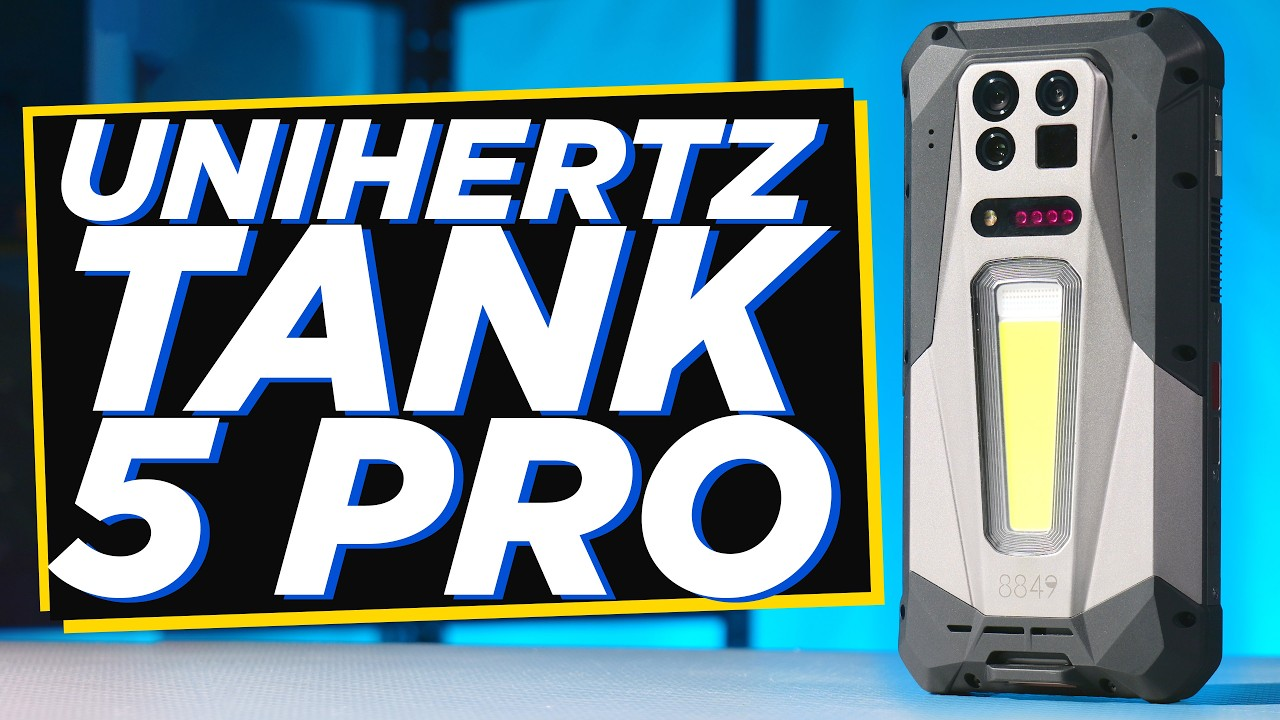
Technology is evolving at a remarkable pace. Smartphones receive new features, artificial intelligence is changing everyday digital experiences, and connected devices are becoming part of homes, workplaces, and personal routines. While these developments create exciting opportunities, they also make it harder for ordinary consumers to understand which innovations are genuinely useful. Reliable technology journalism can help readers make sense of these changes.
Root Nation is a technology publication that helps readers explore the latest developments in consumer technology. Through news, reviews, comparisons, and practical articles, Root-nation.com gives technology enthusiasts and everyday users a place to learn about products and trends before making important decisions.
Making Technology Easier to Understand
New technology often comes with unfamiliar terminology and complicated specifications. A smartphone manufacturer might advertise an advanced processor, an impressive camera system, or a collection of artificial intelligence features. However, technical descriptions do not always explain how these features affect everyday use.
Useful technology journalism connects specifications with practical experiences. Instead of focusing only on numbers, a good review explains what a product can do, where it performs well, and what limitations consumers should consider.
This approach is particularly valuable for people who do not have a technical background. Clear explanations help readers understand whether a feature solves a real problem or simply adds another marketing point to a product description.
Helping Readers Evaluate New Products
Buying electronic devices can involve a significant financial commitment. Smartphones, laptops, tablets, televisions, and other gadgets may remain in use for several years, making research an important part of the purchasing process.
Independent product coverage can help consumers compare available options and understand differences that are not immediately obvious. For example, two smartphones may have similar camera resolutions but produce different results because of their sensors, image processing, lenses, and software.
Readers looking for detailed technology coverage can explore Root-nation.com to find product reviews, technology news, and practical discussions that provide additional context before a purchase.
Keeping Up With Emerging Technology
Artificial intelligence, smart home systems, wearable devices, and mobile innovations continue to influence how people interact with technology. Following these developments requires more than reading product announcements. Consumers also need explanations of how new features work and whether they offer meaningful advantages.
A technology publication can connect individual product releases with broader industry developments. This helps readers understand not only what has changed but also why those changes matter.
For example, the growth of AI features in smartphones raises questions about privacy, performance, battery consumption, and practical usefulness. Readers benefit from balanced coverage that considers both the advantages and potential limitations of these tools.
Why Balanced Technology Journalism Matters
Every new device is not necessarily the right choice for every consumer. A premium smartphone may offer excellent performance but still be unnecessary for someone who mainly uses messaging, browsing, and basic photography. Similarly, an affordable laptop may be perfectly suitable for everyday tasks even if it lacks the specifications required for professional workloads.
Balanced reviews help readers consider their actual needs instead of following marketing trends. They should explain strengths and weaknesses, distinguish measurable performance from personal preferences, and provide enough context for readers to reach their own conclusions.
Making Better Digital Decisions
Technology will continue changing how people communicate, work, study, shop, and entertain themselves. Staying informed can help consumers avoid unsuitable purchases and make better use of the devices they already own.
Publications such as Root-nation.com contribute to this process by bringing technology news, reviews, and practical information together in one place. For readers who want to understand modern devices beyond advertising claims, accessible and balanced technology journalism remains an important resource.


For men shopping specifically for guys oktoberfest costume options in 2026, the vocabulary itself signals particular considerations that differ from buyers using “traditional lederhosen” or “authentic Bavarian wear” terminology. The costume framing suggests focus on festival attendance rather than long-term heritage engagement, potentially prioritizing accessibility, affordability, and festival-appropriate styling over strict authentic construction. Understanding what distinguishes quality guys oktoberfest costume options from genuine costume-grade cheap alternatives, while maintaining accessibility for festival-focused buyers, helps ensure your Oktoberfest choice delivers appropriate value for your specific use case.
The important distinction: what marketing calls “costume” spans a substantial quality range from cheap Halloween-focused synthetic imitations at the bottom through legitimate festival-appropriate Bavarian wear at accessible price points. Buyers researching in the costume category should understand where their specific purchase falls within this range and what they’re actually getting relative to their expectations. Quality accessible-tier Bavarian wear delivers festival-appropriate character without demanding the investment premium associated with heritage-grade construction, and understanding this middle ground helps you avoid both extremes: cheap imitations that photograph poorly and disappoint, and premium investments that exceed what festival-focused wearers actually need.
The Costume-to-Authentic Quality Spectrum
Understanding where different products fall on the quality spectrum helps calibrate expectations appropriately. The bottom tier features synthetic materials designed to imitate leather appearance while being made from vinyl, PVC, or cheap fabric. These pieces cost $30 to $80 typically, photograph poorly under direct lighting that reveals the synthetic materials, and fall apart within one or two wearings. They serve one-time Halloween-adjacent Oktoberfest wear but disappoint anyone expecting multi-year utility or authentic photograph results.
The accessible entry-level tier features genuine leather construction at accessible price points, typically $100 to $200 for basic lederhosen with functional embroidery and standard hardware. These pieces photograph as real Bavarian wear, hold up across multiple wearings, and serve festival-focused buyers well without demanding the investment associated with heritage-grade construction. This tier represents the smart choice for most festival-focused buyers who want authentic character without maximum investment.
The mid-range tier at $200 to $400 delivers substantial deerskin or goatskin construction, detailed embroidered decoration, quality hardware, and finishing details that photograph beautifully across all lighting conditions. Buyers expecting multi-year Oktoberfest attendance across several years find mid-range delivers strong value with construction quality that improves with wear rather than degrading. Premium and heritage tiers above this exist but exceed what most festival-focused buyers need for practical Oktoberfest use.
Style Choices for Festival Attendance
Within accessible-tier Bavarian wear appropriate for festival attendance, several style choices affect the finished ensemble character. Brown deerskin or brown cowhide represents the safest first-purchase color, working universally across coordinating shirt and accessory options while photographing as classic Oktoberfest imagery. Darker chocolate brown appears in premium pieces but works well at accessible tiers too when quality construction supports the darker leather character.
Length selection between kurze (short, mid-thigh) and kniebund (knee-length) affects both the visual and practical experience. Kurze represents the standard Oktoberfest choice worn by the majority of attendees, providing the classic Oktoberfest silhouette and comfortable warm-weather wear. Kniebund suits cooler-weather attendance and wearers preferring more coverage without moving to full-length configurations. Most buyers choosing an october fest costume opt for kurze based on the standard Oktoberfest visual that dominates festival imagery.
Embroidery detail and complexity affects the finished character significantly. Basic accessible-tier embroidery features simpler motifs than premium hand-embroidered alternatives, though quality machine embroidery at this tier still photographs well and reads as authentic Bavarian construction rather than costume-grade decoration. Specific motifs including oak leaves, edelweiss, and simple regional crests appear on quality accessible pieces without demanding premium pricing.
Complete Festival Outfit Assembly
The lederhosen represents one piece of complete festival-appropriate Bavarian ensembles requiring coordinated supporting pieces. The essential coordinated elements include a proper Trachtenhemd (traditional shirt) in white cotton or checkered pattern (blue-and-white or red-and-white being most common), quality wool knee socks reaching just below the knee, sturdy leather Haferl shoes or acceptable alternative closed-toe leather footwear, and a proper Bavarian hat completing the ensemble visually.
For festival-focused buyers, the shirt choice often defaults to checkered patterns for practical staining resistance during long festival days when beer, food, and general festival activities inevitably contact clothing. Blue-and-white checks read as most traditional Oktoberfest; red-and-white checks work equally well and offer color variation. Solid white shirts photograph most formally but require more diligent stain management during actual festival attendance.
Additional accessories add authentic character to complete the visual: Charivari decorative chain across the front bib, quality leather belt worn over the lederhosen, and optional pocket accessories including traditional watches on chains and decorative pins from festivals attended. These smaller elements collectively distinguish complete festival ensembles from partial approximations, though budget-conscious buyers can add accessories over successive Oktoberfest seasons rather than requiring all elements at initial purchase.
Practical Sizing for Festival Comfort
Getting the sizing right specifically for festival attendance requires accounting for practical realities of Oktoberfest that differ from other clothing use cases. The lederhosen waist adjustment accommodates the substantial beer, sausage, and pretzel consumption characteristic of proper Oktoberfest attendance, but initial fit should be comfortable at your normal waist rather than requiring maximum adjustment from arrival. This provides adjustment room for the festival day itself.
The suspender configuration should provide comfortable weight distribution across shoulders without pulling during energetic movement including the standard beer tent dancing that emerges during specific songs (traditional customs include standing on benches during particular songs, requiring stable and comfortable ensemble configuration). Proper fit means the ensemble supports full festival participation rather than requiring adjustment or replacement during the day.
For international buyers ordering online, careful measurement matters more than for in-person shopping. Waist measurement at your natural waist (higher than typical modern trousers sit), inseam appropriate to your leg length, and shoulder measurement affecting suspender fit all deserve careful attention. Quality retailers provide detailed sizing guides converting between European and American measurement systems, and buyers should measure carefully rather than assuming standard trouser sizing translates directly.
Festival Etiquette and Wearing Norms
Beyond just having appropriate ensemble, understanding festival etiquette helps ensure your Oktoberfest experience matches your ensemble investment. Wearing proper traditional wear demonstrates respect for Bavarian heritage and the actual cultural context that Oktoberfest represents. Casual wearing approaches include treating the ensemble as everyday festival attire rather than costume, appropriate care for the pieces across long festival days, and recognizing that quality authentic wear reads as respect rather than pretense to Bavarian and German-heritage attendees.
Coordinating the ensemble with the specific event context matters. Munich Oktoberfest itself represents the most traditional context where authentic wear is genuinely appropriate and welcomed. Regional Oktoberfest celebrations in cities across the United States and internationally welcome quality Bavarian wear while accepting more variation in ensemble configuration. Local beer festivals with German or Bavarian themes similarly appreciate proper wear without demanding strict traditional configuration.
Photography during festival attendance benefits from ensemble configuration ready for camera capture throughout the day. Ensuring the shirt remains tucked, suspenders sit properly, hat coordinates with the overall visual, and accessories remain in appropriate position across the day supports quality photographs that become long-term memories of the festival experience.
Building Beyond Single-Event Use
Even buyers approaching Oktoberfest attendance as single-event costume purchase often discover that quality accessible-tier Bavarian wear delivers value across additional occasions beyond the single Oktoberfest attendance. American Oktoberfest celebrations occur across multiple weekends in September and October in various cities, and the same ensemble works for multiple attendance opportunities within a single autumn season. Family Bavarian gatherings, German-American cultural events, and various themed occasions provide additional wear contexts.
For buyers whose Oktoberfest experience proves engaging enough to warrant continued Bavarian heritage engagement, the accessible-tier initial purchase often becomes the foundation for gradual wardrobe expansion. Adding coordinating pieces, upgrading specific components after establishing continued interest, and building toward complete year-round Bavarian heritage wardrobes represents the pathway many committed heritage wearers follow from initial festival-focused purchases.
The gradual expansion approach delivers substantially better value than either single-event costume purchasing or immediate premium investment. Building based on actual experience matches your specific engagement patterns rather than committing speculatively to either extreme, and the accessible-tier starting point provides genuine construction that supports the transition to expanded heritage engagement over time.
Frequently Asked Questions
What’s the difference between costume and authentic lederhosen? Real leather construction versus synthetic imitation. Quality accessible-tier costume options at $100 to $200 use real leather and photograph as authentic; cheap synthetic imitations at $30 to $80 do not.
How much should I spend on my first Oktoberfest costume? $150 to $300 delivers strong accessible-tier value with genuine leather construction and appropriate festival-focused character.
Does the shirt color matter? Yes. Checked patterns hide staining better during long festival days. White photographs most traditionally but requires more diligent stain management.
Can I wear an Oktoberfest costume to non-festival events? Absolutely. Quality Bavarian wear works at cultural events, German-American gatherings, and any occasion where heritage character suits the context.
How long will accessible-tier lederhosen last? With proper care, 10 to 20 years or more. Quality genuine leather improves with wear rather than degrading.
Should I buy locally or order online? Online quality retailers offer substantially more variety than most local stores. Careful measurement supports successful online purchase.
For men shopping guys oktoberfest costume options in 2026, understanding the quality spectrum from cheap synthetic imitations through authentic accessible-tier construction helps ensure your purchase matches your specific use case. Quality genuine leather construction at accessible price points delivers festival-appropriate authenticity without demanding premium investment, and complete october fest costume ensembles built around this foundation provide multi-year value across multiple festival attendance opportunities. Choose authentic accessible-tier construction over cheap synthetic imitation, coordinate the complete ensemble with appropriate shirt, footwear, socks, and hat, and treat the purchase as potential foundation for continued Bavarian heritage engagement rather than strictly single-event costume acquisition.

Inside a China Eyewear Factory: How Eyewear Goes from Design and Material Selection to Mass Production

Building Emotional Wellness Through Professional Guidance and Support

How to Choose an Eyewear Manufacturer in China for Your European or American Private Label Brand

Alex Pettyfer Net Worth, Wife, Age, Height, Children, Career and More

Brad Williams Net Worth, Wife, Height, Age, Daughter, Family, Career and More

Eldorado.gg Review 2026: How It Works, Safety, Fees, and Risks
-
Celebrity11 months ago
Alex Pettyfer Net Worth, Wife, Age, Height, Children, Career and More
-
Celebrity11 months ago
Brad Williams Net Worth, Wife, Height, Age, Daughter, Family, Career and More
-
Blog3 months ago
Eldorado.gg Review 2026: How It Works, Safety, Fees, and Risks
-
 Anime12 months ago
Sanzoku Bandits of One Piece: Origins, Higuma, and Their Role in Dawn Island
-
 Celebrity11 months ago
John McGinn Net Worth, Age, Height, Wife, Childrens, Career and More
-
 Celebrity11 months ago
Frances de la Tour Net Worth, Age, Height, Husband, Childrens, Career and More
-
 Anime12 months ago
Shimotsuki Ushimaru – The Last Daimyo of Wano Country Explained
-
 Celebrity12 months ago
Will Trickett Net Worth, Wife, Childrens, Age, Career and More