
Cleaning Services
Why Regular Deck Cleaning Matters for Protecting Outdoor Surfaces and Maintaining Long-Term Appearance

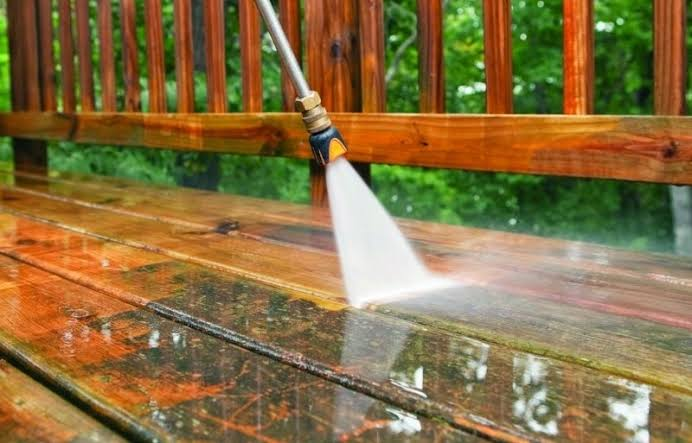
A deck can be an important part of an outdoor living area, providing a comfortable space for relaxing, entertaining guests, enjoying meals, or spending time with family. Because decks remain exposed to rain, sunlight, humidity, dirt, leaves, insects, and changing temperatures, their surfaces can gradually become dirty and weathered. Without regular maintenance, organic growth, stains, and debris may accumulate and affect both appearance and surface condition. Deck cleaning offers a practical way to remove unwanted buildup and keep outdoor surfaces looking fresh and well maintained. A consistent cleaning routine can also make it easier to identify problems such as loose boards, cracks, discoloration, or damaged finishes before they become more difficult to address.
- Understanding Why Decks Become Dirty
- The Importance of Regular Maintenance
- Removing Dirt and General Grime
- Dealing With Mold and Mildew
- Removing Algae and Moss
- Choosing the Right Cleaning Method
- Pressure Washing Considerations
- Caring for Wooden Decks
- Maintaining Composite Decks
- Preparing the Deck Before Cleaning
- Protecting Nearby Landscaping
- Cleaning Deck Railings and Stairs
- Addressing Food and Beverage Stains
- Removing Leaves and Organic Debris
- Inspecting for Damage During Cleaning
- Preparing the Surface for Staining or Sealing
- Seasonal Cleaning Considerations
- Benefits of Professional Cleaning
- Preventing Future Buildup
- Responsible Use of Cleaning Products
- Maintaining a Clean Deck Long Term
- Final Inspection After Cleaning
- Conclusion
Understanding Why Decks Become Dirty
Outdoor decks are exposed to many contaminants that can settle into their surfaces over time. Dust, pollen, leaves, mud, food residue, and moisture can collect between boards and along edges where they may remain unnoticed. Shaded areas can become especially vulnerable to algae, mold, mildew, and moss because moisture may remain on the surface for longer periods. Deck cleaning helps remove these materials before they become deeply embedded or contribute to surface deterioration. The type of buildup can vary depending on the deck material, surrounding vegetation, weather conditions, and frequency of use. Understanding these factors can help property owners establish an appropriate maintenance routine.
The Importance of Regular Maintenance
A deck that receives regular attention is generally easier to maintain than one that has been neglected for several seasons. Dirt and organic debris can become increasingly difficult to remove when they remain on a surface for extended periods. Deck cleaning can reduce this accumulation and help maintain a more attractive outdoor environment. Regular maintenance also creates opportunities to inspect the deck for loose fasteners, cracked boards, damaged railings, peeling finishes, or areas affected by moisture. Addressing small concerns early can help prevent them from becoming larger maintenance projects. A consistent approach combines cleaning with inspection and other appropriate care.
Removing Dirt and General Grime
Everyday dirt is one of the most common problems affecting outdoor deck surfaces. Foot traffic, wind, rain, pets, and surrounding landscaping can introduce mud and dust to the boards. Deck cleaning can remove this general grime and restore a cleaner appearance without requiring complicated treatments. Sweeping should generally be performed before deeper cleaning so that loose leaves, dirt, and debris do not interfere with the process. Corners, gaps between boards, stairs, and areas beneath furniture may require additional attention. Keeping these areas clear can also improve drainage and reduce the amount of moisture retained against the deck surface.
Dealing With Mold and Mildew
Mold and mildew can develop when outdoor surfaces remain damp, particularly in shaded areas with limited airflow. They may appear as dark spots, gray patches, or other discoloration across the deck. Deck cleaning can help remove visible mold and mildew when suitable methods and products are used. However, cleaning alone may not prevent organic growth from returning if moisture continues to accumulate. Improving drainage, increasing airflow, trimming nearby vegetation, and keeping the surface free from debris can help reduce favorable conditions for growth. Persistent or extensive organic growth may require a more specialized cleaning approach to avoid damaging the deck material.
Removing Algae and Moss
Algae and moss can create green or dark-colored buildup on decks that receive frequent moisture. Besides affecting appearance, these substances may make the surface slippery when wet. Deck cleaning can remove algae and moss while helping restore a cleaner and more usable outdoor surface. Care should be taken with pressure and cleaning products because aggressive treatment may damage wood fibers or remove protective finishes. Once the growth has been removed, property owners should look for conditions that allowed it to develop. Poor drainage, excessive shade, and accumulated leaves can all contribute to recurring moisture and organic growth.
Choosing the Right Cleaning Method
The appropriate cleaning method depends heavily on the material and condition of the deck. Natural wood may require gentler treatment than some composite materials, while painted or stained surfaces may have specific maintenance requirements. Deck cleaning should therefore begin with an assessment of the surface rather than applying the same technique to every deck. Excessive pressure can leave marks, raise wood fibers, damage coatings, or affect composite surfaces. Cleaning products should also be selected carefully and used according to manufacturer instructions. A suitable method can provide effective cleaning while preserving the existing surface and finish.
Pressure Washing Considerations
Pressure washing can remove stubborn dirt and organic buildup quickly, but improper use can damage a deck. Wood fibers can become rough or raised when exposed to excessive pressure, while concentrated spray patterns may leave visible marks. Deck cleaning with pressure equipment should involve appropriate pressure, nozzle selection, spray distance, and technique. The operator should avoid concentrating the spray in one location for too long. Testing a small, less noticeable section can help determine whether the selected approach is appropriate. Controlled pressure can produce good results without unnecessarily damaging the surface.
Caring for Wooden Decks
Wooden decks require particular attention because natural wood can absorb moisture and gradually change as it ages. Dirt and organic material can settle into the grain, while prolonged moisture may contribute to discoloration and deterioration. Deck cleaning on wood should generally involve a method that removes contaminants without aggressively damaging the fibers. After cleaning, the deck should be allowed to dry thoroughly before additional treatments such as staining or sealing are considered. Damaged or soft boards should be inspected and repaired as appropriate. Regular maintenance can help preserve the appearance and usability of a wooden outdoor surface.
Maintaining Composite Decks
Composite decking is designed to provide a durable outdoor surface, but it can still collect dirt, pollen, food stains, algae, and other contaminants. Deck cleaning for composite materials should follow the manufacturer’s recommendations because different products can have different maintenance requirements. Harsh chemicals or excessive pressure may affect the surface or finish. Sweeping regularly can prevent debris from accumulating between boards, while prompt cleaning of spills can reduce staining. Areas beneath furniture and around railings may need additional attention because they can collect dirt that is not immediately visible. Appropriate maintenance can help composite decking retain its intended appearance.
Preparing the Deck Before Cleaning
Proper preparation makes the cleaning process more efficient and helps protect surrounding areas. Furniture, grills, decorations, toys, planters, and other movable objects should be removed from the deck. Deck cleaning preparation should also include sweeping away loose leaves, branches, dirt, and other debris. Plants around the deck may require protection depending on the cleaning products being used. Drainage paths should remain clear so that dirty water can flow away appropriately. The surface should also be inspected for loose boards, protruding nails, damaged railings, or other hazards before cleaning equipment is used.
Protecting Nearby Landscaping
Many decks are surrounded by grass, shrubs, flowers, trees, and garden areas. Cleaning solutions and dirty runoff can potentially affect nearby plants if they are not controlled carefully. Deck cleaning should therefore include appropriate measures to protect surrounding landscaping. Plants may be rinsed with clean water before and after certain cleaning processes, while particularly sensitive areas may require temporary covering. Cleaning products should be used only as directed and in suitable quantities. Controlling runoff can also help prevent contaminants from spreading into garden beds or other sensitive areas.
Cleaning Deck Railings and Stairs
Deck surfaces are not the only areas that collect dirt and organic buildup. Railings, stairs, posts, benches, and other components are also exposed to weather and frequent contact. Deck cleaning should include these features when appropriate because neglected railings and stairs can make the entire structure appear dirty. Stairs may also accumulate leaves and moisture that create slippery conditions. Railings can collect pollen, dust, and hand oils from regular use. Cleaning these components carefully can improve the overall appearance while making it easier to inspect them for loose connections, cracks, or other maintenance concerns.
Addressing Food and Beverage Stains
Decks are often used for outdoor meals and gatherings, making food and beverage spills common. Grease, sauces, sugary drinks, and other substances can leave noticeable marks if they remain on the surface. Deck cleaning can remove many fresh spills more easily when they are treated promptly. Blotting or removing the material before it spreads can reduce the chance of staining. The cleaning method should be compatible with the deck material and existing finish. Strong chemicals are not always necessary, and using excessive cleaning products may cause more harm than benefit.
Removing Leaves and Organic Debris
Leaves and branches can create several maintenance problems when they remain on a deck for extended periods. They can trap moisture against the surface and contribute to staining, mold, mildew, or algae growth. Deck cleaning can remove this buildup, but routine sweeping is an important part of preventing it in the first place. Particular attention should be given to corners, gaps between boards, stairs, and areas beneath furniture. Keeping these spaces clear improves airflow and drainage. Regular removal of organic debris can significantly reduce the amount of intensive cleaning required later.
Inspecting for Damage During Cleaning
Cleaning provides a useful opportunity to inspect the deck because dirt and organic buildup can hide surface problems. Deck cleaning may reveal cracked boards, loose fasteners, damaged railings, deteriorated coatings, or areas affected by moisture. These issues should not be ignored simply because the surface looks cleaner afterward. Wood that feels unusually soft or shows significant deterioration may require professional assessment or replacement. Railings and stairs should also be checked for stability because they are important safety features. Combining cleaning with routine inspection allows property owners to identify maintenance needs earlier.
Preparing the Surface for Staining or Sealing
A clean surface is often an important starting point for certain deck maintenance treatments. Dirt, algae, old residue, and loose material can interfere with the application of stains, sealers, or protective coatings. Deck cleaning can remove surface contaminants so that the condition of the material can be evaluated more accurately before refinishing. However, the deck must be completely dry before many coatings are applied. The manufacturer’s recommendations for drying time and preparation should always be followed. If the surface is damaged or excessively weathered, repairs may be needed before applying a new finish.
Seasonal Cleaning Considerations
Different seasons can introduce different types of debris and moisture to an outdoor deck. Spring may bring pollen, plant debris, and increased moisture, while summer can contribute dust, food stains, and heavy foot traffic. Autumn often creates large quantities of leaves and organic material, while wet or cold conditions can encourage algae and mildew. Deck cleaning can be scheduled according to the deck’s exposure and condition rather than following the same timetable for every property. Regular inspections can help determine when cleaning is necessary. Seasonal maintenance can prevent contaminants from remaining on the surface for extended periods.
Benefits of Professional Cleaning
Some homeowners can perform basic deck maintenance with a broom, suitable cleaning products, and appropriate equipment. More extensive buildup or larger decks may require professional tools and experience. Professional deck cleaning providers may use specialized equipment and surface-specific cleaning methods designed to remove dirt and organic growth without unnecessarily damaging the material. Professional assistance can be particularly helpful for older decks, heavily stained surfaces, multi-level structures, or areas that are difficult to access safely. Before hiring a provider, homeowners should discuss the deck material, existing finish, cleaning methods, and expected results.
Preventing Future Buildup
Regular preventive care can reduce the amount of buildup that develops between deeper cleaning sessions. Leaves and other organic debris should be removed before they remain against the deck for long periods. Deck cleaning can then be scheduled periodically to address deeper dirt, stains, algae, or other contaminants. Trimming nearby vegetation can improve airflow and reduce excessive shade and moisture. Furniture should also be moved occasionally so that dirt does not accumulate beneath it. Promptly addressing spills and standing water can further reduce the likelihood of permanent staining or organic growth.
Responsible Use of Cleaning Products
Cleaning products should always be selected according to the material being cleaned and the type of contamination being treated. Using stronger chemicals than necessary can potentially damage surfaces, affect nearby plants, or create unwanted runoff. Deck cleaning should involve controlled application, appropriate dwell time, and thorough rinsing when required. Product instructions should be followed carefully, and different cleaning chemicals should never be mixed unless the manufacturer specifically indicates that they are compatible. Responsible product use can help achieve effective results while reducing unnecessary risks. A careful approach is particularly important around gardens, lawns, and drainage areas.
Maintaining a Clean Deck Long Term
A clean deck requires more than a single intensive cleaning session. Regular sweeping, prompt removal of spills, inspection of boards, and control of nearby vegetation can help maintain the surface between deeper cleanings. Deck cleaning can be incorporated into an overall outdoor maintenance routine based on the deck’s material and exposure. Keeping the surface free of leaves and standing water can reduce conditions that encourage mold, mildew, algae, and moss. Protective finishes may also require periodic renewal depending on the material and manufacturer’s recommendations. Consistent maintenance can help preserve both appearance and functionality.
Final Inspection After Cleaning
Once cleaning has been completed, the deck should be inspected after the surface has dried sufficiently. Deck cleaning may reveal areas that need additional treatment, repairs, refinishing, or replacement. The boards should be checked for cracks, splinters, soft areas, and other visible damage. Railings, stairs, posts, and fasteners should also be reviewed to ensure that they remain secure. Any remaining stains should be evaluated before stronger cleaning methods are attempted. A final inspection helps property owners understand the deck’s current condition and determine which maintenance tasks should be addressed next.
Conclusion
A deck can provide valuable outdoor space, but regular exposure to weather and everyday use means that it requires consistent care. Dirt, pollen, leaves, mold, mildew, algae, moss, food residue, and moisture can gradually affect both the appearance and condition of the surface. Deck cleaning provides an effective way to remove these contaminants while creating an opportunity to inspect the structure for potential maintenance concerns. The appropriate method depends on the deck material, surface condition, type of buildup, and existing finish. Careful preparation, suitable pressure, responsible cleaning products, landscaping protection, and regular inspections can help maintain better results. With consistent cleaning and preventive maintenance, an outdoor deck can remain cleaner, more attractive, and more enjoyable for years to come.
Cleaning Services
Why Professional Post Construction Cleaning Is Essential for Preparing a Newly Completed Property
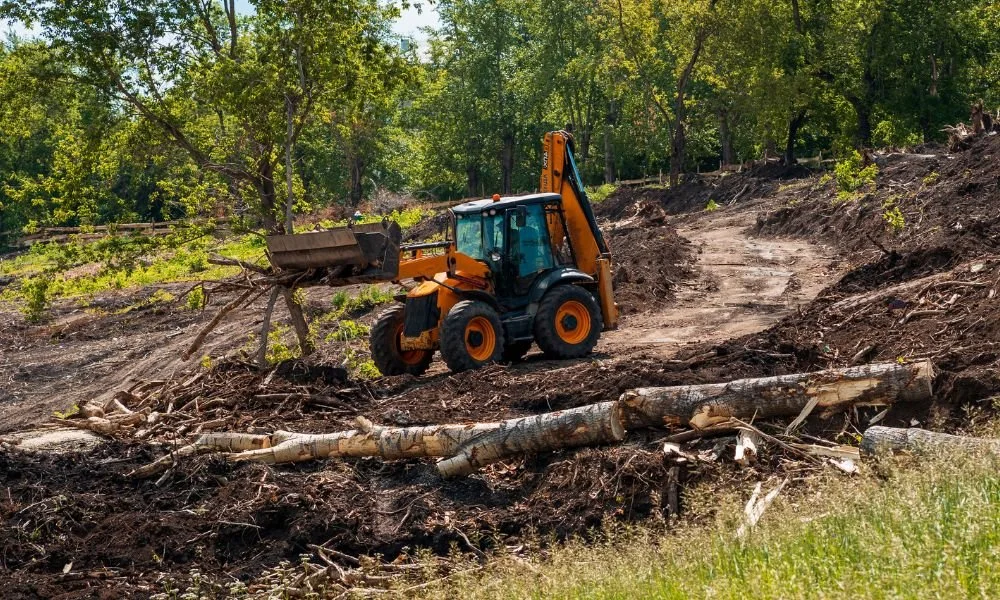
Construction and renovation projects can transform an ordinary property into a modern and functional space, but completing the building work does not always mean the property is immediately ready for use. After contractors finish their tasks, various types of dust, debris, packaging materials, paint marks, adhesive residue, sawdust, grout, and other construction-related materials may remain throughout the property. These materials can affect the appearance of newly completed surfaces and make the environment feel unfinished. This is where post construction cleaning becomes an essential part of the final project process. A detailed cleaning service can remove unwanted residue from floors, walls, windows, fixtures, cabinets, and other areas while helping the finished property look polished and presentable. Proper cleaning also gives property owners an opportunity to inspect the completed work more carefully before the space is occupied or handed over.
- Understanding the Need for Construction Cleanup
- Removing Dust From Every Surface
- Handling Construction Debris Properly
- Restoring the Appearance of Floors
- Cleaning Windows and Glass
- Cleaning Cabinets and Storage Areas
- Paying Attention to Walls and Baseboards
- Preparing Kitchens for Everyday Use
- Cleaning Bathrooms Thoroughly
- Removing Paint, Adhesive, and Other Residue
- Cleaning Light Fixtures and Electrical Areas
- Cleaning Doors, Frames, and Hardware
- Creating a Detailed Cleaning Checklist
- Following Proper Safety Procedures
- The Advantages of Professional Cleaning Services
- Conducting a Final Quality Inspection
- Maintaining the Property After Construction
- Conclusion
Understanding the Need for Construction Cleanup
Construction environments naturally create more dust and debris than ordinary residential or commercial spaces. Workers may cut wood, install drywall, apply paint, fit flooring, install cabinets, and complete electrical or plumbing work, all of which can leave behind different types of residue. Even when workers make an effort to keep their work areas organized, fine dust can travel throughout the property and settle on surfaces that appear clean at first glance. Ordinary household cleaning methods may not always be sufficient for removing construction-related materials. Post construction cleaning focuses specifically on the conditions created by building, remodeling, and renovation activities. It involves a systematic process that begins with removing larger debris and continues with detailed cleaning of surfaces, fixtures, floors, windows, storage spaces, and other areas that require attention before the property is ready for regular use.
Removing Dust From Every Surface
Fine construction dust is one of the most common problems encountered after a building project. It can settle on countertops, shelves, window frames, baseboards, cabinets, light fixtures, floors, and even surfaces that are located away from the main construction area. Simply sweeping may not be enough because loose particles can become airborne and settle again elsewhere. A more systematic approach can help remove dust without repeatedly spreading it throughout the property. During post construction cleaning, cleaners should inspect both visible and less noticeable areas where particles may collect, including corners, edges, vents, ledges, and spaces behind or underneath fixtures. Removing fine dust is particularly important before furniture, equipment, or personal belongings are brought into the property because these items can quickly become covered with residue if the space has not been thoroughly cleaned.
Handling Construction Debris Properly
Large pieces of construction waste should be removed before detailed cleaning begins. Packaging materials, cardboard, plastic coverings, wood scraps, excess materials, and other debris can occupy valuable space and make it difficult for cleaners to reach important surfaces. Removing these materials first creates a safer and more organized environment for the rest of the cleaning process. Debris should be handled carefully because construction waste may contain sharp edges, nails, broken pieces, or other potential hazards. Depending on the material, appropriate disposal procedures may also be necessary. Post construction cleaning should therefore include a clear separation between debris removal and detailed surface cleaning. Once larger waste has been cleared, cleaners can move through the property more efficiently and focus on removing dust, marks, residue, and other smaller materials that affect the final appearance.
Restoring the Appearance of Floors
Floors often receive significant exposure during construction because workers and equipment move across them repeatedly. Depending on the project, flooring may be exposed to dust, sawdust, paint splashes, grout, adhesive, dirt, and other substances. Newly installed flooring should be cleaned according to its material and manufacturer recommendations to avoid scratches, discoloration, or other damage. Hard surfaces may require vacuuming, sweeping, mopping, or careful removal of specific residues, while delicate materials may require specialized methods. Post construction cleaning provides an opportunity to examine floors closely and identify areas that need additional treatment. A clean floor can make an immediate difference to the overall appearance of a property, especially when the flooring itself is new and forms a major part of the finished design.
Cleaning Windows and Glass
Windows, mirrors, glass doors, and other glass surfaces can easily collect fingerprints, dust, paint droplets, adhesive residue, and other construction marks. Because glass reflects light, even small streaks or spots can be noticeable after the rest of the property has been cleaned. A detailed cleaning process should include the glass itself as well as frames, handles, tracks, and window sills. The appropriate cleaning method should be selected based on the type of glass and surrounding materials to avoid scratching or damaging the surface. During post construction cleaning, professional attention to windows can help improve the brightness and visual presentation of the entire property. Clean glass allows natural light to enter more clearly and can make newly completed rooms appear more open, polished, and ready for use.
Cleaning Cabinets and Storage Areas
Newly installed cabinets and storage spaces can contain considerable amounts of sawdust, packaging residue, and fine construction particles. Although cabinet exteriors may receive attention during a general cleaning, interiors and drawers can sometimes be overlooked. Every cabinet, shelf, drawer, and storage compartment should be opened and inspected before the property is considered ready for occupancy. This is particularly important in kitchens, bathrooms, offices, and other spaces where occupants are likely to store personal belongings immediately after moving in. Post construction cleaning should cover both the inside and outside of cabinets, including shelves, corners, handles, drawer tracks, and other areas where dust may collect. Thoroughly cleaning these spaces prevents construction residue from transferring onto stored items and helps ensure that the property feels fully prepared rather than partially finished.
Paying Attention to Walls and Baseboards
Walls may appear clean from a distance while still carrying a thin layer of construction dust. Baseboards, trim, corners, door frames, and other edges can collect even more residue because they are close to the floor and often remain undisturbed during construction. Cleaning methods should be selected carefully based on the type of paint, wallpaper, or finish used on the surface. Excessive moisture or unsuitable cleaning products can damage some finishes, so cleaners should use appropriate techniques. Post construction cleaning should include a detailed inspection of walls and baseboards to identify fingerprints, dust, minor marks, and visible residue. Carefully cleaning these areas can improve the overall appearance of a newly completed space and help ensure that the final result reflects the quality of the construction work.
Preparing Kitchens for Everyday Use
Kitchens require detailed attention after construction because they contain numerous surfaces, fixtures, appliances, cabinets, and fittings. Countertops, sinks, faucets, stovetops, ovens, refrigerators, microwaves, cabinet interiors, drawers, and backsplashes should all be inspected and cleaned appropriately. Construction dust can settle inside cabinets and drawers, while installation work may leave behind adhesive, fingerprints, or other residue around fixtures. Appliances should also be checked for protective coverings, packaging materials, and dust before they are used. Post construction cleaning helps prepare the kitchen for everyday activities by ensuring that surfaces are clean and storage spaces are free from construction residue. A carefully cleaned kitchen can also make it easier to identify any installation issues, damaged surfaces, or missing components that may need attention before final handover.
Cleaning Bathrooms Thoroughly
Bathrooms can require especially careful cleaning because they contain multiple fixtures and surfaces that may have been affected by installation work. Sinks, toilets, showers, tubs, mirrors, tiles, floors, countertops, faucets, cabinets, and other fittings should be inspected individually. Grout residue, dust, adhesive, fingerprints, and other construction materials may remain around newly installed fixtures. These substances should be removed using methods appropriate for the surface so that new materials are not scratched or damaged. During post construction cleaning, cleaners can also inspect bathrooms for potential issues such as leaks, loose fittings, damaged tiles, or incomplete finishing. Addressing these concerns before occupants arrive can prevent avoidable inconvenience and give property owners a better opportunity to resolve problems while contractors are still available.
Removing Paint, Adhesive, and Other Residue
Construction and renovation projects often involve materials that can leave stubborn marks behind. Paint splashes, caulk, adhesive, tape residue, grout, labels, and protective film can remain on windows, floors, cabinets, fixtures, and other surfaces. Removing these materials requires care because aggressive scraping or unsuitable chemicals can cause permanent damage. Cleaners should identify the type of residue and determine which removal method is appropriate for the surface underneath. Post construction cleaning should focus on safe and controlled residue removal rather than simply using strong chemicals or abrasive tools. When difficult marks are treated correctly, newly completed surfaces can be restored to a cleaner appearance without creating additional scratches, discoloration, or damage.
Cleaning Light Fixtures and Electrical Areas
Light fixtures, ceiling fans, switches, outlets, and other electrical components can accumulate dust during construction. These areas should be cleaned carefully while taking appropriate safety precautions. Excessive moisture should be avoided around electrical components, and cleaning products should be used according to manufacturer recommendations when applicable. Light fixtures may also contain protective packaging or fine dust that becomes visible when the lights are switched on. Post construction cleaning should include a careful review of lighting and electrical areas so that dust and visible residue do not remain after the rest of the property has been cleaned. Clean fixtures can contribute significantly to the finished appearance of a room, especially when the property includes newly installed lighting as part of its design.
Cleaning Doors, Frames, and Hardware
Doors and their surrounding frames can collect fingerprints, dust, paint residue, and construction marks during installation and finishing work. Handles, hinges, locks, trim, and door edges should also be checked carefully. Because doors are frequently touched, visible marks can become noticeable soon after occupants begin using the property. Cleaning these areas can help create a more polished overall appearance. During post construction cleaning, each door should be inspected rather than assuming that it is clean simply because it appears acceptable from a distance. Small details such as clean handles, dust-free frames, and properly wiped surfaces can make a meaningful difference to the overall impression of a newly completed property.
Creating a Detailed Cleaning Checklist
A detailed checklist can make the final cleaning process more organized and consistent. It can divide the property into individual rooms and identify the tasks that need to be completed in each area. The checklist might include debris removal, dusting, vacuuming, floor cleaning, window cleaning, cabinet cleaning, bathroom preparation, kitchen cleaning, fixture cleaning, and final inspection. Less obvious tasks can also be included, such as cleaning inside drawers, wiping door frames, checking baseboards, inspecting light fixtures, and removing protective materials. A comprehensive post construction cleaning checklist reduces the risk of important areas being overlooked. It can also make quality control easier because property owners, project managers, and cleaning teams can review completed tasks and identify anything that still requires attention.
Following Proper Safety Procedures
Safety is an important consideration during construction cleanup because the property may still contain sharp materials, exposed hardware, chemical products, dust, broken pieces, or other hazards. Cleaning personnel should use suitable protective equipment and follow safe procedures when handling debris or working around unfinished areas. It is also important to understand which parts of a property are safe to enter and which may require additional work before cleaning can begin. Appropriate ventilation may be necessary when cleaning dusty spaces or using certain products. A professional post construction cleaning process should prioritize worker safety alongside appearance and efficiency. When potential hazards are identified, they should be handled appropriately rather than ignored in an effort to finish the cleaning process more quickly.
The Advantages of Professional Cleaning Services
Professional cleaners can bring experience, specialized equipment, and organized procedures to a post-construction project. Unlike ordinary cleaning, construction cleanup can involve larger amounts of debris, fine dust, difficult residue, and surfaces that require specialized care. Experienced cleaning teams can develop a sequence that begins with debris removal and progresses toward detailed surface cleaning and final inspection. They can also identify areas that may require additional treatment or maintenance. When selecting a professional service, property owners should consider experience, reliability, communication, safety practices, equipment, and the ability to work according to the project schedule. Professional post construction cleaning can reduce the workload placed on property owners and construction teams while helping ensure that the finished property receives the detailed attention required before occupancy.
Conducting a Final Quality Inspection
After the main cleaning work is complete, a final inspection should be performed throughout the property. Each room should be checked for remaining dust, debris, streaks, fingerprints, residue, or other visible imperfections. Floors, windows, walls, cabinets, fixtures, bathrooms, kitchens, and storage areas should all be reviewed. Lighting can be useful during this stage because certain marks become easier to identify under bright or angled light. Any remaining problems should be corrected before the property is officially considered ready. A final inspection of post construction cleaning results helps create a clear quality-control stage between construction and occupancy. It also gives property owners or project managers an opportunity to identify issues that may not have been obvious during the earlier stages of the cleaning process.
Maintaining the Property After Construction
Even after a thorough final cleanup, additional dust or debris can appear if other installation or furnishing work continues. Furniture deliveries, equipment installation, decorating, and other finishing activities can introduce new materials into areas that have already been cleaned. For this reason, a light follow-up cleaning may sometimes be useful before the property is occupied. Maintaining clean conditions during the final stages of a project can prevent a newly completed space from becoming dirty again after the main cleaning has taken place. Property managers can also establish regular maintenance procedures once construction is officially finished. This transition helps preserve the clean appearance achieved during the final preparation process and allows the property to move smoothly from construction activity into normal daily use.
Conclusion
Completing construction is an important milestone, but a property is not always ready for occupancy immediately after the final contractor leaves. Dust, debris, fingerprints, paint marks, adhesive residue, packaging, and other construction-related materials can remain throughout the property and affect its appearance. A thorough post construction cleaning process addresses these issues through detailed debris removal, surface cleaning, floor care, window cleaning, cabinet preparation, fixture cleaning, residue removal, safety procedures, and final quality inspections. Professional cleaning can also help property owners identify maintenance concerns before the space is occupied. By treating final cleaning as an essential stage of the construction process rather than an optional finishing task, owners and project managers can create a cleaner, safer, and more presentable environment. Careful attention to every room and surface helps ensure that the completed property looks ready for the people who will use and enjoy it.
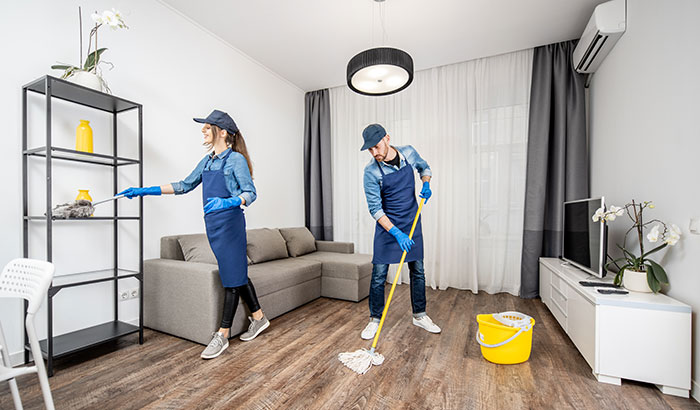
Keeping a property clean, safe, and well maintained requires regular attention to many different details. Everyday activities can create dust, food residue, moisture, clutter, and other conditions that may gradually affect the comfort and condition of a building. Unwanted insects and other pests can also become a concern when they find accessible food, water, shelter, or entry points. Maintaining good hygiene and completing routine property checks can reduce many of the conditions that encourage pest activity. Pest control can provide professional assistance when unwanted insects or other pests become difficult to manage through ordinary cleaning and maintenance. A comprehensive approach should include cleaning frequently used areas, managing waste, repairing leaks, sealing gaps, organizing storage spaces, and inspecting both indoor and outdoor areas. These habits can help property owners maintain a cleaner environment while reducing opportunities for infestations to develop.
- Understanding the Importance of Regular Maintenance
- Keeping Kitchens Clean and Organized
- Managing Moisture and Water Sources
- Sealing Cracks and Potential Entry Points
- Maintaining Clean Storage Areas
- Maintaining Outdoor Areas
- Protecting Food and Household Supplies
- Managing Household Waste Properly
- Inspecting Areas That Are Often Overlooked
- Protecting Wooden and Structural Materials
- Why Professional Assistance Can Be Useful
- Creating a Routine Inspection Schedule
- Keeping Bathrooms and Utility Areas Clean
- Building Long-Term Prevention Habits
- Maintaining a Comfortable Living Environment
- Preparing for Professional Treatment
- Conclusion
Understanding the Importance of Regular Maintenance
Regular property maintenance helps identify small problems before they become more complicated. Cracks, damaged screens, leaking pipes, blocked drains, moisture buildup, and clutter may appear insignificant at first, but they can contribute to larger maintenance and pest concerns over time. Pest control can be more effective when property owners also address the environmental conditions that may attract unwanted insects. Routine inspections allow occupants to notice changes in walls, floors, ceilings, storage areas, kitchens, bathrooms, and exterior spaces. Maintenance should not only focus on visible areas because hidden spaces can sometimes contain moisture, debris, or signs of pest activity. A consistent inspection schedule can make it easier to identify concerns early and take appropriate action before they become more difficult or expensive to manage.
Keeping Kitchens Clean and Organized
Kitchens require frequent attention because they contain food, water, waste, and surfaces that are regularly exposed to spills and residue. Crumbs, grease, sugary liquids, food particles, and improperly stored ingredients can attract different types of pests. Countertops, floors, cabinets, drawers, sinks, and appliance areas should be cleaned regularly to reduce accessible food sources. Pest control can support these efforts when insects continue appearing despite good sanitation practices. Food should be stored in suitable sealed containers whenever practical, while damaged or expired packages should be removed. Garbage should also be managed consistently, especially when it contains food waste. Keeping the kitchen organized makes it easier to notice unusual activity and identify potential sources before an infestation becomes widespread.
Managing Moisture and Water Sources
Moisture is another condition that can contribute to pest activity and property deterioration. Leaking faucets, damaged pipes, condensation, standing water, and poor ventilation can create damp areas that may attract certain insects. Bathrooms, kitchens, laundry rooms, utility spaces, and areas around plumbing should be checked regularly for moisture problems. Pest control professionals may consider these conditions when assessing recurring pest activity. Repairing leaks promptly and improving ventilation can help reduce unnecessary moisture. Standing water should also be removed when possible, while drainage problems should be addressed appropriately. Maintaining dry and well-ventilated areas can contribute to a healthier property environment and reduce some of the conditions that make a building more attractive to unwanted pests.
Sealing Cracks and Potential Entry Points
Many insects and rodents can enter buildings through surprisingly small openings. Cracks around windows, gaps beneath doors, damaged screens, openings near pipes, and spaces around utility connections can provide access. Pest control can work alongside preventive maintenance by identifying potential entry points and recommending suitable exclusion measures. Property owners should inspect doors, windows, walls, foundations, vents, and utility openings for visible gaps or damage. Appropriate sealants, door sweeps, screens, and repairs can help reduce opportunities for pests to enter. Regular inspections are important because new openings can develop as buildings age or materials change. Addressing these access points early can support a more effective long-term prevention strategy.
Maintaining Clean Storage Areas
Storage spaces are often overlooked because they may contain items that are rarely used. Cardboard boxes, paper products, clothing, stored food, wood materials, and clutter can create hiding places for pests. Pest control can be supported by keeping storage areas organized and making floors, walls, corners, and shelves accessible for inspection. Unnecessary items should be removed, while stored belongings should be checked periodically for damage or signs of insects. Food should not be stored in open containers, and damp materials should be removed or dried appropriately. Keeping storage spaces clean also makes it easier to identify droppings, nests, insect trails, damaged packaging, or other warning signs. An organized storage area is generally easier to inspect and maintain than a crowded, undisturbed space.
Maintaining Outdoor Areas
The condition of outdoor spaces can influence what happens inside a property. Leaves, wood debris, standing water, overgrown vegetation, damaged structures, and accumulated waste can provide shelter or resources for certain pests. Pest control professionals may inspect exterior areas when trying to understand recurring indoor pest activity. Outdoor spaces should therefore be maintained as part of an overall property care routine. Organic debris should be managed appropriately, standing water should be addressed, and vegetation should be maintained around structures. Outdoor storage areas should also be inspected regularly for signs of insects or rodents. Keeping exterior areas reasonably clean and accessible can make it easier to identify potential problems before they affect interior spaces.
Protecting Food and Household Supplies
Proper food storage is one of the simplest ways to reduce opportunities for pests to access resources inside a property. Dry foods, grains, sweets, pet food, and other products should be stored in appropriate sealed containers whenever practical. Open packages can attract insects even when only a small amount of food is exposed. Pest control can help address active infestations, but proper storage habits remain important for long-term prevention. Pantry shelves should be cleaned regularly, while spills and crumbs should be removed as soon as possible. Damaged food packages should also be inspected because insects can sometimes enter through small openings. Maintaining organized food storage can make it easier to identify contamination, damage, or unusual pest activity.
Managing Household Waste Properly
Waste provides another potential food source for pests, particularly when it contains leftover food or organic material. Garbage should be placed in suitable containers and removed regularly to prevent buildup. Containers should be kept clean when necessary, and leaks or spills around waste areas should be addressed promptly. Pest control can be supported by reducing the amount of accessible food waste around the property. Outdoor garbage storage should also be managed carefully so that waste does not remain exposed for long periods. Recycling materials should be handled appropriately, especially when containers may contain food residue. Good waste management is a simple but important part of maintaining a cleaner and less attractive environment for unwanted pests.
Inspecting Areas That Are Often Overlooked
Some areas receive little attention during routine cleaning but may still influence the condition of a property. Spaces beneath appliances, behind furniture, inside cabinets, under sinks, around plumbing connections, and within storage areas can collect dust, moisture, food particles, or debris. Pest control can be more effective when these areas are regularly inspected and maintained. Property owners should occasionally move accessible items and check hidden areas for signs of activity. Unusual odors, droppings, insect trails, damaged materials, or moisture should be investigated rather than ignored. Cleaning difficult-to-reach areas can also improve general hygiene and make it easier to identify maintenance problems. A complete maintenance routine should include both visible and less accessible spaces.
Protecting Wooden and Structural Materials
Some pests can cause damage to wood and other building materials, particularly when infestations remain unnoticed for extended periods. Property owners should pay attention to unexplained holes, damaged wood, weakened surfaces, discarded insect wings, or other unusual signs. Pest control can help determine whether damage may be related to insect activity and whether further inspection is necessary. Moisture problems should also be addressed because damp or deteriorated materials can create favorable conditions for certain pests. Regularly inspecting wooden structures, storage areas, doors, window frames, and other components can help identify concerns earlier. Prompt attention to unusual damage can help prevent a small issue from becoming a larger property maintenance problem.
Why Professional Assistance Can Be Useful
Some infestations may be difficult to identify or manage without professional knowledge, particularly when pests are hidden inside walls, under flooring, behind appliances, or in other inaccessible spaces. Pest control professionals can assess visible signs, inspect potential sources, and recommend an appropriate approach based on the type and extent of activity. Professional assistance can be especially useful when pests continue returning after basic cleaning and household prevention measures. Property owners should provide information about where pests have been observed, how frequently they appear, and whether previous treatments have been performed. Clear communication can help make an inspection more focused. Depending on the situation, professionals may recommend targeted treatment, monitoring, exclusion, sanitation improvements, or other suitable measures.
Creating a Routine Inspection Schedule
A consistent inspection schedule can make property maintenance more manageable. Instead of waiting until a serious problem appears, owners can periodically review kitchens, bathrooms, storage areas, exterior walls, windows, doors, utility spaces, and other potential risk areas. Pest control can be incorporated into this routine when professional inspections or treatments are appropriate. A written checklist can help ensure that important areas are not forgotten. Records of previous inspections, repairs, and pest activity can also be useful when recurring problems develop. If the same issue repeatedly appears, the records may help reveal a pattern involving moisture, access points, food sources, or structural conditions. Routine inspections support proactive maintenance rather than relying only on emergency responses.
Keeping Bathrooms and Utility Areas Clean
Bathrooms and utility spaces can develop moisture and sanitation issues if they are not maintained regularly. Sinks, showers, drains, floors, cabinets, and areas around pipes should be checked for leaks, standing water, residue, or unusual activity. Pest control can complement regular cleaning when insects are repeatedly found in damp areas. Drains should be maintained appropriately, while leaks should be repaired as soon as they are discovered. Ventilation can also help reduce excess humidity and moisture buildup. Keeping these spaces clean and dry can improve the overall condition of the property while reducing some of the environmental factors that may encourage unwanted insects.
Building Long-Term Prevention Habits
Long-term prevention depends on consistent habits rather than a single cleaning session or treatment. Property owners should continue cleaning regularly, storing food properly, removing waste, controlling moisture, sealing gaps, maintaining outdoor areas, and checking storage spaces. Pest control can be one part of a broader property maintenance plan when professional assistance is necessary. If pests return after treatment, the underlying conditions should be investigated rather than simply addressing visible insects repeatedly. Recurring activity may indicate that an entry point, food source, moisture problem, or nesting location remains unresolved. A combination of professional advice and everyday maintenance can provide a more sustainable way to protect the property.
Maintaining a Comfortable Living Environment
A clean and well-maintained property is generally easier to enjoy and manage. Persistent pest activity can create inconvenience and concern, especially when insects or rodents appear in kitchens, bedrooms, bathrooms, storage spaces, or other frequently used areas. Pest control can help address unwanted activity while supporting efforts to maintain a cleaner environment. However, professional treatment should be combined with good housekeeping and maintenance practices. Cleaning spills, removing food waste, repairing leaks, organizing storage spaces, and sealing openings can all help reduce conditions that attract pests. Consistent care also makes it easier to notice new problems early and take action before they become more complicated.
Preparing for Professional Treatment
When professional treatment is necessary, proper preparation can help make the process more efficient. Depending on the pest problem and recommended treatment, occupants may need to clear access to walls, cabinets, floors, appliances, or storage areas. Food and household items may also need to be stored or removed according to the service provider’s instructions. Pest control professionals should provide appropriate preparation and safety guidance before treatment. Property owners should follow instructions regarding children, pets, food, ventilation, and re-entry. It is also helpful to identify areas where pests have been repeatedly noticed so that these locations can receive appropriate attention. Proper preparation can allow technicians to inspect and treat relevant areas more effectively.
Conclusion
Keeping a property clean, safe, and well maintained requires a combination of regular cleaning, preventive maintenance, careful storage, moisture management, and timely attention to unusual signs. Food residue, waste, clutter, standing water, cracks, and accessible shelter can create opportunities for unwanted pests to enter and establish activity. Pest control provides a professional approach to identifying infestations, assessing contributing conditions, and applying suitable management strategies when necessary. Property owners can support these efforts by maintaining clean kitchens and bathrooms, managing household waste, sealing potential entry points, organizing storage areas, inspecting outdoor spaces, and addressing leaks or structural problems promptly. Regular inspections can also make it easier to detect concerns before they become more difficult to manage. By developing consistent maintenance habits and seeking professional assistance when appropriate, property owners can create a cleaner, safer, more comfortable, and better-maintained environment for everyone who uses the space.
Cleaning Services
Mold Detection and Prevention: A Comprehensive Guide to Identifying Hidden Mold Problems
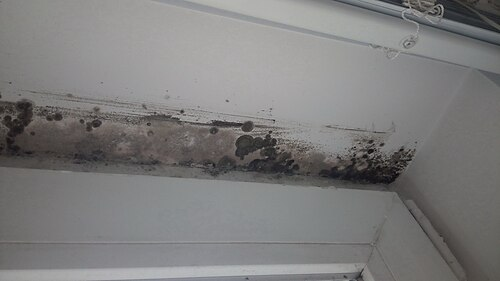
Mold can become a persistent property concern when moisture remains present for an extended period. Leaking plumbing, roof damage, flooding, condensation, poor ventilation, and excessive humidity can all create conditions that encourage mold growth. While some mold problems are easy to notice because they appear as visible discoloration, other growth can remain hidden behind walls, beneath flooring, inside cabinets, around plumbing fixtures, or near ventilation equipment. Early awareness can help property owners identify moisture-related concerns before they become more difficult to manage. Proper mold detection involves looking beyond visible spots and considering odors, water damage, damp materials, ventilation, and other environmental conditions that may indicate a potential problem.
- Understanding How Mold Develops
- Common Signs of Mold Problems
- Why Moisture Control Matters
- Hidden Places Where Mold Can Develop
- Importance of Early Identification
- Visual Inspection Techniques
- Using Moisture Detection Equipment
- Mold After Water Damage
- Preventing Mold in Bathrooms
- Preventing Mold in Kitchens
- Understanding Persistent Musty Odors
- Professional Assessment and Inspection
- Preventing Recurring Mold Growth
- When Professional Remediation May Be Necessary
- Maintaining a Dry Indoor Environment
- Final Thoughts
Understanding How Mold Develops
Mold is a naturally occurring fungus found in both indoor and outdoor environments. Microscopic spores can enter buildings through windows, doors, ventilation systems, clothing, and ordinary air movement. The presence of spores does not automatically indicate an active mold problem because spores are naturally widespread. Growth generally occurs when spores encounter favorable conditions, especially moisture and a suitable food source such as drywall, wood, paper, carpet, fabric, or insulation. When damp conditions continue for a prolonged period, mold can develop across affected materials and may spread beyond the original moisture source. Understanding these basic conditions is important because controlling moisture is one of the most effective ways to reduce the possibility of mold growth inside a property.
Common Signs of Mold Problems
Visible discoloration is one of the most recognizable signs of possible mold growth, but it is not the only warning sign property owners should consider. Mold can appear in different colors and textures depending on the species, surface, and surrounding conditions. A persistent musty or earthy odor may also suggest that moisture or fungal growth exists somewhere nearby, particularly when no visible source can be identified. Peeling paint, bubbling drywall, warped flooring, water stains, recurring condensation, and damp materials can provide additional clues. Effective mold detection should therefore consider several warning signs together rather than relying only on the appearance of a particular patch. A combination of visible evidence and moisture-related symptoms may provide a stronger indication that further investigation is needed.
Why Moisture Control Matters
Moisture is one of the most important factors associated with indoor mold growth. A small plumbing leak can create favorable conditions when water becomes trapped behind a cabinet, underneath flooring, or inside a wall cavity. Condensation can cause similar problems around windows, pipes, cooling equipment, and poorly ventilated rooms. Larger events such as flooding and roof leaks can affect multiple building materials and create widespread dampness. Property owners should repair leaks promptly, dry wet materials, improve ventilation, and manage indoor humidity to reduce conditions that support mold. Cleaning visible growth without correcting the underlying moisture source may only provide a temporary improvement because new growth can develop when the same environmental conditions remain.
Hidden Places Where Mold Can Develop
Mold does not always develop in locations that are easy to see during an ordinary visual inspection. It can grow behind furniture, beneath carpets, under flooring, inside cabinets, behind drywall, around plumbing penetrations, and within ceiling or wall cavities. Areas near heating and cooling equipment may also become vulnerable when condensation or drainage problems introduce moisture. Sometimes a small stain is the only visible indication of a larger hidden problem, while in other situations there may be no visible growth at all. A persistent odor or history of water damage may provide the first clue that something is wrong. When concealed areas are suspected, mold detection may require a more detailed assessment of moisture-prone locations rather than a simple surface inspection.
Importance of Early Identification
Identifying potential mold problems early can make it easier to address the underlying moisture source before affected materials become more extensively damaged. This is particularly important after flooding, plumbing failures, roof leaks, appliance leaks, or other events that introduce significant water into a building. Even when a surface appears dry, moisture can remain trapped inside porous materials and create favorable conditions for fungal growth. Property owners should continue monitoring areas that have experienced water damage after the initial cleanup has been completed. Early mold detection can help identify locations that may require additional attention and can support timely action before a localized moisture concern develops into a larger property maintenance problem.
Visual Inspection Techniques
A careful visual inspection is often an important first step when investigating possible mold growth. Walls, ceilings, floors, cabinets, windows, plumbing areas, and other moisture-prone locations can be examined for discoloration, stains, swelling, peeling materials, or unusual surface changes. Areas with a history of water intrusion should receive particular attention because they may remain vulnerable even after the original leak has been repaired. Furniture positioned directly against walls can sometimes hide damp areas or restrict airflow, so these spaces should not be overlooked. Visual inspection cannot identify every hidden problem, but it can reveal useful clues about where further investigation may be appropriate. Combining visual observations with information about moisture and building history can provide a more complete understanding of a potential mold concern.
Using Moisture Detection Equipment
Specialized moisture meters and related equipment can sometimes help locate areas with elevated moisture that are not obvious from the surface. Such tools may be useful around walls, ceilings, floors, plumbing connections, windows, and other areas where water intrusion is suspected. However, readings must be interpreted carefully because different materials naturally have different moisture characteristics. Environmental conditions can also influence readings, meaning that a single measurement should not automatically be treated as proof of mold growth. Instead, moisture information should be considered alongside visible evidence, odors, building history, and other observations. Professional mold detection may incorporate moisture measurements to identify areas that deserve closer examination and to help locate potential sources of persistent dampness.
Mold After Water Damage
Water damage can significantly increase the possibility of mold growth when affected materials are not dried thoroughly and promptly. Burst pipes, leaking roofs, overflowing fixtures, appliance failures, and flooding can introduce substantial amounts of water into drywall, wood, insulation, carpeting, and other porous materials. Even after the surface appears dry, moisture may remain trapped inside materials that are difficult to access. Prompt water removal, drying, ventilation, and repair of the original water source are therefore important after a significant water event. If musty odors, discoloration, or dampness remain after cleanup, further evaluation may be appropriate. Mold detection after water damage can help identify areas where hidden moisture or potential growth may require additional attention.
Preventing Mold in Bathrooms
Bathrooms are especially vulnerable to moisture because showers, baths, sinks, and hot water can generate steam and condensation. Poor ventilation may allow this moisture to remain on walls, ceilings, grout, and other surfaces for extended periods. Using suitable exhaust ventilation, keeping surfaces reasonably dry, repairing plumbing leaks, and maintaining damaged caulking can help reduce moisture accumulation. Areas around showers, sinks, toilets, ceilings, corners, and plumbing connections should be checked periodically for recurring discoloration or dampness. If visible growth repeatedly returns after cleaning, the underlying cause may involve poor ventilation, hidden moisture, or an unresolved leak. Addressing these conditions is generally more effective than repeatedly cleaning the same visible surface without investigating why the problem keeps returning.
Preventing Mold in Kitchens
Kitchens can develop moisture problems because of cooking steam, plumbing connections, spills, and appliance leaks. Areas beneath sinks should be inspected periodically because small leaks can remain unnoticed until cabinets or surrounding materials begin to swell, stain, or develop an unusual odor. Dishwashers, refrigerators with water connections, and other appliances can also develop leaking hoses or fittings that introduce moisture into nearby materials. Appropriate ventilation while cooking can help reduce humidity, while promptly cleaning spills can prevent water from entering porous surfaces. Cabinets, walls, and floors near plumbing should be monitored for dampness, stains, swelling, and recurring odors. Good kitchen maintenance can reduce moisture-related problems and make potential mold concerns easier to recognize before they become extensive.
Understanding Persistent Musty Odors
A persistent musty or earthy smell can sometimes indicate hidden moisture or fungal growth, particularly when the odor remains after normal cleaning and ventilation. However, an odor alone cannot establish the exact location or extent of a possible mold problem. The source may be damp carpeting, a wall cavity, a storage area, a crawl space, ventilation equipment, or another location where moisture has accumulated. Instead of simply masking the smell with air fresheners, property owners should investigate potential sources and address any moisture conditions they discover. If the source remains unexplained, a systematic assessment may help identify areas that deserve additional attention. Mold detection can be particularly useful when persistent odors occur without obvious visible growth and there is reason to suspect a concealed moisture problem.
Professional Assessment and Inspection
Professional assistance may be appropriate when a suspected mold problem involves extensive growth, recurring moisture, hidden areas, significant water damage, or an unclear source. A qualified professional can examine visible conditions, investigate possible moisture sources, and determine whether additional assessment or sampling may be appropriate. They may also identify building conditions that contribute to recurring dampness, such as poor ventilation, drainage problems, or unresolved leaks. Professional assessment can help property owners avoid making assumptions based solely on appearance or odor. A thorough mold detection process should focus on understanding the source, location, and environmental conditions associated with the concern rather than simply identifying a visible patch and treating the surface.
Preventing Recurring Mold Growth
Removing visible mold without correcting the underlying moisture source can allow the problem to return. A leaking pipe, damaged roof, condensation issue, poor ventilation system, or drainage problem may continue creating the conditions necessary for growth. Property owners should therefore address both affected materials and the source of moisture. Regular maintenance of plumbing, roofing, windows, appliances, drainage systems, and ventilation equipment can help reduce future moisture problems. Areas that have previously experienced flooding or significant leaks should receive additional attention during routine maintenance. Effective mold detection followed by appropriate moisture correction can help reduce the possibility of recurring growth and protect building materials over the long term.
When Professional Remediation May Be Necessary
The appropriate response to a mold problem depends on the size of the affected area, the materials involved, the source of moisture, and whether growth continues to return. Small surface areas may sometimes be handled using suitable cleaning procedures, while extensive or recurring problems may require professional remediation. Porous materials that have been heavily affected may need to be removed depending on their condition and the circumstances. Most importantly, the source of moisture should be corrected so that newly cleaned or repaired areas are not exposed to the same conditions again. Remediation should address both affected materials and the environmental conditions that allowed mold to develop. Taking a systematic approach can help prevent temporary cleaning from becoming an ongoing cycle of recurring growth.
Maintaining a Dry Indoor Environment
Long-term mold prevention depends largely on controlling moisture and maintaining suitable airflow throughout the property. Bathrooms and kitchens should have adequate ventilation, while wet materials should be dried promptly after spills, leaks, or water events. Indoor humidity should be managed when it remains consistently high, particularly in areas where condensation frequently appears. Furniture and stored belongings should not unnecessarily restrict airflow around walls that may be vulnerable to dampness. Heating, cooling, and ventilation equipment should also be maintained according to manufacturer recommendations to reduce condensation and drainage problems. These everyday maintenance practices can reduce the environmental conditions that support mold growth and make early warning signs easier to recognize.
Final Thoughts
Mold concerns are closely connected to moisture, water intrusion, condensation, and inadequate ventilation. Visible discoloration, persistent musty odors, water stains, peeling materials, recurring dampness, and previous water damage can all provide reasons to investigate further. Effective mold detection involves considering visible evidence, moisture conditions, building history, and the possibility of hidden affected areas. A basic visual check may identify obvious problems, while more complicated situations may require specialized equipment or professional assessment. Addressing leaks promptly, drying wet materials, improving ventilation, controlling humidity, and maintaining moisture-prone areas can significantly reduce the conditions that support mold growth. By recognizing warning signs early and taking appropriate corrective action, property owners can better protect their buildings, reduce recurring moisture problems, and maintain a cleaner and more comfortable indoor environment.

Reliable Garbage Disposal Repair for a Better-Functioning Kitchen

Building a Reliable Heating System With Professional Boiler Installation

A Complete Guide to Durable and Reliable Metal Roofing

Alex Pettyfer Net Worth, Wife, Age, Height, Children, Career and More

Brad Williams Net Worth, Wife, Height, Age, Daughter, Family, Career and More

Eldorado.gg Review 2026: How It Works, Safety, Fees, and Risks
-
Celebrity9 months ago
Alex Pettyfer Net Worth, Wife, Age, Height, Children, Career and More
-
Celebrity10 months ago
Brad Williams Net Worth, Wife, Height, Age, Daughter, Family, Career and More
-
Blog1 month ago
Eldorado.gg Review 2026: How It Works, Safety, Fees, and Risks
-
 Anime11 months ago
Sanzoku Bandits of One Piece: Origins, Higuma, and Their Role in Dawn Island
-
 Celebrity10 months ago
John McGinn Net Worth, Age, Height, Wife, Childrens, Career and More
-
 Celebrity10 months ago
Frances de la Tour Net Worth, Age, Height, Husband, Childrens, Career and More
-
 Celebrity10 months ago
Will Trickett Net Worth, Wife, Childrens, Age, Career and More
-
 Blog2 months ago
Crackstube: A Complete Guide to the Digital Publishing Platform