
Business
Clear Space, Better Results: Essential Strategies for Managing Large Cleanup Projects

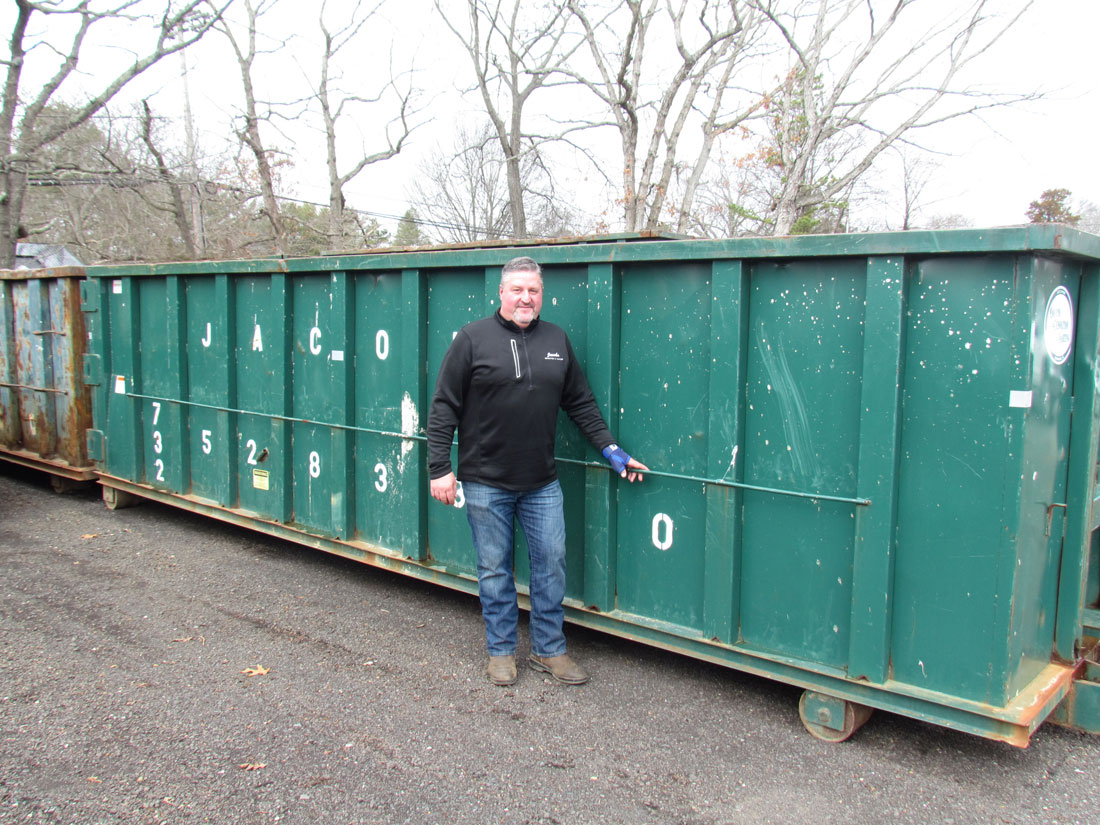
Large cleanup projects can quickly become overwhelming when unwanted materials, bulky items, construction debris, packaging, furniture, and general waste begin accumulating in one area. Whether the work involves renovation, remodeling, property clearing, construction, demolition, or a major organizational project, having a reliable waste management strategy can make the entire process more manageable. A 30 yard dumpster can provide substantial capacity for many medium-to-large cleanup projects, giving workers and property owners a centralized place to collect appropriate waste. However, successful waste management involves more than simply placing a container on the property. Careful planning, proper loading, material separation, safe placement, and timely collection all contribute to a cleaner and more organized project from beginning to end.
- Understanding the Scope of the Cleanup
- Planning Before Work Begins
- Choosing the Right Container Capacity
- Managing Different Types of Debris
- Handling Heavy Materials
- Loading Materials Efficiently
- Avoiding Overloading
- Selecting a Practical Placement Area
- Keeping Work Areas Clear
- Separating Recyclable Materials
- Managing Renovation Debris
- Managing Property Cleanouts
- Reducing Waste Before Disposal
- Protecting the Surrounding Area
- Safety During Cleanup
- Handling Restricted or Hazardous Materials
- Planning Pickup and Final Cleanup
- Building Better Cleanup Habits
- Final Thoughts
Understanding the Scope of the Cleanup
Before beginning a large cleanup project, it is useful to understand exactly how much material is likely to be removed. A renovation may generate drywall, flooring, cabinets, fixtures, packaging, and other building materials, while a property cleanout may involve furniture, boxes, appliances, household items, and miscellaneous debris. Demolition work can produce even greater quantities of wood, concrete, metal, and other materials. A 30 yard dumpster may be suitable for projects that generate substantial waste without requiring the capacity of the largest available containers. Estimating the volume of debris in advance can help determine whether the selected container will provide enough space throughout the project. A realistic assessment also helps prevent unexpected overflow and additional cleanup requirements.
Planning Before Work Begins
Good cleanup results usually depend on preparation completed before the first item is removed. Project managers and property owners should identify the areas being cleared, determine what materials will be discarded, and establish a logical workflow for moving waste. A 30 yard dumpster can be positioned in a convenient area before cleanup begins so workers do not have to create temporary piles in multiple locations. Planning should also consider access for delivery and collection equipment, available working space, and the safety of people moving around the property. A written or verbal plan can help everyone understand where waste belongs and which materials should be separated. Taking a little time to organize the process at the beginning can prevent significant confusion later.
Choosing the Right Container Capacity
Waste containers are available in different sizes, and selecting an appropriate capacity can influence both convenience and cost. A container that is too small may fill before the project is complete, forcing additional pickups or leaving debris scattered around the property. On the other hand, selecting more capacity than necessary may not be the most efficient option. A 30 yard dumpster can provide a useful balance for many larger cleanup jobs because it offers considerable room for bulky materials and general debris. The actual suitability depends on the type, volume, and weight of the waste being generated. Users should consider both physical space and weight restrictions rather than relying only on the container’s cubic capacity.
Managing Different Types of Debris
Large cleanup projects often involve several categories of waste, and treating everything as identical can make disposal more complicated. Wood, cardboard, metal, concrete, plastics, furniture, packaging, and general household materials may have different recycling or disposal requirements. Before loading begins, it can be helpful to identify materials that may be reusable or recyclable. A 30 yard dumpster can then be reserved for appropriate general waste while recoverable materials are kept separate. This approach can reduce unnecessary disposal and make the cleanup more environmentally responsible. It also helps prevent prohibited materials from being accidentally mixed into a general waste container.
Handling Heavy Materials
Heavy debris requires special attention because weight can become a limiting factor even when there appears to be plenty of physical space remaining. Concrete, bricks, stone, soil, roofing materials, and other dense items can quickly increase the total load. A 30 yard dumpster may accommodate substantial volume, but that does not necessarily mean it can safely carry unlimited amounts of heavy material. Users should confirm weight restrictions and accepted material types before beginning a project involving dense debris. Heavy materials should also be distributed rather than concentrated in one area. Careful loading can help keep the container stable and within permitted limits while reducing potential collection problems.
Loading Materials Efficiently
The way waste is placed inside a container can affect how much usable space is available. Large flat items can create empty spaces if they are positioned carelessly, while smaller materials can sometimes be placed around them to use available capacity more efficiently. Furniture and bulky objects may need to be broken down when appropriate and safe so they occupy less space. A 30 yard dumpster should always be loaded below the designated fill line, with materials contained securely inside the walls. Waste should not be stacked in a way that allows pieces to fall out during handling or transportation. Efficient loading is therefore a combination of maximizing practical space and maintaining safe containment.
Avoiding Overloading
Overloading creates both safety and operational problems. Waste extending above the permitted level can fall from the container during transportation, potentially creating hazards for workers and other people nearby. Excessive weight can also make the container difficult or unsafe to transport. A 30 yard dumpster should be monitored throughout the project rather than waiting until the final day to determine whether it has been overloaded. If the container is filling faster than expected, the project team may need to arrange additional service or reconsider how materials are being sorted. Preventing overloading is generally easier than trying to correct the problem after the container has reached its limit.
Selecting a Practical Placement Area
The placement of the waste container can have a significant effect on the efficiency of the cleanup. It should be located where workers can reach it easily without carrying heavy materials unnecessarily long distances. At the same time, there should be adequate space for delivery and collection equipment. A 30 yard dumpster should not block important entrances, exits, emergency routes, loading areas, or essential access points. The surface should also be stable enough to support the container and its contents. Before delivery, the area should be checked for overhead obstacles, narrow access points, uneven ground, and other conditions that could complicate placement or collection.
Keeping Work Areas Clear
One of the biggest advantages of organized waste management is the ability to keep active work areas free from unnecessary debris. When waste is allowed to accumulate around workstations, hallways, driveways, entrances, or equipment, it can slow down progress and create unnecessary obstacles. A 30 yard dumpster provides a centralized destination where workers can take unwanted materials as soon as they are removed. Regular disposal can reduce the need for temporary debris piles and make the project easier to navigate. Workers should still maintain basic housekeeping practices because even a large container will not prevent clutter if materials are left scattered around the property. Frequent cleanup creates a more controlled working environment.
Separating Recyclable Materials
Recycling can reduce the amount of waste sent for general disposal and may help recover useful materials from a cleanup project. Metal, cardboard, certain plastics, clean wood, and other materials may be recyclable depending on available facilities and specific requirements. Reusable furniture, fixtures, doors, cabinets, and other items may also be donated, repurposed, or salvaged when appropriate. A 30 yard dumpster can be used for materials that genuinely need general disposal while recoverable items are kept separate. Sorting materials before they enter the container is generally easier than trying to recover them after they have been mixed together. Simple labels and separate collection areas can make sorting more practical for larger projects.
Managing Renovation Debris
Renovation projects can produce a mixture of demolition waste and new-material packaging. Old flooring, cabinets, drywall, countertops, doors, fixtures, insulation, and other components may need to be removed before new materials can be installed. A 30 yard dumpster can provide centralized storage for suitable renovation debris while keeping rooms and work areas clearer. Project teams should identify hazardous or restricted materials before demolition begins because some substances may require specialized handling. Usable materials should also be separated whenever possible. A planned approach allows the renovation to move forward without requiring workers to repeatedly move debris from one temporary pile to another.
Managing Property Cleanouts
Property cleanouts can involve many different types of unwanted items, from old furniture and boxes to broken fixtures, household goods, and miscellaneous debris. The process can become more efficient when items are sorted into categories such as keep, donate, recycle, and dispose. A 30 yard dumpster can provide a centralized destination for items that cannot be reused or recycled. Large furniture may need to be dismantled where appropriate to use available space more efficiently. Valuable or reusable belongings should be removed before disposal begins so they are not accidentally discarded. Working systematically through one room or area at a time can make large cleanouts feel more manageable and reduce unnecessary confusion.
Reducing Waste Before Disposal
A large container can make cleanup easier, but reducing the amount of waste generated is still beneficial. Before discarding materials, users can consider whether items can be repaired, reused, donated, recycled, or returned. During renovation and construction projects, accurate measurements and careful purchasing can reduce excess materials. A 30 yard dumpster should ideally be used for materials that genuinely need disposal rather than items that could have another useful purpose. Waste reduction can also reduce the total cost and effort associated with cleanup. Small decisions made throughout the project can significantly affect the final volume of material requiring disposal.
Protecting the Surrounding Area
Waste management should not create new problems for the surrounding property. Loose debris should be kept inside the container, and the area around it should be inspected regularly for scattered materials. Food waste or other materials that may attract pests should be handled appropriately. A 30 yard dumpster should also be positioned away from areas where its presence could interfere with normal property operations. If cleaning products or other liquids are involved, they should not be poured into the container unless specifically permitted. Keeping the surrounding area clean helps maintain a more organized appearance and reduces the risk of unnecessary environmental or safety concerns.
Safety During Cleanup
Large cleanup projects often involve heavy lifting, sharp materials, unstable objects, and other hazards. Workers should use appropriate protective equipment and avoid placing themselves in situations where debris can fall or shift unexpectedly. A 30 yard dumpster should never be used as a place for people to climb inside to rearrange or retrieve materials. Sharp objects should be handled carefully, and heavy items should be moved using suitable equipment or safe lifting techniques. Children, pets, and unauthorized people should be kept away from active cleanup areas. Clear procedures and good housekeeping can reduce unnecessary risks throughout the project.
Handling Restricted or Hazardous Materials
Certain materials should not be placed in a general waste container. Chemicals, fuels, certain batteries, medical materials, some electronics, asbestos-containing products, and other regulated substances may require specialized handling. Before using a 30 yard dumpster, users should confirm which materials are accepted and identify any items that must be handled separately. If unexpected hazardous materials are discovered during demolition or cleanout work, the project should pause long enough to determine the appropriate disposal method. Never assume that an item is acceptable simply because it is unwanted. Proper identification and handling protect workers, collection personnel, and the environment.
Planning Pickup and Final Cleanup
The timing of collection should match the progress of the project. If the container fills too early, debris may begin accumulating outside it, reducing the benefits of having a centralized waste system. A 30 yard dumpster should therefore be monitored throughout the rental period so additional service can be arranged when necessary. Before pickup, users should make sure the container is not overloaded and that materials are within the permitted fill level. The area around the container should also be cleared so collection equipment can access it safely. A final inspection can help identify prohibited materials or loose debris before the scheduled collection.
Building Better Cleanup Habits
Large projects become easier to manage when cleanup is treated as an ongoing responsibility rather than a final task. Workers can remove debris regularly, organize materials by category, and keep pathways clear throughout the day. A 30 yard dumpster can support this approach by providing a consistent location for appropriate waste. Supervisors can also review the waste area periodically to ensure that materials are being sorted correctly and that the container is not approaching an unsafe fill level. Consistent habits reduce the amount of work required at the end of the project. They also make it easier to identify problems before they become major cleanup challenges.
Final Thoughts
Successful large-scale cleanup depends on preparation, organization, responsible disposal, and consistent attention throughout the project. Choosing an appropriately sized container, separating recyclable materials, loading waste safely, monitoring weight and fill levels, and maintaining clear access routes can make the process considerably easier. A 30 yard dumpster can be a practical solution for many substantial cleanup projects when it is used according to applicable service requirements and safety guidelines. Proper planning also helps prevent overloading, unnecessary delays, and avoidable disposal problems. By treating waste management as an essential part of the project rather than an afterthought, property owners, contractors, and cleanup teams can create cleaner work areas, improve efficiency, and achieve better results from start to finish.


Customer support teams handle high call volumes by combining smart forecasting, flexible staffing, clear call routing, self-service tools, and queue management. Any support team can be overwhelmed with an influx of phone calls. Customers face long hold times. Support agents deal with rising stress.
- Forecast Call Demand to Prepare for Peak Periods
- Adjust Staffing and Agent Schedules to Match Demand
- Use Automatic Call Distribution to Route Calls Efficiently
- Offer Self-Service Options to Resolve Routine Inquiries
- Reduce Queue Pressure With Callbacks and Virtual Hold
- Distribute Support Across Phone, Chat, Email, and Messaging
- Equip Agents With Training, Knowledge Bases, and Customer Data
- Track Call Volume and Service Metrics in Real Time.
- Review Call Spikes to Improve Future Support Operations
- Conclusion
By pairing excellent processes with practical support tools, you can safeguard customer service, while keeping wait times in check. Here’s how today’s contact centers do just that day after day.
Forecast Call Demand to Prepare for Peak Periods
All smart customer service leaders analyze the history of calls to identify trends. Busy periods often follow a predictable schedule. For instance, a retailer might receive more customer inquiries to their business during a holiday flash sale. Call numbers are also increased by product releases and periodic billing cycles. Leaders analyze this past data to make informed decisions about staff schedules.
Good planning helps your team anticipate customer needs before the phone lines fill up. However, there are times when things go awry. Any company can be caught off guard by sudden outages or delivery delays. Historical data can help you prepare for normal increases, but flexibility is required in the event of sudden shifts in customer needs.
Adjust Staffing and Agent Schedules to Match Demand
Workforce management helps a customer service team put the right people in the right places. Managers schedule shifts to avoid the rush of callers. They vary their lunch breaks and make flexible working times for support personnel. A smart manager also cross-trains the service teams so that they can answer other questions.
The flexibility safeguards operational efficiency against a surge of calls. It also helps to avoid employee burnout. When reps have to deal with a large number of calls in succession, service quality begins to diminish quickly. Sustainable scheduling ensures people are fresh and focused. That balance supports long-term business growth and equitable workloads for all support department staff on duty.
Use Automatic Call Distribution to Route Calls Efficiently
An automatic call distribution system sorts incoming calls and sends them to the right desks. This setup uses skills-based routing. This means the caller can speak with an agent who knows the topic they’re calling about. A basic interactive voice response menu gathers basic details from the caller. This is time-saving for the customer.
If a customer has an unpaid invoice, it is sent to billing; if a product is broken, it is sent directly to technical assistance. IVR reduces the number of transfers between different agents. Facilitates fewer handoffs while resolving calls. Good routing does not eliminate complex problems; it is about getting each caller to the right person, immediately.
Offer Self-Service Options to Resolve Routine Inquiries
Many callers are uncomfortable with waiting for an agent. They like having quick self-service to complete routine tasks. Allow individuals to reset passwords, view order tracking, or order hours on their own. Customers can be assisted at any time via searchable knowledge bases, account portals, and automated phone menus. This customer-centric approach saves time for everyone involved.
But, your self-service content needs to remain correct. Even if the tips are dated, people still call. Ensure information is available on all of the help pages in a clear and up-to-date format. Make sure all articles stay up to date. Above all, when automated help is insufficient, leave a path for a human agent to get there.
Reduce Queue Pressure With Callbacks and Virtual Hold
If call queues run long, they can frustrate customers. Callers do not enjoy hearing their calls played on hold. You can improve this wait by offering virtual hold. Virtual hold keeps a caller’s spot in line without keeping their phone pressed to their ear. The system provides availability of expected wait times and an automatic callback feature.
This feature ensures that customers don’t get upset during peak periods. It also respects customers’ time. Keep in mind that there will be a need for agent capacity on a callback. Your team will have to deal with these outgoing rings as well as live queues. Reliable callback tracking helps ensure no customer is lost while maintaining strong relationships and helps manage high call volumes all day.
Distribute Support Across Phone, Chat, Email, and Messaging
Depending on the immediate need, customers utilize different service channels. A strong customer service department offers phone, email, live chat, and text messaging. Live chat works great for quick questions. Email is used for less urgent requests and file attachments. Other channels free up phone lines for emergency calls.
An omnichannel platform consolidates all customer support tickets and contact history into a single platform. This way, no user has to repeat their story on other channels. This uniformity ensures a positive customer experience and improves the overall quality of the service provided. Providing customers with a number of choices ensures better customer service without losing customers to phone service.
Equip Agents With Training, Knowledge Bases, and Customer Data
Agents work best when they’re equipped with the proper tools and facts. A centralized database displays past orders and past notes for each individual customer contact. Reps can view past customer concerns right away. They don’t have to guess. Agents receive regular training in order to develop their soft skills and product knowledge.
If reps are knowledgeable about products, they provide excellent customer service on the initial call. This will avoid further follow-up calls from the same person later. Speed matters, but an accurate fix matters more. Solid preparation turns tense moments into helpful conversations that solve real problems for the caller.
Track Call Volume and Service Metrics in Real Time.
They monitor activity on the lines on live dashboards in their support software. They monitor activity metrics of the center such as average handle time, abandonment rates, queue lengths, etc. These numbers act as key performance indicators for overall team health. Managers change schedules or switch staff from email to phone lines when they experience an increase in abandonment. This helps to maintain a steady flow of tickets along the floor.
Leaders also monitor customer satisfaction metrics to guarantee that customers are getting quality answers. Fast responses mean nothing if the caller leaves unhappy. By monitoring the speed as well as satisfaction of customers, managers have a balanced picture of how the center is coping with incoming pressure in real time.
Review Call Spikes to Improve Future Support Operations
After the rush ends, your customer service team must study the numbers. Look at call reasons, peak hours, and abandoned connections. Review customer feedback to discover what went wrong. When people provide feedback, they offer valuable insights into confusing policies or broken products. Fixing these root problems protects your brand image. It also builds customer loyalty and aids long-term customer retention.
Use this data to train agents on complex tasks and create effective solutions for common complaints. Make sure explanations help customers understand policies easily. Help new customers navigate your service without frustration. This post-rush review turns a noisy call center into an engine for customer success. Excellent customer service comes from learning after every rush.
Conclusion
Managing heavy call queues requires thoughtful planning and clear action. When customer support teams blend smart forecasting, responsive staffing, practical routing, and self-service tools, they protect their team from burnout. Technology works best alongside trained agents and clear workflows.
Look at why callers reach out today. Eliminate avoidable friction at the source to protect your brand. Doing so drives business success and keeps satisfaction high. Audit your customer support workflows this week to prepare your team for the next busy season!


I used to think cyber security was mostly about having antivirus software,strong passwords,and maybe changing them every few months. It sounded kind of reasonable, you know,until I had to deal with a situation that made me view business security a little differently,not just the usual tech stuff.
- Why We Needed Cyber Security Services
- What I Noticed During the Process
- Actual Benefits of Cybersecurity Solutions
- Why Choose Cyber Security Consulting Services?
- Process
- Advantages for Modern Businesses
- Frequently Asked Questions
- What are cyber security services?
- Why is cyber security consulting important?
- What is a tabletop exercise in cyber security?
- Final Thoughts
It started with something small. One afternoon, a colleague mentioned that a strange login notification had appeared on one of our business accounts. Nothing had actually gone wrong, at least not that we could see. Still, everyone became a little more alert.
We started asking simple questions. Who had access? What information was stored there? What would happen if someone actually got into the system?
That was when I started looking seriously into cyber security services and realised how much more there was to it than I had originally assumed.
Why We Needed Cyber Security Services
The biggest issue wasn’t one particular computer. It was the way everything was connected.
We had emails, shared files, customer information, cloud applications and internal systems being used by different people every day. Some employees worked remotely, while others were in the office. It all worked smoothly, but that convenience also created potential gaps.
The things I became more concerned about were pretty straightforward:
- Protecting customer and business data
- Understanding who could access important systems
- Reducing the risk of phishing and account compromise
- Improving everyday IT security practices
- Having a plan if something actually went wrong
This was where cyber security consulting services started making sense to me. Instead of simply buying another security product, we needed someone to look at the bigger picture.
What I Noticed During the Process
One thing that surprised me was how much of security involved people rather than technology.
We sat together and talked through different situations. What if someone received a convincing phishing email? What if an employee accidentally shared sensitive information? What if a critical system suddenly became unavailable?
The room got surprisingly quiet during some of those conversations.
We also discussed a tabletop exercise cyber scenario, which basically meant walking through a simulated security incident without actually causing one. It was a useful reality check. People knew their individual jobs, but we hadn’t really considered how everyone would respond together.
That exercise exposed small gaps in communication that we probably wouldn’t have noticed otherwise.
Actual Benefits of Cybersecurity Solutions
The biggest benefit wasn’t feeling completely “hack-proof” — because realistically, no business can promise that.
Instead, we became more prepared.
Our approach to computer security services became more practical. We started paying closer attention to access controls, backups, employee awareness and incident response. Data protection stopped being something we only thought about when there was a problem.
For me, the main improvements were:
- Better awareness across the team
- Clearer responsibilities during an incident
- Stronger protection around important information
- More confidence in our everyday systems
- A more organised approach to business security solutions
Why Choose Cyber Security Consulting Services?
I think the biggest reason is perspective.
A business can have security software installed everywhere, and still kinda end up with weak processes. Cyber security consulting services can help spot those gaps, and get the connection right between technology, people and procedures, not just treating them as separate bits or stuff like that.
This becomes pretty vital for companies looking for cyber security services Australia-wide, where remote work, cloud platforms, and connected systems are basically everyday normal now, part of daily operations, even when nobody really says it out loud.
During our search, Vintaris Solutions Pty Ltd was one company that stood out to me because the conversation around security felt focused on the actual business rather than just selling another tool.
Process
The process wasn’t as complicated as I had imagined.
First, we kinda looked over the systems and the info that felt most important. Then we talked about what security practices were already there, plus access, and those possible risks. After that, we worked through a few “what if” incidents and thought about how the business would respond, if it ever actually happened.
The tabletop exercise was probably the most memorable part, because it made everything feel real, without really throwing actual systems into danger. It also, in a weirdly clear way, showed why good IT security services have to include planning and communication , not only technical protection.
Advantages for Modern Businesses
Good cybersecurity solutions can help modern businesses in a few practical ways. They can protect sensitive information, cut down disruption, and also make employees more aware of everyday dangers.
For any business searching for cyber security services Australia, the key thing , in my experience , is finding an approach that actually matches the organisation you have, not just copying someone else’s security setup and hoping it “fits”.
Frequently Asked Questions
What are cyber security services?
Cyber security services help businesses guard systems, networks, accounts, and data from cyber threats. They can cover security assessments, consulting, monitoring , risk management, plus incident response planning.
Why is cyber security consulting important?
Because it lets businesses see where security gaps might be sitting, and it shows how tech, people, and internal processes can work together to lower the risk overall.
What is a tabletop exercise in cyber security?
A tabletop exercise is basically a kind of made up discussion, where a team sort of walks through a pretend cyber incident. It helps see how communication actually moves, who is responsible , and if the response plans really click, sort of. Also it keeps things from turning into a real security incident, because that’s not the point.
Final Thoughts
When I look back, the biggest lesson was this , cybersecurity isn’t something you handle once and then forget. Technology changes, staff change , businesses grow, and new risks pop up. So security needs constant care, some ongoing attention, not just a quick fix.
What started as one strange login notification ended up shifting how I think about protecting data and business safety. I realised effective cyber security services aren’t only about blocking attacks. They’re also about knowing what happens next, who should move first, and how quickly the business can recover when something unexpected shows up.


Managing a business with limited financial resources presents a unique set of challenges that many entrepreneurs face, especially in the early stages of growth. The constraint of a tight budget forces business leaders to think strategically about every expense, prioritize ruthlessly, and find creative solutions that larger competitors may never consider. This reality, while demanding, often leads to stronger operational discipline and more sustainable business practices. Understanding how to allocate limited funds effectively can mean the difference between a business that survives and one that thrives.
Establish Clear Financial Priorities
The foundation of budget management begins with identifying what matters most to your business. Not all expenses carry equal weight, and distinguishing between essential costs and nice-to-have spending is critical. Your priority list should reflect what directly generates revenue or prevents your business from collapsing, so begin by mapping out your fixed costs, including rent, payroll, and insurance, before examining discretionary spending with a more critical eye. For example, if you run a consulting firm, investing in your own professional development and client communication tools becomes non-negotiable, while a fancy office space might be a luxury you defer until revenue grows. Once your fixed obligations are fully accounted for, you will be in a much clearer position to make informed decisions about where remaining funds can create the greatest impact.
Leverage Technology to Cut Operational Costs
Technology often represents an underutilized tool for budget-conscious business owners. Many affordable or free digital solutions can automate tasks that would otherwise require hiring additional staff or outsourcing. Cloud-based accounting software, project management platforms, and customer relationship management systems have democratized access to tools that were once available only to large corporations. By implementing these technologies thoughtfully, you can streamline workflows, reduce human error, and free up your team to focus on higher-value activities. For instance, automating invoice generation and payment reminders can significantly reduce the time your accounting team spends on administrative tasks, while scheduling tools can eliminate the back-and-forth communication that consumes productivity across many small businesses.
Negotiate with Vendors and Service Providers
Many business owners accept the first quote they receive, but vendors often have room to negotiate, particularly if you commit to a longer contract or agree to pay upfront. Building relationships with your suppliers creates opportunities for better pricing, flexible payment terms, or value-added services at no extra cost. Before renewing any service contract, take time to research competitors and gather alternative quotes so you can approach your current vendor with factual leverage. Armed with this information, you can ask them to match or beat competitor pricing, which often yields discounts without requiring you to switch providers. Small businesses can also explore vendor consolidation, reducing the number of suppliers they work with and potentially earning volume discounts in the process.
Implement Strategic Hiring Practices
Personnel expenses typically represent the largest portion of a business budget, making hiring decisions incredibly consequential. Rather than rushing to fill every open position with full-time employees, consider alternative staffing models that offer more flexibility. Contract workers, freelancers, and part-time employees allow you to scale your workforce based on actual business demands without committing to fixed payroll expenses. This approach also provides an opportunity to evaluate whether a role is truly necessary before making a long-term financial commitment. When you do hire full-time staff, invest in training and retention strategies that reduce turnover costs, as recruiting and onboarding new employees is far more expensive than retaining experienced team members.
Monitor Cash Flow Religiously
Understanding your cash flow patterns is essential for any business operating on a tight budget. Cash flow differs from profitability, and many profitable businesses fail because they run out of cash to cover immediate obligations. Create a detailed monthly cash flow projection that accounts for when money comes in and when it goes out, so you can anticipate shortfalls and adjust spending before you face a crisis. When aligning business cash flow strategy with longer-term financial planning, business owners rely on Dechtman Wealth to help ensure that short-term budget decisions support sustainable wealth-building goals. If you notice seasonal patterns in your revenue, use high-revenue periods to build reserves that carry you through slower months, and consider implementing payment policies that encourage faster customer payments, such as offering small discounts for early settlement.
Evaluate and Eliminate Wasteful Spending
Even well-intentioned businesses accumulate unnecessary expenses over time. Subscriptions renew automatically, memberships go unused, and services purchased for past projects continue to be paid for long after their relevance ends. Schedule a quarterly audit of all recurring expenses, asking for each vendor or service whether it actively supports your current business objectives and whether you would purchase it again if making the decision today. This practice often reveals subscriptions you forgot about, insurance coverage you no longer need, or vendor relationships that no longer provide value. Canceling even five unnecessary subscriptions at one hundred dollars each frees up six thousand dollars annually that can be redirected toward strategic investments with measurable returns.
Conclusion
Running a business on a budget requires discipline, intentionality, and a willingness to question every expense. By establishing clear financial priorities, leveraging technology efficiently, negotiating with vendors, implementing thoughtful hiring practices, monitoring cash flow carefully, and regularly evaluating spending, business leaders can operate sustainably without sacrificing growth or quality. These strategies are not temporary workarounds but foundational practices that create stronger, more efficient organizations. Budget constraints, when managed properly, become a competitive advantage that drives innovation and accountability throughout the entire business.

How to Scope an AI MVP That Users and Investors Take Seriously

Inside a China Eyewear Factory: How Eyewear Goes from Design and Material Selection to Mass Production

Building Emotional Wellness Through Professional Guidance and Support

Alex Pettyfer Net Worth, Wife, Age, Height, Children, Career and More

Brad Williams Net Worth, Wife, Height, Age, Daughter, Family, Career and More

Eldorado.gg Review 2026: How It Works, Safety, Fees, and Risks
-
Celebrity11 months ago
Alex Pettyfer Net Worth, Wife, Age, Height, Children, Career and More
-
Celebrity11 months ago
Brad Williams Net Worth, Wife, Height, Age, Daughter, Family, Career and More
-
Blog3 months ago
Eldorado.gg Review 2026: How It Works, Safety, Fees, and Risks
-
 Anime12 months ago
Sanzoku Bandits of One Piece: Origins, Higuma, and Their Role in Dawn Island
-
 Celebrity11 months ago
John McGinn Net Worth, Age, Height, Wife, Childrens, Career and More
-
 Celebrity11 months ago
Frances de la Tour Net Worth, Age, Height, Husband, Childrens, Career and More
-
 Anime12 months ago
Shimotsuki Ushimaru – The Last Daimyo of Wano Country Explained
-
 Celebrity12 months ago
Will Trickett Net Worth, Wife, Childrens, Age, Career and More