
Construction
How Proper Excavation & Grading Creates a Strong Foundation for Successful Projects

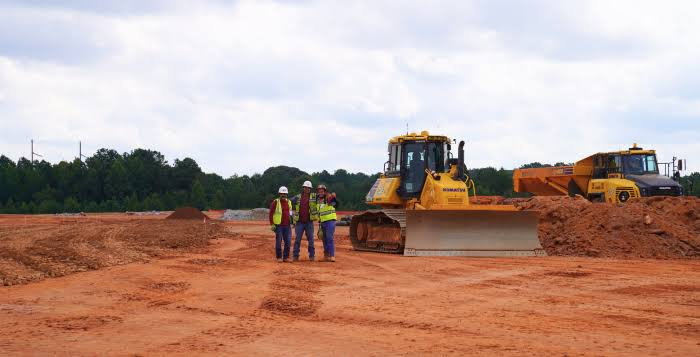
Preparing land properly is one of the most important steps before beginning construction, landscaping, drainage improvements, or other major property projects. Uneven terrain, poor soil conditions, improper drainage, and unstable ground can create significant challenges if they are not addressed before work begins. Excavation & grading provides a systematic approach to removing unwanted soil, shaping the ground, creating suitable elevations, and preparing the site for future improvements. While excavation focuses primarily on digging and removing soil or other materials, grading involves shaping the remaining surface to achieve the desired slope and elevation. When these processes are carefully planned and completed, they can create a more stable and functional base for foundations, driveways, landscaping, drainage systems, and other improvements.
- Understanding the Purpose of Land Preparation
- Assessing the Property Before Work Begins
- The Importance of Accurate Measurements
- Preparing Areas for Foundations
- Improving Drainage Through Proper Grading
- Managing Different Soil Conditions
- Equipment Used for Earthwork
- Managing Excavated Soil
- Creating Suitable Slopes
- Safety During Excavation
- Protecting Existing Structures
- Working Around Underground Utilities
- Preparing Land for Landscaping
- Handling Difficult Site Conditions
- Importance of Soil Compaction
- Planning Around Weather Conditions
- Selecting a Qualified Contractor
- Managing Project Costs
- Final Inspection Before Construction
- Long-Term Benefits of Proper Land Preparation
- Conclusion
Understanding the Purpose of Land Preparation
Land preparation involves much more than simply moving soil from one place to another. Every property has its own combination of terrain, soil composition, drainage patterns, existing structures, and access limitations. Excavation & grading takes these factors into account when preparing the ground for a specific project. Excavation may be required to create space for foundations, trenches, basements, utility systems, retaining walls, or other structures. Grading then shapes the surface so that it meets the required elevations and slopes. Proper preparation can help reduce drainage issues, improve soil stability, and create a more predictable working environment for the construction or landscaping activities that follow.
Assessing the Property Before Work Begins
A thorough site assessment should be completed before heavy equipment begins moving soil. The assessment can identify existing slopes, drainage patterns, vegetation, structures, utility lines, soil conditions, and access points. Excavation & grading plans should reflect the actual conditions of the property rather than relying entirely on assumptions. Soil may contain rocks, buried materials, organic matter, or layers with different characteristics that are not visible from the surface. Identifying these conditions early can help contractors plan equipment, labor, material handling, and disposal requirements more accurately. A careful assessment also helps reduce unexpected delays and allows potential problems to be addressed before major work begins.
The Importance of Accurate Measurements
Successful land preparation depends heavily on accurate measurements and clearly defined elevations. A surface that appears level to the eye may still have small variations that affect drainage, construction, or landscaping. Excavation & grading professionals use plans, measurements, surveying methods, and appropriate equipment to achieve the required elevations and slopes. Accurate measurements are especially important around foundations, driveways, drainage areas, and other structures where even small differences can affect performance. Checking measurements throughout the project can also help identify deviations before they become difficult or expensive to correct. Precision during the preparation stage provides a stronger foundation for everything that comes afterward.
Preparing Areas for Foundations
Foundations require stable and properly prepared ground to support the weight of a structure. Depending on the project design, soil may need to be removed to create space for footings, slabs, basements, or other foundation components. Excavation & grading can establish the required depth and shape while preparing the surrounding area for construction. Unsuitable soil may need to be removed and replaced with appropriate material, while remaining soil may require compaction. The exact requirements depend on engineering plans, soil conditions, and building specifications. Proper preparation can reduce the possibility of settlement and uneven support while making the foundation installation process more predictable.
Improving Drainage Through Proper Grading
Water management is one of the most important reasons for carefully shaping a property. When land does not drain properly, water can collect around buildings, damage landscaping, contribute to erosion, or create muddy and unusable areas. Excavation & grading can establish slopes that direct water toward suitable drainage points instead of allowing it to remain near structures. Drainage solutions may involve carefully shaped slopes, swales, channels, catch basins, or other systems depending on the design. The surrounding terrain must also be considered because changing one section of a property can influence how water moves across another area. Proper grading helps create a more controlled drainage pattern.
Managing Different Soil Conditions
Soil composition can have a major effect on excavation and grading work. Clay-rich soil can hold significant amounts of moisture, while sandy soil may move or collapse more easily under certain conditions. Rocky ground can require specialized equipment, and previously disturbed fill soil may contain materials with varying levels of compaction. Excavation & grading contractors need to understand how the existing ground may respond to digging, loading, filling, and compaction. If unsuitable material is discovered, it may need to be removed and replaced. Proper soil management can improve stability and help ensure that the prepared ground performs as intended after construction is completed.
Equipment Used for Earthwork
The size and complexity of a project determine which machines are appropriate for the work. Excavators, bulldozers, skid-steer loaders, graders, compactors, loaders, and hauling vehicles can all perform different tasks during land preparation. Excavation & grading equipment allows large quantities of soil to be moved efficiently while providing the control needed to shape surfaces accurately. Equipment selection should consider the material being moved, site access, terrain, required depth, project size, and desired finish. Using equipment that is too large for a restricted property can create unnecessary disturbance, while insufficient equipment may slow the project. Proper machine selection contributes to both efficiency and safety.
Managing Excavated Soil
Removing soil creates another important consideration: what happens to the material after it has been excavated? Some soil may be suitable for reuse elsewhere on the property, while excess or unsuitable material may need to be transported away. Excavation & grading projects can often be made more efficient by planning soil movement before digging begins. Reusable material can potentially be placed in low areas or used as fill where appropriate, provided it meets project requirements. Unwanted soil should be stored in a location that does not interfere with access or create drainage problems. Proper soil management reduces unnecessary handling and can help control transportation costs.
Creating Suitable Slopes
Grading is not always about making a property completely flat. Many projects require carefully designed slopes to support drainage, accessibility, landscaping, or structural requirements. Excavation & grading can create these slopes by removing material from high areas and placing suitable fill in lower sections. The finished slope should correspond to the project’s plans and intended use. Too much slope can create erosion or accessibility concerns, while too little slope may prevent water from moving effectively. Careful measurement and equipment control are therefore essential when shaping the surface. A properly graded property can be both functional and visually balanced.
Safety During Excavation
Earthwork can involve significant hazards, particularly when deep excavations, heavy machinery, unstable soil, or underground utilities are present. Excavation & grading should always be performed using appropriate safety procedures for the conditions of the project. Workers need to remain aware of equipment movement, excavation edges, overhead hazards, and nearby structures. Trenches and deeper excavations may require protective measures based on applicable safety requirements and site conditions. Unauthorized individuals should remain outside active work areas. Proper training, communication, protective equipment, and site supervision can reduce the likelihood of accidents and help maintain a controlled work environment.
Protecting Existing Structures
Excavating close to existing buildings, walls, driveways, fences, utilities, and other improvements requires careful planning. Removing soil too close to a structure can potentially affect its stability if the work is not properly designed. Excavation & grading near existing improvements should account for their location, condition, and relationship to the planned work. Heavy machinery should also be operated with sufficient care to avoid accidental contact or excessive ground disturbance. In some circumstances, engineering advice or specialized support may be required. Protecting existing structures during earthwork can prevent unnecessary damage and reduce the possibility of expensive repairs.
Working Around Underground Utilities
Underground utility lines can include water pipes, electrical cables, communication lines, gas systems, drainage pipes, and other infrastructure. Accidentally damaging a buried utility can create serious safety risks, service interruptions, and unexpected expenses. Excavation & grading should therefore begin only after underground utilities have been identified according to appropriate procedures. Workers should follow applicable markings and precautions when operating equipment near known utility locations. More careful digging methods may be necessary in sensitive areas. Taking time to locate underground infrastructure before excavation can prevent avoidable damage and keep the project moving smoothly.
Preparing Land for Landscaping
Landscaping projects can benefit significantly from proper surface preparation. Lawns, gardens, patios, walkways, planting beds, and drainage features all depend on suitable ground conditions. Excavation & grading can remove unwanted high spots, fill low areas, establish drainage slopes, and create surfaces suitable for landscaping materials. Soil may also need to be amended or replaced depending on the plants or features planned for the property. Proper grading can prevent water from collecting in unwanted locations and can make future lawn maintenance easier. Preparing the land correctly before installing landscaping features can also reduce the need for major corrections later.
Handling Difficult Site Conditions
Some properties present challenging conditions that require additional planning and specialized equipment. Hard rock, saturated soil, steep terrain, buried debris, extensive roots, and unstable ground can all complicate earthwork. Excavation & grading contractors may need to adjust the work sequence or use specialized machinery when these conditions are encountered. Unexpected site conditions can also affect the estimated timeline and budget. Communication between the contractor and property owner is important when significant changes are necessary. Rather than forcing equipment to operate in unsuitable conditions, the work should be adjusted to maintain safety and achieve the desired result.
Importance of Soil Compaction
Moving and placing soil does not automatically create a stable surface. Newly placed material may contain air spaces and can settle over time if it is not compacted appropriately. Excavation & grading projects may therefore include compaction of soil in areas intended to support structures, pavement, landscaping features, or other improvements. The appropriate method depends on the soil type, moisture level, thickness of the placed material, and intended use of the surface. Proper compaction can reduce future settlement and create a more stable base. Where required, testing may be used to verify that the prepared soil meets project specifications.
Planning Around Weather Conditions
Weather can have a significant impact on earthwork. Heavy rainfall can make soil muddy, affect equipment movement, change drainage patterns, and make compaction more difficult. Extremely dry conditions may create dust and other challenges during certain operations. Excavation & grading schedules should account for weather conditions whenever possible. Contractors may need to adjust the sequence of work to avoid operating in unsuitable conditions. Protecting exposed soil and maintaining appropriate drainage during temporary pauses can also reduce erosion and site damage. Flexible scheduling can help maintain quality while minimizing weather-related complications.
Selecting a Qualified Contractor
Choosing an experienced contractor is an important part of a successful earthwork project. Property owners should consider the contractor’s relevant experience, equipment, safety practices, insurance coverage, project references, and ability to understand the required scope of work. Excavation & grading projects can vary considerably, so experience with similar soil conditions and project requirements can be valuable. Written estimates should explain the expected work, equipment, hauling, soil management, grading requirements, and potential additional charges. Asking how unexpected ground conditions will be handled can also help prevent misunderstandings. Clear communication before work begins provides a stronger foundation for successful project management.
Managing Project Costs
The cost of land preparation depends on several factors, including the amount of soil to be moved, depth of excavation, soil type, equipment requirements, hauling distance, disposal needs, site accessibility, and grading complexity. Excavation & grading estimates should provide enough detail for property owners to understand what services are included. Additional work may become necessary if unsuitable soil, buried materials, rock, or unexpected drainage conditions are discovered. A detailed estimate can help property owners plan their budgets and understand potential variables. Comparing proposals based on the complete scope of work rather than price alone can provide a clearer picture of the expected service.
Final Inspection Before Construction
A final inspection is an important step once earthwork has been completed. Excavation & grading results should be compared with project plans, required elevations, drainage requirements, and foundation specifications. The site should be checked for areas that remain too high, too low, poorly compacted, or incorrectly sloped. Excess soil and debris should also be managed so they do not interfere with future construction. Drainage paths should be reviewed to ensure that water can move as intended. Identifying corrections before construction begins is generally easier than discovering problems after foundations, driveways, landscaping, or other improvements have already been installed.
Long-Term Benefits of Proper Land Preparation
Carefully prepared land can provide benefits long after the excavation equipment has left the property. Proper slopes can support better drainage, stable soil can provide a stronger base, and accurately prepared elevations can make future construction easier. Excavation & grading can also help create more usable outdoor spaces and reduce problems associated with uneven terrain. While land preparation may not always be the most visible part of a project, it can influence the performance of many improvements installed afterward. Investing in appropriate preparation can therefore contribute to the durability, functionality, and appearance of the completed property.
Conclusion
Proper land preparation is an essential part of many construction, landscaping, drainage, and property improvement projects. Excavation & grading can remove unsuitable material, create required depths, shape slopes, improve drainage, prepare foundation areas, and establish a stable surface for future improvements. Successful earthwork requires careful planning, accurate measurements, suitable equipment, soil management, utility awareness, safety procedures, and attention to existing structures. Weather conditions and unexpected soil characteristics should also be considered throughout the process. By working with qualified professionals and conducting a detailed final inspection, property owners can establish a more reliable base for the next stage of their project. Careful preparation today can help reduce future complications and contribute to a stronger, safer, and more functional finished property.

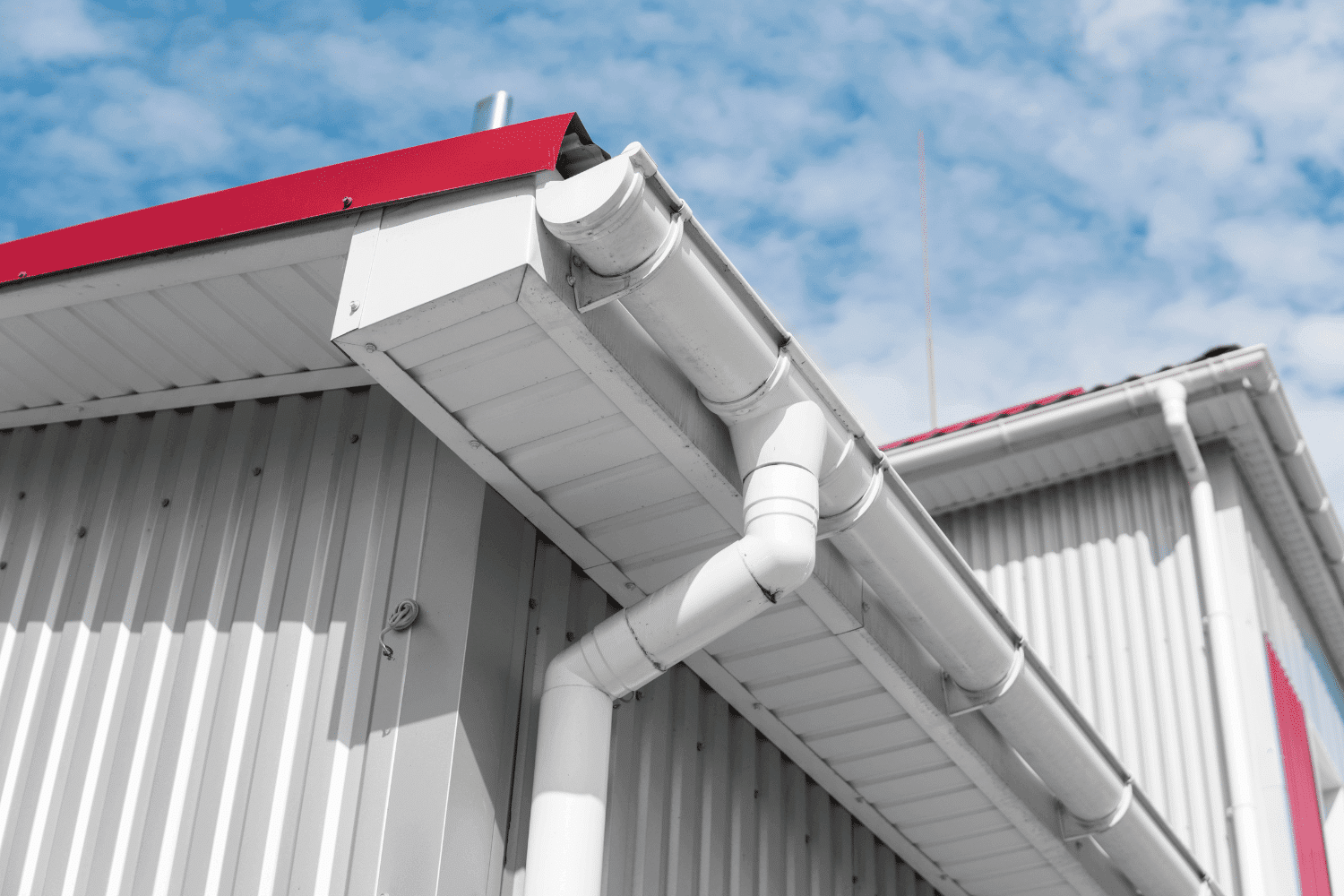
A properly functioning roof drainage system is one of the most important parts of maintaining a property’s exterior because every rainfall event places a significant amount of water on the roof surface that needs to be controlled and redirected. Without an effective path for that water, runoff can spill directly over roof edges, collect beside exterior walls, wash away landscaping, stain siding, and create excessive moisture around lower portions of the building. Gutters provide a controlled route for collecting water and moving it toward downspouts and appropriate discharge areas, making them an essential part of exterior water management. When an existing gutter system is damaged, undersized, poorly positioned, or missing altogether, a professionally planned gutter installation can improve the way rainwater is collected and directed away from vulnerable areas. A successful project requires more than simply attaching channels along the roofline because the roof configuration, water volume, gutter material, slope, downspout placement, fascia condition, and surrounding drainage conditions all need to be considered together.
- The Importance of an Effective Gutter System
- When New Gutters May Be Necessary
- Evaluating the Roof Before Installation
- Selecting Appropriate Gutter Materials
- Accurate Measurements and System Design
- Establishing the Correct Gutter Slope
- Choosing the Right Downspout Configuration
- Preparing the Supporting Structure
- Professional Installation for Better Performance
- Protecting Exterior Walls and Siding
- Managing Water Around the Foundation
- Considering Gutter Guards
- Coordinating Gutters With Roofing
- Maintenance After Installation
- Signs of a Failing Gutter System
- Combining Gutter Work With Exterior Improvements
- Long-Term Advantages of Proper Drainage
- Planning a Successful Gutter Project
- Choosing a Dependable Exterior Drainage Solution
- Conclusion
The Importance of an Effective Gutter System
Gutters are designed to collect rainwater as it leaves the roof and prevent large amounts of runoff from falling directly against the exterior of the property. This controlled collection process helps direct water toward downspouts, which then carry it toward a suitable discharge location. Without gutters, water can fall from the roof edge in concentrated streams, particularly during heavy rainfall, and repeatedly affect the soil and exterior surfaces beneath the roofline. Over time, uncontrolled runoff can create erosion, muddy areas, staining, and unnecessary moisture around the building.A gutter system also contributes to the overall performance of the exterior because water management is closely connected to siding, fascia, soffits, roofing, landscaping, and foundation drainage. If one part of the system is not functioning correctly, water may be redirected toward areas that are not designed to handle continuous exposure. For this reason, gutters should not be viewed as a simple decorative feature. They are an important component of the property’s exterior drainage strategy, and their design should be based on the actual structure and water-management requirements of the building.
When New Gutters May Be Necessary
Several conditions can indicate that an existing gutter system requires replacement rather than continued repair. Severe rust, repeated leaks, sagging channels, separated joints, damaged sections, inadequate drainage capacity, or gutters pulling away from the fascia can all affect performance. In some cases, a gutter may appear functional during light rainfall but overflow during heavier storms because its size or configuration is not suitable for the amount of water being collected. Repeated overflow should not be ignored because it may indicate a larger problem with gutter capacity, slope, downspout placement, or debris accumulation.Older gutter systems may also have been designed around conditions that have changed over time. Roofing modifications, additions to the property, landscaping changes, or deteriorating drainage areas can affect how water moves across the site. A professional inspection can determine whether the existing system can be repaired effectively or whether a new configuration would provide a more reliable solution. Replacing gutters can also provide an opportunity to correct previous installation problems and create a system that better matches the current roof and exterior.
Evaluating the Roof Before Installation
The roof is the starting point of the property’s rainwater pathway, so its configuration should be evaluated before a new gutter system is designed. Roof size, pitch, valleys, slopes, dormers, extensions, and other architectural features can influence how much water reaches different portions of the roof edge. Certain areas may receive significantly more concentrated runoff than others, particularly where multiple roof sections meet.Understanding these water-flow patterns helps determine where gutters and downspouts should be positioned. A standard layout may not be appropriate for a property with complex rooflines or concentrated drainage points. Professional planning can account for these differences and help create a system that distributes water appropriately rather than allowing certain sections to become overwhelmed during heavy rainfall. Roof-edge conditions should also be inspected to ensure that the new gutters can be securely attached and properly integrated with the existing exterior.
Selecting Appropriate Gutter Materials
Gutters are available in several materials, and each option offers different characteristics related to appearance, durability, maintenance, and installation. Aluminum is widely used because it is lightweight, versatile, and available in a range of finishes and colors. Steel can provide strength and may be suitable for applications where a more substantial material is preferred. Copper offers a distinctive appearance and can develop a natural patina over time, making it an option for certain architectural designs. Other materials may also be available depending on the requirements of the property.The best material is not necessarily the one with the most attractive appearance or the lowest initial cost. Homeowners should consider how the material will perform under the property’s weather conditions, how much maintenance it may require, and how well it will coordinate with the existing roof, siding, trim, and other exterior components. Professional guidance can help homeowners compare these characteristics and choose a material that balances appearance, durability, and practical performance.
Accurate Measurements and System Design
Accurate measurements are fundamental to a successful gutter project because the system needs to cover the appropriate roof edges while providing enough drainage capacity for the amount of water being collected. Installers need to account for the length of each gutter run, corners, roof valleys, downspout positions, and other features that affect the layout. Incorrect measurements can result in unnecessary seams, inadequate coverage, or downspouts positioned in less effective locations.System design should also account for areas where water naturally concentrates. Roof valleys can send substantial amounts of runoff toward particular sections of the gutter, and long gutter runs may require carefully planned outlets to prevent excessive water travel within the channel. A professional design considers these conditions before installation begins, allowing materials and components to be selected according to the actual requirements of the property rather than relying on a generic layout.
Establishing the Correct Gutter Slope
Gutters need an appropriate slope so that collected water moves toward the downspouts rather than remaining inside the channel. If a gutter is installed without sufficient slope, water may accumulate in low areas, increasing the likelihood of standing water, debris collection, and overflow. On the other hand, excessive slope can make the gutter appear visibly uneven and may interfere with the intended water collection pattern.Creating the correct slope requires careful measurement during installation. Long runs may need additional downspouts or strategic outlet locations to maintain effective water movement. Corners and transitions also need to be considered because the direction of flow can change as water travels through the system. Proper installation helps ensure that the gutter has a consistent appearance while maintaining the slope needed for dependable drainage.
Choosing the Right Downspout Configuration
Downspouts are just as important as the gutters themselves because they provide the pathway through which collected water leaves the roof drainage system. A gutter can collect water effectively but still perform poorly if the downspouts are too few, incorrectly positioned, undersized, or obstructed. Downspout locations should be selected based on roof drainage patterns and the areas where water can be safely discharged.The final discharge point is also important. Water should not simply be released directly against exterior walls or close to vulnerable foundation areas. Depending on the property, downspouts may connect to extensions or other drainage solutions designed to move water farther away. The appropriate arrangement depends on the property’s grading, landscaping, walkways, and existing drainage features. Considering the complete route of the water helps create a more effective system from the roof all the way to the final discharge area.
Preparing the Supporting Structure
Before new gutters are installed, the condition of the supporting fascia and roof edge should be evaluated. Gutters need secure attachment points, and deteriorated or damaged fascia may not provide adequate support. If the supporting structure has been affected by moisture or age, those conditions should be addressed before the new gutter system is attached.Preparation may also involve removing old gutter components, cleaning the installation area, checking existing fasteners, and identifying any areas where exterior repairs are necessary. This stage provides an opportunity to discover problems that might otherwise remain hidden behind the gutter system. Proper preparation helps create a stronger foundation for the new installation and can reduce the likelihood of future movement or detachment.
Professional Installation for Better Performance
Installing gutters correctly requires attention to measurements, alignment, slope, fastening, seams, corners, outlets, and downspouts. These details all influence how effectively the finished system handles water. Even a high-quality gutter material can perform poorly when it is incorrectly installed, because water may collect in low spots, overflow at certain sections, or leak through poorly sealed connections.Professional installers can also account for the unique features of the building rather than relying on a standard approach. They can identify areas where additional support may be necessary and adjust the layout according to roof configuration and water flow. A careful installation process helps create straight, secure gutter lines and properly positioned downspouts while reducing the possibility of installation-related drainage problems.
Protecting Exterior Walls and Siding
Uncontrolled roof runoff can have a noticeable effect on exterior wall surfaces. When water repeatedly falls or spills against siding, it may leave stains and contribute to excessive moisture exposure. Over time, poorly managed water can also affect trim, fascia, landscaping, and other nearby components.Gutter installation can help establish a more controlled route for rainwater while coordinating the drainage system with the property’s siding and exterior design.The relationship between gutters and siding is particularly important because both systems occupy nearby areas of the building envelope. A gutter should collect water efficiently without directing it toward the wall, while downspouts should carry the collected water toward a suitable discharge location. When these components are properly coordinated, the drainage system can contribute to better protection of the exterior and reduce unnecessary water exposure.
Managing Water Around the Foundation
Foundation areas can be particularly vulnerable to repeated exposure from concentrated roof runoff. When water is allowed to fall directly beside the building, the surrounding soil may become saturated, landscaping may erode, and drainage problems may become more noticeable. Gutters cannot solve every foundation drainage concern, but they can help control one important source of water by collecting runoff before it reaches the ground.Downspout discharge should therefore be considered carefully during the design process. Water should be directed toward areas where it can move away from the building without creating additional problems. Depending on the site, this may involve downspout extensions, drainage systems, or other methods of managing discharge. A professional assessment can help determine the most practical arrangement based on the property’s existing conditions.
Considering Gutter Guards
Leaves, twigs, pine needles, and other debris can collect inside open gutters, particularly on properties surrounded by trees. When debris accumulates, it can restrict water movement and increase the frequency of cleaning. Homeowners who want to reduce the amount of larger debris entering their gutters may consider adding a suitable gutter protection system.Gutter guards can help limit the amount of larger debris entering the channels while allowing rainwater to reach the gutter. However, they do not eliminate maintenance entirely. Fine particles, roof granules, pollen, and smaller organic material can still accumulate on the protective surface and may require periodic cleaning. If gutter protection is being considered, the product should be selected according to the existing gutter design, roof configuration, and surrounding environment rather than simply choosing the most convenient option.
Coordinating Gutters With Roofing
The relationship between the roof and gutter system is essential because the roof determines how water reaches the gutter. Damaged shingles, improper flashing, roof valleys, or other conditions can affect water flow and may create concentrated runoff in particular areas. Installing new gutters without considering these conditions can result in a system that receives water in ways it was not designed to handle.A gutter project can therefore provide an opportunity to inspect the roof edge and related components. If there are visible concerns, addressing them at the appropriate time can improve the overall performance of the drainage system. The objective is to create a continuous water-management pathway in which the roof directs water into the gutters, the gutters move it toward downspouts, and the downspouts discharge it away from vulnerable areas.
Maintenance After Installation
New gutters still require regular maintenance even when they have been professionally installed. Leaves, dirt, roof debris, and other materials can accumulate over time and restrict water movement. Periodic cleaning helps maintain the open channel and allows homeowners to inspect the gutters for developing problems such as loose fasteners, separated seams, corrosion, or damaged sections.Maintenance is also an opportunity to check the downspouts. A gutter may appear clear while a downspout is partially blocked, which can cause water to back up and overflow during rainfall. Homeowners should inspect the complete system rather than focusing only on visible gutter channels. After severe weather, it can also be useful to check for movement or impact damage. Addressing minor problems early can help maintain the system’s performance and reduce the need for more extensive repairs.
Signs of a Failing Gutter System
Several warning signs can indicate that a gutter system requires professional attention. Water spilling over the front edge during rainfall, standing water inside the channel, sagging sections, visible cracks, separated joints, staining, and gutters pulling away from the fascia are all conditions worth investigating. Repeated overflow can indicate that the system is blocked, improperly sloped, undersized, or unable to handle the volume of water reaching it.The cause of the problem should be identified before deciding on a solution. A clogged gutter may only require cleaning, while a damaged or incorrectly designed system may require repair or replacement. Professional evaluation can help distinguish between routine maintenance and more significant structural or drainage concerns. This prevents homeowners from spending money on unnecessary work while ensuring that serious problems are not ignored.
Combining Gutter Work With Exterior Improvements
Gutter replacement or installation can often be coordinated with other exterior projects, including siding, fascia, soffit, roofing, and trim improvements. Coordinating these projects can make it easier to create clean transitions between materials and ensure that one improvement does not interfere with another. For example, if fascia is being replaced, installing new gutters afterward can provide a secure attachment surface and create a more consistent finished appearance.A coordinated exterior project can also improve overall maintenance planning. Rather than addressing individual components without considering their relationship, homeowners can evaluate how roofing, siding, gutters, and drainage work together. This broader approach can help identify related problems and create a more complete solution that supports the property’s exterior over the long term.
Long-Term Advantages of Proper Drainage
A properly designed gutter system can provide long-term benefits by helping control the movement of rainwater across the property. By collecting roof runoff and directing it through controlled channels and downspouts, gutters can reduce uncontrolled water exposure around exterior walls, landscaping, and foundation areas. This does not eliminate every possible drainage problem, but it provides an important first step in managing one of the largest sources of water reaching the property.Long-term performance depends on installation quality, material selection, roof configuration, environmental exposure, and maintenance. Gutters should be inspected periodically and cleaned when necessary to keep the system operating properly. Homeowners should also respond to visible damage rather than allowing small problems to develop into larger concerns. Gutter installation performed correctly at the beginning can provide a strong foundation for this ongoing maintenance strategy.
Planning a Successful Gutter Project
Homeowners should approach a gutter project as an investment in the property’s overall exterior water-management system. Before installation, it is useful to evaluate the roofline, existing gutters, fascia, downspouts, surrounding drainage, and areas where water currently creates problems. This information can help determine what type of system is appropriate and whether related repairs should be completed before the new gutters are installed.Professional consultation can make this process more efficient by identifying potential concerns and developing a layout based on the property’s actual conditions. Rather than selecting a gutter system based only on appearance, homeowners can consider drainage capacity, material durability, maintenance requirements, downspout configuration, and compatibility with other exterior components. A thoughtful plan can help ensure that the finished system performs effectively while also complementing the appearance of the building.
Choosing a Dependable Exterior Drainage Solution
A reliable gutter system should provide consistent water collection, controlled movement, secure attachment, and appropriate discharge. Achieving these goals requires more than selecting attractive gutter materials because the design and installation process have an equally important role in long-term performance. A properly sized and professionally fitted system can help reduce overflow, protect exterior surfaces, and make routine maintenance more manageable.Homeowners should also consider future maintenance when planning the project. Gutters should remain accessible enough for inspection and cleaning, while downspouts should be positioned so that they can be checked for blockages. If gutter guards are included, their maintenance requirements should also be understood. Taking these factors into account can make the system easier to care for throughout its service life and help preserve its performance.
Conclusion
A dependable gutter system is an essential part of managing roof runoff and protecting a property’s exterior from unnecessary water exposure. Without proper drainage, rainwater can overflow from roof edges, affect siding and landscaping, contribute to soil erosion, and create excessive moisture around foundation areas. A carefully designed system provides a controlled path for water to travel from the roof to the gutter, through the downspout, and toward an appropriate discharge area.For homeowners considering gutter installation the most effective approach is to evaluate the complete exterior before work begins. Accurate measurements, suitable materials, proper slope, secure fastening, appropriate downspout placement, supporting-structure preparation, and regular maintenance all contribute to reliable performance. When the gutter system is designed around the actual roof and property conditions, it can provide long-term rainwater management while supporting the condition, appearance, and functionality of the exterior.
Construction
Creating a Beautiful and Functional Pond: A Complete Guide to Planning, Construction, and Care
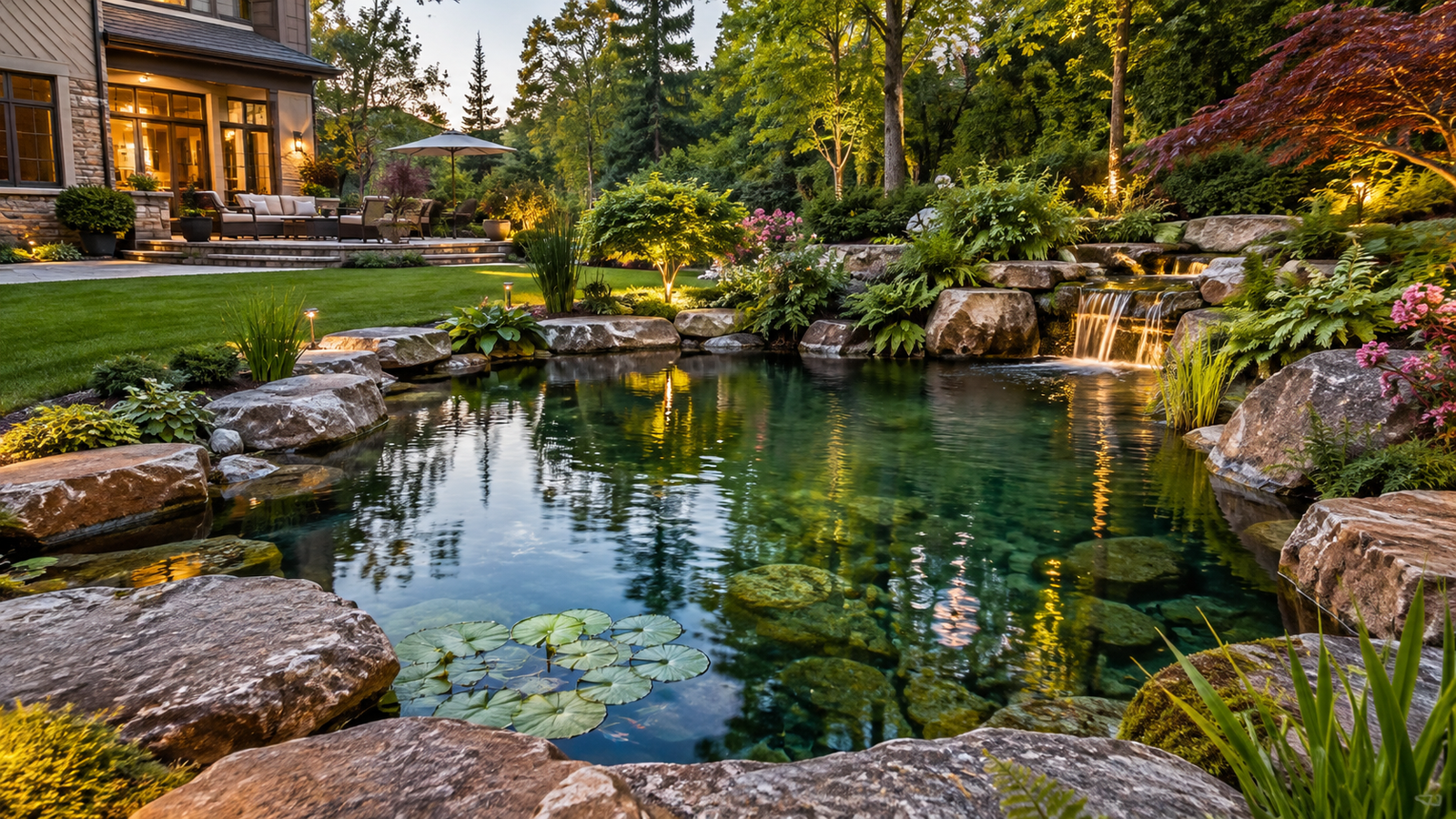
A pond can completely change the character of an outdoor space by adding beauty, movement, sound, and a natural focal point. Whether it is designed as a peaceful garden feature, a habitat for fish and aquatic plants, or an entertaining area with waterfalls and lighting, a pond requires thoughtful planning to achieve lasting results. The construction process involves several important decisions, including location, size, depth, materials, drainage, filtration, circulation, and landscaping. A Pond contractor can help coordinate these elements and turn a basic idea into a carefully planned water feature. Professional knowledge can also reduce common construction problems and make future maintenance easier. With the right approach, a pond can become an attractive addition that complements the property and provides enjoyment throughout the year.
- Planning the Pond Before Construction
- Selecting the Right Pond Size
- Finding a Suitable Location
- Preparing the Ground Properly
- Selecting Reliable Pond Materials
- Creating Efficient Water Circulation
- Installing Proper Filtration
- Adding Aquatic Plants
- Using Rocks and Decorative Stone
- Incorporating Waterfalls and Streams
- Considering Pond Lighting
- Designing a Healthy Fish Habitat
- Preventing Water Quality Problems
- Managing Pond Drainage
- Making Maintenance Convenient
- Integrating the Pond With the Landscape
- Preparing for Seasonal Changes
- Creating an Enjoyable Outdoor Environment
- Supporting Long-Term Pond Performance
- Choosing Professional Pond Construction
- Conclusion
Planning the Pond Before Construction
Successful pond construction starts with a clear plan that considers both appearance and functionality. Homeowners should think about the purpose of the pond, the desired shape, available space, preferred features, and expected maintenance requirements before work begins. A Pond contractor can evaluate these goals and create a design that balances the homeowner’s ideas with practical construction requirements. The plan may include areas for aquatic plants, fish, waterfalls, streams, rocks, fountains, and lighting. It should also account for equipment placement and convenient access for future servicing. Careful planning reduces the possibility of making expensive changes after construction has started. A detailed design gives the entire project direction and helps ensure that each part of the pond works together properly.
Selecting the Right Pond Size
The size of a pond should be determined by the available outdoor space and the intended purpose of the feature. A small pond may be suitable for a compact garden, while a larger property may allow for a more expansive design with waterfalls, streams, or fish habitats. The size also affects the volume of water that must be circulated and filtered. A Pond contractor can help determine dimensions that provide enough room for the desired features without overwhelming the surrounding landscape. The depth should also be carefully considered, particularly if the pond will contain fish or aquatic plants. Choosing the right dimensions from the beginning can improve both the appearance and performance of the completed water feature. A balanced size can also make ongoing maintenance more manageable.
Finding a Suitable Location
The location of a pond can influence sunlight exposure, drainage, water quality, maintenance, and overall visibility. A site with excessive direct sunlight may encourage algae growth, while a heavily shaded area may not provide suitable conditions for certain plants. Nearby trees can add natural beauty but may also contribute leaves, branches, pollen, and other organic debris. A Pond contractor can assess the surrounding landscape and identify factors that may affect the pond before construction begins. The water feature should ideally be visible from areas where homeowners spend time so that it can be enjoyed regularly. Maintenance access should also be considered when selecting the location. Proper placement can make the pond more attractive and reduce some of the challenges associated with long-term care.
Preparing the Ground Properly
Ground preparation is one of the most important stages of pond construction. The area needs to be excavated according to the planned shape and depth, while the base should be prepared carefully before water-retaining materials are installed. Soil conditions can vary significantly, so the construction approach may need to be adjusted depending on the site. A Pond contractor can evaluate the ground and determine the appropriate preparation methods for the planned structure. Uneven or unstable ground can create problems later if it is not addressed properly. The pond edges should also be carefully shaped to support a stable transition between water and surrounding landscape. Proper preparation provides a stronger foundation and helps reduce the risk of shifting, settling, or other structural issues.
Selecting Reliable Pond Materials
The materials used in a pond can influence its durability, appearance, and maintenance requirements. Flexible liners are commonly used for certain designs, while concrete, stone, prefabricated structures, and other materials may be suitable for different projects. Each option has specific characteristics that should be considered based on the size, shape, and intended use of the pond. A Pond contractor can explain the available materials and help select options appropriate for the design. Proper installation is equally important because even quality materials can fail when they are incorrectly fitted or supported. Water-retaining surfaces need to be installed carefully, and edges should be secured to prevent unwanted movement. Investing in suitable materials and proper installation can support the long-term reliability of the water feature.
Creating Efficient Water Circulation
Water circulation is essential for maintaining a healthy and visually appealing pond. Moving water can help distribute oxygen and prevent stagnant areas from developing. Pumps, waterfalls, streams, fountains, and filtration systems can all contribute to circulation. The equipment should be selected based on the pond’s size, volume, depth, and planned features. A Pond contractor can determine the appropriate circulation requirements and position pumps and outlets to encourage consistent movement. Efficient circulation can also improve the visual effect of waterfalls and fountains while supporting better water conditions. A system that is too weak may fail to move water effectively, while an unnecessarily powerful system can increase operating demands. Proper planning creates a more balanced and practical circulation system.
Installing Proper Filtration
A pond naturally collects leaves, sediment, plant material, dust, and other debris. Without effective filtration, these materials can affect water clarity and overall conditions. A suitable filtration system can help capture unwanted particles and support cleaner water. The type and capacity of the filter should correspond to the size and purpose of the pond. A Pond contractor can coordinate filtration with pumps, drains, skimmers, and other components to create an integrated system. Equipment should also be positioned where it can be accessed easily for routine inspection and cleaning. Filtration does not eliminate maintenance, but it can make water management more manageable. A properly selected system can contribute to clearer water and a more attractive pond environment.
Adding Aquatic Plants
Aquatic plants can bring color, texture, and natural beauty to a pond. They may also provide shade and shelter for fish and other aquatic organisms. However, plants need to be selected carefully because different varieties require different water depths, sunlight levels, and growing conditions. A Pond contractor can help determine which plants are suitable for different sections of the water feature. Floating plants can add visual interest to the water surface, while submerged and marginal plants can create layers around the edges. Plant quantities should also be managed to prevent excessive growth and organic material. Thoughtful planting can soften hard construction lines and help the pond blend naturally into its surroundings. A balanced plant design can improve appearance without creating unnecessary maintenance difficulties.
Using Rocks and Decorative Stone
Rocks and decorative stone can add texture and structure to the pond while helping it blend with the surrounding landscape. Larger stones can create focal points, while smaller rocks and gravel can fill gaps and soften transitions around the water. Stone can also be used to conceal liners, support waterfalls, and define pond edges. A Pond contractor can position these materials according to the overall design so that the result appears natural and balanced. Stones should be stable and placed carefully to prevent shifting or interfering with equipment. Their size and color should also complement the surrounding landscape. Properly arranged stonework can give the pond a more finished appearance and create visual depth throughout the feature.
Incorporating Waterfalls and Streams
Waterfalls and streams can make a pond more dynamic by adding movement and sound. The sound of flowing water can create a relaxing atmosphere, while the movement itself adds visual interest. However, these features require careful planning to ensure that water flows properly and does not escape from the intended path. A Pond contractor can design the waterfall or stream around the circulation system and select an appropriate pump for the desired flow. Rocks can be positioned to guide water naturally and reduce unnecessary splashing. The size of the waterfall should also be proportional to the pond so that the feature feels balanced. Proper construction can create a beautiful focal point while maintaining efficient water movement.
Considering Pond Lighting
Lighting can allow homeowners to enjoy their pond during the evening and highlight important design features after dark. Underwater lights can illuminate plants and fish, while landscape lighting can emphasize rocks, waterfalls, pathways, and surrounding vegetation. A Pond contractor can help coordinate lighting with the overall layout so that fixtures are positioned effectively. Electrical equipment around water should be installed with appropriate safety considerations and suitable components. Lighting should generally enhance the pond rather than overpower it with excessive brightness. Soft illumination can create attractive reflections across the water surface and highlight movement. Planning the lighting during construction can make installation more convenient and reduce the need for future modifications.
Designing a Healthy Fish Habitat
Adding fish to a pond requires more planning than creating a purely decorative water feature. Fish need sufficient space, oxygen, suitable water conditions, appropriate depth, and places to shelter. The filtration and circulation systems should also be capable of supporting the biological activity created by the fish population. A Pond contractor can incorporate these requirements into the original design. Plants and rocks can provide hiding places while contributing to the natural appearance of the pond. Fish populations should be kept at an appropriate level to prevent overcrowding and excessive waste. With suitable planning, the pond can provide a healthier environment for fish while remaining visually attractive. Designing the habitat correctly from the start is generally easier than attempting major changes after fish have already been introduced.
Preventing Water Quality Problems
Water quality can be affected by several factors, including debris, poor circulation, excessive organic material, overfeeding fish, and inadequate filtration. Algae can also become a concern when conditions encourage rapid growth. A Pond contractor can design the pond with circulation, filtration, plant placement, and sunlight exposure in mind to help create more manageable water conditions. Regular maintenance will still be necessary because outdoor ponds naturally collect debris and experience environmental changes. Removing leaves, cleaning filters, monitoring water conditions, and managing plant growth can support a healthier pond. Early attention to changing water conditions can also prevent small issues from becoming more difficult to manage. Good design combined with consistent care provides a practical approach to long-term water quality.
Managing Pond Drainage
Proper drainage is essential because surrounding rainwater can carry soil, fertilizer, leaves, and other materials into the pond. Excessive runoff may affect water clarity, increase sediment, and potentially cause erosion around pond edges. A Pond contractor can evaluate the property’s slope and design drainage solutions that help control unwanted water movement. The surrounding ground can be shaped to direct runoff away from vulnerable areas. Drainage should also account for periods of heavier rainfall and changing seasonal conditions. Effective water management protects the pond while helping preserve surrounding landscaping. Addressing drainage during the original construction is preferable to attempting to correct major runoff problems after the pond is complete.
Making Maintenance Convenient
Pond ownership involves ongoing maintenance, but thoughtful design can make routine care considerably easier. Filters need cleaning, pumps require inspection, leaves need removal, and plants may need trimming throughout the year. Equipment that is difficult to reach can make these tasks unnecessarily frustrating. A Pond contractor can position pumps, filters, drains, and other components where they can be accessed without disturbing the surrounding landscape. Adequate space should also be left around the pond for cleaning and maintenance activities. Designing with future care in mind helps protect the appearance and functionality of the water feature. A pond should be considered a long-term landscape investment rather than a feature that requires attention only during construction.
Integrating the Pond With the Landscape
The surrounding landscape plays an important role in how naturally a pond fits into the property. Plants, pathways, patios, seating areas, rocks, and garden features can all be used to create a cohesive outdoor environment. A Pond contractor can coordinate these elements so that the water feature connects naturally with the rest of the landscape. Curved edges and layered planting can soften the boundaries between water and land. Seating can be positioned near the pond to create a comfortable place for relaxation, while pathways can provide convenient access for maintenance. The goal should be to make the pond feel like a natural part of the outdoor space. A well-integrated design can increase both the visual appeal and practical value of the feature.
Preparing for Seasonal Changes
Outdoor ponds are affected by changing temperatures, rainfall, sunlight, plant growth, and falling leaves throughout the year. These conditions can influence water levels, water clarity, plant growth, and maintenance requirements. A Pond contractor can consider seasonal conditions when selecting materials, equipment, plants, and drainage solutions. Homeowners should also understand that maintenance requirements may change throughout the year. For example, falling leaves may require more frequent removal during certain periods, while aquatic plants may need trimming as they grow. Pumps and filters should be inspected regularly to ensure they continue operating properly. Preparing for predictable seasonal changes can help homeowners maintain the pond more effectively and reduce unexpected problems.
Creating an Enjoyable Outdoor Environment
A pond can become a central part of an outdoor living area by providing a place to relax, entertain guests, observe aquatic life, and enjoy the sound of moving water. The feature can be designed around the way the property is used so that it serves more than a decorative purpose. A Pond contractor can help position the pond, seating, pathways, plants, and other features to create an inviting environment. Waterfalls and fountains can add sound and movement, while lighting can make the area enjoyable during evening hours. The surrounding landscape can also be designed to provide shade, privacy, and comfortable viewing areas. When these elements work together, the pond can become an important part of everyday outdoor living.
Supporting Long-Term Pond Performance
A pond should be designed with its future performance in mind rather than focusing only on its appearance immediately after installation. Materials, equipment, drainage, filtration, circulation, and maintenance access all contribute to long-term reliability. A Pond contractor can help homeowners understand the ongoing requirements associated with different designs and features. Regular inspections can help identify problems such as leaks, damaged components, excessive algae, shifting stones, or unusual water loss. Addressing these issues early can reduce the likelihood of more complicated repairs. Long-term care also includes maintaining plants, cleaning equipment, removing debris, and monitoring the general condition of the pond. Consistent attention can help preserve the beauty and functionality of the water feature.
Choosing Professional Pond Construction
Choosing the right professional can have a major influence on the quality of the finished project. Homeowners should discuss their preferred design, intended pond use, desired features, maintenance expectations, and available space before construction begins. A Pond contractor should be able to explain important decisions involving materials, drainage, circulation, filtration, lighting, and landscaping. Clear communication helps ensure that the proposed design reflects the homeowner’s goals. Experience with different pond styles and construction challenges can also provide valuable insight during planning. A professional approach can help coordinate the many components involved in building a functional water feature. Taking time to select suitable expertise can provide a stronger foundation for both construction and long-term pond care.
Conclusion
Creating a beautiful and functional pond requires careful planning, quality construction, appropriate equipment, and consistent maintenance. From choosing the location and size to installing filtration, circulation, lighting, plants, rocks, and waterfalls, every component contributes to the final result. Professional guidance can help homeowners coordinate these elements and avoid common problems associated with poor design or installation. A Pond contractor can also help integrate the water feature with the surrounding landscape so that it feels natural and complements the property. With suitable materials, effective water management, and a practical maintenance routine, a pond can remain attractive and enjoyable for many years. Investing in careful planning and professional construction can turn an outdoor space into a relaxing environment that provides lasting beauty and everyday enjoyment.
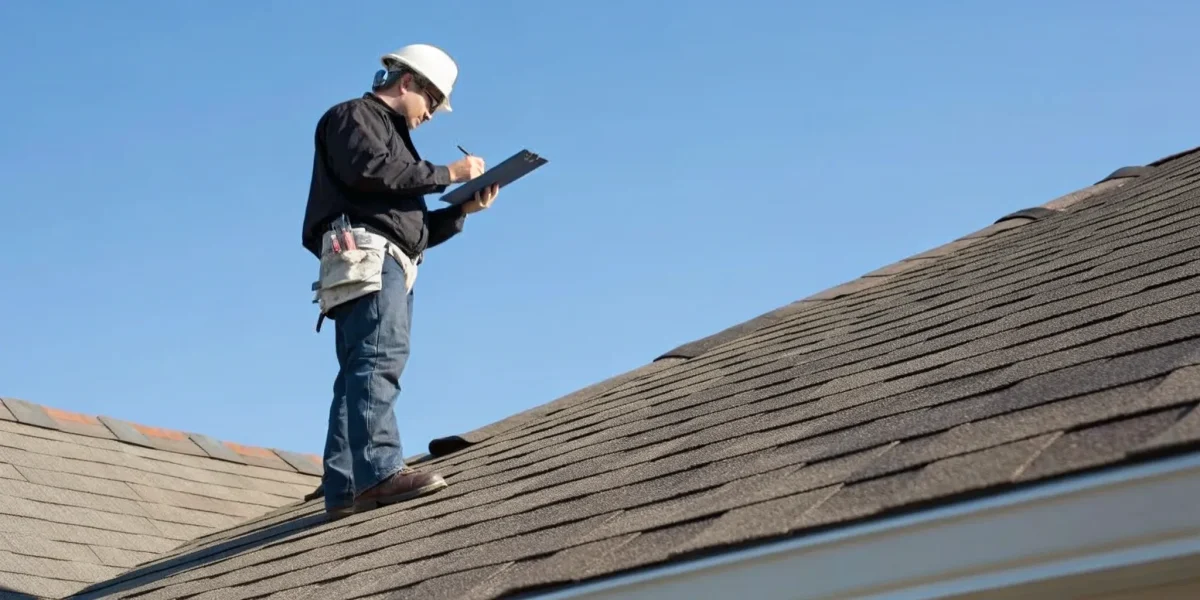
A roof is one of the most important protective components of any building, shielding the interior from rain, wind, sunlight, debris, and changing weather conditions. Because the roof is constantly exposed to the elements, small problems can gradually develop into leaks, structural deterioration, insulation issues, mold growth, and expensive repairs. Many roofing problems are difficult to notice from the ground, which makes regular inspection an important part of responsible property maintenance. A thorough roof inspection can identify early warning signs and provide valuable information about the current condition of roofing materials.
- Why Regular Roof Inspections Matter
- What a Professional Roof Inspection Includes
- Inspecting Roofing Materials
- Checking Flashing and Seals
- Evaluating Gutters and Downspouts
- Looking for Water Damage
- Roof Ventilation and Attic Conditions
- Inspecting Roof Penetrations
- Roof Inspections After Severe Weather
- Signs That a Roof Needs Attention
- Roof Inspection Before Buying a Property
- Roof Inspection Before Selling a Property
- Commercial Roof Inspections
- The Importance of Roof Maintenance
- Common Roof Inspection Mistakes
- How Often Should a Roof Be Inspected?
- Preparing for a Roof Inspection
- Understanding an Inspection Report
- Final Thoughts on Roof Inspection
A professional inspection is not limited to looking for obvious holes or missing shingles. It involves examining the roof surface, flashing, drainage system, ventilation, penetrations, structural components, and other areas that can affect performance. The goal is to determine whether the roof is functioning properly, whether damage is developing, and whether maintenance or repairs should be considered. Regular inspections can also help property owners plan future expenses rather than being surprised by an unexpected roofing emergency.
Why Regular Roof Inspections Matter
A roof can appear to be in good condition while developing problems beneath its visible surface. Water may enter through a small damaged area and travel along decking, insulation, framing, or interior finishes before becoming visible inside the building. By the time a ceiling stain appears, the original point of entry may be somewhere else.
Regular inspections provide an opportunity to identify vulnerable areas before they become major problems. Cracked flashing, deteriorated sealants, damaged roofing materials, blocked drainage components, and loose fixtures can often be addressed more easily when discovered early.
Inspections are also useful when buying or selling a property. Understanding the roof’s condition can help establish whether maintenance is needed and whether there are signs of previous repairs or ongoing deterioration.
What a Professional Roof Inspection Includes
A comprehensive roof inspection typically begins with an evaluation of the roof’s overall condition. The inspector looks for visible deterioration, damage, unusual wear, and areas where water may be entering the building.
Roofing materials are examined for cracks, curling, blistering, missing sections, loose components, or other signs of failure. The inspector may also assess the condition of valleys, ridges, edges, and areas around roof penetrations.
Flashing around chimneys, vents, skylights, walls, and other transitions receives particular attention because these areas can be vulnerable to water intrusion.
The drainage system is also reviewed. Gutters, downspouts, drains, and scuppers should be able to move water away from the roof efficiently. Standing water can accelerate deterioration and may indicate drainage problems.
Depending on the property and inspection scope, the inspector may also examine accessible attic spaces and interior areas for evidence of moisture.
Inspecting Roofing Materials
Different roofing materials have different characteristics and failure patterns. Asphalt shingles may develop curling, cracking, granule loss, or missing sections. Metal roofing can experience corrosion, loose fasteners, damaged seams, or deteriorated coatings.
Tile roofs can develop cracked or displaced tiles, while flat roofing systems may show membrane damage, seam problems, blistering, or areas of ponding water.
An inspector should evaluate the material according to its design and expected performance rather than applying the same criteria to every roof.Age is also an important factor. Roofing materials have varying service lives, and an older roof may require more frequent inspection even when it does not show obvious damage.
Checking Flashing and Seals
Flashing is designed to direct water away from vulnerable joints and transitions. It can be found around chimneys, vents, skylights, walls, roof edges, and other penetrations.
Damaged, corroded, loose, or poorly installed flashing can create pathways for water. Sealants around certain components may also deteriorate over time due to weather exposure.During an inspection, these areas should be examined carefully rather than assuming that the main roofing surface tells the complete story.
Repairs should address the underlying cause of the problem whenever possible. Simply applying additional sealant over damaged materials may provide only temporary protection.
Evaluating Gutters and Downspouts
A functioning drainage system is essential for protecting the roof and the building’s foundation. Gutters collect rainwater from sloped roof surfaces and direct it toward downspouts.
Leaves, branches, dirt, and other debris can obstruct water flow. When gutters become clogged, water may overflow onto walls, fascia, landscaping, or the foundation. Downspouts should also direct water far enough away from the building to reduce the risk of water accumulation near the foundation.
During a roof inspection, drainage components should be checked for blockages, sagging, separation, corrosion, and other problems that could prevent proper water movement.
Looking for Water Damage
Water damage can appear in many forms. Interior stains on ceilings or walls are obvious warning signs, but moisture may also cause peeling paint, damaged insulation, soft wood, musty odors, or discoloration.
In attic spaces, inspectors may look for damp insulation, water marks on roof decking, damaged rafters, or evidence of previous leaks.
Not every stain means there is an active roof leak. Condensation, plumbing problems, and older repaired leaks can produce similar evidence. The source should therefore be investigated before deciding on repairs. Identifying moisture problems early can help prevent deterioration of structural materials and interior finishes.
Roof Ventilation and Attic Conditions
Proper ventilation can help manage heat and moisture in attic spaces. Poor ventilation may contribute to condensation, excessive heat buildup, and deterioration of certain roofing and structural components.
An inspection can assess whether ventilation openings appear unobstructed and whether the attic environment shows signs of excessive moisture.
Insulation should also be evaluated when accessible. Poorly distributed insulation or ventilation problems can affect energy efficiency and contribute to temperature differences within the building.
The appropriate ventilation arrangement depends on the roof design, building construction, climate, and applicable requirements. Changes should be made carefully rather than adding vents without considering how the entire system works.
Inspecting Roof Penetrations
Every opening through a roof creates a potential vulnerability. Plumbing vents, exhaust vents, skylights, antennas, HVAC equipment, and other installations require appropriate flashing and sealing.
Inspectors should examine the areas around these penetrations for cracks, gaps, loose materials, deteriorated seals, and other signs of water entry.
Improperly installed equipment can sometimes damage roofing materials or interfere with drainage. When a leak appears near an interior fixture or ceiling penetration, the visible location should not automatically be assumed to be the source. Water can travel beneath roofing materials before entering the building.
Roof Inspections After Severe Weather
Severe weather can cause damage that is not immediately visible. High winds may loosen roofing materials, while hail or falling debris can create cracks, dents, or punctures.
After a major storm, a professional inspection can help determine whether the roof has sustained damage. This is especially useful when the roof is difficult or unsafe to access. Property owners should avoid climbing onto a roof immediately after severe weather. Wet surfaces, loose materials, and hidden structural damage can increase the risk of falls.
If branches or other debris are present, they should not be removed from unstable roof areas without appropriate precautions.
Signs That a Roof Needs Attention
Certain warning signs can indicate that an inspection is overdue. Persistent ceiling stains, unexplained moisture, damaged shingles, missing roofing components, visible cracks, sagging areas, or excessive granules in gutters can all justify further evaluation.
A sudden increase in heating or cooling costs may sometimes be related to building-envelope problems, although many other factors can contribute to energy changes.
Moss, algae, or vegetation growth may also warrant attention depending on the roofing material and environmental conditions. Growth itself does not automatically mean the roof is failing, but it can indicate persistent moisture. Unusual odors in attic areas can also suggest moisture or ventilation concerns.
Roof Inspection Before Buying a Property
A roof inspection can be particularly valuable during a property purchase. Replacing or repairing a roof can represent a significant expense, so understanding its condition before completing a transaction can help buyers make informed decisions.
The inspection should consider the roof’s approximate age, visible condition, previous repairs, drainage, flashing, ventilation, and evidence of moisture.
Buyers should also ask whether inspection documentation or maintenance records are available. Previous repair history can provide useful context about recurring problems.An inspection report should distinguish between immediate concerns, routine maintenance recommendations, and longer-term considerations.
Roof Inspection Before Selling a Property
Sellers can also benefit from understanding roof condition before listing a property. Discovering problems in advance provides an opportunity to address appropriate repairs or disclose known issues accurately.
A pre-sale inspection can help identify damaged materials, drainage problems, deteriorated flashing, or other concerns that might otherwise emerge during a buyer’s inspection.
Knowing the roof’s condition can also make discussions with prospective buyers more straightforward. Documentation of completed maintenance and repairs may provide useful information about the property’s upkeep.
Commercial Roof Inspections
Commercial roofs can have different designs and maintenance requirements from residential roofs. Large flat or low-slope systems may contain extensive membranes, drainage assemblies, mechanical equipment, penetrations, and rooftop installations.
Regular inspection is important because water can accumulate on low-slope surfaces when drainage systems become blocked or inadequate.
Commercial property owners and facility managers should maintain records of inspections and repairs. Documentation can help identify recurring problems and support long-term maintenance planning.Scheduled inspections can also reduce the likelihood of unexpected disruptions caused by roof leaks or structural deterioration.
The Importance of Roof Maintenance
Inspection and maintenance work together. An inspection identifies conditions that may require attention, while maintenance helps preserve the roof and prevent avoidable deterioration.
Routine maintenance may include cleaning drainage systems, removing appropriate debris, checking accessible flashing, maintaining roof-related equipment, and addressing minor defects when recommended.
However, maintenance should not involve unsafe roof access or inappropriate repairs. Some tasks require specialized equipment and training.
Property owners should follow professional recommendations and manufacturer requirements when maintaining roofing systems.
Common Roof Inspection Mistakes
One common mistake is inspecting only the roof surface. Important problems can occur around flashing, penetrations, drainage components, attic spaces, and structural areas.Another mistake is assuming that a ceiling stain identifies the exact location of a roof leak. Water can travel considerable distances before becoming visible.
Ignoring small defects can also lead to larger repair costs. A damaged flashing component or loose roofing material may become a significant source of water intrusion if left unattended.Some property owners also attempt to inspect steep or elevated roofs without proper safety equipment. Falls are among the most serious risks associated with roof work, so inaccessible or hazardous areas should be handled by qualified professionals.
How Often Should a Roof Be Inspected?
Inspection frequency depends on factors such as roof age, material, weather exposure, building design, previous repair history, and environmental conditions.
A newer roof may require routine inspection as part of general maintenance, while an older roof may benefit from more frequent evaluation.
Additional inspections can be appropriate after severe weather or when signs of leakage appear. Rather than relying solely on a fixed schedule, property owners should consider the roof’s specific condition and maintenance history. Professional recommendations can help establish an appropriate inspection plan.
Preparing for a Roof Inspection
Before an inspection, property owners can make relevant information available to the inspector. Roofing installation records, warranties, previous inspection reports, and repair documentation can provide useful background.Interior signs of moisture should also be identified. If occupants have noticed stains, leaks, unusual odors, or changes in attic conditions, these observations should be communicated.
Outdoor areas around the building should remain accessible so the inspector can examine drainage, exterior walls, roof edges, and other relevant components.Clear communication can help ensure that concerns are investigated rather than overlooked.
Understanding an Inspection Report
A professional roof inspection report should provide useful information about observed conditions. Depending on the inspection scope, it may include photographs, descriptions of damage, maintenance recommendations, and notes about areas that could not be safely accessed.
Property owners should distinguish between normal aging and conditions that require immediate repair. Not every imperfection means the roof needs replacement.When repairs are recommended, it is useful to understand their purpose and urgency. Questions about the estimated remaining service life, recurring problems, or potential consequences of delaying repairs can help with maintenance planning.A clear report can turn an inspection into a practical roadmap for managing the roof over time.
Final Thoughts on Roof Inspection
A roof inspection is an important preventive measure that can help property owners understand the condition of one of the building’s most critical protective systems. Roofing problems often begin with relatively small defects, and early identification can provide more opportunities to address them before they develop into extensive damage.
A thorough inspection should evaluate roofing materials, flashing, drainage, penetrations, ventilation, accessible attic areas, and signs of water intrusion. The roof’s age, material, construction, maintenance history, and exposure to severe weather should also be considered.
Property owners should pay attention to warning signs such as leaks, ceiling stains, damaged roofing materials, blocked gutters, sagging areas, unusual attic moisture, and visible deterioration. However, visible symptoms do not always reveal the source of a problem, which is why professional assessment can be valuable.
Regular maintenance following an inspection can extend the useful performance of a roofing system and help prevent avoidable damage. After severe weather, an additional inspection may also be appropriate, particularly when there is visible debris or suspected damage.
Most importantly, roof inspections should be approached with safety in mind. Steep, elevated, wet, or damaged roofs can be hazardous, and property owners should not attempt risky inspections themselves. Qualified professionals have the training and equipment needed to evaluate difficult areas more safely.
With consistent inspections, timely maintenance, and appropriate repairs, property owners can protect their buildings from preventable roofing problems and make more informed decisions about long-term roof care.

A Complete Guide to Creating a Dependable Roof Drainage System

From Ertugrul to the Live Feed from Makkah: How British Muslims Binge-Watch in Ramadan

Foodie Co: Powder Blending and Manufacturing Services

Alex Pettyfer Net Worth, Wife, Age, Height, Children, Career and More

Brad Williams Net Worth, Wife, Height, Age, Daughter, Family, Career and More

Eldorado.gg Review 2026: How It Works, Safety, Fees, and Risks
-
Celebrity9 months ago
Alex Pettyfer Net Worth, Wife, Age, Height, Children, Career and More
-
Celebrity10 months ago
Brad Williams Net Worth, Wife, Height, Age, Daughter, Family, Career and More
-
Blog1 month ago
Eldorado.gg Review 2026: How It Works, Safety, Fees, and Risks
-
 Anime11 months ago
Sanzoku Bandits of One Piece: Origins, Higuma, and Their Role in Dawn Island
-
 Celebrity10 months ago
John McGinn Net Worth, Age, Height, Wife, Childrens, Career and More
-
 Celebrity10 months ago
Frances de la Tour Net Worth, Age, Height, Husband, Childrens, Career and More
-
 Celebrity10 months ago
Will Trickett Net Worth, Wife, Childrens, Age, Career and More
-
 Blog2 months ago
Crackstube: A Complete Guide to the Digital Publishing Platform