
Cleaning Services
The Ultimate Guide to Junk Removal: How to Clear Unwanted Items Safely, Efficiently, and Responsibly

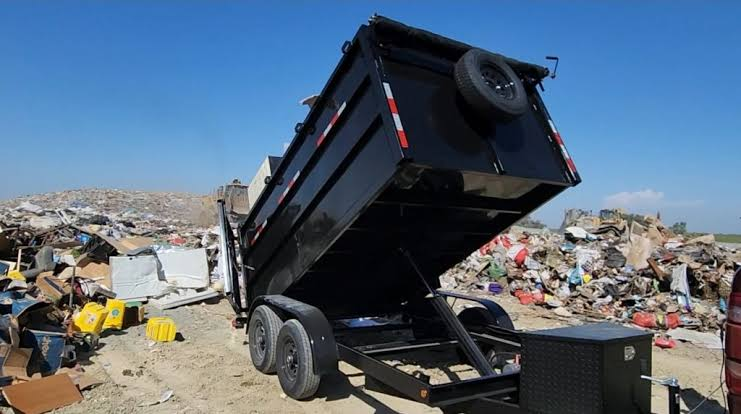
Unwanted items can accumulate in a property without people realizing how much space they are taking up. Old furniture, broken appliances, unused household belongings, renovation debris, damaged equipment, cardboard boxes, and miscellaneous clutter can gradually turn clean and useful areas into crowded spaces. When these materials are no longer needed, removing them can improve organization and create more usable rooms. However, large cleanouts can become difficult when heavy or bulky items need to be sorted, lifted, transported, and disposed of properly.Junk removal offers a practical way to handle unwanted materials without requiring property owners to complete every stage of the process themselves. Instead of spending hours loading a personal vehicle, making repeated trips to disposal facilities, or trying to move heavy objects without assistance, customers can arrange for a professional team to collect eligible materials. Understanding the process before scheduling a service can help customers prepare properly, control costs, and determine whether professional assistance is suitable for their specific cleanup project.
- Understanding Professional Removal Services
- When Professional Removal Can Be Helpful
- Preparing Before the Collection
- Common Items That May Be Removed
- Handling Large and Heavy Items
- Understanding Pricing and Service Costs
- Recycling and Donation Considerations
- Cleaning Up After Renovation Projects
- Managing Office and Commercial Cleanouts
- Avoiding Common Mistakes
- Making the Cleanup More Efficient
- Choosing the Right Service Provider
- Responsible Disposal After Collection
- Planning Large-Scale Cleanouts
- Making Future Cleanups Easier
- Final Thoughts
Understanding Professional Removal Services
Professional removal services are designed to make the process of clearing unwanted materials more convenient and organized. Depending on the provider, workers may collect furniture, appliances, household clutter, yard debris, renovation materials, office equipment, and other approved items. After collection, materials may be transported to recycling centers, donation organizations, processing facilities, or disposal sites based on their condition and the provider’s procedures.One of the biggest advantages of using a professional service is the reduction in physical work for the customer. Moving large furniture, appliances, mattresses, construction materials, or heavy boxes can require considerable effort and may involve safety risks. Professional crews are generally equipped to handle bulky materials more efficiently. Before booking junk removal, however, customers should confirm which items are accepted and whether any materials require special handling or separate disposal arrangements.
When Professional Removal Can Be Helpful
There are many situations in which professional removal services can make a major cleanup easier. Moving to a new property often requires homeowners to decide which possessions are worth keeping and which should be donated or discarded. Renovation projects can produce old cabinets, flooring, fixtures, drywall, packaging, and other unwanted materials. Garage, attic, basement, and storage-area cleanouts can also reveal large amounts of clutter that may be difficult to transport independently.Businesses may also require removal services during office relocations, renovations, closures, or reorganizations. Desks, chairs, shelving, outdated equipment, packaging materials, and miscellaneous items can occupy valuable workspace. Junk removal allows businesses to clear these materials without necessarily requiring employees to spend their working hours handling transportation and disposal. This can make large cleanouts more manageable while allowing staff to focus on their regular responsibilities.
Preparing Before the Collection
Preparation can make the collection process significantly easier. Customers should identify everything they want removed before the scheduled appointment and separate those items from belongings that are staying. Creating a designated collection area can reduce confusion and allow workers to determine quickly which materials are ready for removal. If items are located in a garage, basement, attic, backyard, or storage room, customers should consider whether workers have a clear and safe path to reach them.It is also helpful to provide the service provider with accurate information before the appointment. Customers should mention unusually large or heavy objects, stairs, narrow access points, restricted areas, or other circumstances that could affect the work. Clear communication gives the provider an opportunity to prepare appropriately. Taking some time to organize materials before the crew arrives can make junk removal faster and reduce unnecessary delays during the appointment.
Common Items That May Be Removed
The exact list of accepted materials varies by provider, but many professional services handle common household and commercial items. Furniture such as sofas, tables, chairs, cabinets, shelving, and mattresses may often be collected. Appliances, household clutter, boxes, certain electronics, yard debris, and non-hazardous materials may also qualify depending on the company’s policies and disposal arrangements.Customers should always confirm the accepted-items list before scheduling service. Some materials may be restricted because they require specialized equipment, transportation, or disposal procedures. Chemicals, fuels, certain paints, medical waste, hazardous substances, and other regulated materials may not be suitable for ordinary collection. Checking these requirements beforehand can prevent unexpected complications and gives customers enough time to arrange alternative disposal methods when necessary.
Handling Large and Heavy Items
Large and heavy objects are among the biggest challenges during a property cleanout. Items such as refrigerators, washing machines, large sofas, exercise equipment, cabinets, mattresses, and construction materials can be difficult to move through doors, hallways, stairs, and narrow spaces. Attempting to lift these objects without adequate assistance can create unnecessary risks for both people and property.Professional crews are generally familiar with moving bulky items and may have equipment or techniques that make the process easier. Customers should avoid trying to move extremely heavy objects simply to prepare them for collection unless they can do so safely. Instead, they can ask the provider whether the crew will remove items directly from their current location. This can make junk removal more convenient and reduce the amount of physical work required from the property owner.
Understanding Pricing and Service Costs
The price of a removal service can depend on several factors. The amount and type of material, the size and number of items, the labor involved, transportation requirements, and property accessibility may all influence the final cost. Some providers use volume-based pricing, while others may estimate costs based on individual items or the amount of space the materials occupy in their vehicle.Customers should ask how pricing is calculated before confirming an appointment. It is useful to determine whether labor, transportation, loading, recycling, and disposal are included in the quoted amount. Customers should also ask whether additional charges can apply when materials are unusually heavy, difficult to access, or outside the standard service category. Comparing junk removal options based on the complete service and pricing structure can make it easier to establish a realistic budget.
Recycling and Donation Considerations
Responsible disposal is an important part of dealing with unwanted belongings. Many items that customers no longer need may still have value or a useful purpose. Furniture, clothing, appliances, metals, cardboard, electronics, and other materials may sometimes be reused, donated, refurbished, or recycled instead of being sent directly for disposal.Customers who care about responsible waste management can ask providers how collected materials are handled after pickup. Some companies may sort reusable and recyclable items before disposing of materials that cannot be recovered. Donating usable belongings can also extend their useful life and benefit organizations or individuals who need them. Choosing a service with clear disposal practices can therefore help customers manage clutter while making more responsible choices about unwanted materials.
Cleaning Up After Renovation Projects
Renovation projects can generate significant amounts of waste in a short period. Removing old flooring, cabinets, countertops, fixtures, doors, drywall, and other materials can quickly create piles of debris throughout a property. Leaving these materials scattered around the work area can make it harder for contractors and homeowners to move safely and complete the renovation efficiently.Professional collection can be incorporated into the renovation schedule so unwanted materials are removed as the project progresses. Customers can gather eligible debris in an accessible area and arrange for collection when enough material has accumulated. They should still confirm that the provider accepts the specific renovation materials involved. With proper planning, junk removal can become a useful part of the renovation process instead of an overwhelming task left until the project is finished.
Managing Office and Commercial Cleanouts
Commercial properties can accumulate large quantities of unwanted materials over time. Office relocations, renovations, closures, and reorganizations can result in outdated furniture, equipment, shelving, packaging, and other items that are no longer needed. Removing these materials can be challenging when employees must balance cleanup responsibilities with normal business operations.A professional service can reduce the physical workload involved in a commercial cleanout. Businesses can organize unwanted materials while trained workers handle the collection and transportation of approved items. However, companies should identify confidential documents, data-bearing equipment, and sensitive materials before the appointment. Certain items may require specialized destruction or handling, so these requirements should be discussed separately rather than assuming they can be included in ordinary junk removal.
Avoiding Common Mistakes
One common mistake is failing to sort unwanted materials before the collection appointment. When everything is mixed together, customers may accidentally discard items they intended to keep or waste time identifying belongings after the crew has already arrived. Creating separate areas for items to keep, donate, recycle, and remove can make the process much more organized.Another mistake is assuming that every type of waste will automatically be accepted. Providers often have restrictions concerning hazardous, regulated, or specialized materials. Customers should ask about these restrictions before booking and identify any questionable items in advance. Proper preparation helps make junk removal more efficient while reducing the possibility of additional charges, delays, or rejected materials during the appointment.
Making the Cleanup More Efficient
Efficiency begins with having a clear plan for what needs to be removed. Customers can walk through the property and create a list of unwanted items before contacting a service provider. Sorting items by category can make it easier to determine what should be removed immediately and what might be suitable for donation, recycling, or resale. Starting early is particularly useful when an entire home, garage, office, or storage area needs to be cleared.Accessibility is another important consideration. Items located near an entrance or driveway may be easier to collect than materials buried behind other objects. Customers should keep pathways clear and avoid creating unsafe obstacles around the items scheduled for removal. These simple preparations can reduce unnecessary handling and help the crew complete junk removal more efficiently.
Choosing the Right Service Provider
Selecting a suitable provider requires more than looking at the lowest advertised price. Customers should consider reliability, communication, scheduling flexibility, accepted materials, pricing transparency, and disposal practices. A provider that clearly explains its services can make it easier for customers to understand what is included and what may result in additional charges.Customers may also want to ask whether estimates are provided before the work begins and whether the final price can change based on the actual volume or type of material collected. Understanding these details in advance makes the service easier to budget for. Customers should also determine whether the provider handles the specific items involved in their project. Comparing services carefully can help ensure that the selected company is appropriate for the scale and requirements of the cleanup.
Responsible Disposal After Collection
Removing unwanted items from a property is only one part of responsible waste management. After collection, materials may be sorted and directed toward recycling, donation, processing, or disposal facilities. The final destination can depend on the material’s condition, composition, and applicable handling requirements. Customers who are concerned about environmental responsibility may want to ask providers about their disposal practices.Recycling and reuse can reduce the amount of material that requires traditional disposal. Metals, cardboard, certain electronics, and other recoverable materials may be processed separately. Furniture and household goods that remain usable may also have opportunities for donation. Responsible junk removal therefore involves not only clearing unwanted materials from a property but also considering how those materials can be handled after collection.
Planning Large-Scale Cleanouts
Large cleanouts require more preparation than removing a few individual items. Estate cleanouts, property renovations, business closures, moving projects, and major storage-area clearances can produce substantial quantities of material. Customers should begin by determining the overall scope of the project and creating categories for items that will be kept, donated, recycled, sold, or removed.It is also useful to estimate how much material will ultimately need to be collected. Customers should discuss unusually large quantities or oversized items with the provider before scheduling the service. If certain materials require specialized handling, those items should be identified separately. Careful planning can make junk removal easier to coordinate and can prevent the cleanup from becoming more complicated than necessary.
Making Future Cleanups Easier
Once a major cleanup has been completed, maintaining an organized property can help prevent the same problem from developing again. Unused items should be evaluated periodically rather than being stored indefinitely. Broken belongings that are unlikely to be repaired, outdated equipment, and possessions that no longer serve a useful purpose can be addressed before they accumulate into a large collection.Establishing a regular decluttering routine can make future cleanouts much easier. Instead of waiting until storage spaces become completely full, property owners can review their belongings periodically and decide what should be kept or removed. When a significant amount of material eventually accumulates, junk removal can provide a convenient way to handle the larger collection without requiring multiple individual disposal trips.
Final Thoughts
Clearing unwanted materials can create valuable space, improve organization, and make homes and businesses easier to maintain. However, large cleanouts can become physically demanding when property owners have to sort, lift, transport, and dispose of everything independently. Professional services can simplify much of this work by providing a structured process for collecting and handling eligible materials.The best results come from planning before the collection appointment. Customers should identify the items they want removed, confirm accepted materials, ask about pricing, organize accessible collection areas, and communicate any unusual requirements to the provider. They should also consider whether reusable or recyclable materials can be diverted from general disposal. With thoughtful preparation and the right service, junk removal can turn a difficult cleanup into a more efficient, organized, and manageable project.


There’s a particular kind of relief that comes from walking into a space that used to be chaos and finding it clean. Maybe it’s a garage that hasn’t seen a car in years because it’s buried under old furniture. Maybe it’s a backyard littered with renovation debris, or an office storeroom stacked floor-to-ceiling with equipment nobody remembers buying. Whatever the mess, the feeling of finally dealing with it is universal: lighter shoulders, clearer floors, a space that finally works for you again.
That’s the business Rapid Waste Services Inc. is in. Not just hauling junk, but handing people back their space, their time, and a little piece of their peace of mind.
Why Clutter Costs More Than You Think
It’s easy to underestimate how much unwanted stuff actually costs us. There’s the obvious: square footage you’re paying for but can’t use. Then there’s the hidden cost — time spent navigating around piles, stress from looking at a mess every day, even safety hazards from blocked walkways or unstable stacks of old appliances.
Homeowners often let junk accumulate gradually, a box here, a broken chair there, until one day the garage is unusable and the spare room has become a storage unit nobody asked for. Businesses face a similar creep: outdated furniture, broken equipment, and packaging waste pile up until it starts affecting how a workspace functions.
Rapid Waste Services Inc. built its business around solving exactly this kind of slow-motion problem. The company’s crews show up, assess the situation, and clear it — often in a single visit, with none of the back-and-forth that makes DIY cleanouts drag on for weeks.
A Team That Treats Every Job Like It Matters
What sets a junk removal company apart isn’t the truck. It’s the people driving it. Rapid Waste Services Inc. has built its reputation on crews who show up on time, communicate clearly, and treat every property — whether it’s a family home or a commercial site — with the same level of care.
That matters more than it sounds. Junk removal often means strangers walking through someone’s home, handling sentimental items mixed in with the trash, or navigating a busy worksite without disrupting operations. Rapid Waste Services Inc. trains its teams to work efficiently without being careless, and respectfully without being slow. The result is a service that feels less like a transaction and more like getting help from someone who actually gets it.
Sustainability Isn’t an Afterthought
Here’s something a lot of people don’t realize about junk removal: not everything that gets hauled away ends up in a landfill. A responsible company sorts through what it collects, identifying items that can be donated, recycled, or repurposed instead of dumped.
Rapid Waste Services Inc prioritizes this kind of sorting wherever possible. Old furniture in decent shape gets diverted to donation centers. Scrap metal, electronics, and recyclable materials get separated and routed to the right facilities. It’s a small shift in process that makes a real difference at scale — fewer unnecessary landfill contributions, more usable items finding a second life, and customers who can feel genuinely good about how their unwanted items were handled.
Every Job Looks Different, and That’s the Point
No two cleanouts are the same, which is part of what makes this work interesting rather than repetitive. One day it’s an estate cleanout, where a family is sorting through decades of belongings after losing a loved one. The next, it’s a construction site that needs debris cleared before the next phase of work can begin. Then there’s the renter moving out who just needs an old mattress and a broken dresser gone before the final walkthrough.
Rapid Waste Services Inc. has structured its service to flex around these different scenarios rather than forcing every customer through the same rigid process. Residential cleanouts get handled with sensitivity and flexibility around scheduling. Commercial jobs get coordinated around business hours so operations aren’t disrupted. Construction debris removal gets planned around project timelines, not the other way around.
What Customers Actually Notice
Ask people who’ve used a junk removal service what stood out, and it’s rarely the truck size or the price list. It’s the small things: the crew who called ahead to confirm arrival time, the team that swept up after themselves, the quote that didn’t balloon once the job started.
Junk removal that’s fast, fair, and doesn’t leave you second-guessing the invoice is exactly what Rapid Waste Services Inc set out to deliver, and it shows in how the company structures its pricing and communication from the very first phone call. Transparent estimates, straightforward scheduling, and crews who actually explain what they’re doing — these aren’t flashy features, but they’re the details that turn a one-time customer into someone who calls again the next time a cleanout is needed, and recommends the service to a neighbor in the meantime.
That word-of-mouth growth isn’t an accident. It’s the natural result of a company that treats reliability as a core service feature, not a marketing line.
Clearing the Way Forward
A cluttered space has a way of quietly draining energy — the kind you don’t notice until it’s gone. Clearing it out, on the other hand, tends to create momentum. A clean garage becomes a workshop again. An empty storage room becomes office space. A cleared backyard becomes somewhere people actually want to spend time.
Rapid Waste Services Inc. exists to make that transformation simple. No complicated logistics, no guessing games about cost, no awkward negotiations over what counts as “too much junk.” Just a team that shows up, clears the clutter, and leaves the space ready for whatever comes next.
If there’s a pile that’s been sitting untouched for longer than anyone wants to admit, now’s as good a time as any to deal with it. A quick call to Rapid Waste Services Inc is usually all it takes to get the ball rolling — and to finally get that space back.

Water touches everything we do, from the coffee we brew in the morning to the showers that wake us up and the meals we cook for our families. Yet most of us rarely stop to think about what’s actually flowing through our taps until something tastes off, smells strange, or leaves spots on our dishes. That’s usually the moment people start paying attention to water quality.
Tap water in many homes carries more than just H2O. Chlorine byproducts, sediment, heavy metals, and other contaminants can hitch a ride through aging pipes and municipal treatment systems. While most of this is within safety guidelines, it doesn’t mean it’s pleasant to drink or ideal for your plumbing and appliances. That’s where a thoughtful filtration solution makes a real difference.
Biscayne Water was built around a simple idea: everyone deserves access to clean, great-tasting water without needing a chemistry degree to understand how it works. This post walks through what sets modern water filtration apart, how to choose the right system for your household, and why so many families are making the switch.
What’s Actually in Your Water?
Before diving into solutions, it helps to understand the problem. Depending on where you live, your water supply could contain:
- Chlorine and chloramine – added during treatment to kill bacteria, but often responsible for unpleasant taste and odor
- Sediment – sand, rust, and dirt particles that can cloud water and clog fixtures
- Heavy metals – such as lead or copper, which can leach from old pipes
- Hard water minerals – calcium and magnesium that cause scale buildup in appliances
- Microplastics and other emerging contaminants – increasingly found in both well and municipal water sources
None of this means your water is unsafe. Municipal treatment plants work hard to meet safety standards. But “safe” and “ideal” aren’t always the same thing, and that gap is exactly what a quality filtration system is designed to close.
How Does Water Filtration Actually Work?
Modern filtration systems use a combination of physical and chemical processes to remove unwanted particles and compounds. Here’s a quick breakdown of the most common methods:
Carbon Filtration
Activated carbon filters are excellent at trapping chlorine, volatile organic compounds, and many substances responsible for bad taste and odor. They work by adsorption, meaning contaminants stick to the surface of the carbon as water passes through.
Reverse Osmosis
Reverse osmosis pushes water through a semi-permeable membrane, catching even the tiniest particles, including dissolved salts and many heavy metals. This method is often used for drinking water systems installed directly under the sink.
Sediment Filtration
This is typically the first stage in any multi-stage system, removing larger particles like rust, sand, and silt before water moves on to finer filtration stages.
UV Purification
Ultraviolet light neutralizes bacteria and viruses without adding any chemicals, making it a popular addition for households concerned about microbial contamination, particularly those using well water.
Most quality systems combine two or more of these methods to tackle a broader range of contaminants and deliver consistently cleaner water.
Choosing the Right System for Your Home
Not every household needs the same setup. The right choice depends on a few key factors:
Water source. City water and well water carry different risks. Well water users often need a more robust setup, potentially including UV purification, since they aren’t benefiting from municipal treatment.
Household size. A single-person apartment has very different filtration demands than a family of five. Flow rate and filter capacity should match your daily water usage.
Specific concerns. If your main goal is better-tasting drinking water, a simple under-sink carbon or reverse osmosis system might be enough. If you’re dealing with hard water damaging your appliances, a whole-home softening system paired with filtration makes more sense.
Budget and maintenance. Filtration systems range from affordable pitcher filters to comprehensive whole-house setups. Consider not just the upfront cost but also ongoing filter replacement and maintenance requirements.
Choose a multi-stage whole-home system if you want comprehensive protection across every tap. Choose a targeted under-sink unit if your primary concern is drinking and cooking water. There’s no universal answer, but understanding your household’s specific needs makes the decision much simpler.
The Real Benefits of Investing in Filtered Water
It’s easy to assume filtration is just about taste, but the benefits run deeper than that.
Better-tasting everything. Coffee, tea, soups, and even ice cubes taste noticeably different with filtered water. Many people who switch say they can’t go back to unfiltered tap water once they’ve made the change.
Healthier skin and hair. Chlorine and hard water minerals can dry out skin and leave hair feeling brittle. Reducing exposure to these elements often leads to visible improvements over time.
Longer-lasting appliances. Hard water buildup is one of the leading causes of premature wear in dishwashers, washing machines, and water heaters. Filtration and softening can extend the lifespan of these investments significantly.
Reduced plastic waste. Families who filter their own water often cut back dramatically on bottled water purchases, which is better for both the household budget and the environment.
Peace of mind. Knowing exactly what is (and isn’t) in your water removes a layer of daily uncertainty that many people don’t even realize they’re carrying.
Why Families Are Choosing Biscayne Water
A reliable water filtration company makes all the difference when it comes to protecting your family’s health and your home’s plumbing long-term. That’s the philosophy behind every system Biscayne Water designs and installs. Rather than offering a one-size-fits-all product, Biscayne Water starts with a water quality assessment specific to your home, then recommends a system that actually matches your needs.
What sets Biscayne Water apart is the combination of technical expertise and genuine customer care. The team doesn’t just install a system and walk away. Ongoing support, filter replacement reminders, and responsive service mean your system keeps performing the way it should, year after year.
Whether you’re dealing with hard water stains, concerned about contaminants in your well, or simply tired of the taste of chlorinated tap water, Biscayne Water has a solution designed around your specific situation rather than a generic fix.
Taking the Next Step Toward Cleaner Water
Clean water shouldn’t be complicated, and it shouldn’t be something you have to think twice about every time you turn on the tap. Understanding what’s in your water and how filtration technology addresses it puts you in a much stronger position to make the right choice for your home.
If you’ve been noticing odd tastes, smells, or buildup around your fixtures, that’s usually a sign it’s time to explore your filtration options. Reach out to Biscayne Water for a water quality consultation and find out exactly what solution fits your household best. Clean, great-tasting water is closer than you think.

Few things feel better than walking into a home that smells fresh, shines from every corner, and feels completely at ease. Yet between work deadlines, family obligations, and the hundred small tasks that fill up a week, deep cleaning often slips to the bottom of the list. That’s where professional help changes everything.
A clean home does more than look good. It affects how you feel, how well you sleep, and even how productive you are during the day. Dust buildup, grimy kitchen counters, and cluttered living spaces create a kind of background stress that many people don’t notice until it’s gone. Once the mess disappears, so does a surprising amount of mental clutter.
This is exactly the kind of transformation a dedicated cleaning service can offer. Rather than spending your weekends scrubbing floors or wiping down baseboards, you get to reclaim that time for the things that actually matter: family, hobbies, or simply relaxing in a space that finally feels like your own.
Why a Professionally Cleaned Home Makes Such a Difference
There’s a noticeable gap between a home that’s “tidied up” and one that’s truly clean. Surface-level tidying hides clutter, but it doesn’t address the dust trapped in air vents, the bacteria lingering on kitchen surfaces, or the grime that builds up in bathroom grout over time.
Professional cleaning tackles these hidden problem areas with the right tools, techniques, and cleaning solutions. The result isn’t just a home that looks presentable for guests. It’s a home that’s genuinely healthier to live in, with better air quality and fewer allergens circulating through the rooms you spend the most time in.
There’s also a psychological lift that comes with a clean environment. Clutter and grime have a way of pulling focus and draining energy, even subconsciously. Walking into a sparkling kitchen or a freshly vacuumed living room sets a completely different tone for the day.
What to Expect from a Quality Cleaning Service
Not all cleaning services are created equal, and the difference often comes down to attention to detail. A quality service doesn’t just skim the surface. It addresses the areas that are easy to overlook, such as:
- Baseboards, window sills, and light fixtures
- Behind and underneath appliances
- Bathroom grout and fixtures
- High-traffic carpets and rugs
- Kitchen cabinets, both inside and out
Reliable cleaning professionals also bring consistency. Instead of a one-time deep clean that fades within a week, a trustworthy service builds a routine that keeps your home looking its best, week after week. That consistency is what separates a quick fix from a genuinely sustainable, low-stress lifestyle.
How Regular Cleaning Supports a Healthier Lifestyle
Dust mites, pet dander, and mold spores thrive in neglected corners of a home, often triggering allergies or respiratory discomfort without anyone realizing the cause. Regular, thorough cleaning significantly reduces these irritants, creating a safer environment for children, pets, and anyone sensitive to allergens.
Beyond the physical health benefits, a clean home also supports better mental well-being. Research on environmental psychology consistently points to cluttered, dirty spaces as a source of low-grade stress. A clean, organized home, on the other hand, promotes a sense of calm and control that carries into other parts of daily life.
For busy households, outsourcing this responsibility isn’t a luxury. It’s a practical way to protect both physical health and peace of mind, especially when time is already stretched thin between work and family commitments.
Finding a Cleaning Partner You Can Trust
The right cleaning company feels less like a service provider and more like a dependable partner in maintaining your home. Trust matters here, since you’re inviting someone into your personal space on a regular basis. Look for a team that values transparency, consistency, and genuine care for the details that make your house feel like home.
A reliable, detail-oriented cleaning routine that gives you back your weekends is exactly what Beehive House Cleaning was built to deliver. With a focus on thorough, customized service, the team treats every home with the same care and precision they’d want in their own space. From weekly maintenance to deep seasonal cleans, the goal is always the same: a spotless home without the hassle of doing it yourself.
Choosing a dependable cleaning partner means more free time, fewer chores piling up, and a home that consistently feels welcoming, no matter how busy life gets.
A Cleaner Home Starts with One Decision
A spotless, well-maintained home isn’t about luxury. It’s about reclaiming time, reducing stress, and creating a space that genuinely supports your well-being. Once you experience the difference a professional cleaning routine makes, it’s hard to imagine going back to squeezing chores into an already packed schedule.
If your home could use a reset, consider making the switch to a cleaning service that treats your space with the same care you would. The payoff isn’t just a cleaner house. It’s more time, less stress, and a home you’re genuinely proud of.
Frequently Asked Questions
How often should I schedule a professional house cleaning?
Most households benefit from a weekly or biweekly cleaning schedule, though this depends on household size, pets, and lifestyle. Larger families or homes with pets often prefer weekly visits to stay on top of dust and clutter.
Is professional cleaning worth it if I already clean regularly?
Yes. Professional cleaners target deep-seated dirt and hard-to-reach areas that everyday tidying often misses, such as grout, vents, and appliance interiors. This leads to a noticeably cleaner and healthier home overall.
Do I need to provide cleaning supplies?
Most professional cleaning services bring their own equipment and supplies, using products suited for different surfaces and materials. It’s always a good idea to confirm this ahead of time if you have specific preferences.
What’s the difference between a standard clean and a deep clean?
A standard clean covers routine maintenance like dusting, vacuuming, and wiping surfaces. A deep clean goes further, addressing baseboards, inside appliances, and other areas that build up grime over time.

Inside a China Eyewear Factory: How Eyewear Goes from Design and Material Selection to Mass Production

Building Emotional Wellness Through Professional Guidance and Support

How to Choose an Eyewear Manufacturer in China for Your European or American Private Label Brand

Alex Pettyfer Net Worth, Wife, Age, Height, Children, Career and More

Brad Williams Net Worth, Wife, Height, Age, Daughter, Family, Career and More

Eldorado.gg Review 2026: How It Works, Safety, Fees, and Risks
-
Celebrity11 months ago
Alex Pettyfer Net Worth, Wife, Age, Height, Children, Career and More
-
Celebrity11 months ago
Brad Williams Net Worth, Wife, Height, Age, Daughter, Family, Career and More
-
Blog3 months ago
Eldorado.gg Review 2026: How It Works, Safety, Fees, and Risks
-
 Anime12 months ago
Sanzoku Bandits of One Piece: Origins, Higuma, and Their Role in Dawn Island
-
 Celebrity11 months ago
John McGinn Net Worth, Age, Height, Wife, Childrens, Career and More
-
 Celebrity11 months ago
Frances de la Tour Net Worth, Age, Height, Husband, Childrens, Career and More
-
 Anime12 months ago
Shimotsuki Ushimaru – The Last Daimyo of Wano Country Explained
-
 Celebrity12 months ago
Will Trickett Net Worth, Wife, Childrens, Age, Career and More