
Home Improvement
Bathroom Remodeling: A Complete Guide to Planning a Comfortable and Functional Space

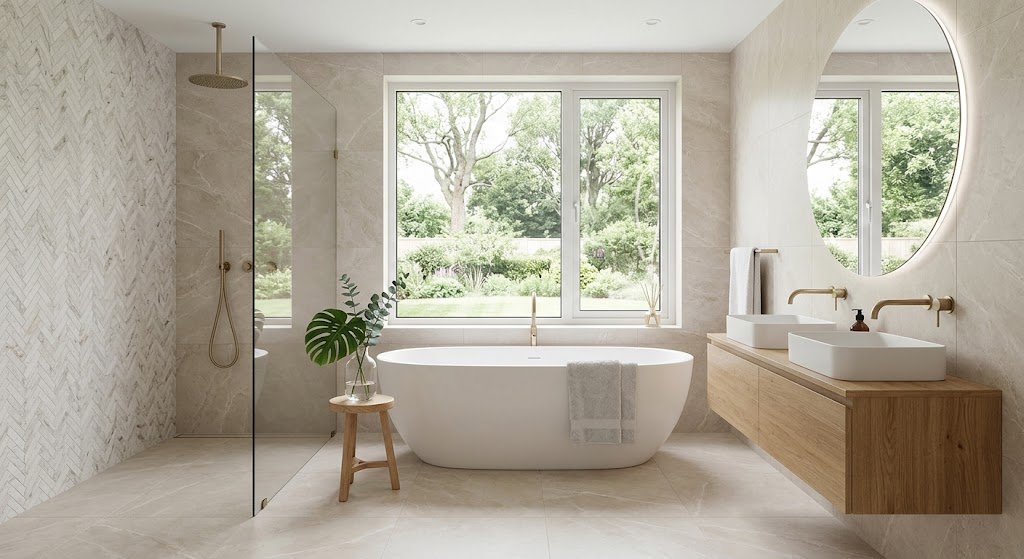
A bathroom is one of the most frequently used areas in any property, yet it is often overlooked when homeowners consider improvements to their living spaces. A well-designed bathroom can provide comfort, convenience, storage, and visual appeal while also supporting the practical needs of everyone who uses it. However, creating a better bathroom involves more than replacing a vanity or choosing attractive tiles. Successful renovation requires careful planning, appropriate material selection, thoughtful layout decisions, proper installation, and attention to plumbing, ventilation, lighting, and moisture control.
- Planning the Remodeling Project
- Creating an Effective Bathroom Layout
- Selecting Bathroom Fixtures
- Choosing Durable Flooring
- Selecting Wall Materials and Tile
- Improving Bathroom Storage
- Choosing Appropriate Lighting
- Improving Ventilation and Moisture Control
- Addressing Plumbing During the Renovation
- Making the Bathroom More Accessible
- Choosing a Practical Color and Design Scheme
- Managing the Remodeling Budget
- Common Remodeling Mistakes to Avoid
- Maintaining the Newly Renovated Bathroom
- When Professional Help Is Worth Considering
- Final Thoughts
A renovation project also provides an opportunity to correct problems that may have developed over time. Leaking fixtures, damaged flooring, outdated plumbing, inadequate storage, poor ventilation, and inefficient layouts can make a bathroom frustrating to use. Addressing these issues during a carefully planned renovation can improve the space while reducing the likelihood of repeated repairs. Whether the goal is to make a small bathroom more functional, modernize an outdated space, or create a more comfortable primary bathroom, understanding the major stages of the process can help homeowners make informed decisions.
Planning the Remodeling Project
Successful Bathroom Remodeling begins with a clear understanding of what needs to change. Before selecting finishes or purchasing fixtures, homeowners should evaluate how the current bathroom is being used and identify the problems that need to be addressed. A bathroom that feels cramped may need a better layout rather than simply more decorative elements. A bathroom with insufficient storage may benefit from a redesigned vanity, recessed shelving, or additional cabinetry.
It is also important to establish a realistic project scope. Cosmetic improvements such as painting, hardware replacement, and fixture upgrades are generally different from projects involving plumbing relocation, wall removal, electrical changes, or structural modifications. Knowing the difference helps homeowners plan the budget and timeline more accurately.
A written list of priorities can be useful. Essential repairs and functional improvements should generally be identified before optional aesthetic upgrades. This approach helps ensure that important problems are addressed even if the project budget or schedule changes.
Creating an Effective Bathroom Layout
The layout has a major influence on how comfortable and practical a bathroom feels. Every fixture needs sufficient space for use, cleaning, and maintenance. Doors should open without blocking important fixtures, and there should be comfortable pathways between the main areas.
When planning a new layout, homeowners should consider the positions of the toilet, sink, shower, bathtub, storage cabinets, and door. Moving plumbing fixtures can significantly increase the complexity and cost of a renovation, so retaining existing plumbing locations may be beneficial when the current arrangement works reasonably well.
However, maintaining the existing layout is not always the best solution. If the current design creates serious accessibility or functionality problems, relocating fixtures may provide greater long-term value. The decision should be based on the overall goals of the project rather than simply minimizing immediate costs.
Small bathrooms can benefit from space-saving solutions. Wall-mounted vanities, corner storage, sliding doors, recessed shelves, and appropriately sized fixtures can make limited areas feel more open. A well-planned layout can improve usability without requiring a larger room.
Selecting Bathroom Fixtures
Fixtures are among the most visible and frequently used components of a bathroom, so their selection should balance appearance, functionality, durability, and maintenance requirements. Toilets, sinks, faucets, showers, bathtubs, and other fixtures are available in a wide range of designs and price levels.
When choosing a toilet, factors such as bowl shape, height, flushing performance, water efficiency, and cleaning requirements can influence the decision. A fixture that looks attractive but is uncomfortable or difficult to maintain may become frustrating over time.
Faucets should be selected based on compatibility with the sink or countertop as well as the desired style and functionality. Shower systems may include handheld components, fixed showerheads, multiple controls, or other features depending on personal preferences.
A bathtub may be appropriate for households that regularly use one, while a large shower can be more practical for people who prioritize easy access and everyday convenience. The best choice depends on the available space and how the bathroom will actually be used.
Choosing Durable Flooring
Bathroom flooring must withstand moisture, frequent cleaning, and regular foot traffic. It should also provide an appropriate level of slip resistance, particularly in areas that may become wet.
Tile is a common flooring option because it is available in numerous colors, patterns, sizes, and textures. Porcelain and ceramic products are frequently used, although the specific characteristics of each product should be reviewed before installation.
Natural stone can provide a distinctive appearance but may require additional maintenance or sealing depending on the material. Other flooring products may also be suitable if they are specifically designed for bathroom environments.
The appearance of flooring should be considered alongside practical requirements. Very smooth or highly polished surfaces may be attractive but can become slippery when wet. Choosing a surface that balances appearance with safety and maintenance is generally more useful than focusing on aesthetics alone.
Selecting Wall Materials and Tile
Bathroom walls are exposed to moisture and humidity, especially around showers and bathtubs. Materials used in these areas should be suitable for wet environments and installed correctly.
Wall tile can provide both protection and visual character. Large-format tiles may create a clean appearance and reduce the number of visible grout lines, while smaller tiles can introduce patterns and texture. The choice depends on the desired style and practical considerations.
Grout also deserves attention because it can influence both appearance and maintenance. Properly installed and maintained grout helps protect the underlying surfaces. Poor installation can result in cracks, water penetration, discoloration, and other problems.
Waterproofing is especially important in shower areas. Tile itself does not automatically make a shower completely waterproof. The underlying waterproofing system must be installed correctly so that moisture does not penetrate into walls or other building materials.
Improving Bathroom Storage
Storage is one of the most important practical considerations in bathroom design. Toiletries, towels, cleaning supplies, personal-care products, and other items can quickly create clutter if there is insufficient storage.
Vanity cabinets provide convenient storage beneath the sink, while wall-mounted cabinets can take advantage of vertical space. Recessed niches can be useful in shower areas for storing bathing products without taking up valuable floor space.
Open shelving can make frequently used items easy to access, but it may require more frequent cleaning because items remain exposed. Closed cabinetry can provide a cleaner appearance and hide clutter.
Storage should be designed around actual household needs. A visually attractive cabinet that cannot accommodate everyday items will not provide much practical value. Measuring existing belongings and identifying which products need regular access can help guide storage decisions.
Choosing Appropriate Lighting
Lighting can dramatically influence the appearance and functionality of a bathroom. A single ceiling fixture may provide general illumination, but additional lighting can improve visibility around mirrors, showers, and other areas.
Vanity lighting should minimize harsh shadows on the face, making grooming tasks easier. Multiple light sources can create more balanced illumination than one bright fixture positioned in a single location.
Color temperature also affects the atmosphere of the room. Some homeowners prefer warmer lighting for a relaxing environment, while others prefer brighter, more neutral illumination for grooming and everyday tasks.
All bathroom electrical work should be completed according to applicable safety requirements. Fixtures and electrical components used in areas exposed to moisture need to be appropriate for their intended environment and installed correctly.
Improving Ventilation and Moisture Control
Bathrooms naturally generate significant amounts of moisture. Hot showers and baths increase humidity, which can contribute to condensation, surface deterioration, unpleasant odors, and microbial growth if moisture is not properly controlled.
A suitable exhaust fan can help remove humid air and reduce moisture accumulation. The fan should be appropriately sized for the space and vented correctly rather than simply exhausting moisture into an enclosed cavity.
Windows can provide additional ventilation where available, but they may not always be sufficient. A dedicated exhaust system can provide more consistent moisture control.
After bathing, allowing the exhaust fan to operate for an appropriate period can help remove lingering humidity. Keeping wet surfaces reasonably dry and addressing leaks promptly can also reduce moisture-related problems.
Addressing Plumbing During the Renovation
Plumbing deserves careful attention because hidden leaks can cause substantial damage. During a renovation, exposed plumbing provides an opportunity to inspect pipes, valves, connections, and drainage components.
If older plumbing is showing signs of corrosion or deterioration, replacing problematic sections during the renovation may be more practical than waiting for a failure. However, plumbing changes should be evaluated by qualified professionals because improper connections can lead to leaks, drainage problems, or code-related issues.
Water pressure and drainage should also be considered when new fixtures are installed. A fixture may look ideal but perform poorly if the existing plumbing system cannot support it appropriately.
The renovation is also a good opportunity to identify shutoff valves and ensure that they are accessible. Convenient shutoff locations can make future repairs easier and reduce the time required to respond to plumbing emergencies.
Making the Bathroom More Accessible
Accessibility can be incorporated into bathroom design without sacrificing appearance. Wider pathways, appropriate fixture heights, grab-bar reinforcement, curbless showers, handheld showerheads, and strategically positioned controls can make the space easier to use.
Even homeowners who do not currently require accessibility features may appreciate designs that support easier use as needs change. Creating a comfortable bathroom for different ages and mobility levels can provide long-term value.
Shower floors should be designed with appropriate drainage and slip resistance. Grab bars should be properly anchored to structural support rather than simply attached to decorative wall materials.
An accessible design should be planned from the beginning because some features require reinforcement or specific construction methods. Retrofitting them later may be more complicated and expensive.
Choosing a Practical Color and Design Scheme
A bathroom’s design should reflect personal preferences while remaining practical for long-term use. Neutral colors can create a timeless appearance, while stronger colors and patterns can add personality through paint, accessories, or easily replaceable elements.
The size of the bathroom should also influence design decisions. Lighter colors and reflective surfaces can help a smaller space feel more open, while contrasting materials can add depth and visual interest.
Consistency is also important. Flooring, wall materials, fixtures, cabinetry, lighting, and hardware should work together rather than competing for attention. A cohesive design can make the space feel more intentional and comfortable.
Trends can provide inspiration, but homeowners should consider how easily a particular style can be maintained over time. A design that looks impressive in photographs may not necessarily be practical for everyday household use.
Managing the Remodeling Budget
A realistic budget should include both expected and unexpected expenses. Materials, labor, plumbing, electrical work, demolition, disposal, waterproofing, fixtures, cabinetry, and finishing work can all contribute to the final cost.
It is wise to reserve part of the budget for unforeseen problems. Once walls or floors are opened, hidden issues such as water damage, deteriorated plumbing, or structural concerns may become visible.
Homeowners should also distinguish between items that are essential and optional upgrades. Addressing leaks, damaged materials, ventilation problems, and unsafe electrical conditions should generally take priority over decorative additions.
Comparing detailed estimates can help clarify what each contractor includes. A low initial quote may not remain the lowest if important tasks or materials are excluded. Understanding the scope of work is therefore more useful than comparing prices alone.
Common Remodeling Mistakes to Avoid
One frequent mistake is focusing heavily on appearance while overlooking functionality. Attractive finishes cannot compensate for poor lighting, inadequate storage, uncomfortable layouts, or insufficient ventilation.
Another mistake is selecting fixtures before confirming measurements. A large vanity, bathtub, or shower system may not fit comfortably within the available space. Measurements should be confirmed before ordering major components.
Waterproofing is another area where shortcuts can create serious problems. Improperly waterproofed wet areas can allow moisture to penetrate behind finished surfaces, potentially leading to expensive repairs.
Homeowners should also avoid making too many changes without considering how they affect the project timeline. Moving plumbing, changing electrical systems, and altering walls can turn a simple renovation into a much more complex construction project.
Maintaining the Newly Renovated Bathroom
Once the renovation is complete, regular care can help preserve the appearance and performance of the new space. Leaks should be addressed promptly, grout and sealants should be inspected periodically, and ventilation should be used consistently to control moisture.
Cleaning products should be compatible with the materials installed in the bathroom. Harsh chemicals may damage certain finishes, natural stone, grout, fixtures, or protective coatings.
Drainage should also be monitored. Slow drains can allow water to accumulate and may indicate a developing blockage. Addressing minor plumbing problems early can reduce the likelihood of larger issues.
Regular maintenance does not need to be complicated. Simple habits such as drying wet surfaces, cleaning ventilation grilles, checking fixtures for leaks, and keeping drains clear can help extend the life of the remodeled space.
When Professional Help Is Worth Considering
A bathroom renovation can involve plumbing, electrical systems, waterproofing, ventilation, carpentry, tiling, and other specialized work. While some cosmetic improvements can be completed independently, more complicated projects often benefit from qualified professionals.
Professional contractors can help coordinate different stages of the renovation and identify technical issues that may not be obvious to homeowners. Plumbers and electricians can handle specialized systems safely, while experienced installers can help ensure that waterproofing, tile, cabinetry, and fixtures are completed correctly.
Choosing qualified professionals is particularly important when the project involves structural changes, extensive plumbing relocation, electrical modifications, or significant water damage. Proper installation can help prevent problems that may otherwise become expensive to correct after the project is finished.
Final Thoughts
A successful bathroom remodeling in Downingtown project combines practical planning with thoughtful design. The most attractive bathroom is not necessarily the one with the most expensive materials or the latest trends. Instead, a successful renovation is one that fits the needs of the people using the space, makes efficient use of available room, provides appropriate storage, controls moisture, and uses durable materials that can withstand everyday use.
Careful planning before construction begins can prevent many common problems. Measuring the space, evaluating the plumbing, considering ventilation, selecting appropriate fixtures, and establishing a realistic budget all contribute to a smoother project. Homeowners should also consider future needs so that the renovated bathroom remains useful for years rather than becoming outdated or impractical soon after completion.
A well-executed renovation can improve both everyday comfort and the overall functionality of a property. From better lighting and storage to improved ventilation and more efficient fixtures, relatively small design decisions can have a significant impact on the experience of using the bathroom.
Ultimately, Bathroom Remodeling is an opportunity to transform an ordinary functional space into an environment that is comfortable, efficient, durable, and visually appealing. By prioritizing quality workmanship, appropriate materials, thoughtful layouts, and proper moisture protection, homeowners can create a bathroom that serves their needs while maintaining its value and appearance over the long term.

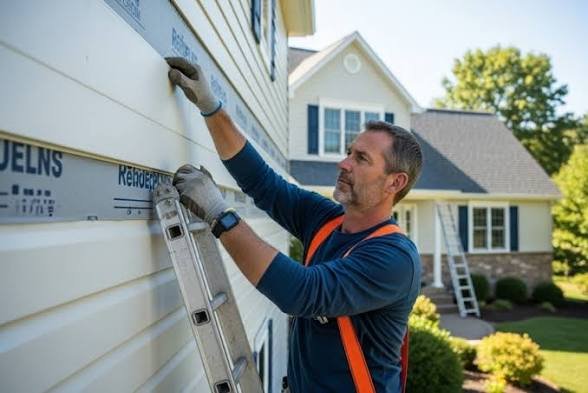
You don’t know that a product is faulty until it fails. That failure often manifests itself as a simple repair to a piece of trim or a painting. Most siding failures are caused by errors in the selection process, not by the product itself. Therefore, the questions that you ask prior to signing off on a contractor are far more important than the product that they are selling.
Most Useful, Evaluate Installers, What Constitutes Documentation that Carries Weight, and What Parts of the Quote will Determine How a Job Goes.
Verify experience against the specific assembly you are buying
General years in business are usually pretty meaningless to me, but the number of years the contractor has been doing work with specific types of siding can be very telling. For example, a contractor with 20 years of experience installing vinyl siding may have little to no experience installing fiber cement siding or cutting and fastening it, let alone installing a true rainscreen or open joint cladding system and detailing associated flashings.
Ask about the ways in which the installer has handled different problems in the past. If the home was built with stucco, find out what the installer’s process is for tearing off the old siding, and how they will handle the lath that has become corroded into the sheathing. If the home is older, ask about how they will handle it if there is no sheathing at all behind the original siding.
Check the crew, not just the company
Many exterior remodeling companies hire out the actual installation of siding. Nothing is inherently wrong with this practice. The concern is whether or not the same group of people will be on your property from start to finish and whether or not there will be a competent supervisor on site every day to answer questions. Would you want the same surgeon operating on you that they send to operate on their family members? What certifications does the lead installer of your project hold with siding manufacturers?
Test material expertise with the details that cause callbacks
The areas of siding that fail most often are the locations around kickout flashing for a roof to wall corner, window head flashing, penetration for a dryer vent or hose bib, and the bottom clearances for siding and roofing. It is fairly easy to determine if a contractor has knowledge of these critical siding locations by inquiring about them.
“Method of use of the WRB, What WRB product do you propose to use? How will you shingle lap the panels to ensure adequate coverage of overlaps? How will you integrate self-adhered flashing membrane into openings through the siding as opposed to relying on tape to seal penetrations through the housewrap? Are you always using the same housewrap on all exterior sheathing? If so, it suggests a formulaic approach to detailing rather than a site specific one.”
Read the warranty structure before you read the price
The different components of a siding warranty can protect different parties including the homeowner, the manufacturer, and the installer. A product warranty is given by the manufacturer and covers defects in the material for a certain period of time. A workmanship warranty is given by the installer and covers any workmanship errors in the installation. An enhanced manufacturer warranty is given by the manufacturer to a certified installer and often includes the cost of labor for removal and reinstallation of siding.
| Warranty type | Typical duration | What it covers | Common exclusion |
| Standard product | 20 to 50 years, prorated | Material defects, fading limits | All labor costs |
| Contractor workmanship | 1 to 10 years | Installation errors, fastening, flashing | Water intrusion from other trades |
| Certified installer extended | 20 to lifetime, often non-prorated early | Material plus labor to replace | Voided by non-approved accessories |
Does the warranty of the workmanship of the installer have any substance? In other words, is this 10 year guarantee backed by a 3 year old company of any value or is it better to have a 5 year warranty from an established company with transferable coverage?
Compare quotes on scope, not on the bottom line
Differing line items and extremely low allowance amounts in bids also need to be carefully scrutinized to determine if the lowest bid will translate into lower cost of completion or will result in additional change orders for needed work not originally identified.
- Tear-off and disposal, including whether sheathing repair is allowance based or excluded
- WRB type and flashing materials specified by name
- Trim, soffit, fascia, and corner details, and whether they are the manufacturer’s matched system
- Fastener type and spacing, particularly for coastal or high-wind exposure
- Permits, inspections, and who schedules them
Understand what unreasonably low allowances might mean in terms of establishing change orders after the initial bid has been accepted. Rotted sheathing allowance is a common area to see this abuse.
Weigh local knowledge appropriately
Know the local market, know the local inspectors and their requirements, know how wind drives rain on your exposure, know which products have failed in your local market over the last 15 years. Local firms have a local reputation that they cannot just pack up and move to another area, which is why homeowners in northwest Ohio are usually better served by established siding contractors Toledo OH inspectors already know by name.
Make the decision on evidence you can inspect
After all this, a walk past 3 addresses completed with the same material (preferably 5+ years ago) will tell you lots more about how good the contractor is than any promise of warranty or workmanship. Also, ask for the license and insurance number, and confirm with the appropriate government body that they are current, and that the policy limits are sufficient to cover the full contract price. Most contractors will welcome your scrutiny of their work, and promise to return your calls and turn up on site.
Home Improvement
How Regular Pool Repair and Maintenance Can Help Protect Your Swimming Pool Investment

A swimming pool is a valuable addition to a property, but keeping it in good condition requires regular care and attention. Daily use, changing weather conditions, water chemistry, equipment operation, and normal aging can gradually affect the pool structure and its supporting systems. Small cracks, leaks, damaged tiles, worn equipment, and circulation problems may appear minor at first but can become more complicated when they are ignored. Pool repair provides a practical way to address these concerns and restore the proper function of damaged components. A consistent maintenance strategy combined with timely repairs can help preserve the appearance, performance, safety, and long-term value of a swimming pool.
- Understanding the Importance of Pool Maintenance
- Recognizing Early Signs of Damage
- Inspecting the Pool Structure
- Addressing Water Loss
- Maintaining the Pool Pump
- Keeping Filters Efficient
- Inspecting Plumbing and Valves
- Maintaining Pool Heating Equipment
- Caring for Pool Surfaces and Tiles
- Maintaining Pool Decking and Surrounding Areas
- Maintaining Proper Water Chemistry
- Preventing Equipment Damage
- Understanding Electrical Safety
- Creating a Preventive Maintenance Schedule
- Choosing Professional Repair Assistance
- Considering Repair or Replacement
- Managing Long-Term Maintenance Costs
- Protecting the Overall Pool Investment
- Final Thoughts
Understanding the Importance of Pool Maintenance
Regular maintenance is essential because a swimming pool consists of many connected components that must work together. The pump circulates water, the filter removes suspended particles, chemical systems help maintain water quality, and plumbing moves water between different parts of the system. The pool shell, surface, tiles, coping, decking, and equipment also require periodic inspection. Pool repair becomes easier when maintenance routines identify problems before they become severe. Regularly checking the condition of equipment and surfaces can help property owners understand how their pool normally operates and recognize unusual changes that may indicate a developing problem.
Recognizing Early Signs of Damage
Many pool problems provide warning signs before a major failure occurs. Unexpected water loss, unusual pump sounds, reduced water circulation, cloudy water, damaged tiles, cracks, staining, loose fittings, or changes in equipment pressure may all deserve attention. Pool repair can often be more manageable when a problem is identified during its early stages. Waiting until a component completely fails can increase the amount of labor and materials required to restore the system. Property owners should therefore observe both the physical condition of the pool and the behavior of its mechanical equipment. Early identification allows maintenance decisions to be made before a minor concern develops into a larger issue.
Inspecting the Pool Structure
The pool structure is constantly exposed to water pressure, chemicals, temperature changes, and environmental conditions. Depending on construction materials, surfaces may develop cracks, chips, discoloration, rough areas, or other signs of deterioration. Pool repair may involve addressing localized surface damage, restoring damaged areas, or investigating cracks that could indicate a deeper structural concern. Not every imperfection represents a serious problem, so proper assessment is important before deciding on a repair method. Regular inspections can help distinguish normal cosmetic aging from damage that may affect water retention, durability, or the structural performance of the pool.
Addressing Water Loss
Water loss can be caused by normal evaporation, splashing, maintenance activities, or a genuine leak. When water levels drop unusually quickly or require frequent topping up, the cause should be investigated. Pool repair can help correct leaks affecting the pool shell, plumbing, fittings, equipment, or other parts of the circulation system. Finding the source may sometimes be challenging because water can travel through surrounding materials before becoming visible. A professional inspection may be appropriate when simple observations cannot identify the problem. Addressing water loss promptly can help prevent unnecessary water usage and reduce the possibility of moisture-related damage.
Maintaining the Pool Pump
The circulation pump is one of the most important mechanical components because it moves water through the filter, heater, and other parts of the system. Problems may include unusual noises, reduced pressure, overheating, leaks, vibration, or failure to start. Pool repair may involve replacing worn seals, bearings, motors, electrical components, or other parts depending on the cause. Keeping the pump basket clean and ensuring that water can enter the pump properly can help reduce unnecessary strain. If a pump repeatedly develops the same issue, the underlying cause should be investigated instead of repeatedly replacing individual parts without determining why the failure is occurring.
Keeping Filters Efficient
Filters help remove dirt, dust, oils, and other suspended particles from circulating pool water. A dirty or damaged filter can restrict water flow and make the circulation system work harder. Pool repair may be necessary when filter housings, valves, cartridges, internal components, or other parts become damaged. Regular filter maintenance can reduce the likelihood of serious problems and support consistent water circulation. Different filtration systems require different cleaning procedures, so maintenance should be performed according to the specific equipment design. Monitoring pressure readings can also help identify when a filter requires cleaning, inspection, or replacement.
Inspecting Plumbing and Valves
The plumbing system connects the pool to pumps, filters, heaters, drains, and return points. Leaks, damaged pipes, worn seals, faulty valves, and blocked lines can interfere with water movement and may cause equipment to operate inefficiently. Pool repair can include replacing damaged fittings, repairing accessible plumbing, renewing seals, or correcting valve problems. Some leaks may be difficult to locate because sections of plumbing can be installed underground or behind other structures. Visible connections should be inspected regularly for moisture, dripping, corrosion, or other signs of deterioration. Early attention can reduce the risk of a small plumbing issue developing into a more extensive problem.
Maintaining Pool Heating Equipment
Pool heating systems can improve comfort but contain several components that require proper maintenance. Problems may involve sensors, controls, heat exchangers, water flow, electrical connections, or other internal components. A heater that does not maintain the desired temperature or repeatedly shuts down should be inspected rather than continuously restarted. Pool repair involving heating equipment may require specialized knowledge because certain systems involve electrical components, fuel, combustion, and water. Professional service can help identify the actual source of the problem and ensure that repairs are performed according to appropriate safety requirements. Regular inspection can also help identify worn components before they cause complete system failure.
Caring for Pool Surfaces and Tiles
The interior finish of a swimming pool contributes significantly to its appearance and can also affect the feel of the surface during use. Tiles may crack, loosen, stain, or become damaged, while other finishes may develop discoloration, rough areas, or deterioration. Pool repair can involve replacing individual tiles, restoring damaged sections, repairing joints, or addressing broader surface problems. Prompt attention can help prevent loose materials from becoming a safety concern or allowing water to reach vulnerable areas. When replacement materials are needed, selecting compatible products can help preserve the appearance and performance of the existing surface.
Maintaining Pool Decking and Surrounding Areas
The area around a pool is exposed to water, sunlight, foot traffic, temperature changes, and cleaning products. Over time, decking can crack, become uneven, stain, or deteriorate. Damaged areas may create trip hazards and can also interfere with proper drainage around the pool. Pool repair projects may sometimes include work on surrounding surfaces when deterioration affects safety or water management. The appropriate solution depends on the decking material, extent of damage, drainage requirements, and desired appearance. Keeping the surrounding area in good condition is an important part of maintaining the overall functionality and appearance of the pool environment.
Maintaining Proper Water Chemistry
Water chemistry is another important aspect of pool maintenance because improperly balanced water can affect both swimmers and equipment. Poor chemical balance can contribute to scaling, corrosion, staining, cloudy water, and deterioration of certain surfaces. Pool repair may become necessary when prolonged chemical problems contribute to damage affecting equipment or finishes. Regular testing can help property owners monitor important chemical conditions and make appropriate adjustments. Chemical treatment should be combined with effective filtration and circulation because chemicals do not replace the need to physically remove suspended particles. A balanced maintenance routine can help protect both water quality and pool components.
Preventing Equipment Damage
Preventive maintenance can reduce the likelihood of unexpected equipment failure. Pump baskets should be kept clear, filters should be maintained, valves should be inspected, and visible connections should be checked periodically. Pool repair is generally more straightforward when worn or damaged components are identified before they affect connected equipment. Operating pumps, heaters, or filtration systems outside their recommended conditions can increase wear and reduce service life. Property owners should follow equipment instructions regarding operating schedules, cleaning procedures, and maintenance intervals. Keeping equipment areas clean and properly ventilated can also contribute to more reliable operation.
Understanding Electrical Safety
Many pools include electrical equipment such as pumps, heaters, lighting systems, timers, automation controls, and other accessories. Because these components operate near water, electrical maintenance requires particular care. Pool repair involving wiring, control panels, electrical connections, or internal electrical components should be handled by appropriately qualified professionals when specialized knowledge is required. Attempting unfamiliar electrical repairs can create serious safety risks. Regular inspection can help identify visible signs of damage or malfunction, but complex electrical issues should be diagnosed and corrected using appropriate professional procedures. Safety should always take priority when water and electrical systems are involved.
Creating a Preventive Maintenance Schedule
A structured maintenance schedule can make it easier to keep track of the condition of a swimming pool. Regular tasks may include checking water chemistry, cleaning filters, emptying pump baskets, inspecting surfaces, observing water levels, checking equipment performance, and examining visible plumbing connections. Pool repair can then be arranged when inspections reveal issues that require attention. Keeping written records of maintenance activities can help identify recurring problems and provide useful information when professional service is required. A preventive approach is often more effective than waiting until several components fail at the same time. Consistent attention can also make maintenance costs easier to plan.
Choosing Professional Repair Assistance
Some basic pool maintenance tasks can be completed by experienced property owners, but complicated problems may require professional assistance. Structural cracks, underground leaks, electrical faults, major plumbing problems, heater failures, and internal equipment damage can be difficult to diagnose without suitable tools and technical knowledge. Pool repair performed by an experienced professional can help identify the actual cause rather than simply addressing the most visible symptom. When choosing a service provider, property owners can consider experience, workmanship, communication, repair methods, materials, warranties, and maintenance recommendations. Clear explanations can help owners understand what work is necessary and why.
Considering Repair or Replacement
Not every damaged component should be repaired repeatedly. Older pumps, severely damaged filters, extensively corroded parts, deteriorated surfaces, and repeatedly failing equipment may eventually become more practical to replace. Pool repair remains useful when a component is structurally sound and can be restored effectively. However, repeated repairs to an aging component may result in ongoing expenses without providing reliable long-term performance. A professional assessment can help determine whether repair, partial replacement, or complete replacement is appropriate. Considering the age, condition, repair history, and expected future performance of a component can help property owners make practical maintenance decisions.
Managing Long-Term Maintenance Costs
Regular maintenance can help reduce the likelihood of unexpected and expensive failures. Addressing small leaks, worn seals, damaged tiles, clogged filters, and unusual equipment behavior early may prevent additional components from being affected. Pool repair costs can vary depending on the type and extent of damage, so early diagnosis may make it easier to plan necessary work. Property owners can also maintain records of previous repairs, replacement parts, and equipment age to help anticipate future maintenance requirements. Comparing repair options based on durability and long-term value rather than focusing only on initial cost can support better financial planning.
Protecting the Overall Pool Investment
A swimming pool represents an investment in both property value and personal enjoyment, so maintaining its condition is important. Regular inspections and timely attention to problems can help protect the structural components, mechanical equipment, surfaces, and surrounding areas. Pool repair can restore damaged parts while helping prevent small problems from becoming more extensive. Combining repairs with preventive cleaning, water testing, equipment inspections, and professional servicing when necessary creates a more complete maintenance strategy. A proactive approach can also improve the pool’s appearance and reliability while reducing the likelihood of unexpected disruptions during periods when the pool is being used frequently.
Final Thoughts
Regular care is essential for keeping a swimming pool functional, attractive, and dependable over the long term. Pumps, filters, plumbing, heaters, surfaces, tiles, electrical equipment, and surrounding areas can all experience wear through normal use and environmental exposure. Pool repair provides an effective way to address damaged components and restore proper operation when problems occur. By monitoring warning signs, following a consistent maintenance schedule, maintaining appropriate water chemistry, and seeking professional assistance for complicated issues, property owners can protect their pool investment. A proactive maintenance strategy can help extend equipment life, reduce avoidable expenses, and support a cleaner and more enjoyable swimming environment for years to come.
Home Improvement
How Gas Fireplace Repair Can Restore Performance, Improve Safety, and Extend the Life of Your Fireplace
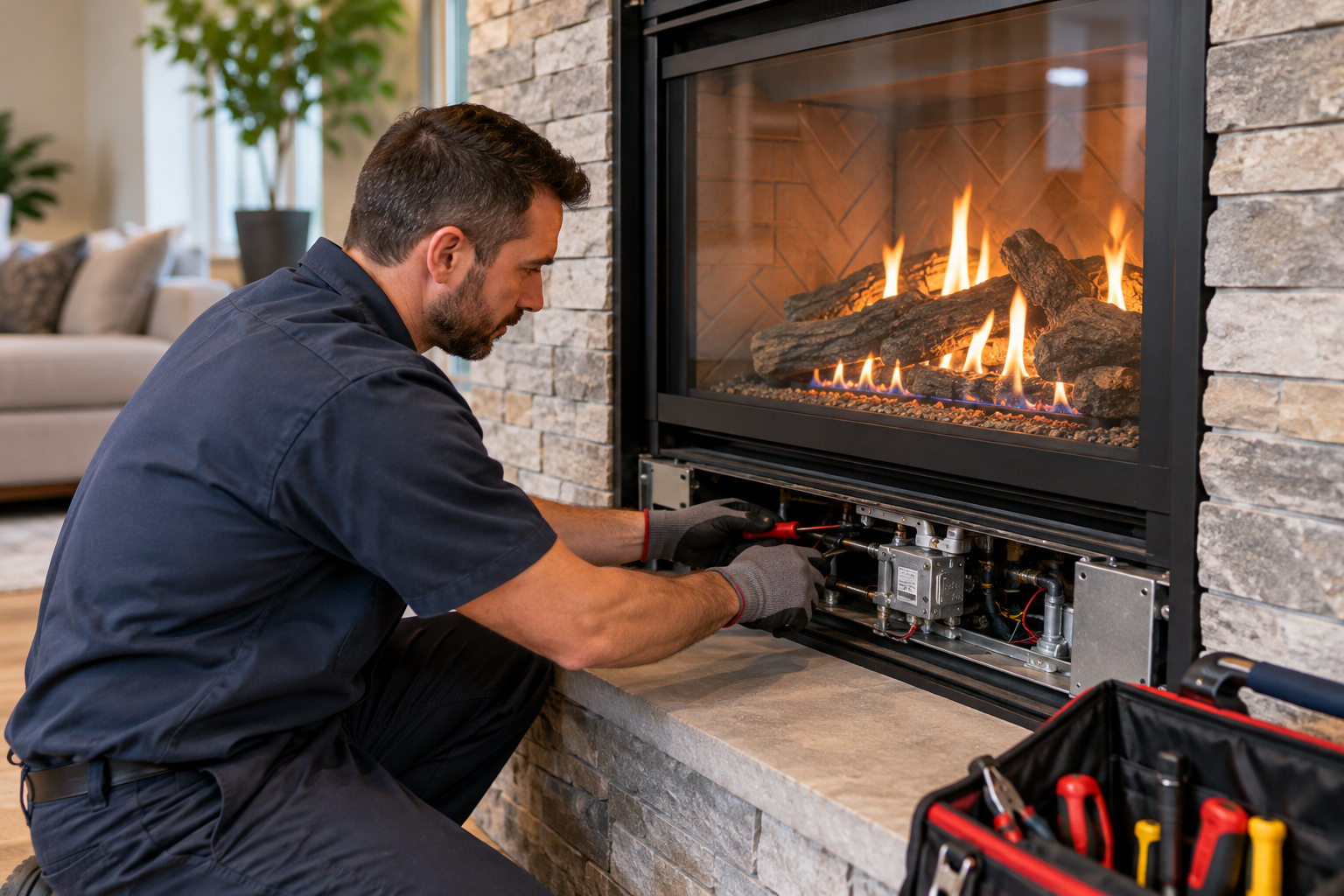
A gas fireplace can add warmth, comfort, and visual appeal to a home while offering a convenient alternative to a traditional wood-burning fireplace. Like any fuel-burning appliance, however, a gas fireplace contains several mechanical, electrical, and combustion-related components that require proper care. Burners, pilot assemblies, ignition systems, valves, controls, glass panels, and ventilation components can all experience wear or develop problems over time. Ignoring unusual sounds, inconsistent flames, ignition failures, or other warning signs may allow a minor issue to become more complicated. Professional gas fireplace repair can help identify the actual cause of a problem and restore the appliance to proper operating condition while preserving important safety features.
- Understanding Gas Fireplace Components
- Recognizing Common Warning Signs
- Dealing With Pilot Light Problems
- Troubleshooting Ignition Failures
- Examining Burner Performance
- Checking Gas Valves and Controls
- Understanding Ventilation Concerns
- Responding to Unusual Odors
- Addressing Soot and Discoloration
- Inspecting Gas Connections
- Caring for Fireplace Glass
- Checking Gas Logs and Decorative Materials
- When Professional Service Is Necessary
- Preventive Maintenance Practices
- Improving Fireplace Performance
- Practicing Safe Operation
- Choosing the Right Repair Solution
- Long-Term Fireplace Care
- Final Thoughts
Understanding Gas Fireplace Components
Understanding the basic components of a gas fireplace can make it easier to recognize potential problems. Most systems include a gas supply, control valve, burner assembly, ignition mechanism, and some form of safety control. Depending on the model, a fireplace may also include a pilot light, thermocouple, thermopile, electronic ignition module, remote control, thermostat, or specialized venting system. Each component has a specific function, but they must all work together for the fireplace to operate correctly. A problem with one part can sometimes affect several other functions. This is why gas fireplace repair should involve proper diagnosis rather than simply replacing the component that appears to be malfunctioning.
Recognizing Common Warning Signs
A gas fireplace can provide several clues when something is not working correctly. The appliance may fail to ignite, the pilot light may repeatedly go out, or the burner may produce a flame that looks different from normal. Homeowners might also notice unusual clicking, popping, or hissing sounds during operation. Excessive soot, unexpected odors, or difficulty controlling the flame can also indicate that the system requires attention. Not every unusual symptom has the same cause, so homeowners should avoid making assumptions based only on appearance. When these warning signs occur, professional gas fireplace repair can help determine whether the problem involves the ignition system, burner, fuel supply, controls, ventilation, or another component.
Dealing With Pilot Light Problems
Many gas fireplaces use a pilot assembly to ignite the main burner. If the pilot does not remain lit, the fireplace may fail to operate properly even when the gas supply is available. Several factors can contribute to repeated pilot problems, including a dirty pilot opening, a faulty thermocouple, a weak thermopile, gas-pressure concerns, or problems with the control system. The manufacturer’s instructions should always be followed when attempting basic pilot operation. If the pilot repeatedly goes out after appropriate operation procedures have been followed, continued attempts to restart it may not solve the underlying issue. Professional gas fireplace repair can identify the cause and determine whether the pilot assembly or another related component requires cleaning, adjustment, or replacement.
Troubleshooting Ignition Failures
Modern fireplaces may use electronic ignition systems instead of a continuously burning pilot. These systems can include batteries, switches, wiring, ignition modules, sensors, and control boards. If a fireplace clicks but does not ignite, there may be an issue with the ignition source, gas delivery, control signal, or another component. In some cases, a weak battery may be responsible, while more complicated problems require professional testing. Homeowners should never bypass safety switches or modify electrical connections simply to make the fireplace operate. Proper gas fireplace repair involves checking the ignition sequence and determining where the process is failing before replacing any parts.
Examining Burner Performance
The burner is responsible for distributing gas so that it can burn properly and produce the intended flame pattern. A burner that is dirty, damaged, blocked, or receiving an incorrect fuel supply may produce an uneven, weak, or unusual flame. Flame appearance can also be affected by problems with the air and gas mixture or by incorrectly positioned decorative logs. Homeowners should not drill, enlarge, block, or modify burner openings in an attempt to change flame height or appearance. If the burner is not operating normally, a qualified professional can inspect its condition and verify that it is receiving the appropriate fuel supply. Gas fireplace repair may include cleaning, adjustment, component replacement, or other corrective work depending on the actual cause.
Checking Gas Valves and Controls
Gas valves and control systems are essential because they regulate how fuel reaches the burner. A malfunctioning valve may prevent the fireplace from receiving gas correctly or may cause inconsistent operation. Control problems can also occur in systems that use wall switches, remote controls, thermostats, or electronic modules. Because these components are connected to the appliance’s fuel and safety systems, they should not be modified without appropriate expertise. If the fireplace does not respond properly to its controls, repeated attempts to force operation should be avoided. Professional gas fireplace repair can determine whether the issue involves the valve, wiring, control module, switch, remote system, or another component.
Understanding Ventilation Concerns
Proper ventilation is essential for a fuel-burning appliance because combustion creates gases and byproducts that must be managed according to the fireplace’s design. Vented fireplaces rely on an appropriate venting system, while other models have different ventilation requirements. A damaged, blocked, disconnected, or improperly configured vent can affect fireplace performance and safety. Changes in flame appearance, unusual odors, or visible residue may sometimes indicate a ventilation or combustion problem. Homeowners should never block vents or make unauthorized changes to the exhaust system. When ventilation is suspected, gas fireplace repair should include an appropriate evaluation of the appliance and its venting components.
Responding to Unusual Odors
An unexpected gas odor around a fireplace should always be treated seriously. Gas-burning appliances require secure connections and properly functioning components, and an unusual smell may indicate a potential leak or another condition requiring immediate attention. Homeowners should not use matches, lighters, or other flames to search for a leak. They should follow appropriate safety procedures and contact the relevant qualified service or emergency provider when necessary. The appliance should remain off until the situation has been evaluated. Once the immediate concern has been addressed, gas fireplace repair may be needed to locate and correct the underlying issue.
Addressing Soot and Discoloration
Soot or unusual blackening around a gas fireplace should not automatically be considered normal. Excessive soot may indicate incomplete combustion, incorrect burner operation, improper log placement, restricted airflow, or another problem with the appliance. The exact cause can vary depending on the design and condition of the fireplace. Simply wiping away the visible residue without determining why it appeared may allow the underlying problem to continue. A qualified technician can examine the burner, logs, fuel supply, and ventilation system to determine the source of the discoloration. Professional gas fireplace repair can then address the identified problem instead of treating only the visible symptom.
Inspecting Gas Connections
Gas connections are another important part of fireplace safety and performance. Connections must be secure and compatible with the appliance and fuel system. Over time, components may become damaged or deteriorated, particularly if the fireplace has been moved, modified, or improperly serviced. Any suspected leak, damaged connector, or unusual smell should receive immediate professional attention. Homeowners should never use an open flame to test a gas connection. Qualified technicians can use appropriate procedures and equipment to evaluate the fuel system. If a problem is identified, gas fireplace repair may involve correcting the connection, replacing a damaged component, or addressing another issue affecting fuel delivery.
Caring for Fireplace Glass
Many gas fireplaces have specially designed glass panels that separate the combustion area from the room while allowing the flames to remain visible. These panels and their seals are important parts of the appliance and should be handled carefully. Cracked, chipped, or damaged fireplace glass should not be used because the glass assembly is designed for the specific heat and operating conditions of the fireplace. Cleaning should only be performed according to the manufacturer’s instructions and when the appliance is completely cool. Ordinary household glass should never be substituted for fireplace-rated components. If the glass, frame, or seal is damaged, professional service may be required.
Checking Gas Logs and Decorative Materials
Gas logs are designed to work with a particular burner and must be arranged according to the manufacturer’s instructions. Moving logs into an incorrect position can affect flame patterns and combustion. Decorative materials such as ember products may also have specific placement requirements. If the logs are damaged, displaced, or producing unexpected flame behavior, the fireplace should be inspected rather than rearranged randomly. A technician can verify that the logs and decorative components are correctly positioned and compatible with the burner. Proper positioning is particularly important when gas fireplace repair involves unusual flames, soot, or changes in combustion behavior.
When Professional Service Is Necessary
Some basic maintenance can be performed by homeowners, but many gas fireplace problems require professional attention. Repeated ignition failures, persistent pilot problems, unusual odors, damaged gas components, excessive soot, abnormal flames, or control failures should not be ignored. Gas appliances involve fuel and combustion, so incorrect repairs can create additional hazards. Qualified professionals can inspect the appliance, test components, and use manufacturer information to determine the appropriate repair procedure. Professional service is particularly important when a problem involves the gas supply, burner, valve, ignition system, or safety controls.
Preventive Maintenance Practices
Preventive maintenance can help identify developing problems before they result in a complete fireplace failure. Depending on the model and manufacturer recommendations, maintenance may involve inspecting the burner, pilot assembly, ignition components, controls, glass, gas connections, decorative materials, and venting system. The area around the fireplace should also remain free of unnecessary combustible materials. Homeowners should keep the manufacturer’s instructions available and follow the recommended maintenance schedule. Regular inspections cannot guarantee that components will never fail, but they can help identify visible deterioration and unusual operating conditions. Including gas fireplace repair and inspection in a broader maintenance routine can help preserve dependable performance.
Improving Fireplace Performance
A well-maintained fireplace can generally operate more consistently than one with dirty burners, damaged components, restricted ventilation, or faulty controls. Performance depends on the appliance design, fuel supply, burner condition, venting, and operating habits. Homeowners should not modify the gas controls or burner in an attempt to produce more heat. If the fireplace seems weaker than usual or takes longer to reach its normal operating condition, professional evaluation can help identify the cause. Appropriate gas fireplace repair can restore affected components to their intended condition while preserving the safety features built into the appliance.
Practicing Safe Operation
Safe operation should continue after any repair has been completed. Homeowners should follow the manufacturer’s instructions whenever the fireplace is used and should avoid operating it in ways that contradict those instructions. Furniture, curtains, decorations, paper, and other combustible materials should be kept away from areas exposed to heat. Children and pets should also be protected from hot surfaces and active flames. Carbon monoxide detectors should be properly maintained in homes with fuel-burning appliances. If the fireplace begins behaving differently from normal, it should be turned off and evaluated rather than repeatedly operated in the hope that the issue will disappear.
Choosing the Right Repair Solution
Different fireplace problems require different solutions. A dirty pilot assembly may need cleaning, while a failed ignition module may require replacement. A damaged vent may require correction, while a malfunctioning gas valve may require specialized service. Proper diagnosis is therefore more valuable than replacing parts based solely on symptoms. Homeowners can ask qualified technicians to explain what caused the problem, which component needs attention, and what repair is recommended. Understanding the repair can also help prevent similar problems in the future. A careful gas fireplace repair process focuses on restoring the complete system rather than simply addressing the most noticeable symptom.
Long-Term Fireplace Care
A gas fireplace can remain a valuable and attractive feature when it receives appropriate attention throughout its service life. Homeowners can support long-term performance by keeping the appliance clean, following operating instructions, monitoring flame behavior, and arranging professional inspections when necessary. Unauthorized modifications should be avoided, particularly when they involve burners, valves, ignition systems, or ventilation. Keeping records of previous service can also help technicians diagnose future problems more efficiently. Consistent maintenance and timely gas fireplace repair can help address developing issues before they become more complicated and expensive.
Final Thoughts
A gas fireplace combines comfort and convenience with a sophisticated collection of fuel, mechanical, electrical, and safety components. Because the appliance involves combustion, unusual behavior should always be taken seriously rather than ignored. Pilot failures, ignition problems, weak flames, soot, damaged glass, unusual odors, and control issues can have several possible causes and require appropriate diagnosis. Regular maintenance, safe operating habits, and qualified professional service can help keep the fireplace functioning as intended. When problems occur, timely gas fireplace repair can restore performance, protect important components, and help extend the useful life of the fireplace while maintaining appropriate safety practices.

How Can an LCMS Make Training Content Easier to Maintain?

Why Are More Buyers Choosing Custom Homes Over Existing Properties?

How Do You Choose the Right Siding Contractor for Your Home?

Alex Pettyfer Net Worth, Wife, Age, Height, Children, Career and More

Brad Williams Net Worth, Wife, Height, Age, Daughter, Family, Career and More

Eldorado.gg Review 2026: How It Works, Safety, Fees, and Risks
-
Celebrity9 months ago
Alex Pettyfer Net Worth, Wife, Age, Height, Children, Career and More
-
Celebrity10 months ago
Brad Williams Net Worth, Wife, Height, Age, Daughter, Family, Career and More
-
Blog1 month ago
Eldorado.gg Review 2026: How It Works, Safety, Fees, and Risks
-
 Anime11 months ago
Sanzoku Bandits of One Piece: Origins, Higuma, and Their Role in Dawn Island
-
 Celebrity10 months ago
John McGinn Net Worth, Age, Height, Wife, Childrens, Career and More
-
 Celebrity10 months ago
Frances de la Tour Net Worth, Age, Height, Husband, Childrens, Career and More
-
 Celebrity10 months ago
Will Trickett Net Worth, Wife, Childrens, Age, Career and More
-
 Blog2 months ago
Crackstube: A Complete Guide to the Digital Publishing Platform