
Home Improvement
Expert AC Maintenance Services: How Routine Tune-Ups Can Help Prevent Common Cooling Problems

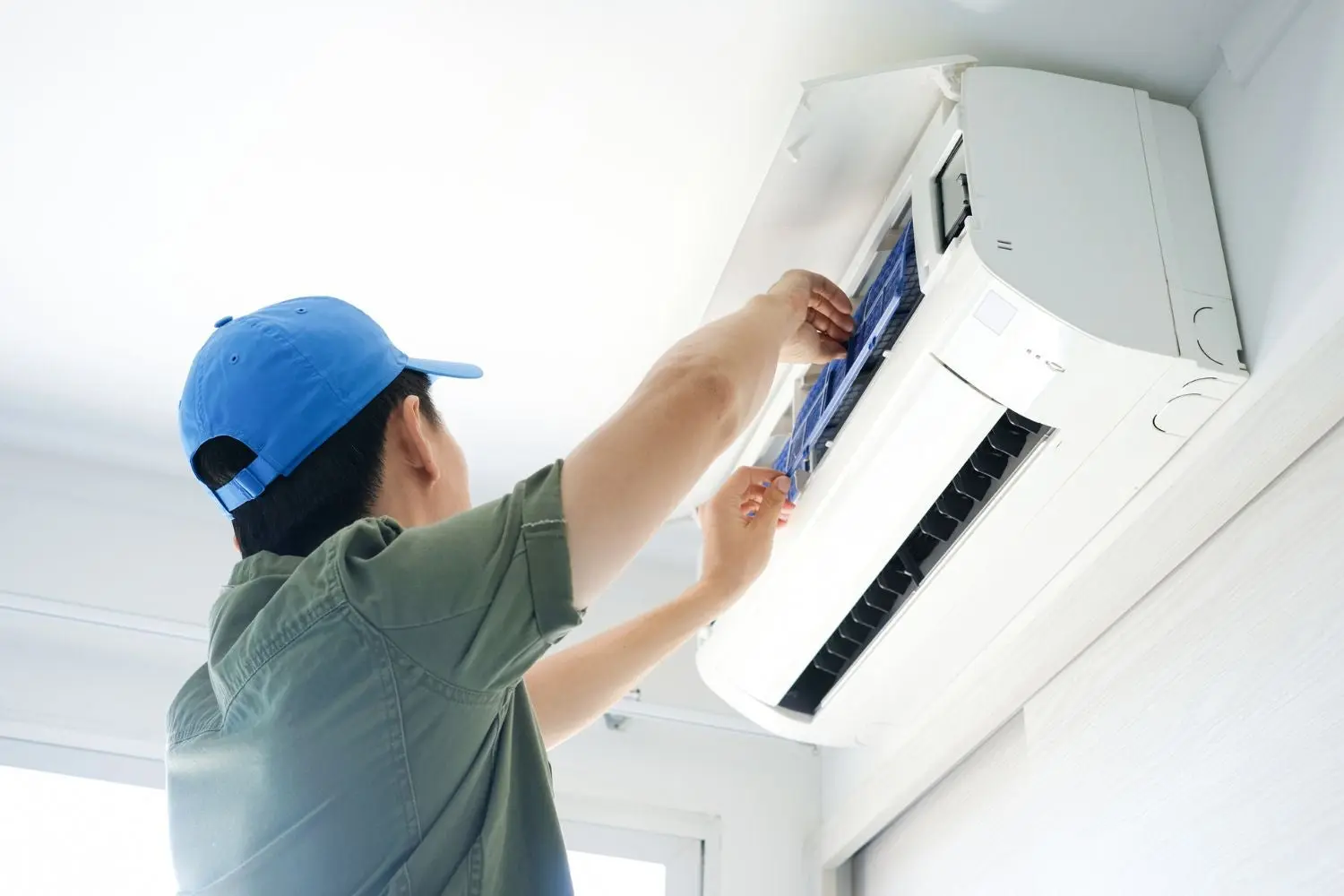
An air conditioning system plays an important role in maintaining comfort, improving indoor air quality, and creating a pleasant environment throughout the warmer months. Like any mechanical appliance, an air conditioner requires regular attention to continue operating efficiently. Many homeowners and businesses only think about their cooling system when it begins producing warm air, making unusual noises, leaking water, or consuming more electricity than usual. By that stage, a relatively simple maintenance requirement can sometimes develop into a more expensive repair. Regular care, on the other hand, allows small issues to be identified before they interfere with the performance of the entire system.
- Why Regular Air Conditioner Care Matters
- Understanding the Main Components of an AC System
- How Dirty Filters Affect Cooling Performance
- The Importance of Cleaning Coils
- Checking Refrigerant and Cooling Performance
- Electrical Inspection and Safety
- Improving Energy Efficiency Through Proper Maintenance
- Recognizing Early Warning Signs
- How Often Should an Air Conditioner Be Maintained?
- Professional Maintenance Versus DIY Care
- The Role of Preventive Maintenance in Avoiding Breakdowns
- Extending the Useful Life of Your AC System
- Choosing a Reliable Maintenance Service
- Final Thoughts on Long-Term AC Care
Professional ac maintenance is not simply about cleaning an air conditioner’s exterior or replacing a filter. It involves examining the different components that allow the system to cool, circulate, and regulate indoor air. A properly maintained unit can provide more consistent cooling, operate with less strain, and potentially experience fewer unexpected breakdowns. Maintenance also gives property owners an opportunity to understand the condition of their equipment and plan for repairs or replacement when necessary instead of dealing with sudden failures.
Why Regular Air Conditioner Care Matters
An air conditioning system consists of numerous components that must work together to deliver effective cooling. Filters collect dust and airborne particles, coils transfer heat, fans circulate air, electrical components provide power and control, while refrigerant allows the system to absorb heat from indoor spaces. When one component becomes dirty, worn, damaged, or improperly adjusted, the entire system may have to work harder to achieve the desired temperature.
Over time, dust can accumulate around filters, coils, vents, and other areas of the system. Restricted airflow forces the equipment to operate for longer periods, which can increase energy consumption and place additional stress on important components. A dirty coil may also reduce the system’s ability to transfer heat effectively. These problems may not immediately result in complete system failure, but they can gradually reduce cooling performance and increase operating costs.
Regular maintenance helps address these concerns before they become significant problems. During a professional inspection, technicians can examine the condition of the system, clean appropriate components, identify signs of wear, and determine whether adjustments or repairs are necessary. This proactive approach can help preserve performance while reducing the likelihood of inconvenient breakdowns.
Understanding the Main Components of an AC System
Knowing the basic parts of an air conditioner makes it easier to understand why maintenance is necessary. Most conventional systems contain indoor and outdoor components that perform different but connected functions. The indoor section generally includes the evaporator coil, blower, air filter, and various controls. The outdoor section typically contains the condenser coil, compressor, fan, and electrical components.
The evaporator coil absorbs heat from the indoor air. If the coil becomes covered in dirt or debris, heat transfer can become less effective. The blower fan then has to circulate air through the system, so restricted airflow can reduce the amount of conditioned air reaching the room.
Outside the building, the condenser releases the heat that has been removed from the indoor environment. The compressor circulates refrigerant through the system and operates under demanding conditions. Because the compressor is one of the most important and expensive components in many air conditioning systems, maintaining proper airflow, electrical operation, and refrigerant conditions is particularly important.
These components do not operate independently. A problem affecting airflow, temperature control, electrical supply, or refrigerant circulation can influence other parts of the system. Comprehensive maintenance therefore focuses on the complete system rather than concentrating on only the most visible components.
How Dirty Filters Affect Cooling Performance
Air filters are among the simplest components to maintain, yet they can have a significant effect on system performance. Their primary purpose is to capture dust, dirt, fibers, and other particles before air passes through the system. As the filter becomes increasingly dirty, airflow can become restricted.
When airflow is reduced, the air conditioner may need to operate for longer periods to achieve the temperature selected on the thermostat. In severe cases, insufficient airflow can contribute to coil freezing or other performance problems. A system that runs continuously without effectively cooling the room may be experiencing an airflow issue rather than a problem with the thermostat itself.
The appropriate filter replacement or cleaning schedule depends on factors such as the filter type, household conditions, system usage, indoor air quality, and the presence of pets or other sources of airborne particles. Instead of following a single schedule for every system, property owners should check the filter regularly and follow the manufacturer’s recommendations.
A clean filter is only one part of proper maintenance, however. Replacing a filter cannot correct problems caused by dirty coils, damaged fans, blocked outdoor airflow, electrical faults, or refrigerant issues. A complete maintenance routine should therefore look beyond the filter.
The Importance of Cleaning Coils
Coils are critical to the cooling process because they facilitate heat transfer. The evaporator coil absorbs heat from indoor air, while the condenser coil releases that heat outside. Dirt accumulating on either coil can interfere with this process.
When an evaporator coil is dirty, the system may struggle to absorb heat efficiently. This can lead to reduced cooling performance and longer operating cycles. A dirty condenser coil can make it harder for the outdoor unit to release heat, potentially increasing pressure and putting additional stress on the compressor.
Coil cleaning should be performed carefully because the fins and other components can be delicate. Improper cleaning techniques may bend fins, damage surfaces, or cause other problems. Professional technicians have the appropriate equipment and knowledge to clean the components while inspecting them for corrosion, damage, and other warning signs.
Maintaining clean coils can also contribute to more stable system operation. When heat transfer occurs efficiently, the air conditioner does not need to work unnecessarily hard to maintain the desired indoor temperature.
Checking Refrigerant and Cooling Performance
Refrigerant is essential to the heat-transfer process within an air conditioning system. Unlike fuel that is consumed during normal operation, refrigerant generally circulates through a properly sealed system. If refrigerant levels become abnormally low, it can indicate a leak or another underlying problem.
Low refrigerant can result in weak cooling, unusually long operating cycles, or ice formation around certain components. Simply adding refrigerant without identifying the cause is not a complete solution. If a leak exists, the system may eventually lose refrigerant again, and the underlying issue will remain unresolved.
During professional ac maintenance, a technician can assess cooling performance and examine relevant operating conditions to determine whether the system is functioning within appropriate parameters. If a refrigerant problem is suspected, further inspection may be required to identify the source before corrective work is performed.
Because refrigerant systems require specialized equipment and handling procedures, refrigerant-related work should be performed by appropriately qualified professionals rather than treated as a routine do-it-yourself task.
Electrical Inspection and Safety
Air conditioners rely on electrical components such as capacitors, contactors, wiring, circuit boards, motors, and switches. These components can deteriorate with age and repeated use. Loose connections, damaged wiring, worn electrical components, or abnormal voltage conditions can affect performance and potentially create safety concerns.
An electrical inspection allows technicians to identify signs of overheating, corrosion, wear, or improper connections. They can also examine components that control the operation of the compressor and fans. Catching a failing electrical component early may prevent an unexpected shutdown during a period of heavy use.
Electrical maintenance is particularly important because many problems are not visible to an untrained observer. A system may appear to operate normally while an electrical component is gradually deteriorating. Professional inspections can identify abnormalities before they result in more serious damage.
Property owners should avoid opening electrical sections of an air conditioner unless they have the appropriate training and experience. Even when the system is switched off, electrical components may retain stored energy or present other hazards.
Improving Energy Efficiency Through Proper Maintenance
Energy efficiency is one of the most practical reasons to maintain an air conditioner. A system that is dirty, restricted, poorly adjusted, or operating with a failing component may consume more electricity while providing less cooling.
Maintenance cannot turn an old or inefficient system into a brand-new high-efficiency model, but it can help an existing system operate closer to its intended condition. Clean filters support proper airflow, clean coils improve heat transfer, and correctly functioning fans and electrical components allow the system to perform its intended tasks without unnecessary strain.
Thermostat settings also influence energy consumption. Constantly setting the thermostat far below a comfortable temperature does not necessarily cool a room faster; instead, it can cause the system to operate for longer periods. Combining sensible thermostat use with routine maintenance can support more efficient operation.
Sealing obvious gaps around doors, windows, ducts, and other areas can also help prevent conditioned air from escaping. Maintenance is therefore most effective when it is considered as part of a broader approach to indoor energy efficiency.
Recognizing Early Warning Signs
An air conditioner often provides warning signs before it stops working completely. Recognizing these signs can help property owners arrange an inspection before a minor issue develops into a major failure.
Weak airflow from vents may indicate a dirty filter, blocked ductwork, blower problem, or another airflow restriction. Warm or inconsistent air can point toward problems involving refrigerant, coils, airflow, or the compressor. Strange sounds may suggest loose components, motor issues, debris, or mechanical wear.Unusual odors should also receive attention. A persistent musty smell can sometimes be associated with moisture or microbial growth in areas of the system, while a burning odor may indicate an electrical or mechanical concern that requires prompt attention.
Water around the indoor unit is another warning sign. Condensation is a normal part of air conditioning, but water should be properly collected and drained. A blocked drain line, damaged drain pan, frozen coil, or other problem can cause water to appear where it should not.
Ignoring these symptoms rarely makes them disappear. Early professional assessment can make it easier to determine whether the problem is minor or requires more substantial repair.
How Often Should an Air Conditioner Be Maintained?
There is no single maintenance schedule that is perfect for every air conditioning system. Usage patterns, equipment age, operating conditions, indoor air quality, filter type, and environmental factors can all affect maintenance requirements.
For many systems, a professional inspection before the period of heavy cooling use is a practical approach. This gives technicians an opportunity to identify problems before the equipment is placed under sustained demand. Systems that operate for extended periods or are exposed to particularly dusty conditions may require more frequent attention.
Routine filter checks should generally occur more often than professional service visits. Property owners can monitor the filter themselves and replace or clean it according to manufacturer instructions. However, professional servicing remains useful because many critical components cannot be adequately assessed through simple visual inspection.
Older systems may also benefit from closer monitoring. Components naturally experience wear over time, and an aging unit may require more frequent repairs or adjustments. A technician can help determine whether continued maintenance is sensible or whether replacement should eventually be considered.
Professional Maintenance Versus DIY Care
There are several simple maintenance tasks that property owners can safely perform, such as checking filters, keeping vents unobstructed, and ensuring that the outdoor unit is not surrounded by obvious debris. These small steps can support proper airflow and help identify developing issues.
However, professional service is different because it involves specialized inspection, cleaning, testing, and adjustment. Technicians can evaluate components that are inaccessible or unsafe for untrained individuals to handle. They can also use diagnostic tools to assess system performance more accurately.
Trying to perform complex repairs without the necessary knowledge can create additional damage and may also introduce safety risks. Air conditioners involve electricity, moving mechanical components, refrigerants, and pressurized systems. For this reason, homeowners should distinguish between basic upkeep and technical repair work.
A sensible maintenance strategy combines simple routine checks by the property owner with professional inspections when required. This provides ongoing awareness of the system’s condition without unnecessarily exposing anyone to avoidable risks.
The Role of Preventive Maintenance in Avoiding Breakdowns
Unexpected air conditioner failures can be particularly inconvenient because they often occur when the system is working hardest. Preventive maintenance is designed to identify potential problems before they cause a complete shutdown.
A technician may notice a worn fan motor, deteriorating electrical connection, dirty coil, blocked drain, or unusual operating condition during a routine visit. Addressing such issues early can sometimes prevent more extensive damage.
Preventive care does not guarantee that an air conditioner will never fail. Mechanical components can fail unexpectedly, and even well-maintained equipment eventually reaches the end of its useful life. However, regular inspections can provide valuable information about developing problems and help property owners make decisions based on the actual condition of the equipment.
This approach also makes maintenance more predictable. Instead of waiting for an emergency, property owners can schedule inspections and repairs around their own needs and budget.
Extending the Useful Life of Your AC System
Air conditioning equipment represents a significant investment, so most property owners want it to remain functional for as long as reasonably possible. Regular maintenance can support this goal by reducing unnecessary strain and addressing problems before they cause secondary damage.
For example, restricted airflow can make the system operate for longer periods, while poor heat transfer can place additional pressure on components involved in cooling. If these conditions continue for a long time, certain parts may experience increased wear.
Proper ac maintenance helps keep the major components clean, inspected, and functioning as intended. Although maintenance cannot prevent normal aging, it can help reduce avoidable stress on the equipment.
Eventually, every system will require replacement. When that time comes, maintenance records can also be useful because they provide information about the system’s service history, recurring problems, repairs, and overall condition. This information can help owners understand whether continued repairs remain practical.
Choosing a Reliable Maintenance Service
When arranging professional air conditioner service, property owners should consider more than simply the advertised price. A maintenance visit should involve meaningful inspection and care rather than a quick visual check.
It is useful to ask what the service includes, whether filters and coils are inspected, whether electrical components are checked, and whether system performance is evaluated. Clear communication is also important. A reputable technician should be willing to explain identified problems and distinguish between necessary repairs and optional recommendations.
Property owners should also pay attention to qualifications, experience, customer feedback, service transparency, and warranty information where applicable. Written estimates can help prevent misunderstandings when repairs are recommended.
The objective should be to establish a reliable maintenance relationship rather than repeatedly searching for the cheapest emergency repair. Consistent service allows technicians to become familiar with the equipment and its history, which can make future troubleshooting more straightforward.
Final Thoughts on Long-Term AC Care
An air conditioner is most dependable when it receives attention before problems become emergencies. Regular filter checks, coil cleaning, airflow inspection, electrical assessment, drainage checks, and performance monitoring can all contribute to reliable operation. Preventive care also gives property owners an opportunity to identify aging components and make informed decisions about repairs or eventual replacement.
The most important point is that maintenance should be treated as an ongoing responsibility rather than a response to an obvious breakdown. Small problems can gradually affect efficiency, comfort, operating costs, and equipment life. Addressing those well-maintained systems can provide consistent cooling while operating under conditions closer to those intended by its manufacturer. Combining simple homeowner checks with professional inspections provides a practical approach to protecting the equipment and maintaining indoor comfort equipment performance. By creating a sensible maintenance routine, paying attention to warning signs, and relying on qualified professionals for technical work, property owners can take a proactive approach to keeping their air conditioning systems problems early, can make the cooling system easier to manage and potentially reduce the frequency of unexpected failures.
A well-maintained system can provide consistent cooling while operating under conditions closer to those intended by its manufacturer. Combining simple homeowner checks with professional inspections provides a practical approach to protecting the equipment and maintaining indoor comfort.
Ultimately, ac maintenance is an investment in reliability, efficiency, comfort, and long-term equipment performance. By creating a sensible maintenance routine, paying attention to warning signs, and relying on qualified professionals for technical work, property owners can take a proactive approach to keeping their air conditioning systems in dependable working condition.
Home Improvement
How Regular Pool Repair and Maintenance Can Help Protect Your Swimming Pool Investment
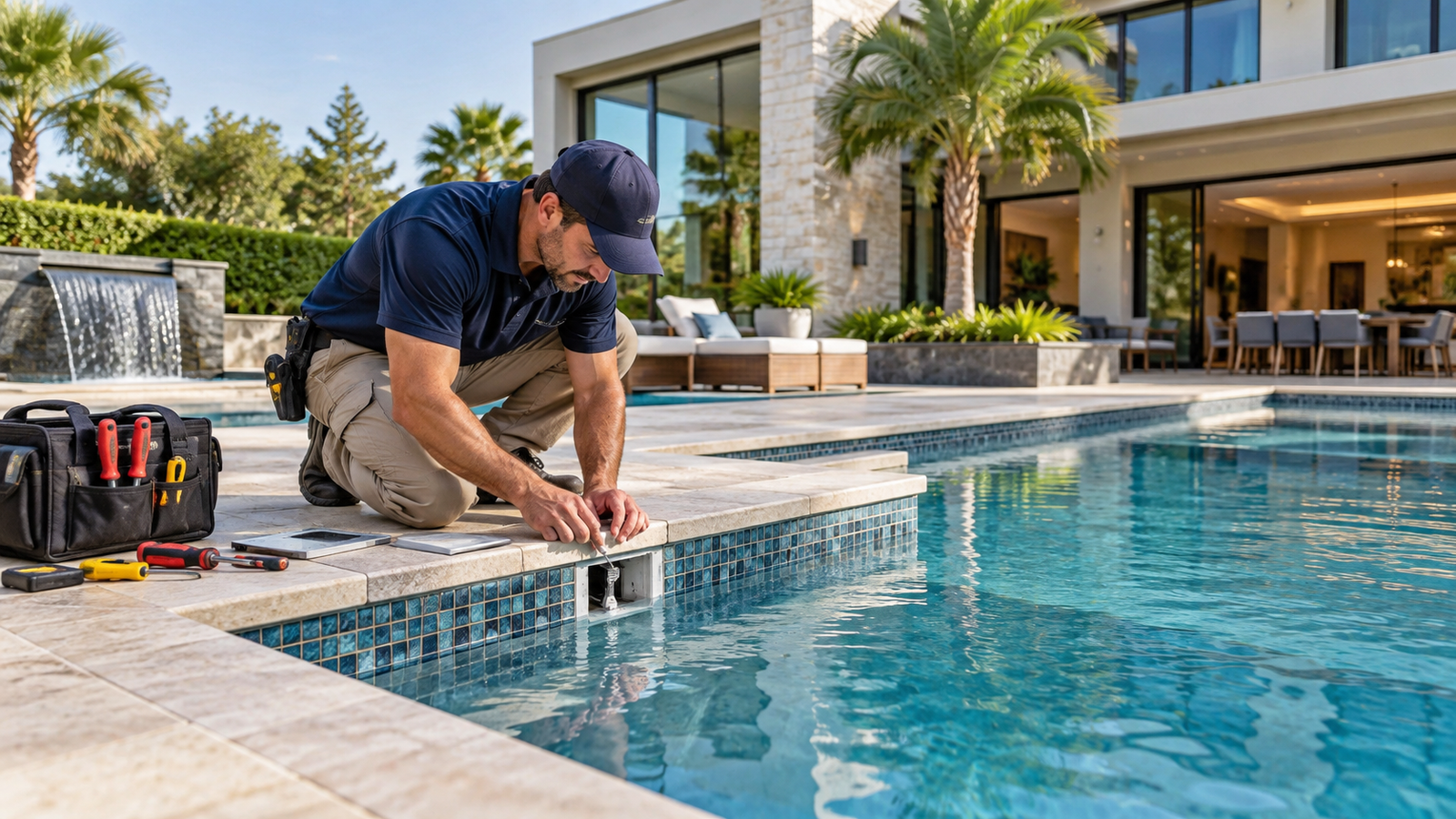
A swimming pool is a valuable addition to a property, but keeping it in good condition requires regular care and attention. Daily use, changing weather conditions, water chemistry, equipment operation, and normal aging can gradually affect the pool structure and its supporting systems. Small cracks, leaks, damaged tiles, worn equipment, and circulation problems may appear minor at first but can become more complicated when they are ignored. Pool repair provides a practical way to address these concerns and restore the proper function of damaged components. A consistent maintenance strategy combined with timely repairs can help preserve the appearance, performance, safety, and long-term value of a swimming pool.
- Understanding the Importance of Pool Maintenance
- Recognizing Early Signs of Damage
- Inspecting the Pool Structure
- Addressing Water Loss
- Maintaining the Pool Pump
- Keeping Filters Efficient
- Inspecting Plumbing and Valves
- Maintaining Pool Heating Equipment
- Caring for Pool Surfaces and Tiles
- Maintaining Pool Decking and Surrounding Areas
- Maintaining Proper Water Chemistry
- Preventing Equipment Damage
- Understanding Electrical Safety
- Creating a Preventive Maintenance Schedule
- Choosing Professional Repair Assistance
- Considering Repair or Replacement
- Managing Long-Term Maintenance Costs
- Protecting the Overall Pool Investment
- Final Thoughts
Understanding the Importance of Pool Maintenance
Regular maintenance is essential because a swimming pool consists of many connected components that must work together. The pump circulates water, the filter removes suspended particles, chemical systems help maintain water quality, and plumbing moves water between different parts of the system. The pool shell, surface, tiles, coping, decking, and equipment also require periodic inspection. Pool repair becomes easier when maintenance routines identify problems before they become severe. Regularly checking the condition of equipment and surfaces can help property owners understand how their pool normally operates and recognize unusual changes that may indicate a developing problem.
Recognizing Early Signs of Damage
Many pool problems provide warning signs before a major failure occurs. Unexpected water loss, unusual pump sounds, reduced water circulation, cloudy water, damaged tiles, cracks, staining, loose fittings, or changes in equipment pressure may all deserve attention. Pool repair can often be more manageable when a problem is identified during its early stages. Waiting until a component completely fails can increase the amount of labor and materials required to restore the system. Property owners should therefore observe both the physical condition of the pool and the behavior of its mechanical equipment. Early identification allows maintenance decisions to be made before a minor concern develops into a larger issue.
Inspecting the Pool Structure
The pool structure is constantly exposed to water pressure, chemicals, temperature changes, and environmental conditions. Depending on construction materials, surfaces may develop cracks, chips, discoloration, rough areas, or other signs of deterioration. Pool repair may involve addressing localized surface damage, restoring damaged areas, or investigating cracks that could indicate a deeper structural concern. Not every imperfection represents a serious problem, so proper assessment is important before deciding on a repair method. Regular inspections can help distinguish normal cosmetic aging from damage that may affect water retention, durability, or the structural performance of the pool.
Addressing Water Loss
Water loss can be caused by normal evaporation, splashing, maintenance activities, or a genuine leak. When water levels drop unusually quickly or require frequent topping up, the cause should be investigated. Pool repair can help correct leaks affecting the pool shell, plumbing, fittings, equipment, or other parts of the circulation system. Finding the source may sometimes be challenging because water can travel through surrounding materials before becoming visible. A professional inspection may be appropriate when simple observations cannot identify the problem. Addressing water loss promptly can help prevent unnecessary water usage and reduce the possibility of moisture-related damage.
Maintaining the Pool Pump
The circulation pump is one of the most important mechanical components because it moves water through the filter, heater, and other parts of the system. Problems may include unusual noises, reduced pressure, overheating, leaks, vibration, or failure to start. Pool repair may involve replacing worn seals, bearings, motors, electrical components, or other parts depending on the cause. Keeping the pump basket clean and ensuring that water can enter the pump properly can help reduce unnecessary strain. If a pump repeatedly develops the same issue, the underlying cause should be investigated instead of repeatedly replacing individual parts without determining why the failure is occurring.
Keeping Filters Efficient
Filters help remove dirt, dust, oils, and other suspended particles from circulating pool water. A dirty or damaged filter can restrict water flow and make the circulation system work harder. Pool repair may be necessary when filter housings, valves, cartridges, internal components, or other parts become damaged. Regular filter maintenance can reduce the likelihood of serious problems and support consistent water circulation. Different filtration systems require different cleaning procedures, so maintenance should be performed according to the specific equipment design. Monitoring pressure readings can also help identify when a filter requires cleaning, inspection, or replacement.
Inspecting Plumbing and Valves
The plumbing system connects the pool to pumps, filters, heaters, drains, and return points. Leaks, damaged pipes, worn seals, faulty valves, and blocked lines can interfere with water movement and may cause equipment to operate inefficiently. Pool repair can include replacing damaged fittings, repairing accessible plumbing, renewing seals, or correcting valve problems. Some leaks may be difficult to locate because sections of plumbing can be installed underground or behind other structures. Visible connections should be inspected regularly for moisture, dripping, corrosion, or other signs of deterioration. Early attention can reduce the risk of a small plumbing issue developing into a more extensive problem.
Maintaining Pool Heating Equipment
Pool heating systems can improve comfort but contain several components that require proper maintenance. Problems may involve sensors, controls, heat exchangers, water flow, electrical connections, or other internal components. A heater that does not maintain the desired temperature or repeatedly shuts down should be inspected rather than continuously restarted. Pool repair involving heating equipment may require specialized knowledge because certain systems involve electrical components, fuel, combustion, and water. Professional service can help identify the actual source of the problem and ensure that repairs are performed according to appropriate safety requirements. Regular inspection can also help identify worn components before they cause complete system failure.
Caring for Pool Surfaces and Tiles
The interior finish of a swimming pool contributes significantly to its appearance and can also affect the feel of the surface during use. Tiles may crack, loosen, stain, or become damaged, while other finishes may develop discoloration, rough areas, or deterioration. Pool repair can involve replacing individual tiles, restoring damaged sections, repairing joints, or addressing broader surface problems. Prompt attention can help prevent loose materials from becoming a safety concern or allowing water to reach vulnerable areas. When replacement materials are needed, selecting compatible products can help preserve the appearance and performance of the existing surface.
Maintaining Pool Decking and Surrounding Areas
The area around a pool is exposed to water, sunlight, foot traffic, temperature changes, and cleaning products. Over time, decking can crack, become uneven, stain, or deteriorate. Damaged areas may create trip hazards and can also interfere with proper drainage around the pool. Pool repair projects may sometimes include work on surrounding surfaces when deterioration affects safety or water management. The appropriate solution depends on the decking material, extent of damage, drainage requirements, and desired appearance. Keeping the surrounding area in good condition is an important part of maintaining the overall functionality and appearance of the pool environment.
Maintaining Proper Water Chemistry
Water chemistry is another important aspect of pool maintenance because improperly balanced water can affect both swimmers and equipment. Poor chemical balance can contribute to scaling, corrosion, staining, cloudy water, and deterioration of certain surfaces. Pool repair may become necessary when prolonged chemical problems contribute to damage affecting equipment or finishes. Regular testing can help property owners monitor important chemical conditions and make appropriate adjustments. Chemical treatment should be combined with effective filtration and circulation because chemicals do not replace the need to physically remove suspended particles. A balanced maintenance routine can help protect both water quality and pool components.
Preventing Equipment Damage
Preventive maintenance can reduce the likelihood of unexpected equipment failure. Pump baskets should be kept clear, filters should be maintained, valves should be inspected, and visible connections should be checked periodically. Pool repair is generally more straightforward when worn or damaged components are identified before they affect connected equipment. Operating pumps, heaters, or filtration systems outside their recommended conditions can increase wear and reduce service life. Property owners should follow equipment instructions regarding operating schedules, cleaning procedures, and maintenance intervals. Keeping equipment areas clean and properly ventilated can also contribute to more reliable operation.
Understanding Electrical Safety
Many pools include electrical equipment such as pumps, heaters, lighting systems, timers, automation controls, and other accessories. Because these components operate near water, electrical maintenance requires particular care. Pool repair involving wiring, control panels, electrical connections, or internal electrical components should be handled by appropriately qualified professionals when specialized knowledge is required. Attempting unfamiliar electrical repairs can create serious safety risks. Regular inspection can help identify visible signs of damage or malfunction, but complex electrical issues should be diagnosed and corrected using appropriate professional procedures. Safety should always take priority when water and electrical systems are involved.
Creating a Preventive Maintenance Schedule
A structured maintenance schedule can make it easier to keep track of the condition of a swimming pool. Regular tasks may include checking water chemistry, cleaning filters, emptying pump baskets, inspecting surfaces, observing water levels, checking equipment performance, and examining visible plumbing connections. Pool repair can then be arranged when inspections reveal issues that require attention. Keeping written records of maintenance activities can help identify recurring problems and provide useful information when professional service is required. A preventive approach is often more effective than waiting until several components fail at the same time. Consistent attention can also make maintenance costs easier to plan.
Choosing Professional Repair Assistance
Some basic pool maintenance tasks can be completed by experienced property owners, but complicated problems may require professional assistance. Structural cracks, underground leaks, electrical faults, major plumbing problems, heater failures, and internal equipment damage can be difficult to diagnose without suitable tools and technical knowledge. Pool repair performed by an experienced professional can help identify the actual cause rather than simply addressing the most visible symptom. When choosing a service provider, property owners can consider experience, workmanship, communication, repair methods, materials, warranties, and maintenance recommendations. Clear explanations can help owners understand what work is necessary and why.
Considering Repair or Replacement
Not every damaged component should be repaired repeatedly. Older pumps, severely damaged filters, extensively corroded parts, deteriorated surfaces, and repeatedly failing equipment may eventually become more practical to replace. Pool repair remains useful when a component is structurally sound and can be restored effectively. However, repeated repairs to an aging component may result in ongoing expenses without providing reliable long-term performance. A professional assessment can help determine whether repair, partial replacement, or complete replacement is appropriate. Considering the age, condition, repair history, and expected future performance of a component can help property owners make practical maintenance decisions.
Managing Long-Term Maintenance Costs
Regular maintenance can help reduce the likelihood of unexpected and expensive failures. Addressing small leaks, worn seals, damaged tiles, clogged filters, and unusual equipment behavior early may prevent additional components from being affected. Pool repair costs can vary depending on the type and extent of damage, so early diagnosis may make it easier to plan necessary work. Property owners can also maintain records of previous repairs, replacement parts, and equipment age to help anticipate future maintenance requirements. Comparing repair options based on durability and long-term value rather than focusing only on initial cost can support better financial planning.
Protecting the Overall Pool Investment
A swimming pool represents an investment in both property value and personal enjoyment, so maintaining its condition is important. Regular inspections and timely attention to problems can help protect the structural components, mechanical equipment, surfaces, and surrounding areas. Pool repair can restore damaged parts while helping prevent small problems from becoming more extensive. Combining repairs with preventive cleaning, water testing, equipment inspections, and professional servicing when necessary creates a more complete maintenance strategy. A proactive approach can also improve the pool’s appearance and reliability while reducing the likelihood of unexpected disruptions during periods when the pool is being used frequently.
Final Thoughts
Regular care is essential for keeping a swimming pool functional, attractive, and dependable over the long term. Pumps, filters, plumbing, heaters, surfaces, tiles, electrical equipment, and surrounding areas can all experience wear through normal use and environmental exposure. Pool repair provides an effective way to address damaged components and restore proper operation when problems occur. By monitoring warning signs, following a consistent maintenance schedule, maintaining appropriate water chemistry, and seeking professional assistance for complicated issues, property owners can protect their pool investment. A proactive maintenance strategy can help extend equipment life, reduce avoidable expenses, and support a cleaner and more enjoyable swimming environment for years to come.
Home Improvement
How Gas Fireplace Repair Can Restore Performance, Improve Safety, and Extend the Life of Your Fireplace
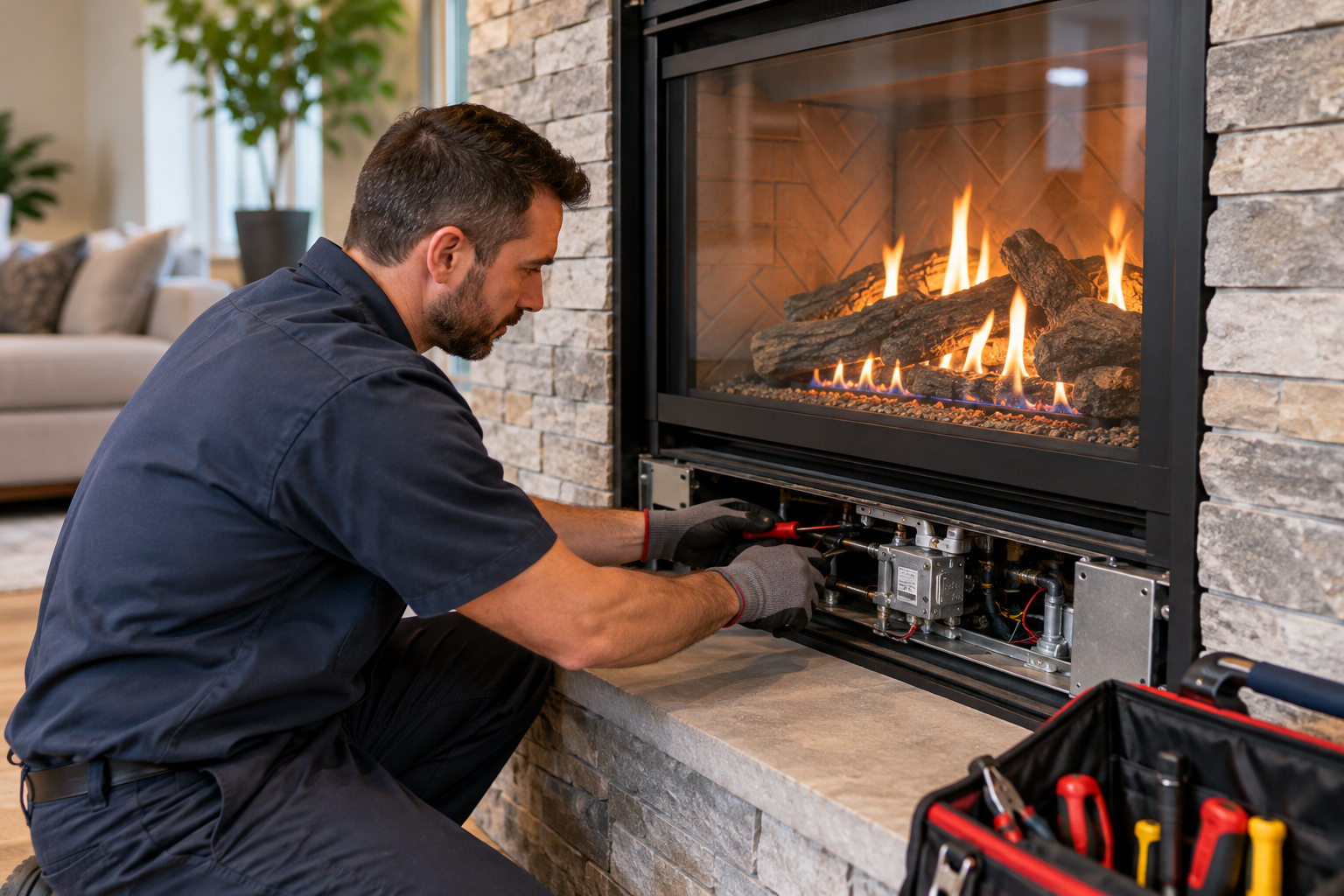
A gas fireplace can add warmth, comfort, and visual appeal to a home while offering a convenient alternative to a traditional wood-burning fireplace. Like any fuel-burning appliance, however, a gas fireplace contains several mechanical, electrical, and combustion-related components that require proper care. Burners, pilot assemblies, ignition systems, valves, controls, glass panels, and ventilation components can all experience wear or develop problems over time. Ignoring unusual sounds, inconsistent flames, ignition failures, or other warning signs may allow a minor issue to become more complicated. Professional gas fireplace repair can help identify the actual cause of a problem and restore the appliance to proper operating condition while preserving important safety features.
- Understanding Gas Fireplace Components
- Recognizing Common Warning Signs
- Dealing With Pilot Light Problems
- Troubleshooting Ignition Failures
- Examining Burner Performance
- Checking Gas Valves and Controls
- Understanding Ventilation Concerns
- Responding to Unusual Odors
- Addressing Soot and Discoloration
- Inspecting Gas Connections
- Caring for Fireplace Glass
- Checking Gas Logs and Decorative Materials
- When Professional Service Is Necessary
- Preventive Maintenance Practices
- Improving Fireplace Performance
- Practicing Safe Operation
- Choosing the Right Repair Solution
- Long-Term Fireplace Care
- Final Thoughts
Understanding Gas Fireplace Components
Understanding the basic components of a gas fireplace can make it easier to recognize potential problems. Most systems include a gas supply, control valve, burner assembly, ignition mechanism, and some form of safety control. Depending on the model, a fireplace may also include a pilot light, thermocouple, thermopile, electronic ignition module, remote control, thermostat, or specialized venting system. Each component has a specific function, but they must all work together for the fireplace to operate correctly. A problem with one part can sometimes affect several other functions. This is why gas fireplace repair should involve proper diagnosis rather than simply replacing the component that appears to be malfunctioning.
Recognizing Common Warning Signs
A gas fireplace can provide several clues when something is not working correctly. The appliance may fail to ignite, the pilot light may repeatedly go out, or the burner may produce a flame that looks different from normal. Homeowners might also notice unusual clicking, popping, or hissing sounds during operation. Excessive soot, unexpected odors, or difficulty controlling the flame can also indicate that the system requires attention. Not every unusual symptom has the same cause, so homeowners should avoid making assumptions based only on appearance. When these warning signs occur, professional gas fireplace repair can help determine whether the problem involves the ignition system, burner, fuel supply, controls, ventilation, or another component.
Dealing With Pilot Light Problems
Many gas fireplaces use a pilot assembly to ignite the main burner. If the pilot does not remain lit, the fireplace may fail to operate properly even when the gas supply is available. Several factors can contribute to repeated pilot problems, including a dirty pilot opening, a faulty thermocouple, a weak thermopile, gas-pressure concerns, or problems with the control system. The manufacturer’s instructions should always be followed when attempting basic pilot operation. If the pilot repeatedly goes out after appropriate operation procedures have been followed, continued attempts to restart it may not solve the underlying issue. Professional gas fireplace repair can identify the cause and determine whether the pilot assembly or another related component requires cleaning, adjustment, or replacement.
Troubleshooting Ignition Failures
Modern fireplaces may use electronic ignition systems instead of a continuously burning pilot. These systems can include batteries, switches, wiring, ignition modules, sensors, and control boards. If a fireplace clicks but does not ignite, there may be an issue with the ignition source, gas delivery, control signal, or another component. In some cases, a weak battery may be responsible, while more complicated problems require professional testing. Homeowners should never bypass safety switches or modify electrical connections simply to make the fireplace operate. Proper gas fireplace repair involves checking the ignition sequence and determining where the process is failing before replacing any parts.
Examining Burner Performance
The burner is responsible for distributing gas so that it can burn properly and produce the intended flame pattern. A burner that is dirty, damaged, blocked, or receiving an incorrect fuel supply may produce an uneven, weak, or unusual flame. Flame appearance can also be affected by problems with the air and gas mixture or by incorrectly positioned decorative logs. Homeowners should not drill, enlarge, block, or modify burner openings in an attempt to change flame height or appearance. If the burner is not operating normally, a qualified professional can inspect its condition and verify that it is receiving the appropriate fuel supply. Gas fireplace repair may include cleaning, adjustment, component replacement, or other corrective work depending on the actual cause.
Checking Gas Valves and Controls
Gas valves and control systems are essential because they regulate how fuel reaches the burner. A malfunctioning valve may prevent the fireplace from receiving gas correctly or may cause inconsistent operation. Control problems can also occur in systems that use wall switches, remote controls, thermostats, or electronic modules. Because these components are connected to the appliance’s fuel and safety systems, they should not be modified without appropriate expertise. If the fireplace does not respond properly to its controls, repeated attempts to force operation should be avoided. Professional gas fireplace repair can determine whether the issue involves the valve, wiring, control module, switch, remote system, or another component.
Understanding Ventilation Concerns
Proper ventilation is essential for a fuel-burning appliance because combustion creates gases and byproducts that must be managed according to the fireplace’s design. Vented fireplaces rely on an appropriate venting system, while other models have different ventilation requirements. A damaged, blocked, disconnected, or improperly configured vent can affect fireplace performance and safety. Changes in flame appearance, unusual odors, or visible residue may sometimes indicate a ventilation or combustion problem. Homeowners should never block vents or make unauthorized changes to the exhaust system. When ventilation is suspected, gas fireplace repair should include an appropriate evaluation of the appliance and its venting components.
Responding to Unusual Odors
An unexpected gas odor around a fireplace should always be treated seriously. Gas-burning appliances require secure connections and properly functioning components, and an unusual smell may indicate a potential leak or another condition requiring immediate attention. Homeowners should not use matches, lighters, or other flames to search for a leak. They should follow appropriate safety procedures and contact the relevant qualified service or emergency provider when necessary. The appliance should remain off until the situation has been evaluated. Once the immediate concern has been addressed, gas fireplace repair may be needed to locate and correct the underlying issue.
Addressing Soot and Discoloration
Soot or unusual blackening around a gas fireplace should not automatically be considered normal. Excessive soot may indicate incomplete combustion, incorrect burner operation, improper log placement, restricted airflow, or another problem with the appliance. The exact cause can vary depending on the design and condition of the fireplace. Simply wiping away the visible residue without determining why it appeared may allow the underlying problem to continue. A qualified technician can examine the burner, logs, fuel supply, and ventilation system to determine the source of the discoloration. Professional gas fireplace repair can then address the identified problem instead of treating only the visible symptom.
Inspecting Gas Connections
Gas connections are another important part of fireplace safety and performance. Connections must be secure and compatible with the appliance and fuel system. Over time, components may become damaged or deteriorated, particularly if the fireplace has been moved, modified, or improperly serviced. Any suspected leak, damaged connector, or unusual smell should receive immediate professional attention. Homeowners should never use an open flame to test a gas connection. Qualified technicians can use appropriate procedures and equipment to evaluate the fuel system. If a problem is identified, gas fireplace repair may involve correcting the connection, replacing a damaged component, or addressing another issue affecting fuel delivery.
Caring for Fireplace Glass
Many gas fireplaces have specially designed glass panels that separate the combustion area from the room while allowing the flames to remain visible. These panels and their seals are important parts of the appliance and should be handled carefully. Cracked, chipped, or damaged fireplace glass should not be used because the glass assembly is designed for the specific heat and operating conditions of the fireplace. Cleaning should only be performed according to the manufacturer’s instructions and when the appliance is completely cool. Ordinary household glass should never be substituted for fireplace-rated components. If the glass, frame, or seal is damaged, professional service may be required.
Checking Gas Logs and Decorative Materials
Gas logs are designed to work with a particular burner and must be arranged according to the manufacturer’s instructions. Moving logs into an incorrect position can affect flame patterns and combustion. Decorative materials such as ember products may also have specific placement requirements. If the logs are damaged, displaced, or producing unexpected flame behavior, the fireplace should be inspected rather than rearranged randomly. A technician can verify that the logs and decorative components are correctly positioned and compatible with the burner. Proper positioning is particularly important when gas fireplace repair involves unusual flames, soot, or changes in combustion behavior.
When Professional Service Is Necessary
Some basic maintenance can be performed by homeowners, but many gas fireplace problems require professional attention. Repeated ignition failures, persistent pilot problems, unusual odors, damaged gas components, excessive soot, abnormal flames, or control failures should not be ignored. Gas appliances involve fuel and combustion, so incorrect repairs can create additional hazards. Qualified professionals can inspect the appliance, test components, and use manufacturer information to determine the appropriate repair procedure. Professional service is particularly important when a problem involves the gas supply, burner, valve, ignition system, or safety controls.
Preventive Maintenance Practices
Preventive maintenance can help identify developing problems before they result in a complete fireplace failure. Depending on the model and manufacturer recommendations, maintenance may involve inspecting the burner, pilot assembly, ignition components, controls, glass, gas connections, decorative materials, and venting system. The area around the fireplace should also remain free of unnecessary combustible materials. Homeowners should keep the manufacturer’s instructions available and follow the recommended maintenance schedule. Regular inspections cannot guarantee that components will never fail, but they can help identify visible deterioration and unusual operating conditions. Including gas fireplace repair and inspection in a broader maintenance routine can help preserve dependable performance.
Improving Fireplace Performance
A well-maintained fireplace can generally operate more consistently than one with dirty burners, damaged components, restricted ventilation, or faulty controls. Performance depends on the appliance design, fuel supply, burner condition, venting, and operating habits. Homeowners should not modify the gas controls or burner in an attempt to produce more heat. If the fireplace seems weaker than usual or takes longer to reach its normal operating condition, professional evaluation can help identify the cause. Appropriate gas fireplace repair can restore affected components to their intended condition while preserving the safety features built into the appliance.
Practicing Safe Operation
Safe operation should continue after any repair has been completed. Homeowners should follow the manufacturer’s instructions whenever the fireplace is used and should avoid operating it in ways that contradict those instructions. Furniture, curtains, decorations, paper, and other combustible materials should be kept away from areas exposed to heat. Children and pets should also be protected from hot surfaces and active flames. Carbon monoxide detectors should be properly maintained in homes with fuel-burning appliances. If the fireplace begins behaving differently from normal, it should be turned off and evaluated rather than repeatedly operated in the hope that the issue will disappear.
Choosing the Right Repair Solution
Different fireplace problems require different solutions. A dirty pilot assembly may need cleaning, while a failed ignition module may require replacement. A damaged vent may require correction, while a malfunctioning gas valve may require specialized service. Proper diagnosis is therefore more valuable than replacing parts based solely on symptoms. Homeowners can ask qualified technicians to explain what caused the problem, which component needs attention, and what repair is recommended. Understanding the repair can also help prevent similar problems in the future. A careful gas fireplace repair process focuses on restoring the complete system rather than simply addressing the most noticeable symptom.
Long-Term Fireplace Care
A gas fireplace can remain a valuable and attractive feature when it receives appropriate attention throughout its service life. Homeowners can support long-term performance by keeping the appliance clean, following operating instructions, monitoring flame behavior, and arranging professional inspections when necessary. Unauthorized modifications should be avoided, particularly when they involve burners, valves, ignition systems, or ventilation. Keeping records of previous service can also help technicians diagnose future problems more efficiently. Consistent maintenance and timely gas fireplace repair can help address developing issues before they become more complicated and expensive.
Final Thoughts
A gas fireplace combines comfort and convenience with a sophisticated collection of fuel, mechanical, electrical, and safety components. Because the appliance involves combustion, unusual behavior should always be taken seriously rather than ignored. Pilot failures, ignition problems, weak flames, soot, damaged glass, unusual odors, and control issues can have several possible causes and require appropriate diagnosis. Regular maintenance, safe operating habits, and qualified professional service can help keep the fireplace functioning as intended. When problems occur, timely gas fireplace repair can restore performance, protect important components, and help extend the useful life of the fireplace while maintaining appropriate safety practices.
Home Improvement
Everything Homeowners Need to Know About Planning and Managing a Long-Lasting Roof Replacement
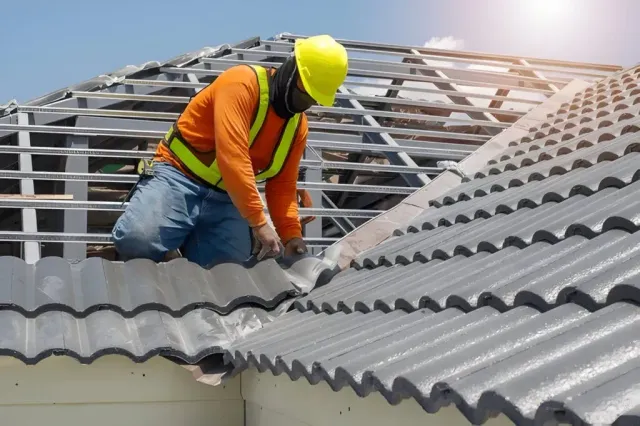
A roof is one of the most important protective elements of any home because it shields the interior from rain, wind, sunlight, moisture, and changing weather conditions. Over time, roofing materials naturally become exposed to wear, and even a well-maintained roof can eventually reach the end of its useful life. When repairs become frequent or the roofing system develops widespread deterioration, replacing it may be a practical long-term solution. A roof replacement is a major investment that requires careful planning, suitable materials, professional installation, and ongoing maintenance. Understanding the process can help homeowners prepare for the work and make informed decisions. From identifying early warning signs to choosing materials and planning maintenance, every stage can influence the performance and longevity of the finished roofing system.
- Recognizing the Signs of Roof Deterioration
- Understanding When Repairs Are No Longer Enough
- Starting With a Professional Roof Inspection
- Choosing Suitable Roofing Materials
- Preparing the Home Before Construction
- Removing the Existing Roofing System
- Inspecting and Repairing the Roof Deck
- Installing Quality Underlayment
- Paying Attention to Flashing
- Improving Roof Ventilation
- Managing Water and Roof Drainage
- Selecting an Experienced Roofing Team
- Considering Energy Efficiency
- Improving the Exterior Appearance
- Preparing for Weather Exposure
- Understanding the Project Timeline
- Managing Construction Debris
- Understanding Roofing Costs
- Maintaining the New Roofing System
- Protecting the Investment
- Planning for Long-Term Performance
- Making an Informed Decision
- Conclusion
Recognizing the Signs of Roof Deterioration
Aging roofing materials can show several signs that indicate the system may need significant attention. Missing, cracked, curling, or damaged shingles can expose underlying layers to moisture and sunlight. Dark stains, water marks, damaged flashing, and recurring leaks may also indicate problems that should not be ignored. In some situations, damage can occur beneath the visible roofing surface and remain unnoticed until it begins affecting the interior of the home. A professional inspection can provide a more complete understanding of the roof’s condition. Homeowners should consider the age of the roof, previous repairs, visible deterioration, and the extent of any water damage before deciding what type of work is appropriate. Early assessment can make planning easier and help prevent minor concerns from becoming larger structural problems.
Understanding When Repairs Are No Longer Enough
Not every roofing problem requires complete replacement. Isolated damage can often be addressed through targeted repairs, particularly when the rest of the roofing system remains in good condition. However, repeated leaks, widespread deterioration, extensive material damage, or an aging roof may make continued repairs less practical. A professional evaluation can help determine whether repairing individual areas will provide a suitable long-term solution. When a roof has multiple recurring problems, replacing the entire system may provide an opportunity to address underlying weaknesses at the same time. A roof replacement should therefore be considered based on the overall condition rather than one isolated issue. Understanding this distinction can help homeowners avoid unnecessary work while also preventing them from spending repeatedly on repairs that provide only temporary results.
Starting With a Professional Roof Inspection
A thorough inspection is an important first step before beginning any major roofing project. Professionals can examine visible roofing materials, flashing, valleys, roof edges, vents, gutters, drainage areas, and other components. They may also look for evidence of moisture penetration, deteriorated decking, inadequate ventilation, or structural concerns. Some issues are difficult to identify without examining areas that are normally covered by roofing materials. The inspection can therefore provide useful information about the actual condition of the entire system. During the planning stage of a roof replacement, homeowners can use inspection findings to understand the expected scope of work and potential additional repairs. A detailed assessment also creates an opportunity to discuss material choices, installation methods, ventilation, drainage, and long-term maintenance.
Choosing Suitable Roofing Materials
Roofing materials differ in appearance, durability, maintenance requirements, installation methods, and cost. Asphalt shingles are widely used because they offer a variety of styles and can provide practical protection. Metal roofing can offer a durable option with a distinctive appearance, while tile and other materials may provide different architectural characteristics. Homeowners should consider the design of the house as well as their budget and long-term maintenance preferences. During roof replacement, selecting materials based only on initial appearance or price may not provide the most suitable result. It is useful to consider expected service life, resistance to environmental conditions, maintenance needs, and compatibility with the existing structure. A balanced material selection can contribute to both the performance and visual appeal of the finished roof.
Preparing the Home Before Construction
Proper preparation can help reduce disruption during the roofing process. Outdoor furniture, decorations, vehicles, and other items near the work area may need to be moved or protected. Inside the home, homeowners can secure fragile objects because construction activities may create vibration and noise. Children and pets should also be kept away from active work areas for safety. A roof replacement can involve several stages, including removal of old materials, inspection of the roof deck, installation of underlayment, fitting of new roofing materials, and cleanup. Understanding these stages helps homeowners prepare their schedules and property accordingly. Clear communication with the roofing team before work begins can also reduce misunderstandings about access, timing, materials, and project expectations.
Removing the Existing Roofing System
The removal stage provides an important opportunity to inspect what is beneath the existing roof. Old shingles, underlayment, flashing, and other deteriorated materials may need to be removed before new components can be installed. Once these layers are exposed, previously hidden damage may become visible. Moisture-damaged decking, weakened structural areas, or deteriorated sections may require additional attention before installation continues. During a roof replacement, addressing these underlying issues is important because new roofing materials should be installed over a stable and properly prepared surface. Homeowners should understand that additional repairs discovered during removal can sometimes change the final project scope. Proper preparation beneath the visible roofing surface can have a significant impact on long-term performance.
Inspecting and Repairing the Roof Deck
The roof deck supports the layers installed above it, making its condition an important part of the overall roofing system. Prolonged moisture exposure, age, inadequate ventilation, or previous leaks can weaken decking materials. Damaged sections may need to be repaired or replaced before new roofing components are installed. During roof replacement, the exposed deck can be inspected more thoroughly than it could be through a simple exterior examination. Repairing compromised areas helps provide a stronger base for underlayment and the final roofing material. Homeowners should ask questions if unexpected damage is discovered so they understand why additional work is necessary. Addressing structural concerns before installation can reduce the likelihood of problems developing beneath the new roof.
Installing Quality Underlayment
Underlayment provides an additional protective layer between the roof deck and the primary roofing material. It can help reduce moisture penetration and provide extra protection in areas that may be vulnerable to water. Different roofing systems may require different types of underlayment, so the appropriate product should be selected according to the installation requirements. Careful installation is essential because gaps, wrinkles, or improperly sealed sections can compromise performance. During roof replacement, the underlayment should be installed consistently across the required areas and integrated properly with flashing and other components. Special attention should be given to roof valleys, edges, penetrations, and other areas where water may present additional challenges. A properly installed underlayment contributes to the overall durability of the roofing assembly.
Paying Attention to Flashing
Flashing helps protect areas where the roof meets walls, chimneys, vents, skylights, and other structures. These transition points can be particularly vulnerable to water intrusion when flashing is damaged or improperly installed. During a roof replacement, old flashing should be inspected carefully and replaced when necessary. Installing new roofing materials around deteriorated flashing may leave potential entry points for moisture. Properly fitted flashing directs water away from vulnerable joints and helps create more reliable connections. Sealants and fasteners should also be appropriate for the specific application. Paying attention to these smaller components can have a major effect on the performance of the entire roofing system because many leaks begin around transitions and penetrations rather than in the middle of an otherwise intact roof.
Improving Roof Ventilation
Proper ventilation helps manage temperature and moisture in attic spaces. Without sufficient airflow, heat can accumulate during warmer periods and moisture can remain trapped during cooler conditions. Over time, these conditions may contribute to deterioration of roofing materials, insulation, and wooden components. A roof replacement provides a useful opportunity to assess the existing ventilation system and determine whether improvements are needed. Intake and exhaust ventilation should be appropriately balanced and coordinated with insulation. Simply adding vents without considering the entire airflow pattern may not provide the intended results. Professional assessment can help homeowners understand whether ventilation changes are appropriate for their roof design. Good airflow can support the longevity of the roofing system and contribute to a healthier attic environment.
Managing Water and Roof Drainage
Effective drainage is essential for preventing water from remaining on the roof or collecting near vulnerable areas. Gutters, downspouts, valleys, and roof slopes should work together to direct rainwater away from the structure. Blocked or damaged gutters can cause water to overflow and potentially affect roof edges, walls, landscaping, and foundations. During roof replacement, drainage components should be inspected for signs of damage or poor performance. Roof slopes should also be reviewed to ensure water can move naturally toward appropriate drainage points. Keeping gutters and downspouts clean after installation is equally important. A well-maintained drainage system can help reduce unnecessary moisture exposure and support the long-term condition of the new roof.
Selecting an Experienced Roofing Team
The quality of installation can influence how well a roofing system performs over time. Homeowners should evaluate experience, workmanship, communication, safety procedures, material knowledge, and the ability to explain the proposed project. A professional roofing team should be able to provide clear information about preparation, materials, installation, ventilation, flashing, and cleanup. During roof replacement, careful workmanship is essential because even high-quality materials can perform poorly if installed incorrectly. Homeowners should feel comfortable asking questions about the project and understanding what is included in the work. Taking time to evaluate potential contractors can help establish realistic expectations. Good communication throughout the project can also make it easier to address unexpected issues if they arise.
Considering Energy Efficiency
Roofing can contribute to the overall energy performance of a home when it is properly coordinated with insulation and ventilation. Certain roofing materials may reflect more sunlight, while appropriate attic insulation can reduce heat transfer. Ventilation can also help manage attic temperatures and moisture. During roof replacement, homeowners may have an opportunity to address deficiencies in these areas rather than focusing solely on the visible roof covering. Energy performance depends on the entire building envelope, so roofing improvements should be considered alongside insulation, ventilation, windows, and other components. A professional can explain how different materials and construction choices may affect the overall system. Thoughtful decisions can contribute to improved indoor comfort and more efficient building performance.
Improving the Exterior Appearance
A roof has a major visual impact because it covers a substantial portion of the home’s exterior. Aging, faded, stained, or damaged roofing materials can make the entire property appear less maintained. New materials can provide a cleaner and more coordinated appearance while improving structural protection. During roof replacement, homeowners can consider different colors, textures, and material styles that complement the architecture. However, appearance should not be the only factor in the decision. Durability, maintenance, installation requirements, and long-term performance should also be considered. Selecting a suitable roofing style can improve visual harmony while ensuring that practical needs remain a priority. A well-installed roof can contribute significantly to the overall appearance and condition of the property.
Preparing for Weather Exposure
A roof must withstand repeated exposure to rain, wind, sunlight, temperature changes, and other environmental conditions. The materials and installation methods should therefore be selected according to the expected demands of the building. Vulnerable areas such as roof edges, valleys, flashing points, and penetrations require careful installation because they may experience increased exposure to water and wind. During roof replacement, proper fastening, sealing, and material placement can help improve resistance to weather-related stress. Homeowners should also understand that even a newly installed roof requires inspections after severe weather events. Prompt assessment can identify damaged materials before moisture has an opportunity to cause additional problems. Preparation combined with ongoing care can support dependable performance.
Understanding the Project Timeline
The duration of a roofing project can vary depending on the size and complexity of the roof, selected materials, weather conditions, preparation requirements, and any unexpected repairs. Homeowners should discuss the expected schedule with the roofing team before work begins. A roof replacement may involve material delivery, removal, deck inspection, repairs, installation, finishing work, and cleanup. Understanding the sequence can make it easier to organize daily routines around the construction. Weather can sometimes affect outdoor work, so the schedule may need to remain flexible. Clear communication about progress can help homeowners understand how the project is developing. Having realistic expectations can make the overall process more manageable.
Managing Construction Debris
Roofing projects can produce a significant amount of debris, particularly when an old roofing system is removed. Shingles, underlayment, damaged decking, flashing, and other materials may need to be collected and disposed of properly. The work area should be organized to minimize hazards and protect surrounding property. During roof replacement, professional crews generally use appropriate methods to collect debris as work progresses. Homeowners should discuss cleanup expectations before the project begins so that responsibilities are clear. At the end of the project, the surrounding area should be inspected carefully for remaining materials or debris. A thorough cleanup helps restore the property and ensures that the completed work area is safe and usable.
Understanding Roofing Costs
The cost of a roofing project depends on many factors, including roof size, material choice, labor, accessibility, structural repairs, ventilation, flashing, and disposal requirements. Homeowners should review estimates carefully to understand what services and materials are included. During roof replacement, additional costs may sometimes arise when hidden damage becomes visible after the existing materials are removed. This is one reason why inspection and clear communication are important before construction begins. A detailed estimate should identify the expected scope of work and any areas where additional repairs could potentially be required. Comparing estimates based on their complete scope rather than only the final price can provide a more useful understanding of overall value. Proper financial planning can also reduce stress during the project.
Maintaining the New Roofing System
Even a newly installed roof requires regular maintenance. Gutters and downspouts should remain clear, drainage should be monitored, and visible damage should be addressed promptly. Homeowners should watch for missing materials, damaged flashing, stains, moisture, or other unusual signs. After roof replacement, professional inspections can help identify developing problems before they become more extensive. Maintenance requirements vary according to roofing materials, building design, and environmental exposure. Following recommended care procedures can help protect the investment and support the expected service life of the system. Consistent maintenance is generally easier and less expensive than waiting until a small problem becomes a major repair.
Protecting the Investment
A roofing project represents a significant investment, so homeowners should take steps to protect the new system after installation. Routine inspections, appropriate cleaning, clear drainage, and prompt repairs can all contribute to long-term performance. Trees and branches should be monitored when they are close enough to contact the roof, while gutters should be kept free of accumulated debris. During roof replacement, homeowners should also keep records of the materials installed and any maintenance recommendations provided by the roofing team. These details can be useful when future inspections or repairs are required. Taking a proactive approach to maintenance can help preserve both the appearance and protective function of the roof. Long-term care is an essential part of getting maximum value from the investment.
Planning for Long-Term Performance
A successful roofing project should be planned with future performance in mind rather than focusing only on immediate installation. Material quality, installation practices, ventilation, drainage, flashing, and maintenance all contribute to the overall service life of the system. Homeowners should consider how much maintenance they are comfortable performing and select materials accordingly. A roof replacement also provides an opportunity to correct weaknesses that may have affected the previous roofing system. Proper documentation and regular inspections can support future maintenance decisions. A well-planned roofing system combines suitable materials with careful installation and ongoing care. Considering these factors together can help create a roof that provides dependable protection for many years.
Making an Informed Decision
Homeowners should gather sufficient information before committing to a major roofing project. This includes understanding the current condition of the roof, available material choices, expected costs, installation requirements, maintenance needs, and potential improvements. Professional advice can help clarify technical matters that may not be obvious to someone without roofing experience. During roof replacement, asking detailed questions can help homeowners understand why certain materials or repairs are being recommended. It is also useful to review the scope of work carefully and ensure that expectations are clearly communicated. An informed decision is based on the overall needs of the property rather than one factor alone. Taking time to understand the project can lead to better preparation and a smoother construction experience.
Conclusion
Replacing an aging or damaged roof is a significant project that can improve the protection, appearance, and long-term reliability of a home. Successful roof replacement requires careful inspection, appropriate material selection, proper preparation, quality installation, effective ventilation, dependable drainage, and ongoing maintenance. Homeowners should understand the condition of their existing roofing system and evaluate whether repairs or a complete replacement provide the more suitable long-term approach. Professional workmanship can help ensure that the roofing components are installed correctly and function together as a complete system. Once the project is finished, regular inspections and maintenance remain important for preserving the roof’s condition. With thoughtful planning and responsible care, a new roofing system can provide dependable protection, improved comfort, and lasting value for many years.

Reliable Garbage Disposal Repair for a Better-Functioning Kitchen

Building a Reliable Heating System With Professional Boiler Installation

A Complete Guide to Durable and Reliable Metal Roofing

Alex Pettyfer Net Worth, Wife, Age, Height, Children, Career and More
Brad Williams Net Worth, Wife, Height, Age, Daughter, Family, Career and More
Eldorado.gg Review 2026: How It Works, Safety, Fees, and Risks
-
Celebrity9 months ago
Alex Pettyfer Net Worth, Wife, Age, Height, Children, Career and More
-
Celebrity10 months ago
Brad Williams Net Worth, Wife, Height, Age, Daughter, Family, Career and More
-
Blog1 month ago
Eldorado.gg Review 2026: How It Works, Safety, Fees, and Risks
-
 Anime11 months ago
Sanzoku Bandits of One Piece: Origins, Higuma, and Their Role in Dawn Island
-
 Celebrity10 months ago
John McGinn Net Worth, Age, Height, Wife, Childrens, Career and More
-
 Celebrity10 months ago
Frances de la Tour Net Worth, Age, Height, Husband, Childrens, Career and More
-
 Celebrity10 months ago
Will Trickett Net Worth, Wife, Childrens, Age, Career and More
-
 Blog2 months ago
Crackstube: A Complete Guide to the Digital Publishing Platform