
Construction
Why Hiring a General Contractor Makes All the Difference in Your Next Project


Building or renovating a home is exciting, but it can also feel overwhelming. Between managing timelines, coordinating tradespeople, and keeping a budget in check, there’s a lot riding on getting the details right. That’s where having the right team behind you changes everything.
- The Hidden Complexity Behind Every Construction Project
- What Sets Copper Creek Construction Apart
- Transparent Communication From Start to Finish
- A Network of Trusted Craftsmen
- Attention to Detail That Shows
- Common Projects We Bring to Life
- How We Keep Your Project on Budget and on Schedule
- Why Local Experience Matters
- Choosing the Right Partner for Your Home
- Ready to Start Your Next Project?
At Copper Creek Construction, we’ve seen firsthand how the right guidance transforms a stressful renovation into a smooth, rewarding experience. Homeowners come to us with big visions—open-concept kitchens, custom additions, full home remodels—and our job is to turn those visions into reality without the headaches that so often accompany construction projects.
This post explores what makes a well-managed construction project different, the value of working with experienced professionals, and why so many homeowners in our community trust Copper Creek Construction to bring their ideas to life.
The Hidden Complexity Behind Every Construction Project
On the surface, building a deck or remodeling a bathroom might seem straightforward. In reality, even small projects involve a surprising number of moving parts: permits, inspections, material sourcing, scheduling subcontractors, and ensuring everything meets local building codes.
Without proper coordination, these details can spiral into delays, budget overruns, and frustrating miscommunications. A missed inspection date can halt progress for weeks. A poorly timed material order can throw off an entire schedule. These are the kinds of issues that turn an exciting renovation into a stressful ordeal.
This is precisely why experienced oversight matters so much. When someone is managing the big picture—keeping subcontractors on schedule, anticipating problems before they arise, and communicating clearly with homeowners—projects move forward smoothly instead of grinding to a halt.
What Sets Copper Creek Construction Apart
Copper Creek Construction was built on a simple idea: homeowners deserve a partner who treats their project like it matters, because it does. We don’t believe in cutting corners or leaving clients in the dark about what’s happening with their homes.
Transparent Communication From Start to Finish
One of the biggest frustrations homeowners share with us is feeling disconnected from their own projects. They hire a company, sign a contract, and then spend weeks wondering what’s actually happening. We’ve structured our process to eliminate that uncertainty entirely.
Our team provides regular updates, clear timelines, and honest conversations about budget. If something changes along the way, you’ll hear about it directly from us, not from a missed call or a vague voicemail.
A Network of Trusted Craftsmen
Quality construction depends on quality people. Over the years, we’ve built relationships with skilled electricians, plumbers, carpenters, and designers who share our commitment to excellent work. When you work with us, you’re not just getting our team. You’re getting access to a carefully vetted network of professionals who take pride in their craft.
Attention to Detail That Shows
From the first consultation to the final walkthrough, we pay attention to the details that others might overlook. Proper flashing around windows. Clean caulking lines. Level countertops. These small details add up to a finished product that looks and feels exceptional, and that’s exactly the standard we hold ourselves to on every job.
Common Projects We Bring to Life
Homeowners partner with us for all kinds of projects, including:
- Kitchen remodels that open up living spaces and modernize outdated layouts
- Bathroom renovations that combine function with a touch of luxury
- Home additions that create room to grow without the hassle of moving
- Basement finishing that turns unused square footage into livable space
- Exterior upgrades like decks, siding, and roofing that boost curb appeal
Each project comes with its own unique set of goals and challenges, and we tailor our approach accordingly. No two homes are exactly alike, and neither are the people who live in them.
How We Keep Your Project on Budget and on Schedule
Budget overruns and schedule delays are two of the most common concerns homeowners raise before starting a renovation. We understand why. A project that drags on for months longer than expected, or costs far more than originally quoted, can create real financial and emotional strain.
To address this, we start every project with a detailed estimate that accounts for materials, labor, and potential contingencies. We don’t believe in surprise costs buried in fine print. If unexpected issues arise during a project (which can happen with older homes especially), we communicate those changes clearly and work with you to find the best path forward.
Scheduling is handled with the same level of care. We coordinate subcontractors in advance, order materials with enough lead time to avoid delays, and build realistic timelines that account for inspection periods and potential weather disruptions.
Why Local Experience Matters
Construction standards, permitting processes, and building codes vary significantly from one region to another. Working with a team that understands local requirements saves time and prevents costly mistakes.
Our team has spent years building relationships with local permit offices, inspectors, and suppliers. We know which materials perform best in our climate, how to navigate local zoning requirements, and what it takes to get a project approved without unnecessary back-and-forth. That local knowledge translates directly into smoother, faster project completion for our clients.
Choosing the Right Partner for Your Home
Hiring a General Contractor who genuinely listens to your vision and communicates honestly throughout your project can be the difference between a stressful renovation and an enjoyable one. At Copper Creek Construction, we see every project as a partnership. Your goals become our goals, and your satisfaction at the end of the job is what drives everything we do along the way.
We know that inviting a construction team into your home requires trust. That’s why we prioritize honest conversations, fair pricing, and consistent quality on every project, whether it’s a small bathroom update or a full home renovation.
Ready to Start Your Next Project?
Every great renovation starts with a conversation. If you’ve been considering a home improvement project, whether it’s a dream kitchen, a much-needed addition, or a complete remodel, we’d love to hear about your vision.
Reach out to Copper Creek Construction today to schedule a consultation. Let’s talk about what you’re hoping to achieve, and let’s build something you’ll be proud of for years to come.

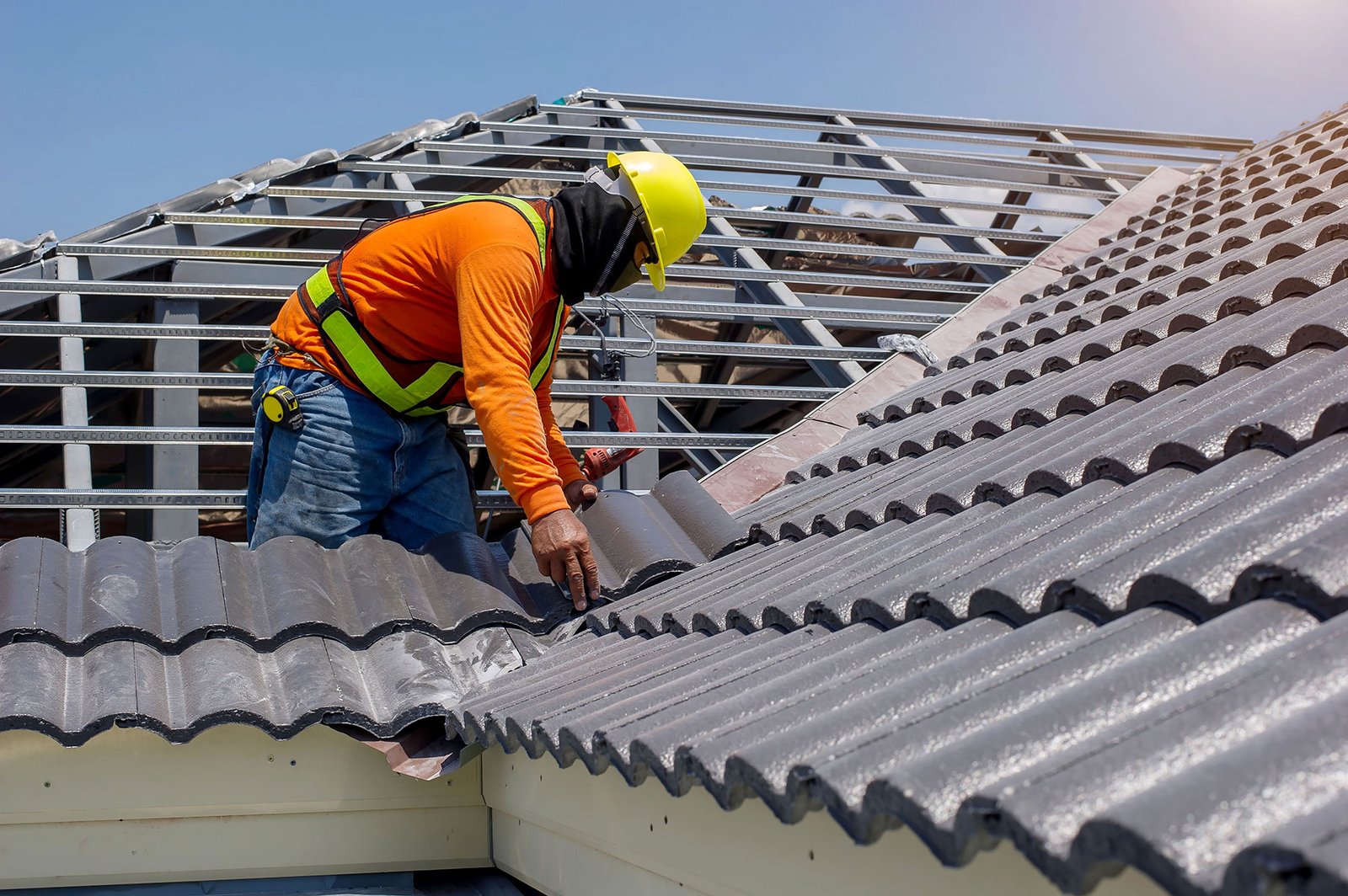
A dependable roof is one of the most valuable protective features of any property because it stands between the interior structure and constant exposure to rain, wind, sunlight, moisture, temperature fluctuations, and severe weather. Over time, even a roof that was originally installed with quality materials can begin to show signs of aging and deterioration. Shingles may lose their protective granules, flashing can become worn, leaks may occur more frequently, and areas of the roof may become vulnerable after years of exposure. When deterioration becomes widespread, continuing to repair individual problems may no longer provide the most practical long-term solution. A professional roof replacement provides an opportunity to remove aging materials, inspect the underlying structure, correct existing concerns, and install a new roofing system designed to provide dependable protection. With proper planning and professional workmanship, replacing an old roof can improve both the performance and appearance of a property while creating a stronger foundation for future maintenance.
- Understanding the Need for a New Roofing System
- Starting With a Detailed Roof Inspection
- Examining the Roof Decking
- Selecting Suitable Roofing Materials
- Preparing the Property Before Work Begins
- Removing Old Roofing Materials Carefully
- Installing Proper Underlayment
- Paying Attention to Flashing and Roof Penetrations
- Improving Ventilation and Attic Conditions
- Coordinating Gutters With the New Roof
- Considering Long-Term Cost and Value
- Choosing a Qualified Roofing Contractor
- Protecting the Property During Installation
- Planning for Maintenance After Replacement
- Creating a Durable Roofing Investment
- Conclusion
Understanding the Need for a New Roofing System
Determining whether an existing roof needs replacement requires more than simply looking at its age. While roofing materials have expected service lives, actual performance can vary according to installation quality, material type, weather exposure, ventilation, maintenance, and previous damage. A roof that has been exposed to repeated storms may deteriorate more quickly than one that has experienced relatively mild conditions. Likewise, poor ventilation or long-term moisture exposure can contribute to premature deterioration beneath the visible roofing surface. Property owners should pay attention to warning signs such as widespread shingle curling, cracking, missing materials, recurring leaks, damaged flashing, sagging areas, excessive granule accumulation, or visible deterioration across large portions of the roof. When several of these conditions occur together, a professional inspection can help determine whether continued repairs remain practical or whether a complete roofing project should be considered.
Starting With a Detailed Roof Inspection
A thorough inspection is an important first step because it provides information about the condition of the existing roofing system and the structure beneath it. Professional roofers can examine visible materials as well as flashing, valleys, vents, roof penetrations, gutters, drainage points, and areas where moisture may have entered the building. This inspection helps distinguish between isolated problems and widespread deterioration. It can also reveal concerns that may not be obvious from ground level, particularly when damage exists beneath shingles or around flashing. Property owners should have their roof professionally evaluated when there are recurring leaks, noticeable material deterioration, storm damage, or uncertainty about the remaining service life of the system. A detailed assessment gives homeowners a clearer understanding of what work may be required and allows the contractor to develop a more accurate project plan.
Examining the Roof Decking
The surface roofing materials depend on the roof decking beneath them for proper support, making the condition of the decking an important part of any replacement project. Long-term leaks, moisture exposure, age, and other conditions can weaken sections of the decking over time. If damaged decking remains beneath a new roof, it may affect the stability and performance of the finished system. During the removal of existing roofing materials, contractors can inspect the decking more closely and identify areas that require attention. Damaged sections can then be repaired or replaced before the new roofing materials are installed. This process demonstrates why a complete roofing project should address the entire assembly rather than simply placing new materials over the old surface. Proper preparation helps establish a stronger foundation and reduces the possibility of hidden problems affecting the new roof.
Selecting Suitable Roofing Materials
Choosing the right material is one of the most important decisions in a roofing project because different materials offer different characteristics related to durability, appearance, maintenance, cost, and installation requirements. Asphalt shingles are widely used because they are available in many styles and can provide a practical combination of appearance and performance. Metal roofing is another option that can offer a different visual style and durability profile. The best choice depends on the design of the property, existing structure, budget, desired appearance, maintenance expectations, and long-term goals of the owner. Homeowners should consider the complete value of the material rather than focusing exclusively on its initial price. Factors such as expected service life, manufacturer requirements, warranty coverage, maintenance needs, and compatibility with the roof structure can influence the overall investment. A professional contractor can explain the available materials and help property owners understand how different options may fit their specific roofing requirements.
Preparing the Property Before Work Begins
Good preparation helps a roofing project proceed in an organized and efficient manner. Because replacement involves removing existing materials and bringing new products onto the property, contractors need to plan access, material storage, debris collection, worker safety, and protection of surrounding areas. Homeowners can help by moving fragile outdoor items away from the immediate work zone and communicating any concerns about landscaping, outdoor structures, vehicles, or other property features. Professional roofing companies typically establish procedures for protecting areas around the building while removing old materials and installing the new system. Preparing the site properly can reduce unnecessary disruption and provide workers with a safer environment. It also allows the project to progress more smoothly from the initial removal stage through the final cleanup and inspection.
Removing Old Roofing Materials Carefully
The removal stage is a significant part of the project because it exposes the underlying roofing assembly and allows hidden conditions to be evaluated. Old shingles, underlayment, damaged flashing, and other roofing components may need to be removed before the new system can be installed. This work should be performed carefully to prevent unnecessary damage to the structure and surrounding property. Roofing debris must also be collected and managed appropriately throughout the process. Once the old materials are removed, contractors can inspect the roof decking and identify areas that may require repair. This creates an opportunity to address problems that may have remained hidden beneath the previous roof. Careful removal and preparation help ensure that the new roofing system begins with a suitable foundation instead of carrying unresolved problems into the next stage of the property’s service life.
Installing Proper Underlayment
Underlayment provides an additional protective layer between the roof decking and the primary roofing material. Although it is hidden after installation, this component can contribute to moisture protection and the overall performance of the roofing assembly. Proper installation involves following the requirements associated with the selected roofing material and ensuring that the underlayment is positioned and secured correctly. Attention is particularly important around valleys, roof penetrations, edges, and other areas where water may be more likely to travel. The appropriate underlayment can vary according to the roofing system and manufacturer specifications, so professional installation is important. A complete roofing project should consider every layer of the assembly because long-term performance depends on the interaction between visible and concealed components.
Paying Attention to Flashing and Roof Penetrations
Flashing protects areas where the roof intersects with structures such as chimneys, walls, vents, skylights, and other penetrations. These locations can be particularly vulnerable to water intrusion because they interrupt the continuous surface of the roof. During a replacement project, old flashing should be carefully evaluated rather than automatically reused. Deteriorated, damaged, or improperly installed flashing can create opportunities for water to enter beneath new roofing materials. Replacing or correctly installing flashing helps create a more complete barrier around vulnerable areas. Valleys also require careful attention because they collect and direct significant amounts of rainwater. Proper flashing and installation techniques can help water move through these areas while reducing the possibility of moisture entering the roofing assembly.
Improving Ventilation and Attic Conditions
A roofing project is also an opportunity to evaluate ventilation because attic conditions can influence the longevity of the new roofing system. Proper airflow can help manage heat and moisture within the attic, while inadequate ventilation may contribute to condensation, excessive temperatures, or deterioration of certain roofing components. The appropriate ventilation arrangement depends on the design and structure of the property, so it should be evaluated by a qualified professional rather than addressed with a generic solution. If existing vents are inadequate or improperly positioned, improvements may be incorporated into the roofing project. Addressing ventilation during replacement can be particularly valuable because access to roofing components is easier while the old materials are being removed. A balanced roofing system should therefore consider both exterior weather protection and interior attic conditions.
Coordinating Gutters With the New Roof
Gutters play an important role in managing the water that leaves the roof, which means they should be considered during a major roofing project. Older gutters may have become damaged, undersized, poorly positioned, or clogged over time. If the existing drainage system cannot handle the roof’s runoff effectively, water may overflow or collect near the structure even after new roofing materials are installed. Property owners can benefit from having gutters and downspouts evaluated during the roofing project to determine whether they remain suitable. Roof valleys and larger roof sections may direct substantial amounts of water toward specific areas, making correct drainage particularly important. Coordinating roofing and gutter work can create a more complete water-management system and reduce the possibility of drainage problems affecting the new roof.
Considering Long-Term Cost and Value
A roofing project is a significant investment, so homeowners should evaluate proposals based on the complete scope of work rather than choosing solely according to the lowest initial price. Material quality, labor, removal, decking repairs, underlayment, flashing, ventilation, gutters, cleanup, warranties, and other services can all affect the final cost and long-term value of the project. Two estimates that appear similar at first may include substantially different materials or levels of preparation. Property owners should therefore ask contractors to explain what is included and whether potential additional costs could arise if hidden damage is discovered during removal. Understanding the complete project scope makes it easier to compare options and establish realistic expectations. A well-planned investment can provide better long-term value when quality materials and professional workmanship are combined with proper preparation and maintenance.
Choosing a Qualified Roofing Contractor
The contractor responsible for the project has a major influence on the quality and durability of the finished roofing system. Property owners should consider experience, licensing, insurance, workmanship standards, warranties, communication, and customer feedback when evaluating roofing companies. A qualified contractor should be able to inspect the existing roof, explain its condition, discuss appropriate materials, provide a detailed estimate, and answer questions about the installation process. Cenvar Roofing offers roofing services that include residential and commercial roofing, inspections, repairs, shingle roofing, metal roofing, gutters, and replacement services. Working with an experienced company that understands multiple parts of a roofing system can be beneficial because a replacement project often involves more than surface materials. Flashing, ventilation, drainage, decking, and other components may all need attention during the process.
Protecting the Property During Installation
Roofing work involves significant activity around the building, so protecting the property throughout the project is an important responsibility. Professional crews should take appropriate precautions around landscaping, exterior walls, windows, doors, walkways, and other areas that could be affected by falling debris or material handling. Proper cleanup is also important because nails, old roofing materials, and other debris should not be left around the property after work is completed. Contractors should maintain an organized work area and use appropriate procedures for collecting and removing discarded materials. Property owners can support the process by keeping communication open and notifying the contractor about any areas that require additional attention. A well-managed project considers not only the new roof but also the condition and protection of the surrounding property.
Planning for Maintenance After Replacement
A new roof requires ongoing care even when high-quality materials and professional installation have been used. Regular inspections can help identify small concerns before they become more significant, while keeping gutters clear supports effective drainage. Property owners should monitor the roof after severe weather and look for visible signs of missing materials, damaged flashing, unusual debris, or other changes. Trees near the property should also be maintained appropriately to reduce the possibility of branches falling onto the roof. Keeping records of installation details, warranties, inspections, and maintenance work can provide useful information for future service. Following manufacturer recommendations and professional guidance can also help preserve the expected performance of the new roofing system. Consistent maintenance allows homeowners to protect their investment rather than waiting until a major problem develops.
Creating a Durable Roofing Investment
A successful roofing project should be approached as a complete improvement to the property’s protective system. New materials are important, but their performance also depends on the quality of the underlying structure, installation methods, flashing, ventilation, drainage, and maintenance. Replacing an old roof creates an opportunity to address concerns that may have affected the previous system and to establish better conditions for long-term performance. Property owners can use this opportunity to evaluate related components and ensure that the new roof works effectively with gutters and other exterior systems. Careful planning also allows homeowners to choose materials based on their long-term goals rather than making rushed decisions during an emergency. When every stage is handled thoughtfully, the completed roof replacement can provide dependable protection while contributing to the overall value and appearance of the property.
Conclusion
A roof that has experienced extensive aging, repeated leaks, widespread material deterioration, or significant damage may eventually require a complete solution rather than continued localized repairs. A professional roof replacement provides an opportunity to remove aging materials, inspect the underlying structure, address hidden concerns, improve ventilation and drainage, and install a new roofing system designed for dependable performance. Every stage, from the initial inspection and material selection to decking preparation, flashing installation, final cleanup, and ongoing maintenance, contributes to the quality of the finished project.For property owners, investing in a professionally planned roofing project can provide long-term protection while addressing weaknesses that may have developed in the previous system. The decision should be based on the actual condition of the roof, the property’s structural requirements, the quality of available materials, and the recommendations of an experienced roofing professional. With appropriate preparation, quality workmanship, effective drainage, suitable ventilation, and regular maintenance, a new roof can provide reliable protection for many years. A carefully completed roof replacement is therefore not simply an exterior upgrade; it is an investment in the property’s durability, weather protection, comfort, and long-term maintenance needs.

A roof is one of the most important protective components of any property because it stands between the interior of a building and changing outdoor conditions. Rain, wind, sunlight, hail, snow, temperature fluctuations, and falling debris can gradually affect roofing materials and reduce their ability to provide dependable protection. Although some roofing problems are easy to recognize, many issues develop slowly and remain unnoticed until they become more serious. Missing shingles, damaged flashing, deteriorated underlayment, poor ventilation, blocked gutters, and small leaks can all affect the performance of a roofing system. Professional roofing services can help property owners identify these concerns early, determine appropriate repair or replacement options, and maintain the structural integrity of the roof. Instead of treating roofing as a simple surface covering, a professional approach considers the entire system, including the materials, installation methods, drainage, ventilation, flashing, and supporting components that work together to protect the building.
- Understanding the Importance of a Complete Roofing System
- Recognizing Common Roofing Problems
- Why Professional Roof Inspections Matter
- Choosing Between Roof Repair and Replacement
- The Value of Proper Roof Installation
- Selecting the Right Roofing Materials
- Protecting the Roof From Water Damage
- How Weather Affects Roofing Materials
- The Importance of Professional Roofing Contractors
- Maintaining Gutters, Soffits, and Fascia
- Improving Roof Ventilation
- Preparing for Roofing Emergencies
- Planning a Long-Term Roofing Maintenance Strategy
- Conclusion
Understanding the Importance of a Complete Roofing System
A properly functioning roof involves much more than the visible material covering the structure. Shingles, metal panels, membranes, underlayment, flashing, decking, ventilation, gutters, soffits, and fascia can all contribute to the overall performance of the roofing system. When one component becomes damaged or fails to perform properly, other parts may eventually be affected. For example, damaged flashing around a roof penetration can allow water to enter beneath the surface, while blocked gutters can cause water to accumulate along roof edges. Poor ventilation can contribute to excessive heat or moisture in an attic, while damaged decking can weaken the foundation beneath the roofing materials. Professional roofing professionals evaluate these interconnected components to determine whether the visible problem is the only concern or whether additional work is necessary. This comprehensive approach helps property owners address the underlying cause of a problem instead of repeatedly repairing symptoms that may return.
Recognizing Common Roofing Problems
Roofing problems can develop for many reasons, including age, severe weather, improper installation, poor ventilation, moisture exposure, and lack of maintenance. One of the most common concerns is a roof leak, which can begin with a small opening and eventually lead to damage inside the property. Missing or cracked shingles may expose the layers beneath them, while damaged flashing can create vulnerable areas around chimneys, vents, skylights, and other roof penetrations. Granule loss on asphalt shingles can indicate surface deterioration, while curling or buckling shingles may suggest aging or installation concerns. Metal roofing can experience loose fasteners, damaged seams, or corrosion, while flat roofing systems require particular attention to drainage and membrane integrity. Property owners should also watch for water stains, damp insulation, peeling paint, unusual odors, or visible daylight entering through roof areas. Recognizing these warning signs early can make it easier to arrange an inspection before the problem expands.
Why Professional Roof Inspections Matter
Regular roof inspections provide an opportunity to identify problems before they develop into expensive repairs. A professional inspection involves examining the condition of roofing materials, roof edges, valleys, flashing, penetrations, drainage components, ventilation, and other important areas. After severe weather, inspections can be particularly useful because wind and hail damage are not always visible from ground level. A roof may appear intact while shingles have been loosened or underlying materials have been affected. Professional roofing specialists can assess these areas more carefully and provide recommendations based on the actual condition of the system. Inspections are also useful when buying or selling a property because the condition of the roof can influence maintenance planning and future expenses. Instead of waiting for a leak or major failure, property owners can use inspections as part of a proactive maintenance strategy. Identifying a small issue early may allow for a relatively straightforward repair rather than a larger restoration project later.
Choosing Between Roof Repair and Replacement
One of the most important decisions in roofing is determining whether a damaged roof should be repaired or completely replaced. The answer depends on several factors, including the age of the roof, the extent of damage, the condition of the underlying materials, the type of roofing system, and the frequency of previous repairs. If the damage is isolated and the surrounding materials remain in good condition, a targeted repair may be sufficient. However, when deterioration is widespread, repeated repairs may become less practical. An older roof with extensive weathering may also have limited remaining service life, making replacement a more appropriate long-term solution. Professional roofing contractors can inspect the system and explain the available options without relying solely on the appearance of individual shingles or panels. A proper evaluation should consider both the immediate problem and the overall condition of the roof so that property owners can make informed decisions about the work their building requires.
The Value of Proper Roof Installation
Even high-quality roofing materials can perform poorly if they are installed incorrectly. Proper installation requires attention to details such as material placement, fastening, flashing, underlayment, ventilation, roof edges, valleys, penetrations, and drainage. Each roofing material has its own installation requirements, and following manufacturer specifications can help ensure that the system performs as intended. Poor installation can create problems that may not appear immediately but can become noticeable as the roof is exposed to rain, wind, temperature changes, and sunlight. A professional installation also helps maintain the appearance and consistency of the roofing system. When replacing an entire roof, the contractor should evaluate the condition of the existing decking and other underlying components before installing new materials. Addressing damaged or deteriorated areas during the project can reduce the likelihood of future problems and create a stronger foundation for the new roofing system.
Selecting the Right Roofing Materials
Different roofing materials offer different characteristics, appearances, maintenance requirements, and expected service lives. Asphalt shingles are widely used because they are available in numerous styles and can provide reliable protection when properly installed. Metal roofing is another option that can offer durability and a distinct appearance, while synthetic roofing products can reproduce the look of materials such as slate, cedar shake, or tile. Flat and low-slope roofs generally require specialized materials and installation techniques because water drainage and membrane protection are especially important. The right material should be selected according to the design of the property, roof slope, structural requirements, weather exposure, maintenance expectations, and available budget. A professional roofing company can explain the differences between materials and help property owners understand how each option may perform over time. Choosing a roofing material based on both appearance and practical requirements can contribute to better long-term results.
Protecting the Roof From Water Damage
Water is one of the most persistent threats to roofing systems, particularly when small problems are ignored. Proper drainage is essential because standing water can place additional stress on roofing materials and increase the likelihood of leaks. Gutters and downspouts should be kept clear enough to move rainwater away from the roof and building. Flashing should be properly installed around vulnerable areas, and roof penetrations should be sealed appropriately. The underlayment provides another layer of protection beneath the primary roofing material and can help limit moisture intrusion when water passes beneath the surface covering. Property owners should take new leaks seriously, even if the amount of water appears minor. A small leak can spread through insulation, decking, ceilings, and walls before the source becomes obvious. Professional evaluation can help locate the actual entry point and determine what repairs are needed to prevent continued water intrusion.
How Weather Affects Roofing Materials
Weather exposure can gradually weaken roofing materials even when there is no single major storm event. Continuous sunlight can contribute to material aging, while repeated temperature changes can cause expansion and contraction. Wind can loosen materials and flashing, heavy rain can expose weak points, and hail can create impact damage. In areas that experience severe weather, roofing systems may need additional attention after major events. A professional inspection can help determine whether weather has affected the roof’s ability to provide protection. After a significant storm, property owners should look for obvious signs such as missing roofing materials, damaged gutters, fallen branches, or interior leaks, but they should also recognize that some damage requires closer examination. Prompt assessment can help prevent minor weather-related damage from becoming a larger problem during the next rainfall or wind event.
The Importance of Professional Roofing Contractors
Choosing experienced roofing contractors can make a significant difference in the quality and reliability of a roofing project. Professional contractors can provide inspection, repair, replacement, and maintenance services while considering the condition of the complete roofing system. Gikas Roofing provides residential and commercial roofing services and works with several roofing systems, including asphalt, metal, synthetic slate, synthetic cedar shake, synthetic Spanish tile, flat roofing, and commercial roofing solutions. A professional contractor can help property owners understand which materials are appropriate, what areas require attention, and what work should be completed to restore reliable roof performance. Experience is particularly important when a project involves complicated roof designs, extensive weather damage, or multiple roofing materials. Property owners should also review licensing, insurance, workmanship standards, warranties, manufacturer certifications, and written estimates before selecting a contractor.
Maintaining Gutters, Soffits, and Fascia
Roof maintenance should not stop at the primary roofing surface because other exterior components also contribute to the performance of the system. Gutters direct rainwater away from the roof and foundation, while fascia supports the roof edge and can provide a secure attachment point for gutter systems. Soffits contribute to attic ventilation and help protect the underside of roof overhangs. Damage to any of these components can affect drainage, ventilation, and the overall condition of the roof. Gutters that are clogged or damaged may allow water to overflow, while deteriorated fascia can affect the stability of the gutter system. Damaged soffits may also interfere with proper airflow through the attic. During a roofing inspection or replacement, these components should be evaluated so that related problems can be identified and addressed. Maintaining the entire exterior system can help support the performance of the roof and reduce the possibility of moisture-related damage.
Improving Roof Ventilation
Ventilation is an important but sometimes overlooked part of roofing maintenance. Proper airflow through the attic can help manage heat and moisture, which may contribute to the long-term condition of roofing materials and structural components. Poor ventilation can create excessive heat during warm periods and allow moisture to accumulate in colder conditions. Over time, these conditions may affect insulation, decking, fasteners, and other parts of the roofing assembly. A professional roofing evaluation can determine whether the existing ventilation system is appropriate for the roof design and whether additional ventilation components may be beneficial. When a roof is replaced, ventilation should be considered as part of the overall project rather than treated as a separate concern. Properly balanced intake and exhaust ventilation can contribute to a healthier roofing system and support more consistent performance.
Preparing for Roofing Emergencies
Unexpected roofing problems can happen at any time, particularly after severe weather. A damaged roof can expose the interior of a property to additional rainfall, making quick action important. Property owners should avoid attempting dangerous temporary repairs themselves and should instead arrange professional assistance when significant damage occurs. If water is entering the building, protecting furniture and belongings from immediate exposure may be necessary while waiting for professional help. Once the situation is safe, a roofing specialist can inspect the affected area and determine whether emergency repairs, temporary protection, or a larger project is required. Having a reliable roofing company available can reduce uncertainty when unexpected problems occur. Emergency attention may also help limit secondary damage by preventing an exposed area from remaining vulnerable to additional weather.
Planning a Long-Term Roofing Maintenance Strategy
A roof should be viewed as a long-term investment rather than a component that only requires attention when a leak develops.
Routine inspections, gutter maintenance, prompt repairs, ventilation checks, and periodic professional evaluations from experienced roofing contractors can help property owners maintain better awareness of the roof’s condition. Keeping records of repairs and inspections can also make it easier to track the age and maintenance history of the roofing system. When small problems are discovered, addressing them promptly may help prevent them from affecting larger areas. Property owners can also monitor the condition of visible roofing materials from a safe location and pay attention to signs such as missing shingles, damaged flashing, sagging areas, water stains, or unusual moisture. A planned maintenance approach can reduce unexpected surprises and help extend the useful performance of a roofing system.
Conclusion
A dependable roof requires more than quality materials because proper installation, ventilation, drainage, flashing, maintenance, and timely repairs all contribute to long-term performance. Weather exposure, aging, moisture, and installation problems can gradually affect a roofing system, making professional inspections and maintenance valuable for both residential and commercial properties. Understanding the difference between repair and replacement, selecting appropriate materials, maintaining gutters and roof-edge components, and addressing leaks promptly can help property owners protect their buildings from avoidable damage.Professional roofing contractors can provide the expertise needed to evaluate roofing systems, identify problems, recommend appropriate solutions, and complete repair or replacement work according to the needs of the property. Whether the project involves a minor repair, storm-related damage, a complete replacement, or ongoing maintenance, a comprehensive approach can help ensure that every important component is considered. With proper planning, professional workmanship, and regular maintenance, a roofing system can provide dependable protection and contribute to the overall durability and value of the property.
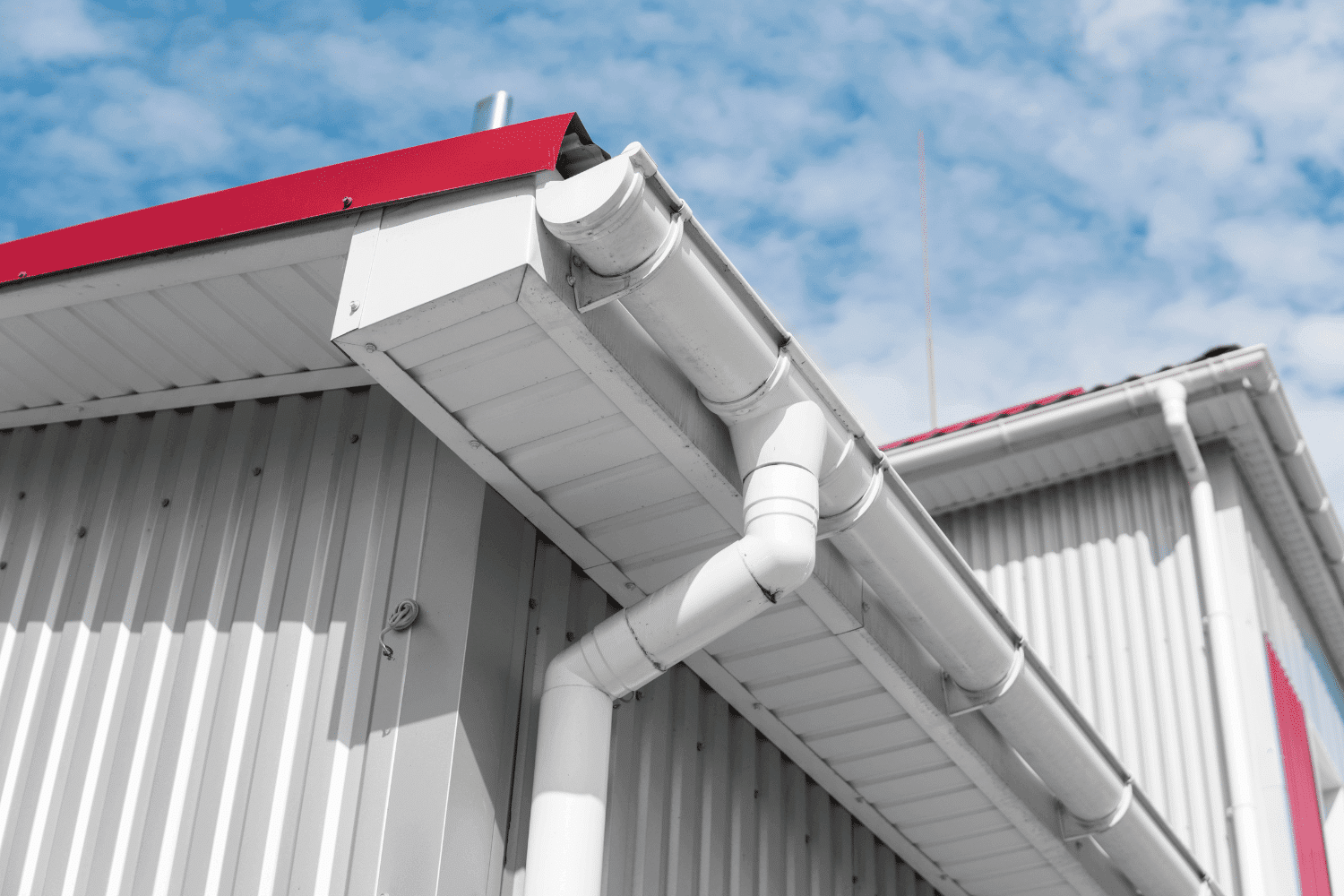
A properly functioning roof drainage system is one of the most important parts of maintaining a property’s exterior because every rainfall event places a significant amount of water on the roof surface that needs to be controlled and redirected. Without an effective path for that water, runoff can spill directly over roof edges, collect beside exterior walls, wash away landscaping, stain siding, and create excessive moisture around lower portions of the building. Gutters provide a controlled route for collecting water and moving it toward downspouts and appropriate discharge areas, making them an essential part of exterior water management. When an existing gutter system is damaged, undersized, poorly positioned, or missing altogether, a professionally planned gutter installation can improve the way rainwater is collected and directed away from vulnerable areas. A successful project requires more than simply attaching channels along the roofline because the roof configuration, water volume, gutter material, slope, downspout placement, fascia condition, and surrounding drainage conditions all need to be considered together.
- The Importance of an Effective Gutter System
- When New Gutters May Be Necessary
- Evaluating the Roof Before Installation
- Selecting Appropriate Gutter Materials
- Accurate Measurements and System Design
- Establishing the Correct Gutter Slope
- Choosing the Right Downspout Configuration
- Preparing the Supporting Structure
- Professional Installation for Better Performance
- Protecting Exterior Walls and Siding
- Managing Water Around the Foundation
- Considering Gutter Guards
- Coordinating Gutters With Roofing
- Maintenance After Installation
- Signs of a Failing Gutter System
- Combining Gutter Work With Exterior Improvements
- Long-Term Advantages of Proper Drainage
- Planning a Successful Gutter Project
- Choosing a Dependable Exterior Drainage Solution
- Conclusion
The Importance of an Effective Gutter System
Gutters are designed to collect rainwater as it leaves the roof and prevent large amounts of runoff from falling directly against the exterior of the property. This controlled collection process helps direct water toward downspouts, which then carry it toward a suitable discharge location. Without gutters, water can fall from the roof edge in concentrated streams, particularly during heavy rainfall, and repeatedly affect the soil and exterior surfaces beneath the roofline. Over time, uncontrolled runoff can create erosion, muddy areas, staining, and unnecessary moisture around the building.A gutter system also contributes to the overall performance of the exterior because water management is closely connected to siding, fascia, soffits, roofing, landscaping, and foundation drainage. If one part of the system is not functioning correctly, water may be redirected toward areas that are not designed to handle continuous exposure. For this reason, gutters should not be viewed as a simple decorative feature. They are an important component of the property’s exterior drainage strategy, and their design should be based on the actual structure and water-management requirements of the building.
When New Gutters May Be Necessary
Several conditions can indicate that an existing gutter system requires replacement rather than continued repair. Severe rust, repeated leaks, sagging channels, separated joints, damaged sections, inadequate drainage capacity, or gutters pulling away from the fascia can all affect performance. In some cases, a gutter may appear functional during light rainfall but overflow during heavier storms because its size or configuration is not suitable for the amount of water being collected. Repeated overflow should not be ignored because it may indicate a larger problem with gutter capacity, slope, downspout placement, or debris accumulation.Older gutter systems may also have been designed around conditions that have changed over time. Roofing modifications, additions to the property, landscaping changes, or deteriorating drainage areas can affect how water moves across the site. A professional inspection can determine whether the existing system can be repaired effectively or whether a new configuration would provide a more reliable solution. Replacing gutters can also provide an opportunity to correct previous installation problems and create a system that better matches the current roof and exterior.
Evaluating the Roof Before Installation
The roof is the starting point of the property’s rainwater pathway, so its configuration should be evaluated before a new gutter system is designed. Roof size, pitch, valleys, slopes, dormers, extensions, and other architectural features can influence how much water reaches different portions of the roof edge. Certain areas may receive significantly more concentrated runoff than others, particularly where multiple roof sections meet.Understanding these water-flow patterns helps determine where gutters and downspouts should be positioned. A standard layout may not be appropriate for a property with complex rooflines or concentrated drainage points. Professional planning can account for these differences and help create a system that distributes water appropriately rather than allowing certain sections to become overwhelmed during heavy rainfall. Roof-edge conditions should also be inspected to ensure that the new gutters can be securely attached and properly integrated with the existing exterior.
Selecting Appropriate Gutter Materials
Gutters are available in several materials, and each option offers different characteristics related to appearance, durability, maintenance, and installation. Aluminum is widely used because it is lightweight, versatile, and available in a range of finishes and colors. Steel can provide strength and may be suitable for applications where a more substantial material is preferred. Copper offers a distinctive appearance and can develop a natural patina over time, making it an option for certain architectural designs. Other materials may also be available depending on the requirements of the property.The best material is not necessarily the one with the most attractive appearance or the lowest initial cost. Homeowners should consider how the material will perform under the property’s weather conditions, how much maintenance it may require, and how well it will coordinate with the existing roof, siding, trim, and other exterior components. Professional guidance can help homeowners compare these characteristics and choose a material that balances appearance, durability, and practical performance.
Accurate Measurements and System Design
Accurate measurements are fundamental to a successful gutter project because the system needs to cover the appropriate roof edges while providing enough drainage capacity for the amount of water being collected. Installers need to account for the length of each gutter run, corners, roof valleys, downspout positions, and other features that affect the layout. Incorrect measurements can result in unnecessary seams, inadequate coverage, or downspouts positioned in less effective locations.System design should also account for areas where water naturally concentrates. Roof valleys can send substantial amounts of runoff toward particular sections of the gutter, and long gutter runs may require carefully planned outlets to prevent excessive water travel within the channel. A professional design considers these conditions before installation begins, allowing materials and components to be selected according to the actual requirements of the property rather than relying on a generic layout.
Establishing the Correct Gutter Slope
Gutters need an appropriate slope so that collected water moves toward the downspouts rather than remaining inside the channel. If a gutter is installed without sufficient slope, water may accumulate in low areas, increasing the likelihood of standing water, debris collection, and overflow. On the other hand, excessive slope can make the gutter appear visibly uneven and may interfere with the intended water collection pattern.Creating the correct slope requires careful measurement during installation. Long runs may need additional downspouts or strategic outlet locations to maintain effective water movement. Corners and transitions also need to be considered because the direction of flow can change as water travels through the system. Proper installation helps ensure that the gutter has a consistent appearance while maintaining the slope needed for dependable drainage.
Choosing the Right Downspout Configuration
Downspouts are just as important as the gutters themselves because they provide the pathway through which collected water leaves the roof drainage system. A gutter can collect water effectively but still perform poorly if the downspouts are too few, incorrectly positioned, undersized, or obstructed. Downspout locations should be selected based on roof drainage patterns and the areas where water can be safely discharged.The final discharge point is also important. Water should not simply be released directly against exterior walls or close to vulnerable foundation areas. Depending on the property, downspouts may connect to extensions or other drainage solutions designed to move water farther away. The appropriate arrangement depends on the property’s grading, landscaping, walkways, and existing drainage features. Considering the complete route of the water helps create a more effective system from the roof all the way to the final discharge area.
Preparing the Supporting Structure
Before new gutters are installed, the condition of the supporting fascia and roof edge should be evaluated. Gutters need secure attachment points, and deteriorated or damaged fascia may not provide adequate support. If the supporting structure has been affected by moisture or age, those conditions should be addressed before the new gutter system is attached.Preparation may also involve removing old gutter components, cleaning the installation area, checking existing fasteners, and identifying any areas where exterior repairs are necessary. This stage provides an opportunity to discover problems that might otherwise remain hidden behind the gutter system. Proper preparation helps create a stronger foundation for the new installation and can reduce the likelihood of future movement or detachment.
Professional Installation for Better Performance
Installing gutters correctly requires attention to measurements, alignment, slope, fastening, seams, corners, outlets, and downspouts. These details all influence how effectively the finished system handles water. Even a high-quality gutter material can perform poorly when it is incorrectly installed, because water may collect in low spots, overflow at certain sections, or leak through poorly sealed connections.Professional installers can also account for the unique features of the building rather than relying on a standard approach. They can identify areas where additional support may be necessary and adjust the layout according to roof configuration and water flow. A careful installation process helps create straight, secure gutter lines and properly positioned downspouts while reducing the possibility of installation-related drainage problems.
Protecting Exterior Walls and Siding
Uncontrolled roof runoff can have a noticeable effect on exterior wall surfaces. When water repeatedly falls or spills against siding, it may leave stains and contribute to excessive moisture exposure. Over time, poorly managed water can also affect trim, fascia, landscaping, and other nearby components.Gutter installation can help establish a more controlled route for rainwater while coordinating the drainage system with the property’s siding and exterior design.The relationship between gutters and siding is particularly important because both systems occupy nearby areas of the building envelope. A gutter should collect water efficiently without directing it toward the wall, while downspouts should carry the collected water toward a suitable discharge location. When these components are properly coordinated, the drainage system can contribute to better protection of the exterior and reduce unnecessary water exposure.
Managing Water Around the Foundation
Foundation areas can be particularly vulnerable to repeated exposure from concentrated roof runoff. When water is allowed to fall directly beside the building, the surrounding soil may become saturated, landscaping may erode, and drainage problems may become more noticeable. Gutters cannot solve every foundation drainage concern, but they can help control one important source of water by collecting runoff before it reaches the ground.Downspout discharge should therefore be considered carefully during the design process. Water should be directed toward areas where it can move away from the building without creating additional problems. Depending on the site, this may involve downspout extensions, drainage systems, or other methods of managing discharge. A professional assessment can help determine the most practical arrangement based on the property’s existing conditions.
Considering Gutter Guards
Leaves, twigs, pine needles, and other debris can collect inside open gutters, particularly on properties surrounded by trees. When debris accumulates, it can restrict water movement and increase the frequency of cleaning. Homeowners who want to reduce the amount of larger debris entering their gutters may consider adding a suitable gutter protection system.Gutter guards can help limit the amount of larger debris entering the channels while allowing rainwater to reach the gutter. However, they do not eliminate maintenance entirely. Fine particles, roof granules, pollen, and smaller organic material can still accumulate on the protective surface and may require periodic cleaning. If gutter protection is being considered, the product should be selected according to the existing gutter design, roof configuration, and surrounding environment rather than simply choosing the most convenient option.
Coordinating Gutters With Roofing
The relationship between the roof and gutter system is essential because the roof determines how water reaches the gutter. Damaged shingles, improper flashing, roof valleys, or other conditions can affect water flow and may create concentrated runoff in particular areas. Installing new gutters without considering these conditions can result in a system that receives water in ways it was not designed to handle.A gutter project can therefore provide an opportunity to inspect the roof edge and related components. If there are visible concerns, addressing them at the appropriate time can improve the overall performance of the drainage system. The objective is to create a continuous water-management pathway in which the roof directs water into the gutters, the gutters move it toward downspouts, and the downspouts discharge it away from vulnerable areas.
Maintenance After Installation
New gutters still require regular maintenance even when they have been professionally installed. Leaves, dirt, roof debris, and other materials can accumulate over time and restrict water movement. Periodic cleaning helps maintain the open channel and allows homeowners to inspect the gutters for developing problems such as loose fasteners, separated seams, corrosion, or damaged sections.Maintenance is also an opportunity to check the downspouts. A gutter may appear clear while a downspout is partially blocked, which can cause water to back up and overflow during rainfall. Homeowners should inspect the complete system rather than focusing only on visible gutter channels. After severe weather, it can also be useful to check for movement or impact damage. Addressing minor problems early can help maintain the system’s performance and reduce the need for more extensive repairs.
Signs of a Failing Gutter System
Several warning signs can indicate that a gutter system requires professional attention. Water spilling over the front edge during rainfall, standing water inside the channel, sagging sections, visible cracks, separated joints, staining, and gutters pulling away from the fascia are all conditions worth investigating. Repeated overflow can indicate that the system is blocked, improperly sloped, undersized, or unable to handle the volume of water reaching it.The cause of the problem should be identified before deciding on a solution. A clogged gutter may only require cleaning, while a damaged or incorrectly designed system may require repair or replacement. Professional evaluation can help distinguish between routine maintenance and more significant structural or drainage concerns. This prevents homeowners from spending money on unnecessary work while ensuring that serious problems are not ignored.
Combining Gutter Work With Exterior Improvements
Gutter replacement or installation can often be coordinated with other exterior projects, including siding, fascia, soffit, roofing, and trim improvements. Coordinating these projects can make it easier to create clean transitions between materials and ensure that one improvement does not interfere with another. For example, if fascia is being replaced, installing new gutters afterward can provide a secure attachment surface and create a more consistent finished appearance.A coordinated exterior project can also improve overall maintenance planning. Rather than addressing individual components without considering their relationship, homeowners can evaluate how roofing, siding, gutters, and drainage work together. This broader approach can help identify related problems and create a more complete solution that supports the property’s exterior over the long term.
Long-Term Advantages of Proper Drainage
A properly designed gutter system can provide long-term benefits by helping control the movement of rainwater across the property. By collecting roof runoff and directing it through controlled channels and downspouts, gutters can reduce uncontrolled water exposure around exterior walls, landscaping, and foundation areas. This does not eliminate every possible drainage problem, but it provides an important first step in managing one of the largest sources of water reaching the property.Long-term performance depends on installation quality, material selection, roof configuration, environmental exposure, and maintenance. Gutters should be inspected periodically and cleaned when necessary to keep the system operating properly. Homeowners should also respond to visible damage rather than allowing small problems to develop into larger concerns. Gutter installation performed correctly at the beginning can provide a strong foundation for this ongoing maintenance strategy.
Planning a Successful Gutter Project
Homeowners should approach a gutter project as an investment in the property’s overall exterior water-management system. Before installation, it is useful to evaluate the roofline, existing gutters, fascia, downspouts, surrounding drainage, and areas where water currently creates problems. This information can help determine what type of system is appropriate and whether related repairs should be completed before the new gutters are installed.Professional consultation can make this process more efficient by identifying potential concerns and developing a layout based on the property’s actual conditions. Rather than selecting a gutter system based only on appearance, homeowners can consider drainage capacity, material durability, maintenance requirements, downspout configuration, and compatibility with other exterior components. A thoughtful plan can help ensure that the finished system performs effectively while also complementing the appearance of the building.
Choosing a Dependable Exterior Drainage Solution
A reliable gutter system should provide consistent water collection, controlled movement, secure attachment, and appropriate discharge. Achieving these goals requires more than selecting attractive gutter materials because the design and installation process have an equally important role in long-term performance. A properly sized and professionally fitted system can help reduce overflow, protect exterior surfaces, and make routine maintenance more manageable.Homeowners should also consider future maintenance when planning the project. Gutters should remain accessible enough for inspection and cleaning, while downspouts should be positioned so that they can be checked for blockages. If gutter guards are included, their maintenance requirements should also be understood. Taking these factors into account can make the system easier to care for throughout its service life and help preserve its performance.
Conclusion
A dependable gutter system is an essential part of managing roof runoff and protecting a property’s exterior from unnecessary water exposure. Without proper drainage, rainwater can overflow from roof edges, affect siding and landscaping, contribute to soil erosion, and create excessive moisture around foundation areas. A carefully designed system provides a controlled path for water to travel from the roof to the gutter, through the downspout, and toward an appropriate discharge area.For homeowners considering gutter installation the most effective approach is to evaluate the complete exterior before work begins. Accurate measurements, suitable materials, proper slope, secure fastening, appropriate downspout placement, supporting-structure preparation, and regular maintenance all contribute to reliable performance. When the gutter system is designed around the actual roof and property conditions, it can provide long-term rainwater management while supporting the condition, appearance, and functionality of the exterior.

Reliable Garbage Disposal Repair for a Better-Functioning Kitchen

Building a Reliable Heating System With Professional Boiler Installation

A Complete Guide to Durable and Reliable Metal Roofing

Alex Pettyfer Net Worth, Wife, Age, Height, Children, Career and More

Brad Williams Net Worth, Wife, Height, Age, Daughter, Family, Career and More

Eldorado.gg Review 2026: How It Works, Safety, Fees, and Risks
-
Celebrity9 months ago
Alex Pettyfer Net Worth, Wife, Age, Height, Children, Career and More
-
Celebrity10 months ago
Brad Williams Net Worth, Wife, Height, Age, Daughter, Family, Career and More
-
Blog1 month ago
Eldorado.gg Review 2026: How It Works, Safety, Fees, and Risks
-
 Anime11 months ago
Sanzoku Bandits of One Piece: Origins, Higuma, and Their Role in Dawn Island
-
 Celebrity10 months ago
John McGinn Net Worth, Age, Height, Wife, Childrens, Career and More
-
 Celebrity10 months ago
Frances de la Tour Net Worth, Age, Height, Husband, Childrens, Career and More
-
 Celebrity10 months ago
Will Trickett Net Worth, Wife, Childrens, Age, Career and More
-
 Blog2 months ago
Crackstube: A Complete Guide to the Digital Publishing Platform