
Blog
Why Your Home Deserves a Fresh Coat from a Trusted Painting Company


Your home’s exterior and interior walls say more about you than you might think. They set the mood for every room, protect your investment from the elements, and create the first impression neighbors and guests see before they even step through the door. If your walls look tired, faded, or chipped, it might be time to consider a change that goes beyond a simple touch-up.
That’s where A Classic Touch Painting comes in. As a dedicated house painting company, we’ve spent years helping homeowners transform their spaces with precision, care, and a genuine love for the craft. This post walks through what makes professional painting worth the investment, what to expect from a quality service, and how the right team can turn a house into a home you’re proud to show off.
What Makes Professional House Painting Worth the Investment?
Painting your own home might seem like a weekend project, but the results often tell a different story. Uneven coats, visible brush strokes, and paint drips are common outcomes when the job is rushed or handled without the right tools and experience.
Professional painters bring more than just a steady hand. They understand surface preparation, primer selection, and the right paint types for different climates and materials. This attention to detail means the finished product doesn’t just look better on day one — it holds up for years to come.
There’s also the matter of time. A weekend project can easily stretch into weeks when homeowners juggle painting around work, family, and everything else life throws their way. Hiring a skilled crew frees up your schedule while still delivering a finish that looks like it belongs in a magazine.
How Does Surface Preparation Affect the Final Result?
Paint is only as good as the surface underneath it. Cracks, peeling paint, mildew, and uneven textures can all show through even the highest-quality paint job if they aren’t addressed first.
A thorough preparation process typically includes:
-
Power washing exterior surfaces to remove dirt, grime, and mildew
-
Sanding down rough patches or old peeling paint
-
Filling cracks and holes with appropriate filler
-
Applying primer to help the paint adhere evenly and last longer
Skipping these steps might save time upfront, but it almost always leads to a shorter-lasting finish and more frequent touch-ups down the road.
Interior vs. Exterior Painting: What’s the Difference?
While the basic principles of painting remain the same indoors and outdoors, the approach, materials, and challenges differ quite a bit.
What Should You Know About Interior Painting?
Interior painting focuses heavily on color selection, finish type, and how a room’s lighting affects the final look. A color that looks bright and cheerful in the store might appear completely different once it’s on your living room walls under natural or artificial light.
Finishes matter too. Matte finishes hide imperfections well and work great for bedrooms and living rooms, while satin or semi-gloss finishes hold up better in kitchens and bathrooms where moisture and cleaning are more frequent.
What Should You Know About Exterior Painting?
Exterior painting has to contend with sun exposure, temperature swings, rain, and general wear from the elements. This means the paint quality and application technique need to be durable enough to withstand years of weather changes without fading, cracking, or peeling.
Timing also plays a role. Painting during extreme heat or cold, or right before a rainstorm, can compromise how well the paint cures and adheres to the surface. Experienced painters know how to plan around seasonal conditions to get the best results.
How Do You Choose the Right Colors for Your Home?
Color choice can feel overwhelming with so many shades, undertones, and finishes available. A few practical tips can make the process easier:
-
Consider your home’s architecture. Traditional homes often look best with classic, muted tones, while modern homes can handle bolder, contrasting colors.
-
Think about your neighborhood. While personal style matters, staying somewhat in line with neighboring homes can help maintain curb appeal and resale value.
-
Test before committing. Small paint swatches on your actual walls, viewed at different times of day, give a much clearer picture than a paint chip alone.
-
Factor in lighting. North-facing rooms tend to receive cooler light, while south-facing rooms get warmer light, both of which can shift how a color appears.
Working with an experienced painting team can also help, since they’ve seen firsthand how certain colors perform in different lighting and settings.
What Should You Expect During a Professional Painting Project?
A well-run painting project should feel organized and predictable, not chaotic. Here’s a general breakdown of what a typical project timeline might look like:
-
Initial consultation: Discussing color choices, project scope, and timeline expectations.
-
Preparation: Cleaning, sanding, patching, and priming surfaces as needed.
-
Painting: Applying multiple coats with proper drying time between each layer.
-
Final walkthrough: Reviewing the finished work together to ensure everything meets expectations.
Clear communication throughout each step helps avoid surprises and ensures the final result matches the vision discussed at the start.
Ready for a Home Transformation That Lasts?
A reliable and detail-focused Painting Company can turn even the most outdated or worn-down space into something you’ll love coming home to every day. Whether it’s refreshing a single room or giving your entire exterior a bold new look, the right team makes the process smooth from start to finish.
At A Classic Touch Painting, we take pride in delivering clean lines, durable finishes, and a painting experience that respects your time and your home. From color consultations to the final walkthrough, our goal is always the same: a result that feels as good as it looks.
If your walls are due for a change, reach out to A Classic Touch Painting today and discover what a fresh coat can really do for your home.
Blog
Thermal Paper Jumbo Roll: How to Choose the Right Specifications for Industrial Converting and Bulk Supply

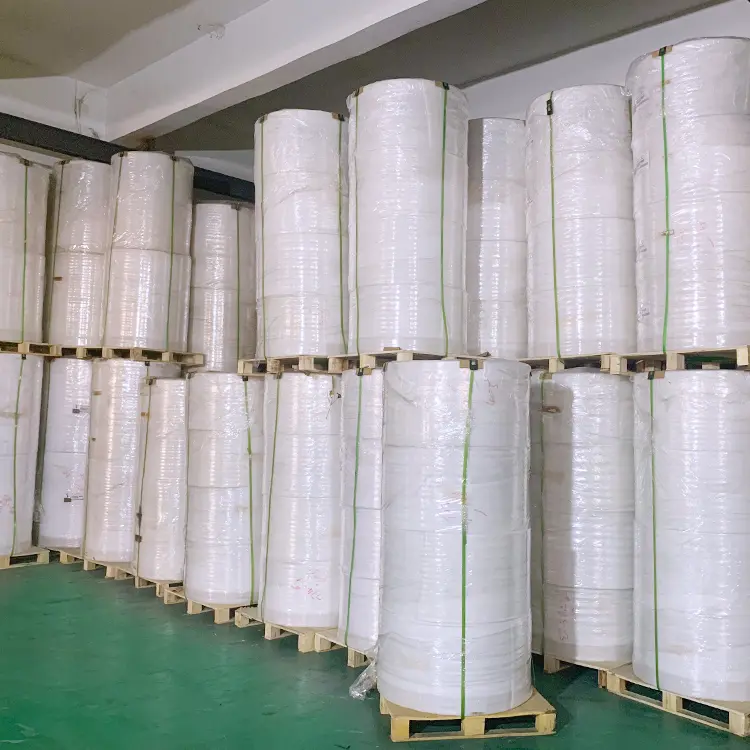
For thermal paper converters, wholesalers, distributors, and printing businesses, choosing the right thermal paper jumbo roll is an important part of maintaining production efficiency and product quality. Unlike finished receipt roll, jumbo roll are supplied in larger formats and are designed to be converted into smaller roll for different commercial applications.
- Quick Answer: What Should Buyers Look for in a Thermal Paper Jumbo Roll?
- 1. Understand How Thermal Paper Jumbo Roll Are Used in Manufacturing
- 2. Select the Correct GSM, Width, and Core Specifications
- 3. Why Thermal Coating Quality Matters for Finished Products
- 4. How Jumbo Roll Quality Affects Slitting and Rewinding Efficiency
- 5. Choosing a Thermal Paper Jumbo Roll Supplier for Bulk Production
- 6. Storage, Packaging, and Transportation Considerations
- 7. How to Reduce Purchasing Costs Without Compromising Quality
- Frequently Asked Questions About Thermal Paper Jumbo Roll
- Final Takeaway: Choose Jumbo Roll That Support Efficient Converting
These large roll are widely used in the production of POS receipt paper, ATM paper, lottery tickets, medical record paper, logistics receipts, and other thermal paper products. Their size makes them particularly useful for businesses operating converting equipment and supplying finished roll to multiple markets.
However, purchasing jumbo roll involves more than selecting a suitable paper width or finding a competitive price. Buyers need to consider coating performance, GSM, roll dimensions, core size, paper length, storage conditions, and compatibility with their slitting and rewinding equipment.
For international buyers, working with a dependable supplier is equally important. Consistent material quality and reliable bulk availability help converters maintain production schedules and meet customer requirements without unnecessary interruptions.
Quick Answer: What Should Buyers Look for in a Thermal Paper Jumbo Roll?
A suitable thermal paper jumbo roll should match the converter’s equipment, required finished-roll specifications, and printing performance expectations.
Before purchasing, buyers should evaluate:
- Paper GSM and thickness.
- Jumbo roll width and diameter.
- Core size and compatibility.
- Thermal coating quality and sensitivity.
- Surface smoothness and paper consistency.
- Slitting and rewinding performance.
- Storage and packaging conditions.
- Supplier reliability and bulk supply capabilities.
The best purchasing decision comes from comparing these specifications together rather than choosing a jumbo roll based only on its price per ton or kilogram.
1. Understand How Thermal Paper Jumbo Roll Are Used in Manufacturing
Thermal paper jumbo roll serve as the starting material for producing smaller thermal paper products. Their large format allows converters to process substantial quantities of paper through industrial slitting and rewinding equipment.
The process generally begins with a coated thermal paper parent roll. This material is loaded onto a converting machine, where it is slit into narrower widths according to the required finished product dimensions. The narrower paper webs are then rewound into individual roll with specified lengths, diameters, and core sizes.
It is important to distinguish thermal coating from converting. Coating is the process that gives paper its heat-sensitive printing properties. Slitting and rewinding happen afterward and turn the coated material into finished roll. Some manufacturers perform coating in-house, while others purchase coated jumbo roll from specialized paper producers.
Depending on the customer’s equipment and production requirements, jumbo roll can be converted into products such as:
- POS receipt paper roll.
- ATM and payment terminal paper.
- Supermarket and retail receipt roll.
- Lottery and ticketing paper.
- Medical recording paper.
- Logistics and transportation receipts.
For converters supplying multiple industries, selecting the correct parent roll specification is essential because every subsequent production stage depends on the incoming material.
2. Select the Correct GSM, Width, and Core Specifications
One of the most common challenges in jumbo roll purchasing is determining which specifications will work best with existing converting equipment.
Paper GSM, or grams per square meter, describes the weight of the paper. It influences the physical characteristics of the material, including thickness, stiffness, and how much paper can fit within a particular finished-roll diameter.
Sailingpaper lists different thermal paper grades, including 35, 40, 45, 48, 50, 55, 58, 60, 65, 70, and 80 GSM options. The appropriate grade depends on the intended application and the converter’s requirements.
Other important specifications include:
| Specification | Why It Matters |
| GSM | Influences paper weight and physical characteristics |
| Jumbo roll width | Must match the converting machine’s requirements |
| Outer diameter | Determines machine loading compatibility |
| Core size | Must fit the equipment’s holding mechanism |
| Paper thickness | Affects winding capacity and finished-roll length |
| Coating grade | Influences thermal printing performance |
| Paper length | Helps estimate production output and material usage |
Width is particularly important when converting jumbo roll into several finished-roll formats. A converter producing different POS paper sizes may require multiple parent roll widths to minimize trimming waste and improve material utilization.
Sailingpaper offers jumbo roll width options such as 80mm, 100mm, and 210mm, along with customized specifications for different equipment requirements.
Before requesting a quotation, buyers should provide their machine specifications and intended finished-roll sizes. This allows the supplier to recommend a more suitable material configuration.
3. Why Thermal Coating Quality Matters for Finished Products
The quality of a thermal paper jumbo roll is not determined by dimensions alone. Its coating performance directly influences the printing results of the finished roll.
Thermal paper uses a heat-sensitive coating that reacts when exposed to a compatible thermal printhead. If the coating is uneven or the thermal response varies across the paper surface, the finished receipts may show inconsistent darkness, faded text, or unclear barcodes.
For converters, these problems can create customer complaints even when the slitting and rewinding operations are performed correctly.
Before approving a jumbo roll supplier, buyers should consider:
Thermal sensitivity: The paper should develop clear images under suitable printer settings.
Coating uniformity: The thermal layer should remain consistent across the usable paper width.
Surface smoothness: An appropriate surface finish supports reliable printing and paper handling.
Background stability: Excessive background discoloration can affect the appearance and readability of receipts.
Image retention: The paper should meet the storage and image-retention expectations of its intended application.
Testing samples before bulk purchasing is a practical way to evaluate whether the material performs well in actual production conditions.
4. How Jumbo Roll Quality Affects Slitting and Rewinding Efficiency

For thermal paper converters, material quality and converting performance are closely connected. Even good thermal paper can create production problems if its physical characteristics are unsuitable for the machinery.
During slitting, the jumbo roll is divided into narrower webs. Poor edge quality, inconsistent thickness, or unsuitable paper tension can affect the converting process.
Rewinding introduces another set of considerations. The paper must be wound with controlled tension to produce stable finished rolls. Excessive tension may affect the inner layers, while insufficient tension can result in loose or uneven rolls.
Several factors deserve attention:
- Consistent paper thickness across the web.
- Accurate slitting width.
- Clean and smooth paper edges.
- Stable unwinding and rewinding tension.
- Proper roll alignment.
- Compatibility with the converter’s core specifications.
These details are especially important for converters producing large quantities of 57mm and 80mm receipt rolls. Small variations in the parent material can become more noticeable when repeated across thousands of finished products.
A good supplier should therefore understand how the jumbo roll will be processed rather than treating the purchase as a simple paper transaction.
5. Choosing a Thermal Paper Jumbo Roll Supplier for Bulk Production
Bulk buyers need a supplier that can support both product quality and ongoing material requirements. A competitive first quotation is useful, but long-term supply reliability is often more important for businesses operating continuous converting operations.
Sailingpaper has been active in the thermal paper industry since 2005 and supplies thermal paper products to international customers. Its product range includes jumbo roll designed for converters and distributors serving retail, financial, logistics, medical, and ticketing applications.
The company offers different width, length, and core-size options to accommodate varying production requirements. Standard and customized specifications are available depending on the intended application.
For bulk buyers, the ability to discuss product grades, material dimensions, special coating requirements, and order quantities before production is particularly useful. These details help establish a clear purchasing specification and reduce misunderstandings between the supplier and converter.
Sailingpaper also reports exporting thermal paper jumbo roll to more than 60 countries and regions, supporting customers with international supply requirements.
When evaluating a supplier, buyers should discuss the following:
| Purchasing Factor | What to Confirm |
| Product specifications | GSM, width, diameter, and core size |
| Coating requirements | Thermal performance and special grades |
| Customization | Available dimensions and material options |
| Quality control | Material inspection and batch consistency |
| Order volume | Availability for recurring bulk requirements |
| Packaging | Protection during storage and transportation |
| Export arrangements | Shipping schedules and destination requirements |
For businesses seeking a long-term sourcing partner, clear communication about these requirements is an important starting point.
6. Storage, Packaging, and Transportation Considerations
Thermal paper is sensitive to environmental conditions. Even when jumbo roll leave the supplier in good condition, improper handling during storage and transportation may affect their performance.
Excessive heat can contribute to unwanted background discoloration, while moisture may affect paper stability and dimensional consistency. Dust, direct sunlight, and physical pressure can also create problems during storage.
For large converters and distributors, proper packaging helps protect jumbo roll throughout transportation and warehouse handling.
Buyers should consider:
- Protective wrapping against dust and moisture.
- Appropriate carton or pallet arrangements.
- Secure loading to prevent roll movement.
- Suitable warehouse temperature and humidity conditions.
- Protection from direct sunlight and excessive heat.
- Proper handling during loading and unloading.
Storage requirements should also be communicated to warehouse teams. Maintaining suitable environmental conditions helps preserve the material before it enters the converting process.
7. How to Reduce Purchasing Costs Without Compromising Quality
The lowest-priced jumbo roll is not necessarily the most economical choice. A cheaper material may create more waste during slitting, require additional production adjustments, or result in finished rolls that fail customer expectations.
For converters, a more practical cost evaluation includes the usable paper area, converting yield, defect rate, machine performance, and transportation expenses.
For example, a jumbo roll with an unsuitable width may generate excessive edge waste. Similarly, inconsistent material quality may lead to more rejected finished rolls.
To improve purchasing efficiency, buyers should:
- Match jumbo roll width with their converting equipment.
- Select GSM according to the intended finished product.
- Test samples before approving bulk orders.
- Compare suppliers using identical technical specifications.
- Evaluate material utilization rather than price alone.
- Establish consistent specifications for repeat purchases.
A well-planned purchasing process can help converters reduce avoidable waste and maintain more predictable production costs.
Frequently Asked Questions About Thermal Paper Jumbo Roll
What is a thermal paper jumbo roll used for?
It is a large coated paper roll used as raw material for producing smaller thermal paper products, including POS receipts, ATM paper, tickets, medical recording paper, and logistics receipts.
What GSM options are available for thermal paper jumbo roll?
Common grades include 35, 40, 45, 48, 50, 55, 58, 60, 65, 70, and 80 GSM. The appropriate choice depends on the intended application and equipment requirements.
Can thermal paper jumbo roll be customized?
Yes. Depending on the supplier’s capabilities, buyers can request different widths, lengths, core sizes, paper grades, and special coating requirements.
What information should buyers provide when requesting a quotation?
Provide the required GSM, jumbo roll width, outer diameter, core size, estimated quantity, intended application, and destination country. Sharing converting machine specifications can also help avoid compatibility problems.
How can converters check jumbo roll quality before bulk purchasing?
Request samples and evaluate coating uniformity, thermal response, surface condition, paper dimensions, and converting performance. Approved specifications should be retained for future orders.
Final Takeaway: Choose Jumbo Roll That Support Efficient Converting
Selecting the right thermal paper jumbo roll requires careful attention to material specifications, coating performance, converting compatibility, storage conditions, and supplier reliability.
For converters and distributors, the goal is not simply to purchase large paper roll at a competitive price. It is to secure material that can be processed efficiently into consistent finished products while supporting long-term customer requirements.
Sailingpaper provides thermal paper jumbo roll options for international converters, wholesalers, and distributors, with different specifications and customization possibilities for various applications.
Businesses planning bulk purchases should begin by identifying their required GSM, roll width, diameter, core size, and intended finished products. Sharing these details with the supplier makes it easier to evaluate material compatibility and establish a more reliable purchasing arrangement.
Blog
Inside a China Eyewear Factory: How Eyewear Goes from Design and Material Selection to Mass Production


Have you ever wondered how a simple eyewear design becomes thousands of finished frames ready for international retailers?
- 1. Inside an Eyeglass Factory: Everything Starts with Product Design
- 2. Material Selection: Why Every Frame Factory Needs Different Production Capabilities
- 3. What Happens in the Frames Factory During Production?
- 4. Is a Lens Factory the Same as an Eyewear Factory?
- 5. From Sample Approval to Factory-Direct Eyeglasses Production
- 6. Quality Control: What Happens Before Finished Glasses Leave the Factory?
- 7. How to Find the Right Glasses Manufacturer Near You or in China
- Choosing a Manufacturing Partner for Your Next Eyewear Collection
Behind every pair of glasses is a manufacturing process involving design development, material preparation, precision machinery, skilled workers, assembly, and quality inspection.
A modern china eyewear factory is not simply a place where frames are assembled. It is part of a wider production ecosystem connecting raw material suppliers, component manufacturers, frame production facilities, lens suppliers, and international buyers.
Understanding how these operations work helps eyewear brands, importers, and distributors evaluate manufacturing partners more effectively.
Let’s take a closer look at what happens inside an eyewear manufacturing operation, from the first design discussion to the final packed product.
1. Inside an Eyeglass Factory: Everything Starts with Product Design
The manufacturing journey usually begins when a brand shares its design requirements, reference samples, sketches, or technical specifications.
The development team reviews important details such as:
- Frame shape and dimensions.
- Material selection.
- Color and surface finish.
- Hinge and temple construction.
- Lens size and fitting requirements.
- Target retail positioning.
The design is then converted into technical drawings or CAD specifications to establish the dimensions and construction requirements.
Before mass production, manufacturers generally develop samples so buyers can evaluate the appearance, comfort, fit, and construction.
A professional eyeglass factory should also identify manufacturing limitations early. A design may look attractive digitally but require adjustments to make it suitable for production.
2. Material Selection: Why Every Frame Factory Needs Different Production Capabilities
Material selection directly affects the manufacturing process, product characteristics, and final cost.
An experienced frame factory may work with several materials, but each requires different production techniques.
Acetate: Acetate sheets are cut into frame components using CNC machinery or other cutting equipment. The components are shaped, assembled, tumbled, and polished to achieve the desired finish.
Metal: Metal frames require processes such as stamping, bending, welding, plating, and component assembly. Precision is particularly important when connecting bridges, rims, temples, and hinges.
TR90 and injection materials: These thermoplastic materials are processed through injection molding. The molten material is injected into molds to create frame components, which are subsequently trimmed, finished, and assembled.
This is why choosing an optical factory with the right material specialization matters. A manufacturer experienced in acetate production may not necessarily have the same expertise in titanium or injection molding.
3. What Happens in the Frames Factory During Production?
Once the materials and specifications are approved, production begins.
Although the exact process varies by material and factory, a typical frame manufacturing workflow includes:
- Raw material inspection.
- Cutting, stamping, or molding.
- Component shaping and processing.
- Hinge and metal component installation.
- Surface grinding and polishing.
- Plating or coating where required.
- Frame assembly and adjustment.
- Intermediate quality inspection.
For example, acetate manufacturing involves several finishing operations to achieve smooth surfaces and consistent gloss. Metal production places greater emphasis on welding accuracy, structural strength, and surface treatment.
A well-organized glasses factory maintains inspection checkpoints throughout production rather than waiting until the frames are completely assembled.
4. Is a Lens Factory the Same as an Eyewear Factory?
Not necessarily. This is an important distinction for buyers entering the eyewear industry.
A lens factory manufactures lenses, while a frame manufacturer produces the physical eyewear structure.
Lens production can involve casting, surfacing, polishing, and coating, depending on the lens type and application.
For example, prescription lenses may require additional optical processing and edging before they can be fitted into frames. Sunglasses lenses may require tinting, polarization, or UV-protection specifications.
Some eyewear manufacturers purchase finished lenses from specialized suppliers, while others have access to affiliated or integrated lens operations.
Therefore, when evaluating a factory, ask whether lens manufacturing, lens sourcing, and final lens fitting are handled internally or by external partners.
5. From Sample Approval to Factory-Direct Eyeglasses Production
After the buyer approves the sample, the manufacturer prepares for bulk production.
This stage involves confirming the final specifications, order quantities, materials, colors, packaging, and production schedule.
For buyers seeking factory direct eyeglasses, working directly with a manufacturer can improve communication about product specifications and production changes.
However, direct factory purchasing does not automatically guarantee lower prices. The total cost still depends on order volume, materials, customization, tooling, and quality requirements.
Before mass production, buyers should confirm that the approved sample and production specifications are properly documented.
This reduces the risk of receiving bulk products that differ from the original sample.
6. Quality Control: What Happens Before Finished Glasses Leave the Factory?
Quality control is not a single inspection at the end of production.
A structured manufacturing operation may include:
- Incoming Quality Control (IQC): Checking raw materials and components.
- In-Process Quality Control (IPQC): Monitoring production stages.
- Final Quality Control (FQC): Inspecting completed products.
- Outgoing Quality Control (OQC): Verifying packaging, quantities, and shipping requirements.
Common inspection points include frame symmetry, hinge performance, surface defects, dimensional accuracy, lens fitting, and product specifications.
For sunglasses, appropriate UV-protection and other relevant performance tests should also be verified through suitable documentation.
The goal is to ensure that bulk production consistently matches the approved sample and agreed specifications.
7. How to Find the Right Glasses Manufacturer Near You or in China
When buyers search for eyeglasses frame near me or a glasses manufacturer near me, they are often looking for a convenient sourcing partner.
Local suppliers may offer easier communication and proximity. However, international buyers should not overlook specialized manufacturing ecosystems in China.
Searching for the glasses factory or a particular eyeglass factory in ventura may help identify local businesses, but buyers should first establish whether those businesses actually manufacture frames or simply operate retail stores, optical laboratories, or distribution facilities.
Similarly, brands researching fashion eye collections should evaluate design development, material options, and production consistency rather than relying only on product photographs.
Whether you choose a local supplier or an overseas manufacturer, verify its actual production capabilities, quality-control procedures, and commercial terms.
Choosing a Manufacturing Partner for Your Next Eyewear Collection
Understanding how eyewear moves from design to mass production makes it easier to distinguish between a genuine manufacturing partner and a supplier that simply resells finished products.
Hivision Eyewear, based in Wenzhou, China, provides OEM/ODM eyewear manufacturing services across acetate, metal, titanium, and injection materials.
For brands exploring factory sunglasses production or customized optical frames, evaluating the manufacturer’s material capabilities, sample development, production processes, and quality-control arrangements is essential.
You can explore Hivision’s eyewear product collections and sunglasses range to understand its product offerings.
Ultimately, the strength of an eyewear manufacturing partner is not determined by how large its factory looks. It is determined by how consistently it can transform approved designs and specifications into finished products that meet the buyer’s requirements.

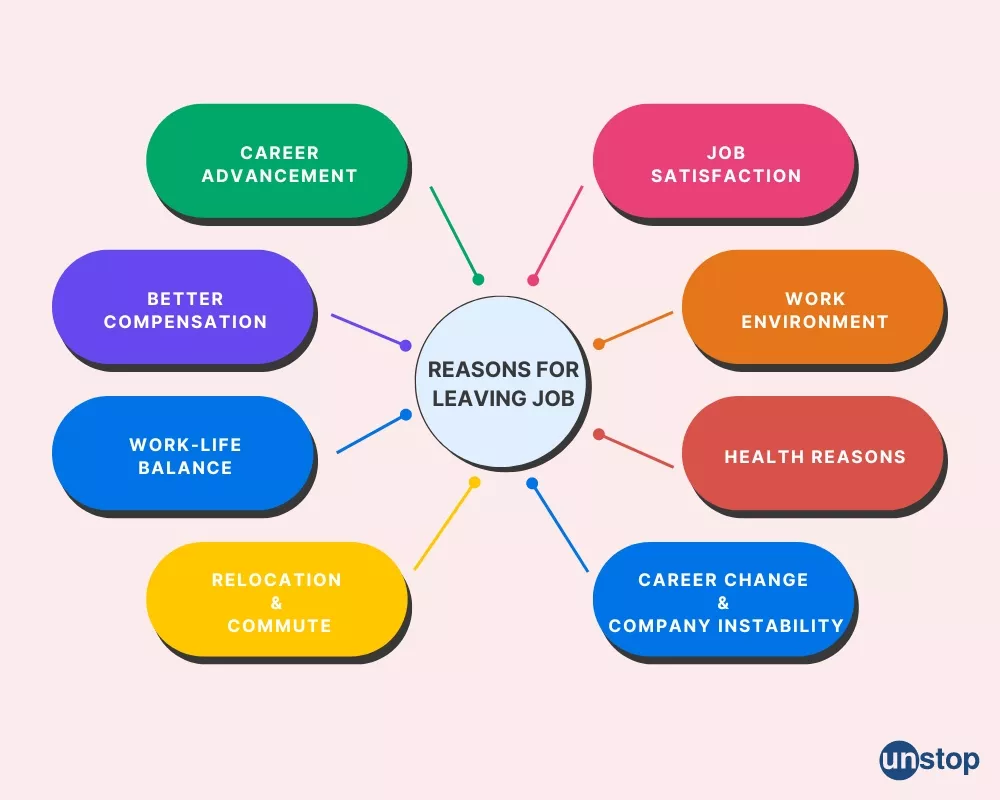
Leaving the workforce represents one of life’s most significant transitions, yet many people approach it without adequate preparation. Whether you are planning retirement, pursuing a career change, or stepping away for personal reasons, the shift from full-time employment to whatever comes next requires thoughtful planning across multiple dimensions of your life. This transition affects not only your financial situation but also your daily routine, sense of purpose, and social connections. The more deliberately you prepare for this change, the smoother and more fulfilling your transition will be. Taking time now to address the practical and emotional aspects of leaving work will help you build a stronger foundation for the years ahead.
Assessing Your Financial Readiness
Your financial situation forms the cornerstone of any successful transition from the workforce. Before you leave your job, you need a clear picture of your expenses, income sources, and savings. Begin by calculating your monthly living costs, including housing, utilities, food, transportation, healthcare, and any debts you still carry, then identify all potential income sources available to you after leaving work, such as Social Security, pensions, investment returns, or part-time income. Those engaged in retirement planning in Litchfield Park and surrounding communities often rely on qualified tax professionals to help them understand how income sources like Social Security and investment distributions affect their overall tax picture. Creating a detailed budget that accounts for both essential expenses and discretionary spending will help you determine whether you have sufficient resources to support yourself. If gaps exist between your expenses and income, you may need to adjust your timeline for leaving work, explore additional income streams, or reconsider your spending patterns.
Planning for Healthcare and Insurance Coverage
Healthcare needs do not disappear when you leave the workforce, and understanding your coverage options is essential before your employment ends. If you currently receive health insurance through your employer, you will need to determine what happens to that coverage after you leave. Depending on your circumstances, you might be eligible for coverage through a spouse’s employer plan, the Affordable Care Act marketplace, Medicaid, or programs like Medicare if you are of eligible age. Each option has different costs, coverage levels, and enrollment requirements that deserve careful research before your departure date. You should also consider dental, vision, and prescription drug coverage, as these are often not automatically included in basic health plans. Starting this research several months before your departure ensures you will not face gaps in coverage and can select the option that best fits your health needs and budget.
Addressing Emotional and Social Adjustments
The psychological impact of leaving the workforce often receives less attention than financial planning, yet it significantly influences your overall well-being during this transition. Work provides structure, social interaction, and a sense of purpose that can be difficult to replace once employment ends. Without intentional effort, you may find yourself struggling with reduced social contact, unclear daily routines, or questions about your identity and role outside of a professional context. Consider how you will fill your time and maintain meaningful connections with others after leaving work, whether through volunteering, pursuing hobbies, joining community groups, taking continuing education classes, or spending more time with family and friends. Giving thought to these elements before you leave your job helps prevent isolation, establishes a sense of routine, and provides activities to look forward to during this period of adjustment. Approaching these social and emotional dimensions with the same intentionality you bring to financial planning gives your transition a more stable and fulfilling foundation.
Creating a Timeline and Action Plan
Successful transitions require concrete planning with specific milestones and deadlines rather than general intentions. Begin by working backward from your target departure date to identify all the tasks you need to complete beforehand. These tasks might include meeting with a financial advisor, reviewing your benefits information, updating your will or power of attorney documents, organizing important financial records, and notifying relevant organizations of changes to your employment status. Some actions, like maximizing retirement contributions or ensuring your healthcare coverage is in place, have specific deadlines tied to your job’s calendar or government programs. According to the Social Security Administration, understanding when and how to claim benefits is one of the most consequential decisions you will make during this process, making early research essential. Creating a written checklist with dates helps ensure nothing falls through the cracks and reduces the stress of managing numerous moving parts simultaneously.
Conclusion
Preparing to leave the workforce involves careful attention to your financial situation, healthcare coverage, emotional readiness, and practical logistics. By taking a comprehensive approach that addresses each of these areas systematically, you can move forward with confidence and clarity. The transition from work to whatever comes next need not be uncertain or stressful when you invest time in thoughtful preparation before it happens. Start planning as early as possible, break large tasks into manageable steps, and do not hesitate to seek professional guidance from financial advisors, healthcare experts, or counselors as needed. Your effort during this planning phase directly contributes to how smoothly and positively your transition unfolds.

Custom Label: How to Choose the Right Materials, Adhesives, and Manufacturer for Your Business

Thermal Paper Jumbo Roll: How to Choose the Right Specifications for Industrial Converting and Bulk Supply

Inside a China Eyewear Factory: How Eyewear Goes from Design and Material Selection to Mass Production

Alex Pettyfer Net Worth, Wife, Age, Height, Children, Career and More

Brad Williams Net Worth, Wife, Height, Age, Daughter, Family, Career and More

Eldorado.gg Review 2026: How It Works, Safety, Fees, and Risks
-
Celebrity11 months ago
Alex Pettyfer Net Worth, Wife, Age, Height, Children, Career and More
-
Celebrity11 months ago
Brad Williams Net Worth, Wife, Height, Age, Daughter, Family, Career and More
-
Blog3 months ago
Eldorado.gg Review 2026: How It Works, Safety, Fees, and Risks
-
 Anime12 months ago
Sanzoku Bandits of One Piece: Origins, Higuma, and Their Role in Dawn Island
-
 Celebrity11 months ago
John McGinn Net Worth, Age, Height, Wife, Childrens, Career and More
-
 Celebrity11 months ago
Frances de la Tour Net Worth, Age, Height, Husband, Childrens, Career and More
-
 Anime1 year ago
Shimotsuki Ushimaru – The Last Daimyo of Wano Country Explained
-
 Celebrity12 months ago
Will Trickett Net Worth, Wife, Childrens, Age, Career and More