
Blog
Cracked Foundations: Understanding the Causes, Warning Signs, and Repair Solutions

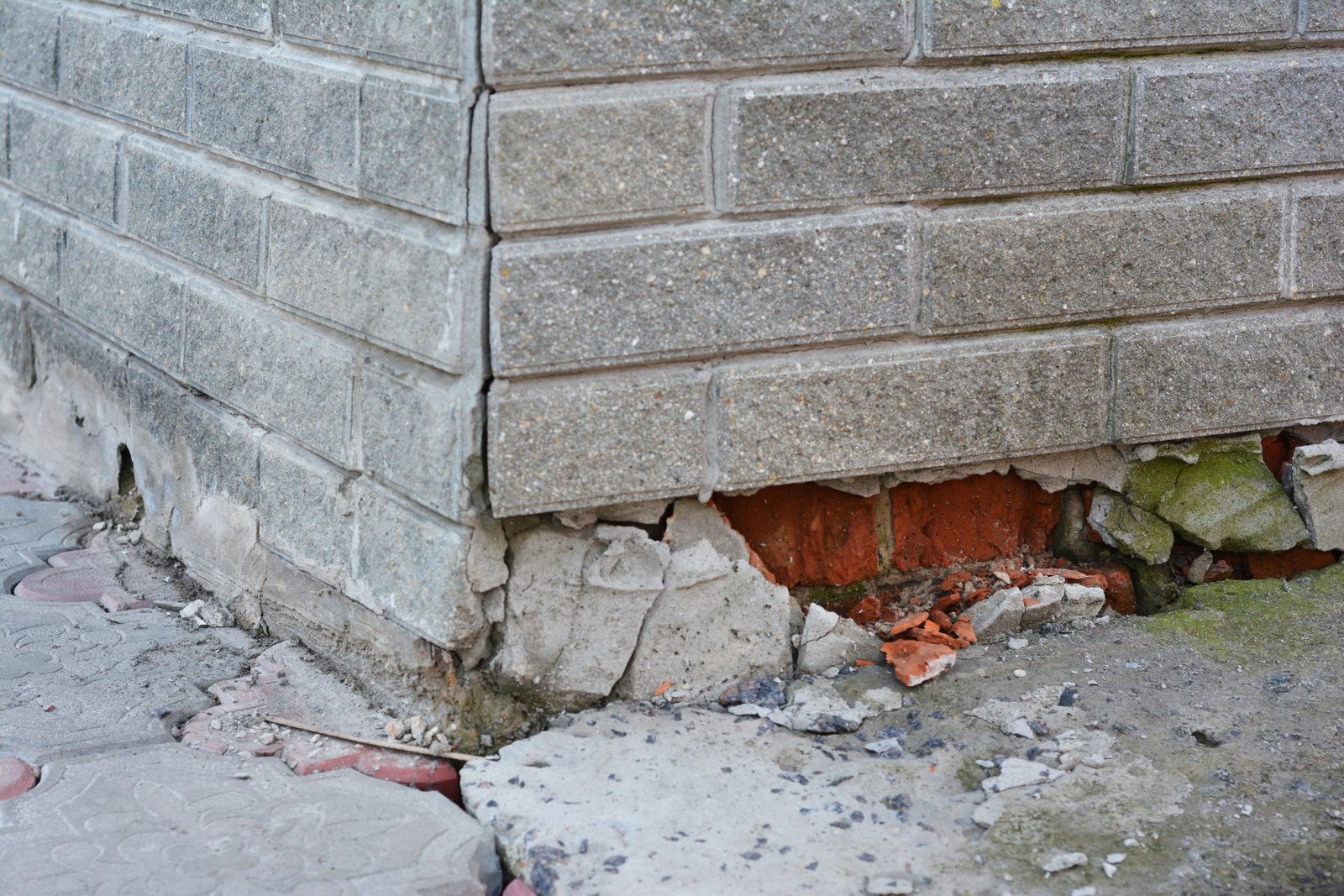
A home’s foundation is responsible for supporting the structure and transferring its weight safely into the surrounding soil. Although most of the foundation remains below ground and out of everyday sight, its condition can affect nearly every part of the property. When cracks begin to develop, homeowners may notice changes in basement walls, floors, doors, windows, drywall, or other structural areas. Some cracks are related to normal concrete shrinkage and may remain stable for years, while others can develop because of settlement, soil movement, drainage problems, hydrostatic pressure, or structural stress. Understanding the difference is important because treating every crack in the same way may not address the actual cause of the problem.
- Understanding Why Foundation Cracks Develop
- Common Warning Signs of Foundation Damage
- Vertical Cracks in Foundation Walls
- Horizontal Cracks and Foundation Wall Pressure
- Stair-Step and Diagonal Cracking
- How Water Contributes to Foundation Cracking
- The Importance of Proper Drainage
- Foundation Settlement and Cracking
- Soil Conditions and Foundation Movement
- Cracks and Basement Water Intrusion
- Professional Foundation Inspection
- Foundation Crack Repair Options
- Waterproofing and Moisture Protection
- When Cracked Foundations Need Immediate Attention
- Preventing Future Foundation Problems
- Long-Term Benefits of Addressing Foundation Cracks
- Conclusion
Cracked foundations should be evaluated according to their location, appearance, size, progression, and relationship to other symptoms. A professional inspection can help determine whether a crack is primarily cosmetic, related to moisture, or associated with structural movement. The appropriate response may range from monitoring and sealing to drainage improvements, waterproofing, stabilization, or more extensive structural work. Addressing concerns early can provide homeowners with a better understanding of their property’s condition and may help prevent a manageable issue from developing into a more complicated problem.
Understanding Why Foundation Cracks Develop
Foundation cracks can develop for many reasons, and the cause is not always immediately obvious. Concrete naturally changes as it cures and dries, which can result in minor shrinkage cracks. Temperature changes can also cause materials to expand and contract over time. These types of cracks may remain narrow and stable without creating significant structural concerns, but they should still be observed for changes.
More serious cracking can develop when the soil surrounding or supporting the foundation changes. Soil may expand when it absorbs moisture and contract when it dries, creating pressure and movement around the foundation. Poorly compacted soil, erosion, changes in groundwater, and uneven settlement can also affect how the structure is supported. When different sections of a foundation move at different rates, cracks can appear in walls, floors, masonry, and other connected building materialsWater is another important factor. When drainage is inadequate, rainwater can accumulate around foundation walls and saturate the surrounding soil. This can increase hydrostatic pressure and create conditions that encourage water intrusion or wall movement. Plumbing leaks near the foundation can also alter soil moisture and contribute to settlement in certain circumstances. Because several factors can produce similar visible symptoms, determining the underlying cause is an essential part of selecting an effective repair.
Common Warning Signs of Foundation Damage
Cracks are often the first visible indication that something has changed, but they are not the only warning sign homeowners should watch for. Uneven floors, sloping surfaces, gaps around doors or windows, sticking doors, difficult-to-operate windows, and separation between walls and ceilings can sometimes occur when a structure experiences movement. These symptoms do not automatically mean that the foundation is failing, but they become more significant when they appear together.Changes over time are particularly important. A crack that remains unchanged for an extended period may have different implications from one that is steadily widening. Homeowners should also pay attention to new cracks that appear in multiple locations or cracks that become more noticeable after periods of heavy rainfall. Water stains, damp basement walls, musty odors, and recurring puddles can indicate that moisture is entering through foundation openings.The location and pattern of a crack can also provide useful information. Vertical, horizontal, diagonal, and stair-step cracks may develop for different reasons. Rather than judging severity solely by appearance, homeowners should consider the entire condition of the foundation and surrounding property. Professional evaluation can help determine whether the symptoms indicate normal movement, moisture exposure, settlement, or a more serious structural concern.
Vertical Cracks in Foundation Walls
Vertical cracks are relatively common in poured concrete foundation walls and may develop as concrete cures and undergo normal shrinkage. A narrow vertical crack that remains stable may not indicate significant structural movement, particularly when there are no additional warning signs.However, vertical cracks can become a concern when they widen, change noticeably, or allow water to enter the basement. A crack that repeatedly becomes wet after rainfall may indicate that groundwater is reaching the foundation. In such situations, simply sealing the visible opening may not be enough if surrounding drainage conditions continue to expose the foundation to water.A professional can inspect the crack and determine whether it is stable and primarily related to moisture or whether there are indications of movement. Depending on the findings, the recommended solution may involve crack sealing, waterproofing, drainage improvements, or structural repair.
Horizontal Cracks and Foundation Wall Pressure
Horizontal cracks deserve careful attention because they can sometimes be associated with pressure against basement walls. Soil outside the foundation can exert lateral force, particularly when it becomes saturated or when expansive soil changes volume. Over time, this pressure can cause a wall to bend or move inward.A horizontal crack accompanied by visible bowing, displacement, or other changes should be professionally evaluated. Continued movement can affect the structural performance of the wall, especially when water pressure or unstable soil conditions remain unresolved.Repair methods vary depending on the amount of movement and the construction of the foundation. Wall stabilization systems, reinforcement, drainage improvements, or other specialized approaches may be considered. The objective is to address the conditions causing the movement while helping prevent additional displacement.
Stair-Step and Diagonal Cracking
Stair-step cracks are commonly seen in masonry foundation walls and often follow mortar joints in a stepped pattern. They may be associated with uneven settlement or movement affecting one portion of the foundation differently from another. Diagonal cracks can also appear when structural components experience uneven movement.The presence of a stair-step or diagonal crack does not automatically mean that major structural repairs are required. However, widening cracks, repeated changes, water intrusion, or associated movement elsewhere in the property can make professional evaluation more important.An inspection can help determine whether the cracking is related to settlement, soil movement, moisture, or another condition. Understanding the cause is essential because simply filling the crack may not stop the movement that produced it.
How Water Contributes to Foundation Cracking
Water can have a significant impact on foundation conditions. When rainfall collects around foundation walls, surrounding soil can become saturated and place increased pressure against the structure. In properties with poor drainage, this cycle can occur repeatedly during wet weather.Hydrostatic pressure can force groundwater through existing cracks, joints, and porous concrete. While water may initially appear as a small leak, recurring moisture can contribute to basement deterioration and may make existing foundation problems more difficult to manage.Proper water management should therefore be considered whenever foundation cracks are discovered. Gutters, downspouts, grading, drainage systems, basement waterproofing, and sump pumps may all play a role depending on the source of the water. Controlling moisture can help protect the foundation and create a more stable basement environment.
The Importance of Proper Drainage
Exterior drainage is an important part of foundation maintenance. Gutters should collect roof runoff effectively and remain free from leaves and debris. Downspouts should discharge water far enough away from the foundation so that concentrated runoff does not collect beside basement walls.The ground around the property should also encourage water to move away from the foundation. Over time, soil can settle and create low areas where water collects. Landscaping, patios, walkways, retaining walls, and irrigation systems can also change how water flows around the building.Improving drainage does not necessarily repair an existing structural crack, but it can reduce moisture exposure and address conditions that may contribute to foundation stress. A comprehensive inspection should therefore consider both the foundation and the surrounding drainage system.
Foundation Settlement and Cracking
Settlement occurs when a foundation moves downward because of changes in the soil beneath the structure. Some settlement can occur naturally, but uneven or progressive settlement may cause noticeable structural symptoms.When different parts of a building settle at different rates, cracks may develop in foundation walls, masonry, floors, drywall, and other connected surfaces. Doors and windows may also become difficult to operate because the surrounding walls and frames can shift slightly.The pattern and progression of cracking can help professionals determine whether settlement may be involved. Additional measurements may be used to identify elevation differences and evaluate whether movement is continuing. Depending on the severity, solutions may include drainage improvements, stabilization, underpinning, or other structural methods.
Soil Conditions and Foundation Movement
The soil surrounding a property can have a major influence on foundation performance. Certain soils expand when wet and contract when dry, creating repeated changes in pressure. Other soils may settle or erode when exposed to excessive water.Changes in drainage, groundwater, landscaping, or irrigation can alter soil moisture conditions. In some circumstances, vegetation and root systems can also influence moisture levels around the property. These factors do not affect every foundation in the same way, which is why an individualized evaluation is important.Understanding soil conditions can help explain why a foundation is cracking and can guide the selection of an appropriate repair strategy. Addressing the underlying soil or drainage condition may be necessary to achieve a more reliable long-term result.
Cracks and Basement Water Intrusion
When a foundation crack allows water into the basement, the problem becomes both a structural and moisture-management concern. Even a relatively small opening can provide a pathway for groundwater, particularly during heavy rainfall or periods of saturated soil.Recurring moisture can damage drywall, flooring, stored belongings, insulation, and other basement materials. It can also increase humidity and create persistent musty odors. If the basement is finished or planned for future renovation, unresolved water intrusion can become particularly costly.Waterproofing solutions can include crack sealing, interior drainage systems, sump pumps, exterior waterproofing, and improvements to surface drainage. The right combination depends on how water is reaching the foundation and the overall condition of the property.
Professional Foundation Inspection
A professional inspection is valuable because visible cracking alone does not always reveal the underlying cause. A contractor can examine the foundation walls, floors, exterior drainage, soil conditions, water intrusion, and other structural symptoms to develop a more complete understanding of the problem.The inspection may also involve examining doors, windows, interior walls, and other areas that can reveal movement. Changes in the appearance of cracks over time can provide additional information, so homeowners should mention when they first noticed the issue and whether it has changed.Once the condition has been evaluated, a repair plan can be developed according to the specific needs of the property. This approach helps avoid unnecessary work while ensuring that serious concerns receive appropriate attention.
Foundation Crack Repair Options
The appropriate repair depends on whether the crack is stable, leaking, moving, or associated with structural displacement. Stable cracks that primarily allow water intrusion may sometimes be treated with specialized sealing materials designed to prevent moisture from passing through the opening.Cracks associated with active movement may require a different strategy. Structural stabilization, reinforcement, underpinning, or other specialized systems may be necessary depending on the condition of the foundation and the supporting soil.It is important to avoid assuming that every crack can be repaired using the same product or technique. A surface patch may conceal a visible opening temporarily without addressing settlement or continued wall movement. Professional diagnosis helps ensure that the selected repair is appropriate for the actual problem.
Waterproofing and Moisture Protection
Waterproofing can be an important part of protecting a cracked foundation, especially when groundwater is entering through foundation walls or floors. Interior drainage systems can collect water and direct it toward a sump pump, while exterior waterproofing can reduce water exposure along the outside of foundation walls.Sump pump systems can also provide controlled removal of groundwater when water reaches the basement drainage system. Proper discharge is important because pumped water should not simply be released next to the foundation where it can return to the soil.Waterproofing should be considered alongside structural conditions. If a wall is moving because of soil pressure, simply installing a waterproof coating may not address the structural issue. A coordinated plan can provide better long-term protection.
When Cracked Foundations Need Immediate Attention
Homeowners should seek professional evaluation when cracks are widening, multiple new cracks are appearing, basement walls are bowing, floors are becoming uneven, or doors and windows suddenly become difficult to operate. Persistent water intrusion should also be investigated, particularly when it occurs alongside visible foundation damage.It is better to obtain an assessment when these signs first appear rather than waiting until the damage becomes extensive. Early evaluation does not automatically mean that major construction will be necessary. It provides homeowners with information about the condition and helps determine whether monitoring, drainage improvements, waterproofing, crack sealing, stabilization, or cracked foundations services are appropriate.A professional can develop a repair strategy based on foundation construction, soil conditions, moisture exposure, drainage patterns, and the severity of observed movement. This individualized approach provides a stronger basis for protecting the property over the long term.
Preventing Future Foundation Problems
Although not every foundation crack can be prevented, homeowners can reduce some of the conditions that contribute to foundation stress. Regular gutter maintenance, properly positioned downspouts, suitable grading, and prompt plumbing repairs can help control moisture around the structure.Basement walls and floors should also be inspected periodically. Homeowners can look for changes in existing cracks, new moisture stains, musty odors, or signs of movement. Catching changes early can make it easier to determine whether additional professional evaluation is necessary.Landscaping should be maintained carefully as well. Irrigation systems should not continuously saturate soil next to foundation walls, and changes to patios, walkways, or garden areas should not create new pathways for water toward the structure.
Long-Term Benefits of Addressing Foundation Cracks
Addressing foundation cracks appropriately can help homeowners protect more than the concrete itself. A stable and properly maintained foundation supports the condition of basement walls, floors, interior finishes, and the overall structure.Moisture control can also protect stored belongings and reduce the likelihood of recurring basement water problems. For homeowners planning to finish or renovate a basement, resolving foundation and drainage concerns beforehand can provide a stronger foundation for future improvements.Professional repairs can also provide homeowners with a clearer understanding of their property’s condition. Rather than repeatedly treating visible symptoms, a comprehensive solution can address the underlying cause and provide a more reliable path toward long-term maintenance.
Conclusion
Cracked foundations can develop because of normal concrete shrinkage, soil movement, settlement, hydrostatic pressure, poor drainage, water intrusion, or structural stress. Because different types of cracks can have very different causes, homeowners should avoid assuming that every crack represents either a serious structural failure or a harmless cosmetic issue.The most effective approach begins with identifying the cause. Professional evaluation can determine whether a crack requires monitoring, sealing, waterproofing, drainage improvements, stabilization, or another specialized repair. Addressing the underlying conditions is especially important when cracking is accompanied by water intrusion, bowing walls, uneven floors, or changes in doors and windows.Ongoing maintenance can also support long-term foundation protection. Keeping gutters and downspouts functional, directing surface water away from the structure, maintaining appropriate grading, repairing plumbing leaks, and monitoring existing cracks can reduce unnecessary stress on the foundation. With timely assessment and an appropriately selected repair strategy, homeowners can protect the structural integrity, comfort, and long-term durability of their property.


Clothing has always been more than just something people wear. It can show feelings, culture, ideas, and personal stories. While fashion often focuses on trends, brands, and changing styles, some people use the word Feschon to describe a deeper connection between clothing and human expression.
- What Is Feschon?
- The Meaning Behind Feschon
- Feschon vs Traditional Fashion
- How Personal Expression Shapes Style
- The Connection Between Clothing and Identity
- Why Some Creators Use This Term
- The Role of Creativity in Modern Style
- Feschon and the Future of Personal Style
- How Feschon Encourages Self-Confidence
- The Difference Between Trends and True Expression
- Why Feschon Is Gaining Attention
- Final Thoughts
The idea behind Feschon comes from creative writing and style discussions. It looks at clothing as a form of shaping and creating rather than only following popular trends. In this article, we will explore the meaning behind this concept, how it differs from fashion, and why some creators use it to talk about personal identity.
What Is Feschon?
Feschon is a creative spelling of the word fashion. It is used by some writers and artists to give a different feeling to the idea of style. Instead of focusing only on clothing markets and seasonal trends, the term highlights personal choices and creative freedom.
The concept connects style with the idea of making or forming something. It suggests that the way people dress can be a personal creation, much like art, music, or writing.
The Meaning Behind Feschon
The meaning of Feschon is linked to the idea that style comes from people, not only from businesses or magazines. It focuses on how clothing can tell a person’s story and reflect their thoughts.
Many traditional views of fashion are connected with buying new items and following popular looks. This newer approach shifts attention toward creativity, meaning, and the relationship between a person and what they wear.
Feschon vs Traditional Fashion
Fashion usually describes clothing styles that change over time. Designers, brands, celebrities, and social media often influence what becomes popular. These trends can spread quickly and change from season to season.
Feschon takes a different view. It is less about keeping up with what is popular and more about creating a style that feels personal. It encourages people to think about why they choose certain clothes and what those choices represent.
How Personal Expression Shapes Style
People use clothing to express many parts of their lives. A simple outfit can show confidence, mood, culture, or creativity. Style can become a quiet way to communicate without using words.
This idea supports the belief that everyone can create their own visual identity. A person does not need expensive brands or rare items to have a meaningful style. Personal choices and creativity often matter more.
The Connection Between Clothing and Identity
Clothing has always played a role in how people see themselves and how others see them. From traditional clothing to modern streetwear, styles often carry personal and social meanings.
Feschon focuses on this connection by viewing clothing as part of a person’s identity. It suggests that what people wear can represent memories, values, and experiences rather than only appearance.
Why Some Creators Use This Term
Creative writers and artists often create new words or change existing ones to share new ideas. The use of Feschon helps some creators separate personal style from the business side of fashion.
For these creators, the word represents a more human approach to clothing. It moves away from constant buying and encourages people to see style as a creative process.
The Role of Creativity in Modern Style
Modern style is no longer controlled only by major brands. Social media has allowed people from different backgrounds to share their looks and ideas with the world.
This change has made personal creativity more visible. People now mix different cultures, old designs, and new ideas to build styles that feel unique to them.
Feschon and the Future of Personal Style
As people become more interested in individuality, ideas around style continue to change. Many people now care about comfort, meaning, and personal values when choosing clothes.
The idea of Feschon fits into this wider movement by focusing on the person behind the clothing. It presents style as something created through personal choices rather than something people simply follow.
How Feschon Encourages Self-Confidence
A major part of personal style is feeling comfortable with who you are. When people choose clothes that match their personality, they often feel more confident.
This concept encourages people to explore their own tastes instead of copying every popular trend. It reminds people that style does not have one fixed rule.
The Difference Between Trends and True Expression
Trends can be fun and inspiring, but they often change quickly. A style that is popular today may disappear tomorrow. Personal expression, however, can last much longer because it is connected to individual identity.
Feschon represents the idea that clothing can have a deeper purpose. It focuses on creating a style that feels honest and meaningful.
Why Feschon Is Gaining Attention
The growing interest in personal branding, creativity, and self-expression has helped ideas like this become more common. Many people are looking for ways to stand out while staying true to themselves.
Rather than seeing clothing as only a product, this concept views it as a form of communication. It connects style with creativity, personality, and human experience.
Final Thoughts
Feschon is not a replacement for traditional fashion. Instead, it offers another way to think about style and clothing. It focuses on the personal side of dressing and highlights creativity over simple trend-following.
As style continues to evolve, more people are exploring ways to make clothing feel more personal. The idea behind Feschon shows that what we wear can be more than an outfit. It can be a reflection of who we are.

Small snacks often become popular because they are simple, tasty, and easy to enjoy. One such snack has gained fans around the world because of its unique look and fun design. Covered in bright red wax, this little cheese has become a familiar choice for children, families, and cheese lovers.
- The Meaning Behind Babybelletje
- How Babybelletje Became a Popular Snack?
- The Famous Red Wax Cover Explained
- What Makes Babybelletje Cheese Special?
- Different Flavors and Varieties Available
- Why Families Choose Babybelletje?
- Babybelletje as a Fun Lunch Box Snack
- The Role of Packaging in Its Success
- Is Babybelletje a Healthy Snack Choice?
- How People Enjoy Babybelletje Around the World?
- The Lasting Appeal of Babybelletje
Babybelletje is the name often used for the famous Mini Babybel cheese. It is known for its round shape, creamy taste, and easy-to-open wax cover. In this article, we will explore its history, ingredients, flavors, packaging, and why this small cheese remains a favorite snack for many people.
The Meaning Behind Babybelletje
The word Babybelletje comes from the popular Mini Babybel cheese brand. The name is linked to the small size and playful design of the product. In many places, people use this term when talking about the small cheese wheels covered in colorful wax.
The snack is made by the French company Bel Group, a company known for producing different cheese products around the world. The brand created a simple idea: make cheese that is easy to carry, fun to open, and enjoyable to eat anywhere.
Unlike large blocks of cheese, this snack comes in small individual portions. This makes it a useful choice for lunch boxes, quick snacks, and family meals.
How Babybelletje Became a Popular Snack?
The success of this cheese comes from its simple idea. People enjoy snacks that do not require preparation, and this product fits that need perfectly. Its small size makes it easy for children to hold and eat.
The colorful wax coating also helped it stand out from other cheese products. Opening the wax became part of the experience. Many children enjoy pulling the small tab and discovering the cheese inside.
Over the years, the brand expanded into many countries. Its playful appearance and mild taste helped it become a common snack in homes, schools, and workplaces.
The Famous Red Wax Cover Explained
One of the most recognizable features of Babybelletje is its red wax shell. This coating protects the cheese and helps keep it fresh. The wax is made from food-grade materials and is safe to touch.
The outer layer is not meant to be eaten. Before enjoying the cheese, the wax should be removed completely. The small pull tab makes this process quick and easy.
The wax also helps create a strong identity for the product. When people see the red round shape, many instantly recognize the cheese inside.
What Makes Babybelletje Cheese Special?
The cheese inside the wax is usually a mild Edam-style cheese. It has a smooth texture and a gentle flavor that is easy for many people to enjoy. It is not too strong, making it suitable for both children and adults.
The classic version is made with ingredients such as pasteurized milk, salt, and vegetarian enzymes. The simple recipe gives the cheese its familiar creamy taste.
Its small size also makes portion control easier. Instead of cutting a large piece of cheese, people can enjoy one ready-made serving.
Different Flavors and Varieties Available
While the original red version remains the most famous, Babybelletje is available in different flavors and styles. These options give people more choices based on their taste preferences.
Some varieties use different colored wax coverings to help identify each flavor. For example, Light versions often use light blue packaging, while White Cheddar versions may come with darker colors.
Other options include Gouda-style versions and plant-based alternatives. These choices allow more people to enjoy a similar snack experience.
Why Families Choose Babybelletje?
Many parents choose this cheese because it is convenient and easy to pack. It can fit into lunch boxes without needing cutting or extra preparation. Its small shape also makes it less messy compared with many other snacks.
The mild taste is another reason for its popularity. Children who may not enjoy stronger cheeses often find this type of cheese easier to like.
For adults, it can be a quick snack during busy days. It can also be added to meals, picnic baskets, or simple snack plates.
Babybelletje as a Fun Lunch Box Snack
A good lunch box snack needs to be simple, portable, and enjoyable. This cheese meets all three needs. Its individual wrapping helps keep each piece protected until it is ready to eat.
Many families add it to lunch boxes with fruits, crackers, vegetables, or sandwiches. The bright packaging can also make meals feel more exciting for children.
Because it does not need extra preparation, it saves time for busy parents and workers.
The Role of Packaging in Its Success
The packaging of Babybelletje plays a big part in its popularity. The round shape and colorful wax make it different from traditional cheese products.
The design is not only attractive but also practical. Each piece stays separated, making storage and carrying easier. The wax layer also provides a protective cover around the cheese.
Good packaging helped turn a simple cheese snack into a product that people easily remember.
Is Babybelletje a Healthy Snack Choice?
Cheese can be part of a balanced diet when eaten in suitable amounts. This snack provides nutrients commonly found in dairy products, including protein and calcium.
The exact nutrition can vary depending on the type and flavor. Some versions may have lower fat options, while others may have different ingredients.
Like any snack, it is best enjoyed as part of a varied diet that includes fruits, vegetables, grains, and other healthy foods.
How People Enjoy Babybelletje Around the World?
People enjoy this cheese in many different ways. Some eat it directly as a quick snack, while others include it in creative recipes.
It can be added to snack boards, served during trips, or paired with other foods. Its small size makes it flexible for many occasions.
The global popularity of this cheese shows how a simple idea can become a favorite snack across different cultures.
The Lasting Appeal of Babybelletje
The popularity of Babybelletje comes from a mix of taste, convenience, and fun design. It offers a simple way to enjoy cheese without cutting, cooking, or preparing anything.
Its famous wax cover, small size, and mild flavor have helped it remain popular for many years. Whether packed in a lunch box or enjoyed during a quick break, this tiny cheese continues to bring a fun experience to cheese lovers.
As snack choices continue to change, products with simple ideas and easy use often stay memorable. This small cheese is a good example of how a creative design can make an everyday food item special.

Shani Levni is a digital creator who presents herself online as a creative artist. She has built an online identity through her personal blog and social media activity. While she is not a widely known public figure, her online presence shows her interest in sharing creative ideas and connecting with people through digital platforms.
- Early Online Presence and Digital Identity
- Shani Levni’s Creative Artist Profile
- Her Personal Blog and Website
- Social Media Presence and Community
- Building a Digital Brand Through Creativity
- Privacy and Limited Public Information
- The Role of Digital Creators Today
- Why Personal Websites Still Matter
- Shani Levni’s Growing Digital Footprint
- Final Thoughts
Public details about her life, background, education, and personal journey are limited. Unlike many internet personalities, she has kept much of her personal information private. Most available information focuses on her online work and the platforms where she shares her creative side.
Early Online Presence and Digital Identity
The internet has given many creators a place to share their ideas without needing traditional fame. Shani Levni represents this type of modern creator who uses digital platforms to build a personal brand and share creative content.
Her online identity is connected with creative work and digital expression. Through her online activities, she presents herself as someone interested in creating and sharing ideas with a wider audience.
Because there is limited public information available, many details about her early life remain private. However, her online footprint provides a small look into her role as a digital creator.
Shani Levni’s Creative Artist Profile
As a creative artist, Shani Levni focuses on expressing ideas through digital spaces. Creative artists today often use blogs, websites, and social media to show their work and communicate with followers.
Her online profile suggests a focus on creativity rather than public attention. She appears to use the internet as a space for sharing thoughts, projects, and artistic interests.
The growth of digital platforms has allowed creators like her to reach people directly. A personal website and social media page can help artists build a unique identity without depending on traditional media.
Her Personal Blog and Website
One of the main parts of Shani Levni’s online presence is her personal blog. A blog allows creators to publish content, share ideas, and create a direct connection with readers.
Her website is linked with the domain name shanilevni.com. The site represents her digital space where visitors can learn more about her creative work and online activities.
Personal websites remain important for creators because they provide more control over content and branding. They allow artists to create a space that reflects their interests and creative vision.
Social Media Presence and Community
Social media plays an important role in how modern creators connect with audiences. Shani Levni maintains a Facebook profile under the handle @shanilevni, which adds another part to her online presence.
Platforms like Facebook help creators share updates, interact with followers, and introduce their work to new audiences. They also allow people to build communities around shared interests.
Although her social media following and activity details are not widely available, her profile shows her use of online platforms to maintain a connection with the digital world.
Building a Digital Brand Through Creativity
Creating a strong online identity takes time, consistency, and a clear creative direction. Many digital creators use websites and social platforms to develop their personal brands.
Shani Levni’s online presence reflects this modern approach. Instead of relying on traditional fame, she uses digital tools to represent her creative interests.
A digital brand can grow through many forms of content, including writing, artwork, photography, design, or other creative projects. For many creators, the internet becomes a place where ideas can reach people around the world.
Privacy and Limited Public Information
Unlike celebrities and public figures, many digital creators choose to keep their personal lives private. This makes their work visible while keeping private details away from the public.
Information about Shani Levni’s family, education, location, and personal background is not widely available from reliable public sources. It is important to respect this privacy and focus only on confirmed details.
Her case shows how someone can create an online presence while maintaining a level of personal privacy.
The Role of Digital Creators Today
Digital creators have changed the way people share ideas and creative work. Today, a person does not need to appear on television or in major publications to build an audience.
Creators can use websites, blogs, and social media to publish their work and connect with people who share similar interests. This has created new opportunities for artists and independent creators.
Shani Levni’s online journey reflects this wider change. Her presence shows how digital spaces can support creativity and personal expression.
Why Personal Websites Still Matter
Even with the rise of social media, personal websites continue to be valuable tools for creators. A website gives artists a permanent place to display their work and share information.
Social platforms can change their rules and features, but a personal website gives creators more control. It can act as a central place where people discover their work.
For digital artists, having a website can help create a professional image and organize creative projects in one location.
Shani Levni’s Growing Digital Footprint
The online world continues to change, and many creators are building their identities step by step. Shani Levni’s presence shows how personal websites and social platforms can work together.
Her journey represents a quieter side of digital creativity. Not every creator seeks worldwide fame. Some focus on sharing ideas, building connections, and creating meaningful work online.
As more people use digital platforms, creators like Shani Levni show the many ways individuals can express themselves through technology.
Final Thoughts
Shani Levni is a digital creator and creative artist known through her online presence, personal blog, and social media activity. While detailed information about her personal life is limited, her digital footprint shows her connection with modern creative spaces.
Her story reflects a growing trend where individuals use the internet to share their ideas and build their own identities. Through websites and social platforms, creators can reach audiences and showcase their creativity in new ways.

What Is Feschon? Understanding the New Meaning Behind Personal Expression

What Is Babybelletje? Discover the Story Behind the Famous Red Cheese

Who Is Shani Levni? A Look Into the Digital Creator and Creative Artist

Alex Pettyfer Net Worth, Wife, Age, Height, Children, Career and More

Brad Williams Net Worth, Wife, Height, Age, Daughter, Family, Career and More

Eldorado.gg Review 2026: How It Works, Safety, Fees, and Risks
-
Celebrity9 months ago
Alex Pettyfer Net Worth, Wife, Age, Height, Children, Career and More
-
Celebrity9 months ago
Brad Williams Net Worth, Wife, Height, Age, Daughter, Family, Career and More
-
Blog3 weeks ago
Eldorado.gg Review 2026: How It Works, Safety, Fees, and Risks
-
 Anime10 months ago
Sanzoku Bandits of One Piece: Origins, Higuma, and Their Role in Dawn Island
-
 Celebrity9 months ago
John McGinn Net Worth, Age, Height, Wife, Childrens, Career and More
-
 Celebrity9 months ago
Frances de la Tour Net Worth, Age, Height, Husband, Childrens, Career and More
-
 Blog3 weeks ago
What Is Troozer.com? A Clear Guide to the Digital Content Site
-
 Celebrity9 months ago
Will Trickett Net Worth, Wife, Childrens, Age, Career and More