
Blog
What Is Dough Moulding Compound? A Complete Industrial Guide

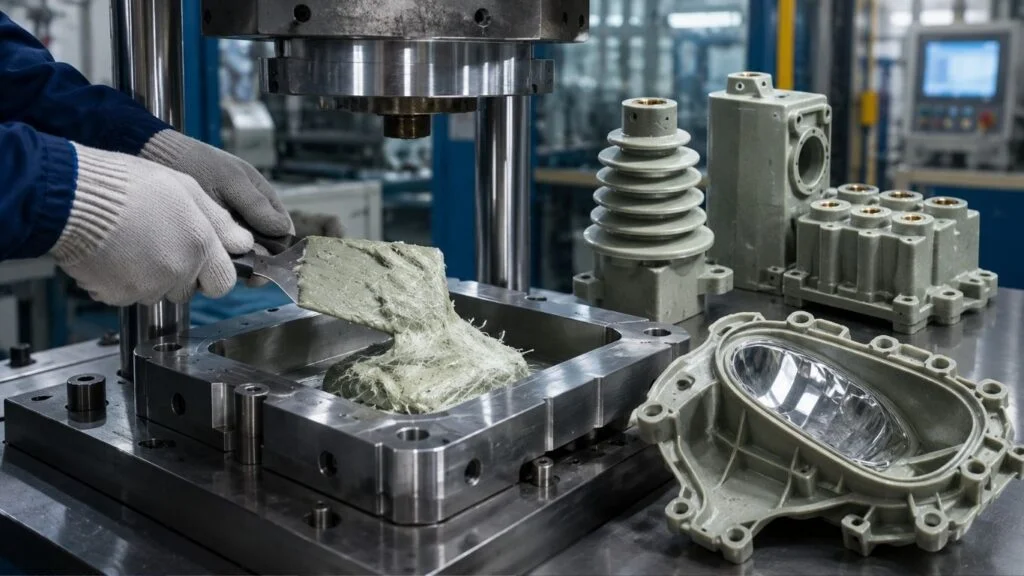
Dough Moulding Compound is a ready-to-mould composite. It starts as a soft and thick mass. Heat and pressure turn it into a hard part. The cured shape is strong, stable, and hard to melt.
- What Is Dough Moulding Compound?
- Main Ingredients in the Compound
- How Dough Moulding Compound Is Produced
- Compression and Injection Moulding
- Key Properties and Performance
- Electrical and Electronic Uses
- Automotive and Transport Uses
- Industrial and Consumer Uses
- DMC Compared With SMC
- Main Benefits and Limits
- How to Select the Right Grade
- Final Thoughts
The material is also called Bulk Moulding Compound, or BMC. It is common in electrical gear, cars, appliances, pumps, and factory parts. It suits small shapes with ribs, holes, curves, and fine detail.
What Is Dough Moulding Compound?
Dough Moulding Compound is a fibre-filled thermoset material. It often uses polyester resin as its base. Short glass fibres add strength. Mineral fillers control cost, flow, and shrinkage.
The raw mix feels like stiff putty. A worker can cut and weigh it before moulding. It can also arrive as logs, ropes, blocks, or loose bulk.
Heat starts a chemical cure inside the mould. The resin forms permanent links. The final part will not soften and melt like a normal thermoplastic.
That fixed structure helps the part hold its shape. It also improves heat and chemical resistance. This makes the material useful in harsh work areas.
Main Ingredients in the Compound
The resin binds the whole mix. Unsaturated polyester is the most common choice. It gives a fair mix of cost, speed, and strength. Vinyl ester or epoxy may be used for harder jobs.
Short glass strands make the cured part stiff. Many BMC grades use fibres from about 3 mm to 24 mm. Short fibres flow well around small mould details.
Mineral fillers form a large share of many mixes. Calcium carbonate can cut cost and control shrinkage. Alumina trihydrate may help with flame control.
Small additives finish the formula. These can include pigments, catalysts, thickeners, styrene, and release agents. Each one changes how the mix flows or cures. Even a small change can affect colour or surface quality.
How Dough Moulding Compound Is Produced
Factories often use a strong mixer with Z-shaped blades. Resin, fillers, and additives enter first. Glass fibre goes in later. This helps limit fibre damage.
The blades turn the mix into a smooth mass. Speed and heat need close control. Poor mixing can leave dry fibre or resin-rich spots. It may also cause uneven colour.
Good mixing gives stable flow from batch to batch. That matters during high-volume work. One weak batch can cause short fills, cracks, or warped parts.
The finished mix is packed in sealed bags. This keeps dirt and air away. It also slows the loss of styrene. Cool storage helps protect shelf life.
Compression and Injection Moulding
Compression moulding is the main route for Dough Moulding Compound. A set amount goes into a hot steel tool. The upper mould then closes. Strong pressure spreads the mix.
For a short time, the material becomes easier to move. It fills ribs, corners, bosses, and holes. Heat then starts the final cure. The mould opens when the part is hard.
Many small parts cure within a few minutes. Exact time depends on thickness, heat, and resin type. Some parts need trimming after removal.
Thermoset injection moulding is another choice. A screw or plunger pushes the soft mix into a closed hot mould. This method suits fast and repeat work.
Injection can form thin walls and deep ribs. It can also mould around metal contacts or inserts. Yet the process needs care. Too much shear can cut the fibres. Too much barrel heat can start an early cure.
Key Properties and Performance
Dough Moulding Compound gives a useful mix of strength and stiffness. It can also resist heat, moisture, chemicals, and rust. Many grades hold close sizes after curing.
Low-shrink types help reduce warping. They work well for parts with tight fits. Good flow also lets the mix reach small spaces inside the tool.
Electrical grades can resist current leakage and arc tracking. Fire-safe grades may pass UL 94 or glow-wire tests. Some do not melt or drip during a fire test.
But no two grades are the same. One may focus on strength. Another may move heat away from a motor. A third may focus on flame safety.
Always read the supplier data sheet. Do not use one test value for every BMC grade. Service heat, strength, and fire class can change a lot.
Electrical and Electronic Uses
Electrical work is a major market for Dough Moulding Compound. The cured part can block current. It can also hold its shape near heat.
Common parts include breaker bodies and fuse carriers. Other uses include terminal blocks, coil formers, bus-bar supports, switchgear parts, and motor covers.
The mould can form walls and safe gaps in one step. It can also hold metal inserts. This cuts later assembly work. It may also lower the number of screws and clips.
Fire-rated grades suit areas near arcs or hot wires. Low water uptake is also useful. It helps protect the part in damp rooms or outdoor boxes.
Automotive and Transport Uses
Vehicle makers use Dough Moulding Compound in hot and tight spaces. Common examples include lamp reflectors, valve covers, heat shields, pump bodies, and sensor cases.
The material does not rust. It can replace metal in some parts. One moulding can also replace several small pieces. This can cut paint, fasteners, and assembly time.
Electric vehicles have added new uses. Special grades can cover motor parts or sensors. Some can also move heat away from a unit.
The right grade depends on the job. Engineers must check heat, flame class, voltage, strength, and weight. A part near a motor may need a very different mix from a lamp part.
Industrial and Consumer Uses
Dough Moulding Compound is also used in pumps and meters. It appears in utility boxes, appliance handles, machine covers, and public transport panels.
It works well around water and cleaning agents. It also suits parts that face heat or daily wear. Pigment can run through the whole part. Small scratches may then look less clear.
A mould can add logos, clips, ribs, and screw points. These details form in one cycle. That can reduce drilling and later fitting.
The material is not always light. Mineral filler can raise its weight. A design team should compare mass, tool cost, cycle time, and part life.
DMC Compared With SMC
Dough Moulding Compound and Sheet Moulding Compound share similar chemistry. Their physical forms are not the same. DMC comes as bulk paste. SMC comes as flat sheet between films.
SMC often uses longer fibres. This can give more strength in large panels. It suits wide and flatter shapes, such as vehicle body parts.
DMC has shorter fibres. It flows more easily into small details and thick zones. It often suits compact parts, deep ribs, and metal inserts.
The best choice depends on shape and load. SMC often wins for large structural parts. DMC often wins for complex parts made in high numbers.
Main Benefits and Limits
The main benefits are clear. Dough Moulding Compound gives good insulation. It resists rust and many chemicals. It can cure fast and hold close sizes.
The process can also cut waste. Many features form inside the tool. Less cutting or drilling may be needed. A stable cycle also supports large production runs.
There are limits too. Steel moulds can cost a lot. The cured scrap cannot be melted into a new part. Short fibres also limit structural strength.
Tool design must be sound. Bad vents can trap air. Poor charge placement can cause weak weld lines or short fills. Early cure can block the tool.
Recycling remains harder than it is for many thermoplastics. Still, some makers now use recycled filler and scrap refeed. Better process control can also lower waste.
How to Select the Right Grade
Start with the real service needs. Check heat, voltage, flame class, wall size, chemical contact, colour, and surface finish.
Next, study the shape. Deep ribs need good flow. Tight sizes may need a low-shrink mix. Metal inserts may need a grade made for overmoulding.
The production method also matters. A compression grade may not run well in an injection machine. Long flow paths can need a special formula.
Ask for test data and cure advice. Check storage limits too. A trial mould can show air traps, fibre damage, sink marks, or poor flow.
The cheapest grade may not give the lowest total cost. A better grade may cut scrap, trim work, or cycle time.
Final Thoughts
Dough Moulding Compound gives factories a fast way to make detailed thermoset parts. It brings together short-fibre strength, heat resistance, good insulation, and stable shape.
Its best uses involve heat, current, moisture, chemicals, or complex form. Good results need the right grade. They also need a sound mould and steady process control.
For many electrical, vehicle, and industrial parts, DMC offers a strong middle ground. It is more detailed than many sheet compounds. It is also more durable than many basic plastics.


An air conditioning system can become an essential part of maintaining a comfortable indoor environment, particularly when the equipment is expected to operate for long periods. While regular maintenance can help reduce the likelihood of unexpected breakdowns, no mechanical system is completely immune to problems. An air conditioner may suddenly stop producing cool air, begin leaking water, make unusual sounds, repeatedly shut down, or fail to respond correctly to thermostat settings. When a problem develops without warning, homeowners may need professional assistance rather than waiting for a routine appointment. A malfunctioning cooling system can become increasingly uncomfortable when indoor temperatures rise, and certain issues may also cause additional damage if the equipment continues operating under abnormal conditions. Professional HVAC technicians can inspect the system, determine the underlying cause, and recommend an appropriate solution based on the equipment’s condition. Understanding common causes of sudden cooling failures, recognizing warning signs, and knowing when professional assistance is appropriate can help homeowners respond more effectively and protect their air conditioning investment.
- Recognizing a Serious AC Problem
- Common Reasons Air Conditioners Fail Suddenly
- Why Professional Diagnosis Matters
- What to Check Before Calling for Service
- Problems With Weak or No Cool Air
- Handling AC Water Leaks
- Electrical Issues and AC Failures
- Unusual Sounds Should Not Be Ignored
- The Importance of Fast Professional Response
- Repairing Versus Replacing an AC System
- Preventing Repeated AC Emergencies
- Choosing an HVAC Provider for Urgent Service
- Building a More Reliable Cooling Strategy
- Conclusion
Recognizing a Serious AC Problem
Not every air conditioning issue requires immediate professional attention, but certain symptoms should not be ignored. A complete loss of cooling is an obvious indication that the system needs evaluation, especially when basic thermostat settings and power checks do not resolve the problem. Water leaking around the indoor unit can also require prompt attention because continued leakage may damage surrounding materials or indicate a drainage, coil, or system performance issue. Strange electrical smells, burning odors, unusual sounds, or repeated breaker trips are additional warning signs that should be taken seriously. Homeowners should not assume that an air conditioner is safe to operate simply because it eventually starts running again after a temporary shutdown. Intermittent problems can become more disruptive if the underlying cause remains unresolved. Professional diagnosis provides a more reliable way to determine whether the issue involves electrical components, refrigerant-related conditions, airflow restrictions, drainage, mechanical parts, controls, or another part of the cooling system. Acting promptly when significant symptoms appear can help prevent a manageable issue from developing into a more complicated repair.
Common Reasons Air Conditioners Fail Suddenly
Air conditioning systems contain many interconnected components, so a sudden failure can have several possible causes. Electrical problems can affect capacitors, motors, wiring, contactors, control boards, and other parts responsible for starting and operating the system. A malfunctioning thermostat may prevent the equipment from receiving the appropriate signal, while a severely restricted filter can reduce airflow and affect system performance. Refrigerant-related problems may also cause inadequate cooling, particularly when a leak or other issue affects the system’s ability to transfer heat properly. Drainage problems can cause water to accumulate around the indoor equipment, while mechanical wear can affect fans, blowers, compressors, and other moving components. Because these symptoms can overlap, replacing a component without first identifying the actual cause may not solve the problem. Professional technicians can use diagnostic procedures to determine where the failure originates and whether other parts of the system have also been affected. Accurate diagnosis is therefore an important part of restoring dependable cooling rather than simply providing a temporary solution.
Why Professional Diagnosis Matters
When an air conditioner stops working, homeowners may be tempted to troubleshoot the equipment themselves or search for a quick repair. Simple checks such as confirming thermostat settings or verifying that an accessible filter is not heavily restricted can be reasonable, but complex HVAC repairs require appropriate training and equipment. Air conditioning systems contain electrical components, pressurized refrigerant circuits, moving parts, and other equipment that can create safety risks when handled incorrectly. A professional technician can inspect the system systematically and determine which component or condition is responsible for the problem. This approach helps avoid unnecessary part replacement and provides a clearer understanding of the system’s overall condition. For example, an air conditioner that is not cooling could have an airflow issue, refrigerant problem, compressor concern, thermostat malfunction, or electrical failure. These conditions can produce similar symptoms but require very different solutions. Professional diagnosis allows the technician to distinguish between them and recommend work that addresses the underlying problem.
What to Check Before Calling for Service
There are several basic observations homeowners can make when an air conditioner stops operating, provided these checks can be performed safely. The thermostat should be checked to confirm that it is set to cooling mode and that the desired temperature is lower than the current indoor temperature. Homeowners can also check whether the system has power and whether an accessible breaker has tripped. If a breaker repeatedly trips, however, it should not be continually reset because repeated electrical problems may indicate a condition requiring professional evaluation. Accessible filters can also be inspected for severe dirt or blockage, and supply registers should be checked to ensure that furniture or household items are not preventing airflow. These simple checks may occasionally identify an uncomplicated issue, but they should not replace professional troubleshooting when the system remains inoperative. If there is smoke, a strong burning smell, sparking, exposed wiring, or another potentially hazardous condition, homeowners should prioritize safety and seek appropriate professional assistance. Providing the technician with information about what happened and what checks were already performed can also make the diagnostic process more efficient.
Problems With Weak or No Cool Air
One of the most common reasons homeowners seek urgent AC service is a system that is running but not producing adequate cooling. Weak cooling can result from several different conditions, including restricted airflow, dirty coils, refrigerant problems, thermostat issues, or mechanical failures. A heavily loaded air filter can make it more difficult for air to move through the system, while blocked registers can limit distribution to individual rooms. If the filter is clean and airflow remains weak, the problem may involve the blower, ductwork, evaporator coil, or another component. When the system produces warm air instead of cool air, refrigerant-related issues, compressor problems, electrical failures, and other conditions may need to be investigated. Homeowners should avoid assuming that adding refrigerant is always the correct solution because inadequate cooling can have multiple causes. A professional technician can test the system and determine whether the problem is related to refrigerant charge, airflow, mechanical operation, electrical controls, or another issue. Addressing the actual cause is important for restoring reliable cooling and preventing recurring problems.
Handling AC Water Leaks
Water around an air conditioning system should not be ignored because it may indicate a clogged drain, frozen coil, condensate problem, or another condition affecting the equipment. Air conditioners naturally remove moisture from indoor air during the cooling process, and that moisture must be collected and drained properly. If a condensate drain becomes blocked or the system develops another issue that causes excessive moisture accumulation, water may begin leaking into areas where it can damage flooring, walls, ceilings, insulation, or other building materials. A frozen evaporator coil can also produce water when accumulated ice melts, and freezing may be associated with airflow or refrigerant-related problems. Homeowners should avoid repeatedly operating a system that is visibly leaking without understanding the cause. Professional HVAC technicians can inspect the condensate system, evaluate airflow and coil conditions, and determine why the water is not being managed properly. Prompt attention can help limit secondary property damage and identify the underlying HVAC problem.
Electrical Issues and AC Failures
Electrical components are critical to the operation of modern air conditioning systems. Capacitors, contactors, wiring, motors, circuit boards, disconnects, and other components may all play a role in starting or controlling the equipment. An electrical failure can cause a complete loss of cooling or produce intermittent operation. Repeated breaker trips are especially important because they can indicate an underlying electrical or equipment problem rather than a simple inconvenience. Homeowners should not open electrical panels or attempt to repair HVAC wiring without the necessary training. Professional technicians can safely inspect relevant components, test electrical connections, and determine whether a failed part needs repair or replacement. Correct diagnosis is important because electrical symptoms can originate from different components, and replacing one part without identifying the actual cause may leave the system vulnerable to another failure. Professional service can also help identify conditions that may affect the safe operation of the equipment.
Unusual Sounds Should Not Be Ignored
Air conditioners produce normal operating sounds, but a sudden change in sound can indicate a developing mechanical or electrical problem. Grinding, squealing, rattling, buzzing, clicking, or banging may be associated with different issues depending on when the sound occurs and which part of the system is operating. A damaged fan blade, worn motor bearing, loose component, electrical problem, or another mechanical condition can produce unusual noises. Homeowners should not attempt to identify the exact failed component based only on the sound because similar noises can originate from different parts of an HVAC system. Instead, the change should be documented and reported to a professional technician. Information about whether the sound occurs during startup, during continuous operation, or when the system shuts down can be useful during diagnosis. Addressing unusual sounds early may help prevent additional component damage and can provide an opportunity to repair the problem before the system experiences a complete failure.
The Importance of Fast Professional Response
When an air conditioner stops working during a period of heavy use, prompt service can make a significant difference in restoring indoor comfort. A property that remains without cooling for an extended period may become increasingly uncomfortable, and certain occupants may be more affected by elevated indoor temperatures than others. Prompt professional assistance can also help prevent an equipment problem from causing additional damage. For example, continuing to operate a system with severe airflow restriction, refrigerant-related problems, electrical faults, or water leakage may place additional stress on components. Professional emergency ac repair allows technicians to address urgent problems and determine whether the system can be safely returned to normal operation. The goal is not simply to get the equipment running temporarily but to identify the reason for the failure and make an appropriate repair. Once the immediate problem has been addressed, homeowners can also discuss whether additional maintenance or inspection is recommended to reduce the possibility of related problems in the future.
Repairing Versus Replacing an AC System
An emergency breakdown does not automatically mean that an air conditioner needs to be replaced. In many situations, a failed component can be repaired and the existing system can continue operating effectively. However, replacement may become a consideration when equipment is older, has experienced repeated major failures, requires increasingly expensive repairs, or no longer provides dependable performance. Professional evaluation can help homeowners understand the condition of the system and the practical options available. Factors such as repair scope, equipment age, previous service history, operating performance, and future reliability can all be relevant when making this decision. Homeowners should avoid making replacement decisions solely because a single component has failed. At the same time, repeatedly repairing a system that has broader deterioration may not provide the desired long-term result. A qualified HVAC technician can explain whether the current problem appears isolated or whether it is part of a larger pattern. This information allows property owners to consider both immediate repair needs and longer-term HVAC planning.
Preventing Repeated AC Emergencies
Emergency service is valuable when an unexpected failure occurs, but long-term HVAC care can help reduce the frequency of certain avoidable problems. Regular professional inspections can identify worn components, airflow concerns, drainage issues, electrical problems, and other conditions before they become major failures. Homeowners can also contribute by checking accessible filters, keeping vents clear, observing changes in cooling performance, and responding promptly to unusual sounds or odors. Maintaining the outdoor unit’s surrounding area can also help ensure that airflow is not unnecessarily restricted by debris or overgrown vegetation. It is important to follow the equipment manufacturer’s recommendations and seek professional assistance for tasks involving refrigerant, electrical components, or complex mechanical repairs. A preventive approach cannot eliminate every possible breakdown, but it can provide better visibility into equipment condition and create opportunities to address problems earlier. Combining routine service with access to responsive emergency assistance gives homeowners a more complete strategy for managing their cooling systems.
Choosing an HVAC Provider for Urgent Service
When a cooling system fails unexpectedly, choosing a service provider with experience in both emergency repairs and broader HVAC care can be valuable. A company that handles air conditioning repairs, maintenance, installations, and related services can support the system beyond the immediate breakdown. Clear communication should also be part of the service experience. Homeowners should receive an explanation of the identified problem, the recommended repair, and any relevant concerns discovered during the inspection. If replacement is being considered, the technician should explain the reasons for that recommendation and discuss the condition of the existing equipment. Island Air Cooling provides air conditioning and HVAC services designed to address different cooling needs, including repair and maintenance support. Working with an experienced professional can help homeowners address urgent problems while also developing a more practical long-term approach to equipment care.
Building a More Reliable Cooling Strategy
A reliable air conditioning system benefits from a combination of preventive care, timely repairs, proper operation, and professional evaluation. Homeowners can reduce avoidable stress on their equipment by replacing filters according to appropriate schedules, keeping airflow pathways clear, monitoring system behavior, and scheduling professional maintenance. When a serious problem develops, responding quickly can help limit discomfort and potentially reduce the risk of additional equipment or property damage. Professional technicians can evaluate the immediate problem while also identifying conditions that may affect future performance. Maintaining service records can further improve long-term HVAC management because information about previous repairs, inspections, and replaced components can help technicians understand the equipment’s history. Over time, this approach can make it easier to identify recurring problems and determine when repair remains practical or replacement planning should begin. A complete cooling strategy focuses not only on emergency response but also on maintaining dependable performance between service visits.
Conclusion
Unexpected air conditioning failures can disrupt comfort quickly, especially when a system stops cooling during periods of heavy use. Problems involving electrical components, airflow, refrigerant, drainage, mechanical parts, thermostats, or other HVAC components can produce similar symptoms, making professional diagnosis important. Homeowners can perform a few basic checks, but complex repairs should be handled by qualified HVAC professionals who have the appropriate knowledge and equipment.
Professional emergency AC repair provides a way to respond quickly when a cooling system experiences a serious malfunction. Addressing the underlying cause rather than simply restarting the equipment or replacing an unconfirmed component can help restore more dependable performance. After an urgent repair, homeowners can also benefit from discussing the overall condition of the system with the technician and determining whether maintenance or additional repairs are recommended.A proactive approach to air conditioning care can help reduce the likelihood of unexpected problems while supporting comfort and equipment reliability. Regular inspections, appropriate filter care, clear airflow pathways, timely repairs, and professional system evaluations all contribute to better long-term HVAC management. When emergencies do occur, having access to experienced service professionals allows homeowners to address the immediate issue while gaining useful information about how to maintain their cooling system more effectively in the future.

The interior of a property has a major influence on how comfortable, welcoming, and visually appealing the space feels. Walls, ceilings, doors, trim, cabinets, and other painted surfaces naturally experience wear as people move through rooms, furniture is rearranged, and everyday activities leave behind marks, dust, and occasional stains. Over time, even a well-maintained interior can begin to look faded, outdated, or inconsistent. A carefully planned interior painting project provides an effective way to refresh these spaces while creating a more coordinated appearance throughout the property. However, achieving a high-quality result requires more than selecting an attractive color and covering the walls. Proper preparation, surface repairs, product selection, application techniques, protection of furniture and flooring, and careful finishing all contribute to the quality and longevity of the completed work.A fresh interior finish can also change the character of a room without requiring major remodeling. Color can influence how large or intimate a space feels, highlight architectural features, complement flooring and furnishings, and create visual connections between different rooms. Some homeowners may prefer soft neutral shades that provide flexibility, while others may choose stronger colors to create a focal point or express a particular design preference. Businesses can also benefit from professionally maintained interiors because clean, consistent walls and finished surfaces contribute to a more organized and presentable environment. Regardless of the property type or preferred style, the most successful projects begin with careful planning and an understanding of the existing surfaces.
- Evaluating the Existing Interior Surfaces
- Preparing Walls for a New Finish
- Selecting Colors for Different Rooms
- Choosing the Right Paint Finish
- Protecting Furniture and Flooring
- Paying Attention to Trim and Architectural Features
- Addressing Stains and Surface Imperfections
- Creating a Consistent Appearance Throughout the Property
- Professional Interior Painting Services
- Managing Lighting and Room Appearance
- Painting High-Traffic Areas
- Maintaining Freshly Painted Interiors
- The Value of Professional Workmanship
- Planning an Interior Refresh
- Conclusion
Evaluating the Existing Interior Surfaces
Before any paint is applied, the condition of the existing interior surfaces should be evaluated carefully. Walls and ceilings may contain small holes, nail marks, cracks, stains, dents, peeling areas, or previous paint that has become uneven over time. Simply applying a new coating over these imperfections may leave them visible and can prevent the finished surface from appearing smooth. A thorough evaluation allows these conditions to be identified before the project begins, making it easier to determine what type of preparation will be required.Different rooms can also present different challenges. Kitchens may have accumulated grease or cooking residue, bathrooms can experience higher humidity, hallways may show scuff marks from frequent traffic, and living areas may have furniture-related marks or wall damage. Older surfaces may require additional preparation if previous coatings have deteriorated. By considering the condition and use of each room, a painting professional can develop an approach that addresses the specific requirements of the property rather than treating every surface identically.
Preparing Walls for a New Finish
Surface preparation is one of the most important stages of a painting project because the quality of the final finish depends heavily on the condition of the surface underneath it. Preparation can include cleaning walls, removing loose or damaged paint, filling holes, repairing cracks, sanding rough areas, and smoothing imperfections. These steps create a more suitable foundation for the new coating and can help prevent existing surface problems from becoming more noticeable after painting.Proper preparation also improves the consistency of the finished color. If one section of a wall is porous while another is sealed, the paint may absorb differently across the surface, producing variations in sheen or coverage. Primer may be appropriate in certain situations to create a more uniform base and improve adhesion. The exact preparation process depends on the material, existing finish, condition of the surface, and type of new coating being applied. Taking time to prepare properly may require additional work at the beginning, but it can make a significant difference in the appearance and durability of the completed project.
Selecting Colors for Different Rooms
Color selection is often one of the most enjoyable parts of updating an interior, but it can also require careful consideration. A color that looks appealing in a small sample may appear different when applied across an entire wall and viewed under natural and artificial lighting. Room size, ceiling height, windows, flooring, furniture, cabinetry, and existing architectural features can all influence how a particular shade appears.Lighter colors can help create an open and airy feeling, while darker or richer tones can provide depth and visual emphasis. Neutral shades may offer greater flexibility when furnishings and decorations are frequently changed, whereas accent colors can help establish a specific mood or draw attention to a particular area. Coordinating colors between connected rooms can also create a smoother visual transition throughout the property. Rather than selecting colors in isolation, property owners can consider the entire interior palette and how each room contributes to the overall design.
Choosing the Right Paint Finish
Paint finish is another important consideration because different areas of a property experience different levels of use. Some rooms may benefit from a finish that is easier to clean, while ceilings and lower-traffic areas may have different requirements. Walls, trim, doors, and other surfaces can also require different approaches depending on their function and desired appearance.The appropriate finish can influence how light reflects from a surface and how easily everyday marks can be cleaned. Higher-sheen finishes may emphasize imperfections if the underlying surface has not been prepared properly, while flatter finishes can provide a more subdued appearance. The choice should therefore take both aesthetics and practical use into account. Professional guidance can help property owners understand how different finishes may perform in specific rooms and which options are appropriate for the surfaces being painted.
Protecting Furniture and Flooring
Interior painting involves more than preparing walls and applying coatings. Furniture, flooring, lighting fixtures, windows, doors, and other household or commercial items should be protected before work begins. Moving furniture away from the walls provides painters with better access and reduces the risk of accidental contact. Items that cannot be moved can be covered appropriately, while floors and other finished surfaces should also be protected throughout the process.Careful protection helps create a more organized work environment and reduces unnecessary cleanup after the project. It also allows painters to concentrate on achieving clean edges and consistent coverage rather than working around unprotected belongings. Drop cloths, protective coverings, masking materials, and careful preparation around trim and fixtures can all contribute to a cleaner and more controlled process. Once the work is complete, the area should be inspected carefully and restored to an orderly condition.
Paying Attention to Trim and Architectural Features
Walls often receive the greatest amount of attention during a painting project, but trim and architectural details can have an equally important influence on the finished appearance. Baseboards, door frames, window trim, crown molding, railings, doors, and other features can become particularly noticeable when they are faded, chipped, or inconsistent with the surrounding walls. Refreshing these elements can help create a more complete and polished appearance.Trim work often requires precision because it involves narrow surfaces, corners, edges, and transitions between different colors or materials. Careful preparation may include cleaning, sanding, filling imperfections, and applying suitable coatings. Clean lines around doors, windows, ceilings, and other architectural features can make the entire room appear more professionally finished. Coordinating trim colors with the primary wall color can also help emphasize the property’s design details without overwhelming the overall appearance.
Addressing Stains and Surface Imperfections
Interior walls can develop stains for many different reasons, including everyday use, moisture exposure, smoke, cooking, furniture contact, and accidental spills. Some stains may require specialized preparation before new paint is applied. If a stain is simply covered without addressing the surface properly, it may eventually become visible through the new coating.Surface imperfections should also be addressed before painting whenever possible. Small holes, dents, cracks, and rough patches can stand out after a fresh coat is applied, particularly under strong lighting. Filling, sanding, and smoothing these areas can create a more uniform surface. In some situations, primer may also be useful for improving coverage or preventing certain marks from showing through. The goal is to create a stable and visually consistent foundation before the final finish is applied.
Creating a Consistent Appearance Throughout the Property
A painting project can involve one room or an entire property, and consistency becomes particularly important when multiple spaces are being updated. Using a coordinated color palette can help create a natural flow between rooms while still allowing individual spaces to have their own character. Open floor plans may require especially thoughtful color choices because several areas can be visible at the same time.Consistency does not necessarily mean using exactly the same color everywhere. Different shades can be selected for bedrooms, living spaces, offices, kitchens, hallways, and other areas while maintaining a connection through complementary tones. Trim and doors can also provide a consistent visual element throughout the property. A thoughtful approach to color coordination can make the finished interior feel intentional rather than as though each room was painted independently.
Professional Interior Painting Services
Hiring an experienced interior painting professional can provide valuable support throughout the entire process, from evaluating existing surfaces to completing the final inspection. Professional painters can help identify preparation requirements, recommend suitable products, protect surrounding areas, apply coatings evenly, and maintain clean edges around architectural features. Their experience can be especially useful when a project involves several rooms, difficult surfaces, detailed trim, or significant preparation work.Elkhorn Painting provides professional painting services for a range of residential and commercial needs, including interior painting, exterior painting, cabinet painting, staining, fence painting, and commercial projects. Property owners can learn more about the available services through Interior Painting .A structured professional process can help keep the project organized while ensuring that important preparation and finishing details receive appropriate attention.
Managing Lighting and Room Appearance
Lighting has a significant effect on how interior paint colors appear. Natural daylight can make colors look different from how they appear under ceiling lights, lamps, or other artificial sources. The direction and intensity of available light can also change throughout the day, meaning that a color may appear warmer in one situation and cooler in another.Considering lighting before selecting a final color can help reduce surprises after the project is complete. Property owners can observe sample colors at different times and under different lighting conditions before making a decision. The relationship between wall color, flooring, furniture, curtains, cabinetry, and lighting should also be considered. A carefully selected color can complement these existing elements and create a more balanced overall appearance.
Painting High-Traffic Areas
Certain areas of a property experience significantly more daily activity than others. Hallways, entryways, staircases, family rooms, kitchens, offices, and other frequently used spaces may accumulate scuffs and marks more quickly. These areas often require coatings and finishes that are appropriate for regular use and routine cleaning.Preparation is particularly important in high-traffic areas because new paint cannot permanently solve underlying surface damage. Cleaning and repairing existing marks before painting can help create a better foundation. Selecting an appropriate finish can also make future maintenance more manageable. By considering how each room is used, property owners can make practical decisions that balance appearance with everyday durability.
Maintaining Freshly Painted Interiors
Once a painting project has been completed, regular maintenance can help preserve the appearance of the new finish. Dust and dirt can gradually accumulate on walls, trim, doors, and other surfaces, particularly in busy areas. Gentle cleaning methods appropriate for the selected finish can help maintain a clean appearance without unnecessarily damaging the coating.Property owners should also address small problems when they become noticeable. Minor scuffs, marks, or localized damage can sometimes be handled more easily when addressed promptly rather than allowing them to accumulate over time. Maintaining appropriate indoor humidity, using furniture carefully, and protecting frequently touched areas can also contribute to the longevity of the finish. Regular maintenance allows the investment in a professional painting project to remain visually valuable for longer.
The Value of Professional Workmanship
The quality of workmanship can have a major influence on the final appearance of an interior. Even high-quality paint may produce disappointing results if surfaces are inadequately prepared or coatings are applied inconsistently. Professional workmanship involves attention to details such as straight edges, even coverage, appropriate drying time, smooth transitions, and clean treatment around fixtures and architectural features.A carefully completed project can make the difference between a surface that simply looks newly painted and one that appears professionally finished. Proper preparation and application also help reduce common problems such as visible brush marks, uneven coverage, peeling, premature wear, and inconsistent sheen. When every stage of the project is handled carefully, the finished interior can provide both an immediate visual improvement and lasting practical value.
Planning an Interior Refresh
Painting can be part of a larger property improvement project or a focused update to specific rooms. Before beginning, property owners can determine which areas require the most attention, identify surfaces that need repairs, consider desired colors, and establish the order in which rooms should be completed. Moving through the project in an organized sequence can reduce disruption and make it easier to maintain access to essential areas.A thoughtful plan also helps ensure that aesthetic and practical considerations are addressed together. Color selection, surface preparation, furniture protection, ventilation, drying time, trim work, and final cleanup all contribute to the finished result. Whether the goal is to refresh a single room or transform the appearance of an entire property, careful planning provides a stronger foundation for a successful project.
Conclusion
A professionally refreshed interior can make a property feel cleaner, brighter, more coordinated, and more comfortable while giving outdated surfaces a renewed appearance. Achieving a high-quality result requires careful attention to preparation, repairs, color selection, paint finish, surface compatibility, furniture protection, trim work, application, and maintenance. Each stage contributes to the overall quality of the finished project, which is why painting should be approached as a complete process rather than simply applying a new color to existing walls.Professional interior painting can provide an effective way to update living spaces, offices, commercial interiors, and other areas without requiring extensive remodeling. With appropriate planning, quality materials, detailed preparation, and skilled workmanship, newly painted surfaces can complement the property’s existing features while creating a durable and attractive finish. Regular care after completion can further help preserve the appearance, allowing the refreshed interior to remain inviting and well maintained for years to come.
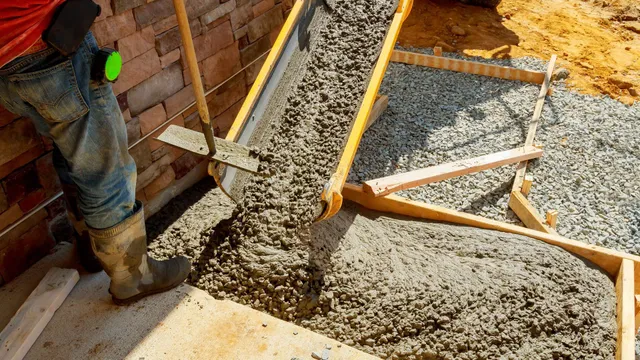
A stable foundation is one of the most important structural components of any building because it supports the weight of the entire structure and helps distribute that weight safely into the surrounding soil. When foundation problems develop, they can affect much more than the basement or lower portion of a property. Cracks may appear in walls, floors can become uneven, doors and windows may stop operating properly, and moisture can enter areas that were previously dry. Because these symptoms can develop gradually, homeowners may overlook them until the underlying issue becomes more noticeable. Understanding the causes of foundation damage, recognizing warning signs, and responding to problems appropriately can help protect the structure and reduce the possibility of more extensive repairs. Professional foundation repair can provide an important solution when structural movement, cracking, settlement, or other foundation-related concerns require specialized attention.
- Understanding the Role of a Foundation
- Common Causes of Foundation Problems
- Recognizing Warning Signs Early
- Why Professional Evaluation Matters
- Addressing Water Around the Foundation
- Choosing an Appropriate Repair Approach
- Protecting Basement Areas After Repairs
- The Value of Preventive Foundation Maintenance
- Creating a More Durable Foundation Strategy
- Conclusion
Understanding the Role of a Foundation
The foundation serves as the structural connection between a building and the ground beneath it. It must support the weight of walls, floors, roofing systems, furniture, appliances, and occupants while also resisting pressure from surrounding soil and environmental conditions. A properly constructed foundation helps keep the building level and stable, but several factors can affect its performance over time. Soil conditions, water movement, drainage problems, construction practices, seasonal changes, and natural settlement can all influence how a foundation behaves. Although some minor changes may be expected as a building ages, certain patterns of cracking or movement may indicate that the structure needs professional evaluation. Understanding the role of the foundation makes it easier to recognize why apparently small defects should not always be dismissed as cosmetic concerns.Foundation systems can be constructed from different materials, including poured concrete, concrete blocks, stone, brick, and other structural materials. Each type can respond differently to moisture, pressure, temperature changes, and soil movement. A professional assessment considers the construction style and current condition of the foundation before determining what may be causing a problem. This approach is important because repairing the visible symptom without addressing the underlying cause may only provide temporary improvement. For example, sealing a crack may prevent water from entering temporarily, but if ongoing movement continues to place pressure on the foundation, the crack may reopen. A complete understanding of the structure and surrounding conditions therefore plays an important role in selecting an appropriate repair strategy.
Common Causes of Foundation Problems
One of the most common contributors to foundation problems is water. Excess moisture around the foundation can increase soil pressure and create conditions that place additional stress on foundation walls. Poor grading, damaged drainage systems, clogged gutters, downspout discharge near the structure, and inadequate water management can all contribute to unwanted moisture accumulation. When water repeatedly collects around the foundation, the surrounding soil may expand, contract, or become saturated, creating changing pressures against the structure. In colder climates, freezing and thawing can introduce additional movement as water within the soil freezes and expands. Even where freezing is not a major concern, prolonged saturation can still affect soil stability and contribute to settlement or movement.Soil conditions are another important factor. Different soils have different capacities for holding and releasing water, and some types can change volume significantly when moisture levels fluctuate. Expansive soils may swell when wet and shrink as they dry, creating repeated movement beneath or around a structure. Loose or poorly compacted soil may settle over time, allowing portions of the foundation to move downward. When settlement occurs unevenly, the building may experience stress because different sections are no longer supported at the same elevation. These conditions can produce cracks in foundation walls, floors, drywall, brickwork, and other areas of the property.Construction-related factors can also contribute to foundation concerns. Insufficient drainage planning, inadequate reinforcement, poor soil preparation, or improper installation may affect long-term performance. Older structures may also experience deterioration as materials age and environmental exposure continues. Concrete can develop cracks, masonry joints can deteriorate, and waterproofing systems may lose effectiveness. While aging alone does not necessarily mean a foundation is failing, changes in condition should be monitored carefully so that developing problems can be identified before they become more disruptive.
Recognizing Warning Signs Early
One of the most useful steps homeowners can take is learning how to identify signs that may indicate foundation movement or deterioration. Cracks are among the most visible indicators, but their size, direction, location, and progression can provide important information. Small hairline cracks may occur for a variety of reasons, including normal concrete shrinkage, while larger cracks or cracks that continue to grow may deserve closer evaluation. Horizontal cracks in foundation walls can sometimes be associated with lateral soil pressure, while stair-step cracks in masonry may indicate movement. Vertical cracks may have several possible causes, so their appearance should be considered alongside other symptoms rather than interpreted in isolation.Changes inside the building can also provide valuable clues. Doors that suddenly stick, windows that become difficult to open, gaps appearing around frames, sloping floors, or noticeable separation between walls and ceilings may indicate structural movement. Cracks in drywall or flooring can sometimes be related to ordinary material changes, but recurring or progressively worsening patterns deserve attention. Homeowners should avoid assuming that every crack represents a serious structural failure, but they should also avoid ignoring changes simply because they appear small.Moisture-related signs are particularly important in basement areas. Water stains, damp walls, musty odors, efflorescence, peeling finishes, and recurring puddles may indicate that water is entering through foundation walls or floor joints. Moisture can contribute to deterioration and can also create an environment where mold and other problems become more likely. Addressing water intrusion and structural concerns together can help create a more durable solution because foundation stability and moisture management are often closely connected.
Why Professional Evaluation Matters
When foundation concerns become visible, obtaining a professional evaluation can help determine what is actually happening beneath the surface. A trained specialist can examine the foundation, identify the location and characteristics of cracks, evaluate signs of movement, consider drainage conditions, and assess whether moisture is contributing to the problem. This evaluation is important because similar symptoms can have very different causes. A crack caused by minor shrinkage may require a different response than a crack associated with settlement or lateral pressure.Professional evaluation can also help homeowners understand the urgency of a particular problem. Not every crack requires the same level of intervention, and some conditions may be monitored while others require prompt attention. An experienced specialist can explain the observed symptoms and discuss available repair approaches based on the condition of the structure. This allows the property owner to make decisions based on the actual characteristics of the problem rather than relying on assumptions or temporary cosmetic fixes.Documentation can also be useful during the evaluation process. Homeowners may photograph cracks and other changes over time, noting their location and approximate size. Recording when a symptom first appeared and whether it changes after heavy rainfall or seasonal conditions can provide additional information. These observations do not replace professional assessment, but they can help create a clearer picture of how the issue has developed.
Addressing Water Around the Foundation
Water management is an important part of protecting foundation performance. Gutters and downspouts should be maintained so that rainwater is collected and directed away from the structure. Exterior grading should encourage water to move away from foundation walls instead of allowing it to collect next to them. Drainage systems should also be kept clear and functional so that water has an appropriate path away from the property.Basement waterproofing can provide another layer of protection when moisture is entering through foundation walls or other vulnerable areas. Depending on the property’s condition, solutions may include interior or exterior waterproofing approaches, drainage systems, sump pump installations, crack sealing, or other moisture-control measures. The appropriate method depends on where the water is coming from and how the foundation is constructed. Combining structural assessment with moisture management can help reduce recurring problems and support the long-term condition of the basement.Homeowners should also pay attention to how water behaves around the property after storms. Areas where water consistently pools near foundation walls may indicate drainage deficiencies. Downspouts that release large amounts of water immediately beside the foundation can also increase localized saturation. Correcting these conditions may reduce stress on the foundation and help prevent additional moisture-related deterioration.
Choosing an Appropriate Repair Approach
There is no single repair method that works for every foundation problem. The appropriate approach depends on the type of foundation, the cause of the damage, the extent of movement, the location of the problem, and the surrounding soil and moisture conditions. Some cracks may be repaired using specialized injection materials or sealants, while more significant structural movement may require reinforcement, stabilization, or other engineered solutions. Settlement-related problems can sometimes require methods designed to stabilize and support affected portions of the structure.The objective should be to address the underlying problem rather than simply covering visible damage. A repair that does not account for ongoing soil movement or water pressure may not provide lasting results. For this reason, homeowners should ask professionals to explain why a particular method is being recommended and what conditions it is designed to address. Understanding the purpose of the repair can make it easier to evaluate the proposed work and understand how it fits into the overall condition of the property.It is also important to consider long-term maintenance. Some repair solutions may require periodic inspections or monitoring, while drainage and waterproofing systems need regular attention to remain effective. Keeping records of completed work can also be helpful if future concerns arise. A well-maintained repair system can contribute to the continued stability and usability of the property.
Protecting Basement Areas After Repairs
Once structural or moisture concerns have been addressed, maintaining the basement can help preserve the benefits of the work. Homeowners should periodically inspect walls and floors for new cracks, moisture marks, unusual odors, or other changes. Drainage components should remain accessible, and sump pumps should be checked according to manufacturer recommendations. If a basement includes storage areas, belongings should be kept away from walls where possible so that inspections can be performed more easily.Ventilation and humidity management can also support a healthier basement environment. Excess humidity can contribute to condensation and create conditions that may encourage mold growth. Dehumidifiers, appropriate ventilation, and prompt attention to leaks can help control moisture levels. These measures are particularly useful after waterproofing or structural work because maintaining a dry environment supports the overall condition of the finished basement.Homeowners should also avoid making major changes to foundation walls without professional guidance. Drilling, cutting, attaching heavy loads, or modifying structural components can create unintended stress or compromise existing repairs. Before beginning remodeling work in a basement, it is sensible to understand which walls and components are structural and whether any restrictions apply.
The Value of Preventive Foundation Maintenance
Preventive maintenance can reduce the likelihood that minor concerns will develop into more complicated problems. Regular inspections allow homeowners to notice changes while they are still relatively manageable. Checking gutters, downspouts, drainage areas, basement walls, floors, and visible foundation surfaces can become part of a broader property maintenance routine. Seasonal inspections are especially useful because heavy rainfall, temperature changes, and soil moisture fluctuations can reveal problems that may not be obvious during dry periods.Keeping water away from the foundation is one of the most practical preventive measures. Maintaining exterior drainage, correcting grading problems, monitoring basement humidity, and responding quickly to leaks can all contribute to better moisture management. Homeowners should also take recurring cracks seriously, particularly when they are accompanied by sticking doors, uneven floors, water intrusion, or other changes.Early attention does not necessarily mean that every foundation concern will require extensive construction. In many cases, identifying the cause early provides more opportunities for controlled intervention. Delaying evaluation, however, can allow water intrusion, soil movement, or structural deterioration to continue unnoticed. Regular observation combined with professional guidance can therefore be an important part of responsible property maintenance.
Creating a More Durable Foundation Strategy
A strong approach to foundation care considers the entire environment surrounding the structure rather than focusing on a single crack or visible defect. The foundation, soil, drainage system, basement, grading, and moisture conditions can all interact with one another. When these factors are evaluated together, homeowners can better understand why a problem developed and what steps may help prevent it from returning.Professional foundation repair an be particularly valuable when a property shows persistent cracking, settlement, water intrusion, or other signs of structural concern. Instead of relying on temporary cosmetic improvements, homeowners can seek an assessment that considers both the visible damage and the conditions contributing to it. This can help establish a more comprehensive plan for stabilization, moisture control, and long-term maintenance.
Conclusion
A foundation plays a fundamental role in the stability, safety, and usability of a property, making it important to respond thoughtfully when signs of damage appear. Cracks, uneven floors, sticking doors, moisture intrusion, and other changes can have different causes, so identifying the source is an essential part of choosing an appropriate solution. Water management, soil conditions, drainage, construction characteristics, and ongoing maintenance can all influence foundation performance.Timely professional assessment can help homeowners distinguish between minor cosmetic concerns and conditions that may require more substantial attention. By combining structural evaluation with effective moisture management and preventive maintenance, property owners can support the long-term condition of their basement and the structure above it. Professional foundation repair is not simply about addressing a visible crack; it can be part of a broader strategy designed to protect structural stability, manage moisture, and maintain the usefulness of the property for years to come.

Reliable Garbage Disposal Repair for a Better-Functioning Kitchen

Building a Reliable Heating System With Professional Boiler Installation

A Complete Guide to Durable and Reliable Metal Roofing

Alex Pettyfer Net Worth, Wife, Age, Height, Children, Career and More

Brad Williams Net Worth, Wife, Height, Age, Daughter, Family, Career and More

Eldorado.gg Review 2026: How It Works, Safety, Fees, and Risks
-
Celebrity9 months ago
Alex Pettyfer Net Worth, Wife, Age, Height, Children, Career and More
-
Celebrity10 months ago
Brad Williams Net Worth, Wife, Height, Age, Daughter, Family, Career and More
-
Blog1 month ago
Eldorado.gg Review 2026: How It Works, Safety, Fees, and Risks
-
 Anime11 months ago
Sanzoku Bandits of One Piece: Origins, Higuma, and Their Role in Dawn Island
-
 Celebrity10 months ago
John McGinn Net Worth, Age, Height, Wife, Childrens, Career and More
-
 Celebrity10 months ago
Frances de la Tour Net Worth, Age, Height, Husband, Childrens, Career and More
-
 Celebrity10 months ago
Will Trickett Net Worth, Wife, Childrens, Age, Career and More
-
 Blog2 months ago
Crackstube: A Complete Guide to the Digital Publishing Platform