Food
Calamariere: The Complete Guide to Squid Jigs, Fishing Techniques, and Gear


Fishing for squid has become increasingly popular around the world, and one key tool makes this activity possible and effective. That tool is known as calamariere. The term refers to specialized squid jigs that are designed to attract and catch squid and other cephalopods. Unlike traditional fishing lures, calamariere are uniquely crafted to match squid behavior. This guide explains everything you need to know about calamariere, including their design, types, materials, techniques, and how to use them successfully.
- What Is Calamariere
- Understanding Squid Behavior and Attraction
- Design and Structure of Calamariere
- Types of Calamariere
- Materials Used in Calamariere
- How to Use Calamariere
- Best Time and Conditions for Squid Fishing
- Choosing the Right Color and Pattern
- Differences Between Calamariere and Traditional Lures
- Importance of Calamariere in Modern Fishing
- Tips for Beginners
- Common Mistakes to Avoid
- Conclusion
- FAQs
What Is Calamariere
The word calamariere is the plural form of calamariera and is widely used in fishing communities, especially in Mediterranean regions. It refers to artificial lures created specifically for squid fishing. These lures are not used to catch fish in the usual way. Instead, they are designed to attract squid through movement, light, and visual appeal.
Squid are intelligent predators that rely heavily on sight. Because of this, calamariere are built to imitate small prey such as shrimp or baitfish. When a squid sees the lure moving in the water, it attacks and wraps its tentacles around it. The jig then holds the squid using a crown of prongs rather than a traditional hook.
Understanding Squid Behavior and Attraction
To understand how calamariere work, it is important to understand squid behavior. Squid are part of the cephalopod family, which also includes octopus and cuttlefish. These creatures are highly visual hunters and are attracted to motion, contrast, and light.
Squid often hunt during low light conditions such as dusk, night, or early morning. They are also known to gather around artificial lights because these lights attract smaller organisms that squid feed on. This behavior is a key reason why calamariere are often used at night and are designed with reflective or glowing features.
When a squid approaches a lure, it does not bite like a fish. Instead, it grabs the lure with its tentacles. This is why the design of calamariere focuses on gripping rather than hooking.
Design and Structure of Calamariere
Calamariere have a distinct structure that separates them from standard fishing lures. Each part of the jig plays an important role in attracting and catching squid.
The body of the lure is usually shaped like a shrimp or small fish. This shape is chosen because it resembles common prey in the squid’s natural environment. The body is often wrapped in cloth or textured material. This helps squid grip the lure more easily when they strike.
The head of the jig contains weight, which controls how the lure sinks in the water. The sinking speed is important because it determines how the lure moves and how long it stays in the strike zone.
At the tail end, calamariere feature a crown of sharp prongs arranged in a circular pattern. These prongs are not barbed like traditional hooks. Instead, they are designed to catch and hold the squid’s tentacles without tearing them.
Types of Calamariere
Floating Calamariere
Floating calamariere are designed to stay near the surface of the water. These are useful when squid are feeding in shallow areas or near light sources at night. They are often used from docks, piers, or shoreline locations where squid come close to the surface.
Sinking Calamariere
Sinking calamariere are weighted to reach deeper parts of the water. These are ideal for boat fishing or when squid are located near the seabed. The weight allows anglers to control depth and explore different layers of the water column.
Slow Sinking Egi Style Jigs
Egi style calamariere are widely used in modern squid fishing. These jigs sink slowly and allow for precise control. This makes them highly effective in a variety of conditions. They are especially popular in Japanese fishing techniques known as eging, which focus on rhythmic movements and careful presentation.
Materials Used in Calamariere
The effectiveness of calamariere depends heavily on the materials used in their construction. Manufacturers combine different materials to enhance durability, realism, and attraction.
The body is typically made from strong plastic to maintain shape and withstand repeated use. Many jigs are covered with a cloth layer that improves texture and gives squid a better grip.
Weights are usually made from lead or similar materials. These weights are carefully balanced to control how the lure sinks and moves in the water.
Reflective foils and UV coatings are often added to increase visibility. Some calamariere are also designed to glow in the dark, which makes them very effective during night fishing.
How to Use Calamariere
Using calamariere requires a simple but effective technique. The goal is to mimic the natural movement of prey and trigger the squid’s hunting instinct.
After casting the jig into the water, the angler allows it to sink to the desired depth. The rod is then lifted sharply to create a jerking motion. This movement makes the lure appear alive. After the jerk, the angler pauses briefly. During this pause, the squid often strikes.
The process is repeated while slowly retrieving the lure. This method is commonly known as jerk and pause or lift and drop. The key is to maintain a natural rhythm and avoid moving the lure too quickly.
Best Time and Conditions for Squid Fishing
Squid fishing with calamariere is most successful under certain conditions. Night fishing is widely considered the best time because squid are more active and attracted to light.
Calm water conditions improve visibility and allow the lure to move more naturally. Areas with artificial lighting, such as docks or boats with lights, are excellent spots because they attract squid.
Tidal movement also plays an important role. Squid are more active during changing tides, which increases the chances of a successful catch.
Choosing the Right Color and Pattern
Color selection is an important factor when using calamariere. Different conditions require different colors for the best results.
In clear water, natural colors such as brown, blue, or green are often more effective because they resemble real prey. In murky or dark water, brighter colors like pink or orange help the lure stand out.
Glow in the dark jigs are particularly useful for night fishing. These lures absorb light and emit a glow underwater, making them highly visible to squid.
Differences Between Calamariere and Traditional Lures
Calamariere are very different from traditional fishing lures. The main difference lies in their purpose and design.
Traditional lures are designed to catch fish that bite with their mouths. These lures use hooks to secure the catch. In contrast, calamariere are designed for squid that grab with their tentacles. This is why they use prongs instead of hooks.
Another difference is the focus on visual attraction rather than scent. While some fish rely on smell, squid depend more on sight. This makes movement, color, and light more important than bait.
Importance of Calamariere in Modern Fishing
Calamariere have become essential tools in squid fishing. Without them, catching squid would be much more difficult and less efficient.
These lures are specifically designed to match squid behavior. They increase the chances of success by attracting squid and holding them securely once they strike.
For both beginners and experienced anglers, calamariere provide a reliable and effective method for catching squid in various environments.
Tips for Beginners
Beginners often find squid fishing enjoyable once they understand the basics. Starting with slow sinking calamariere is a good idea because they are easier to control.
Practicing a steady rhythm while moving the lure helps improve results. Observing water conditions and experimenting with different colors can also make a big difference.
Patience is important. Squid fishing may take time, but with practice, success becomes more consistent.
Common Mistakes to Avoid
Many anglers make simple mistakes when using calamariere. Moving the lure too quickly is one of the most common errors. Squid prefer a natural and steady movement.
Fishing at the wrong depth can also reduce success. It is important to adjust the depth based on where squid are active.
Ignoring water clarity and light conditions can lead to poor results. Choosing the right color and location is essential for effective fishing.
Conclusion
Calamariere are specialized squid jigs that play a vital role in modern squid fishing. Their unique design, combined with proper technique, allows anglers to catch squid efficiently and consistently.
Understanding how these lures work, choosing the right type, and applying the correct technique can greatly improve success. Whether fishing from shore or boat, calamariere offer a simple yet powerful solution for targeting squid and other cephalopods.
FAQs
What does calamariere mean in fishing?
Calamariere refers to squid jigs, which are artificial lures specifically designed to catch squid and other cephalopods.
Are calamariere suitable for beginners?
Yes, calamariere are easy to use and are suitable for beginners who want to start squid fishing with simple techniques.
What is the best time to use calamariere?
The best time is at night when squid are more active and attracted to light sources.
Do calamariere require bait?
No, calamariere are artificial lures and do not require any bait because they attract squid through movement and visual features.
What color calamariere works best?
The best color depends on water conditions. Bright colors work well in murky water, while natural colors are better in clear water.


The term “Mannacote” can be confusing because it refers to two completely different things depending on the context. In the world of food, it is often used as a phonetic spelling of manicotti, a beloved Italian American pasta dish. In gardening and agriculture, it refers to a professional long term fertilizer known for its controlled nutrient release. This article explains both meanings in a clear and simple way so you can fully understand what Mannacote means and how it is used.
- What Does Mannacote Mean
- Mannacote in Food: Understanding Manicotti
- What Is Manicotti
- Ingredients Used in Manicotti
- How Manicotti Is Prepared
- Variations of Mannacote Pasta
- Popularity of Mannacote in Modern Cooking
- Mannacote in Gardening: Manna Cote Fertilizer
- What Is Manna Cote Fertilizer
- How Manna Cote Works
- Types of Nutrient Release Durations
- Uses in Gardening and Agriculture
- Benefits of Using Manna Cote
- Where Manna Cote Is Available
- Key Differences Between Mannacote Meanings
- Why the Name Mannacote Is Confusing
- The Growing Popularity of Dual Meaning Terms
- Choosing the Right Meaning Based on Context
- Conclusion
- FAQs
What Does Mannacote Mean
“Mannacote” is not a standard dictionary word but rather a commonly used variation or brand related term. In everyday use, people may use this word when referring to food or gardening products.
In cooking, it is closely linked to manicotti, a classic baked pasta dish filled with cheese or meat. In gardening, it refers to Manna Cote, a fertilizer product designed for long term plant nutrition. Understanding the context is important because the meaning changes completely depending on how the word is used.
Mannacote in Food: Understanding Manicotti
What Is Manicotti
Manicotti is a traditional Italian American pasta dish that has become a favorite comfort food in many homes. The word “mannacote” is often used as a phonetic spelling because it reflects how the word is pronounced in some regions.
Manicotti consists of large pasta tubes that are filled with a rich mixture and baked with sauce. The dish is known for its creamy texture and satisfying flavor, making it a popular choice for family meals and gatherings.
Ingredients Used in Manicotti
The classic filling for manicotti includes ricotta cheese, mozzarella, and Parmesan. These cheeses are mixed with herbs such as parsley to create a flavorful stuffing.
In many modern versions, people add ground beef or Italian sausage to the filling. This adds a deeper and more savory taste. The pasta is then covered with marinara or tomato sauce before baking.
How Manicotti Is Prepared
The preparation of manicotti is simple but requires attention to detail. The pasta shells are first cooked slightly so they become soft enough to fill. After that, the filling is carefully added, often using a piping bag or spoon.
Once filled, the pasta is placed in a baking dish, covered with sauce, and baked until the cheese melts and becomes golden. The result is a rich and comforting dish that is enjoyed around the world.
Variations of Mannacote Pasta
There are many variations of manicotti depending on personal taste and regional preferences. Some recipes use crepes instead of pasta shells, which creates a softer texture.
Others experiment with different fillings such as spinach and cheese or chicken. These variations show how flexible and creative this dish can be while still maintaining its traditional roots.
Popularity of Mannacote in Modern Cooking
Today, manicotti remains a popular dish in both home kitchens and restaurants. It is often featured in Italian American cuisine and is loved for its rich flavors and satisfying nature.
Online platforms and cooking websites, including brands like Mannacote.com, have helped share modern recipes and cooking tips. This has made the dish even more accessible to people who want to try it at home.
Mannacote in Gardening: Manna Cote Fertilizer
What Is Manna Cote Fertilizer
In the gardening world, Manna Cote is a professional grade fertilizer designed to provide long lasting nutrition to plants. Unlike regular fertilizers that release nutrients quickly, Manna Cote uses a controlled release system.
This means that plants receive a steady supply of nutrients over time, which helps them grow healthier and stronger.
How Manna Cote Works
Manna Cote fertilizer is made up of small coated granules. Each granule contains nutrients that are released slowly through a special coating.
The release process depends on temperature and environmental conditions. As the soil warms, the nutrients are released gradually, ensuring that plants receive what they need without being overfed.
This method reduces waste and improves efficiency, making it a popular choice among professional growers.
Types of Nutrient Release Durations
One of the key features of Manna Cote fertilizer is its different release durations. These typically include four month, six month, and eight month formulas.
Each type is designed for specific plant needs and growing conditions. For example, shorter duration fertilizers are ideal for seasonal plants, while longer duration options are better for shrubs and perennials.
Uses in Gardening and Agriculture
Manna Cote is widely used in many areas of gardening and agriculture. It is suitable for flower boxes, garden beds, shrubs, and nursery plants.
Professional growers often prefer this type of fertilizer because it provides consistent results. It is also useful for home gardeners who want an easy and reliable way to care for their plants.
Benefits of Using Manna Cote
One of the main benefits of Manna Cote fertilizer is its efficiency. Because nutrients are released slowly, plants receive a balanced supply over time.
This reduces the need for frequent fertilization and lowers the risk of overfeeding. It also supports better root development and overall plant health.
Another advantage is convenience. Gardeners can apply the fertilizer once and rely on it for several months, saving time and effort.
Where Manna Cote Is Available
Manna Cote fertilizer is available through various retailers, including online platforms and specialized garden stores. It is often found on websites like Amazon UK and in professional gardening shops.
Its availability makes it accessible to both hobby gardeners and commercial growers.
Key Differences Between Mannacote Meanings
The two meanings of Mannacote are completely different and belong to separate industries. One is related to food and cooking, while the other is connected to gardening and plant care.
In the culinary context, Mannacote refers to a comforting pasta dish that is rich and flavorful. In gardening, it refers to a product that supports plant growth through controlled nutrient release.
Understanding the context helps avoid confusion and ensures that the term is used correctly.
Why the Name Mannacote Is Confusing
The confusion around the term Mannacote comes from its phonetic nature. In cooking, it is simply a variation of how manicotti is pronounced or spelled informally.
In gardening, Manna Cote is a brand name. Because both uses sound similar, people may assume they are related when they are not.
This overlap highlights how language can evolve and create multiple meanings for a single term.
The Growing Popularity of Dual Meaning Terms
Words like Mannacote show how language adapts over time. As cultures mix and industries grow, new meanings can emerge for existing words.
In this case, the term has gained attention in both food culture and gardening. This dual meaning makes it interesting and unique.
It also shows how important context is when understanding language and communication.
Choosing the Right Meaning Based on Context
When you come across the word Mannacote, it is important to look at the context. If the discussion is about recipes or cooking, it most likely refers to manicotti.
If the topic is gardening or plant care, it refers to Manna Cote fertilizer. Paying attention to the surrounding information can help you understand the correct meaning.
Conclusion
Mannacote is a unique term with two completely different meanings. In cooking, it refers to manicotti, a delicious and comforting pasta dish enjoyed by many. In gardening, it refers to a professional fertilizer that supports plant growth through controlled nutrient release.
Both meanings are important in their own fields and offer valuable benefits. By understanding the context, you can easily identify which meaning is being used and avoid confusion.
FAQs
What is Mannacote in cooking?
Mannacote in cooking usually refers to manicotti, a baked pasta dish filled with cheese or meat and covered in sauce.
Is Mannacote the same as manicotti?
Yes, in a culinary context, Mannacote is often used as a phonetic spelling of manicotti.
What is Manna Cote fertilizer used for?
Manna Cote fertilizer is used to provide long term nutrients to plants, helping them grow steadily and healthily.
How long does Manna Cote fertilizer last?
It can last between four to eight months depending on the type and environmental conditions.
Why does Mannacote have two meanings?
The term has two meanings because it is used as a phonetic spelling in cooking and as a brand name in gardening, leading to different interpretations based on context.

Boelis Fish Market is one of the most talked about seafood spots in Curaçao. Located in Willemstad, this lively and authentic market offers fresh fish, local flavors, and a true island experience. Many visitors and locals consider it a must visit place for seafood lovers. The market is not just about food. It is about culture, tradition, and daily life in Curaçao.
- What Is Boelis Fish Market
- Location and Setting in Willemstad
- The History and Local Importance
- Fresh Seafood Selection
- Cooking Style and Flavors
- Dining Experience
- Why Boelis Fish Market Is Popular
- Best Time to Visit
- Tips for First Time Visitors
- Boelis Fish Market and Curaçao Tourism
- Cultural Significance
- Future of Boelis Fish Market
- FAQs
- What is Boelis Fish Market known for?
- Where is Boelis Fish Market located?
- What kind of food is served at Boelis Fish Market?
- Is Boelis Fish Market expensive?
- When is the best time to visit Boelis Fish Market?
- Conclusion
What Is Boelis Fish Market
Boelis Fish Market refers to Boeli’s Fish Market, a well known seafood market and eatery in Willemstad, Curaçao. It is famous for serving freshly caught fish prepared in simple but flavorful Caribbean styles. The market is often visited by tourists looking for authentic local cuisine and by residents who enjoy fresh meals at affordable prices.
The name Boelis has become strongly connected with fresh seafood, casual dining, and a welcoming island atmosphere. It reflects the local way of life where food is simple, fresh, and shared with others.
Location and Setting in Willemstad
Boelis Fish Market is located in Willemstad, the capital of Curaçao. Willemstad is known for its colorful colonial buildings, lively streets, and strong cultural identity. The market is usually found in areas close to the waterfront, where fishing activity is common.
The setting plays a big role in the experience. Visitors can often see fishermen bringing in their catch, while the smell of grilled fish fills the air. The environment is casual and vibrant, making it a perfect place for both quick meals and relaxed dining.
The History and Local Importance
Boelis Fish Market has become an important part of the local food culture in Curaçao. While exact historical details may not always be widely documented, the market represents a long standing tradition of seafood trading and cooking on the island.
Fishing has always been essential to Curaçao’s economy and daily life. Markets like Boelis continue that tradition by connecting fishermen directly with customers. This ensures freshness and supports the local fishing community.
Over time, Boelis Fish Market gained popularity through word of mouth, travel guides, and social media. Today, it stands as a symbol of authentic island dining.
Fresh Seafood Selection
One of the biggest reasons people visit Boelis Fish Market is the variety of fresh seafood available. The fish is usually caught the same day, ensuring high quality and taste.
Types of Fish Commonly Available
At Boelis Fish Market, you can find a wide range of fish depending on the daily catch. Popular options include snapper, mahi mahi, tuna, and barracuda. Each type of fish is prepared in a way that highlights its natural flavor.
The availability changes daily, which makes every visit unique. This freshness is what sets the market apart from many restaurants.
Other Seafood Options
In addition to fish, the market may offer shrimp, lobster, and other local seafood dishes. These options are often grilled, fried, or stewed using traditional Caribbean spices.
The focus is always on simple cooking methods that enhance the taste rather than overpower it.
Cooking Style and Flavors
The cooking style at Boelis Fish Market reflects the rich culinary traditions of Curaçao. The dishes are often prepared using local herbs, spices, and marinades.
Grilled and Fried Preparations
Grilled fish is one of the most popular choices. It is usually seasoned with garlic, lime, and local spices, then cooked over an open flame. This method gives the fish a smoky and flavorful taste.
Fried fish is another favorite. It is crispy on the outside and tender on the inside, often served with sauces or side dishes.
Traditional Caribbean Influence
The flavors at Boelis Fish Market are influenced by Caribbean, African, and Latin American cuisines. This mix creates a unique taste that reflects the island’s diverse heritage.
Common ingredients include onions, peppers, garlic, and citrus. These add depth and freshness to every dish.
Dining Experience
The experience at Boelis Fish Market is very different from a formal restaurant. It is relaxed, friendly, and full of life.
Casual Atmosphere
The seating is usually simple, with outdoor or semi outdoor arrangements. This allows guests to enjoy the island breeze while eating.
The casual setup makes it easy for people to feel comfortable and enjoy their meal without any pressure.
Interaction with Locals
One of the highlights of visiting Boelis Fish Market is interacting with locals. Many visitors appreciate the friendly service and the opportunity to learn more about Curaçao’s culture.
This personal touch adds value to the overall experience.
Why Boelis Fish Market Is Popular
Boelis Fish Market has gained popularity for several reasons. It offers a combination of freshness, authenticity, and affordability that is hard to find elsewhere.
Authentic Local Experience
Tourists often look for places that offer real local food rather than tourist oriented menus. Boelis Fish Market delivers exactly that.
It gives visitors a chance to experience how locals eat and enjoy seafood.
Affordable Prices
Compared to many restaurants, the prices at Boelis Fish Market are generally reasonable. This makes it accessible to a wide range of people.
The value for money is one of the key reasons for its growing reputation.
Strong Online Presence
In recent years, social media has played a big role in promoting Boelis Fish Market. Photos of fresh fish and vibrant dishes attract food lovers from around the world.
Positive reviews and recommendations have helped the market gain international attention.
Best Time to Visit
Timing can make a big difference when visiting Boelis Fish Market. Since the seafood is fresh, it is best to visit during peak hours when the catch is available.
Morning and early afternoon are usually the best times. This is when the fish is freshest and the selection is widest.
Evening visits can still be enjoyable, but some items may be sold out.
Tips for First Time Visitors
If you are planning to visit Boelis Fish Market, there are a few simple tips that can improve your experience.
Arriving early helps you get the best selection of seafood. Bringing cash can be useful as some local markets may not accept cards. Being open to trying new dishes will allow you to fully enjoy the local cuisine.
Most importantly, take your time and enjoy the atmosphere. The experience is just as important as the food.
Boelis Fish Market and Curaçao Tourism
Boelis Fish Market plays an important role in Curaçao’s tourism industry. It offers a unique attraction that goes beyond beaches and resorts.
Visitors who explore local markets gain a deeper understanding of the island’s culture. This makes their trip more meaningful and memorable.
The market also supports local businesses and fishermen, contributing to the island’s economy.
Cultural Significance
Food is an important part of Curaçao’s identity. Boelis Fish Market represents the connection between people, tradition, and the sea.
It shows how simple ingredients can create rich and satisfying meals. It also highlights the importance of community and shared experiences.
For many locals, places like Boelis are more than just markets. They are gathering spots where stories are shared and traditions are kept alive.
Future of Boelis Fish Market
As tourism continues to grow, Boelis Fish Market is likely to become even more popular. However, maintaining its authenticity will be important.
Balancing growth with tradition will help preserve the market’s unique charm. If done well, Boelis can continue to be a top destination for seafood lovers.
FAQs
What is Boelis Fish Market known for?
Boelis Fish Market is known for its fresh seafood, especially grilled and fried fish prepared in Caribbean style.
Where is Boelis Fish Market located?
It is located in Willemstad, the capital city of Curaçao.
What kind of food is served at Boelis Fish Market?
The market serves fresh fish like snapper and mahi mahi, along with shrimp and other seafood dishes.
Is Boelis Fish Market expensive?
No, it is generally considered affordable compared to many restaurants in tourist areas.
When is the best time to visit Boelis Fish Market?
The best time to visit is in the morning or early afternoon when the seafood is freshest.
Conclusion
Boelis Fish Market is more than just a place to eat. It is a true reflection of Curaçao’s culture, lifestyle, and love for fresh seafood. From its vibrant setting in Willemstad to its simple yet flavorful dishes, the market offers an unforgettable experience.
Whether you are a tourist or a local, visiting Boelis Fish Market is a chance to enjoy authentic food and connect with the heart of the island.
Food
Cevurı: A Complete Guide to This Traditional Turkish Dish, Its Origins, Ingredients, and Cultural Importance
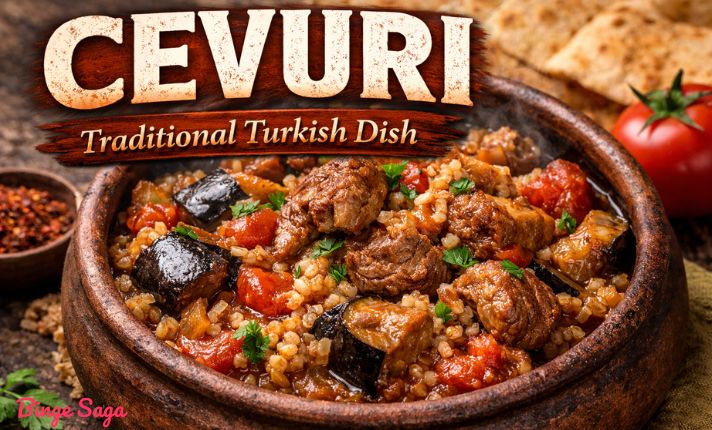
Cevurı is a rich and comforting traditional Turkish dish that reflects the deep culinary heritage of Central Asia and Anatolia. Known for its slow cooking process and use of simple, wholesome ingredients, cevurı combines tender meat, seasonal vegetables, grains, and aromatic spices into a hearty and nourishing meal. This dish is especially valued in rural communities, where food is often prepared using locally sourced ingredients and time-honored cooking methods. Today, cevurı continues to represent tradition, flavor, and cultural identity in Turkish cuisine.
What Is Cevurı?
Cevurı is a traditional dish that typically consists of slow-cooked lamb or chicken, combined with vegetables such as eggplants and tomatoes, and served with grains like rice or bulgur. The cooking method focuses on slow simmering, allowing the flavors to blend naturally and create a rich, deeply satisfying taste.
This dish is not just about flavor. It is also about nutrition and balance. The combination of protein from the meat, fiber from vegetables, and carbohydrates from grains makes cevurı a complete meal. It is often prepared in large quantities and shared among family members, making it a symbol of togetherness and hospitality.
Historical Roots of Cevurı
Central Asian Origins
The roots of cevurı can be traced back to Central Asia, where early Turkic communities relied on simple cooking techniques and locally available ingredients. Meat, especially lamb, was a staple in their diet. Cooking methods often involved slow simmering or roasting, which helped preserve nutrients and enhance flavor.
As these communities migrated westward into Anatolia, they brought their culinary traditions with them. Over time, these traditions blended with local ingredients and influences, giving rise to dishes like cevurı.
Evolution in Anatolia
In Anatolia, cevurı evolved to include a wider variety of vegetables and grains. The fertile lands allowed for the cultivation of eggplants, tomatoes, and grains such as bulgur and rice. These ingredients became essential components of the dish.
The cooking methods also adapted to local lifestyles. In rural areas, cevurı was often cooked over wood fires or in clay pots, allowing the ingredients to cook slowly and evenly. This method is still used in some regions today, preserving the authenticity of the dish.
Key Ingredients in Cevurı
Meat Selection
The most common meats used in cevurı are lamb and chicken. Lamb is often preferred for its rich flavor and tenderness when slow-cooked. Chicken offers a lighter alternative while still providing a satisfying taste.
The quality of the meat plays a crucial role in the final dish. Fresh, locally sourced meat is often used in traditional preparations, ensuring better flavor and texture.
Vegetables
Vegetables are an essential part of cevurı. Eggplants and tomatoes are the most commonly used, providing both flavor and nutritional value. Eggplants add a soft, creamy texture, while tomatoes contribute acidity and freshness.
Other vegetables such as onions, peppers, and garlic are also used to enhance the overall taste. These ingredients are typically sautéed or simmered with the meat, allowing their flavors to blend harmoniously.
Grains
Grains like rice and bulgur are commonly served with cevurı or cooked alongside it. Bulgur is particularly popular in traditional settings due to its historical significance and nutritional benefits.
These grains absorb the rich juices from the meat and vegetables, making them an integral part of the dish rather than just a side component.
Spices and Seasonings
Cevurı relies on simple yet aromatic spices. Common seasonings include salt, black pepper, paprika, and sometimes cumin. Herbs such as parsley may be added for freshness.
The focus is not on overpowering spices but on enhancing the natural flavors of the ingredients. This approach keeps the dish balanced and authentic.
Traditional Cooking Methods
Slow Cooking Technique
The defining feature of cevurı is its slow cooking process. The ingredients are cooked over low heat for an extended period, allowing the flavors to develop fully.
This method ensures that the meat becomes tender and the vegetables soften perfectly. It also helps retain nutrients, making the dish both flavorful and healthy.
Use of Clay Pots and Wood Fires
In traditional settings, cevurı is often cooked in clay pots over wood fires. Clay pots distribute heat evenly and help maintain moisture, resulting in a rich and consistent texture.
Wood fires add a subtle smoky flavor that enhances the overall taste of the dish. While modern kitchens may use standard cookware, these traditional methods remain highly valued.
Nutritional Value of Cevurı
Cevurı is known for being a balanced and nutritious meal. The combination of meat, vegetables, and grains provides essential nutrients needed for a healthy diet.
The protein from the meat supports muscle growth and repair. Vegetables contribute vitamins, minerals, and fiber. Grains provide energy through carbohydrates. Together, these elements create a meal that is both satisfying and beneficial for overall health.
The slow cooking process also helps preserve nutrients, making cevurı a wholesome choice for those seeking traditional, nutrient-rich foods.
Cultural Importance of Cevurı
A Symbol of Hospitality
In Turkish culture, food is closely linked to hospitality. Cevurı is often prepared for family gatherings, special occasions, and communal meals. Sharing this dish reflects warmth, generosity, and a sense of community.
Preparing cevurı in large quantities allows families to come together and enjoy a shared dining experience. This tradition strengthens social bonds and preserves cultural values.
Rural Traditions
Cevurı is especially popular in rural areas, where people rely on locally grown ingredients and traditional cooking methods. The dish represents a connection to the land and a respect for natural resources.
In these communities, cooking cevurı is not just about making food. It is about maintaining traditions and passing them down to future generations.
Regional Variations of Cevurı
Differences in Ingredients
Different regions in Turkey may use slightly different ingredients based on local availability. Some areas may include additional vegetables such as zucchini or carrots, while others may focus more on meat.
The choice of grains can also vary. While bulgur is common in some regions, rice may be preferred in others.
Variations in Cooking Style
Cooking methods can also differ. Some regions may cook cevurı in ovens, while others continue to use open fires. The cooking time and spice combinations may vary slightly, giving each version a unique taste.
Despite these variations, the core elements of cevurı remain consistent, preserving its identity as a traditional dish.
How Cevurı Fits into Modern Cuisine
Adaptation in Urban Areas
In modern urban settings, cevurı has been adapted to fit contemporary lifestyles. While traditional methods are still respected, many people use modern kitchen equipment to prepare the dish more conveniently.
Pressure cookers and slow cookers are often used to replicate the slow cooking process. This allows people to enjoy cevurı without spending long hours in the kitchen.
Popularity Among Food Enthusiasts
Cevurı has gained attention among food enthusiasts who appreciate traditional and authentic dishes. Its simplicity, nutritional value, and rich flavor make it appealing to a wide audience.
Many people are rediscovering traditional recipes like cevurı as part of a broader interest in cultural and heritage foods.
Tips for Preparing Authentic Cevurı
To prepare authentic cevurı, it is important to focus on quality ingredients and proper cooking techniques. Using fresh meat and seasonal vegetables enhances the flavor of the dish.
Cooking the dish slowly over low heat is essential. This allows the ingredients to blend naturally and develop a rich taste. Avoid rushing the process, as this can affect the texture and flavor.
Balancing the spices is also important. The goal is to enhance the natural flavors rather than overpower them. Keeping the seasoning simple ensures authenticity.
Why Cevurı Remains Relevant Today
Cevurı continues to be relevant in modern times because it represents more than just food. It reflects tradition, culture, and a connection to the past.
In a world where fast food is common, dishes like cevurı offer a reminder of the value of slow cooking and mindful eating. They encourage people to appreciate the process of preparing and sharing meals.
The dish also aligns with current trends toward healthy and natural eating. Its use of fresh ingredients and balanced nutrition makes it suitable for modern dietary preferences.
Conclusion
Cevurı is a timeless dish that embodies the essence of Turkish culinary tradition. With its roots in Central Asia and its evolution in Anatolia, it represents a rich history of migration, adaptation, and cultural exchange.
The combination of slow-cooked meat, fresh vegetables, and wholesome grains creates a meal that is both delicious and nutritious. Its cultural significance, especially in rural communities, highlights the importance of food as a means of connection and tradition.
Whether prepared using traditional methods or modern techniques, cevurı remains a cherished dish that continues to bring people together and preserve a valuable culinary heritage.
FAQs
What is cevurı made of?
Cevurı is typically made with slow-cooked meat such as lamb or chicken, combined with vegetables like eggplants and tomatoes, and served with grains such as rice or bulgur. It also includes simple spices that enhance its natural flavor.
Is cevurı a healthy dish?
Yes, cevurı is considered a healthy and balanced meal. It provides protein from meat, vitamins and fiber from vegetables, and energy from grains, making it a nutritious option.
How is cevurı traditionally cooked?
Cevurı is traditionally cooked slowly over low heat, often in clay pots and sometimes over wood fires. This method allows the flavors to develop fully and ensures tender meat and well-cooked vegetables.
Can cevurı be made with chicken instead of lamb?
Yes, chicken is commonly used as an alternative to lamb. It offers a lighter flavor while still maintaining the traditional essence of the dish.
Why is cevurı important in Turkish culture?
Cevurı is important because it represents tradition, hospitality, and community. It is often prepared for gatherings and shared among family members, making it a symbol of togetherness and cultural identity.

Guide to Sending Diwali Sweets and Gifts to Loved Ones in the USA

How Family Dentistry Prepares Children For Lifelong Dental Confidence

How Dentists Use Layered Composite To Recreate Depth And Dimension

Alex Pettyfer Net Worth, Wife, Age, Height, Children, Career and More

Brad Williams Net Worth, Wife, Height, Age, Daughter, Family, Career and More

Eldorado.gg Review 2026: How It Works, Safety, Fees, and Risks
-
Celebrity10 months ago
Alex Pettyfer Net Worth, Wife, Age, Height, Children, Career and More
-
Celebrity10 months ago
Brad Williams Net Worth, Wife, Height, Age, Daughter, Family, Career and More
-
Blog1 month ago
Eldorado.gg Review 2026: How It Works, Safety, Fees, and Risks
-
 Anime11 months ago
Sanzoku Bandits of One Piece: Origins, Higuma, and Their Role in Dawn Island
-
 Celebrity10 months ago
John McGinn Net Worth, Age, Height, Wife, Childrens, Career and More
-
 Celebrity10 months ago
Frances de la Tour Net Worth, Age, Height, Husband, Childrens, Career and More
-
 Celebrity10 months ago
Will Trickett Net Worth, Wife, Childrens, Age, Career and More
-
 Blog2 months ago
Crackstube: A Complete Guide to the Digital Publishing Platform