
Celebrity
Johnnie Cochran Net Worth, Wife, Age, Height, Career, Cause of Death and More

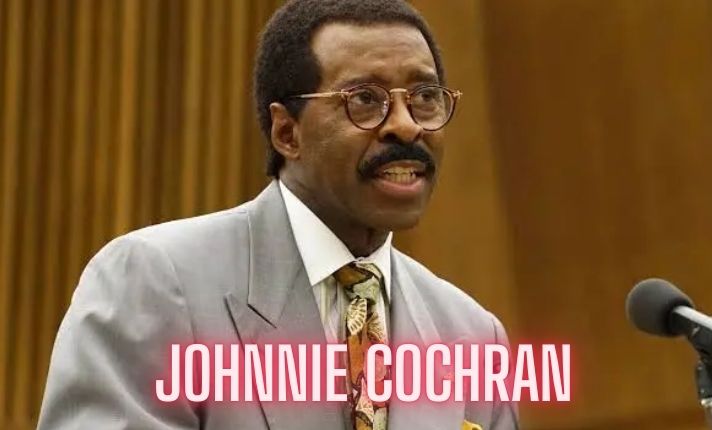
Johnnie Cochran remains one of the most influential and recognizable trial lawyers in American history. Known for his commanding courtroom presence and high-profile defense strategies, he shaped modern criminal defense while advancing civil rights law. Even decades after his death, Cochran’s name continues to dominate legal scholarship, popular culture, and public debate.
- Quick Facts
- Early Life of Johnnie Cochran
- Johnnie Cochran Career
- Early Legal Career and Public Service
- Transition to Private Practice
- Civil Rights Advocacy and High-Profile Clients
- The O.J. Simpson Trial and Global Fame
- Expansion of The Cochran Firm
- What Is Johnnie Cochran’s Net Worth?
- Personal Life & Relationships
- Controversies
- Death and Posthumous Impact
- Legacy
- Conclusion
- FAQs
Quick Facts
| Field | Details |
|---|---|
| Full Name | Johnnie Lee Cochran Jr. |
| Age | 67 (at time of death) |
| Date of Birth | October 2, 1937 |
| Parents | Johnnie L. Cochran Sr., Hattie B. Cochran |
| Net Worth | Approx. $8 million (at time of death) |
| Height | Approx. 5 ft 7 in (170 cm) |
| Spouse/Partner | Sylvia Dale (div.), Dale Mason (div.), Barbara Berry Cochran |
| Ethnicity | African American |
| Nationality | American |
| Source of Wealth | Legal practice, high-profile cases, books, speaking |
| Education | UCLA (BA), Loyola Law School (JD) |
Early Life of Johnnie Cochran
Johnnie Cochran was born on October 2, 1937, in Shreveport, Louisiana, during the height of the Jim Crow era. His early childhood unfolded against a backdrop of legally sanctioned segregation, limited opportunity, and rigid racial hierarchies. These realities shaped his worldview long before he entered a courtroom.
A pivotal turning point came when his family relocated to Los Angeles, California, while Cochran was still young. The move exposed him to broader educational opportunities and a more diverse legal and cultural environment. Los Angeles also brought him face-to-face with systemic inequalities in policing and justice, issues that would later define his legal career.
Cochran’s father worked as an insurance salesman, emphasizing discipline and education as pathways to advancement. His mother reinforced the importance of self-respect and perseverance. Together, they instilled in him the belief that intellect and preparation could challenge entrenched power.
As a student, Cochran demonstrated exceptional academic discipline. He enrolled at University of California, Los Angeles, where he earned a bachelor’s degree while observing how few African Americans occupied positions of authority in the legal system. This imbalance deeply influenced his professional aspirations.
Cochran later attended Loyola Law School, graduating with a Juris Doctor. Law school proved transformative. He realized that legal mastery, combined with rhetoric and narrative control, could shift outcomes even within flawed systems. This insight became the foundation of his later courtroom strategy.
Johnnie Cochran Career
Early Legal Career and Public Service
After passing the California Bar, Cochran began his career as a deputy city attorney in Los Angeles. In this role, he prosecuted misdemeanor criminal cases, gaining firsthand insight into how the state builds cases against defendants. This experience later gave him a strategic edge as a defense attorney.
While working in public service, Cochran became increasingly aware of racial disparities in arrests, prosecutions, and sentencing. These observations pushed him toward private practice, where he believed he could more directly confront injustice.
Transition to Private Practice
Cochran opened his own practice in the 1960s, initially focusing on criminal defense and civil rights cases. He represented clients alleging police misconduct, excessive force, and wrongful prosecution at a time when such claims rarely succeeded.
Key elements of Cochran’s early rise included:
- Strategic use of constitutional arguments.
- Mastery of jury psychology.
- Willingness to challenge law enforcement credibility.
- Media awareness without overt grandstanding.
His reputation grew steadily within Los Angeles legal circles, especially among marginalized communities seeking representation against institutional power.
Civil Rights Advocacy and High-Profile Clients
By the 1970s and 1980s, Cochran was widely known as a premier civil rights attorney. He represented victims of police brutality and wrongful death, often securing substantial settlements. These victories elevated his profile and expanded his practice.
Cochran’s client list began to include entertainers, athletes, and public figures. His courtroom style combined theatrical flair with meticulous preparation, allowing him to communicate complex legal arguments in accessible language.
The O.J. Simpson Trial and Global Fame
Cochran’s career reached international prominence during the 1995 murder trial of O. J. Simpson. As lead counsel for the defense team, later dubbed the Dream Team, Cochran became the most visible legal figure of the trial.
His closing argument introduced one of the most famous lines in courtroom history: “If it doesn’t fit, you must acquit.” The phrase distilled the defense narrative into a single, memorable standard that resonated with jurors and the public.
The trial transformed Cochran into a global legal celebrity. It also permanently altered how high-profile criminal cases are litigated and televised.
Expansion of The Cochran Firm
Following the trial, Cochran expanded The Cochran Firm into a nationwide practice. The firm specialized in:
- Criminal defense
- Civil rights litigation
- Personal injury law
- Wrongful death claims
This expansion turned Cochran from an individual practitioner into a legal brand. His firm continues to operate across multiple U.S. states, maintaining his professional legacy.
What Is Johnnie Cochran’s Net Worth?
Johnnie Cochran’s net worth is estimated at approximately $8 million at the time of his death in 2005, based on legal industry assessments and posthumous financial reporting.
According to widely cited biographical and legal finance sources, Cochran’s wealth was accumulated through multiple income streams rather than a single case windfall.
Primary Sources of Income
- Legal fees from high-profile criminal and civil cases.
- Settlements in civil rights and police misconduct lawsuits.
- Revenue from national law firm operations.
- Book advances and royalties.
- Paid speaking engagements and media appearances.
Asset Overview
While Cochran did not publicly disclose a detailed asset portfolio, reports indicate:
- Ownership interests in legal practices.
- Residential property in California.
- Intellectual property tied to books and lectures.
Because Cochran passed away in 2005, modern references to “Johnnie Cochran net worth 2026″ reflect historical valuation rather than current income or holdings.
Personal Life & Relationships
Johnnie Cochran’s personal life remained largely private compared to his professional persona. He was married three times and had three children.
His marriages included:
- Sylvia Dale, his first wife.
- Dale Mason, his second wife.
- Barbara Berry Cochran, his third and final spouse.
Cochran maintained a deliberate separation between family life and public legal battles. He rarely discussed his children or domestic affairs in interviews, choosing instead to focus public attention on his work.
Despite intense media scrutiny during the O.J. Simpson trial, Cochran avoided tabloid controversies unrelated to his legal career. Friends and colleagues described him as disciplined, image-conscious, and deeply protective of his family’s privacy.
Controversies
Johnnie Cochran’s career was not without controversy, largely due to the nature of the cases he accepted and the strategies he employed.
High-Profile Defense Criticism
Cochran was frequently criticized for defending controversial clients, most notably O.J. Simpson. Critics argued that his courtroom tactics exploited racial tensions and media attention.
Supporters countered that Cochran was exposing systemic bias and constitutional violations rather than manufacturing them.
Allegations of Playing the “Race Card”
Cochran was accused by commentators of emphasizing race to influence juries. He responded by asserting that race was inseparable from the justice system and ignoring it would be dishonest.
No professional disciplinary actions were taken against him for these arguments.
Legal Strategy Scrutiny
Some prosecutors alleged that Cochran blurred ethical lines through aggressive rhetoric. No formal sanctions or findings of misconduct were issued.
Throughout his career, Cochran remained in good standing with the California State Bar.
Death and Posthumous Impact
Johnnie Cochran was diagnosed with a brain tumor in late 2003. He underwent treatment but continued to experience declining health.
He died on March 29, 2005, in Los Angeles at the age of 67. The cause of death was complications related to the tumor.
Following his death:
- National media outlets published extensive retrospectives.
- Legal institutions honored his contributions to civil rights law.
- His law firm continued operations under his name.
Cochran’s death marked the end of an era in American trial advocacy, but his methods remain widely studied.
Legacy
Johnnie Cochran’s legacy extends beyond individual verdicts.
Legal Influence
- Redefined the role of narrative in jury trials.
- Elevated the visibility of civil rights litigation.
- Inspired a generation of defense attorneys.
Institutional Legacy
- The Cochran Firm continues to operate nationally.
- Educational institutions have recognized his contributions.
- His courtroom techniques are taught in law schools.
Cultural Impact
Cochran became a symbol of legal power, media strategy, and racial justice discourse. His name remains synonymous with high-stakes defense law.
Conclusion
Johnnie Cochran was more than a celebrity lawyer. He was a strategic thinker who reshaped how justice is argued, presented, and perceived. His career reflected the intersection of law, race, media, and power in modern America. Even in 2026, his influence continues to shape legal practice and public understanding of the justice system.
FAQs
Who was Johnnie Cochran?
An American defense attorney best known for leading O.J. Simpson’s defense team.
What was Johnnie Cochran’s net worth?
Approximately $8 million at the time of his death.
How old was Johnnie Cochran when he died?
He was 67 years old.
What firm did Johnnie Cochran found?
The Cochran Firm, a nationwide law practice.
Was Johnnie Cochran involved in civil rights cases?
Yes, he was a prominent civil rights and police misconduct attorney.
What education did Johnnie Cochran have?
He earned degrees from UCLA and Loyola Law School.
When did Johnnie Cochran die?
March 29, 2005.
Why is Johnnie Cochran still influential?
His legal strategies and civil rights advocacy continue to shape modern law.

Nieku Manshadi is an American board-certified pediatric dentist who is known for his work with children’s dental care. He became widely recognized after his marriage to actress Elizabeth Lail, known for her roles in Once Upon a Time and You. Unlike his wife, Nieku has mostly stayed away from the entertainment world and focused on his medical career.
- Quick Facts
- Nieku Manshadi’s Early Life and Family Background
- Nieku Manshadi’s Education
- Nieku Manshadi’s Career as a Pediatric Dentist
- Nieku Manshadi’s Professional Work
- Nieku Manshadi’s Humanitarian and Community Work
- Nieku Manshadi and Elizabeth Lail’s Love Story
- Nieku Manshadi’s Engagement and Wedding With Elizabeth Lail
- Nieku Manshadi’s Life Away From Fame
- Nieku Manshadi’s Role as Elizabeth Lail’s Husband
- Final Thoughts
- FAQs
Nieku was born on March 27, 1982, in the United States and comes from a family with Iranian roots. He earned his Doctor of Dental Surgery degree and built a career helping children feel comfortable during dental visits. He married Elizabeth Lail in 2021, and the couple has kept their personal life private.
Quick Facts
| Details | Information |
|---|---|
| Full Name | Nieku Manshadi |
| Date of Birth | March 27, 1982 |
| Birthplace | United States |
| Nationality | American |
| Ethnic Background | Iranian roots |
| Profession | Pediatric Dentist |
| Known For | Husband of actress Elizabeth Lail |
| Education | University of the Pacific Arthur A. Dugoni School of Dentistry |
| Degree | Doctor of Dental Surgery (DDS) |
| Pediatric Training | Boston University |
| Parents | Farzin Manshadi and Mojgan Manshadi |
| Sibling | Leila Manshadi |
| Wife | Elizabeth Lail |
| Marriage Date | April 24, 2021 |
| Wedding Location | Hasbrouck House, Stone Ridge, New York |
Nieku Manshadi’s Early Life and Family Background
Nieku Manshadi was born on March 27, 1982, in the United States. He has Iranian family roots. His parents are Farzin Manshadi and Mojgan Manshadi.
Nieku Manshadi grew up with strong family support. His sister, Leila Manshadi, is also a dentist. His family and education helped guide him toward a career in healthcare.
Nieku Manshadi’s Education
Nieku Manshadi wanted a career where he could help people. This interest led him to study dentistry and work with patients.
He earned his Doctor of Dental Surgery (DDS) degree from the University of the Pacific Arthur A. Dugoni School of Dentistry. He later completed pediatric dental training through a residency program at Boston University.
His training prepared him to work with children. Pediatric dentistry needs patience and care because many children feel nervous during dental visits.
Nieku Manshadi’s Career as a Pediatric Dentist
Nieku Manshadi is a pediatric dentist who focuses on children’s oral health. He helps young patients maintain healthy teeth and feel relaxed during treatment.
He also works with children who need special care during dental visits. His goal is to create a safe and friendly place where children can receive proper dental care.
Nieku Manshadi has built his career around helping families. His work in dentistry remains the most important part of his professional life.
Nieku Manshadi’s Professional Work
Nieku Manshadi has worked in pediatric dental practices that provide care for children and families. He has helped create better dental experiences for young patients.
He is the Co-founder and Clinical Director of Pediatric Dentistry at Orthodent Management. In this role, he supports pediatric dental care and helps improve services for patients.
Nieku Manshadi has also worked in different dental communities during his career. His experience has helped him understand the needs of many children and families.
Nieku Manshadi’s Humanitarian and Community Work
Nieku Manshadi has taken part in dental outreach work to help people who have limited access to dental care. He has used his skills during humanitarian missions in Ecuador and the Philippines.
His volunteer work shows his care for helping others. He believes dental care should be available to people who need it.
Along with his daily work, Nieku Manshadi continues to support better dental health for children and families. His career combines medical care with service to others.
Nieku Manshadi and Elizabeth Lail’s Love Story
Nieku Manshadi became known to many people after his relationship with actress Elizabeth Lail. The two met at a friend’s party in Williamsburg, Brooklyn. Their meeting later grew into a strong relationship.
Nieku Manshadi and Elizabeth Lail have kept their personal life private. They do not share many details about their relationship, but people have shown interest in their love story.
Elizabeth Lail is known for her acting roles in shows like Once Upon a Time and You. Nieku works in the healthcare field as a pediatric dentist. Their careers are different, but both have built success in their own areas.
Nieku Manshadi’s Engagement and Wedding With Elizabeth Lail
Nieku Manshadi and Elizabeth Lail got engaged in August 2020. The proposal happened during a trip to Montauk, New York. It was a special moment for the couple.
The couple married on April 24, 2021. Their wedding was held at Hasbrouck House in Stone Ridge, New York. They had a small ceremony with close family and friends.
Nieku Manshadi and Elizabeth Lail chose to keep their wedding simple and private. They focused on celebrating their marriage instead of having a large public event.
Nieku Manshadi’s Life Away From Fame
Although Nieku Manshadi is married to an actress, he lives a quiet life. His main focus is his work as a pediatric dentist and caring for young patients.
Nieku Manshadi does not often appear in the media. He is mostly known for his dental career and his work with children.
His private lifestyle allows him to spend time on his career and family. He and Elizabeth Lail continue to follow their own professional paths.
Nieku Manshadi’s Role as Elizabeth Lail’s Husband
Many people search for Nieku Manshadi because he is married to Elizabeth Lail. However, he has built his own career and achievements in dentistry.
Nieku Manshadi supports Elizabeth Lail’s acting career while continuing his own work in healthcare. Their careers are different, but they both focus on doing their jobs well.
The couple shows that two people from different fields can build a life together. They continue to keep their relationship away from too much public attention.
Final Thoughts
Nieku Manshadi has created his own successful path as a pediatric dentist. His work focuses on helping children receive better dental care.
While many people know him because of his marriage to Elizabeth Lail, his career is an important part of his story. His education, dental work, and community efforts show his dedication to helping others.
Nieku Manshadi continues to balance his professional life and family life while staying away from the spotlight. His journey shows how a person can build success through hard work, care, and dedication.
FAQs
Who is Nieku Manshadi?
Nieku Manshadi is an American pediatric dentist and the husband of actress Elizabeth Lail.
What does Nieku Manshadi do for a living?
Nieku Manshadi is a board-certified pediatric dentist who provides dental care for children.
When did Nieku Manshadi marry Elizabeth Lail?
Nieku Manshadi married Elizabeth Lail on April 24, 2021, in Stone Ridge, New York.
Where did Nieku Manshadi study dentistry?
Nieku Manshadi earned his DDS degree from the University of the Pacific Arthur A. Dugoni School of Dentistry and completed pediatric training at Boston University.
Does Nieku Manshadi have a family background in dentistry?
Yes, his sister Leila Manshadi is also connected to the dental field.
Read Also: Who Was Edith Mack Hirsch? The Life of Desi Arnaz’s Second Wife
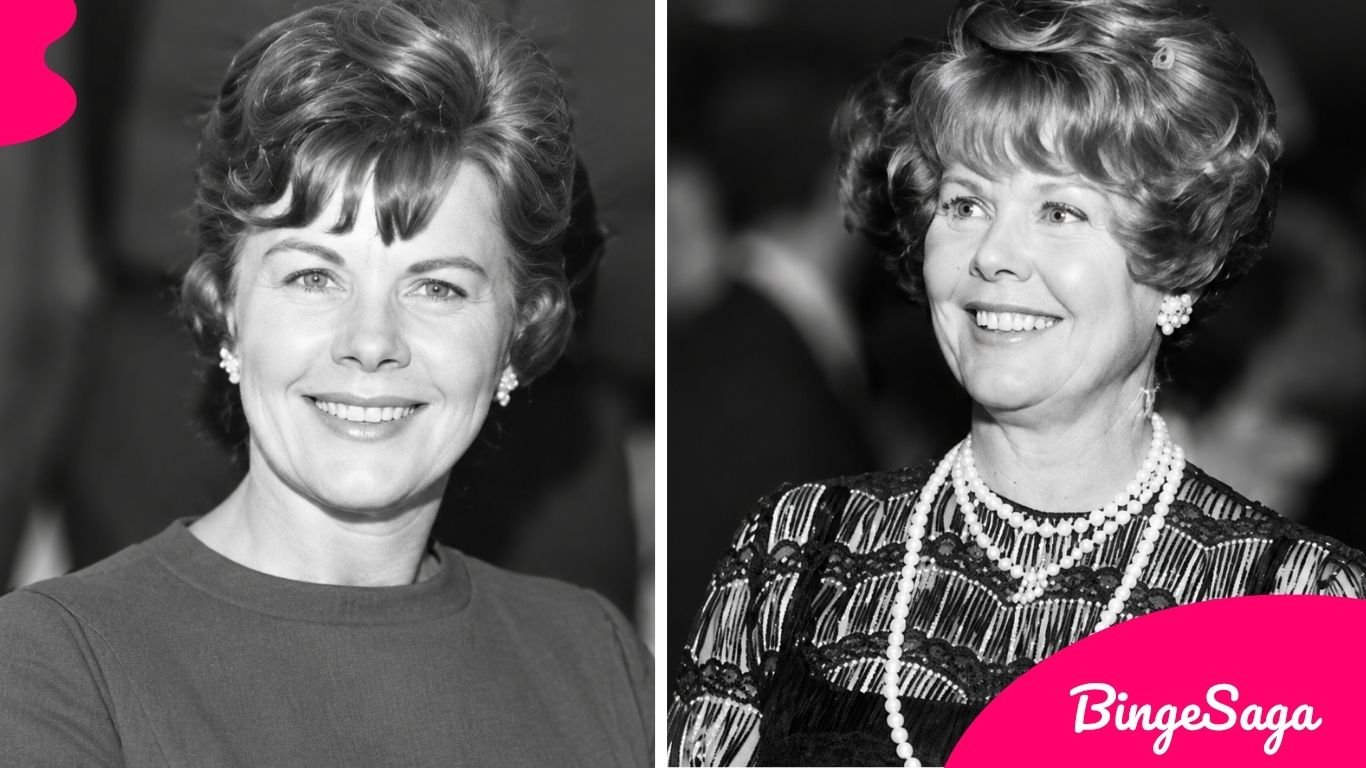
Edith Mack Hirsch was the second wife of Cuban-American actor, musician, and television pioneer Desi Arnaz. She was born on April 15, 1917, and became known for her long marriage to the I Love Lucy star. Unlike many people connected to Hollywood, Edith lived a private life away from fame and public attention.
- Quick Bio
- Edith Mack Hirsch’s Early Life
- Edith Mack Hirsch’s Career Before Marriage
- How Edith Mack Hirsch Met Desi Arnaz?
- Edith Mack Hirsch and Desi Arnaz’s Marriage
- Life Away From Hollywood Fame
- Edith Mack Hirsch’s Relationship With Desi Arnaz’s Family
- Edith Mack Hirsch and Lucille Ball’s Connection
- Edith Mack Hirsch’s Lifestyle and Personality
- Edith Mack Hirsch’s Death and Final Years
- Desi Arnaz After Edith Mack Hirsch’s Passing
- Edith Mack Hirsch’s Legacy
- Bottom Line
- FAQs
Edith married Desi Arnaz in 1963, and the couple stayed together for more than 20 years until her death in 1985. She was part of Desi’s life during his later years when he moved away from the busy Hollywood spotlight. This article explores Edith Mack Hirsch’s early life, career, marriage, family connections, and legacy.
Quick Bio
| Information | Details |
|---|---|
| Full Name | Edith Mack Hirsch |
| Birth Name | Edith Mack McSkimming (reported by some sources) |
| Date of Birth | April 15, 1917 |
| Place of Birth | United States |
| Nationality | American |
| Known For | Second wife of Desi Arnaz |
| Husband | Desi Arnaz |
| Marriage Date | March 2, 1963 |
| Marriage Place | Sands Hotel, Las Vegas (reported) |
| Previous Known Career | Public relations executive (reported) |
| Children | None with Desi Arnaz |
| Stepchildren | Lucie Arnaz and Desi Arnaz Jr. |
| Death Date | March 23, 1985 |
| Age at Death | 67 years old |
| Cause of Death | Cancer (reported) |
Edith Mack Hirsch’s Early Life
Edith Mack Hirsch was born on April 15, 1917. Some sources report that her birth name was Edith Mack McSkimming. Details about her childhood, parents, and education are not widely known.
Before becoming connected to Hollywood, Edith lived a private life. She was different from Desi Arnaz, who was known around the world for his work in television and entertainment.
Edith Mack Hirsch stayed away from fame for most of her life. Her quiet personality remained a key part of her identity even after she married one of television’s biggest stars.
Edith Mack Hirsch’s Career Before Marriage
Before her marriage to Desi Arnaz, Edith Mack Hirsch was reported to have worked in public relations. Some reports describe her as a public relations executive in the hotel industry.
Her professional life was separate from the entertainment world. While Desi built a career on stage and television, Edith worked behind the scenes in a different field.
Little information is available about her full career history. However, she had her own life and work before becoming known as Desi Arnaz’s wife.
How Edith Mack Hirsch Met Desi Arnaz?
Edith Mack Hirsch met Desi Arnaz after his divorce from Lucille Ball in 1960. Desi and Lucille were one of Hollywood’s most famous couples and became known worldwide for I Love Lucy.
After his first marriage ended, Desi entered a new chapter of his life. His relationship with Edith grew away from the heavy media attention that followed his years with Lucille Ball.
Edith preferred a private lifestyle, and this matched the quieter life Desi wanted during his later years. Their relationship gave Desi a new sense of stability after years in the public eye.
Edith Mack Hirsch and Desi Arnaz’s Marriage
Edith Mack Hirsch and Desi Arnaz married on March 2, 1963. Their wedding took place at the Sands Hotel in Las Vegas. The date was also Desi Arnaz’s 46th birthday.
Their marriage lasted for more than 20 years until Edith’s death in 1985. During their time together, Edith supported Desi as he moved away from some of the pressure of Hollywood.
The couple did not have children together. However, Desi already had two children from his first marriage to Lucille Ball, Lucie Arnaz and Desi Arnaz Jr.
Life Away From Hollywood Fame
After their marriage, Edith and Desi Arnaz chose a quieter lifestyle away from the center of Hollywood. They spent much of their time in Del Mar, California, where they enjoyed a more private life.
Edith did not try to become famous herself. She stayed away from interviews and public events, choosing to focus on her personal life with Desi.
For Desi Arnaz, this period was different from his earlier years filled with television, music, and public appearances. Edith became an important part of his life during this calmer stage.
Edith Mack Hirsch’s Relationship With Desi Arnaz’s Family
Desi Arnaz had two children from his marriage to Lucille Ball, Lucie Arnaz and Desi Arnaz Jr. Both children remained an important part of his life after his divorce.
After marrying Desi, Edith became connected to the Arnaz family. She shared many years with Desi and was part of his family life during his second marriage.
Edith’s role in the family was different from Lucille Ball’s, but she became an important person in Desi Arnaz’s later years. Her support helped create a peaceful home life away from the spotlight.
Edith Mack Hirsch and Lucille Ball’s Connection
Before Edith Mack Hirsch became Desi Arnaz’s second wife, Desi shared a famous marriage with Lucille Ball. Their relationship became one of the most remembered stories in television history. Together, they created I Love Lucy, one of the most popular shows of its time.
After Desi and Lucille divorced in 1960, their lives moved in different directions. Desi later married Edith, while Lucille continued her own career and personal life. Their shared history remained important because of their children and the success they built together.
Edith became part of Desi Arnaz’s life after this famous chapter. She was not involved in the entertainment world like Lucille Ball, and she chose to keep her own life private.
Edith Mack Hirsch’s Lifestyle and Personality
Edith Mack Hirsch was known for staying away from fame. She did not look for attention or try to become a public figure. Instead, she focused on her home life and her relationship with Desi Arnaz.
Her quiet nature was different from the busy Hollywood lifestyle around her. While Desi was known by millions of fans, Edith preferred a simple and peaceful life away from the spotlight.
Many years after her marriage, people still remember edith mack hirsch because of the calm and private life she shared with Desi. She became an important person in his later years without seeking public recognition.
Edith Mack Hirsch’s Death and Final Years
Edith Mack Hirsch died on March 23, 1985, at the age of 67. Reports state that she died after battling cancer. Her death ended a marriage that had lasted for more than two decades.
The loss of Edith was a difficult time for Desi Arnaz. After spending many years together, Desi lost his longtime partner and companion. Their marriage had been an important part of his personal life.
Even after her death, Edith remained remembered as the woman who shared Desi Arnaz’s later years. Her life story continues to interest fans who want to learn more about the person behind the famous actor.
Desi Arnaz After Edith Mack Hirsch’s Passing
After Edith’s death, Desi Arnaz continued to face health problems. He died on December 2, 1986, about a year after losing his wife. His death marked the end of the life of one of television’s most famous pioneers.
Desi’s career left a major mark on television, but his personal life was also an important part of his story. His marriage to Edith showed a quieter side of him that many fans did not see during his years of fame.
Edith Mack Hirsch remained a meaningful part of Desi’s final years. Their relationship was different from his highly public first marriage, but it was an important chapter in his life.
Edith Mack Hirsch’s Legacy
Edith Mack Hirsch is remembered mainly because of her connection to Desi Arnaz. However, her story is also about a woman who valued privacy and supported her husband during an important stage of his life.
Unlike many people connected to Hollywood, Edith did not build her name through acting or television. She became known because of the quiet role she played beside one of the entertainment world’s biggest stars.
Today, people continue to search for information about edith mack hirsch because they want to understand more about Desi Arnaz’s life after Lucille Ball. Her story shows a different side of fame, where support and personal connections can be just as important as public success.
Bottom Line
Edith Mack Hirsch lived a private life before becoming the second wife of Desi Arnaz. Their marriage began in 1963 and lasted for more than 20 years, making her an important part of his later journey.
She stayed away from Hollywood attention and focused on her relationship with Desi. While she was not a performer or a public figure, she played an important role in the life of a television legend.
The story of Edith Mack Hirsch remains interesting because it shows the quieter side of celebrity life. Behind every famous person, there are often people who provide care, support, and stability away from the public eye.
FAQs
Who was Edith Mack Hirsch?
Edith Mack Hirsch was an American woman best known as the second wife of actor and television pioneer Desi Arnaz. She lived a private life away from Hollywood fame.
When did Edith Mack Hirsch marry Desi Arnaz?
Edith Mack Hirsch married Desi Arnaz on March 2, 1963. Their wedding date was also Desi Arnaz’s 46th birthday.
Did Edith Mack Hirsch have children with Desi Arnaz?
No, Edith Mack Hirsch and Desi Arnaz did not have children together. Desi had two children, Lucie Arnaz and Desi Arnaz Jr., from his marriage to Lucille Ball.
What was Edith Mack Hirsch known for?
Edith Mack Hirsch was known mainly as Desi Arnaz’s second wife. She was also reported to have worked in public relations before her marriage.
How did Edith Mack Hirsch die?
Edith Mack Hirsch died on March 23, 1985, at the age of 67. Reports state that she died after battling cancer.
Real Also: Who Is Samaya White? The Real Life Of Jaleel White’s Daughter
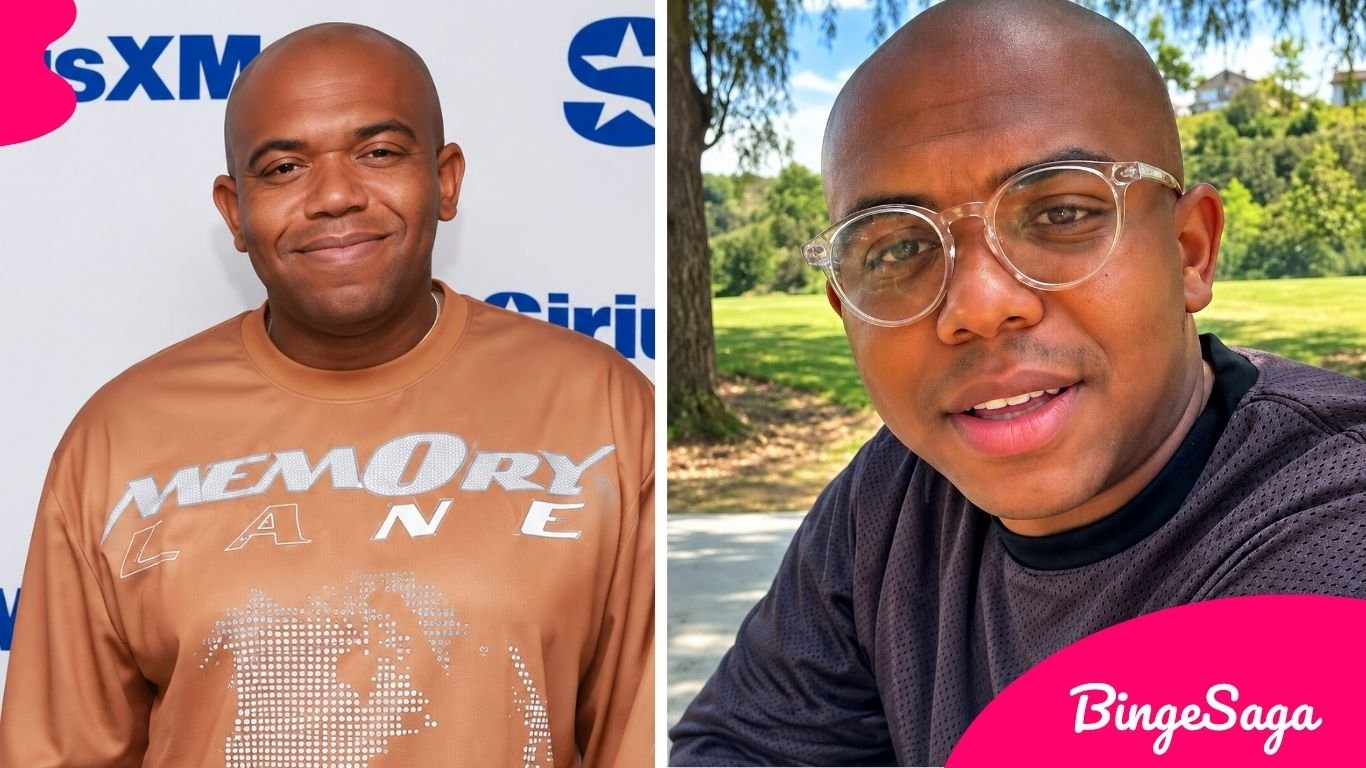
Xen Martin is the eldest son of American actress and singer Tisha Campbell and actor Duane Martin. He was born on August 8, 2001, in Los Angeles, California. Xen became known through his famous parents, but he has built his own identity through his autism journey, education, and advocacy work.
- Quick Bio
- Who Is Xen Martin?
- Xen Martin’s Early Life and Family Background
- Xen Martin’s Autism Diagnosis and Childhood Journey
- How Xen Martin Inspired Tisha Campbell’s Autism Advocacy?
- Xen Martin’s Education and Interest in Zoology
- Xen Martin’s Media Appearances
- Xen Martin’s Relationship With His Mother
- Where Is Xen Martin Today?
- FAQs
Xen was diagnosed with autism at 18 months old, and his journey became an important part of Tisha Campbell’s autism awareness efforts. He has studied zoology, taken part in autism advocacy programs, and shared his experiences with his mother through public appearances and their book, The A Word: A Mother’s Journey Through Autism and Love.
Quick Bio
| Details | Information |
|---|---|
| Full Name | Xen Martin |
| Date of Birth | August 8, 2001 |
| Birthplace | Los Angeles, California, USA |
| Age | 25 years (as of 2026) |
| Nationality | American |
| Parents | Tisha Campbell and Duane Martin |
| Sibling | Ezekiel Czar Martin |
| Known For | Son of Tisha Campbell and autism awareness advocate |
| Autism Diagnosis | Diagnosed at 18 months old |
| Education | Attended Moorpark College |
| Field of Study | Zoology |
| Advocacy Work | Autism awareness and public speaking |
| Book | The A Word: A Mother’s Journey Through Autism and Love |
| Mother’s Organization Connection | Colored My Mind autism awareness work |
Who Is Xen Martin?
Xen Martin is the oldest child of Tisha Campbell and Duane Martin. His parents married in 1996 and welcomed Xen in 2001. He also has a younger brother named Ezekiel Czar Martin, who was born in 2009.
Although Xen was born into a famous family, he has followed his own path. He became known for his personal journey and his connection with autism awareness. His mother has shared parts of their experience to help others understand autism.
Xen’s life has included many important moments, from his childhood experiences to his education and public appearances. His story has mainly been shared through his family’s efforts to raise awareness about autism.
Xen Martin’s Early Life and Family Background
Xen Martin was raised by Tisha Campbell and Duane Martin in Los Angeles, California. Growing up, he was surrounded by a family with strong ties to acting and entertainment. However, his own life has focused more on personal growth and learning.
Tisha Campbell has often spoken about her role as a mother and how raising Xen shaped her understanding of autism. She has shared her experiences to help other families learn more about autism and find support.
Xen grew up with the support of his parents and his younger brother. His family has celebrated his achievements and the progress he has made throughout his life.
Xen Martin’s Autism Diagnosis and Childhood Journey
Xen Martin was diagnosed with autism when he was 18 months old. His diagnosis was an important moment for his family, and Tisha Campbell began learning more about autism to better support her son.
After his diagnosis, Xen received support and therapy during his early years. His family focused on helping him develop communication skills and become more independent.
As Xen grew older, he continued learning and building new skills. His journey has been shared by his mother as part of her work to increase autism awareness.
How Xen Martin Inspired Tisha Campbell’s Autism Advocacy?
Xen Martin’s autism journey encouraged Tisha Campbell to become more involved in autism awareness. She has spoken publicly about the experiences of raising a child with autism and the importance of understanding each child’s needs.
Tisha Campbell also helped create awareness through Colored My Mind, an organization focused on autism education and support. The work was inspired by her experiences with Xen and her desire to help other families.
Xen’s experiences have remained an important part of his family’s public discussions about autism. His journey later became connected to his education, advocacy efforts, and public appearances.
Xen Martin’s Education and Interest in Zoology
After high school, Xen Martin continued his education and worked toward his personal goals. He graduated from high school in 2020. Later, reports stated that he attended Moorpark College and studied zoology. His interest in animals and science became an important part of his learning journey.
Xen Martin has always followed a path that is different from his parents’ careers. While Tisha Campbell and Duane Martin became known for acting, Xen focused on his own interests. His studies in zoology show his love for learning about animals and the natural world.
Education has been an important part of Xen’s growth. Over the years, he has continued to build new skills and gain more confidence. His journey shows how people can find success by following their own interests and goals.
Xen Martin’s Media Appearances
Xen Martin became known for sharing parts of his autism journey with the public. Along with his mother, Tisha Campbell, he has helped bring attention to autism awareness. Their work has focused on sharing real experiences and helping people learn more about autism.
Xen has taken part in programs that support people with developmental disabilities. He participated in the Spectrum Shield program by IDD Safe. The program helps people learn about safety, communication, and ways to interact with law enforcement.
In 2026, Xen Martin and Tisha Campbell also shared more about their journey through their book, “The A Word: A Mother’s Journey Through Autism and Love.” The book covers their experiences from Xen’s early diagnosis to his adult life. It gives readers a look at their family journey and the lessons they learned along the way.
Xen Martin’s Relationship With His Mother
Xen Martin and his mother, Tisha Campbell, share a close relationship. Tisha has often spoken about how raising Xen changed her life and helped her understand more about autism. She has shared their experiences while also respecting Xen’s personal life.
As Xen grew older, his mother continued to support his goals and achievements. She has celebrated important moments in his life, including his education and personal growth.
Their bond has been a major part of Xen’s public story. Together, they have shared their experiences to help other families understand autism and the challenges that can come with it.
Where Is Xen Martin Today?
Xen Martin continues to focus on his education, interests, and advocacy work. He has stayed away from building a career in entertainment like his parents. Instead, he has created his own path through learning and sharing his experiences.
Many details about Xen Martin’s private life are not publicly available. However, he remains known for his autism journey, his connection with his family, and his efforts to support autism awareness.
Xen Martin’s life journey has included many important moments. From his early childhood diagnosis to his education and public work, he has continued to grow and follow his own goals. His story remains connected to his family, his interests, and his work to spread understanding about autism.
FAQs
Who is Xen Martin?
Xen Martin is the son of actress Tisha Campbell and actor Duane Martin. He is known for his autism journey and advocacy work.
When was Xen Martin born?
Xen Martin was born on August 8, 2001, in Los Angeles, California.
Who are Xen Martin’s parents?
Xen Martin’s parents are actress Tisha Campbell and actor Duane Martin.
When was Xen Martin diagnosed with autism?
Xen Martin was diagnosed with autism when he was 18 months old.
What did Xen Martin study?
Reports state that Xen Martin studied zoology at Moorpark College.
Also Read: Who Is Samaya White? The Real Life Of Jaleel White’s Daughter

What Is Feschon? Understanding the New Meaning Behind Personal Expression

What Is Babybelletje? Discover the Story Behind the Famous Red Cheese

Who Is Shani Levni? A Look Into the Digital Creator and Creative Artist

Alex Pettyfer Net Worth, Wife, Age, Height, Children, Career and More

Brad Williams Net Worth, Wife, Height, Age, Daughter, Family, Career and More

Eldorado.gg Review 2026: How It Works, Safety, Fees, and Risks
-
Celebrity9 months ago
Alex Pettyfer Net Worth, Wife, Age, Height, Children, Career and More
-
Celebrity9 months ago
Brad Williams Net Worth, Wife, Height, Age, Daughter, Family, Career and More
-
Blog3 weeks ago
Eldorado.gg Review 2026: How It Works, Safety, Fees, and Risks
-
 Anime10 months ago
Sanzoku Bandits of One Piece: Origins, Higuma, and Their Role in Dawn Island
-
 Celebrity9 months ago
John McGinn Net Worth, Age, Height, Wife, Childrens, Career and More
-
 Celebrity9 months ago
Frances de la Tour Net Worth, Age, Height, Husband, Childrens, Career and More
-
 Blog3 weeks ago
What Is Troozer.com? A Clear Guide to the Digital Content Site
-
 Celebrity9 months ago
Will Trickett Net Worth, Wife, Childrens, Age, Career and More